This Chilean unrelenting outfit offers in their third album a true Book of Death forged in sound, channeling the death drive into a relentless exploration of human rituals, mortality, and cultural collapse.
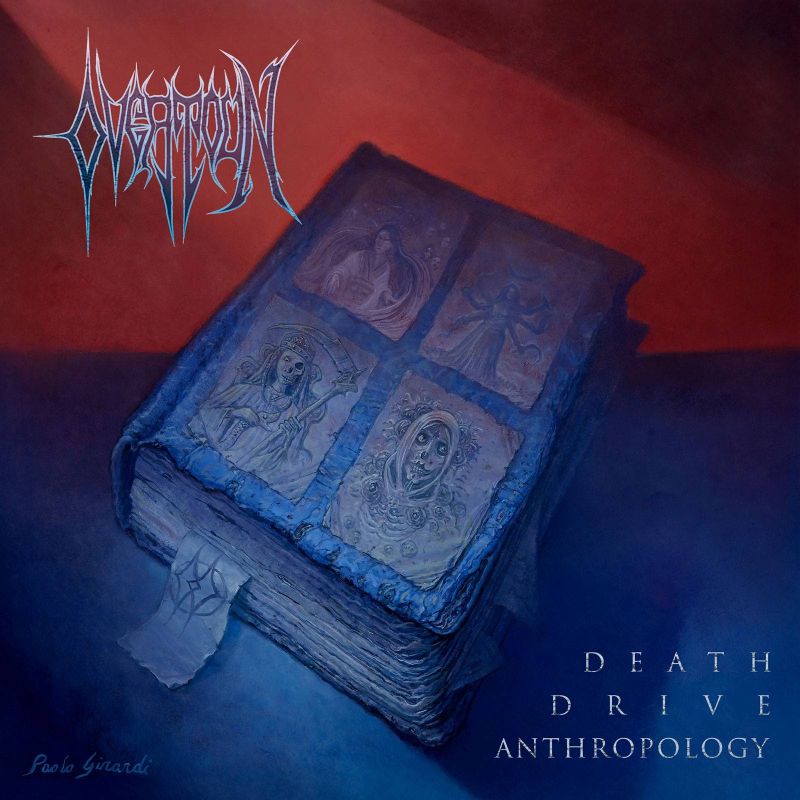 Expanding their fierce Chilean/American identity, channeling the death drive (Thanatos) into a relentless exploration of human rituals, mortality, and cultural collapse – a true Book of Death forged in sound – Santiago, Chile and Boston, Massachusetts-based Progressive/Technical Death/Thrash Metal beast Overtoun returns in full force with their third offering, entitled Death Drive Anthropology, the follow-up to their 2021 sophomore This Darkness Feels Alive. Recorded at Estudio del Sur, and produced, engineered, mixed and mastered by Martín Furia at Somma Productions, the new album by Yoav Ruiz-Feingold on vocals, Matias Bahamondes on the guitar, Matias Salas on bass, and Agustin Lobo on drums further cements the band as one of the most compelling and forward-thinking forces emerging from the Latin American metal landscape. Rooted in the primal force of 90’s death-thrash yet sharpened by a modern, incisive edge, the album fuses Latin rhythms, folk-tinged guitars, and razor-tight riffs, being therefore a must-listen for admirers of the music by Carcass, Atheist, and Revocation, among others.
The album couldn’t have started in a better and more demented way than with What Unites All, featuring guest vocalist Max Phelps (Cynic, Death to All), with Matias Salas and Agustin sounding absolutely mental with their heavy-as-hell, groovy kitchen. Yoav keeps roaring like a beast in the very technical, melodic yet brutal The Final Beat, blending the most caustic elements from Death and Thrash Metal, and after a cryptic intro the music evolves into another feast of progressive violence in Memento Mori, featuring guest vocalist Enrico H. Di Lorenzo (Hideous Divinity), where Agustin once again dictates the pace while Matias Bahamondes slashes his axe nonstop. Their wicked riffs and pounding drums are the main ingredients in the electrifying Dur Khrod, inviting us all to slam into the pit in the name of our good old Death and Thrash Metal; whereas their progressive vein pulses even harder in Jade, Gold, Obsidian, led by the intricate and flammable riffage by Matias Bahamondes. And in Yūrei they offer a more modern side of their core musicality, alternating between groovy moments and extreme aggression.
Matias Salas beautifully steals the spotlight with his metallic bass in Weeping, as if Sepultura, Dream Theater and Machine Head had a bastard son (who loves Death Metal), which of course translates into total sonic brilliance. Guest Shantanu Vyas (Hazing Over) lends his desperate vocals to the band in Wind and Water, keeping the album at an extreme level of violence and progressiveness; and we then face a killer three-part extravaganza, starting with the 30-second intro The Waves Suite: Siren, setting the stage for The Waves Suite: Ocean, where the band goes almost full tribal with their ruthless sounds, flowing like an arrow on fire in the dark until The Waves Suite: Caleuche puts a very melodic ending to such an interesting aria. The band still has the icing on the cake to offer in the album, the title-track Death Drive Anthropology, inviting us all to slam one last time with them to the sound of the demonic roars by Yoav.
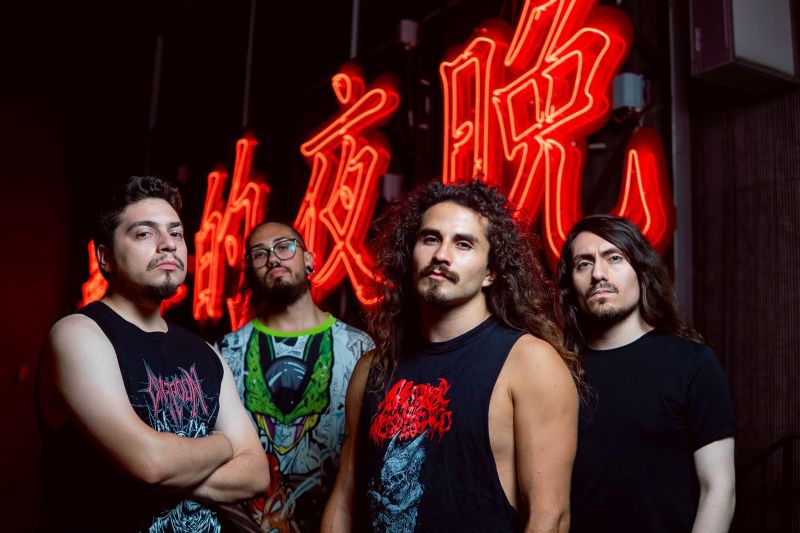
As mentioned, Death Drive Anthropology aims at channeling the death drive into a sonic Book of Death that examines how different cultures confront mortality, violence, collapse, and rebirth through ritual and art, and if you want to feel part of such an exciting metallic ritual, you can start following the band on Facebook and on Instagram, stream their amazing music on YouTube or on Spotify, and above all that, grab a copy of the album from the band’s own BandCamp, as well as from the Time To Kill Records’ webstore. In other words, simply open the Book of Death written by these talented Chilean metallers, and let their sounds bring to your soul the always exciting duality between life and death.
Best moments of the album: What Unites All, Weeping and Death Drive Anthropology.
Worst moments of the album: Wind and Water.
Released in 2026 Time To Kill Records
Track listing
1. What Unites All 5:23
2. The Final Beat 4:46
3. Memento Mori 6:38
4. Dur Khrod 3:54
5. Jade, Gold, Obsidian 4:00
6. Yūrei 5:25
7. Weeping 5:28
8. Wind and Water 4:05
9. The Waves Suite: Siren 0:23
10. The Waves Suite: Ocean 4:11
11. The Waves Suite: Caleuche 1:42
12. Death Drive Anthropology 4:23
Band members
Yoav Ruiz-Feingold – vocals
Matias Bahamondes – guitar
Matias Salas – bass
Agustin Lobo – drums
Guest musicians
Max Phelps – vocals on “What Unites All”
Enrico H. Di Lorenzo – vocals on “Memento Mori”
Shantanu Vyas – vocals on “Wind And Water”
 THE HEADBANGING MOOSE