Album Review – Vorna / Ei Valo Minua Seuraa (2015)

A stunning expedition through the depths of human mind, crafted by proficient Finnish metallers whom no light follows.

Rating3

vorna_cover640As I stated earlier this year in the review for the self-titled debut album by Stoner/Progressive Metal band Sata Kaskelottia, and also in the review for the 2005 classic Metallitotuus, by Power Metal band Teräsbetoni, anytime I receive material from a band from the land of ice and snow that’s sung in their mother tongue I get quite excited about what I’m about to listen to. It couldn’t be any different with Finnish Black/Pagan Metal orchestra Vorna (named after a character from the Finnish folklore), who have just release their second full-length album, an incredible full-bodied expedition through the depths of human mind entitled Ei Valo Minua Seuraa (or “No Light Follows Me”, in English).

Dealing with themes like nature, myths and struggles of mind, this ascendant six-piece group formed in 2008 in Tampere, Finland are an exquisite treat for all fans of Black, Pagan and Folk Metal, and their new album will blow your mind no matter how much you love (or even hate) those subgenres of metal music. From its minimalistic and gorgeous artwork, designed by Jarno Lahti (KAAMOS Illustration & Design Studio), to its intricate passages and somber atmosphere, Ei Valo Minua Seuraa offers all metalheads a memorable feast of darkness, all spiced up by the uniqueness of the Finnish language, of course.

The name chosen for the album is already legitimated by its opening track, the pleasant and dark Harmaudesta (“Away from Grey”), where the orchestrations blend perfectly with the harsh vocals by Vesa Salovaara, while the obscure keyboard notes by Saku Myyryläinen, together with the precise drumming by Mikael Vanninen, boost the song’s impact significantly. In Jälkemme (“Heritage”), a sense of epicness emanates through its soaring ambience, inducing a strong feeling that the battle is about to begin. In addition to that, Arttu Järvisalo and Henri Lammintausta do an excellent job with their flaming guitars by adding elements of Black and Viking Metal to their riffs.

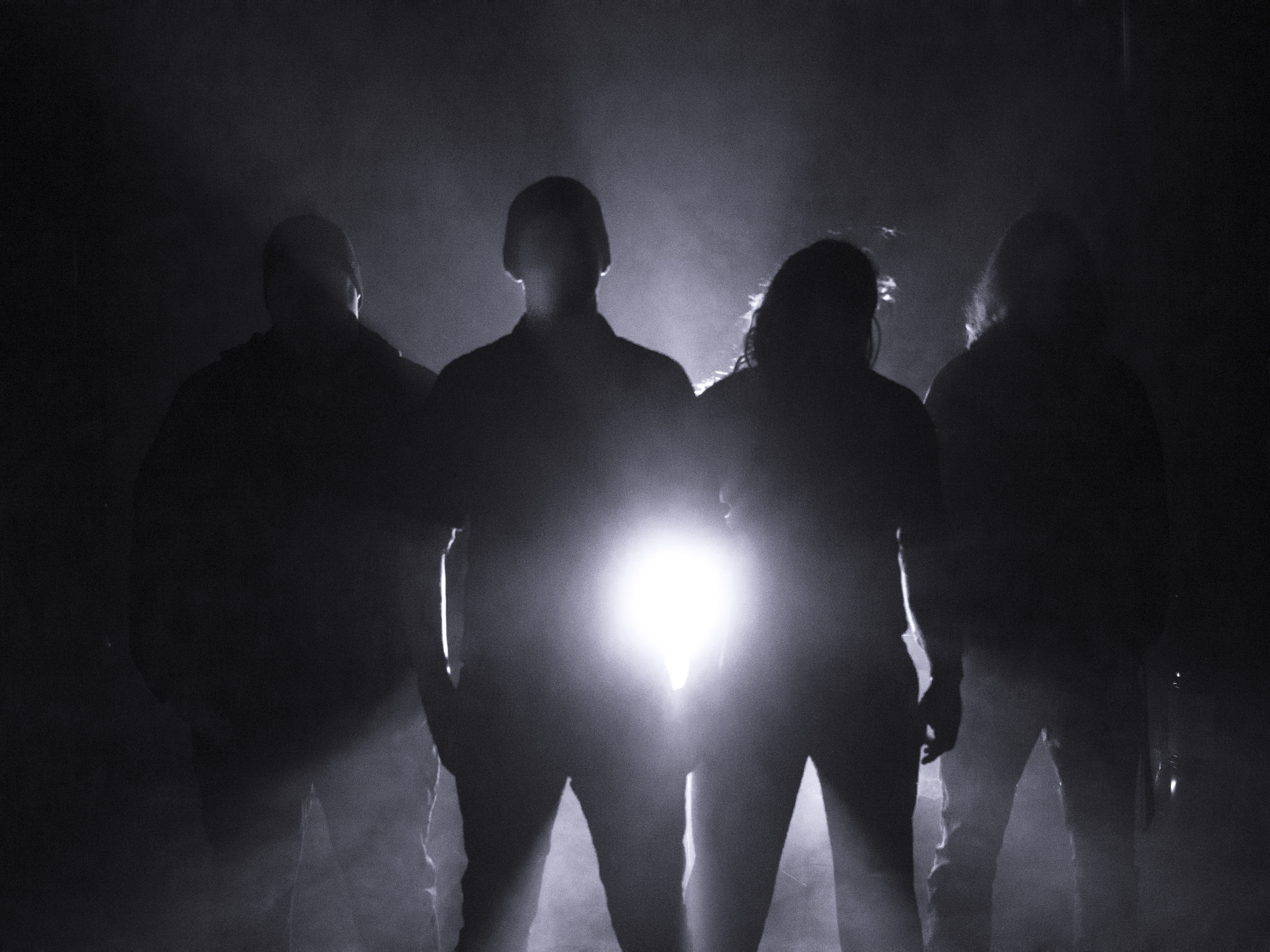
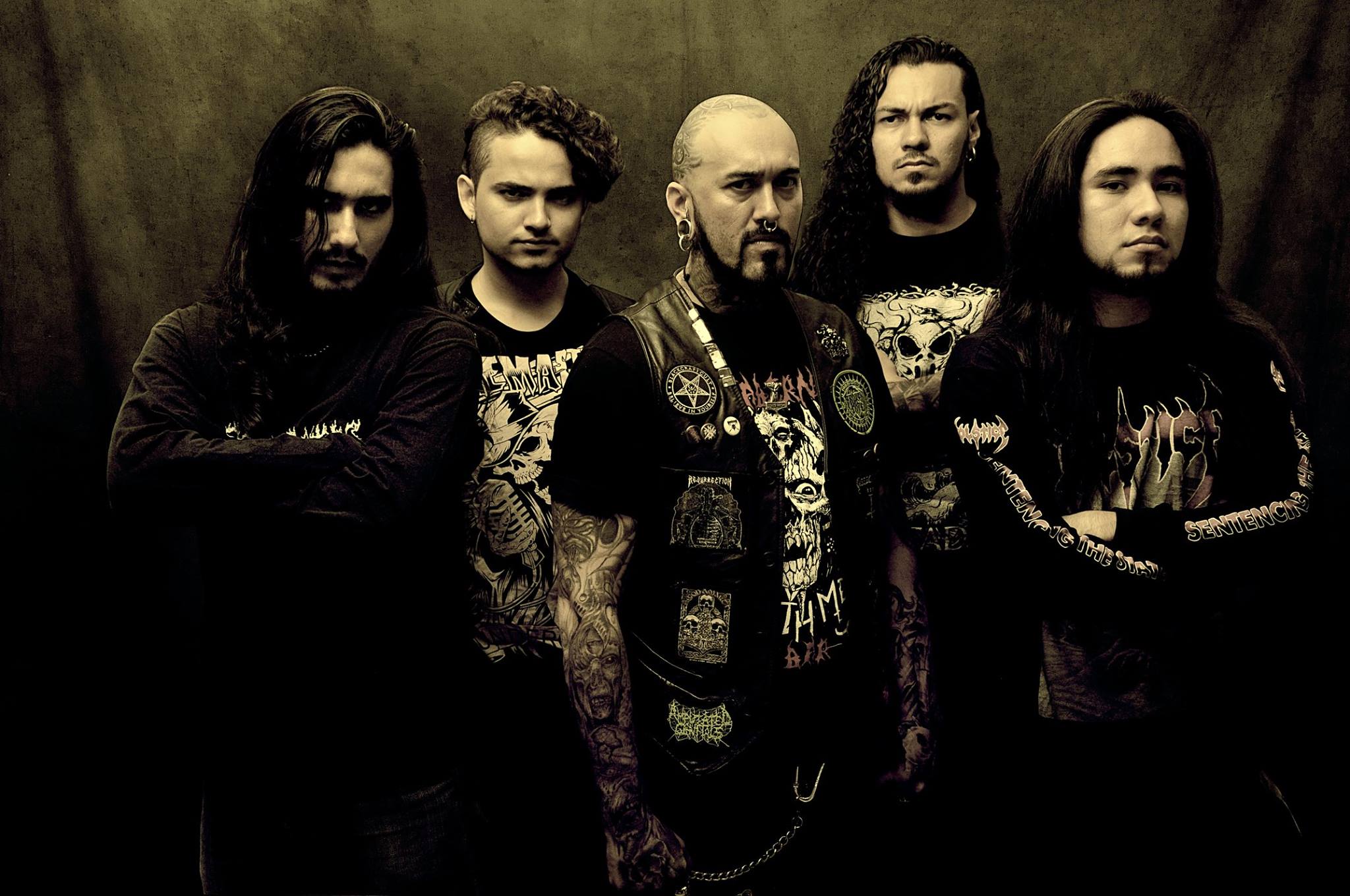
vorna_promophoto_2015Their symphony of darkness goes on with a fusion of Melodic Black Metal and the band’s core Pagan Metal in Itsetön (“Soul Shriven”), a hellish waltz flawlessly crafted by the entire band until everything morphs into a melancholic ending; whereas Sieluni Varjossa (“In the Nightside of Self”) presents a sharper sonority thanks to the beats by Mikael and to the solid and resonant bass lines by Niilo Könönen. Moreover, the second half of the song is pure obscurity, perfect for afflicting your soul before the serene Vaipunut (“Of Life Descended”) arises full of melancholy and sorrow. It’s almost like a Dark Metal ballad, very interesting and gripping, showcasing the band’s versatility and Vesa’s clean vocals, which sound as powerful as his guttural.

All that sorrow keeps flowing in the amazing Yksin (“Alone”), with Saku leading Vorna’s metallic orchestra while Arttu and Henri continue to darken the music with their riffs, turning this song not only into the best of all tracks but, more important than that, into a beautiful aria of solitude, fear and sadness. And Vorna lead the listener to one final fight in Hiljaiset Rauniot (“Silent Ruins”), an emotive and razor-sharp chant with an inspiring intro and atmospheric keyboards, and where you can feel death is imminent through both the growls and clean vocals by Vesa, efficiently ending such a distinct album.

This proficient Finnish orchestra can be reached at their official Facebook page and YouTube channel, and their Stygian concerto Ei Valo Minua Seuraa can be purchased through the Inverse Store, Record Shop X or CDON.COM. Indeed no light follows Vorna, but that doesn’t mean their music is dull or unreverberant. Quite the contrary, Ei Valo Minua Seuraa is doubtless one of the brightest releases of the year.

Best moments of the album: Jälkemme, Vaipunut and Yksin.

Worst moments of the album: None.

Released in 2015 Inverse Records

Track listing
1. Harmaudesta 3:57
2. Jälkemme 7:37
3. Itsetön 8:07
4. Sieluni Varjossa 6:58
5. Vaipunut 3:47
6. Yksin 6:40
7. Hiljaiset Rauniot 8:48

Band members
Vesa Salovaara – vocals
Arttu Järvisalo – guitars
Henri Lammintausta – guitars
Niilo Könönen – bass
Saku Myyryläinen – keyboards
Mikael Vanninen – drums

Album Review – Fjorsvartnir / Mzoraxc’ Forbandelse (2015)

Loyal to the foundations of Black Metal, this talented one-man army from Denmark offers an action-packed album that, above all things, sounds fresh and unique at all times.

Rating4

FJORSVARTNIR - 'Mzoraxc' Forbandelse' , front cover 2015Fans of Scandinavian mythology, Vikings, battles, drinking and atmospheric extreme music, behold the brand new opus by Danish Melodic/Pagan Black Metal one-man army Fjorsvartnir, the excellent Mzoraxc’ Forbandelse, or “Mzoraxc’ Curse” in English. Not only the album took three years to be concluded, but it’s also the first of the band’s three full-length releases to be fully in Danish, and by that you can imagine how organic it sounds and how connected to the themes proposed the music is.

Founded in 2007 in the stunning city of Copenhagen, Denmark by multi-instrumentalist Fjorgynn (who’s supported by three other musicians when it’s time to materialize his music during the band’s live performances), the music by Fjorsvartnir can be at the same time a demonic onslaught and a melodic aria of melancholy, depending on the topic chosen by Fjorgynn when composing his songs. If this is not enough to show you the depth of Fjorsvartnir’s music, maybe the explanation for the name of the band can help you understand that. Fjorsvartnir is another name for Rimfaxe, the black horse that runs over the sky carrying the moon in its chariot, driven by a giant woman named Nat. With that said, are you ready for battle now?

Pagan and nature elements kick off the opening chant, entitled Ravneskrig Og Ulvehyl (“The Raven Scream And The Wolf Howl”), which after a brief acoustic intro becomes a powerful and symphonic exhibit of Scandinavian Black Metal. In addition, it’s impressive how Fjorgynn is capable of crafting such organic and imposing music all by himself, where not only his vocals sound truly demonic but his riffs are also exactly what good extreme music demands. The following tune, Nordens Genopstandelse (“Nordic Resurrection”), is more inclined to traditional Black Metal, with the incorporation of symphonic elements in the background creating a beautiful melody that supports the sonic havoc presented from start to finish. Besides, Fjorgynn delivers desperate vocals mixed with deeper guttural growls, sounding violent and harmonious at the same time.

Embraced by a very solid instrumental, Fjorsvartnir offer us an epic and ominous tune forged in the fires of hell named En Rejse Igennem Fortidens Riger (“A Journey Through Past Kingdoms”), where its keyboards act like a melancholic ray of light in the middle of all the darkness generated by the other instruments, reminding me of some old songs by Dimmu Borgir. Moreover, its last part feels like an ode to anguish, only making it even more enjoyable to fans of Black and Doom Metal. The Viking/Pagan instrumental tune Riget (“Empire”) is a pleasant surprise after so much despair, with Fjorgynn doing a superb job showing his music is more than just pure Black Metal, before Mzoraxc – Mødet Med Underverdenen (“Mzoraxc – Meeting With The Underworld”) rumbles the earth with a creepy intro and a somber rhythm led by its guitar riffs. It has those mesmerizing blast beats found in traditional Black Metal boosted by the harsh growls by Fjorgynn, and although I (unfortunately) do not speak Danish I’m absolutely sure the story told during the song is complex, intense and gripping.

FJORSVARTNIR - promo photo 2015Tailored for fans of complex Extreme Metal, Krigssat contains elements from the most obscure Black Metal from Norway, the more melodic lines from Sweden and the symphonic vibe found in bands from Norway, Finland and the UK, with the gentle and operatic female vocals being a welcome touch of beauty to the song, followed by Det Sidste Slag (“The Last Battle”), a highly recommended soundtrack for an epic battle. I love how the song keeps changing its rhythm and emotions; for instance, you can enjoy sheer brutality through its sick blast beats or feel enfolded by its ominous passages, as there’s excellence for all types of extreme music fans (especially if you are a true black metaller, you’ll go crazy with this incredible composition). Once again, Fjorgynn sounds like a demon incarnate on vocals, which only adds more wickedness to the song. And to properly wrap things up, the melancholic outro Valkyrie provides the listener the sensation of a sorrowful aftermath in a precise and passionate way.

Fjorsvartnir, the Norse creation by the talented Fjorgynn, can be reached through their Facebook page, YouTube channel and ReverbNation, and the energetic Mzoraxc’ Forbandelse can be purchased at the band’s official BandCamp page. Loyal to the foundations of Black Metal, Fjorsvartnir created an action-packed album that, above all things, sounds fresh and unique at all times, even amidst so many other extreme music bands available worldwide.

Best moments of the album: Ravneskrig Og Ulvehyl, Nordens Genopstandelse and Det Sidste Slag.

Worst moments of the album: None.

Released in 2015 Grom Records

Track listing
1.Ravneskrig Og Ulvehyl 6:35
2.Nordens Genopstandelse 6:52
3.En Rejse Igennem Fortidens Riger 8:42
4.Riget 2:40
5.Mzoraxc – Mødet Med Underverdenen 6:42
6.Krigssat 6:20
7.Det Sidste Slag 7:48
8.Valkyrie 2:00

Band members
Fjorgynn – vocals, all instruments

Live
Fjorgynn – vocals, lead & rhythm guitar
Helgarm – lead & rhythm guitar
Onslaughter – keyboards
Arent – drums

Album Review – Down To Hell / V Zajatí Temnoty (2015)

Let’s brave the world of Melodic and Symphonic Black Metal created by this talented Slovak six-piece band who sings entirely in their mother tongue.

Rating5

coverFounded in 2006 in the city of Malaciek (or Malacky), Slovakia, around 35 km north from the capital Bratislava, what Melodic/Symphonic Black Metal band Down To Hell have to offer the fan of heavy music goes beyond your usual symphonic and extreme elements. Their music relies heavily on contrasts, as in singing as well as their instrumental and lyrics written in the form of stories, providing a more complete experience to the listener. In addition, although they say they play Symphonic Black Metal, which instantly brings bands such as Dimmu Borgir to your mind, they sound rawer and more inclined to old school Black Metal than that.

However, the most noteworthy characteristic in the music by Down To Hell is the fact they did not “surrender” to the English language, singing their songs entirely in their mother tongue, Slovak, which adds an extra touch of darkness to their 2014/2015 debut full-length album V Zajatí Temnoty, or “Captive Darkness” in English. The only thing in English ends up being the band’s own name, which makes me wonder why they’re not called “Dole Do Pekla” instead. Anyway, let’s get down to business and see what V Zajatí Temnoty is made of.

Ticho Pred Búrkou, or “calm before the storm”, is exactly what this piano intro represents, and you can get a sense of how symphonic their music is before the actual storm begins in Pán Vetra, Búrky A Mrakov (“lord of wind, storms and clouds”), with the growls by singer/guitarist “Kani” Miroslav Gajdár matching perfectly with the musicality proposed while the keyboards by “Lubo” Ľubomír Müller complement the havoc created by the song’s guitar riffs and drums in a very interesting way. Slightly darker than the previous tune, Skazení (“wicked”) sounds almost like raw Black Metal in some instances but pure symphony in others, with the nice job done on guitars enhancing its overall quality. It’s the first song of the album to showcase the clean vocals by the gorgeous “Maťa” Martina Bilkovičová, who has a very good chemistry with Kani and his screams.

Keeping up with the previous songs, Bosorské Sólo is another great mix of extreme music and melodic instrumental, where it’s interesting to notice how drummer “Beňo” Dušan Šelc can easily change from a more rhythmic drumming to furious blast beats, providing more progressiveness to the music; followed by the “sudden attack” offered by the band in Krvavé Jazero (“bloody lake”). This song, which has a solid flow from start to finish, is how dark music should always be, with the smooth voice by Maťa being like a dream amidst its nightmare-ish beats. Unfortunately, the band disappoints a little in Prízrak (“phantom”), which despite starting differently than the other songs in a thrashier way, it doesn’t know if it’s Melodic Black Metal, Pop Metal or Symphonic Metal. It’s still an enjoyable tune, but below the album average especially as it’s not very clear what its final goal was.

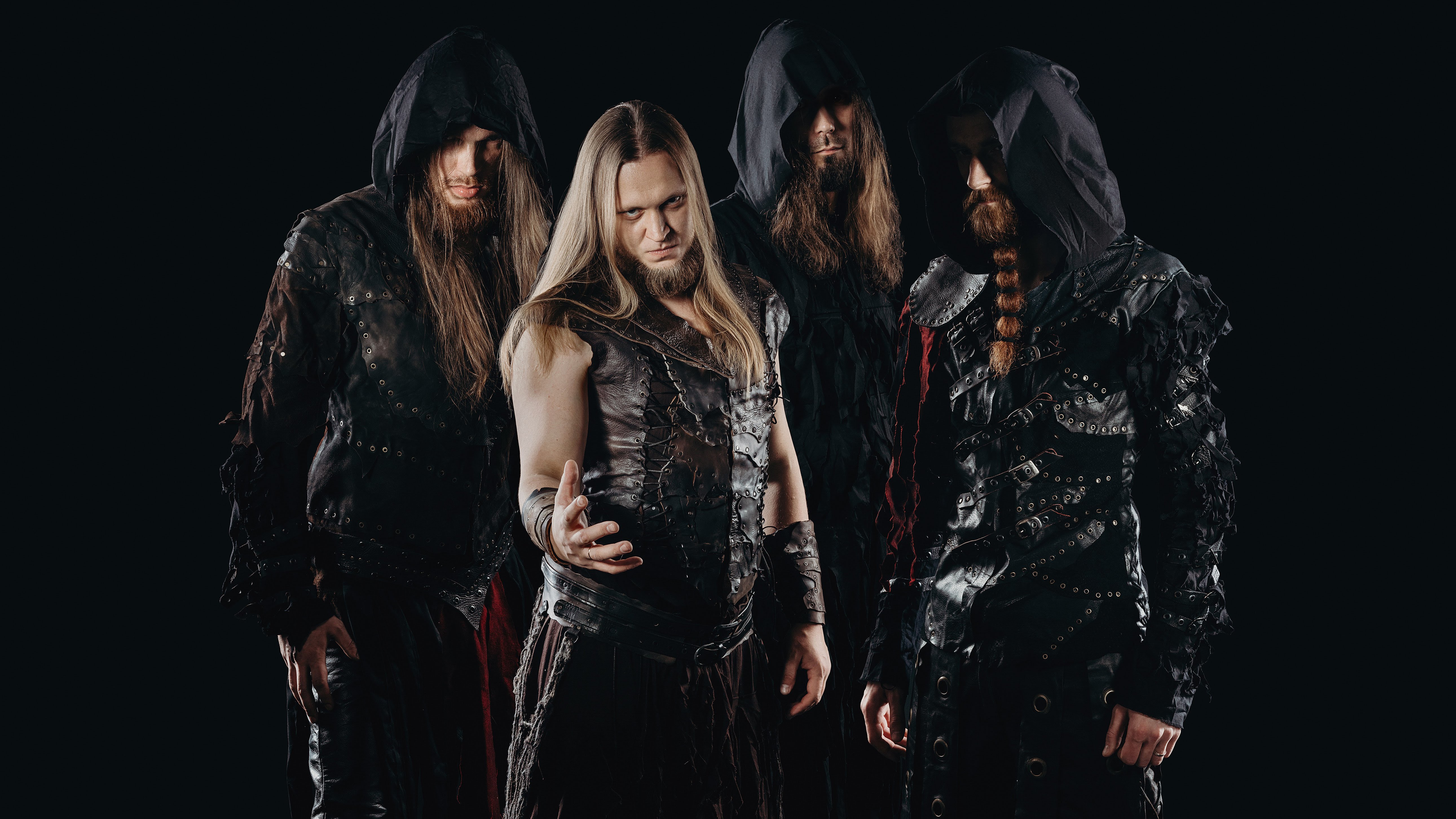
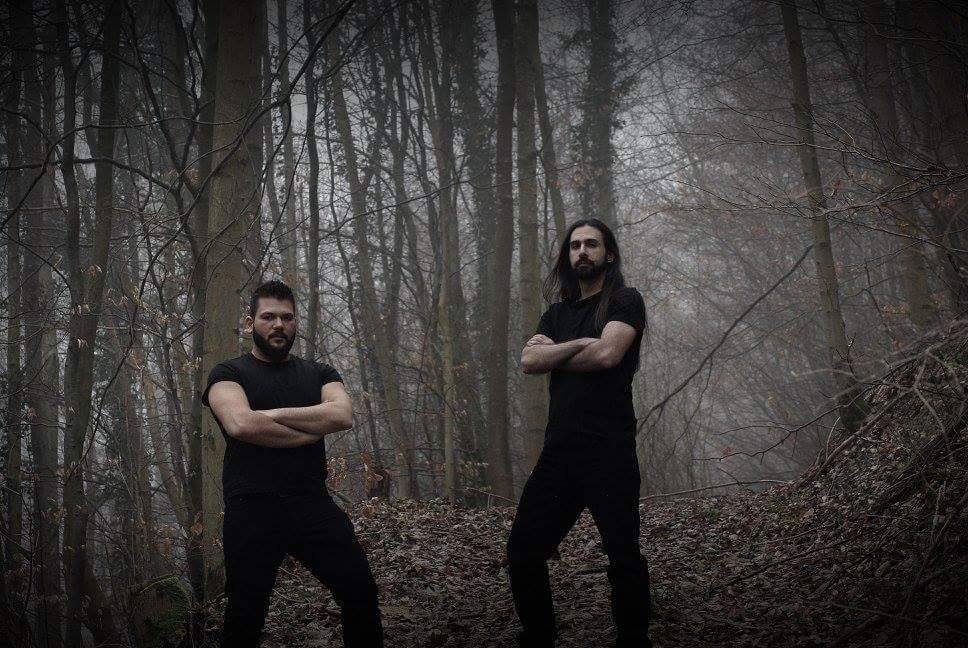
dth_allThe final triade in V Zajatí Temnoty couldn’t have started in a better way than with Smrť (“death”), where not only the guitar lines by Kani and “Ťapo” Martin Matlovič sound amazing, but Kani also does an awesome job ranging from high-pitched roars to truly deep guttural. Besides, pay attention to how the band is able to sound cruel and harmonic at the same time, just like what Extreme Metal icons Cradle of Filth perfectly do, and you’ll understand why this is one of the top moments of the album. Then we have the dark ballad/waltz Nemŕtva Nevesta (“undead bride”), where the clean vocals by Maťa steal the show, achieving an even more pleasant performance due to the keyboard notes by Lubo; and finally the excellent Drak (“dragon”), a fast and metallic tune that has that amazing European touch to increase its quality and cohesiveness, including elements from genres such as Folk and Viking Metal, with Lubo and bassist “Miro” Miroslav Hulka being responsible for building the whole ambience for the rest of the band.

To sum up, if you want to brave the world of Symphonic Black Metal sung in its entirety in a language other than English, visit Down To Hell’s official Facebook page, YouTube channel, Bandzone.cz and, of course, buy their music at their BandCamp page. This six-piece Slovak band truly knows what they’re doing, and I’m sure their non-English words won’t restrain them from reaching new heights with their music so talented they are.

Best moments of the album: Pán Vetra, Búrky A Mrakov, Krvavé Jazero and Smrť.

Worst moments of the album: Prízrak.

Released in 2015 Independent

Track listing
1. Ticho Pred Búrkou 1:41
2. Pán Vetra, Búrky A Mrakov 5:26
3. Skazení 6:43
4. Bosorské Sólo 8:40
5. Krvavé Jazero 7:10
6. Prízrak 7:48
7. Smrť 6:39
8. Nemŕtva Nevesta 7:35
9. Drak 6:28

Band members
“Maťa” Martina Bilkovičová – clean vocals
“Kani” Miroslav Gajdár – guitar, screams, growls
“Ťapo” Martin Matlovič – guitar
“Miro” Miroslav Hulka – bass guitar
“Lubo” Ľubomír Müller – keyboards
“Beňo” Dušan Šelc – drums

Album Review – Dub Buk / Цвях (2014)

If you’re a fan of extreme music, you should definitely take a listen to the excellent new album from this East Slavic Melodic Black Metal band.

Rating4

coverI’ve never had to use Google and Google Translator so much in my life to try to understand what a band wants to say in their music as I had now with Ukrainian Melodic Black Metal band Dub Buk and their new album, the violent Цвях. Even with the help of Larry Page and Sergey Brin’s creations, it was still pretty tough to get the whole message (if you’re Ukrainian, please correct any stupid mistake that I might have made with the translations below), but the high quality of their music outshines that language barrier and makes listening the entire album a very pleasant and, of course, boisterous experience.

Цвях, which according to Google is pronounced “Tsvyakh” and means “Nail” in English (and it makes sense, as per the bloody nail in the album art), is in my opinion the most professional and polished release from this Kharkiv-based band formed in 1997. And before you ask, that doesn’t weaken the brutality in any of the songs presented in the album: quite the contrary, the high end production allowed the band to better display their technique and enhanced the sonority of all instruments.

The first track of the album is called Всуе (Vsue, or “Vain” in English), and it’s a fuckin’ awesome massacre. The astonishing level of violence in this song pumped me up to listen to the rest of the album and check if all songs could keep up with the same excellent instrumental, especially drums and riffs, and the totally demonic vocals. Fortunately for my total delectation the following track, Галиматья Блаженных (Halymat’ya Blazhennykh, or “Blessed Nonsense”) is Black Metal at its finest, with a very nice groove and an excellent guitar solo, testifying the band’s capacity.

Then we have Бунт 917 (Bunt 917, or “Riot 917”), another track that corroborates these guys are nonstop machines, with great vocals (although I don’t understand a word he’s saying) and a drummer that is a total beast; Дохлый Живьём (Dokhlyy Zhyv’ëm, or “Dead Alive”), the longest track of the album, which starts with an awesome scream and has riffs with some hints of more modern Slayer; and the also violent but not so good Ислам (Yslam, or “Islam”). I’m almost sure they’re not saying good things about Islam in this song, but again, I really don’t care and prefer focusing on the music here.

Свиное Ухо (Svynoe Ukho, or “Pork Ear”) is another highlight of the album, with a narrated intro in Ukranian, Slayer-ish riffs and guitar solo, a goddamn heavy passage at around 2 minutes, and disturbing pig sounds at the end. In other words, a complete Black Metal extravaganza, followed by А-Человек (A-Chelovek, or “A-Man”), an average song with a slower rhythm that falls flat after a while.

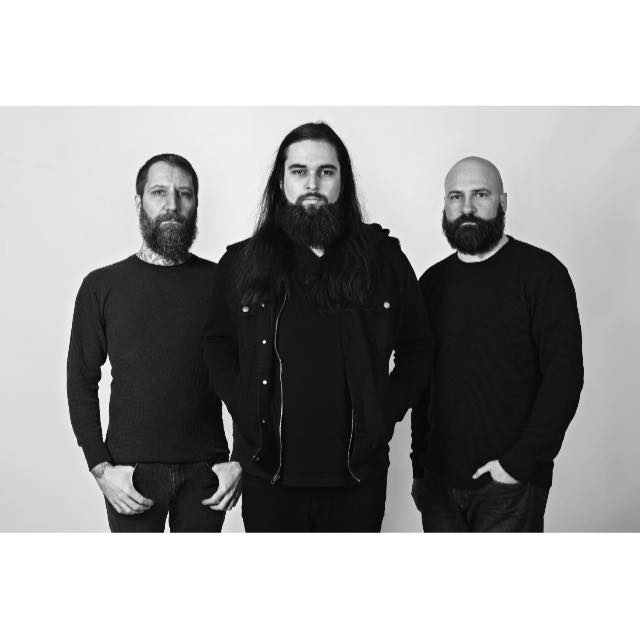
dub_bukClosing the album we have the sonic massacre Копоть (Kopot’, or “Soot”), with more awesome riffs, some beautiful female vocals, a drummer completely on fire, and I have to say I really enjoyed all the breaks and variations in this song especially after the third minute; and the only song entirely in English in the album,Execute Them All, a very professional cover version for one of the songs from Swedish Death Metal icons Unleashed, with highlight to the deeper guttural used in this track.

As I mentioned above, I tried to understand parts of the lyrics just to see what type of message Dub Buk tries to send to their fans. I know they usually sing about anti-judeochristianity, paganism and other controversial themes, and although I do not agree nor disagree with their beliefs, that didn’t stop me from enjoying some very good quality extreme music. Furthermore, I recommend taking a look at this album, which can be purchased at the EastHate website. If you love Black Metal, you won’t regret buying it by any means.

Best moments of the album: Всуе, Дохлый Живьём, Свиное Ухо and Копоть.

Worst moments of the album: Ислам and А-Человек.

Released in 2014 Eastside Records

Track listing
1. Всуе 5:21
2. Галиматья Блаженных 3:26
3. Бунт 917 4:42
4. Дохлый Живьём 6:03
5. Ислам 5:22
6. Свиное Ухо 4:27
7. А-Человек 4:58
8. Копоть 5:35
9. Execute Them All (Unleashed cover) 3:22

Band members
I.Z.V.E.R.G. (И. З. В. Е. Р. Г.) – bass, vocals
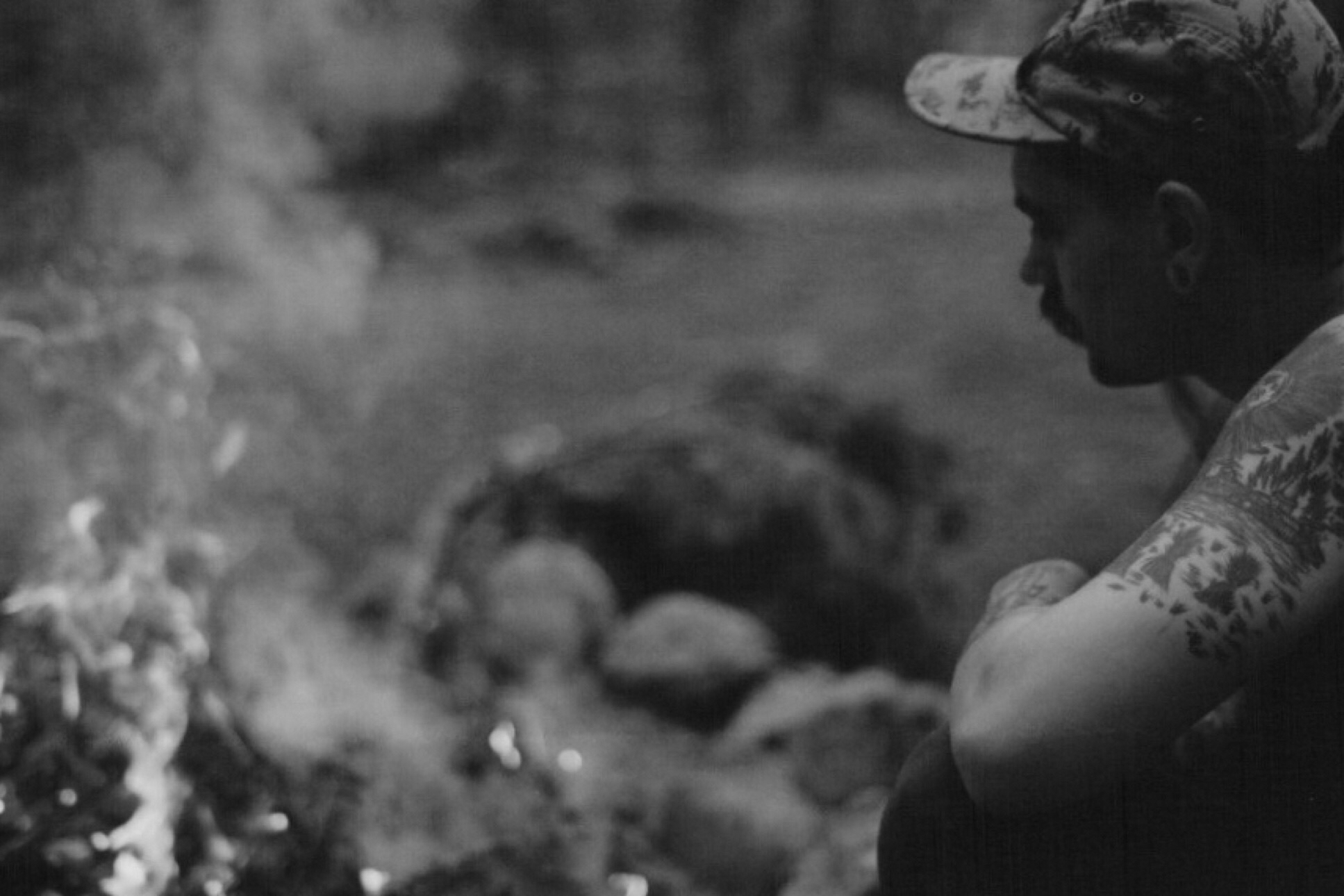
Vsesvit (Всесвит) – drums
Istukan (Истукан) – guitars
Cwietuszczaja Knjazna (Цветущая Княжна) – keyboards