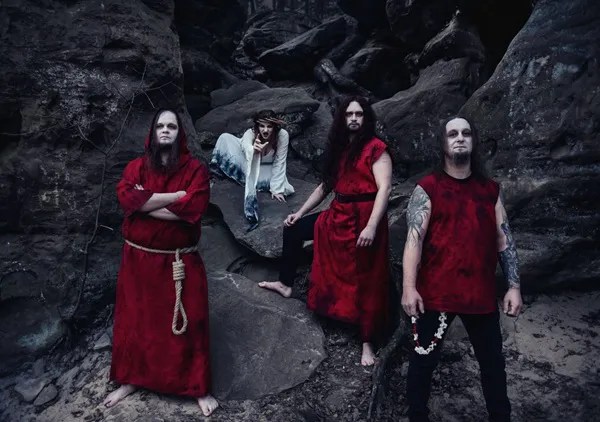
Album Review – Crescendium / DRAC (2026)

Behold the sophomore opus by this Mystic Metal entity, a concept album telling the story of a nature-loving woman with magical abilities who fights for the greater good, yet a patriarchal society stigmatizes her and burns her alive.

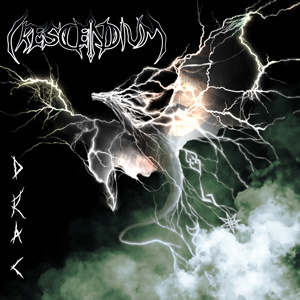
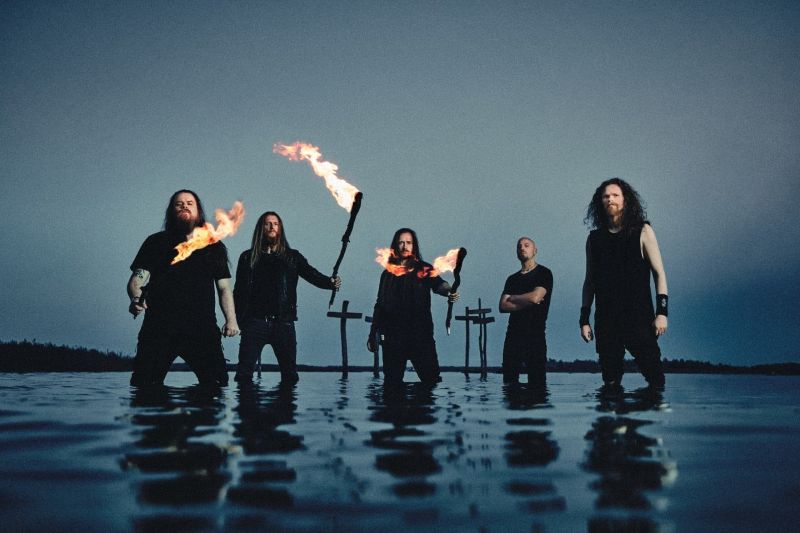
Rebellion and darkness speak from the heart of German Progressive/Melodic Death/Black Metal Crescendium, the brainchild of frontwoman and composer Elena Cor Tauri. Under the flagship of Mystic Metal, the project sails through the abysses of the human soul to guide it into the light. Now in 2026 a mystical fog is settling over the metal world, and Crescendium is at its heart with the release of their sophomore opus DRAC (a word for “dragon,” formed from the song titles, which blend English, German, and Latin lyrics), following on their 2023 debut Within. Recorded by the band itself, and mixed and mastered by the band’s own Nikke Kuki at Collapsed Sanity Productions, the new offering by Elena Cor Tauri on vocals and guitars, and Nikke Kuki on bass and drums is a concept album set against the backdrop of collective wounds from the past, telling the story of a nature-loving woman with magical abilities who fights for the greater good; yet a patriarchal society stigmatizes her and burns her alive. This brutal fairy tale comes to an end with her transformation into a demon, no longer part of society, but free.

The imposing, almost apocalyptic intro Prologue: As Within, So Without darkens the skies and prepares the stage for Elena and Nikke to consume our souls in Dämmerlicht, weaving in quotes from the Malleus Maleficarum, the grotesque 15th century compendium of rules that was responsible for numerous witch burnings. Martin (aka ChaoZ, frontman for Black Metal band Verderbnis) appears as a dogmatic priest and guest vocalist, while Nikke’s rumbling bass and drums offer Elena everything she needs to roar like a true witch. Ravish My Flesh, Soil My Name carries a beyond poetic name for a hard hitting blend of Melodic Death Metal with Black Metal elements, with Elena’s roars and riffs sounding utterly demonic. Then an epic intro morphs into another blackened feast titled Anderswelt, with both Elena and Nikke blasting their sonic weapons nonstop supported by the song’s awesome choir-like background; whereas Chandra keeps their fire and insanity flowing, offering another ruthless performance by Nikke on drums, while Elena vociferates like a demented she-demon until the very end. and lastly, Epilogue: As The Universe, So The Soul is a calm and soothing creation by Elena, with her serene vocals and delicate piano bringing peace to our damned hearts.

How is the medieval witch hunt connected to women’s lives in today’s society? The answer to that question can be found in the excellent DRAC, which can be purchased from BandCamp or by clicking HERE. In contrast to a digital world where everything is frantic and overwhelming, the music in DRAC invites listeners to delve into their own shadows and transports them into a melancholic experience, with its mystical sounds telling of spiritual journeys, the eternal cycle of life and death, and the struggle against oppression. Don’t forget you can also find more information about Crescendium on Facebook and on Instagram, and stream their scorching music on any platform such as Spotify. DRAC is a reflection on forced exclusion and breaking free from a corrupt system. Night falls on dragon’s wings, and the unspeakable reveals itself in a musical crescendo of Black and Death Metal magic, courtesy of one of the must-see names of the current German extreme music scene.

Best moments of the album: Ravish My Flesh, Soil My Name and Anderswelt.

Worst moments of the album: None.

Released in 2026 Independent

Track listing
1. Prologue: As Within, So Without 2:33
2. Dämmerlicht 7:27
3. Ravish My Flesh, Soil My Name 6:22
4. Anderswelt 7:20
5. Chandra 7:20
6. Epilogue: As The Universe, So The Soul 5:29

Band members
Elena Cor Tauri – vocals, guitars
Nikke Kuki – bass, drums

Guest musician
ChaoZ – vocals on “Dämmerlicht”
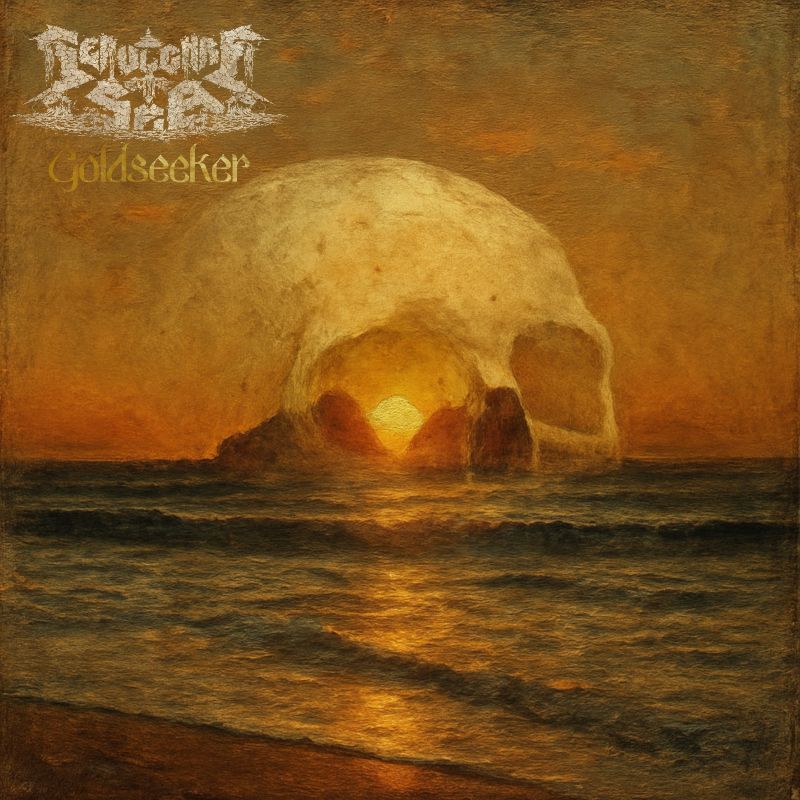
Album Review – Sepulchre by the Sea / Goldseeker EP (2026)

This one-man Atmospheric Black Metal from the UK is back with a stunning three-track EP, inspired by three Edgar Allen Poe stories which reference ancient Egypt.

Having grown and evolved since its inception in 2019 from one man’s will to create Atmospheric Black Metal inspired by the works of Edgar Allen Poe into an increasingly ambitious studio project, Bristol, UK’s own entity Sepulchre by the Sea, the brainchild of vocalist and multi-instrumentalist Ashley Shannon, returns to its tried and tested mix of Atmospheric Black Metal, Shoegaze and Doom Metal, which has amassed a loyal following during its tenure, with a new three-track EP titled Goldseeker, following on the project’s previous efforts .​.​.​and So it Crumbles (2019), Conqueror Worm (2020), Ratiocinations (2021), and Seven Chambers (2024). Spanning over 27 minutes of dark and intense music, Goldseeker is inspired by the Edgar Allen Poe stories “Some Words with a Mummy,” “The Gold Bug” and ‘Ligeia,” all stories which reference ancient Egypt, beautifully translating the mysteries of the original stories into the extreme music played by Ashley and his Sepulchre by the Sea.

Ashley begins his trademark Atmospheric Black Metal attack with Blood of the Scarabeus, where his scorching riffs and blast beats give the song a stronger old school Black Metal vibe, not to mention his demonic gnarls and the song’s ethereal passages sound epic; while the title-track Goldseeker offers a striking fusion of Melodic and Atmospheric Black Metal, with Ashley extracting sheer agony, melancholy and pain from his harmonious guitar lines for our absolute delectation. And finally, Visions of Ligeia starts in a more introspective way to the doom-laden bass lines by Ashley, evolving into another modern-day beast of Atmospheric Black Metal where Ashly bursts his lungs screaming until the song’s dark finale to the sound of the bass and saxophone, putting a solid and climatic ending to the album.

With Goldseeker, Ashely once again managed to remain fresh, interesting and captivating even in a beyond saturated sea of Atmospheric Black Metal bands from all over the world, proving he still has a lot of fuel to burn in the coming years with his unique fusion of heavy music with the intoxicating stories crafted by the one and only Edgar Allen Poe. You can find more details about Sepulchre by the Sea on Facebook and on Instagram, stream his growing discography on any platform such as Spotify, and above all that, show Ashley your support and admiration for the darkest side of music by purchasing the EP from BandCamp. Ashley and his Sepulchre by the Sea never disappoint, and after such a thrilling EP I can’t wait to see what’s next for the “Edgar Allan Poe” of extreme music.

Best moments of the album: Blood of the Scarabeus.

Worst moments of the album: None.

Released in 2026 Anthrazit Records

Track listing
1. Blood of the Scarabeus 9:43
2.Goldseeker 6:48
3. Visions of Ligeia 11:34

Band members
Ashley Shannon – vocals, all instruments

Album Review – Hyperion / Elysia (2026)

After a decade since the release of their critically acclaimed debut album, this Swedish Melodic Death and Black Metal horde returns with their incendiary sophomore opus.

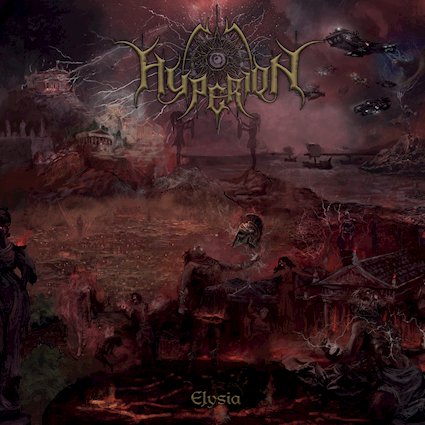
After a decade since the release of their critically acclaimed debut album Seraphical Euphony, Stockholm, Sweden-based Melodic Black/Death Metal band Hyperion is back in action with their sophomore opus, titled Elysia. Recorded between 2020  and 2023 at Wing Studios, Studio Forlorn Halls and in various private locations, mixed and mastered by Sverker Widgren between 2023 and 2024 at Wing Studios, and showcasing a sinister artwork by the always great Khaos Diktator Design, the new album by Erik Molnar on the guitars, synthesizer programming and spoken words, Joel Hagroth on the guitars and spoken words, Mikael Malm on the guitars, Raul Vicente on bass, and Mauritz Flodin on drums and orchestrations offers a barrage of guitars and symphonies of a kind that is rarely seen, but great care has been taken to make them complement each other and draw you in to discover more the deeper you get.

The beyond atmospheric and cinematic intro Rapturous Overture sets the stage for Hyperion to crush our souls in Nefarious Sacrament of the Immorals, featuring guest Johan Nephente on vocals, kicking things off with endless fury to the blast beats by Mauritz and the scathing riffage by Erik, Joel and Mikael. Fides Novem, featuring guest vocalist Elias Lyxell, keeps their Black Metal magic burning to the killer riffs and solos by the band’s guitar triumvirate, followed by Iliou Persis, with the one and only Atterigner on vocals, not to mention the battle choir brings an overdose of epicness to the music, as well as Mauritz’s infernal drums. And Paraphrosynia, featuring Karin Eriksson on vocals, brings forward 12 minutes of absolute chaos and insanity, with Karin’s vocals reminding me of old school creations by Cradle of Filth, with all guitars, bass, keys and drums sounding stunning until the very end.

Then investing in an even more demented sonority we have Perennial Transcendence, with all grim vociferations matching perfectly with the thunderous kitchen by Raul and Mauritz; and after the acoustic interlude Vigil of Longing we face the second longest song of the album, titled Epic of Tribulation, starting in a phantasmagorical manner before morphing into a grandiose Symphonic Black Metal aria led by Mauritz’s crushing drums. Furthermore, the despair and obscurity flowing from all vocals is stunning. Epoch’s Eventide also alternates between darker, doom-ish moments and the sheer aggression of Black Metal, with the synths by Erik bringing an extra kick to the overall result, before we face The Primordial Wellspring, where despite its climatic vibe, it doesn’t know if it’s a ballad, an acoustic song or a classic Symphonic Black Metal tune.

“Elysia is an explosion of intensity in all kinds of directions. To call it an ambitious album would be an understatement. Hyperion never creates music with half measures and this is the ultimate statement of that. It is different from Seraphical Euphony, but still contains the vital elements that make us what we are. To make this album a reality has been a titanic effort and we are beyond excited to finally have it released to the world,” commented the band about their incendiary newborn spawn, and if you want to know more about such a talented horde hailing from Sweden you can find those guys on Facebook and on Instagram, stream their caustic music on any platform such as Spotify, and of course, above all that, show them your total support and admiration by purchasing their new album from their own BandCamp, as well as from the Willowtip Records’ BandCamp. This is Swedish Melodic Death and Black Metal at its finest, and let’s hope it doesn’t take another ten years for Hyperion to kick our asses once again with a new album just as great as Elysia.

Best moments of the album: Nefarious Sacrament of the Immorals, Paraphrosynia and Epic of Tribulation.

Worst moments of the album: The Primordial Wellspring.

Released in 2026 Willowtip Records

Track listing
1. Rapturous Overture 2:41
2. Nefarious Sacrament of the Immorals 6:52
3. Fides Novem 8:52
4. Iliou Persis 6:39
5. Paraphrosynia 12:41
6. Perennial Transcendence 6:52
7. Vigil of Longing 1:20
8. Epic of Tribulation 10:58
9. Epoch’s Eventide 9:18
10. The Primordial Wellspring 7:22

Band members
Erik Molnar – guitars, synthesizer programming, spoken words
Joel Hagroth – guitars, spoken words
Mikael Malm – guitars
Raul Vicente – bass
Mauritz Flodin – drums, orchestrations

Guest musicians
Johan Nephente – vocals on “Nefarious Sacrament of the Immorals”
Elias Lyxell – vocals on “Fides Novem”
Atterigner – vocals on “Iliou Persis”
Karin Eriksson – vocals on “Paraphrosynia”
Erik Molnar, Joel Hagroth, Mikael Malm, Mortuz Denatus, Johan Camling & Henrik Edman – battle choir on “Iliou Persis”

Album Review – Eshtadur / In Darkness All Shadows Gone (2026)

A crow is calling to the sound of the new offering by Colombia’s own Melodic Black and Death Metal entity, a conceptual journey through mysticism, transformation and inner transmutation.

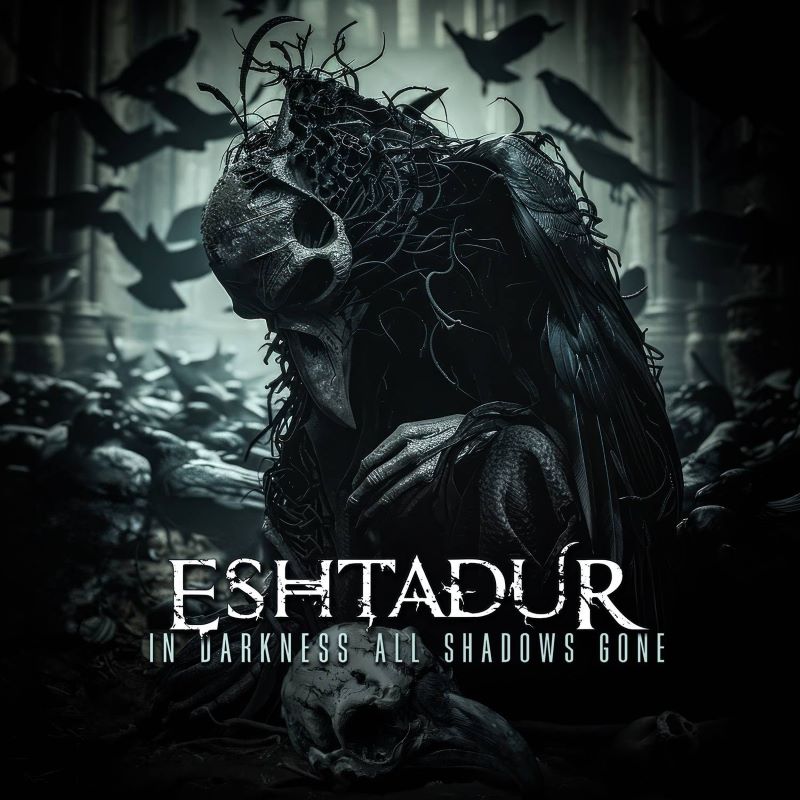
Combining Gothenburg-influenced Death Metal, Black Metal and classical composition with an interest in poetry, mysticism, existence and cosmogony, Pereira, Colombia-based Melodic Black/Death Metal outfit Eshtadur is back with their fifth studio album, titled In Darkness All Shadows Gone, following on their critically acclaimed 2017 album Mother Gray and their 2020 opus From the Abyss. Recorded at RockStar Studios, produced by the band’s mastermind Jorg August, who also wrote the music, lyrics, compositions, and orchestral arrangements, mixed and mastered by Tomasz “Zed” Zalewski, and displaying a Stygian artwork by Vallesia Obscura, the new offering by Jorg August on vocals and guitars, Camilo Barbosa also on the guitars, Andres Gonzalez on bass, and David Lopez on drums follows a conceptual journey through mysticism, transformation and inner transmutation.

The phantasmagorical intro Age of Antumbra will darken the skies and drag us into a deep dark forest to the sound of Into The Woods, kicking off in full force to the ruthless growling by Jorg while Camilo, Andres and David hammer their instruments nonstop. Umbra offers six minutes of first-class Melodic Death Metal where the guitars by Jorg and Camilo transpire obscurity; and David keeps pounding his drums in the name of dark and heavy Melodic Death Metal in August’s Burdens, where all backing vocals boost Jorg’s already killer guttural. Fire Above Mountain Below is one of the most experimental and symphonic of all songs, where the quartet fires a massive wall of sounds that fills every single space in the air majestically, followed by Old Shaman Blind, which starts in a cryptic manner before evolving into a Death and Doom Metal creature, once again led by David’s crushing beats and fills.

Thunderground offers a blend of Scandinavian Melodic Death Metal with the band’s own South American twist, with the riffs and solos by Jorg and Camilo feeling fantastic, and they keep shredding their axes in Ruler of the Lake, sounding heavy and venomous from start to finish. Then a beyond atmospheric start gradually morphs into a bestial display of Death and Doom Metal titled A Black Winged Waltz, again presenting the striking guitar solos by Camilo; and there’s still fuel for another hard hitting tune titled Nebulae (Virgo), led by the classic beats and fills by David. Omen of Millennia lives up to the legacy of traditional Melodic Death Metal, with Jorg sounding infuriated again on vocals for our absolute delight, flowing into Soy Real, a climatic conclusion to the album where Jorg’s deep growls are spiced up by clean vocals in the background amidst a beautiful sonic devastation.

“We worked on this material for four years. It is a long album with twelve tracks, symphonic arrangements, a real orchestra, many vocal layers and Tuvan voices. At times, it felt like a giant puzzle, but everything finally came together. We are proud of the result and grateful to everyone who helped us build it. A crow is calling,” commented Jorg August, who’s waiting for you on Facebook and on Instagram with news, tour dates and so on, and you can also stream their music on Spotify and put your hands on In Darkness All Shadows Gone via BandCamp or Rockshots Records, or by clicking HERE. Fans of Septicflesh, Dissection and At The Gates will surely have a great time listening to the new album by Eshtadur. Or, in other words, can you hear the crow calling?

Best moments of the album: Into The Woods, Fire Above Mountain Below and Omen of Millennia.

Worst moments of the album: None.

Released in 2026 Rockshots Records

Track listing
1. Age of Antumbra 2:00
2. Into The Woods 4:41
3. Umbra 6:22
4. August’s Burdens 4:59
5. Fire Above Mountain Below 5:08
6. Old Shaman Blind 5:08
7. Thunderground 3:40
8. Ruler of the Lake 5:14
9. A Black Winged Waltz 9:23
10. Nebulae (Virgo) 5:09
11. Omen of Millennia 3:56
12. Soy Real 5:11

Band members
Jorg August – vocals, guitars
Camilo Barbosa – lead guitars
Andres Gonzalez – bass
David Lopez – drums

Album Review – Servant / Lux Ex Inferis (2026)

Balancing tradition and progression, this German Black Metal horde returns with their fourth studio offering, bringing the light from hell into our blackened hearts.

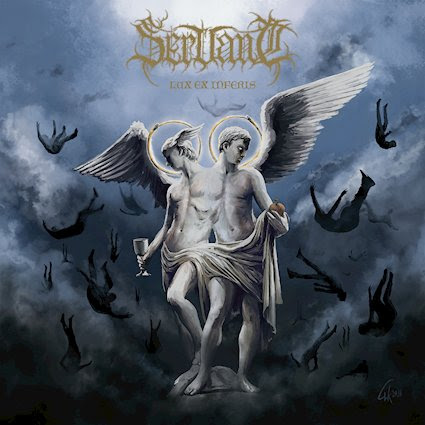
Balancing tradition and progression, German Black Metal horde Servant delivers a sound that feels both familiar and forward-thinking, uncompromising, powerful, and darkly captivating. Two years after their critically acclaimed third album Death Devil Magick, the band formed of vocalist and guitarist Farago, guitarist Samael, bassist Thanatos, and drummer Apophis returns with Lux Ex Inferis (a Latin phrase that means “light from the netherworld” or “light from hell”) offering more of their authentic-yet-modern approach to Melodic Black Metal. Recorded at Katzbach Studio, produced and Mixed by Farago, mastered by Dennis Poschwatta at Katzbach Studio, and showcasing a stunning artwork by Misanthropic-Art, Lux Ex Inferis sees the band once again combine intensity, atmosphere, and passion into a distinctive sound, turning it into a must-listen for admirers of the darkest side of music.

The whimsical, ethereal intro In Noctem will captivate our souls before we’re crushed into pieces to the sound of Tabula Rasa, a beautiful Melodic Black Metal aria by the quartet with the anguish and pain flowing from Farago’s scorching vocals sounding stunning, also featuring guest vocals by the one and only P.G. of Groza, followed by Glorification, spearheaded by the demonic drums by Apophis while Thanatos keeps hammering his bass in the name of absolute darkness. Thanatos, Embrace of the Night again presents the band’s trademark fusion of aggression, obscurity and harmony, leaning towards the Blackened Death Metal played by Behemoth, whereas De Profundis, or “from the depths” from Latin (a letter written by Oscar Wilde during his imprisonment in Reading Gaol, to his friend and lover Lord Alfred “Bosie” Douglas) showcases a phenomenal guitar work by Farago and Samael from start to finish, featuring guest vocals by Lethian.

Lux Fulget, which translates from Latin to English as “the light shines,” already starts in full force to the pounding drums by Apophis while Farago continues to vociferate like a creature from the abyss; and the strident guitars by Farago and Samael ignite another bestial Black Metal feast titled Of Stones, Sleep and Death, sounding enfolding, grim and vile, all at the same time. Then we face The Accuser, blending the obscurity of classic Black Metal with the depth and ferocity of modern-day Melodic Black Metal, with Thanatos and Apophis once again sounding thunderous armed with their respective bass and drums; while their last breathe of Black Metal magic comes in the form of Hypnos I See You, carrying a poetic name for an overdose of Stygian, sharp riffs and devilish roars, putting a beyond climatic and devilish ending to their black mass.

Expanding on the band’s established style, Lux Ex Inferis merges epic structures and haunting melodies, creating a multi-layered sonic landscape where passion meets grandeur, pointing to an even brighter (or maybe I should say darker) future ahead of those servants of the dark arts. You can get in touch with the band and stay up to date with their news and tour dates via Facebook and Instagram, stream their caustic music on any platform like Spotify, and of course, put your damned, dirty hands on their scorching new opus by purchasing it from the AOP Records’ BandCamp or webstore (or click HERE for all things Servant). After all is said and done, these German black metallers are among us to spread absolute darkness armed with Lux Ex Inferis, bringing the light from hell into our blackened hearts.

Best moments of the album: Tabula Rasa, De Profundis, Lux Fulget and Hypnos I See You.

Worst moments of the album: None.

Released in 2026 AOP Records

Track listing
1. In Noctem 2:14
2. Tabula Rasa 5:30
3. Glorification 4:38
4. Thanatos, Embrace of the Night 5:06
5. De Profundis 4:35
6. Lux Fulget 4:51
7. Of Stones, Sleep and Death 4:52
8. The Accuser 4:06
9. Hypnos I See You 5:47

Band members
Farago – vocals, guitars
Samael – guitars
Thanatos – bass
Apophis – drums

Guest musicians
Lethian – vocals on “De Profundis”
P.G. – vocals on “Tabula Rasa”

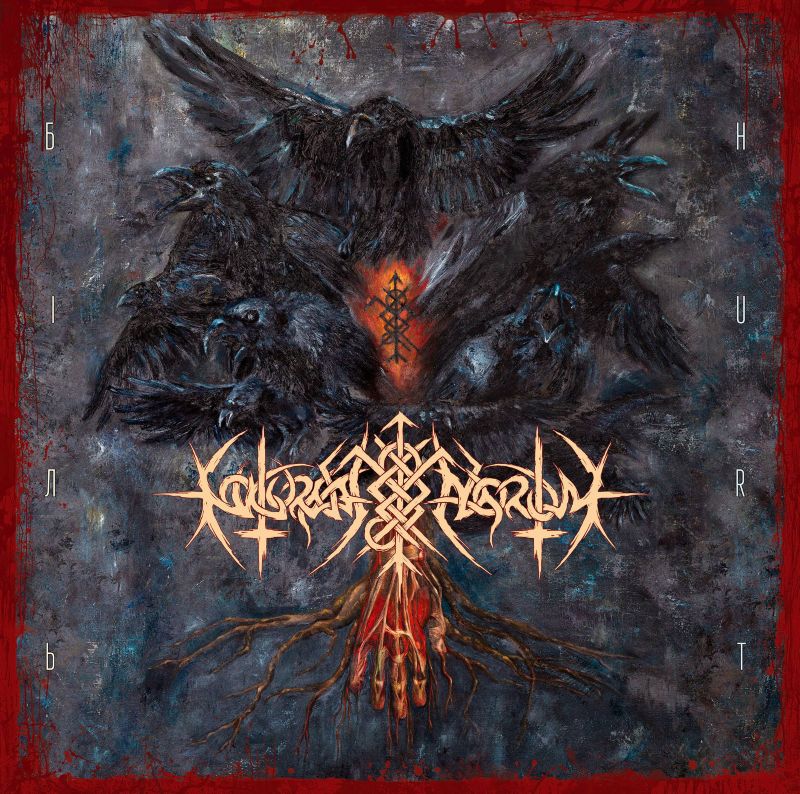
Album Review – Nokturnal Mortum / Біль | Hurt EP (2026)

Behold the new EP by this iconic Ukrainian Symphonic Black Metal horde, offering more than forty minutes of first-class heavy music, and a very good indication of what to expect from their upcoming full-length strike.

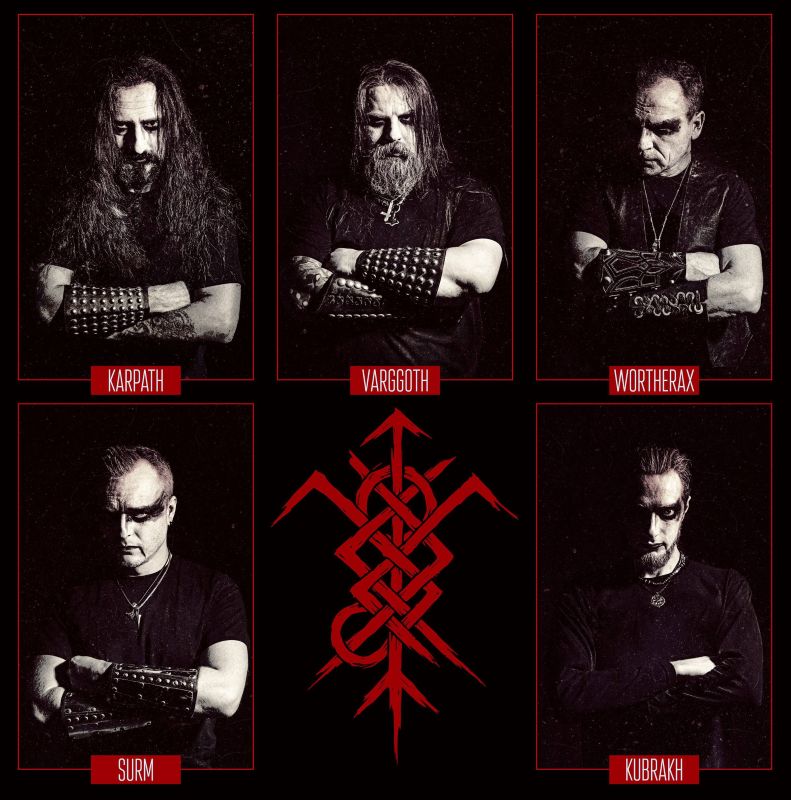
Initially a pure Death Metal project under the name of Suppuration formed in 1992 in Kharkiv, Ukraine, Symphonic Black/Folk Metal Nokturnal Mortum started to gain real attention from fans under their new name  in 1994, with the album Twilightfall (1995), Lunar Poetry (1996) and Goat Horns (1997) presented a unique blend of Melodic and Symphonic Black Metal with the heritage of Ukrainian folk music. Now in 2026 the band currently formed of vocalist and multi-instrumentalist Knjaz Varggoth, guitarist Wortherax, keyboardist Surm, bassist Karpath, and drummer Kubrakh returns with a very special EP titled Біль | Hurt, following up on their 2022 opus До лунарної поезії, offering more than forty minutes of first-class heavy music, and a very good indication of what to expect from their upcoming full-length strike.

To Those Who Went Down the Tysyna River is an absolutely atmospheric and cinematic track, working as an extended intro to Eight Days to Spring, one of the most emotionally charged songs the band has ever made, born after protesting people getting shot down by criminal government forces at Maidan in the last days of February 2014, where the band blasts their trademark fusion of Black and Folk Metal spiced up by symphonic and epic elements. Then after the also experimental interlude First Steps of Freedom… The Flavor of Doom in Eight Years, we face Weltanschauung, with the scorching riffs by Knjaz Varggoth and Wortherax, and the massive beats by Kubrakh, exhaling Blackened Folk Metal magic. The Forgotten Ages of Victories offers a more epic vibe, with Knjaz Varggoth declaiming the song’s dark words like a beast from the underworld, followed by Ukraine, a vibrant live take on one of the band’s classics, where the keys by Surm sound striking from start to finish.

The year of 2026 is going to witness two new metal storms by  Nokturnal Mortum, starting with the excellent EP Біль | Hurt, and culminating with their still untitled upcoming full-length album, which doesn’t have a release date confirmed yet. If their new album is just half as good as what they have to offer in this awesome EP, we can rest assured the gods of Black Metal will be extremely happy, just like us mere mortals, fans of extreme music, and you can get in touch with those talented Ukrainians via Facebook and Instagram, and of course, grab a copy of their new EP from Oriana Music. Біль | Hurt is the perfect representation of the past, present and future of such a resilient Ukrainian band, keeping the fires of Black Metal burning bright, and pointing to an even more exciting future ahead of them in the coming years.

Best moments of the album: Eight Days to Spring and The Forgotten Ages of Victories.

Worst moments of the album: None.

Released in 2026 Oriana Music

Track listing
1. To Those Who Went Down the Tysyna River 7:34
2. Eight Days to Spring 4:51
3. First Steps of Freedom… The Flavor of Doom in Eight Years 9:06
4. Weltanschauung 8:42
5. The Forgotten Ages of Victories 6:45
6. Ukraine (live) 7:28

Band members
Knjaz Varggoth – vocals, guitars, keyboards, weellyre, drymba, telynka, kobza, percussion
Wortherax – guitars
Surm – keyboards, dulcimer, pipes
Karpath – bass
Kubrakh – drums

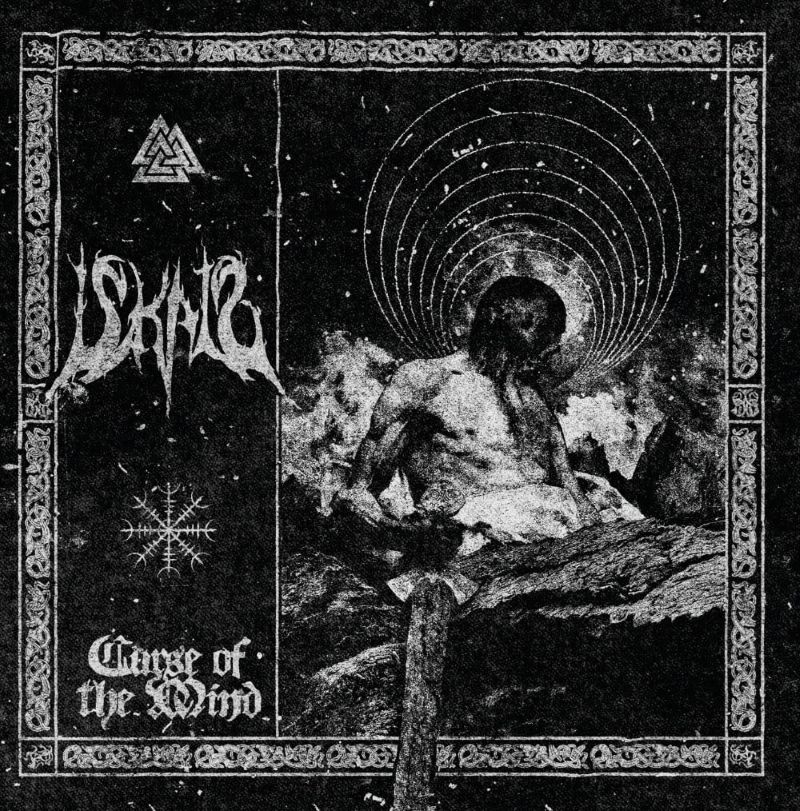
Album Review – Iskald / Curse of the Mind (2026)

These Melodic Black Metal veterans are back with their sixth studio opus, a conceptual journey exploring themes of psychological torment, inner conflict, fragile hope and ultimate sacrifice.

Formed in 2005 in Sortland, Northern Norway by vocalist Aage Krekling and guitarist Simon Larsen, but currently located in Bodø, Norway, with the ambition of creating a distinctive form of Melodic Black Metal deeply connected to the atmosphere of the Arctic north, the mighty horde known as Iskald (which translates to “ice cold” in English) is finally back with their sixth studio album (and first concept work), titled Curse of the Mind, following up on their 2018 opus Innhøstinga. Built as a conceptual journey, the new album by the aforementioned Aage Krekling and Simon Larsen alongside guitarist Ben Hansen, basisst Tobias Aubert, and drummer Isak Larsen unfolds through four interconnected chapters linked by ritualistic invocations, exploring themes of psychological torment, inner conflict, fragile hope and ultimate sacrifice. Framed within a stark, Norse-inspired vision of Helheim, the story is mythological in setting but deeply psychological at its core. Helheim is not merely a place, it is the shape taken by inner darkness. The true battlefield is the mind itself.

After the melancholic, dark intro Curse of the Mind – Invocation I, we face the band’s first slab of ferocity titled The Other Realm, or “The Descent,” a representation of vast emptiness, fog and isolation, with Aage vociferating like a demonic entity while Tobias and Isak generate an intricate, reverberating background that reeks of Black Metal. Then we have another invocation titled Curse of the Mind – Invocation II, where the guitars by Simon and Ben transpire malignancy, followed by Manifestation of Madness, or “The Prison,” showcasing doubt, fragmentation and psychological collapse, offering almost seven minutes of scorching Melodic Black Metal led by Isak’s bludgeoning drums

The second act of the album kicks off with the minimalist yet penetrating Curse of the Mind – Invocation III,  where the sound of the piano will hypnotize us all before the band comes ripping with one of the most complex songs of the album, titled A Burden of Hope, or “The Fragile Light,” a display of strength found through accepting the darkness within, where their Doom Metal vein arises, darkening the skies to the devilish gnarls by Aage. And lastly, the short and ethereal invocation titled Curse of the Mind – Final Invocation sets the stage for the album’s climatic conclusion with The Sacrifice, or “The Ritual,” where before the throne of Hela suffering becomes meaningful, a multi-layered aria of Black Metal magic spearheaded by the scathing riffs by Simon and Ben, sounding infernal yet delicate until the very end.

Marking the beginning of a new chapter for the band, Curse of the Mind” was recorded at Strand Studio, mixed and mastered by Hallstein Sandvin, and features a stylish artwork by SG7 Graphics. For over two decades, Iskald have stood among the leading names in Norwegian Melodic Black Metal, expanding their trademark northern sound with its most ambitious and immersive work to date in Curse of the Mind, and if you want to know more about the band you can find them on Facebook and on Instagram, stream their music on Spotify, and purchase a copy of the album from Dusktone’s BandCamp or webstore. In other words, the new Melodic Black Metal journey by Iskald is about to begin, and you’re more than invited to join those amazing musicians in their ritualistic and mythological adventure.

Best moments of the album: The Other Realm, Manifestation of Madness and The Sacrifice.

Worst moments of the album: None.

Released in 2026 Dusktone

Track listing
1. Curse of the Mind – Invocation I 4:37
2. The Other Realm 6:53
3. Curse of the Mind – Invocation II 3:01
4. Manifestation of Madness 6:56
5. Curse of the Mind – Invocation III 2:06
6. A Burden of Hope 8:11
7. Curse of the Mind – Final Invocation 0:54
8. The Sacrifice 10:20

Band members
Aage Krekling – vocals
Simon Larsen – guitars
Ben Hansen – guitars
Tobias Aubert – bass
Isak Larsen – drums

Album Review – Terrestrial Hospice / Omnicide – Chapter I (2026)

Behold the caustic new opus by this uncanny Polish duo, inviting us all to join them in their impure ceremony of absolute Black Metal devastation, causing total havoc and destruction in their wake.

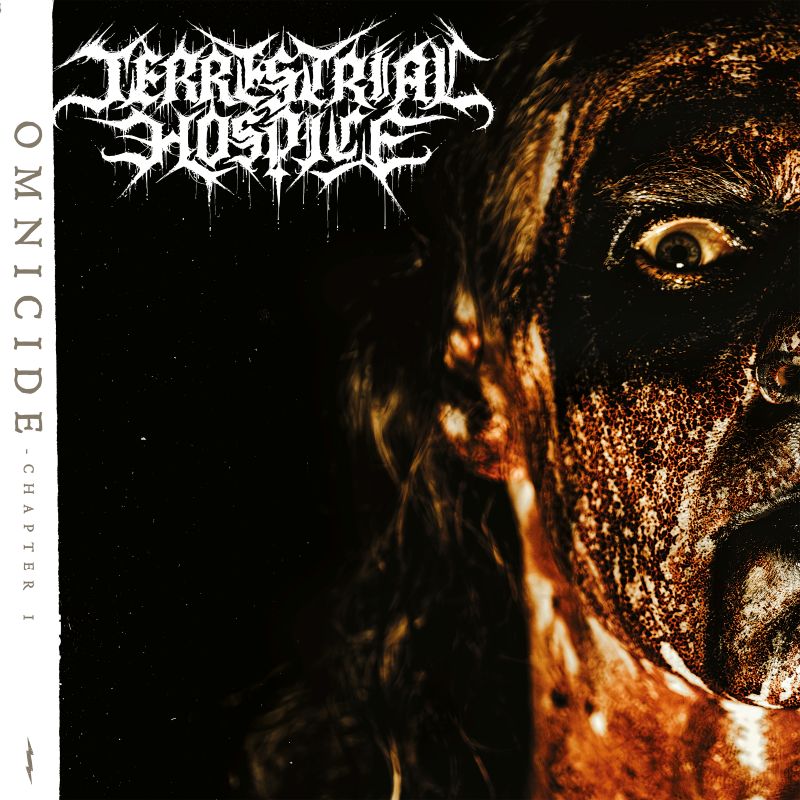
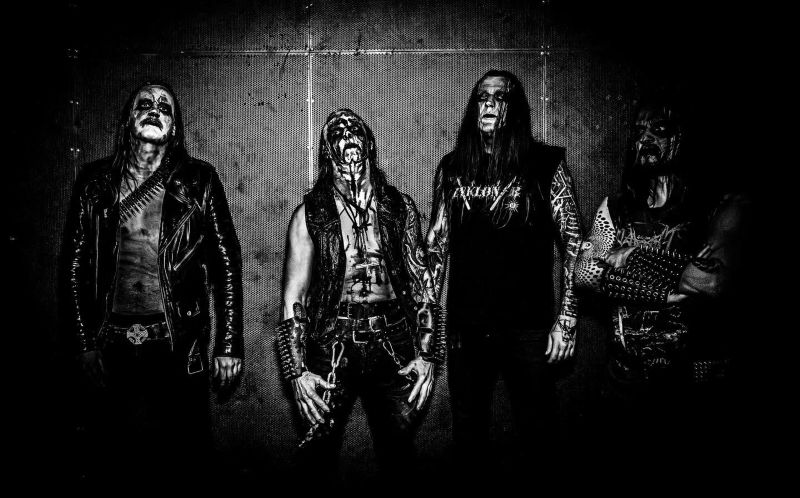
There are nihilists, there are elitists, and there are people threading on others to move forward. Gdańsk, Poland-based Black Metal duo Terrestrial Hospice  doesn’t need any of these labels or methods to move ahead. Formed back in 2018 when Inferno, the unstoppable drummer for blackened masters Behemoth, pitched the idea to the mighty vocalist and multi-instrumentalist Skyggen (from bands like Dead to This World, Tortorum, and Thunderbolt, among others), the duo is unleashing upon humanity their third full-length opus, titled Omnicide – Chapter I, following up on their 2023 album Caviary to the General and their 2024 EP Rübezahl. Recorded at Sound of Records, mixed and mastered at Wielolsad Studio, engineered, mixed and mastered by Haldor Grunberg at Satanic Audio, and displaying a sinister cover art and photo by Bartek Rogalewicz of Lodge Black, the album invites us all to join Skyggen and Inferno in their impure ceremony of absolute Black Metal devastation, with the duo causing total havoc and destruction in their wake.

Phosphoric Salvation starts in an ethereal, pensive way before the duo comes crushing our hopes and dreams with their visceral riffs and blast beats, with Skyggen’s vocals sounding phantasmagorical. And Inferno keeps pounding his drums manically in The Couloir of Despair, offering us all more of the duo’s evil Black Metal magic; while Call of the Void is even more infernal and vile, with Inferno’s blast beats providing Skyggen with exactly what he needs to haunt our damned souls with his demented vociferations, followed by Serpents in the Grass, another solid, otherworldly composition by the duo where Inferno takes the lead with his classy beats and fills as usual.

There’s no time to breathe as their Black Metal machine moves forward in full force to the sound of Menace, presenting an overdose of strident riffs by Skyggen not recommended for the lighthearted; whereas Depraver (Black Invocation) is by far the most incendiary and demented of all songs, if that’s humanly possible, with Inferno crushing our frail bodies with his undisputed Black and Death Metal attack. Drowning Spirit sounds a bit generic compared to the rest of the album, despite the fact that Skyggen’s evil gnarls are still a thing of beauty; and last but certainly not least, they bring forward their blend of Melodic Black Metal in the form of The Gospel of Obedience, as rhythmic as it is obscure, putting a chaotic and vile ending to the album.

Joined live by Norwegian bassist Thurzur, known from Gaahlskagg, Dead to This World, Taake and Deathcult, among others, and by guitarist Namas, Terrestrial Hospice represent heart, emotion, will, power and consistency, and their new album perfectly depicts their hard work and commitment to Black Metal. Hence, you can enter the left-hand path alongside Skyggen and Inferno by following the duo on Facebook and on Instagram, by streaming their caustic music on Spotify, and of course by putting your damned hands on Omnicide – Chapter I from the Edge Circle Productions’ BandCamp or webstore. The “now” of the world needs more individual thinking like what Skyggen and Inferno have to offer in their new album to move forward. We need more Terrestrial Hospice. We need more Black Metal.

Best moments of the album: Phosphoric Salvation, Call of the Void and Depraver (Black Invocation).

Worst moments of the album: Drowning Spirit.

Released in 2026 Edge Circle Productions

Track listing
1. Phosphoric Salvation 6:47
2. The Couloir of Despair 2:34
3. Call of the Void 4:11
4. Serpents in the Grass 4:50
5. Menace 6:45
6. Depraver (Black Invocation) 2:19
7. Drowning Spirit 4:48
8. The Gospel of Obedience 4:25

Band members
Skyggen – vocals, guitars, bass
Inferno – drums

Guest musicians
Magdalena Sienkiel – grand piano interlude on “The Gospel of Obedience”
Soror NMHN – spoken words on “Call of the Void”, “Serpents in the Grass” and “The Gospel of Obedience”
Namas – guitars (live), keyboards on “Phosphoric Salvation”
Thurzur – bass (live)

Album Review – Dymna Lotva / Vyraj (2026)

Continuing to carry the torch of rebellion, this Post-Black and Doom Metal entity is taking a quantum leap with their fourth studio album, revolving around the concept of “Belarusian ethno-astronomy.”

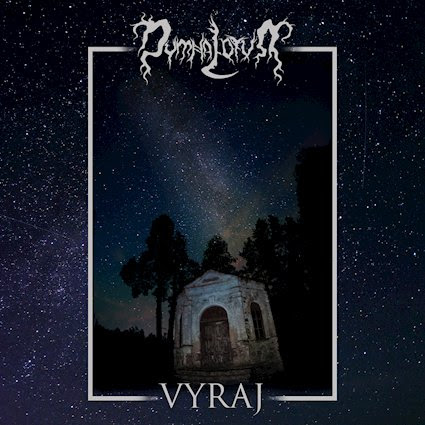
Continuing to carry the torch of rebellion, which is only natural as the founding members had to flee their native Belarus due to political persecution and continued attempts by the Lukashenka regime to censor and suppress their art, Warsaw, Poland-based Post-Black/Doom Metal act Dymna Lotva (which translates from Belarusian as “swamp in smoke,” referencing the devastating atrocities and burned villages of Polesia, a deeply distinct geographic and cultural region that extends across southern Belarus into Ukraine and Poland) is taking a quantum leap in their rapid musical evolution with their fourth studio album, titled Vyraj. Recorded at Everest Studio (vocals), at Hata Studio (guitars and bass), and at Studio Młyn (drums), the new album by Katsiaryna “Nokt Aeon” Mankevich on vocals and traditional flutes, Jauhien Charkasau on the guitars, bass and keyboards, Mikita Stankevich also on the guitars, and Wojciech “Bocian” Muchowicz on drums revolves around a main concept that could be described as “Belarusian ethno-astronomy.” In Slavonic legends, the starry sky is associated both with the afterlife and with journeys, which becomes closely intertwined with the musicians’ personal experience of forced emigration. This idea is captured in the album title, which is a mythical realm to where birds migrate for the winter, and where the souls of the departed find their final rest.

Zory sounds and feels darkly captivating from the very first second, with Jauhien, Mikita and Wojciech crafting the perfect atmosphere for the she-devil screams by Katsiaryna, evolving into a dark and wild beast of Post-Black Metal; and the band then showcases their ritualistic side in Veha, offering cryptic vocalizations while Wojciech dictates the pace with his thunderous beats and fills, also boosted by the Stygian harp by guest Deanna F. and the child vocals by Miraslava Palynskaya and Jan Palynski. The Boat of Despair brings forward another brilliant fusion of tribal sounds and the electricity of Black and Doom Metal, with the haunting vocals by the one and only Aaron Stainthorpe (High Parasite, My Dying Bride) clashing majestically with Katsiaryna’s desperate roars; whereas Viedmieragina will pierce our minds with its scorching Black and Folk Metal elements, not to mention Jauhien and Mikita are ruthless with their Melodic Death Metal-inspired riffs.

Niama Darohi showcases a more atmospheric side of the band, inviting our souls to wonder through the vast Stygian lands rules by Dymna Lotva while the keys by Jauhien sound absolutely enfolding. Then we have Bu Samoje (featuring Andrii “Deicider” Sovgar, Jan Mačuĺski, Aliaksandr Čarnuha, Jauhien and Mikita as the “Balbuta Choir”), their most Folk Metal song of all, as if the band and their guests were united around the fire for a sacrifice; followed by Usta Za Mianie, the most generic of all songs, lacking the same dynamism and energy of its predecessors. Last but not least we face Return My Coffin Home, featuring guests Ingvarr (Schreigarm) on vocals, Déhà (Wolvennest, Silver Knife, Slow) on fretless bass, and Velzevul on backing vocals and FX, a stunning Melodic Black Metal aria to conclude their ritualistic feast, with all harsh and clean vocals sounding stunning.

Although Vyraj is still based on a solid foundation of Black and Post-Black Metal, the band moves far beyond any easy labelling by also drawing inspiration from Doom, Heavy, and Progressive Metal, while venturing even deeper by incorporating elements from electronic music, goth, and folklore. The album is a cornucopia of great songs that are atmospherically dense and invite the listener onto an emotional roller-coaster ride from the darkest depth of depression and fear, via raw anger and defiance, to heights of ecstatic exhilaration, and if you want to know more about those rebellious Belarusian dissidents and their music, you can find them on Facebook, Instagram, YouTube, and Spotify, and purchase their new album from BandCamp, from Prophecy Productions, or by clicking HERE. In a nutshell, Vyraj is a musical kaleidoscope with ever changing patterns and sonic colours of remarkable beauty that often dissolves into captivating melodies that at times even achieve a pop-like appeal, and once you start listening to the album, get ready to be consumed by its beauty and energy.

Best moments of the album: Zory, The Boat of Despair and Return My Coffin Home.

Worst moments of the album: Usta Za Mianie.

Released in 2026 Prophecy Productions

Track listing
1. Zory 4:48
2. Veha 7:01
3. The Boat of Despair 5:31
4. Viedmieragina 5:36
5. Niama Darohi 4:29
6. Bu Samoje 4:38
7. Usta Za Mianie 4:35
8. Return My Coffin Home 8:10

Band members
Katsiaryna “Nokt Aeon” Mankevich – vocals, traditional flutes
Jauhien Charkasau – guitars, bass, keyboards
Mikita Stankevich – guitars, backing vocals
Wojciech “Bocian” Muchowicz – drums

Guest musicians
Aaron Stainthorpe – vocals on “The Boat of Despair”
Ingvarr – vocals on “Return My Coffin Home”
Déhà – fretless bass on “Return My Coffin Home”
Deanna F. – harp on “Veha”
Andrii “Deicider” Sovgar – backing vocals on “Bu Samoje”
Miraslava Palynskaya & Jan Palynski – child vocals on “Veha”
Velzevul – backing vocals & FX on “Return My Coffin Home”
Andrii “Deicider” Sovgar, Jan Mačuĺski, Aliaksandr Čarnuha, Jauhien & Mikita – Balbuta Choir on “Bu Samoje”