This uncanny entity from Norway is back with their third studio album, one of the finest 32 minutes of idiosyncratic Black Metal insanity you will come across in a long time.
Formed in 2003 by vocalist and guitarist Aldrahn, one of Norwegian Black Metal’s foremost legends, especially infamous for his inimitable vocals on landmark albums by Thorns, Dødheimsgard, and Zyklon-B, the uncanny Avantgarde Black Metal entity Urarvis back with their third offering, titled Nychta Psychis, following up on their 2023 sophomore Substratum. Currently formed of the aforementioned Aldrahn on vocals and guitars alongside Sakis also on the guitars, Sturt on bass, and Trish on drums, the band brings forward one of the finest 32 minutes of idiosyncratic Black Metal insanity you will come across in a long time, making it unmistakably clear from the album’s very first second that they couldn’t care less what anyone might expect or think. This resulted in a beautifully unconventional album that is both adventurous and sophisticated without sounding pretentious or artificially original, in special the sheer versatility displayed by Aldrahn’s vocal delivery throughout the album’s duration.
Dødheimsgard offers an excellent start to the album with Aldrahn’s demented vocals walking hand in hand with the song’s metallic, sharp riffs, and crushing beats and fills, sounding like two or three songs in one; followed by the title-track Nychta Psychis, keeping the momentum going with its ethereal intro followed by a burst of Avantgarde Black Metal madness led by the scorching guitars by Aldrahn and Sakis. Then like a dark waltz of Black Metal insanity we have When Consciousness Identifies With Matter It Is Lost, again showcasing a wild fusion of clean and harsh vocals, caustic guitars, and thunderous bass and drums, whereas Operation Genocide already kicks off in full force, sounding very experimental and diverse. Needless to say, Aldrahn is once again insane on vocals. And lastly, Youniverse sounds as demented as it is melodic and dense, with their otherworldly vociferations and venomous riffs captivating our putrid souls until the very end.
While the band recognizes the ancient heritage of Norwegian Black Metal, they also trample across limitations in their new album. “We’re traveling to remote regions of metal music and mental space with this music. Although our message is one of emotional putrefaction, we want to help listeners find a way through the black hole,” commented the band, and you can find more information about them on Facebook and on Instagram, stream their eccentric creations on Spotify, and purchase a copy of their new album from the Darkness Shall Rise’s BandCamp or webstore. Nychta Psychis is simply honest music written by seasoned musicians who have nothing to prove and none to please, and if you like the early works of Dødheimsgard mixed with a handful of different spices, do yourself a favor and make sure to purchase a copy of the new album by those amazing musicians from beautiful Norway.
Best moments of the album:Nychta Psychis and Youniverse.
Worst moments of the album: None.
Released in 2026 Darkness Shall Rise
Track listing 1. Dødheimsgard 6:48
2. Nychta Psychis 7:00
3. When Consciousness Identifies With Matter It Is Lost 7:18
4. Operation Genocide 4:30
5. Youniverse 7:04
Band members Aldrahn – vocals, guitars
Sakis – guitars
Sturt – bass
Trish – drums
Inspired by Northern mythology and ancient folklore, this relentless German Symphonic and Blackened Deathcore horde returns with their most ambitious work to date, exploring the darker, mystical aspects of forgotten legends.
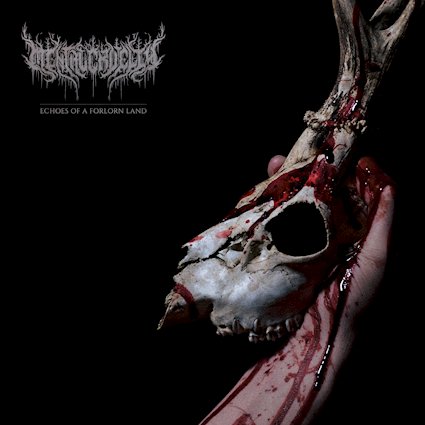
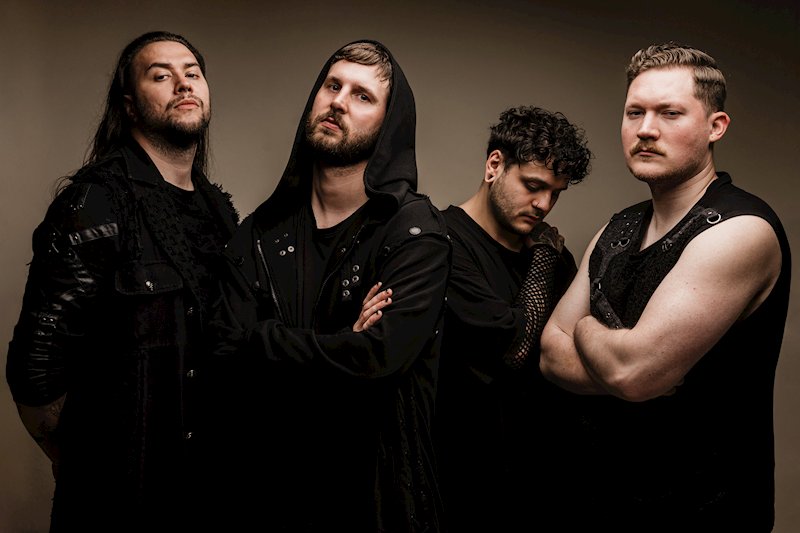
For Karlsruhe, Germany-based Symphonic/Blackened Deathcore band Mental Cruelty, it all changed with a trip to the library after a visit to Hel(l). After purchasing books on Norse Mythology, those Teutonic warriors took the inspiration from the standalone single “Helheim” (based on the ruler of the titular realm of the dead) to a full-album affair on Echoes of a Forlorn Land, following up on their critically acclaimed 2023 opus Zwielicht. Produced, mixed and mastered by the legendary Jens Bogren at Fascination Street Studios, the new opus by frontman Lukas Nicolai, guitarists Nahuel Lozano and Marvin Kessler, and drummer Danny Straßer captures the band at the height of their creative powers inspired by Northern mythology and ancient folklore, deliberately moving away from familiar clichés, instead exploring the darker, mystical aspects of forgotten legends, hence fans hoisting upon the band the banner of “Viking Deathcore.” Authentic traditional instruments from across Europe and Asia add depth and atmosphere to the album, while crushing riffs, relentless blast beats, haunting orchestrations, soaring melodies and ferocious vocals create an intense yet emotionally rich journey.
The epic, dark and enfolding intro Weltennacht transports us to Hel together with Mental Cruelty before the sonic storm titled Fenrir hits us majestically, with the bestial drumming by Danny offering Lukas exactly what he needs to roar like a demonic entity, kicking off the album on a beyond electrifying mode. Then we have Blood for Blood, blending their Deathcore essence with the epicness of Folk Metal, with the guitars by Nahuel and Marvin breathing fire like dragons; followed by The Serpent of Midgard, where Lukas roars the song’s venomous lyrics rabidly (“A colossus born from chaos / Guarding the realm of the deep / A bite that murders immortals / No soul will ever escape / Escape / No soul will ever escape / No cure for his venom / Guarding the realm of the deep”) while the music is a powerhouse of Symphonic Deathcore insanity. And Helheim is as heavy as it is epic and imposing, with the wall of sounds crafted by the entire band crushing our bodies and souls mercilessly.
Draugar alternates between absolute metallic madness, ethereal passages, and thunderous breakdowns, while also presenting elements from an array of styles from Death to Atmospheric Black Metal; whereas in Raise the Raven Banner all traditional instruments make it feel like we’re in the middle of a Viking battle. Moreover, Lukas keeps screaming nonstop supported by Dany, who pounds his drums like the hammer of Thor. Cry of Batariel keeps the atmosphere dense, ritualistic and visceral, once again presenting the scorching melodeath riffs by Nahuel and Marvin, while Frost invests in a more Atmospheric Doom and Folk Metal vibe, with its Stygian lyrics (“Every night, I hope for redemption / And for this darkness may come to an end / Every god remains in silence / No sunlight dares to descend”) adding even more epicness to the music. And finally, after the piano interlude Dämmerbruch, we face Ride of the Valkyries, a masterpiece of Viking Deathcore with all band members giving all they got, turning it into a stunning musical voyage led by the cryptic vocals by Lukas and their always scorching riffs.
With Echoes of a Forlorn Land, Mental Cruelty have crafted a sound vast enough to stand alongside all of them and more, while remaining unmistakably their own, entering a bold new chapter and delivering their most ambitious album to date. Expanding far beyond the boundaries of modern Deathcore, the band forges a distinctive sound that masterfully blends Blackened Death Metal with elements of Black, Folk and Power Metal, creating an immersive and cinematic listening experience unlike anything in their catalogue. “We already wrote about Satan on ‘Obsessis a Daemonio,’ I already wrote about Hades in a previous band, and I was curious about more rulers of the Underworld,” explained vocalist Lukas Nicolai. “Hel just made sense as our sound has increasingly become more influenced by Scandinavian music. The books we bought expanded our knowledge of Nordic folklore, and the stories kept ringing in our ears until they became the Echoes of a Forlorn Land.” Needless to say, you can find more details about those German metallers, including their tour dates, on Facebook, on Instagram and on YouTube, stream their music on Spotify, and of course purchase their new album by clicking HERE or HERE. Because Echoes of a Forlorn Land is not just the next Mental Cruelty album. It is the sound of a band redefining its own genre.
Best moments of the album:Fenrir, The Serpent of Midgard, Raise the Raven Banner and Ride of the Valkyries.
Worst moments of the album: None.
Released in 2026 Century Media
Track listing 1. Weltennacht 2:06
2. Fenrir 4:21
3. Blood for Blood 3:14
4. The Serpent of Midgard 4:50
5. Helheim 3:53
6. Draugar 2:49
7. Raise the Raven Banner 6:19
8. Cry of Batariel 4:02
9. Frost 4:13
10. Dämmerbruch 1:26
11. Ride of the Valkyries 6:45
Band members Lukas Nicolai – vocals
Nahuel Lozano – guitars
Marvin Kessler – guitars
Danny Straßer – drums
This uncanny Sci-Fi Black Metal duo is ready to attack armed with their debut opus, offering music that is light years ahead of what we’re accustomed to hearing.
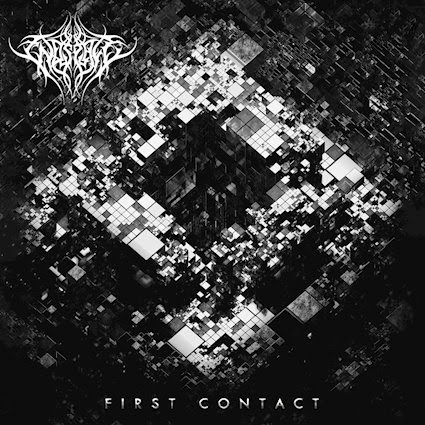
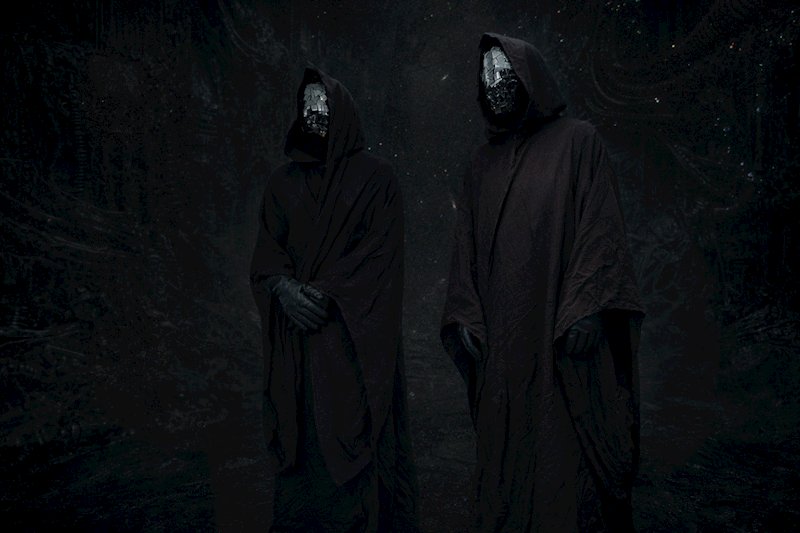
Consisting of two anonymous members operating under the numerical aliases 040118180514 (vocals, bass, keyboards and drums) and 102119200914 (guitars and backing vocals), both members of the Canadian Technical Death Metal band Fractal Generator, Sudbury, Ontario-based Sci-Fi Black Metal entity Endspace creates music that is light years ahead of what we’re accustomed to hearing. Using synthesizers and vocoders to make music that sounds as if it’s emanating from beings on some distant planet, drawing thematic and sonic comparisons to acts like Darkspace, Aborym, Thorns, Labyrinthus Stellarum, Midnight Odyssey, and Imperialist, the duo is unleashing upon us their debut opus, titled First Contact, merging heavily structured, futuristic Black Metal elements with Experimental, Industrial and Death Metal influences, all embraced by a sinister artwork by Midge “Mantissa” Sinnaeve. Furthermore, the songs in First Contact are all called “transmissions,” and each one has a different identity and purpose, making the album an utterly fascinating and unique listening experience.
Such an uncanny duo kicks off their Sci-Fi feast with First Transmission, with the guitars by 102119200914 transpiring cosmic insanity, followed by Second Transmission, where 040118180514 embellishes the airwaves with his futuristic keys accompanied by the cryptic guitars by 102119200914. Things get serious in Third Transmission, with the venomous roars by 040118180514 sounding like a creature from outer space, or in other words, it’s the epitome of Experimental Black Metal, whereas Fourth Transmission, follows a similar path of otherworldly insanity, again presenting their deep vociferations and ruthless beats and fills.
Fifth Transmission is a weird one, maybe too experimental at times, not really a song but more like an interlude, whereas Sixth Transmission puts the duo back on track with their haunting Sic-Fi Black Metal, offering us all Stygian vocals and guitars. Then we have Seventh Transmission, getting heavier and heavier as the music progresses, sounding disturbing at times, followed by Eighth Transmission, again delivering an overdose of uncanny riffs and keys, as mechanized yet visceral as it can be. Their last breath of Black Metal insanity comes in the form of Ninth Transmission, a multi-layered feast from another world tat puts a stunning ending to the album.
Tenuously Black Metal, with its elements taken apart and pieced together using unconventional components, First Contact offers a unique exploration of the Sci-Fi side of Black Metal, and if you want to join 040118180514 and 102119200914 in such a dark and otherworldly quest you can find the duo on Facebook and on Instagram, stream their idiosyncratic creations on Spotify, and of course grab a copy of the album from their own BandCamp or from the Transcending Obscurity Records’ BandCamp, main store, US store or EU store. In other words, let the Sci-Fi sounds blasted by Endspace in First Contact take your soul to outer space. End of transmission.
Best moments of the album:Third Transmission, Fourth Transmission and Ninth Transmission.
A crow is calling to the sound of the new offering by Colombia’s own Melodic Black and Death Metal entity, a conceptual journey through mysticism, transformation and inner transmutation.
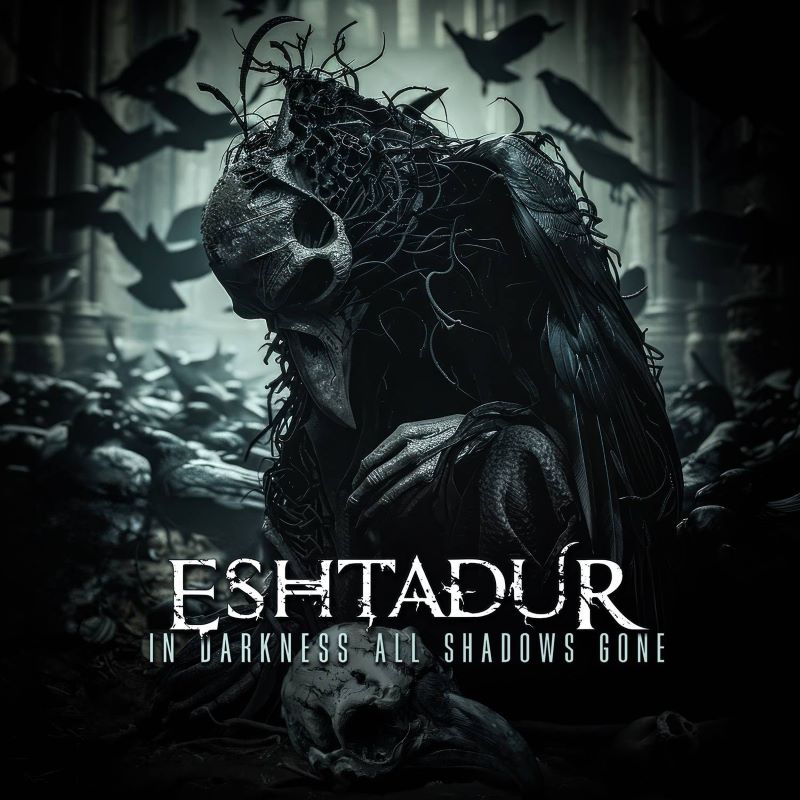
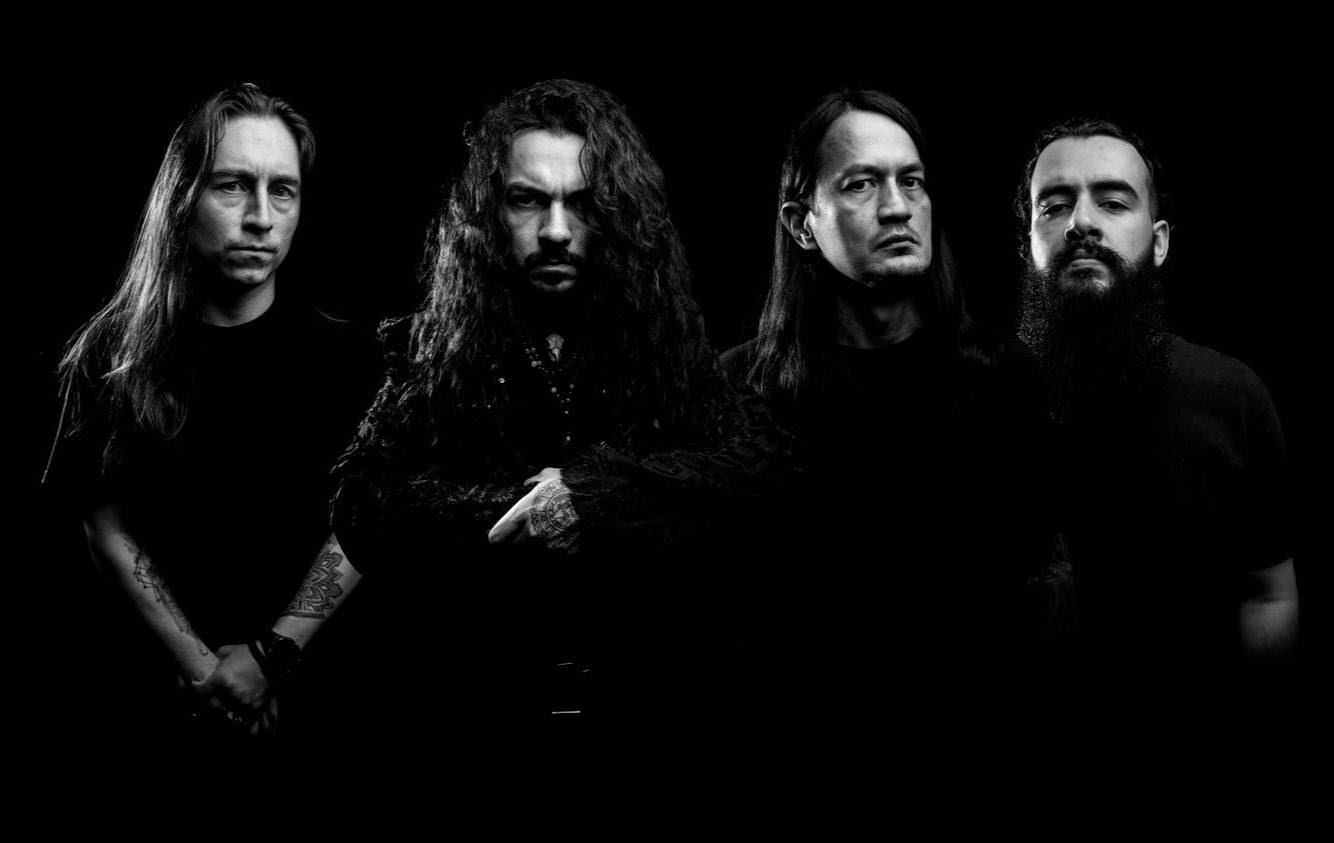
Combining Gothenburg-influenced Death Metal, Black Metal and classical composition with an interest in poetry, mysticism, existence and cosmogony, Pereira, Colombia-based Melodic Black/Death Metal outfit Eshtadur is back with their fifth studio album, titled In Darkness All Shadows Gone, following on their critically acclaimed 2017 album Mother Gray and their 2020 opus From the Abyss. Recorded at RockStar Studios, produced by the band’s mastermind Jorg August, who also wrote the music, lyrics, compositions, and orchestral arrangements, mixed and mastered by Tomasz “Zed” Zalewski, and displaying a Stygian artwork by Vallesia Obscura, the new offering by Jorg August on vocals and guitars, Camilo Barbosa also on the guitars, Andres Gonzalez on bass, and David Lopez on drums follows a conceptual journey through mysticism, transformation and inner transmutation.
The phantasmagorical intro Age of Antumbra will darken the skies and drag us into a deep dark forest to the sound of Into The Woods, kicking off in full force to the ruthless growling by Jorg while Camilo, Andres and David hammer their instruments nonstop. Umbra offers six minutes of first-class Melodic Death Metal where the guitars by Jorg and Camilo transpire obscurity; and David keeps pounding his drums in the name of dark and heavy Melodic Death Metal in August’s Burdens, where all backing vocals boost Jorg’s already killer guttural. Fire Above Mountain Below is one of the most experimental and symphonic of all songs, where the quartet fires a massive wall of sounds that fills every single space in the air majestically, followed by Old Shaman Blind, which starts in a cryptic manner before evolving into a Death and Doom Metal creature, once again led by David’s crushing beats and fills.
Thunderground offers a blend of Scandinavian Melodic Death Metal with the band’s own South American twist, with the riffs and solos by Jorg and Camilo feeling fantastic, and they keep shredding their axes in Ruler of the Lake, sounding heavy and venomous from start to finish. Then a beyond atmospheric start gradually morphs into a bestial display of Death and Doom Metal titled A Black Winged Waltz, again presenting the striking guitar solos by Camilo; and there’s still fuel for another hard hitting tune titled Nebulae (Virgo), led by the classic beats and fills by David. Omen of Millennia lives up to the legacy of traditional Melodic Death Metal, with Jorg sounding infuriated again on vocals for our absolute delight, flowing into Soy Real, a climatic conclusion to the album where Jorg’s deep growls are spiced up by clean vocals in the background amidst a beautiful sonic devastation.
“We worked on this material for four years. It is a long album with twelve tracks, symphonic arrangements, a real orchestra, many vocal layers and Tuvan voices. At times, it felt like a giant puzzle, but everything finally came together. We are proud of the result and grateful to everyone who helped us build it. A crow is calling,” commented Jorg August, who’s waiting for you on Facebook and on Instagram with news, tour dates and so on, and you can also stream their music on Spotify and put your hands on In Darkness All Shadows Gone via BandCamp or Rockshots Records, or by clicking HERE. Fans of Septicflesh, Dissection and At The Gates will surely have a great time listening to the new album by Eshtadur. Or, in other words, can you hear the crow calling?
Best moments of the album:Into The Woods, Fire Above Mountain Below and Omen of Millennia.
Worst moments of the album: None.
Released in 2026 Rockshots Records
Track listing 1. Age of Antumbra 2:00
2. Into The Woods 4:41
3. Umbra 6:22
4. August’s Burdens 4:59
5. Fire Above Mountain Below 5:08
6. Old Shaman Blind 5:08
7. Thunderground 3:40
8. Ruler of the Lake 5:14
9. A Black Winged Waltz 9:23
10. Nebulae (Virgo) 5:09
11. Omen of Millennia 3:56
12. Soy Real 5:11
Band members Jorg August – vocals, guitars
Camilo Barbosa – lead guitars
Andres Gonzalez – bass
David Lopez – drums
Back from the Death Metal pits of Down Under, these Australian cavemen attack once again with their seventh display of absolute savagery and hatred.
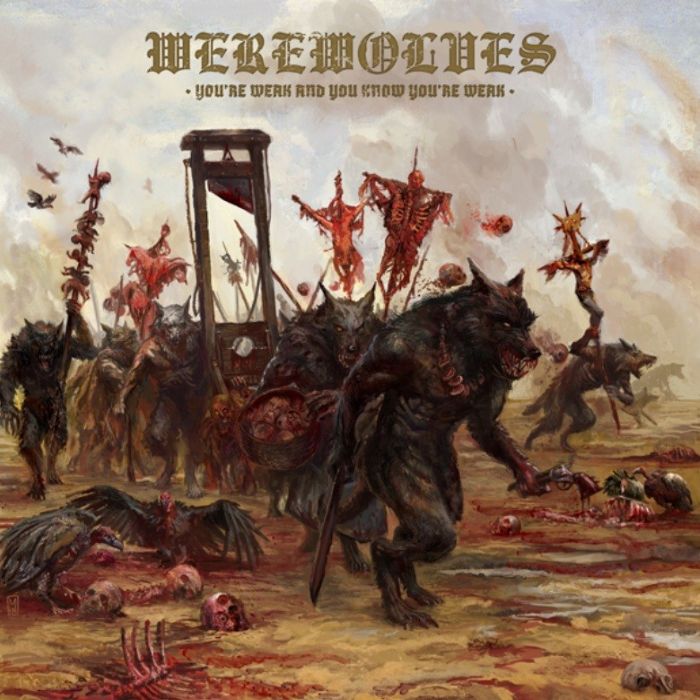
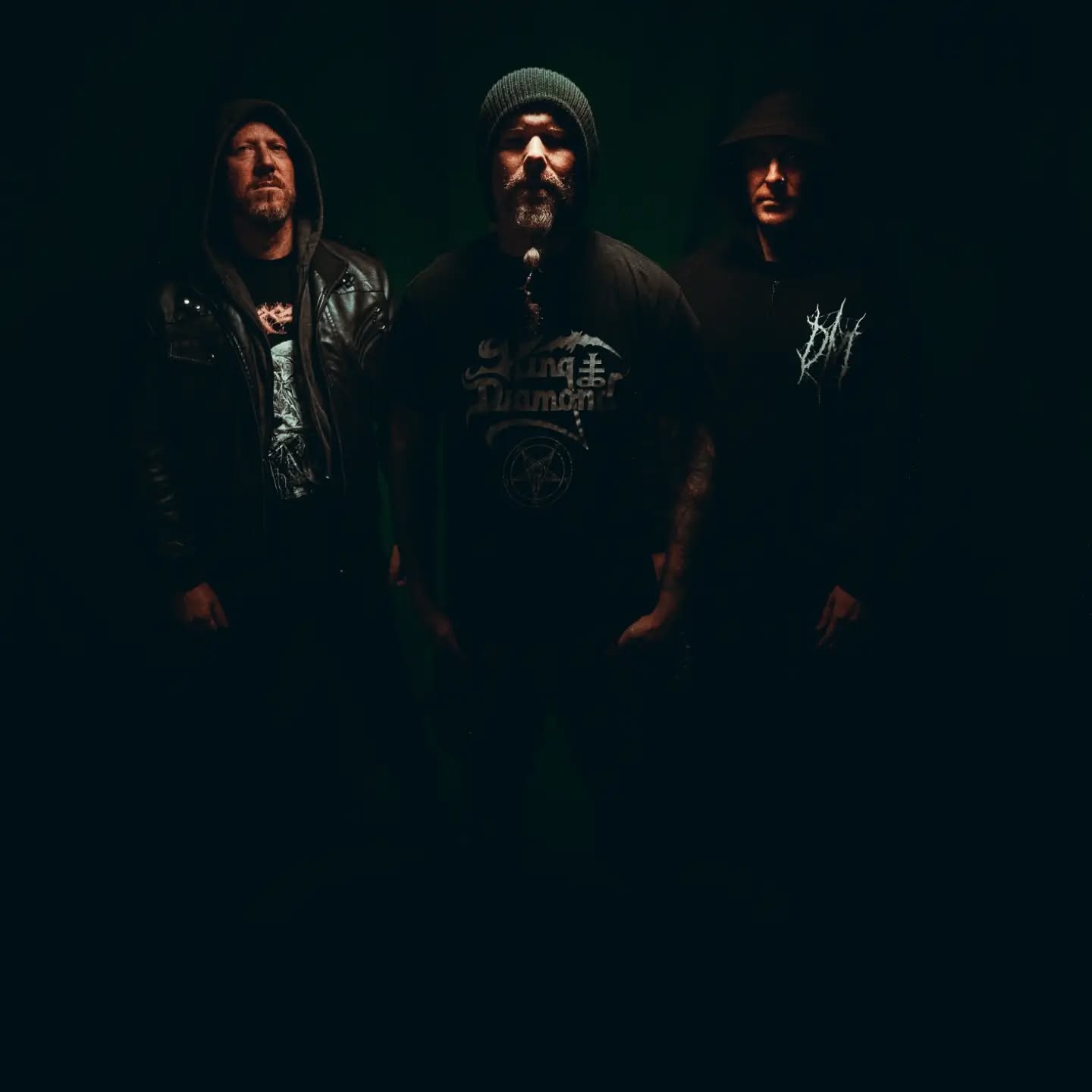
Back from the Death Metal pits of Down Under, having sworn to release ten albums in ten years (or commit group suicide if they fail), Melbourne, Australia’s own Technical Black/Death Metal cavemen Werewolvesattack once again with their seventh display of absolute savagery and hatred, beautifully titled You’re Weak and You Know You’re Weak, following up on their just as demented albums The Dead Are Screaming (2020), What a Time to Be Alive (2021), From the Cave to the Grave (2022), My Enemies Look and Sound like Me (2023), Die for Us (2024), and The Ugliest of All (2025). Once again mixed and mastered by Joe Haley at Crawlspace Productions, and showcasing a savage artwork by Mitchell Nolte featuring crucifixions, baby kebabs, and a werewolf army, the new offering by Sam Bean on vocals and bass, Matt Wilcock on the guitars, and David Haley on drums beautifully marches against world peace, offering another blast of berserk heavy music not recommended for the lighthearted.
There’s no sign of happiness, hope or sanity on the horizon as the trio begins their infuriated metal attack with Uroboric Fuckwit, where David is as usual absolutely inhumane on drums while Sam growls like a rabid beast; and Matt delivers his trademark Black and Death Metal riffs in Tank Habit, inviting us all to slam into the pit like true headbanging bastards. Burn It To The Ground is even more demented and violent than its predecessors, with Sam sounding pissed off on vocals supported by the heavy artillery brought forth by David, followed by Triple Negative, a very positive name for an Extreme Metal song, with Sam’s deep roars and demented screams piercing our putrid minds mercilessly. And their circle pit extravaganza goes on in full force with So Say All Of Us, where David showcases another round of his unique, visceral drumming skills always in the name of our good old Death Metal.
Fields Of Suicide is another song with a very charming and poetic name, offering our avid ears an avalanche of unfiltered Death and Black Metal insanity led by the scorching riffs by Matt while Sam keeps barking and hammering his bass manically. The trio definitely knows how to offer pure darkness and fear through their slower compositions, which is exactly the case in We March, enhancing the depth of their vocals, and of course the heaviness of their riffs; and it’s pedal to the metal in the infernal aria beautifully titled The Song Of Stupid Men, where David pounds his drums like a true Tasmanian devil, resulting in another lecture in absolute brutality and chaos by those phenomenal musicians. Lastly, their coup-de-grace comes in the form of You’re Weak and You Know You’re Weak, played with endless fury, hatred and venom in their blackened hearts, therefore leaving us eager for more of the uncompromised insanity by Werewolves in about a year or so.
As soon as you start listening to You’re Weak and You Know You’re Weak, you know there will be blood, just like how those amazing guys form Australia have been doing for the past seven years under the Werewolves banner, as well as with their other bands including Psycroptic, Abramelin, and The Antichrist Imperium. In other words, this album is for fans of Marduk, Marduk, fucking Marduk, and getting your teeth kicked right the fuck in. Having said that, once again don’t forget to invite the guys from Werewolves for an afternoon tea while blasting their ravenous Death Metal by following them on Facebook and on Instagram and by streaming the visceral, deadly music on YouTube or on Spotify, and of course to grab their scorching new album from their website or BandCamp page, from Direct Merch, from Nightshift, or from Plastic Head. You’re weak, and you know you’ll always be weak. Unless, of course, you start listening to Werewolves. Then you’ll be Death Metal.
Best moments of the album:Uroboric Fuckwit, Burn It To The Ground, Fields Of Suicide,The Song Of Stupid Men and You’re Weak and You Know You’re Weak.
Worst moments of the album: None.
Released in 2026 Back On Black Records
Track listing 1. Uroboric Fuckwit 3:22
2. Tank Habit 3:43
3. Burn It To The Ground 3:04
4. Triple Negative 2:55
5. So Say All Of Us 3:25
6. Fields Of Suicide 4:16
7. We March 5:21
8. The Song Of Stupid Men 3:35
9. You’re Weak and You Know You’re Weak 3:28
Band members Sam Bean – vocals, bass
Matt Wilcock – guitars
David Haley – drums
Balancing tradition and progression, this German Black Metal horde returns with their fourth studio offering, bringing the light from hell into our blackened hearts.
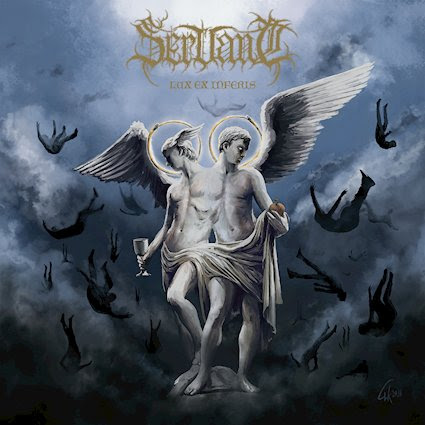
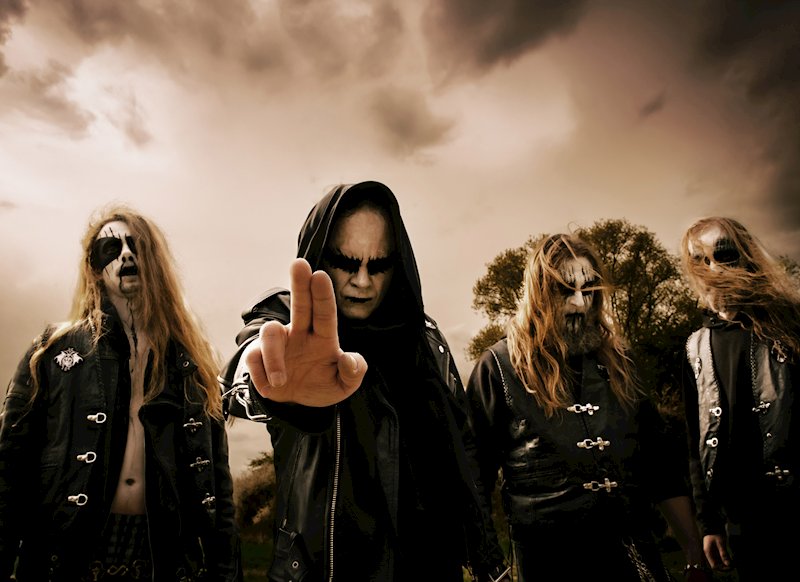
Balancing tradition and progression, German Black Metal horde Servant delivers a sound that feels both familiar and forward-thinking, uncompromising, powerful, and darkly captivating. Two years after their critically acclaimed third album Death Devil Magick, the band formed of vocalist and guitarist Farago, guitarist Samael, bassist Thanatos, and drummer Apophis returns with Lux Ex Inferis (a Latin phrase that means “light from the netherworld” or “light from hell”) offering more of their authentic-yet-modern approach to Melodic Black Metal. Recorded at Katzbach Studio, produced and Mixed by Farago, mastered by Dennis Poschwatta at Katzbach Studio, and showcasing a stunning artwork by Misanthropic-Art, Lux Ex Inferis sees the band once again combine intensity, atmosphere, and passion into a distinctive sound, turning it into a must-listen for admirers of the darkest side of music.
The whimsical, ethereal intro In Noctem will captivate our souls before we’re crushed into pieces to the sound of Tabula Rasa, a beautiful Melodic Black Metal aria by the quartet with the anguish and pain flowing from Farago’s scorching vocals sounding stunning, also featuring guest vocals by the one and only P.G. of Groza, followed by Glorification, spearheaded by the demonic drums by Apophis while Thanatos keeps hammering his bass in the name of absolute darkness. Thanatos, Embrace of the Night again presents the band’s trademark fusion of aggression, obscurity and harmony, leaning towards the Blackened Death Metal played by Behemoth, whereas De Profundis, or “from the depths” from Latin (a letter written by Oscar Wilde during his imprisonment in Reading Gaol, to his friend and lover Lord Alfred “Bosie” Douglas) showcases a phenomenal guitar work by Farago and Samael from start to finish, featuring guest vocals by Lethian.
Lux Fulget, which translates from Latin to English as “the light shines,” already starts in full force to the pounding drums by Apophis while Farago continues to vociferate like a creature from the abyss; and the strident guitars by Farago and Samael ignite another bestial Black Metal feast titled Of Stones, Sleep and Death, sounding enfolding, grim and vile, all at the same time. Then we face The Accuser, blending the obscurity of classic Black Metal with the depth and ferocity of modern-day Melodic Black Metal, with Thanatos and Apophis once again sounding thunderous armed with their respective bass and drums; while their last breathe of Black Metal magic comes in the form of Hypnos I See You, carrying a poetic name for an overdose of Stygian, sharp riffs and devilish roars, putting a beyond climatic and devilish ending to their black mass.
Expanding on the band’s established style, Lux Ex Inferis merges epic structures and haunting melodies, creating a multi-layered sonic landscape where passion meets grandeur, pointing to an even brighter (or maybe I should say darker) future ahead of those servants of the dark arts. You can get in touch with the band and stay up to date with their news and tour dates via Facebook and Instagram, stream their caustic music on any platform like Spotify, and of course, put your damned, dirty hands on their scorching new opus by purchasing it from the AOP Records’ BandCamp or webstore (or click HERE for all things Servant). After all is said and done, these German black metallers are among us to spread absolute darkness armed with Lux Ex Inferis, bringing the light from hell into our blackened hearts.
Best moments of the album:Tabula Rasa, De Profundis, Lux Fulget and Hypnos I See You.
Worst moments of the album: None.
Released in 2026 AOP Records
Track listing 1. In Noctem 2:14
2. Tabula Rasa 5:30
3. Glorification 4:38
4. Thanatos, Embrace of the Night 5:06
5. De Profundis 4:35
6. Lux Fulget 4:51
7. Of Stones, Sleep and Death 4:52
8. The Accuser 4:06
9. Hypnos I See You 5:47
Band members Farago – vocals, guitars
Samael – guitars
Thanatos – bass
Apophis – drums
Guest musicians
Lethian – vocals on “De Profundis”
P.G. – vocals on “Tabula Rasa”
So far away, yet held so close… I know you call me, wishing me back…
Let’s kick off the celebrations of the 13th anniversary of The Headbanging Moose, and there’s nothing better to represent over a decade of passion for the underground than paying a tribute to one of the staples of the Finnish extreme music scene as our metal lady of this month of October. If you’re not from another planet, you might have already heard of the name Tanja Kemppainen (sometimes also spelled Tanya Kemppainen), or Tanja Kirsi Tellervo Kemppainen, and who also goes by the darkly beautiful moniker Whisper Lilith or Tanya Whisper Lillith, the frontwoman for the incredible band Soulgrind since the already distant year of 1997, as well as the vocalist for other first-class bands from the land of ice and snow such as Lullacry and Gloomy Grim, always delivering those hypnotizing Stygian vocals we all love so much from one of the best places to be in the entire world when it comes to Heavy Metal. The skies are getting darker, the nights are getting colder and longer, and Whisper Lilith is among us all to remind us that winter might be coming, but there’s always beauty in its frostbitten landscapes.
Born in 1979 in Kajaani, a town of less than 40,000 people in Finland, and the regional capital of Kainuu, Tanja came to public attention as the singer of Melodic Death/Gothic Metal entity Lullacry (a play word with the words “lullaby” and “cry”) from 1998 to 2002, before being replaced by another Finnish singer named Tanja Lainio. The band called it quits in 2014, but their legacy remains with some excellent released with both Tanja Kemppainen and Tanja Lainio on vocals. Our metal lady of the month, Tanja Kemppainen (because as you know, there might be too many Tanjas in Finland), recorded with the band their very first demos in 1998 after changing their name from Coarse (which existed between 1992 and 1998 and played a more direct blend of Melodic Death Metal), those being Weeper’s Aeon and Sweet Desire, and the 1999 demo Alone.
After the release of those successful demos, the band then released their debut full-length studio album, also titled Sweet Desire, but containing 11 tracks instead of only the two original ones from the demo. The band picked up momentum and two years later released their sophomore opus, entitled Be My God, which gained tons of positive reviews from the fans and the media. Curiously enough, the band had a pretty steady lineup through the year with guitarists Sauli Kivilahti and Sami Vauhkonen, bassist Heavy, and drummer Jukka Outinen, with pretty much only Tanya leaving their classic formation and being replaced by the aforementioned Tanja Lainio in 2002, who stayed with the band until the end.
Between 1997 and 1998, she was also the female vocalist for a Helsinki-based Symphonic Black Metal horde named Gloomy Grim, having recorded with them the 1997 demo Friendship Is Friendship, War Is War!, and their 1998 debut full-length offering titled Blood, Monsters, Darkness, already going by the moniker Whisper. As a matter of fact, Tanja was the girlfriend of the band’s mastermind, vocalist and keyboardist Agathon (aka Juha Tapio Hintikka) while she was in the band. She left the band when they broke up (although they played together in Soulgrind after that). Furthermore, the band was put on hold in December 2019 due to Agathon’s deteriorating health, and then disbanded in August 2021. Unfortunately, Agathon died on May 30, 2022 due to complications of a brain cancer, but the legacy of Gloomy Grim lives on.
Another band which Tanja was a member of for a few years was Finnish Gothic Metal band Silentium. She was part of the band for a very brief period in 2003, when the band’s longtime original female vocalist, Tiina Lehvonen, took a temporary leave for personal reasons and Tanja stepped in to help them complete their next studio effort. By the time the band moved on to record their fourth album Seducia, in 2006, they had recruited a new permanent singer named Riina Rinkinen. Tanja and Silentium recorded only one studio album together, titled Sufferion – Hamartia of Prudence, released in 2003, a highly theatrical 16-song, 1-hour long concept album produced by Nightwish mastermind Tuomas Holopainen and featuring Tanja sharing vocal duties alongside Maija Turunen.
Apart from those, Tanja was also involved in two other pure Finnish metal bands. The first one was Symphonic Heavy Metal band Metallimessu. The band’s name is Finnish for “Metal Mass”, a service of worship which follows a Lutheran service patterns but where Finnish hymns are adapted to a Heavy Metal style. The first Metal Mass was held in 2006, becoming a phenomenon in Finland, but the group disbanded a couple of years later, in 2008. Tanja recorded with the band the songs Herra, elämääni, Herra, kädelläsi, and Ken tahtoo käydä Herran askelissa, which should translate to English as “Lord, my life,” “Lord, in Your hand,” and “whoever wishes to walk in the Lord’s footsteps,” from their 2008 self-titled album. She was also involved in the project Raskasta Joulua, which means “Heavy Christmas” in Finnish, delivering traditional Christmas carols and Christmas hits in a Heavy Metal style mostly with Finnish lyrics (although some are also in English and Swedish). In 2004 the project released their debut self-titled album, and Tanja was the vocalist for the song Maa on niin kaunis, or “the earth is so beautiful.”
This slideshow requires JavaScript.
Needless to say, her biggest contribution to the world of heavy music will forever be her role as vocalist for Helsinki-based Gothic/Black Metal beast Soulgrind as Tanya Whisper Lillith, fronting the band alongside the excellent vocalist Miika “Azhemin” Niemelä. Tanja joined Soulgrind back in 1997, when the band was the solo project of guitarist Jussi “Lord” Heikkinen and already had a couple of EPs and two full-length albums released. Right after joining the band with other musicians, hence Soulgrind becoming a full-bodied group, she recorded with them a 1997 demo titled Helkavirsiä, Promo 1997, followed by the albums Whitsongs (1997), Kalma (1999), Elixir Mystica (2001), Into the Dark Vales of Death (2002), The Origins of the Paganblood (2005), Pakana (2007), The Tuoni Pathway (2010), and more recently the excellent Ad Pulchram Mortem, as well as an EP in 2010 titled March Butterfly, all available on Spotify, slightly changing her moniker to Ms W. Lilith or Ms Tanya Lilith, depending on the album. You can find most of the songs from all albums also on YouTube, including official videos and lyric videos for songs such as Jylhä metsämies (or “the grim forest-dweller”) and Tears of the Earth.
Our incredible and unstoppable vocalist also participated in several amazing bands and projects as a guest musician through her undisputed career. For instance, she recorded backing vocals for the 2007 album Silent Waters, by Finnish Melodic Heavy Metal/Rock masters Amorphis; additional vocals for the 2010 demo The Space Opera, and the voice as “Princess Celeste” for the 2024 album Legacy of Morfuidra, by Finnish Power Metal act Coventhrall; vocals on the 1997 album Yellow, by Finnish Death/Thrash/Black Metal horde Nomicon; backing vocals on the song Black Lotus, from the 2006 album Fuck the World, by Finnish Stoner Metal/Hard Rock band Stoner Kings; and additional vocals on the Sandra’s cover In the Heat of the Night, from their 2000 single In the Heat of the Night, and backing vocals on the 2001 album Epilogue, both by Finnish Gothic Metal/Rock titans To/Die/For.
Once our metal lady Tanja was interviewed together with the diva Tarja Turunen to talk about women in metal in their homeland, and Tanja made some interesting comments about that. “In Helsinki’s heavy circles tough women are called rude chicks. That means the attitude that combines all heavy women. You can be any size or look anyway as long as you have the right attitude. Although the concept of rude chick started out as a joke, it means not to make trouble with me,” she said. Displaying the same style both onstage and in her personal life, Tanja (and also Tarja) said it’s certainly not hard to be a woman in the world of heavy music. “I’ve never faced hardships because I’m a woman nor have I gotten any concessions. Except for the fact that I rarely have to be a roadie! I pretty much have the same things as the guys, there’s no special position,” she commented.
After all is said and done, it’s crystal clear that there is no Heavy Metal in Finland without Tanja Kemppainen, and there is no Tanja Kemppainen without Heavy Metal. She’s a staple of the metallic scene in the always beautiful land of ice and snow, and I’m sure she’ll keep on rockin’ no matter what until her final breath. She has a Heavy Metal heart and soul, and it’s a true honor to let you readers know more about her stunning career here on The Headbanging Moose. May Whisper Lilith continue to darkly whisper her hypnotizing words to us, mere mortals, through her undisputed music, keeping the fires of Finnish Heavy Metal burning bright for many centuries to come.
Behold the new EP by this iconic Ukrainian Symphonic Black Metal horde, offering more than forty minutes of first-class heavy music, and a very good indication of what to expect from their upcoming full-length strike.
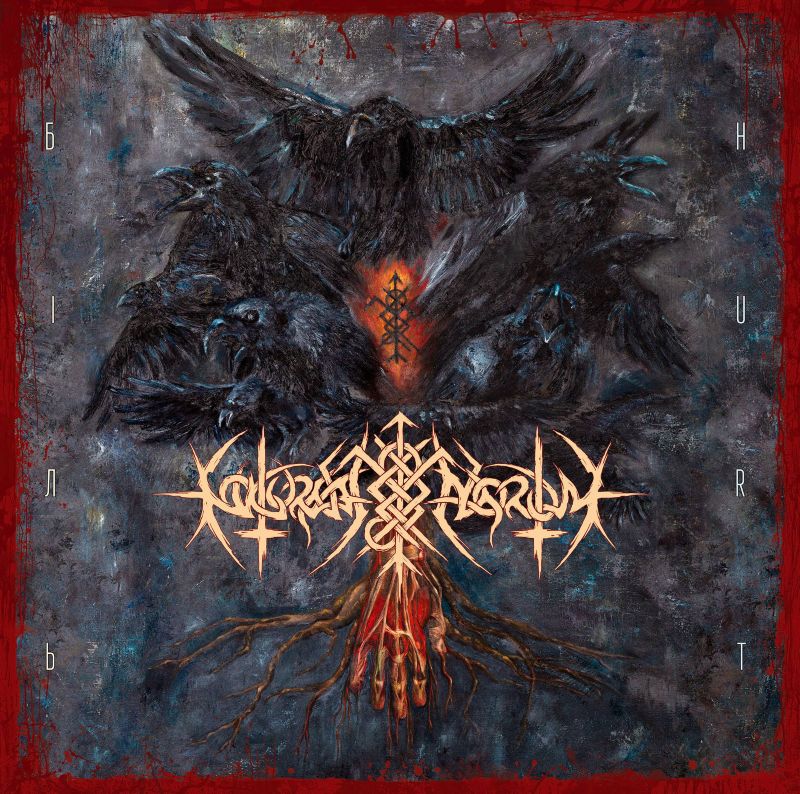
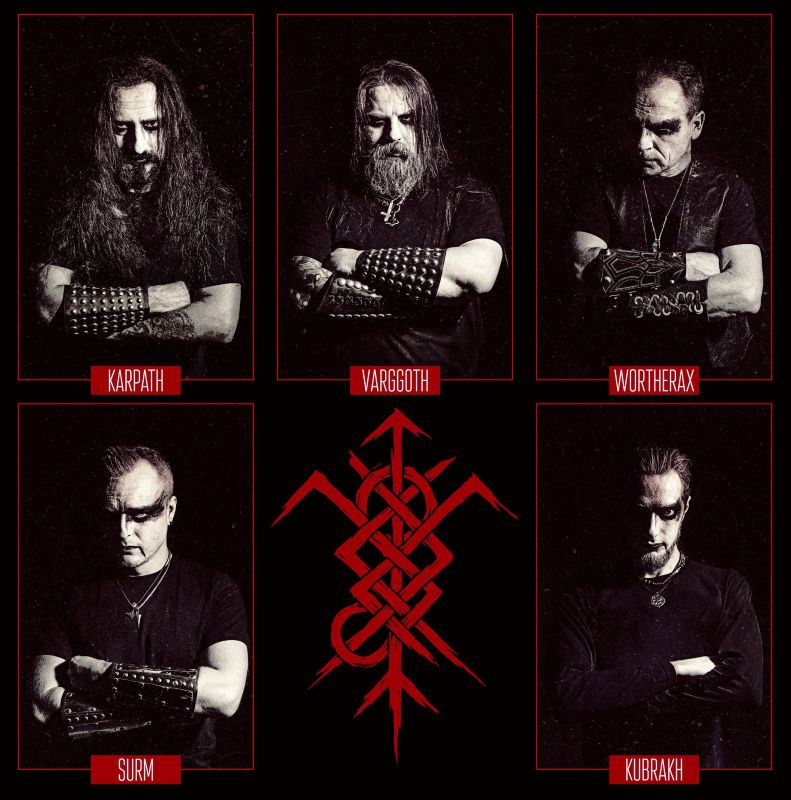
Initially a pure Death Metal project under the name of Suppuration formed in 1992 in Kharkiv, Ukraine, Symphonic Black/Folk Metal Nokturnal Mortum started to gain real attention from fans under their new name in 1994, with the album Twilightfall (1995), Lunar Poetry (1996) and Goat Horns (1997) presented a unique blend of Melodic and Symphonic Black Metal with the heritage of Ukrainian folk music. Now in 2026 the band currently formed of vocalist and multi-instrumentalist Knjaz Varggoth, guitarist Wortherax, keyboardist Surm, bassist Karpath, and drummer Kubrakh returns with a very special EP titled Біль | Hurt, following up on their 2022 opus До лунарної поезії, offering more than forty minutes of first-class heavy music, and a very good indication of what to expect from their upcoming full-length strike.
To Those Who Went Down the Tysyna River is an absolutely atmospheric and cinematic track, working as an extended intro to Eight Days to Spring, one of the most emotionally charged songs the band has ever made, born after protesting people getting shot down by criminal government forces at Maidan in the last days of February 2014, where the band blasts their trademark fusion of Black and Folk Metal spiced up by symphonic and epic elements. Then after the also experimental interlude First Steps of Freedom… The Flavor of Doom in Eight Years, we face Weltanschauung, with the scorching riffs by Knjaz Varggoth and Wortherax, and the massive beats by Kubrakh, exhaling Blackened Folk Metal magic. The Forgotten Ages of Victories offers a more epic vibe, with Knjaz Varggoth declaiming the song’s dark words like a beast from the underworld, followed by Ukraine, a vibrant live take on one of the band’s classics, where the keys by Surm sound striking from start to finish.
The year of 2026 is going to witness two new metal storms by Nokturnal Mortum, starting with the excellent EP Біль | Hurt, and culminating with their still untitled upcoming full-length album, which doesn’t have a release date confirmed yet. If their new album is just half as good as what they have to offer in this awesome EP, we can rest assured the gods of Black Metal will be extremely happy, just like us mere mortals, fans of extreme music, and you can get in touch with those talented Ukrainians via Facebook and Instagram, and of course, grab a copy of their new EP from Oriana Music. Біль | Hurt is the perfect representation of the past, present and future of such a resilient Ukrainian band, keeping the fires of Black Metal burning bright, and pointing to an even more exciting future ahead of them in the coming years.
Best moments of the album:Eight Days to Spring and The Forgotten Ages of Victories.
Worst moments of the album: None.
Released in 2026 Oriana Music
Track listing 1. To Those Who Went Down the Tysyna River 7:34
2. Eight Days to Spring 4:51
3. First Steps of Freedom… The Flavor of Doom in Eight Years 9:06
4. Weltanschauung 8:42
5. The Forgotten Ages of Victories 6:45
6. Ukraine (live) 7:28
Band members Knjaz Varggoth – vocals, guitars, keyboards, weellyre, drymba, telynka, kobza, percussion
Wortherax – guitars
Surm – keyboards, dulcimer, pipes
Karpath – bass
Kubrakh – drums
These Melodic Black Metal veterans are back with their sixth studio opus, a conceptual journey exploring themes of psychological torment, inner conflict, fragile hope and ultimate sacrifice.
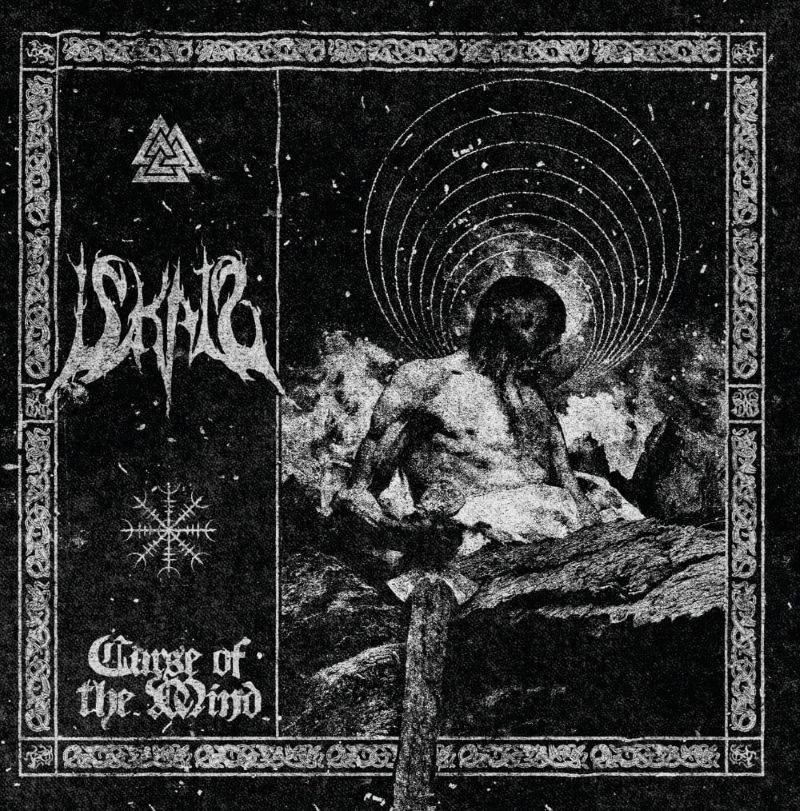
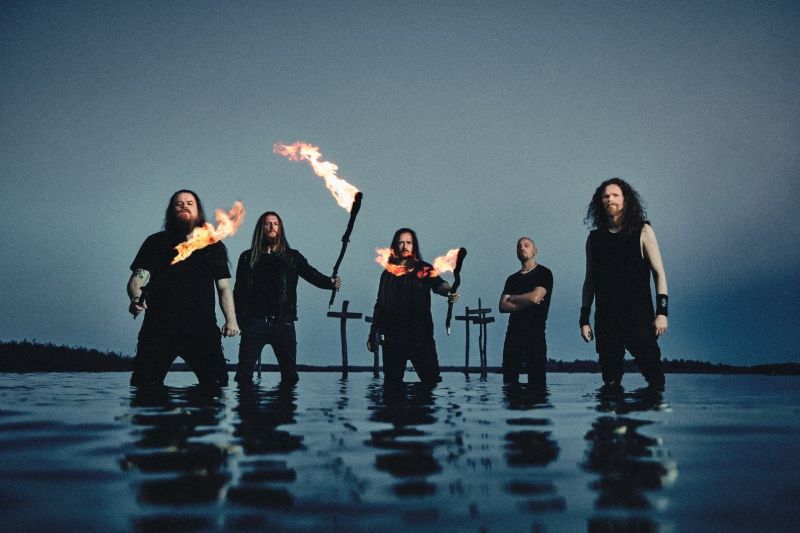
Formed in 2005 in Sortland, Northern Norway by vocalist Aage Krekling and guitarist Simon Larsen, but currently located in Bodø, Norway, with the ambition of creating a distinctive form of Melodic Black Metal deeply connected to the atmosphere of the Arctic north, the mighty horde known as Iskald (which translates to “ice cold” in English) is finally back with their sixth studio album (and first concept work), titled Curse of the Mind, following up on their 2018 opus Innhøstinga. Built as a conceptual journey, the new album by the aforementioned Aage Krekling and Simon Larsen alongside guitarist Ben Hansen, basisst Tobias Aubert, and drummer Isak Larsen unfolds through four interconnected chapters linked by ritualistic invocations, exploring themes of psychological torment, inner conflict, fragile hope and ultimate sacrifice. Framed within a stark, Norse-inspired vision of Helheim, the story is mythological in setting but deeply psychological at its core. Helheim is not merely a place, it is the shape taken by inner darkness. The true battlefield is the mind itself.
After the melancholic, dark intro Curse of the Mind – Invocation I, we face the band’s first slab of ferocity titled The Other Realm, or “The Descent,” a representation of vast emptiness, fog and isolation, with Aage vociferating like a demonic entity while Tobias and Isak generate an intricate, reverberating background that reeks of Black Metal. Then we have another invocation titled Curse of the Mind – Invocation II, where the guitars by Simon and Ben transpire malignancy, followed by Manifestation of Madness, or “The Prison,” showcasing doubt, fragmentation and psychological collapse, offering almost seven minutes of scorching Melodic Black Metal led by Isak’s bludgeoning drums
The second act of the album kicks off with the minimalist yet penetrating Curse of the Mind – Invocation III, where the sound of the piano will hypnotize us all before the band comes ripping with one of the most complex songs of the album, titled A Burden of Hope, or “The Fragile Light,” a display of strength found through accepting the darkness within, where their Doom Metal vein arises, darkening the skies to the devilish gnarls by Aage. And lastly, the short and ethereal invocation titled Curse of the Mind – Final Invocation sets the stage for the album’s climatic conclusion with The Sacrifice, or “The Ritual,” where before the throne of Hela suffering becomes meaningful, a multi-layered aria of Black Metal magic spearheaded by the scathing riffs by Simon and Ben, sounding infernal yet delicate until the very end.
Marking the beginning of a new chapter for the band, Curse of the Mind” was recorded at Strand Studio, mixed and mastered by Hallstein Sandvin, and features a stylish artwork by SG7 Graphics. For over two decades, Iskald have stood among the leading names in Norwegian Melodic Black Metal, expanding their trademark northern sound with its most ambitious and immersive work to date in Curse of the Mind, and if you want to know more about the band you can find them on Facebook and on Instagram, stream their music on Spotify, and purchase a copy of the album from Dusktone’s BandCamp or webstore. In other words, the new Melodic Black Metal journey by Iskald is about to begin, and you’re more than invited to join those amazing musicians in their ritualistic and mythological adventure.
Best moments of the album:The Other Realm, Manifestation of Madness and The Sacrifice.
Worst moments of the album: None.
Released in 2026 Dusktone
Track listing 1. Curse of the Mind – Invocation I 4:37
2. The Other Realm 6:53
3. Curse of the Mind – Invocation II 3:01
4. Manifestation of Madness 6:56
5. Curse of the Mind – Invocation III 2:06
6. A Burden of Hope 8:11
7. Curse of the Mind – Final Invocation 0:54
8. The Sacrifice 10:20
Band members Aage Krekling – vocals
Simon Larsen – guitars
Ben Hansen – guitars
Tobias Aubert – bass
Isak Larsen – drums
Behold the heart from rottenness offered by this up-and-coming Italian Apocalyptic Doom Metal duo in their debut album.
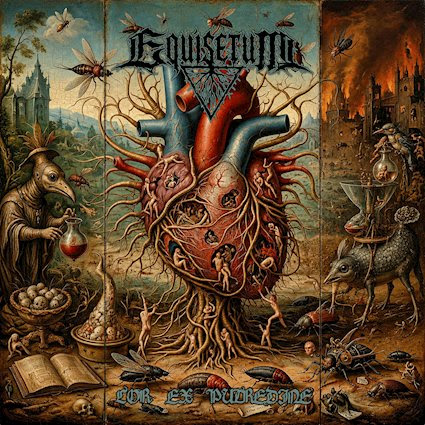
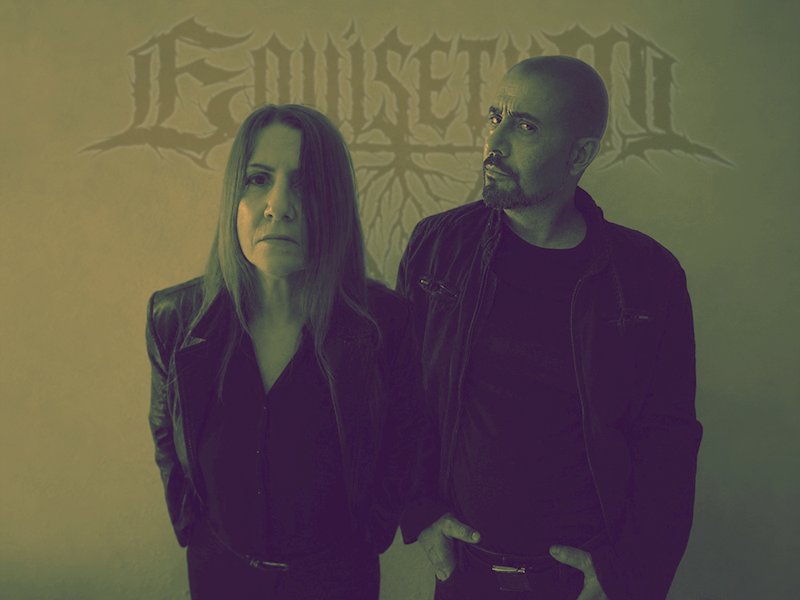
Equisetum (commonly known as horsetail) is a genus of primitive plants historically used to scour and polish metal surfaces because its stems contain high levels of abrasive silica. In heavy music, Equisetum are an up-and-coming Apocalyptic Doom Metal hailing from Italy who are unleashing upon humanity their debut offering, titled Cor Ex Putredine, or “heart from rottenness” from Latin. Recorded at Camera Ardente III-MS (vocals) and Camera Ardente IV-BS (guitars, bass and drums), the striking debut by vocalist Noctuaria, who was also responsible for all lyrics (sung in a ritualistic and visionary way, exploring themes of decay and loss), and multi-instrumentalist Mortifero, who took care of the mixing, mastering, music, artwork and layout, is rooted in the traditional Italian dark sound with a reference to Alkaest by Paul Chain, while expanding into multiple Doom Metal trajectories, from the heavier and alienating reminiscences of Celtic Frost, to the more irregular and dissonant approach of Unholy, up to the slow, gothic atmospheres of Type O Negative. Not only that, subtle Black Metal influences emerge, particularly in the construction of rhythmic textures, drawing from the essence of Thorns.
The album begins with the six-minute caustic aria Aghram, where Noctuaria already delivers her phantasmagorical vocals supported by the Doom Metal beats by Mortifero, not to mention his low-tuned, scorching bass will hammer your cranial skull. And Mortifero keeps firing dirty riffs and bass lines in Il Canto Degli Impiccati, once again utterly heavy and ritualistic. Mente Sepolta lives up to the legacy of classic Doom Metal infused with darker and tribal vibes, perfect for some ruthless headbanging, whereas Noctuaria’s vocals will send shivers down our spines in Mortuaria while Mortifero keeps pounding his drums in the name of sheer doom. Presenze Oniriche brings forward another seven minutes not recommended for the faint at heart where Noctuaria sounds hypnotizing with her deep vocalizations; and the Triptykon-like scathing bass by Mortifero will embrace us in darkness in Prevenar. It is as apocalyptic as it is evil, exhaling despair and melancholy. Finally, they still have one last breath of visceral Doom Metal in the form of Rymohr, where the wall of sounds crafted by Mortifero is beyond demonic.
In a nutshell, Cor Ex Putredine presents itself as a focused debut by this promising duo from the always beautiful Italian Extreme Metal scene, built on controlled contrasts and a balance between heaviness and timbral exploration. Hence, if you want to know more about Noctuaria and Mortifero, their music, plans for the future and so on, you can find them on Facebook and on Instagram, stream their doomed creations on Spotify, and above all that, put your hands on Cor Ex Putredine by purchasing it from BandCamp. Death is not an event, Death is a process, and the debut opus by this Italian duo is among us to remind us of such a harsh reality.


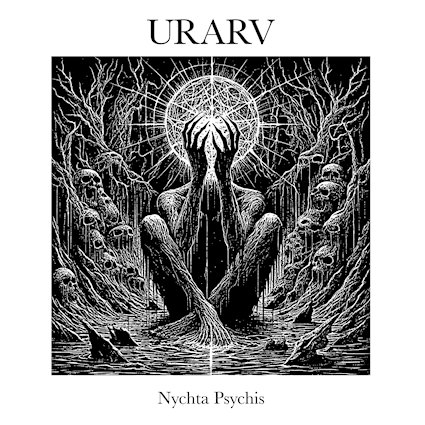 Formed in 2003 by vocalist and guitarist Aldrahn, one of Norwegian Black Metal’s foremost legends, especially infamous for his inimitable vocals on landmark albums by Thorns, Dødheimsgard, and Zyklon-B, the uncanny Avantgarde Black Metal entity Urarv is back with their third offering, titled Nychta Psychis, following up on their 2023 sophomore Substratum. Currently formed of the aforementioned Aldrahn on vocals and guitars alongside Sakis also on the guitars, Sturt on bass, and Trish on drums, the band brings forward one of the finest 32 minutes of idiosyncratic Black Metal insanity you will come across in a long time, making it unmistakably clear from the album’s very first second that they couldn’t care less what anyone might expect or think. This resulted in a beautifully unconventional album that is both adventurous and sophisticated without sounding pretentious or artificially original, in special the sheer versatility displayed by Aldrahn’s vocal delivery throughout the album’s duration.
 While the band recognizes the ancient heritage of Norwegian Black Metal, they also trample across limitations in their new album. “We’re traveling to remote regions of metal music and mental space with this music. Although our message is one of emotional putrefaction, we want to help listeners find a way through the black hole,” commented the band, and you can find more information about them on Facebook and on Instagram, stream their eccentric creations on Spotify, and purchase a copy of their new album from the Darkness Shall Rise’s BandCamp or webstore. Nychta Psychis is simply honest music written by seasoned musicians who have nothing to prove and none to please, and if you like the early works of Dødheimsgard mixed with a handful of different spices, do yourself a favor and make sure to purchase a copy of the new album by those amazing musicians from beautiful Norway.