Album Review – Cerebral Curse / Abominant Incarnations of Sepulchral Depths (2026)

Drawing from the abyssal traditions of the bleakest reaches of the modern Death and Doom Metal underground, this Spanish creature has forged a debut that is both crushingly physical and hauntingly atmospheric.

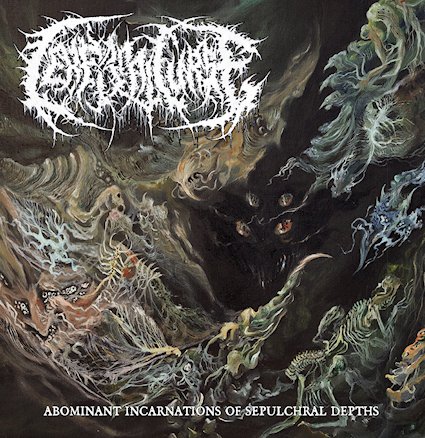
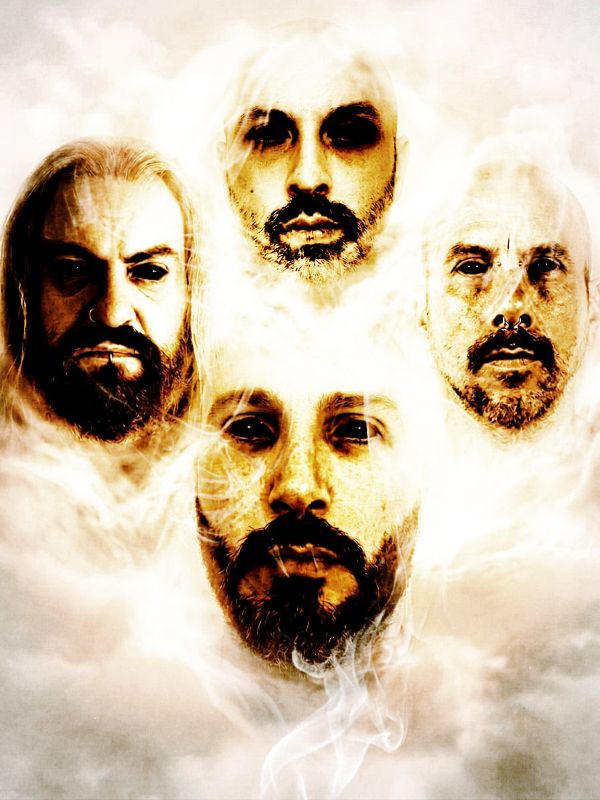
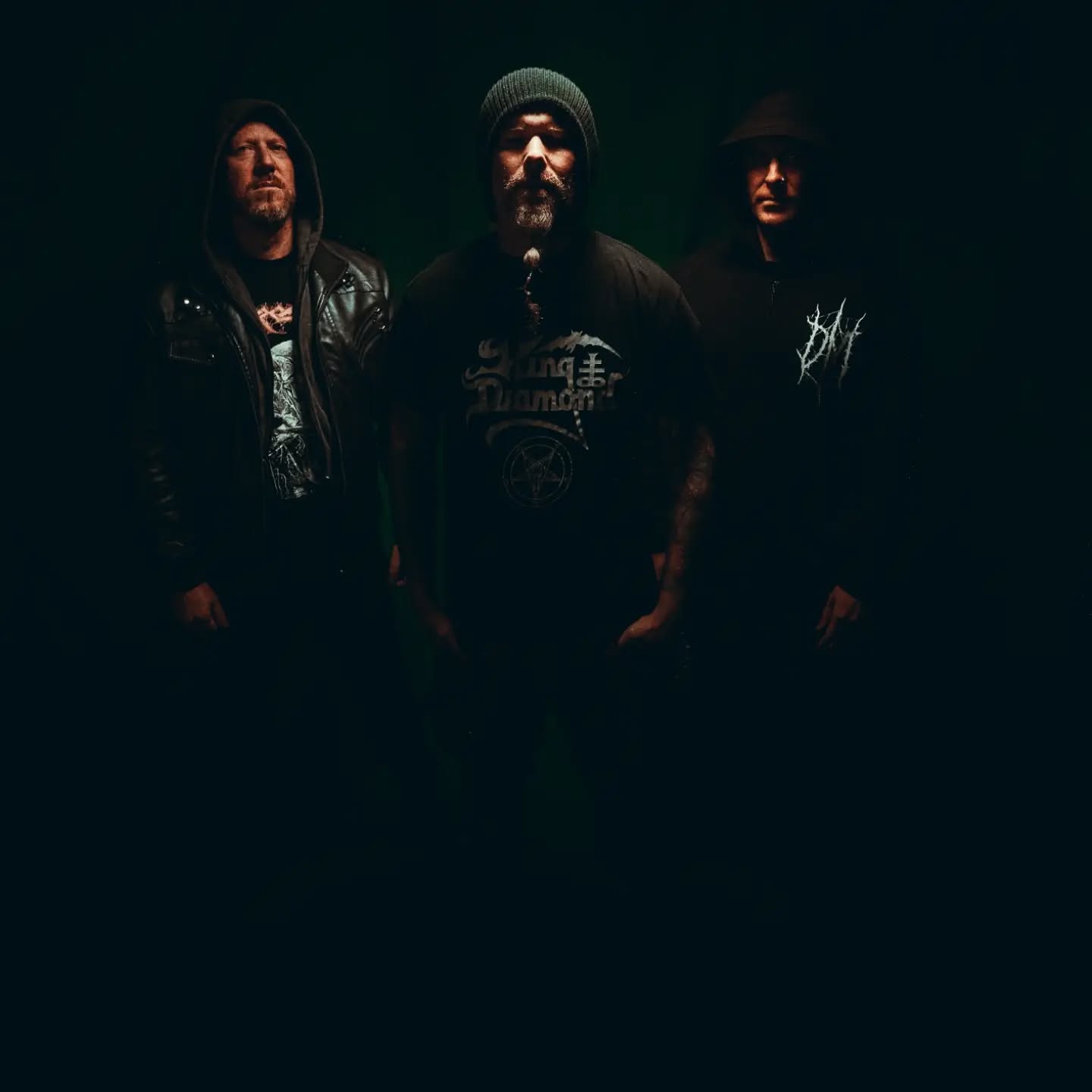
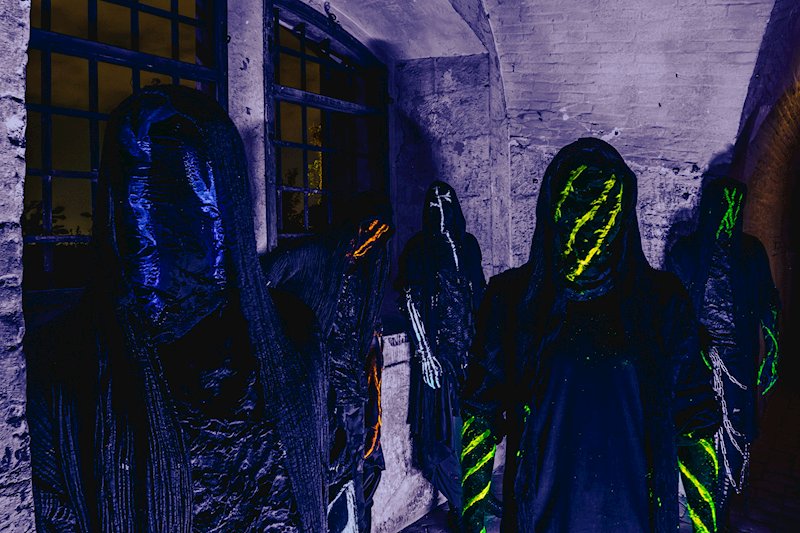
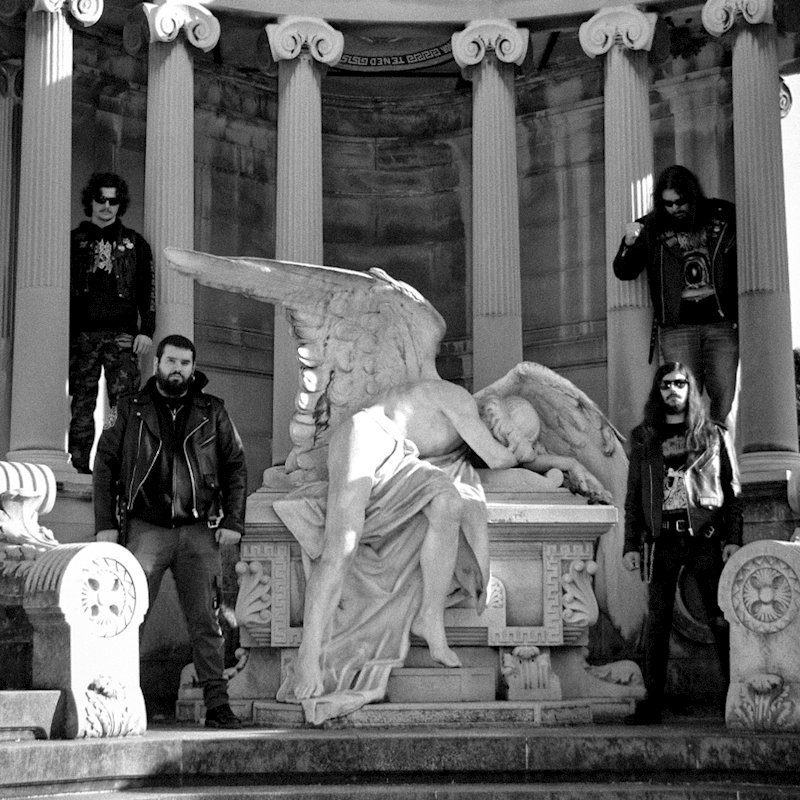
Drawing from the abyssal traditions of the bleakest reaches of the modern Death and Doom Metal underground, Tarragona, Spain-based creature Cerebral Curse has forged a debut that is both crushingly physical and hauntingly atmospheric, poetically entitled Abominant Incarnations of Sepulchral Depths. Recorded, mixed and mastered by the band’s own drummer Pol Pujals at Sepvlchrvm Studio, and showcasing a venomous artwork by Daniel Hermosilla of Nox Fragor Artworks, the debut by Ernesto Plazas on vocals and lead guitars, Marc Cuesta on rhythm guitars, Alex Vázquez on bass, and Pol Pujals on drums and noise delivers three sprawling monoliths of crushing, claustrophobic heaviness, where time slows to a crawl beneath layers of tectonic riffs, cavernous vocals, and suffocating atmosphere, constructing a world of psychological collapse and subterranean dread that feels less like a collection of songs than a single, inexorable descent into the abyss.

The colossal title-track Abominant Incarnations of Sepulchral Depths sounds and feels creepy and phantasmagorical from the very first second, a lecture in Funeral Doom Metal with a deadly vibe where Ernesto’s vocals sound cadaverous, while the pounding drums by Pol will crush our cranial skulls mercilessly. Then we face Mangled Cranial Liquefaction and its Black Sabbath-inspired main riff, which obviously means it is as haunting as it is evil and absolutely lugubrious. Furthermore, Ernesto and Marc sound demonic on the guitars, while Alex and Pol darken the skies with their infernal kitchen. The last aria, titled Degradation Towards Corporeal Dissolution, is noisy and dissonant, and couldn’t have sounded more disturbing, sluggish and visceral. Their guitars once again are an invocation of all things evil, boosted by another classic performance by Pol on drums before its somber, funereal ending.
At just under 40 minutes, Abominant Incarnations of Sepulchral Depths is an uncompromising statement from one of Catalonia’s most promising new Extreme Metal acts, a suffocating journey through ruin, decomposition, and the darkest recesses of death-doom. Those servants of the dark arts are waiting for you on Instagram with news, tour dates (most probably one of the heaviest shows you’ll ever witness in your life), and more of their grim, apocalyptic music, and you can put your damned hands on Abominant Incarnations of Sepulchral Depths by purchasing it from Night Terror’s BandCamp or from Rotted Life’s BandCamp. In other words, it’s time to descend into the abyss to the sound of Abominant Incarnations of Sepulchral Depths, with no hope in sight, nor any chance of return.

Best moments of the album: Abominant Incarnations of Sepulchral Depths.

Worst moments of the album: None.

Released in 2026 Rotted Life/Night Terrors

Track listing
1. Abominant Incarnations of Sepulchral Depths 11:00
2. Mangled Cranial Liquefaction 11:10
3. Degradation Towards Corporeal Dissolution 17:35

Band members
Ernesto Plazas – vocals, lead guitars
Marc Cuesta – rhythm guitars
Alex Vázquez – bass
Pol Pujals – drums, noise
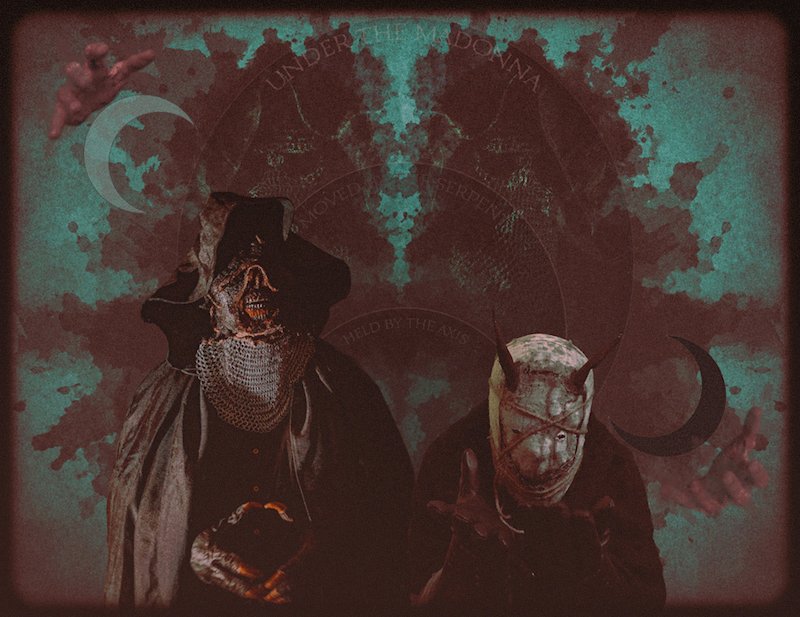
Album Review – Malignant Spirit / A Serpent to Devour, A Servant to Abhor (2026)

A highly enigmatic, underground Avantgarde and Dissonant Black Metal collective attacks with its first emission, creating a soundtrack of utter horror and consequence.

Under the Madonna
Moved by the Serpent
Held by the Axis

A highly enigmatic, underground Avantgarde/Dissonant Black Metal project, Malignant Spirit is a collective created by musicians within the ranks of Venomous Echoes, Sleep Paralysis and Veilburner, characterized by a strong theatrical imprint developed on multiple artistic levels. Together, they are the “Wardens of the Triarchy,” and because the band intentionally maintains deep anonymity, their exact geographic origin remains undisclosed to the public. The Obituist is the curator, he who speaks and the recorder of that which transpires; he does not sing, but documents the end of things as they occur. Ossiculum is the architect who builds from what is left behind. He is Coagula: From what survives, it builds something that cannot forget what it once was. Last but not least, Oxydyz’r is he who transforms through the processes of horror and dissolution. He is Solve: Where form persists, it intervenes; where structure resists, it erodes. A Serpent To Devour, A Servant To Abhor is the collective’s first emission, a monumental work in which Malignant Spirit operate within Extreme Metal without leaning into any genre labels, trying to create a soundtrack of utter horror and consequence perfect for fans of the scathing music blasted by Portal, Thantifaxath, Choir, and Mayhem.

Such a distinguished album couldn’t have started in a more phantasmagorical way than with the cryptic intro Nulla Via, O’ Nisi Vulnus, flowing into the demented, hypnotizing whirlwind of sounds named To Bruise The Heel Of Malkuth, where its visceral riffs and haunting background will consume our souls mercilessly. The Inheritance Of Her Ruin is another bestial creation by this uncanny entity, where their evil vociferations do not sound like they’re from this dimension; followed by This Is The Mystery Of The Blood Madonna, even more dissonant and demented than its predecessors, boosted by their infernal beats and fills. And O’ Exile, Spirit Me Away is extremely experimental and visceral form start to finish, as if the band decided to turn their music into a ritual of sounds.

In Wail! Wail! O’ Betrayal, Wail!, half of the song is way too weird, while the second part gets back to their hurricane of infernal riffs and vociferations in the name of extreme music; whereas A Serpent To Devour follows the same unique pattern as its predecessor, although it never flows into their trademark Black Metal madness and remains way too atmospheric almost until the end. In A Servant To Abhor we’re treated to an amazing job done by those eccentric creatures of the underworld on both the guitars and drums, crafting an enfolding and obscure ambience not recommended for the lighthearted; and lastly, your soul will be shredded to pieces to the sound of the 11-minute black mass titled …Is To Crown The Wound That Will Never Heal, where their evil gnarls and scathing guitars are complemented by wicked background keys for our total delectation, and all that chaotic beauty morphs into a dark piano outro that sounds climatic and punishing.

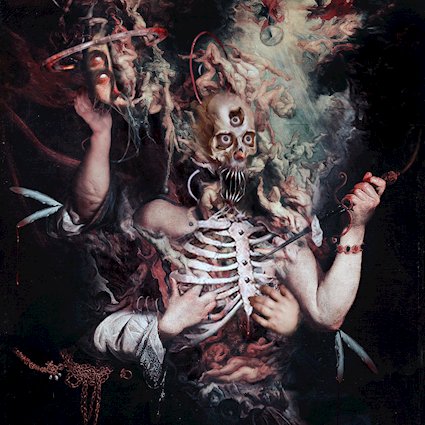
Wrapped in an evocative cover by Roberto Diaz, A Serpent to Devour, A Servant to Abhor, which can be purchased from BandCamp or from the Metal Odissey webstore in the EU and in the US, is an anxiety invoked hellscape built atop the Trees of Life and Death at a time when the infinite tried to become finite. It is in a place where movement was forced to stop, but pressure continued to remain. Even if every now and then the music coalesces around particularly catchy riffs, bizarre arrangements and unexpected rhythmic solutions, A Serpent To Devour, A Servant To Abhor is an alchemical nightmare that plunges the listener into the horror of a boundless, invincible chaos. Having said all that, do you have what it takes to face such an uncanny entity armed with its asphyxiating, devilish and dissonant debut offering?

Best moments of the album: To Bruise The Heel Of Malkuth…, This Is The Mystery Of The Blood Madonna and …Is To Crown The Wound That Will Never Heal.

Worst moments of the album: A Serpent To Devour.

Released in 2026 I, Voidhanger Records

Track listing
1. Nulla Via, O’ Nisi Vulnus 2:55
2. To Bruise The Heel Of Malkuth… 6:52
3. The Inheritance Of Her Ruin 5:27
4. This Is The Mystery Of The Blood Madonna 6:28
5. O’ Exile, Spirit Me Away 4:57
6. Wail! Wail! O’ Betrayal, Wail! 6:27
7. A Serpent To Devour 6:56
8. A Servant To Abhor 7:37
9. …Is To Crown The Wound That Will Never Heal 10:58

Band members
Oxydyz’r, he who destroys and alters
Ossiculum, he who rebuilds from the remains
The Obituist, he who records the result as truth

Album Review – Litost / Logos (2026)

This emerging force in the Spanish extreme music underground returns with the last part of their trilogy dedicated to the three core modes of persuasion defined by Aristotle.

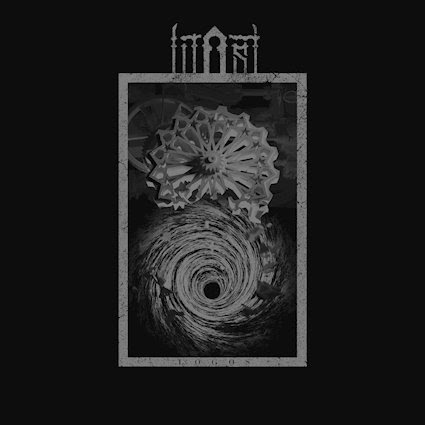
An emerging force in the extreme music underground built around a strong conceptual foundation inspired by Milan Kundera’s notion of “Litost” and Aristotle’s rhetoric, Valencia, Spain’s own Blackened Death Metal creature Litost crafts a sonic narrative driven by introspection, emotional conflict and the inevitable decay of the self, always exploring the darkest corners of human consciousness through an intense, atmospheric and boundary-pushing blend of Black and Death Metal. After the successful releases of their 2019 debut Ethos and their 2023 sophomore Pathos, the band formed of Manri Vidal on vocals and guitars, Joaquín García also on the guitars, Luis Bru on bass and vocals, and Dani Molina on drums is back with a new offering entitled Logos, the third installment in their trilogy dedicated to the three core modes of persuasion defined by Aristotle. While Ethos appeals to a speaker’s credibility and character, and Pathos targets the audience’s emotions, Logos relies on logic, reasoning, facts, and evidence to convince the listener.

The band wastes no time and drag us to darkness from the very first second in Tifón, with Dani sounding inhumane with his demolishing beats and fills accompanied by the visceral growls by Manri; while Ábrego on the other hand starts in an acoustic way before morphing into sheer Black Metal madness, with their guitars once again transpiring rage and obscurity. Then after the instrumental interlude Alabeo, where they showcase their passion for traditional Spanish sounds, we face Tràngol, featuring guest vocalist Eloi Boucherie (frontman of Vidres a la Sang), as disruptive, infernal and technical as it can be, not to mention what Luis and Dani do with their respective bass and drums is simply out of this world, resulting in a lecture in modern-day Black Metal.

Ponzoña offers a more introspective and demonic side of the band, with the guitars by Manri and Joaquín sounding as progressive as they’re vile, a downward spiral into chaos and madness; followed by Ocaso, bringing forward a more direct blend of Black Metal with progressive elements, albeit lacking the same punch as its predecessors. The rumbling bass by Luis will hammer your minds and souls in Nimbo, featuring guest vocals by Albert Batlle (from Perennial Isolation), presenting multiple layers, nuances and the always desperate roars by Manri, whereas they conclude the album with an overdose of progressive and grim sounds titled Cerrote, the perfect depiction of present-day Spanish Black Metal showcasing striking riffs, groovy bass lines and intense and captivating beats and fills.

In a nutshell, with a clear artistic vision and a growing presence on the live circuit, Litost continue to establish themselves as a compelling name within the  contemporary Extreme Metal landscape with the release of the excellent Logos, which can be purchased by clicking HERE. Don’t forget to also start following those amazing Spanish musicians on Facebook and on Instagram, including their breathtaking live concerts, and to stream more of their music on any platform such as YouTube and Spotify. In other words, after an overdose of character and emotion in their first two albums, Litost will melt our faces with the logic found in Logos, beautifully concluding their dark trilogy and, therefore, pointing to an even brighter future ahead of them.

Best moments of the album: Tifón, Tràngol and Cerrote.

Worst moments of the album: Ocaso.

Released in 2026

Track listing
1. Tifón 3:18
2. Ábrego 3:42
3. Alabeo 1:40
4. Tràngol 5:52
5. Ponzoña 4:41
6. Ocaso 4:27
7. Nimbo 4:59
8. Cerrote 4:50

Band members
Manri Vidal – guitars, vocals
Joaquín García – guitars
Luis Bru – bass, vocals
Dani Molina – drums

Guest musicians
Eloi Boucherie – vocals on “Tràngol”
Albert Batlle – vocals on “Nimbo”

Album Review – Urna / The Great Jihad (2026)

Italy’s own Black and Funeral Doom Metal architects return after a long hiatus with their fifth full-length opus, approaching the notion of duality from an esoteric perspective and exploring its many manifestations.

Active in the Extreme Metal underground for more than two decades, Cagliari, Italy’s own esoteric Black and Funeral Doom Metal architects Urna return after a long hiatus with their fifth full-length opus, titled The Great Jihad, the follow-up to their 2013 effort Mors Principium Est. Recorded through multiple sessions between 2014 and 2025 across Italy and the United Kingdom, before being mixed and mastered by the band’s own guitarist MZ at 322 Studio in early 2026, and displaying a colossal artwork by Francesco Gemelli, the new opus by RM on vocals, MZ on the guitars and synthesizers, T (Sangue Nero) on bass, and Sibilans (Anamnesi, Simulacro) on drums is more poisonous and tense than its predecessors, retains the crushing atmosphere and funeral doom connection that have long defined Urna, while pushing their faster passages towards a harsher, more abrasive form of Black Metal. The conceptual framework once again expands RM’s personal spiritual journey through Hermetism, approaching the notion of duality from an esoteric perspective and exploring its many manifestations.

The first half of the album, named Creator, kicks off with First of Three, sounding cadaverous and grim from the very first second, with the harsh vociferations by RM sending shivers down our spines while Sibilans brings absolute heaviness with his blast beats, flowing into Second of Three, just as caustic and visceral as the first song, with MZ slashing his axe in the name of evil, sounding imposing and heavy as hell just the way we like it in Black Metal. And Third of Three starts in a serene, ethereal way before exploding into absolute chaos and heaviness, blending Black and Doom Metal in great fashion to the pounding drums by Sibilans, therefore concluding the album’s first act majestically.

Then we face the second act titled Created, starting with the title-track The Great Jihad, a more epic take on the band’s trademark Funeral Doom Metal essence led by the demonic roars by RM while his bandmates keep delivering absolute darkness and heaviness from their sonic weapons. Dream Death, Towards Rebirth is also dense, visceral and infernal, with the kitchen crafted by T and Sibilans exhaling Doom Metal insanity; and Four Levels of Infinite Splendour ends the album with an epic vibe while also bringing anguish and despair to our rotten souls, with the riffs by MZ once again cutting our flesh deep before the song’s climatic ending.

After all is said and done, you’ll realize that The Great Jihad is a work that feels both familiar and renewed, balancing oppressive density with moments of stark, otherworldly beauty, bringing a journey that began in 2005, when the album was originally crafted, to its intended conclusion. The guys form Urna might not be found on any social media (which in the end is never a bad thing, to be honest), but you can add their striking new album to your collection by purchasing it from the ATMF’s BandCamp or from Metal Odissey, showing your support and admiration for the band and their music. The Great Jihad is dark, intense, bold, multi-layered and, above all that, loyal to the foundations of a band that will never abandon their core Black and Funeral Doom Metal essence no matter what. Because although much has changed since the already distant year of 2003, Urna have not.

Best moments of the album: Second of Three and The Great Jihad.

Worst moments of the album: None.

Released in 2026 ATMF

Track listing
Creator
1. First of Three 5:55
2. Second of Three 4:43
3. Third of Three 7:02

Created
4. The Great Jihad 4:11
5. Dream Death, Towards Rebirth 6:42
6. Four Levels of Infinite Splendour 8:09

Band members
RM – vocals
MZ – guitars, synthesizers
T – bass
Sibilans – drums

Album Review – Hrafnablót / Guðlaugar Saga (2026)

Enjoy this true epic blending folklore, sagas, magick, and folk tradition into a cohesive narrative, courtesy of this up-and-coming Sorcerous Icelandic Folk Metal horde.

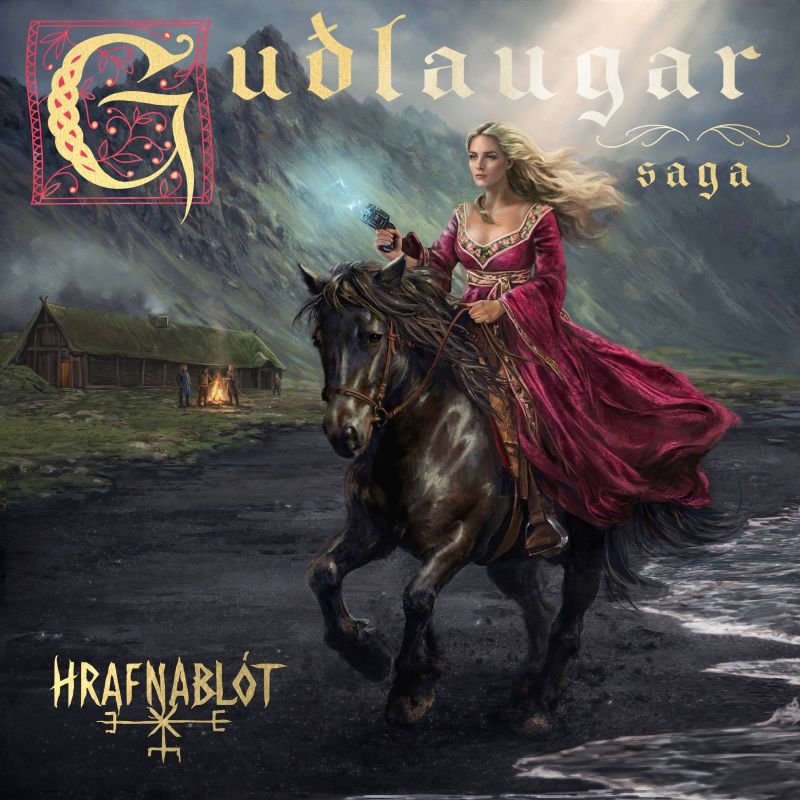
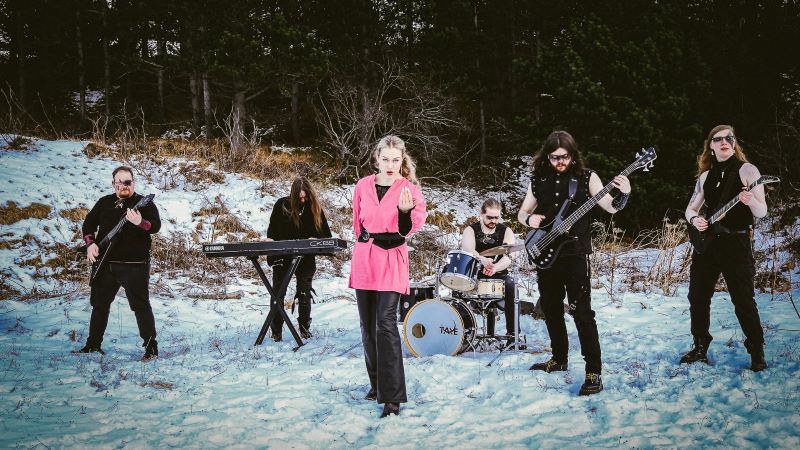
A true epic blending Icelandic folklore, sagas, magick, and Folk Metal tradition into a cohesive narrative, Guðlaugar Saga is the debut offering by Reykjavík, Iceland-based horde Hrafnablót, whose name translates translates from Old Norse and Icelandic as “raven sacrifice” or “raven blood offering,” and who likes to label their music as “Sorcerous Icelandic Folk Metal.” Mixed by Helgi Durhuus, mastered by Lasse Lammert, and displaying an epic artwork by Julie Lochridge, the debut opus by Hugrún Hanna Stefánsdóttir on vocals, Steingrímur Viðar Karlsson and Mara Birna Jóhannsdóttir on the guitars, Þórgnýr Einar Albertsson on bass, Ólafur Daði Jónsson on keyboards, and Andri Pétur Dalmar on drums follows the story of Guðlaug, a modern woman hurled into the settlement age with nothing but her clothes and a taser, as she navigates battles, celebrations, kidnapping, fate, and the choice between returning home and reshaping history, while musically the album contrasts darkness and light, ugliness and beauty, past and present, weaving together Icelandic folk music, Nordic Folk Metal, NWOBHM, gothic influences, and Extreme Metal to create a sound that is sorcerous, folky, dramatic, melodic, and contrasting.

After the epic, atmospheric intro Spádómurinn (and sorry, Icelandic seems to be the most difficult language to translate in the world, which is why I’m not adding any tentative translations to the titles of the tracks), we face Dísablót, with the bass by Þórgnýr making the earth tremble while Ólafur brings peace to our hearts with his striking keys. And the band then blackens their core Folk Metal in Heljarhlíð, resulting in a gripping aria where Hugrún delivers sheer electricity through her vocals. Then following the acoustic interlude Kappar, Meyjar, Komendur, it’s time for Fögnuður, with the guitars by Steingrímur and Mara exhaling epicness in the name of classic Folk Metal.

The band then invites us to dance around the firepit to the sound of the frantic Nornarheimt, where Andri dictates the pace with his fast and furious beats and fills, also perfect for some vigorous headbanging, followed by Svartigaldur, alternating between the whimsical vocals by Hugrún and the deep guttural by Ólafur, while Steingrímur and Mara keep shredding their axes in the name of heavy music. Heimþrá feels like a Folk Metal version of the music played by Nightwish or Xandria, feeling very melodic and enfolding, with Ólafur’s keys stealing the spotlight; whereas after a serene piano intro a beautiful wall of sounds is formed in the background in Örlagavegur, offering Hugrún exactly what she needs to hypnotize us with her passionate vocals, resulting in a multi-layered Folk Metal feast presenting darker moments, delicate sounds, and crying guitar solos, therefore putting a climatic conclusion to the album.

“We want to give listeners a sonic journey inspired by Icelandic nature and folklore, harsh, fragile, intimate, and always beautiful,” commented the band about their newborn baby, and if you want to join those Icelandic warriors in their metallic journey recommended for fans of Ensiferum, Nightwish, Wintersun, Skálmöld, and Eluveitie, you can find them on Facebook and on Instagram, subscribe to their YouTube channel, stream their sorcerous music on any platform like Spotify, and of course, purchase the excellent Guðlaugar Saga from BandCamp. Will Guðlaugar decide to return home, or become a brave warrior and change history? Simply sit down, relax, and enjoy her adventure in time to the sound of the striking debut by such a promising new name from beautiful Iceland.

Best moments of the album: Heljarhlíð, Nornarheimt and Örlagavegur.

Worst moments of the album: Kappar, Meyjar, Komendur.

Released in 2026 Independent

Track listing
1. Spádómurinn 1:49
2. Dísablót 5:44
3. Heljarhlíð 6:22
4. Kappar, Meyjar, Komendur 1:22
5. Fögnuður 5:41
6. Nornarheimt 5:21
7. Svartigaldur 5:17
8. Heimþrá 4:59
9. Örlagavegur 11:23

Band members
Hugrún Hanna Stefánsdóttir – vocals
Steingrímur Viðar Karlsson – guitar
Mara Birna Jóhannsdóttir – guitar
Þórgnýr Einar Albertsson – bass
Ólafur Daði Jónsson – keyboards
Andri Pétur Dalmar – drums

Album Review – Werewolves / You’re Weak and You Know You’re Weak (2026)

Back from the Death Metal pits of Down Under, these Australian cavemen attack once again with their seventh display of absolute savagery and hatred.

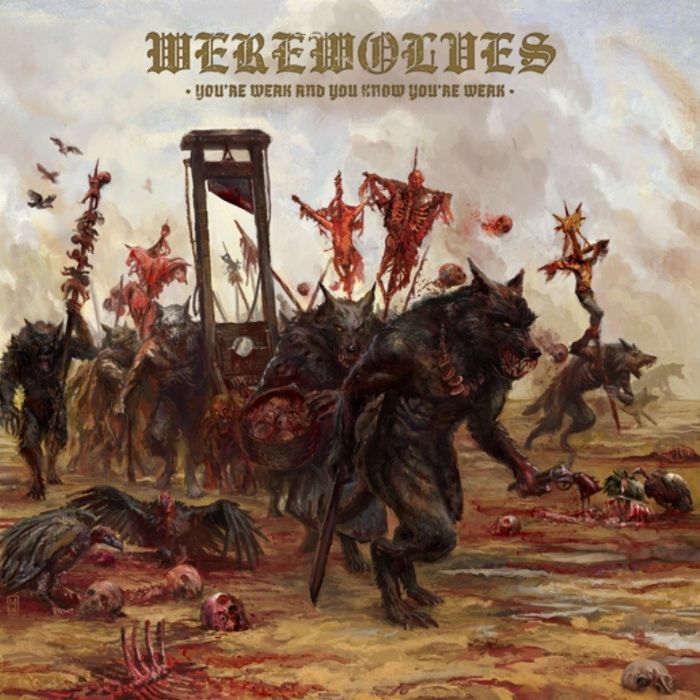
Back from the Death Metal pits of Down Under, having sworn to release ten albums in ten years (or commit group suicide if they fail), Melbourne, Australia’s own Technical Black/Death Metal cavemen Werewolves attack once again with their seventh display of absolute savagery and hatred, beautifully titled You’re Weak and You Know You’re Weak, following up on their just as demented albums The Dead Are Screaming (2020), What a Time to Be Alive (2021), From the Cave to the Grave (2022), My Enemies Look and Sound like Me (2023), Die for Us (2024), and The Ugliest of All (2025). Once again mixed and mastered by Joe Haley at Crawlspace Productions, and showcasing a savage artwork by Mitchell Nolte featuring crucifixions, baby kebabs, and a werewolf army, the new offering by Sam Bean on vocals and bass, Matt Wilcock on the guitars, and David Haley on drums beautifully marches against world peace, offering another blast of berserk heavy music not recommended for the lighthearted.

There’s no sign of happiness, hope or sanity on the horizon as the trio begins their infuriated metal attack with Uroboric Fuckwit, where David is as usual absolutely inhumane on drums while Sam growls like a rabid beast; and Matt delivers his trademark Black and Death Metal riffs in Tank Habit, inviting us all to slam into the pit like true headbanging bastards. Burn It To The Ground is even more demented and violent than its predecessors, with Sam sounding pissed off on vocals supported by the heavy artillery brought forth by David, followed by Triple Negative, a very positive name for an Extreme Metal song, with Sam’s deep roars and demented screams piercing our putrid minds mercilessly. And their circle pit extravaganza goes on in full force with So Say All Of Us, where David showcases another round of his unique, visceral drumming skills always in the name of our good old Death Metal.

Fields Of Suicide is another song with a very charming and poetic name, offering our avid ears an avalanche of unfiltered Death and Black Metal insanity led by the scorching riffs by Matt while Sam keeps barking and hammering his bass manically. The trio definitely knows how to offer pure darkness and fear through their slower compositions, which is exactly the case in We March, enhancing the depth of their vocals, and of course the heaviness of their riffs; and it’s pedal to the metal in the infernal aria beautifully titled The Song Of Stupid Men, where David pounds his drums like a true Tasmanian devil, resulting in another lecture in absolute brutality and chaos by those phenomenal musicians. Lastly, their coup-de-grace comes in the form of You’re Weak and You Know You’re Weak, played with endless fury, hatred and venom in their blackened hearts, therefore leaving us eager for more of the uncompromised insanity by Werewolves in about a year or so.

As soon as you start listening to You’re Weak and You Know You’re Weak, you know there will be blood, just like how those amazing guys form Australia have been doing for the past seven years under the Werewolves banner, as well as with their other bands including Psycroptic, Abramelin, and The Antichrist Imperium. In other words, this album is for fans of Marduk, Marduk, fucking Marduk, and getting your teeth kicked right the fuck in. Having said that, once again don’t forget to invite the guys from Werewolves for an afternoon tea while blasting their ravenous Death Metal by following them on Facebook and on Instagram and by streaming the visceral, deadly music on YouTube or on Spotify, and of course to grab their scorching new album from their website or BandCamp page, from Direct Merch, from Nightshift, or from Plastic Head. You’re weak, and you know you’ll always be weak. Unless, of course, you start listening to Werewolves. Then you’ll be Death Metal.

Best moments of the album: Uroboric Fuckwit, Burn It To The Ground, Fields Of Suicide, The Song Of Stupid Men and You’re Weak and You Know You’re Weak.

Worst moments of the album: None.

Released in 2026 Back On Black Records

Track listing
1. Uroboric Fuckwit 3:22
2. Tank Habit 3:43
3. Burn It To The Ground 3:04
4. Triple Negative 2:55
5. So Say All Of Us 3:25
6. Fields Of Suicide 4:16
7. We March 5:21
8. The Song Of Stupid Men 3:35
9. You’re Weak and You Know You’re Weak 3:28

Band members
Sam Bean – vocals, bass
Matt Wilcock – guitars
David Haley – drums

Album Review – Equisetum / Cor Ex Putredine (2026)

Behold the heart from rottenness offered by this up-and-coming Italian Apocalyptic Doom Metal duo in their debut album.

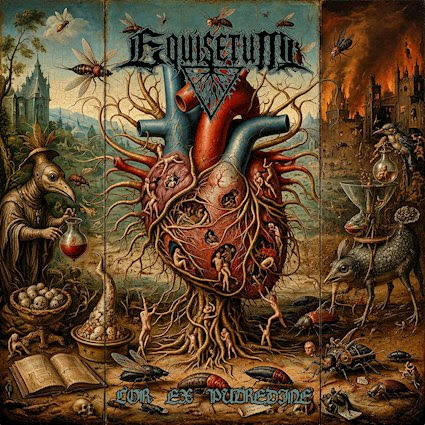
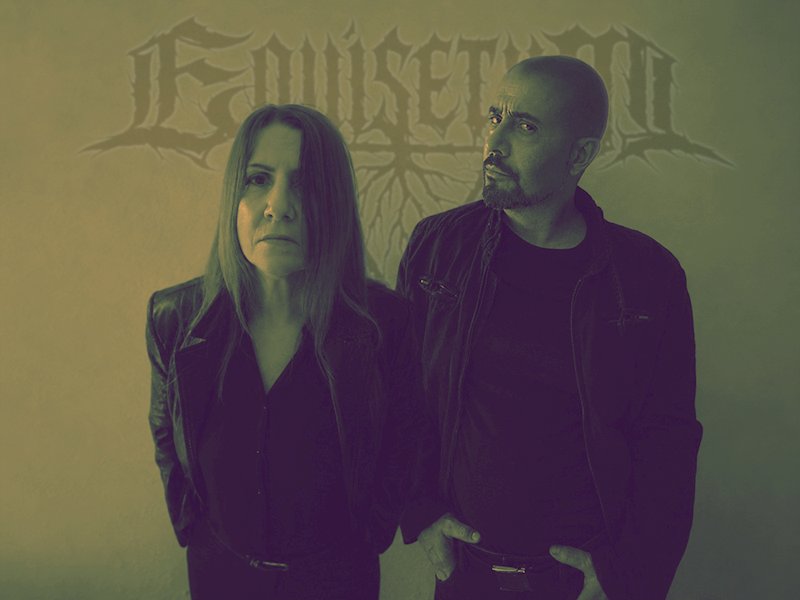
Equisetum (commonly known as horsetail) is a genus of primitive plants historically used to scour and polish metal surfaces because its stems contain high levels of abrasive silica. In heavy music, Equisetum are an up-and-coming Apocalyptic Doom Metal hailing from Italy who are unleashing upon humanity their debut offering, titled Cor Ex Putredine, or “heart from rottenness” from Latin. Recorded at Camera Ardente III-MS (vocals) and Camera Ardente IV-BS (guitars, bass and drums), the striking debut by vocalist Noctuaria, who was also responsible for all lyrics (sung in a ritualistic and visionary way, exploring themes of decay and loss), and multi-instrumentalist Mortifero, who took care of the mixing, mastering, music, artwork and layout, is rooted in the traditional Italian dark sound with a reference to Alkaest by Paul Chain, while expanding into multiple Doom Metal trajectories, from the heavier and alienating reminiscences of Celtic Frost, to the more irregular and dissonant approach of Unholy, up to the slow, gothic atmospheres of Type O Negative. Not only that, subtle Black Metal influences emerge, particularly in the construction of rhythmic textures, drawing from the essence of Thorns.

The album begins with the six-minute caustic aria Aghram, where Noctuaria already delivers her phantasmagorical vocals supported by the Doom Metal beats by Mortifero, not to mention his low-tuned, scorching bass will hammer your cranial skull. And Mortifero keeps firing dirty riffs and bass lines in Il Canto Degli Impiccati, once again utterly heavy and ritualistic. Mente Sepolta lives up to the legacy of classic Doom Metal infused with darker and tribal vibes, perfect for some ruthless headbanging, whereas Noctuaria’s vocals will send shivers down our spines in Mortuaria while Mortifero keeps pounding his drums in the name of sheer doom. Presenze Oniriche brings forward another seven minutes not recommended for the faint at heart where Noctuaria sounds hypnotizing with her deep vocalizations; and the Triptykon-like scathing bass by Mortifero will embrace us in darkness in Prevenar. It is as apocalyptic as it is evil, exhaling despair and melancholy. Finally, they still have one last breath of visceral Doom Metal in the form of Rymohr, where the wall of sounds crafted by Mortifero is beyond demonic.

In a nutshell, Cor Ex Putredine presents itself as a focused debut by this promising duo from the always beautiful Italian Extreme Metal scene, built on controlled contrasts and a balance between heaviness and timbral exploration. Hence, if you want to know more about Noctuaria and Mortifero, their music, plans for the future and so on, you can find them on Facebook and on Instagram, stream their doomed creations on Spotify, and above all that, put your hands on Cor Ex Putredine by purchasing it from BandCamp. Death is not an event, Death is a process, and the debut opus by this Italian duo is among us to remind us of such a harsh reality.

Best moments of the album: Aghram and Prevenar.

Worst moments of the album: None.

Released in 2026 My Kingdom Music

Track listing
1. Aghram 6:06
2. Il Canto Degli Impiccati 5:57
3. Mente Sepolta 5:12
4. Mortuaria 6:07
5. Presenze Oniriche 7:04
6. Prevenar 6:38
7. Rymohr 6:42

Band members
Noctuaria – vocals
Mortifero – guitars, bass, drums

Album Review – Eaten By Sharks / The Undertow Of Hate (2026)

This Canadian Technical Death Metal sea beast returns from the ocean depths with their sophomore album, a dark conceptual journey rooted in nautical horror and psychological collapse.

Blending Technical and Progressive Death Metal with technical precision, crushing grooves, and Deathcore aggression, St. Catharines, Ontario’s own rising force Eaten By Sharks continues to evolve from the sound established on their 2022 release Eradication with their newborn spawn, entitled The Undertow Of Hate, embracing a more composition-focused and cinematic approach by crafting a dark conceptual journey rooted in nautical horror and psychological collapse. Recorded, mixed and mastered by Christian Donaldson, and displaying another killer artwork by Paolo Girardi, the new album by Matt Sherriff on vocals, Chris Chaperon and Dan Okowinsky on the guitars, Tyler Abrams on bass, and Justin Whitehead on drums offers us mere mortals a devastating blend of Deathcore, slam, and modern Extreme Metal intensity, becoming therefore a must-listen for fans of Fit For An Autopsy, Gojira and Cattle Decapitation, just to name a few.

The piercing guitars by Chris and Dan invite us all to dive deep into the unruly waters of The Undertow Of Hate in Vessels Torn, with Matt screaming and gnarling like a demented creature until the very end; while In Tidal Chaos starts in a sinister way before all hell breaks loose to the massive beats by Justin and the rumbling bass by Tyler in a lecture in Technical Deathcore. Capsized sounds even heavier and more demented, with Matt’s deep guttural reeking of classic Death Metal, supported by the always technical and venomous guitar work by Chris and Dan; and let’s enjoy several bodies slamming into the pit to the sound of Bodies Overboard, with Justin hammering his drums nonstop, consequently bringing even more heaviness and violence to their music.

Their Technical Death Metal vein pulses harder than ever in Treading Water, with the visceral roars by Matt walking hand in hand with the intricacy and hatred blasted by his bandmates, followed by Dragged Under, which keeps the momentum going with an explosion of absolute violence by all band members, all boosted by the groovy kitchen crafted by Tyler and Justin. Becoming Chum is definitely less electrifying than its predecessors, albeit still very aggressive and showcasing the band’s trademark sound; and the band will drag us 10,000 meters deep to the multi-layered, very technical and demonic Crimson Tide, where their striking riffage offers Matt exactly what he needs to vociferate like a creature from the deep, flowing into the cinematic outro Surfaced Remains, where you can smell the blood of the fallen on their shark-infested waters.

With a commitment to high-quality production and engaging storytelling, Eaten By Sharks are poised to leave a lasting impact on the genre with the release of The Undertow Of Hate, an album built around transformation, destruction, and irreversible change at sea. You can find those subaquatic death dealers on Facebook, on Instagram and on YouTube, stream their visceral creations on any platform like Spotify and Apple Music, and of course purchase their awesome new album from Bandcamp or from CDN Records. Just like an aggressive shark at sea, Eaten By Sharks can smell your blood from a very far distance, and once they capture with their Technical Death Metal and Deathcore jaws to the sound of their new opus, there’s no way out.

Best moments of the album: In Tidal Chaos, Treading Water and Crimson Tide.

Worst moments of the album: Becoming Chum.

Released in 2026 CDN Records

Track listing
1. Vessels Torn 4:43
2. In Tidal Chaos 4:36
3. Capsized 3:36
4. Bodies Overboard 3:53
5. Treading Water 3:40
6. Dragged Under 3:42
7. Becoming Chum 4:25
8. Crimson Tide 4:03
9. Surfaced Remains 1:26

Band members
Matt Sherriff – vocals
Chris Chaperon – lead guitar
Dan Okowinsky – guitar
Tyler Abrams – bass
Justin Whitehead – drums

Album Review – Blood Of Angels / Les Agnst ov Thanatous (2026)

This Florida-based Extreme Metal beasts are ready to attack with their sophomore album, plunging headfirst into the emotional and psychological aftermath of death.

Inspired by the burgeoning local metal scene of Tampa, Florida, Melodic Death/Thrash Metal beasts Blood of Angels are making their mark on the genre that has guided them through the darkest of times. With local town heroes such as Cannibal Corpse and Nasty Savage inspiring down that path, the band formed of vocalist Randy Reyes, guitarist Aaron Robinson, bassist The Maggot, and drummer Jonathan Rushford blends Death, Black, Thrash and lashings of Power Metal into a high-octane frenzy, combining their musical prowess and instrumental talents to make social commentary on public mistruths and the atrocities committed against humanity. Now in 2026 the quartet is unleashing their sophomore opus, entitled Les Agnst ov Thanatous (which refers to the existential dread, anxiety, and deep-seated fear surrounding the inevitability of death, with “Thanatos” being the Greek mythological personification of death and “Angst,” German for anxiety or dread, representing the psychological weight of this realization), plunging headfirst into the emotional and psychological aftermath of death while presenting a cohesive narrative that traces the human response to grief through violence, ritual, memory, and reflection.

After the cryptic, horror movie-like intro Transitional Portal, the band comes crushing our souls with Beating You, where Jonathan hammers his drums in the best Death Metal style while Randy delivers deep, enraged vociferations for our total delight, supported by the always caustic guitar lines by Aaron. Then investing in a more Melodic Death Metal sonority the band offers our ears the hard hitting The Last Rites, perfect for some wild headbanging to the demolishing drums by Jonathan; and the quartet sounds absolutely on fire in Red River Death, a massive Death and Thrash Metal extravaganza led by the infuriated, grim roaring by Randy while his bandmates don’t stop pounding their sonic weapons.

The Pain Inside starts as a ballad, then morphs into a not-so-inspired metal aria, losing its grip after a while, albeit the crying guitar by Aaron still sounds great in the end; whereas back to the sound the band truly thrives we face Spillage, a Death Metal onrush where The Maggot and Jonathan make the earth tremble with their demented kitchen. Aaron’s riffage then revs up the band’s ruthless engine in Minds of the Broken, inviting us all for some action inside the pit. Nevermore presents elements from Sludge and Stoner Metal added to their core, a seven-minute feast of riff after riff, as heavy and groovy as it can be, with The Maggot once again kicking ass on bass, before all fades into the outro Eulogy, as enigmatic and cryptic as the intro, making the album go full circle.

Through its cohesive narrative and emotional intensity, Les Agnst ov Thanatou stands as the band’s most immersive conceptual work to date, inviting listeners to confront fear, loss, and mortality directly, offering an experience that remains long after the final sound fades. And you can also be part of such a unique experience by following the band on Facebook and on Instagram, by subscribing to their YouTube channel, by streaming their caustic creations on any platform like Spotify, and of course by grabbing a copy of Les Agnst ov Thanatous by clicking HERE. Death has always walked hand in hand with Extreme Metal, and Blood Of Angels definitely know how to turn all that fear, violence and darkness into ass-kicking heavy music as what they have to show us all in their new album.

Best moments of the album: Red River Death, Spillage and Minds of the Broken.

Worst moments of the album: The Pain Inside.

Released in 2026 Independent

Track listing
1. Transitional Portal 2:37
2. Beating You 4:05
3. The Last Rites 5:19
4. Red River Death 5:54
5. The Pain Inside 7:29
6. Spillage 3:26
7. Minds of the Broken 3:46
8. Nevermore 7:45
9. Eulogy 1:35

Band members
Randy Reyes – vocals, acoustic guitars
Aaron Robinson – guitars
The Maggot – bass, backing vocals
Jonathan Rushford – drums, keyboards