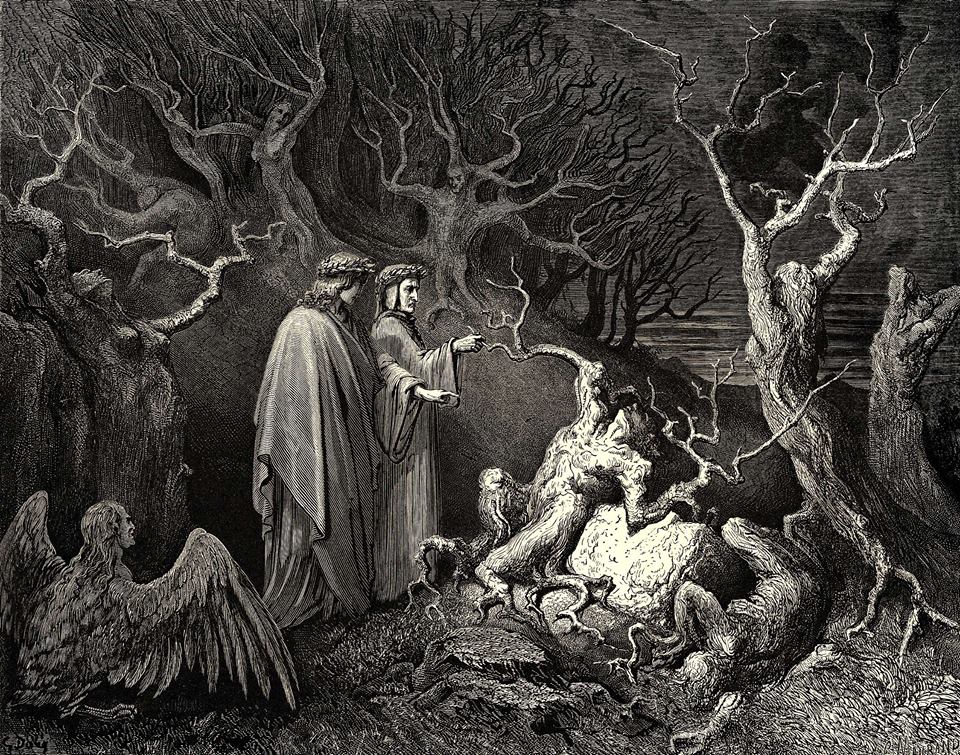
An obscure descent to the underworld in the form of extreme music by a talented Occult Black Metal act from France.
In Greek mythology, Kατάβασις (pronounced “katabasis”) means a descent to the underworld, and that is exactly what you will feel while listening to the debut full-length album by French Occult Black Metal band Absconditus. By the way, the name of the band comes from Latin, meaning “occult” or “hidden”, which perfectly represents their musicality, lyrics and everything else. In other words, if you have the nerve to face such a cryptic band piercing your mind with their dark and deranged music, you may ultimately relish a distinct experience in Extreme Metal.
Founded in 2010 by guitarist/songwriter Loxias upon the ashes of French Cult Black/Death Metal band Borgia, Absconditus offer solid and dissonant melodies enhanced by hints of melancholy, drama and introspective tension, with Kατάβασις being the the initiatic path that one has to walk in order to gain freedom and mastery over existence in a demiurgic world, according to the band. Not only that, the whole album is sung entirely in French. Do you think this is already too much information to absorb? Well, wait until you read the rest of this review and, of course, listen to the entire album, and you’ll see this is just the beginning.
An intro that goes on for over three minutes like Prologue à l’Agonie (or “prologue to agony”, in English) gives you an idea of the obscure voyage that’s about to start. What begins in a slow and dark way suddenly becomes a massacre full of melancholy, setting the stage for the macabre Mystagogie des Limbes (“limbo mystagogy”), or the principles, doctrines, and practices of mysticism, powered by its beautiful lyrics (“L’effroi illumine ma voie, je perçois la ruine en eminence / Un oremus cristallin s’élève vers les cieux / La dualité de ma noblesse fait écho à la décadence des ages / Dans l’ascension vertigineuse de mon âme captive”) amidst an atmosphere generated by Blackened Doom. Is there a way vocalist Aliexagore could have sounded more desperate than this? Moreover, in my opinion its riffs somehow transport the listener to Norway due to their strong Black Metal-ish feeling.
Elegeía (Confession au Cénotaphe), or “elegy (confession at the cenotaph)”, which means an “empty tomb” or a monument erected in honour of a person or group of people whose remains are elsewhere, brings forth a huge amount of darkness and disgrace, including a draconian invocation performed by Aliexagore, Loxias and Guillaume Pingard. Drummer Anderswo shows he’s an extremely technical musician whose skills contribute to add extra layers of violence and intricacy to the musicality, while Loxias seems to be hypnotized by the dark side, delivering truly demonic lines. And get ready for the ending climax of the song, it is outstanding. Darkening their sonority a bit more we have Exultet – L’Aurore Schismatique (“exultet – schismatic dawn”), the hymn of praise sung, ideally by a deacon, before the paschal candle during the Easter Vigil in the Roman Rite of Mass. It varies from atmospheric Doom Metal to pure Black Metal, with Aliexagore sounding even more satanic than in the previous tracks and with the addition of considerable dosages of progressiveness thanks to the talent of the musicians involved, as if Mastodon became a Black Metal act.
Hybris au Bord du Précipice (“hybris at the border of the precipice”), with the word “hybris” meaning extreme pride or self-confidence, is yet another exhibit of despair and chaos, and even if you don’t speak French you will love those lyrics (“Je partage le destin du fils de Prométhée / Sans assumer la puissance de l’affront / La semeuse d’étoiles attend mon retour / Nourrissant les espoirs de la vermine affamée”). The music itself is comprised of Occult and Progressive Black Metal professionally put together, where Loxias tries some new techniques that elevate the magnitude of the music, with highlights to the last part of the song being some kind of downward spiral to the depths of hell. And lastly, Le Nouvel Astre (“the new star”) is an instrumental outro as sinister as the intro, a dark but beautiful ending where the amazing guitar lines by Loxias are perfectly complemented by the complex beats by Anderswo.
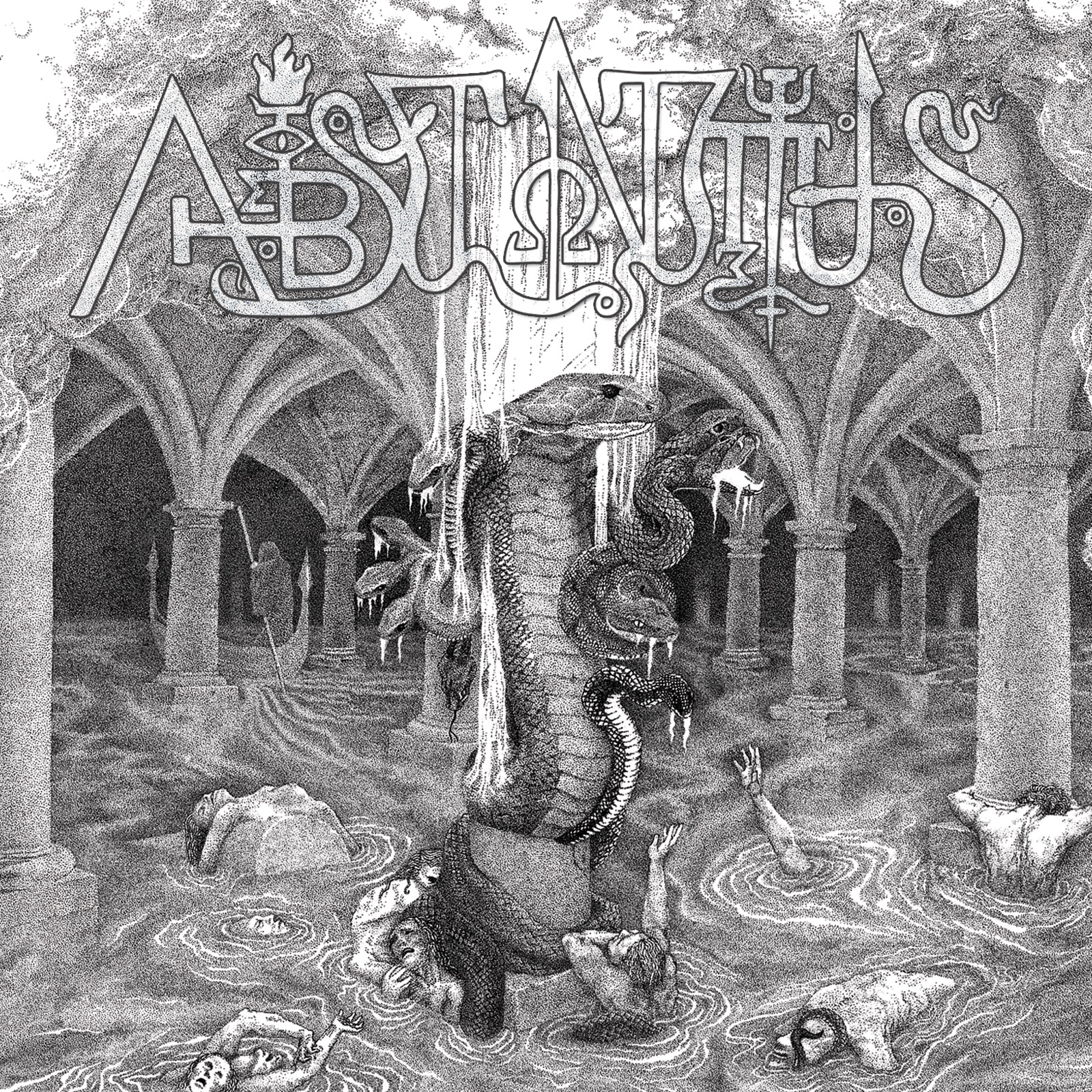
Featuring an at the same time beautiful but eerie artwork by British artist Bethany White, Kατάβασις, which can be purchased at the I, Voidhanger Records BandCamp page, exhales darkness and complexity, making it a recommended choice for your extreme music collection. If a downward journey to the underworld is part of your plans, let this occult French act help you with the soundtrack.
Best moments of the album:Elegeía (Confession au Cénotaphe) and Hybris au Bord du Précipice.
Worst moments of the album: None.
Released in 2015 I, Voidhanger Records
Track listing 1.Prologue à l’Agonie 3:30
2.Mystagogie des Limbes 8:46
3.Elegeía (Confession au Cénotaphe) 9:24
4.Exultet – L’Aurore Schismatique 8:39
5.Hybris au Bord du Précipice 7:56
6.Le Nouvel Astre 3:09
Band members Aliexagore – session vocals
Loxias – guitars, bass
Anderswo – drums
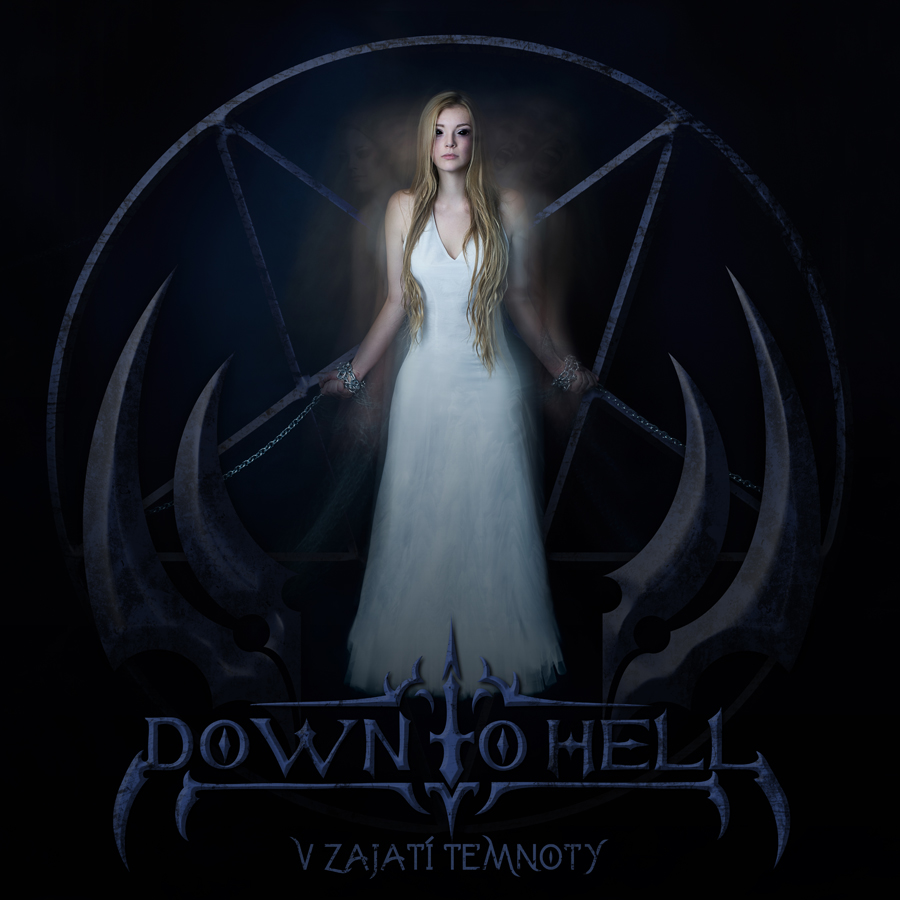
Let’s brave the world of Melodic and Symphonic Black Metal created by this talented Slovak six-piece band who sings entirely in their mother tongue.
Founded in 2006 in the city of Malaciek (or Malacky), Slovakia, around 35 km north from the capital Bratislava, what Melodic/Symphonic Black Metal band Down To Hell have to offer the fan of heavy music goes beyond your usual symphonic and extreme elements. Their music relies heavily on contrasts, as in singing as well as their instrumental and lyrics written in the form of stories, providing a more complete experience to the listener. In addition, although they say they play Symphonic Black Metal, which instantly brings bands such as Dimmu Borgir to your mind, they sound rawer and more inclined to old school Black Metal than that.
However, the most noteworthy characteristic in the music by Down To Hell is the fact they did not “surrender” to the English language, singing their songs entirely in their mother tongue, Slovak, which adds an extra touch of darkness to their 2014/2015 debut full-length album V Zajatí Temnoty, or “Captive Darkness” in English. The only thing in English ends up being the band’s own name, which makes me wonder why they’re not called “Dole Do Pekla” instead. Anyway, let’s get down to business and see what V Zajatí Temnoty is made of.
Ticho Pred Búrkou, or “calm before the storm”, is exactly what this piano intro represents, and you can get a sense of how symphonic their music is before the actual storm begins in Pán Vetra, Búrky A Mrakov (“lord of wind, storms and clouds”), with the growls by singer/guitarist “Kani” Miroslav Gajdár matching perfectly with the musicality proposed while the keyboards by “Lubo” Ľubomír Müller complement the havoc created by the song’s guitar riffs and drums in a very interesting way. Slightly darker than the previous tune, Skazení (“wicked”) sounds almost like raw Black Metal in some instances but pure symphony in others, with the nice job done on guitars enhancing its overall quality. It’s the first song of the album to showcase the clean vocals by the gorgeous “Maťa” Martina Bilkovičová, who has a very good chemistry with Kani and his screams.
Keeping up with the previous songs, Bosorské Sólo is another great mix of extreme music and melodic instrumental, where it’s interesting to notice how drummer “Beňo” Dušan Šelc can easily change from a more rhythmic drumming to furious blast beats, providing more progressiveness to the music; followed by the “sudden attack” offered by the band in Krvavé Jazero (“bloody lake”). This song, which has a solid flow from start to finish, is how dark music should always be, with the smooth voice by Maťa being like a dream amidst its nightmare-ish beats. Unfortunately, the band disappoints a little in Prízrak (“phantom”), which despite starting differently than the other songs in a thrashier way, it doesn’t know if it’s Melodic Black Metal, Pop Metal or Symphonic Metal. It’s still an enjoyable tune, but below the album average especially as it’s not very clear what its final goal was.
The final triade in V Zajatí Temnoty couldn’t have started in a better way than with Smrť (“death”), where not only the guitar lines by Kani and “Ťapo” Martin Matlovič sound amazing, but Kani also does an awesome job ranging from high-pitched roars to truly deep guttural. Besides, pay attention to how the band is able to sound cruel and harmonic at the same time, just like what Extreme Metal icons Cradle of Filth perfectly do, and you’ll understand why this is one of the top moments of the album. Then we have the dark ballad/waltz Nemŕtva Nevesta (“undead bride”), where the clean vocals by Maťa steal the show, achieving an even more pleasant performance due to the keyboard notes by Lubo; and finally the excellent Drak (“dragon”), a fast and metallic tune that has that amazing European touch to increase its quality and cohesiveness, including elements from genres such as Folk and Viking Metal, with Lubo and bassist “Miro” Miroslav Hulka being responsible for building the whole ambience for the rest of the band.
To sum up, if you want to brave the world of Symphonic Black Metal sung in its entirety in a language other than English, visit Down To Hell’s official Facebook page, YouTube channel, Bandzone.cz and, of course, buy their music at their BandCamp page. This six-piece Slovak band truly knows what they’re doing, and I’m sure their non-English words won’t restrain them from reaching new heights with their music so talented they are.
Best moments of the album:Pán Vetra, Búrky A Mrakov, Krvavé Jazero and Smrť.
Worst moments of the album:Prízrak.
Released in 2015 Independent
Track listing 1. Ticho Pred Búrkou 1:41
2. Pán Vetra, Búrky A Mrakov 5:26
3. Skazení 6:43
4. Bosorské Sólo 8:40
5. Krvavé Jazero 7:10
6. Prízrak 7:48
7. Smrť 6:39
8. Nemŕtva Nevesta 7:35
9. Drak 6:28
Band members “Maťa” Martina Bilkovičová – clean vocals
“Kani” Miroslav Gajdár – guitar, screams, growls
“Ťapo” Martin Matlovič – guitar
“Miro” Miroslav Hulka – bass guitar
“Lubo” Ľubomír Müller – keyboards
“Beňo” Dušan Šelc – drums
Come worship the Other Side to the sound of the new demonic opus by this extremely talented and sinful Swedish cult.
Call it “Deaosophic Metal”, Progressive Black Metal or simply Black Metal. The music disseminated by Dys Inbunden, one of the most nihilistic death obsessed bands in the world, in their masterfully chaotic new album One With Morbidity, The Opus Misanthropy, is going to hit you with an avalanche of depression, suicide, darkness and death beyond dispute. Even if you’re not a huge fan of extreme music, I strongly recommend you take a shot at this amazing album so intense it is.
Forged in the fires of Stockholm, Sweden in 2012 and after releasing their debut album (or their “first opus”, as the band refers to it) entitled Pandemonium Unchained in 2013, Dys Inbunden spent a dark period in 2014 recording their new opus with Honza Kapák at Hellsound Studio, in the Czech Republic. The result, as aforementioned, is awesomely professional and instigating, carving the band’s trademark on the global map of Extreme Metal. And now, after reading this quick intro about the hostile Dys Inbunden and their blasphemous creation One With Morbidity, The Opus Misanthropy, I dare you to hit play if you have the guts.
Well, if you were tough enough to do it, you’ll already face One With Morbidity, one half of the album title, which starts as the intro to some sort of occult ceremony that goes on for a while before a sonic apocalypse begins. What an outstanding production, where you can clearly listen to each instrument while at the same time it’s fuckin’ dark and heavy as hell. Not only that, Mr. Gefandi Ör Andlät knows how to desecrate our minds with his blustering screams. The second half of the album title, Opus Misanthropy, presents hints of Symphonic Black Metal in a poignant atmosphere, where even the clean cultic vocals sound intimidating, not to mention the spot-on orchestrations by Magister Nocturnal, which are not too portentous but adequate to the band’s purpose.
If you’re still alive and sane, the symphonic and devilish track Odious Worship Of Annihilation will mercilessly invade your soul, with Gefandi Ör Andlät sharpening his vocals to an even deeper satanic level while the instrumental keeps dense and extremely well-crafted. There’s not a single second of hope for over seven minutes of music in this tune, one of my favorites of the entire album hands down. Mischievous Paths Of Nocturnal Lust, the longest track of the album, doesn’t disappoint, with the duo of darkness offering us another Black Metal raid with extra layers of insanity, rhythmic variations and progressive passages. Its vocals and riffs are of course fiendish, and I’m sure you’ll feel your brain detaching from your skull to the sound of this evil feast. Then we have Through Demise and Decay, with its powerful riffs and harsh screams being its main ingredients, as well as those sick blast beats the way we love in Black Metal and a “chorus” that seems to incite a demonic worship; and The Illuminating Gaze Of Lucifer, where its Doom Metal vibe blended with the battering ram from Black Metal generate an interesting outcome. Moreover, as the name of the song contains the word “Lucifer”, it’s quite obvious the prince of darkness must be honored to be the inspiration for it.
Draconigena, a word that means “dragon-born” or “someone or something born of a dragon”, showcases Dys Inbunden spitting fire through their music. This is a very progressive and extreme tune, with highlights to the superb guitar lines by Gefandi Ör Andlät and its venomous ambience, sounding like three or four different songs in a combination of complexity and bestiality, and I guess I don’t need to say how solid the final result is. And continuing with the innovative names, Larva Pazuzu is the union of the words “larvae”, which in Roman mythology means a malevolent spirit of the dead or “a terrifying mask”, and “Pazuzu”, which in Assyrian and Babylonian mythology was the king of the demons of the wind and son of the god Hanbi, also representing the southwestern wind, the bearer of storms and drought. The music itself couldn’t be more direct, an awesome massacre where both Gefandi Ör Andlät and Magister Nocturnal sound deeply infuriated (and whoever is playing the drums is a beast).
Just when you think they’re going to take a break amidst so many wicked tunes, they continue their path of destruction with Nihilist Pariah, a raw old school Black Metal tune tailored for diehard black metallers, boosted by the deluxe production of the album, followed by Crown Of Carcosa, another masterful display of extreme music where the nuances of darkness brought forth by its symphonic elements sound really interesting. And what starts as a song by Opeth or Dream Theather evolves to a deranged but very melodic carnage in He Who Worships Death, with highlights to its high-end drumming and the uproar caused by the demonic voice of Gefandi Ör Andlät. Lastly, we have the frenetic Dimension Of Nihility, as vile as it can be, with the flawless support provided by Magister Nocturnal allowing Gefandi Ör Andlät to add more experimentations and a stronger taste to the music, and nothing is more suitable to end this Black Metal rite than a melancholic piano outro, named Without Life And Movement.
To be fair, it’s extremely difficult to summarize this Stygian masterpiece in just a few lines, so I deeply recommend you go like their Facebook page and check their music on YouTube, as well as buy One With Morbidity, The Opus Misanthropy at their official webstore, at the Liflätinn Productions webstore, on Amazon or at many other locations to really feel their music in your flesh. In other words, it’s time for us all to worship the Other Side to the sound of the new amazing opus by this talented and sinful Swedish cult.
Best moments of the album:Odious Worship Of Annihilation, Through Demise and Decay, Draconigena and Larva Pazuzu.
Worst moments of the album:Opus Misanthropy.
Released in 2015 Liflätinn Productions
Track listing 1. One With Morbidity 6:47
2. Opus Misanthropy 6:56
3. Odious Worship Of Annihilation 7:47
4. Mischievous Paths Of Nocturnal Lust 9:04
5. Through Demise and Decay 8:07
6. The Illuminating Gaze Of Lucifer 8:59
7. Draconigena 6:25
8. Larva Pazuzu 3:38
9. Nihilist Pariah 7:54
10. Crown Of Carcosa 5:35
11. He Who Worships Death 6:49
12. Dimension Of Nihility 6:07
13. Without Life And Movement 2:31
Band members Gefandi Ör Andlät – vocals, lead guitar
Magister Nocturnal – bass, piano, orchestrations
It’s time to go absolutely mental with the extreme and melodic music by this poisonous Finnish band.
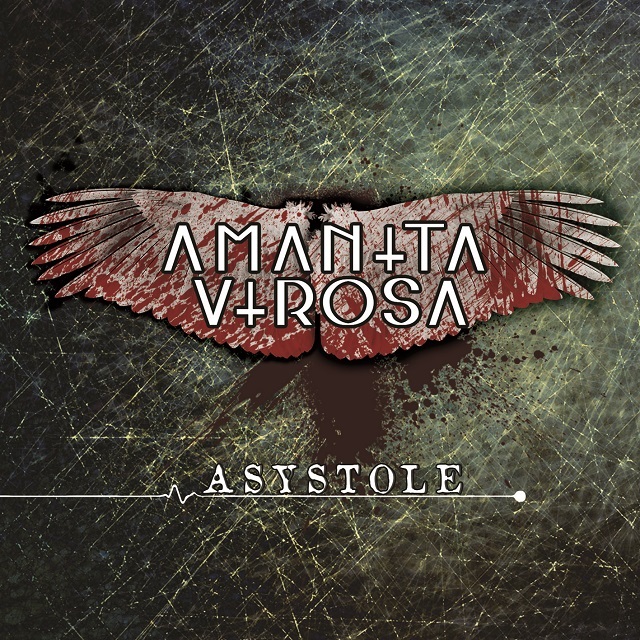
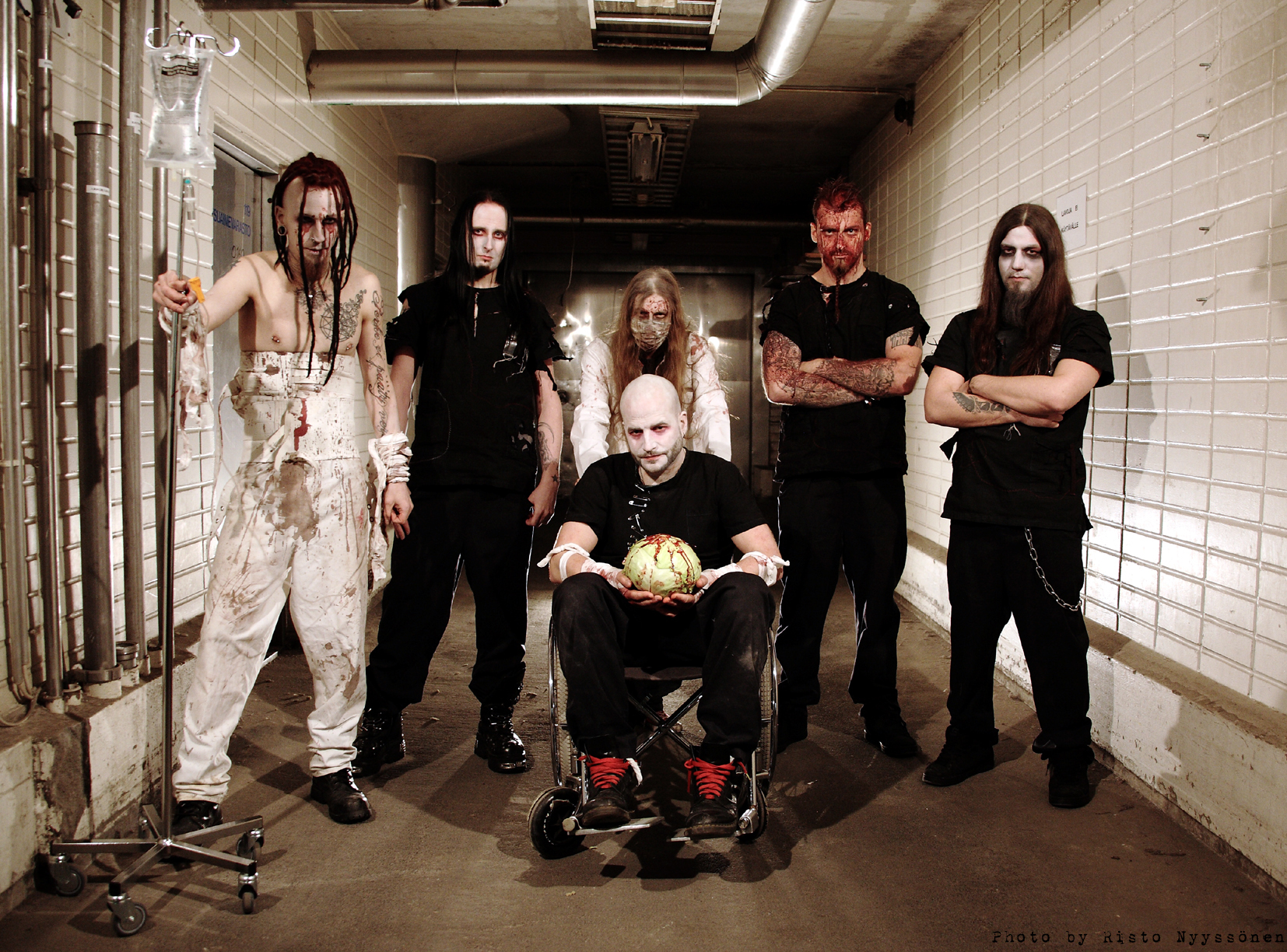
Imagine one day you’re just wandering aimlessly in the woods when you suddenly spot a harmless and probably edible mushroom, and you think “why not give it a try?” Well, you might be facing one of the deadliest of all known poisonous mushrooms in the world, commonly known as the European destroying angel, which will fatally damage your liver and kidneys, taking you to the Other Side sooner than you expected. The scientific name of that lovely mushroom is Amanita Virosa, thereby chosen to be the name of a demented Finnish band that plays a brutal and melodic mix of different subgenres of metal music, kindly denominated by the band itself as “Hospital Metal”.
Formed in 2008 in the town of Mikkeli, Finland, around 240km from the capital Helsinki, what this talented sextet offers in Asystole, their first full-length album, definitely represents the conjunction of the words “hospital” and “metal” as stated by the band. By the way, in case you don’t know it, in medicine, asystole (colloquially known as flatline) is a state of no cardiac electrical activity, one of the conditions that may be used for a medical practitioner to certify clinical or legal death. And that’s exactly what will happen to you after the ruthless heart-stopping assault of hate, sorrow, mental distress and despair found in the entire album.
The semi-acoustic intro Vita a Mortam (Latin for “life from death”) is a little “tricky”, as it suggests the music will be calm or at most some traditional metal music, but then all hell breaks loose when My Slightest Hope begins, and let me tell you there’s no hope for the faint at heart in this song. It’s dark Symphonic Metal with elements of Black Metal the likes of Dimmu Borgir, with the possessed-like vocals by frontman Clamors together with the keyboards by Cantor Satana standing out amidst the sonic havoc. Even more symphonic and impetuous, I can imagine how fun the band should look on stage playing the awesome …Of Failing, which showcases Cantor Satana and drummer Torsoholocaust as the leaders of a music revolution: they do not stop for a single second at all, making this tune perfect for mosh pits and crowd surfing.
In the bloodthirsty Valuta Vereni Tähän Maahan (Finnish for “drain the blood of this country”), by the way the only track sung in their mother tongue, Amanita Virosa provide us all an ideal soundtrack to a Horror flick mainly due to its rawer and more exotic touch, with Clamors seeming really comfortable growling in Finnish throughout the whole song. Then it’s time for guitarists Kingcohol and Melnik13 (where the fuck did they find those names?) to showcase their skills with powerful riffs and solos in No Life King, an extreme exhibition of violence blended with a beautiful metallic melody where the band shows no mercy for our necks and souls.
Dead Inside is the perfect example of the “Hospital Metal” proffered by Amanita Virosa, where Melodic Death Metal meets Symphonic Black Metal in order to generate a crazy heavy mixture that ends up working pretty well, giving the song a nice desperate vibe and pointing it out as one of the best tracks to be played live. Following that sheer derangement, we have another song focused on keyboards and the deep growls by Clamors, entitled Mental Failure, with highlights to its “psychiatric” intro and its clean but extreme musicality, and the very technical tune Suck The Poison, relatively slower, more melancholic and symphonic than the other tracks, with its keyboards sounding like they’re its spinal cord. And last but not least, Dead Body Love keeps up with the energy found in rest of the album thanks to a powerful performance by the entire band, closing Asystole in a very effective way.
In summary, Asystole is a very good heavy music album that offers something new to the listener even in an era where almost nothing seems original anymore. Therefore, all you have to do now is visit their Facebook and SoundCloud pages, and also buy their music at the Inverse Records webstore, because it’s time to go absolutely mental with the fresh and extreme “Hospital Metal” brought forth by this amazing band from the land of ice and snow. This, my friends, is the only type of poison you should be injecting in your veins.
Best moments of the album:…Of Failing, Valuta Vereni Tähän Maahan and Dead Inside.
Worst moments of the album:Mental Failure.
Released in 2015 Inverse Records
Track listing 1. Vita a Mortam 1:58
2. My Slightest Hope 4:45
3. …Of Failing 4:14
4. Valuta Vereni Tähän Maahan 4:18
5. No Life King 4:38
6. Dead Inside 5:18
7. Mental Failure 4:53
8. Suck The Poison 5:18
9. Dead Body Love 4:06
Band members Clamors – vocals
Kingcohol – guitar
Melnik13 – guitar
Robustuz – bass
Cantor Satana – keyboards
Torsoholocaust – drums
Welcome to the darkest side of metal music, put forward by a very promising Canadian Black Metal act.
It’s always a pleasure to review the release by a Canadian band, especially when the band in question is capable of delivering such creative and venomous music to the point it contaminates our deranged minds and souls in the best way possible. That’s what Black Metal band Kafirun has to offer with their brand new EP, the deadly ravage entitled Glorification Of Holy Death.
Brought into being in 2014 and hailing from Vancouver, British Columbia, this new breed of Canadian black metallers is releasing their second installment after their debut demo/EP Death Worship, which if you haven’t taken a listen to yet I suggest you do it now by clicking HERE. More than just a sequel to Death Worship, the new EP aims at reaching new levels of perversity and complexity, and Kafirun end up conquering their objectives by stepping up their technique, wrath and malice.
The psychedelic intro, the doom-ish drumming by Corpus Vile and the demonic and desperate vocals by Luzifaust in the opening track, Wings of Malevolence, evoke darkness and welcome all of us to the kingdom of Kafirun. Far from being raw old school Black Metal, this song has a more melancholic and somber sounding with a sustained rhythm perfect for some slow but intense headbanging, while in Salvation Through Sin they speed things up and also blacken their music, delivering some sick riffs, growls and blast beats in a very crude way. This is indeed a very obscure type of Black Metal that fans of the genre will enjoy, with the devilish break halfway through it making the song more interesting to the listener.
The third track of the EP, Destruction of the Divine Self, showcases more modern and thrashier riffs by guitarist Hanephi before suddenly turning into brutal Black Metal, with vociferations and drums at the speed of evil, followed by another bestial song named Chaos Magnum Opus. The initial scream by Luzifaust says it all: it’s going to be a disturbingly blackened tune, where Corpus Vile violently pounds his drums while Hanephi and Hypnocrotizer brutalize their strings with some wicked lines. You will definitely feel distraught with this malevolent song, no doubt about that.
Last but not least, in Open Veins the band gets back to Blackened Doom, with even the vocal lines getting deeper and more grievous. Its funereal sonority is beyond perfect to close the EP and emphasizes all the disorientation and addiction to the darkest side of metal music put forward by this promising Canadian quartet. With that said, what are you waiting for to succumb to all unholy sins and let the right one in by visiting Kafirun’s official Facebook page and by purchasing their music at their BandCamp page?
Best moments of the album:Destruction of the Divine Self and Chaos Magnum Opus.
Worst moments of the album: None.
Released in 2015 Independent
Track listing 1. Wings of Malevolence 4:07
2. Salvation Through Sin 4:18
3. Destruction of the Divine Self 3:32
4. Chaos Magnum Opus 3:28
5. Open Veins 6:14
Band members Luzifaust – vocals
Hanephi – guitars
Hypnocrotizer – bass
Corpus Vile – drums
Let the mighty God of Thunder bang his head to the sound of old school Death Metal while he mercilessly smashes his foes with his hammer.
Formed in the “distant” year of 1989 in the beautiful city of Stockholm, Sweden, and still alive and kicking after almost three decades, the iconic Death Metal band Unleashed can credit their longevity and glory to their unique music concept, being the pioneers in implementing completely different themes from most Death Metal bands, such as Viking culture, Norse folklore and even references to the work by the renowned English writer and poet J. R. R. Tolkien, to their furious and coarse sounding.
In order to keep the almighty God of Thunder grinning and banging his head to the brutal sound of Death Metal while he smashes hordes of infidels with Mjölnir, Unleashed are releasing in 2015 their twelfth studio album, the good Dawn Of The Nine. Although the album does not flirt with Black Metal as much as its predecessor, the excellent Odalheim (2012), which means it lacks a little more darkness, it’s still a celebration of extreme music, war, vengeance and sacrilege that will satisfy the hunger of death metallers all over the world for more of the band’s Viking Death Metal.
Shifting between Viking Metal and more traditional Death Metal, the opening track A New Day Will Rise relies upon a strong atmospheric background and the aggressive vocals by Johnny Hedlund, while the other band members make sure the music stays visceral. It’s not the most creative songwriting in the world, but it’s still very cohesive, which is also valid for They Came to Die and its elements of Thrash Metal and Symphonic Black Metal, offering a more exciting headbanging tune. The guitar lines by Fredrik Folkare and Tomas Måsgard enrich the melody found in the music, and of course drummer Anders Schultz doesn’t seem “happy” and crushes whoever is in his path. The ominous intro already summarizes the darkness in Defenders of Midgard, a song about the will to keep fighting for our beliefs and our beloved ones (“But we will rise again / And fight, fight to defend / Our Midgard ’til the very end / Fight to defend / Our Midgard ’til the very end”). However, the music itself is boring, getting really repetitive after a while and consequently falling flat, despite the good guitar solo by Fredrik.
Fortunately, they finally unleash their infamous Death Metal in Where Is Your God Now?: its direct lyrics about being a true godless warrior (“Here we are alive again / In a battle without end / So we rise from the caves / And march until sol descends”) are very effective and the growls by Johnny are a lot more cutting. In other words, get ready for some sick circle pits to the sound of this evil mix of Death and Black Metal. And although Johnny sounds a little tired in The Bolt Thrower, it’s another good old school Death Metal tune, where the most curious detail is that I don’t know if they’re talking about the ancient missile weapon named “ballista” or if it’s a tribute to British Death Metal band Bolt Thrower. Well, Johnny sings “a master of war that feels no pain”, which makes me think it’s about the band. Or maybe it’s the weapon? What a tricky question.
Let the Hammer Fly is a straightforward fast tune that might not be innovative but works pretty well, where its instrumental appropriately sticks to the basics of extreme music and its second half feels a lot darker, with highlights to another good guitar solo by Fredrik Folkare; while Where Churches Once Burned, with a stronger atmospheric background and Black Metal-ish riffs, sounds a lot more extreme and blasphemous thanks to the melodic guitar lines by Fredrik and the blast beats fired by Anders until the song evolves to a mournful ending. In Land of the Thousand Lakes, Johnny begins with some low-tuned bass lines before the song becomes barbaric, which translates into a fast and brutal assault of riffs and beats that will break your fuckin’ neck.
The pure Doom Metal title-track Dawn of the Nine doesn’t live up to its goal, proving Unleashed sound a lot more powerful when they play at high speed and more violently. The song gets slightly more interesting in some parts, sounding like old school Black Sabbath, but that’s not enough to salvage it. And last but not least, Welcome the Son of Thor! is another decent Viking Death Metal tune despite its uninspired lyrics, where the primeval bass lines by Johnny are really potent and therefore add more balance to the drumming by Anders.
Long story short, if this is your type of music and you are interested in Scandinavian culture and floklore, there are different versions of the album available at the Nuclear Blast webstore, Amazon, iTunes and other retailers. As aforementioned, Dawn Of The Nine will surely keep the Norse gods and demons well pleased and ready for more Unleashed in a near future.
Best moments of the album:They Came to Die, Where Is Your God Now? and Where Churches Once Burned.
Worst moments of the album:Defenders of Midgard and Dawn of the Nine.
Released in 2015 Nuclear Blast
Track listing 1. A New Day Will Rise 3:51
2. They Came to Die 3:13
3. Defenders of Midgard 4:37
4. Where Is Your God Now? 4:24
5. The Bolt Thrower 3:49
6. Let the Hammer Fly 4:10
7. Where Churches Once Burned 5:18
8. Land of the Thousand Lakes 4:15
9. Dawn of the Nine 6:41
10. Welcome the Son of Thor! 4:34
Band members Johnny Hedlund – vocals, bass
Fredrik Folkare – lead guitar
Tomas Måsgard – rhythm guitar
Anders Schultz – drums
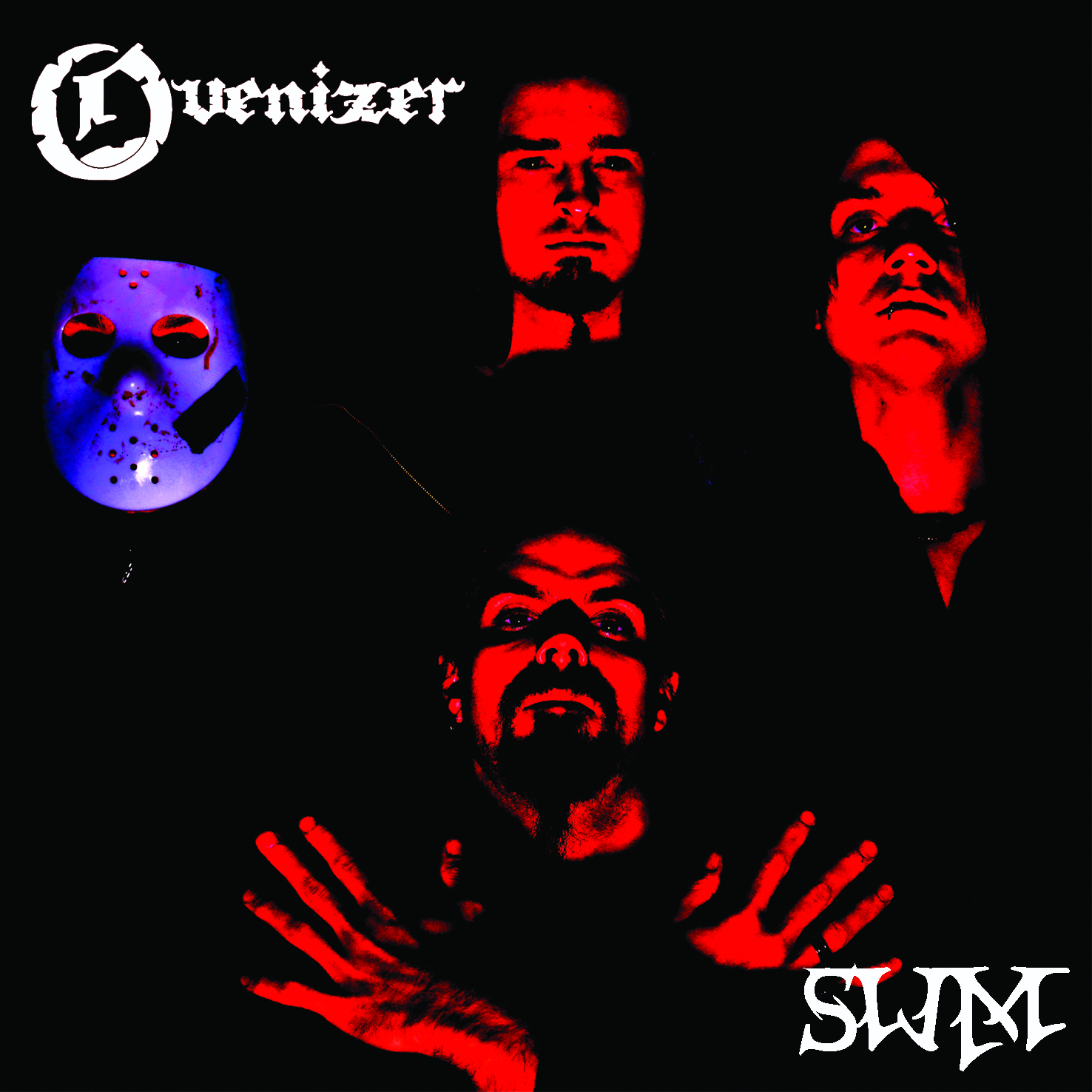
A melodic and psychedelic journey through the realms of Death, Doom and Post-Metal by a weird and extremely competent band from Finland.
There’s no specific meaning for the word “ovenizer” if you look it up in any dictionary, not even the informal ones, and trying to find an explanation to the music by Finnish band Ovenizer is also a tall order. If you don’t believe it can be that hard to label the music by a band, simply take a listen to SWM, the brand new album by this power trio from Tampere, Finland, and you’ll see why there are so many things in our world that are better off unknown or at least non-stereotyped.
Of course, that doesn’t mean it’s not fun to listen to the music by Ovenizer and perceive all the nuances from all types of rock and heavy music found in the album. According to the band members themselves, their style is “somewhat Doom-ish Post-Metal, with some Death Metal vibes on to it”. Whatever that’s supposed to mean, Ovenizer indeed deliver a very cohesive and creative Melodic Post-Metal music with huge doses of Doom Metal and psychedelia, making the final result very difficult to understand but at the same time very pleasant.
That musical fusion becomes already evident in the opening track, kindly entitled Standing On the Shoulders of Giant, where the listener is invited to a world full of Doom Metal riffs and beats with a strong 70’s Rock N’ Roll influence, with its rhythm being perfect for live performances. In addition to that, lead singer and guitarist Kvist does an excellent job on vocals, ranging from deep guttural to harsh rock music lines. And things get even more unusual in Satan’s Washing Machine, with its interesting psychedelic start before the heavy stuff comes bashing. You’ll find lots of elements from Folk Metal in this song, which is kind of expected from a Scandinavian band, and despite its “evil” name there’s so much melancholy in it I’m pretty sure it will sadden your heart a bit. Naturally, in order to properly complement this great tune there’s a simple but excellent chorus, and pay attention to the official video for this song where drummer Feather seems to be having a great time while smashing his drums on fire.
S&M does not only sound like pungent North American Stoner Metal, but Ovenizer truly show us how to create the darkest imaginable atmosphere with acoustic passages and desperate screams, with the last part of the song offering the listener more of the band’s Doom side with highlights to the low-tuned riffs by Kvist. In the following tune, Paddling In the Sky, the band invites us to join them in a somber tribal journey, as if they want us all to go dance in the sky with them. Its rumbling riffs and pounding drums will rise some good evil inside you, right before it turns into some sort of Death/Black Metal feast, including some crazy blast beats to make things even better. With a strong Melodic Death Metal vibe, S.I.B. (Standard Issue Breathing) is a lot more instrumental than atmospheric, making it a good choice for their setlists, while Incubatory is exactly what you get when Ovenizer unite their doom-ish side with the melody and harmony found in classic rock. Furthermore, the bass lines by Phinx get richer and more vibrant, and pay attention to the fact that Kvist’s vocals are closer to Death Metal than to what the music itself proposes, creating an interesting paradox.
The last two ditties in SWM are Watch, with a sorrowful intro that grows until it becomes a great mix of Doom and Progressive Rock, with its lyrics translating the sadness of the song into words, and finally Don’t Trust Me, I Know What I’m Doing, which albeit having a curious name it’s somehow true. It’s yet another interesting Doom Metal track about how regretful our lives can be, with its second part representing a man’s mental breakdown or maybe his downfall into madness.
In case you enjoyed the challenge of trying to label the weird music by Ovenizer, please go check their official YouTube channel and also go buy their music at their BandCamp page or at the Record Shop X webstore. As mentioned before, it’s an interesting melodic and psychedelic Death Doom Stoner Post-Metal extravaganza directly from the land of ice and snow, or anything else you want it to be.
Best moments of the album:Satan’s Washing Machine, Paddling In the Sky and Don’t Trust Me, I Know What I’m Doing.
Worst moments of the album:Watch.
Released in 2015 Norwegian Pope Records
Track listing 1. Standing On the Shoulders of Giant 3:04
2. Satan’s Washing Machine 4:18
3. S&M 4:34
4. Paddling In the Sky 5:16
5. S.I.B. (Standard Issue Breathing) 3:22
6. Incubatory 3:28
7. Watch 3:38
8. Don’t Trust Me, I Know What I’m Doing 4:05
Band members Kvist – guitar, vocals
Phinx – bass, backing vocals
Feather – drums, backing vocals
These Polish devils will infest your soul with their technical and brutal Death Metal.
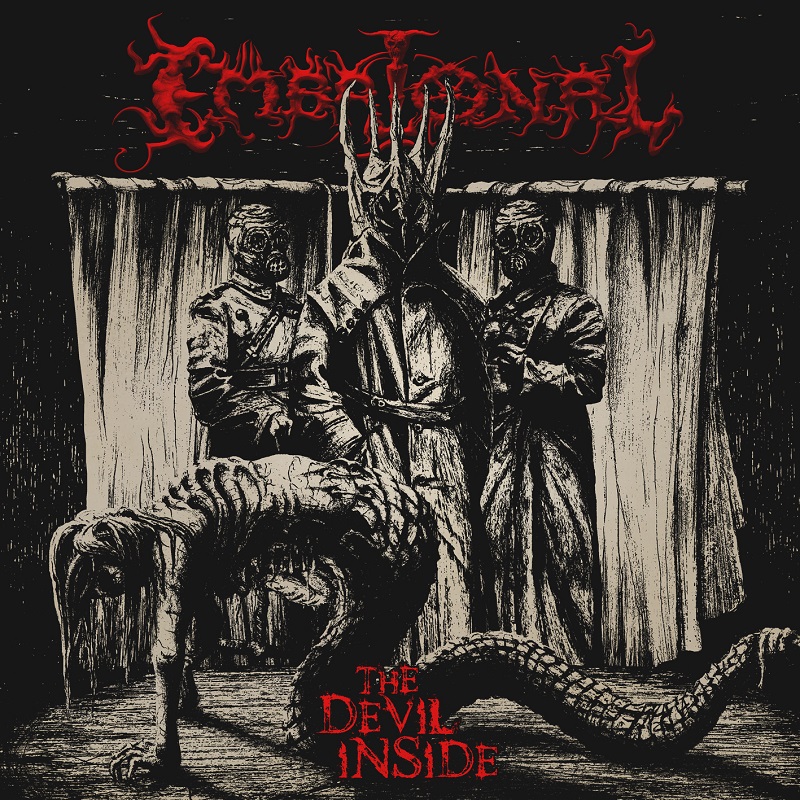
People who know me also know how much I love dark and demonic music. And if the band playing that type of music comes from Poland it’s when things get even better, because to be fair, I’ve never seen a low-quality Polish band in my life. If you take a few seconds to think about it, superb bands such as Behemoth, Vader and Darzamat will quickly come to your mind, and we can all include Polish old school Death Metal band Embrional on that list based on the deranging assault of extreme music from their brand new album, The Devil Inside. Well, I guess the name of the album, together with the artwork designed by Mariusz Krajewski and MENTALPORN, can already provide you a sense of how much the word “deranging” matches with their music.
Fans of Deicide, Cannibal Corpse, Behemoth and all other Death and Black Metal bands who turn their instruments into an infernal pyre of heavy music will feel aflame while listening to the work by this Gliwice-based band. Vociferating topics such as possession, annihilation and death, all impregnated by the acrid smell of sulfur and tar, Embrional are extremely competent in what they do, which translates into high-end Extreme Metal perfect for enjoying with your friends at a live concert or by yourself in your car, at home or anywhere else that some extra doses of stamina and anger are more than required.
And suddenly, after Embrional open the rusty gates to their realm of Death Metal (maybe hell?) in the intro The Devil Inside, it’s time for some excellent blast beats at the “speed of darkness” in Evil’s Mucus, a great tune for slamming into the fuckin’ pit. Not only lead singer and guitarist Marcin Sienkiel has those devilish and disturbing vocals that can only be found in brutal Death Metal, but all musicians sound quite progressive for such a raw old school band, offering the listener lots of interesting breaks and tempo changes. Funeral March, although slightly slower, is truly diabolical and gives a whole new meaning to a funeral march itself, with Marcin and Rychu “Vermin” Sosnowski making sure their guitar lines are in line with all that darkness while drummer Kamil Bracichowicz displays an arsenal of evil beats. And guess what? Bassist Michał “Soulbleed” Połetek also joins that dark side with his deep bass lines.
Embrional keep firing their wicked sounding in The Abyss, which sounds almost like Progressive Death Metal but still violent and raw as expected, and get ready because after around two minutes it’s time to get into the pit of evil created by the band. Then after a quick instrumental intro entitled Sadness, we have sheer brutality in the form of music in the superb track In Darkness, which makes me wonder if those guys are mad or furious at something so violent it is. What Kamil does behind his drum kit in this song is amazingly bestial and will make you headbang like crazy, while Michał once again gains the spotlight with his awesome job on the bass guitar. And Marcin guides the Embrional horde yet again with another Stygian tune, Behind The Mask Of Sanity, which leans towards Blackened Death Metal or even Black Metal, offering the listener some interesting guitar solos amidst all the savagery and fury presented.
Their violent complexity continues to be outstanding in the following track, curiously named 910, which can be simply described as a fuckin’ massacre. It sounds like if the band decided to “blacken” their music to a greater extent, with riffs and drums faster than before while vocals get even more gruesome. Right after that furious onfall it’s time to reach the deepest nightmares of mankind with Madman’s Curse, with lots of Doom Metal elements added to enhance the desired insanity of the song, followed by Callousness, a short and straightforward Death Metal song where riffs and vocal lines sound really strong, while drums keep a constant heavy rhythm leading to a violent ending. And the duo that closes the album doesn’t disappoint in terms of cruelty: Venom presents us a creepy intro with flies buzzing before turning into another feast of evil, with Kamil once again relentlessly showcasing his drumming skills, and if your head doesn’t hurt after this song you’re not human; and how about a woman crying in despair and sorrow to start the last track, Whores, Drugs and Brain Dead? With hardcore harsh vocals and a Slayer-ish vibe, it’s an awesome way to make even the most cautious person slam into the circle pit.
Try listening to the Symphonic Gothic Metal by this up-and-coming Russian band with your eyes blindfolded. You will love the experience.
In case you don’t know (well, I’m pretty sure you don’t, and there’s nothing wrong with that), the Latin word “velaverunt” means “blindfolded”. For instance, you can find that word in the Bible, like in Lucas 22:64, “et velaverunt eum et percutiebant faciem eius et interrogabant eum dicentes prophetiza quis est qui te percussit?”, which in English means “and when they had blindfolded him, and smote him on the face, and asked him, saying: Prophesy, who is it that smote thee?” However, from now on Velaverante also means high-quality Symphonic Gothic Metal brought forth by this passionate band from the city of Kirov, Russia, located around 950km from the capital Moscow.
And when you listen to their debut EP, the excellent My Dark Images, you’ll perfectly understand why I’m saying that about Velaverante. For a top to bottom independent band, the attention they paid to all details, including the sound production and mixing, their outfits and the album art, is truly remarkable. Even minor details like the blindfolds that appear on the artwork of My Dark Images and on some of their promotional pictures prove how much they care about their creation, and of course, that’s beyond good for everyone who takes a listen at Velaverante.
That high level of professionalism is latent in the first track of the EP, Too Late, where the band offers the listener a very symphonic sounding similar to what Nightwish and Epica have mastered doing, but with the melancholic atmosphere found in Black and Doom Metal. The keyboards by Max Seleznyov and the robust operatic vocals by Anna Egorova keep the music ominous and dark, whilst drummer Irina Kropotova and guitarist Gleb Uraev seem more inspired by old school Gothic Metal the likes of Tristania. The second track, Insomnia, begins as obscure as the previous one, once again showcasing a superb performance by Anna on vocals, especially during the song’s captivating chorus. It’s unquestionably a beautiful Gothic Metal tune for fans of the dark side of music.
In my humble opinion, the best of the four tracks is Jailed, where a smooth piano intro is suddenly surrounded by the band’s strong and mournful notes, with highlights to all the emotion found on vocals (yet again with an awesome chorus). Not only that, its somber rhythm is as amazing as the biggest dark classics from Norwegian and British Gothic music, with Max boosting the band’s energy with his keyboard notes. And lastly, we have the most symphonic of all tracks, Chained No More, with deeper riffs and stronger beats, almost like a Metal Opera mainly due to the vocal performance by Anna blended with interesting medieval/epic notes.
Unfortunately, My Dark Images has only 15 minutes of music, making us eager for more of their music in the form of a possible full-length album in a not-so-distant future. In the meantime, let’s all go check their Facebook page, VK profile, YouTube channel (where you can find some excellent live videos by the band), and more important than all that, listen to their profound and skillfully engendered music on their official SoundCloud page. And if you have the guts to appreciate My Dark Images blindfolded, amplifying your sense of hearing to a whole new level, do not think twice and just go do it.
Best moments of the album:Jailed.
Worst moments of the album: None.
Released in 2015 Independent
Track listing 1. Too Late 4:20
2. Insomnia 3:10
3. Jailed 4:18
4. Chained No More 3:34
Band members Anna Egorova – vocals
Gleb Uraev – guitar
Oleg Starikov – bass
Max Seleznyov – keyboards
Irina Kropotova – drums
Do you want to know what goes on inside the mind of a young and talented black metaller? Check out this great interview with the architect behind British Blackened Death Metal band Goatchrist, Dominator Xul’Ahabra, and you will find the answers to most of your questions.
The Headbanging Moose: Let’s start with some basic information about you and Goatchrist, for the readers who are not totally aware of your work as a musician: could you please tell us who Dominator Xul’Ahabra is, as well as how and when the band was originated? What’s the main concept or idea behind Goatchrist?
Dominator Xul’Ahabra: Dominator Xul’Ahabra is the character I view as being the manifestation of all of my ‘left hand path’ aspects (Xul being Arabic for evil). The band began as a vessel to release music I’d written whilst auditioning for Sathamel, but thereafter I realised it could be directed and used as an application of chaos magick and the Order of Nine Angles (hence the constant theme rotation). My core vision for Goatchrist is to ascend the band to a level where I can accurately teach others about what I see as being the most advanced philosophical view that man has conjured.
THM: I really enjoyed your brand new EP, The Epic Tragedy Of The Cult Of Enlil. This is the type of music I believe all metalheads in the world want to hear, something that is at the same time electrifying and substantial. How were the writing and production processes for this EP? What worked really well and what were the areas where you think you could have done better than the final result?
Dominator: My gratitude to you for your compliments. ‘Enlil’ was an EP that essentially was a directed and remoulded series of songs I’d written over a large period (January 2013 to December 2014) that I saw potential in. The writing process usually consisted of myself, my laptop, obscure locations and drugs. The entire thing wasn’t written together so there was no distinct writing process. The recording occurred at my home studio, except drums which I recorded on an electronic kit at my friend’s house (who then quantised them, as my drumming proficiency leaves much to be desired).
THM: How do you sense the evolution of your music based on your previous releases, such as She Who Holds the Scrying Mirror? Do you feel there are any limits to where you can get with the type of music played by Goatchrist?
Dominator: I see Goatchrist as a limitless band. I think specific musical styles fit certain themes so the musical direction will always change. There must be a natural progression from release to release, otherwise peoples’ interest stagnates.
THM: One thing that really draw my attention while listening to songs like Inferno, The Triumvirate’s Flight to Nippur, Plaguewood and She Who Holds the Scrying Mirror is the exceptional harmony found in each one of them amidst all the necessary violence and negativity found in Black Metal, in other words, they’re not just disgruntled noise, and that’s corroborated by the fact the song Inferno has already been selected twice to be played on The Metal Moose Radio together with lots of non-extreme bands. How do you manage to keep your music so extreme but at the same time relatively easy to listen to? Which special techniques do you apply to the recording or editing of your songs to make them so cohesive and melodic?
Dominator: Thank you very much. Haha, I don’t know the answer to that one. I just write what I think sounds good and then play it. My recording technique is so basic, everything goes through a UX1 through Pod Farm and into Audacity. That’s pretty much all I can offer in the way of ‘how I do what I do’.
THM: Moving on to your personal life, when and why did you choose to follow the path of Black Metal? What does extreme music mean in your life and how do you see the impact it has on your interaction with the society you live in?
Dominator: Extreme music doesn’t always appeal. There’s only a few bands that actually do it well. Sure, those bands (Absu, Nachtmystium, Summoning, for example) are amongst my favourites, but as regards their influence on the society I live in, I don’t see it much. Society is only influenced by one thing, and that’s philosophy. We’re mostly all bound to a stupidly mundane way of thinking and analysing things, and it dulls our creativity and doesn’t let specific, niche art forms overly influence society in a great way anymore.
Album Review – Goatchrist / The Epic Tragedy Of The Cult Of Enlil EP (2015)
THM: It’s a known fact that you’re a very young guy with a huge passion for extreme music and that’s very inspiring, but what do your parents, friends and teachers think about it? Do they understand at all what you’re doing or is there a lot of misconception on their side due to the nature of the music you’re creating?
Dominator: They don’t really pay much attention to it. My mum shows a moderate interest, but it’s not her cup of tea. Some of my metalhead friends listen to my stuff but that’s about it; to most of my friends I’m just Jacob, not Dominator.
THM: Talking about your creative process, it’s remarkable that such a young person can go from traditional Sumerian folklore, like what we can see in The Epic Tragedy Of The Cult Of Enlil, to 17th century French occultism and Luciferianism as the concept for your next release, which you’re already working on. What are your sources of inspiration that help you maintain your music at such interesting level? Do you read a lot of books, focus on detailed researches on the Internet, watch a lot of documentaries or have any other hobbies that foment your creativity? And how do you know a specific theme or concept is the one you will transform into music?
Dominator: Thank you. My album concepts are based upon my own logical layout and general flow, over which researched ideas are placed. All the above aforementioned research methods are used, as well as a lot of meditation.
As far as knowing which one I’ll use, I have no set way of deciding. It just all comes together, haha.
THM: Although your young age is good on one side in terms of energy and creativity, on the other side it can also bring some unwanted consequences such as not being able to perform live at a specific venue, just like what has recently happened to you and your band. Could you tell us more about that incident and how that impacted you as a musician and Goatchrist as a band? And what are your plans for future tours with Goatchrist?
Dominator: We weren’t allowed by law to play the show, after which I made some rude comments about the venue which I sincerely apologised for. I don’t particularly want to talk about this event, but Goatchrist did suffer because of it. I have no plan to play live in the near future (not with Goatchrist, anyway).
THM: What’s your opinion on the current state of Black Metal and extreme music in general in the UK and all over the world? Do you see yourself not doing extreme music in the future or maybe not even working as a musician? Do you already feel ready to face the heavy burden that comes with a career in music, especially in Black Metal?
Dominator: Generally the same as it’s always been: shit. The UK scene is an exception, where this form of music is flourishing at the minute, though black metal is only a perfected art form in the hands of a few individuals. I’d say America has the best black metal in the world at the minute. I’ll never not play music, whether it stays extreme is simply a question of time.
I’m not sure what burden you refer to. Goatchrist is essentially my glorified hobby, the moment it burdened me is the moment I’d drop it forever.
THM: In the demo She Who Holds the Scrying Mirror you recorded an interesting cover version for Fatal Equinox (Perpetual Resplendence), by Brazilian Black/Death Metal band Goatpenis. Do you have any plans for future cover versions, or was that a once-off recorded as a tribute to one of your favorite bands? And regarding your personal preferences, who are your biggest idols and influences in music and life in general?
Dominator: Goatpenis are a band I relate to because they’re Brazilian, and I’m Portuguese. I’d been wanting to cover Fatal Equinox for a few years before I actually did it too. There might be a cover coming soon, I’m unsure as of yet. I can confirm that it won’t feature my vocals, anyway.
My personal heroes are varied in character; people from Varg Vikernes to Brian Molko. I look up to artists that push to create a certain image and sound against the trend.
Album Review – Goatchrist / She Who Holds the Scrying Mirror (2014)
THM: What do you do in your free time (if you have any), and what bands are part of your current playlist? Are there any new or underground bands that you could recommend to people who appreciate Goatchrist and to all fans of heavy music?
Dominator: In my free time I’m usually out and about with friends, or practising guitar. I don’t have time for much else. My current playlist is an incredibly varied mix, and the top ten most featured artists would be Nachtmystium, Absu, Placebo, Scars on Broadway, Deafheaven, Darkspace, Melechesh, Slowdance, Rob Zombie and Naked City (the latter there being a truly amazing band on another level, with their album “Torture Garden” being my favourite album of all time).
As far as recommending bands to fans, there’s a fair few I could name. My vocal style is inspired by Nyogthaeblisz, who are a truly amazing outfit and well worth a listen. Conqueror and Revenge are both bands I tried to draw parallels with in the first demo, and there’s certainly similarities to Absu with ‘The Epic Tragedy…” There’s some other local bands that have a loosely similar (though incredibly powerful) sound, these being Slaughter Throne and Sathamel, who both serve as inspiration to Goatchrist. Other bands I’d recommend checking out are Grimsvotn, Written in Torment and Moloch, whose respective sole members have all contributed to my musical outlook.
THM: Thanks a lot for your time, and keep up the excellent work you’re doing in Black Metal. Last but not least, please feel free to send one final message to your fans and to anyone who’s just getting to know Goatchrist here in Canada, in the UK and anywhere else in the world.
Dominator: You’re very welcome. Thank you to everyone who’s supporting Goatchrist, I’m truly appreciative of everyone who’s given positive feedback as regards the EP. Prepare yourself for the upcoming split we have due out with Angmaer sometime in the future too. Agios o Noctulis!


 In Greek mythology, Kατάβασις (pronounced “katabasis”) means a descent to the underworld, and that is exactly what you will feel while listening to the debut full-length album by French Occult Black Metal band Absconditus. By the way, the name of the band comes from Latin, meaning “occult” or “hidden”, which perfectly represents their musicality, lyrics and everything else. In other words, if you have the nerve to face such a cryptic band piercing your mind with their dark and deranged music, you may ultimately relish a distinct experience in Extreme Metal.
 Elegeía (Confession au Cénotaphe), or “elegy (confession at the cenotaph)”, which means an “empty tomb” or a monument erected in honour of a person or group of people whose remains are elsewhere, brings forth a huge amount of darkness and disgrace, including a draconian invocation performed by Aliexagore, Loxias and Guillaume Pingard. Drummer Anderswo shows he’s an extremely technical musician whose skills contribute to add extra layers of violence and intricacy to the musicality, while Loxias seems to be hypnotized by the dark side, delivering truly demonic lines. And get ready for the ending climax of the song, it is outstanding. Darkening their sonority a bit more we have Exultet – L’Aurore Schismatique (“exultet – schismatic dawn”), the hymn of praise sung, ideally by a deacon, before the paschal candle during the Easter Vigil in the Roman Rite of Mass. It varies from atmospheric Doom Metal to pure Black Metal, with Aliexagore sounding even more satanic than in the previous tracks and with the addition of considerable dosages of progressiveness thanks to the talent of the musicians involved, as if Mastodon became a Black Metal act.