Album Review – Sex Dumpster / Lord Alcohol (2018)

Breathing in the rotten stench of humanity’s decay, here come Sex Dumpster and their one-way trip to the void in the form of filthy Black Metal.

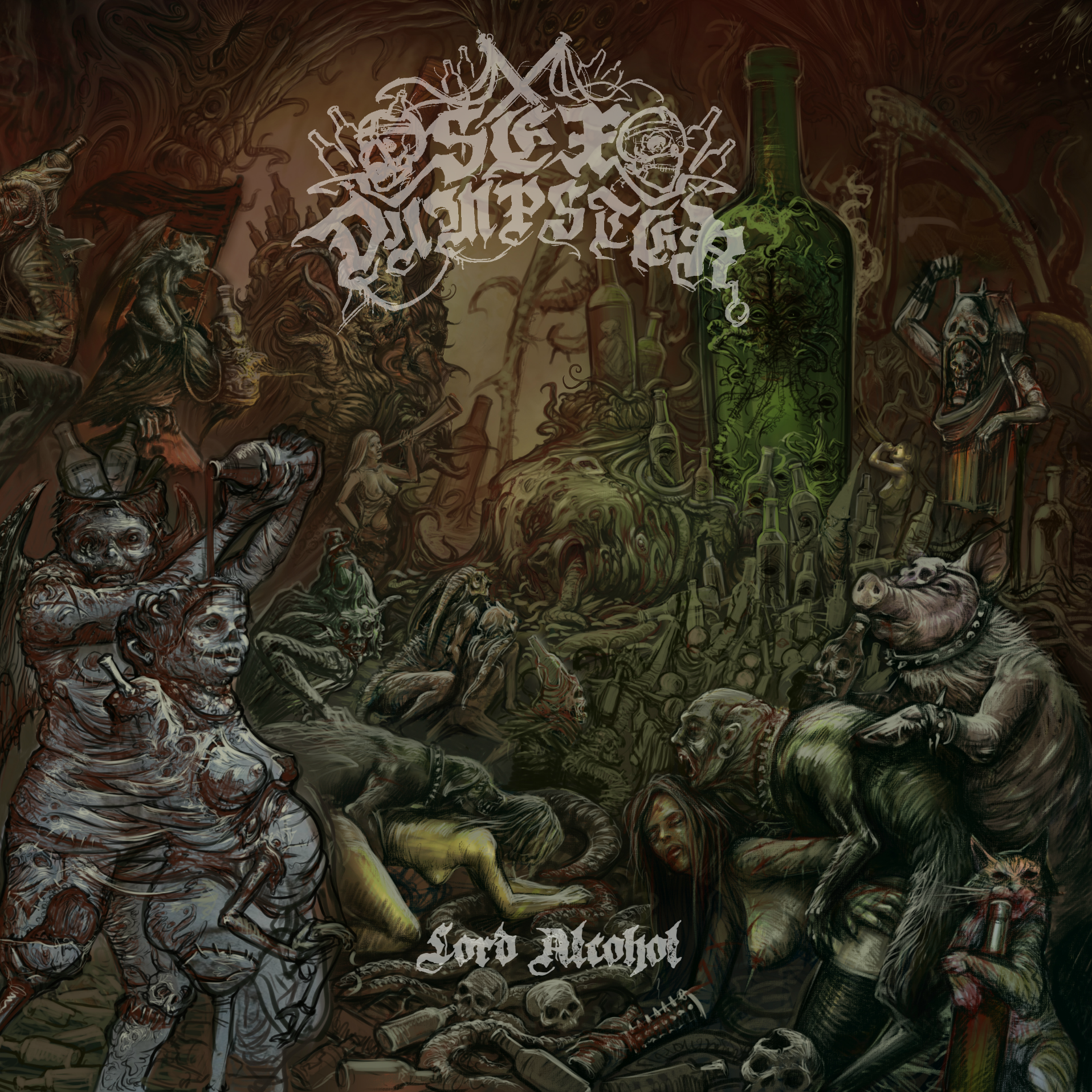
The world we’ve built is a hard, unforgiving place, full of cruelty, dirt and despair. Every shadow hides a nightmare and every alleyway a nest of unreasoning hatred. You may want to avert your gaze, wrap yourself in a protective cloak of pretty lies and colourful deceptions, immerse yourself in the garish delusions of television and the distracting mundanity of music for the masses, but you can’t hide from reality forever. That’s why an infamous Black Metal duo that goes by the charming name of Sex Dumpster is among us, to tear away your blindfolds and grind your face into the filth of existence until you choke, and they’ll do that by mercilessly crushing your senses with their unrelenting new album, poetically titled Lord Alcohol.

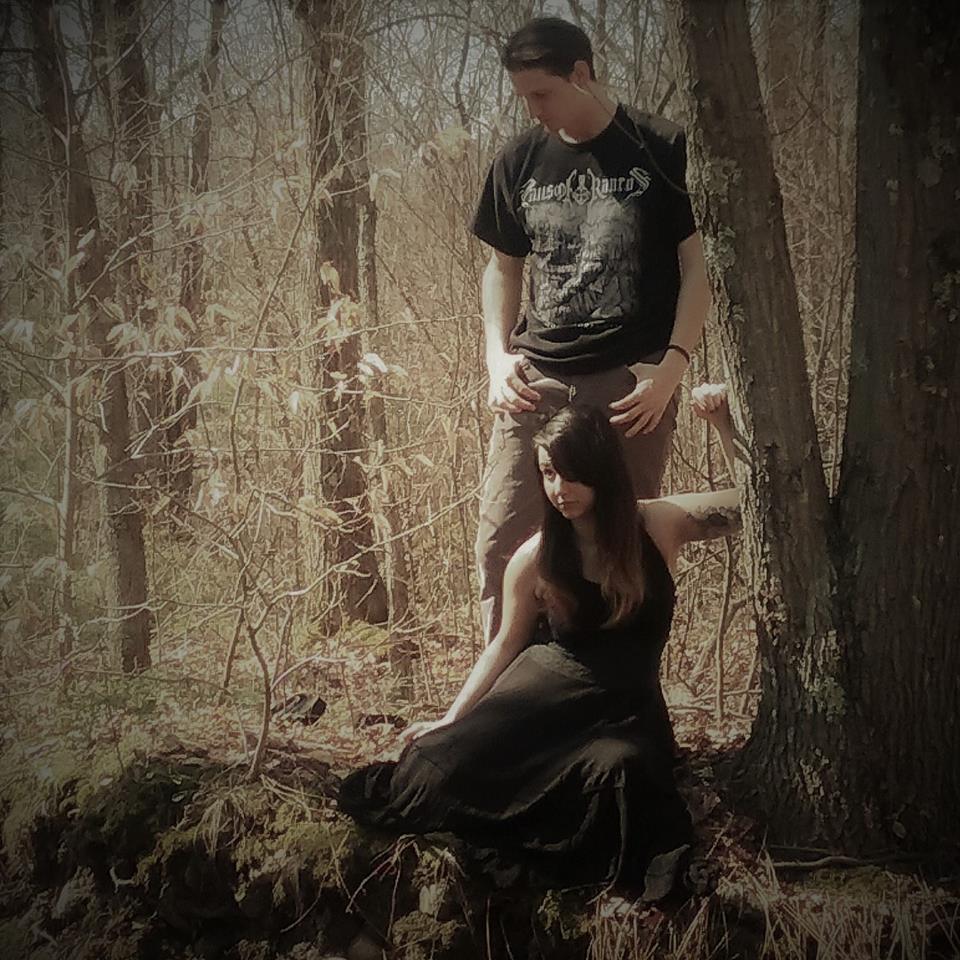
The origins of Sex Dumpster can be traced back to frozen isolation in Alaska, where vocalist and multi-instrumentalist Hiram Lohr first pulled together the disparate souls that would form the band Thousand Year War. After releasing a full-length album and one EP, Thousand Year War collapsed into ruin, with Hiram turning his back on the ice and snow and heading to the sultry, putrefying heat of Mexico, more specifically to Cozumel, a mostly undeveloped Mexican island in the Caribbean Sea, where he breathed in the rotten stench of humanity’s decay and submerged himself in the conscienceless bile of bitter existence. Armed with riffs rusted in piss and blood, wielded with a vicious, vehement intent and radiating a haunting atmosphere of emptiness, Lord Alcohol is Sex Dumpster’s howling hymn to nothingness, a one-way trip to the void highly recommended for fans of bands like Taake, Urgehal and Nattefrost.

Put together a violent mix old school Black Metal with a Punk Rock attitude and the most aggressive lyrics you can think of, and there you have the demented Bible Up Your Ass (and you better get used to the “gentle” song names found in Lord Alcohol). In this inspiring chant, Hiram seems to be vomiting the song’s blasphemous words, which in the end works really well, while the bestial Grega Plamberger doesn’t stop crushing his drum set; and Hiram’s filthy rant of profanity goes on in Cunt World, firing some truly acid riffs and gnarls tailored for haunting our souls, therefore generating the perfect soundtrack for slamming into the pit or banging your head like a maniac. And Doom Metal-inspired lines set the tone for the vile Shit On My Grave, a darker and more melancholic tune where Grega switches between slower, almost sluggish beats and sheer devastation, with his infernal drumming flawlessly supporting Hiram’s deranged screams.

Ivar The Boneless is an Epic Black Metal-like creation by Sex Dumpster, a deviant battle hymn showcasing crushing beats, raw guitar riffs and an amazing performance by Hiram and his harsh vocals, and the final result couldn’t sound more compelling and vibrant; whereas Lord Alcohol continues with the epic vibe from its predecessor, worshiping our beloved alcohol through Grega’s rhythmic drumming and the spot-on atmospheric elements in the background, in an interesting fusion of raw Black Metal with modern Epic Metal. Then Sex Dumpster smash our heads with a brilliant cover version for GG Allin’s classic I Kill Everything I Fuck, from the album Brutality & Bloodshed for All by GG Allin & The Murder Junkies (check the original version HERE). In a nutshell, Sex Dumpster’s version is just as dirty, nasty and aggressive as the original one recorded by one of the most demented and controversial artists of all time. And there’s more craziness for your ears in This Lonely Rope, an obscure and sluggish chant where the strident sound of guitars make an interesting duo with the heaviness of drums, all embraced by an almost mesmerizing rhythm (despite not being as good as all previous songs).

With a name like Fist Fucking Motherfucker you can only expect violence, hatred and devastation flowing from all instruments, with a great job done by Hiram and his crisp Black Metal riffs. Let’s say that although this is perhaps one of the worst songs for listening in a public place (if you care about your personal reputation, of course), it’s indeed a damn fun composition. The second to last deranged tune in Lord Alcohol, entitled Klonopin Dreams, Suicidal Requiems, is an instrumental extravaganza where the duo goes mental, mixing Black Metal with other metal styles such as Power and Progressive Metal (and even hints of non-metal styles), turning it into a must-listen for fans of the more disturbed side of metal music. Lastly, closing the album we have more crude, belligerent and visceral sounds coming from the duo’s guitar lines and drums in Under The Night, with all the darkness bred by Sex Dumpster growing in intensity until the song’s abrupt finale.

Do you have the guts to enter the realm of sheer debauchery and sacrilege brought forth by Hiram Lohr and his bloodcurdling spawn Sex Dumpster? In case you consider yourself demented enough to face the band’s crusty Black Metal, all you have to do is visit Sex Dumpster’s Facebook page to get more info about this American-Mexican monstrosity and their irreligious music. Right now you won’t find Lord Alcohol for sale at any retailer such as BandCamp, iTunes or Amazon, and I have absolutely no idea if the album will ever be on sale at any of those. Maybe that’s what Hiram wants, right? Maybe the only place you’ll be able to find Lord Alcohol will be behind a dirty and stinking dumpster, in line with all the rottenness found throughout such distinct album.

Best moments of the album: Bible Up Your Ass, Ivar The Boneless and Fist Fucking Motherfucker.

Worst moments of the album: This Lonely Rope.

Released in 2018 Independent

Track listing   
1. Bible Up Your Ass 4:20
2. Cunt World 4:41
3. Shit On My Grave 4:49
4. Ivar The Boneless 5:08
5. Lord Alcohol 6:01
6. I Kill Everything I Fuck (GG Allin cover) 2:23
7. This Lonely Rope 5:06
8. Fist Fucking Motherfucker 3:30
9. Klonopin Dreams, Suicidal Requiems 4:26
10. Under The Night 5:34

Band members
Hiram Lohr – vocal, guitar, bass
Grega Plamberger – drums

Album Review – Dzö-nga / The Sachem’s Tales (2017)

A demonic entity hailing from the United States gives life to the Algonquin folklore in a brand new concept album of vibrant and classy Atmospheric Black Metal.

In case you’re searching for the next name in Atmospheric and Epic Black Metal, you must take a listen at The Sachem’s Tales, the brand new concept album by an American Black Metal project that goes by the name of Dzö-nga (pronounced “zone-gah”), formed in 2016 in the city of Boston, Massachusetts, United States by multi-instrumentalist Cryvas. By the way, did you know Dzö-nga is the name of a cryptid or demon that is said to haunt the mountain Kangchenjunga, the third highest mountain in the world lying partly in Nepal and partly in Sikkim, India? Drawing inspiration from world mythologies, Dzö-nga is definitely the perfect name to represent the music by this heavy and eccentric monster of underground extreme music.

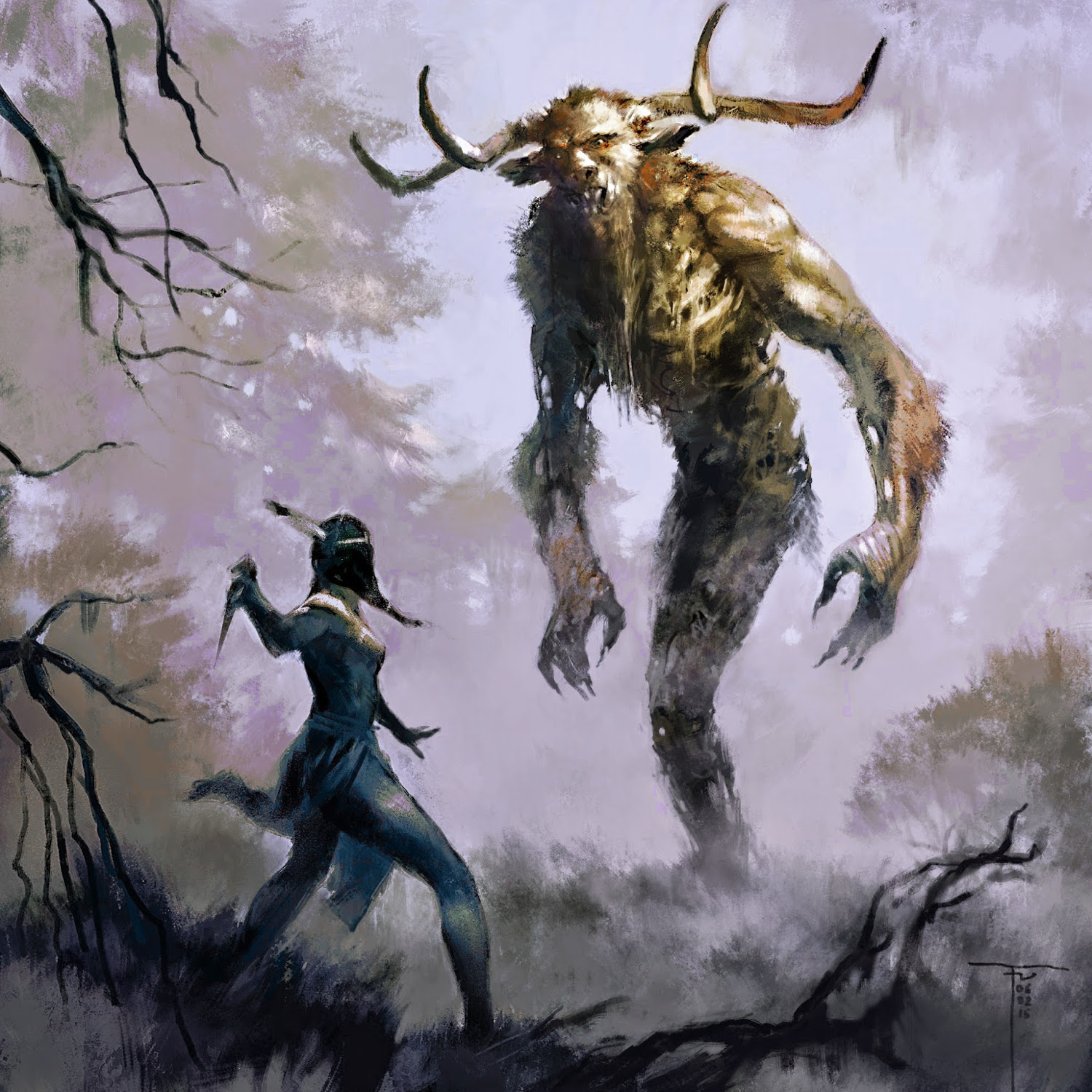
The Sachem’s Tales, Dzö-nga’s second full-length album and a concept album about the Algonquin folklore from creation mythos (“Against the Northern Wind”) to apocalyptic prophesies (“A Seventh Age of Fire”), is the project’s first release to feature Grushenka Ødegård on vocals, with Cryvas and Grushenka being joined by guest musicians Aaron Maloney (This or the Apocalypse) as their session drummer and Lilith Astaroth (Sorrowseed) lending an ethereal voice to “Halle Ravine”. Featuring a classy cover art titled “The Wendigo”, designed by British illustrator Frank Victoria, The Sachem’s Tales will certainly please all fans of the more atmospheric side of extreme music fused with folk elements, especially the ones who love the sound by bands like Agalloch, Falls of Rauros, Moonsorrow and Coldworld, among others.

Midewiwin Lodge, a serene instrumental intro led by the acoustic guitars by Cryvas and spiced up by elements from Mother Nature, sets up the ambience for the melancholic and gripping To the Great Salt Water, with the contrast between the piano and the blast beats perfectly supporting the gentle voice of Grushenka and the growls by Cryvas, enhancing the impact of its fairy tale-inspired lyrics (“What shall I tell our children? / Tell them our story / Tell them who they are / Far beyond the mountains / Where wild-men roam / Over the raging river’s foam / Follow the Whiteshell west”). Put differently, this is a beautiful rollercoaster of emotions crafted by Dzö-nga, going from deeply enraged moments to slower passages of pure tenderness. Then in The Wolves Fell Quiet what starts in a calm mode with the suave notes of the piano embracing our souls suddenly explodes into magnificent Atmospheric Black Metal, with Cryvas growling and gnarling like a hellish entity. Furthermore, multi-layered waves of blackened sounds mixed with ambient music turn listening to this tune into a distinct and dense journey through darkness.

In the acoustic ballad Halle Ravine, it’s time for Lilith Astaroth to give life to the song’s poetic lyrics, bringing hope and melancholy at the same time to our hearts, with the song’s smoother sonority also showcasing how versatile Cryvas is as a musician; followed by Against the Northern Wind, where blast beats ignite a flammable fusion of Atmospheric Black Metal with Folk and Dark Metal, once again presenting paradoxical elements that create a unique experience to the listener. Moreover, Cryvas’ demonic roars and Grushenka’s angelical voice complement each other in a superb way, making it impossible not to feel touched by all sounds blasted by the band, all reaching deep inside our hearts and souls. A Seventh Age of Fire brings forward almost 10 minutes of top-tier extreme music by Cryvas and his crew, where Aaron not only proves he’s a rabid beast behind his drums, but he also displays an extremely refined technique, therefore adding tons of intricacy to the musicality. And effectively complementing this stylish aria, Cryvas offers us all some epic church-inspired pipes, with all instruments converging to a climatic acoustic ending with the song’s lyrics yet again coming from a dark and thrilling fairy tale (“Be brave and you will be protected / Be wise and you will be rewarded / (Hear in our silence that we are at peace / Our mantle passed to you) / Light again the ancient flame / Lead our people back home”). And before all is said and done, we’re treated to the instrumental outro The Witching Meadow, a song that contains several elements found in Folk Metal, with its kick-ass piano notes generating a comforting atmosphere to end this fantastic album in great fashion.

You can enjoy this fairy tale of Extreme Metal in full on YouTube, follow Dzö-nga on Facebook, listen to their other creations on SoundCloud, and obviously purchase The Sachem’s Tales at the band’s own BandCamp page, at the Avantgard Music’s BandCamp, on Amazon or at Discogs. Having said that, let’s hope that this gargantuan, hazy creature named Dzö-nga keeps haunting not only mountain Kangchenjunga, but everywhere else in the world where high-quality metal music is appreciated for many years yet to come.

Best moments of the album: To the Great Salt Water and Against the Northern Wind.

Worst moments of the album: None.

Released in 2017 Avantgarde Music

Track listing
1. Midewiwin Lodge (Instrumental) 2:35
2. To the Great Salt Water 8:49
3. The Wolves Fell Quiet 7:23
4. Halle Ravine (feat. Lilith Astaroth) 4:04
5. Against the Northern Wind 7:16
6. A Seventh Age of Fire 9:23
7. The Witching Meadow (Instrumental) 3:26

Band members
Cryvas – vocals, all instruments
Grushenka Ødegård – vocals

Guest musicians
Aaron Maloney – drums (session)
Lilith Astaroth – vocals on “Halle Ravine”

Album Review – Forteresse / Thèmes pour la Rébellion (2016)

Métal Noir Québécois at its finest by the progenitors of the genre, enfolded by pure insurgency and a strong sense of patriotism.

Rating4

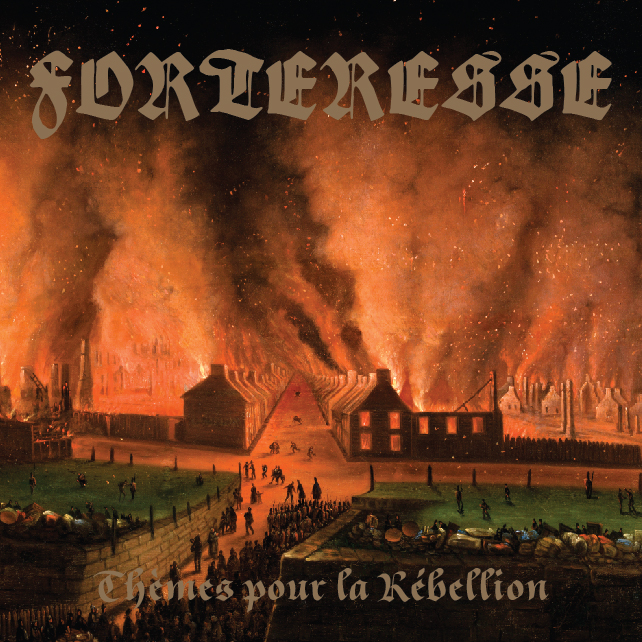
sp044One of my favorite expressions in heavy music is “Métal Noir Québécois”, not only because it sounds beautiful, but mainly due to the fact it truly represents the unity, patriotism and epicness of Extreme Metal hailing from “la belle province” of Quebec. That powerful designation was originated back in 2006 when Atmospheric Black Metal act Forteresse, formed that same year in Quebec City, released their debut album titled Métal Noir Québécois, and now ten years later this talented quartet  reinforces even more the concept they created with their fifth installment named Thèmes pour la Rébellion.

Singing (obviously in French) about the history of Quebec and its separatist movement, Forteresse continue their rebellious and vengeful path thoroughly built through the years within each of their releases, with Thèmes pour la Rébellion being a further step from their previous release, their 2011 album Crépuscule d’Octobre. If you love dark and dense sounds with a passionate and violent storyline behind them, this album will definitely blow your mind, and even if you’re not a huge connoisseur or admirer of Black Metal there’s still a lot to enjoy in all eight tracks from an album that, above all things, lives up to the recent but already distinguished legacy of Métal Noir Québécois.

The intro Aube De 1837 (“dawn of 1837”), inspired by the Rebellions of 1837, takes you into the battlefield, setting the tone to Spectre De La Rébellion (“spectrum of the rebellion”), emanating blast beats and an infernal atmosphere from its very first second, with Athros transpiring pure rebelliousness and anger through his harsh growls. Although it sounds like old school Black Metal at first, I believe we can call this Epic Black Metal due to its rising energy, its more melodious lines and its truly climatic ending. In the also dense Là où Nous Allons (“there where we are going”), guitarists Matrak and Moribund fire extreme aggression through their riffs and solos, while drummer Fiel accelerates his beats even more, generating the perfect background for the song’s belligerent lyrics (“Armez-vous de vos mousquets les plus fidèles / La charge sera brutale et sans pitié / La monnaie des cartes est inutile là où nous allons / À l’aube, le destin aura été scellé”). At this point of the album, you’ll be already able to realize all songs will be epic from start to finish, with no exceptions.

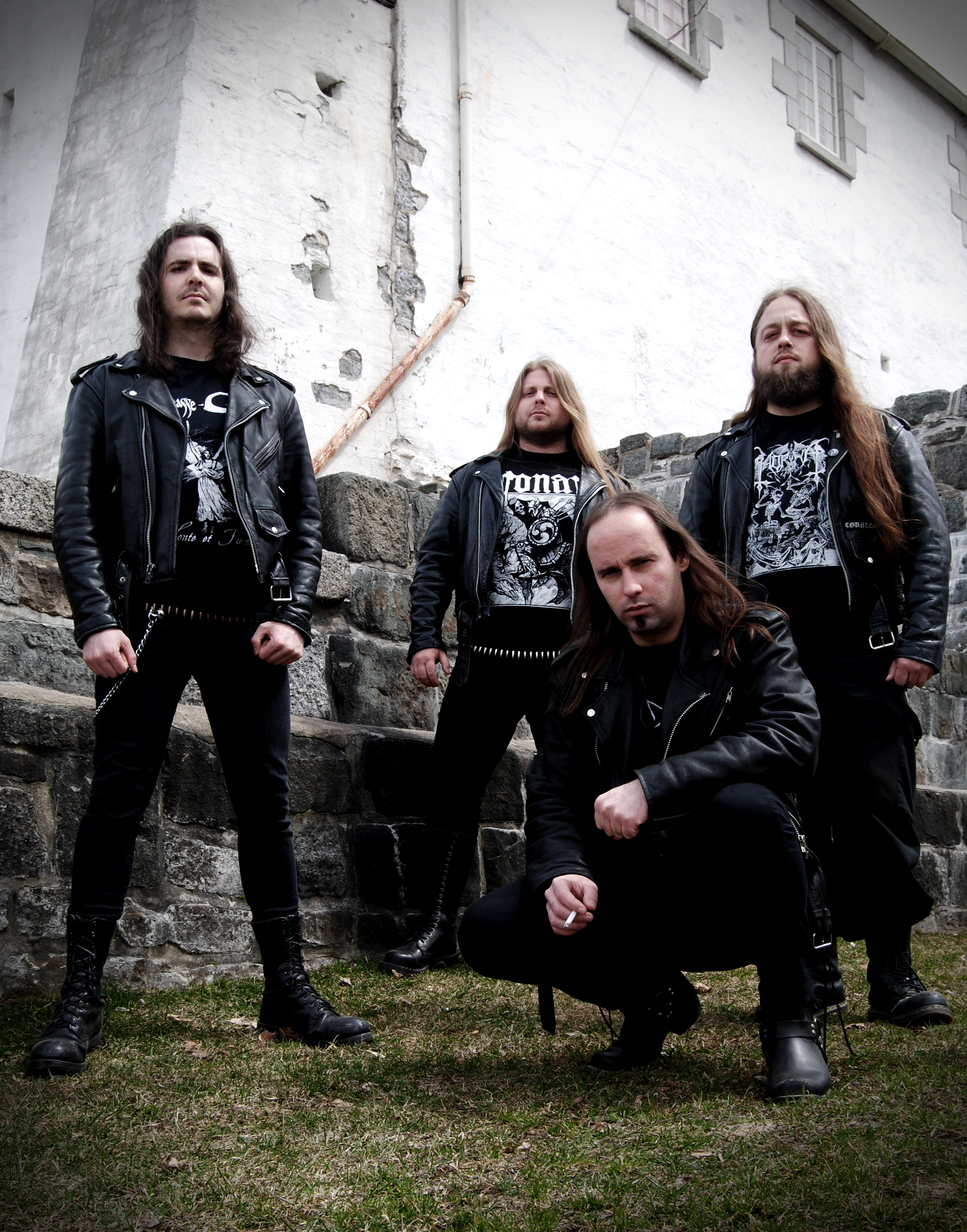
forteresse-2016aForteresse’s metallic artillery do not cool down in the slightly less destructive and more melodic Par la Bouche de Mes Canons (“through the mouth of my cannons”), with highlights to the amazing job done by Matrak and Moribond on guitars once again, while Athros keeps sending an insurgent message through his combative vociferations. In addition, you can sense the pain and anger growing towards the end of the song, which ends up working as a bridge to the magnificent Le Sang des Héros (“the blood of heroes”), where a wicked intro with a short narration explodes into sheer brutality. This is high-end Black Metal where Athros and Fiel unleash hell on earth, an intricate composition that fills the air with hatred and sorrow, with its nonstop electricity and endless pugnacity helping turn this into one of the best moments of the album (needless to say, I would love to witness them playing this song live).

The last part of the album begins with Forêt d’Automne (“autumn forest”), where traditional riffs continue to spread darkness whereas Fiel delivers more of his rhythmic and complex beats and fills, not to mention that, as the story advances, you’ll notice Athros gets more and more enraged on vocals. Vespérales (“vesperal”), the second to last tune, brings forward more violence and anger, being one of the most epic of all songs with its seven minutes of cutting riffs, vicious growls and a fierce atmosphere, an amazing example of what Métal Noir Québécois truly is; followed by Le Dernier Voyage (“the last voyage”), an outro that beautifully represents a real aftermath, with its atmospheric passages signing the war is finally over, therefore concluding such a great album on a melancholic but strong note.

You can take a good listen to this thrilling album in its entirety HERE, as well as visit Forteresse’s Facebook page to know more about the band and their music. And in order to provide them your full support, go buy your copy of Thèmes pour la Rébellion at the Sepulchral Productions’ webstore, at Discogs or at the Season of Mist’s webstore. Forteresse do not just offer Métal Noir Québécois, they do it almost to perfection to guarantee you understand and absorb everything they want to tell you through their music. This is Métal Noir Québécois at its finest, and if I were you I wouldn’t miss the opportunity to join Forteresse’s army and get into the battlefield alongside them.

Best moments of the album: Spectre De La Rébellion and Le Sang des Héros.

Worst moments of the album: None.

Released in 2016 Sepulchral Productions

Track listing
1. Aube De 1837 0:46
2. Spectre De La Rébellion 5:33
3. Là où Nous Allons 6:09
4. Par la Bouche de Mes Canons 6:14
5. Le Sang des Héros 6:51
6. Forêt d’Automne 5:20
7. Vespérales 6:59
8. Le Dernier Voyage 4:55

Band members
Athros – vocals, additional guitars, additional keyboards
Matrak – lead guitars
Moribond – rhythm guitars, bass
Fiel – drums, keyboards

Live musician
G. – bass