Metal Chick of the Month – Katsiaryna Mankevich

I searched for my fate, wore my feet raw on the stones, barefoot I walked… Bring my body home, promise me…

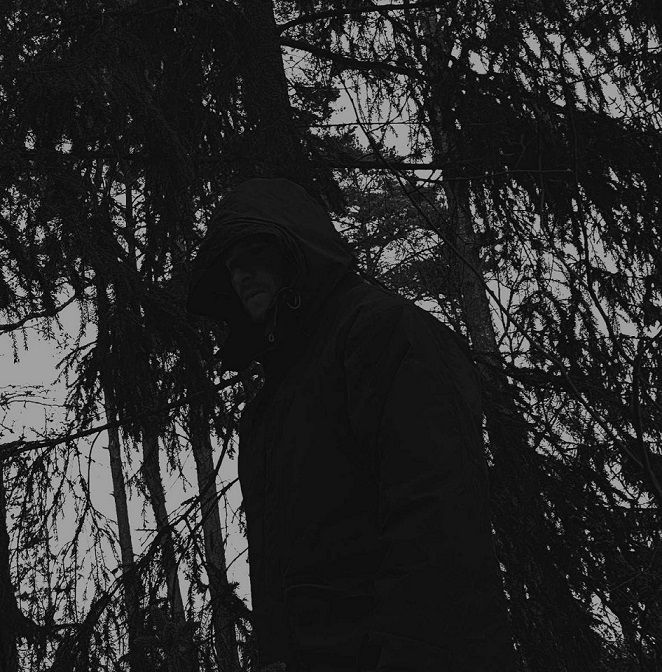
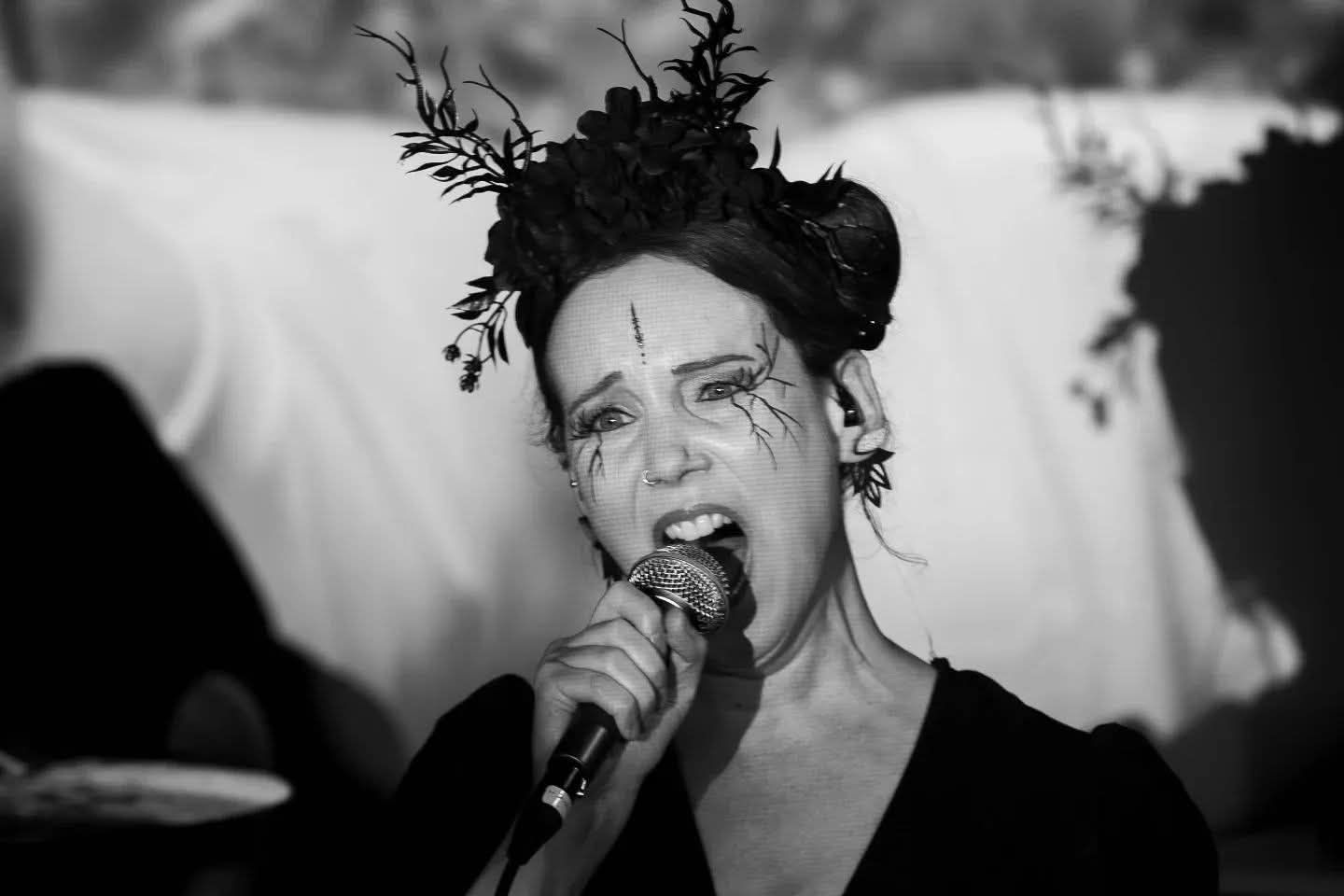
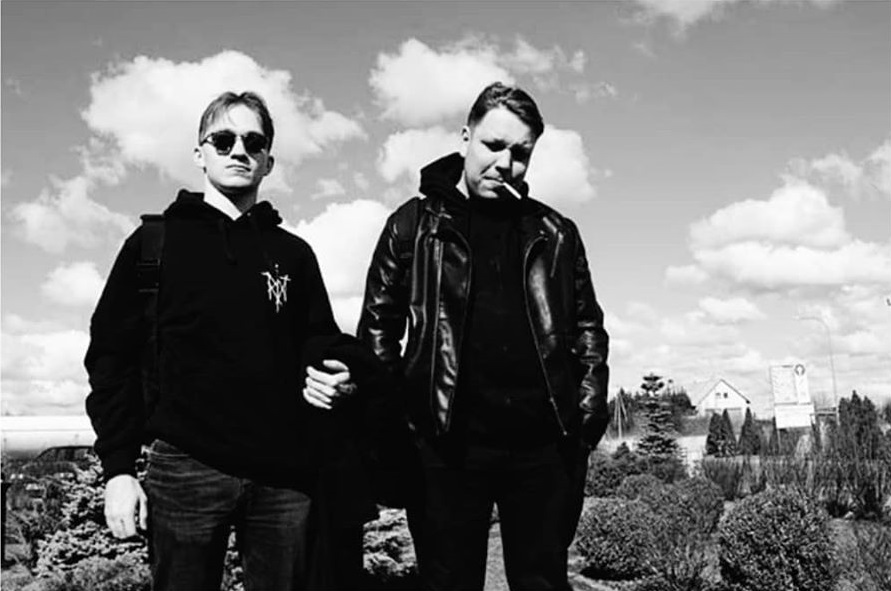
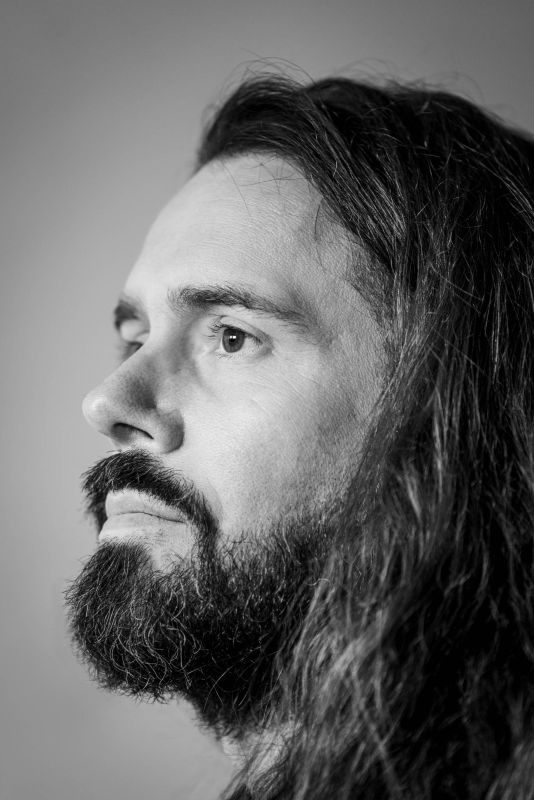
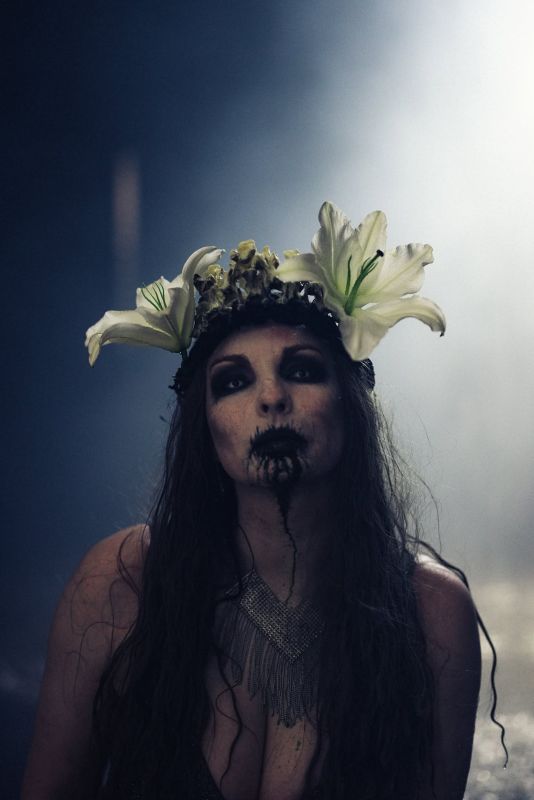
September is that type of month that you never know how its going to be. It’s sometimes scorching, sometimes cold. However, one thing is certain, and that’s darkness will keep growing as the month progresses. Hence, there’s nothing better than celebrating the arrival of the longer nights with the obscure fusion of Post-Black Metal with even darker styles such as Doom and Depressive Black Metal by Dymna Lotva, spearheaded by our metal lady of the month, the indomitable Katsiaryna Mankevich, or Кацярына Манкевіч, also known by her stage moniker Nokt Aeon, or simply Nokt. Considered an “extremist” in her homeland Belarus due to her fight for freedom and justice through her music, she will hypnotize you with her ritualistic vocals and multi-layered compositions,  darkening our hearts, our thoughts and our minds faster than the night comes. If you have what it takes to face such a deep dark, you’re more than welcome to join The Headbanging Moose on this humble tribute to one of the must-see names of the music scene worldwide.

Born on February 21, 1989 in Minsk, the capital of Belarus, but currently residing in Warsaw, Poland for not-very-nice reasons (which will be explained in detail shortly), Katsiaryna is not only an accomplished vocalist and lyricist, but she’s also a digital creator, studied Scientific and Production Activity (or “научно-производственная деятельность”) at Belarusian State University (BSU), and studied Radio Engineering and Electronics (or “Факультет радиотехники и электроники”) at  Belarusian State University of Informatics and Radioelectronics (BSUIR), or БГУИР, and all of those courses of course helped her develop skills that would be extremely useful in her career as a professional musician.

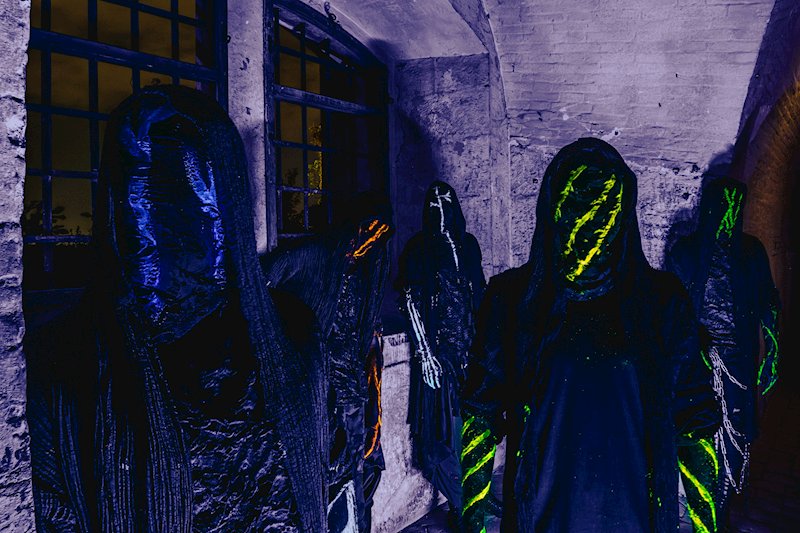
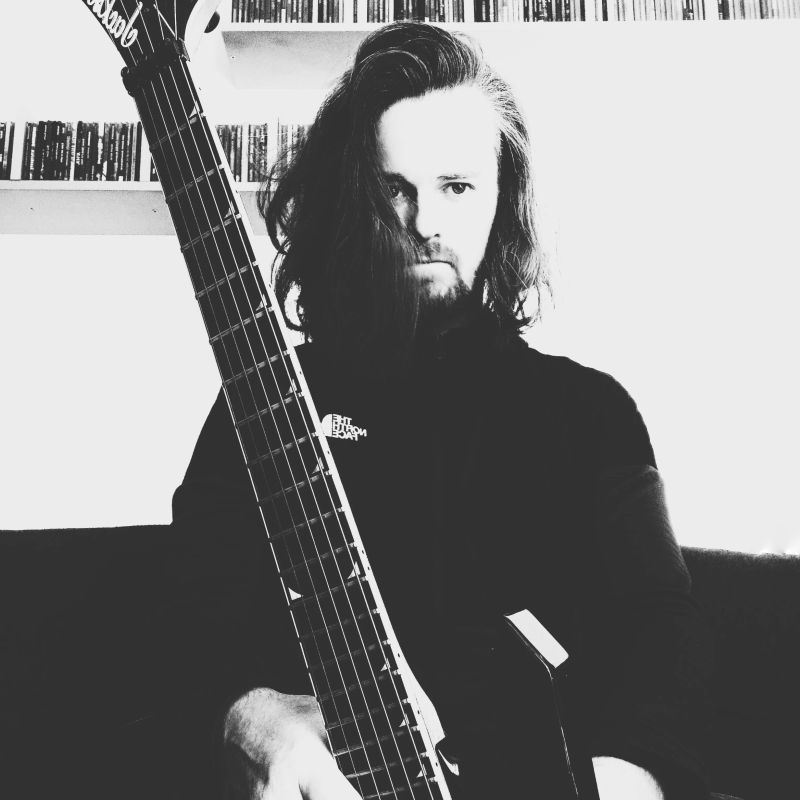
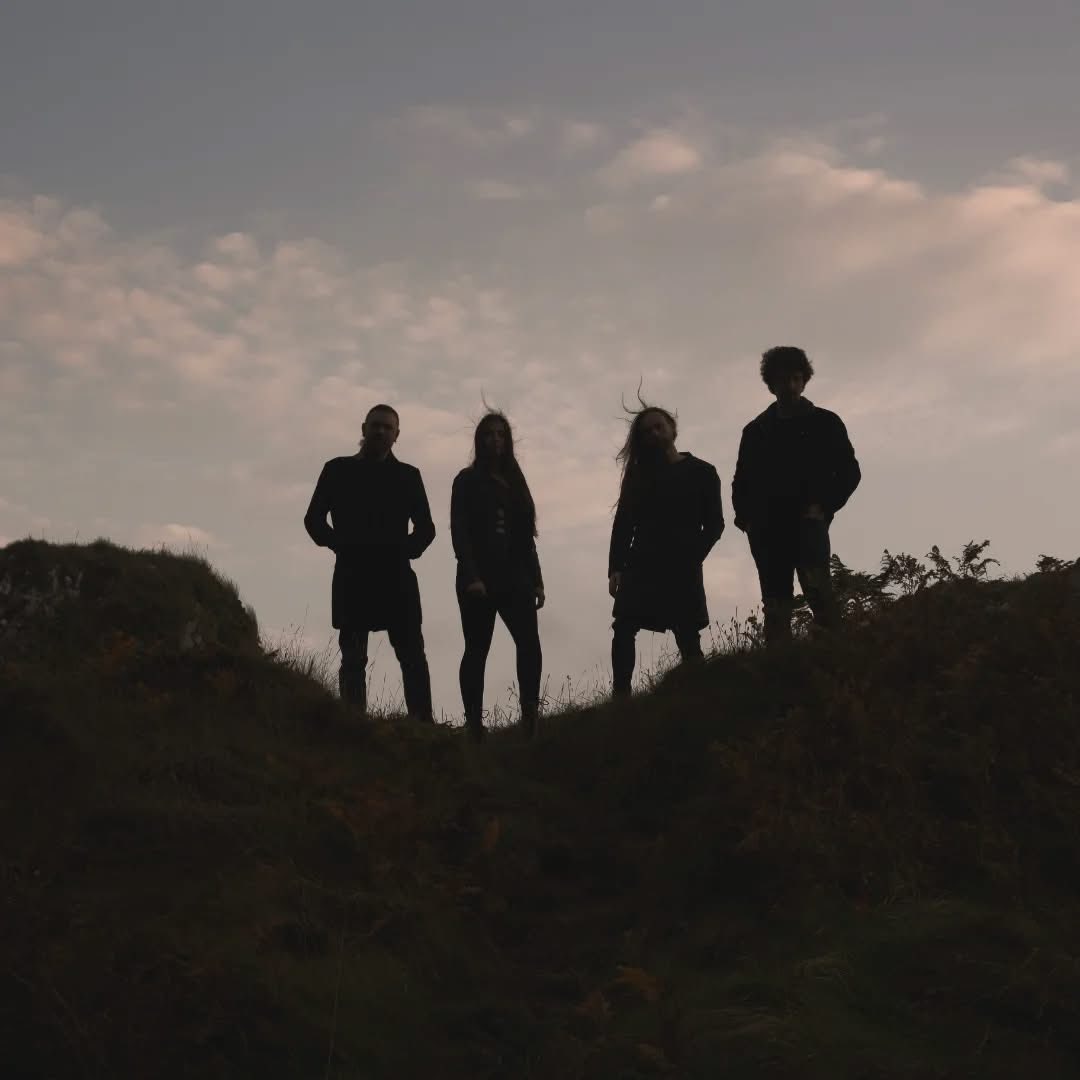
As already mentioned, Katsiaryna is the striking frontwoman for Depressive Doom/Post-Black Metal entity Dymna Lotva, formed in 2015 by our she-wolf, who goes by the moniker Nokt Aeon, and guitarist and bassist Yauheni “Jaŭhien” Charkasau, drawing inspiration from the history and culture of Belarus, evoking the mystical fog and ancient marshes of their homeland. As a matter of fact, Dymna Lotva translates from Belarusian as “swamp in smoke,” referencing the devastating atrocities and burned villages of Polesia, a deeply distinct geographic and cultural region that extends across southern Belarus into Ukraine and Poland. Guitarist Mikita Stankevich and drummer Wojciech “Bocian” Muchowicz complete the band’s current lineup, and if you have never heard anything about such an amazing metal ensemble, don’t waste another second and go listen to their entire discography because they surely kick some serious ass.

There’s an interesting story behind the creation of the band over a decade ago, linked to the news of Belarusian writer Svetlana Alexandrovna Alexievich winning the Nobel Prize in Literature. “I remember when I read the book, and it was so terrific. I was going home with a big idea that I needed to make a song for the part of the book with quotes from Lyudmila Ignatenko, the widow of the Chernobyl liquidator, and her account of her husband, Vasily Ivanovich Ignatenko. If you watched the Chernobyl Netflix series, you might remember her as the main character. She’s a real person; she’s still alive, living in Kyiv, and these are her real words,” commented our metal diva. “The same day, I was checking a certain metal forum in case somebody was searching for musicians. I read that Jaŭhien was searching for a vocalist for his post-metal project, and I wrote to him that maybe I could help. I said I knew almost everybody and could bring him the vocalist he wanted. He said that I was OK and that he didn’t need another vocalist. So let’s do it. I told him about the idea I had and that we needed to make that song. I asked him to send me some material, and he did it, and one of the songs fit. So, for our first single, Самотны чалавечы голас, I just read that monologue. So, officially, our birthday was on 8 October 2015.”

Katsiaryna has no idea if Svetlana knows she was the inspiration for the band, saying she tried to contact her without much success. At least she was able to contact her agent to discuss the author rights to use Svetlana’s text for a song. “So, we have rights if it’s not commercial. I think we are still not a commercial band because selling 500 copies of the album is not really commercial.” Furthermore, their second album is fully based on Svetlana’s book Chernobyl Prayer, a collection of real people’s stories and monologues. “We were just going through this book and did the lyrics for the album,” she commented in one of her interviews.

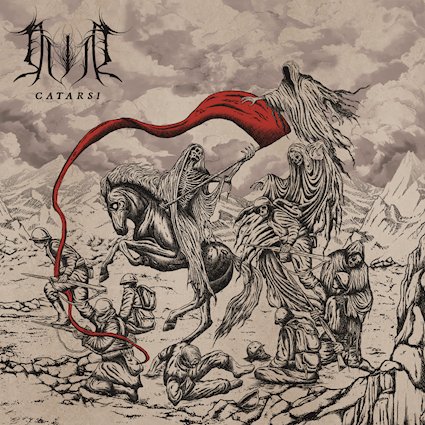
Speaking of their discography, Dymna Lotva have already released upon humanity four full-length records, those being Зямля пад чорнымі крыламі: Дрыгва (which translates from Belarusian to “The Land Under the Black Wings: Swamp”), from 2016, where Katsiaryna was responsible for the vocals and lyrics, and also played the flute; Палын (or “Wormwood” in English, dedicated to the liquidation of the consequences of the Chernobyl disaster), from 2017, where she also took care of the vocal duties and lyrics; Зямля пад чорнымі крыламі: Кроў (or “The Land Under the Black Wings: Blood”), from 2023, also doing vocals, writing all lyrics, playing the flute, and being responsible for the artwork; and more recently Vyraj ( a mythical realm to where birds migrate for the winter, and where the souls of the departed find their final rest), also doing all vocals, lyrics, and playing the flute, all available on BandCamp and on Spotify.

You can also go to YouTube and enjoy their official videos for some amazing tunes the likes of Buried Alive, Zory, The Boat Of Despair, Return My Coffin Home, Death Kisses Your Eyes, Come and See, Hell, among others, and visit the band’s YouTube channel, where you’ll find amazing footage from their breathtaking live performances such as for the songs The Pit, Dead Don’t Hurt, Buried Alive and Ravens Are Also Mortal, as well as full concerts like live at Brugge Club in 2019, and live at Metal Mine Festival in 2024. While listening to their music, you’ll soon realize most of their songs are in their mother tongue, with the song titles and lyrics in Cyrillic, and the fact that countless fans around the world won’t fully understand their lyrics doesn’t seem to be an issue to them. Another important detail is the difficult task to categorize the music by Dymna Lotva due to their always shape-shifting fusion of atmospheric and dark styles like Doom and Black Metal with Folk and Experimental Metal. Katsiaryna said they’re similar to Austrian Black/Folk Metal entity Perchta in style, but even so, comparing Dymna Lotva and Perchta is not an easy challenge.

Apart from her career with Dymna Lotva, Katsiaryna can be found as the vocalist for a crushing Polish-Belarusian party-DSBM and Post-Black Metal outfit named Hangover in Minsk, formed in 2024 out of a drunken bus-ride debate by members of Dymna Lotva, also under the moniker Nokt Aeon. Born in 2024 on a brutal 12-hour drive from Munich to Warsaw after the Dark Easter Metal Meeting when the Dymna Lotva crew couldn’t agree on tour tunes with a hangover, they forged their own brand of “Depressive Beer Metal,” having released in 2025 their debut effort Party Is Over, available on both BandCamp and Spotify. Their music is melancholic, dark and haunting, just like in the official videos for the songs Farewell and Party is Over, and I can’t wait to see what’s next for this interesting alter-ego by the Dymna Lotva brigade.

Before and during her career with Dymna Lotva, the unstoppable Katsiaryna was the vocalist and lyricist for a Depressive Black Metal project named Absence of Life between 2018 and 2022, together with a former member of Dymna Lotva named Forladt. They recorded together the 2018 EP The Fall, and the 2021 full-length Instinct of Self​-​Destruction, both also available on BandCamp and on Spotify. Another band featuring our she-demon on vocals was Belarusian Gothic Metal band Aconitum, with whom she recorded the vocals and flute for their 2018 EP Недолго. Несчастливо. (having also taken care of the EP recording process). The band split up in 2018, but you can still enjoy the full EP with Katsiaryna on vocals on BandCamp. And finally, she also sang on the 2015 single Навальніца, by Belarusian Atmospheric Black Metal project Трызна, and sang live with Belarusian Blackened Death Metal horde Dwellstorm Borned in 2018.

As a guest musician, you can find Katsiaryna lending her stunning vocals to an array of distinct bands. For instance, she recorded the vocals on the song Falsygen Mask, from the 2015 single Black Depth Domain, by the probably now defunct Belarusian Groove/Death Metal band Apologeth; choir vocals for the Twisted Sisters’ cover We’re Not Gonna Take It, from the 2020 album Pandechristmas, by Belgian Heavy Metal machine Déhà; vocals on the 2018 single Demons and Witches, by the aforementioned Dwellstorm Borned; vocals on the 2018 single Петля времён, by Belarusian Black Metal horde Engraving Infinity; vocals on the 2019 album Before It All, by Belgian Depressive Black Metal entity The Penitent (another one of the excellent project by Déhà); and vocals on the 2019 album Far Away from the Painless Life, by Mexican Depressive Black Metal outfit Traurigkeit. Not only that, she also worked on grammatic consultations for the 2020 EP Час адплаты, крыві і смутку, by Ukrainian Black Metal duo Цемра.

This slideshow requires JavaScript.

Regarding her idols and influences, our dauntless metaller mentioned Lisa Gerrard of Dead Can Dance and Aaron Stainthorpe of My Dying Bride as two of her major influences, as well as Ville Valo and his HIM. In addition, despite the fact the initial idea behind Dymna Lotva was to write music based on the fictional work of Edgar Allan Poe, they became an anti-regime band, reclaiming parts of the Belarusian culture that Alexander Lukashenko’s predominantly Russian-speaking administration has tried to suppress. “He hates our culture and language,” commented Katsiaryna. “I’ve been in love with Belarusian culture since I was a teenager, and I started to collect books about native language and pagan traditions. We based our lyrics and concepts on legends, literature and history.” By the way, Alexander Lukashenko has been the first and only president of Belarus since the office’s establishment in 1994, making him the current longest-tenured European president.

However, before talking about the band’s conflict with the Lukashenko administration, let’s discuss the impact of Dymna Lotva when the band hits the stages. “I can call our show an emotional exhibitionism. If you want to drink beer and cry, please come to our show. After the concert, you can drink even more beer with us,” said Katsiaryna when asked what the audience can expect from their live performances. Always eager to go onstage and play their music to rock and metal fans from all over the world, the band had to flee their homeland in 2021 after getting involved in the mass protests that were happening all over their homeland then, performing music and opening their homes to offer food and medicine to those who were injured. When two members of the band Irdorath, and singer Lesley Knife of Gods Tower (with whom they had recorded the protest song Да Волі (or “To Freedom”) were arrested, they knew it was time to run away. “We had some shows planned, and the promoters called us to say that someone from the Ministry of Culture had pressured them to remove us from their events, else they would be imprisoned and their clubs closed. We started to live in places we weren’t renting officially, so that they would not find us. Eventually, we knew it was time to go.”

Now based in Poland, they continue to sing songs filled with grief and pain, writing lyrics lyrics based on true stories from the rich history of Belarus, filled with sorrow from historical events or folklore while new horrors are committed in their country every single day. Belarus has a lot of excellent metal bands, including for example, Eximperitus, Belle Morte, and Ciemra, but Lukashenko’s administration has repeatedly squashed them to pieces since he got into power. “So many bands have been imprisoned for playing metal music,” she said in one of her interviews. “You cannot organize any underground concerts, clubs are forcibly closed. Every generation starts new bands who are then forced to emigrate or disband. It’s a miracle that we have one metal band who have played since the end of the 80’s, Gods Tower.”

Katsiaryna actually moved first to Ukraine, then from Ukraine to Poland in 2022, and at least while Lukashenko is the Belarusian leader they cannot return to their homeland, otherwise they’ll certainly go to jail. Jaŭhien is considered a “terrorist” by the Belarusian government, while Katsiaryna is an “extremist.” The band’s videos were officially declared “extremist” in December 2025, and there are several additional criminal cases pending in Belarus courts that are very similar to what’s happening with Dymna Lotva. Not only that, Belarus officials are also using their accusations against Katsiaryna to imprison the band’s Belarusian fans who simply liked, reposted or commented on their videos online.

“Every presidential election after his first one has been stolen,” mentioned Katsiaryna about the “unofficial dictatorship” imposed by Lukashenko. “It’s not normal. Opposition has been put in prison, some of them murdered, hanged in the forest. Murders, repression, stolen money, stolen land. That is dictatorship in Belarus.” Granted international protection status in Poland in 2022 alongside Jaŭhien, and living with her fellow Belarusian refugee cat Beelzebub, she mentioned their escape from Belarus to Ukraine wasn’t an easy one, as they had to go though Russia first. “We got into Russia by train, and there was a document check near the end of our journey. We stayed and hid inside the train a little longer,” she commented. “If we had gone to the nearest official shelter or to our flat, we would be dead.”

It was only in 2023 when the duo was able to restart Dymna Lotva, releasing their third album that same year, as already mentioned, and making an emotional return to the stages at Prophecy Fest in Germany. “We had just released our new album, so we thought that nobody had heard about Dymna Lotva. When we came to the stage and saw this big crowd, it was like, ‘Whaaaat?!’ Our bassist Jaŭhien was in Warsaw, because his new Polish documents weren’t ready in time. So we placed his bass on the stage, put the Belarusian national flag on it, and I told the public our bassist was a ghost.”

The Belarusian government’s ban on their music has made them determined to keep moving forward no matter what, resulting in their fourth album Vyraj, incorporating their experiences while using a concept about a passage through the Underworld as an allegory for emigration out of one’s country due to war and oppression. Unfortunately, she has no idea if she’ll ever be able to return to Belarus and play her music again in her homeland. “Every year we are further away from Belarus. Two years ago, all of us would have said, ‘Yes.’ Now, we’re not so sure. I definitely want, when the regime falls, to stage our own metal festival in Belarus. I want to go home and make something good for the scene there. It would be hard though, because most of the people we love are not in Belarus anymore.”

As a huge supporter of not only the underground, but also of freedom of speech and of justice, The Headbanging Moose truly hopes Dymna Lotva can one day return home and kick some ass with their beautiful music. Several bands might sing about wars and battles, but deep down inside they just want to show their fans how horrible those things are. Metalheads only want peace, they just want to be able to hit the stages all across the world and bring happiness to their fans through their music and concerts, and Dymna Lotva might be one of the most important leaders of that movement in music nowadays. In the meantime, while the war and dictatorship in Belarus linger, let’s show our utmost support to Katsiaryna by listening to Dymna Lotva’s music, buying their merch, attending their concerts, and raising our fists together with her and her bandmates. Oppression and dictatorship have no place in the Heavy Metal universe. Long live Nokt Aeon! Long live Dymna Lotva!

Katsiaryna Mankevich’s Official Facebook page
Katsiaryna Mankevich’s Official Instagram
Katsiaryna Mankevich’s Official YouTube channel
Dymna Lotva’s Official Facebook page
Dymna Lotva’s Official Instagram
Dymna Lotva’s Official YouTube channel

“I have already found a good place for my grave, though. When I die, I’ll be in Belarus.” – Katsiaryna Mankevich

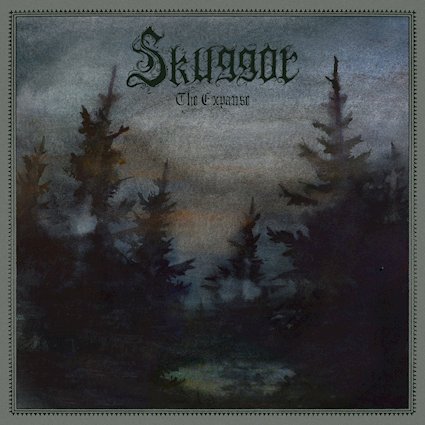
Album Review – Skuggor / The Expanse (2026)

This one-man project based in Northern Sweden returns with its fourth studio album, where deep forests and snow-covered terrain are not merely backdrops, but gateways – spaces where hypnotic states and introspection take hold.

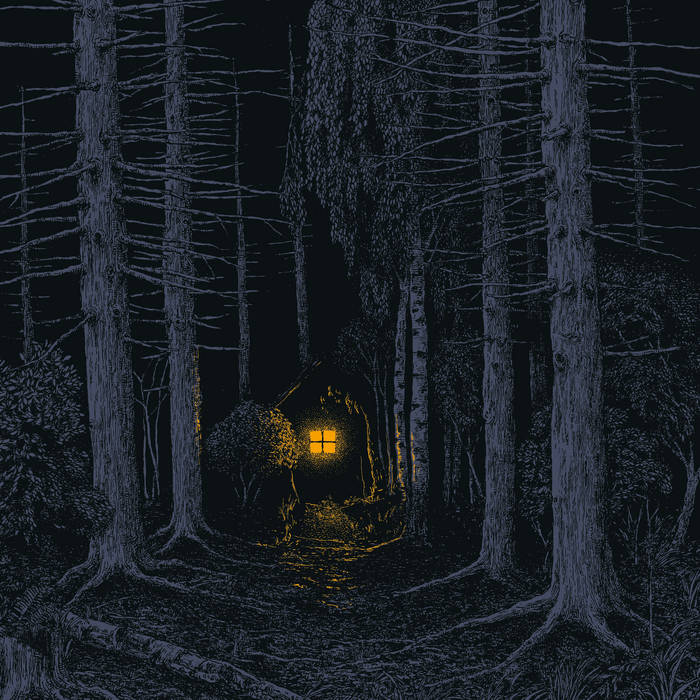
Drawing its essence from the meeting point between the physical and the transcendental, Sweden-based Atmospheric Black Metal entity Skuggor, the Swedish word for “shadows,” is the solo project of Australian-born vocalist and multi-instrumentalist M., known for his work with countless other amazing bands the likes of Aeon Moon, Autumn’s Dawn, Moonlight Drowns, Nihilithic Depths, Rumahoy, Stjärnfält, Tjaktjadálvve, and Wizardthrone, just to name a few. Now in 2026 M. is back in action with the follow-up to his 2025 album Where Sun Resigns, titled The Expanse, where deep forests and snow-covered terrain are not merely backdrops, but gateways – spaces where hypnotic states and introspection take hold. Displaying a serene artwork by Heresie Studio, The Expanse is fluid and instinctive, allowing each composition to emerge as a natural extension of atmosphere rather than rigid structure.

Get ready for a whimsical journey through bitterly cold lands to the sound of the eight-minute aria The Expanse, gradually evolving into an Atmospheric Black Metal beast where M.’s anguished roars will send shivers down our spines; followed by The Fire, just as cryptic and visceral as the opening track, where M. brings forward an avalanche of scorching guitar lines in contrast with the gelid background landscapes. Then again showcasing his passion for Black Metal infused with atmospheric and ethereal elements we have The Trance, and it’s easy to sense the despair transpiring from his harsh vocals, not to mention his sluggish beats also sound thunderous. Hem showcases an imposing and epic sonority, with M. once again blasting sheer melancholy through his vocals and whimsical keys, whereas in The Storm the name of the song says it all, as it’s the most violent, harsh and demonic of all songs, with M. delivering those classic Black Metal blast beats we all love so much intertwined with semi-acoustic soothing passages. Lastly, M. concludes his epic voyage with The Nothing, offering more of his blend of doom-laden Atmospheric Black Metal, bursting his lungs screaming until the very end.

“The Expanse is an album dedicated to a place I hold very dear: Northern Sweden. From the desolate forests to the frozen lakes, with this album I tried to capture the combined feeling of beauty and isolated melancholy one can feel in such an area,” commented M., and if you want to know more about Skkugor you can find the project on Instagram, stream its music on any platform such as Spotify, and grab a copy of the album from BandCamp or from Nordvis Produktion. Written to accompany M.’s journey between his home in Moskosel and Arvidsjaur, a woodland stretch largely untouched by modern intrusions in Swedish Lapland, The Expanse takes shape as a series of impressions formed by both the beauty and the unforgiving nature of the environment. While echoes of Burzum, Agalloch, Urfaust, and Drudkh can be sensed throughout, Skuggor reshapes these influences into something distinctly its own, turning it into a must-listen for admirers of the beautiful fusion between extreme music and the peace and solitude found in nature.

Best moments of the album: The Fire and The Storm.

Worst moments of the album: None.

Released in 2026 Nordvis Produktion

Track listing
1. The Expanse 8:20
2. The Fire 5:27
3. The Trance 5:18
4. Hem 5:38
5. The Storm 5:13
6. The Nothing 4:49

Band members
M. – vocals, all instruments

Album Review – Inherits The Void / The Silent Abscission (2026)

Conceived as a journey through eight visions, the new offering by this amazing Atmospheric and Melodic Black Metal entity from France is a thrilling concept album about erasure, cosmic implosion, and isolation.

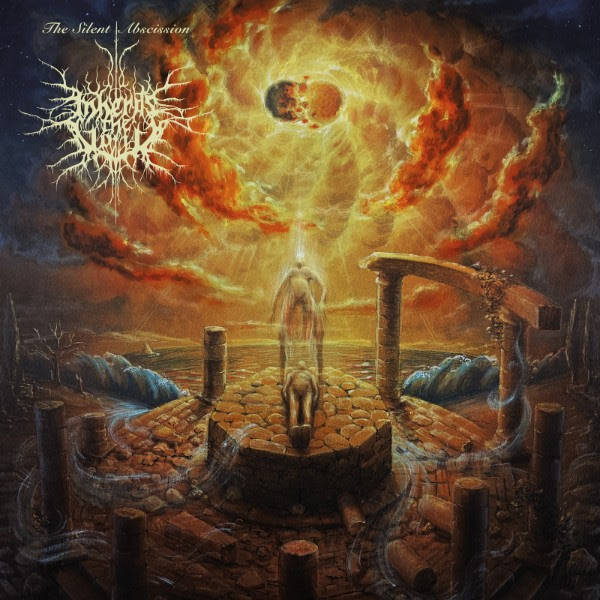
Inspired by the frozen visions of Vinterland, the incantatory fury of Misþyrming, and the melodic intensity of Dawn, the idiosyncratic Clermont-Ferrand, France-based Atmospheric/Melodic Black Metal entity Inherits The Void, the brainchild of vocalist and multi-instrumentalist Antoine Scholtès, has established itself as a singular voice within the modern French Black Metal scene since its inception in 2020, culminating in 2026 with the release of its fourth studio offering, titled The Silent Abscission. Mastered by Simon Da Silva at The Empty Hall Studio, ensuring a sound both dense, dynamic, and abyssal, and featuring session musicians Romain Negro (Apolaustic, Stortregn) on vocals and Nicolas Müller (Akiavel, Artefact, Svart Crown) on drums, the album is a true turning point, a concept album about erasure, cosmic implosion, and isolation. Conceived as a journey through eight visions, it moves between incantatory convulsions and silent abysses, leading to an inevitable and overwhelming resolution, continuing to pave the project’s path from its previous releases Monolith of Light (2021), The Impending Fall of the Stars (2023), and Scars of Yesteryears (2024).

The album begins in full force with The Sepulcher of Time, with the riffs by Antoine walking hand in hand wit the harsh vociferations by Romain in sheer Black Metal madness; and Nicolas crushes his drums like a true beast from the abyss in The Dawn over Ruins, offering Romain exactly what he needs to roar manically in a lecture in Atmospheric and Melodic Black Metal. The Silent Abscission sounds as destructive and harsh as its predecessors, with the guitars by Antoine exhaling fury and obscurity, whereas In the Shadow of the Falling Star brings forward another blast of absolute Black Metal excellence by Inherits The Void, with the riffs by Antoine and the beats and fills by Nicolas sounding incendiary until the very end.

The second half of the album begins in a visceral mode as well, with the venomous riffage by Antoine in Wrath of the Endless Sea transpiring modern-day Black Metal while also presenting introspective, Jazz-like passages. The Last Cry of Cosmos kicks off in a more melodic manner to the classy riffage by Antoine and the rhythmic drumming by Nicolas, again presenting multiple layers and nuances, followed by A World Unmade, a solid composition by Antoine and his henchmen despite lacking the same dynamism of the other songs of the album. Lastly, Inherits the Void, the song that carries the name of the band, couldn’t have sounded more majestic, offering us all almost nine minutes of contemporary Melodic Black Metal where the harsh vocals by Romain bring even more obscurity to their music.

A total Black Metal experience where matter and spirit are consumed within the same incantation, standing at the frontier between despair and eternity, The Silent Abscission might be Inherits The Void’s most ambitious and complete work to date, and you can get more information about the album, as well as about Antoine Scholtès and his Inherits The Void, by following the project on Facebook and on Instagram, and don’t forget to also stream his albums on Spotify, and to grab a copy of the album from BandCamp or from Sound Cave. The cosmic and Stygian path paved by the indomitable Antoine Scholtès until today is a thing of beauty, and I’m sure we’ll hear a lot more form such an amazing musician in the near future as The Silent Abscission is indeed fantastic, and a must-listen for anyone who wants to immerse themselves in pure Black Metal magic.

Best moments of the album: The Dawn over Ruins, In the Shadow of the Falling Star and Inherits the Void.

Worst moments of the album: A World Unmade.

Released in 2026 Avantgarde Music

Track listing
1. The Sepulcher of Time 4:27
2. The Dawn over Ruins 5:15
3. The Silent Abscission 5:56
4. In the Shadow of the Falling Star 6:59
5. Wrath of the Endless Sea 4:41
6. The Last Cry of Cosmos 6:00
7. A World Unmade 5:22
8. Inherits the Void 8:37

Band members
Antoine Scholtès – guitars, bass

Guest musicians
Romain Negro – vocals (session)
Nicolas Müller – drums (session)

Album Review – Drudkh / Thaw EP (2026)

Ukraine’s own Black Metal entity returns with an introspective three-track EP, continuing to illuminate the path for those who dare to wander, to question, and to dream.

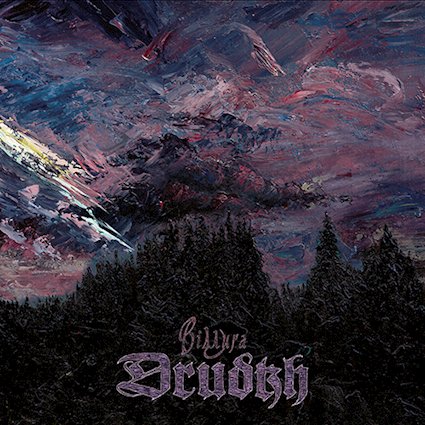
Born from the whispering winds and the brooding landscapes of Ukraine, a realm steeped in history and draped in the enigma of folklore, emerges Drudkh, a beacon of profound expression in the vast expanse of Black Metal. In the wake of their 2025 full-length album Shadow Play (or “Гра тіней” in their mother tongue), the band formed of Thurios on vocals, guitars and keyboards, Roman Saenko on the guitars and bass, Krechet on bass and keyboards, and Vlad on drums and keyboards extends this same creative breath with Thaw, or “Відлига” in Ukrainian, a three-track EP recorded during the album’s sessions and conceived within the same emotional horizon. If the album traced the tension between shadow and illumination, Thaw inhabits the fragile interval between stillness and movement, where change begins almost imperceptibly beneath a frozen surface, being therefore highly recommended for fans of Hate Forest, Windswept, and Agalloch.

The first song of the EP, titled Пам’ять (Memory), already brings to our avid ears the band’s harsh and piercing sounds, with Thurios delivering Stygian vociferations while Roman slashes his guitar and bass in great fashion; followed by the also obscure and harsh tune Десь, колись (Somewhere, Sometime), which begins in an introspective manner before morphing into a feast of Atmospheric Black Metal led by the caustic riffage by Roman. And last but certainly not least, Мить у вічності (A Moment in Eternity) is a full-bodied Black Metal attack by Drudkh, blasting our ears and minds with their devilish roars, scathing riffs and hammering drums while also presenting a good dosage of Doom Metal to give the whole song an even darker vibe, closing the EP on a visceral note.

Drudkh’s journey is one of introspection, seeking to create music that evokes a profound emotional resonance that stirs the depths of the human experience. In Thaw, they continue to illuminate the path for those who dare to wander, to question, and to dream, and you can easily follow such an exciting path by checking what the band is up to on Facebook, by streaming their unique creations on Spotify, and of course by purchasing their new EP from Bandcamp, from Season of Mist, or by clicking HERE. Thaw is a very complex and multi-layered EP, overflowing all types of emotions during its 20 minutes of music, and we can rest assured we’ll hear a lot more from Drudkh in the near future with another blast of excellence like what’s found in their striking new release.

Best moments of the album: Мить у вічності (A Moment in Eternity).

Worst moments of the album: None.

Released in 2026 Season of Mist: Underground Activists

Track listing
1. Пам’ять (Memory) 7:07
2. Десь, колись (Somewhere, Sometime) 5:51
3. Мить у вічності (A Moment in Eternity) 7:02

Band members
Thurios – vocals, guitars, keyboards
Roman Saenko – guitars, bass
Krechet – bass, keyboards
Vlad – drums, keyboards

Album Review – Olhava / Memorial (2026)

This unstoppable Russian Blackgaze duo is back with their sixth studio album, moving through remembrance toward letting go and acceptance, a quiet reconciliation with what cannot be carried further.

After the burning, there is stillness. Continuing the path opened by their 2024 opus Sacrifice, Saint Petersburg, Russia’s own Atmospheric/Post-Black Metal/Blackgaze duo Olhava is back with their sixth studio album, entitled Memorial. Produced, mixed and mastered by Mikhail Kurochkin, and displaying a darkly captivating artwork by Margot Makletsova, the new offering by Andrey Novozhilov on vocals, guitars, bass and synthesizers, and Timur Yusupov on drums moves through remembrance toward letting go and acceptance, a quiet reconciliation with what cannot be carried further, a shared human state shaped by loss, exhaustion, love, and the fragile will to endure.

The first of the “Ageless River” instrumental tracks, Ageless River X, is a Blackgaze beast that goes on for almost five minutes, hypnotizing us all before we face After I’m Gone and its 14 minutes of atmospheric passages, blackened sounds and the anguished roars by Andrey, while Timur simply crushes his drums in the name of extreme music. Moreover, it completely switches from its core ferocity to a more ethereal sound halfway through it. When the Ashes Grow Cold, featuring a guest “screwdriver solo” (or whatever that is) by Artyom Selyugin (of bands like Show Me A Dinosaur, Somn, and hopeyouwell), is a multi-layered, otherworldly composition that lasts for over 20 minutes for our absolute delight, with its whimsical passages exploding into another round of the duo’s majestic dark music.

Then we have the next Blackgaze instrumental piece, Ageless River XI, heavier and more obscure, as if warning us all about the storm that’s about to begin in the title-track Memorial, where Andrey’s enfolding synths clash with his visceral vocalizations and the Doom Metal drums by Timur, evolving into a full-bodied beast of Post-Black Metal where the anguish flowing from Andrey’s roars is outstanding. Ageless River XII is maybe a bit too long for such a monotone sound, albeit it still builds the ambience for The River Wakes, where their Post-Black Metal vein pulses harder than ever without forgetting their Atmospheric Black Metal essence, and the result is simply superb, with its second half exhaling anger and despair from Andrey’s vociferations. And all comes to an end with Ageless River XIII, the last Blackgaze composition, putting a beyond climatic, eerie and suffocating finale to the album.

Dedicated to more than one loss, Memorial holds space for the dead, for love that has outlived itself, for time that cannot be returned, for friends forced to flee, and for selves left behind. Hence, you can get in touch with the duo and let their music embrace you by following them on Facebook and on Instagram, by streaming their music on Spotify, and of course by purchasing Memorial from the Avantgarde Music’s BandCamp, from Sound Cave, or by clicking HERE or HERE. Memorial offers Olhava’s sonic representation of countless dark emotions like loss, exhaustion, and love, touching deep inside our hearts and souls while speaking the language of atmospheric, melancholic and visceral heavy music.

Best moments of the album: After I’m Gone, When the Ashes Grow Cold and The River Wakes.

Worst moments of the album: Ageless River XII.

Released in 2026 Avantgarde Music

Track listing
1. Ageless River X 4:56
2. After I’m Gone 14:16
3. When the Ashes Grow Cold 20:21
4. Ageless River XI 5:33
5. Memorial 13:24
6. Ageless River XII 6:33
7. The River Wakes 7:29
8. Ageless River XIII 5:46

Band members
Andrey Novozhilov – vocals, guitars, bass, synthesizers
Timur Yusupov – drums

Guest musician
Artyom Selyugin – screwdriver solo “When the Ashes Grow Cold”

Album Review – Merculistarya / Áradó Fájdalom a Tűnődés Medrében (2026)

This multi-talented Hungarian Black Metal musician is ready to darken the skies with his debut solo offering, following a thorn‑ridden path of struggle, fear, disappointment, madness, resignation, and death.

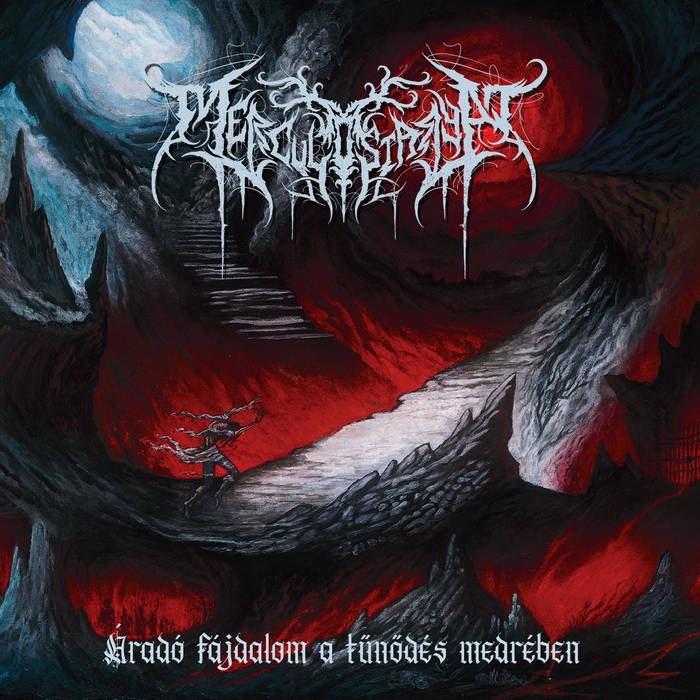
A Symphonic and Melodic Black Metal one-man project by Hungarian vocalist and multi-instrumentalist Árpád Szenti, best known for his drumming work with bands such as Thy Catafalque, Ahriman, Athame, and Damnation, the obscure Merculistarya is going to darken the skies with its debut offering, titled Áradó Fájdalom a Tűnődés Medrében (or “a flood of pain in the bed of contemplation” from Hungarian). Recorded and mastered by Árpád Szenti himself, with artwork by Attila Petheo, logo by Akos Gera, and layout by Zsolt Benko, Áradó Fájdalom a Tűnődés Medrében is a concept album where each song is connected, each meaning is intertwined, forming a single immersive narrative following a thorn‑ridden path of struggle, fear, disappointment, madness, resignation, and death, contrasted against the vastness of nature, its elemental force, its mysticism, and the unseen dimensions that pulse beneath reality.

Minimalist guitars set the tone in the Atmospheric and Depressive Black Metal aria Merengő (or “pensive” in English), with Árpád’s anguish gnarls giving the song a truly darkened vibe while also presenting multiple layers of melancholy, violence and heaviness. Then a piano intro suddenly exploders into sheer Black Metal madness in A haldoklás csalogat (“dying lures”), with Árpád putting the pedal to the metal with his crushing beats and slashing riffs; and his visceral, melancholic vociferations walk hand in hand with another blast of Melodic and Depressive Black Metal insanity in Kitörve süllyedés (“breaking down”), not to mention the touch of finesse added to the music by his piano.

An ethereal and atmospheric intro once again morphs into Árpád’s Black Metal magic in Rémálomköd (“nightmare mist”), featuring Ivett Dudás as a guest vocalist, flowing like an arrow on fire in pitch black darkness until the very last second. Then guest Gabriel Cold takes care of the intro in Pusztuló kor (“destroying age”) before all hell breaks loose in a lecture in Black Metal by Árpád, who’s ruthless with his Stygian riffs, blast beats, and in special with his devilish roars; followed by Álomország (“dreamland”), another song where Árpád beautifully blends the charming sounds of the piano with the harshness of extreme music. It could have been a little bit heavier, though. And closing the album we face Sóhaj (“sigh”), presenting more of his slab of Hungarian Black Metal, with his phantasmagorical keys bringing even more insanity to the music.

Rooted in the darker currents of old school Black Metal, Áradó Fájdalom a Tűnődés Medrében is a deeply personal statement that has been taking shape for over two decades, reflecting a long and introspective creative journey. “This album is a fragment of my soul. Through Merculistarya, I unearthed emotions and energies that could not have surfaced through any other form of expression,” commented the multi-talented Árpád. You can get in touch with such a hardworking and passionate musician via Facebook, and purchase his awesome debut from Loud Rage Music’s BandCamp or webstore, from Pest Records’ BandCamp or webstore, or from Metal Or Die Records’ BandCamp. Fear, madness, death, nature, and Black Metal. This is what Árpád Szenti and his Merculistarya have to offer you in his first full-length album as a solo artist, and I bet you’ll have an absolute blast feeling all those emotions while listening to his acid yet deeply emotional music.

Best moments of the album: Merengő, Rémálomköd and Pusztuló kor.

Worst moments of the album: Álomország.

Released in 2026 Pest Records/Metal Or Die Records

Track listing
1. Merengő 7:03
2. A haldoklás csalogat 4:59
3. Kitörve süllyedés 5:18
4. Rémálomköd 6:16
5. Pusztuló kor 6:39
6. Álomország 7:17
7. Sóhaj 5:38

Band members
Árpád Szenti – vocals, all instruments

Guest musicians
Gabriel Cold – intro on “Pusztuló kor”
Ivett Dudás – vocals on “Rémálomköd”

Album Review – Daidalos / Dante (2026)

This German lone-wolf of Symphonic Black Metal returns with a thrilling reinterpretation of the Divine Comedy, where doubt, despair and revelation intertwine.

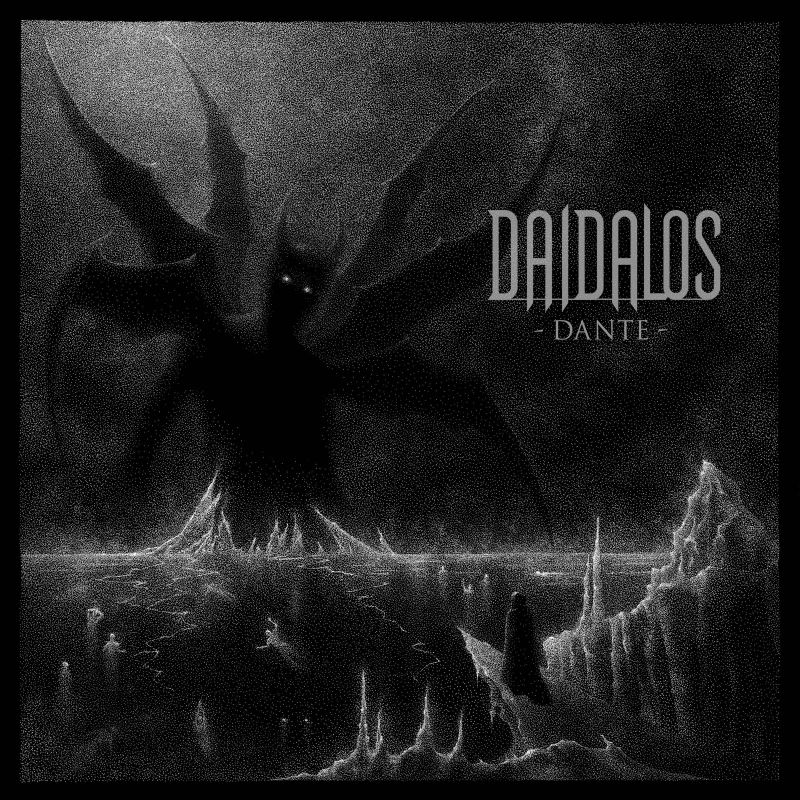
The brainchild of German composer, vocalist and multi-instrumentalist Tobias Püschner, founded in 2020 as a creative outlet merging Black Metal, orchestration and conceptual storytelling, Brunswick, Germany-based Symphonic Black Metal entity Daidalos (also spelled Daedalus, a legendary Athenian craftsman, inventor, and architect in Greek mythology) returns with a brilliant conceptual album, titled Dante, following up on the project’s 2022 debut The Expedition. Recorded and produced by Tobias  himself, with guitars and bass recorded by Nahuel Lozano of Mental Cruelty (who also took care of the album’s mixing and mastering), and displaying a dark, devilish artwork by Bérénice Tulliez of Noirs Dessins, Dante is a reinterpretation of the Divine Comedy, where doubt, despair and revelation intertwine. Yet the core remains the same, the search for meaning in darkness, expressed through meticulous orchestration, intense vocal delivery and the balance between aggression and melancholy that defines Daidalos. Each track represents a fragment of this descent, from the intro in the forest, through the gates of hell, to the final escape, from storm to silence, from fire to frost.

Cryptic sounds ignite the opening tune Dante, with Tobias beautifully gnarling the song’s dark lyrics (“Straying in the Darkwoods / Raging Demons frighten me / In a Forest, on a Hill / Our Poem has begun / Shadows of a Poet who has lost his Way of Life / Leading down the Underworld / Where withering Sunlight dies”), exploding into Inferno, with his blast beats being boosted by all background orchestrations and the striking riffage by Nahuel in a lecture in Symphonic Black Metal. Ashes continues with Tobias’ incandescent feast of Black and Death Metal, with his haunting keys adding an extra touch of insanity to the music, followed by Storm, and the name of the song says it all. It’s an overdose of pure adrenaline, darkness, heaviness and epicness by Tobias, with his deep guttural bringing even more fury to his already violent Black Metal. Then featuring guest vocals by Erik Püschner (most probably Tobias’ own son) we have Minos, a phantasmagorical interlude that sets the tone for King, attacking us relentlessly with his Dimmu Borgir-like vociferations and keys, always supported by the killer riffs by Nahuel.

Polish brass metal duo :wisielec: (D.Rudzinski and T.Grzyb) brings the power of the mighty gongs to another enfolding interlude Styx, whereas Gate showcases a more cinematic side by Daidalos, both warming us up for Dis, where Tobias goes absolutely mental on drums and orchestrations, generating a grandiose wall of sounds perfect for slamming inside the circle pit (of fire). Phlegethon might be the coolest of all interludes thanks to its church-like organ, flowing into the also cryptic Malebolge, which sounds like it was taken from a movie score, exploding into Euphobia, a song that sounds inspired by some of the more recent creations by Cradle of Filth while also presenting devilish lyrics roared by Tobias (“Far above your faith are laws of sinful rotten Dreams / Flowers grow on / Mirrors and their Roots consume / Suddenly: Clashing Dew, Blossoms fall to Snow / In this loveless Pleasure-fauna / Sins have grown like Thorns”). Finally, Ultimatum closes the album on an apocalyptic, hellish mode, with Tobias firing his undisputed growls, blast beats and epic keys nonstop for our total delight.

For devotees of the Symphonic and Atmospheric Black Metal, Dante undoubtedly resonates with the monumental orchestrations of Fleshgod Apocalypse, the dark theatricality of Dimmu Borgir, and the apocalyptic scope of Septicflesh, and if you want to put your hands on such an amazing album from the always exciting German underground, you can grab a copy of it from the Rockshots Records’ webstore as a CD or an LP, or simply click HERE for all digital versions available of the album. Don’t forget to also give Tobias Püschner and his Daidalos a shout on Facebook and on Instagram, staying up to date with all things Daidalos, and of course to stream his creations on Spotify or any other platform. The reinterpretation of the Divine Comedy by Daidalos turns Dante into a must-listen for fans not only of extreme music, but also of good storytelling with endless darkness, passion and despair, and if that’s an indication of the path Tobias will follow with his future releases, we can rest assured Symphonic Black Metal will remain strong for many years to come.

Best moments of the album: Inferno, Storm and Euphobia.

Worst moments of the album: Gate.

Released in 2026 Rockshots Records

Track listing
1. Dante 2:18
2. Inferno 3:42
3. Ashes 4:22
4. Storm 4:05
5. Minos 0:30
6. King 4:00
7. Styx 2:08
8. Gate 0:20
9. Dis 4:15
10. Phlegethon 1:18
11. Malebolge 0:40
12. Euphobia 4:54
13. Ultimatum 4:19

Band members
Tobias Püschner -vocals, drums, keyboards, orchestrations

Guest musicians
Nahuel Lozano – guitars, bass (session)
Erik Püschner – vocals on “Minos”
:wisielec: – gongs on “Styx”