Succumb to the heaviness from the debut album by this new Funeral Doom Metal beast, tracing a descent through grief, isolation and spiritual decay toward the gradual disintegration of the self.

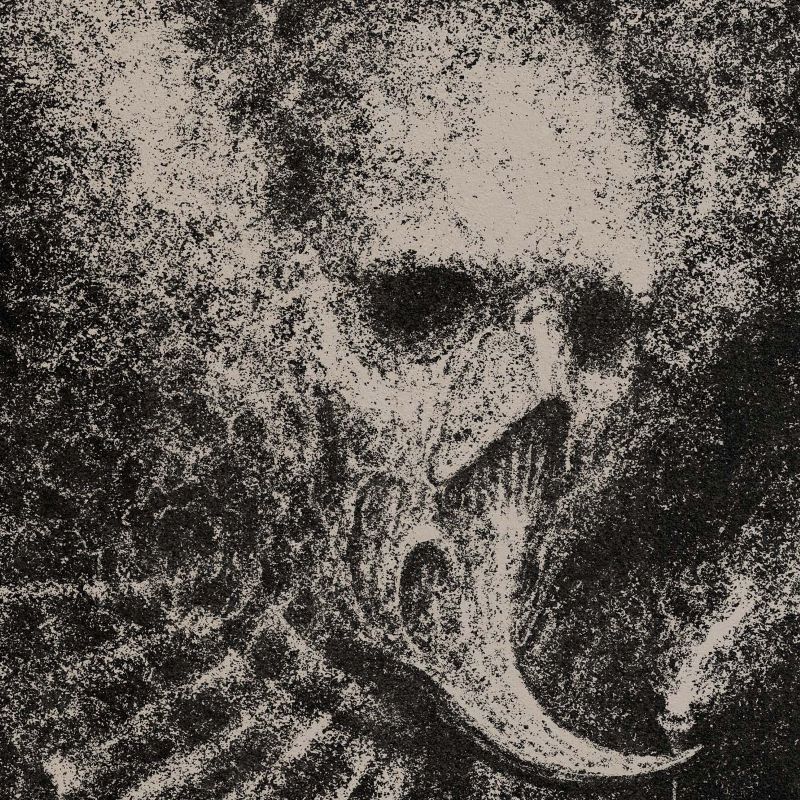 Formed in 2024 through a remote collaboration between three musicians based in different cities, Umus was born from a shared vision of Funeral Doom Metal stripped down to its most immersive and atmospheric essence, drawing inspiration from Ahab, Evoken, Esoteric and the shadowy world of dark ambient music, therefore favoring atmosphere, emotional weight and gradual development over technical display or unnecessary complexity. Mixed by Vladimir Lehtinen, mastered by Greg Chandler at Priory Recording Studios, and displaying a primeval artwork by Deni Aktemirov, Voidlit, the debut opus by E on vocals, V on the guitars and bass, and R on drums, is a monolithic and smoke-shrouded work spanning more than an hour across five compositions. Conceived as a continuous narrative, the album traces a descent through grief, isolation and spiritual decay toward the gradual disintegration of the self. Personal loss and social alienation give way to an increasingly inward journey, ultimately confronting the emptiness left behind when everything else has fallen away.
After a grim, sinister intro the music in Ghost Of Grief evolves into a dark beast of doom and fear led by the cadaverous vocals by E, while R delivers those slow and steady phantasmagorical beats we all love so much. Harbinger Of The End also follows a similar apocalyptic, demonic pattern, with the minimalist yet vile guitar lines by V transpiring evil in another blast of classic Funeral Doom Metal magic; whereas a melancholic piano set the tone in the also introspective and somber Oblivion, alternating between moments of absolute heaviness to the deep guttural by E and ethereal passages where V delivers piercing guitar lines. The title-track Voidlit also ventures through the lands of Experimental and Avantgarde Doom Metal, resulting in a massive creature that will consume your soul, with E’s clean vocals sounding insanely haunting, and as a bonus track only available on the physical formats we have Voidlit II, a cadaverous composition that’s definitely worth the extra money, as hypnotic and ghoulish as it can be.
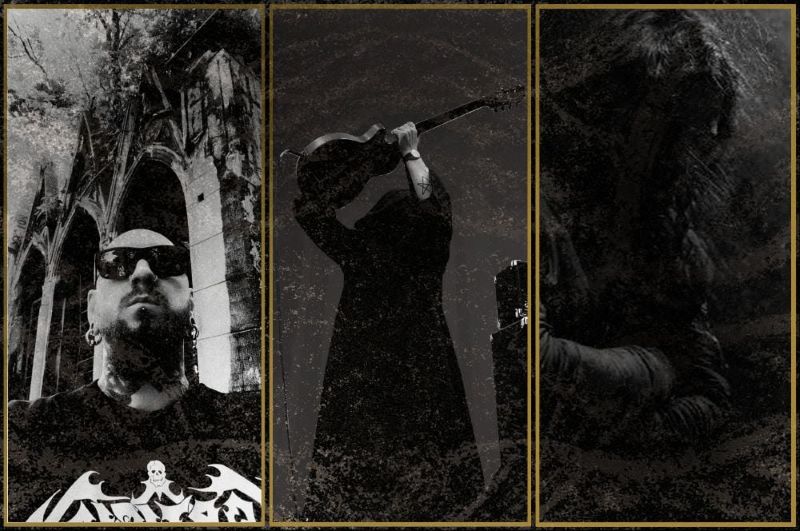 The heaviness and obscurity found in Voidlit are definitely not for the lighthearted, positioning Umus as one of the must-see names of the current Funeral Doom Metal scene worldwide. The album will certainly darken your thoughts and minds, and there’s nowhere to run once the first riff hits your psyche. You can find more details about those somber musicians on Facebook, and put your dirty, putrid hands on Voidlit from Aesthetic Death’s BandCamp or webstore, as well as from the Ksenza Records’ BandCamp. High quality Funeral Doom Metal is always about our darkest and deepest emotions, exactly like what Umus have to offer in Voidlit, keeping the style fresh while at the same time reaching deep inside our blackened hearts.
Best moments of the album: Ghost Of Grief and Oblivion.
Worst moments of the album: None.
Released in 2026 Ksenza Records/Aesthetic Death
Track listing
1. Ghost Of Grief 13:38
2. Harbinger Of The End 11:15
3. Oblivion 11:36
4. Voidlit 15:07
CD/Double LP bonus track
5. Voidlit II 9:44
Band members
E – harsh & clean vocals
V – lead & rhythm guitars, bass
R – drums, backing vocals