Album Review – Amon Amarth / The Allfather Awakens (2026)

These relentless Swedish Vikings return with their thirteenth studio album, showcasing ten songs of absolute power and might historically inspired by epic tales of conflict and sacrifice for a greater good.
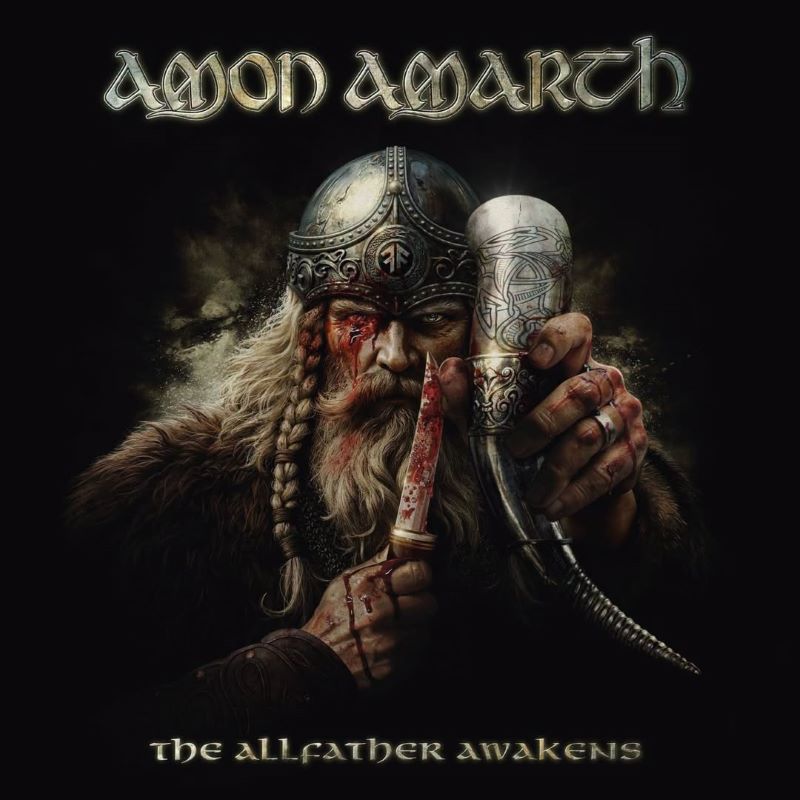
A ten-song masterwork that further cements the legacy of the band’s spectacularly memorable riffs and unflinching aural power, The Allfather Awakens is the thirteenth studio opus by Swedish Melodic Death Metal warriors Amon Amarth, following on their 2022 beast The Great Heathen Army. Recorded across two recording sessions, months apart, at Hansen Studios, and displaying a dark artwork by German artist Tom Thiel, who created seven of the quintet’s album covers, portraying the mighty Oden, the Norse “all father” who is a deity of war, wisdom, death, magic, and poetry, the new album by frontman Johan Hegg, guitarists Olavi Mikkonen and Johan Söderberg, bassist Ted Lundström, and drummer Jocke Wallgren once again presents Oden as the through-line in their lyrics and music. However, despite Oden being their inspiration as usual, The Allfather Awakens is not a concept album, rather historically inspired epic tales of conflict and sacrifice for a greater good.

Get ready for a wild battle alongside Amon Amarth in Gjallarhorn, with its epic lyrics (“Through Nifelheim’s eternal night / A trek of fear and dread / The keeper of the well to find / The wanderer walks ahead”) walking hand in hand with the band’s heavy and vibrant instrumental, followed by Eight Legs of Thunder, another song perfect for some wild headbanging to the hammering drums by Jocke. Kvasir’s Blood is a horns raising metallic tune by those Swedish Vikings where the guitars by Olavi and Johan breathe melody and fire; whereas We Rule the Waves is a song from the band to their diehard fans, with Johan roars the song’s catchy chorus majestically (“We are / We are Vikings / From cradle until the grave / As long as the sun sets in the west / We rule the waves”), inviting us all to row with them. And the acoustic tune Upphaf, despite its decent Folk Metal vibe, is a weird addition to the album in the end.

Then back to a hammering, no shenanigans melodeath sonority we have Die with a War Cry, where the thunderous bass by Ted matches perfectly with the pounding drums by Jocke from start to finish, followed by Raven God, another song perfect to be played live (or on one of those countless Viking TV shows), with the guitar work by Olavi and Johan sounding very melodic and bringing even more epicness to their music. The Allfather Awakens reeks of classic Amon Amarth, with all instruments supporting Johan and his Viking roars, and I’m sure we’ll hear this song played live on their upcoming tours; and it’s then time to grab our swords and shields and head into the battlefield alongside Amon Amarth in Oden’s Hunt, a fast and furious display of their trademark sound, with Jocke punishing his drums in the best way imaginable. Lastly, after an imposing intro, the music explodes into Swedish melodeath fire in Ascending like an Eagle, a song about overcoming obstacles with persistence and power, and the continuation of “Serpent’s Trail” from The Great Heathen Army, with their guitars and bass creating a dense atmosphere perfect for Johan’s warrior-like guttural.
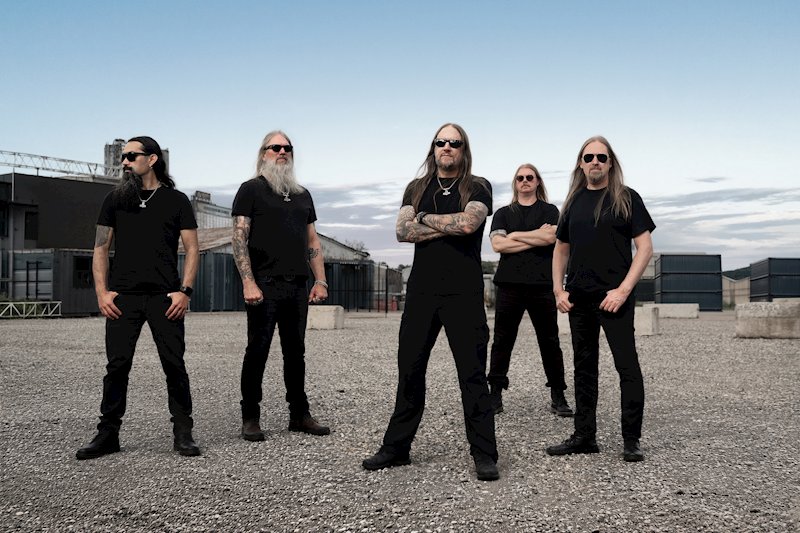
Introducing previously untried efforts, an impressive and conscious musical and lyrical feat after 30 years of band-dom, The Allfather Awakens is yet another strong album by those Norsemen. For Amon Amarth, a new album has always meant more than a collection of songs, it marks the beginning of a new world, and you can join the band in such an exciting quest by following them on Facebook and on Instagram, by streaming their music on Spotify, and of course, by purchasing The Allfather Awakens from BandCamp or from Metal Blade Records. In other words, as Oden hears our call, it’s time to go to war to the sound of the incendiary new opus by the most beloved Vikings in the history of heavy music.

Best moments of the album: Gjallarhorn, We Rule the Waves and Oden’s Hunt.

Worst moments of the album: Upphaf.

Released in 2026 Metal Blade Records

Track listing
1. Gjallarhorn 5:14
2. Eight Legs of Thunder 4:20
3. Kvasir’s Blood 4:26
4. We Rule the Waves 3:50
5. Upphaf 4:32
6. Die with a War Cry 3:29
7. Raven God 4:30
8. The Allfather Awakens 4:36
9. Oden’s Hunt 4:23
10. Ascending like an Eagle 6:44

Band members
Johan Hegg – vocals
Olavi Mikkonen – guitars
Johan Söderberg – guitars
Ted Lundström – bass
Jocke Wallgren – drums
Album Review – Blodtår / Monark (2026)

One of Sweden’s most promising Black Metal projects returns with its sophomore opus, conceived in the aftermath of a personal tragedy, and moving through overwhelming spiritual pain toward a fragile yet undeniable light.

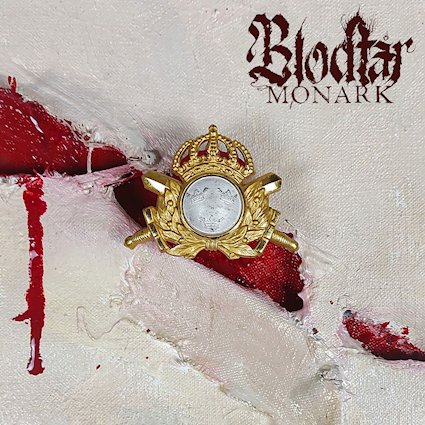
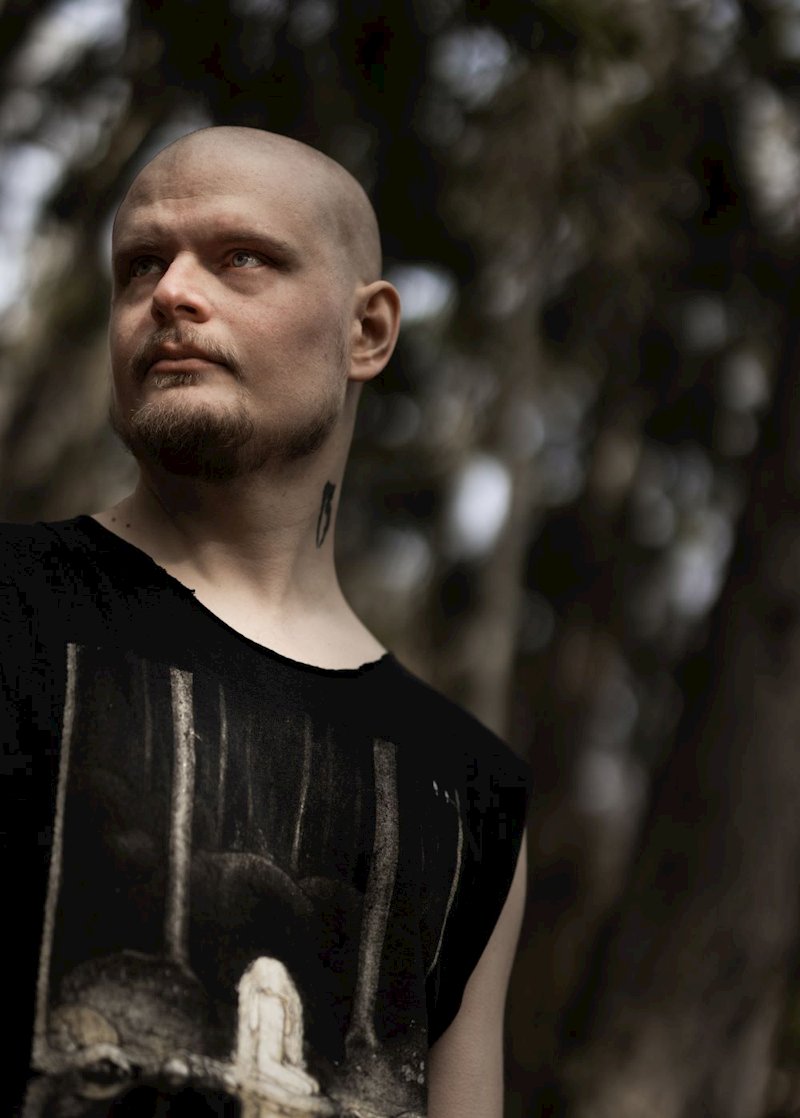
Back in 2021, Stockholm, Sweden-based Black Metal entity Blodtår announced themselves with a self-titled EP steeped in Black Metal mysticism. Their following release, the 2023 full-length Det förtegna förflutna, revealed a project capable of refined structure and melodic discipline without sacrificing intensity. Now in 2026, on their third release, titled Monark (the Swedish word for “monarch”), vocalist, guitarist and bassist Carl, alongside drummer Hebert Alarcón Cerna, ventures deeper still. Mixed and mastered by Tore Stjerna at Necromorbus Studio, and showcasing a classy artwork by Heresie Studio, Monark was conceived in the aftermath of a personal tragedy, moving through overwhelming spiritual pain toward a fragile yet undeniable light.

Carl kicks off his darkened feast with his visceral guitar lines, accompanied by the hammering drums by Hebert, in Blodtår, not to mention his harsh vocals exhale absolute despair and pain; followed by Till min sista viloplats (or “to my final resting place” from Swedish), a more direct Black Metal extravaganza with Carl shredding his axe in the name of extreme music. In contrast to such a visceral sound, Paradis, or “paradise,” begins in an acoustic way as if there was any hope in sight, but that’s all destroyed by his anguished, vile screams; while Det slutar i lågor, or “it ends in flames,” brings to our avid ears elements from Folk Metal to give the song an even more primeval and personal vibe.

Then we face the introspective, grim and emotional title-track Monark, with Carl delivering sheer melancholy through his vocals and guitar while Hebert dictates the pace with his classic beats. We’re then treated to the band’s cover version for Kraja’s Nu är det synd om de döda, or “now it’s a pity for the dead,” (check the original version HERE, from their 2011 album Brusand Hav). The lyrics for the song are based on a poem written by the famous Swedish author and poet Verner von Heidenstam, and Carl’s rendition of the song is not bad, but I personally prefer his trademark Black Metal a lot more, which is exactly what we get in Bland kvällens skuggor ännu vandra, or “still wandering among the evening shadows,” where Hebert sounds inhumane on drums, adding an overdose of Black Metal melancholy to the overall result. The climax of the album comes in the form of Den eviga isen, or “the eternal ice,” concluding Carl’s spiritual journey with his deep vociferations walking hand in hand with his crying guitar.

“Crippling pain was present throughout the entire process of the album, both in the music itself and beyond it. The inspiration for the next Blodtår record emerged forcefully not long after Det förtegna… had been completed. Monark is a strange album, but not in a negative sense – for me, that very strangeness is what makes it compelling,” commented Carl, and you can get in touch with him and let him know how much you enjoy his music by following Blodtår on Facebook and on Instagram, by streaming the project’s unique creations on Spotify, and by purchasing Monark from their own BandCamp or by clicking HERE. Beginning in darkness and concluding in illumination, Monark traces recurring cycles of mental collapse and resurgence with unflinching honesty, using the depth, anguish and power of Scandinavian Black Metal to turn it into a must-listen for any metalhead who has also been through the darkest times of their lives.

Best moments of the album: Blodtår, Monark and Bland kvällens skuggor ännu vandra.

Worst moments of the album: Nu är det synd om de döda.

Released in 2026 Nordvis Produktion

Track listing
1. Blodtår 5:30
2. Till min sista viloplats 3:55
3. Paradis 3:52
4. Det slutar i lågor 5:35
5. Monark 5:32
6. Nu är det synd om de döda (Kraja cover) 2:08
7. Bland kvällens skuggor ännu vandra 5:10
8. Den eviga isen 4:20

Band members
Carl – vocals, guitars, bass
Hebert Alarcón Cerna – drums

Album Review – Filth / Death Exhibition (2026)

Going the distance in punishing the body and tormenting the mind, this Swedish Death Metal trio returns from the grave with their filthy and barbaric sophomore album.

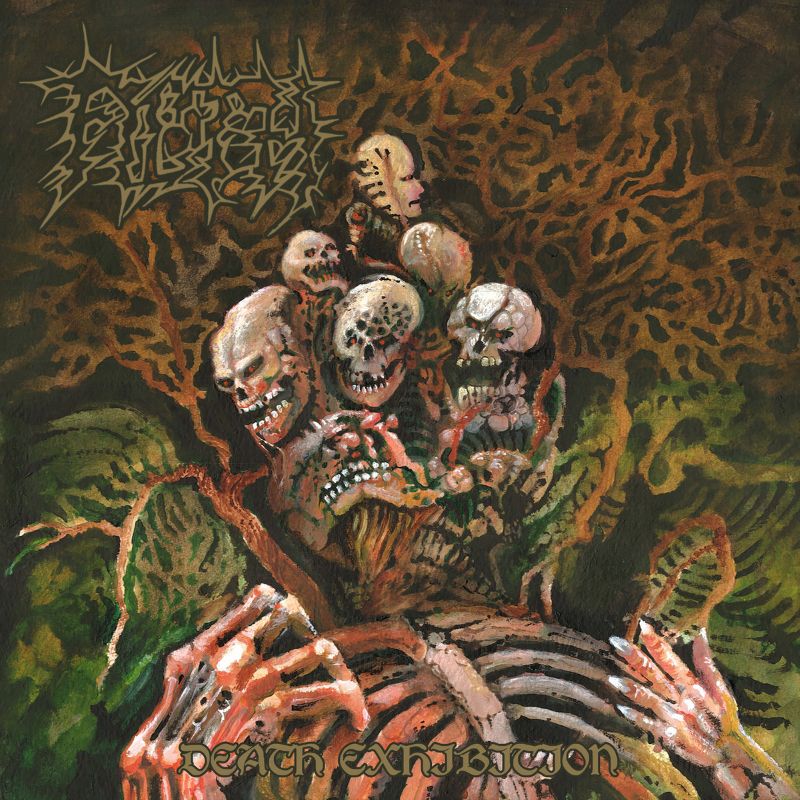
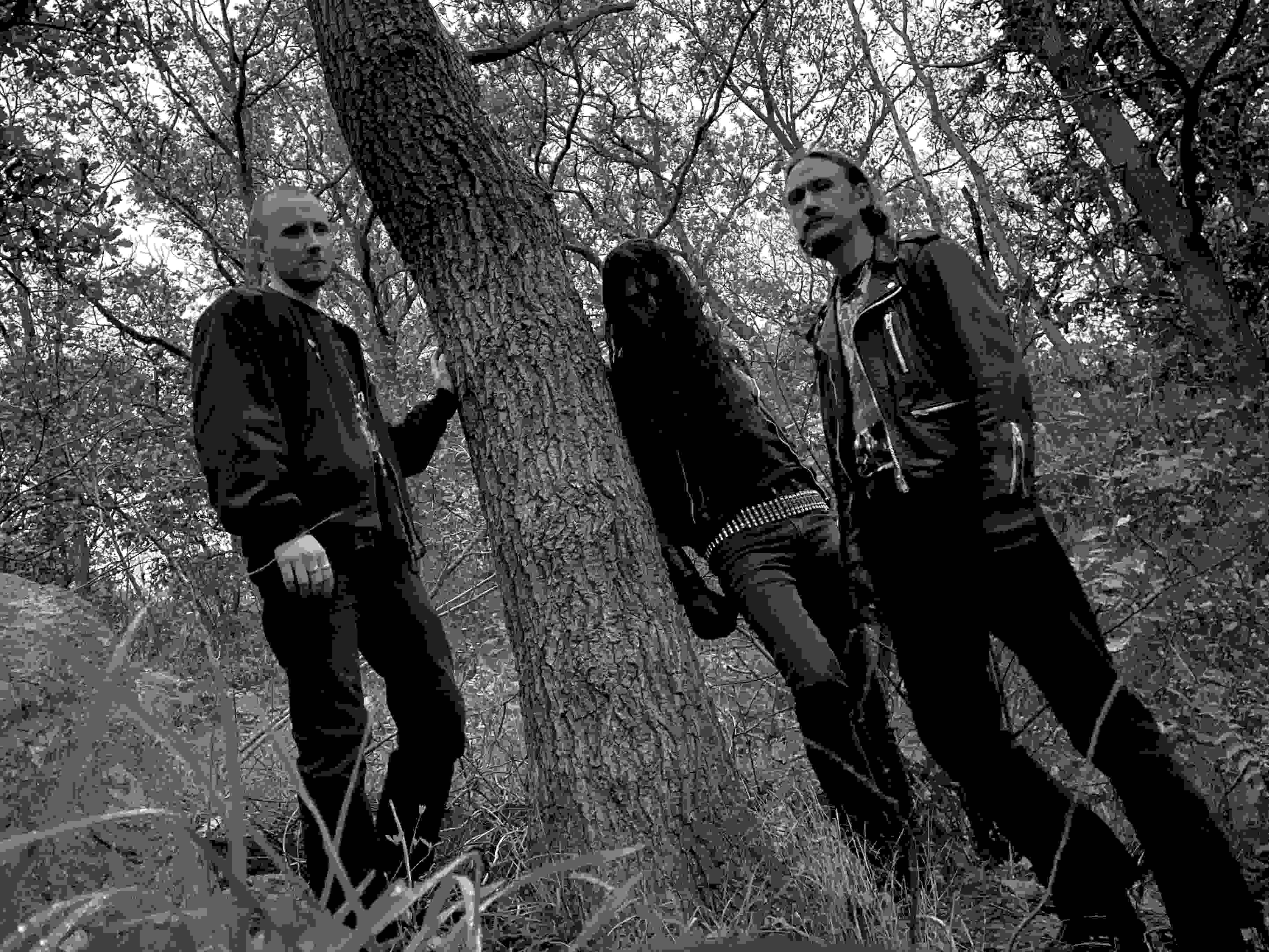
Having a knack for fitting artworks, always capturing the album’s psychedically putrid contents perfectly, Göthenburg, Sweden-based Death Metal brigade Filth attacks once again with their sophomore album, titled Death Exhibiton, the follow-up to their 2025 debut Time to Rot. Going the distance in punishing the body and tormenting the mind, the trio formed of Per on vocals and drums, Sebastian on lead guitars and bass, and Ismael on rhythm guitars sounds both more finessed and more barbaric than their debut offering. The formula has hardly changed, thankfully, but the foundations of their sound are expanded further in Death Exhibition, whether it’s the crude, tank-rolling crush of Grave, or the sooty angularity of Immolation.

After the album’s short horror-infused Intro, all hell breaks loose to the sound of Split Casket, offering our putrid ears an overdose of doom-laden Death Metal where Per’s deep, inhumane guttural match perfectly with the apocalyptic guitar lines by Sebastian and Ismael; and their cadaverous, primeval sounds keep permeating the air in Buried Alive, with Sebastian not only delivering killer riffs, but his bass lines are also absolutely thunderous. Born A Corpse carries an old school name for another song where their visceral fusion of Death and Doom Metal works majestically, in special the deep vociferations by Per; and he continues to smash his drums in the name of darkness and gore in Mental Butchery, living up to the legacy of the genre.

…Inhumed… sounds and feels as dark and evil and it is groovy thanks to the caustic riffs and bass lines by Sebastian and Ismael, bringing total obscurity to our rotten hearts, while Sadistic Ways continues where the previous song left off, with its cadaverous Doom Metal vibe bringing even more hatred to their core Death Metal. The title-track Death Exhibition presents an overdose of primeval Death Metal not recommended for the lighthearted, with Per’s deep roars sounding utterly demonic. Then the ruthless bass by Sebastian will then crush your cranial skull in …Exhumed…, sounding slow, grim and visceral, flowing into the bludgeoning and evil closing tune Rotted Life, with the trio blasting their sonic weapons with endless hatred until the very end.

Other similarly old school influences can be spotted in Death Exhibition, such as Demilich, Autopsy, Incantation, and Abhorrence, but rest assured that Filth inject their own personality (and just a slight bit of weirdness) into the bubbling cauldron to remain authentic rather than ripping off someone else’s past. Those guys don’t seem to enjoy social media at all, as they’re not on Facebook nor on Instagram, but you can still find their music on Spotify, and grab a copy of their new album from Me Saco Un Ojo’s BandCamp or from Rotted Life’s BandCamp. This is Swedish Death Metal at its filthiest, and there’s no escape once you’re trapped in the cauldron of violence and gore found in their fulminating new album.

Best moments of the album: Split Casket, …Inhumed… and Death Exhibition.

Worst moments of the album: None.

Released in 2026 Me Saco Un Ojo/Rotted Life

Track listing
1. Intro 0:30
2. Split Casket 3:35
3. Buried Alive 3:39
4. Born A Corpse 3:21
5. Mental Butchery 4:06
6. …Inhumed… 4:07
7. Sadistic Ways 3:39
8. Death Exhibition 4:13
9. …Exhumed… 2:45
10. Rotted Life 4:26

Band members
Per – vocals, drums
Sebastian – lead guitars, bass
Ismael – rhythm guitars

Album Review – Skuggor / The Expanse (2026)

This one-man project based in Northern Sweden returns with its fourth studio album, where deep forests and snow-covered terrain are not merely backdrops, but gateways – spaces where hypnotic states and introspection take hold.

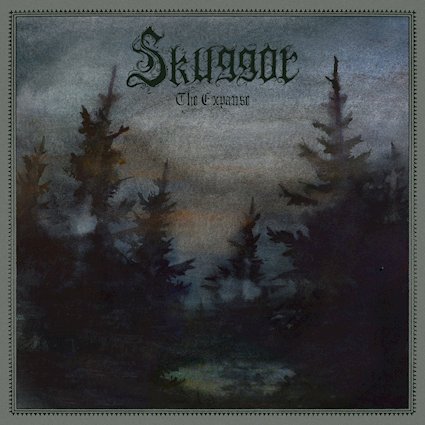
Drawing its essence from the meeting point between the physical and the transcendental, Sweden-based Atmospheric Black Metal entity Skuggor, the Swedish word for “shadows,” is the solo project of Australian-born vocalist and multi-instrumentalist M., known for his work with countless other amazing bands the likes of Aeon Moon, Autumn’s Dawn, Moonlight Drowns, Nihilithic Depths, Rumahoy, Stjärnfält, Tjaktjadálvve, and Wizardthrone, just to name a few. Now in 2026 M. is back in action with the follow-up to his 2025 album Where Sun Resigns, titled The Expanse, where deep forests and snow-covered terrain are not merely backdrops, but gateways – spaces where hypnotic states and introspection take hold. Displaying a serene artwork by Heresie Studio, The Expanse is fluid and instinctive, allowing each composition to emerge as a natural extension of atmosphere rather than rigid structure.

Get ready for a whimsical journey through bitterly cold lands to the sound of the eight-minute aria The Expanse, gradually evolving into an Atmospheric Black Metal beast where M.’s anguished roars will send shivers down our spines; followed by The Fire, just as cryptic and visceral as the opening track, where M. brings forward an avalanche of scorching guitar lines in contrast with the gelid background landscapes. Then again showcasing his passion for Black Metal infused with atmospheric and ethereal elements we have The Trance, and it’s easy to sense the despair transpiring from his harsh vocals, not to mention his sluggish beats also sound thunderous. Hem showcases an imposing and epic sonority, with M. once again blasting sheer melancholy through his vocals and whimsical keys, whereas in The Storm the name of the song says it all, as it’s the most violent, harsh and demonic of all songs, with M. delivering those classic Black Metal blast beats we all love so much intertwined with semi-acoustic soothing passages. Lastly, M. concludes his epic voyage with The Nothing, offering more of his blend of doom-laden Atmospheric Black Metal, bursting his lungs screaming until the very end.

“The Expanse is an album dedicated to a place I hold very dear: Northern Sweden. From the desolate forests to the frozen lakes, with this album I tried to capture the combined feeling of beauty and isolated melancholy one can feel in such an area,” commented M., and if you want to know more about Skkugor you can find the project on Instagram, stream its music on any platform such as Spotify, and grab a copy of the album from BandCamp or from Nordvis Produktion. Written to accompany M.’s journey between his home in Moskosel and Arvidsjaur, a woodland stretch largely untouched by modern intrusions in Swedish Lapland, The Expanse takes shape as a series of impressions formed by both the beauty and the unforgiving nature of the environment. While echoes of Burzum, Agalloch, Urfaust, and Drudkh can be sensed throughout, Skuggor reshapes these influences into something distinctly its own, turning it into a must-listen for admirers of the beautiful fusion between extreme music and the peace and solitude found in nature.

Best moments of the album: The Fire and The Storm.

Worst moments of the album: None.

Released in 2026 Nordvis Produktion

Track listing
1. The Expanse 8:20
2. The Fire 5:27
3. The Trance 5:18
4. Hem 5:38
5. The Storm 5:13
6. The Nothing 4:49

Band members
M. – vocals, all instruments

Album Review – Februus / Construction of Conflict (2026)

The ancient Roman and Etruscan god of purification, cleansing, and the underworld is back with its sophomore album, sounding just as fascinating and eccentric as one would expect it to be.

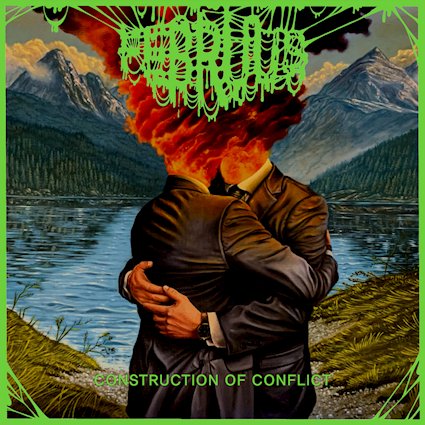
After releasing an astounding debut in Surveillance Orgy in 2023, Höör, Sweden-based Progressive Death Metal entity Februus (the ancient Roman and Etruscan god of purification, cleansing, and the underworld) returns with a sophomore album that is more mature and consistent, yet just as fascinating and eccentric as one would expect it to be, entitled Construction of Conflict. Mixed by the band’s sole member, vocalist and multi-instrumentalist Andreas Karlsson, mastered by Mattias Persson, and showcasing a wicked, striking artwork by Daniel Karlsson, the album is more compact and effective without losing its expressive power. There are no 15-minute songs on this one. Most of them in fact happen to last for just around five minutes, and Andreas and his Februus make sure that they’re nonetheless packed with plenty of deviations and surprises that are of more varied textures and moods than before.

Andreas kicks off his demented extravaganza with sheer force and insanity in Genocide by Default, offering wicked riffs and blast beats with tons of progressiveness and heaviness, followed by Measures of Escalation, keeping the momentum going with the striking Progressive Death Metal riffs and vociferations by Andreas sounding piercing, demented and vibrant from start to finish. Then an ethereal, enfolding start morphs into sheer madness and experimentations in Suicide by Proxy, with Andreas delivering his trademark scorching riffs nonstop for our total delight; while The First Limb Is Cut carries a poetically harsh title for another blast of Progressive Death Metal by Andreas, with his killer riffs and blast beats punching us hard in the head.

The Misery That Awaits the World is another song with a caustic, powerful title that offers a more introspective side of Andreas, warming us up for Fueled by Narcissism, exploding into absolute chaos, insanity and violence to his demonic guttural and crushing drums, presenting an amalgamation of sounds, tones, breaks and passages not recommended for the lighthearted. Andreas then showcases his own blend of Dissonant and Progressive Death Metal in Scavengers of the Forgotten Poor, firing nonstop scathing riffs while his roars sound absolutely evil; and ending the album we face the multi-layered Suppressing the Future, which kicks off in total violence before morphing into a whimsical sonority, and finally morphing again, this time into sheer doom.

With the release of the dynamic and multi-layered Construction of Conflict, Februus remains as one of the most interesting Swedish Death Metal bands today, always having a trick or three up its sleeves, while maintaining a deceptively rough, clamorous demeanour. In other words, if you’re a fan of the fusion of heavy music and sheer insanity blasted by bands the likes of Edge of Sanity, Pan.Thy.Monium, Demilich, Disharmonic Orchestra, and Defect Designer, just to name a few, you should definitely give Februus a try by streaming its idiosyncratic music on any platform like Spotify, and by purchasing Construction of Conflict from the project’s own BandCamp, as well as from the Transcending Obscurity Records’ BandCamp, main store, US store or EU store. Don’t forget to also follow Februus on Facebook and on Instagram, and who knows, maybe after such an amazing album the project will morph from a studio project into a live beast, taking your city by storm sooner than you can say “Februus.” Construction of Conflict is certainly not an album for the average listener, but a venomous creature ready to penetrate deep inside your skin, consuming your mind and soul, and leaving you in a cathartic state just the way we like it in Progressive Death Metal.

Best moments of the album: Genocide by Default, The First Limb Is Cut and Fueled by Narcissism.

Worst moments of the album: The Misery That Awaits the World.

Released in 2026 Transcending Obscurity Records

Track listing
1. Genocide by Default 5:25
2. Measures of Escalation 5:11
3. Suicide by Proxy 5:45
4. The First Limb Is Cut 5:02
5. The Misery That Awaits the World 2:07
6. Fueled by Narcissism 5:50
7. Scavengers of the Forgotten Poor 5:47
8. Suppressing the Future 5:27

Band members
Andreas Karlsson – vocals, guitars, bass, drum programming, synthesizers

Album Review – Osukaru / Tall Tales (2026)

This renowned Heavy Metal and Hard Rock outfit from Sweden is back in action and ready to rock with their first major release in eight years.

Formed in early 2010 in Gothenburg, Sweden by guitarist Oscar “Oz” Hawe Petersson, the unrelenting Melodic Heavy Metal/Hard Rock outfit Osukaru (the Japanese phonetic transliteration of the name of the band’s founder Oscar) returns with their first major release in years, the hard rockin’ Tall Tales, following up on their 2021 album Starbound. Produced by Oz himself together with longtime singer and band partner Fredrik Werner (Daytona, Air Raid), mixed by Svein Jensen (Alicate, Sister Sin), mastered by Mats Eriksson (Degreed), and displaying a classy artwork by Oz and actress and model Eliza Sica, carrying a subtle sense of both unease and wonder that mirrors the album’s mysterious lyrical themes, the new offering by the aforementioned Fredrik on vocals and guitars, Oz also on the guitars, Marcus Zerath on bass, and C.D on drums and percussion is a clear statement of how far the project’s original vision has come, offering us fans that melodic yet visceral Swedish sound we all love so much.

The band’s striking riffs rev up their rockin’ engine in the opening tune Exceeder, with the classic Hard Rock vocals by Fredrik adding even more electricity to their music, while the sound of the harmonica brings an eccentric touch to Wendigo before the music evolves into another solid hybrid of Heavy Metal and AOR. Blood On the Rocks is a hard hitting tune by the band offering the classic riffs by Fredrik and Oz boosted by the heavy kitchen by Marcus and C.D; and it’s then time for the smooth power ballad The Outer Side Within, with Fredrik showcasing passionate vocals while his bandmates spread love and harmony in the air, before they speed things up and kick some ass with their heaviest song of the album, titled Ronin, led by the classic beats and fills by C.D.

Who Do You Love takes us back to the glory of the 90’s with their Sunset Strip inspired Hard Rock and Glam Metal, adding even more adrenaline to the album, while Split is as groovy as it can be thanks to the amazing job done by Marcus and C.D on bass and drums, respectively. Only Moments Left is one of those strip tease-like Hard Rock and Rock N’ Roll tunes by Osukaru which could be played on any radio station worldwide, followed by When It’s Over, a decent ballad with a cool solo by Oz, albeit a bit too mellow after all is said and done. Lastly, we face C’est Dans Ta Tête, or “it’s in your head” from French, a solid Hard Rock and AOR song that concludes the album with Fredrik once again kicking ass on vocals.

Oz and his Osukaru have been on a roll since their inception over 15 years ago, and the striking Tall Tales will certainly inspire the quartet to keep moving forward and delivering high quality heavy music no matter what for many years to come. Having said that, what are you waiting for to give the guys from Osukaru a shout on Facebook and on Instagram, stream their rockin’ tunes on any platform like Spotify, and of course, purchase Tall Tales from several locations such as Monuments in Ruin, Streetlight Records, and Park Ave CDs? This is what our good old heavy music is all about, bringing to us exciting music with a beautiful and deep background story, and hopefully it won’t take a long time again for Osukaru to unleash another blast of their music upon us.

Best moments of the album: Blood On the Rocks, Ronin and Split.

Worst moments of the album: When It’s Over.

Released in 2026 Pride & Joy Music

Track listing
1. Exceeder 3:24
2. Wendigo 4:36
3. Blood On the Rocks 3:17
4. The Outer Side Within 3:59
5. Ronin 3:09
6. Who Do You Love 3:43
7. Split 3:36
8. Only Moments Left 3:52
9. When It’s Over 4:02
10. C’est Dans Ta Tête 6:00

Band members
Fredrik Werner – lead vocals, guitar
Oz Hawe Petersson – guitar, backing vocals
Marcus Zerath – bass, backing vocals
C.D – drums, percussion

Album Review – Fejd / Nifelheim (2026)

After years of anticipation, these Folk Metal warriors are back in action with their striking fifth studio album, appealing to both longtime fans and new listeners alike.

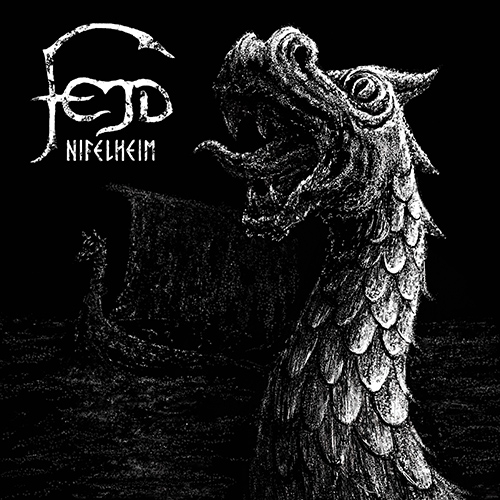
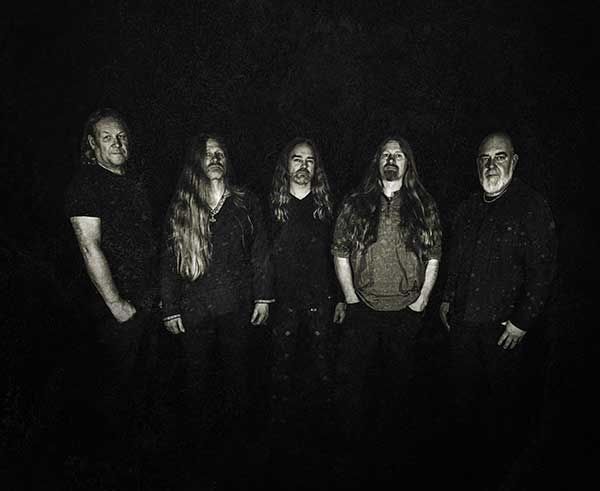
Highly respected within the Folk Metal genre, cementing their position as influential and reliable artists worldwide, Lilla Edet, Sweden-based horde Fejd (which is Swedish for “feud”) is set to release their fifth studio offering, titled Nifelheim, following up on their critically acclaimed album Trolldom, released ten years ago. Formed in 2001 through a unique fusion of the folk duo Rimmerfors and members of the metal bands Pathos and Nostradameus, the band currently comprised of Patrik Rimmerfors on vocals and bouzouki, Niklas Rimmerfors on the moraharpa (a keyed fiddle), Thomas Antonsson on bass, Lennart Specht on keyboards, and Esko Salow on drums creates a sound that bridges two worlds with each of their albums, blending the power of Heavy Metal with the rich melodies and melancholic spirit of Nordic folk music, exactly like what they have to offer in Nifelheim.

The album starts with the battle hymn Nifelheim, inviting us to join the band on a journey to such a primordial realm of absolute darkness, fog, cold, and ice, with Esko leading the horde with his classic drums, followed by Nidhögg, a fearsome dragon in Norse mythology, with the eccentric sounds of the bouzouki and moraharpa exhaling Folk Metal magic. Edsvuren, a Swedish word that translates to “sworn” in English, used to describe someone that is bound by an oath, showcases the entire band on fire, with Patrik’s vocals sounding epic; while in Älvagrimmar, a term from Swedish folklore referring to ancient river spirits, Esko hammers his drums accompanied by the rumbling bass by Thomas, sounding heavy, folky and majestic.

Then all instruments and percussion will prepare us all for battle side by side with Fejd in Sköldborg, or “shield wall” in Old Norse, where Patrik and Niklas are once again spot-on with their respective bouzouki and moraharpa; whereas in Einar Blå, which translates as “blue warrior,” the band again showcases their trademark Folk Metal sonority, a decent instrumental piece despite lacking the band’s vocal punch. It’s time to dance around the fire pit and enjoy a good pint of mead to the sound of Strilja, with Esko’s beats adding even more fuel to their incendiary sounds, before Svarta Tjärn, or “the black tarn” from Swedish, puts a thrilling ending to the album, where the sounds from a glorious past are crafted by a band that has just reignited their fire by looking into the future.

After years of anticipation, Fejd are not only back in action with Nifelheim, but the album will also certainly appeal to both longtime fans and new listeners alike. From the very first note, listeners are drawn into a world of ancient legends, carried by powerful arrangements and the evocative language of Nordic melancholy, once again affirming their place as one of the leading names in Folk Metal. If you want to join such a talented horde, you can find Fejd on Facebook, stream their classy music on Spotify, and of course grab a copy of Nifelheim from BandCamp or by clicking HERE. Because this is first-class Folk Metal made by Norse warriors, inspiring us to keep moving forward and face our own battles no matter what to the sound of their unique and captivating music.

Best moments of the album: Nifelheim, Älvagrimmar and Svarta Tjärn.

Worst moments of the album: Einar Blå.

Released in 2026 Black Lodge Records

Track listing
1. Nifelheim 4:07
2. Nidhögg 7:27
3. Edsvuren 5:18
4. Älvagrimmar 6:16
5. Sköldborg 4:16
6. Einar Blå 5:03
7. Strilja 5:01
8. Svarta Tjärn 5:17

Band members
Patrik Rimmerfors – lead vocals, bouzouki
Niklas Rimmerfors – moraharpa
Thomas Antonsson – bass
Lennart Specht – keyboards
Esko Salow – drums

Album Review – 10,000 Years / Esox Lucifer (2026)

Sweden’s own Doom and Stoner Metal brigade is back with a (light-bearing) monster of an album, drifting through deep space with the same Sci-Fi, horror, and fantasy obsessions that have always fueled the band.

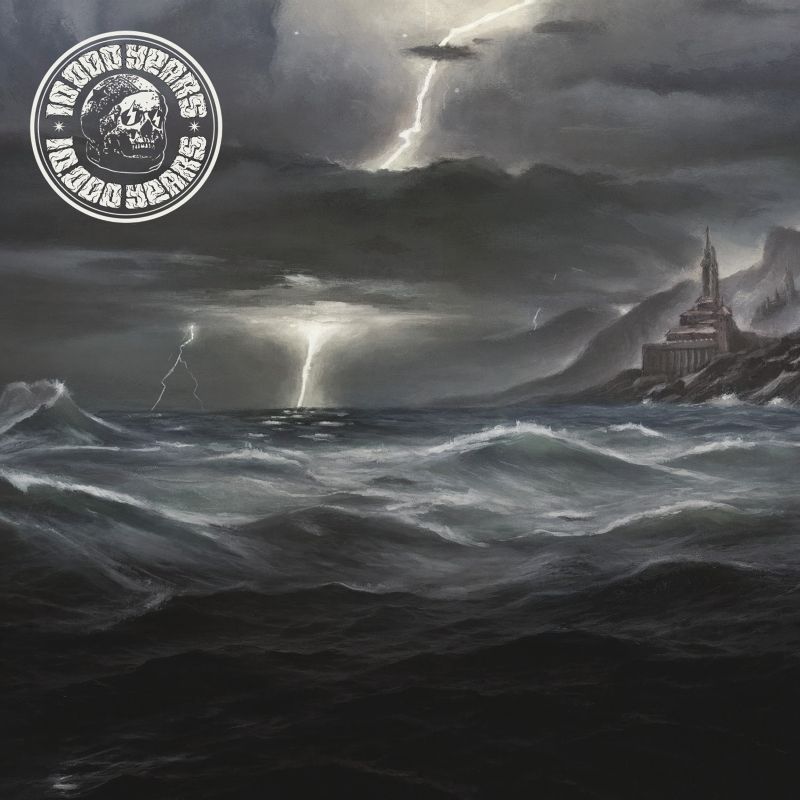
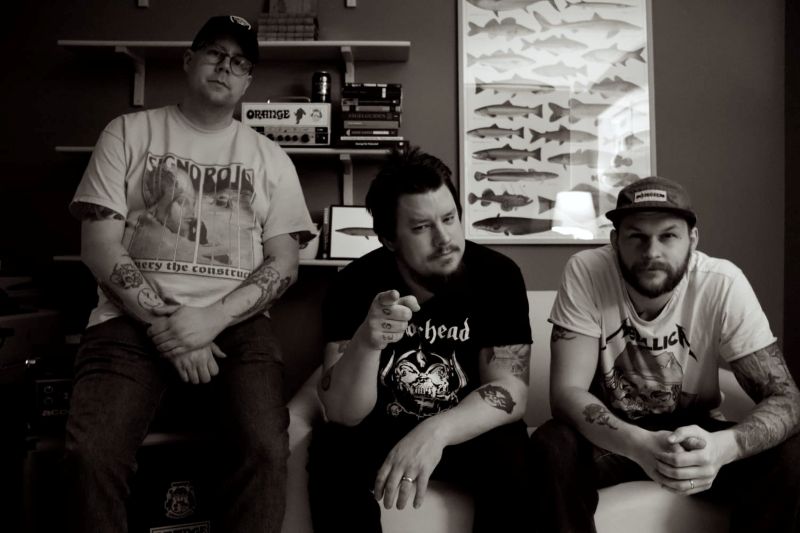
Once again pummeling the world into oblivion, delving deep into existential dread and dark lore, Västerås, Sweden’s own Doom/Stoner Metal brigade 10,000 Years returns with their eagerly awaited fourth studio album, titled Esox Lucifer (a metaphorical representation of a fierce, dark “light-bearing monster,” chosen by the band to represent their heavy, riff-centric music, which often delves into Sci-Fi and horror-inspired lore), the follow-up to their 2024 opus All Quiet on the Final Frontier. Recorded at Pine Hill Studios (with drums recorded at Studio Fluff), engineered by Erik Palm, mixed by Robert Lamu at Doomhead Productions, mastered by Magnus “Devo” Andersson at Endarker Studio, and displaying a Stygian artwork by Ryan T. Hancock, the new album by Alex Risberg on vocals and bass, Erik Palm on the guitars, and Alvin Risberg on drums drifts through deep space with the same Sci-Fi, horror, and fantasy obsessions that have always fueled the band, resulting result is their most ambitious work to date, one that will easily win over fans of Torche, High On Fire, The Sword and Kylesa.

Alvis kicks off the band’s melodic yet heavy and visceral journey in Beasts of the Northern Wild, a groovy intro that sets the stage for Pursuit Special, where Erik keeps slashing his axe nonstop, offering Alex exactly what he needs to deliver his high-pitched rockin’ vocals. The trio once again brings forward a wild fusion of Doom, Stoner and Sludge Metal in Fleur de Sledgehammer, flowing smoothly yet exhaling electricity until the very end; and Alex’s rumbling bass walks hand in hand with the mighty riffs by Erik in Church of the Red Museum, a hard hitting rock and metal feast perfect for their live concerts, with Alvin hammering his drums nonstop for our absolute delectation.

The same Alvin kicks off the also groovy and melodic Alien Tactics, alternating between heavier moments and faster Rock N’ Roll passages led by the striking riffs and solos by Erik. After such a wild metallic ride, the band slows things down a bit and invests in a more cadenced riff-oriented sound in Two Million Stones, followed by Paranoidium, where they get back to a more visceral sonority showcasing another blast of the killer riffs and thrilling solos by Erik. Finally, the massive bass lines by Alex ignite the title-track Esox Lucifer, a seven-minute beast where their heaviness goes through the roof, not to mention his vocals also exhale despair and insanity, darkening the skies and leaving us eager for more of their music in a not-so-distant future.

In a nutshell, 10,000 Years nailed it once again with Esox Lucifer, smashing our cranial skulls riff after riff without forgetting to add a high dosage of horror and fantasy as the background of each and every song from the album. If you’re curious to know more about such an amazing trio hailing from Sweden, you can find those guys on Facebook and on Instagram, including their awesome live performances, stream their bold, reverberating creations on YouTube and on Spotify, and above all that, purchase Esox Lucifer from their own BandCamp, as well as from Ripple Music’s BandCamp or official site (or simply click HERE for all things 10,000 Years). Put differently, simply sit down, relax, and let your soul be consumed by the band’s brand new (light-bearing) monster of an album.

Best moments of the album: Pursuit Special, Church of the Red Museum and Esox Lucifer.

Worst moments of the album: Two Million Stones.

Released in 2026 Ripple Music

Track listing
1. Beasts of the Northern Wild 2:03
2. Pursuit Special 3:53
3. Fleur de Sledgehammer 5:50
4. Church of the Red Museum 4:59
5. Alien Tactics 4:14
6. Two Million Stones 3:23
7. Paranoidium 3:38
8. Esox Lucifer 7:12

Band members
Alex Risberg – vocals, bass
Erik Palm – guitars
Alvin Risberg – drums

Album Review – God Unknown / Last Glimpse of Daylight (2026)

This collaborative Atmospheric Death and Funeral Doom Metal project is ready to embrace you with their debut opus until you see your last glimpse of daylight.

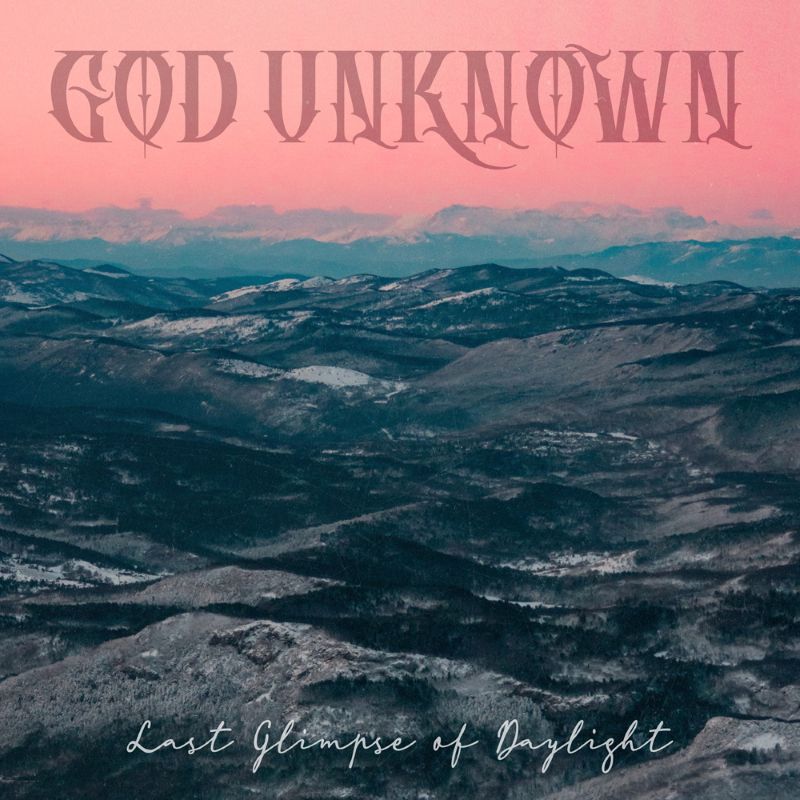
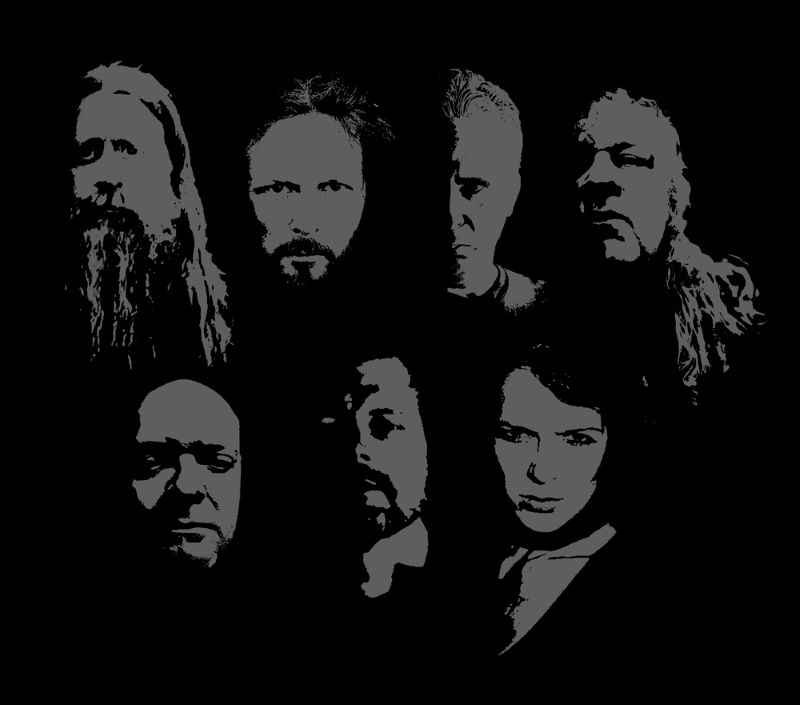
A collaborative Atmospheric Death and Funeral Doom Metal project formed in Cardiff, Wales in 2022 by guitarist John Courage, featuring musicians from the UK and Sweden, God Unknown are finally unleashing upon humanity their debut offering, beautifully titled Last Glimpse of Daylight. Produced by the band itself, engineered by John Courage and Daniel Tjernberg, mastered by Dan Swanö at Unisound, and showcasing a darkly serene artwork by Manino Linic, the debut album by Daniel Tjernberg on vocals (with additional vocals by Camilla Tjernberg on the song “Stay with Me”), John Courage on the guitars, Adam West on bass and additional guitars, Michael Lang also on bass, Kostas Panagiotou on keyboards, and Tats McGee on drums will embrace you in absolute grief and melancholy, darkening the skies with the sheer power of funereal and grim Doom Metal.

The thunderous, low-tuned bass lines by Adam set the tone in the Stygian intro MMMMDXIV, before all hell breaks loose in Embraced by the Moonlight, with the deep, devilish vocals by Daniel walking hand in hand with the sluggish Doom Metal riffs by John and Adam. Then we face the massive, embracing title-track Last Glimpse of Daylight, as slow and hammering as its predecessor, where Tats pounds his drums with tons of hatred and darkness in his heart; and it’s Kostas who takes the lead with his church-like keys in the phantasmagorical interlude Passage, darkening the skies for the band to attack us with Fallow Land, led by another crushing performance by Tats on drums, offering Daniel exactly what he needs to vociferate like a demonic entity. It’s then time for Camilla to embellish the airwaves with her melodic vocals in Stay with Me, a lecture in passionate and somber Funeral Doom Metal by God Unknown, flowing into the obscure outro Frost on the Windowpane, again led by Adam and his doomed bass lines.

Inspired by the love of somber, funeral doom and atmospheric themes, God Unknown are ready to crush our minds and souls with the absolute heaviness and obscurity flowing from their excellent debut Last Glimpse of Daylight, and if you want to join such a promising band in gloom and darkness you can find them on Instagram, stream their music on any platform such as Spotify, and of course, above all that, purchase a copy of their striking debut from their own BandCamp or by clicking HERE. In other words, let the lugubrious and grim Doom Metal by God Unknown embrace you, until you see your last glimpse of daylight.

Best moments of the album: Embraced by the Moonlight and Stay with Me.

Worst moments of the album: None.

Released in 2026 TM Productions

Track listing
1. MMMMDXIV 1:11
2. Embraced by the Moonlight 2:46
3. Last Glimpse of Daylight 6:09
4. Passage (Interlude) 2:16
5. Fallow Land 6:36
6. Stay with Me 5:11
7. Frost on the Windowpane 2:51

Band members
Daniel Tjernberg – vocals
Camilla Tjernberg – vocals on “Stay with Me”
John Courage – guitars
Adam West – bass, additional guitars
Michael Lang – bass
Kostas Panagiotou – keyboards
Tats McGee – drums

Interview – Northborn

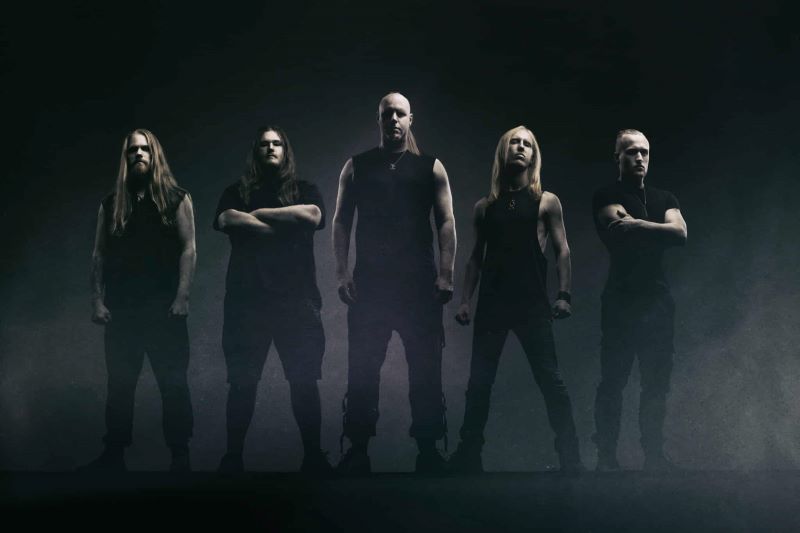
Lets embark on a journey through the Swedish mythology and nature in this frostbitten interview with the up-and-coming Melodic Death Metal beast Northborn.

Northborn

The Headbanging Moose: First of all, thanks a lot for your time to chat with us. Can you please begin by introducing Northborn to our readers? When and how did the band start, and what changed since your inception?

Northborn: A frosted thanks that you gave us the opportunity to do this interview. Northborn is a passion project that aims to capture both the world mythos, no matter from what corner of the world the inspiration comes from, and to combine this with the blistering melodic death metal that ruled Finland during the early 2000s. Every song’s goal is to capture the feeling it’s written around to create something majestic and unique.

The band started when Björn had a writer’s frenzy and didn’t know what to do with all his ideas. Hence, he took contact with skilled musicians that looked for similar music he wrote and quickly he founded a burning core that became the frozen force that stands before you today.

And what has changed? Well, the concept of the band has evolved at record pace since we have such a great dynamic within the group. We all have honed our vision with the band, yet there’s room to grow. A band is never finished in its evolution.

THM: You have just released your debut self-titled album this year. What’s the general concept behind the album, and is it exactly the way the band was expecting it to be, or are there any elements you wish you could have done differently?

Northborn: The concept behind the album is partly to show the world that a new melodeath force has been born, hence the name of the album. We present ourselves at the same time that our debut now is “borned”. The concept grew with the songs, I’d say, but every song was chosen carefully to fit in a greater theme of myths and epic melodeath history. We had no clear view on what to expect when the album was released, but since it’s self-made, we’re incredibly proud of what we’ve accomplished. And as for the future, we now have an ever clearer vision of what we want to evolve and try out. I cannot reveal it yet, but things are already moving in the shadows.

THM: The opening track Hymn of the North Star spans over six minutes and sets a majestic tone for the album. What went into the composition of this specific track to make it the definitive introduction to Northborn?

Northborn: We all decided that the listener would be introduced to a wall of symphonic melodeath the second they played the album, and we also saw that this particular track was a great representation of what Northborn has to offer. Björn spent a great deal to make all the parts flow seamless throughout the song, and the result speaks for itself in grandeur and epicness. Other songs were discussed, but Hymn of the North Star spoke strongest towards our vision when the song list was created.

THM: Songs like Yokai of the Lake hint at distinct cultural folklore. What drew you to include a Japanese mythological entity (Yōkai) alongside the otherwise heavily Nordic, winter-focused themes of the record?

Northborn: Since Northborn is founded with the world mythos as a vital core to its sound, it was only natural to expand the sound beyond the Scandinavian melodeath scene. Björn is a huge fan of eastern mythology and its richness and variety from the Nordic tales he grew up with. Japanese melodies and stories blended perfectly together towards Yokai of the Lake. It just came natural to him. When the rest of the band heard it, it was a given that it needed to be included on the album. We’re glad it did since it shows a variety we want to incorporate in the future. So rest assured that this is not the last song that derives from the Nordic melodeath sound.

Album Review – Northborn / Northborn (2026)

THM: You signed with Art Gates Records to release this debut. How did this partnership come about, and how have they helped you bring your vision of heavy Nordic music to a global audience?

Northborn: Björn is already a member of the Art Gates Records family due to his other band, Havamal. He knows the CEO and the crew well from before, and he spoke highly about the label with the rest of the members from an early stage. It was a given to speak to them when the band was in its early stages, and it has been a great cooperation since then. We cannot thank them enough for unleashing us onto the world.

THM: One of the main characteristics of your musicare the heavy influences from early 2000’s titans like Children of Bodom, Norther, and Ensiferum. How do you balance paying homage to these legends while establishing a unique voice for Northborn?

Northborn: All three of them are a huge inspiration to us, so we’re humbled that you mention them when speaking about our music. What’s important for us is to carve our own legacy in both melodies, stories, and variety while maintaining the core elements these legends brought to the scene. Our sound is both inspired and evolved, so to say. We want the audience to have that foundation when listening to us, while at the same time seeing the evolution towards the future our music does and will represent.

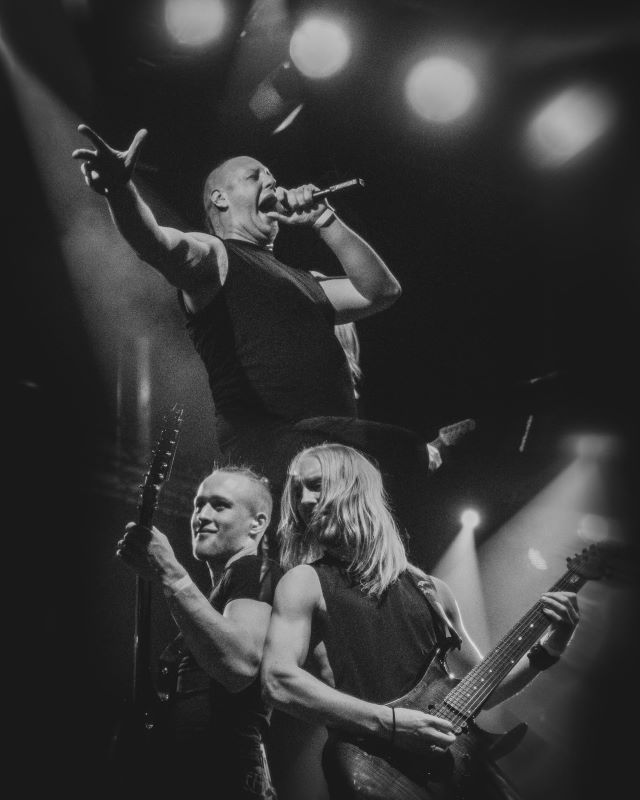
THM: Björn’s role handles both vocals and keyboards. How do you approach arranging the symphonic and keyboard layers so they amplify the aggression of the guitars without overpowering them, and how do the vocals are added into the mix?

Northborn: A song is written with a melody in mind, and while we iron out the song, we find the places where the instruments need to amplify the feeling that song is based around. Every section and instrument has a purpose, and that purpose needs to be clear through the dominant instrument in that section. It’s a thin line to balance, but our own studio master Tobey proved to be a musical wizard in this subject. The vocals have the same purpose as the instruments. But at the same time I think the vocals have an added role since they tell the verbal story to the listener. The music and the vocals enhance each other towards the end goal of the song. Usually the vocals grow from the melodies, yet a general concept of the song already exists from the first tones.

THM: How has the local Swedish metal heritage shaped your specific musical identity? I mean, coming from the land where Melodic Death Metal was born, it’s quite obvious such a unique style has a strong influence on your music, but are there any other elements from the Swedish culture that have a huge impact on your sound?

Northborn: Swedish melodeath and the Swedish metal scene are a great foundation for all of us. And since we all come from different musical backgrounds it just enhances the uniqueness of the sound Northborn presents. I’d also say that the majesty of our Scandinavian nature and mythological history have impacted the foundations of the band greatly since it gives a natural feeling of somber glory you hardly find anywhere else on Earth.

Northborn

THM: Any new bands worth listening to from the Swedish scene apart of course from Northborn? How’s your relationship with those bands or any other Swedish band?

Northborn: We have many friends in the Swedish scene since it’s a close community when starting out. It’s often passionate persons that you encounter, and since you have a common ground in metal it’s easy to kick off a conversation. And as for Swedish bands I’d recommend Riket, Eternal Evil, Zornheym and of course Havamal. We have a great relationship with all the bands mentioned here.

THM: Thanks again for your time! Please feel free to send your final message to our readers, and hopefully we’ll see you guys crossing the pond in the near future for some live performances in Canada and the United States!

Northborn: Thank you for having us! We would love to meet you guys after an awesome concert one day. Motherfrosters! Follow The Headbanging Moose, listen to our new album until your ears bleed frosted fire, and prepare for the musical darkness to come. Stay frosty!

Links
Northborn Facebook | Instagram | YouTube | Spotify | Bfan.link