Album Review – Mord’A’Stigmata / Hope (2017)

Explore the obscure sea of negativity and spirituality crafted by this up-and-coming Polish unit, all embraced by atmospheric passages, caustic guitars and tormented growls.

Formed by guitarist, composer and main visionary Static in 2004 in Bochnia, a town located only around 50km from the multicultural city of Kraków, in southern Poland, Black/Avantgarde Metal act Mord’A’Stigmata has been on a constant growth since the band’s inception, reinventing themselves year after year with each album released and, at the same time, maintaining a reasonable distance from the main routes taken by extreme music in general. After the considerable success of their 2013 full-length album Ansia and their 2015 EP Our Hearts Slow Down, Mord’A’Stigmata return with their fourth full-length album, titled Hope, a bold musical statement that has all it takes to become their most accomplished work to date.

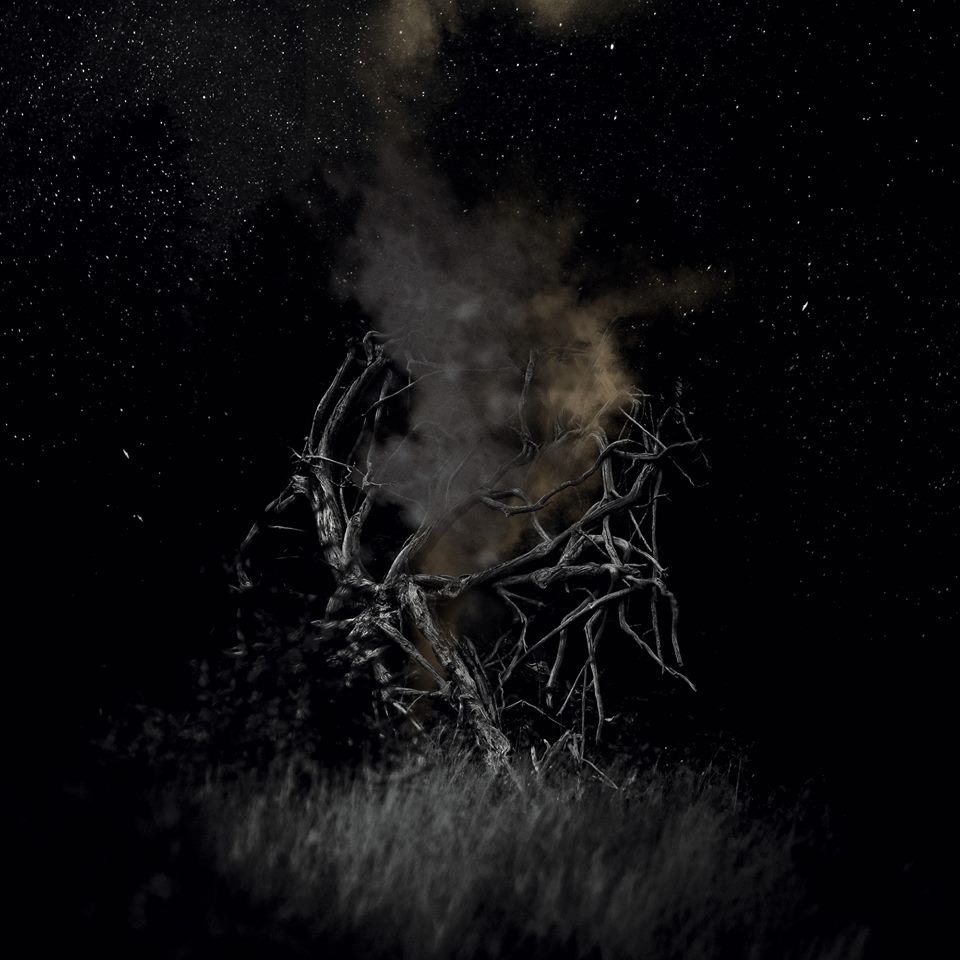
Divided into four distinct chapters, Hope is a ride into the palest corners of the void within oneself, a landscape of deep melancholy adorned with sparks of light that will please fans of bands such as Agalloch, Neurosis and Altar of Plagues. The album’s enigmatic artwork, designed by Bartek Rogalewicz from Hellywood (who has already worked with iconic groups like Rogi, Non Opus Dei and Behemoth), represents exactly what you’ll face in Hope, an obscure sea of negativity and spirituality embraced by lugubrious and atmospheric passages, caustic guitars and tormented growls, providing you a full-bodied experience in avant-garde extreme music.

The distorted but melodious lines crafted by guitarists Golem XIV and Static kick-off the 12-minute aria of darkness Hope, an ominous fusion of Black and Doom Metal where lead singer and bassist Ion effectively darkens the musicality with his hellish gnarls. Not only that, the band also brings forward hints of Blackened Doom and Dark Metal with their instruments, especially after four minutes when Ion delivers some deep clean vocals, with the music displaying a hypnotic pace until the song’s ardent ending. That obscure aura goes on in the Stygian and intricate composition The Tomb from Fear and Doubt, with drummer DQ and his doomed beats leading the rhythm while Ion grasps the song’s somber lyrics (“Have you ever lost something you ever had? / Have you ever missed someone that never was? / Have you ever stared into the abyss / with the matches stuck between the eyelids?”) and all instruments maintain a sulphuric stench reeking in the air. In addition to that, once again blending the darkest and most visceral elements from Black and Doom Metal, the wicked sounds emanating from the last part of the song will penetrate deep in your blackened soul without a shadow of a doubt.
Rhythmic beats and cursed guitars ignite another fantastic composition by Mord’A’Stigmata, entitled To Keep the Blood, where a melancholic but fierce instrumental builds the desired ambience for Ion to thrive with his devilish growls. This is not only the song with the most electrified vibe, but also a newborn hymn of Black and Doom Metal, with Golem XIV and Static enhancing the song’s impact considerably through their sharp guitar lines. Lastly, in the mournful In Less than No Time, tribal drumming and the band’s trademark damned sounds create a mesmerizing tone, growing in intensity until Ion comes vociferating his hopeless words (“There is a kind of grief / Can’t be expressed by tears / Nor yelled into the night / On an empty field”). Presenting elements from the music by Paradise Lost, My Dying Bride, Katatonia and other icons of Doom Metal, this beautiful creation by Mord’A’Stigmata is the perfect fourth and final act for Hope, with highlights to the superb work done by DQ on drums.

You can find all details about the chthonic creations of this talented quarter from Poland, as well as their current tour dates and plans for the future, through their Facebook page, with Hope being available for purchase at their official BandCamp page, at the Pagan Records’ BandCamp page or webshop in CD-digipack, in LP format, as a CD + T-shirt combo or as an LP + T-shirt combo, as well as on Amazon and at Discogs. After putting your hands on Hope, simply let the darkness blasted by Mord’A’Stigmata fill your inner void, guiding you on a path of no return to the underworld of heavy music.

Best moments of the album: To Keep the Blood.

Worst moments of the album: None.

Released in 2017 Pagan Records

Track listing
1. Hope 12:02
2. The Tomb from Fear and Doubt 12:08
3. To Keep the Blood 8:45
4. In Less than No Time 11:30

Band members
Ion – vocals, bass
Golem XIV – guitars
Static – guitars
DQ – drums

Album Review – Aegri Somnia / Ad Augusta per Angusta (2017)

A compilation of Iberian popular folk songs from the late 19th and the early 20th century, where Spanish oral traditional music is mixed with the harmonic eccentricity typical of musical styles such as Black, Folk and Experimental Metal.

Whenever metal gets blended with any other type of music in the world, in special with more traditional styles and genres, the result is always beyond interesting, transpiring creativity, passion, feeling and entertaining us all in a different way than our usual metal bands. That encounter of the fury and darkness of heavy music with distinct non-metal sounds is exactly what you’ll experience in Ad Augusta per Angusta, the debut full-length album by Madrid-based Black/Avantgarde Metal project Aegri Somnia, where Spanish oral traditional music, unknown even for most of Spanish people, is mixed with the harmonic eccentricity typical of musical styles such as Black, Folk and Experimental Metal.

Aegri Somnia are Cristina R. Galván (also known as Lady Carrot), from the Castilian folk music world, and multi-instrumentalist Nightmarer, from the Avantgarde Metal scene (As Light Dies, Garth Arum), who decided to form the project in 2012 in an old ghostly house located in a northern Spanish valley, surrounded by loneliness, silence and the smell of wet earth. And it didn’t take long for the duo to give life to Ad Augusta per Angusta from the harmonious union of their skills and backgrounds, offering the listener a compilation of Iberian popular folk songs from the late 19th and the early 20th century, a travel through the rural and magical Spain with its lights and shadows, and a gaze into the abyss of the black and tenebrous Spain with the inner cruelty and brutality of human beings. Featuring a stylish artwork designed by Cristina and Nightmarer themselves, Ad Augusta per Angusta will certainly redefine the way you see folk and metal music.

Serene acoustic guitars and the delicate voice by Cristina kick off the folk composition Seran, full of traditional Iberian elements and showcasing a steady, melancholic atmosphere. Furthermore, all additional instruments played by both Cristina and Nightmarer are necessary to the music, never sounding out of place. Aegri Somina offer heavier guitars and a rousing vibe in the excellent and classy chant Señor Platero, presenting a great performance once again by Cristina on vocals while Nightmarer brings the word “metal” to the musicality in a perfect balance between extreme music and Iberian folk; followed by La Culebra, a song that’s at the same time tailored for a dancing performance and for a metal concert. Not only Cristina changes her tone a bit in this song, sounding more aggressive than before, but also the song’s symphonic elements enhance its darkness, cohesiveness and taste.

La Deshonra, the longest of all tracks, transpires melancholy through the beautiful acoustic guitars by Nightmarer and the passionate vocals by Cristina, and despite the music not having any breaks or variations, that doesn’t mean it’s not a great song. In fact, its constant rhythm is what makes it mesmerizing. In Molinero – Vengo De Moler, the fusion of metallic guitars and the classic sound of unique instruments like spoons, clamps and stomps, among others, creates a fantastic ambience for Cristina to declaim the song’s lyrics, filling all spaces in this exotic and fun composition, whereas in La Niña De La Arena, one of the best tracks of the album, the duo speeds up the pace and delivers sharp guitar lines, both electric and acoustic. This is indeed an intricate chant displaying several different instruments and layers, with nuances of modern folk music to spice it up a bit. And exhibiting a softer side, Cristina and Nightmarer focus on the more gentle sounds of their instruments in Romance De Santa Elena, generating a calm atmosphere where Cristina beautifully tells the story through the song’s poetic lyrics.

Ronda De Mayo brings Iberian folk with hints of modern Hard Rock, Folk and Progressive Metal, feeling like part of the soundtrack for a dark movie, with its percussion and synths working really well, keeping the music flowing smoothly. Then we have Rondón Del Enamorado Y La Muerte, another dancing tune full of clapping and acoustic lines keeping up with the Spanish traditions, with Cristina going back to her sharper vocal lines while Nightmarer does an amazing job with his unstoppable guitar, and Charro Del Labrador, where Cristina continues to showcase her tender vocal lines, with the musicality in this case being denser than usual thanks to the heavier beats and louder folk instruments. I personally think this experimental composition should sound very interesting if they record a full metal version of it. And Veneno, the last composition in Ad Augusta per Angusta, offers the listener atmospheric passages and a high dosage of melancholy, and albeit not being a bad composition, it’s in my opinion slightly below the rest of the album in terms of creativity.

It’s extremely easy to know more about Aegri Somnia and their music. For instance, you can listen to the full album on YouTube, where you can also watch an amazing video by Cristina herself speaking about the traditional percussion instruments used in Ad Augusta per Angusta and other details about the Iberian oral tradition (with subtitles in English available). You can also follow the duo on Facebook, and purchase Ad Augusta per Angusta at their BandCamp page, at the Symbol Of Domination’s BandCamp page, at the Satanath Records’ webstore or at Discogs. And if exploring new music is part of your life, then you’re more than welcome to join Cristina and Nightmarer in their voyage through the darkness and light of the rural Spain.

Best moments of the album: Señor Platero, Molinero – Vengo De Moler and La Niña De La Arena.

Worst moments of the album: Veneno.

Released in 2017 Symbol Of Domination/United By Chaos

Track listing
1. Seran 4:08
2. Señor Platero 4:51
3. La Culebra 3:13
4. La Deshonra 6:06
5. Molinero – Vengo De Moler 5:05
6. La Niña De La Arena 2:40
7. Romance De Santa Elena 4:28
8. Ronda De Mayo 4:17
9. Rondón Del Enamorado Y La Muerte 3:40
10. Charro Del Labrador 5:41
11. Veneno 4:51

Band members
Cristina R. Galvan (Lady Carrot) – female vocal, galician and castilian tambourine, pandero cuadrado, palo de agua, spoons, almirez, shells and claps
Nightmarer – male vocal, electric & acoustic guitar, fretless bass, keyboards/synths, programming, violin, accordion, wind chimes, claps and stomps

Album Review – Necropoli / I (2014)

Unique and avant-garde Funeral Doom Metal from Italy, recommended for lovers of the darkest side of music.

Rating5

Forged by musicians Rodolfo Baroni and Dario Fabiani in the wonderful city of Rome, Italy, the music by Funeral Doom / Avantgarde Metal band Necropoli might not be an easy listening for people who usually stick to basic radio stuff, including even the most badass Rock N’ Roll radio stations. However, it’s indeed a delectable experimental voyage with lots of Dhrone, Death, Black and Downtempo influences, going way beyond the average Doom Metal most of us are used to, taking your senses to a whole new freakish level.

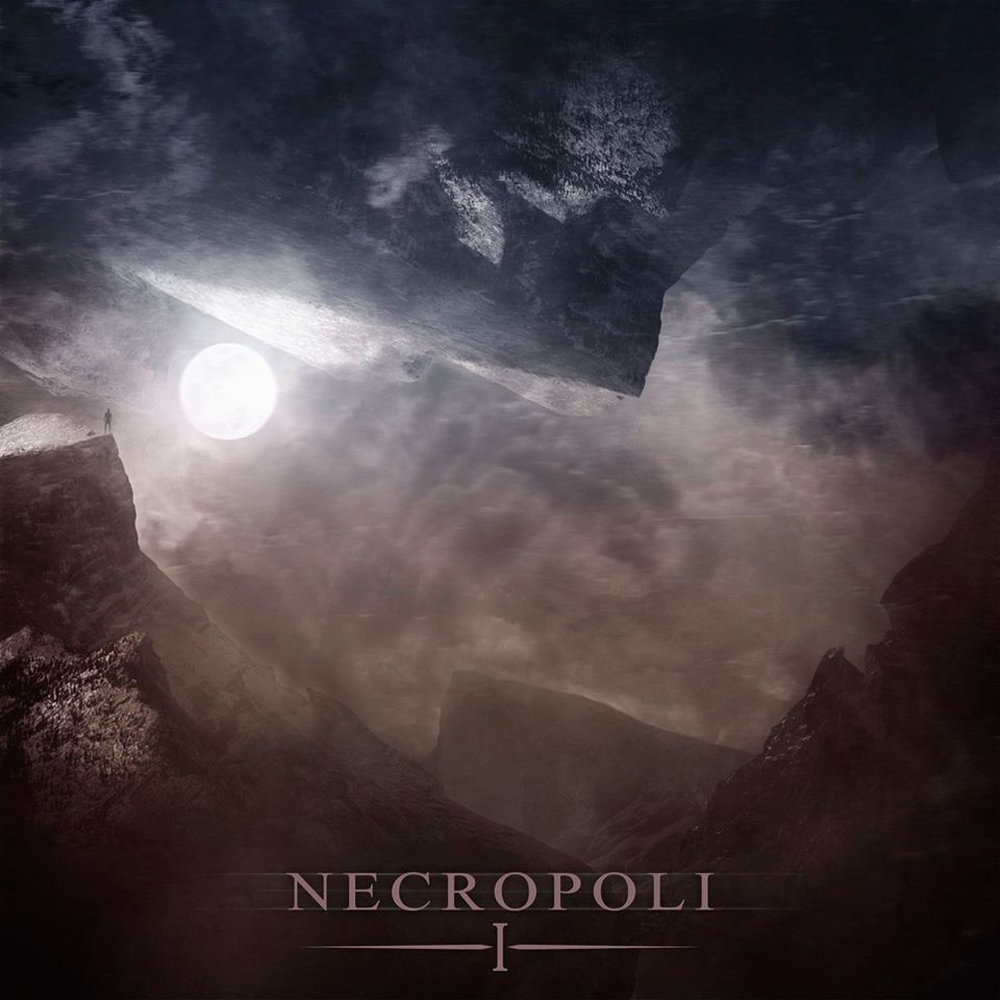
Their debut album, symbolically named I, can be considered an epitome of darkness in heavy music, with its truly long and devilish songs taking you down to a world where things like happiness, beauty and love do not exist at all. Just by looking at the album art you know this is not going to be just another commercial album full of cheesy content.

When you listen to the baby crying during the ominous intro in Ashes of my Soul, you can get a taste of how grim Necropoli can be. But it’s when their slow and dark Doom Metal really begins, with the deepest growls you can think of and its double bass and eerie synths giving the whole song a totally lugubrious atmosphere, that you’ll feel you’re like taking part of a ritual. In addition, its obscure lyrics (“This restless circle is complete / This maze will never set me free / The winds of eternity shall take away / The ashes of my soul…”) and its more than frightful ending complement the song very effectively.

Inner Space starts with some kind of weird electric or industrial sounds, and its intro goes on for almost three minutes before turning into ferocious Black Metal with sick guitar riffs and guttural vocals. It goes back to pure atmospheric music with sounds of ocean, seagulls and an acoustic guitar after seven minutes, finally becoming a Doom Metal tune to finish this dark sonic journey. A Step doesn’t make things happier or lighter, focusing on interesting piano keys blended with evil vocals and heavy riffs, all enhanced by depressive lyrics (“Opening his eyes and looking at the world around me, one single step / I got lost in it and maybe found myself many times in my path”) and an ending that is a fuckin’ massacre.

NECROPOLI band photoHowever, things get even more interesting in Silence Awaits Me, another ghostly tune filled by symphonic elements, getting closer to Death Metal in some moments and with so many rhythmic breaks it could easily be divided into three or four distinct songs.  Very epic and full of feeling, it encompasses 17 minutes of occultism and mystery that will please anyone that enjoys this type of music. And closing the album we have Curriculum Vitae (I have no idea why they chose this song name), the only track with less than 10 minutes of duration: it’s such a weird outro, consisting of demonic voices accompanied only by some persistent low synths, that I don’t know what to say about it. You’ll have to listen to it and take your own conclusions.

In summary, Necropoli’s debut album I, available at the band’s official Bandcamp page, is as unique and avant-garde as it can be, always focusing on a more unhappy and wicked side of life, of course, which doesn’t mean you’ll regret listening to it. Quite the contrary, I bet you’ll keep going back to it again and again to savor its complexity, heaviness and malice.

Best moments of the album: Silence Awaits Me.

Worst moments of the album: Curriculum Vitae.

Released in 2014 Independent

Track listing
1. Ashes of my Soul 10:37
2. Inner Space 11:47
3. A Step 12:13
4. Silence Awaits Me 17:06
5. Curriculum Vitae 4:04

Band members (Recording line up)
David Unsaved – voice
Dario Fabiani – guitar, bass, synth, vocals, programming
Rodolfo Baroni – guitar

Current line up
David Unsaved – voice
Dario Fabiani – guitar, bass, synth, vocals, programming
Francesco Romano – drums