Album Review – JANVS / Fatum Est EP (2026)

After over a decade of silence, one of the best-kept secrets in the Italian underground scene is rising from the ashes with a new EP where each song draws on a myth, a figure, or an episode from the Hellenic tradition.

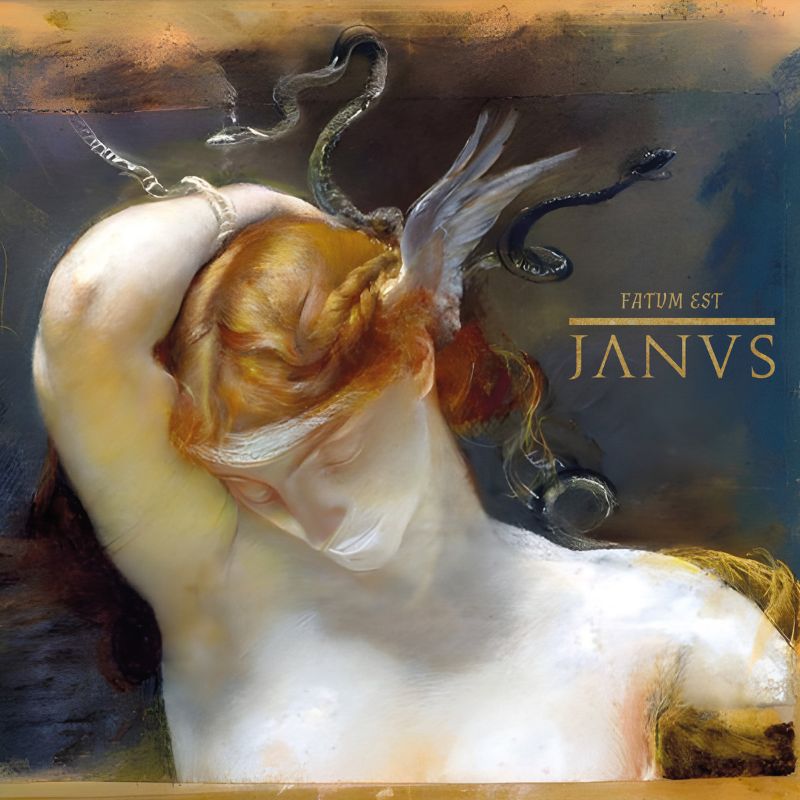
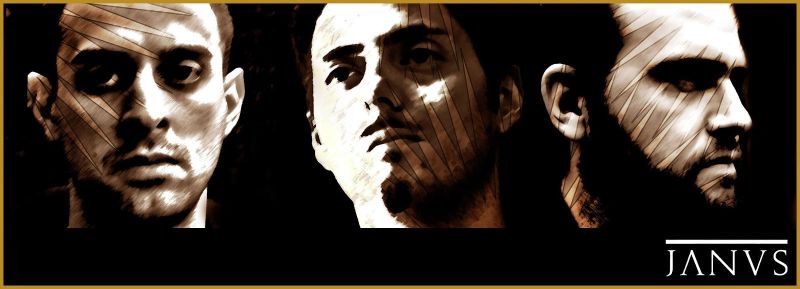
After over a decade of silence, one of the best-kept secrets in the Italian underground scene is rising from the ashes. JANVS, the Roman god of beginnings, passages and endings, is a Progressive Black Metal entity formed in Genoa over two decades ago, which may have fallen through the tides of time for many, but never really forgotten. Now in 2026 the band formed of Matteo “Vinctor” Barelli on vocals, guitars, keyboards and programming, Claudio “Malphas” Fogliato on bass, and Massimo “m:A Fog” Altomare on drums returns from the waves of the Mediterranean sea with a new EP titled Fatum Est, which translates from Latin as “it is fate” or “it is destiny,” following up on their 2014 full-length offering Nigredo. Produced and mastered by the legendary Dan Swanö at Unisound, and displaying as its artwork the piece Studio per la Gorgone e gli Eroi (1890-1899) by Italian artist Giulio Aristide Sartorio, the EP is comprised of five songs where each song draws on a myth, a figure, or an episode from the Hellenic tradition, reshaping and deconstructing its narrative into an existential vision that is both intimate and universal.

The trio kicks off their feast of progressiveness and fury with Bucefalo, with the scathing riffs by Matteo walking hand in hand with his own roars and the massive beats and fills by Massimo. Then a serene intro evolves into another dark and visceral sound in Filo d’Arianna, slower and more introspective, bringing elements of Doom Metal to their core sonority while also exploding in absolute Black Metal magic; followed by Argonauti, a more straightforward blend of Progressive Black and Death Metal where Claudio and Massimo will crack the sky with their thunderous bass and drums. Quis tantus furor is perhaps the most experimental and diverse of all songs, flirting with Dissonant Death Metal at times, with Matteo once again vociferating like a demonic entity, before we face Gaugamela, which reeks of 90’s Swedish Black Metal. Moreover, all gnarling vocals, blast beats and obscure passages turn it into a must-listen for fans of the genre.
Dedicated to those who defy the gaze of the gods, burning without oxygen in infinitesimal and eternal moments of beauty and death, drowned in the void of a cosmos eternally identical to itself, devoid of any purpose, Fatum Est moves forward from the softer atmospheres of their 2008 album Vega, overflowing intensity and desperate cosmic ferocity. You can get to know more about JAVS via Facebook and Instagram, stream their unique music on Spotify, and of course put your hands on Fatum Est from the Avantgarde Music’s BandCamp or Sound Cave. Your destiny is sealed, and JANVS will make sure the soundtrack to your journey is heavy and electrifying armed with their newborn spawn.

Best moments of the album: Filo d’Arianna and Gaugamela.

Worst moments of the album: None.

Released in 2026 Avantgarde Music

Track listing
1. Bucefalo 3:44
2. Filo d’Arianna 4:19
3. Argonauti 4:41
4. Quis tantus furor 6:17
5. Gaugamela 3:48

Band members
Matteo “Vinctor” Barelli – vocals, guitars, keyboards, programming
Claudio “Malphas” Fogliato – bass
Massimo “m:A Fog” Altomare – drums
Album Review – Urna / The Great Jihad (2026)

Italy’s own Black and Funeral Doom Metal architects return after a long hiatus with their fifth full-length opus, approaching the notion of duality from an esoteric perspective and exploring its many manifestations.

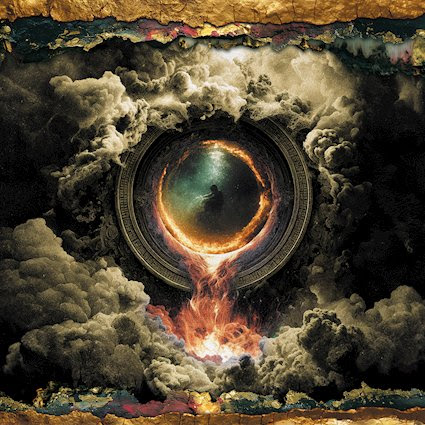
Active in the Extreme Metal underground for more than two decades, Cagliari, Italy’s own esoteric Black and Funeral Doom Metal architects Urna return after a long hiatus with their fifth full-length opus, titled The Great Jihad, the follow-up to their 2013 effort Mors Principium Est. Recorded through multiple sessions between 2014 and 2025 across Italy and the United Kingdom, before being mixed and mastered by the band’s own guitarist MZ at 322 Studio in early 2026, and displaying a colossal artwork by Francesco Gemelli, the new opus by RM on vocals, MZ on the guitars and synthesizers, T (Sangue Nero) on bass, and Sibilans (Anamnesi, Simulacro) on drums is more poisonous and tense than its predecessors, retains the crushing atmosphere and funeral doom connection that have long defined Urna, while pushing their faster passages towards a harsher, more abrasive form of Black Metal. The conceptual framework once again expands RM’s personal spiritual journey through Hermetism, approaching the notion of duality from an esoteric perspective and exploring its many manifestations.

The first half of the album, named Creator, kicks off with First of Three, sounding cadaverous and grim from the very first second, with the harsh vociferations by RM sending shivers down our spines while Sibilans brings absolute heaviness with his blast beats, flowing into Second of Three, just as caustic and visceral as the first song, with MZ slashing his axe in the name of evil, sounding imposing and heavy as hell just the way we like it in Black Metal. And Third of Three starts in a serene, ethereal way before exploding into absolute chaos and heaviness, blending Black and Doom Metal in great fashion to the pounding drums by Sibilans, therefore concluding the album’s first act majestically.

Then we face the second act titled Created, starting with the title-track The Great Jihad, a more epic take on the band’s trademark Funeral Doom Metal essence led by the demonic roars by RM while his bandmates keep delivering absolute darkness and heaviness from their sonic weapons. Dream Death, Towards Rebirth is also dense, visceral and infernal, with the kitchen crafted by T and Sibilans exhaling Doom Metal insanity; and Four Levels of Infinite Splendour ends the album with an epic vibe while also bringing anguish and despair to our rotten souls, with the riffs by MZ once again cutting our flesh deep before the song’s climatic ending.

After all is said and done, you’ll realize that The Great Jihad is a work that feels both familiar and renewed, balancing oppressive density with moments of stark, otherworldly beauty, bringing a journey that began in 2005, when the album was originally crafted, to its intended conclusion. The guys form Urna might not be found on any social media (which in the end is never a bad thing, to be honest), but you can add their striking new album to your collection by purchasing it from the ATMF’s BandCamp or from Metal Odissey, showing your support and admiration for the band and their music. The Great Jihad is dark, intense, bold, multi-layered and, above all that, loyal to the foundations of a band that will never abandon their core Black and Funeral Doom Metal essence no matter what. Because although much has changed since the already distant year of 2003, Urna have not.

Best moments of the album: Second of Three and The Great Jihad.

Worst moments of the album: None.

Released in 2026 ATMF

Track listing
Creator
1. First of Three 5:55
2. Second of Three 4:43
3. Third of Three 7:02

Created
4. The Great Jihad 4:11
5. Dream Death, Towards Rebirth 6:42
6. Four Levels of Infinite Splendour 8:09

Band members
RM – vocals
MZ – guitars, synthesizers
T – bass
Sibilans – drums

Album Review – Shores of Null / Homesick (2026)

This Italian Melodic Death and Doom Metal outfit is back with their striking fifth full-length offering, combining their trademark melancholy with a renewed sense of identity and purpose.

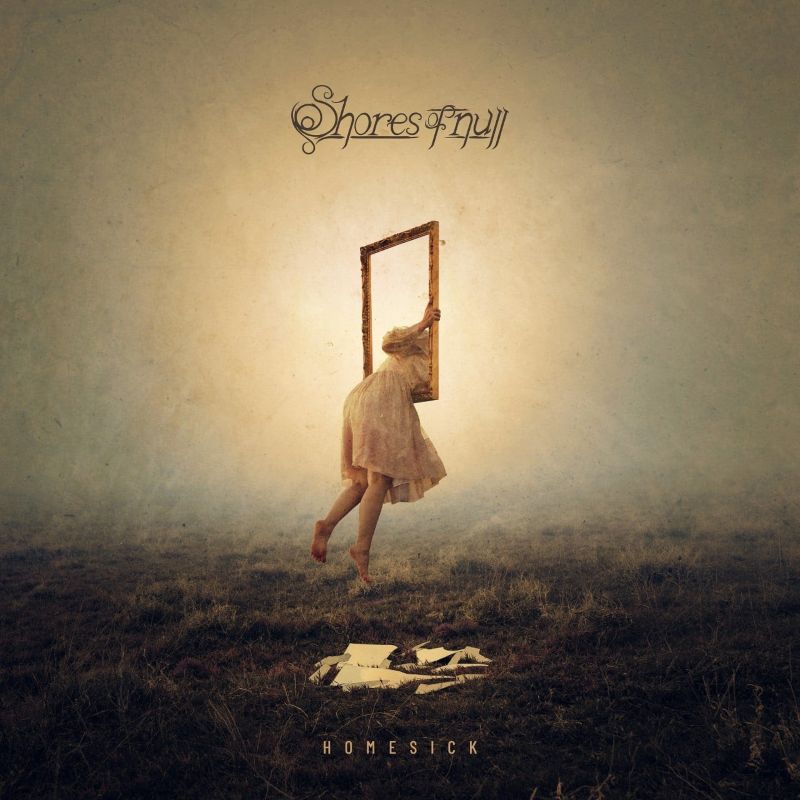
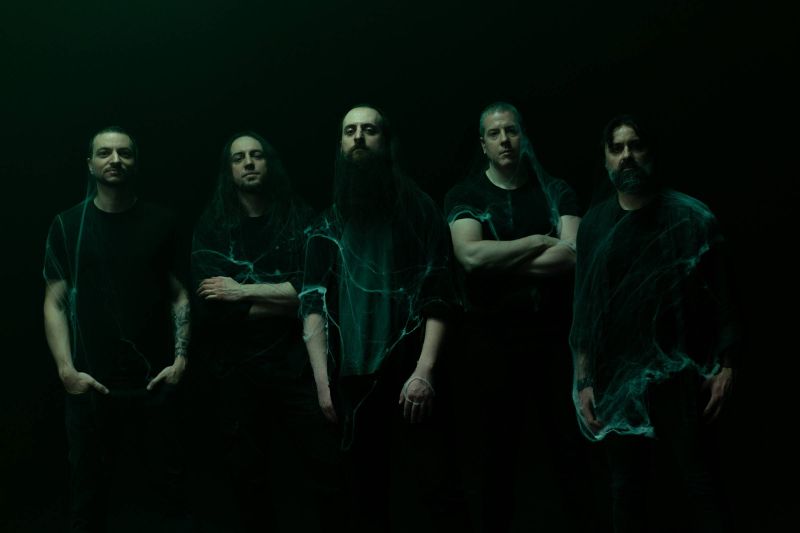
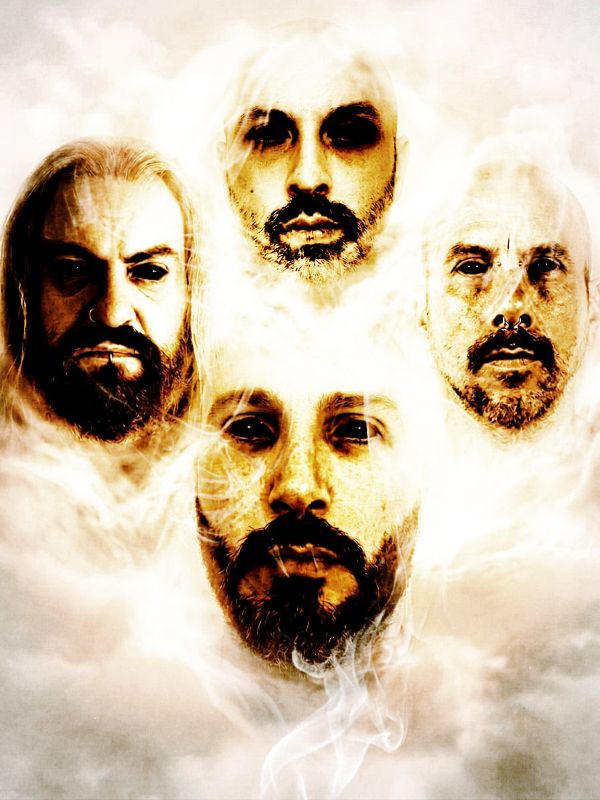
Following their acclaimed 2023 album The Loss Of Beauty, Italian Melodic Death/Doom Metal act Shores of Null continues to expand their emotional and sonic universe with their fifth full-length opus, titled Homesick, a record that combines their trademark melancholy with a renewed sense of identity and purpose. Recorded at Bloom Recording Studios, the new opus by vocalist Davide Straccione, guitarists Gabriele Giaccari and Raffaele Colace, bassist Matteo Capozucca, and drummer Emiliano Cantiano sees the band continue to broaden the expressive range of their sound, moving beyond genre boundaries while preserving the melancholic intensity and refined songwriting that have become the hallmark of one of the most distinctive voices in today’s melodic death and doom landscape. Conceived as a complete listening experience rather than a simple collection of individual songs, Homesick moves through a wide range of emotional states – longing, loss, anger, vulnerability and the search for a place to belong. Each track offers its own identity and emotional weight, but the full picture only emerges when the album is experienced from beginning to end.

Allies Before Defeat already kicks off with an overdose of Doom Metal riffs by Gabriele and Raffaele while the vocals by Davide sound deep, intense and dark; whereas Two Mountains sounds even more captivating, as if Insomnium decided to go full Doom and Gothic Metal, and when Davide fires his deep guttural things get even more exciting and incendiary. Matteo and Emiliano make the earth tremble in the Doom Metal aria Bleed to Life, accompanied by the crying guitars by the band’s axe duo, whereas the title-track Homesick leans towards the melancholic, obscure sounds blasted by the mighty Paradise Lost, dragging our souls to oblivion. And Son of the Tide is another stunning creation by those Italians, with Emiliano delivering a solid fusion of darkness and intricacy through his beats and fills.

Then featuring Shaun MacGowan of My Dying Bride on the violin, Dreaming of a Scar offers a killer fusion of the heaviness of extreme music with the finesse of the violin, while Davide continues to alternate between his devilish gnarls and anguished clean vocals, followed by Society Is the Murderer, perfect for headbanging in pitch black darkness, sounding very emotional and dark with Davide delivering passionate clean vocals. The Numbing Void, showcasing Natalie Koskinen of Shape Of Despair on vocals and Shaun MacGowan again on the violin, is perhaps the most Doom Metal of all songs, where Gabriele and Raffaele are once again on fire armed with their axes, while Another Breath is an excellent song musically speaking, despite lacking the darker vein of the other songs in the album. And lastly, Disappear brings the band back to their core doom-laden sounds, presenting a striking ending to the album to the hammering drums by Emiliano.

“I’m fascinated by themes such as nostalgia, loss, belonging, and the ways in which the past continues to shape who we are. Sometimes inspiration simply comes from observing the world around me. Other times it starts with a question I can’t answer, and writing becomes a way to explore it. With Homesick, I found myself reflecting on the idea of ‘home’ as something much deeper than a place. Many of the lyrics revolve around that tension between longing and pain, between the desire to return and the fear of what might still be waiting for us there,” commented Davide, inviting us on a sonic journey for fans of Paradise Lost, Amorphis, Swallow The Sun, Katatonia, and Borknagar. Don’t forget to follow the band on Facebook and on Instagram, to stream their music on Spotify, and of course to purchase Homesick from Dusktone’s BandCamp (please note the vinyl edition will include a short intro created specifically for the format, designed to enhance the Side A / Side B listening experience without altering the essence of the album). Homesick is undoubtedly one of the strongest statements of their career, a deeply emotional, carefully crafted and immersive record that confirms their place among the leading forces of Melodic Death and Doom Metal, transpiring an array of emotions that only the heaviest and darkest of the subgenres of heavy music can provide to our suffering souls.

Best moments of the album: Two Mountains, Son of the Tide and The Numbing Void.

Worst moments of the album: Another Breath.

Released in 2026 Dusktone

Track listing
1. Allies Before Defeat 4:35
2. Two Mountains 4:34
3. Bleed to Life 4:09
4. Homesick 5:31
5. Son of the Tide 4:18
6. Dreaming of a Scar 5:08
7. Society Is the Murderer 4:30
8. The Numbing Void 6:18
9. Another Breath 3:52
10. Disappear 4:33

Band members
Davide Straccione – vocals
Gabriele Giaccari – guitars
Raffaele Colace – guitars
Matteo Capozucca – bass
Emiliano Cantiano – drums

Guest musicians
Natalie Koskinen – vocals on “The Numbing Void”
Shaun MacGowan – violin on “Dreaming Of A Scar” and “The Numbing Void”

Album Review – Fate Unburied / Neraspeme (2026)

Blending Death Metal with progressive influences, this Italian band is back with their sophomore album, exploring the full emotional cycle that unfolds as a relationship nears its end.

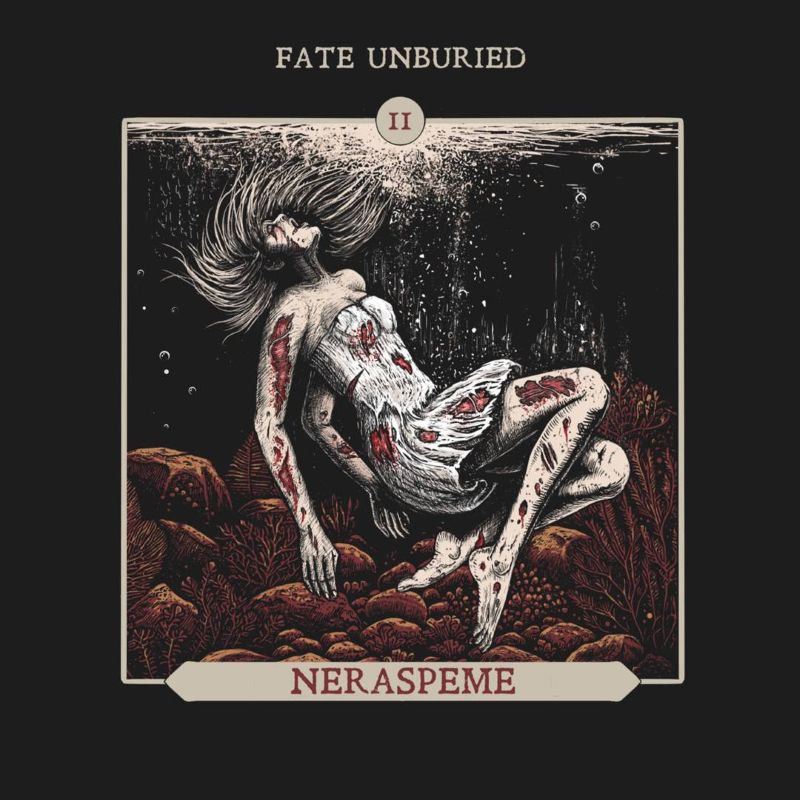
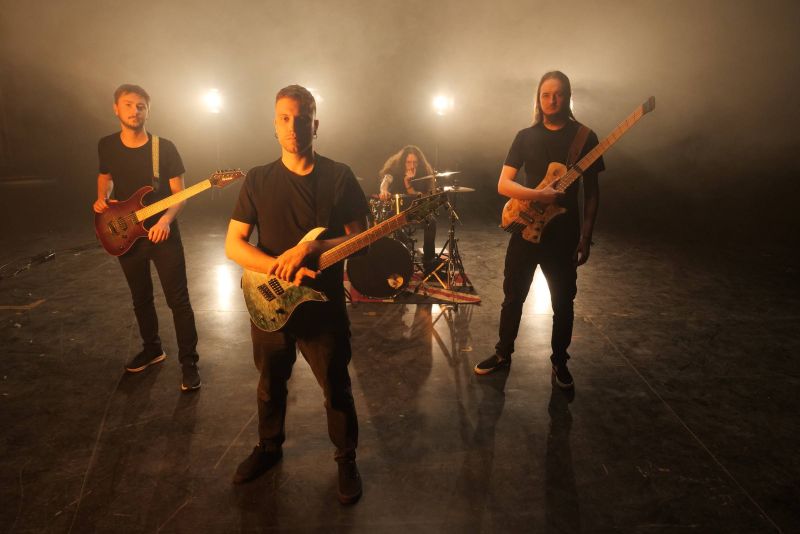
Blending Death Metal with progressive influences, creating a rich and inspiring sound always influenced by new experiences, Vicenza, Italy-based four-piece Progressive Groove/Death Metal band Fate Unburied is unleashing upon us their sophomore album, titled Neraspeme, following up on their 2017 debut Logos and their EPs A Pale Color Perception: Hostility (2020) and A Pale Color Perception: Observant (2021). Produced and mixed by Francesco Garatti at Death Lab Studios, mastered by Fabrizio Gesuato at Fiery Water Recording Studio, and showcasing a suffocating artwork by Erwin (aka Toxin Figure), the new album by Riccardo Babbolin on vocals and guitar, Francesco Garatti also on the guitar, Davide Piccolo on bass, and Giorgio Piva on drums explores the full emotional cycle that unfolds as a relationship nears its end. The tracks move like chapters in an internal collapse, from blinding anger, to confused madness, to that distorted, dark sense of hope hinted at in the album’s title, a hope that offers no salvation and dissolves like a mirage.

Hope., featuring a voiceover work by Clara Wright, reciting the poem “Hope” by Alice Dunbar-Nelson, offers a Stygian intro to Expecting Nothing, where their progressiveness clashes beautifully with the sheer violence flowing from Riccardo’s vocals. Their Groove Metal vein explodes in absolute chaos and fury in Drain, led by the crushing riffs by Riccardo and Francesco; and Davide’s metallic bass sets the tone in Not Allowed, accompanied by the massive beats by Giorgio. The Descent invites us all to slam into the circle pit to the killer vocals by Riccardo while his bandmates pound their instruments nonstop, followed by Deep Rest, one of the most intricate and progressive of all songs, sounding like some of the heaviest tunes by Mastodon.

Davide keeps hammering his bass in Seed, Feed, Keep, transpiring heaviness while sounding very melodic and groovy at the same time, whereas Seeking Perfect Harmony presents an excellent hybrid of Progressive and Groove Metal, also showcasing elements from Djent to give it an extra kick. Garden is another song that will blow your mind with its complex passages being boosted by Riccardo’s primeval screams, while A Pragmatic Way Out showcases a galloping rhythm thanks to another ass-kicking performance by Giorgio on drums. Nowhere, After All also carries the band’s trademark progressiveness, despite lacking more punch in the end; while the band ends the album with the also multi-layered and climatic The Gift, with its last part bring peace and serenity to our hearts.

A Death Metal concept album made of 12 tracks, each crafted to shake, surprise, and pull the listener in without ever giving them a moment of rest, Neraspeme is a sonic journey into the heart of a dying relationship. Always following their vision inspired by the human being, Fate Unburied are on fire throughout their new album, and you can get to know more about the band and their music on Facebook and on Instagram, including their live concerts, stream their creations on Spotify, and purchase Neraspeme from the Time To Kill Records’ BandCamp or webstore. Relationships come and go, but heavy music is forever, and Fate Unburied are among us to prove that once and for all.

Best moments of the album: Drain, Deep Rest and Garden.

Worst moments of the album: Nowhere, After All.

Released in 2026 Time To Kill Records

Track listing
1. Hope. 0:54
2. Expecting Nothing 2:52
3. Drain 3:12
4. Not Allowed 3:09
5. The Descent 3:57
6. Deep Rest 4:23
7. Seed, Feed, Keep 3:33
8. Seeking Perfect Harmony 4:15
9. Garden 2:22
10. A Pragmatic Way Out 4:13
11. Nowhere, After All 3:45
12. The Gift 4:27

Band members
Riccardo Babbolin – vocals, guitar
Francesco Garatti – guitar
Davide Piccolo – bass
Giorgio Piva – drums

Guest musician
Clara Wright – narration on “Hope.”

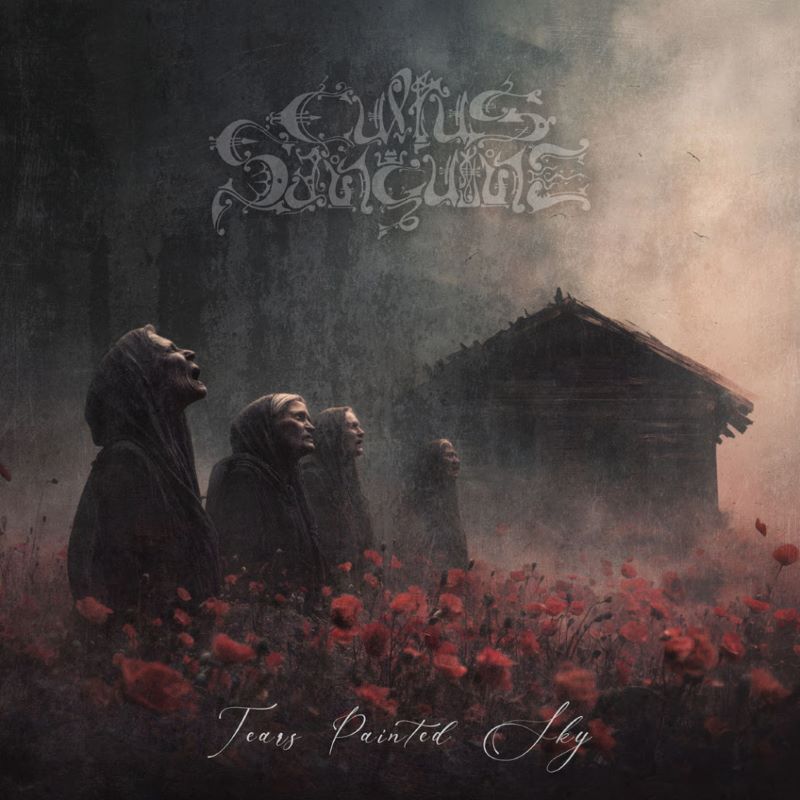
Album Review – Cultus Sanguine / Tears Painted Sky (2026)

These Italian veterans are back with their fourth opus, immersing us all in dark, powerful sounds that take us on a slow, relentless journey into the depths of the soul, a place where pain and darkness take shape.

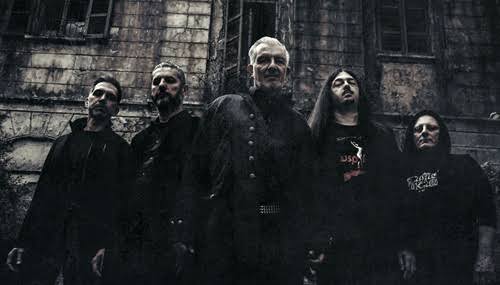
Formed in 1993 in Milan, Italy, Cultus Sanguine are one of the most influential and genre defining bands in the history of dark, devilish Blackened Gothic and Doom Metal, having already release the cult albums Shadows’ Blood (1997), The Sum of All Fears (1999), and Dust Once Alive (2023). Written and composed by the band itself, recorded, mixed and mastered by Danilo Dilorenzo at MoonHouse Studio,  and displaying a sinister artwork and layout by Federico Rebusso, Tears Painted Sky is the fourth studio album by Joe Ferrero on vocals, Federico Rebusso on the guitars, Luca Difato on bass, Daniele Bovo on keyboards, and Fabrizio Cislaghi on drums, immersing us all in dark, powerful sounds that take us on a slow, relentless journey into the depths of the soul, a place where pain and darkness take shape.

The quintet wastes no time and fills up every single space in the air with their dark and atmospheric sounds in Tears Painted Sky, led by the striking keys by Daniele and the massive beats by Fabrizio; and the deep vociferations by Joe set the tone in the also obscure Inner Solitude, with their Gothic Metal vein pulsing harder than ever. In When Silence Devours we see the band blend the heaviness of Doom Metal with the delicate sounds of Gothic Rock and Metal, with Daniele being once again on fire behind his drums, followed by My Wounds Are Eternal, a pensive tune that carries a beautiful title, with Federico bringing sheer heaviness through his axe. And then we face Le tue ossa sono fredde, or “your bones are cold” from Italian, featuring guest Luca Difato on the violin, evolving into a visceral display of Doom Metal with atmospheric elements.

Pale Presence offers a more generic version of their own blend of Atmospheric Gothic and Doom Metal. It’s still a solid effort by the boys, but it lacks the same intensity of the previous tunes, whereas Grey, Cold and Unforgiving showcases a more theatrical side of the band, with the reverberating bass by Lucas adding even more obscurity to Daniele’s phantasmagorical keys. Rise to Nowhere continues with their theatre of doom, with Joe again delivering absolute anguish and heaviness through his vocals lines, supported by the minimalist, caustic guitars by Federico, flowing into the closing tune Funeral Farewells, as heavy as it is dynamic, multi-layered and grim, where Joe’s vocals are effectively boosted by the song’s background vocals (not to mention the scathing riffs by Federico), therefore putting a climatic ending to the album.

With the release of Tears Painted Sky, Cultus Sanguine are pushing beyond the already fragile boundaries of their poetic vision, exploring painful territories and surrendering completely to the aesthetics of the end. There is no consolation, no hope, no catharsis; just an elegant and decadent representation of the inner twilight. In case you want to follow the band into such harsh territories, you can find them on Facebook and on Instagram, stream their music on any platform like Spotify, and of course purchase their new album from their own BandCamp or from My Kingdom Music’s BandCamp or webstore (or click HERE for all things Cultus Sanguine). The cult is alive, the sky is painted with tears, and the new album by these Italian veterans is the perfect soundtrack for such darkness and melancholy.

Best moments of the album: Tears Painted Sky, My Wounds Are Eternal and Funeral Farewells.

Worst moments of the album: Pale Presence.

Released in 2026 My Kingdom Music

Track listing
1. Tears Painted Sky 6:06
2. Inner Solitude 5:32
3. When Silence Devours 4:30
4. My Wounds Are Eternal5:20
5. Le tue ossa sono fredde 4:39
6. Pale Presence 5:31
7. Grey, Cold and Unforgiving 5:06
8. Rise to Nowhere 5:38
9. Funeral Farewells 6:55

Band members
Joe Ferrero – vocals
Federico Rebusso – guitars
Luca Difato – bass
Daniele Bovo – keyboards
Fabrizio Cislaghi – drums

Guest musician
Luca Difato – violin on “Le tue ossa sono fredde”

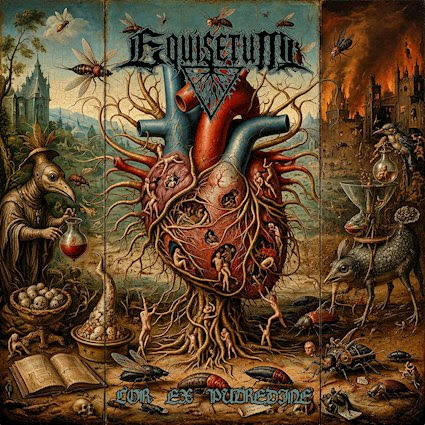
Album Review – Equisetum / Cor Ex Putredine (2026)

Behold the heart from rottenness offered by this up-and-coming Italian Apocalyptic Doom Metal duo in their debut album.

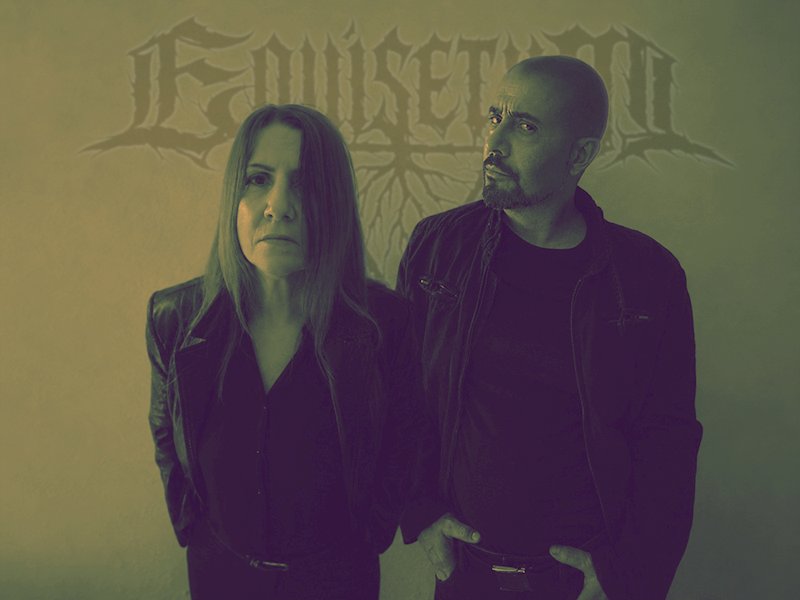
Equisetum (commonly known as horsetail) is a genus of primitive plants historically used to scour and polish metal surfaces because its stems contain high levels of abrasive silica. In heavy music, Equisetum are an up-and-coming Apocalyptic Doom Metal hailing from Italy who are unleashing upon humanity their debut offering, titled Cor Ex Putredine, or “heart from rottenness” from Latin. Recorded at Camera Ardente III-MS (vocals) and Camera Ardente IV-BS (guitars, bass and drums), the striking debut by vocalist Noctuaria, who was also responsible for all lyrics (sung in a ritualistic and visionary way, exploring themes of decay and loss), and multi-instrumentalist Mortifero, who took care of the mixing, mastering, music, artwork and layout, is rooted in the traditional Italian dark sound with a reference to Alkaest by Paul Chain, while expanding into multiple Doom Metal trajectories, from the heavier and alienating reminiscences of Celtic Frost, to the more irregular and dissonant approach of Unholy, up to the slow, gothic atmospheres of Type O Negative. Not only that, subtle Black Metal influences emerge, particularly in the construction of rhythmic textures, drawing from the essence of Thorns.

The album begins with the six-minute caustic aria Aghram, where Noctuaria already delivers her phantasmagorical vocals supported by the Doom Metal beats by Mortifero, not to mention his low-tuned, scorching bass will hammer your cranial skull. And Mortifero keeps firing dirty riffs and bass lines in Il Canto Degli Impiccati, once again utterly heavy and ritualistic. Mente Sepolta lives up to the legacy of classic Doom Metal infused with darker and tribal vibes, perfect for some ruthless headbanging, whereas Noctuaria’s vocals will send shivers down our spines in Mortuaria while Mortifero keeps pounding his drums in the name of sheer doom. Presenze Oniriche brings forward another seven minutes not recommended for the faint at heart where Noctuaria sounds hypnotizing with her deep vocalizations; and the Triptykon-like scathing bass by Mortifero will embrace us in darkness in Prevenar. It is as apocalyptic as it is evil, exhaling despair and melancholy. Finally, they still have one last breath of visceral Doom Metal in the form of Rymohr, where the wall of sounds crafted by Mortifero is beyond demonic.

In a nutshell, Cor Ex Putredine presents itself as a focused debut by this promising duo from the always beautiful Italian Extreme Metal scene, built on controlled contrasts and a balance between heaviness and timbral exploration. Hence, if you want to know more about Noctuaria and Mortifero, their music, plans for the future and so on, you can find them on Facebook and on Instagram, stream their doomed creations on Spotify, and above all that, put your hands on Cor Ex Putredine by purchasing it from BandCamp. Death is not an event, Death is a process, and the debut opus by this Italian duo is among us to remind us of such a harsh reality.

Best moments of the album: Aghram and Prevenar.

Worst moments of the album: None.

Released in 2026 My Kingdom Music

Track listing
1. Aghram 6:06
2. Il Canto Degli Impiccati 5:57
3. Mente Sepolta 5:12
4. Mortuaria 6:07
5. Presenze Oniriche 7:04
6. Prevenar 6:38
7. Rymohr 6:42

Band members
Noctuaria – vocals
Mortifero – guitars, bass, drums

Album Review – Necrocene / Scumocracy (2026)

The new album by this Italian Death Metal horde transforms concepts of social decay and technological obsolescence into a perfect, clear-sighted manifestation of a world careening toward its final, self-inflicted epoch.

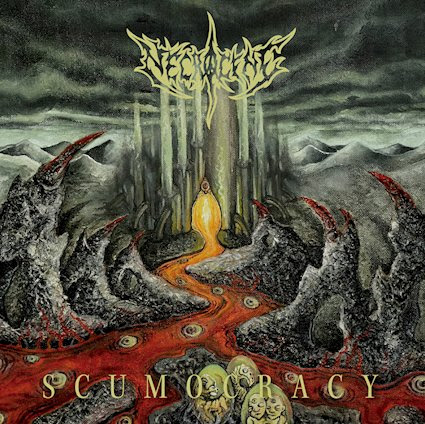
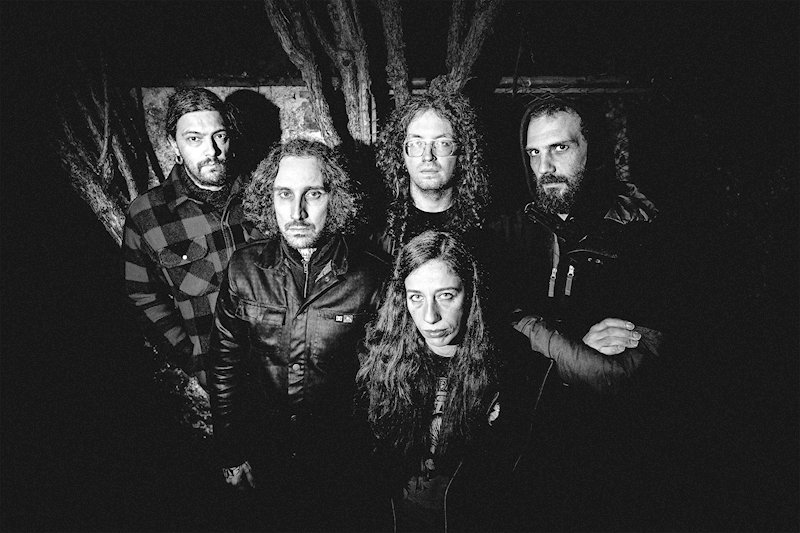
There is a crushing weight bearing down on the globe presently, an unbridled destruction that breeds indifference. It is from this bleak reality that Italian horde Necrocene draws their breath, delivering a style of Death Metal that is deliberately pedantic, abrasive, and deeply rooted in the genre’s foundational essence. Following their well-received 2024 debut EP Detrimental Paratomy, the band formed of Iacopo “Apo” Macchia on vocals, Alessandro “Alex” Rossi and Gioia “Joy” Capelli Ghioldi on the guitars, Daniel “Dan” Martini on bass, and Stefano “Ste” Giannotti on drums is ready to attack again with their first full-length offering, titled Scumocracy, capturing the defiant, provocative spirit of early Obituary, Death, and Cancer while translating the band’s shared counter-cultural roots into severe musical weight.

The obscure intro (Threshold) will darken the skies before your mind is consumed by the band’s doom-laden Death Metal in Ordinary Enemy, where Alex and Joy show no mercy for our souls with their sharp, caustic riffs, inspiring us all to bang our heads together with the quintet. Then we face Tempestarii, a true storm of raw and putrid Death Metal where Apo vociferates like an evil entity, sending shivers down our spines, followed by Scale of Grey, another frantic, no shenanigans display of Death Metal made in Italy led by the crushing drums by Ste. And their first “act” in the album ends with the title-track Scumocracy, where their scorching riffs and blast beats match perfectly with Apo’s demonic roars.

After another Stygian, eerie instrumental piece titled (Stillpoint), all hell breaks loose with Human Lithification, a slab of brutality, violence and gore by Necrocene where Alex and Joy once again deliver an avalanche of melodic yet visceral riffs. The band then puts the pedal to the metal in Concrete Petrichor, spearheaded by another ruthless vocal performance by Apo and accompanied by the nonstop, demented drums by Ste. Weapons of the Damned blends vile Doom Metal with their core Death Metal insanity, resulting in a venomous tune not recommended for the lighthearted, whereas The Lust of Us closes the album with more of the scathing riffage by Alex and Roy in a true headbanging extravaganza.

Balancing sudden shifts in tempo with agonizingly heavy, cadenced downtempos, Scumocracy transforms concepts of social decay and technological obsolescence into a perfect, clear-sighted manifestation of a world careening toward its final, self-inflicted epoch, and you can get more details about Necrocene and their apocalyptic music via Facebook and Instagram, stream their ruthless music on Spotify, and of course join them in total chaos and disorder by purchasing a copy of Scumocracy from the Personal Records’ BandCamp or webstore. We’re indeed a rotten democracy of scumbags, and the Death Metal blasted by Necrocene in their new album is here to remind us all of such a harsh reality.

Best moments of the album: Tempestarii, Scale of Grey and Weapons of the Damned.

Worst moments of the album: None.

Released in 2026 Personal Records

Track listing
1. (Threshold) 1:06
2. Ordinary Enemy 3:14
3. Tempestarii 4:05
4. Scale of Grey 2:08
5. Scumocracy 4:46
6. (Stillpoint) 1:43
7. Human Lithification 3:09
8. Concrete Petrichor 2:58
9. Weapons of the Damned 4:23
10. The Lust of Us 3:49

Band members
Iacopo “Apo” Macchia – vocals
Alessandro “Alex” Rossi – guitar
Gioia “Joy” Capelli Ghioldi – guitar
Daniel “Dan” Martini – bass
Stefano “Ste” Giannotti – drums

Album Review – Feralia / Ultima Requies (2026)

Delving deeper into their singular vision of Black Metal, this Stygian entity returns with their third offering, inviting us all for our final rest.

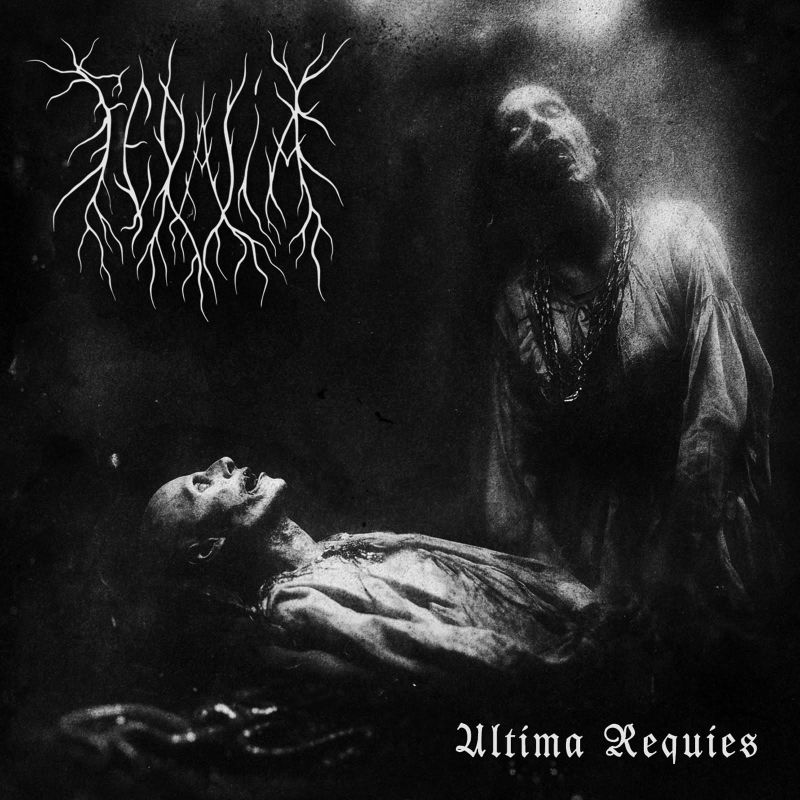
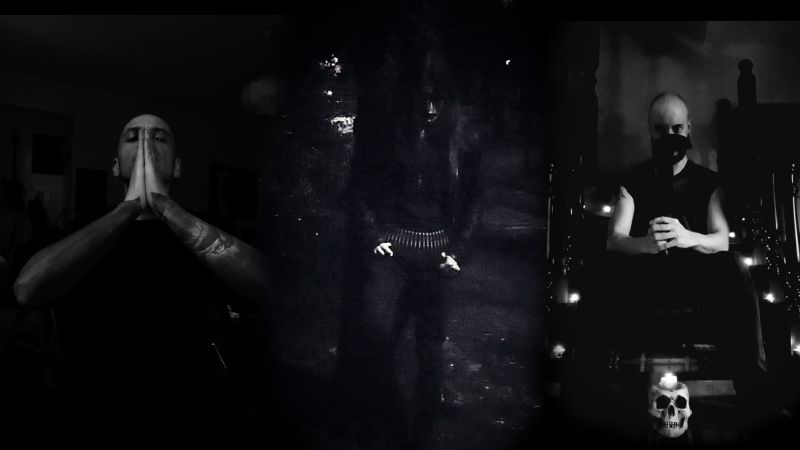
Delving deeper into their singular vision of Black Metal, forging a work that resists easy categorization, the uncanny Italian and Swedish entity known as Feralia (named after public religious ceremonies of ancient Rome held in honor of the dead upon the last day of the Parentalia) attacks again with their third studio offering, titled Ultima Requies, a Latin phrase that translates to “the last rest,” following up on their 2022 opus Under Stige / Over Dianam. Showcasing a grim artwork depicting a reinterpretation of the necromantic ritual of Erichto, the Thessalian witch described in “De Bello Civili” by Lucan, while the band’s sound remains anchored in a sense of the sacred, drawing from arcane and occult dimensions tied to the archaic Roman world, the album is neither rooted in old school orthodoxy nor aligned with the polished tendencies of contemporary production. Instead, it stands as a raw and evocative offering, where abrasive textures and ritualistic atmospheres converge into something austere, immersive and profoundly spiritual, all masterfully crafted by Erymanthon Seth on vocals, guitars and synths, Raijinous on the guitars and synths, Krhura on bass, and Summum Algor on drums.

The visceral riffs by Erymanthon Seth and Raijinous transpire classic Black Metal right from the start in Ballata Avernale, while the same Erymanthon Seth vociferates rabidly like a creature form the underworld; whereas Ver Sacrum also starts on a harsh and violent mode, exploding into a modern version of Black Metal not recommended for the lighthearted. Then in the nine-minute aria Pharsalia, we face an ethereal intro that gradually evolves into another bestial sound led by Summum Algor’s demolishing beats and fills, supported by the menacing bass by Krhura, followed by Empireo, with again their background keys embellishing the airwaves in an instrumental tune that sounds like it was taken from an Italian horror movie, warming us up for the scorching Marpiter, where Erymanthon Seth roars and gnarls in anguish and hatred while Summum Algor keeps hammering his drums manically. After that we face Defigere, one of the most detailed, dynamic and diverse songs of the album, with its hints of Doom Metal and Dungeon Synth adding an extra touch of insanity ot their core Black Metal madness, all boosted by the razor-edged guitars by Erymanthon Seth and Raijinous; and lastly, we have a more direct Black Metal extravaganza titled Miasma, where all instruments are breathing fire until all fades into oblivion.

Following the path opened by their previous albums Helios Manifesto and Under Stige / Over Dianam, the band further refined their language in Ultima Requies, balancing raw intensity with a deeply contemplative undercurrent. The result is an album that feels both immediate and timeless, grounded in the physicality of Black Metal yet reaching toward something intangible and eternal, and if you want to know more about such an obscure band you can find them on Facebook and on Instagram, stream their music on Spotify, and of course purchase their scorching new album from their own BandCamp, as well as from ATMF’s BandCamp or from Metal Odissey. This is Black Metal at its most evocative, atmospheric and Stygian form, inviting you for your final rest to the sound of its venomous lullabies.

Best moments of the album: Ballata Avernale and Defigere.

Worst moments of the album: None.

Released in 2026 ATMF

Track listing
1. Ballata Avernale 8:01
2. Ver Sacrum 8:50
3. Pharsalia 9:22
4. Empireo 5:20
5. Marpiter 6:57
6. Defigere 8:47
7. Miasma 6:27

Band members
Erymanthon Seth – vocals, guitars, synths
Raijinous – guitars, dynths, backing vocals
Krhura – bass
Summum Algor – drums

Album Review – Tombal / Grave of the Damned EP (2026)

Making their way straight out of a grave and crawling into the human-known world, this Italian Death Metal beast keeps the past alive and undead in their striking debut EP.

Making their way straight out of a grave and crawling into the human-known world close to the end of 2025, Italian Death Metal creature Tombal is ready to unleash absolute hell upon humanity armed with their striking debut EP, a 16-minute assault of bestial violence and savagery titled Grave of the Damned. Heavily inspired by the HM-2’s fierce and sharp tones, the band formed of Luigi Cara on vocals and guitar, Mario Tamponi also on the guitar, Massimiliano Falchi on bass, and Luca Barone on drums channels the tradition of Swedish Death Metal in their debut offering, finding their identity in a violent, ferocious sound with no compromises, therefore resulting in a swift and satisfying display of classic 90’s extreme music for admirers of the genre.

After the short and bitter intro Cryptic Invocations, the band begins their feast of caustic, no shenanigans Death Metal in the title-track Grave of the Damned, led by the pulverizing roars by Luigi and the crushing drums by Luca, proving the band is not fooling around in their quest for violent, gory and brutal extreme music. Then the metallic bass by Massimiliano sets the tone in the also fast and ruthless Cemeterial Death Worship, with Mario bringing his share of melodic yet visceral riffs to the band’s core sonority, whereas in Funebral Furnace they invite us all to slam into the circle pit as if our lives depended on it, with Luigi once again barking and growling deeply in the name of our good old Death Metal. Lastly, we’re treated to Cathedrals of Rot, a first-class metal attack by the band without a single second of peace, destroying us all and leaving us eager for more of their demonic music in the near future.

Tombal’s opening statement is so impressive that the band is already working on their first ever full-length album, which is slated to be recorded before year’s end, keeping us pumped for the new carnage that’s about to come from beautiful Italy. In the meantime, you can start following those talented and promising musicians on Facebook and on Instagram, including their ferocious live concerts, stream their bludgeoning music on any streaming service like Spotify, and of course grab a copy of their debut EP from Blood Harvest’s BandCamp or webstore. Because the past is not just alive through the music by Tombal, but also undead.

Best moments of the album: Grave of the Damned and Cathedrals of Rot.

Worst moments of the album: None.

Released in 2026 Blood Harvest

Track listing
1. Cryptic Invocations (Intro) 1:01
2. Grave of the Damned 4:00
3. Cemeterial Death Worship 3:59
4. Funebral Furnace 3:46
5. Cathedrals of Rot 3:01

Band members
Luigi Cara – vocals, guitar
Mario Tamponi – guitar
Massimiliano Falchi – bass
Luca Barone – drums