Album Review – Anzv / Kur (2025)

The world of the dead is calling us all to the sound of the newborn spawn by this mysterious Portuguese horde, opening our ears and hearts to the underworld of nihilism and despair.

Taking their name from the Mesopotamian monster figure Anzû, described as a divine storm bird who could breathe fire and water or in some descriptions as a lion-headed eagle, while also considered as the personification of the southern wind and the thunder clouds, Porto, Portugal-based Death/Black Metal beast Anzv is challenging the spiritual possibilities of seeing beyond the void and into the nothingness of nothing in their sophomore opus, entitled Kur, opening your ears and hearts to the underworld of nihilism and despair. Written, produced, and conceptualized by the band’s own guitarist M., mastered by M. and Bruno Silva, and displaying an ominous artwork by vocalist A. (of Dantas Inferno), the follow-up to their 2022 album Gallas continues to blend Portugal’s dark musical side with the Sumerian underworld, resulting in extra creepy, hostile and mysterious soundscapes masterfully crafted by the aforementioned A. and M. alongside guitarist N., bassist T., and drummer E.

In Sumerian, Ekur means “mountain house” and refers to the sacred temple of the god Enlil in the city of Nippur, while musically speaking it’s a devilish and harsh display of Black Metal, with the guitars by M. and N. exhaling sulfur. Then we have Imdugud, which in ancient Mesopotamian religion refers to a monstrous bird, often depicted as a lion-headed eagle or griffin, with A. continuing to vociferate like a demonic entity supported by the rumbling kitchen by T. and E.; followed by Alû, a vengeful, nocturnal spirit in Akkadian and Sumerian mythology, often described as a shadow demon or evil spirit that terrifies people in their sleep and can cause nightmares, with the band showcasing their trademark fusion of Black and Death Metal with Sumerian mythology. Sahar, of Arabic origin, meaning “dawn” or “the time before dawn”, is a two-minute aria of darkness with their riffage penetrating deep inside our skin; and Shamash, a  Hebrew word (שמש) that means “servant” or “helper”, is a lecture in Melodic Black Metal where the vocals by A. will send shivers down your putrid spine.

An Edimmu in Mesopotamian mythology refers to a type of spirit often associated with the ghosts of those who died and did not receive a proper burial, with the music sounding devilish and grim from the very first second while M. and N. fire pure darkness form their axes, followed by Etemenanki, meaning “House of the Foundation of Heaven and Earth” in Sumerian, the name of a ziggurat (stepped temple) dedicated to the god Marduk in ancient Babylon, sounding as venomous as its predecessors, all boosted by another visceral vocal performance by A. Then in Ancient Mesopotamian religion, Namtaru is a deity who personifies death and destiny, and that’s exactly the feeling in this vile aria, offering an overdose of caustic Black Metal to our avid ears. Lamashtu is the most terrible of all female demons in Mesopotamian religion, the daughter of the sky god Anu, and the band needs less than two minutes to pulverize our souls with their hellish sounds, before all comes to an end with Anzû, a monster in several Mesopotamian religions, where A. keeps roaring darkly while E. hammers his drums nonstop.

In the context of Sumerian mythology, “kur” refers to the underworld or the world of the dead, and each song in Kur is deeply rooted in that thematic, either representing a lion-headed, winged eagle monster, a class of spirits, or a demonic deity depicted as a hybrid creature with lion, bird, and human features, among others, and it’s that additional touch of obscurity and mystery that truly elevates the album’s power and energy to a whole new level. You can find more information about such a brilliant Portuguese horde on Facebook and on Instagram, stream their Stygian creations on Spotify, and put your damned hands on Kur by clicking HERE or HERE. In the end, the world of the dead is calling us all to the sound of Anzv’s newborn spawn, dragging us all into eternal darkness in the name of our beloved Black Metal.

Best moments of the album: Imdugud, Shamash and Namtaru.

Worst moments of the album: None.

Released in 2025 Edged Circle Productions

Track listing
1. Ekur 5:21
2. Imdugud 5:03
3. Alû 4:05
4. Sahar 3:55
5. Shamash 4:56
6. Edimmu 6:25
7. Etemenanki 5:09
8. Namtaru 4:02
9. Lamashtu 3:15
10. Anzû 2:57

Band members
A. – vocals
M. – guitars
N. – guitars
T. – bass
E. – drums
Album Review – Avtotheism / Reflections Of Execrable Stillness (2024)

A Death Metal work-of-art consisting of two parts, the first revolving around the relationship between Man and Nature, while the second focuses on the connection between Man and God.

“We are entangled in illusions of movement
Lying into incarnations of hush”

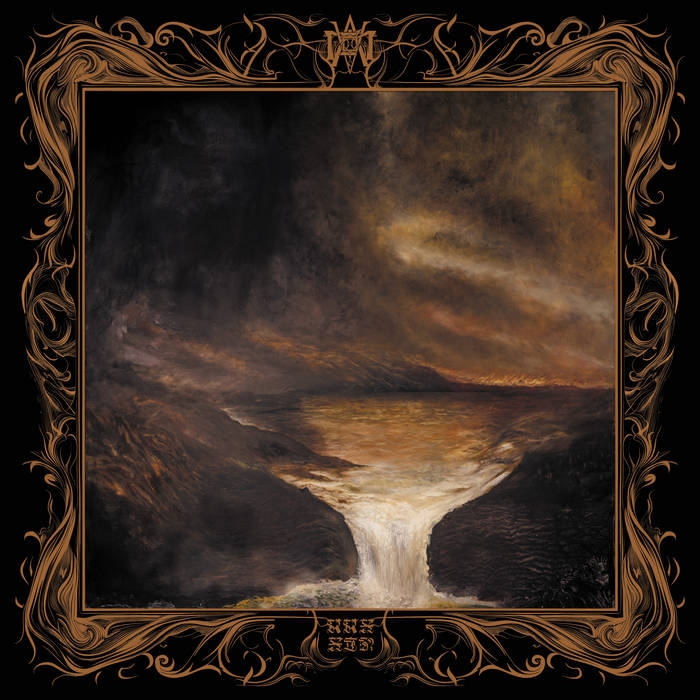
Formed in Brescia, Italy in 2016, Technical Death Metal horde Avtotheism crafts a unique blend of Death Metal by adding sulfurous, atmospheric and dark ambient elements to their sound, which is exactly what you’ll get in their newborn beast titled Reflections Of Execrable Stillness, the follow-up to their 2021 debut The Sleeper Awakens. Displaying a beautiful painting by Vama Marga, the new album by P on vocals, R on the guitars, L on bass and N on drums consists of two parts, with the first four tracks being brand new, unreleased material composed in 2022, while the second part is a single, challenging 17-minute song written between 2016 and 2017, and while these two parts deal with different topics, yet they’re inherently linked, as the first is a concept revolving around the relationship between Man and Nature, the cyclic nature of time and events, while the second, on the other hand, is a monolithic song focusing on the connection between Man and God.

Multitudes Of The Sand I is utterly experimental and progressive during a good part of its intro before razor-edged riffs and blast beats fill every single space in the air in a beautiful feast of Technical Death Metal, all boosted by the cadaverous roars by P, whereas Multitudes Of The Sand II already begins in full force to the massive drums by N, flowing majestically until the very last second with tons of intricacy and rage bursting from N’s classic drums, therefore resulting in one of the strongest songs of the album. Then we have Incarnations Of Hush, as heavy and infuriated as it’s phantasmagorical and progressive, and definitely not recommended for the lighthearted, with the guest solo by Matteo Gresele (Ad Nauseam) bringing an extra touch of insanity to the music; connecting with the atmospheric, ethereal Upon Wrecks Of Desolation, one of those cryptic instrumental tunes that puts an end to the first part of the album before the band attack all of our senses with 17 minutes of uncanny Death Metal entitled Dogma Sculptured In The Flesh, a venomous, thunderous creation by the band overflowing violence, hatred and obscurity where the guitars by R sound absolutely austere and evil, not to mention how deep, enraged the growls by P are during the entire song. Put differently, it’s like multiple songs in one, a metallic and experimental sonic voyage that ends in a beyond atmospheric way for our total delight.

The name Avtotheism is used to describe both sacredness and iconoclasm, the elevation of the self beyond religion and divinity, and add to that the band’s lyrics dealing with philosophical concepts of the end of times and human annihilation and you have a bold, caustic blend of Death Metal perfect for the apocalypse. Hence, don’t forget to follow the band on Facebook and on Instagram, to stream their wicked music on Spotify, and to purchase the excellent Reflections Of Execrable Stillness from Avantgarde Music or from Sound Cave, strengthening your connection with Nature, with God and, consequently, preparing your soul for the inevitable end of our decaying world.

Best moments of the album: Multitudes Of The Sand II and Dogma Sculptured In The Flesh.

Worst moments of the album: None.

Released in 2024 Unorthodox Emanations

Track listing
1. Multitudes Of The Sand I 6:55
2. Multitudes Of The Sand II 5:40
3. Incarnations Of Hush 4:56
4. Upon Wrecks Of Desolation 3:26
5. Dogma Sculptured In The Flesh 17:06

Band members
P – vocals
R – guitars
L – bass
N – drums

Guest musician
Matteo Gresele – guitar solo on “Incarnations Of Hush”

Album Review – Boarhammer / I: Cutting Wood for Magickal Purposes (2021)

May you enjoy the outcome of the cooperation of the men of the cave and the boar of the woods, speaking of wood mysticism, ancient folk magick, and the strangeness of liquids and herbs.

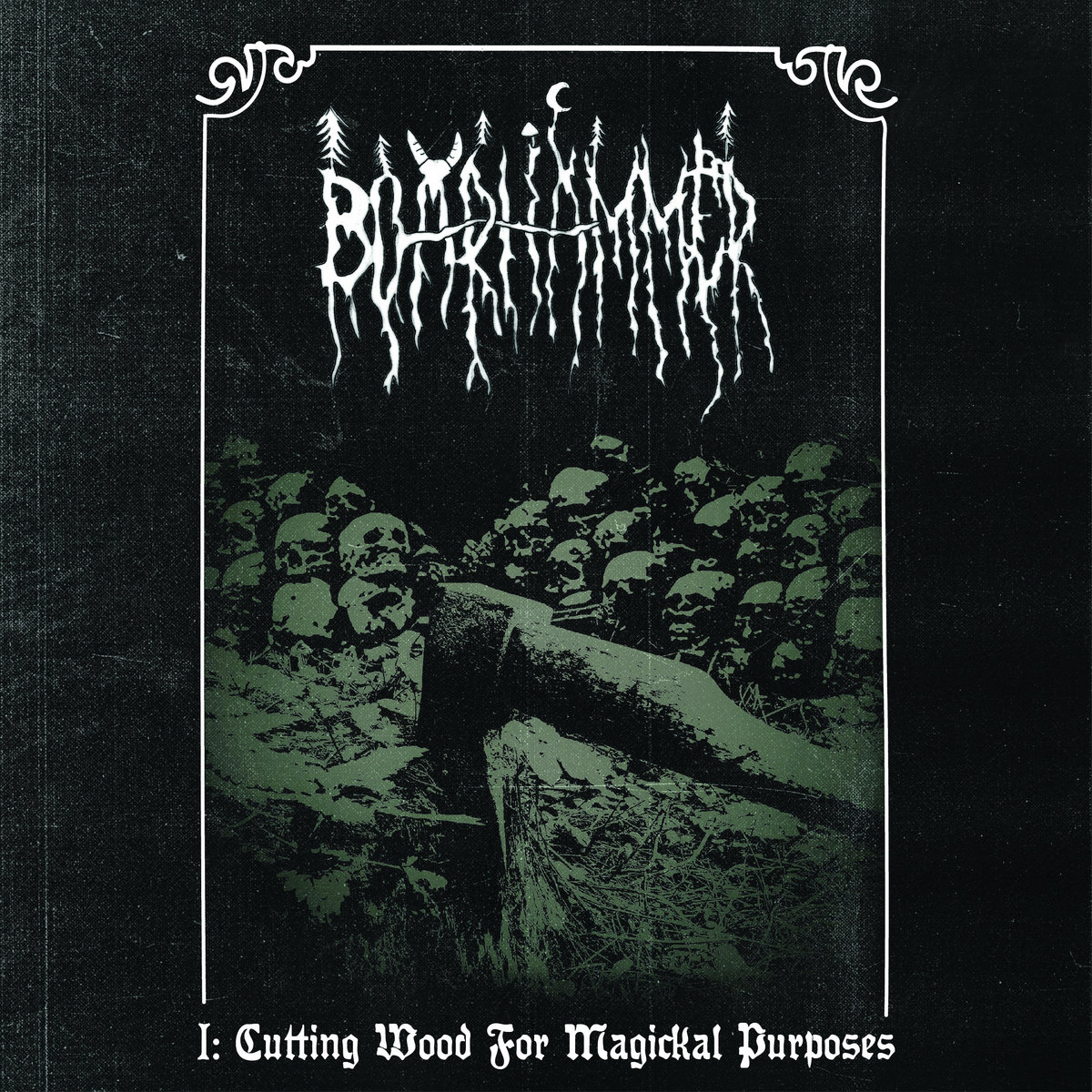
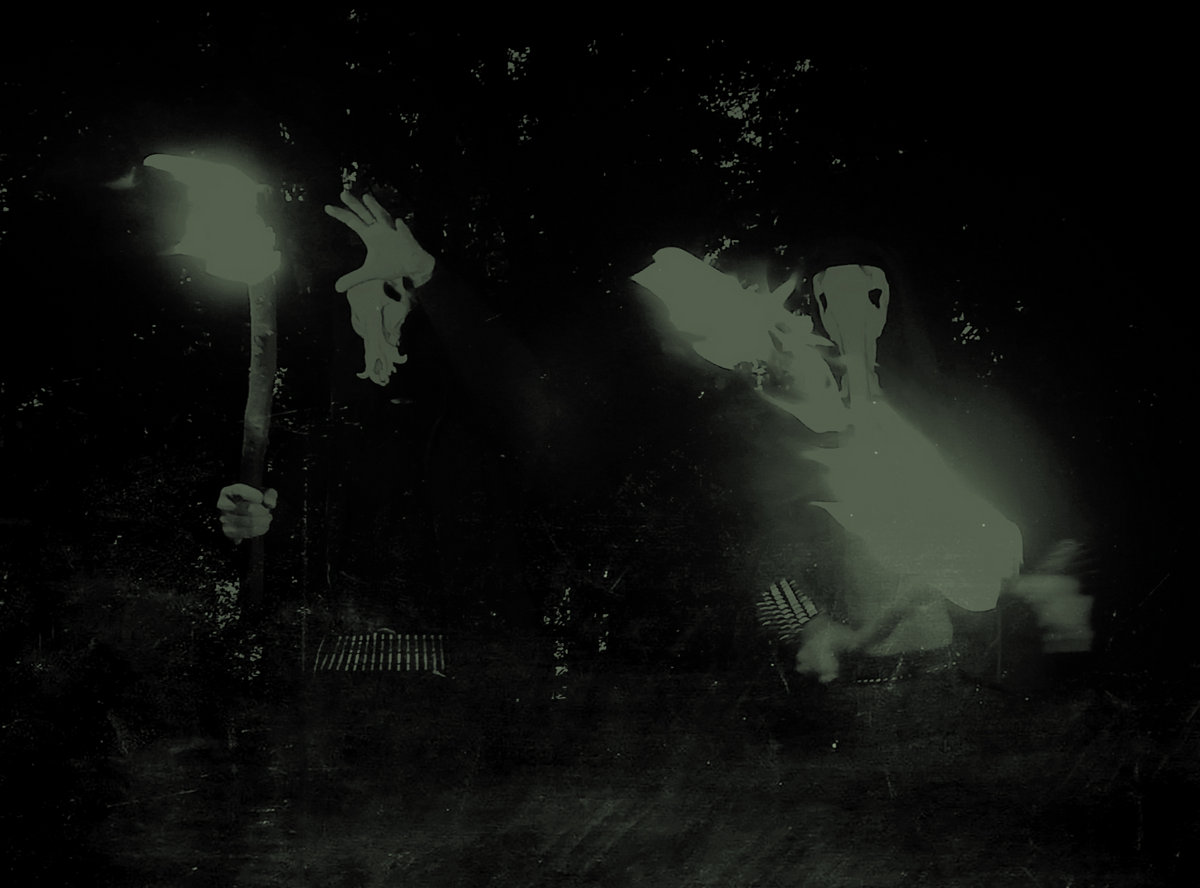
Consisting of seven songs in the span of 30 minutes of Ritualistic Black Metal primitivism, the infernal I: Cutting Wood for Magickal Purposes, the debut demo by a dynamic Black Metal two-headed entity hailing from the timeless darkness of the woods in Germany that goes by the name of Boarhammer, combines maniacal blasting and intriguing slower parts, all garnished with cavernous chants and hints of epic melodies. The lyrics speak of wood mysticism, ancient folk magick, and the strangeness of liquids and herbs. Recorded and produced by the band itself formed of The Vessel on vocals, drums and bass, and Wodwoz on the guitars and vocals, and featuring a cryptic artwork by Boarhammer together with an uncanny artist simply known as N, I: Cutting Wood for Magickal Purposes is an unhinged concoction of feverish bursts of primitive blasting and soaring epicness, offering fans of the underworld a unique blend of sounds inspired by the first-wave Black Metal hordes of old, but open for new approaches to the genre’s core ideas.

A sinister start evolves into a raw and heavier-than-hell explosion of Black Metal entitled Riding the Hedge, with The Vessel darkly declaiming the song’s wicked words while Wodwoz extracts pure evil from his guitar. Then continuing their path of darkness it’s time for Channelling Wormwood Spirits, another infernal Black Metal extravaganza led by the reverberating bass by The Vessel, who by the way also does an amazing job with his classic beats and fills; and putting the pedal to the metal our demented Teutonic duo fires the breathtaking Spirits on Black Wings, a lesson in underground extreme music showcasing pounding drums, metallic bass jabs and strident riffs, all spiced up by The Vessel’s grim vocals, setting the bar truly high not only for the rest of the album, but for all of their future releases so compelling it is.

Drinking from the same fountain of blood as the trailblazers of the genre Mayhem, the duo offers us Tatra Wolves, a bestial and sulfurous composition where Wodwoz slashes his strings nonstop for our total delight, whereas Ritual Tusks is another ritualistic chant where Wodwoz will pierce your damned mind with his sick riffs while The Vessel keeps adding rage to the music with his blast beats. There’s absolutely no time to breathe as they bring forward one more round of obscurity in The Trees are no Trees, adding even rawer and more primeval nuances to their core sound, and let me tell you that the final result is beyond devilish. As the icing on the cake we have their cover version for Black Funeral, from Mercyful Fate’s 1983 classic album Melissa (check out the original version HERE), and  Boarhammer more than succeeded with their Stygian rendition of such old school hymn, maintaining the essence of the original song with the band’s own Black Metal twist.

The ritualistic sounds crafted by Boarhammer in I: Cutting Wood for Magickal Purposes can be purchased from their own BandCamp page, inspiring you to join the band in the depths of the dark and sinister caves of their homeland Germany in the name of extreme music and, of course, our beloved black magick. May you enjoy the outcome of the cooperation of the men of the cave and the boar of the woods found in Boarhammer’s debut demo, and may such talented duo darken the skies even more with their undisputed metal music in all of their upcoming releases, keeping the scorching flames of Stygian and tribal Black Metal burning for all eternity.

Best moments of the album: Spirits on Black Wings and Tatra Wolves.

Worst moments of the album: None.

Released in 2021 Independent

Track listing
1. Riding the Hedge 4:22
2. Channelling Wormwood Spirits 3:24
3. Spirits on Black Wings 7:07
4. Tatra Wolves 4:07
5. Ritual Tusks 3:57
6. The Trees are no Trees 3:52
7. Black Funeral (Mercyful Fate cover) 2:52

Band members
The Vessel – vocals, drums, bass
Wodwoz – guitars, vocals

Album Review – Sacrilegium / Anima Lucifera (2016)

Behold the spawn of the scalding union between Pagan Black Metal and mysticism, crafted by an old school band from Poland that has risen from the ashes like a demonic phoenix.

Rating4

sacrilegium_anima_lucifera_1000x1000“I have known innumerable Gods
All ethereal and infinite…  the stars.
And I saw God in all the world’s substance
I saw that God is not the only God of the Ultimate Abyss…” – Faust, by Fernando Pessoa

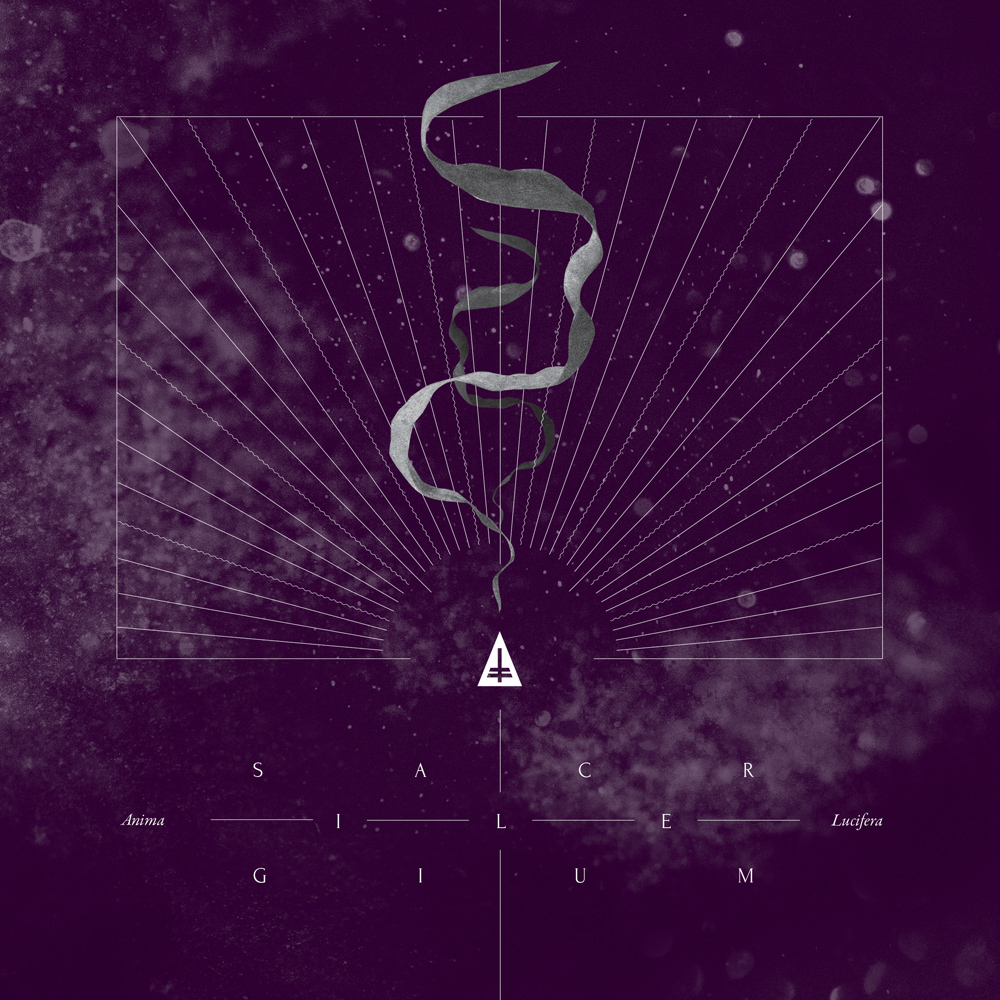
Almost 20 years after the release of their debut album called Wicher, from 1996, Polish Pagan Black Metal warlocks Sacrilegium finally return with their second full-length opus, stylishly entitled Anima Lucifera. The album title, which translated from Latin means “soul of light”, refers directly to a line from a poem by Polish poet Leopold Staff, whose poetry also feature together with the works of important names such as W. B. Yeats and Fernando Pessoa in the fervent lyrics by the band’s lead singer, founder and mastermind Nantur (also known as simply “N”). With that said, you can already envision what you’ll find when you start listening to this excellent extreme music album.

Exploring occult themes which accompanied the band members at the beginning of their journey in the 90’s in Wejherowo, a town in northern Poland not far from the city of Gdańsk, but at the same time expressing the experience the band has gained over the past 20 years not only as musicians but also as human beings, Anima Lucifera offers a lot more to the listener than “just” traditional Black Metal. This esoteric content can be seen already on the artwork by underground designer Marcin Lojek (Thaw, Nadja, Sunrise), building a connection between Sacrilegium’s aggressive past and their arcane and freakish present (and future).

And Sacrilegium actually start the opening track, Preludium / Heavenwings Shrugged, in a completely different way from their 1996 debut, sounding very esoteric, but that’s just until their crude and vicious old school Black Metal feast begins, with the bestial riffs by guitarist Suclagus (or simply “S”) shining amidst the blast beats fired by drummer R. A similar pattern is found in Angelus (Anima Lucifera), where an angelical ambience brings comfort to our hearts in a less ferocious rhythm with some elements of traditional Heavy Metal and even Gothic Metal added to it. The harsh snarls by N and the awesome solos by S make this tune one of my favorites of the entire album, with its second half exploding into brutal Black Metal for the total delight of fans of the genre.

Sacrilegium band 2015Their eccentric and occult vein keeps flourishing in Mare Tenebrarum by blending mysticism with sheer barbarism, and if you love the disturbing sound of Black Metal drumming I can assure you what R provides in this chant is exactly what you’re looking for. Also more melodic than usual, The Serpent Throne showcases a passionate and flammable performance by the entire band, with its spot-on background keyboards increasing its effectiveness. Once again, the music morphs into a violent tune and the band’s characteristic uproar returns at full force, haunting us all until its fiendish ending connects with the next track, entitled …and Soul. A solid riffage and a smooth piano lead the sounding on the first half of the song, and following the band’s distinct “formula” they fire Black Metal like there’s no tomorrow after a short while with highlights to the cavernous growls by N.

Venomous Spell Of Fate transpires brutality and despair from the very first second, with some nice breaks added to provide more intricacy to the overall result. Moreover, R is on his beast mode behind his drum set, contributing to boost the malignancy found in this bestial chant. And following that sonic massacre, dissonant noises kick off the chthonic tune named Desiderium Immortalis, where N offers some possessed screams throughout the whole song. It’s sheer Black Metal with nothing truly remarkable in it, but at least it keeps the album at a good level of quality. Lastly, how about an 8-minute feast of demonic growls, blast beats and guitar riffs played at the speed of light to conclude Anima Lucifera? This is what you’ll be able to enjoy in Anima Lucifera / Epilog, with N leading some sort of black mass so demented his harsh screams are. Thus, when the music is over we have three minutes of obscure and eerie passages similar to how the album started, closing the Black Metal circle generated by Sacrilegium.

Do you want to know more about this old school Polish institution and their rousing Pagan Black Metal? Simply go check their Facebook page for more information on the band, and buy your copy of Anima Lucifera at their BandCamp page or at the Pagan Records’ BandCamp page to truly feel how boisterous and esoteric they can sound at the same time. Sacrilegium offer the perfect marriage between Extreme Metal and mysticism, and they want you to behold the spawn of this scalding union through their devilish music.

Best moments of the album: Angelus (Anima Lucifera), The Serpent Throne and Venomous Spell Of Fate.

Worst moments of the album: Desiderium Immortalis.

Released in 2016 Pagan Records

Track listing
1. Preludium / Heavenwings Shrugged 5:44
2. Angelus (Anima Lucifera) 4:29
3. Mare Tenebrarum 4:33
4. The Serpent Throne 4:49
5. …and Soul 4:53
6. Venomous Spell Of Fate 4:22
7. Desiderium Immortalis 4:35
8. Anima Lucifera / Epilog 8:18

Band members
N (Nantur) – vocals
S (Suclagus) – guitars
C – bass
R – drums