This Canada-based Black Metal entity returns from the underworld with its highly anticipated fourth studio album, representing a significant shift in its approach by focusing on build-up and atmosphere.

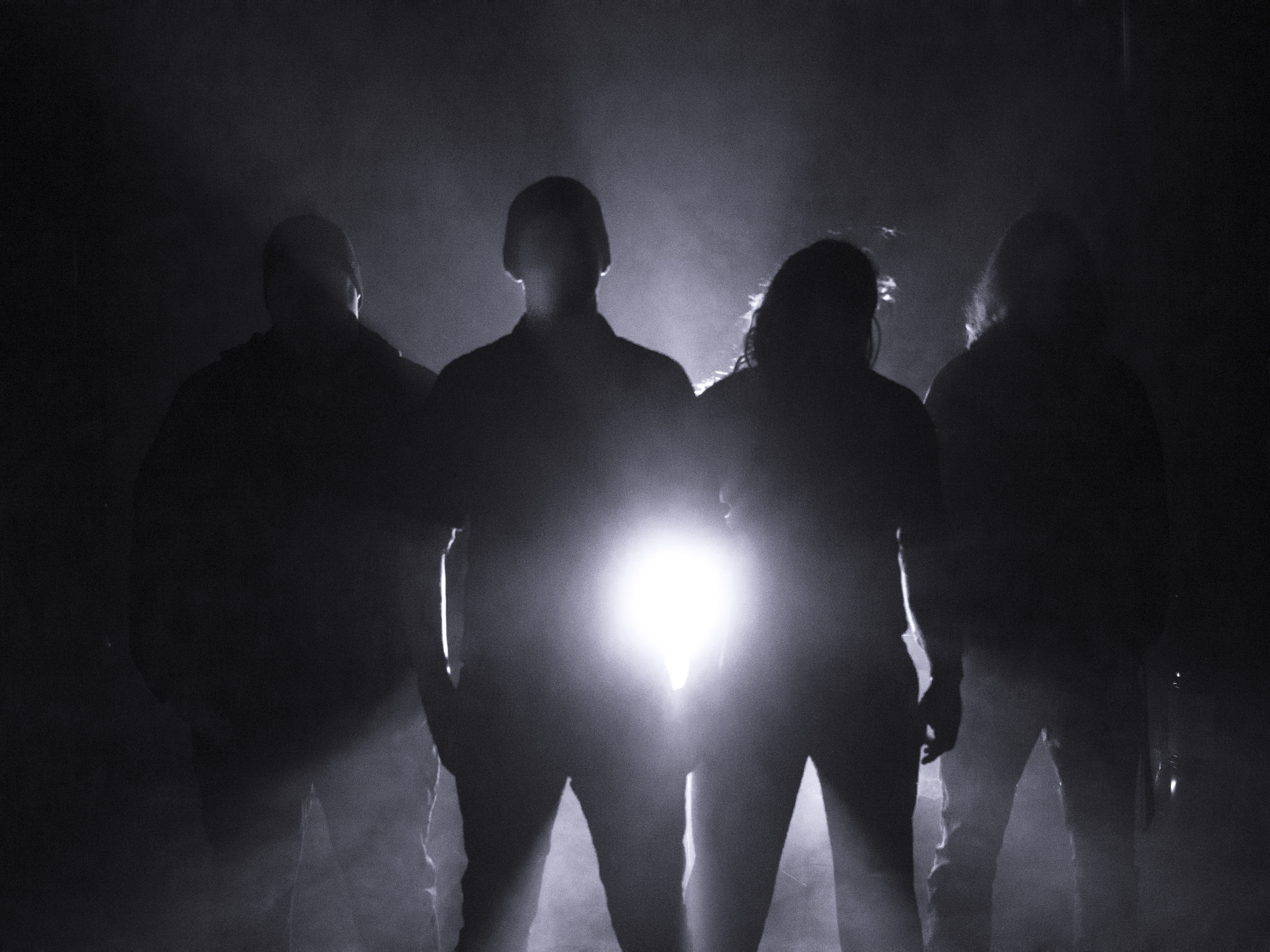
 Originally a three-piece band, but only for a short time in early 1995 when the project was still located in Cadiz, Western Visayas, in the Phillipines, the now Saskatchewan, Canada-based Black Metal creature Kratornas is set to unleash hell on earth with God of the Tribes, the fourth studio album in their career, and the follow-up to their 2016 opus Devoured by Damnation. Mastered by Dan Swanö at Unisound, and displaying a striking artwork that perfectly complements the thematic elements of the record (drawing heavily from apocalyptic imagery and ritualistic concepts), the newborn spawn by the iconic Zachariah on vocals, guitars and bass, supported by GB Guzzarin on drums, is unlike any of the previous Kratornas releases known for their superfast brutality, representing a significant shift in their approach by focusing on build-up and atmosphere, therefore showcasing a significant evolution in their sound.
Zachariah’s devilish, Stygian feast begins in a beyond haunting manner in Cursed Sky Serpent, a 15-minute behemoth from the netherworld in the form of primeval Black Metal, sounding very experimental and dissonant until the very end while always supported by the wicked beats and fills by GB Guzzarin. Then after such a multi-layered aria, Zachariah offers us all the three-minute beast titled Evil and Plunder, where his guitar lines and bass sounding utterly demonic while also exploring new sounds and nuances. Ravaged by Hurakaan blends elements from Dissonant Death Metal to the project’s core sonority, with the beats and fills by GB Guzzarin enhancing the song’s insanity to a whole new level; whereas lastly we face another long and detailed song titled Novena para Guerra, and that’s when Zachariah truly thrives, blasting wicked guitar lines, metallic bass jabs and inhumane roars for our total delight.
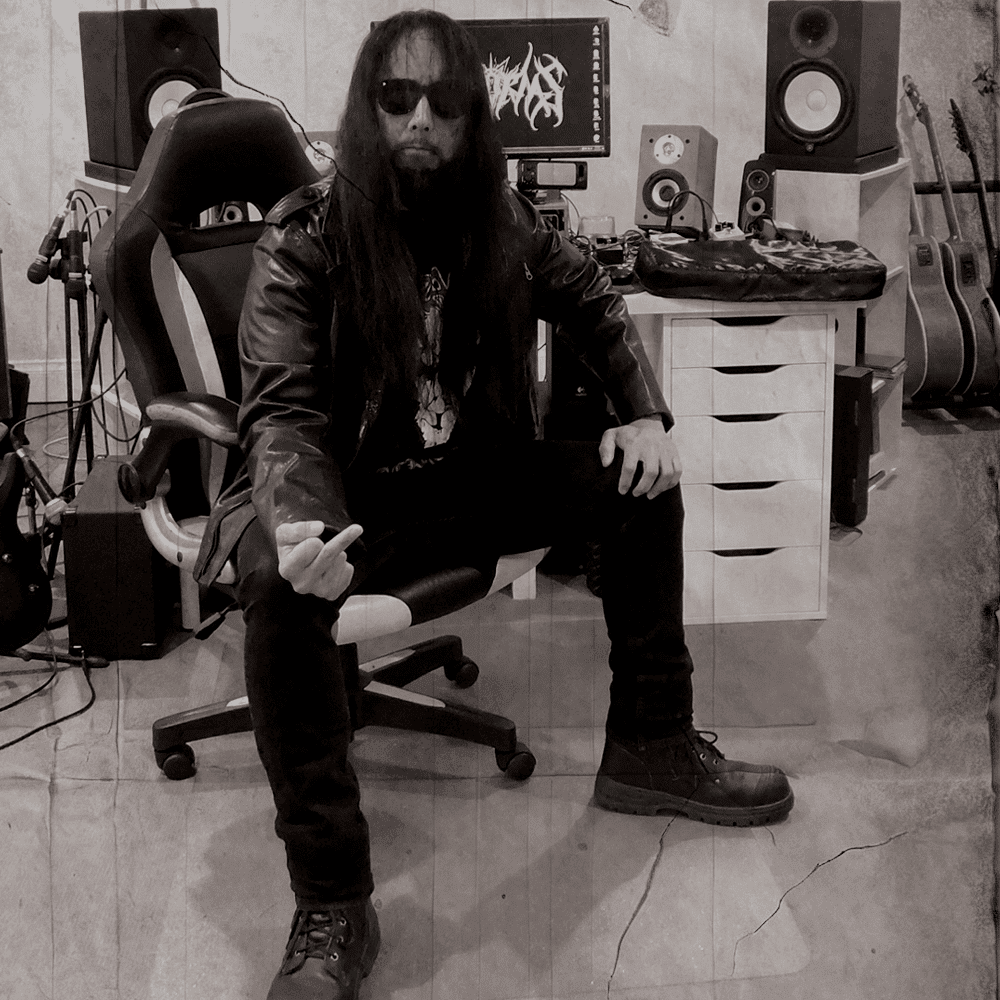 “This album marks a turning point for Kratornas. Not because it tries to be ‘different’ but because it couldn’t have come out any other way. Every part of this release came together naturally. The sound, the pacing, the tension… it wrote itself, shaped by instinct and intention. This album is unlike the usual Kratornas so to anyone expecting it to sound like ‘early Kratornas’ will be disappointed,” commented the project’s heart and soul Zachariah, and if you have what it takes to face him and his Kratornas, you can find the project on Facebook, stream all of their sulfurous creations on Spotify, and of course grab a copy of God of the Tribes from BandCamp. But be warned that Kratornas is definitely not an easy listen for the average metalhead, it doesn’t matter if it’s the project’s more visceral old material, or if it’s the darkly atmospheric sounds found in the new album. Kratornas will forever bring forth a primeval form of Black Metal, darkening our thoughts and minds while at the same time preparing us all for our inevitable end.
Best moments of the album: Cursed Sky Serpent and Novena para Guerra.
Worst moments of the album: None.
Released in 2025 Grathila Records
Track listing
1. Cursed Sky Serpent 15:00
2. Evil and Plunder 3:00
3. Ravaged by Hurakaan 7:00
4. Novena para Guerra 11:00
Band members
Zachariah – vocals, guitars, bass
GB Guzzarin – drums

 THE HEADBANGING MOOSE