Balancing tradition and progression, this German Black Metal horde returns with their fourth studio offering, bringing the light from hell into our blackened hearts.
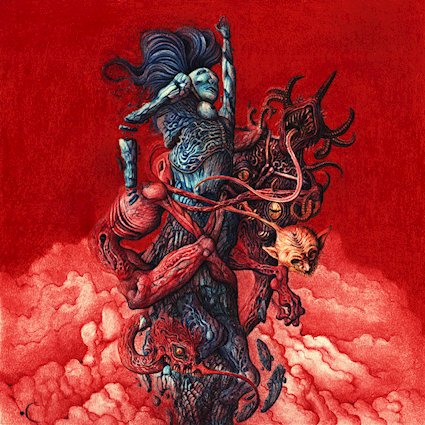
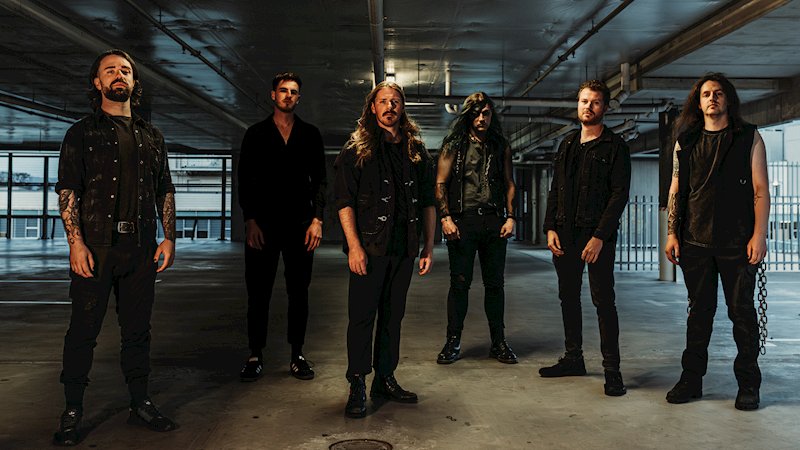
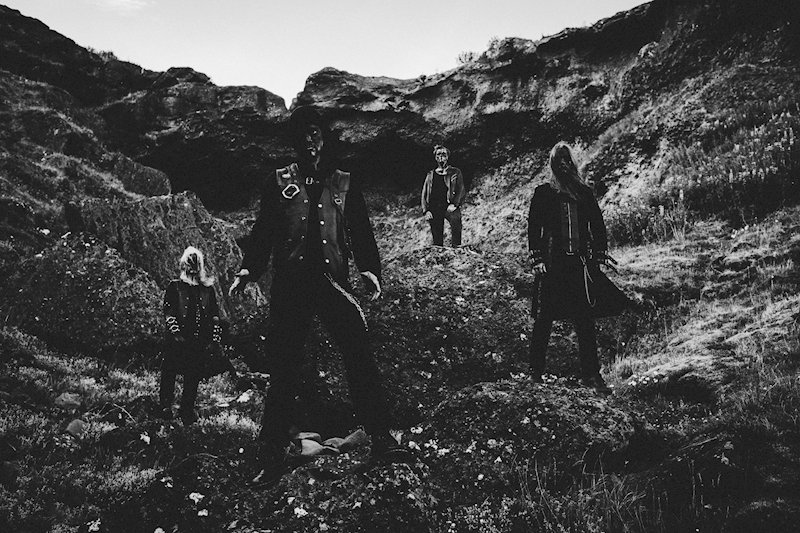
Balancing tradition and progression, German Black Metal horde Servant delivers a sound that feels both familiar and forward-thinking, uncompromising, powerful, and darkly captivating. Two years after their critically acclaimed third album Death Devil Magick, the band formed of vocalist and guitarist Farago, guitarist Samael, bassist Thanatos, and drummer Apophis returns with Lux Ex Inferis (a Latin phrase that means “light from the netherworld” or “light from hell”) offering more of their authentic-yet-modern approach to Melodic Black Metal. Recorded at Katzbach Studio, produced and Mixed by Farago, mastered by Dennis Poschwatta at Katzbach Studio, and showcasing a stunning artwork by Misanthropic-Art, Lux Ex Inferis sees the band once again combine intensity, atmosphere, and passion into a distinctive sound, turning it into a must-listen for admirers of the darkest side of music.
The whimsical, ethereal intro In Noctem will captivate our souls before we’re crushed into pieces to the sound of Tabula Rasa, a beautiful Melodic Black Metal aria by the quartet with the anguish and pain flowing from Farago’s scorching vocals sounding stunning, also featuring guest vocals by the one and only P.G. of Groza, followed by Glorification, spearheaded by the demonic drums by Apophis while Thanatos keeps hammering his bass in the name of absolute darkness. Thanatos, Embrace of the Night again presents the band’s trademark fusion of aggression, obscurity and harmony, leaning towards the Blackened Death Metal played by Behemoth, whereas De Profundis, or “from the depths” from Latin (a letter written by Oscar Wilde during his imprisonment in Reading Gaol, to his friend and lover Lord Alfred “Bosie” Douglas) showcases a phenomenal guitar work by Farago and Samael from start to finish, featuring guest vocals by Lethian.
Lux Fulget, which translates from Latin to English as “the light shines,” already starts in full force to the pounding drums by Apophis while Farago continues to vociferate like a creature from the abyss; and the strident guitars by Farago and Samael ignite another bestial Black Metal feast titled Of Stones, Sleep and Death, sounding enfolding, grim and vile, all at the same time. Then we face The Accuser, blending the obscurity of classic Black Metal with the depth and ferocity of modern-day Melodic Black Metal, with Thanatos and Apophis once again sounding thunderous armed with their respective bass and drums; while their last breathe of Black Metal magic comes in the form of Hypnos I See You, carrying a poetic name for an overdose of Stygian, sharp riffs and devilish roars, putting a beyond climatic and devilish ending to their black mass.
Expanding on the band’s established style, Lux Ex Inferis merges epic structures and haunting melodies, creating a multi-layered sonic landscape where passion meets grandeur, pointing to an even brighter (or maybe I should say darker) future ahead of those servants of the dark arts. You can get in touch with the band and stay up to date with their news and tour dates via Facebook and Instagram, stream their caustic music on any platform like Spotify, and of course, put your damned, dirty hands on their scorching new opus by purchasing it from the AOP Records’ BandCamp or webstore (or click HERE for all things Servant). After all is said and done, these German black metallers are among us to spread absolute darkness armed with Lux Ex Inferis, bringing the light from hell into our blackened hearts.
Best moments of the album:Tabula Rasa, De Profundis, Lux Fulget and Hypnos I See You.
Worst moments of the album: None.
Released in 2026 AOP Records
Track listing 1. In Noctem 2:14
2. Tabula Rasa 5:30
3. Glorification 4:38
4. Thanatos, Embrace of the Night 5:06
5. De Profundis 4:35
6. Lux Fulget 4:51
7. Of Stones, Sleep and Death 4:52
8. The Accuser 4:06
9. Hypnos I See You 5:47
Band members Farago – vocals, guitars
Samael – guitars
Thanatos – bass
Apophis – drums
Guest musicians
Lethian – vocals on “De Profundis”
P.G. – vocals on “Tabula Rasa”
This Avantgarde and Blackened Death Metal beast returns with its fourth studio opus, continuing the exploration of terrifying interior worlds.
Hailing from Kettering, Ohio, Avantgarde/Blackened Death Metal beast Venomous Echoes, the brainchild of vocalist and multi-instrumentalist Ben Vanweelden, returns with Ŋvęŧş: Violator Of Mater, the project’s fourth work of experimental, dissonant extreme music in which he continues the exploration of terrifying interior worlds. Produced, mixed and mastered by Stephen Knapp, who also contributed to the album with additional guitars and drum programming, the follow-up to the scathing 2025 album Dysmor mercilessly (and with immense courage) reveals even deeper and more unspeakable traumas than the fears and anxieties described in the previous albums related to the body dysmorphia that afflicts the band’s mastermind, which have shaped the artist himself into the “creation” at the center of his stories and on the beautiful cover by 0ndes. Musically, Ben does what he does best in his new album, building twisted and schizophrenic songs which oscillate chaotically between ferocious black and death accelerations and doom slowdowns, entrusted to distorted and oppressive sounds. A cathartic nightmare, telling a true story of pain and abuse.
The Stygian, spine-chilling intro Dysmor Opens will drag our putrid souls to Venomous Echoes’ lair in Malcloid, as dissonant and disruptive as it is atmospheric and multi-layered, with Ben roaring manically nonstop while he gets the help of Stephen to deliver truly menacing riffs until the very end. Æhɔɲ starts in a very sinister mode, growing in intensity and madness until all hell breaks loose in a lecture in modern-day Experimental Black and Death Metal; whereas Çịrẹ offers a more direct take on Blackened Death Metal, with its hammering drums and chaotic guitars sounding truly disturbing and, therefore, turning the whole song into a wild and caustic musical journey, sounding grandiose, perturbing, nightmarish and captivating from start to finish.
Then after the phantasmagorical interlude Monolith Of Purity we face another harsh and cryptic tune titled Ẅęrð, where Ben and Stephen deliver an avalanche of scorching riffs for our total delight, keeping the album at a high level of insanity; followed by Mater, the most experimental and atmospheric of all songs, sometimes only sounding like an interlude and lacking an extra kick in the end. L·Lrąç, featuring vocals by Stephen, also kicks off in an atmospheric manner but gradually evolves into another massive Dissonant Black Metal beast, and lastly, the title-track Ŋvęŧş is a lecture in the genre, with Ben melting our faces with his haunting synths, sampling and noises, morphing into a climatic, disruptive and venomous vibe before its ethereal ending.
“In Ŋvęŧş: Violator Of Mater, the creation has been broken down by the wall of Dysmor and has entered the world of Malcloid, the Realm of Despair, where he faces the Pillar of Light and Purity that holds the essence of his own mother,” explained Ben. “This is where he must face his real life abusers that create the beast that is Ŋvęŧş, the violator of the innocent. He was broken to enter the world. Now he must witness the ones he loves become broken and destroyed to progress to the final trial. Each appendage of the beast represents my real life abusers, in a way to cope with the events.” If you’re a fan of bands such as Portal, Altarage, and Thantifaxath, then Ŋvęŧş: Violator Of Mater is a must-listen, which can be done via Spotify or any other platform available, and of course, you can purchase the album from the I, Voidhanger Records’ BandCamp or from Metal Odyssey, and don’t forget to also get in touch with Ben and his Venomous Echoes via Facebook and Instagram. Ben is opening up his heart to us all in Ŋvęŧş: Violator Of Mater, facing his deepest demons with all of his strength, and we metalheads must show him all our support by blasting his music as loud as his traumas are obscure.
Best moments of the album:Æhɔɲ, Çịrẹ and Ŋvęŧş.
I searched for my fate, wore my feet raw on the stones, barefoot I walked… Bring my body home, promise me…
September is that type of month that you never know how its going to be. It’s sometimes scorching, sometimes cold. However, one thing is certain, and that’s darkness will keep growing as the month progresses. Hence, there’s nothing better than celebrating the arrival of the longer nights with the obscure fusion of Post-Black Metal with even darker styles such as Doom and Depressive Black Metal by Dymna Lotva, spearheaded by our metal lady of the month, the indomitable Katsiaryna Mankevich, or Кацярына Манкевіч, also known by her stage moniker Nokt Aeon, or simply Nokt. Considered an “extremist” in her homeland Belarus due to her fight for freedom and justice through her music, she will hypnotize you with her ritualistic vocals and multi-layered compositions, darkening our hearts, our thoughts and our minds faster than the night comes. If you have what it takes to face such a deep dark, you’re more than welcome to join The Headbanging Moose on this humble tribute to one of the must-see names of the music scene worldwide.
Born on February 21, 1989 in Minsk, the capital of Belarus, but currently residing in Warsaw, Poland for not-very-nice reasons (which will be explained in detail shortly), Katsiaryna is not only an accomplished vocalist and lyricist, but she’s also a digital creator, studied Scientific and Production Activity (or “научно-производственная деятельность”) at Belarusian State University (BSU), and studied Radio Engineering and Electronics (or “Факультет радиотехники и электроники”) at Belarusian State University of Informatics and Radioelectronics (BSUIR), or БГУИР, and all of those courses of course helped her develop skills that would be extremely useful in her career as a professional musician.
As already mentioned, Katsiaryna is the striking frontwoman for Depressive Doom/Post-Black Metal entity Dymna Lotva, formed in 2015 by our she-wolf, who goes by the moniker Nokt Aeon, and guitarist and bassist Yauheni “Jaŭhien” Charkasau, drawing inspiration from the history and culture of Belarus, evoking the mystical fog and ancient marshes of their homeland. As a matter of fact, Dymna Lotva translates from Belarusian as “swamp in smoke,” referencing the devastating atrocities and burned villages of Polesia, a deeply distinct geographic and cultural region that extends across southern Belarus into Ukraine and Poland. Guitarist Mikita Stankevich and drummer Wojciech “Bocian” Muchowicz complete the band’s current lineup, and if you have never heard anything about such an amazing metal ensemble, don’t waste another second and go listen to their entire discography because they surely kick some serious ass.
There’s an interesting story behind the creation of the band over a decade ago, linked to the news of Belarusian writer Svetlana Alexandrovna Alexievich winning the Nobel Prize in Literature. “I remember when I read the book, and it was so terrific. I was going home with a big idea that I needed to make a song for the part of the book with quotes from Lyudmila Ignatenko, the widow of the Chernobyl liquidator, and her account of her husband, Vasily Ivanovich Ignatenko. If you watched the Chernobyl Netflix series, you might remember her as the main character. She’s a real person; she’s still alive, living in Kyiv, and these are her real words,” commented our metal diva. “The same day, I was checking a certain metal forum in case somebody was searching for musicians. I read that Jaŭhien was searching for a vocalist for his post-metal project, and I wrote to him that maybe I could help. I said I knew almost everybody and could bring him the vocalist he wanted. He said that I was OK and that he didn’t need another vocalist. So let’s do it. I told him about the idea I had and that we needed to make that song. I asked him to send me some material, and he did it, and one of the songs fit. So, for our first single, Самотны чалавечы голас, I just read that monologue. So, officially, our birthday was on 8 October 2015.”
Katsiaryna has no idea if Svetlana knows she was the inspiration for the band, saying she tried to contact her without much success. At least she was able to contact her agent to discuss the author rights to use Svetlana’s text for a song. “So, we have rights if it’s not commercial. I think we are still not a commercial band because selling 500 copies of the album is not really commercial.” Furthermore, their second album is fully based on Svetlana’s book Chernobyl Prayer, a collection of real people’s stories and monologues. “We were just going through this book and did the lyrics for the album,” she commented in one of her interviews.
Speaking of their discography, Dymna Lotva have already released upon humanity four full-length records, those being Зямля пад чорнымі крыламі: Дрыгва (which translates from Belarusian to “The Land Under the Black Wings: Swamp”), from 2016, where Katsiaryna was responsible for the vocals and lyrics, and also played the flute; Палын (or “Wormwood” in English, dedicated to the liquidation of the consequences of the Chernobyl disaster), from 2017, where she also took care of the vocal duties and lyrics; Зямля пад чорнымі крыламі: Кроў (or “The Land Under the Black Wings: Blood”), from 2023, also doing vocals, writing all lyrics, playing the flute, and being responsible for the artwork; and more recently Vyraj ( a mythical realm to where birds migrate for the winter, and where the souls of the departed find their final rest), also doing all vocals, lyrics, and playing the flute, all available on BandCamp and on Spotify.
You can also go to YouTube and enjoy their official videos for some amazing tunes the likes of Buried Alive, Zory, The Boat Of Despair, Return My Coffin Home, Death Kisses Your Eyes, Come and See, Hell, among others, and visit the band’s YouTube channel, where you’ll find amazing footage from their breathtaking live performances such as for the songs The Pit, Dead Don’t Hurt, Buried Alive and Ravens Are Also Mortal, as well as full concerts like live at Brugge Club in 2019, and live at Metal Mine Festival in 2024. While listening to their music, you’ll soon realize most of their songs are in their mother tongue, with the song titles and lyrics in Cyrillic, and the fact that countless fans around the world won’t fully understand their lyrics doesn’t seem to be an issue to them. Another important detail is the difficult task to categorize the music by Dymna Lotva due to their always shape-shifting fusion of atmospheric and dark styles like Doom and Black Metal with Folk and Experimental Metal. Katsiaryna said they’re similar to Austrian Black/Folk Metal entity Perchta in style, but even so, comparing Dymna Lotva and Perchta is not an easy challenge.
Apart from her career with Dymna Lotva, Katsiaryna can be found as the vocalist for a crushing Polish-Belarusian party-DSBM and Post-Black Metal outfit named Hangover in Minsk, formed in 2024 out of a drunken bus-ride debate by members of Dymna Lotva, also under the moniker Nokt Aeon. Born in 2024 on a brutal 12-hour drive from Munich to Warsaw after the Dark Easter Metal Meeting when the Dymna Lotva crew couldn’t agree on tour tunes with a hangover, they forged their own brand of “Depressive Beer Metal,” having released in 2025 their debut effort Party Is Over, available on both BandCamp and Spotify. Their music is melancholic, dark and haunting, just like in the official videos for the songs Farewell and Party is Over, and I can’t wait to see what’s next for this interesting alter-ego by the Dymna Lotva brigade.
Before and during her career with Dymna Lotva, the unstoppable Katsiaryna was the vocalist and lyricist for a Depressive Black Metal project named Absence of Life between 2018 and 2022, together with a former member of Dymna Lotva named Forladt. They recorded together the 2018 EP The Fall, and the 2021 full-length Instinct of Self-Destruction, both also available on BandCamp and on Spotify. Another band featuring our she-demon on vocals was Belarusian Gothic Metal band Aconitum, with whom she recorded the vocals and flute for their 2018 EP Недолго. Несчастливо. (having also taken care of the EP recording process). The band split up in 2018, but you can still enjoy the full EP with Katsiaryna on vocals on BandCamp. And finally, she also sang on the 2015 single Навальніца, by Belarusian Atmospheric Black Metal project Трызна, and sang live with Belarusian Blackened Death Metal horde Dwellstorm Borned in 2018.
As a guest musician, you can find Katsiaryna lending her stunning vocals to an array of distinct bands. For instance, she recorded the vocals on the song Falsygen Mask, from the 2015 single Black Depth Domain, by the probably now defunct Belarusian Groove/Death Metal band Apologeth; choir vocals for the Twisted Sisters’ cover We’re Not Gonna Take It, from the 2020 album Pandechristmas, by Belgian Heavy Metal machine Déhà; vocals on the 2018 single Demons and Witches, by the aforementioned Dwellstorm Borned; vocals on the 2018 single Петля времён, by Belarusian Black Metal horde Engraving Infinity; vocals on the 2019 album Before It All, by Belgian Depressive Black Metal entity The Penitent (another one of the excellent project by Déhà); and vocals on the 2019 album Far Away from the Painless Life, by Mexican Depressive Black Metal outfit Traurigkeit. Not only that, she also worked on grammatic consultations for the 2020 EP Час адплаты, крыві і смутку, by Ukrainian Black Metal duo Цемра.
This slideshow requires JavaScript.
Regarding her idols and influences, our dauntless metaller mentioned Lisa Gerrard of Dead Can Dance and Aaron Stainthorpe of My Dying Bride as two of her major influences, as well as Ville Valo and his HIM. In addition, despite the fact the initial idea behind Dymna Lotva was to write music based on the fictional work of Edgar Allan Poe, they became an anti-regime band, reclaiming parts of the Belarusian culture that Alexander Lukashenko’s predominantly Russian-speaking administration has tried to suppress. “He hates our culture and language,” commented Katsiaryna. “I’ve been in love with Belarusian culture since I was a teenager, and I started to collect books about native language and pagan traditions. We based our lyrics and concepts on legends, literature and history.” By the way, Alexander Lukashenko has been the first and only president of Belarus since the office’s establishment in 1994, making him the current longest-tenured European president.
However, before talking about the band’s conflict with the Lukashenko administration, let’s discuss the impact of Dymna Lotva when the band hits the stages. “I can call our show an emotional exhibitionism. If you want to drink beer and cry, please come to our show. After the concert, you can drink even more beer with us,” said Katsiaryna when asked what the audience can expect from their live performances. Always eager to go onstage and play their music to rock and metal fans from all over the world, the band had to flee their homeland in 2021 after getting involved in the mass protests that were happening all over their homeland then, performing music and opening their homes to offer food and medicine to those who were injured. When two members of the band Irdorath, and singer Lesley Knife of Gods Tower (with whom they had recorded the protest song Да Волі (or “To Freedom”) were arrested, they knew it was time to run away. “We had some shows planned, and the promoters called us to say that someone from the Ministry of Culture had pressured them to remove us from their events, else they would be imprisoned and their clubs closed. We started to live in places we weren’t renting officially, so that they would not find us. Eventually, we knew it was time to go.”
Now based in Poland, they continue to sing songs filled with grief and pain, writing lyrics lyrics based on true stories from the rich history of Belarus, filled with sorrow from historical events or folklore while new horrors are committed in their country every single day. Belarus has a lot of excellent metal bands, including for example, Eximperitus, Belle Morte, and Ciemra, but Lukashenko’s administration has repeatedly squashed them to pieces since he got into power. “So many bands have been imprisoned for playing metal music,” she said in one of her interviews. “You cannot organize any underground concerts, clubs are forcibly closed. Every generation starts new bands who are then forced to emigrate or disband. It’s a miracle that we have one metal band who have played since the end of the 80’s, Gods Tower.”
Katsiaryna actually moved first to Ukraine, then from Ukraine to Poland in 2022, and at least while Lukashenko is the Belarusian leader they cannot return to their homeland, otherwise they’ll certainly go to jail. Jaŭhien is considered a “terrorist” by the Belarusian government, while Katsiaryna is an “extremist.” The band’s videos were officially declared “extremist” in December 2025, and there are several additional criminal cases pending in Belarus courts that are very similar to what’s happening with Dymna Lotva. Not only that, Belarus officials are also using their accusations against Katsiaryna to imprison the band’s Belarusian fans who simply liked, reposted or commented on their videos online.
“Every presidential election after his first one has been stolen,” mentioned Katsiaryna about the “unofficial dictatorship” imposed by Lukashenko. “It’s not normal. Opposition has been put in prison, some of them murdered, hanged in the forest. Murders, repression, stolen money, stolen land. That is dictatorship in Belarus.” Granted international protection status in Poland in 2022 alongside Jaŭhien, and living with her fellow Belarusian refugee cat Beelzebub, she mentioned their escape from Belarus to Ukraine wasn’t an easy one, as they had to go though Russia first. “We got into Russia by train, and there was a document check near the end of our journey. We stayed and hid inside the train a little longer,” she commented. “If we had gone to the nearest official shelter or to our flat, we would be dead.”
It was only in 2023 when the duo was able to restart Dymna Lotva, releasing their third album that same year, as already mentioned, and making an emotional return to the stages at Prophecy Fest in Germany. “We had just released our new album, so we thought that nobody had heard about Dymna Lotva. When we came to the stage and saw this big crowd, it was like, ‘Whaaaat?!’ Our bassist Jaŭhien was in Warsaw, because his new Polish documents weren’t ready in time. So we placed his bass on the stage, put the Belarusian national flag on it, and I told the public our bassist was a ghost.”
The Belarusian government’s ban on their music has made them determined to keep moving forward no matter what, resulting in their fourth album Vyraj, incorporating their experiences while using a concept about a passage through the Underworld as an allegory for emigration out of one’s country due to war and oppression. Unfortunately, she has no idea if she’ll ever be able to return to Belarus and play her music again in her homeland. “Every year we are further away from Belarus. Two years ago, all of us would have said, ‘Yes.’ Now, we’re not so sure. I definitely want, when the regime falls, to stage our own metal festival in Belarus. I want to go home and make something good for the scene there. It would be hard though, because most of the people we love are not in Belarus anymore.”
As a huge supporter of not only the underground, but also of freedom of speech and of justice, The Headbanging Moose truly hopes Dymna Lotva can one day return home and kick some ass with their beautiful music. Several bands might sing about wars and battles, but deep down inside they just want to show their fans how horrible those things are. Metalheads only want peace, they just want to be able to hit the stages all across the world and bring happiness to their fans through their music and concerts, and Dymna Lotva might be one of the most important leaders of that movement in music nowadays. In the meantime, while the war and dictatorship in Belarus linger, let’s show our utmost support to Katsiaryna by listening to Dymna Lotva’s music, buying their merch, attending their concerts, and raising our fists together with her and her bandmates. Oppression and dictatorship have no place in the Heavy Metal universe. Long live Nokt Aeon! Long live Dymna Lotva!
Emerging from the isolated, unforgiving wilderness of Tasmania, these Technical Death Metal beasts will attack armed with their their highly-anticipated debut full-length album.
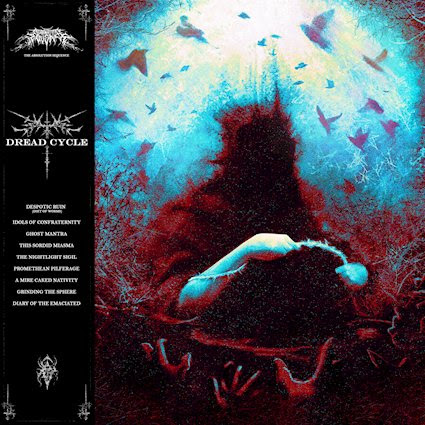
Emerging from the isolated, unforgiving wilderness of Tasmania, Technical Groove/Death Metal outfit The Absolution Sequence has carved out a unique identity within the Australian extreme metal scene. Their sound is a direct reflection of their homeland’s “dark isle” reputation, a place defined by a sinister history and a cold, remote landscape that stands in stark contrast to the Australian mainland. Following a string of EP’s and singles, the band formed of Shawn Wells on vocals, Luke Tucker, Stephen Cusato and Steven Mason on the guitars, Alastair Boon on bass, and Nick Machin on drums is unleashing now in 2026 their highly-anticipated debut full-length album, titled Dread Cycle, which with the crisp production of Chris Themelco, the classy mastering by Jens Bogren at Fascination Street Studios, and the Stygian artwork by Shaun Hyatt, is definitely set to solidify the band’s position as a premier name in contemporary Technical Death Metal.
The opening aria Despotic Ruin (Diet of Worms) is already atmospheric, melodic and bold from the very first notes, with the deep guttural by Shawn walking hand in hand with the riff attack by the band’s guitar triumvirate formed of Luke, Stephen and Steven, followed by Idols of Confraternity, even heavier and more infuriated, with Nick hammering his drums nonstop in a lesson in Groove and Death Metal with a strong technical edge. Then we face Ghost Mantra, blending elements of Deathcore to their core Death Metal essence, where their guitar work is again striking, offering Shawn exactly what he needs to bark like a rabid beast; whereas This Sordid Miasma is as atmospheric as its predecessors, with the groovy, thunderous kitchen by Alastair and Nick making the earth tremble. and The Nightlight Sigil, albeit sounding as heavy as the other songs, is not as exciting. Its drums and all background elements still sound great, though.
Promethean Pilferage might be one of the most technical of all songs, where Alastair extracts sheer electricity, heaviness and groove from his bass supported by the intricate beats and fills by Nick; and their Blackened Death Metal vein arises in A Mire Caked Nativity, clashing with their more technical Groove Metal sounds, all boosted by another bestial performance on vocals by Shawn. The band’s guitar triumvirate once again showcases all their dexterity and passion for the extreme in Grinding the Sphere, not to mention Alastair once again adds his share of insanity to the music with his Djent-infused bass lines, flowing into the closing song Diary of the Emaciated, sounding very detailed, multi-layered and absolutely electrifying, with the wall of sounds crafted by all band members feeling perfect for the scorching vociferations by Shawn.
The Absolution Sequence have developed a signature style of Technical Death Metal that balances high-velocity musical prowess with a deeply immersive, atmospheric undertone in all of their previous releases, and in Dread Cycle those Tasmanian devils have certainly stepped up their game with an even more infuriated and intricate sound. If you have what it takes to face the demolishing music crafted by those amazing musicians from Down Under, you can find them on Facebook and on Instagram, stream their killer creations on Spotify, and above all that, grab a copy of the album from their own BandCamp. Australia has become the place to go when the music in question is Technical Death Metal, and Dread Cycle is undoubtedly one of the must-listen albums of the genre coming from Down Under.
Best moments of the album:Idols of Confraternity, Promethean Pilferage and Diary of the Emaciated.
Worst moments of the album:The Nightlight Sigil.
Released in 2026 Bleeding Art Collective
Track listing 1. Despotic Ruin (Diet of Worms) 4:11
2. Idols of Confraternity 5:01
3. Ghost Mantra 3:45
4. This Sordid Miasma 5:02
5. The Nightlight Sigil 5:13
6. Promethean Pilferage 4:18
7. A Mire Caked Nativity 5:02
8. Grinding the Sphere 4:29
9. Diary of the Emaciated 5:57
Band members Shawn Wells – lead vocals
Luke Tucker – lead guitar
Stephen Cusato – rhythm guitar, backing vocals
Steven Mason – rhythm guitar
Alastair Boon – bass, backing vocals
Nick Machin – drums
This the unrelenting Blackened and Atmospheric Death Metal entity from France strikes again with their sophomore album, definitely not one for the faint of heart.
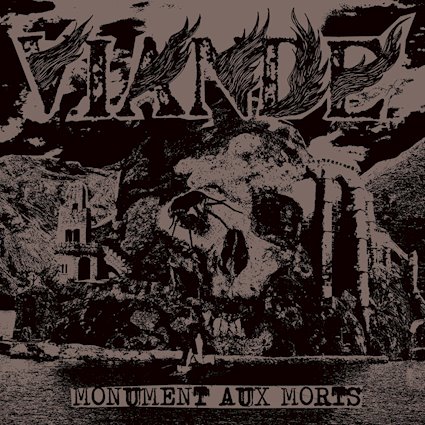
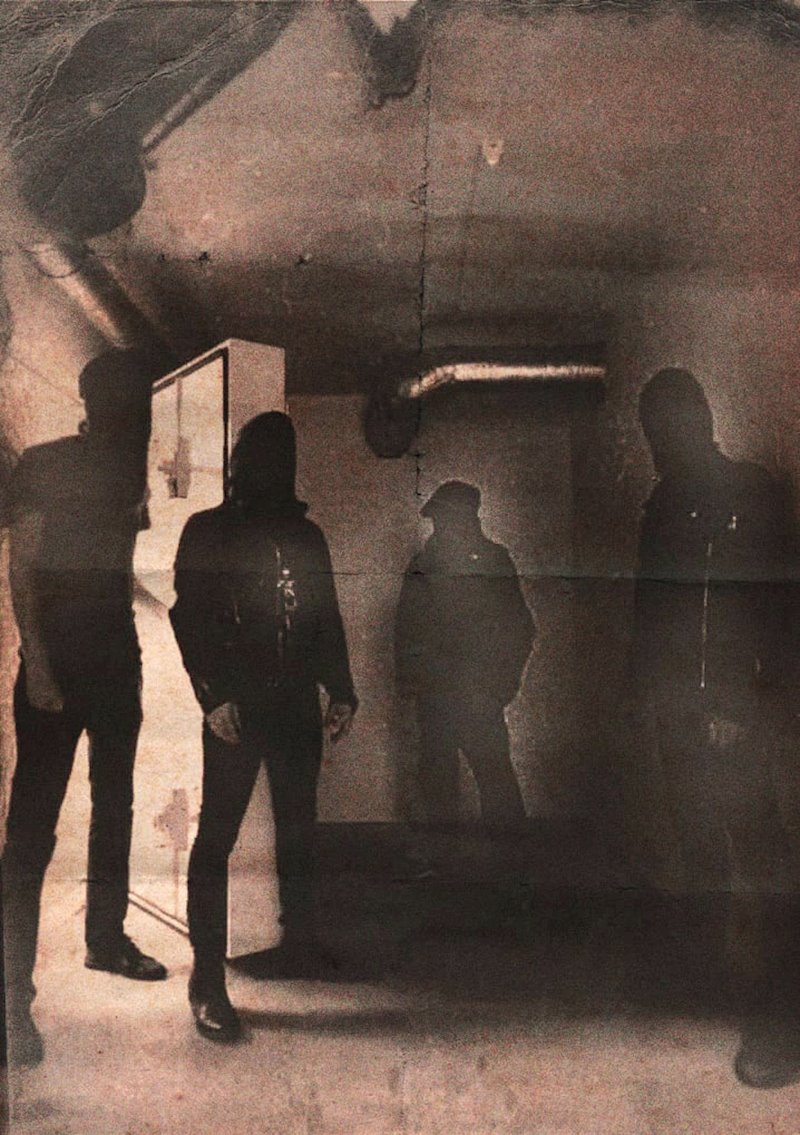
Forged in 2013 in the fires of Chambéry, an Alpine town in southeast France, the unrelenting Blackened/Atmospheric Death Metal entity known as Viande (the French word for “meat”) does more than create scarring, wholesome dark and doomy Death Metal – they delve into the more atmospheric side of things that messes with your consciousness and has potential psychological implications. Adorned by a grim artwork by JB Godefroy, the caustic Monument aux morts, which is French for “war memorial,” is the sophomore studio opus by vocalist J, guitarist B, bassist O, and drummer I, following up on their 2022 full-length L’abime dévore les âmes, offering more of the band’s aggressive, militaristic approach aided by a combination of abyssal growls and tormented screams, and ultimately, a haunting, eerie atmosphere touched by dissonance that wouldn’t be out of place in a horror movie.
After an ominous start the band comes ripping our hearts out in Linceul immense (“immense shroud”), with the vile guttural by J sending shivers down our spines in a lecture in Blackened Doom Metal; then O and I make the earth tremble with their ruthless bass and drums in Sacrifice ardent (“burning sacrifice”), as sluggish, grim and vile as it can be. Germes de mort (“seeds of death”) brings forward another round of the band’s trademark fusion of Black, Death and Doom Metal, led by the cryptic riffs and synths blasted by B, while Monolithe de chagrin (“monolith of sorrow”) alternates between the absolute heaviness of Doom Metal and the visceral sounds of Death Metal.
After such a demented display of deadly sounds the band keeps haunting our souls with Cercueil de vase (“coffin of vase”), a bold, intense display of their Atmospheric Death Metal vein spearheaded by the always gruesome vociferations by J, followed by Une cage d’os (“a cage of bones”), not recommended for the faint at heart, with the dissonant riffs by B piercing our flesh mercilessly. I takes the lead with his slab of brutality on drums in L’esprit cachot (“the dungeon spirit”), making the album sound even more obscure and infuriated, whereas Austérité maximum (“maximum austerity”) is an extensive outro that albeit atmospheric doesn’t add much to the album. And lastly, as a bonus track we have L’homme Brasier (“the brazier man”), as demented as the other songs and, therefore, worth the investment in whatever version it’s available.
When the carefully devised Monument aux morts ends, the feeling is akin to stumbling out of a horrific catacomb in an enhanced spiritual state, with the cries of a thousand dead souls still ringing in your head, being therefore perfect for fans of the obscure music crafted by Incantation, Teitanblood, Cruciamentum, Dwelling Below, and Dead Congregation. Furthermore, if you want to know more about such a dark creature from the French extreme music landscape, you can find the band on Facebook and on Instagram, staying up to date with their live concerts, stream their scorching music on any platform such as Spotify, and above all that, grab a copy of the excellent Monument aux morts from their own BandCamp, as well as from the Transcending Obscurity Records’ BandCamp, main store, US store or EU store (or click HERE for all things Viande). Monument aux morts is an exceptional album in the style and definitely not one for the faint of heart, and we can all rest assured Viande are far from done when it comes to spreading darkness through their Black and Death Metal creations.
Best moments of the album:Linceul immense, Cercueil de vase and Une cage d’os.
Worst moments of the album:Austérité maximum.
Released in 2026 Transcending Obscurity Records
Track listing 1. Linceul immense 6:26
2. Sacrifice ardent 7:07
3. Germes de mort 6:17
4. Monolithe de chagrin 3:58
5. Cercueil de vase 7:07
6. Une cage d’os 6:28
7. L’esprit cachot 6:11
8. Austérité maximum 2:30
Bonus track
9. L’homme Brasier 5:58
Band members J – vocals
B – guitar, synths
O – bass
I – drums
This Blackened and Technical Death Metal supergroup is unleashing upon humanity their debut opus, a cosmic horror story which lyrically represents the most accurate depiction of a true “Ethereal Rot” conceptually.
A Blackened and Technical Death Metal supergroup formed in 2021 from seacoast Maine and New Hampshire comprised of former members from The Last King, Sawtopsy and Sonic Pulse, the unrelenting Etheral Rot are unleashing upon humanity their highly anticipated self-titled debut album, a cosmic horror story which lyrically represents the most accurate depiction of a true “Ethereal Rot” conceptually. Having already released the EPs Until Existence Is Diminished Entirely (2020) and Cadaverine Skies (2023), the band currently formed of Cody Moreau on vocals, Dan Train and Brett Horton on the guitars, Taylor Belanger on bass, and Duncan Fosnough on drums brings their vision to life in their debut full-length album, leaving us eager for more of their music in a not-so-distant future.
The Beckoning Contagion starts in a serene, almost ethereal manner before morphing into a tech death beast led by the piercing guitars by Dan and Brett while Cody delivers demonic shrieks and roars nonstop, whereas That Which Dwells already kicks off in sheer violence and adrenaline, with Duncan taking the lead with his intricate yet visceral beats and fills in a lecture in Technical Death Metal. The following tune, titled Ophidian Womb, is as demented as its predecessors, with the vile gnarls by Cody walking hand in hand with the guitar madness blasted by Dan and Taylor, while Festum Terrae (a Latin phrase that translates to “Festival of the Earth” or “Feast of the Land”) sounds even heavier and more obscure, again presenting the thunderous, ruthless kitchen by Taylor and Duncan. Then after the wild and atmospheric instrumental interlude Transversing the Cosmic Plains, we face the closing aria Into the Naught, where all band members are on absolute fire, in special Duncan behind his drums, while Cody’s deep guttural add an extra dosage of insanity to their first-class Death Metal attack.
If you want to know more about this dark creature from the underworld, their music, tour dates and so on, you can find Ethereal Rot on Facebook and on Instagram, stream their caustic music on any platform such as Spotify, and of course, above all that, put your blood-soaked hands on their striking debut by purchasing it from BandCamp or by clicking HERE. Diving into space, H.P. Lovecraft and cosmic horror, the first ever full-length offering by Ethereal Rot is crafted for all fans of heavy music, especially those who enjoy the likes of Cattle Decapitation, Suffocation and The Zenith Passage, positioning the band as one of the must-listen names of the current scene. Not only that, Ethereal Rot is 100% independent, and they’re already planning to record the follow-up to their debut over the winter of 2027, showing us all that those guys are not fooling around when it comes to heavy music and, therefore, confirming we won’t need to wait for too long to enjoy another blast of their metallic and cosmic horror.
Best moments of the album:That Which Dwells and Into the Naught.
Worst moments of the album: None.
Released in 2026 Independent
Track listing 1. The Beckoning Contagion 3:57
2. That Which Dwells 7:12
3. Ophidian Womb 7:46
4. Festum Terrae 6:16
5. Transversing the Cosmic Plains 5:44
6. Into the Naught 8:45
Band members Cody Moreau – vocals
Dan Train – guitars
Brett Horton – guitars
Taylor Belanger – bass
Duncan Fosnough – drums
One of the most promising new names to emerge from the Icelandic Black Metal underground is unleashing their pulverizing debut opus, showcasing intricate riffing, shifting dynamics, and a dense atmosphere.
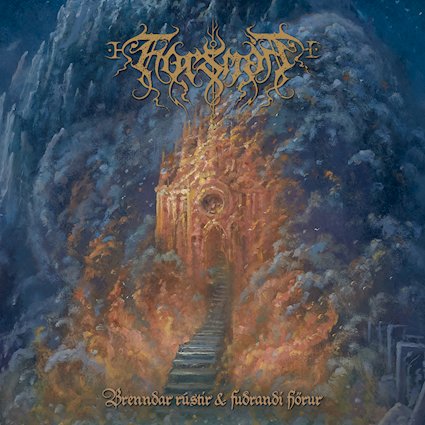
One of the most promising new names to emerge from the Icelandic Black Metal underground, Kópavogur-based horde Forsmán (pronounced “fors-mown”) is ready to attack armed with their debut offering, entitled Brenndar Rústir & Fuðrandi Fjörur, which translates from Icelandic as “burnt ruins & flowing shores,” following up on their 2021 debut EP Dönsum í logans ljóma. Produced by D.G., mastered by Viktor Árni Veigarsson, and showcasing another hypnotizing artwork by the great Paolo Girardi, the debut full-length by V. on bass and vocals, O. on the guitar and vocals, H. also on the guitar, and M. on drums brings forward the band’s trademark intricate riffing, shifting dynamics, and a dense atmosphere, therefore give their own Black Metal sound a demanding, fully formed character.
Drottinn fyrirgefur allt, or “the lord forgives all,” showcases dissonant and grim sounds from the very beginning, with O. and H. attacking us all with their scorching axes, flowing like an arrow in pitch black darkness before we face Svartir svanir, or “black swans,” with the pure Black Metal blast beats by M. giving the song an even heavier vibe, boosted by the visceral screams by V. and O. Andvana, or “death,” one of the first singles released, offers us all mere mortals an avalanche of blackened sounds led by the enfolding yet harsh guitars by O. and H., a no shenanigans, in-your-face explosion of Icelandic Melodic Black Metal spearheaded by the always thunderous beats and fills by M., and the band then delivers four minutes of chaos and fire entitled Valdníðsla, or “power abuse,” where the demonic roars by V. and O. will drag us down to their infernal lair for all eternity.
Kynjamyndir, or “gender images,” is a more introspective, devilish Blackened Death Metal aria by the quartet where their guitars exhale sulfur and hatred, reminding me of some of the more recent songs by the mighty Behemoth, whereas Lof mér líf þitt að taka, or “promise me your life to take,” follows a similar pattern as its predecessor, also sounding ruthless and vile from start to finish, with O. and H. once again consuming our souls with their obscure riffage. Hræ hins almáttuga, or “the corpse of the almighty,” is also blasphemous and sulfurous, showcasing hints of Progressive and even Dissonant Black Metal added to their core sonority; while lastly, get ready for a descent into the underworld to the sound of Barmafylltar fjöldagrafir, or “busty mass graves,” with their demonic vocal lines being effectively complemented by the thunderous drums by M. until all fades into oblivion.
Standing in the line of modern Icelandic Black Metal associated with Svartidauði, Sinmara, and Misþyrming, combining a dense atmosphere with focused, forward-driving songwriting, Forsmán already appear less like followers than a new voice within it with the release of the breathtaking Brenndar Rústir & Fuðrandi Fjörur, paving a very exciting path ahead of those young black metallers. If you want to join them in their quest for extreme music, you can find the boys on Facebook, stream their caustic creations on Spotify, and put your bloodsoaked hands on Brenndar Rústir & Fuðrandi Fjörur via BandCamp, via Metal Blade Records, or by clicking HERE. Iceland is a haunting masterpiece of contrast, a beautiful, primordial purgatory where the earth is violently born and slowly frozen to death, and there’s nothing better than the scathing Black Metal forged by Forsmán in their debut album to turn that violent nature into beautifully scorching sounds.
Best moments of the album:Andvana, Valdníðsla and Barmafylltar fjöldagrafir.
Worst moments of the album: None.
Released in 2026 Metal Blade Records / Vesperian GmbH
Track listing 1. Drottinn fyrirgefur allt 5:20
2. Svartir svanir 6:53
3. Andvana 6:03
4. Valdníðsla 4:23
5. Kynjamyndir 3:31
6. Lof mér líf þitt að taka 3:53
7. Hræ hins almáttuga 6:44
8. Barmafylltar fjöldagrafir 7:34
Band members V. – bass, vocals
O. – guitar, vocals
H. – guitar
M. – drums
After twenty years, these veterans of the Calgary metal scene are going out with a bang with their third and final album, featuring ten songs about ten of the band’s favorite horror movies.
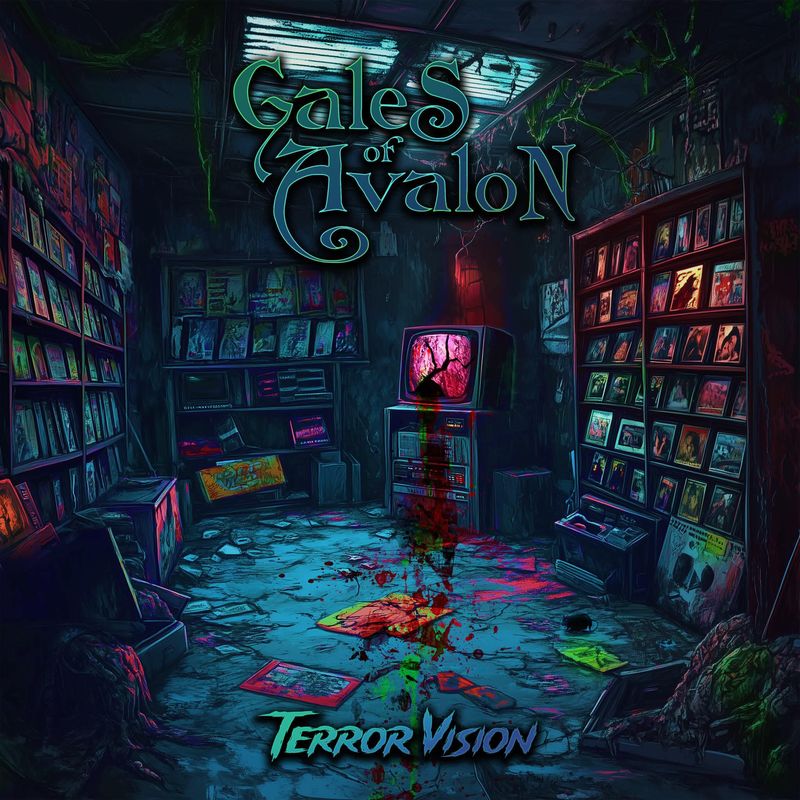
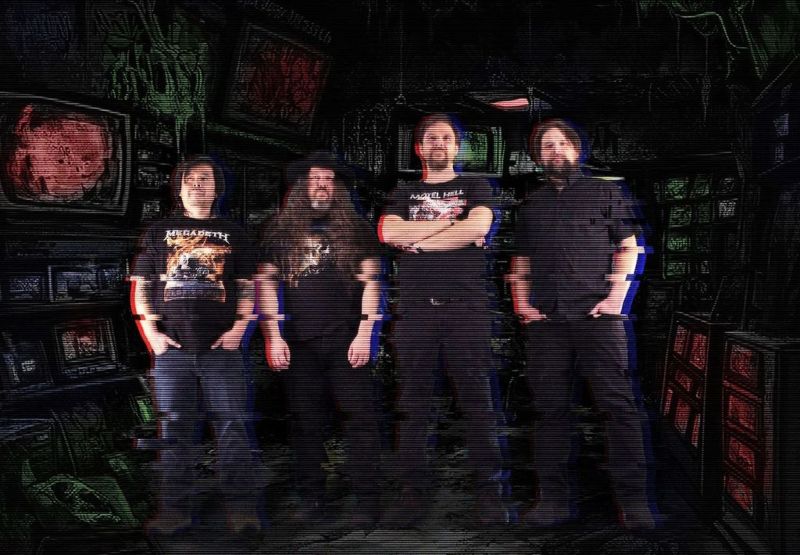
Veterans of the Calgary metal scene, Blackened Death Metal horde Gales of Avalon is unleashing their third and final full-length release, titled Terror Vision, following up on their 2017 album Hope and their 2022 EP Oblivion. You read it correctly. Unfortunately, after twenty years, countless shows, three EPs, and three full-length albums, the band has decided to bring their adventure to an end. Mixed by James Neill, with help from Mark Dillon and Gavin Szentner, and mastered by Roland Rodas at Cavern of Echoes, the new album by vocalist and bassist James Neill, vocalist and guitarist Mark Dillon, guitarist Collin Wo, and drummer Jamie Gallo features ten songs about ten of the band’s favorite horror movies, offering their trademark mix of catchy heavy songs and soaring guitar harmonies, and their brand of genre bending metal songs.
Your body and soul are doomed if you don’t enjoy the opening track Camp Crystal Lake, from its eerie intro until the very end, with their Death Metal riffs matching perfectly with James’ deep guttural. Mark and Collin then bring the badass Rock N’ Roll vibe from the mighty Motörhead through their sharp riffs in Return of the Living Dead, perfect for some wild headbanging; followed by Lifeforce, another blast of Death N’ Roll led by the classic beats by Jamie, supported by the rumbling bass by James. The Town that Dreaded Sundown invites us all to bang our heads together with the quartet, with James once again barking and roaring nonstop, whereas 100 Pieces of Gold explodes into a wild mix of 70’s Rock N’ Roll, Stoner Metal and their core Death Metal after its cryptic intro.
The deep vociferations by James are nicely complemented by the always heavy-as-hell riffs by Mark and Collin in Always You, offering more of the band’s trademark blend of savagery and melodious sounds, and the dual vocal attack by James and Mark works really well in C.H.U.D., while Jamie keeps blasting his drums in great fashion. After such a bold tune, Dead by Dawn presents another round of the band’s scathing riffage, albeit a bit repetitive in the end; while in My Bloody Valentine they get back to a more electrifying sonority, with the riffs and solos by Mark and Collin living up to the legacy of Melodic Death Metal. Finally, we face a unique take on one of the biggest slasher films of all time, Texas Chainsaw Massacre, featuring Amanda Marie Bourdon of the bands Caveat and Greybeard, mixing rap music with their core deadly sounds.
“We had a lot of time to write and record this album. We played the songs live for a few years, working them out, and we are very proud and happy with the final product. We knew, going into the recording, that this was gonna be the last one. So, we wanted to put in an effort that was heavy and fun for the fans,” said James Neill, and if you want to know more about Gales of Avalon, their very last album, as well as their previous ones, you can find those guys on Facebook, stream their music on Spotify, and of course purchase the album from BandCamp. Not only that, the band will be playing an album release party on June 13 at Vern’s Tavern in Calgary, with support from The Bodies of Everest, Armifera, Oklahoma, and BlackSpirit, which means if you’re around that area you know what to do. Gales of Avalon are going out with a bang with Terror Vision, and hopefully we’ll hear from the guys with other bands and projects. Gales of Avalon will surely be missed, but not before leaving us with a banger of an album.
Best moments of the album:Return of the Living Dead, Always You and My Bloody Valentine.
Worst moments of the album:Dead by Dawn.
Released in 2026 Independent
Track listing 1. Camp Crystal Lake 4:56
2. Return of the Living Dead 4:33
3. Lifeforce 5:27
4. The Town that Dreaded Sundown 4:15
5. 100 Pieces of Gold 4:18
6. Always You 5:25
7. C.H.U.D. 3:45
8. Dead by Dawn 4:52
9. My Bloody Valentine 3:45
10.Texas Chainsaw Massacre 4:12
Band members
James Neill – vocals, bass
Mark Dillon – vocals, guitars
Collin Wo – guitars
Jamie Gallo – drums
Guest musician
Amanda Marie Bourdon – vocals on “Texas Chainsaw Massacre”
Let’s embark on a sweeping orchestral journey into the dark fantasy realm of Ardul, embracing cinematic storytelling through rich symphonic textures, intimate folk tunes, and atmospheric worldbuilding.
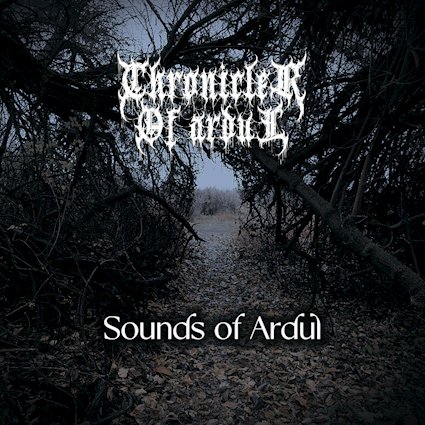
A sweeping orchestral journey into the dark fantasy realm of Ardul, the breathtaking Sounds of Ardul, the first full-length album by Richland, Washington-based Symphonic and Blackened Death Metal outfit Chronicler of Ardul (the brainchild of composer, vocalist and multi-instrumentalist David Williams) embraces cinematic storytelling through rich symphonic textures, intimate folk tunes, and atmospheric worldbuilding, instead of relying on metal elements. With David himself handling all writing, recording, mixing, and artwork, giving the project a distinct voice anchored in emotional honesty and narrative purpose, the follow-up to the 2023 EP Myrewood and the 2024 EP Sword of Virné showcases 17 tracks which individually feel like a moment from a larger adventure, guiding listeners through taverns, shadowed forests, ancient mists, and violent clashes, inviting audiences to step directly into the world itself, experiencing its wonder, danger, and humanity firsthand.
Featuring the awesome vocalist Sofia Frasz of Exiled Hope, Watch Over Me is a bardic folk song carried by clean guitar, violin, hand percussion, resulting in a charming acoustic intro to the world of Ardul, followed by Watch Over Me (Village Version), a melancholic rendition of the same song with its crying violin sounding stunning. Then we have You’re Gone, featuring vocalist Aaron Johnson III of Syyn, presenting the emotional weight of loss, a somber tavern ballad about love that feels like a classic by Johnny Cash; whereas stomps, claps, and bottle taps set the tone in Oh Me Oh My, providing us with a view inside David’s creative mind. The first version of Woodlands offers the striking sounds of strings, harp, clarinet, piano, and choir, while Woodlands (Alternate Version) displays a cleaner sound with cello, piano, and harp only, and Woodlands (Battle Theme) brings forward the uniqueness of brass, percussion, and rhythmic urgency as hidden threats reveal themselves, like the score to an epic movie. After such an inspiring trio of songs, we have In the Mists of the Myrewood (Remastered), a classic piano aria by David to bring some peace to our hearts.
The sounds of strings, piano, choir, and guitar keep embellishing the airwaves in the sinister tune Veiled Truth, while Unwelcomed Guests continues the rising tension with timpani heartbeats, clacking percussion, unsettling strings, and a divided choir in another serene tune by David. His passion for classical music gets even clearer in To Arms! (String Quintet), where it’s quite easy to visualize a full orchestra playing it; whereas Temporary Respite pulls the listener back into calmness with soft piano and choir, offering a resting place after turmoil. Moments From Disaster offers our avid ears heavy drums, tense strings, rumbling voices, and pounding piano, the most haunting chapter of the album, while Underground again ventures through movie score lands, sounding imposing and whimsical, and Underground (Alternate Version) is a quieter but more claustrophobic passage where you can feel David’s anguish. To Arms! then showcases a bold symphonic battle full on orchestrations in the most imposing version of the song; and lastly, Zarek the Bloody offers us all the sounds of accordion, bass, percussion, and vocals by David, feeling delicate and gloomy while also dark and visceral. Needless to say, David should do more singing on his albums for sure.
Influenced by renowned acts the likes of Shadow of Intent, Mental Cruelty, Nobuo Uematsu, and Yasunori Nishiki, David and his Choricler of Ardul approach concept music with the depth of a novel and the drama of a film score. Not only that, the album also includes extended ten-minute looping versions of twelve tracks, crafted for worldbuilders, tabletop players, writers, and listeners who want to immerse themselves even further. As the third pillar of the project’s overarching project, Sounds of Ardul expands the world’s scope while maintaining musical motifs that connect past works to future stories, and you can join David in such a unique quest by following the project on Facebook and on Instagram, by streaming his music on YouTube, Spotify or Apple Music, and of course by purchasing the album from BandCamp or by clicking HERE. It’s time to embark on a journey to Ardul alongside David Williams, and there’s nothing better than his new album to provide us with the perfect soundtrack for such a thrilling adventure.
Best moments of the album:You’re Gone, Woodlands (Battle Theme) and Zarek the Bloody.
Worst moments of the album:Woodlands (Alternate Version).
Released in 2026 Independent
Track listing 1. Watch Over Me 3:50
2. Watch Over Me (Village Version) 2:04
3. You’re Gone 4:32
4. Oh Me Oh My 1:43
5. Woodlands 2:28
6. Woodlands (Alternate Version) 2:28
7. Woodlands (Battle Theme) 2:28
8. In the Mists of the Myrewood (Remastered) 3:31
9. Veiled Truth 2:45
10. Unwelcomed Guests 3:04
11. To Arms! (String Quintet) 2:28
12. Temporary Respite 2:41
13. Moments From Disaster 2:31
14. Underground 2:24
15. Underground (Alternate Version) 2:24
16. To Arms! 2:28
17. Zarek the Bloody 2:42
Band members David Williams – vocals, all instruments
Guest musicians
Sofia Frasz – vocals on “Watch Over Me”
Aaron Johnson III – vocals on “You’re Gone”
It’s time to ascend to the place of the damned with the first full-length opus by this Slovakian horde, a throwback to the late 90’s heydays of Black and Death Metal.
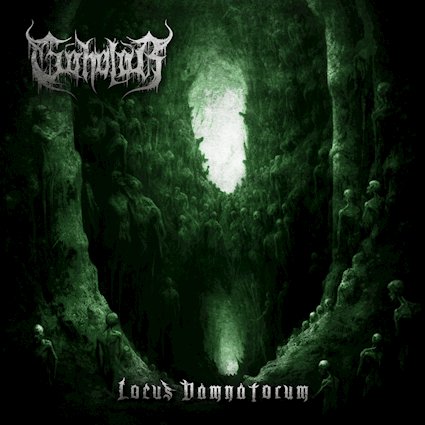
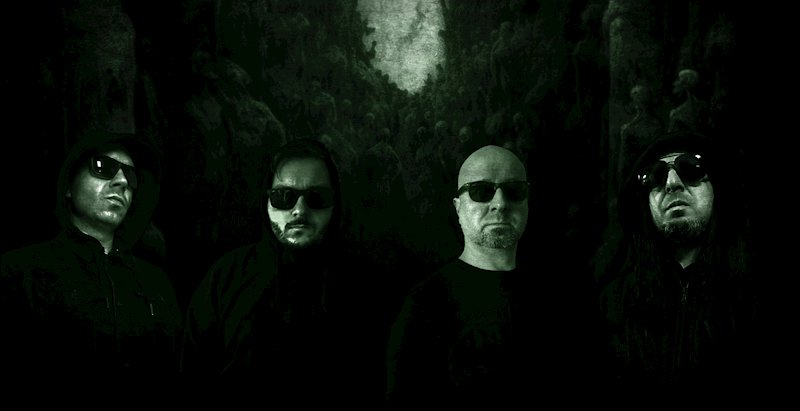
Arising from the depths of suffering in Slovakia in 2010 at the instigation of vocalist Anton Piovarci and guitarist and vocalist Demo, later joined by Erik Čalfa on bass and Pio on drums, Michalovce-based Blackened Death Metal horde Goholor (which in the Enochian language, a constructed language used in occult traditions, translates to “ascend”) is unleashing upon humanity their first full-length opus, titled Locus Damnatorum, a Latin phrase that translates to “place of the damned,” following up on their 2016 debut EP In Saeculis Obscuris. Mixed and mastered by Tore Stjerna at Necromorbus Studios, the album feels like a throwback to the late 90’s heydays of Black and Death Metal, recalling the likes of Unanimated, Necrophobic, Sacramentum, Gates of Ishtar, and Sweden’s Sacrilege, while at the same time there’s just as equally their own personality injected into their atmospheric muscle.
There’s no hope for our putrid souls as the band kicks off their infuriated attack with Demonical Redemption, where Anton’s deep guttural sound inhumane while the guitar by Demo exhales sulfur. Pio continues to crush his drums like a true beast in the Black and Death Metal aria titled Black Rising Suffering, as dark as it’s heavy and demonic, followed by Divine Blood Invocation, which carries a classic name for a vicious extreme music tune where Demo and Erik’s stringed attack will send shiver down your spine. Last Groan Devoured by Death also portrays a very poetic and evil name, starting in a serene manner before evolving into a massive beast of Blackened Death Metal with Doom Metal nuances; and Pio is once again ruthless behind his drums in Ominous Delusion, offering Anton exactly what he needs to fire his cadaverous guttural roars. They definitely know how to craft deadly song names, and in Embraced by Demons Spell not only the title is menacing, but the music is a vile display of Death Metal savagery; whereas Demo sounds demonic armed with his axe in Nihillistic Torments, adding endless rage to the band’s core blackened essence, therefore ending the album on a sulfurous, grim note.
Continuing to focus on the dark and demonic side of society, such as hypocrisy, perversion, insensitivity, and obsession with religion, those Slovakian metallers are on absolute fire from start to finish in their newborn beast Locus Damnatorum, and you can get to know more about the band, their music and tour dates on Facebook, and purchase their incandescent new album from the Personal Records’ BandCamp or webstore. In other words, it’s time to ascend to the place of the damned alongside Goholor and their new album, a thrilling blast of underground extreme music that will surely keep such a talented horde more than ready to strike again with their venomous music in the coming years.
Best moments of the album:Black Rising Suffering, Last Groan Devoured by Death and Embraced by Demons Spell.
Worst moments of the album: None.
Released in 2026 Personal Records
Track listing 1. Demonical Redemption 5:45
2. Black Rising Suffering 5:04
3. Divine Blood Invocation 5:20
4. Last Groan Devoured by Death 8:25
5. Ominous Delusion 4:06
6. Embraced by Demons Spell 5:30
7. Nihillistic Torments 4:11
Band members Anton Piovarci – vocals
Demo – guitars, vocals
Erik Čalfa – bass
Pio – drums


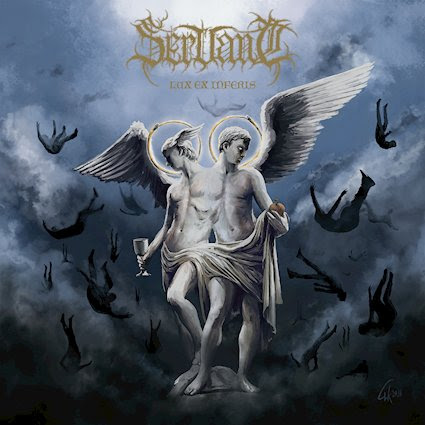 Balancing tradition and progression, German Black Metal horde Servant delivers a sound that feels both familiar and forward-thinking, uncompromising, powerful, and darkly captivating. Two years after their critically acclaimed third album Death Devil Magick, the band formed of vocalist and guitarist Farago, guitarist Samael, bassist Thanatos, and drummer Apophis returns with Lux Ex Inferis (a Latin phrase that means “light from the netherworld” or “light from hell”) offering more of their authentic-yet-modern approach to Melodic Black Metal. Recorded at Katzbach Studio, produced and Mixed by Farago, mastered by Dennis Poschwatta at Katzbach Studio, and showcasing a stunning artwork by Misanthropic-Art, Lux Ex Inferis sees the band once again combine intensity, atmosphere, and passion into a distinctive sound, turning it into a must-listen for admirers of the darkest side of music.
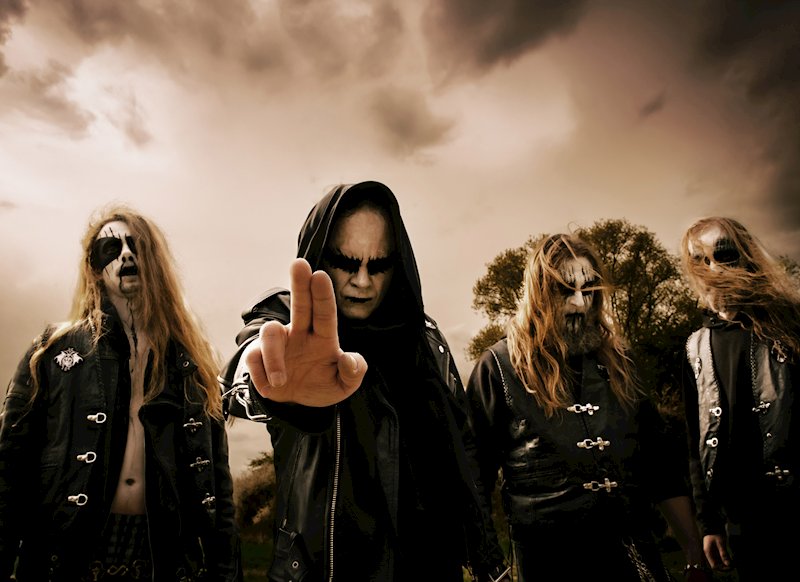 Expanding on the band’s established style, Lux Ex Inferis merges epic structures and haunting melodies, creating a multi-layered sonic landscape where passion meets grandeur, pointing to an even brighter (or maybe I should say darker) future ahead of those servants of the dark arts. You can get in touch with the band and stay up to date with their news and tour dates via Facebook and Instagram, stream their caustic music on any platform like Spotify, and of course, put your damned, dirty hands on their scorching new opus by purchasing it from the AOP Records’ BandCamp or webstore (or click HERE for all things Servant). After all is said and done, these German black metallers are among us to spread absolute darkness armed with Lux Ex Inferis, bringing the light from hell into our blackened hearts.