Album Review – Riket / 2026 (2026)

Standing at the intersection of ferocity and history, this Swedish Death and Thrash Metal brigade is unleashing hell with their debut opus, with each song portraying small historic tales of catastrophe, blunder, and human downfall.
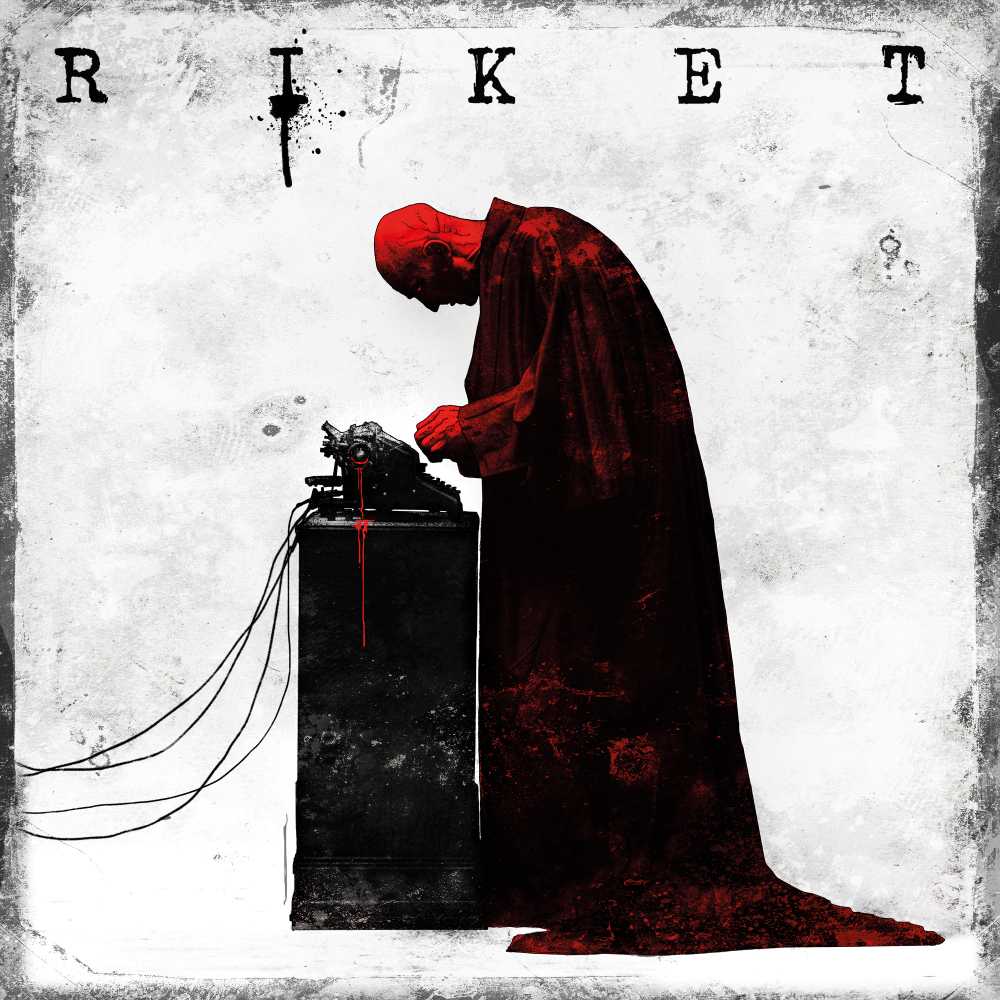
Standing at the intersection of ferocity and history, channeling the raw aggression of Death Metal while weaving in the relentless drive of Thrash Metal and the defiance of Punk Rock, Stockholm, Sweden-based brigade Riket is unleashing hell armed with their debut opus, simply titled 2026. Recorded and produced by Sverker Widgren at Wing Studios, and displaying a haunting artwork by Axel Torvenius, mirroring the album’s thematic depths, the debut offering by vocalist Johan “Flid” Fridell, guitarists Tobias Jakobsson and Jussi Niiranen, bassist Micke André, and drummer Felix Wahlund balances crushing heaviness with an eerie sense of narrative, with every song being performed in Swedish and rooted in the darker corners of a shared past, portraying small historic tales of catastrophe, blunder, and human downfall.

Tobias and Jussi take the lead from the very first second with their acid riffage in 1868: Sommar Vid Vinterviken (or “1868: Summer at Winter Bay” from Swedish), while Johan barks and roars in the best Swedish style. 1867: Storsvagaret (“1867: The Great Weakness”) is even more infuriated and groovy than the opening tune, presenting elements of Death and Thrash Metal spiced up by an overdose of brutality and sick guitar solos; and it’s time to head into the circle pit and keep moving relentlessly in 1965: Hoghus Och Kultur (“1965: The Court and Culture”), with Felix sounding like a machine gun on drums. Then leaning towards the Melodic Death Metal by their countrymen such as In Flames and Soilwork we have 1948: Att Doda Ett Barn (“1948: Killing a Child”),showcasing a truly edgy vibe; and what starts in a calm way in 1885: Dodsdansen (I Manskensnatten) (“1885: The Dance of Death (In the Night of Man)”) suddenly morphs into another bestial melodeath attack.

1897: Mot Polen (“1897: Towards Poland”) is absolutely heavy but not as dynamic nor as exciting as the rest of the album, albeit the Amon Amarth-like riffs by Tobias and Jussi are still a thing of beauty. Micke keeps hammering his bass in 1991: 2000 Ar (Saliga Aro De Talmodiga) (“1991: 2000 Years (Blessed Are the Wise Men)”), adding a groovier vibe to the song while Johan’s deep guttural bring endless fury to the overall result; whereas 1937: Lagor Vid Portarna (“1937: Laws at the Gates”) is more rhythmic and vibrant thanks to another ass-kicking performance by Felix on drums, while the trio formed of Tobias, Jussi and Micke delivers a first-class stringed onrush. Lastly, we’re treated to a cover version for Stefan Sundström’s 2009: Alla Ska I Jorden (“2009: All Shall Be in the World”) (and you can enjoy the original version HERE), an interesting rendition presenting a darker, more introspective approach compared to the original.
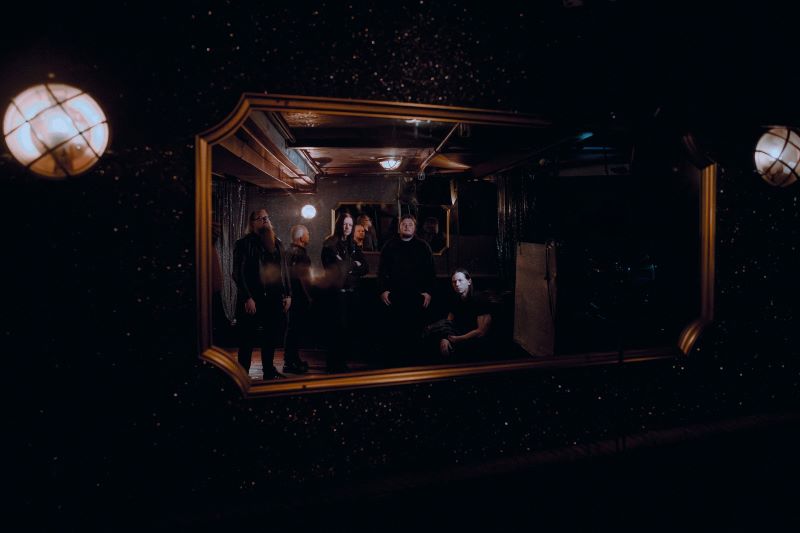
A vessel of memory, a grim messenger bridging today’s world with the chilling truths of yesteryears, 2026 does not simply revisit history. Riket force you to confront it, challenging their audience to face uncomfortable truths, both personal and societal. If you want to know more about Riket and their dark relationship with history, you can start following the band on Facebook and on Instagram, stream their wicked creations on Spotify, and purchase their excellent debut from BandCamp or from several online retailers such as Doomed Records and Record Store Day. 2026 is an album that lingers long after the final note fades, a stark, resonant journey through memory, identity and the lingering shadows of time, leaving us eager for more from those Swedish metallers as our society progresses to its inevitable doom.

Best moments of the album: 1867: Storsvagaret, 1965: Hoghus Och Kultur and 1937: Lagor Vid Portarna.

Worst moments of the album: 1897: Mot Polen.

Released in 2026 Black Lion Records

Track listing
1. 1868: Sommar Vid Vinterviken 4:27
2. 1867: Storsvagaret 3:04
3. 1965: Hoghus Och Kultur 5:15
4. 1948: Att Doda Ett Barn 3:42
5. 1885: Dodsdansen (I Manskensnatten) 4:48
6. 1897: Mot Polen 3:56
7. 1991: 2000 Ar (Saliga Aro De Talmodiga) 4:11
8. 1937: Lagor Vid Portarna 4:18
9. 2009: Alla Ska I Jorden (Stefan Sundström cover) 5:06

Band members
Johan “Flid” Fridell – vocals
Tobias Jakobsson – guitars
Jussi Niiranen – guitars
Micke André – bass, backing vocals
Felix Wahlund – drums
Album Review – Fimbul Winter / What Once Was EP (2025)

Brace yourselves for the Great Winter to the debut EP by this ruthless horde, a bold statement from a band built on unfinished business and a shared passion for the roots of Swedish Death Metal.

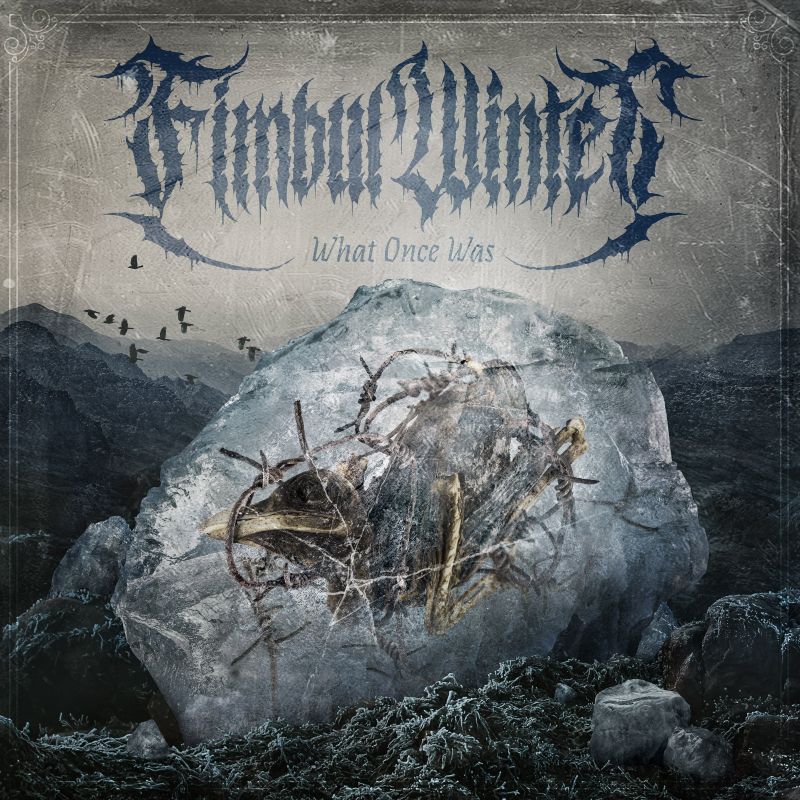
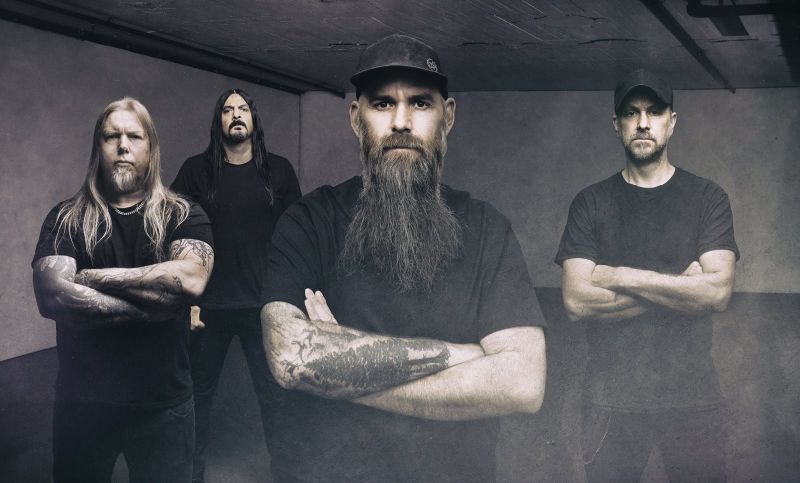
Forged in the fires of Tumba, Sweden by three former members of Amon Amarth who decided to go berserk together after a spontaneous reunion performing the band’s 1994 demo The Arrival Of The Fimbul Winter, the ruthless Death Metal horde named Fimbul Winter (or the “Great Winter,” the three-year-long, brutal winter that serves as the immediate prelude to Ragnarök in Norse mythology) is making their debut with a crushing EP titled What Once Was. Recorded at Witching Hour Audio (vocals) and at Wing Studios (guitars and drums), produced by the band itself, mixed and mastered by Marko Tervonen at Studio-MT, and displaying a grim artwork by Björn Gooßes of Killustrations, the debut by Clint Williams (Munitions) on vocals, Fredrik Andersson (Amon Amarth) and Anders Biazzi (Amon Amarth) on the guitars, and Niko Kaukinen (Amon Amarth) on drums, with the support of session bassist Tobias Cristiansson (Necrophobic, Grave, Dismember), delivers a sound that is cold, intense, and fiercely authentic, a bold statement from a band built on unfinished business and a shared passion for the roots of Swedish Death Metal.

The ass-kicking opening tune Storms Rage obviously sounds like the early days of Amon Amarth, and that’s excellent as the band continues a different path in the best “what if…?” style, led by the imposing, unrelenting riffs by Fredrik and Anders. Then the title-track What Once Was proves why Clint was chosen to be the voice of the band, as his enraged, deep gnarls match perfectly with their Swedish Death Metal sounds. Niko pounds his drums in the best Viking way in Mounds Of Stones, supported by the rumbling bass by Tobias, therefore resulting in a massive wall of Death Metal sounds, and you can feel absolute anguish flowing from Clint’s deep vocalizations in A Soul That Soared, supported by another infernal avalanche of beats and fills by Niko. Finally, closing the EP we’re treated to the headbanging In Solitude’s Embrace, offering us the trademark scorching riffs by Fredrik and Anders while leaving us absolutely eager for more of their music in the near future.

As torchbearers of the Swedish Melodic Death Metal tradition, the band channels decades of experience while staying true to the sound that defined them in their debut EP, from rediscovered riffs originally written for Amon Amarth to entirely new compositions, being therefore highly recommended for fans of early Amon Amarth, Unleashed, Hypocrisy, and Bolt Thrower, among others. “What Once Was reflects both where we come from and what we still believe in; honest, melodic death metal. No trends, no gloss, just the kind of elements we feel is missing in a lot of metal today,” commented the band. Hence, you can get in touch with those Swedish metallers via Facebook and Instagram, check their music on YouTube and on Spotify, and of course purchase their incendiary EP from BandCamp or by clicking HERE. The Great Winter is upon us all in the form of old school, no shenanigans Death Metal, and you better brace for impact as those Norsemen are not fooling around when it comes to crafting ruthless heavy music.

Best moments of the album: Storms Rage and In Solitude’s Embrace.

Worst moments of the album: None.

Released in 2025 Independent

Track listing
1. Storms Rage 3:52
2. What Once Was 5:14
3. Mounds Of Stones 5:31
4. A Soul That Soared 4:32
5. In Solitude’s Embrace 4:42

Band members
Clint Williams – vocals
Fredrik Andersson – lead guitars, orchestral arrangements
Anders Biazzi – guitars
Niko Kaukinen – drums

Guest musicians
Tobias Cristiansson – bass (session)

Album Review – Blodtår / Det Förtegna Förflutna (2023)

This Swedish Folk and Black Metal entity will take you on a thrilling voyage in its first full-length album, telling stories inspired by Scandinavian folklore, forests, mountains and mythological beings.

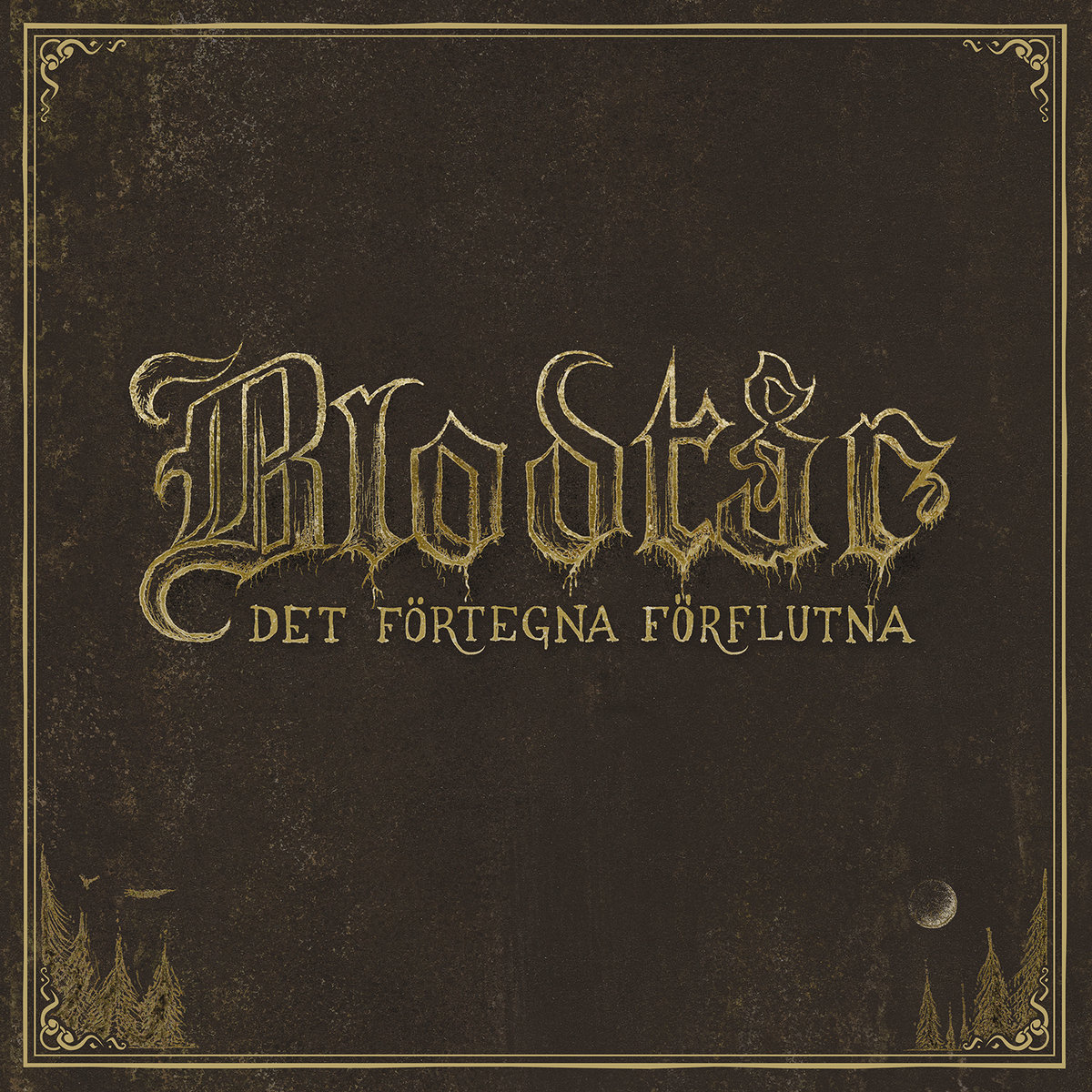
A Folk and Black Metal fusion of the lo-fi malice of Embassy-era Gorgoroth, the folkish grandeur of Windir, and Dissection’s icy, melancholic melodies, the stunning Det Förtegna Förflutna, or “the secretive and quiet past” translated from Swedish, is the debut full-length opus by Stockholm, Sweden-based Black Metal entity Blodtår (“blood tears” or “tears of blood”), the follow-up to the band’s 2021 self-titled debut EP. Recorded and mixed at Wing Studios, Det Förtegna Förflutna showcases masterful riffing heavily inspired by Swedish folk melodies, played lightning-fast but without sounding upbeat, by the project’s mastermind, vocalist, guitarist and bassist Carl, supported by Hebert Alarcón Cerna on drums. “The album title expresses my wish to shine some light on a cultural heritage we in Scandinavia still have but appear to be neglecting more and more. Det Förtegna Förflutna consists of songs that are somewhat linked together by themes such as northern folklore, forests, mountains, and mythological beings. Each composition tells a different story, akin to old Scandinavian fairy tales (which were often illustrated by artists like John Bauer),” commented Carl about his awesome new album.

The project’s Folk Metal vein arises in full force in En krona av is (“a crown of ice”), blending the magic of the genre with the obscurity of Scandinavian Black Metal while Carl roars from the bottom of his blackened heart supported by the classy beats by Hebert; and the duo’s fusion of harsh and folky sounds goes on in Ur mörker (“of darkness”), showcasing an amazing job done by Carl with his strident, caustic riffage and low-tuned bass lines, sounding very melodic and grim and, consequently, living up to the legacy of the genre. In Skymning (“dusk”) we face three intense minutes of modern-day Melodic Black Metal made in Sweden with the blast beats by Hebert adding an extra touch of violence and heaviness to the overall result, followed by Den fördärvande sorgbundenheten (“the devastating grief”), a pulverizing and majestic aria of Black Metal where Carl is on fire armed with his stringed axes and deep, infernal roars.

The guitar-driven interlude De dansar på berget… (“they dance on the mountain…”) will set the stage for the duo to kill again in I avgrundens djup (“in the depths of the abyss”), offering more of their furious yet extremely harmonious sounds, with Hebert sounding possessed behind his drums while the music feels imposing until the very last second. It’s then time for another intermission, Gånglåt (“walking tune”), this time slightly longer in duration and more melancholic, and once again led by Carl’s melodic guitar lines, followed by Uttala dess namn (“speak its name”), a headbanging feast of Folk and Black Metal tailored for lovers of the genre where Hebert hammers his drums in great fashion nonstop, with the song’s breaks and variations bringing a fresher vibe and taste to it. Lastly, an epic, galloping pace spearheaded by Hebert will put you to bang your head to the sound of En brynja av barr (“a hauberk of pine needles”) while Carl extracts pure metal from his rumbling bass, flowing flawlessly until the end and putting a climatic finale to the album.

Carl and his incendiary Blodtår are waiting for you on Facebook and on Instagram with news, plans for the future and so on, and don’t forget to also go to Spotify to stream all of the project’s amazing creations. Furthermore, if you want to show Blodtår your utmost support, you can purchase a copy of Det Förtegna Förflutna from the band’s own BandCamp page, or simply by clicking HERE. Det Förtegna Förflutna beautifully combines the intricate and unique stories from the Scandinavian culture with the visceral sounds from Black Metal and the magic of Folk Metal, and may Carl and his Blodtår continue to tell such stylish tales through their music for years and years.

Best moments of the album: Ur mörker, Den fördärvande sorgbundenheten and En brynja av barr.

Worst moments of the album: None.

Released in 2023 Nordvis Produktion

Track listing
1. En krona av is 6:01
2. Ur mörker 5:16
3. Skymning 3:13
4. Den fördärvande sorgbundenheten 7:10
5. De dansar på berget… 0:39
6. I avgrundens djup 4:26
7. Gånglåt 1:30
8. Uttala dess namn 5:47
9. En brynja av barr 7:25

Band members
Carl – vocals, guitars, bass
Hebert Alarcón Cerna – drums