Album Review – Amon Amarth / The Allfather Awakens (2026)

These relentless Swedish Vikings return with their thirteenth studio album, showcasing ten songs of absolute power and might historically inspired by epic tales of conflict and sacrifice for a greater good.
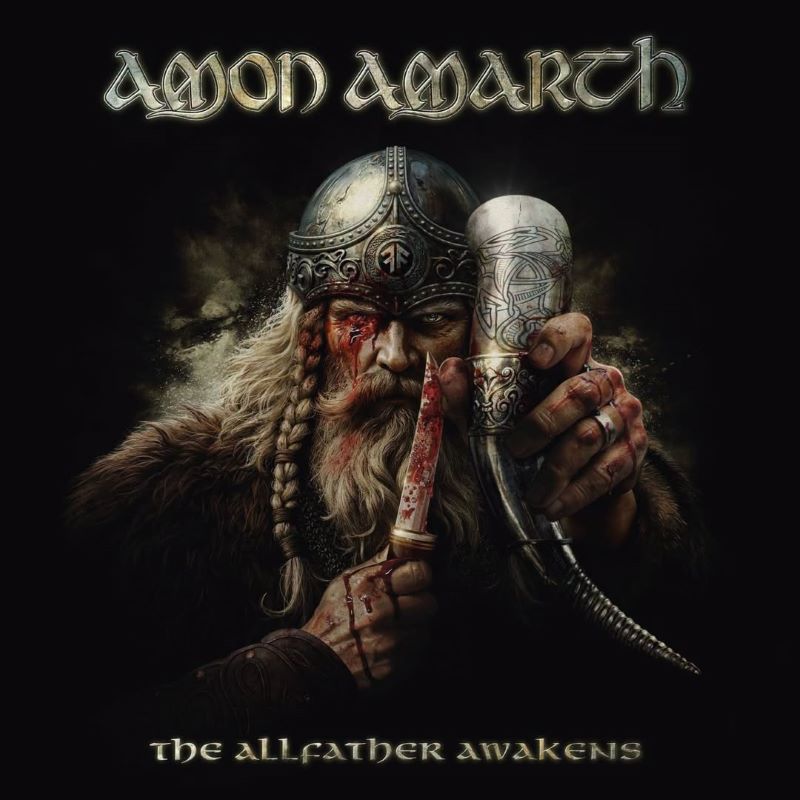
A ten-song masterwork that further cements the legacy of the band’s spectacularly memorable riffs and unflinching aural power, The Allfather Awakens is the thirteenth studio opus by Swedish Melodic Death Metal warriors Amon Amarth, following on their 2022 beast The Great Heathen Army. Recorded across two recording sessions, months apart, at Hansen Studios, and displaying a dark artwork by German artist Tom Thiel, who created seven of the quintet’s album covers, portraying the mighty Oden, the Norse “all father” who is a deity of war, wisdom, death, magic, and poetry, the new album by frontman Johan Hegg, guitarists Olavi Mikkonen and Johan Söderberg, bassist Ted Lundström, and drummer Jocke Wallgren once again presents Oden as the through-line in their lyrics and music. However, despite Oden being their inspiration as usual, The Allfather Awakens is not a concept album, rather historically inspired epic tales of conflict and sacrifice for a greater good.

Get ready for a wild battle alongside Amon Amarth in Gjallarhorn, with its epic lyrics (“Through Nifelheim’s eternal night / A trek of fear and dread / The keeper of the well to find / The wanderer walks ahead”) walking hand in hand with the band’s heavy and vibrant instrumental, followed by Eight Legs of Thunder, another song perfect for some wild headbanging to the hammering drums by Jocke. Kvasir’s Blood is a horns raising metallic tune by those Swedish Vikings where the guitars by Olavi and Johan breathe melody and fire; whereas We Rule the Waves is a song from the band to their diehard fans, with Johan roars the song’s catchy chorus majestically (“We are / We are Vikings / From cradle until the grave / As long as the sun sets in the west / We rule the waves”), inviting us all to row with them. And the acoustic tune Upphaf, despite its decent Folk Metal vibe, is a weird addition to the album in the end.

Then back to a hammering, no shenanigans melodeath sonority we have Die with a War Cry, where the thunderous bass by Ted matches perfectly with the pounding drums by Jocke from start to finish, followed by Raven God, another song perfect to be played live (or on one of those countless Viking TV shows), with the guitar work by Olavi and Johan sounding very melodic and bringing even more epicness to their music. The Allfather Awakens reeks of classic Amon Amarth, with all instruments supporting Johan and his Viking roars, and I’m sure we’ll hear this song played live on their upcoming tours; and it’s then time to grab our swords and shields and head into the battlefield alongside Amon Amarth in Oden’s Hunt, a fast and furious display of their trademark sound, with Jocke punishing his drums in the best way imaginable. Lastly, after an imposing intro, the music explodes into Swedish melodeath fire in Ascending like an Eagle, a song about overcoming obstacles with persistence and power, and the continuation of “Serpent’s Trail” from The Great Heathen Army, with their guitars and bass creating a dense atmosphere perfect for Johan’s warrior-like guttural.
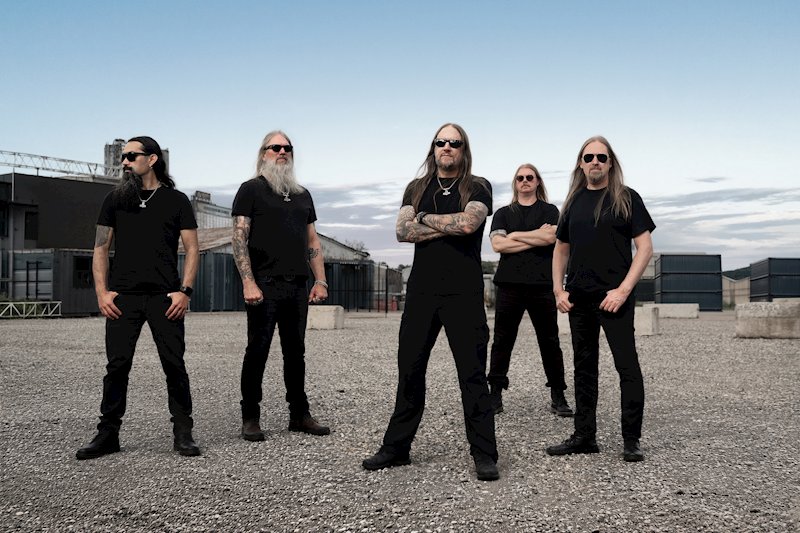
Introducing previously untried efforts, an impressive and conscious musical and lyrical feat after 30 years of band-dom, The Allfather Awakens is yet another strong album by those Norsemen. For Amon Amarth, a new album has always meant more than a collection of songs, it marks the beginning of a new world, and you can join the band in such an exciting quest by following them on Facebook and on Instagram, by streaming their music on Spotify, and of course, by purchasing The Allfather Awakens from BandCamp or from Metal Blade Records. In other words, as Oden hears our call, it’s time to go to war to the sound of the incendiary new opus by the most beloved Vikings in the history of heavy music.

Best moments of the album: Gjallarhorn, We Rule the Waves and Oden’s Hunt.

Worst moments of the album: Upphaf.

Released in 2026 Metal Blade Records

Track listing
1. Gjallarhorn 5:14
2. Eight Legs of Thunder 4:20
3. Kvasir’s Blood 4:26
4. We Rule the Waves 3:50
5. Upphaf 4:32
6. Die with a War Cry 3:29
7. Raven God 4:30
8. The Allfather Awakens 4:36
9. Oden’s Hunt 4:23
10. Ascending like an Eagle 6:44

Band members
Johan Hegg – vocals
Olavi Mikkonen – guitars
Johan Söderberg – guitars
Ted Lundström – bass
Jocke Wallgren – drums
Album Review – Blodtår / Monark (2026)

One of Sweden’s most promising Black Metal projects returns with its sophomore opus, conceived in the aftermath of a personal tragedy, and moving through overwhelming spiritual pain toward a fragile yet undeniable light.

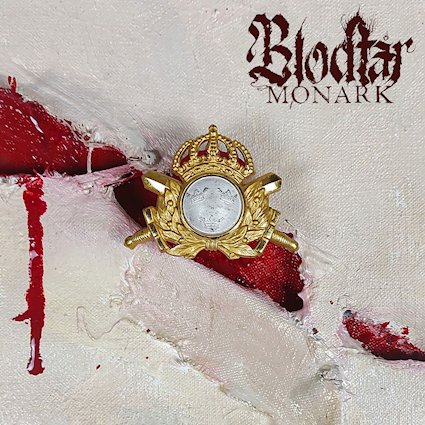
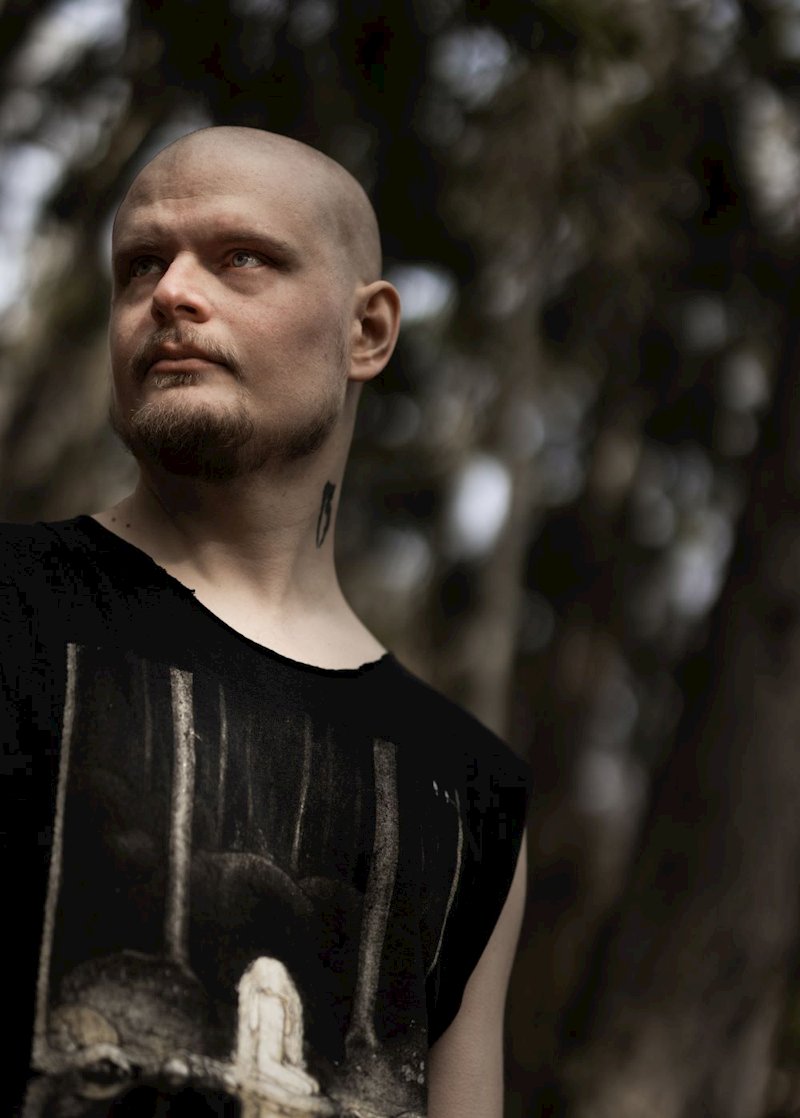
Back in 2021, Stockholm, Sweden-based Black Metal entity Blodtår announced themselves with a self-titled EP steeped in Black Metal mysticism. Their following release, the 2023 full-length Det förtegna förflutna, revealed a project capable of refined structure and melodic discipline without sacrificing intensity. Now in 2026, on their third release, titled Monark (the Swedish word for “monarch”), vocalist, guitarist and bassist Carl, alongside drummer Hebert Alarcón Cerna, ventures deeper still. Mixed and mastered by Tore Stjerna at Necromorbus Studio, and showcasing a classy artwork by Heresie Studio, Monark was conceived in the aftermath of a personal tragedy, moving through overwhelming spiritual pain toward a fragile yet undeniable light.

Carl kicks off his darkened feast with his visceral guitar lines, accompanied by the hammering drums by Hebert, in Blodtår, not to mention his harsh vocals exhale absolute despair and pain; followed by Till min sista viloplats (or “to my final resting place” from Swedish), a more direct Black Metal extravaganza with Carl shredding his axe in the name of extreme music. In contrast to such a visceral sound, Paradis, or “paradise,” begins in an acoustic way as if there was any hope in sight, but that’s all destroyed by his anguished, vile screams; while Det slutar i lågor, or “it ends in flames,” brings to our avid ears elements from Folk Metal to give the song an even more primeval and personal vibe.

Then we face the introspective, grim and emotional title-track Monark, with Carl delivering sheer melancholy through his vocals and guitar while Hebert dictates the pace with his classic beats. We’re then treated to the band’s cover version for Kraja’s Nu är det synd om de döda, or “now it’s a pity for the dead,” (check the original version HERE, from their 2011 album Brusand Hav). The lyrics for the song are based on a poem written by the famous Swedish author and poet Verner von Heidenstam, and Carl’s rendition of the song is not bad, but I personally prefer his trademark Black Metal a lot more, which is exactly what we get in Bland kvällens skuggor ännu vandra, or “still wandering among the evening shadows,” where Hebert sounds inhumane on drums, adding an overdose of Black Metal melancholy to the overall result. The climax of the album comes in the form of Den eviga isen, or “the eternal ice,” concluding Carl’s spiritual journey with his deep vociferations walking hand in hand with his crying guitar.

“Crippling pain was present throughout the entire process of the album, both in the music itself and beyond it. The inspiration for the next Blodtår record emerged forcefully not long after Det förtegna… had been completed. Monark is a strange album, but not in a negative sense – for me, that very strangeness is what makes it compelling,” commented Carl, and you can get in touch with him and let him know how much you enjoy his music by following Blodtår on Facebook and on Instagram, by streaming the project’s unique creations on Spotify, and by purchasing Monark from their own BandCamp or by clicking HERE. Beginning in darkness and concluding in illumination, Monark traces recurring cycles of mental collapse and resurgence with unflinching honesty, using the depth, anguish and power of Scandinavian Black Metal to turn it into a must-listen for any metalhead who has also been through the darkest times of their lives.

Best moments of the album: Blodtår, Monark and Bland kvällens skuggor ännu vandra.

Worst moments of the album: Nu är det synd om de döda.

Released in 2026 Nordvis Produktion

Track listing
1. Blodtår 5:30
2. Till min sista viloplats 3:55
3. Paradis 3:52
4. Det slutar i lågor 5:35
5. Monark 5:32
6. Nu är det synd om de döda (Kraja cover) 2:08
7. Bland kvällens skuggor ännu vandra 5:10
8. Den eviga isen 4:20

Band members
Carl – vocals, guitars, bass
Hebert Alarcón Cerna – drums

Interview – Northborn

Lets embark on a journey through the Swedish mythology and nature in this frostbitten interview with the up-and-coming Melodic Death Metal beast Northborn.

Northborn

The Headbanging Moose: First of all, thanks a lot for your time to chat with us. Can you please begin by introducing Northborn to our readers? When and how did the band start, and what changed since your inception?

Northborn: A frosted thanks that you gave us the opportunity to do this interview. Northborn is a passion project that aims to capture both the world mythos, no matter from what corner of the world the inspiration comes from, and to combine this with the blistering melodic death metal that ruled Finland during the early 2000s. Every song’s goal is to capture the feeling it’s written around to create something majestic and unique.

The band started when Björn had a writer’s frenzy and didn’t know what to do with all his ideas. Hence, he took contact with skilled musicians that looked for similar music he wrote and quickly he founded a burning core that became the frozen force that stands before you today.

And what has changed? Well, the concept of the band has evolved at record pace since we have such a great dynamic within the group. We all have honed our vision with the band, yet there’s room to grow. A band is never finished in its evolution.

THM: You have just released your debut self-titled album this year. What’s the general concept behind the album, and is it exactly the way the band was expecting it to be, or are there any elements you wish you could have done differently?

Northborn: The concept behind the album is partly to show the world that a new melodeath force has been born, hence the name of the album. We present ourselves at the same time that our debut now is “borned”. The concept grew with the songs, I’d say, but every song was chosen carefully to fit in a greater theme of myths and epic melodeath history. We had no clear view on what to expect when the album was released, but since it’s self-made, we’re incredibly proud of what we’ve accomplished. And as for the future, we now have an ever clearer vision of what we want to evolve and try out. I cannot reveal it yet, but things are already moving in the shadows.

THM: The opening track Hymn of the North Star spans over six minutes and sets a majestic tone for the album. What went into the composition of this specific track to make it the definitive introduction to Northborn?

Northborn: We all decided that the listener would be introduced to a wall of symphonic melodeath the second they played the album, and we also saw that this particular track was a great representation of what Northborn has to offer. Björn spent a great deal to make all the parts flow seamless throughout the song, and the result speaks for itself in grandeur and epicness. Other songs were discussed, but Hymn of the North Star spoke strongest towards our vision when the song list was created.

THM: Songs like Yokai of the Lake hint at distinct cultural folklore. What drew you to include a Japanese mythological entity (Yōkai) alongside the otherwise heavily Nordic, winter-focused themes of the record?

Northborn: Since Northborn is founded with the world mythos as a vital core to its sound, it was only natural to expand the sound beyond the Scandinavian melodeath scene. Björn is a huge fan of eastern mythology and its richness and variety from the Nordic tales he grew up with. Japanese melodies and stories blended perfectly together towards Yokai of the Lake. It just came natural to him. When the rest of the band heard it, it was a given that it needed to be included on the album. We’re glad it did since it shows a variety we want to incorporate in the future. So rest assured that this is not the last song that derives from the Nordic melodeath sound.

Album Review – Northborn / Northborn (2026)

THM: You signed with Art Gates Records to release this debut. How did this partnership come about, and how have they helped you bring your vision of heavy Nordic music to a global audience?

Northborn: Björn is already a member of the Art Gates Records family due to his other band, Havamal. He knows the CEO and the crew well from before, and he spoke highly about the label with the rest of the members from an early stage. It was a given to speak to them when the band was in its early stages, and it has been a great cooperation since then. We cannot thank them enough for unleashing us onto the world.

THM: One of the main characteristics of your musicare the heavy influences from early 2000’s titans like Children of Bodom, Norther, and Ensiferum. How do you balance paying homage to these legends while establishing a unique voice for Northborn?

Northborn: All three of them are a huge inspiration to us, so we’re humbled that you mention them when speaking about our music. What’s important for us is to carve our own legacy in both melodies, stories, and variety while maintaining the core elements these legends brought to the scene. Our sound is both inspired and evolved, so to say. We want the audience to have that foundation when listening to us, while at the same time seeing the evolution towards the future our music does and will represent.

THM: Björn’s role handles both vocals and keyboards. How do you approach arranging the symphonic and keyboard layers so they amplify the aggression of the guitars without overpowering them, and how do the vocals are added into the mix?

Northborn: A song is written with a melody in mind, and while we iron out the song, we find the places where the instruments need to amplify the feeling that song is based around. Every section and instrument has a purpose, and that purpose needs to be clear through the dominant instrument in that section. It’s a thin line to balance, but our own studio master Tobey proved to be a musical wizard in this subject. The vocals have the same purpose as the instruments. But at the same time I think the vocals have an added role since they tell the verbal story to the listener. The music and the vocals enhance each other towards the end goal of the song. Usually the vocals grow from the melodies, yet a general concept of the song already exists from the first tones.

THM: How has the local Swedish metal heritage shaped your specific musical identity? I mean, coming from the land where Melodic Death Metal was born, it’s quite obvious such a unique style has a strong influence on your music, but are there any other elements from the Swedish culture that have a huge impact on your sound?

Northborn: Swedish melodeath and the Swedish metal scene are a great foundation for all of us. And since we all come from different musical backgrounds it just enhances the uniqueness of the sound Northborn presents. I’d also say that the majesty of our Scandinavian nature and mythological history have impacted the foundations of the band greatly since it gives a natural feeling of somber glory you hardly find anywhere else on Earth.

Northborn

THM: Any new bands worth listening to from the Swedish scene apart of course from Northborn? How’s your relationship with those bands or any other Swedish band?

Northborn: We have many friends in the Swedish scene since it’s a close community when starting out. It’s often passionate persons that you encounter, and since you have a common ground in metal it’s easy to kick off a conversation. And as for Swedish bands I’d recommend Riket, Eternal Evil, Zornheym and of course Havamal. We have a great relationship with all the bands mentioned here.

THM: Thanks again for your time! Please feel free to send your final message to our readers, and hopefully we’ll see you guys crossing the pond in the near future for some live performances in Canada and the United States!

Northborn: Thank you for having us! We would love to meet you guys after an awesome concert one day. Motherfrosters! Follow The Headbanging Moose, listen to our new album until your ears bleed frosted fire, and prepare for the musical darkness to come. Stay frosty!

Links
Northborn Facebook | Instagram | YouTube | Spotify | Bfan.link

Album Review – Feralia / Ultima Requies (2026)

Delving deeper into their singular vision of Black Metal, this Stygian entity returns with their third offering, inviting us all for our final rest.

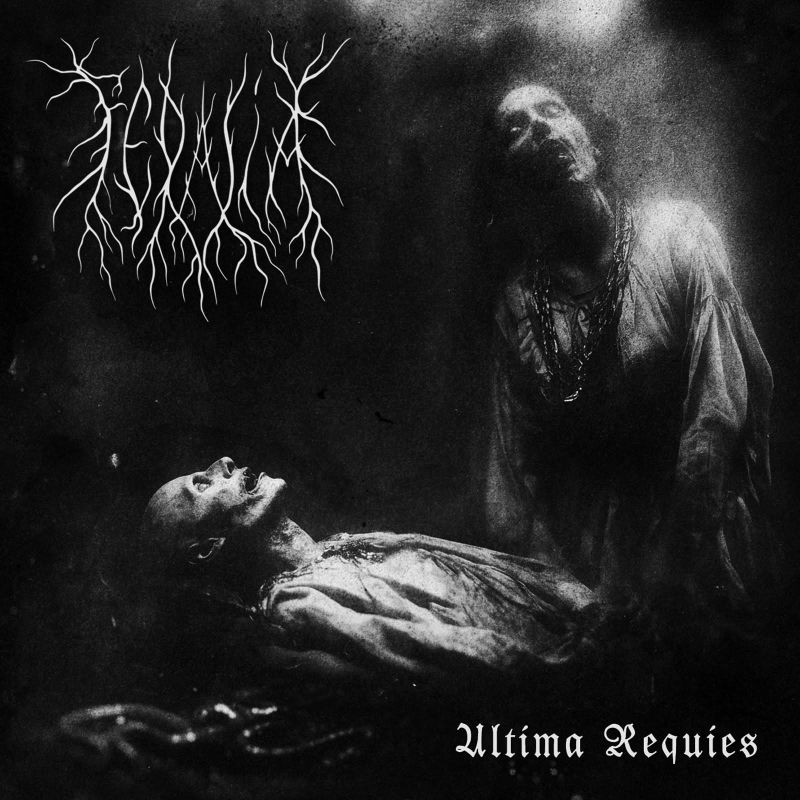
Delving deeper into their singular vision of Black Metal, forging a work that resists easy categorization, the uncanny Italian and Swedish entity known as Feralia (named after public religious ceremonies of ancient Rome held in honor of the dead upon the last day of the Parentalia) attacks again with their third studio offering, titled Ultima Requies, a Latin phrase that translates to “the last rest,” following up on their 2022 opus Under Stige / Over Dianam. Showcasing a grim artwork depicting a reinterpretation of the necromantic ritual of Erichto, the Thessalian witch described in “De Bello Civili” by Lucan, while the band’s sound remains anchored in a sense of the sacred, drawing from arcane and occult dimensions tied to the archaic Roman world, the album is neither rooted in old school orthodoxy nor aligned with the polished tendencies of contemporary production. Instead, it stands as a raw and evocative offering, where abrasive textures and ritualistic atmospheres converge into something austere, immersive and profoundly spiritual, all masterfully crafted by Erymanthon Seth on vocals, guitars and synths, Raijinous on the guitars and synths, Krhura on bass, and Summum Algor on drums.

The visceral riffs by Erymanthon Seth and Raijinous transpire classic Black Metal right from the start in Ballata Avernale, while the same Erymanthon Seth vociferates rabidly like a creature form the underworld; whereas Ver Sacrum also starts on a harsh and violent mode, exploding into a modern version of Black Metal not recommended for the lighthearted. Then in the nine-minute aria Pharsalia, we face an ethereal intro that gradually evolves into another bestial sound led by Summum Algor’s demolishing beats and fills, supported by the menacing bass by Krhura, followed by Empireo, with again their background keys embellishing the airwaves in an instrumental tune that sounds like it was taken from an Italian horror movie, warming us up for the scorching Marpiter, where Erymanthon Seth roars and gnarls in anguish and hatred while Summum Algor keeps hammering his drums manically. After that we face Defigere, one of the most detailed, dynamic and diverse songs of the album, with its hints of Doom Metal and Dungeon Synth adding an extra touch of insanity ot their core Black Metal madness, all boosted by the razor-edged guitars by Erymanthon Seth and Raijinous; and lastly, we have a more direct Black Metal extravaganza titled Miasma, where all instruments are breathing fire until all fades into oblivion.

Following the path opened by their previous albums Helios Manifesto and Under Stige / Over Dianam, the band further refined their language in Ultima Requies, balancing raw intensity with a deeply contemplative undercurrent. The result is an album that feels both immediate and timeless, grounded in the physicality of Black Metal yet reaching toward something intangible and eternal, and if you want to know more about such an obscure band you can find them on Facebook and on Instagram, stream their music on Spotify, and of course purchase their scorching new album from their own BandCamp, as well as from ATMF’s BandCamp or from Metal Odissey. This is Black Metal at its most evocative, atmospheric and Stygian form, inviting you for your final rest to the sound of its venomous lullabies.

Best moments of the album: Ballata Avernale and Defigere.

Worst moments of the album: None.

Released in 2026 ATMF

Track listing
1. Ballata Avernale 8:01
2. Ver Sacrum 8:50
3. Pharsalia 9:22
4. Empireo 5:20
5. Marpiter 6:57
6. Defigere 8:47
7. Miasma 6:27

Band members
Erymanthon Seth – vocals, guitars, synths
Raijinous – guitars, dynths, backing vocals
Krhura – bass
Summum Algor – drums

Album Review – Northborn / Northborn (2026)

Rooted in mythology, nature and epic storytelling, this Swedish horde attacks armed with their debut album, blending the aggression of modern metal with a deep Nordic folk spirit.

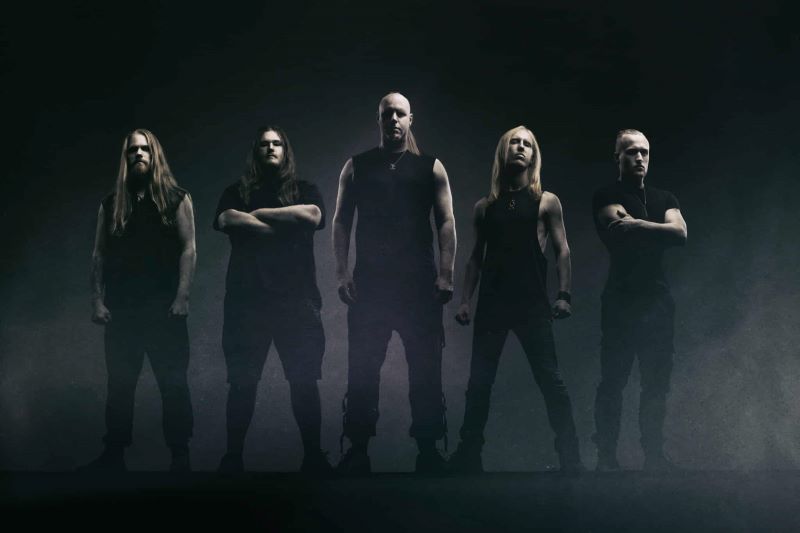
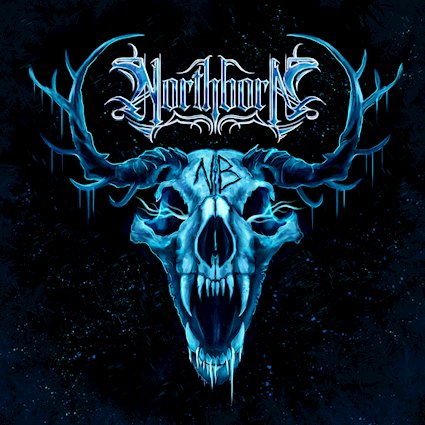
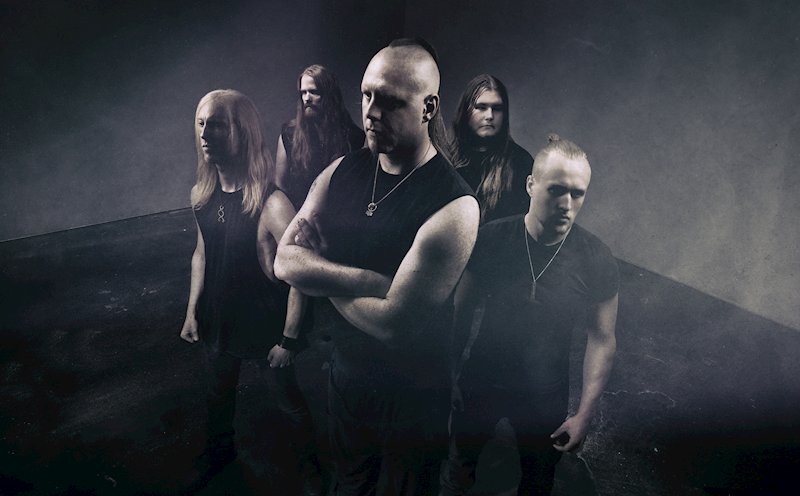
Uncompromising and frostbitten in spirit, and drawing strong inspiration from the Finnish scene of the early 2000’s, blending the aggression of modern metal with a deep Nordic folk spirit, Stockholm, Sweden-based Symphonic/Melodic Death Metal horde Northborn is unleashing upon humanity their self-titled debut offering, marking the beginning of a powerful new chapter for the band formed of Björn Larsson on vocals and keyboards, Ture Aspelin and Tobey Lagerqvist on the guitars, Andreas Lundgren on bass, and Felix Wahlund on drums, inviting listeners worldwide to step into their frozen realm while combining technical intensity with powerful melodic hooks and cinematic depth.

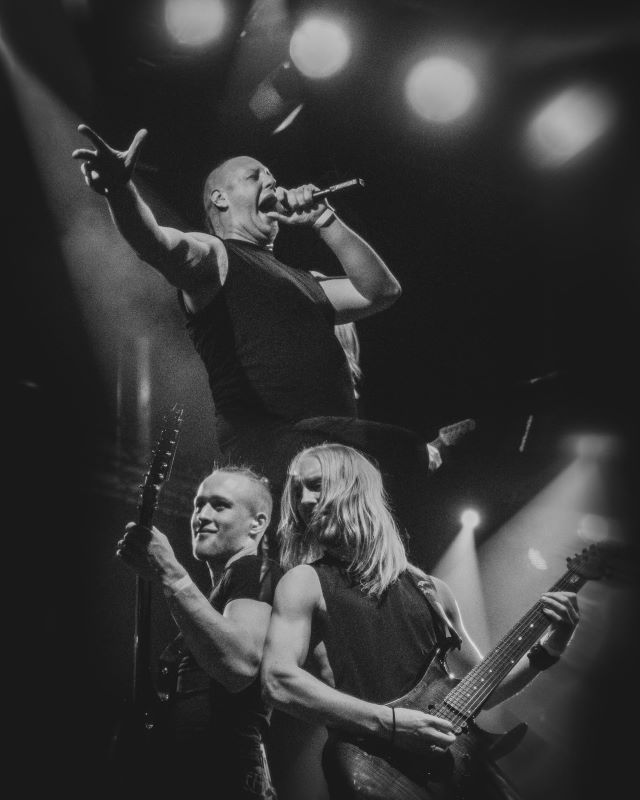
Get ready for an inspiring adventures through bitterly cold lands in Hymn of the North Star, with Felix already taking the lead with his fast-paced melodeath beats, offering Björn exactly what he needs to roar like a Viking. And Björn delivers a striking keyboard attack in Tale of Lies, supported by the Melodic Death Metal extravaganza blasted by Ture and Tobey on the guitars, followed by Fireborn, again presenting a fantasy and adventure vibe, with the rumbling bass by Andreas walking hand in hand with the galloping drums by Felix. The 80’s-inspired keyboards by Björn and the metallic bass by Andreas kick off the high-octane Children of the Frost, generating a hurricane of melodeath sounds perfect for admirers of the genre; whereas despite the epic intro in Helldamned, the music becomes way too generic after a while. Nothing to worry about in the end, though.

Then back to a much more ferocious mode we have The Wolf’s Curse, with their Symphonic and Melodic Death Metal sounds clashing in great fashion led by the always ruthless Felix on drums. The band invests in a Folk Metal sonority in Dreamhaunter, with the guitars by Ture and Tobey taking us back in time to the age of Vikings, whereas inspired by the massive sounds crafted by their countrymen Amon Amarth while also adding their own symphonic touch to the music we face the battle hymn The Fimbul Scourge, followed by the mysterious Yokai of the Lake, dedicated to the kappa, the aquatic, reptilian humanoids who inhabit the rivers and streams flowing over Japan, and you can feel that vibe from the East in their music. Lastly, closing the album they offer the melodic and epic A Warrior’s Fate, inviting us all to raise our fists in the air to the infernal growls by Björn, as well as the striking riffage by the band’s unstoppable guitar duo.

Rooted in mythology, nature and epic storytelling while channeling the legacy of bands like Children of Bodom, Norther and Ensiferum, Northborn craft songs that transport listeners into cold, majestic landscapes shaped by frost, battle and legend, and their debut is an amazing indication that their quest for heavy music has only just begun. You can join their army of ice giants by following the band on Facebook and on Instagram, by streaming their striking music on any platform such as Spotify, and of course, by purchasing their debut album from Art Gates Records. Bitterly cold, sharp and electrifying, it’s an album made for true Nordic warriors at heart, and I bet you’ll proudly raise your sword in the winds of the north while listening to such a precious gem of the current Swedish scene.

Best moments of the album: Hymn of the North Star, Children of the Frost and The Wolf’s Curse.

Worst moments of the album: Helldamned.

Released in 2026 Art Gates Records

Track listing
1. Hymn of the North Star 6:04
2. Tale of Lies 5:09
3. Fireborn 5:03
4. Children of the Frost 4:23
5. Helldamned 6:16
6. The Wolf’s Curse 4:04
7. Dreamhaunter 5:03
8. The Fimbul Scourge 5:32
9. Yokai of the Lake 5:31
10. A Warrior’s Fate 5:26

Band members
Björn Larsson – vocals, keyboards
Ture Aspelin – guitars
Tobey Lagerqvist – guitars
Andreas Lundgren – bass
Felix Wahlund – drums

Album Review – Riket / 2026 (2026)

Standing at the intersection of ferocity and history, this Swedish Death and Thrash Metal brigade is unleashing hell with their debut opus, with each song portraying small historic tales of catastrophe, blunder, and human downfall.

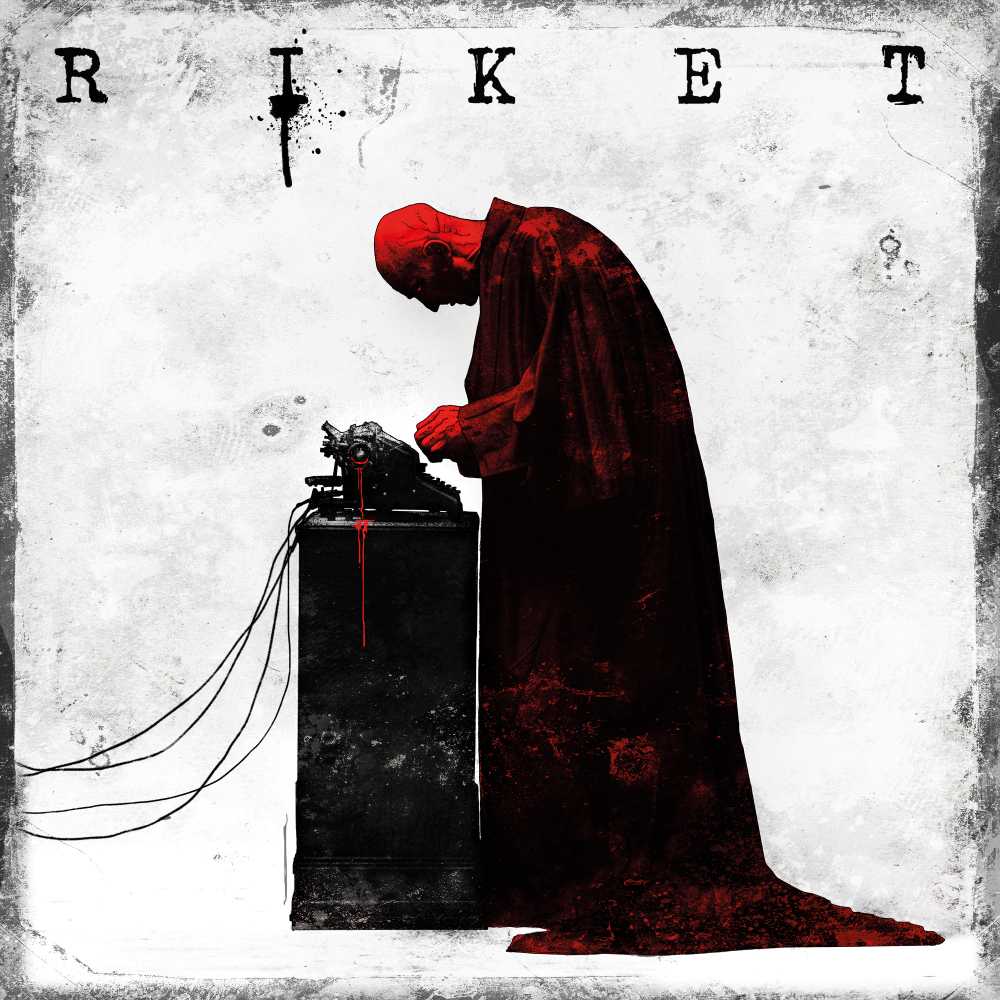
Standing at the intersection of ferocity and history, channeling the raw aggression of Death Metal while weaving in the relentless drive of Thrash Metal and the defiance of Punk Rock, Stockholm, Sweden-based brigade Riket is unleashing hell armed with their debut opus, simply titled 2026. Recorded and produced by Sverker Widgren at Wing Studios, and displaying a haunting artwork by Axel Torvenius, mirroring the album’s thematic depths, the debut offering by vocalist Johan “Flid” Fridell, guitarists Tobias Jakobsson and Jussi Niiranen, bassist Micke André, and drummer Felix Wahlund balances crushing heaviness with an eerie sense of narrative, with every song being performed in Swedish and rooted in the darker corners of a shared past, portraying small historic tales of catastrophe, blunder, and human downfall.

Tobias and Jussi take the lead from the very first second with their acid riffage in 1868: Sommar Vid Vinterviken (or “1868: Summer at Winter Bay” from Swedish), while Johan barks and roars in the best Swedish style. 1867: Storsvagaret (“1867: The Great Weakness”) is even more infuriated and groovy than the opening tune, presenting elements of Death and Thrash Metal spiced up by an overdose of brutality and sick guitar solos; and it’s time to head into the circle pit and keep moving relentlessly in 1965: Hoghus Och Kultur (“1965: The Court and Culture”), with Felix sounding like a machine gun on drums. Then leaning towards the Melodic Death Metal by their countrymen such as In Flames and Soilwork we have 1948: Att Doda Ett Barn (“1948: Killing a Child”),showcasing a truly edgy vibe; and what starts in a calm way in 1885: Dodsdansen (I Manskensnatten) (“1885: The Dance of Death (In the Night of Man)”) suddenly morphs into another bestial melodeath attack.

1897: Mot Polen (“1897: Towards Poland”) is absolutely heavy but not as dynamic nor as exciting as the rest of the album, albeit the Amon Amarth-like riffs by Tobias and Jussi are still a thing of beauty. Micke keeps hammering his bass in 1991: 2000 Ar (Saliga Aro De Talmodiga) (“1991: 2000 Years (Blessed Are the Wise Men)”), adding a groovier vibe to the song while Johan’s deep guttural bring endless fury to the overall result; whereas 1937: Lagor Vid Portarna (“1937: Laws at the Gates”) is more rhythmic and vibrant thanks to another ass-kicking performance by Felix on drums, while the trio formed of Tobias, Jussi and Micke delivers a first-class stringed onrush. Lastly, we’re treated to a cover version for Stefan Sundström’s 2009: Alla Ska I Jorden (“2009: All Shall Be in the World”) (and you can enjoy the original version HERE), an interesting rendition presenting a darker, more introspective approach compared to the original.

A vessel of memory, a grim messenger bridging today’s world with the chilling truths of yesteryears, 2026 does not simply revisit history. Riket force you to confront it, challenging their audience to face uncomfortable truths, both personal and societal. If you want to know more about Riket and their dark relationship with history, you can start following the band on Facebook and on Instagram, stream their wicked creations on Spotify, and purchase their excellent debut from BandCamp or from several online retailers such as Doomed Records and Record Store Day. 2026 is an album that lingers long after the final note fades, a stark, resonant journey through memory, identity and the lingering shadows of time, leaving us eager for more from those Swedish metallers as our society progresses to its inevitable doom.

Best moments of the album: 1867: Storsvagaret, 1965: Hoghus Och Kultur and 1937: Lagor Vid Portarna.

Worst moments of the album: 1897: Mot Polen.

Released in 2026 Black Lion Records

Track listing
1. 1868: Sommar Vid Vinterviken 4:27
2. 1867: Storsvagaret 3:04
3. 1965: Hoghus Och Kultur 5:15
4. 1948: Att Doda Ett Barn 3:42
5. 1885: Dodsdansen (I Manskensnatten) 4:48
6. 1897: Mot Polen 3:56
7. 1991: 2000 Ar (Saliga Aro De Talmodiga) 4:11
8. 1937: Lagor Vid Portarna 4:18
9. 2009: Alla Ska I Jorden (Stefan Sundström cover) 5:06

Band members
Johan “Flid” Fridell – vocals
Tobias Jakobsson – guitars
Jussi Niiranen – guitars
Micke André – bass, backing vocals
Felix Wahlund – drums

Album Review – Daemonium Regni / Daemonium Regni (2026)

Let the demons enter your soul to the suffocating, ominous debut solo album by this multi-talented veteran hailing from Sweden.

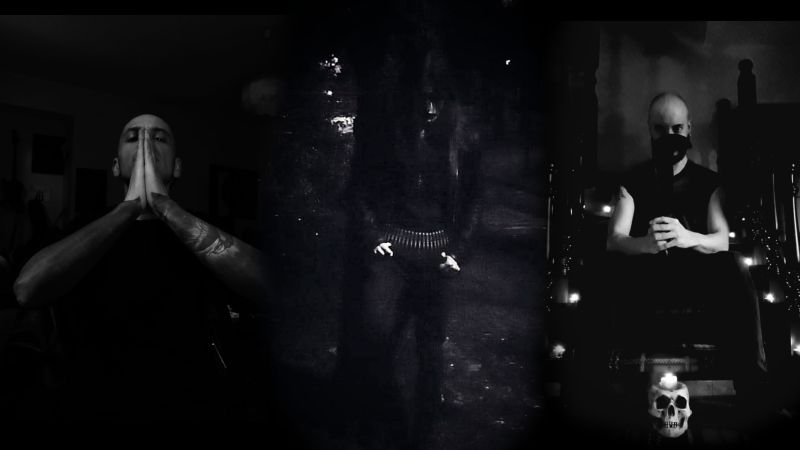
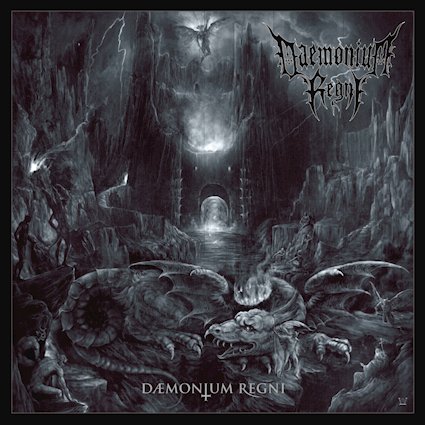
Ominous, somber, and foreboding, Stockholm, Sweden-based Black/Doom Metal creature Daemonium Regni, which translates as “demon kingdom” from Latin, is the new solo-project by Micke Broberg of Unanimated, a dark and epic Black Metal feast for fans of Root, Bathory, and Ancient Wisdom. Mastered by Dan Swanö at Unisound Studios, and with layout by Daniele Valeriani (Mysticum, Mayhem, Triumph of Death, Unanimated), the album not only marks Daemonium Regni’s first full-length offering; as a matter of fact, it is the project’s very first sign of existence. Showcasing proficient arrangements with different layers added on top of repetitive riffs, and Latin lyrics performed as demonic growls as well as in the form of somber chanting, the album is absolutely dark from start to finish, leaving a mark on your soul after all is said and done.

Micke wastes no time and begin distilling his devilish, grim Black Metal in Mater Daemonium (or “mother of demons” from Latin), with its malignant vibe being driven by his sluggish Doom Metal beats and Stygian vocal lines. Then presenting a more demonic old school Black Metal sonority we’re treated to Ascendens Tenebrae (“ascending darkness”), where his guitar riffs transpire evil, not to mention his blast beats sound demented; and again offering a cryptic hybrid of Black and Doom Metal we face Silentium (Mors Itinerarum), or “silence (death of the paths),” with its background elements sounding absolutely haunting. However, it’s when Micke goes full Black Metal that he truly thrives, exactly like what we see in Luna Sanguinea (“blood moon”), presenting a well-balanced and demolishing fusion of scathing riffs, blast beats and evil vociferations for our absolute delight.

In Spiritus In Flammo (“spirit in flames”), Micke will destroy your frail soul with his demonic gnarls and phantasmagorical guitars and drums; followed by Sacrificium (“sacrifice”), a more introspective track working like an atmospheric interlude, albeit taking away some of the fury and darkness from all previous songs. After that, Micke slashes his axe mercilessly in the also Doom Metal-infused aria Magica Cultus (“magical cult”), one of the heaviest songs of the album boosted by his deep, infernal guttural; while ending his debut ceremony he offers our putrid ears a visceral Blackened Doom feast entitled Damnationem (“damnation”), and let’s be honest, he couldn’t have concluded his first solo endeavor in a more obscure and suffocating manner.

In summary, the eight tracks which together constitute Daemonium Regni’s eponymous debut album feel like a liturgy charged with foul energy held in the service of darkness and perdition, and in case you want to join Micke in absolute obscurity you can find the project on Facebook, and of course, purchase a copy of such a venomous album from the Darkness Shall Rise Productions’ BandCamp or webstore. In other words, it’s time to let the demons enter your impious soul to the sound of the debut by Daemonium Regni, and if the album is a sign of the path that Micke will follow in his future solo albums, we can rest assured that his darkness is among us all to stay.

Best moments of the album: Ascendens Tenebrae, Luna Sanguinea and Magica Cultus.

Worst moments of the album: Sacrificium.

Released in 2026 Darkness Shall Rise Productions

Track listing
1. Mater Daemonium 7:28
2. Ascendens Tenebrae 5:35
3. Silentium (Mors Itinerarum) 5:05
4. Luna Sanguinea 4:33
5. Spiritus In Flammo 7:23
6. Sacrificium 2:46
7. Magica Cultus 5:10
8. Damnationem 6:38

Band members
Micke Broberg – vocals, all instruments

Album Review – Havamal / Age Of The Gods (2025)

Transcending their previous sound and rising with the full might of Asgard at their back, these Swedish Melodic Death Metal warriors are unleashing upon humanity their most ambitious work to date.

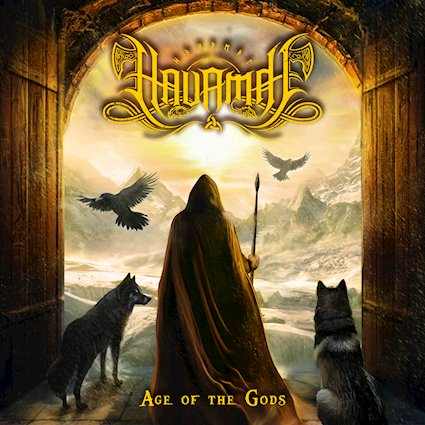
Transcending their previous sound and rising with the full might of Asgard at their back, Stockholm, Sweden-based Melodic Death Metal warriors Hamaval are set to unleash their most ambitious work to date, entitled Age of the Gods, following up on their 2021 sophomore opus The Shadow Chapter. More aggressive, forceful, and diverse than ever, Age of the Gods is a pinnacle in the band’s evolution, where symphonic grandeur collides with ferocious riffs, thunderous drums and growls echoing with the wrath of the Nine Worlds, all masterfully crafted by vocalist Björn Larsson, guitarists Lennie Spetze and Kjell Gilliusson, bassist Tino Vesanen, and drummer Stefan Peltonen.

The war of the gods is about to begin to the sound of The Pagan Path, with its imposing tribal sounds inviting us all to join the band in the battlefield before Stefan begins smashing his drums in the name of Melodic Death and Viking Metal, whereas Wolfraiders carries an excellent title for an even more excellent sound, with the guitars and keys by Lennie and Kjell transpiring of Amon Amarth while their guitar solos also sound utterly captivating. Stefan then dictates the pace in the ruthless The Day Of Reckoning, with all background elements giving it an extra touch of epicness led by Björn’s deep warrior roars, followed by Sigmund Fafnirsbane, a song about a legendary dragon slayer, with the band inviting us all to slam into the pit to their visceral riffs and harsh screams.

Then investing in an almost Symphonic Black Metal sound we’re treated to The Shaman, where once again Lennie’s keys bring sheer electricity to their music, being therefore perfect for prancing around the firepit while enjoying a pint of mead. The skies will get dark and the atmosphere pensive and somber in Hymns Of The Fallen, an inspiring chant dedicated to the ones who lost their lives in battle, sounding absolutely epic from start to finish; and the band blasts one of the fastest and heaviest of all songs, the thrilling Lokis Damnation, also presenting some welcome melodic passages and the always vibrant guttural by Björn. Finally, ending the album it’s time for absolute fury and violence in the form of Ashwalker, spearheaded by the crushing beats and fills by Stefan in a lesson in contemporary Melodic Death Metal.

Offering a distinctive musical identity characterized by powerful orchestration, elegant yet captivating riffs, and an eclectic fusion of Viking, Black, Power, and Death Metal influences, Age Of The Gods will undoubtedly carve Havamal’s place in Valhalla, and you can grab a copy of such an excellent album from the Art Gates Records’ webstore in three amazing bundles (pack I, pack II, and superpack). Don’t forget to also follow the band on Facebook and on Instagram, and to stream their music on Spotify, proving you’re also worthy of joining Havamal and the metal gods at the magnificent hall of the slain are you prepare for Ragnarök.

Best moments of the album: Wolfraiders, The Shaman and Ashwalker.

Worst moments of the album: None.

Released in 2025 Art Gates Records

Track listing
1. The Pagan Path 6:01
2. Wolfraiders 4:59
3. The Day Of Reckoning 5:53
4. Sigmund Fafnirsbane 5:14
5. The Shaman 5:36
6. Hymns Of The Fallen 5:44
7. Lokis Damnation 5:33
8. Ashwalker 4:56

Band members
Björn Larsson – vocals
Lennie Spetze – guitars, keyboards
Kjell Gilliusson – guitars
Tino Vesanen – bass
Stefan Peltonen – drums

Album Review – Ofermod / Drakosophia (2025)

This uncanny Swedish Blackened Death Metal creature returns with its fifth studio offering, a vessel for Theistic Satanism and left-hand-path esotericism in sonic form.

Lepaca Nox Draconis! Ho Drakon Ho Megas!

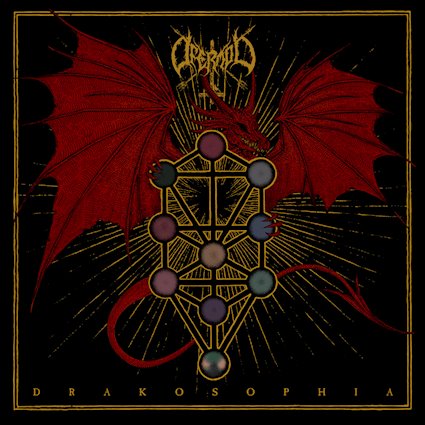
Steered by guitarist Belfagor (aka Mika Hakola) since 1996, having sewn influence and infamy in equal measure, the uncanny Swedish Blackened Death Metal creature Ofermod, whose name was taken from a 1953 Tolkien essay, used to describe a state of mind characterized by excessive pride, is unleashing upon humanity its highly anticipated new opus, titled Drakosophia. Recorded and produced by Swedish bassist Devo Andersson (Overflash, Marduk) at Endarker Studio, and displaying a sinister artwork by John Albin Hampus Ekberg of Mark of Cain Tattoo, the follow-up to their 2021 album Mysterium Iniquitatis offers an overdose of “Qliphotic Black Metal Magick”, a genuine Orthodox Black Metal album representing a vessel for Theistic Satanism and left-hand-path esotericism in sonic form, all carefully brought into being by Belfagor on the guitars alongside North American vocalist Adeptus, Austrian session drummer Florian Musil (Agrypnie, The Negative Bias, Theotoxin), and the aforementioned Devo Andersson on bass.

It’s a pulverizing feast of scathing Black Metal in the opening tune Aicha Kandisha, with the gnarling vocals by Adeptus transpiring evil accompanied by the ruthless drumming by Florian, whereas Devo and Florian deliver a beyond demonic kitchen in Vineyards of Gomorrah while the Stygian riffage by Belfagor summons all creatures of darkness. Then the title-track Drakosophia brings to our devilish ears a cryptic atmosphere boosted by the song’s background choirs while Adeptus continues to gnarl like a true demon, and Florian hammers his drums mercilessly while Belfagor delivers pure Black Metal from his axe in Malat Atat. After that we face the unique Zazas Zazas Nasatanada Zazas, where the music is as insane and complex as its name, and that’s simply majestic, resulting in one of their best creations to date led by the venomous gnarls by Adeptus.

Belialistic Gra’al Codex is another song with a very distinct name, where once again we see Belfagor and his horde crushing our damned souls with their infernal wall of sounds, with Florian kicking some serious ass behind his drums, followed by Nox Draconis, the most straightforward, in-your-face Black Metal song of all, with Belfagor extracting sheer malignancy from his guitar and, therefore, living up to the legacy of the style while also sounding fresh. Sinister Acolyte is just an average Black Metal tune by Ofermod, still very enjoyable but not as much as the other songs, while the last song of the album, titled The Painful Movers, is a demolishing beast blasted by the band, with the riffs and bass by Belfagor and Devo complementing each other in great fashion.

Invoked right from the beginning, Drakosophia is both classic Ofermod and a continual unfolding of their unique characteristic sound, dynamically sinister and vigorously menacing. You can find more information about Ofermod and their new opus on Facebook and on Instagram, stream their sulfurous creations on Spotify, and of course grab a copy of the album from the Regain Records’ BandCamp or from the Shadow Records’ webstore. Open your third eye and let Lucifer crush all cosmic illusions of time and space, and become born anew in the LVX of Phosphorus to the sound of Drakosophia; embrace this sonic Left Hand Path sorcery and mysticism, or stay far away from the sinister audial art of Ofermod.

Best moments of the album: Vineyards of Gomorrah, Zazas Zazas Nasatanada Zazas and Nox Draconis.

Worst moments of the album: Sinister Acolyte.

Released in 2025 Shadow Records/Regain Records

Track listing
1. Aicha Kandisha 4:03
2. Vineyards of Gomorrah 6:53
3. Drakosophia 3:56
4. Malat Atat 5:54
5. Zazas Zazas Nasatanada Zazas 4:30
6. Belialistic Gra’al Codex 5:14
7. Nox Draconis 5:04
8. Sinister Acolyte 4:51
9. The Painful Movers 4:26

Band members
Adeptus – lead vocals
Belfagor – guitars

Guest musicians
Devo Andersson – bass (session)
Florian Musil – drums (session)
Thomas Eriksson & Lars Broddesson – choir vocals

Album Review – Lik / Necro (2025)

The modern-day purveyors of classic Swedish Death Metal strike again with their fourth studio album, the musical equivalent of a classic shock-horror movie drenched in blood and gore.

Considered by many as the modern-day purveyors of classic Swedish Death Metal, Stockholm’s own unrelenting beast Lik (which means “corpse” or “corpses” in Swedish) gloriously returns to action with their fourth studio album, simply titled Necro. Recorded at NBS Studio (aka Necromorbus Studio), produced by Lawrence Mackrory at Rorysound Studios, and displaying a zombified cover art by Stockholm-based tattooist and artist Jens Olsson of Ink Fanatics, Necro is the musical equivalent of a classic shock-horror movie that’s drenched in blood and gore and packed with over-the-top extremities masterfully crafted by Tomas Åkvik on vocals and guitar, Niklas “Nille” Sandin also on the guitar, Joakim Antman on bass, and Chris Barkensjö on drums, standing loud and proud over so many imitators.

The dirty riffs by Tomas and Niklas will kick you in the nuts in the opener Deceased, with the band distilling their undisputed Death Metal with tons of rage and insanity, followed by War Praise, a ruthless sonic attack where the visceral growls by Tomas walk hand in hand with the pulverizing beats by Chris in a lecture in Swedish Death Metal. They is another beast of a song showcasing a dual guitar attack boosted by the rumbling bass by Joakim, and it’s pedal to the metal with the unrelenting extravaganza Worms Inside, with Chris taking the lead with his demented beats and fills for our total delight. Then the bass lines by Joakim will smash your cranial skull in Morgue Rat, offering more of the band’s trademark violence, gore and obscurity.

In Shred into Pieces the name of the song says it all, as you’ll be pulverized into micro pieces to their venomous slab of Death Metal bringing forward the fuming riffs by Tomas and Niklas, and Tomas keeps vociferating rabidly in In Ruins, a horror movie-like tune where the entire band shows no mercy for our putrid souls. Inspired by a trial that led to a series of executions in Stockholm between November 7 and 9, 1520, after the coronation of Christian II as the new king of Sweden, The Stockholm Massacre beautifully depicts that savagery in the name of old school Death Metal; and there’s still time for more heaviness and aggression in Fields of Death, where their core Death Metal is boosted by Chris’ demented drumming. Last but not least, the guitars by Tomas and Niklas transpire savagery in Rotten Inferno, putting a gruesome, evil conclusion to such an incendiary album.

Continuing to fly the Swedish Death Metal flag across the global stage, Necro was born out of pure love and respect for the genre and its creators’ artistic visions to keep pushing their own musical boundaries. “The ambition with Necro was to make an even better record than the previous albums,” says Tomas. “I think this one is really tied together. As it started growing and the songs got put together we were 100% focused on making that Lik album. I really think we made a really good death metal album, we found the right ingredients to make this one work.” Hence, you can experience all of their gore, violence and metallic sounds by following the band on Facebook and on Instagram, by streaming their sick creations on Spotify, and of course by purchasing the fulminating Necro from BandCamp or from Metal Blade Records as a CD or as a violet with purple splatter vinyl 12″, or simply click HERE for all available options. The new blood-soaked opus by Lik will certainly inspire all Death Metal fans around the world to slam into the pit like true metalmaniacs, solidifying the band’s army of zombies on all four corners of the earth, and consequently, prepping our rotten and decaying world for more Lik in the coming years, even if we face its inevitable end sooner than later.

Best moments of the album: War Praise, Worms Inside and The Stockholm Massacre.

Worst moments of the album: None.

Released in 2025 Metal Blade Records

Track listing
1. Deceased 4:21
2. War Praise 3:40
3. They 4:02
4. Worms Inside 3:08
5. Morgue Rat 4:58
6. Shred into Pieces 2:18
7. In Ruins 4:40
8. The Stockholm Massacre 2:42
9. Fields of Death 4:02
10. Rotten Inferno 5:41

Band members
Tomas Åkvik – vocals, guitar
Niklas “Nille” Sandin – guitar
Joakim Antman – bass
Chris Barkensjö – drums, backing vocals