Album Review – Goatchrist / She Who Holds the Scrying Mirror (2014)

Fans of extreme music, behold the rise of this extremely talented and obscure Black Metal band.

Rating5

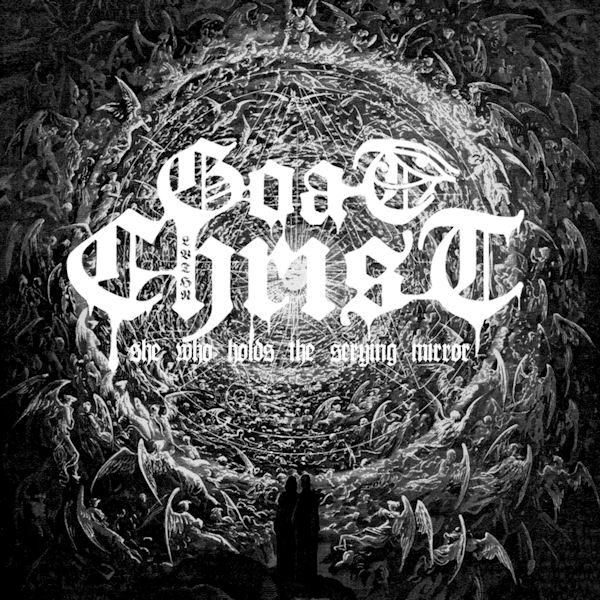
goatchrist-coverHailing from Wakefield/Halifax, in the UK, comes Blackened Death Metal band Goatchrist, a group that despite having started as a one man band is now coming together as a full band, re-releasing their debut demo album from earlier 2014, She Who Holds the Scrying Mirror. And I don’t know if this album should be called only a “demo”, so professional and consistent it is compared to many other more experienced Black Metal bands. In other words, why not treating it with a little more respect as a full-length album already?

And it really deserves to be considered as such, especially if you take into account the fact vocalist/guitarist Dominator Xul’Ahabra was just 16 years old and when he was the sole band member. Not only this means it’s an awesome opportunity to enjoy the creations of a musician at the very beginning of his career, but also a chance to acknowledge his amazing talent for crafting extreme music in a way lots of veterans are not capable of even after so many years on the road. But don’t worry, Dominator and his “herd” stay true to the foundations of extreme metal, keeping an enormous distance from any type of commercial or pop stuff.

A smooth piano intro helps set the atmosphere for Through Flames, We Invoke Him (awesome song name, by the way), with its very dark and dense Black/Doom Metal musicality enhanced by the desperate vocals by Dominator, followed by the even rawer Catacombs, with more intense drums by Kaahl and riffs by Dominator and a melancholic break with an interesting duo of guitar and bass lines before an apocalyptic ending. This song can be really disturbing for non-fans of Black Metal, I should say.

goatchrist-logoAnd the derangement goes on with The Four Horsemen, another very decent and solid dark tune with harsh vocals again conducting the havoc, with the addition of some keyboard notes to lighten up a little the overall result. Then we have Bloodletting, Part 1, an intro to the title-track focusing on some interesting guitar lines, followed of course by the title-track, She Who Holds the Scrying Mirror, a demonic and atmospheric track where harsh vocals blend really well with traditional Black Metal instrumental, with highlights to bass and drums for being really strong and in total sync.

There’s still a lot more to come, beginning with a 3-minute fuckin’ violent massacre entitled Fatal Equinox (Perpetual Resplendence), a very professional cover version of one of the songs by Brazilian Black/Death Metal band Goatpenis. The next song is another intro, Bloodletting, Part 2, this time more atmospheric due to its organ and keyboard notes, “opening the gates” for the awesome Inferno. How do you think a song called “Inferno” would sound like? It’s truly infernal, with drummer Kaahl violently pounding his drums and Dominator delivering some dark riffs and solos while he screams like hell during the entire song. And for the total delight of fans of extreme metal, this re-issue of She Who Holds the Scrying Mirror also includes a brand new instrumental track, The Triumvirate’s Flight To Nippur, a feast of blast beats and traditional riffs where not even a single second sounds weak or empty.

In order to acquire this sonic storm, simply visit Goatchrist’s BandCamp page, or also visit SixSixSix Music’s official website and Big Cartel page, who by the way does an amazing job with tons of other truly underground metal bands. Fans of Black Metal, behold the rise of Goatchirst, a band that will surely leave their mark in the world of extreme music in the years to come.

Best moments of the album: Catacombs, She Who Holds the Scrying Mirror and Inferno.

Worst moments of the album: The Four Horsemen.

Released in 2014 SixSixSix Music

Track listing
1. Through Flames, We Invoke Him 7:43
2. Catacombs 4:51
3. The Four Horsemen 6:39
4. Bloodletting, Part 1 2:02
5. She Who Holds the Scrying Mirror 6:55
6. Fatal Equinox (Perpetual Resplendence) (Goatpenis cover) 2:39
7. Bloodletting, Part 2 2:08
8. Inferno 6:05
9. The Triumvirate’s Flight To Nippur (Instrumental) 5:18

Band members
Dominator Xul’Ahabra – guitar, vocals
Blood-Count Aamon Vetis – bass guitar, backing vocals
Kaahl – drums

Album Review – Cadaveria / Silence (2014)

A sinister parade of heavy music led by the reigning succubus of Black and Doom Metal.

Rating4

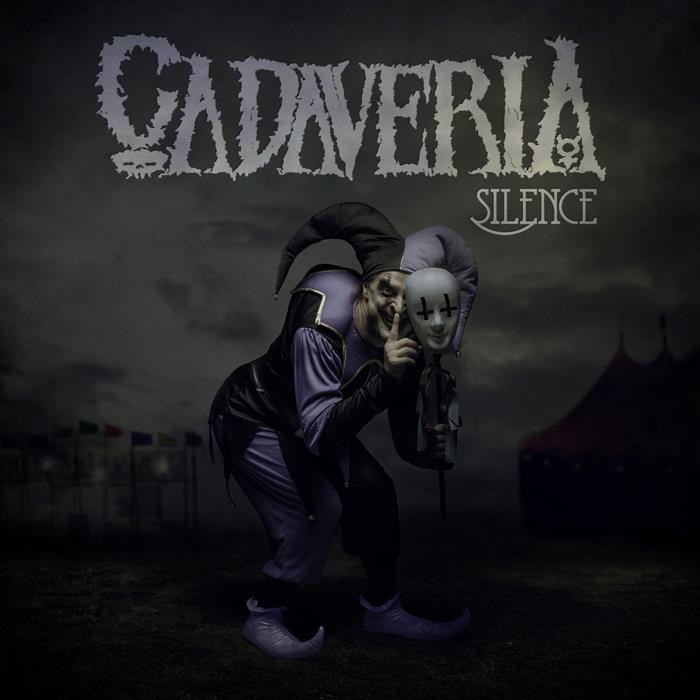
cadaveria_silenceI got to know Black/Gothic Metal band Cadaveria a couple of months ago while listening to The Metal Moose Show, and basically after that I had to go after more of their excellent obscure music. The band is led by the diabolical Italian beauty Cadaveria (aka Raffaella Rivarolo), known for being the former singer of Symphonic Black Metal band Opera IX. Now, after over ten years in action, the band releases their fifth full-length album, Silence, a sinister parade of Black and Doom Metal, with Gothic influences from the 80’s and the unique feminine touch by Cadaveria.

Despite being extremely hard for bands to stay relevant in Heavy Metal doing this type of dark music, more due to their demanding fans rather than to the music itself, Cadaveria somehow manage to reinvent their musicality with each release, avoiding that feeling of “I’ve heard that before a million times” from any person that gets in contact with their music, no matter if it’s a diehard fan or a brand new listener. Of course the music by Cadaveria is not light-hearted or commercial at all, so do not expect to listen to it anywhere, but only where it really matters: in the underground music world.

The opening track, Velo (The Other Side of Hate), which by the way is probably a play on words with “LOVE”, is the perfect representation of Melodic Black Metal with devilish feminine vocals (can I say Cadaveria is like the reigning succubus of Black Metal?), alternating traditional Black Metal with more symphonic parts and with Frank Booth and Dick Laurent doing an awesome job on guitars. Following that great start, as the name of the song says Carnival of Doom has an awesome Doom Metal punch, being brutal but delicate at the same time, with Cadaveria’s clean vocals redefining the meaning of the word “mesmerizing”, while in Free Spirit there’s a slight change in the band’s approach, with its guitar lines and vocals focusing on a more melancholic tune inspired by Gothic/Doom Metal from the 80’s.

cadaveriaThe Soul That Doesn’t Sleep emanates despair and darkness, with Cadaveria beautifully switching between harsh and clean vocals while the rest of the band maintains a morbid rhythm, solidifying the overall result, followed by Existence, which gets closer to apocalyptic Black Metal with drummer Marçelo Santos conducting the rhythm. In the modern and amazing Out Loud, the band offers us a heavy and furious tune with hints of Thrash and Death Metal, sounding like an even more wicked version of Arch Enemy and making it a perfect choice for circle pits, while Death, Again, which begins in the darkest and most melancholic way possible, has that type of hypnotizing melody, with Cadaveria making it even more enjoyable.

The last part of Silence brings to the listener an interesting mix of good, bad and, of course, dark tunes, starting with Exercise1, too generic compared to the rest of the album; Almost Ghostly, a feminine version of Paradise Lost blended with Tristania, with highlights to its amazing vocal lines; Loneliness, another excellent technical track with Gothic elements dominating the entire song; and finally Strangled Idols, again a more melodic and dark song, with its raw Rock N’ Roll vein being very beneficial to the overall energy of the song.

You can check the official album trailer HERE, visit the band’s official Facebook page, and of course buy their music and merchandise at their webshop or on iTunes. If there was a parade of Black and Doom Metal, Silence would definitely be its sinful and delectable soundtrack.

Best moments of the album: Carnival of Doom, The Soul That Doesn’t Sleep and Out Loud.

Worst moments of the album: Existence and Exercise1.

Released in 2014 Scarlet Records

Track listing
1. Velo (The Other Side of Hate) 4:14
2. Carnival of Doom 3:28
3. Free Spirit 4:44
4. The Soul That Doesn’t Sleep 3:34
5. Existence 4:56
6. Out Loud 3:16
7. Death, Again 5:04
8. Exercise1 3:54
9. Almost Ghostly 4:22
10. Loneliness 4:42
11. Strangled Idols 5:00

Band members
Cadaveria – vocals
Frank Booth – guitar
Dick Laurent – guitar
Killer Bob – bass
Marçelo Santos – drums

Album Review – Sarpedon / Anomic Nation (2014)

Get ready for this Progressive Doom Metal band with a strong theatrical vein directly from the beautiful Norway.

Rating4

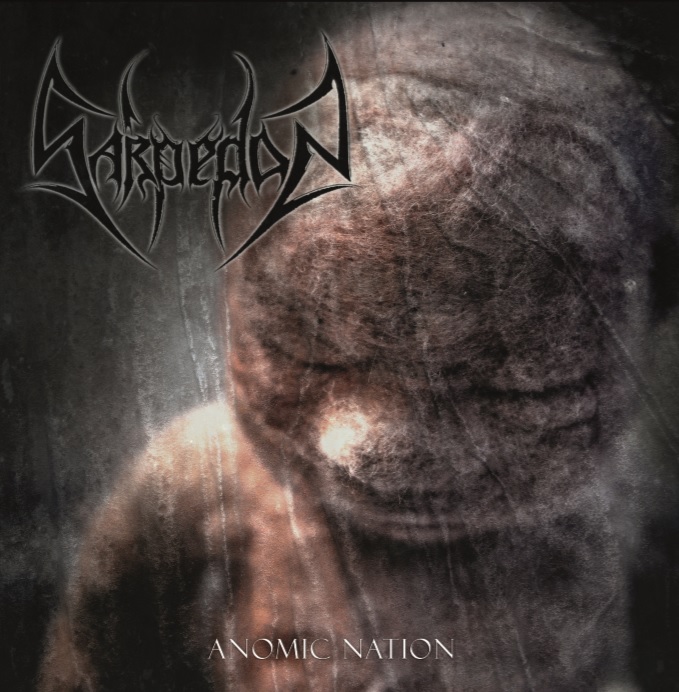
Sarpedon-coverAfters years in the making, the music journey named Anomic Nation, the debut album by Norwegian Progressive Doom Metal band Sarpedon, is finally among us. For those of you who don’t know Sarpedon, this very technical band is led by brothers Torgeir and Eirik P. Krokfjord, who have been working together on this project for several years, influenced by distinctive bands such as Savatage, Emperor and Queen, and adding their own experiences and emotions into their music to give it a fresh taste.

Despite its Black Metal-ish album art, Anomic Nation is a lot more melodic and less violent than pretty much all Black Metal bands you might think of, thanks a lot to the “theatrical” vocals by Eirik P. Krokfjord. The guy, who has two singing degrees from the Norwegian Academy of Music, doesn’t limit himself by only singing the songs, he basically declaims the lyrics in all of them, as if the the Phantom of the Opera decided to form a heavy music group. That might be one of the greatest strengths of Sarpedon, and definitely what will hold your attention throughout the entire album.

When the music kicks off with the very atmospheric and eerie title-track Anomic Nation, it’s impossible not to think of bands like Swedish Epic Doom Metal Candlemass or Danish Heavy Metal icons Merciful Fate, as all of their characteristic elements are present in Sarpedon’s music boosted by some traditional Black Metal blast beats. If you don’t understand what I’m saying, take a listen at this powerful song by Candlemass and everything will make sense. This great Doom Metal track is followed by The Lusk Letter, where the band showcases an even more progressive musicality, guiding the listener through a theatre of virtuosity and darkness, and The Claustrophober, which gets even more obscure thanks to its church organ keyboard notes, moving towards more traditional Doom Metal. And pay close attention to the beautiful lyrics in this song, it’s totally worth it.

MONSENSarpedon speed things up a little in Dead Birds, with its lyrics being even more freakish and drummer Carl Engstrøm kicking fuckin’ ass: it’s impressive how he can go from raw Black Metal to smooth progressive music in a matter of seconds, without sounding robotic or generic. Then we have the beautiful A Seed of Evil, an inspiring work of art that could be summarized like a “forbidden tenderness” (if that expression even exists), and The Carnival, where what seemed to be a melancholic tune suddenly turns into fast and raw metal, getting back later in the song to pure progressiveness with some interesting rhythmic breaks, somber guitar riffs and a nice theatrical chorus (“Look behind the mask / Before it is too late”).

The band saved for last the duo comprised of My Mysteries Unwind, Part I, a smooth but sinister “intro” to its second part, focusing heavily on its intense keyboard notes, and My Mysteries Unwind, Part II, the boldest and most symphonic of all tracks. It’s indeed a mysterious journey that transpires Doom Metal, varying between heavier riffs and more melancholic passages, with its precise drumming keeping it energized and all elements of the last part of it showcasing how crazy and progressive Sarpedon can be.

If you’re a fan of Candlemass, Mercyful Fate, Queen and all other rock and metal bands with a ravishing theatrical side, don’t wait any longer and go grab your copy of Anomic Nation at the official Inverse Store. It’s good music that will satisfy your craving for a good story while you bang your head, do some air guitar or keep tapping on your desk, and if you let yourself go with each song you will probably find yourself doing that for hours, completely enthralled by Sarpedon’s full-bodied music.

Best moments of the album: Anomic Nation and A Seed of Evil.

Worst moments of the album: The Carnival.

Released in 2014 Inverse Records

Track listing
1. Anomic Nation 6:02
2. The Lusk Letter 5:08
3. The Claustrophober 6:19
4. Dead Birds 4:23
5. A Seed of Evil 5:01
6. The Carnival 6:43
7. My Mysteries Unwind, Part I 3:14
8. My Mysteries Unwind, Part II 9:45

Band members
Eirik P. Krokfjord – lead & backing vocals, keys
Torgeir P. Krokfjord – all guitars & bass
Andreas Wærholm – keys
Carl Engstrøm – drums

Album Review – Inconcessus Lux Lucis / Crux Lupus Corona EP (2014)

This very talented band from the UK is offering us what they call “Saturnian Black Magic”. Are you going to accept the darkness inside you, eager for this type of music?

Rating5

IVR037_INCONCESSUS_LUX_LUCIS_Crux_Lupus_Corona_front_cover_1500pxSome people will call it Occult Black Metal, others will prefer referring to it as Blackened Heavy Metal, but according to British band Inconcessus Lux Lucis themselves, the music they play is a mix of Black Metal with the aggressiveness of 80’s Heavy Metal and the grooves of 70’s Hard Rock, resulting in what the band beautifully named as “Saturnian Black Magic”. Thus, if you’re curious to actually know what Saturnian Black Magic sounds like, you must take a shot at the new EP by this Manchester-based band, entitled Crux Lupus Corona.

After releasing their debut album Disintegration: Psalms Of Veneration For The Nefarious Elite earlier this year, Inconcessus Lux Lucis (which I’m almost sure means something like “forbidden light”) is releasing this new EP inspired by the constellations Crux, Lupus and Corona (the Cross, the Wolf and the Crown, as per the 88 Modern Constellations) and all their occult significances. If that’s not weird or complex enough for you, well, just listen to their music and you will fulfill your inner desire for all things mystical.

Crux Lupus Corona kicks off with a 2-minute intro called Via Dolorosa, which already inspires the listener for more of the band’s modern music with a 70’s vibe, followed then by the first “constellation”, Crux, with its mesmerizing riffs, harsh vocals and very rhythmic drumming highly influenced by old school Heavy and Thrash Metal. It’s an amazing track, enhanced by its excellent eerie lyrics (“Now slowly undress / Sweet seed of life which you possess / And softly caress / The fruit from which I ate / A sword spins counter-deosil / Its hilt marked 358”).

Inconcessus Lux Lucis band picThe second “constellation”, Lupus, sounds like the dark side of Hard Rock clashing with demonic Black Metal, alternating slower and somber passages with faster 70’s Rock N’ Roll. Not only that, the excellent guitar solo at the end actually makes the whole song even more solid. And last but not least, we have Corona: the third “constellation” is a more melancholic tune with some outstanding instrumental, with its lyrics (“O hollow temptress, I call to thee – Fuck me! / Come, join the slow dance, with maggots, shit and entropy!”) making it easy to understand what the band wants to say with “Black Magic”, just like if they were a distant cousin of Black Sabbath with an even more bizarre attitude.

The freakish album art, created by English artist Bethany White, follows the same distinctive pattern established by the band’s music, complementing the EP in a very cohesive and interesting way. You can listen to the entire Crux Lupus Corona HERE, purchase the unique music by this very talented band from the UK, and accept the darkness inside you, eager for more devilish music.

Best moments of the album: Crux is my favorite song of the EP, although all others are pretty interesting and consistent as well.

Worst moments of the album: None.

Released in 2014 I, Voidhanger Records

Track listing
1. Via Dolorosa 2:09
2. Crux 5:05
3. Lupus 5:06
4. Corona 4:55

Band members
Malphas – guitars, drums, vocals
Baal – bass

Album Review – Maahlas / Nightmare Years (2014)

A grim mix of Black, Death and Progressive Metal, tailored for people who enjoy complex and intense music.

Rating4

MAAHLAS - Nightmare Years cover artWhen you tell someone there’s a band that plays Progressive Melodic Death Black Metal, you’ll probably have to spend a lot of time explaining exactly what you mean by putting together so many different subgenres of heavy music, unless of course you’re talking to a fan of Gojira, Death, Meshuggah, Dimmu Borgir and many other “complex” dark bands. That’s how Norwegian band Maahlas can be categorized based on their debut release, the heavy and eccentric concept album Nightmare Years.

Formed in 2013 in the beautiful city of Oslo, Norway by multi-instrumentalist Cuneyt Caglayan, also known as Cuno, Mahhlas seem to be one of those bands that enjoy surfing through different music styles (most of the time during the same song), relying heavily on their refined techniques to create a unique atmosphere and conduct the storyline behind Nightmare Years without being boring or arrogant. Quite the contrary, the way the band is capable of telling a story changing from smoother progressive music to violent Black Metal is really outstanding and one of the biggest strengths of this album.

And what a violent way to start with the very atmospheric and dark Sun of the Summerian, a Symphonic Black Metal tune similar to what’s played by bands such as Dimmu Borgir, but with more hardcore vocals and a very interesting progressive part right before reigniting the sonic massacre. Besides, despite being only a session musician working for Maahlas, drummer Łukasz Krzesiewicz is a fuckin’ beast and delivers an incredible performance with his set. A False World, a more obscure track with great vocals by Levent Ultanur, progressive synths and philosophical lyrics (“Doubt in your eyes, in your stances and your reasoning. / Weak in your seminal thoughts primed to misuse trust.”), and Morning Light, more progressive and melodic than the previous tracks, remind me of the Blackened Death Metal currently played by Behemoth plus all the progressiveness from Dream Theater; while An Ancestral Memory focus on dark Black Metal riffs, synths and drums to provide it a very symphonic atmosphere. Moreover, those guys truly enjoy adding some interesting breaks to the rhythm to freshen up their music, as you’ll notice not only in this song but in the entire album.

maahlasThen we have the excellent At the Edge of Life: this is dark progressive music at its finest, and although slower than most of the other songs, it’s a lot heavier thanks to some awesome guitar lines. After the acoustic eerie track Gliese 667 / Æra, Maahlas offer us the title-track Nightmare Years, which summarizes everything the band is, with vocals getting a little bit more demonic and huge doses of contemporary Black Metal, and The Great Divide, where Łukasz smashes his drums while Cuno delivers some great guitar riffs.  I remember a few songs named “The Great Divide” that were all ballads and I was even ready for a smooth track, but this is not the case here, as the band once again promotes an infernal music feast.

The last part of Nightmare Years does not disappoint at all, maintaining the excellent level of the whole album: Birth of Sentience is another brutal assault focused on modern Black Metal, with its last part being more direct and traditional; while Of Hypocrisy, Hate and Fall, the longest track of all, starts with a beautiful intro before turning into a dark music extravaganza, with highlights to its very interesting lyrics (“Prowling agony, blinding day. I meditate yet have a terror attack. / I see Gliese, God! So alike. / I’m alone to act, a straw man, I’ve got to let go. / I´m controlled by time.”). It’s perhaps the most progressive of all tracks, with lots of elements from bands such as Tool and Insomnium, and if you’re a drummer I suggest you watch the drum tracking for this song. And finally, Simulacrum of Reality, another technical and detailed track, closes the album in a very complex and obscure way.

The album art by Turkish / German artist Aybars Altay, representing at once the fall of Home Sapiens and the evolution of the Homo Sentient, is a great complement to this mysterious music journey, which you can purchase on iTunes and many other locations. If you’re a fan of grim music with a strong technical and meaningful background, simply embrace Nightmare Years. You will love it.

Best moments of the album: Sun of the Summerian, At the Edge of Life and Nightmare Years.

Worst moments of the album: Morning Light and Birth of Sentience.

Released in 2014 Independent

Track listing
1. Sun of the Summerian 4:31
2. A False World 5:10
3. Morning Light 4:11
4. An Ancestral Memory 5:01
5. At the Edge of Life 4:30
6. Gliese 667 / Æra 1:44
7. Nightmare Years 4:03
8. The Great Divide 3:41
9. Birth of Sentience 4:39
10. Of Hypocrisy, Hate and Fall 7:08
11. Simulacrum of Reality 4:23

Band members*
Levent Ultanur – story, lyrics and vocals
Cuneyt Caglayan – music, guitars, bass, synth and all production
Robin Berg Pettersen – guitar
Christian Svendsen – drums

Guest musicians
Łukasz Krzesiewicz – drums (session musician)
Atle Johansen – vocals on “An Ancestral Memory”

Album Review – Endzeit / Years Of Hunger EP (2014)

Are you hungry for some high-end old school Black Metal? These guys from the land of ice and snow are here to provide you all the apocalyptic madness and derangement you want to listen to.

Rating5

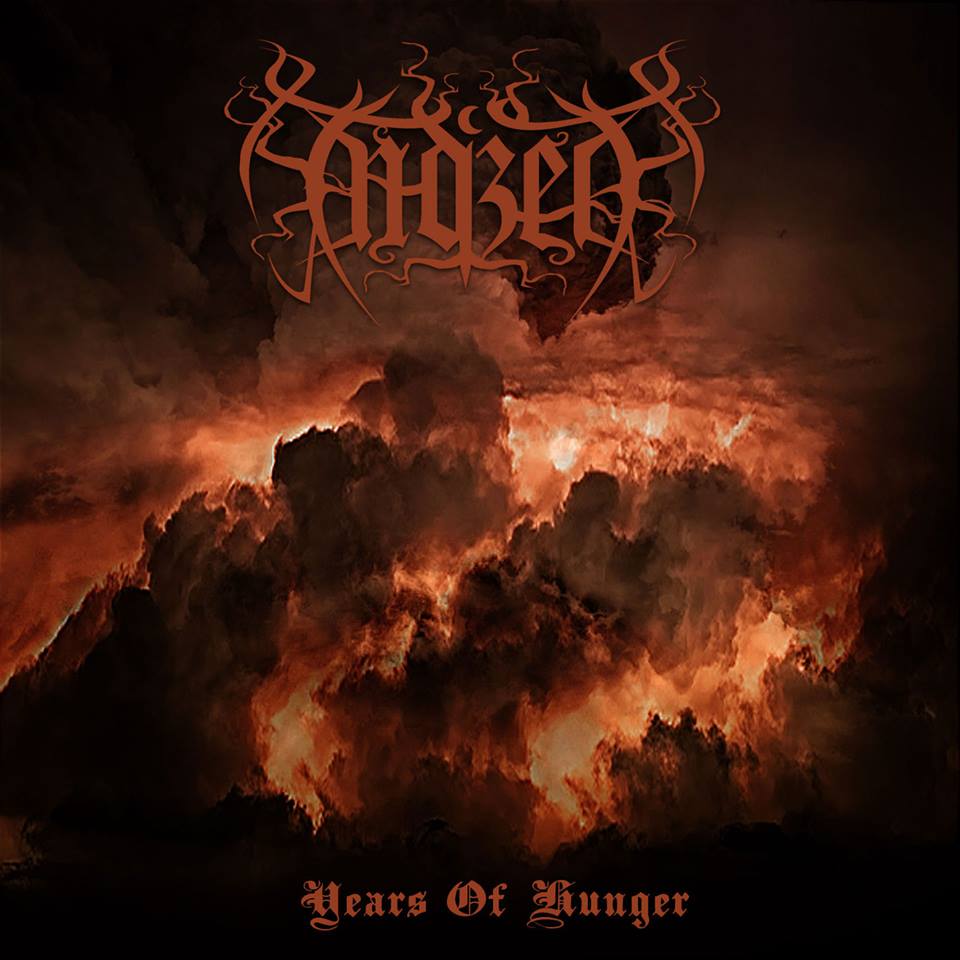
Endzeit Years of HungerHeavy music in Finland has become famous and respected worldwide due to the Melodic Power Metal by Stratovarius, Nightwish and Sonata Arctica, the Hard Rock by Lordi, the Melodic Death Metal by Children of Bodom, the Dark Rock by HIM, among other great bands and artists. However, If you want to listen to some really badass raw Black Metal, that’s not the best place to go according to what most people say. You should try your luck in other Scandinavian countries like Norway or Sweden, right? Well, let me tell you the beautiful land of ice and snow also has some high-quality extreme metal to offer you, a million light-years more brutal than any of the aforementioned bands.

Founded in 2012 in the city of Lahti, located around 100km from the capital Helsinki, Finnish Raw Apocalyptic Black Metal band Endzeit couldn’t sound more Black Metal than this, with absolutely no shenanigans or any type of soft stuff added to their musicality. Dealing with controversial subjects such as religion, the apocalypse and the absence of an optimistic future (triggered by the decay of the city of Detroit, where modern capitalism has failed), their debut EP entitled Years Of Hunger might be relatively short, but it’s a 100% ruthless metal feast that will leave you totally disoriented, which of course is a good thing in Black Metal.

And there’s no “calm before the storm” in Years Of Hunger: the intro Inception is already apocalyptic (were you expecting anything different than that?), setting the stage for the obscure Hunger, with its traditional Black Metal riffs and drums at the speed of light creating that characteristic somber and chaotic atmosphere found in extreme music, intensified by the excellent demonic vocals by singer Schwarz. In other words, it’s perfect for diehard black metallers searching for new bands but with an old school approach. Following that havoc, we have Godless, slightly heavier than the previous track due to its awesome disturbing riffs, and especially due to the insane drumming by Samuli.

Endzeit bandThe last original composition by Endzeit is the amazing song Life?, where a dark choir in the background “beautifully” complements the intense tremolo picking riffs, creating an even more frightening atmosphere. Besides, I guess I don’t need to say how pessimistic and acid the lyrics are, right? Anyway, an awesome thing about Endzeit is that they manage to play the most deranged type of extreme music you can imagine, but it’s so professional and melodic you actually feel good listening to it. That’s corroborated by their sick cover version of The Dawn No More Rises, originally recorded by Swedish Black Metal icons Dark Funeral in their classic debut album The Secrets of the Black Arts (1996). I personally find this track an awesome “bonus” Endzeit offer us in this EP, very honest to the original but with the band’s own modern and diabolic touch to make it unique.

In my humble opinion, if Enzeit release a full-length album as good as Years Of Hunger EP, available at their official BandCamp page, the “map” of Black Metal might suffer a few changes in a near future, even moving its “capital” to the city of Lahti. Years Of Hunger will surely satisfy your current hunger for high-quality old school Black Metal and, of course, leave you eager for more of Endzeit’s apocalyptic brutality directly from ice cold Finland.

Best moments of the album: Hunger and Life? are truly kick-ass songs.

Worst moments of the album: None.

Released in 2014 Independent

Track listing
1. Inception 1:08
2. Hunger 4:58
3. Godless 5:29
4. Life? 6:42
5. The Dawn No More Rises (Dark Funeral cover) 3:52

Band members
Schwarz – guitars, vocals
Polaris – guitars
Pyry – bass
Samuli – drums

Interview – Dimenzion:Psychosphere

Enjoy this “cold apocalyptic interview” with Norwegian Industrial Metallers Dimenzion:Psychosphere, where they talk about their career, the importance of the message in their music, the Industrial Metal scene in Norway, among other cool stuff.

DIMENZION PSYCHOSPHERE band photo 3The Headbanging Moose: Let’s start by talking about the band and your brand new album, the excellent Collapse. Can you tell us who Dimenzion:Psychosphere are, your history, goals and plans for the future? Also, how was the creative process for the new album and how did it differ from your previous releases?

Dimenzion:Psychosphere: About us first. We are five guys who’ve been playing together for quite a while, and for many years it was kind of a side project, since most of us had other bands with higher priority. But around 2010 we decided to put more time and effort into Dimenzion, first of all because we all felt this was the band closest to our hearts, and second, because we had more time. So we started working on our first full-length album DNA Phantom Effect, which was finished and released early 2012. Unfortunately we are not very good at promotion, so the album didn’t get the attention we hoped for, and we didn’t get very far. Hopefully will those who like Collapse check out DNA too, cos we still think it’s a great album. As far as the creative process goes, it has always been the same, but this time we had way more material to choose from, which made it easier to shape the concept and feeling of Collapse.

THM: As mentioned in the review of the album, songs like The Machine and Slaves deal with important issues our society is facing nowadays which can lead to some serious consequences in a not-so-distant future, maybe even to the apocalypse. However, despite all that negativity emanating from the lyrics, your music is very melodic and pleasant to listen to. How do you guys work on that balance between “good” and “evil” in your music?

D:P: It all comes naturally really. We like to work with different moods and styles. Though I think when it comes to the important issues you mention, they’re all pretty provoking. So the feelings about it ranges from anger, to sadness and to plain apathy sometimes, and the music is shaped thereafter. We are still angry even if we’re not screaming or growling all the time, and there are enough bands out there who do that already. Harmonies make everything more powerful if not overdone I believe.

afterlight (14)THM: Your “cold apocalyptic metal” sounds perfect for being part of the soundtrack of futuristic movies such as The Terminator, Blade Runner or The Matrix. I’m pretty sure you’re all huge fans of that type of movie and you probably get inspired by those (and many others) when composing new material. What else, besides futuristic movies, inspires the band to create music? Are there any specific books, movie genres or any other sources of information the band likes to go to for having some insights and fomenting your creativity?

D:P: The sound effects, the music and the dystopic feeling of those movies and others like them inspire us, yes. But lots come from documentaries, history, books and of course by watching/reading the news. The world is becoming a police state, with surveillance and new laws made to make us “safer”, which when you think about it, is just a way of limiting our rights and freedom. And it all makes you wanna fuck some shit up, which comes out musically instead of physically in our case.

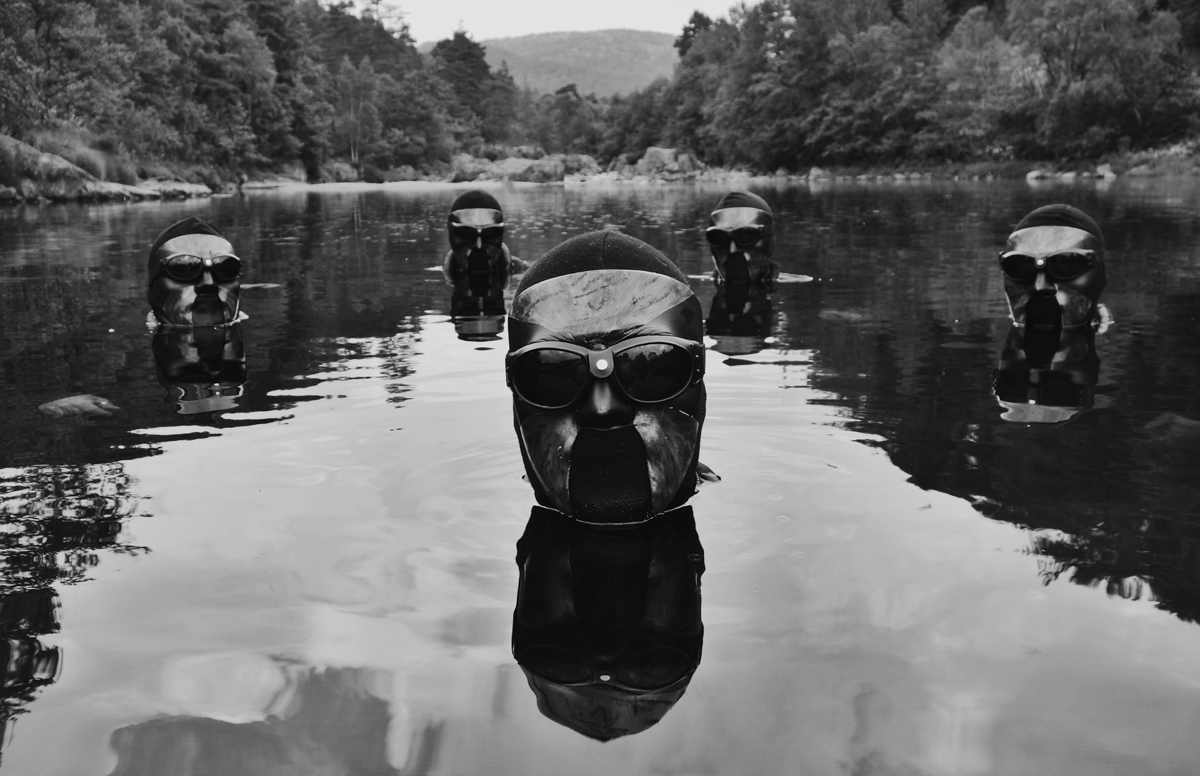
THM: What about your code names and apparel, which seem to be inspired by bands such as Slipknot and video games like Call of Duty? Could you tell us something about how Dimenzion:Psychosphere decided to add those elements to the band, the original inspiration for that, and what they represent today to all of you?

D:P:  We have always tried to add something extra to our shows, and the all over black uniforms remove the focus on us as individuals, just leaving it to be this unit that is the show. The names came recently to fit the whole concept, by not drawing attention to who we are, but to the whole concept. Not inspired by anything particular, it just felt right to do.

THM: Collapse is your first release signed to a record label. How is it to be working with a record label for the first time in your career, and what can you tell us about your relationship with Crime Records?

D:P: It’s great to have someone to back us up with the promotion and stuff, since as we mentioned, we’re not so good at that. Our relationship with Crime started over a year ago when they heard the DNA album. And they pretty much followed the entire process up to the finishing of Collapse, and signed us even before the final mix. We liked their attitude, so we didn’t even bother to send anything to other labels either.

DIMENZION PSYCHOSPHERE - Collapse cover art

Album Review – Dimenzion:Psychosphere / Collapse (2014)

THM: How is the Industrial Metal scene in Norway, a country known for being the cradle of Black Metal? Do you face any issues sharing your space with Black Metal bands and/or bands from any other music genres there, or is it a very peaceful and even productive coexistence?

D:P: The industrial metal scene in Norway is very small, especially compared to black metal.

We haven’t had any issues sharing stage with black metal bands or any other bands, so I guess you could say it’s a pretty peaceful coexistence. We know several people who play black metal, and all of them have a pretty open mind when it comes to music.

THM: Who are your main influences in music? Which bands and artists helped define what Dimenzion:Psychosphere are today, and which bands would you love to have a “dream tour” together?

D:P: It might be a cliché, but we get our influences from nearly all styles of music (with some exceptions). From all eras too. So naming bands is maybe not so “us” I think. It would have to be a very long list then. A dream tour… Meshuggah perhaps. Devin Townsend, Entombed. Someone not so far from us musically.

THM: What bands and artists are part of your playlist in your free time, when you’re not with Dimenzion: Psychosphere? Do you have any new or underground bands you would like to recommend us?

DIMENZION PSYCHOSPHERE band photo 1D:P: I guess we have our different favourites within the band, so like the previous answer, all kinds of music. We can recommend some bands we work with now and then. Deafmazjiin, Ground Zero System and Among Gods. All from Southern Norway.

THM: How about your current tour plans, especially now that Collapse is fresh out in the market? Which countries are you planning on visiting, how do you choose your setlist, and can your fans expect from your live performances? And are you going to play any dates in North America in 2014, especially in Canada, or is the focus going to be solely in Europe this year?

D:P: We have no tour plans at the moment, but that is something we’re going to start working on as soon as collapse is out. Unfortunately we don’t have a management/ booking agency yet, so that’s probably going to be our next goal. We love doing live shows, so if someone invites us to come to Canada (or any other country) we’d be more than happy to come. I think if you like our albums you’re going to love what we do live.

The setlist we pretty much make before every show, depending on how much time we have. We do try to mix old stuff with new stuff, but I guess lately the majority of songs come from the Collapse and DNA Phantom Effect albums.

THM: Thank you for the interview, or I should say “takk for intervjuet”. Do you have any final words for your fans in Norway, Canada and all over the world?

D:P: First of all thank you for giving D:P some attention and we hope that the readers will check out our music. If you want to get the latest news from Dimenzion:Psychosphere you can join us on Facebook or check us out at dimenzionpsychosphere.com.

Links
Dimenzion: Psychosphere Official Website | Facebook

Album Review – Second To Sun / Three Fairy Tales EP (2014)

Dark instrumental metal for people who love fast and furious music, recommended especially for the ones that cannot stand harsh vocals.

Rating5

Album artI know a lot of people that really enjoy the vigorous instrumental parts played by most Thrash, Death and Black Metal bands and artists. However, because of the aggressiveness of the guttural or harsh vocals that go along with those types of extreme music, they end up running away from those bands. If you find yourself in a similar situation, I have a very decent alternative for you: Russian Blackened Experimental Metal band Second To Sun and their new EP, entitled Three Fairy Tales, provides you modern and avant-garde heavy metal music, with elements of Black Metal and ethnic Finno-Ugric music, without those vocals that usually give you some undesired shivers.

Second To Sun was formed in Russia in 2012 by guitarist Vladimir Klimov, having released an EP entitled The God’s Favourite Whore (when the band suffered some lineup changes) and their first full-length album named Based On A True Story in 2013, before releasing now in 2014 their new EP. Bassist Anton Danilevski and drummer Theodor Borovski truly help Vladimir in his journey to create instrumental music that doesn’t sound annoyingly technical and consequently too snobbish, neither so basic to the point it becomes stale or uninspired. And they actually succeed in their proposal as we can see in this good (but short) album.

Based on the name of the EP, each one of the three tracks represents a different fairy tale, and they even have a specific image created for them, but as there are absolutely no vocal lines in any of them you’ll have to figure out their meaning by yourself. Starting the EP we have The Trapper, which focus on a more Symphonic Black Metal sonority blended with some modern and progressive music elements, as if Dream Theater joined the “dark side” of music. In addition, its heavy bass lines follow the pounding drums really well, plus a weird Russian voice giving the song an extra touch of creepiness.

second to sunIn Merämaa, the best of the three songs in my opinion, their progressiveness reaches its limit, intensified by some Nu Metal riffs and electronic elements, with its guitar lines being a mix of traditional Black Metal and video game-ish music. It’s almost as if the guitar is “trying” to actually speak! And finally Second To Sun offer us the more traditional song Barmaley, with highlights to its amazing double bass generating a more apocalyptic sounding. They prove with this song why they don’t need a singer to create captivating music, with kudos to bassist Anton Danilevski for his extremely strong bass lines throughout the whole song.

You can find Three Fairy Tales available for purchase at Second To Sun’s official BandCamp page, where you can also check the exclusive artwork for each of the three songs (just click on their info link). If one day they’ll add a singer to the band no one really knows, but so far they have been doing an excellent job letting their instruments speak on their behalf, crafting music highly recommended for fans of extreme metal that are not really fond of guttural vocals.

Best moments of the album: Merämaa.

Worst moments of the album: As I always mention when I review an EP, let’s wait for a full-length album to choose one or more bad moments.

Released in 2014 Independent

Track listing
1. The Trapper 4:02
2. Merämaa 3:01
3. Barmaley 3:59

Band members
Vladimir Klimov – guitars
Anton Danilevski – bass
Theodor Borovski – drums

Album Review – Isenblåst / Unleashing The Demon Scourge EP (2014)

Forget the usual corpse painting and church burnings: this talented American band is here to offer us pure Black Metal music.

Rating5

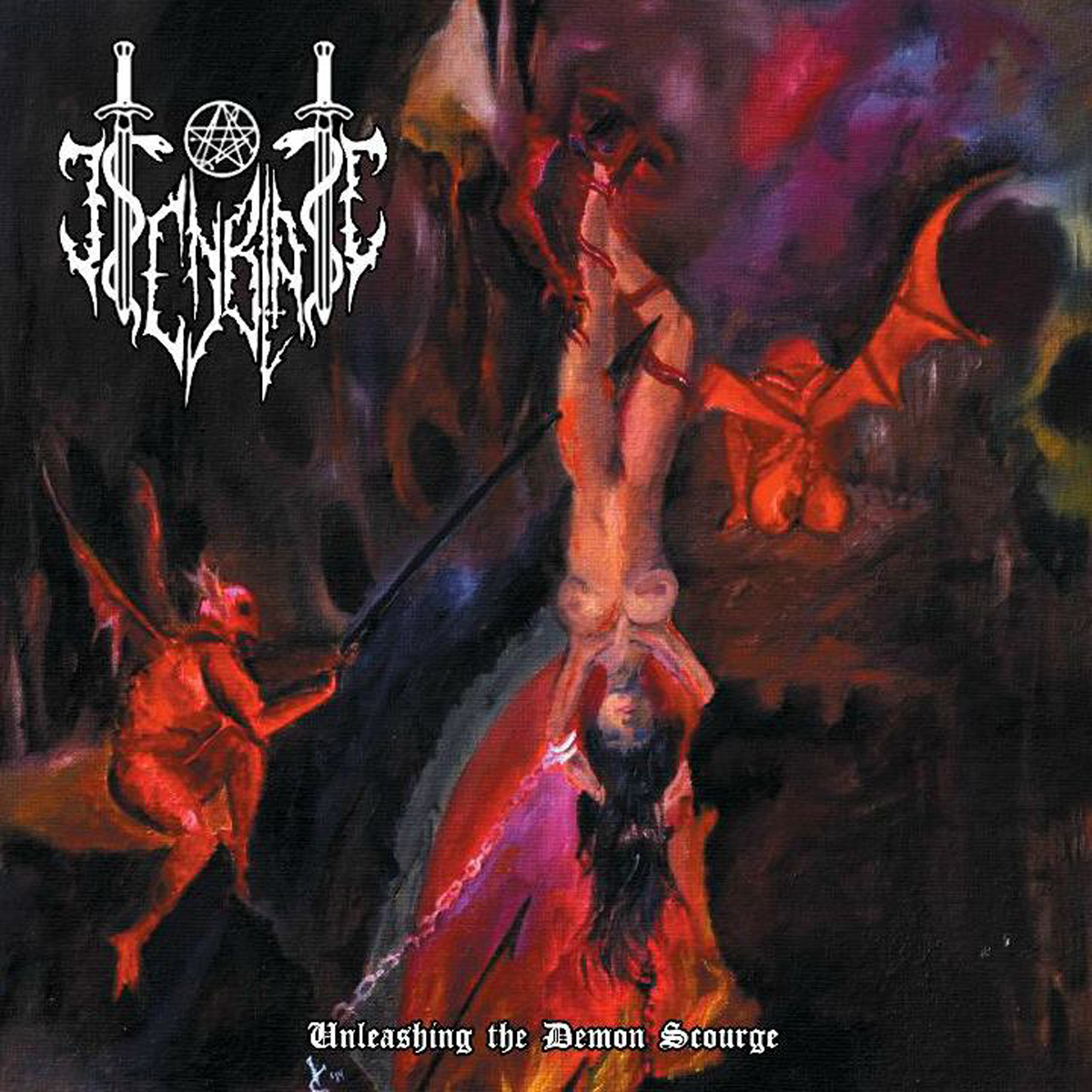
ISENBLAST - Unleashing the Demon Scourge cover artLet’s talk about Black Metal, but not about those groups that care more about maintaining an impeccable corpse painting or setting fire to churches than actually playing their instruments to generate entertaining extreme music. The focus here is on the good Black Metal band Isenblåst, from Detroit, Michigan, United States, and their recently released EP Unleashing The Demon Scourge, and you’ll see you don’t need any black-and-white makeup or blazing torches to be a badass band.

Formed in 2009 by singer/guitarist Chronolith and guitarist Lord Kaiser, Isenblåst display a huge influence from the beginnings of the rich Scandinavian Black Metal, with bands like Burzum, Enslaved and Satyricon being among their main influences, but also incorporating lots of early Death Metal elements to their musicality in order to sound at the same time more chaotic and melodic. If you listen to their 2010 demo Isenblåst and to their 2013 cassette Forest of Frost, it will be really easy to notice the evolution in their music in Unleashing the Demon Scourge.

As soon as you hit “play”, you’ll be assaulted by the very raw and brutal Black Metal in the opening track A Fire of Knowledge and Power, a song with insane blast beats conducted by drummer Abominater, lots of guitar shredding and, of course, vocals as desperate as possible by Chronolith. And you know what? It sounds really cool, far from being annoying or cheesy like many “true” Black Metal bands.

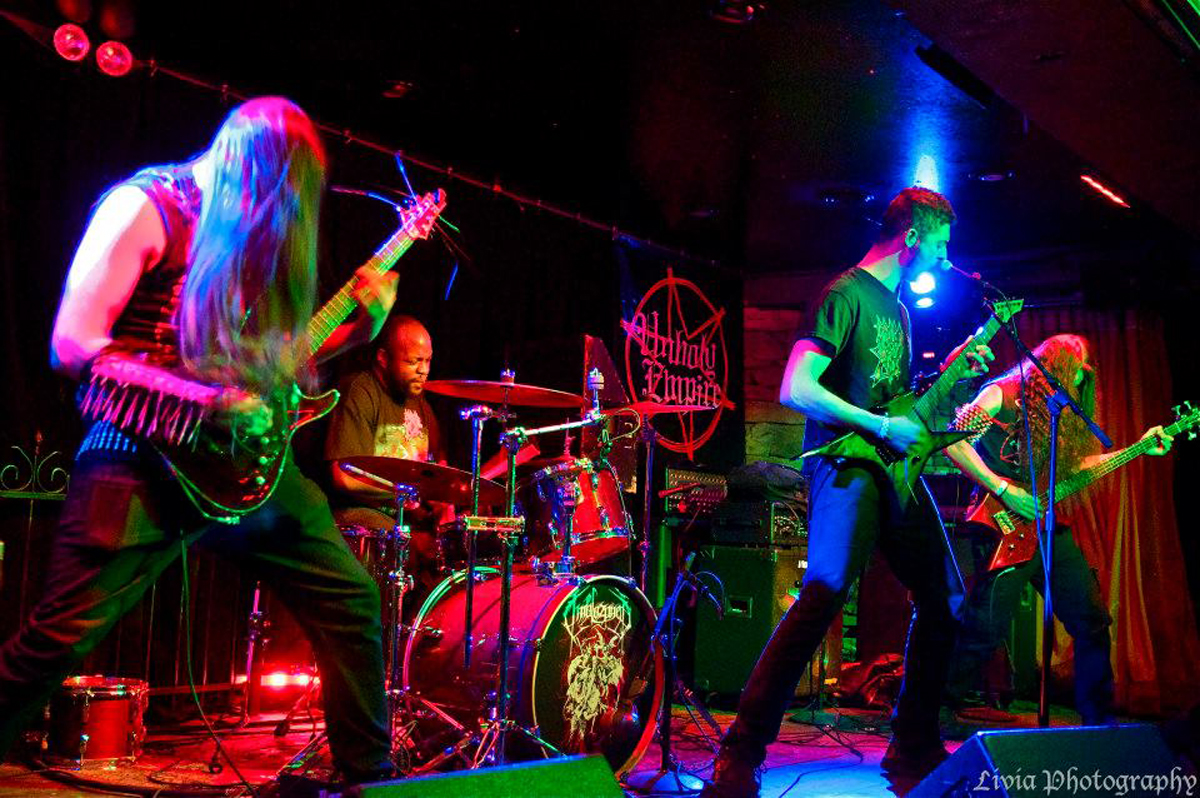
ISENBLAST live photoThe title-track, Unleashing the Demon Scourge, has a very satanic instrumental, especially its excellent Black and Death Metal riffs, which together with some hints of Hardcore and Punk Rock give it a more melodic aspect than usual Black Metal. In addition, The Latin (or whatever language that is) used in the lyrics (“Ati me peta babka / Ea, usmi nuru / Usmi la atzu / Lu daku me”) ends up being an extra touch of darkness to the song.

Nocturnal Offering, with its musicality similar to Emperor, Immortal and other classic bands, offers the listener a good guitar solo nicely blended with the sick rhythm imposed by drummer Abominater, with its “thrashy” second part reminding me of some old Slayer songs such as “Criminally Insane” and “Reborn”, which in my opinion helps this song sound extremely enjoyable and consequently become the best of the EP. The fourth and last track of the EP is called Seven Gates, and although it’s more violent than the other tracks, with its vocal lines being as beastly as possible, it’s not just noise: all musicians make sure their music is audible and solid, as you can see by the excellent guitar solo by the end of the song.

In summary, forget about corpse painting, church burning and all other of those “traditional” things: if you’re a fan of good-quality extreme music, the Black Metal by Isenblåst might be a very interesting addition to your music collection. So go to their official BandCamp page, take a listen at some of their songs, purchase the EP and embrace the wickedness of Black Metal music.

Best moments of the album: Nocturnal Offering.

Worst moments of the album: Let’s wait for their full-length album to do so.

Released in 2014 In Satan’s Custody / Demon Breath Productions

Track listing
1. A Fire of Knowledge and Power 4:38
2. Unleashing the Demon Scourge 6:02
3. Nocturnal Offering 5:36
4. Seven Gates 4:33

Band members
Chronolith – vocals, guitar
Lord Kaiser – guitar
Mars – bass
Abominater – drums

Album Review – Necropoli / I (2014)

Unique and avant-garde Funeral Doom Metal from Italy, recommended for lovers of the darkest side of music.

Rating5

Forged by musicians Rodolfo Baroni and Dario Fabiani in the wonderful city of Rome, Italy, the music by Funeral Doom / Avantgarde Metal band Necropoli might not be an easy listening for people who usually stick to basic radio stuff, including even the most badass Rock N’ Roll radio stations. However, it’s indeed a delectable experimental voyage with lots of Dhrone, Death, Black and Downtempo influences, going way beyond the average Doom Metal most of us are used to, taking your senses to a whole new freakish level.

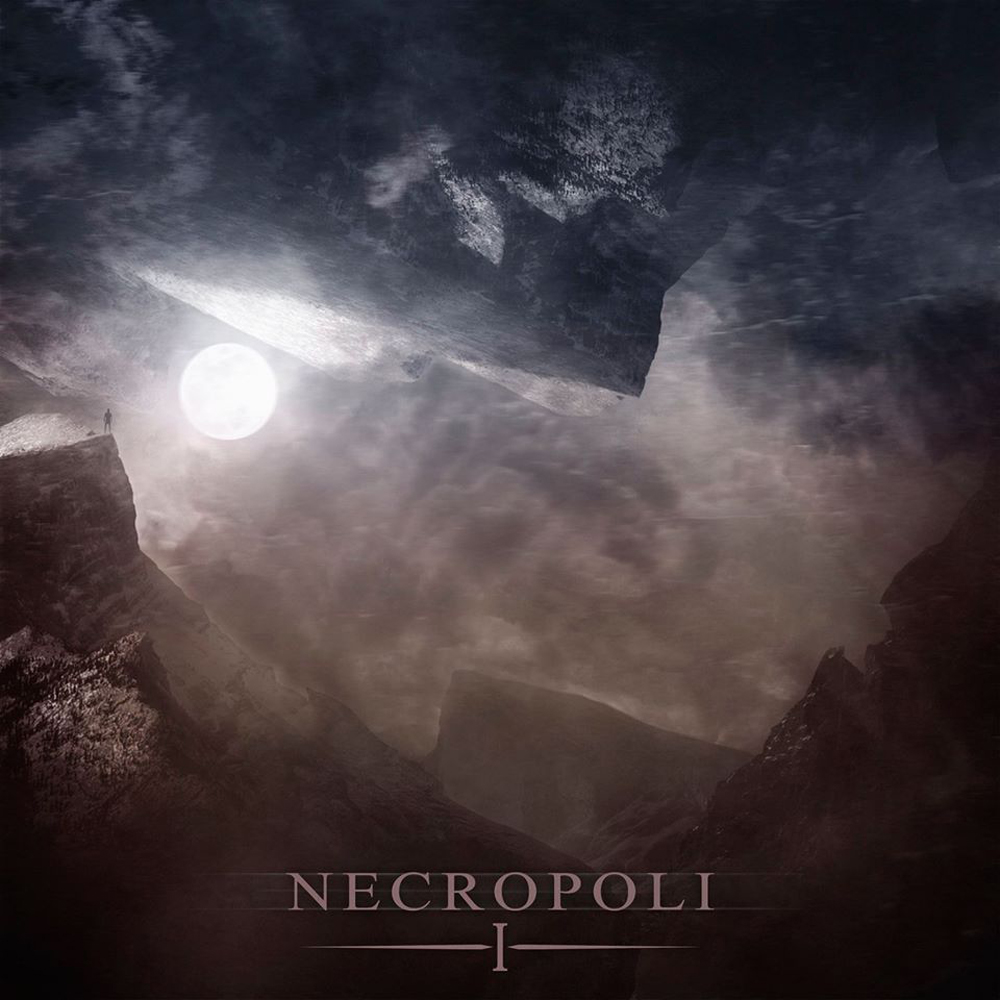
Their debut album, symbolically named I, can be considered an epitome of darkness in heavy music, with its truly long and devilish songs taking you down to a world where things like happiness, beauty and love do not exist at all. Just by looking at the album art you know this is not going to be just another commercial album full of cheesy content.

When you listen to the baby crying during the ominous intro in Ashes of my Soul, you can get a taste of how grim Necropoli can be. But it’s when their slow and dark Doom Metal really begins, with the deepest growls you can think of and its double bass and eerie synths giving the whole song a totally lugubrious atmosphere, that you’ll feel you’re like taking part of a ritual. In addition, its obscure lyrics (“This restless circle is complete / This maze will never set me free / The winds of eternity shall take away / The ashes of my soul…”) and its more than frightful ending complement the song very effectively.

Inner Space starts with some kind of weird electric or industrial sounds, and its intro goes on for almost three minutes before turning into ferocious Black Metal with sick guitar riffs and guttural vocals. It goes back to pure atmospheric music with sounds of ocean, seagulls and an acoustic guitar after seven minutes, finally becoming a Doom Metal tune to finish this dark sonic journey. A Step doesn’t make things happier or lighter, focusing on interesting piano keys blended with evil vocals and heavy riffs, all enhanced by depressive lyrics (“Opening his eyes and looking at the world around me, one single step / I got lost in it and maybe found myself many times in my path”) and an ending that is a fuckin’ massacre.

NECROPOLI band photoHowever, things get even more interesting in Silence Awaits Me, another ghostly tune filled by symphonic elements, getting closer to Death Metal in some moments and with so many rhythmic breaks it could easily be divided into three or four distinct songs.  Very epic and full of feeling, it encompasses 17 minutes of occultism and mystery that will please anyone that enjoys this type of music. And closing the album we have Curriculum Vitae (I have no idea why they chose this song name), the only track with less than 10 minutes of duration: it’s such a weird outro, consisting of demonic voices accompanied only by some persistent low synths, that I don’t know what to say about it. You’ll have to listen to it and take your own conclusions.

In summary, Necropoli’s debut album I, available at the band’s official Bandcamp page, is as unique and avant-garde as it can be, always focusing on a more unhappy and wicked side of life, of course, which doesn’t mean you’ll regret listening to it. Quite the contrary, I bet you’ll keep going back to it again and again to savor its complexity, heaviness and malice.

Best moments of the album: Silence Awaits Me.

Worst moments of the album: Curriculum Vitae.

Released in 2014 Independent

Track listing
1. Ashes of my Soul 10:37
2. Inner Space 11:47
3. A Step 12:13
4. Silence Awaits Me 17:06
5. Curriculum Vitae 4:04

Band members (Recording line up)
David Unsaved – voice
Dario Fabiani – guitar, bass, synth, vocals, programming
Rodolfo Baroni – guitar

Current line up
David Unsaved – voice
Dario Fabiani – guitar, bass, synth, vocals, programming
Francesco Romano – drums