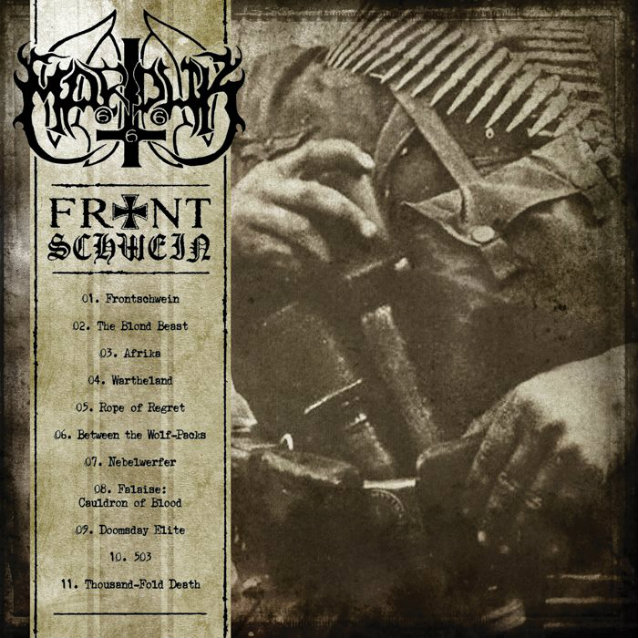
Album Review – Marduk / Frontschwein (2015)

The Babylonian gods of Black Metal return with more of their blasphemous and apocalyptic war-themed music.

Rating3

coverWhen Swedish Black Metallers Marduk added interesting topics such as Third Reich history and World War II to their lyrical/conceptual themes, starting with their 1999 album Panzer Division Marduk, I guess many of their diehard fans weren’t really sure what was going to happen to those guys that once stated they wanted to become the most blasphemous band in the world. If you look at their very first demo, the controversial Fuck Me Jesus, which was banned in several countries following its release due to its explicit cover art, and look at their brand new album, Frontschwein, it’s noticeable they’re not as blasphemous as before. But who said that change wasn’t for good?

Following their excellent 2012 release Serpent Sermon, Frontschwein (their thirteenth studio album) is not only a lesson in Black Metal, but also in Military and World War History, and let’s face it: no other music genre can represent the agonies and destruction caused by any war better than Death/Black Metal. Frontschwein is a war-themed concept album with every single song talking about a specific fact related to war, all of course impregnated by Marduk’s obscure musicality. If you love reading and studying about war, and if you’re a metalhead whose blood boils to the sound of nonstop blast beats and harsh growls, this album is perfect for you.

Despite its melodic intro, the opening track Frontschwein (which by the way means “frontline soldier”) quickly turns into badass Black Metal, with the unstoppable drumming by Fredrik Widigs and the truly devilish vocals by Mortuus (especially during the chorus) making sure any candy-asses stay away from this album. On the other hand, I have no idea what the band wanted to do with The Blond Beast: what the hell are those horrible “pop music” drums? I mean, the riffs and vocals are quite decent, but those lame commercial beats ruin the entire song.

bandFortunately, that’s the only mistake the band made in Frontschwein. In the bloodcurdling Afrika, Marduk offer us an extremely dense music carnage, with Morgan and Widigs redefining the word “wicked” with their sick guitar lines and bestial drumming respectively. The slower but completely demonic tune Wartheland, which talks about a Nazi German administrative subdivision formed from Polish territory annexed in 1939, focuses on the desperate screams by Mortuus boosted by a maleficent atmosphere. Following that lesson in vileness,  in Rope of Regret the band returns with their “heavy artillery”, and in spite of all the sonic insanity their music is far from being a mess, as you can perfectly listen to and enjoy each instrument throughout the entire song.

Between the Wolf-Packs couldn’t sound more traditional, displaying all those unique elements that fans enjoy in Black Metal, whereas Nebelwerfer (or “Smoke Mortar”, a World War II German series of weapons) emanates darkness, with an incredible Doom Metal ambience mainly due to its slow-paced grim rhythm. And Falaise: Cauldron of Blood gets back to straightforward Black Metal, with highlights to the interesting addition of some slower breaks amidst the furious blast beats, and to Mortuus sounding even more amazing with his 100% barbaric guttural vocals.

mediabook

Frontschwein Mediabook Limited Edition

The longest track of all, Doomsday Elite, is another “anthem of despair” without a single second of peace, with all band members giving their best and adding a lot of power to the song, while the excellent 503, which I believe talks about German Tiger Tank Battalion 503 in World War II, sounds actually like a tank: it’s slow, extremely heavy and very imposing, with its Doom Metal elements and gruesome bass lines by Devo turning it into an outstanding moment of the album. And finally, the last regular track in Frontschwein, Thousand-Fold Death, makes sure no one survives the band’s brutal assault. It’s a nonstop tune that will put a huge smile on our faces and an even more gigantic pain in our necks, with kudos to Morgan for his awesome guitar riffs.

The mediabook limited edition of Frontschwein comes with a very generic bonus entitled Warschau III: Necropolis (a variation for the city of Warsaw, Poland), an instrumental track with some obscure growls, but nothing that adds any value to that version of the album. Anyway, it doesn’t matter if you’re a huge fan of Black Metal or not, the new album by Marduk is worth a listen. If you don’t know the band that well, you’ll be surprised by how entertaining their apocalyptic dark music can be, and if you’re a longtime fan of the band, I guess I don’t need to say this is a mandatory addition to your evil collection.

Best moments of the album: Frontschwein, Afrika, 503 and Thousand-Fold Death.

Worst moments of the album: The Blond Beast.

Released in 2015 Century Media Records

Track listing
1. Frontschwein 3:12
2. The Blond Beast 4:26
3. Afrika 4:00
4. Wartheland 4:17
5. Rope of Regret 3:52
6. Between the Wolf-Packs 4:28
7. Nebelwerfer 6:17
8. Falaise: Cauldron of Blood 4:58
9. Doomsday Elite 8:11
10. 503 5:12
11. Thousand-Fold Death 3:46

Mediabook Limited Edition Bonus Track
12.Warschau III: Necropolis 2:59

Band members
Daniel “Mortuus” Rostén – vocals
Morgan “Evil” Steinmeyer Håkansson – guitar
Magnus “Devo” Andersson – bass
Fredrik Widigs – drums

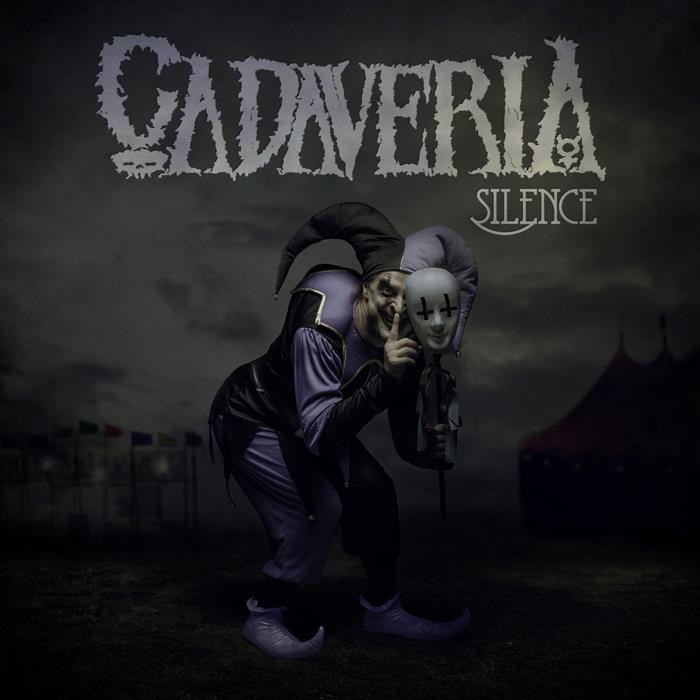
Album Review – Cadaveria / Silence (2014)

A sinister parade of heavy music led by the reigning succubus of Black and Doom Metal.

Rating4

cadaveria_silenceI got to know Black/Gothic Metal band Cadaveria a couple of months ago while listening to The Metal Moose Show, and basically after that I had to go after more of their excellent obscure music. The band is led by the diabolical Italian beauty Cadaveria (aka Raffaella Rivarolo), known for being the former singer of Symphonic Black Metal band Opera IX. Now, after over ten years in action, the band releases their fifth full-length album, Silence, a sinister parade of Black and Doom Metal, with Gothic influences from the 80’s and the unique feminine touch by Cadaveria.

Despite being extremely hard for bands to stay relevant in Heavy Metal doing this type of dark music, more due to their demanding fans rather than to the music itself, Cadaveria somehow manage to reinvent their musicality with each release, avoiding that feeling of “I’ve heard that before a million times” from any person that gets in contact with their music, no matter if it’s a diehard fan or a brand new listener. Of course the music by Cadaveria is not light-hearted or commercial at all, so do not expect to listen to it anywhere, but only where it really matters: in the underground music world.

The opening track, Velo (The Other Side of Hate), which by the way is probably a play on words with “LOVE”, is the perfect representation of Melodic Black Metal with devilish feminine vocals (can I say Cadaveria is like the reigning succubus of Black Metal?), alternating traditional Black Metal with more symphonic parts and with Frank Booth and Dick Laurent doing an awesome job on guitars. Following that great start, as the name of the song says Carnival of Doom has an awesome Doom Metal punch, being brutal but delicate at the same time, with Cadaveria’s clean vocals redefining the meaning of the word “mesmerizing”, while in Free Spirit there’s a slight change in the band’s approach, with its guitar lines and vocals focusing on a more melancholic tune inspired by Gothic/Doom Metal from the 80’s.

cadaveriaThe Soul That Doesn’t Sleep emanates despair and darkness, with Cadaveria beautifully switching between harsh and clean vocals while the rest of the band maintains a morbid rhythm, solidifying the overall result, followed by Existence, which gets closer to apocalyptic Black Metal with drummer Marçelo Santos conducting the rhythm. In the modern and amazing Out Loud, the band offers us a heavy and furious tune with hints of Thrash and Death Metal, sounding like an even more wicked version of Arch Enemy and making it a perfect choice for circle pits, while Death, Again, which begins in the darkest and most melancholic way possible, has that type of hypnotizing melody, with Cadaveria making it even more enjoyable.

The last part of Silence brings to the listener an interesting mix of good, bad and, of course, dark tunes, starting with Exercise1, too generic compared to the rest of the album; Almost Ghostly, a feminine version of Paradise Lost blended with Tristania, with highlights to its amazing vocal lines; Loneliness, another excellent technical track with Gothic elements dominating the entire song; and finally Strangled Idols, again a more melodic and dark song, with its raw Rock N’ Roll vein being very beneficial to the overall energy of the song.

You can check the official album trailer HERE, visit the band’s official Facebook page, and of course buy their music and merchandise at their webshop or on iTunes. If there was a parade of Black and Doom Metal, Silence would definitely be its sinful and delectable soundtrack.

Best moments of the album: Carnival of Doom, The Soul That Doesn’t Sleep and Out Loud.

Worst moments of the album: Existence and Exercise1.

Released in 2014 Scarlet Records

Track listing
1. Velo (The Other Side of Hate) 4:14
2. Carnival of Doom 3:28
3. Free Spirit 4:44
4. The Soul That Doesn’t Sleep 3:34
5. Existence 4:56
6. Out Loud 3:16
7. Death, Again 5:04
8. Exercise1 3:54
9. Almost Ghostly 4:22
10. Loneliness 4:42
11. Strangled Idols 5:00

Band members
Cadaveria – vocals
Frank Booth – guitar
Dick Laurent – guitar
Killer Bob – bass
Marçelo Santos – drums

Album Review – Sarpedon / Anomic Nation (2014)

Get ready for this Progressive Doom Metal band with a strong theatrical vein directly from the beautiful Norway.

Rating4

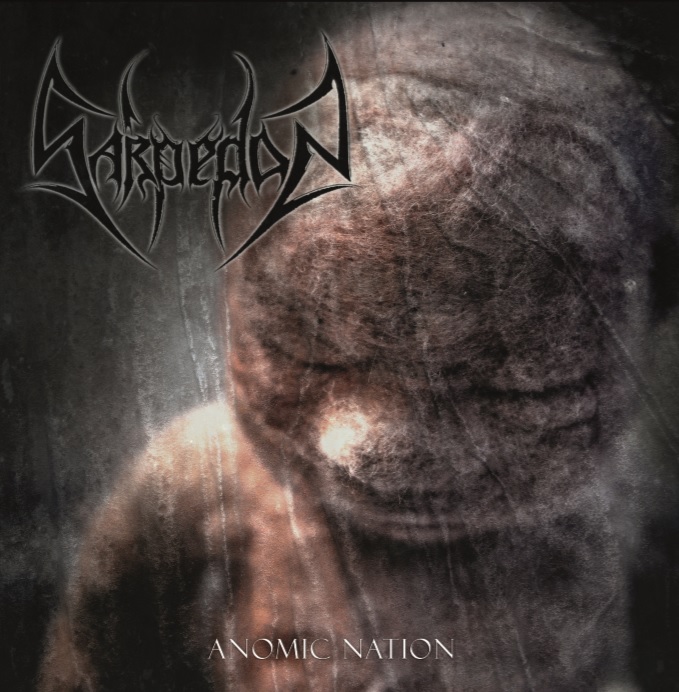
Sarpedon-coverAfters years in the making, the music journey named Anomic Nation, the debut album by Norwegian Progressive Doom Metal band Sarpedon, is finally among us. For those of you who don’t know Sarpedon, this very technical band is led by brothers Torgeir and Eirik P. Krokfjord, who have been working together on this project for several years, influenced by distinctive bands such as Savatage, Emperor and Queen, and adding their own experiences and emotions into their music to give it a fresh taste.

Despite its Black Metal-ish album art, Anomic Nation is a lot more melodic and less violent than pretty much all Black Metal bands you might think of, thanks a lot to the “theatrical” vocals by Eirik P. Krokfjord. The guy, who has two singing degrees from the Norwegian Academy of Music, doesn’t limit himself by only singing the songs, he basically declaims the lyrics in all of them, as if the the Phantom of the Opera decided to form a heavy music group. That might be one of the greatest strengths of Sarpedon, and definitely what will hold your attention throughout the entire album.

When the music kicks off with the very atmospheric and eerie title-track Anomic Nation, it’s impossible not to think of bands like Swedish Epic Doom Metal Candlemass or Danish Heavy Metal icons Merciful Fate, as all of their characteristic elements are present in Sarpedon’s music boosted by some traditional Black Metal blast beats. If you don’t understand what I’m saying, take a listen at this powerful song by Candlemass and everything will make sense. This great Doom Metal track is followed by The Lusk Letter, where the band showcases an even more progressive musicality, guiding the listener through a theatre of virtuosity and darkness, and The Claustrophober, which gets even more obscure thanks to its church organ keyboard notes, moving towards more traditional Doom Metal. And pay close attention to the beautiful lyrics in this song, it’s totally worth it.

MONSENSarpedon speed things up a little in Dead Birds, with its lyrics being even more freakish and drummer Carl Engstrøm kicking fuckin’ ass: it’s impressive how he can go from raw Black Metal to smooth progressive music in a matter of seconds, without sounding robotic or generic. Then we have the beautiful A Seed of Evil, an inspiring work of art that could be summarized like a “forbidden tenderness” (if that expression even exists), and The Carnival, where what seemed to be a melancholic tune suddenly turns into fast and raw metal, getting back later in the song to pure progressiveness with some interesting rhythmic breaks, somber guitar riffs and a nice theatrical chorus (“Look behind the mask / Before it is too late”).

The band saved for last the duo comprised of My Mysteries Unwind, Part I, a smooth but sinister “intro” to its second part, focusing heavily on its intense keyboard notes, and My Mysteries Unwind, Part II, the boldest and most symphonic of all tracks. It’s indeed a mysterious journey that transpires Doom Metal, varying between heavier riffs and more melancholic passages, with its precise drumming keeping it energized and all elements of the last part of it showcasing how crazy and progressive Sarpedon can be.

If you’re a fan of Candlemass, Mercyful Fate, Queen and all other rock and metal bands with a ravishing theatrical side, don’t wait any longer and go grab your copy of Anomic Nation at the official Inverse Store. It’s good music that will satisfy your craving for a good story while you bang your head, do some air guitar or keep tapping on your desk, and if you let yourself go with each song you will probably find yourself doing that for hours, completely enthralled by Sarpedon’s full-bodied music.

Best moments of the album: Anomic Nation and A Seed of Evil.

Worst moments of the album: The Carnival.

Released in 2014 Inverse Records

Track listing
1. Anomic Nation 6:02
2. The Lusk Letter 5:08
3. The Claustrophober 6:19
4. Dead Birds 4:23
5. A Seed of Evil 5:01
6. The Carnival 6:43
7. My Mysteries Unwind, Part I 3:14
8. My Mysteries Unwind, Part II 9:45

Band members
Eirik P. Krokfjord – lead & backing vocals, keys
Torgeir P. Krokfjord – all guitars & bass
Andreas Wærholm – keys
Carl Engstrøm – drums

Album Review – Witches Of Doom / Obey (2014)

These Italian guys bring you some awesome Doom and Stoner Metal with a unique goth vibe. They’re the Witches of Doom, yeah!

Rating4

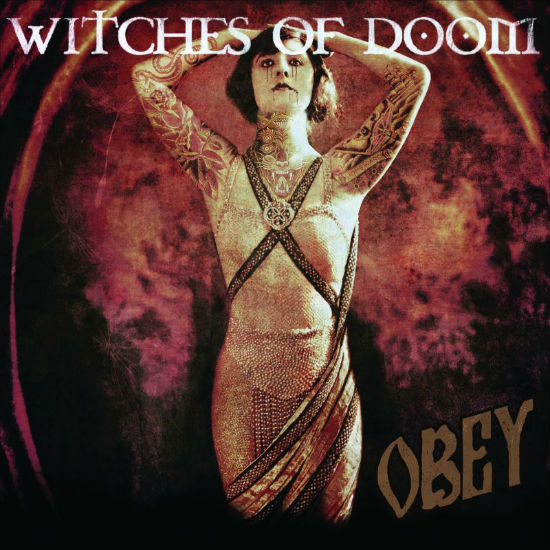
Witches-Of-Doom-ObeyThere were so many brilliant Heavy Metal and Rock N’ Roll bands from the 80’s and part of the 90’s with a strong goth vibe it’s hard to name just a few, like for example The Cult, Paradise Lost and Sisters of Mercy. However, very few bands playing that type of music were created (and survived) in the past decade or so, which unfortunately ended up dragging such a rich genre down to the underground of music. Let’s say that this little “problem” is almost over with the blessed birth of Italian Goth-Stoner-Doom Metal band Witches Of Doom and their outstanding debut album Obey, released a couple of months ago.

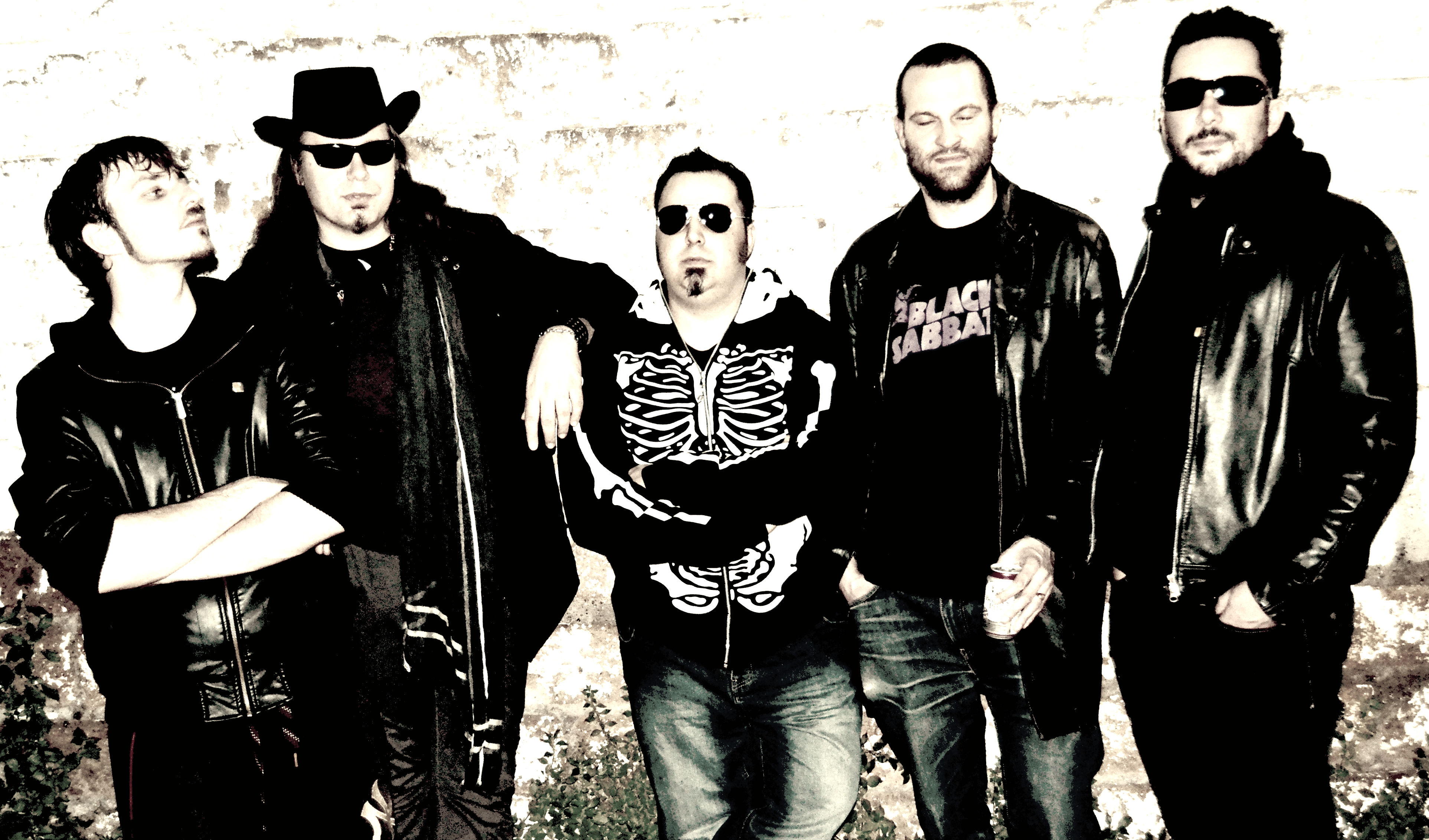
Although they’re not reinventing goth, doom or anything else, the way this Rome-based band blends all the elements from those music genres, also adding hints of 70’s Hard Rock and elements of more contemporary heavy music, is beyond amazing. In other words, you’ll be able to easily identify the influence of bands such as Moonspell and Depeche Mode in their music, but it’s far from being just a “cover” band. Witches Of Doom have their own musicality, a modern and personalized goth heavy rock that will please all fans of good occult music.

The Betrayal begins with a Breaking Bad-ish intro before turning into a thrilling mix of Doom Metal and Southern Rock, with highlights to the great vocal performance by Danilo “Groova” Piludu. The last part of the song sounds a lot like American Sludge Metal supergroup Down, especially its raw riffs and soulful solo. Following that excellent beginning, we have Witches of Doom, a much heavier version of that goth music from the 80’s played by Sisters of Mercy and an excellent “business card” from the band (“We are the Witches of Doom, yeah!”), and To the Bone, a song that could be played in any radio station in the world: it’s 100% catchy with a really cool atmosphere. Besides, it’s easy to see how much guitarist Federico “Fed” Venditti loves 80’s rock music based on his guitar lines.

The next track, Needless Needle, is another interesting song full of guitar effects the likes of Paradise Lost and a nice old-fashioned keyboard solo at the end, but its main strength is how the band supports the chorus with their instruments, making it exciting and unique; while the piano ballad Crown of Thorns focus on a more melancholic feeling, especially its lyrics, getting heavier halfway through it.

DSC_0683The second half of the album starts with the awesome distorted guitar and bass lines of Dance of the Dead Flies, which can be considered the first of the two songs that sound like a tribute to the one and only Type O Negative. It’s Doom and Stoner Metal to the maximum heaviness, with kudos to singer Groova for his badass performance on vocals one more time. The second and most Type O Negative-ish song of the album is entitled Rotten to the Core: this is one of those songs tailored to be played during a strip-tease at the most underground Rock N’ Roll strip club in the world, something like From Dusk Till Dawn (and I can even imagine Salma Hayek, or I should say Santanico Pandemonium, doing her sexy dance). In addition, once again the guitar solo enhances the overall energy of the song.

Last but not least, we have It’s My Heart (Where I Feel the Cold), a heavier and a lot better ballad than “Crown of Thorns” with nice piano notes by Graziano “Eric” Corrado and some really dark low riffs, giving it an intense goth vibe; and the title-track Obey, with its tribal intro, powerful keyboards, poetic lyrics (“I was waiting for you in the sky”), and a mesmerizing rhythm. It even has some interesting sitar notes to boost its delicious eerie atmosphere. And just for your information, this song doesn’t actually have 14 minutes: it ends at around minute 8 or 9, “returning” at minute 12 as some kind of “hidden track” that contains only some weird distorted noises.

In summary, Witches Of Doom’s Obey, available at their Big Cartel page, on iTunes and other different places, brings back to you directly from Italy that awesome 80’s goth sonority, offering you everything you loved so much in that era but without sounding obsolete at all. Quite the contrary, those guys are looking to the future of music, supported by their technique, their influences and, more important than that, a lot of feeling and passion for Rock N’ Roll.

Best moments of the album: The Betrayal, Dance of the Dead Flies and Rotten to the Core.

Worst moments of the album: Crown of Thorns.

Released in 2014 Sliptrick Records

Track listing
1. The Betrayal 3:49
2. Witches of Doom 3:54
3. To the Bone 3:49
4. Needless Needle 5:01
5. Crown of Thorns 5:25
6. Dance of the Dead Flies 5:06
7. Rotten to the Core 4:10
8. It’s My Heart (Where I Feel the Cold) 4:17
9. Obey 14:45

Band members
Danilo “Groova” Piludu – vocals
Federico “Fed” Venditti – guitar
Jacopo Cartelli – bass
Graziano “Eric” Corrado – keyboards
Andrea “Budi” Budicin – drums

Album Review – Temple Of Void / Of Terror And The Supernatural (2014)

If the Devil had a band, it would sound pretty much like this one.

Rating4

TEMPLE OF VOID - Of Terror and the Supernatural cover artWhen you put together the obscurity of early British Doom Metal and the sheer brutality of old school American Death Metal, the final result is usually very interesting. From Detroit, Michigan, United States, comes a band that was able to blend those subgenres of heavy music in a more-than-entertaining way, adding to their music their own touch of creativity and ferocity. I’m talking about American Death/Doom Metal band Temple Of Void, who have just released their debut album entitled Of Terror And The Supernatural. Are you ready for some sonic carnage?

Although they’re a relatively new band, having self-released only a demo in May 2013 prior to Of Terror And The Supernatural, those five Detroiters are so precise with their instruments that they sound like an already classic extreme metal band that has been playing together for decades. Besides, the overall production of the album is also very professional and polished, without abandoning that crude sonority necessary for a good extreme metal album but also without sounding awfully raw to the point it looks like an amateur demo, favoring the type of music crafted by the band.

The opening track, The Embalmer’s Art, begins the album on a high note by creating a truly eccentric atmosphere with its low tune riffs, demoniacal vocals and pure Doom Metal drumming, fortified by its morbid lyrics (“Potter’s bluff / The embalmer’s art / Master work of the wicked”). This song is already some kind of message from the band to the listener, like if they wanted to say “our music is not for the faint-hearted”, so eerie it is. The following track, Savage Howl, begins with a cool galloping intro before hell breaks loose: its guitar and bass lines, mixed with its intense drums, are perfect for some headbanging, with the last minute of it being as heavy as it can be. In addition, I wonder if singer Mike Erdody can do those deep growling vocals live, that must be really impressive.

TEMPLE OF VOID band photoBeyond the Ultimate showcases the most obscure Doom Metal riffs you can think of, nicely enhanced by some hints of Stoner Metal and its truly hideous lyrics (“Feed me / I must dine a feast of blood / Once, I too paid these / Sacrificial dues”), followed by Invocation of Demise, with some of the darkest riffs of the whole album and some extra guitar effects that provide it an extra dose of occultism, ideal to be part of the soundtrack for a Black Magic ritual. Not only that, after five minutes it sounds like a brand new song as it gets a lot more melodic, with drummer Jason Pearce dictating the rhythm.

To Carry this Corpse Evermore is just a melancholic semi-acoustic instrumental track (maybe to give Mr. Erdody’s throat a short break) that works like a bridge for the next song, Rot in Solitude, with its Death Metal riffs and a very somber rhythm; while Exanimate Gaze offers us an interesting mix of Paradise Lost and Black Sabbath, especially its guitar lines. By the way, the awesome instrumental boosts the overall quality of this song, with its last part reminding me of some good contemporary Black Metal songs. And as the final track in Of Terror And The Supernatural we have the 10-minute epic Doom Metal song Bargain in Death, with highlights to its disturbing lyrics about being buried alive (“Waking – You grasp and you claw / But there is no escape / Scratching – The slivers of pine / Stabbing under your nails”). The second half of the song is like a funeral march, as slow, perverse and eerie as possible, with some amazing guitar solos at the end elevating this tenebrous masterpiece to a whole new magnitude.

Lastly, the cover painting by renowned fantasy artist Bruce Pennington is also a very good indicator of how evil this album is and how perturbed you might feel after listening to it, obviously in a very good way. So if you enjoy the devilish music this band plays, simply support them by visiting their Facebook page, by asking them to play live in your city, and also by going to their official Bandcamp page to purchase Of Terror And The Supernatural, an album that sounds like if it was recorded by the Devil’s own heavy music band.

Best moments of the album: The Embalmer’s Art, Savage Howl and Bargain in Death.

Worst moments of the album: Rot in Solitude.

Released in 2014 Rain Without Records / Saw Her Ghost Records

Track listing
1. The Embalmer’s Art 6:25
2. Savage Howl 5:19
3. Beyond the Ultimate 6:14
4. Invocation of Demise 7:32
5. To Carry this Corpse Evermore 3:17
6. Rot in Solitude 5:34
7. Exanimate Gaze 5:29
8. Bargain in Death 10:41

Band members
Mike Erdody – vocals
Eric Blanchard – guitar
Alex Awn – guitar
Brent Satterly – bass
Jason Pearce – drums

Album Review – Necropoli / I (2014)

Unique and avant-garde Funeral Doom Metal from Italy, recommended for lovers of the darkest side of music.

Rating5

Forged by musicians Rodolfo Baroni and Dario Fabiani in the wonderful city of Rome, Italy, the music by Funeral Doom / Avantgarde Metal band Necropoli might not be an easy listening for people who usually stick to basic radio stuff, including even the most badass Rock N’ Roll radio stations. However, it’s indeed a delectable experimental voyage with lots of Dhrone, Death, Black and Downtempo influences, going way beyond the average Doom Metal most of us are used to, taking your senses to a whole new freakish level.

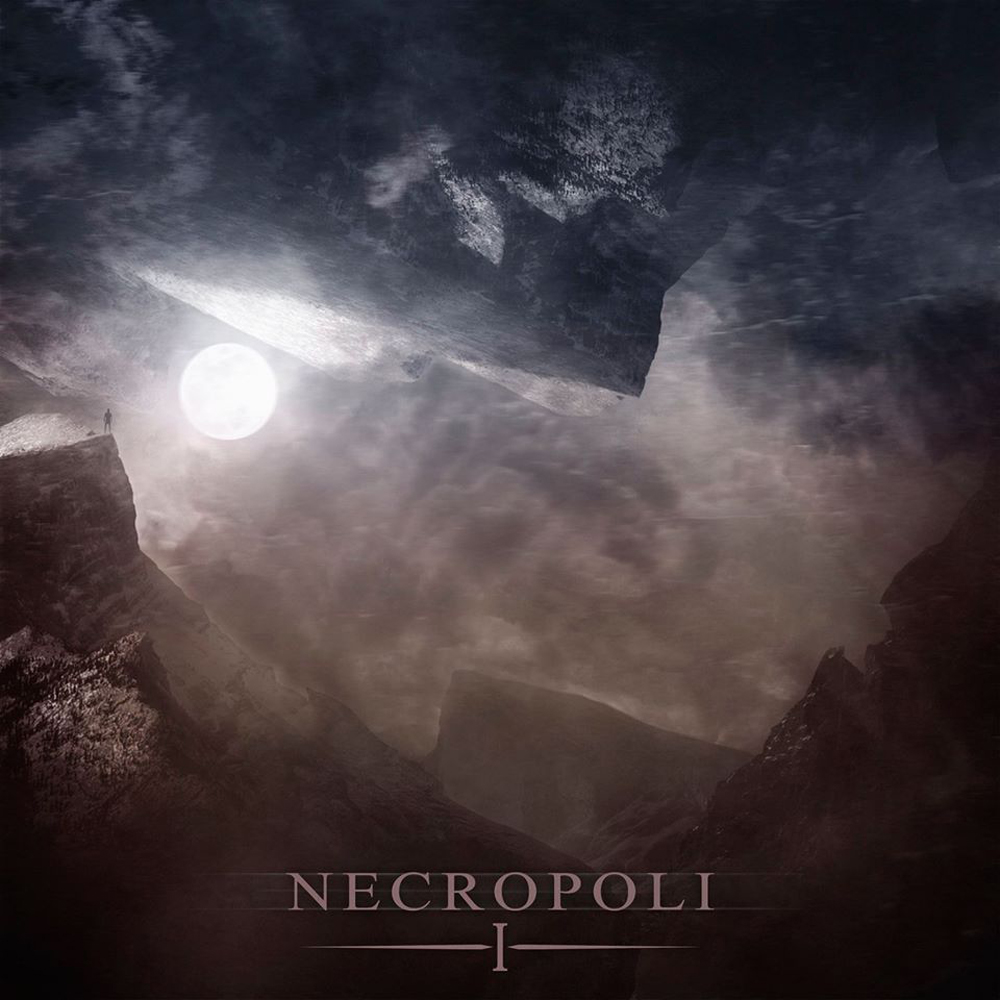
Their debut album, symbolically named I, can be considered an epitome of darkness in heavy music, with its truly long and devilish songs taking you down to a world where things like happiness, beauty and love do not exist at all. Just by looking at the album art you know this is not going to be just another commercial album full of cheesy content.

When you listen to the baby crying during the ominous intro in Ashes of my Soul, you can get a taste of how grim Necropoli can be. But it’s when their slow and dark Doom Metal really begins, with the deepest growls you can think of and its double bass and eerie synths giving the whole song a totally lugubrious atmosphere, that you’ll feel you’re like taking part of a ritual. In addition, its obscure lyrics (“This restless circle is complete / This maze will never set me free / The winds of eternity shall take away / The ashes of my soul…”) and its more than frightful ending complement the song very effectively.

Inner Space starts with some kind of weird electric or industrial sounds, and its intro goes on for almost three minutes before turning into ferocious Black Metal with sick guitar riffs and guttural vocals. It goes back to pure atmospheric music with sounds of ocean, seagulls and an acoustic guitar after seven minutes, finally becoming a Doom Metal tune to finish this dark sonic journey. A Step doesn’t make things happier or lighter, focusing on interesting piano keys blended with evil vocals and heavy riffs, all enhanced by depressive lyrics (“Opening his eyes and looking at the world around me, one single step / I got lost in it and maybe found myself many times in my path”) and an ending that is a fuckin’ massacre.

NECROPOLI band photoHowever, things get even more interesting in Silence Awaits Me, another ghostly tune filled by symphonic elements, getting closer to Death Metal in some moments and with so many rhythmic breaks it could easily be divided into three or four distinct songs.  Very epic and full of feeling, it encompasses 17 minutes of occultism and mystery that will please anyone that enjoys this type of music. And closing the album we have Curriculum Vitae (I have no idea why they chose this song name), the only track with less than 10 minutes of duration: it’s such a weird outro, consisting of demonic voices accompanied only by some persistent low synths, that I don’t know what to say about it. You’ll have to listen to it and take your own conclusions.

In summary, Necropoli’s debut album I, available at the band’s official Bandcamp page, is as unique and avant-garde as it can be, always focusing on a more unhappy and wicked side of life, of course, which doesn’t mean you’ll regret listening to it. Quite the contrary, I bet you’ll keep going back to it again and again to savor its complexity, heaviness and malice.

Best moments of the album: Silence Awaits Me.

Worst moments of the album: Curriculum Vitae.

Released in 2014 Independent

Track listing
1. Ashes of my Soul 10:37
2. Inner Space 11:47
3. A Step 12:13
4. Silence Awaits Me 17:06
5. Curriculum Vitae 4:04

Band members (Recording line up)
David Unsaved – voice
Dario Fabiani – guitar, bass, synth, vocals, programming
Rodolfo Baroni – guitar

Current line up
David Unsaved – voice
Dario Fabiani – guitar, bass, synth, vocals, programming
Francesco Romano – drums

Album Review – Tristania / Widow’s Weeds (1998)

It’s from Norway the most remarkable Gothic Metal album of all time.

Rating3

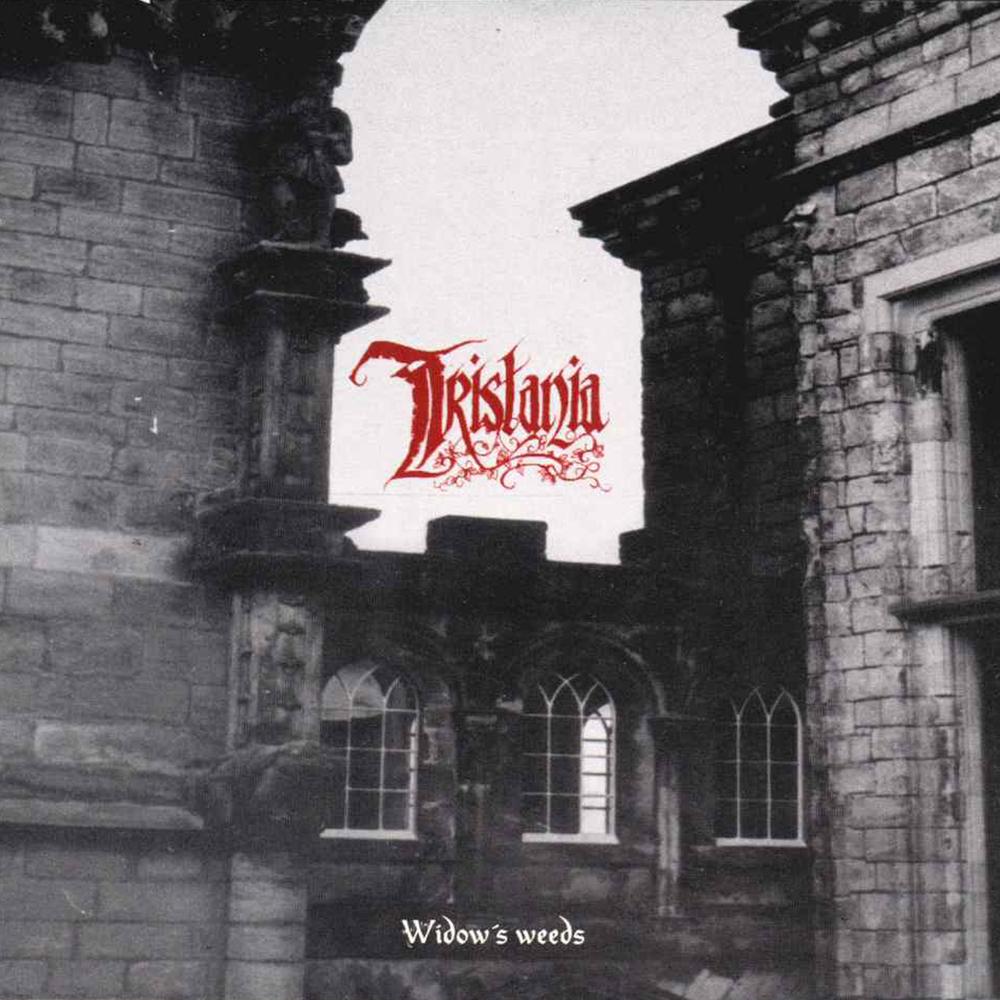
WidowsWeedsGothic Metal has always been and will ever be a very tricky subgenre of Heavy Metal, especially in terms of originality, because it can bore you at the blink of an eye. I, for instance, do not consider myself a true Gothic Metal fan, as I prefer a lot more heavier and faster material like traditional Heavy Metal, Thrash Metal, Death Metal, and even Hard Rock rather than any Gothic music. However, once in a while there’s a band like Tristania that breaks this barrier and gains my respect in the world of heavy music.

After their self-titled EP Tristania (1997), it was time for this Norwegian Gothic Metal band to release in 1998 their first full-length album called Widow’s Weeds, which in my opinion is the best Gothic Metal album of all time. In fact, Widow’s Weeds cannot be considered only Gothic Metal, as it contains elements of many other subgenres of heavy music such as Symphonic, Death and Doom Metal, which explains why this album is so difficult to understand, and consequently so delightful.

Widow’s Weeds is a tsunami of obscure themes and dark lyrics, all full of the most uncomfortable emotions such as depression, sadness and madness, and of course everything is wrapped up by a very precise and dense musicality. Do not expect to hear crazy riffs and solos, or even fast drums with lots of double bass, but lengthy and slow songs where all instruments together form a complex sonority, in parallel with Vibeke Stene’s angelic voice and Morten Veland’s roars.

Right after the intro Preludium…, the band shows all its powerful musical range with the beautiful Evenfall, by far the most amazing composition of their entire career. Vibeke’s performance in this song is awesome, as well as the drums by Kenneth Olsson, and the final result portrays perfectly how pleasant sadness can be when transformed into music. The following track keeps the bar extremely high: Pale Enchantress can be considered another of the band’s classics, a lot faster than the previous one with great melancholic lyrics (“Enchanting all my dreams / A beauty and her flood of tears / Nightfall embrace my heart / Mesmerized and ravendark”).

December Elegy and Midwintertears are examples of what I previously said about the trickiness of Gothic Metal, as both can easily make you feel bored due to their length and lack of speed or changes in rhythm. However, they’re pretty good songs, it’s just that they’re not tailored for MTV or radio. On the other hand, even the more skeptical heavy music lovers will enjoy the next two tracks: Angellore has many interesting goth elements from the 80’s that match perfectly with the band’s style, with the addition of Østen Bergøy doing the clean vocals, and the final result was so good that it was probably the reason why he joined the band full-time from 2001 until 2010; while My Lost Lenore is considered by many Tristania’s biggest masterpiece. Here we have not only Vibeke and Morten doing a superb job, but above all the talented Einar Moen on his synth and piano giving a huge boost to the song.

tristania7The (almost) last track, Wasteland’s Caress, is for me the weakest of all tracks, and the outro …Postludium ends this amazing album, unless you have the special edition which contains two excellent bonus tracks called Sirene and Cease to Exist. The front cover of the album simply summarizes how dark and mysterious the music by Tristania is, fully complemented by the band’s sinister outfits.

Unfortunately, there have been way too many changes in the band’s lineup and musicality until today, provoking an immense drop in the quality of their material. Maybe if Vibeke Stene and of course Morten Veland, the mastermind behind Tristania’s eerie and mesmerizing music and currently with Sirenia, were still with Tristania, the whole story would have been a lot different. Nevertheless, based on Tristania’s most recent albums, I don’t believe we’ll see anything close to Widow’s Weeds again.

At least there are some good news about Vibeke returning to the world of heavy music after years of privation, and when she actually returns she deserves a special “Metal Chick of the Month” post for her and one or more reviews of the music projects and/or bands she joins in a near future. She’s a truly underrated musician, and I hope she comes back kickin’ ass as she used to do in her years with Tristania.

Best moments of the album: Evenfall, Pale Enchantress, Angellore and My Lost Lenore.

Worst moments of the album: December Elegy and Wasteland’s Caress.

Released in 1998  Napalm Records

Track listing

1. Preludium… 1:09
2. Evenfall 6:51
3. Pale Enchantress 6:31
4. December Elegy 7:31
5. Midwintertears 8:32
6. Angellore 7:16
7. My Lost Lenore 6:23
8. Wasteland’s Caress 7:40
9. …Postludium 1:12

Limited edition bonus tracks
10. Sirene 3:22
11. Cease to Exist 9:17

Band members
Vibeke Stene – vocals, choir
Morten Veland – harsh vocals, guitars, choir
Anders H. Hidle – guitars, choir
Rune Østerhus – bass
Einar Moen – synths, programming
Kenneth Olsson – drums, choir

Guest musicians
Østen Bergøy – clean vocals on “Angellore”, choir
Pete Johansen – violin
Hilde Egeland, Marita Herikstad, Hilde T. Bommen – choir

Album Review – The Order of the Solar Temple / The Order of the Solar Temple (2014)

A fresh and psychedelic music journey through the realms of heavy music, engendered by a very talented Canuck band.

Rating4

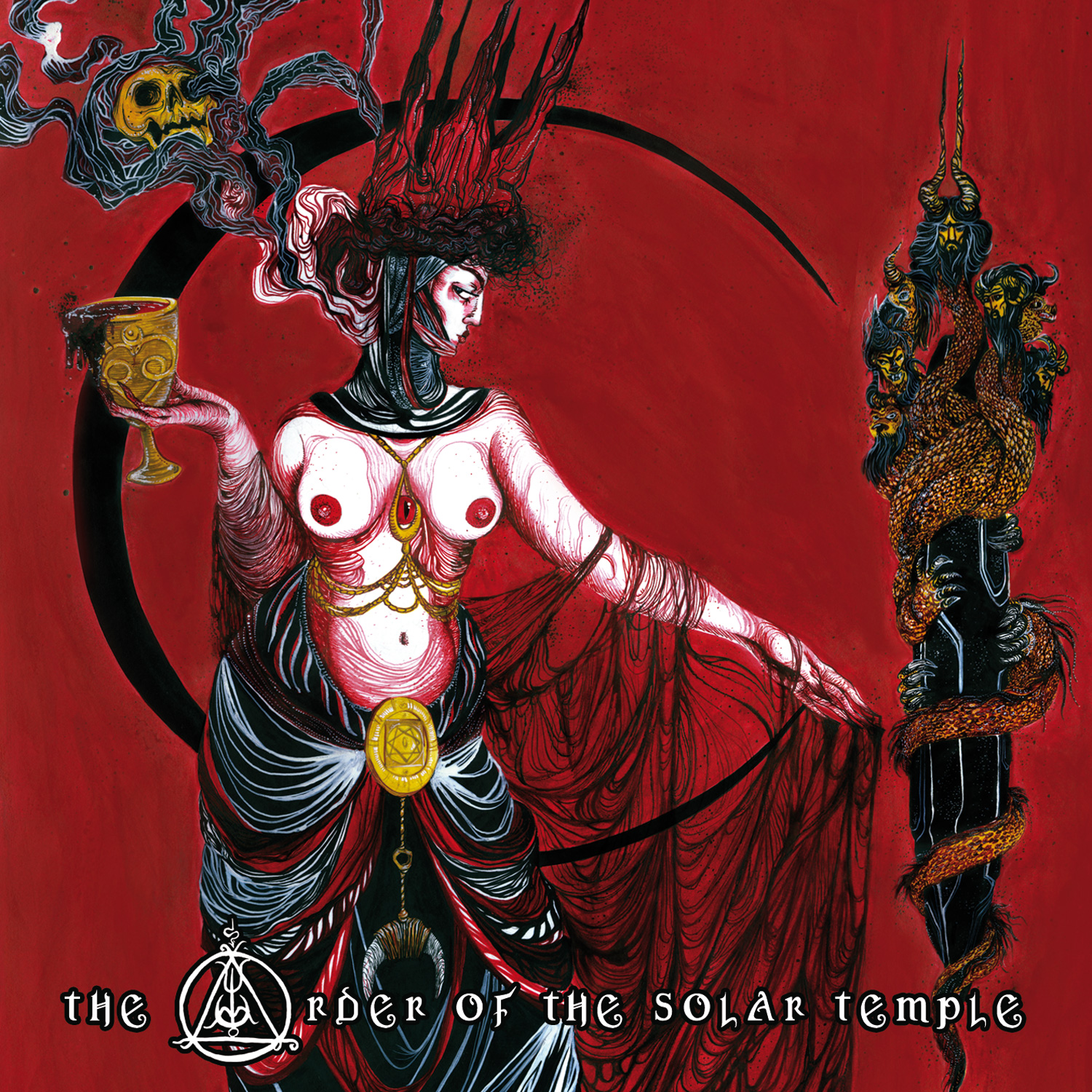
The_Order_Of_The_Solar_Temple_front_coverWhen you put together music genres such as Rock N’ Roll, Hard Rock and Doom Metal, the final result is at least interesting, especially in terms of creativity and feeling. But if you really want to spice things up, simply add to that some nuances of occultism and lots of groove from the dawn of Heavy Metal and you have the excellent self-titled debut album by Canadian Hard Rock/Doom Metal band The Order of the Solar Temple.

Let’s say that if people asked me to describe The Order of the Solar Temple in just a few words, I would call it a psychedelic heavy music journey. This Vancouver-based band was capable of sounding fairly original during the entire album even using only really old music elements in all compositions, mainly due to the above average skills and the passion for music of each musician involved. Not only that, the production of the album, which also seems to be inspired by the music from the 70’s, helps enhance that classic occult sonority regularly found in the music by bands like Blue Öyster Cult and Black Sabbath.

The album opens with the groovy Fallout Woman, a pure Rock N’ Roll song that makes me feel like I’m listening to an album from the 70’s, with highlights to its smooth vocals, soft and melancholic atmosphere and a soulful guitar solo, followed by Aeon Of Horus, a dark tune with lots of Doom Metal elements from bands such as Danzig that curiously starts with an ominous intro but ends in an acoustic way  and, of course, focus heavily on all the obscurity in the lyrics (“Mother Egypt sets the stage for the dawning of an age / Har-par-Khered / Ancient magick is exhumed to free us from our doom / Abrahadabra”) to make the entire song more vibrant and meaningful to the listener. By the way, their classic but unique lyric themes are one of the greatest strengths of the band, staying far away from all the repetitiveness and lack of depth so common in the world of music nowadays.

the_order_of_the_solar_templeGetting back to the album, The Cult (Of Rock’n’Roll) sounds like a “tribute” to the good old KISS, with an awesome work done on riffs and drums, elevating it to the status of best track of the album. Moreover, it’s perfect for becoming a Rock N’ Roll radio hit as it would certainly please not only traditional hard rockers but also any fan of some good quality music. Then we have the psychedelic rhythm and melody of Jervas Dudley, a song that could be summarized as “when Black Sabbath meets Jethro Tull” and also an excellent “journey” for guitar players that enjoy the groove from the 70’s, followed by another fast and classic tune the likes of Deep Purple named Pale Horse, which I’m pretty sure you’ll get addicted to its melodic riffs and keyboards.

The last part of the album consists of the excellent Back Home, a song with lots of elements from good old Blues that sounds like a “pub song” perfect for having a beer with friends; the most Hard Rock track of all, Dominance And Submission, which also reminds me of the good times of Deep Purple, with kudos to Matt “Macabre” Emery for his performance: he might not have the most powerful voice in the world, but it fits perfectly into the musicality of the band. And finally, closing the album we have the obscure track The Order, which is good (especially if you’re a fan of “black magic”), but maybe more variations would make it a more intense song.

Sorry if I kept repeating the expressions “70’s”, “journey” and “psychedelic” every two or three sentences, but there’s no better way to describe the music from The Order of the Solar Temple: it truly is an awesome combination of past and future, carefully brought forth to people like us who live and breathe Rock N’ Roll and Heavy Metal. Even the album art is a tribute to the music that enchanted the world 40 years ago. Not only that, these guys are here to remind us how magic Rock N’ Roll was in its inception and how it can still be exciting even after all those years with the music industry trying to kill everything that sounds real, and we all should thank them for keeping on rockin’ and staying true to the roots of heavy music. And if you don’t want this magic to disappear, you can support the band by listening to their music and purchasing their album at their BandCamp page.

Best moments of the album: The Cult (Of Rock’n’Roll), Pale Horse and Dominance And Submission.

Worst moments of the album: The Order.

Released in 2014 Independent

Track listing
1. Fallout Woman 3:47
2. Aeon Of Horus 8:31
3. The Cult (Of Rock’n’Roll) 3:09
4. Jervas Dudley 6:58
5. Pale Horse 5:31
6. Back Home 5:01
7. Dominance And Submission 5:23
8. The Order 6:37

Band members
Matt “Macabre” Emery – lead vocal, electric guitar, theremin and primordial howls
S. Mulleady – organ, synthesizers, guitar, additional vocals
A. MacGreagor – bass guitar, additional vocals
M. Morrison – drums

Album Review – Insomnium / Shadows Of The Dying Sun (2014)

Insomnium provide us high quality Melodic Death Metal just the way we like it, directly from the land of ice and snow.

Rating4

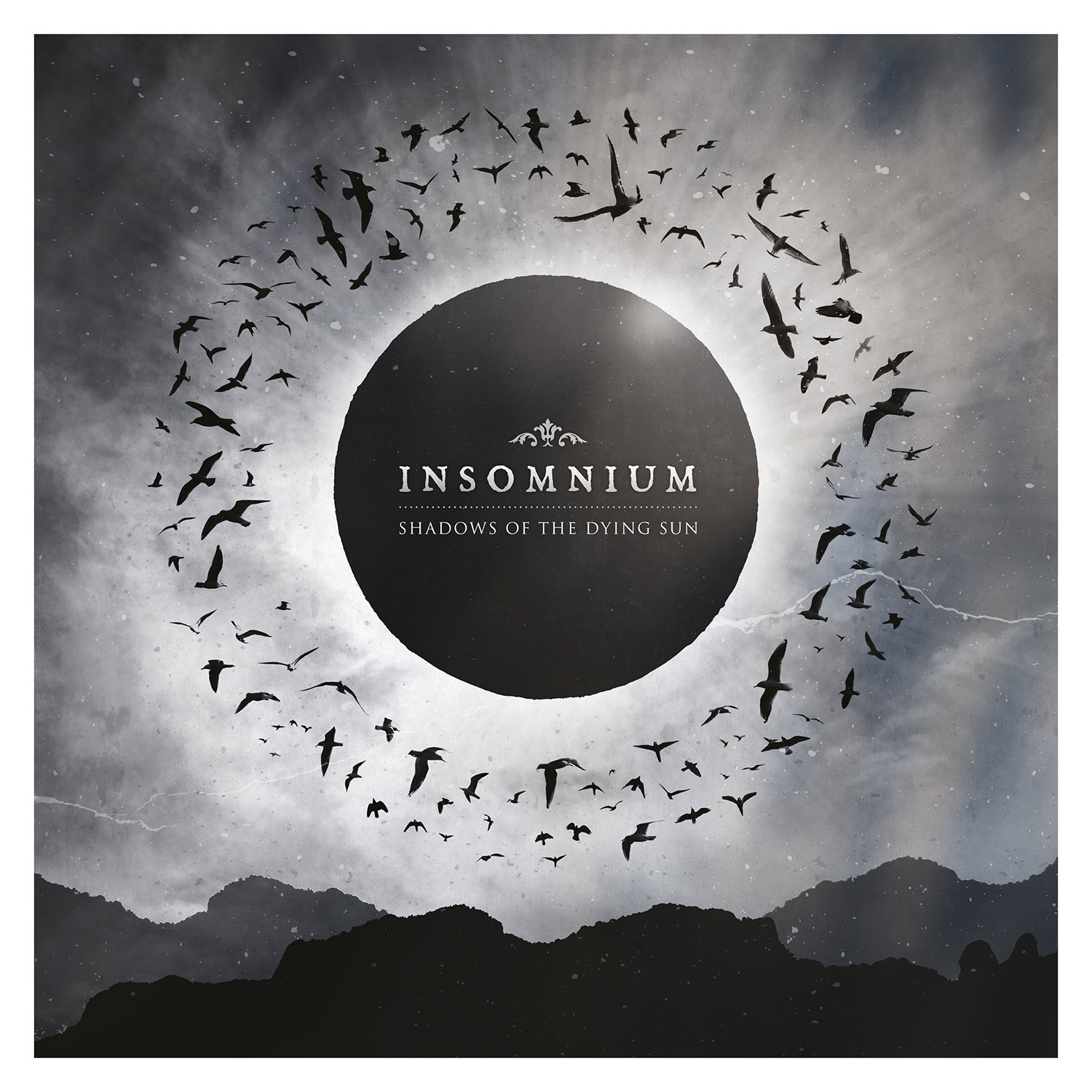
insomnium_sotdsAfter the huge disappointments from Ahola and Sonata Arctica this year, we’re finally able to enjoy some decent Finnish Heavy Metal with the album Shadows Of The Dying Sun, from Melodic Death Metal band Insomnium. Although this is the sixth full-length album from this Joensuu-based dark and gothic band formed in 1997, it’s only the first with guitarist Markus Vanhala (Omnium Gatherum), and the final result is so professional and enjoyable that it might soon be considered by fans the best so far in the band’s career.

Their lyrical themes may not be the happiest in the world, as Insomnium usually sings about pain, loss, darkness, and especially how we cannot beat time, which in the end is the main connector of all those elements, but that doesn’t make their music less exciting. Quite the contrary, when a band is capable of awakening inside us a feeling that time is passing by and that we should do something about our lives, in other words, when a band makes us THINK about our lives, that’s when their music deserves to be listened, shared and truly appreciated.

One of the most interesting characteristics in Shadows Of The Dying Sun is that it’s not only Melodic Death Metal, but a substantial mix of other genres such as Doom, Black and even Folk Metal, which can be noticed since the very beginning of The Primeval Dark, with its enticing atmospheric instrumental, heavy riffs and deep vocals, working like an “intro” to one of the highlights of the album, the 6-minute melodic masterpiece While We Sleep, an awesome track with clean and guttural vocals blending really well, intense lyrics (“When all you ever wish for is to go back once more / When all you ever wish is to open that cage and long / When all you feel is remorse, pain and regret / When you brought on curse unable to move on?”) and a stunning riff in the background that gives the song an even more melodic sonority. Not only that, the smooth passage together with a nice guitar solo after 4 minutes until the end of the song is great, and don’t forget to check its superb official music video at the end of this review.

insomniumAnd that was only the beginning of the album, which goes on with Revelation, a song that constantly varies from raw to more melodic Death Metal and back again, with the instrumental always being very clean despite the heaviness of the music; and Black Heart Rebellion, a very melancholic and brutal track where drummer Markus Hirvonen abuses his double bass. The guitar duo and riffs are also amazing, and add to that some thoughtful lyrics and Niilo Sevänen’s above-the-average performance, and you have another memorable moment in the album.

Lose To Night is a more gothic song with some Paradise Lost-ish elements, moving it closer to Doom Metal rather than the band’s traditional Death Metal, while Collapsing Words brings the album back to a heavier sonority, again with awesome vocals by Niilo. These two songs are followed by The River, which has many elements from Black Metal (especially drums and riffs), with highlights to the semi-acoustic and very melodic ending; and the more commercial (but not less pleasant) single Ephemeral, with its amazing lyrics (“Darkness is ignorance / Knowledge is light / Fight only with yourself / Or the shadows of the night”) and a totally catchy chorus. Unless you have a very good reason for hating Insomnium, there’s no way you won’t get addicted to this song.

Finally, in order to end the album in a high note, the band offers us the beautiful ballad The Promethean Song, where the guitar riff works perfectly with the acoustic guitar, and Shadows Of The Dying Sun, with a dark bass tune to start it in an excellent way, a great chorus, and more powerful bass lines by Niilo along the whole song. Furthermore, if you’re a fan of the band, don’t miss the special limited digipak edition of Shadows Of The Dying Sun, which includes a bonus CD with four bonus tracks.

And was the album art inspired by Alfred Hitchcock’s classic The Birds, or by the zombie birds from Resident Evil? Anyway, although it can be relatively simple to our eyes, it’s darkly delightful and very effective in translating into images all the musicality in the album. In short, this is the high quality Heavy Metal we always expect from any band that comes from the cold and marvelous Finland, and as previously mentioned the intensity the band puts in their music and lyrics is commendable, elevating them to the status of one of the best active Finnish bands today.

Best moments of the album: While We Sleep, Black Heart Rebellion, Collapsing Words and Ephemeral.

Worst moments of the album: Revelation and The River.

Released in 2014 Century Media Records

Track listing
1. The Primeval Dark 3:16
2. While We Sleep 6:20
3. Revelation 5:15
4. Black Heart Rebellion 7:03
5. Lose To Night 4:56
6. Collapsing Words 4:38
7. The River 7:57
8. Ephemeral 4:01
9. The Promethean Song 6:41
10. Shadows Of The Dying Sun 6:32

Limited Digipak bonus tracks
11. Out to the Sea 5:17
12. The Emergence 1:46
13. The Swarm 2:54
14. The Descent 3:11

Band members
Niilo Sevänen − vocals, bass
Ville Friman − backing vocals, guitar
Markus Vanhala − guitar
Markus Hirvonen − drums

Album Review – Triptykon / Melana Chasmata (2014)

Gothic, Black and especially Doom Metal as grandiose as they can be.

Rating2

Triptykon-Melana-ChasmataOne of the most expected albums of 2014 from one of today’s darkest and heaviest bands has finally arrived: Melana Chasmata, or Μελανά Χασματα (in the Greek alphabet), which can be translated as “black, deep depressions”, from Swiss Gothic/Doom Metal band Triptykon, has everything it takes to be one of the most acclaimed albums of the year, and undoubtedly the best in terms of extreme music.

This Zurich-based Doom Metal “dream team” founded by Heavy Metal icon Tom G. Warrior (Hellhammer, Celtic Frost) is as cohesive and effective as possible, and of course, totally wicked. There isn’t a single song on this album that can be considered filler or commercial: quite the contrary, Triptykon offer us a masterpiece of darkness, with lots of melancholy, pain and hopelessness, perfect for people who hate all those disposable pop songs made for that annoying and fake sense of “collective joy”.

Tom & Co. open the album with a pure Black Metal track called Tree Of Suffocating Souls, with a fuckin’ heavy instrumental, especially bass and drums, which sound simply amazing together. Moreover, the lyrics are also very intelligent and controversial, making the whole song even better. And what can I say about the Gothic/Doom Metal work-of-art Boleskine House? Its low resonant bass and the female vocals give me the shivers, and make me want to literally feel this song at a Triptykon concert. It’s a flawless brilliant composition, the best song of the album, and the lyrics are those things we feel grateful for being able to enjoy (“Your eyes that once / Have gazed the waves / Have long been closed / Become enslaved / Within these walls”).

Altar Of Deceit continues with the greatness in Melana Chasmata with its dark intro, Tony Iommi-ish demonic riffs, desperate vocals, and a very nice solo at the end, while Breathing, another extremely dark track with a depressive and at the same time beautiful intro, suddenly accelerates to an awesome mix of Death and Black Metal and ends in a very good “old school Slayer” way. What else do we need in a song, right?

The following two tracks are the epitome of evil: Aurorae is a dreary song, tailored for people who enjoy “suffering” alone while savoring the most obscure tunes a band can produce, and its guitar solo gives it an extra touch of fineness; and Demon Pact sounds like if its riffs, vocals, drums, bass and everything else were actually recorded in hell. Based on the name of the song I wasn’t expecting anything less evil, making it one of my favorite tracks by far.

triptykonIn The Sleep Of Death, a very atmospheric and eerie low-paced song, has some more desperate vocals, followed by the longest track of the album, Black Snow, a lesson in Doom Metal with over 12 minutes of obscurity and awesomeness. Tom proves here he’s the beast incarnate, and it’s impossible not to scream together with him “Black snow! Black snow!”. And to close this stunning album in a majestic way, we have Waiting, with its delicate rhythm and mesmerizing female vocals. It’s a very gothic and beautiful song, and I’m sure lots of fans will consider it one of the highlights of the whole album.

The album art, once again created by Swiss surrealist artist H. R. Giger, who has already worked with music icons such as Emerson, Lake & Palmer, Carcass, Celtic Frost and Danzig, perfectly represents all the density in the music in Melana Chasmata. Besides that, one thing I need to say is that, although all musicians are amazing and Tom G. Warrior is a genius, the badass bass lines are my favorite part of all songs. Vanja Slajh is a Doom Metal Goddess, no doubt about that.

Tom always says that only Death is real. However, he forgot to say the same about his band Triptykon, and now about Melana Chasmata, an album we’re more than glad it’s a reality. Eparistera Daimones was already a great album, but this time Triptykon took Doom Metal to such a level of grandiosity it’s hard to find words to describe it. When music is able to reach our souls like what’s found in Melana Chasmata, we know there’s something special about it. And if Triptykon go to your town for a live performance, don’t miss it by any chance: it’s going to be a unique and thrilling experience that very few bands can provide you nowadays.

Best moments of the album: Boleskine House, Breathing, Aurorae, Demon Pact and Black Snow. As a matter of fact, I should say that the whole album is amazing.

Worst moments of the album: It’s difficult to find a weak song in Melana Chasmata, but if I really had to choose one I would say In The Sleep Of Death.

Released in 2014 Prowling Death Records/Century Media Records

Track listing
1. Tree Of Suffocating Souls 7:55
2. Boleskine House 7:12
3. Altar Of Deceit 7:32
4. Breathing 5:50
5. Aurorae 6:17
6. Demon Pact 6:07
7. In The Sleep Of Death 8:10
8. Black Snow 12:24
9. Waiting 5:55

Band members
Tom G. Warrior – guitar, vocals
V. Santura – guitar, vocals
Vanja Slajh – bass, vocals
Norman Lonhard – drums, percussion