Album Review – No Sin Evades His Gaze / Age Of Sedation (2014)

These young British guys and their sharp instruments keep the fire of heavy music alive with huge doses of professionalism, brutality and progressiveness.

Rating4

Album Art - 1500 x 1500Like French chemist Antoine Lavoisier said once with his law of conservation of mass, “Nothing is lost, nothing is created, everything is transformed.” That can be said about the music by Metalcore/Groove Metal band No Sin Evades His Gaze who, influenced by bands such as Pantera, Lamb Of God and Machine Head, blended elements from Metalcore, Death Metal and Groove Metal in a very professional way, sounding very contemporary and, above all, very technical, melodic and progressive.

It’s amazing how such young guys, all in their early or mid-twenties (and some not even in their twenties yet), were capable of crafting 100% cohesive and honest heavy music like if they have been together on the road for years in a row. This new five-piece metal band, founded in 2013 by vocalist James Denton and with members hailing from London, Blackpool and Scotland in the UK, has just released their debut album, Age Of Sedation, and let me tell you it’s an awesome mix of brutality and melody perfect for fans of modern metal music.

Right after the short but strong intro A Crack In The Looking Glass, where it’s noticeable the band is composed by young members (only young people can write, say or sing words such as “They’re gonna call you weird… They’re gonna call you eccentric…”), we already have one of the top moments of the album, the title-track Age Of Sedation.  It’s polished and professional extreme metal, with its guitar lines conducting the song enhanced by its heavy drumming and all background effects, and of course the excellent guttural vocals by James. The following song, Motionless In Obedience, is a very good choice for fans of extreme music with an apocalyptic touch, getting very progressive halfway through it due to its technical instrumental, and providing the listener the first dosage of clean vocals by drummer Theo Harvey.

Filth is a much heavier tune than its predecessors, perfect for headbanging, with highlights to the great job done by both guitarists Kevin Pearson and Dan Thornton and to the Industrial Metal elements added to the song, similar to what Fear Factory usually do in their music, followed by the nice Metalcore vibe in Roll Up The Royalty, where its very cohesive instrumental gives it a truly badass atmosphere. Another one of my favorite moments in Age Of Sedation is the violent and apocalyptic Debris, with Theo smashing his drums while Matthew “Moat” Lowe shows no mercy for his bass (and you can actually listen to each note from it), while The Cycle Resets focuses on a more contemporary American Metalcore blended with Industrial Metal, with highlights to the awesome vocal performance by James and its totally melodic and catchy riffs.

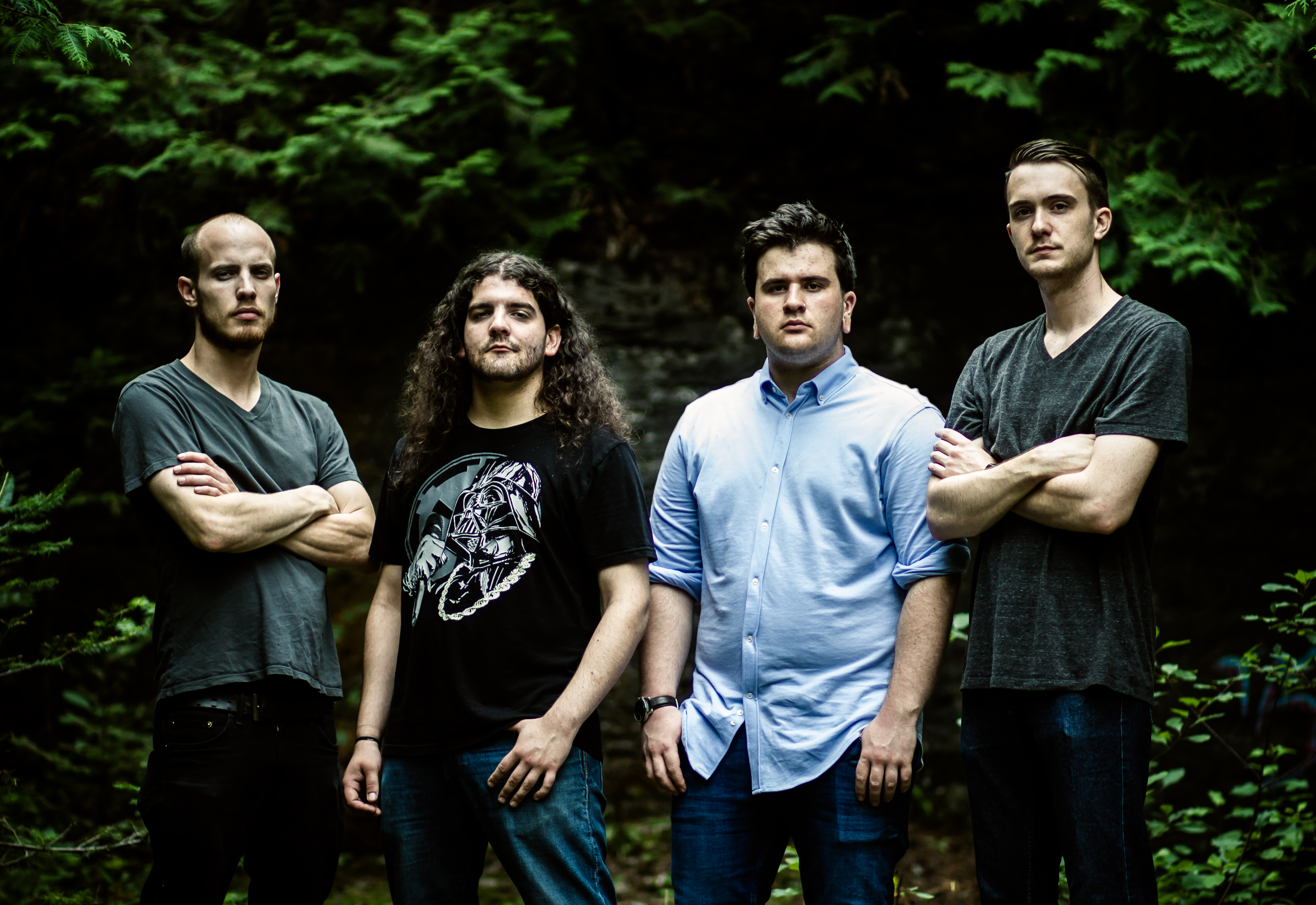
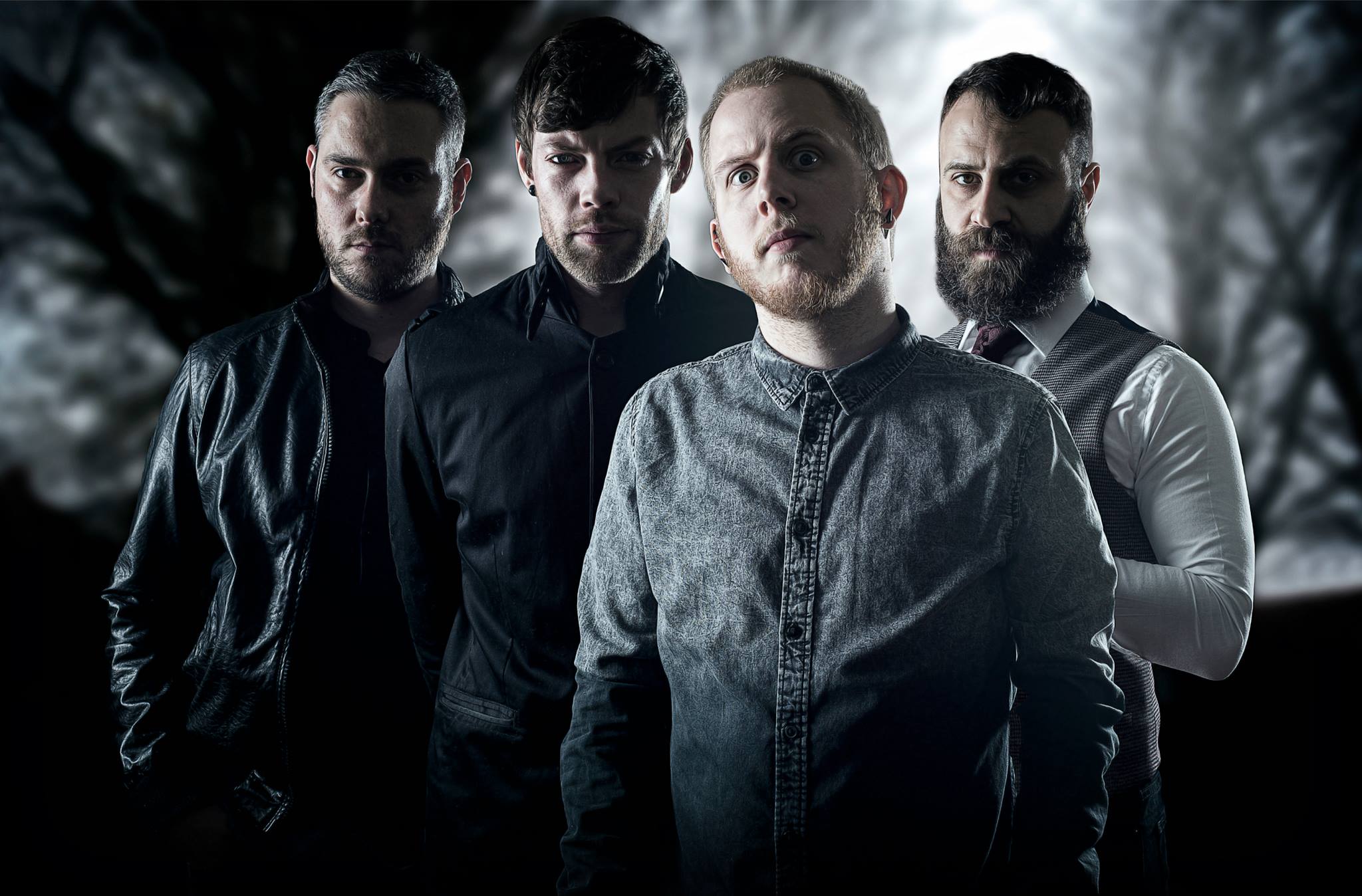
No Sin Evades His Gaze Promo photo 2014The last part of the album begins with Biometric Alchemy, which could be portrayed as a darker version of what Slipknot do sometimes, mainly due to its deep guttural vocals, followed by The Guillotine Blade: as sharp as a real guillotine blade, the band offers us more atmospheric chaos full of solid riffs, rhythmic breaks and a melancholic ending. And to close the album the band chose their longest and most progressive song, Affinity, with elements from Metalcore, Melodic Death Metal and even Nu Metal, sounding pretty much like three or four songs in one for the delight of fans of complex heavy music.

As aforementioned, the excellent Age Of Sedation, which is available at the No Sin Evades His Gaze’s official BandCamp page, Amazon, iTunes and many other locations, might not be 100% original (what is today, anyway?), but it’s as fresh and creative as possible, thanks to an awesome job done by all band members with their refined techniques. Let’s say that they’re just adapting what Lavoisier discovered in a distant past, but instead of “mass” they’re supporting the conservation of good heavy music.

Best moments of the album: Age Of Sedation, Filth and Debris.

Worst moments of the album: Biometric Alchemy.

Released in 2014 Independent

Track listing
1. A Crack In The Looking Glass 0:51
2. Age Of Sedation 2:49
3. Motionless In Obedience 3:39
4. Filth 4:06
5. Roll Up The Royalty 3:50
6. Debris 2:54
7. The Cycle Resets 3:52
8. Biometric Alchemy 4:38
9. The Guillotine Blade 3:40
10. Affinity 6:00

Band members
James Denton – vocals
Kevin Pearson – guitars
Dan Thornton – guitars
Matthew “Moat” Lowe – bass
Theo Harvey – drums, clean vocals

Album Review – Maahlas / Nightmare Years (2014)

A grim mix of Black, Death and Progressive Metal, tailored for people who enjoy complex and intense music.

Rating4

MAAHLAS - Nightmare Years cover artWhen you tell someone there’s a band that plays Progressive Melodic Death Black Metal, you’ll probably have to spend a lot of time explaining exactly what you mean by putting together so many different subgenres of heavy music, unless of course you’re talking to a fan of Gojira, Death, Meshuggah, Dimmu Borgir and many other “complex” dark bands. That’s how Norwegian band Maahlas can be categorized based on their debut release, the heavy and eccentric concept album Nightmare Years.

Formed in 2013 in the beautiful city of Oslo, Norway by multi-instrumentalist Cuneyt Caglayan, also known as Cuno, Mahhlas seem to be one of those bands that enjoy surfing through different music styles (most of the time during the same song), relying heavily on their refined techniques to create a unique atmosphere and conduct the storyline behind Nightmare Years without being boring or arrogant. Quite the contrary, the way the band is capable of telling a story changing from smoother progressive music to violent Black Metal is really outstanding and one of the biggest strengths of this album.

And what a violent way to start with the very atmospheric and dark Sun of the Summerian, a Symphonic Black Metal tune similar to what’s played by bands such as Dimmu Borgir, but with more hardcore vocals and a very interesting progressive part right before reigniting the sonic massacre. Besides, despite being only a session musician working for Maahlas, drummer Łukasz Krzesiewicz is a fuckin’ beast and delivers an incredible performance with his set. A False World, a more obscure track with great vocals by Levent Ultanur, progressive synths and philosophical lyrics (“Doubt in your eyes, in your stances and your reasoning. / Weak in your seminal thoughts primed to misuse trust.”), and Morning Light, more progressive and melodic than the previous tracks, remind me of the Blackened Death Metal currently played by Behemoth plus all the progressiveness from Dream Theater; while An Ancestral Memory focus on dark Black Metal riffs, synths and drums to provide it a very symphonic atmosphere. Moreover, those guys truly enjoy adding some interesting breaks to the rhythm to freshen up their music, as you’ll notice not only in this song but in the entire album.

maahlasThen we have the excellent At the Edge of Life: this is dark progressive music at its finest, and although slower than most of the other songs, it’s a lot heavier thanks to some awesome guitar lines. After the acoustic eerie track Gliese 667 / Æra, Maahlas offer us the title-track Nightmare Years, which summarizes everything the band is, with vocals getting a little bit more demonic and huge doses of contemporary Black Metal, and The Great Divide, where Łukasz smashes his drums while Cuno delivers some great guitar riffs.  I remember a few songs named “The Great Divide” that were all ballads and I was even ready for a smooth track, but this is not the case here, as the band once again promotes an infernal music feast.

The last part of Nightmare Years does not disappoint at all, maintaining the excellent level of the whole album: Birth of Sentience is another brutal assault focused on modern Black Metal, with its last part being more direct and traditional; while Of Hypocrisy, Hate and Fall, the longest track of all, starts with a beautiful intro before turning into a dark music extravaganza, with highlights to its very interesting lyrics (“Prowling agony, blinding day. I meditate yet have a terror attack. / I see Gliese, God! So alike. / I’m alone to act, a straw man, I’ve got to let go. / I´m controlled by time.”). It’s perhaps the most progressive of all tracks, with lots of elements from bands such as Tool and Insomnium, and if you’re a drummer I suggest you watch the drum tracking for this song. And finally, Simulacrum of Reality, another technical and detailed track, closes the album in a very complex and obscure way.

The album art by Turkish / German artist Aybars Altay, representing at once the fall of Home Sapiens and the evolution of the Homo Sentient, is a great complement to this mysterious music journey, which you can purchase on iTunes and many other locations. If you’re a fan of grim music with a strong technical and meaningful background, simply embrace Nightmare Years. You will love it.

Best moments of the album: Sun of the Summerian, At the Edge of Life and Nightmare Years.

Worst moments of the album: Morning Light and Birth of Sentience.

Released in 2014 Independent

Track listing
1. Sun of the Summerian 4:31
2. A False World 5:10
3. Morning Light 4:11
4. An Ancestral Memory 5:01
5. At the Edge of Life 4:30
6. Gliese 667 / Æra 1:44
7. Nightmare Years 4:03
8. The Great Divide 3:41
9. Birth of Sentience 4:39
10. Of Hypocrisy, Hate and Fall 7:08
11. Simulacrum of Reality 4:23

Band members*
Levent Ultanur – story, lyrics and vocals
Cuneyt Caglayan – music, guitars, bass, synth and all production
Robin Berg Pettersen – guitar
Christian Svendsen – drums

Guest musicians
Łukasz Krzesiewicz – drums (session musician)
Atle Johansen – vocals on “An Ancestral Memory”

Album Review – Mandatory / Catharsis (2014)

A good option for fans of Melodic Death Metal who enjoy European harmony blended with North American violence.

Rating5

MANDATORY_Catharsis_Cover_HQAustrian Melodic Death Metal band Mandatory is one of those cases where harmony and brutality walk hand in hand with each other, creating an electrifying sound perfect for live performances, which by the way helped this Linz-based quintet win the International Live Award in 2011 in Austria. Now with Catharsis, the band’s second full-length album, those guys deliver a more melodic and technical Death Metal than their previous releases without sounding too commercial or generic.

Although Catharsis is quite different from the band’s 2009 debut album Carbon Black, it’s still very technical and heavy, recommended for both fans of Melodic Death Metal and the more modern heavy music from North America. Moreover, do not expect to listen to old school Death or Thrash Metal, as the sounding in the whole album is very polished and even progressive depending on the song, similar to what bands such as Arch Enemy are doing today. You can indeed expect lots of shredding, guttural and clean vocals mixed, and fast and technical blast beats.

The opening track, End of Watch, can be summarized as pure European Melodic Death Metal with hints of American Metalcore, with its double bass boosting the very melodic guttural vocals. Then we have Act I: Tragedy, the first of three “acts” (or whatever the band wanted those to be) where its excellent instrumental, clean vocals and motivational lyrics (“Embrace the Light within / Shatter the Sky / Your pain and misery / Will purify your mind”) give a good balance to the song; and the slower but heavier To the Streets, a modern Thrash Metal tune the likes of contemporary Metallica and A7X, with some intense riffs and an interesting guitar solo perfect for some headbanging.

Mandatory_2012_1500_webEmperor has the most Metalcore rhythm of all songs, especially its guitar duos, with highlights to its very polished production (enhancing the sounding of all instruments) and the political message in its lyrics (“You aren’t machines / You are not chained / To these ambassadors / Of hatred fear and despise”); while the very enjoyable Act II: Catharsis begins with an intense low riff before turning into fast Melodic Death Metal. It even flirts with progressive metal due to all its breaks, variations and the excellent work done by both guitarists Chris Hörmann and Manuel “Mani” Rohrauer.

Shadowmaker is another good melodic and very progressive tune, albeit not as heavy as the rest of the album, with its guitar solos reminding me of some old stuff done by Dream Theater; followed by For the World to See, which gets back to Melodic Death Metal with its clean vocals being once again a nice touch to the overall musicality. Finally, we have Act III: Purification, the last of the three “acts”, another progressive/melodic heavy track with uprising lyrics (“Rise Up! / Liberate your wisdom / Rise Up! / Let the storm break loose”), and closing the album we have Blueprint, the most Thrash/Death Metal track of all with highlights to its technical and professional instrumental and the nice sound effects on the background. In addition, it might only be a coincidence, but the three “acts” (add also “End of Watch” to this list) are the best songs of the album by far in my opinion.

You can purchase Catharsis at Mandatory’s official BandCamp page, where the album comes as a special edition with lots of extra stuff, or also at Amazon, iTunes and other online stores. Go for it if you’re a fan of the most modern type of Melodic Death Metal available in the market, uniting melody, violence and fun in heavy music.

Best moments of the album: End of Watch, Act I: Tragedy, Act II: Catharsis and Act III: Purification.

Worst moments of the album: To the Streets and For the World to See.

Released in 2014 Independent

Track listing
1. End of Watch 3:53
2. Act I: Tragedy 4:15
3. To the Streets 6:53
4. Emperor 5:08
5. Act II: Catharsis 6:53
6. Shadowmaker 4:36
7. For the World to See 5:45
8. Act III: Purification 5:18
9. Blueprint 3:51

Band members
Markus Hundsberger – vocals
Chris Hörmann – guitars, backing vocals
Manuel “Mani” Rohrauer – guitars, backing vocals
Leo Wolfmayr – bass
Mike Pfaffenhuemer – drums, clean vocals

Album Review – Xandria / Sacrificium (2014)

Listening to this album is far from being a sacrifice. Quite the opposite, it’s a true pleasure.

Rating4

CoverChanging the lead singer of any band has always been considered a very a bold move, and when the music genre in question is Heavy Metal the impact of that change is even more significant due to the loyalty and connection all diehard fans usually have with the most “traditional” members of the band. In other words, this change can be a very welcome breath of fresh air to the band’s musicality in some cases, or a complete disaster in others depending on how much the voice influences their music direction. Fortunately for German Symphonic Metal band Xandria their choice for the band’s new lead singer, the very talented Dutch soprano Dianne van Giersbergen, ended up being better than anyone could have imagined, which can be verified in their excellent brand new album Sacrificium, the sixth in their career.

Dianne, who is also the frontwoman for Dutch Smyphonic Metal band Ex Libris,  replaced German singer Manuela Kraller (who was with the band from 2010 to 2013) just before the recording of Sacrificium began, which made fans really apprehensive of what would happen with the band then. It’s also the first with bassist Steven Wussow, and add to that “the choir of the sacrificed” by the PA’dam choir (from the Netherlands) and some narration by American singer Amanda Somerville and Mark Burnash, and the amount of changes and new elements compared to their previous records is even higher. However, as aforementioned, it’s all for a very good purpose.

To begin with, if Sacrificium, the 10-minute epic track that opens the album, is not the most awesome “business card” Dianne could offer us, then I have no idea what could be. Xandria seems to be in very good hands (or voice) now based on what we can see in this song: after a symphonic intro, it turns into great and fast Power Metal, with Dianne’s voice sounding gorgeous when blended with more modern riffs. Moreover, the good rhythm variations and breaks, the “movie soundtrack” chorus halfway through the song and all solos make it easy to follow the “story” being told, turning it into an instant fan favorite. Nightfall, the second track of the album, keeps the energy level up. It is definitely another top moment of the album with its choir intro, heavy riffs, beautiful vocals and chorus giving the song an epic touch, and it will sound amazing live without any doubt.

Then we have the semi-ballad Dreamkeeper, which despite its more melodic riffs and delicate lyrics (“I will send a dying rose / For you all to be close / To its scent that has never been”) is not really an exciting song, and Stardust, where Dianne’s voice is nicely complemented by some Progressive Metal elements; but it’s the next song, The Undiscovered Land, which really helps elevate the overall quality of the album: this “medieval” ballad has some sort of “Lord of the Rings” intro that works pretty well, an awesome instrumental, and of course another brilliant vocal performance by Dianne. Sacrificium goes on with the pure Symphonic Power Metal song Betrayer, which takes the album back to a stronger and faster sonority, and Until the End, a “video-game” track that albeit not bad, sounds too generic compared to the rest of the album.

xandriaThe last part of Sacrificium is composed by a sequence of shorter songs with a very traditional approach, where the goal seems to be showcasing Dianne’s skills as a soprano. Come With Me is a very rhythmic Symphonic Metal tune with a chorus full of emotion, which can also be said about the next song, Little Red Relish, and Our Neverworld, a smooth ballad with heavier passages. Finally, we have the totally boring Temple of Hate, the worst song of all, and closing the album we have one last ballad, the melancholic and captivating Sweet Atonement, another lesson in singing by Dianne, who puts so much passion in her voice it’s hard not to get thrilled with her performance.

In summary, Sacrificium is a highly recommended album for all types of female singers (not only Heavy Metal), or for lovers of bands with female vocals, but it might be too much sometimes for more traditional metal fans. I myself was going to give it a 3.0 mainly because it’s not the most creative album in the world, but the choir, all the narrative, and especially the addition of the stunning Dianne to the band were so amazing it actually deserved a 3.5 in the end. Only time will tell if Dianne will be able to balance her career between Ex Libris and Xandria, but for now I’m impressed with her abilities as a musician. And what can I say about the album art? It’s not only beautiful, but would it also be a message to their oldest fans saying the band’s music has been reborn like a phoenix from the ashes? At least one thing we know for sure: listening to Sacrificium is not a sacrifice at all, but a very delightful experience.

Best moments of the album: Sacrificium, Nightfall, The Undiscovered Land and Sweet Atonement.

Worst moments of the album: Dreamkeeper, Until the End and Temple of Hate.

Released in 2014 Napalm Records

Track listing
1. Sacrificium 10:21
2. Nightfall 4:02
3. Dreamkeeper 4:36
4. Stardust 4:00
5. The Undiscovered Land 7:34
6. Betrayer 6:15
7. Until the End 5:47
8. Come With Me 3:46
9. Little Red Relish 4:39
10. Our Neverworld 3:51
11. Temple of Hate 5:59
12. Sweet Atonement 4:20

Band members
Dianne van Giersbergen – vocals
Marco Heubaum – vocals, guitar, keyboard
Philip Restemeier – guitar
Steven Wussow – bass
Gerit Lamm – drums

Album Review – Anubis Gate / Horizons (2014)

Time to enjoy a purifying journey through Danish progressive music.

Rating4

anubis_gate_horizonsIt’s amazing how the impeccable country of Denmark, with a population of only around 5 million people, has already provided the world so many excellent Heavy Metal bands such as Mercyful Fate, Volbeat, Pyramaze, White Lion, Royal Hunt, and also the band in question here, Aalborg-based Melodic Progressive Metal band Anubis Gate. After five full-length albums and one EP, the band releases now their sixth full-length album, Horizons, a really good experience in terms of progressive heavy music.

Although Anubis Gate released their debut album only in 2003, the band members have been working together since 1984, which gives them a stronger background to produce high quality Progressive Metal. Also, despite their almost flawless instrumental, what really caught my attention in Horizons were the clever lyrics in all songs, which by the way were all connected somehow throughout the whole album, enhancing our overall experience with their music just as the band probably desired while composing the album.

Let the voyage begin with Destined To Remember, an excellent progressive song with lots of harmony and a beautiful melody, with highlights to the riffs and drumming after three minutes, and also to the lyrics focusing on the purity of body and mind (“Don’t stray, you’re destined to remember / ‘Cause you can’t stop thinking ‘bout the day / I pray you’ll find what you endeavour / And make peace on the way”). It’s a long song that goes a little over 6 minutes, which by the way is a constant in the whole album, and that gives the band a lot of time to showcase their abilities as musicians.

The following track is a little shorter, maybe due to the fact it’s being used as their single for promoting the album: Never Like This (A Dream) reminds me of some of the songs by German Progressive Metal masters Vanden Plas, with great vocals and the last part of the song being pretty heavy with excellent keyboards. However, Anubis Gate go back to their unique progressiveness with the amazing Hear My Call!,  a heavier tune the likes of old Dream Theater, with interesting breakdowns and an outstanding solo at the end, making it one of the best of the album for sure.

anubis_gateThings get a little boring with Airways, which despite its good acoustic guitar intro and lyrics (“Inhale, exhale, stay awake, keep talking, don’t give in / The arms of death are reaching out to decompose your skin”), the rest of the song is just average and doesn’t keep up with the same level as its predecessor, but Horizons is back on track again with the Power Metal full of heavy riffs and atmospheric keyboards of Revolution Come Undone, a song that sounds perfect for circle pits, even this being something not so common for any progressive music bands.

The next three songs are Breach Of Faith, a more progressive rock tune not so exciting;  Mindlessness, another very Dream Theater-ish track with nice instrumental; and the title-track Horizons, with its good rhythm and amazing drumming. However, it’s with A Dream Within A Dream, a 14-minute sequence for “Never Like This (A Dream)”, where the band really stands out and proves why they’re one of the best progressive bands in the world of heavy music: it’s a truly beautiful song with lots of variations and solos, which you’ll enjoy so much you won’t even notice when it’s over, even being such a long track.

Finally, we have Erasure, a slow and dense ballad with some more beautiful lyrics to end up Horizons in a pleasant way, leaving us with the certainty Anubis Gate will keep providing us more of their fine progressive music in the years to come. And, of course, we’ll be there eagerly waiting for their new music “journeys” and experimentations.

Best moments of the album: Destined To Remember, Hear My Call!, Revolution Come Undone and A Dream Within A Dream.

Worst moments of the album: Airway and Breach Of Faith.

Released in 2014 Nightmare Records

Track listing
1. Destined To Remember 6:02
2. Never Like This (A Dream) 4:07
3. Hear My Call! 6:23
4. Airways 6:49
5. Revolution Come Undone 5:28
6. Breach Of Faith 7:20
7. Mindlessness 6:31
8. Horizons 4:48
9. A Dream Within A Dream 14:09
10. Erasure 3:31

Band members
Henrik Fevre – bass, vocals
Kim Olesen – guitars, keyboards
Michael Bodin – guitars
Morten Gade Sørensen – drums

Album Review – Benevolent / The Covenant (2014)

Get ready for some really interesting extreme and experimental heavy music from the Middle-East.

Rating5

Benevolent_The CovenantAt least from a music perspective, Globalization doesn’t seem as disastrous as we all think it is: when in our lives would we ever imagine we could one day listen to an Experimental Death Metal band from Dubai, United Arab Emirates, with just a few clicks? Not only that, the band is actually good and goes by the “friendly” name of Benevolent, and their first full-length album, The Covenant, deserves a shot.

As expected in any experimental or progressive band, most of the songs are long, usually surpassing the 6-minute barrier, and are not easy to digest if you’re not absolutely crazy for innovation or “weird voyages” in the world of heavy music. Right after the atmospheric intro Void, the band already offers us a very good example of their chosen path for creating music: the excellent Asphyxia is a really experimental and at the same time brutal song, maybe something in between Progressive and Death Metal, with a good mix of guttural and clean vocals by brothers Fadi and Hadi Sarieddine, respectively. This song is almost 10 minutes long, which means if you can reach the end of it and enjoy all its variations and breaks, then this album is for you.

The following tracks are The Seeker, another totally experimental track the likes of Opeth and Tool showcasing all the talent of the musicians involved, with a nice guitar solo by the end of the song; Radiate, an instrumental song with focus on the piano/keyboards lines; and Illusion, a pretty good song with an acoustic guitar intro, heavy riffs and melancholic rhythm, and that sounds a lot like what Dream Theater would be if they had guttural vocals.

Another one of my favorite songs is Heathen, a very progressive song with hints of Blackened Death Metal and excellent instrumental parts in general, especially the keyboards. Then we have The Collector, a more Death Metal track with an interesting duo of guitars and drums, with a very nice job done by session drummer Andols Herrick; Dissipate, which is another instrumental “bridge” song; and Metamorphosis, the longest and more progressive track of all, with awesome bass lines by Mohammed Gad and a continuous “tone” that gives the song a freaky sensation, reminding us of many songs by Tool.

BenevolentThe last two tracks in The Covenant keep up with all the progressiveness and obscurity of the previous tracks: Ascension begins with an eerie electronic intro before becoming a very progressive tune, while Rebirth is a very “melancholic” ending to the album, with a nice work done with the riffs in order to give the song (and the whole album) that “fade away” feeling commonly used in many movies.

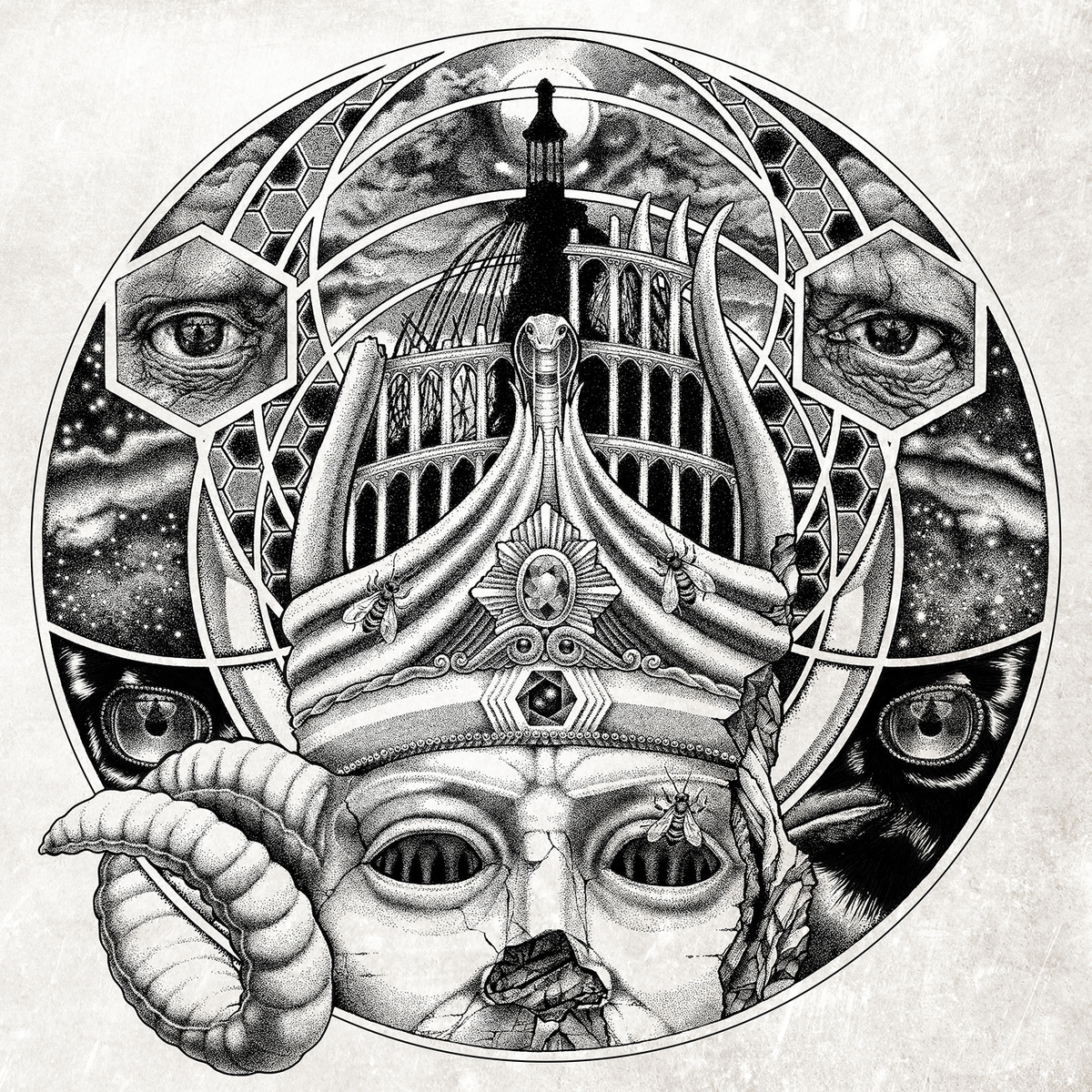
In addition, the emblematic album art, which was professionally done by artist Edidong Udo, positively consummates the objective of Benevolent with their music. So why not give this complex band from the Middle-East a try, especially if you’re a huge fan of progressive heavy music? You can listen to all tracks and buy The Covenant HERE, and by doing so you’ll support those talented guys to keep the fire of heavy music alive in that part of the world.

Best moments of the album: Asphyxia, Illusion and Heathen.

Worst moments of the album: The Collector and Ascension.

Released in 2014 Independent

Track listing
1. Void 1:39
2. Asphyxia 9:41
3. The Seeker 7:02
4. Radiate 2:40
5. Illusion 8:40
6. Heathen 6:04
7. The Collector 4:29
8. Dissipate 2:15
9. Metamorphosis 9:47
10. Ascension 7:49
11. Rebirth 2:59

Band members
Fadi Sarieddine – vocals
Hadi Sarieddine – guitars, clean vocals
Mohammed Gad – guitars, bass
Andols Herrick* – drums

*Session drummer

Album Review – Vanden Plas / Chronicles of the Immortals – Netherworld (2014)

Get ready for an amazing journey through the worlds of literature and music in the new Rock Opera Album by these German Progressive Metal icons.

Rating3

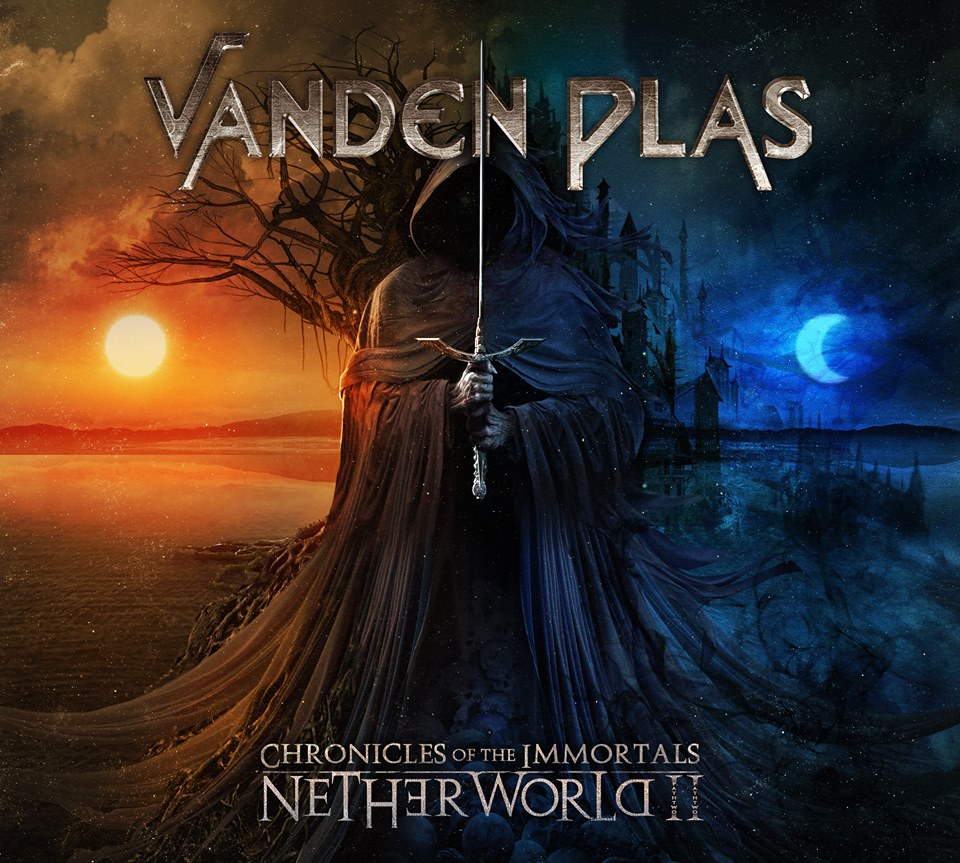
vandenplas_chroniclesIf you’re a fan of Heavy Metal and love reading a good book, you have to listen to the new concept album by German Progressive Metal band Vanden Plas, the seventh full-length album in their career, called Chronicles of the Immortals – Netherworld. The album is based on the novel Die Chronik Der Unsterblichen, by author Wolfgang Hohlbein, who, with 43 million books sold worldwide, is not only Germany’s biggest-selling author but also a fan of Vanden Plas. The novel, and consequently the album, narrate the adventures of vampire Andrej Delãny and his comrade Abu Dun, who search for the secret of their origin through Europe in recent centuries, always meeting new threats and thereby witnessing several significant events in European history. It portrays a variety of ideas about vampires and other mythical creatures, including also the modern myth of the Highlander.

Do not expect to find lots of insane guitar solos, drums as fast as possible, or any guitar shredding: the music found in Chronicles of the Immortals – Netherworld is 100% progressive, focused on the atmosphere created especially by the voice of singer Andy Kuntz and keyboards by Günter Werno. There’s a lot of melody in this album, which can already be noticed in the opening track, the intro Vision 1ne, with its beautiful narration (perfect for any movie) and piano, and Vision 2wo – The Black Knight, a very progressive track just like Vanden Plas and Dream Theater love to do with an eerie intro and calm passages.

The following tracks (or “visions”) are Vision 3hree – Godmaker, a lot heavier than the previous song with great keyboards and riffs, and Andy Kuntz doing a superb job on vocals, making it one of the best of the whole album;  Vision 4our – Misery Affection Prelude, which is just an intro/bridge to the next song, the ballad Vision 5ive – A Ghosts Requiem, with a very delicate piano and amazing choir; and Vision 6ix – New Vampyre, with great riffs, keyboards, and nice guitar solos.

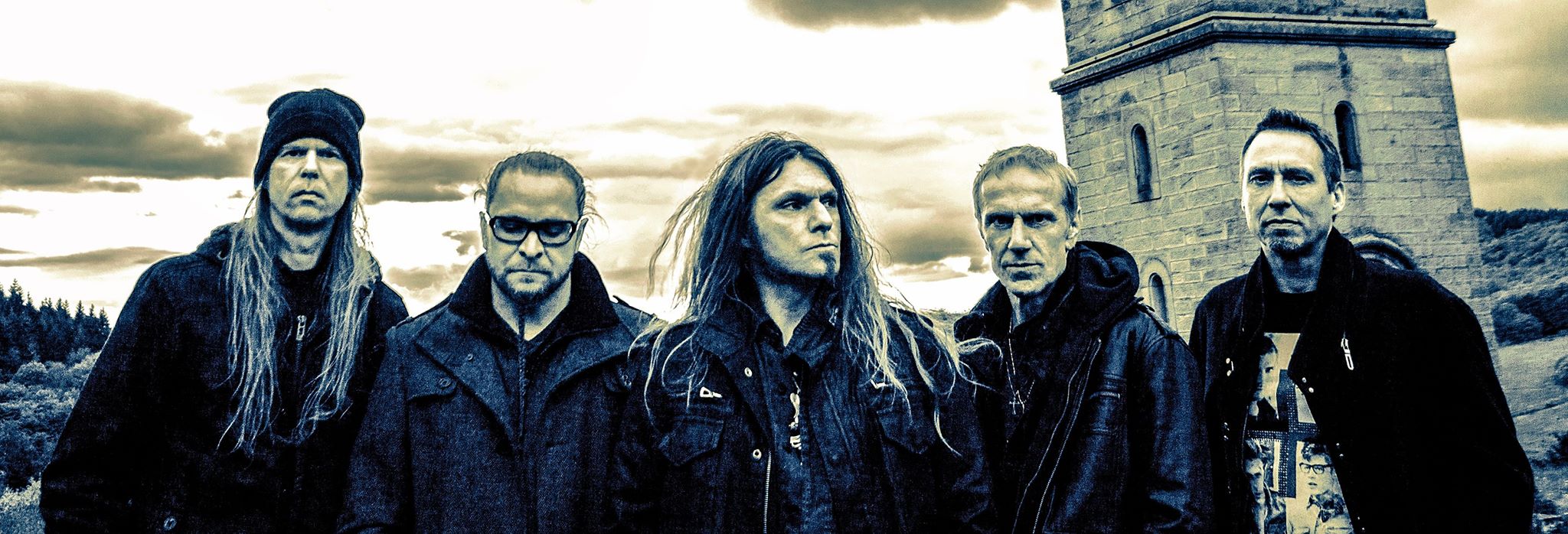
vandenplasHowever, it’s the next two tracks that really stand out to our ears and souls. The first is Vision 7even – The King and the Children of Lost World, a song that has the full package: its strong riffs, beautiful lyrics and excellent solos at the end make it the perfect representation of what Progressive Metal really is. And then the second one, Vision 8ight – Misery Affection, is the perfect ballad with a smooth intro, pleasant piano, and gorgeous female vocals (who’s the owner of that mesmerizing voice?) in an astonishing duo with Kuntz. In my humble opinion, it’s the best track of the album and one of the best Vanden Plas have ever produced.

The last part of the album begins with the strong bass lines by Torsten Reichert in the song Vision 9ine – Soul Alliance, followed by Vision 10n – Inside, the last track of the album, which continues with the same level of energy from its predecessor and leaves us wanting more of this awesome progressive heavy music, even after almost one hour of complexity and intensity not easy for regular people to digest.

In summary, the whole album would the perfect soundtrack for a Chronicles of the Immortals movie. It’s a very cohesive work done by this band of terrific musicians, with extraordinary melody and, of course, an amazing storyline. Not only that, the whole production is extremely professional, from the audio mixing to the album art, which by the way looks like the front cover of one of Mr. Hohlbein’s books. Maybe that was one of the main ideas behind the whole album: creating a unique album which wanders between the worlds of literature and music, and so offering the fans of the band and of Mr. Hohlbein’s work a totally new experience in the world of heavy music.

Best moments of the album: Vision 3hree – Godmaker, Vision 7even – The King and the Children of Lost World and Vision 8ight – Misery Affection.

Worst moments of the album: Vision 5ive – A Ghosts Requiem and Vision 6ix – New Vampyre.

Released in 2014 Frontiers Records

Track listing
1. Vision 1ne 3:52
2. Vision 2wo – The Black Knight 8:29
3. Vision 3hree – Godmaker 5:24
4. Vision 4our – Misery Affection Prelude 1:39
5. Vision 5ive – A Ghosts Requiem 3:56
6. Vision 6ix – New Vampyre 6:16
7. Vision 7even – The King and the Children of Lost World 7:53
8. Vision 8ight – Misery Affection 5:08
9. Vision 9ine – Soul Alliance 6:39
10. Vision 10n – Inside 6:42

Band members
Andy Kuntz – vocals
Stephan Lill – guitars
Günter Werno – keyboards
Torsten Reichert – bass
Andreas Lill – drums

Album Review – Orisonata / Orisonata (2014)

Beautiful vocals, superb saxophone solos, classical guitar, jazz, piano and many other elements make this Progressive Symphonic Metal album a very fresh and attractive alternative in the world of heavy music.

Rating4

orisonata-cover-artIf anyone asks you about Symphonic Metal, you automatically think of bands from countries like Finland, Netherlands, Italy, Germany or any other European country, but never of American bands, right? Well, that’s about to change with the self-titled debut album from American Progressive Symphonic Metal band Orisonata, a project by composer and guitarist, Jason Lee Greenberg, and his wife, vocalist Jennifer Grassman.

Orisonata can be compared not only to bands such as Nightwish, Within Temptation, Kamelot, Tarja Turunen and Blind Guardian, but also to the progressive musicality from Dream Theater and even to the Pop/Rock from Evanescence, Sarah Brightman and Muse. And the band was able to generate that high quality mix of classical guitar, jazz, and heavy music in a very solid and professional way, which in my opinion is the biggest strength of this project: being so diverse without losing their value proposition. In other words, Orisonata deliver what they promise, which is some very creative and unique heavy music.

And as the music is what really matters here, let’s get down to it. The album might have only 7 songs in total, but together they are responsible for over 50 minutes of music, highlighting the band’s progressive vein. The first track of the album is also the longest one: with almost 9 minutes, Journey to the Center of the Earth is a pleasant Heavy Metal voyage the likes of Nightwish, with amazing saxophone solos, changes in tempo, breaks and everything else you want to see in a progressive heavy song. Then come Once And Future King, a very progressive tune with interesting riffs and guitar solos, and The Great Baptism, a song that mixes the sonority of Dream Theater and Tarja Turunen in a way that would make both band and artist very proud of Orisonata.

The following track, Unholy Creation,  can be considered the most Heavy Metal one of the album with its fast drums, heavy riffs and many hints of Nightwish from their Oceanborn times, accompanied by the amazing piano from jazz artists Pamela York. Furthermore, the vocals and lyrics fit the song perfectly, making it the best track of the album in my opinion.

Oath Breaker keeps the energy level up with the great singing done by Jennifer, together with some awesome solos and music variations, while Robin Hood offers us more delightful saxophone solos amidst pure Symphonic Metal. The album ends with the beautiful ballad The Muses, a very “medieval” tune with highlights to the amazing contribution by Cynthia Butler on flutes.

orisonata-jennifer-grassman-photo-by-laughlin-photographyRegarding the lyrics, they’re all based on literature, legend and ancient mythology, and remind me of some old Nightwish songs such as “Sacrament of Wilderness” (you can check the lyrics from Onisonata’s “Unholy Creation” in the video at the bottom of this review), and in terms of the album art, it is also very well-done and matches with the album’s proposal and musicality.

And finally, all musicians involved in this project are extremely talented, but we have to salute the couple Jason and Jennifer for their brilliant work with all instruments and beautiful operatic vocals, respectively. Although they’ve been on the road for quite some time and won many awards for their previous music creations, it’s amazing to see the amount of passion they still have for composing new material. Besides the “dynamic duo”, I would say the most important piece of the music found in Orisonata are the stunning solos by world-renowned classical saxophonist Todd Oxford. What this guy does with his saxophone is unbelievable and adds so much value to the music that it’s hard to imagine any of the songs without it.

So far, the album as had a soft release on CD Baby and on Orisonata’s official website, but will shortly be available through Amazon, Spotify, and other major retailers, and you can also check more information about the band on their official Facebook page and on Twitter.

Of course, the band has yet a long way to go and only time will tell if they’ll succeed or not, but two lessons can already be learned from Orisonata: for all other independent bands in the world, this is the level of work, professionalism and creativity you need to put on your music in order for it to be successful, otherwise you’ll be just “one more band” in the market; and for heavy music lovers, Orisonata show how good the indie scene can be and that we should support it as much as we can if we want to keep the flame of Heavy Metal alive.

Best moments of the album: Journey to the Center of the Earth, Unholy Creation and Oath Breaker.

Worst moments of the album: Once And Future King.

Released in 2014 Independent

Track listing
1. Journey to the Center of the Earth 8:42
2. Once And Future King 6:35
3. The Great Baptism 8:04
4. Unholy Creation 7:18
5. Oath Breaker 5:01
6. Robin Hood 7:55
7. The Muses 5:07

Band members
Jason Lee Greenberg – all guitars & instruments
Jennifer Grassman – all vocals

Guest musicians
Todd Oxford – saxophone
Wade Vandesande – bass on “Oath Breaker”
Brad Shearhart – bass on “Robin Hood”
Pamela York – piano on “Unholy Creation”
Cynthia Butler – flutes on “The Muses”
Marco Bayarena – synth solo on “Journey to the Center of the Earth”