One of Sweden’s most promising Black Metal projects returns with its sophomore opus, conceived in the aftermath of a personal tragedy, and moving through overwhelming spiritual pain toward a fragile yet undeniable light.
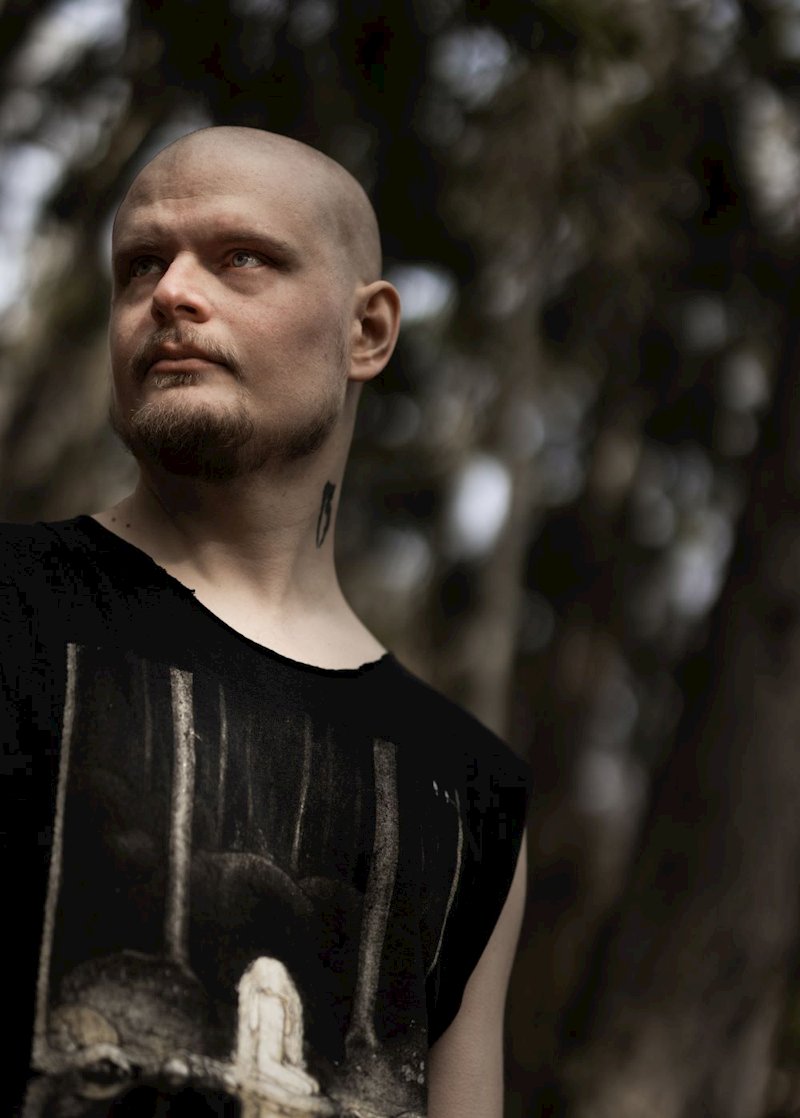
Back in 2021, Stockholm, Sweden-based Black Metal entity Blodtår announced themselves with a self-titled EP steeped in Black Metal mysticism. Their following release, the 2023 full-length Det förtegna förflutna, revealed a project capable of refined structure and melodic discipline without sacrificing intensity. Now in 2026, on their third release, titled Monark (the Swedish word for “monarch”), vocalist, guitarist and bassist Carl, alongside drummer Hebert Alarcón Cerna, ventures deeper still. Mixed and mastered by Tore Stjerna at Necromorbus Studio, and showcasing a classy artwork by Heresie Studio, Monark was conceived in the aftermath of a personal tragedy, moving through overwhelming spiritual pain toward a fragile yet undeniable light.
Carl kicks off his darkened feast with his visceral guitar lines, accompanied by the hammering drums by Hebert, in Blodtår, not to mention his harsh vocals exhale absolute despair and pain; followed by Till min sista viloplats (or “to my final resting place” from Swedish), a more direct Black Metal extravaganza with Carl shredding his axe in the name of extreme music. In contrast to such a visceral sound, Paradis, or “paradise,” begins in an acoustic way as if there was any hope in sight, but that’s all destroyed by his anguished, vile screams; while Det slutar i lågor, or “it ends in flames,” brings to our avid ears elements from Folk Metal to give the song an even more primeval and personal vibe.
Then we face the introspective, grim and emotional title-track Monark, with Carl delivering sheer melancholy through his vocals and guitar while Hebert dictates the pace with his classic beats. We’re then treated to the band’s cover version for Kraja’s Nu är det synd om de döda, or “now it’s a pity for the dead,” (check the original version HERE, from their 2011 album Brusand Hav). The lyrics for the song are based on a poem written by the famous Swedish author and poet Verner von Heidenstam, and Carl’s rendition of the song is not bad, but I personally prefer his trademark Black Metal a lot more, which is exactly what we get in Bland kvällens skuggor ännu vandra, or “still wandering among the evening shadows,” where Hebert sounds inhumane on drums, adding an overdose of Black Metal melancholy to the overall result. The climax of the album comes in the form of Den eviga isen, or “the eternal ice,” concluding Carl’s spiritual journey with his deep vociferations walking hand in hand with his crying guitar.
“Crippling pain was present throughout the entire process of the album, both in the music itself and beyond it. The inspiration for the next Blodtår record emerged forcefully not long after Det förtegna… had been completed. Monark is a strange album, but not in a negative sense – for me, that very strangeness is what makes it compelling,” commented Carl, and you can get in touch with him and let him know how much you enjoy his music by following Blodtår on Facebook and on Instagram, by streaming the project’s unique creations on Spotify, and by purchasing Monark from their own BandCamp or by clicking HERE. Beginning in darkness and concluding in illumination, Monark traces recurring cycles of mental collapse and resurgence with unflinching honesty, using the depth, anguish and power of Scandinavian Black Metal to turn it into a must-listen for any metalhead who has also been through the darkest times of their lives.
Best moments of the album:Blodtår, Monark and Bland kvällens skuggor ännu vandra.
Worst moments of the album:Nu är det synd om de döda.
Released in 2026 Nordvis Produktion
Track listing 1. Blodtår 5:30
2. Till min sista viloplats 3:55
3. Paradis 3:52
4. Det slutar i lågor 5:35
5. Monark 5:32
6. Nu är det synd om de döda (Kraja cover) 2:08
7. Bland kvällens skuggor ännu vandra 5:10
8. Den eviga isen 4:20
Band members Carl – vocals, guitars, bass
Hebert Alarcón Cerna – drums
This German horde continues their darkened path by offering their own blend of Heavy, Black, Doom and Melodic Metal in their sophomore studio album.
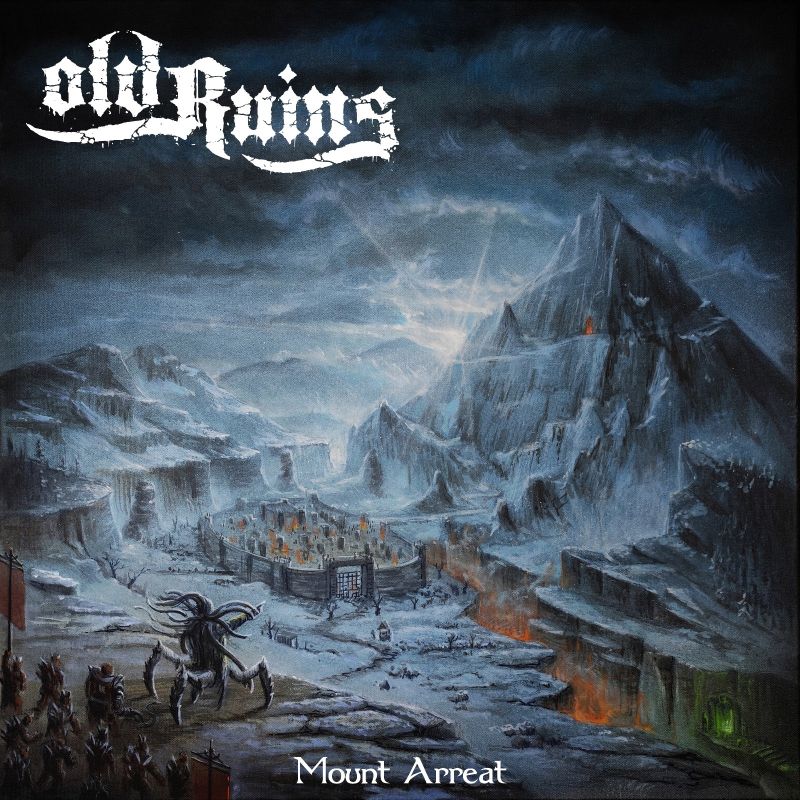
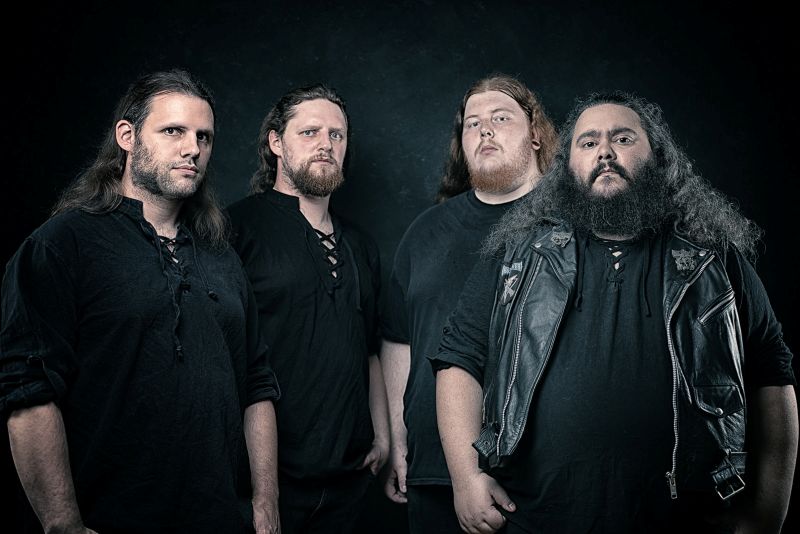
Having created their own highly distinctive style by drawing on numerous influences from Heavy, Black, Doom and Melodic Metal, Gelsenkirchen, Germany’s own Post-Black Metal outfit Old Ruins is back with their sophomore full-length offering, entitled Mount Arreat (a major fictional location in the Diablo video game franchise), following up on their 2023 debut full-length album Always Heading East. Displaying a dystopian artwork by Timon Kokott, the new album by Christian Krajewski on vocals and guitars, Ersin Kara also on the guitars, Oliver Krajewski on bass, and Mike Gelnar on drums sees the band continue the darkened path which stated with their self-titled debut EP from 2020, sounding tighter, heavier and more dynamic than ever.
The strident guitars by Christian and Ersin ignite the band’s dark and heavy feast in Once There Was Light, with Christian’s deep vociferations sounding haunting yet captivating, followed by Gates Of Harrogath, even heavier and more dynamic, offering a wild fusion of Melodic Death and Doom Metal led by Mike’s thunderous beats and fills, always supported by Oliver’s rumbling bass. Call To Arms is a more cadenced and sluggish tune, with its Sludge Metal elements adding a visceral vibe to their core sound before their classic Heavy Metal vein pulses through their dual guitar attack; and a serene intro morphs into another massive metal onrush by the quartet titled Uileloscadh Mor, with the guitars by Christian and Ersin once again cutting our flesh mercilessly.
Nihlathak flirts with old school Black Metal, hence its dirtier, rawer and more aggressive sound, while Mike dictates the song’s pace with his spot-on beats and fills, whereas Mount Arreat, the song that carries the name of the album, is just as grandiose as the location that inspired it, offering a solid fusion of Death and Doom Metal with the epicness of Heavy Metal. Then we’re treated to Lord Of Destruction, the heaviest and darkest of all songs, where Mike’s drums sound immense while Christian roars like a demonic creature until the song’s very last second; and they conclude the album with an overdose of epicness and rage in the form of Tyrael’s Despair, with their guitars once again breathing fire.
In a nutshell, Old Ruins offer in the excellent Mount Arreat their unique blend of melodic, catchy and gripping Black and Death Metal for fans of In Flames, Children Of Bodom, Arch Enemy, and Tribulation, inspiring us all to join them in their darkened quest, while also fueling the band to continue fighting for extreme music in their upcoming releases. Those talented German metallers are waiting for you on Facebook and on Instagram, and don’t forget to also stream their music on Spotify and to purchase Mount Arreat from their own BandCamp or from Sick Taste Music. In other words, it’s time to climb the mount of extreme music together with Old Ruins while listening to their new album, keeping your blood running wild through your veins as you face such a demanding and exciting challenge.
Best moments of the album:Gates Of Harrogath, Uileloscadh Mor and Lord Of Destruction.
Worst moments of the album:Call To Arms.
Released in 2026 Sick Taste Music
Track listing 1. Once There Was Light 5:48
2. Gates Of Harrogath 4:52
3. Call To Arms 5:02
4. Uileloscadh Mor 7:27
5. Nihlathak 5:15
6. Mount Arreat 6:25
7. Lord Of Destruction 5:37
8. Tyrael’s Despair 6:16
Band members Christian Krajewski – vocals, lead guitars
Ersin Kara – guitars
Oliver Krajewski – bass
Mike Gelnar – drums
At St. Petersen’s University Hospital, nightmares become coursework, and the new album by this American Death Metal and Grindcore beast is the perfect soundtrack to those horrors.
At St. Petersen’s University Hospital, nightmares become coursework, and Operating Altar, the new album by San Francisco, California-based Death Metal/Grindcore beast Cartilage (and the follow-up to their 2022 sophomore offering The Deader the Better), is the soundtrack to those horrors. Recorded by Mike Flory at Casa Carti (vocals, guitars, dialogues, bass) and by Scott Evans at Antisleep Audio (drums), mixed by Scott Evans at Antisleep Audio, mastered by Leon Del Muerte at Beastman Audio, and with a gory, visceral artwork by David Romero of CinemaMind, the new album by Mark Wallace on cankerous larynx invocations (aka vocals), Mike Flory on oscillating vein necromancy (aka guitars), Ria Flory on strung fascial divinations and tracheal exertions (aka bass), and Adam Houmam on tremoring transmutations on taut epidermises (aka drums) is a grand‑guignolesque blood ritual disguised as an album, ready to carve its way through the living, the dead, and anyone foolish enough to listen without anesthesia, being perfect for admirers of the putrid sounds blasted by Exhumed, Impetigo, Carcass, and Pharmacist.
There’s no hope in sight right from the beginning in Metal, Bone And Sinew, with Adam taking the lead with his demented beats and fills while Mark vociferates like a troll from hell; and Mike’s riffs ignite the quartet’s Death Metal extravaganza in S.C.D. (Sudden Cardiac Death), also presenting hints of Thrash and Black Metal to make things even more infuriated and violent. Then we see Adam hammer his drums like a lunatic in The Autopsy: A Surgical Sonata, inviting us all to slam into the band’s cesspool of blood and gore, followed by The Sanguine Fiend, presenting another blast of slamming sounds where Mike and Ria make an incredible stringed duo, pounding their axes nonstop until the very end.
It’s impressive how those four metallers can sound so demented and visceral while keeping a good dosage of harmony flowing form their instruments, like what they have to offer in A Lymphatic Labyrinth Of Roiling Rot, whereas they keep penetrating deep inside our minds with their striking riffs and blast beats in Among The Offal, which gets a bit confusing halfway through it (but nothing to worry about). Adam once again crushes his drums (and consequently our hopes and dreams) in Anatomical Incantations, demolishing our frail bodies with their insane fusion of Grindcore with Death and Thrash Metal; and The Operating Altar is by far one of the most complex and dynamic of all songs, with the goblin-like vocals by Mark (which also sound inspired by Overkill’s one and only Bobby Blitz) bringing even more insanity to their music. Finally, they conclude their onrush of blood and gore with Stitch By Stitch, where their Grindcore is infused with melody and groove.
“With this album, we sought to compose one large piece instead of simply a collection of songs. We’ve combined more influences from the likes of both brutal death metal and classic heavy metal, yet we pushed ourselves to faster tempos that we’ve never done before. Operating Altar is uniquely formulated to leave your ears bleeding with pleasure, our Maggot O-Pus if you will!” Those beautiful words by guitarist Mike Flory perfectly summarize Operating Altar, the logical next step for the Bay Area’s blood-brokers, with their horizons expanding without losing the red-eyed fury that has become their signature, and you can join them in their gory journey by following them on Facebook and on Instagram, by streaming their putrescent music on Spotify, and of course by purchasing their new album via BandCamp or mailorder. In the end, Operating Altar is the sound of a cauterizing wound. All at once scorching, hardening and sealing their sound into a new and grander whole.
Best moments of the album:S.C.D. (Sudden Cardiac Death), The Autopsy: A Surgical Sonata and The Operating Altar.
Worst moments of the album:Among The Offal.
Released in 2026 Everlasting Spew Records
Track listing 1. Metal, Bone And Sinew 4:31
2. S.C.D. (Sudden Cardiac Death) 4:05
3. The Autopsy: A Surgical Sonata 3:20
4. The Sanguine Fiend 2:53
5. A Lymphatic Labyrinth Of Roiling Rot 3:30
6. Among The Offal 3:36
7. Anatomical Incantations 3:16
8. The Operating Altar 4:08
9. Stitch By Stitch 4:03
Band members Mark Wallace – vocals
Mike Flory – gutiars
Ria Flory – bass
Adam Houmam – drums
Behold the caustic new opus by this uncanny Polish duo, inviting us all to join them in their impure ceremony of absolute Black Metal devastation, causing total havoc and destruction in their wake.
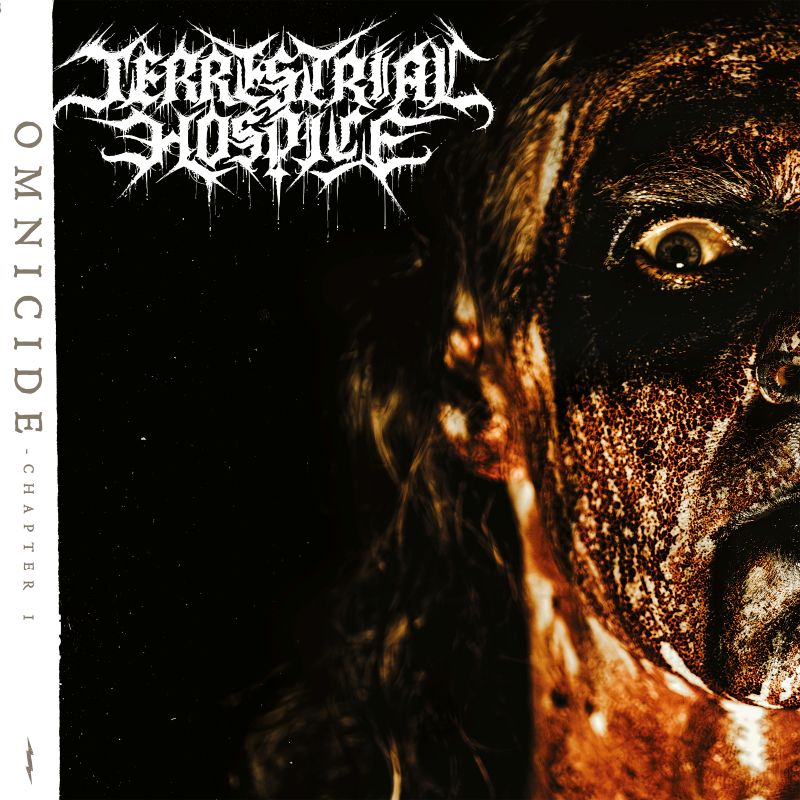
There are nihilists, there are elitists, and there are people threading on others to move forward. Gdańsk, Poland-based Black Metal duo Terrestrial Hospice doesn’t need any of these labels or methods to move ahead. Formed back in 2018 when Inferno, the unstoppable drummer for blackened masters Behemoth, pitched the idea to the mighty vocalist and multi-instrumentalist Skyggen (from bands like Dead to This World, Tortorum, and Thunderbolt, among others), the duo is unleashing upon humanity their third full-length opus, titled Omnicide – Chapter I, following up on their 2023 album Caviary to the General and their 2024 EP Rübezahl. Recorded at Sound of Records, mixed and mastered at Wielolsad Studio, engineered, mixed and mastered by Haldor Grunberg at Satanic Audio, and displaying a sinister cover art and photo by Bartek Rogalewicz of Lodge Black, the album invites us all to join Skyggen and Inferno in their impure ceremony of absolute Black Metal devastation, with the duo causing total havoc and destruction in their wake.
Phosphoric Salvation starts in an ethereal, pensive way before the duo comes crushing our hopes and dreams with their visceral riffs and blast beats, with Skyggen’s vocals sounding phantasmagorical. And Inferno keeps pounding his drums manically in The Couloir of Despair, offering us all more of the duo’s evil Black Metal magic; while Call of the Void is even more infernal and vile, with Inferno’s blast beats providing Skyggen with exactly what he needs to haunt our damned souls with his demented vociferations, followed by Serpents in the Grass, another solid, otherworldly composition by the duo where Inferno takes the lead with his classy beats and fills as usual.
There’s no time to breathe as their Black Metal machine moves forward in full force to the sound of Menace, presenting an overdose of strident riffs by Skyggen not recommended for the lighthearted; whereas Depraver (Black Invocation) is by far the most incendiary and demented of all songs, if that’s humanly possible, with Inferno crushing our frail bodies with his undisputed Black and Death Metal attack. Drowning Spirit sounds a bit generic compared to the rest of the album, despite the fact that Skyggen’s evil gnarls are still a thing of beauty; and last but certainly not least, they bring forward their blend of Melodic Black Metal in the form of The Gospel of Obedience, as rhythmic as it is obscure, putting a chaotic and vile ending to the album.
Joined live by Norwegian bassist Thurzur, known from Gaahlskagg, Dead to This World, Taake and Deathcult, among others, and by guitarist Namas, Terrestrial Hospice represent heart, emotion, will, power and consistency, and their new album perfectly depicts their hard work and commitment to Black Metal. Hence, you can enter the left-hand path alongside Skyggen and Inferno by following the duo on Facebook and on Instagram, by streaming their caustic music on Spotify, and of course by putting your damned hands on Omnicide – Chapter I from the Edge Circle Productions’ BandCamp or webstore. The “now” of the world needs more individual thinking like what Skyggen and Inferno have to offer in their new album to move forward. We need more Terrestrial Hospice. We need more Black Metal.
Best moments of the album:Phosphoric Salvation, Call of the Void and Depraver (Black Invocation).
Worst moments of the album:Drowning Spirit.
Released in 2026 Edge Circle Productions
Track listing 1. Phosphoric Salvation 6:47
2. The Couloir of Despair 2:34
3. Call of the Void 4:11
4. Serpents in the Grass 4:50
5. Menace 6:45
6. Depraver (Black Invocation) 2:19
7. Drowning Spirit 4:48
8. The Gospel of Obedience 4:25
Band members Skyggen – vocals, guitars, bass
Inferno – drums
Guest musicians
Magdalena Sienkiel – grand piano interlude on “The Gospel of Obedience”
Soror NMHN – spoken words on “Call of the Void”, “Serpents in the Grass” and “The Gospel of Obedience”
Namas – guitars (live), keyboards on “Phosphoric Salvation”
Thurzur – bass (live)
I searched for my fate, wore my feet raw on the stones, barefoot I walked… Bring my body home, promise me…
September is that type of month that you never know how its going to be. It’s sometimes scorching, sometimes cold. However, one thing is certain, and that’s darkness will keep growing as the month progresses. Hence, there’s nothing better than celebrating the arrival of the longer nights with the obscure fusion of Post-Black Metal with even darker styles such as Doom and Depressive Black Metal by Dymna Lotva, spearheaded by our metal lady of the month, the indomitable Katsiaryna Mankevich, or Кацярына Манкевіч, also known by her stage moniker Nokt Aeon, or simply Nokt. Considered an “extremist” in her homeland Belarus due to her fight for freedom and justice through her music, she will hypnotize you with her ritualistic vocals and multi-layered compositions, darkening our hearts, our thoughts and our minds faster than the night comes. If you have what it takes to face such a deep dark, you’re more than welcome to join The Headbanging Moose on this humble tribute to one of the must-see names of the music scene worldwide.
Born on February 21, 1989 in Minsk, the capital of Belarus, but currently residing in Warsaw, Poland for not-very-nice reasons (which will be explained in detail shortly), Katsiaryna is not only an accomplished vocalist and lyricist, but she’s also a digital creator, studied Scientific and Production Activity (or “научно-производственная деятельность”) at Belarusian State University (BSU), and studied Radio Engineering and Electronics (or “Факультет радиотехники и электроники”) at Belarusian State University of Informatics and Radioelectronics (BSUIR), or БГУИР, and all of those courses of course helped her develop skills that would be extremely useful in her career as a professional musician.
As already mentioned, Katsiaryna is the striking frontwoman for Depressive Doom/Post-Black Metal entity Dymna Lotva, formed in 2015 by our she-wolf, who goes by the moniker Nokt Aeon, and guitarist and bassist Yauheni “Jaŭhien” Charkasau, drawing inspiration from the history and culture of Belarus, evoking the mystical fog and ancient marshes of their homeland. As a matter of fact, Dymna Lotva translates from Belarusian as “swamp in smoke,” referencing the devastating atrocities and burned villages of Polesia, a deeply distinct geographic and cultural region that extends across southern Belarus into Ukraine and Poland. Guitarist Mikita Stankevich and drummer Wojciech “Bocian” Muchowicz complete the band’s current lineup, and if you have never heard anything about such an amazing metal ensemble, don’t waste another second and go listen to their entire discography because they surely kick some serious ass.
There’s an interesting story behind the creation of the band over a decade ago, linked to the news of Belarusian writer Svetlana Alexandrovna Alexievich winning the Nobel Prize in Literature. “I remember when I read the book, and it was so terrific. I was going home with a big idea that I needed to make a song for the part of the book with quotes from Lyudmila Ignatenko, the widow of the Chernobyl liquidator, and her account of her husband, Vasily Ivanovich Ignatenko. If you watched the Chernobyl Netflix series, you might remember her as the main character. She’s a real person; she’s still alive, living in Kyiv, and these are her real words,” commented our metal diva. “The same day, I was checking a certain metal forum in case somebody was searching for musicians. I read that Jaŭhien was searching for a vocalist for his post-metal project, and I wrote to him that maybe I could help. I said I knew almost everybody and could bring him the vocalist he wanted. He said that I was OK and that he didn’t need another vocalist. So let’s do it. I told him about the idea I had and that we needed to make that song. I asked him to send me some material, and he did it, and one of the songs fit. So, for our first single, Самотны чалавечы голас, I just read that monologue. So, officially, our birthday was on 8 October 2015.”
Katsiaryna has no idea if Svetlana knows she was the inspiration for the band, saying she tried to contact her without much success. At least she was able to contact her agent to discuss the author rights to use Svetlana’s text for a song. “So, we have rights if it’s not commercial. I think we are still not a commercial band because selling 500 copies of the album is not really commercial.” Furthermore, their second album is fully based on Svetlana’s book Chernobyl Prayer, a collection of real people’s stories and monologues. “We were just going through this book and did the lyrics for the album,” she commented in one of her interviews.
Speaking of their discography, Dymna Lotva have already released upon humanity four full-length records, those being Зямля пад чорнымі крыламі: Дрыгва (which translates from Belarusian to “The Land Under the Black Wings: Swamp”), from 2016, where Katsiaryna was responsible for the vocals and lyrics, and also played the flute; Палын (or “Wormwood” in English, dedicated to the liquidation of the consequences of the Chernobyl disaster), from 2017, where she also took care of the vocal duties and lyrics; Зямля пад чорнымі крыламі: Кроў (or “The Land Under the Black Wings: Blood”), from 2023, also doing vocals, writing all lyrics, playing the flute, and being responsible for the artwork; and more recently Vyraj ( a mythical realm to where birds migrate for the winter, and where the souls of the departed find their final rest), also doing all vocals, lyrics, and playing the flute, all available on BandCamp and on Spotify.
You can also go to YouTube and enjoy their official videos for some amazing tunes the likes of Buried Alive, Zory, The Boat Of Despair, Return My Coffin Home, Death Kisses Your Eyes, Come and See, Hell, among others, and visit the band’s YouTube channel, where you’ll find amazing footage from their breathtaking live performances such as for the songs The Pit, Dead Don’t Hurt, Buried Alive and Ravens Are Also Mortal, as well as full concerts like live at Brugge Club in 2019, and live at Metal Mine Festival in 2024. While listening to their music, you’ll soon realize most of their songs are in their mother tongue, with the song titles and lyrics in Cyrillic, and the fact that countless fans around the world won’t fully understand their lyrics doesn’t seem to be an issue to them. Another important detail is the difficult task to categorize the music by Dymna Lotva due to their always shape-shifting fusion of atmospheric and dark styles like Doom and Black Metal with Folk and Experimental Metal. Katsiaryna said they’re similar to Austrian Black/Folk Metal entity Perchta in style, but even so, comparing Dymna Lotva and Perchta is not an easy challenge.
Apart from her career with Dymna Lotva, Katsiaryna can be found as the vocalist for a crushing Polish-Belarusian party-DSBM and Post-Black Metal outfit named Hangover in Minsk, formed in 2024 out of a drunken bus-ride debate by members of Dymna Lotva, also under the moniker Nokt Aeon. Born in 2024 on a brutal 12-hour drive from Munich to Warsaw after the Dark Easter Metal Meeting when the Dymna Lotva crew couldn’t agree on tour tunes with a hangover, they forged their own brand of “Depressive Beer Metal,” having released in 2025 their debut effort Party Is Over, available on both BandCamp and Spotify. Their music is melancholic, dark and haunting, just like in the official videos for the songs Farewell and Party is Over, and I can’t wait to see what’s next for this interesting alter-ego by the Dymna Lotva brigade.
Before and during her career with Dymna Lotva, the unstoppable Katsiaryna was the vocalist and lyricist for a Depressive Black Metal project named Absence of Life between 2018 and 2022, together with a former member of Dymna Lotva named Forladt. They recorded together the 2018 EP The Fall, and the 2021 full-length Instinct of Self-Destruction, both also available on BandCamp and on Spotify. Another band featuring our she-demon on vocals was Belarusian Gothic Metal band Aconitum, with whom she recorded the vocals and flute for their 2018 EP Недолго. Несчастливо. (having also taken care of the EP recording process). The band split up in 2018, but you can still enjoy the full EP with Katsiaryna on vocals on BandCamp. And finally, she also sang on the 2015 single Навальніца, by Belarusian Atmospheric Black Metal project Трызна, and sang live with Belarusian Blackened Death Metal horde Dwellstorm Borned in 2018.
As a guest musician, you can find Katsiaryna lending her stunning vocals to an array of distinct bands. For instance, she recorded the vocals on the song Falsygen Mask, from the 2015 single Black Depth Domain, by the probably now defunct Belarusian Groove/Death Metal band Apologeth; choir vocals for the Twisted Sisters’ cover We’re Not Gonna Take It, from the 2020 album Pandechristmas, by Belgian Heavy Metal machine Déhà; vocals on the 2018 single Demons and Witches, by the aforementioned Dwellstorm Borned; vocals on the 2018 single Петля времён, by Belarusian Black Metal horde Engraving Infinity; vocals on the 2019 album Before It All, by Belgian Depressive Black Metal entity The Penitent (another one of the excellent project by Déhà); and vocals on the 2019 album Far Away from the Painless Life, by Mexican Depressive Black Metal outfit Traurigkeit. Not only that, she also worked on grammatic consultations for the 2020 EP Час адплаты, крыві і смутку, by Ukrainian Black Metal duo Цемра.
This slideshow requires JavaScript.
Regarding her idols and influences, our dauntless metaller mentioned Lisa Gerrard of Dead Can Dance and Aaron Stainthorpe of My Dying Bride as two of her major influences, as well as Ville Valo and his HIM. In addition, despite the fact the initial idea behind Dymna Lotva was to write music based on the fictional work of Edgar Allan Poe, they became an anti-regime band, reclaiming parts of the Belarusian culture that Alexander Lukashenko’s predominantly Russian-speaking administration has tried to suppress. “He hates our culture and language,” commented Katsiaryna. “I’ve been in love with Belarusian culture since I was a teenager, and I started to collect books about native language and pagan traditions. We based our lyrics and concepts on legends, literature and history.” By the way, Alexander Lukashenko has been the first and only president of Belarus since the office’s establishment in 1994, making him the current longest-tenured European president.
However, before talking about the band’s conflict with the Lukashenko administration, let’s discuss the impact of Dymna Lotva when the band hits the stages. “I can call our show an emotional exhibitionism. If you want to drink beer and cry, please come to our show. After the concert, you can drink even more beer with us,” said Katsiaryna when asked what the audience can expect from their live performances. Always eager to go onstage and play their music to rock and metal fans from all over the world, the band had to flee their homeland in 2021 after getting involved in the mass protests that were happening all over their homeland then, performing music and opening their homes to offer food and medicine to those who were injured. When two members of the band Irdorath, and singer Lesley Knife of Gods Tower (with whom they had recorded the protest song Да Волі (or “To Freedom”) were arrested, they knew it was time to run away. “We had some shows planned, and the promoters called us to say that someone from the Ministry of Culture had pressured them to remove us from their events, else they would be imprisoned and their clubs closed. We started to live in places we weren’t renting officially, so that they would not find us. Eventually, we knew it was time to go.”
Now based in Poland, they continue to sing songs filled with grief and pain, writing lyrics lyrics based on true stories from the rich history of Belarus, filled with sorrow from historical events or folklore while new horrors are committed in their country every single day. Belarus has a lot of excellent metal bands, including for example, Eximperitus, Belle Morte, and Ciemra, but Lukashenko’s administration has repeatedly squashed them to pieces since he got into power. “So many bands have been imprisoned for playing metal music,” she said in one of her interviews. “You cannot organize any underground concerts, clubs are forcibly closed. Every generation starts new bands who are then forced to emigrate or disband. It’s a miracle that we have one metal band who have played since the end of the 80’s, Gods Tower.”
Katsiaryna actually moved first to Ukraine, then from Ukraine to Poland in 2022, and at least while Lukashenko is the Belarusian leader they cannot return to their homeland, otherwise they’ll certainly go to jail. Jaŭhien is considered a “terrorist” by the Belarusian government, while Katsiaryna is an “extremist.” The band’s videos were officially declared “extremist” in December 2025, and there are several additional criminal cases pending in Belarus courts that are very similar to what’s happening with Dymna Lotva. Not only that, Belarus officials are also using their accusations against Katsiaryna to imprison the band’s Belarusian fans who simply liked, reposted or commented on their videos online.
“Every presidential election after his first one has been stolen,” mentioned Katsiaryna about the “unofficial dictatorship” imposed by Lukashenko. “It’s not normal. Opposition has been put in prison, some of them murdered, hanged in the forest. Murders, repression, stolen money, stolen land. That is dictatorship in Belarus.” Granted international protection status in Poland in 2022 alongside Jaŭhien, and living with her fellow Belarusian refugee cat Beelzebub, she mentioned their escape from Belarus to Ukraine wasn’t an easy one, as they had to go though Russia first. “We got into Russia by train, and there was a document check near the end of our journey. We stayed and hid inside the train a little longer,” she commented. “If we had gone to the nearest official shelter or to our flat, we would be dead.”
It was only in 2023 when the duo was able to restart Dymna Lotva, releasing their third album that same year, as already mentioned, and making an emotional return to the stages at Prophecy Fest in Germany. “We had just released our new album, so we thought that nobody had heard about Dymna Lotva. When we came to the stage and saw this big crowd, it was like, ‘Whaaaat?!’ Our bassist Jaŭhien was in Warsaw, because his new Polish documents weren’t ready in time. So we placed his bass on the stage, put the Belarusian national flag on it, and I told the public our bassist was a ghost.”
The Belarusian government’s ban on their music has made them determined to keep moving forward no matter what, resulting in their fourth album Vyraj, incorporating their experiences while using a concept about a passage through the Underworld as an allegory for emigration out of one’s country due to war and oppression. Unfortunately, she has no idea if she’ll ever be able to return to Belarus and play her music again in her homeland. “Every year we are further away from Belarus. Two years ago, all of us would have said, ‘Yes.’ Now, we’re not so sure. I definitely want, when the regime falls, to stage our own metal festival in Belarus. I want to go home and make something good for the scene there. It would be hard though, because most of the people we love are not in Belarus anymore.”
As a huge supporter of not only the underground, but also of freedom of speech and of justice, The Headbanging Moose truly hopes Dymna Lotva can one day return home and kick some ass with their beautiful music. Several bands might sing about wars and battles, but deep down inside they just want to show their fans how horrible those things are. Metalheads only want peace, they just want to be able to hit the stages all across the world and bring happiness to their fans through their music and concerts, and Dymna Lotva might be one of the most important leaders of that movement in music nowadays. In the meantime, while the war and dictatorship in Belarus linger, let’s show our utmost support to Katsiaryna by listening to Dymna Lotva’s music, buying their merch, attending their concerts, and raising our fists together with her and her bandmates. Oppression and dictatorship have no place in the Heavy Metal universe. Long live Nokt Aeon! Long live Dymna Lotva!
This one-man project based in Northern Sweden returns with its fourth studio album, where deep forests and snow-covered terrain are not merely backdrops, but gateways – spaces where hypnotic states and introspection take hold.
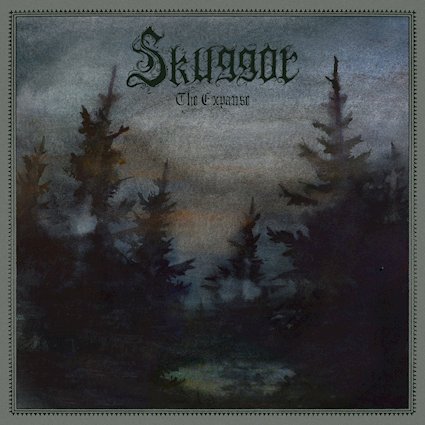
Drawing its essence from the meeting point between the physical and the transcendental, Sweden-based Atmospheric Black Metal entity Skuggor, the Swedish word for “shadows,” is the solo project of Australian-born vocalist and multi-instrumentalist M., known for his work with countless other amazing bands the likes of Aeon Moon, Autumn’s Dawn, Moonlight Drowns, Nihilithic Depths, Rumahoy, Stjärnfält, Tjaktjadálvve, and Wizardthrone, just to name a few. Now in 2026 M. is back in action with the follow-up to his 2025 album Where Sun Resigns, titled The Expanse, where deep forests and snow-covered terrain are not merely backdrops, but gateways – spaces where hypnotic states and introspection take hold. Displaying a serene artwork by Heresie Studio, The Expanse is fluid and instinctive, allowing each composition to emerge as a natural extension of atmosphere rather than rigid structure.
Get ready for a whimsical journey through bitterly cold lands to the sound of the eight-minute aria The Expanse, gradually evolving into an Atmospheric Black Metal beast where M.’s anguished roars will send shivers down our spines; followed by The Fire, just as cryptic and visceral as the opening track, where M. brings forward an avalanche of scorching guitar lines in contrast with the gelid background landscapes. Then again showcasing his passion for Black Metal infused with atmospheric and ethereal elements we have The Trance, and it’s easy to sense the despair transpiring from his harsh vocals, not to mention his sluggish beats also sound thunderous. Hem showcases an imposing and epic sonority, with M. once again blasting sheer melancholy through his vocals and whimsical keys, whereas in The Storm the name of the song says it all, as it’s the most violent, harsh and demonic of all songs, with M. delivering those classic Black Metal blast beats we all love so much intertwined with semi-acoustic soothing passages. Lastly, M. concludes his epic voyage with The Nothing, offering more of his blend of doom-laden Atmospheric Black Metal, bursting his lungs screaming until the very end.
“The Expanse is an album dedicated to a place I hold very dear: Northern Sweden. From the desolate forests to the frozen lakes, with this album I tried to capture the combined feeling of beauty and isolated melancholy one can feel in such an area,” commented M., and if you want to know more about Skkugor you can find the project on Instagram, stream its music on any platform such as Spotify, and grab a copy of the album from BandCamp or from Nordvis Produktion. Written to accompany M.’s journey between his home in Moskosel and Arvidsjaur, a woodland stretch largely untouched by modern intrusions in Swedish Lapland, The Expanse takes shape as a series of impressions formed by both the beauty and the unforgiving nature of the environment. While echoes of Burzum, Agalloch, Urfaust, and Drudkh can be sensed throughout, Skuggor reshapes these influences into something distinctly its own, turning it into a must-listen for admirers of the beautiful fusion between extreme music and the peace and solitude found in nature.
Best moments of the album:The Fire and The Storm.
Worst moments of the album: None.
Released in 2026 Nordvis Produktion
Track listing 1. The Expanse 8:20
2. The Fire 5:27
3. The Trance 5:18
4. Hem 5:38
5. The Storm 5:13
6. The Nothing 4:49
These Avantgarde Black Metal masters from Japan are back with a breathtaking new album, openly showing the harsh reality that no matter how beautiful you are, you’ll be dead and rot sooner or later.
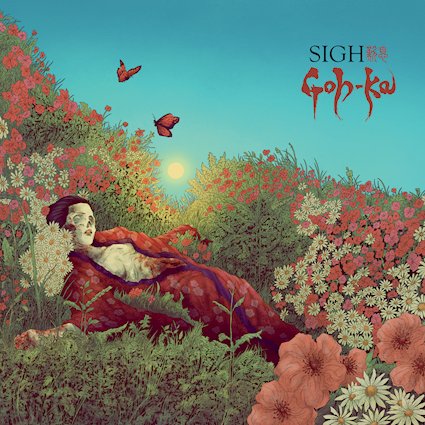
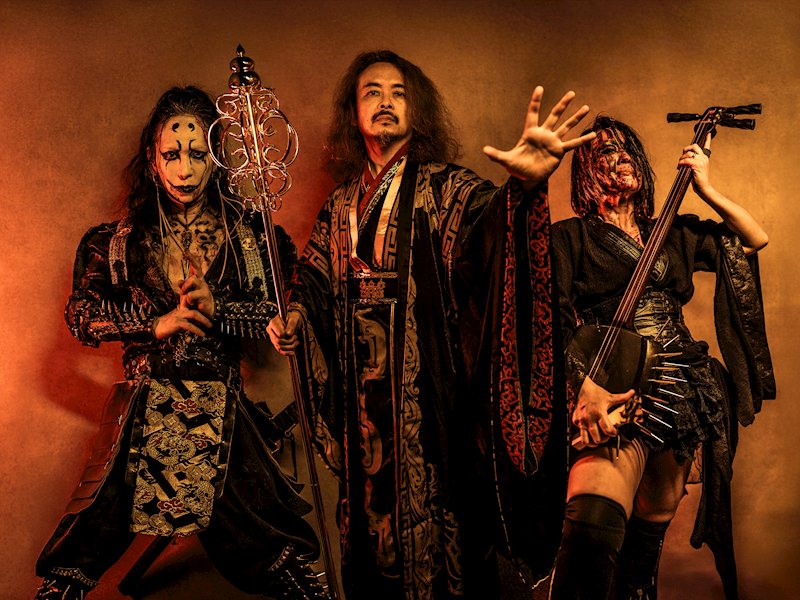
A new highlight of atmosphere, technical mastery, and meticulously arranged epics of metallic grandeur, Goh-ka, a title with a triple meaning (業火 infernal fire scorching sinners, 劫火 a huge fire that burns down the world at the end of time, and 業果 karma), is the new opus by the mighty Tokyo, Japan-based Avantgarde/Experimental Black Metal institution Sigh, the follow-up to their 2022 album Shiki. Recorded across multiple studios, once again mixed and mastered by Lasse Lammert at LSD Studios, and displaying a stunning artwork by Maciej Kamuda, the new offering by Mirai Kawashima on vocals, Dr. Mikannibal on vocals and saxophone, Nozomu Wakai on the guitars, and with the support of session musicians Frédéric Leclercq (Kreator) on bass and Mike Heller (Raven, Malignancy) on drums, has as its primary theme the Kuso-zu, a series of Buddhist paintings or illustrations depicting the nine stages of a human body’s decomposition after death, created to encourage meditation on the impermanence of life, the inevitability of death, and the detachment from physical beauty and worldly attachment. It openly shows the harsh reality that no matter how beautiful you are, you’ll be dead and rot sooner or later.
Kuso-shi 1, 2, and 3 is utterly ethereal and cinematic from the very first second, evolving into an experimental beast led by the dual vocal attack by Mirai and Dr. Mikannibal; while the guitar lines by Nozomu will pierce our minds in Jigoku-Zoshi 1: Unkamusho, with the thunderous kitchen crafted by Frédéric and Mike making the earth tremble. Then we face the ritualistic Anzenshokon, morphing into a sluggish beast infused with Doom and Sludge Metal elements, followed by Kuso-shi 4, 5, and 6, another song that sounds like three distinct tunes in one, with its epic last part being boosted by the demonic gnarls by Mirai. And after the cryptic interlude Shoso we’re treated to the infernal and captivating Unputenpu, featuring a guest guitar solo by the one and only Mikael Åkerfeldt of Opeth. The riffs by Nozomu transpire Progressive Rock and Metal, supported by the always solid beats and fills by Mike, not to mention its background keys are beautifully haunting.
Jinmenjushin brings to our avid ears another blast of their trademark blend of Avantgarde and Experimental Black Metal, alternating between more progressive moments and ethereal vocalization passages; and Mike then hammers his drums in the best Black, Thrash and Death Metal style in Jigoku-Zoshi 2: Tokatsujigoku, offering Mirai and Dr. Mikannibal exactly what they need to growl like rabid creatures. Kushukankyo is by far one of the most Japanese culture-infused tracks in the history of heavy music, flowing into the (unnecessary) atmospheric track Kuso-shi 7, setting the stage for the band to kill again with Kuso-shi 8 and 9 / Mettaijakujo, bringing forward 11 minutes of insanity, darkness, fury and progressiveness, feeling almost like the score for a Japanese horror flick, therefore putting a wild ending to the album.
From a musical perspective, if you were to place the main ingredients of Celtic Frost, Voivod, Black Sabbath, horror movies and Japan into a cauldron and stir it, you will get Goh-ka. Numerous additional spices such as Psychedelic and Progressive Rock, as well as classical music, are also evident over the album’s close to one-hour duration, resulting in a must-listen for admirers of the insanity blasted by renowned acts the likes of Arcturus, Dødheimsgard, Imperial Triumphant, Enslaved, Ved Buens Ende, Dir En Grey, and Ningen Isu. Moreover, Sigh are waiting for you on Facebook and on Instagram with news, tour dates and more of their unique music, and you can stream their vast discography on Spotify or Apple Music. Don’t forget to also grab a copy of Goh-ka from the Peaceville Records’ Bandcamp, letting their weird and captivating sounds penetrate deep inside your rotten soul. We’ll all be dead sooner or later anyway.
Best moments of the album:Jigoku-Zoshi 1: Unkamusho, Unputenpu and Kuso-shi 8 and 9 / Mettaijakujo.
Behold the debut EP by this uncanny Bahrain-based Atmospheric Death Metal entity, a concept-driven album drawing inspiration from Persian and Arabic mythology.
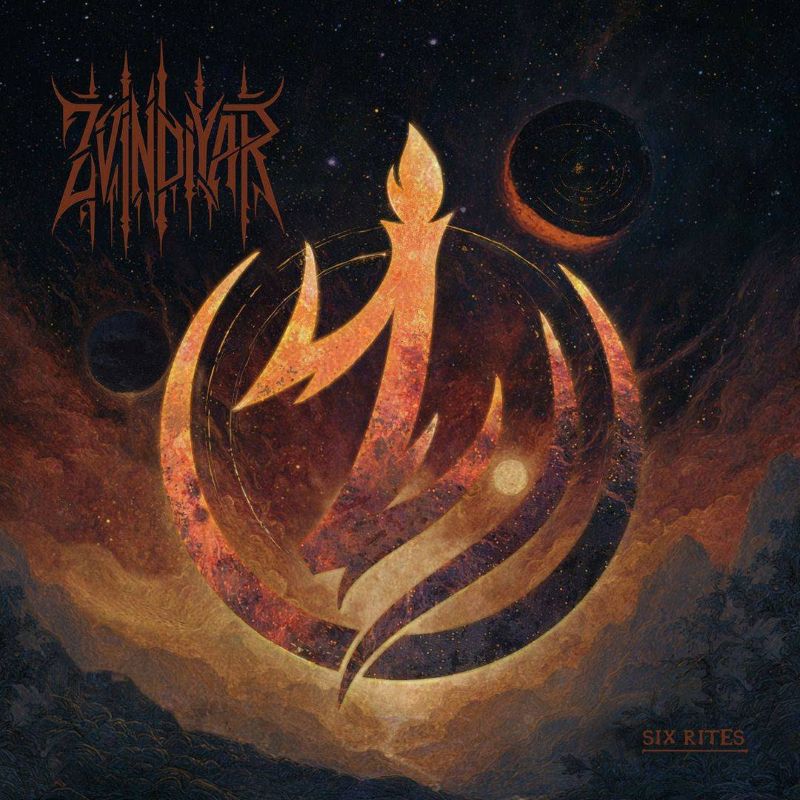
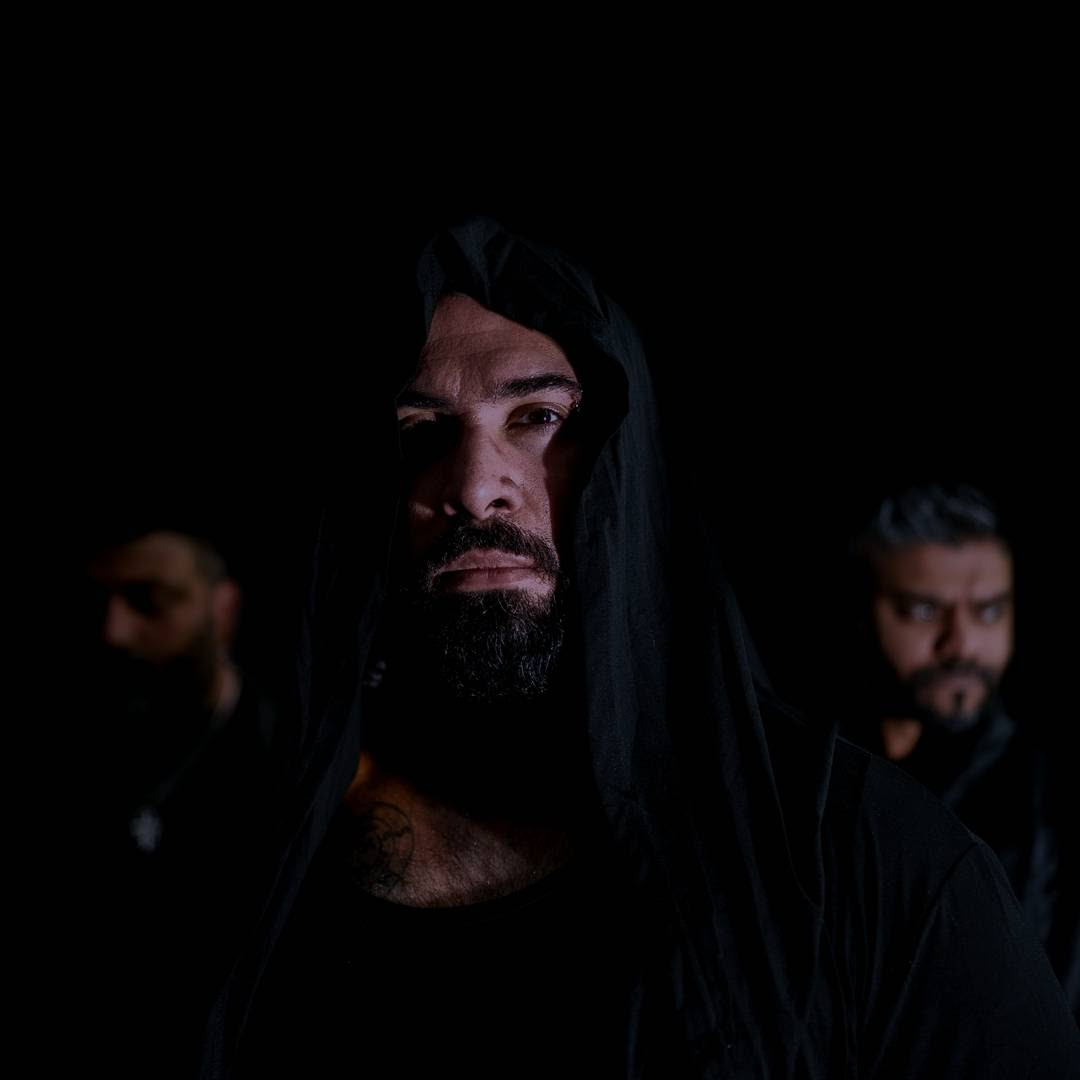
Drawing inspiration from Persian and Arabic mythology, Six Rites, the new EP by Manama, Bahrain-based creature Zvindiyar, is a concept-driven album exploring themes of transformation, collapse, and transcendence through a cinematic blend of Atmospheric Death Metal. Recorded by Hani Taqi at Studio 77, mixed and mastered by Ronnie Björnström at Björnström Sound, and showcasing anoither Stygian artwork by Ani Artworks, the debut offering by vocalist and multi-instrumentalist Mohammed AlMeshkhas (although Zvindiyar is in fact an entity and conceptual world rather than a personality-driven band, with the core creative and founding components also attributed to Meshkhas, PJ, and Ryan) serves as the project’s first complete release, expanding upon the conceptual world introduced by their three singles already released.
Named after a mysterious, legendary female bird from pre-Islamic Arabian mythology, Anqapresents a striking blend of atmospheric and melodic extreme sounds, with all vocals sounding dark and anguished while the guitars exhale heaviness. Then Hex Of The Frenzied Decay offers more of the project’s venomous Black and Death Metal sonority, with the song’s hammering drums matching perfectly with all devilish vociferations by Mohammed; while The Soaring Enigmatic showcases a more Technical Death Metal side of the band, even presenting some Deathcore breakdowns to give it a fresh vibe. Fellis perfect for breaking our necks headbanging to the scorching riffs and beats by Mohammed, followed by the ethereal interlude الهمس الأول (or “The First Whisper”), warming us up for Shadhavar, which pulls directly from medieval Muslim bestiaries and Persian cosmography written by ancient scholars like Al-Qazwini, ending the album on a high note with all vocals and guitars transpiring obscurity and harmony.
Built as a cohesive sonic and visual experience, the debut EP by such an uncanny and mystic entity from the always interesting Bahrain scene will certainly appeal to fans of all types of extreme music who also enjoy a meaningful and unique concept behind the music, and if you want to know more about the whole concept that’s the core of Zvindiyar you can find more information via their official Facebook and Instagram. Don’t forget to also stream their idiosyncratic music on any platform such as Spotify, and of course to purchase a copy of their excellent debut from their own BandCamp (by the way, fans who had purchased the album before its official release already received the full six-track EP and digital booklet early on August 20, ahead of the official worldwide release on September 3). Dark, mysterious and deeply rooted in the band’s multi-layered culture, Six Rites is a must-listen for admirers of the most caustic and somber side of heavy music, paving a phenomenal path ahead of this up-and-coming beast from the Middle-East.
Best moments of the album:Hex Of The Frenzied Decay and Shadhavar.
Worst moments of the album: None.
Released in 2026 Independent
Track listing 1. Anqa 6:11
2. Hex Of The Frenzied Decay 4:28
3. The Soaring Enigmatic 5:31
4. Fell 4:45
5. الهمس الأول (The First Whisper) 2:15
6. Shadhavar 6:25
Band members Mohammed AlMeshkhas – vocals, all instruments
Let’s raise our horns and glasses to a beautiful death to the sound of the striking new offering by these Finnish Gothic and Black Metal veterans.
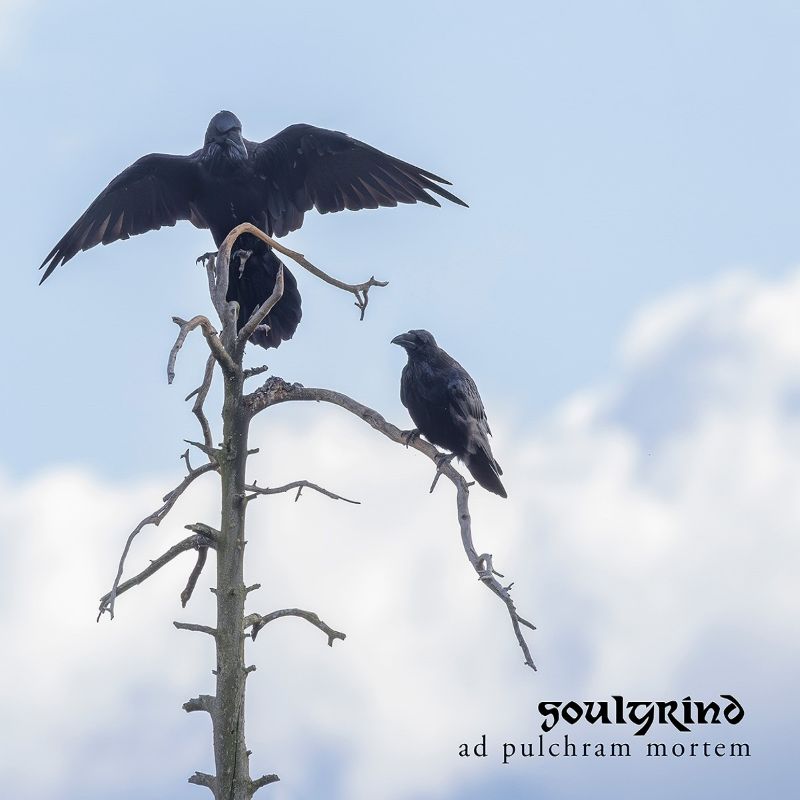
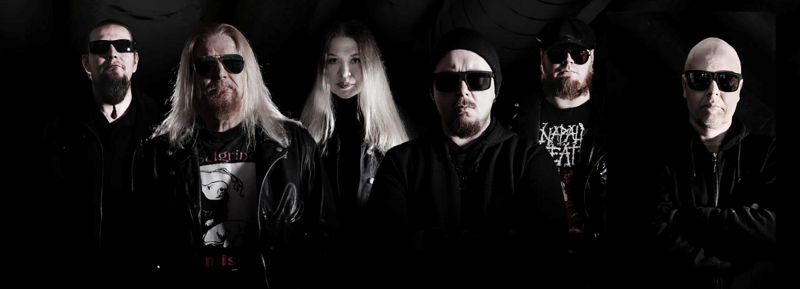
Forged in the fires of Helsinki, Finland in the distant year of 1992, and known for blending Gothic, Thrash and Black Metal into a dark, melodic atmosphere, Soulgrind continue to explore themes related to the darker aspects of Finnish history and psyche, combining passion, war, and the “dark side of mind” into their lyrical content, reflecting a deep connection to Finland’s cultural and historical roots, in their tenth studio album titled Ad Pulchram Mortem (or “to a beautiful death” from Latin), released 16 years after their last album, The Tuoni Pathway. Currently formed of Micko Hell on vocals and lead guitars, Tanya Lilith on female vocals, Lord Heikkinen also on the guitars, Azhemin on keyboards and harsh vocals, JP on bass, and Suntio on drums, the band is on absolute fire from start to finish in Ad Pulchram Mortem, proving they still have a lot of fuel to burn even after all those decades on the road.
After the atmospheric intro Nousee musta lintu (“a black bird rises” from Finnish), the band comes ripping with the breathtaking The Origin of the White Serpent, where the deep, harsh vocals by Azhemin clash beautifully with the soaring clean vocals by Tanya Lilith, while Suntio hammers his drums nonstop. Jylhä metsämies (“the brave forester”) is also delicate yet visceral, with Micko Hell and Lord Heikkinen extracting sheer heaviness and electricity form their axes; followed by The Last Day of Therinon, offering us all seven minutes of atmospheric passages leaning towards Melodic Gothic Metal where Micko Hell and Tany Lilith make a beautiful vocal duet, while in In the Circus of Tuonela they get back to a darker, more menacing sound, with the haunting keys by Azhemin darkening the skies for our total delight.
Then JP and Suntio craft a thunderous sonority in Dark Water Wide, blending the obscurity of Gothic Metal with the visceral sounds of Black Metal, followed by Tears of the Earth, a doom-laden Gothic Metal feast by the band where Tanya Lilith once again steals the spotlight with her ritualistic clean vocals. A Whispered Curse upon the Gale is by far one of the heaviest (if not THE heaviest) of all songs, where Suntio sounds ruthless on drums while Azhemin keeps vociferating like a demonic entity, whereas As a Narrow Fjord Descends presents seven minutes of first-class Gothic and Black Metal for the masses, again taking us on a journey through the bitterly cold lands of the Finnish winter. Lastly, we have Into the Shadows of Devotion, the most complex and detailed song of the album, offering 11 minutes of the band’s trademark sounds, with Tanya Lilith leading the pack with another striking vocal performance while the instrumental pieces sound stunning from start to finish.
Their sound might have evolved over time as we can see in Ad Pulchram Mortem, but Soulgrind have maintained their core identity rooted in metal with a dark, atmospheric edge, resisting strict genre categorization and embracing musical development freely. If you want to know more about such an important band of the Gothic Metal scene worldwide, you can find them on Facebook, including their tour dates, stream their music on Spotify, and of course, purchase their new album from their own BandCamp. In other words, let’s raise our horns and glasses to a beautiful death to the sound of the striking new offering by these Finnish Gothic and Black Metal veterans, and may they keep darkening the skies for another 30 years at least with more of their Stygian music.
Best moments of the album:The Origin of the White Serpent, A Whispered Curse upon the Gale and Into the Shadows of Devotion.
Worst moments of the album:Jylhä metsämies.
Released in 2026 Inverse Records
Track listing 1. Nousee musta lintu 4:10
2. The Origin of the White Serpent 8:51
3. Jylhä metsämies 6:10
4. The Last Day of Therinon 7:20
5. In the Circus of Tuonela 5:18
6. Dark Water Wide 4:55
7. Tears of the Earth 5:58
8. A Whispered Curse upon the Gale 4:04
9. As a Narrow Fjord Descends 7:40
10. Into the Shadows of Devotion 11:10
Band members Micko Hell – vocals, lead guitars
Tanya Lilith – female vocals
Lord Heikkinen – guitars
Azhemin – harsh vocals, keyboards
JP – bass
Suntio – drums
It was another hot and humid Monday night this summer in Toronto when the mighty DIMMU BORGIR, supported by the up-and-coming entity HULDER, took the city by storm with an overdose of obscure and blasphemous Black Metal at the excellent History during the band’s Grand Serpent Rising North America2026. Unfortunately, my buddy Keith Ibbitson of Metal Paparazzi got seriously injured and won’t be able to take any more photos of concerts until at least the end of the year, but he introduced me to his friend Blair Burch, who’s also a metal photographer, and as you can see from the photos in this review Blair is also a badass. The lowest point, though, was the absence of Hypocrisy from the lineup due to issues with their visas to get into North America (or maybe it was just Canada, as no one knows the actual details), plus the fact we could have gotten Suffocation instead like in some US cities, which of course didn’t happen, but Hulder and Dimmu Borgir made sure they played louder than hell to make up for the cancelation of the tour of one of the trailblazers of our beloved Death Metal.
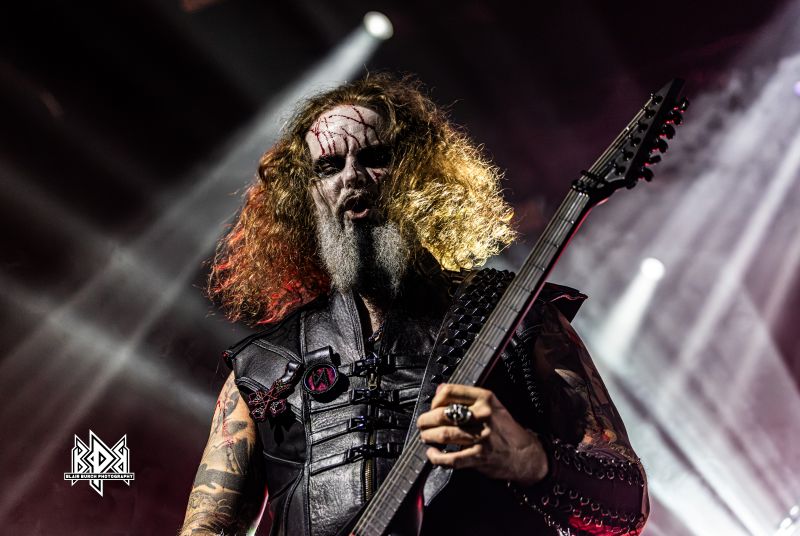
It was 7:30pm when Washington, United States-based Black Metal cult HULDER kicked off their dark, occult and scorching presentation (and I’m glad I was able to make it just in time for their show because Monday night traffic has been slightly lighter during the summer). Having released the magnificent Verbolgen just last Friday (available on both BandCamp and on Spotify), the band formed of the uncanny vocalist and guitarist Hulder and the ruthless bassist Necreon, with the support of live musicians Keld on the lead guitars, and Vapula on drums, put on a fantastic show for everyone already at the venue, playing songs from all of their albums, including some absolute bangers like View From Nemeton, Verses in Oath, and …And We Shall Sing. Hulder is impressive onstage, “hiding” her face behind her long hair, corpse paint and smoke, and letting the music speak on her behalf. I love that type of atmospheric and sinister vibe from bands like Hulder, and I honestly can’t wait to see the band kicking ass live again in Toronto in the not-so-distant future. My only complaint is that Hulder could have easily played for another 20 minutes or so due to the absence of Hypocrisy, which would allow her to melt our faces with another selection of Black Metal lullabies, but it is what it is. I can’t complain about it at all. We finally got Hulder in Toronto, and that was a magnificent debut.
Setlist A Beacon From Darkened Skies
View From Nemeton
Sylvan Awakening
Hearken the End
Verses in Oath
Veil of Penitence
Drie Raven
…And We Shall Sing
Band members Hulder – vocals, guitar
Necreon – bass, vocals
Keld – lead guitar
Vapula – drums
Finally, eight years after their last visit to Toronto, the indomitable Shagrath and his henchmen Damage (who also plays with Shagrath in Chrome Division), Silenoz, Victor Brandt, Gerlioz and Daray, collectively known as Oslo, Norway’s own Symphonic Black Metal masters DIMMU BORGIR, returned to the city for another devilish performance, this time promoting their brand new offering Grand Serpent Rising, available on both BandCamp and Spotify. Their concert was absolutely venomous, just like a serpent, blending new songs the likes of Ulvgjeld & Blodsodel, As Seen in the Unseen, and Ascent with old school material such as Mourning Palace, Stormblåst, Reptile (one of my favorites of their setlist), and The Serpentine Offering. As you can see, there was a considerable share of blasphemy, blood and venom for each and every person in the crowd, no doubt about that.
The overall sound was EXTREMELY loud to the point it was hurting a bit even for people wearing noise protection earplugs (including myself), but I guess no one really cared about it as long as we could watch the band kicking ass onstage. Shagrath’s vocals continue to impress, as they sound just as harsh and infuriated as in his early days (therefore bringing even more adrenaline to their live shows), Damage was a beast bleeding a lot from his new tattoo on his right arm as he kept shredding his guitar (and there’s nothing more Black Metal than that), but it was Gerlioz on keyboards who stole the show, at least for me. He looks like a demonic hybrid of Rammstein’s Christian “Flake” Lorenz and Depeche Mode’s Andy Fletcher (RIP) in the best way possible, keeping the atmosphere as vibrant, dense and theatrical with his keys. All band members sounded solid and electrifying, but let’s say Gerlioz was the man in Toronto.
As the show was getting closer to its inevitable end, the band unleashed hell upon us all mere mortals with two of their biggest classics, Gateways and the breathtaking Progenies of the Great Apocalypse (definitely the highest moment of the whole night), resulting in a wild reaction by the fans in the mosh pit, increasing the temperature (even more) inside the venue, and leaving the gates of the underworld open wide for Dimmu Borgir to crush Toronto to pieces again in the near future. Hopefully it’s not going to take another eight years for those Norwegian serpents to invade our city with their demolishing concert, be it with a brand new album, a “best of” tour, or playing an entire classic album. As long as we get Dimmu Borgir again in Toronto, we will be very happy metalheads.
Setlist Ulvgjeld & Blodsodel
Mourning Palace
Kings of the Carnival Creation
Council of Wolves and Snakes
As Seen in the Unseen
Ascent
Stormblåst
Reptile
The Insight and the Catharsis
The Serpentine Offering
Puritania
Gateways
Progenies of the Great Apocalypse Perfection or Vanity
Band members Shagrath (Stian Tomt Thoresen) – vocals
Damage (Kjell Karlsen) – lead guitar
Silenoz (Sven Atle Kopperud) – rhythm guitar
Victor Brandt – bass
Gerlioz (Geir Bratland) – keyboards
Daray (Dariusz Brzozowski) – drums


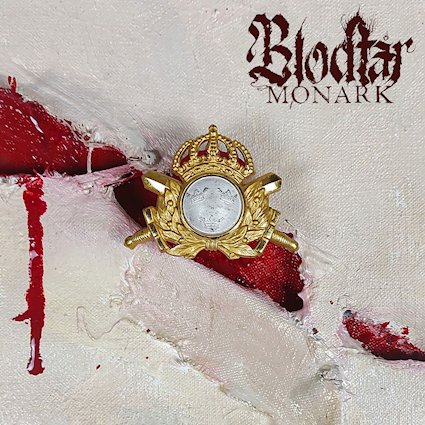 Back in 2021, Stockholm, Sweden-based Black Metal entity Blodtår announced themselves with a self-titled EP steeped in Black Metal mysticism. Their following release, the 2023 full-length Det förtegna förflutna, revealed a project capable of refined structure and melodic discipline without sacrificing intensity. Now in 2026, on their third release, titled Monark (the Swedish word for “monarch”), vocalist, guitarist and bassist Carl, alongside drummer Hebert Alarcón Cerna, ventures deeper still. Mixed and mastered by Tore Stjerna at Necromorbus Studio, and showcasing a classy artwork by Heresie Studio, Monark was conceived in the aftermath of a personal tragedy, moving through overwhelming spiritual pain toward a fragile yet undeniable light.