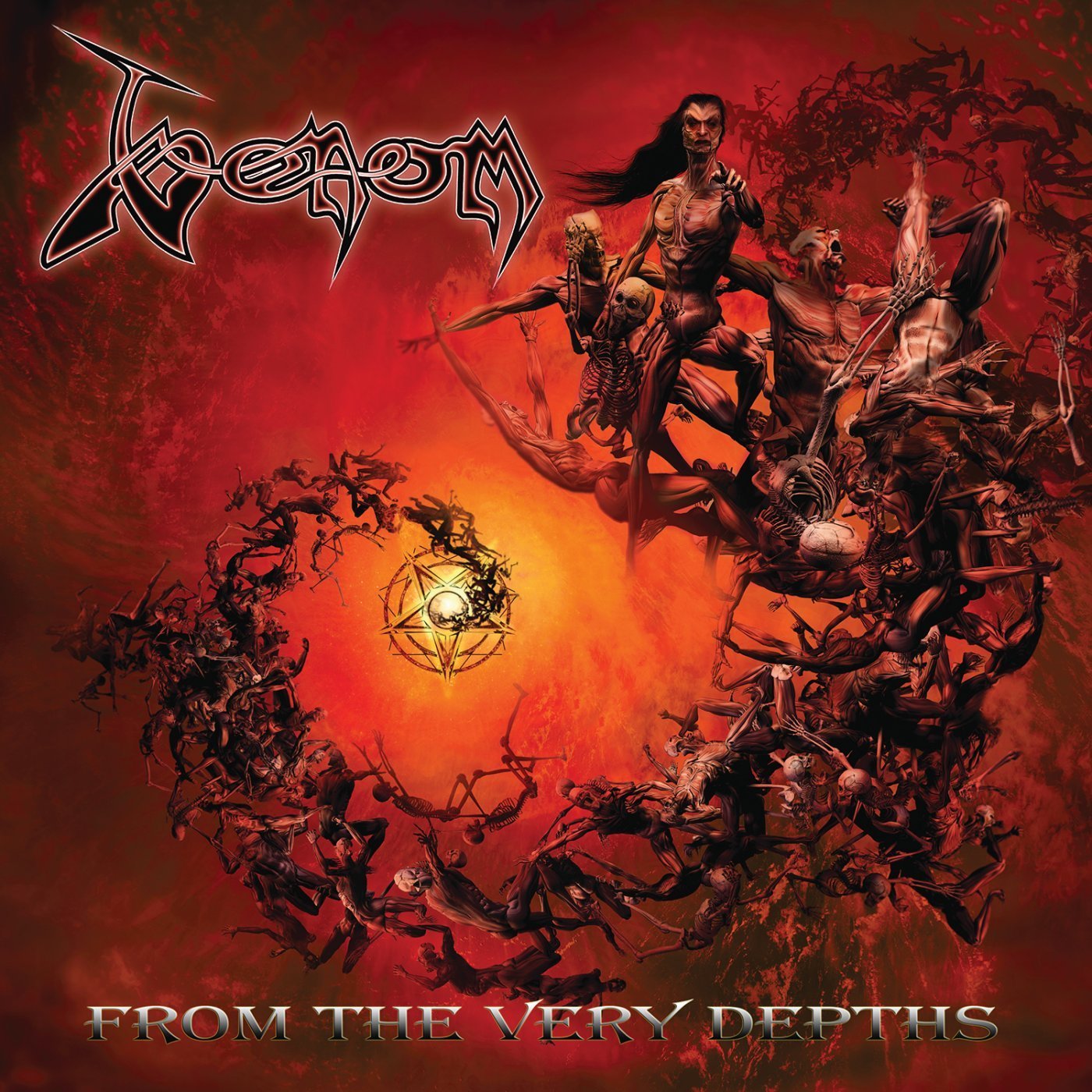
Album Review – Venom / From the Very Depths (2015)

Unfortunately, a huge lack of depth is what you will find in the new album by the trailblazers of Black Metal.

Rating6

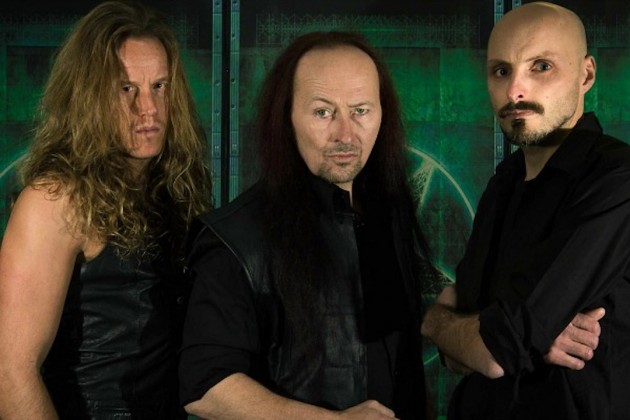
venom_from the very depthsThe beginning of the 80’s witnessed the birth of the most obscure form of extreme music, Black Metal, thanks almost exclusively to British Black Metal pioneers Venom. For instance, Heavy Metal icons such as Slayer, Cradle of Filth, Kreator, Candlemass, Paradise Lost, among several other Thrash, Speed, Black Metal and NWOBHM bands, were heavily influenced by their music, with songs like Welcome To Hell, Black Metal, Witching Hour, In League With Satan and Countess Bathory becoming legitimate satanic anthems.  Now with From the Very Depths, the fourteenth studio album by this Newcastle-based band formed in the distant year of 1979, Cronos and his crew want to keep the fire of their venomous kingdom burning and disturbing the minds of the weak.

However, if Venom’s first two albums, Welcome to Hell (1981) and Black Metal (1982), are the epitome of this devilish subgenre of heavy music, pretty much all of their following releases lacked innovation, intensity and, consequently, importance (I doubt you can name a relevant song of any of their other albums). From the Very Depths is no exception to that, with its musicality being so rudimentary they seem more like an amateur garage band than those trailblazers of Extreme Metal with so many decades on the road. Cronos, La Rage and Dante stick to the very basics of heavy music, with not a single moment of creativity showcased throughout the album. That would not have been an issue if they were as good as Motörhead or AC/DC, but their extremely limited skills make From the Very Depths an album with absolutely no depth.

But is From the Very Depths really that bad? Well, if you keep your expectations really low you might enjoy some parts of the album. After the intro Eruptus, which really transmits a sense Venom are rising from the very depths of hell, we have the title-track From the Very Depths, which despite not being Black Metal per se (it feels more like Thrash Metal) it’s a very good exhibit of dark and extreme music, with the resonant bass lines by Cronos setting the tone during the whole song. The following track, The Death of Rock ‘N’ Roll, has a dark Hardcore/Punk Rock atmosphere, with lyrics that couldn’t sound more Venom than that (“We met the devil at the gates / Not at the crossroads or by humiliate / The man of blues can sell his soul / We’d rather party with the demons… down below”). In addition, its nonstop instrumental helps enhance the electricity of this song, which in my opinion is the best of the album.
venomAfter that satisfactory start, the issues start to appear in From the Very Depths. Smoke is not only generic, especially its lyrics, but it also lacks that wickedness so necessary in Black Metal and it goes on for grueling five minutes. A song so long should have presented more variations or at least a minimum of energy in its riffs, don’t you agree? Temptation sounds like a rip-off of Venom themselves, where the bass lines mess its harmony instead of boosting it, turning it into another disposable track. Leastwise, Cronos’ harsh voice is still in good shape and the song doesn’t go on for torturing five minutes.

The band sounds a lot more cohesive and tuneful in Long Haired Punks, a tribute to Punk Rock and Heavy Metal that connects the heaviest and most deranged aspects of both music genres, with Cronos singing how Venom (and all other metal bands) are punks too (“Fight for survival, hitting the road, get out my way, time for a show / We blast metal, no hip hop or funk, demons from hell, long haired punks”), while Stigmata Satanas, with its very old school sonority, might be nothing outstanding but it’s quite nice, with its crude riffs and vocal lines blending really well with the lyrics, in special with its extremely simple but demonic chorus. On the other hand, Crucified is an awfully uninspired track with a flat rhythm that almost forces you to skip to the next song. The drums by Dante are sadly elementary, sounding like Meg White from the White Stripes without Jack White to salvage the song with more elaborate guitar lines.

Maybe with a more complex (or less monotone) instrumental, Evil Law could have been a really good song, because it contains that trademark devilish aura by Venom, including the wicked noises in the background. In regards to its lyrics (“Fakaa enday yay badah / Urka temeway tado / Coorza onyay femlay / Keelay spray ohapa do”), the only thing I can say is: what the hell is this supposed to mean? Anyway, Grinding Teeth brings back a decent mix of Thrash, Speed and Black Metal, which might sound interesting if it’s chosen for their live performances. Moreover, the band finally tries some different riffs and breaks, helping making the song more delightful.

After another short intro, Ouverture, we have another example of how amateur Venom still sound in Mephistopheles, which despite having a badass attitude it doesn’t offer anything really exciting to the listener. The same can be said about Wings of Valkyrie, a boring track where drums and riffs are negatively overshadowed by the extremely loud bass lines. Lastly, the good song Rise closes the album with the live audience in the background making it sound a lot more organic. If only they had added more of that rawness and brutality to the whole album, From the Very Depths could have been one of the best Extreme Metal albums of the year.

From a technical standpoint there’s almost nothing to be analyzed in From the Very Depths: it’s an album as basic and bland as it can be, with no memorable songs or fresh elements offered in its more than 50 minutes of music. As already mentioned, if you lower your standards (or if you love Venom more than your life) you will actually have some fun listening to From the Very Depths, but it’s hard for anyone else to get thrilled by an album that above all things lack any real depth. Sad to say, after almost 40 years of existence it looks like Venom will continue to be known just as the band who recorded Welcome to Hell and Black Metal.

Best moments of the album: From the Very Depths, The Death of Rock ‘N’ Roll and Long Haired Punks.

Worst moments of the album: Smoke, Temptation, Crucified and Wings of Valkyrie.

Released in 2015 Spinefarm Records

Track listing
1. Eruptus 1:01
2. From the Very Depths 3:54
3. The Death of Rock ‘N’ Roll 3:09
4. Smoke 5:01
5. Temptation 3:52
6. Long Haired Punks 4:02
7. Stigmata Satanas 3:26
8. Crucified 4:06
9. Evil Law 5:03
10. Grinding Teeth 4:11
11. Ouverture 1:16
12. Mephistopheles 4:06
13. Wings of Valkyrie 4:00
14. Rise 4:34

Band members
Conrad “Cronos” Lant – vocals, bass guitar
Stuart “La Rage” Dixon – guitar, backing vocals
Danny “Dante” Needham – drums, backing vocals

Album Review – Aethyr / Corpus (2015)

A “lecture” in Occultism crafted by a very competent band from Russia that will satisfy your craving for freakish heavy music.

Rating4

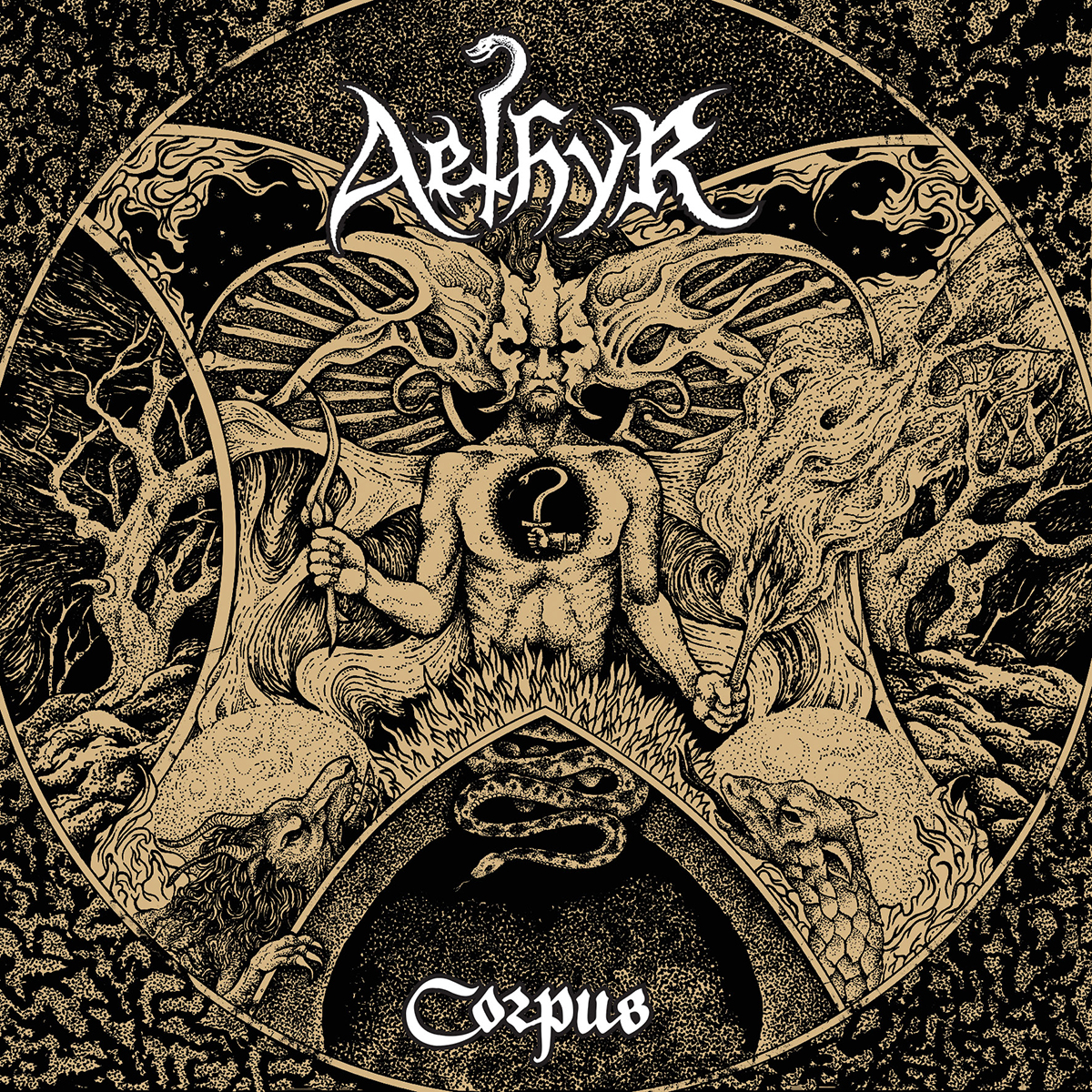
AETHYR - Corpus cover artAethyr, a reference for the fifth element (or spirit) in various forms of Metaphysics and Occultism, is already a magnificent name for any heavy music band simply due to its meaning and pronunciation. However, it gets even more suitable when the band is capable of transferring all those mystical principles to their music, which is the case with Russian Doom Metal band Aethyr and their brand new album, the dense and ominous Corpus.

On their first full-length since their 2010 album Messio, this talented quartet from Moscow goes beyond the boundaries of darkness, with exceptional doses of heaviness loaded with a spine-chilling ambience not recommended for the faint-hearted. Just take a look at the album art, designed by Rotten Fantom, and you can have a very good idea of the level of despair Aethyr offer us all in this excellent release.

The obscure sonority found in the opening track, Nihil Grail, with its slow and somber riffs and drums, epitomizes the dark side of Doom Metal. In addition, the demonic vocals by Mr. D give this “polished wickedness” a touch of Black Metal, with its last part being at the same time mesmerizing and disturbing. I’m pretty sure Tom G. Warrior, the mastermind behind Triptykon, would love this song. Following this amazing tune, it’s impossible not to bang your head to the heavy riffs found in Sanctus Satanicus: whatever Mr. D is singing he sounds possessed by an evil entity, and when the band speeds up the music it becomes almost pure raw Black Metal so harsh it sounds.

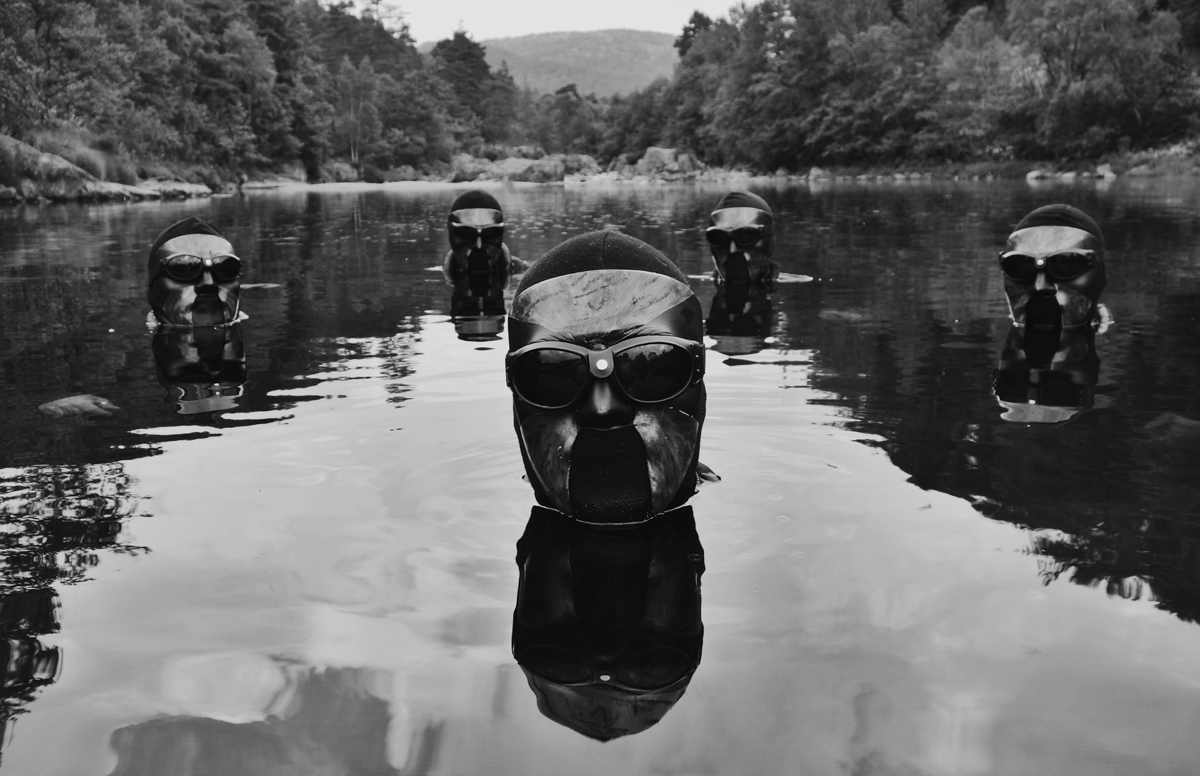
AETHYR band photoThe epic 10-minute eerie track ATU showcases deeper guttural vocals maximized by cryptic riffs in the background, with a melancholic break at around four minutes. There’s a lot of progressiveness, tempo changes and mysterious passages skillfully played by all band members which are definitely worth our attention. Then we have the awesome CVLT, a song that’s Doom Metal at its finest, with sludgy riffs, strong beats and, more important than that, a depressive feeling that’s essential for good dark music.

But the maleficent aura created by Aethyr gets even stronger in The Gnostic Mass, which is not exactly a song but just weird sounds from what seems to be a black mass; and then in the title-track CORPUS, another 10-minute badass song that kind of continues with the weirdness from the previous track for over a minute, before the low-tuned guitars by Mr. D and Mr. W evoke all the hopelessness and sorrow of Funeral Doom while drummer Mr. S and bassist Mr. Y dictate the song’s wonderfully wretched rhythm. You can get a sense of how lugubrious this track is just by the fact that there are very few vocals lines in it, only after six minutes of music and not for too long. Finally, in order to darken your mind and your heart even more, Aethyr offer us lots of traditional Doom Metal elements in Templum, where the band gets “infuriated” halfway through it, generating chaos and havoc to close the album on a high note.

Take a shot at the album trailer HERE and at the band’s official BandCamp page for a taste of Aethyr’s music, and of course visit their Facebook page for more details about the release of Corpus and the band’s upcoming concerts. More than just a Doom Metal album, Corpus is a “lecture” in Occultism that will satisfy your thirst for creepy and deranged heavy music, and you will get addicted to it without a shadow of a doubt.

Best moments of the album: Nihil Grail, CVLT and CORPUS.

Worst moments of the album: The Gnostic Mass, but only because it’s not an actual song.

Released in 2015 Cimmerian Shade Recordings

Track listing
1. Nihil Grail 7:03
2. Sanctus Satanicus 4:28
3. ATU 10:21
4. CVLT 5:23
5. The Gnostic Mass 6:11
6. CORPUS 10:05
7. Templum 6:29

Band members
Mr. D (Denis Dubovik) – vocals, lead guitar
Mr. W (Vladimir Snegotsky) – rhythm guitar
Mr. Y (George Meshkov) – bass
Mr. S (Anton Sidorov) – drums

Album Review – Marduk / Frontschwein (2015)

The Babylonian gods of Black Metal return with more of their blasphemous and apocalyptic war-themed music.

Rating3

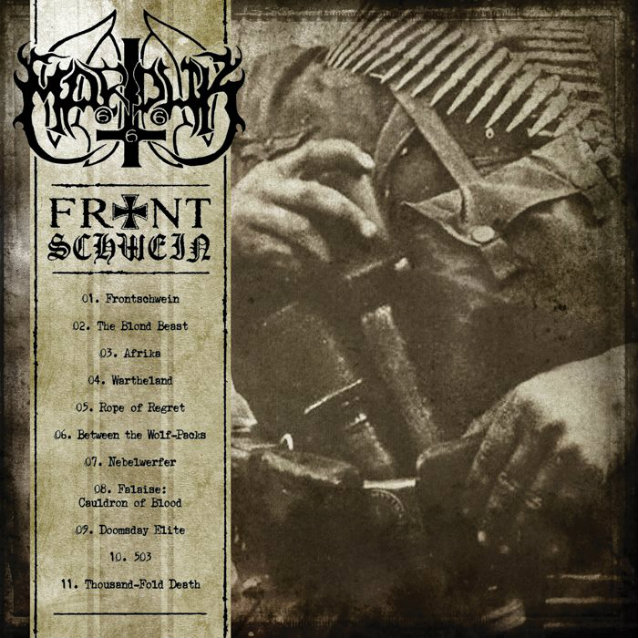
coverWhen Swedish Black Metallers Marduk added interesting topics such as Third Reich history and World War II to their lyrical/conceptual themes, starting with their 1999 album Panzer Division Marduk, I guess many of their diehard fans weren’t really sure what was going to happen to those guys that once stated they wanted to become the most blasphemous band in the world. If you look at their very first demo, the controversial Fuck Me Jesus, which was banned in several countries following its release due to its explicit cover art, and look at their brand new album, Frontschwein, it’s noticeable they’re not as blasphemous as before. But who said that change wasn’t for good?

Following their excellent 2012 release Serpent Sermon, Frontschwein (their thirteenth studio album) is not only a lesson in Black Metal, but also in Military and World War History, and let’s face it: no other music genre can represent the agonies and destruction caused by any war better than Death/Black Metal. Frontschwein is a war-themed concept album with every single song talking about a specific fact related to war, all of course impregnated by Marduk’s obscure musicality. If you love reading and studying about war, and if you’re a metalhead whose blood boils to the sound of nonstop blast beats and harsh growls, this album is perfect for you.

Despite its melodic intro, the opening track Frontschwein (which by the way means “frontline soldier”) quickly turns into badass Black Metal, with the unstoppable drumming by Fredrik Widigs and the truly devilish vocals by Mortuus (especially during the chorus) making sure any candy-asses stay away from this album. On the other hand, I have no idea what the band wanted to do with The Blond Beast: what the hell are those horrible “pop music” drums? I mean, the riffs and vocals are quite decent, but those lame commercial beats ruin the entire song.

bandFortunately, that’s the only mistake the band made in Frontschwein. In the bloodcurdling Afrika, Marduk offer us an extremely dense music carnage, with Morgan and Widigs redefining the word “wicked” with their sick guitar lines and bestial drumming respectively. The slower but completely demonic tune Wartheland, which talks about a Nazi German administrative subdivision formed from Polish territory annexed in 1939, focuses on the desperate screams by Mortuus boosted by a maleficent atmosphere. Following that lesson in vileness,  in Rope of Regret the band returns with their “heavy artillery”, and in spite of all the sonic insanity their music is far from being a mess, as you can perfectly listen to and enjoy each instrument throughout the entire song.

Between the Wolf-Packs couldn’t sound more traditional, displaying all those unique elements that fans enjoy in Black Metal, whereas Nebelwerfer (or “Smoke Mortar”, a World War II German series of weapons) emanates darkness, with an incredible Doom Metal ambience mainly due to its slow-paced grim rhythm. And Falaise: Cauldron of Blood gets back to straightforward Black Metal, with highlights to the interesting addition of some slower breaks amidst the furious blast beats, and to Mortuus sounding even more amazing with his 100% barbaric guttural vocals.

mediabook

Frontschwein Mediabook Limited Edition

The longest track of all, Doomsday Elite, is another “anthem of despair” without a single second of peace, with all band members giving their best and adding a lot of power to the song, while the excellent 503, which I believe talks about German Tiger Tank Battalion 503 in World War II, sounds actually like a tank: it’s slow, extremely heavy and very imposing, with its Doom Metal elements and gruesome bass lines by Devo turning it into an outstanding moment of the album. And finally, the last regular track in Frontschwein, Thousand-Fold Death, makes sure no one survives the band’s brutal assault. It’s a nonstop tune that will put a huge smile on our faces and an even more gigantic pain in our necks, with kudos to Morgan for his awesome guitar riffs.

The mediabook limited edition of Frontschwein comes with a very generic bonus entitled Warschau III: Necropolis (a variation for the city of Warsaw, Poland), an instrumental track with some obscure growls, but nothing that adds any value to that version of the album. Anyway, it doesn’t matter if you’re a huge fan of Black Metal or not, the new album by Marduk is worth a listen. If you don’t know the band that well, you’ll be surprised by how entertaining their apocalyptic dark music can be, and if you’re a longtime fan of the band, I guess I don’t need to say this is a mandatory addition to your evil collection.

Best moments of the album: Frontschwein, Afrika, 503 and Thousand-Fold Death.

Worst moments of the album: The Blond Beast.

Released in 2015 Century Media Records

Track listing
1. Frontschwein 3:12
2. The Blond Beast 4:26
3. Afrika 4:00
4. Wartheland 4:17
5. Rope of Regret 3:52
6. Between the Wolf-Packs 4:28
7. Nebelwerfer 6:17
8. Falaise: Cauldron of Blood 4:58
9. Doomsday Elite 8:11
10. 503 5:12
11. Thousand-Fold Death 3:46

Mediabook Limited Edition Bonus Track
12.Warschau III: Necropolis 2:59

Band members
Daniel “Mortuus” Rostén – vocals
Morgan “Evil” Steinmeyer Håkansson – guitar
Magnus “Devo” Andersson – bass
Fredrik Widigs – drums

Album Review – Goatchrist / She Who Holds the Scrying Mirror (2014)

Fans of extreme music, behold the rise of this extremely talented and obscure Black Metal band.

Rating5

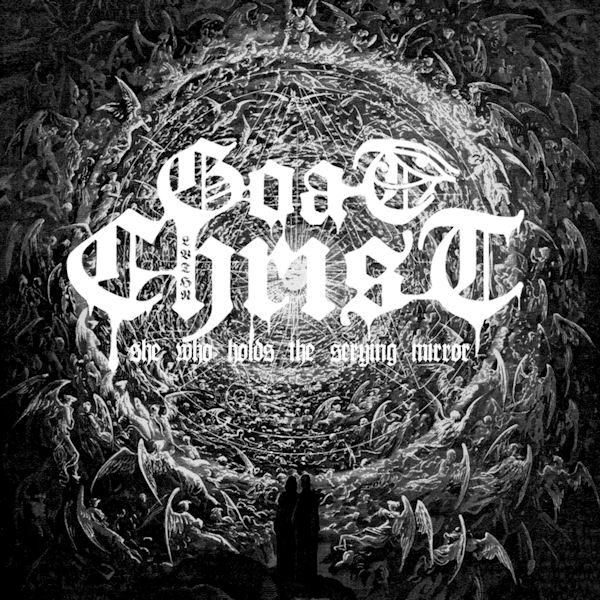
goatchrist-coverHailing from Wakefield/Halifax, in the UK, comes Blackened Death Metal band Goatchrist, a group that despite having started as a one man band is now coming together as a full band, re-releasing their debut demo album from earlier 2014, She Who Holds the Scrying Mirror. And I don’t know if this album should be called only a “demo”, so professional and consistent it is compared to many other more experienced Black Metal bands. In other words, why not treating it with a little more respect as a full-length album already?

And it really deserves to be considered as such, especially if you take into account the fact vocalist/guitarist Dominator Xul’Ahabra was just 16 years old and when he was the sole band member. Not only this means it’s an awesome opportunity to enjoy the creations of a musician at the very beginning of his career, but also a chance to acknowledge his amazing talent for crafting extreme music in a way lots of veterans are not capable of even after so many years on the road. But don’t worry, Dominator and his “herd” stay true to the foundations of extreme metal, keeping an enormous distance from any type of commercial or pop stuff.

A smooth piano intro helps set the atmosphere for Through Flames, We Invoke Him (awesome song name, by the way), with its very dark and dense Black/Doom Metal musicality enhanced by the desperate vocals by Dominator, followed by the even rawer Catacombs, with more intense drums by Kaahl and riffs by Dominator and a melancholic break with an interesting duo of guitar and bass lines before an apocalyptic ending. This song can be really disturbing for non-fans of Black Metal, I should say.

goatchrist-logoAnd the derangement goes on with The Four Horsemen, another very decent and solid dark tune with harsh vocals again conducting the havoc, with the addition of some keyboard notes to lighten up a little the overall result. Then we have Bloodletting, Part 1, an intro to the title-track focusing on some interesting guitar lines, followed of course by the title-track, She Who Holds the Scrying Mirror, a demonic and atmospheric track where harsh vocals blend really well with traditional Black Metal instrumental, with highlights to bass and drums for being really strong and in total sync.

There’s still a lot more to come, beginning with a 3-minute fuckin’ violent massacre entitled Fatal Equinox (Perpetual Resplendence), a very professional cover version of one of the songs by Brazilian Black/Death Metal band Goatpenis. The next song is another intro, Bloodletting, Part 2, this time more atmospheric due to its organ and keyboard notes, “opening the gates” for the awesome Inferno. How do you think a song called “Inferno” would sound like? It’s truly infernal, with drummer Kaahl violently pounding his drums and Dominator delivering some dark riffs and solos while he screams like hell during the entire song. And for the total delight of fans of extreme metal, this re-issue of She Who Holds the Scrying Mirror also includes a brand new instrumental track, The Triumvirate’s Flight To Nippur, a feast of blast beats and traditional riffs where not even a single second sounds weak or empty.

In order to acquire this sonic storm, simply visit Goatchrist’s BandCamp page, or also visit SixSixSix Music’s official website and Big Cartel page, who by the way does an amazing job with tons of other truly underground metal bands. Fans of Black Metal, behold the rise of Goatchirst, a band that will surely leave their mark in the world of extreme music in the years to come.

Best moments of the album: Catacombs, She Who Holds the Scrying Mirror and Inferno.

Worst moments of the album: The Four Horsemen.

Released in 2014 SixSixSix Music

Track listing
1. Through Flames, We Invoke Him 7:43
2. Catacombs 4:51
3. The Four Horsemen 6:39
4. Bloodletting, Part 1 2:02
5. She Who Holds the Scrying Mirror 6:55
6. Fatal Equinox (Perpetual Resplendence) (Goatpenis cover) 2:39
7. Bloodletting, Part 2 2:08
8. Inferno 6:05
9. The Triumvirate’s Flight To Nippur (Instrumental) 5:18

Band members
Dominator Xul’Ahabra – guitar, vocals
Blood-Count Aamon Vetis – bass guitar, backing vocals
Kaahl – drums

Album Review – Cadaveria / Silence (2014)

A sinister parade of heavy music led by the reigning succubus of Black and Doom Metal.

Rating4

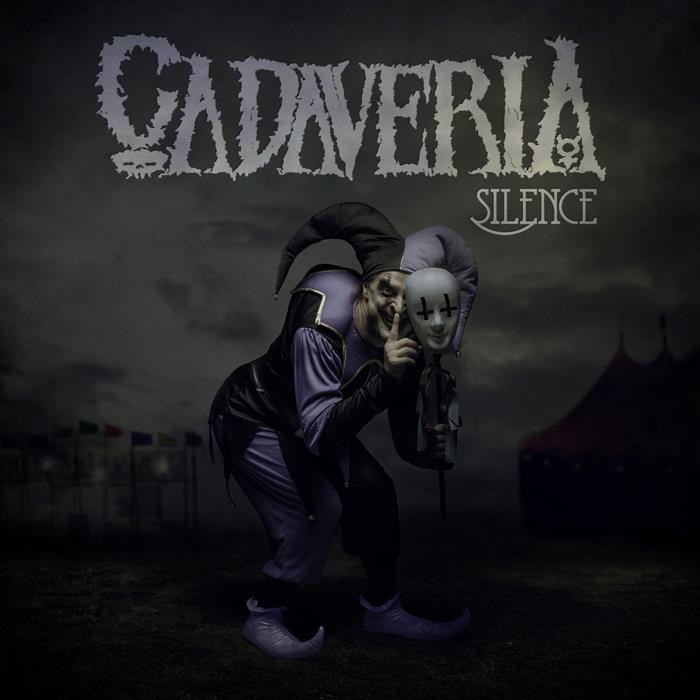
cadaveria_silenceI got to know Black/Gothic Metal band Cadaveria a couple of months ago while listening to The Metal Moose Show, and basically after that I had to go after more of their excellent obscure music. The band is led by the diabolical Italian beauty Cadaveria (aka Raffaella Rivarolo), known for being the former singer of Symphonic Black Metal band Opera IX. Now, after over ten years in action, the band releases their fifth full-length album, Silence, a sinister parade of Black and Doom Metal, with Gothic influences from the 80’s and the unique feminine touch by Cadaveria.

Despite being extremely hard for bands to stay relevant in Heavy Metal doing this type of dark music, more due to their demanding fans rather than to the music itself, Cadaveria somehow manage to reinvent their musicality with each release, avoiding that feeling of “I’ve heard that before a million times” from any person that gets in contact with their music, no matter if it’s a diehard fan or a brand new listener. Of course the music by Cadaveria is not light-hearted or commercial at all, so do not expect to listen to it anywhere, but only where it really matters: in the underground music world.

The opening track, Velo (The Other Side of Hate), which by the way is probably a play on words with “LOVE”, is the perfect representation of Melodic Black Metal with devilish feminine vocals (can I say Cadaveria is like the reigning succubus of Black Metal?), alternating traditional Black Metal with more symphonic parts and with Frank Booth and Dick Laurent doing an awesome job on guitars. Following that great start, as the name of the song says Carnival of Doom has an awesome Doom Metal punch, being brutal but delicate at the same time, with Cadaveria’s clean vocals redefining the meaning of the word “mesmerizing”, while in Free Spirit there’s a slight change in the band’s approach, with its guitar lines and vocals focusing on a more melancholic tune inspired by Gothic/Doom Metal from the 80’s.

cadaveriaThe Soul That Doesn’t Sleep emanates despair and darkness, with Cadaveria beautifully switching between harsh and clean vocals while the rest of the band maintains a morbid rhythm, solidifying the overall result, followed by Existence, which gets closer to apocalyptic Black Metal with drummer Marçelo Santos conducting the rhythm. In the modern and amazing Out Loud, the band offers us a heavy and furious tune with hints of Thrash and Death Metal, sounding like an even more wicked version of Arch Enemy and making it a perfect choice for circle pits, while Death, Again, which begins in the darkest and most melancholic way possible, has that type of hypnotizing melody, with Cadaveria making it even more enjoyable.

The last part of Silence brings to the listener an interesting mix of good, bad and, of course, dark tunes, starting with Exercise1, too generic compared to the rest of the album; Almost Ghostly, a feminine version of Paradise Lost blended with Tristania, with highlights to its amazing vocal lines; Loneliness, another excellent technical track with Gothic elements dominating the entire song; and finally Strangled Idols, again a more melodic and dark song, with its raw Rock N’ Roll vein being very beneficial to the overall energy of the song.

You can check the official album trailer HERE, visit the band’s official Facebook page, and of course buy their music and merchandise at their webshop or on iTunes. If there was a parade of Black and Doom Metal, Silence would definitely be its sinful and delectable soundtrack.

Best moments of the album: Carnival of Doom, The Soul That Doesn’t Sleep and Out Loud.

Worst moments of the album: Existence and Exercise1.

Released in 2014 Scarlet Records

Track listing
1. Velo (The Other Side of Hate) 4:14
2. Carnival of Doom 3:28
3. Free Spirit 4:44
4. The Soul That Doesn’t Sleep 3:34
5. Existence 4:56
6. Out Loud 3:16
7. Death, Again 5:04
8. Exercise1 3:54
9. Almost Ghostly 4:22
10. Loneliness 4:42
11. Strangled Idols 5:00

Band members
Cadaveria – vocals
Frank Booth – guitar
Dick Laurent – guitar
Killer Bob – bass
Marçelo Santos – drums

Album Review – Sarpedon / Anomic Nation (2014)

Get ready for this Progressive Doom Metal band with a strong theatrical vein directly from the beautiful Norway.

Rating4

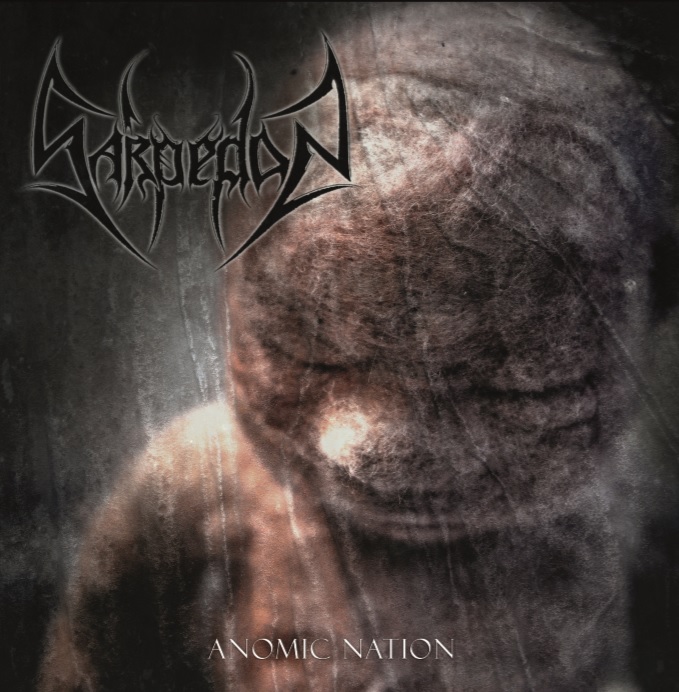
Sarpedon-coverAfters years in the making, the music journey named Anomic Nation, the debut album by Norwegian Progressive Doom Metal band Sarpedon, is finally among us. For those of you who don’t know Sarpedon, this very technical band is led by brothers Torgeir and Eirik P. Krokfjord, who have been working together on this project for several years, influenced by distinctive bands such as Savatage, Emperor and Queen, and adding their own experiences and emotions into their music to give it a fresh taste.

Despite its Black Metal-ish album art, Anomic Nation is a lot more melodic and less violent than pretty much all Black Metal bands you might think of, thanks a lot to the “theatrical” vocals by Eirik P. Krokfjord. The guy, who has two singing degrees from the Norwegian Academy of Music, doesn’t limit himself by only singing the songs, he basically declaims the lyrics in all of them, as if the the Phantom of the Opera decided to form a heavy music group. That might be one of the greatest strengths of Sarpedon, and definitely what will hold your attention throughout the entire album.

When the music kicks off with the very atmospheric and eerie title-track Anomic Nation, it’s impossible not to think of bands like Swedish Epic Doom Metal Candlemass or Danish Heavy Metal icons Merciful Fate, as all of their characteristic elements are present in Sarpedon’s music boosted by some traditional Black Metal blast beats. If you don’t understand what I’m saying, take a listen at this powerful song by Candlemass and everything will make sense. This great Doom Metal track is followed by The Lusk Letter, where the band showcases an even more progressive musicality, guiding the listener through a theatre of virtuosity and darkness, and The Claustrophober, which gets even more obscure thanks to its church organ keyboard notes, moving towards more traditional Doom Metal. And pay close attention to the beautiful lyrics in this song, it’s totally worth it.

MONSENSarpedon speed things up a little in Dead Birds, with its lyrics being even more freakish and drummer Carl Engstrøm kicking fuckin’ ass: it’s impressive how he can go from raw Black Metal to smooth progressive music in a matter of seconds, without sounding robotic or generic. Then we have the beautiful A Seed of Evil, an inspiring work of art that could be summarized like a “forbidden tenderness” (if that expression even exists), and The Carnival, where what seemed to be a melancholic tune suddenly turns into fast and raw metal, getting back later in the song to pure progressiveness with some interesting rhythmic breaks, somber guitar riffs and a nice theatrical chorus (“Look behind the mask / Before it is too late”).

The band saved for last the duo comprised of My Mysteries Unwind, Part I, a smooth but sinister “intro” to its second part, focusing heavily on its intense keyboard notes, and My Mysteries Unwind, Part II, the boldest and most symphonic of all tracks. It’s indeed a mysterious journey that transpires Doom Metal, varying between heavier riffs and more melancholic passages, with its precise drumming keeping it energized and all elements of the last part of it showcasing how crazy and progressive Sarpedon can be.

If you’re a fan of Candlemass, Mercyful Fate, Queen and all other rock and metal bands with a ravishing theatrical side, don’t wait any longer and go grab your copy of Anomic Nation at the official Inverse Store. It’s good music that will satisfy your craving for a good story while you bang your head, do some air guitar or keep tapping on your desk, and if you let yourself go with each song you will probably find yourself doing that for hours, completely enthralled by Sarpedon’s full-bodied music.

Best moments of the album: Anomic Nation and A Seed of Evil.

Worst moments of the album: The Carnival.

Released in 2014 Inverse Records

Track listing
1. Anomic Nation 6:02
2. The Lusk Letter 5:08
3. The Claustrophober 6:19
4. Dead Birds 4:23
5. A Seed of Evil 5:01
6. The Carnival 6:43
7. My Mysteries Unwind, Part I 3:14
8. My Mysteries Unwind, Part II 9:45

Band members
Eirik P. Krokfjord – lead & backing vocals, keys
Torgeir P. Krokfjord – all guitars & bass
Andreas Wærholm – keys
Carl Engstrøm – drums

Album Review – Inconcessus Lux Lucis / Crux Lupus Corona EP (2014)

This very talented band from the UK is offering us what they call “Saturnian Black Magic”. Are you going to accept the darkness inside you, eager for this type of music?

Rating5

IVR037_INCONCESSUS_LUX_LUCIS_Crux_Lupus_Corona_front_cover_1500pxSome people will call it Occult Black Metal, others will prefer referring to it as Blackened Heavy Metal, but according to British band Inconcessus Lux Lucis themselves, the music they play is a mix of Black Metal with the aggressiveness of 80’s Heavy Metal and the grooves of 70’s Hard Rock, resulting in what the band beautifully named as “Saturnian Black Magic”. Thus, if you’re curious to actually know what Saturnian Black Magic sounds like, you must take a shot at the new EP by this Manchester-based band, entitled Crux Lupus Corona.

After releasing their debut album Disintegration: Psalms Of Veneration For The Nefarious Elite earlier this year, Inconcessus Lux Lucis (which I’m almost sure means something like “forbidden light”) is releasing this new EP inspired by the constellations Crux, Lupus and Corona (the Cross, the Wolf and the Crown, as per the 88 Modern Constellations) and all their occult significances. If that’s not weird or complex enough for you, well, just listen to their music and you will fulfill your inner desire for all things mystical.

Crux Lupus Corona kicks off with a 2-minute intro called Via Dolorosa, which already inspires the listener for more of the band’s modern music with a 70’s vibe, followed then by the first “constellation”, Crux, with its mesmerizing riffs, harsh vocals and very rhythmic drumming highly influenced by old school Heavy and Thrash Metal. It’s an amazing track, enhanced by its excellent eerie lyrics (“Now slowly undress / Sweet seed of life which you possess / And softly caress / The fruit from which I ate / A sword spins counter-deosil / Its hilt marked 358”).

Inconcessus Lux Lucis band picThe second “constellation”, Lupus, sounds like the dark side of Hard Rock clashing with demonic Black Metal, alternating slower and somber passages with faster 70’s Rock N’ Roll. Not only that, the excellent guitar solo at the end actually makes the whole song even more solid. And last but not least, we have Corona: the third “constellation” is a more melancholic tune with some outstanding instrumental, with its lyrics (“O hollow temptress, I call to thee – Fuck me! / Come, join the slow dance, with maggots, shit and entropy!”) making it easy to understand what the band wants to say with “Black Magic”, just like if they were a distant cousin of Black Sabbath with an even more bizarre attitude.

The freakish album art, created by English artist Bethany White, follows the same distinctive pattern established by the band’s music, complementing the EP in a very cohesive and interesting way. You can listen to the entire Crux Lupus Corona HERE, purchase the unique music by this very talented band from the UK, and accept the darkness inside you, eager for more devilish music.

Best moments of the album: Crux is my favorite song of the EP, although all others are pretty interesting and consistent as well.

Worst moments of the album: None.

Released in 2014 I, Voidhanger Records

Track listing
1. Via Dolorosa 2:09
2. Crux 5:05
3. Lupus 5:06
4. Corona 4:55

Band members
Malphas – guitars, drums, vocals
Baal – bass

Album Review – Maahlas / Nightmare Years (2014)

A grim mix of Black, Death and Progressive Metal, tailored for people who enjoy complex and intense music.

Rating4

MAAHLAS - Nightmare Years cover artWhen you tell someone there’s a band that plays Progressive Melodic Death Black Metal, you’ll probably have to spend a lot of time explaining exactly what you mean by putting together so many different subgenres of heavy music, unless of course you’re talking to a fan of Gojira, Death, Meshuggah, Dimmu Borgir and many other “complex” dark bands. That’s how Norwegian band Maahlas can be categorized based on their debut release, the heavy and eccentric concept album Nightmare Years.

Formed in 2013 in the beautiful city of Oslo, Norway by multi-instrumentalist Cuneyt Caglayan, also known as Cuno, Mahhlas seem to be one of those bands that enjoy surfing through different music styles (most of the time during the same song), relying heavily on their refined techniques to create a unique atmosphere and conduct the storyline behind Nightmare Years without being boring or arrogant. Quite the contrary, the way the band is capable of telling a story changing from smoother progressive music to violent Black Metal is really outstanding and one of the biggest strengths of this album.

And what a violent way to start with the very atmospheric and dark Sun of the Summerian, a Symphonic Black Metal tune similar to what’s played by bands such as Dimmu Borgir, but with more hardcore vocals and a very interesting progressive part right before reigniting the sonic massacre. Besides, despite being only a session musician working for Maahlas, drummer Łukasz Krzesiewicz is a fuckin’ beast and delivers an incredible performance with his set. A False World, a more obscure track with great vocals by Levent Ultanur, progressive synths and philosophical lyrics (“Doubt in your eyes, in your stances and your reasoning. / Weak in your seminal thoughts primed to misuse trust.”), and Morning Light, more progressive and melodic than the previous tracks, remind me of the Blackened Death Metal currently played by Behemoth plus all the progressiveness from Dream Theater; while An Ancestral Memory focus on dark Black Metal riffs, synths and drums to provide it a very symphonic atmosphere. Moreover, those guys truly enjoy adding some interesting breaks to the rhythm to freshen up their music, as you’ll notice not only in this song but in the entire album.

maahlasThen we have the excellent At the Edge of Life: this is dark progressive music at its finest, and although slower than most of the other songs, it’s a lot heavier thanks to some awesome guitar lines. After the acoustic eerie track Gliese 667 / Æra, Maahlas offer us the title-track Nightmare Years, which summarizes everything the band is, with vocals getting a little bit more demonic and huge doses of contemporary Black Metal, and The Great Divide, where Łukasz smashes his drums while Cuno delivers some great guitar riffs.  I remember a few songs named “The Great Divide” that were all ballads and I was even ready for a smooth track, but this is not the case here, as the band once again promotes an infernal music feast.

The last part of Nightmare Years does not disappoint at all, maintaining the excellent level of the whole album: Birth of Sentience is another brutal assault focused on modern Black Metal, with its last part being more direct and traditional; while Of Hypocrisy, Hate and Fall, the longest track of all, starts with a beautiful intro before turning into a dark music extravaganza, with highlights to its very interesting lyrics (“Prowling agony, blinding day. I meditate yet have a terror attack. / I see Gliese, God! So alike. / I’m alone to act, a straw man, I’ve got to let go. / I´m controlled by time.”). It’s perhaps the most progressive of all tracks, with lots of elements from bands such as Tool and Insomnium, and if you’re a drummer I suggest you watch the drum tracking for this song. And finally, Simulacrum of Reality, another technical and detailed track, closes the album in a very complex and obscure way.

The album art by Turkish / German artist Aybars Altay, representing at once the fall of Home Sapiens and the evolution of the Homo Sentient, is a great complement to this mysterious music journey, which you can purchase on iTunes and many other locations. If you’re a fan of grim music with a strong technical and meaningful background, simply embrace Nightmare Years. You will love it.

Best moments of the album: Sun of the Summerian, At the Edge of Life and Nightmare Years.

Worst moments of the album: Morning Light and Birth of Sentience.

Released in 2014 Independent

Track listing
1. Sun of the Summerian 4:31
2. A False World 5:10
3. Morning Light 4:11
4. An Ancestral Memory 5:01
5. At the Edge of Life 4:30
6. Gliese 667 / Æra 1:44
7. Nightmare Years 4:03
8. The Great Divide 3:41
9. Birth of Sentience 4:39
10. Of Hypocrisy, Hate and Fall 7:08
11. Simulacrum of Reality 4:23

Band members*
Levent Ultanur – story, lyrics and vocals
Cuneyt Caglayan – music, guitars, bass, synth and all production
Robin Berg Pettersen – guitar
Christian Svendsen – drums

Guest musicians
Łukasz Krzesiewicz – drums (session musician)
Atle Johansen – vocals on “An Ancestral Memory”

Album Review – Endzeit / Years Of Hunger EP (2014)

Are you hungry for some high-end old school Black Metal? These guys from the land of ice and snow are here to provide you all the apocalyptic madness and derangement you want to listen to.

Rating5

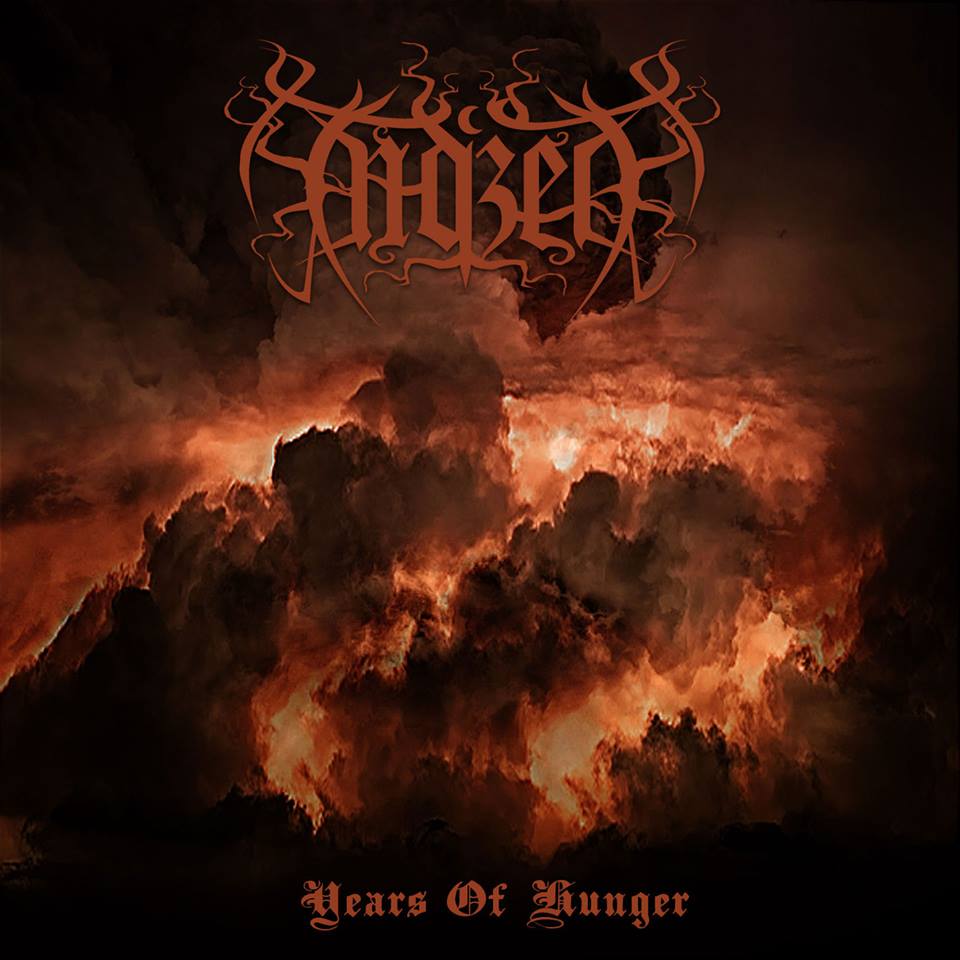
Endzeit Years of HungerHeavy music in Finland has become famous and respected worldwide due to the Melodic Power Metal by Stratovarius, Nightwish and Sonata Arctica, the Hard Rock by Lordi, the Melodic Death Metal by Children of Bodom, the Dark Rock by HIM, among other great bands and artists. However, If you want to listen to some really badass raw Black Metal, that’s not the best place to go according to what most people say. You should try your luck in other Scandinavian countries like Norway or Sweden, right? Well, let me tell you the beautiful land of ice and snow also has some high-quality extreme metal to offer you, a million light-years more brutal than any of the aforementioned bands.

Founded in 2012 in the city of Lahti, located around 100km from the capital Helsinki, Finnish Raw Apocalyptic Black Metal band Endzeit couldn’t sound more Black Metal than this, with absolutely no shenanigans or any type of soft stuff added to their musicality. Dealing with controversial subjects such as religion, the apocalypse and the absence of an optimistic future (triggered by the decay of the city of Detroit, where modern capitalism has failed), their debut EP entitled Years Of Hunger might be relatively short, but it’s a 100% ruthless metal feast that will leave you totally disoriented, which of course is a good thing in Black Metal.

And there’s no “calm before the storm” in Years Of Hunger: the intro Inception is already apocalyptic (were you expecting anything different than that?), setting the stage for the obscure Hunger, with its traditional Black Metal riffs and drums at the speed of light creating that characteristic somber and chaotic atmosphere found in extreme music, intensified by the excellent demonic vocals by singer Schwarz. In other words, it’s perfect for diehard black metallers searching for new bands but with an old school approach. Following that havoc, we have Godless, slightly heavier than the previous track due to its awesome disturbing riffs, and especially due to the insane drumming by Samuli.

Endzeit bandThe last original composition by Endzeit is the amazing song Life?, where a dark choir in the background “beautifully” complements the intense tremolo picking riffs, creating an even more frightening atmosphere. Besides, I guess I don’t need to say how pessimistic and acid the lyrics are, right? Anyway, an awesome thing about Endzeit is that they manage to play the most deranged type of extreme music you can imagine, but it’s so professional and melodic you actually feel good listening to it. That’s corroborated by their sick cover version of The Dawn No More Rises, originally recorded by Swedish Black Metal icons Dark Funeral in their classic debut album The Secrets of the Black Arts (1996). I personally find this track an awesome “bonus” Endzeit offer us in this EP, very honest to the original but with the band’s own modern and diabolic touch to make it unique.

In my humble opinion, if Enzeit release a full-length album as good as Years Of Hunger EP, available at their official BandCamp page, the “map” of Black Metal might suffer a few changes in a near future, even moving its “capital” to the city of Lahti. Years Of Hunger will surely satisfy your current hunger for high-quality old school Black Metal and, of course, leave you eager for more of Endzeit’s apocalyptic brutality directly from ice cold Finland.

Best moments of the album: Hunger and Life? are truly kick-ass songs.

Worst moments of the album: None.

Released in 2014 Independent

Track listing
1. Inception 1:08
2. Hunger 4:58
3. Godless 5:29
4. Life? 6:42
5. The Dawn No More Rises (Dark Funeral cover) 3:52

Band members
Schwarz – guitars, vocals
Polaris – guitars
Pyry – bass
Samuli – drums

Interview – Dimenzion:Psychosphere

Enjoy this “cold apocalyptic interview” with Norwegian Industrial Metallers Dimenzion:Psychosphere, where they talk about their career, the importance of the message in their music, the Industrial Metal scene in Norway, among other cool stuff.

DIMENZION PSYCHOSPHERE band photo 3The Headbanging Moose: Let’s start by talking about the band and your brand new album, the excellent Collapse. Can you tell us who Dimenzion:Psychosphere are, your history, goals and plans for the future? Also, how was the creative process for the new album and how did it differ from your previous releases?

Dimenzion:Psychosphere: About us first. We are five guys who’ve been playing together for quite a while, and for many years it was kind of a side project, since most of us had other bands with higher priority. But around 2010 we decided to put more time and effort into Dimenzion, first of all because we all felt this was the band closest to our hearts, and second, because we had more time. So we started working on our first full-length album DNA Phantom Effect, which was finished and released early 2012. Unfortunately we are not very good at promotion, so the album didn’t get the attention we hoped for, and we didn’t get very far. Hopefully will those who like Collapse check out DNA too, cos we still think it’s a great album. As far as the creative process goes, it has always been the same, but this time we had way more material to choose from, which made it easier to shape the concept and feeling of Collapse.

THM: As mentioned in the review of the album, songs like The Machine and Slaves deal with important issues our society is facing nowadays which can lead to some serious consequences in a not-so-distant future, maybe even to the apocalypse. However, despite all that negativity emanating from the lyrics, your music is very melodic and pleasant to listen to. How do you guys work on that balance between “good” and “evil” in your music?

D:P: It all comes naturally really. We like to work with different moods and styles. Though I think when it comes to the important issues you mention, they’re all pretty provoking. So the feelings about it ranges from anger, to sadness and to plain apathy sometimes, and the music is shaped thereafter. We are still angry even if we’re not screaming or growling all the time, and there are enough bands out there who do that already. Harmonies make everything more powerful if not overdone I believe.

afterlight (14)THM: Your “cold apocalyptic metal” sounds perfect for being part of the soundtrack of futuristic movies such as The Terminator, Blade Runner or The Matrix. I’m pretty sure you’re all huge fans of that type of movie and you probably get inspired by those (and many others) when composing new material. What else, besides futuristic movies, inspires the band to create music? Are there any specific books, movie genres or any other sources of information the band likes to go to for having some insights and fomenting your creativity?

D:P: The sound effects, the music and the dystopic feeling of those movies and others like them inspire us, yes. But lots come from documentaries, history, books and of course by watching/reading the news. The world is becoming a police state, with surveillance and new laws made to make us “safer”, which when you think about it, is just a way of limiting our rights and freedom. And it all makes you wanna fuck some shit up, which comes out musically instead of physically in our case.

THM: What about your code names and apparel, which seem to be inspired by bands such as Slipknot and video games like Call of Duty? Could you tell us something about how Dimenzion:Psychosphere decided to add those elements to the band, the original inspiration for that, and what they represent today to all of you?

D:P:  We have always tried to add something extra to our shows, and the all over black uniforms remove the focus on us as individuals, just leaving it to be this unit that is the show. The names came recently to fit the whole concept, by not drawing attention to who we are, but to the whole concept. Not inspired by anything particular, it just felt right to do.

THM: Collapse is your first release signed to a record label. How is it to be working with a record label for the first time in your career, and what can you tell us about your relationship with Crime Records?

D:P: It’s great to have someone to back us up with the promotion and stuff, since as we mentioned, we’re not so good at that. Our relationship with Crime started over a year ago when they heard the DNA album. And they pretty much followed the entire process up to the finishing of Collapse, and signed us even before the final mix. We liked their attitude, so we didn’t even bother to send anything to other labels either.

DIMENZION PSYCHOSPHERE - Collapse cover art

Album Review – Dimenzion:Psychosphere / Collapse (2014)

THM: How is the Industrial Metal scene in Norway, a country known for being the cradle of Black Metal? Do you face any issues sharing your space with Black Metal bands and/or bands from any other music genres there, or is it a very peaceful and even productive coexistence?

D:P: The industrial metal scene in Norway is very small, especially compared to black metal.

We haven’t had any issues sharing stage with black metal bands or any other bands, so I guess you could say it’s a pretty peaceful coexistence. We know several people who play black metal, and all of them have a pretty open mind when it comes to music.

THM: Who are your main influences in music? Which bands and artists helped define what Dimenzion:Psychosphere are today, and which bands would you love to have a “dream tour” together?

D:P: It might be a cliché, but we get our influences from nearly all styles of music (with some exceptions). From all eras too. So naming bands is maybe not so “us” I think. It would have to be a very long list then. A dream tour… Meshuggah perhaps. Devin Townsend, Entombed. Someone not so far from us musically.

THM: What bands and artists are part of your playlist in your free time, when you’re not with Dimenzion: Psychosphere? Do you have any new or underground bands you would like to recommend us?

DIMENZION PSYCHOSPHERE band photo 1D:P: I guess we have our different favourites within the band, so like the previous answer, all kinds of music. We can recommend some bands we work with now and then. Deafmazjiin, Ground Zero System and Among Gods. All from Southern Norway.

THM: How about your current tour plans, especially now that Collapse is fresh out in the market? Which countries are you planning on visiting, how do you choose your setlist, and can your fans expect from your live performances? And are you going to play any dates in North America in 2014, especially in Canada, or is the focus going to be solely in Europe this year?

D:P: We have no tour plans at the moment, but that is something we’re going to start working on as soon as collapse is out. Unfortunately we don’t have a management/ booking agency yet, so that’s probably going to be our next goal. We love doing live shows, so if someone invites us to come to Canada (or any other country) we’d be more than happy to come. I think if you like our albums you’re going to love what we do live.

The setlist we pretty much make before every show, depending on how much time we have. We do try to mix old stuff with new stuff, but I guess lately the majority of songs come from the Collapse and DNA Phantom Effect albums.

THM: Thank you for the interview, or I should say “takk for intervjuet”. Do you have any final words for your fans in Norway, Canada and all over the world?

D:P: First of all thank you for giving D:P some attention and we hope that the readers will check out our music. If you want to get the latest news from Dimenzion:Psychosphere you can join us on Facebook or check us out at dimenzionpsychosphere.com.

Links
Dimenzion: Psychosphere Official Website | Facebook