Album Review – Raventale / Planetarium II (2020)

A deep and profound journey through the black wastelands of extraneous cosmos offered by a Ukrainian one-man army in the form of first-class atmospheric and extreme music.

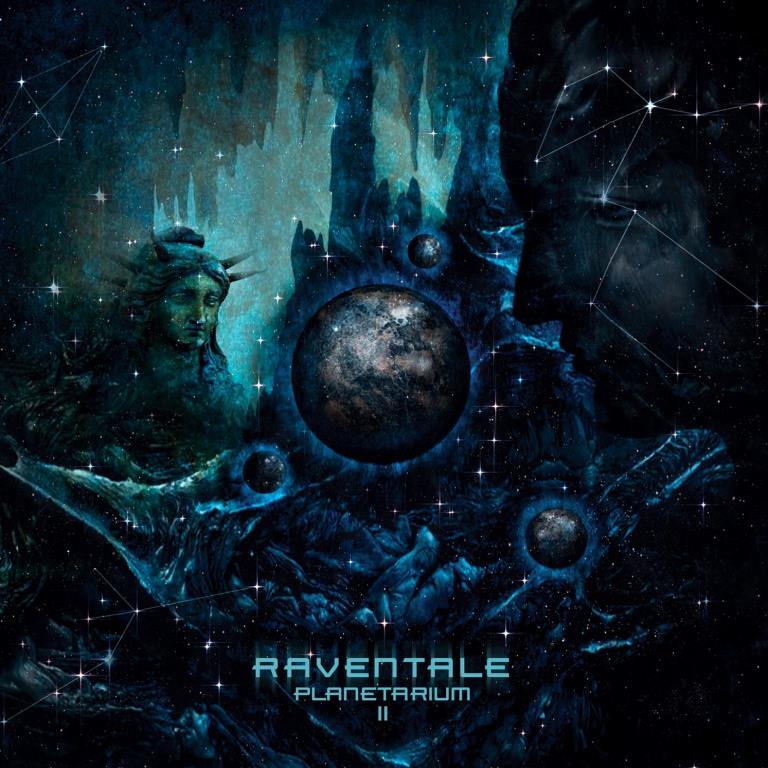
Playing what he likes to call “Atmospheric Blackened Metal” since the project’s inception in 2005 in Kyiv, Ukraine, the talented vocalist and mutli-instrumentalist Astaroth Merc, from bands like Balfor, Chapter V:F10 and P’hevda Phenomenon, returns in 2020 with his Atmospheric Black Metal alter ego Raventale armed with his eleventh (and grandiose) full-length album titled Planetarium II, the conceptual follow-up to his 2017 album Planetarium. Recorded at Miasma Studio between 2017 and 2020, featuring a celestial artwork by Belarusian artist Olga Kann and guest female vocals by Ukrainian singer Alina Belova (Helengard, Kauan), as well as a linguistic adaptation by Nataliia GrimMe, Planetarium II extends the analysis of extrapolation of cosmic mysteries, clandestine dimensions and extramundane weirdness, or in other words, it’s a deep and profound journey through the black wastelands of extraneous cosmos offered by Astaroth in the form of first-class atmospheric and extreme music.

Sheen Of Urania works as some sort of  wicked intro led by the crushing, razor-edged guitar lines by Astaroth, dragging us all to the doomed and atmospheric world of Raventale in Extra Terrestrial Arcana, where the imposing sounds blasted by Astaroth generate a menacing and epic ambience perfect for his demonic roars, resulting in a beautiful Atmospheric Black Metal creation bringing to our ears crisp solos, whimsical keys and endless epicness while also overflowing rage and insanity. Not only Drinking Sulfur, Devouring The Sun carries a beautiful name for a song just like what Cradle of Filth would offer us, but musically speaking it’s beyond sensational, with Astaroth and his Raventale continuing to blend classic Black Metal with the Symphonic Black Metal played by Dimmu Borgir and nuances of Doom Metal and Blackened Doom for our total delight; whereas a damned rhythm intertwined with stylish background keys and a futuristic vibe are the main ingredients in the breathtaking Route To Andromeda, with our lone wolf growling in the darkest way possible in perfect sync with his scorching, venomous riffs.
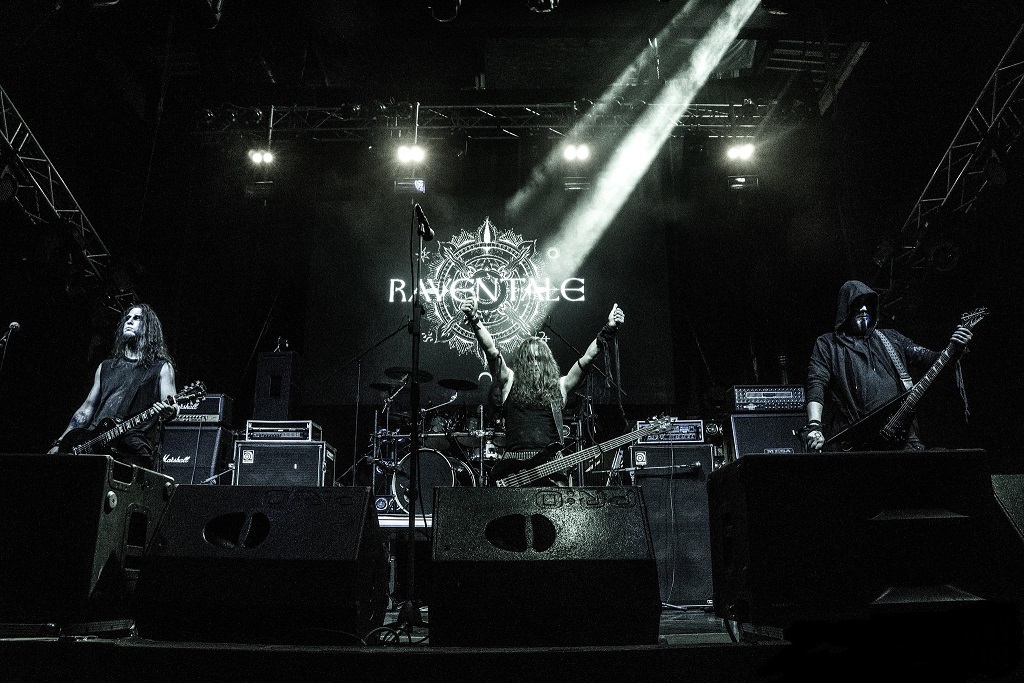
The Moon In The Seventh House, perhaps the most Stygian of all songs, is a lecture in atmospheric and grim music, with guest Alina Belova adding a touch of finesse to the overall result while Astaroth’s vicious riffage walks hand in hand with his blast beats and phantasmagorical keys; and as atmospheric as it can be from the very first second, Let The Fire Burn! is another imposing composition that paves Raventale’s cosmic path to the bold and multi-layered Earth (Alpha & Omega), sounding at the same time very fresh and modern while living up to the legacy of classic Symphonic Black Metal. Furthermore, Astaroth’s infernal growling makes a fantastic paradox with his classy keyboards, while the drums keep the song’s pace vibrant and heavy-as-hell. And finally, the Doom Metal-infused aria A Temple Of My Choice puts a melancholic and climatic ending to the album, showcasing Astaroth’s anguished gnarls, sluggish beats and a feeling that all hope is lost, with the music marching on stunningly while our one-man army simply kicks ass with all instruments from start to finish.

You can show your support to such skillful and hardworking black metaller by following Raventale on Facebook and on VKontakte, and by purchasing your copy of Planetarium II in just a few days from his own BandCamp page, as well as from Ashen Dominion’s BandCamp page or webstore. In the end, we must all admit Astaroth has definitely outdone himself with his newborn spawn, elevating his music to the same level as some of the biggest names of the genre including Cradle of Filth, Dimmu Borgir, Emperor and Septicflesh, to name a few, showing all his hard work through the years is truly paying off, positioning Raventale as one of the most prominent names of the Ukrainian scene and, above all that, offering us fans of atmospheric music the perfect soundtrack for exploring the vastness and obscurity of the cosmos.

Best moments of the album: Drinking Sulfur, Devouring The Sun, The Moon In The Seventh House and Earth (Alpha & Omega).

Worst moments of the album: None.

Released in 2020 Ashen Dominion

Track listing
1. Sheen Of Urania 1:53
2. Extra Terrestrial Arcana 6:38
3. Drinking Sulfur, Devouring The Sun 6:24
4. Route To Andromeda 5:48
5. The Moon In The Seventh House 7:06
6. Let The Fire Burn! 3:27
7. Earth (Alpha & Omega) 6:03
8. A Temple Of My Choice 5:30

Band members
Astaroth Merc – vocals, all instruments

Guest musicians
Alina Belova – female vocals

Album Review – Dynfari / Myrkurs er Þörf (2020)

The brand new album by an amazing Icelandic Atmospheric Black Metal unity sounds as beautiful and inspiring as it is quietly somber and menacing, and as illuminating as it is sorrowful.

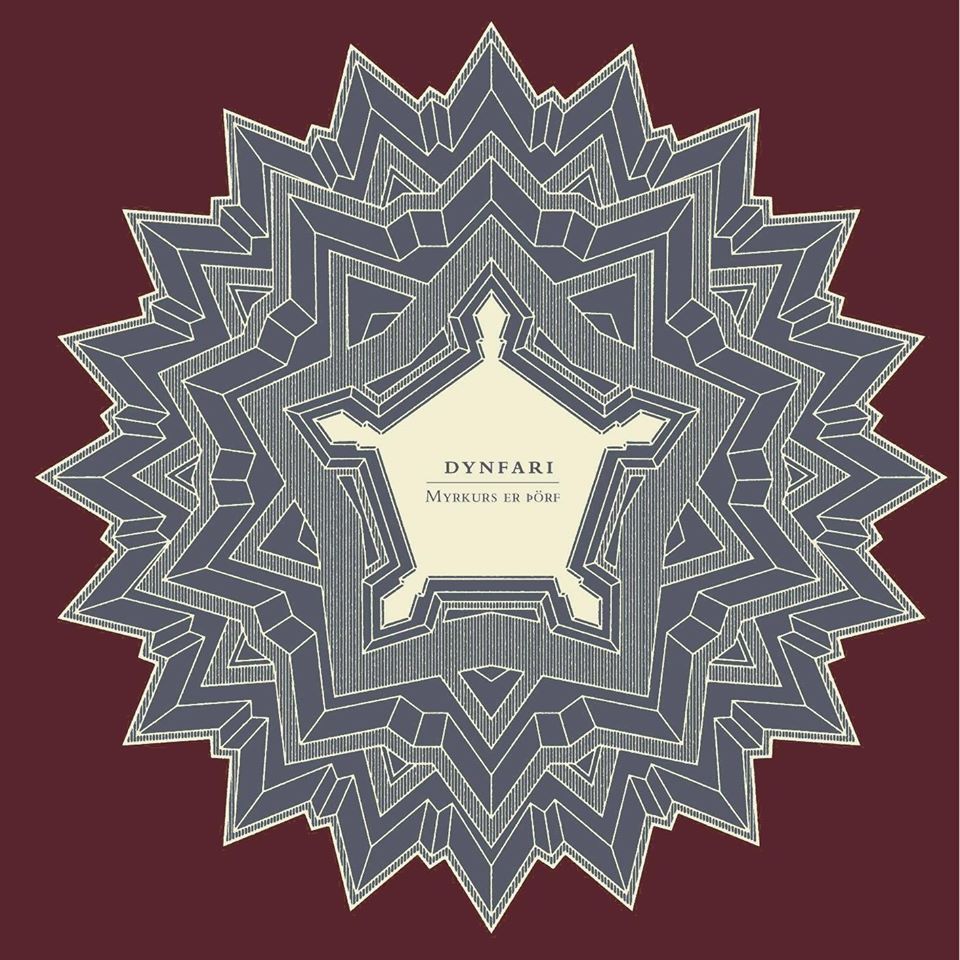
Since the band’s formation as a duo in 2010 in the city of Reykjavík, Iceland, the Atmospheric Black Metal unity known as Dynfari has been making a name for themselves not only in Icelandic lands, but anywhere else in the world where Black Metal influenced, heavily atmospheric music is appreciated. Currently comprised of Jóhann Örn on vocals, bass, accordion, synths and guitars, Jón Emil on percussion and guitars, and Martin Tsenov and Bragi Knutsson also on the guitars, Dynfari deal with the philosophy of life, death, the universe, loss, hope and sorrow, having explored more progressive soundscapes in their blend of Post-Rock and Black Metal in the most recent works, while returning to a more atmospheric and direct attitude now in 2020 with their fifth full-length opus, titled Myrkurs er Þörf, or something like “darkness in needed” in English. Featuring a cryptic artwork by Metaztasis (Watain, Behemoth), the album is a chameleonic, labyrinthine mix of subgenres of rock and metal, sounding thickly atmospheric, as beautiful and inspiring as it is quietly somber and menacing, and as illuminating as it is sorrowful, flowing towards a darker, heavier side of the musical spectrum, expressing a violent refusal of merely becoming a means to an end.

The opening track Dauðans Dimmu Dagar (“the dark days of death”) starts in an ominous and ethereal way to minimalist guitar notes, being gradually accompanied by the percussion and beast by Jón until a dense wall of instrumental Atmospheric Black Metal fills out every single space in the air, morphing into the enfolding Langar Nætur (Í Botnlausum Spíralstiga), or “long nights (in bottomless spiral staircase)”, a flawless depiction of modern-day Icelandic Black Metal with Jóhann delivering anguished vocal lines while Martin and Bragi slash their seven-stringed weapons majestically. And the title-track Myrkurs Er Þörf keeps embracing our souls and taking us to chilling and despondent Icelandic lands showcasing another amazing guitar job done by the quartet, while Jóhann’s vocals sound like they’re coming from a place far, far away, whereas Ég Fálma Gegnum Tómið, or “I fade through the void”, exhales melancholy and hopelessness, with the Doom Metal-inspired beats by Jón walking hand in hand with the strident riffs by Martin and Bragi, keeping the album as dark and grim as possible.

The serene instrumental interlude titled Svefnlag (“sleeping layer”) brings some peace to our blackened hearts, setting the tone for the ode to despair and obscurity named Ég Tortímdi Sjálfum Mér (“I destroyed myself”), where Jóhann blasts his most introspective roars of the entire album while the song’s imposing background keys support the piercing riffage delivered by the quartet. Then what at first seems to be another calm and bitterly cold creation by Dynfari turns into a 10-minute majestic feast of heavy-as-hell, hypnotizing sounds titled Peripheral Dreams, a lecture in contemporary Black Metal led by the crushing beats by Jón intertwined with grandiose keyboards and doomed passages, also presenting elements from Folk Metal and Blackened Doom, running wild and free until its climatic grand finale. Lastly, the wicked bass lines by Jóhann ignite the closing tune Of Suicide and Redemption, an Atmospheric Black Metal aria that lives up to the legacy of the genre, bringing forward their trademark blast beats and symphonic keys and, therefore, ending the album on a truly inspiring note.

After all is said and done, I’m more than certain you’ll be mesmerized by the atmospheric and absolutely stunning music by Dynfari, and in order to show the band your support and appreciation don’t forget to follow them on Facebook, and of course to purchase a copy of Myrkurs er Þörf from their own BandCamp page, from the Aural Music webstore in CD, silver LP, or splatter LP format, and from other locations such as Amazon and mvdshop.com. An introspection on thoughts of suicide and self-destruction, Myrkurs er Þörf is another beautiful product form the always prolific and dynamic Icelandic metal scene, showing us all that not only Icelandic Black Metal continues to be on a healthy and inspiring rise, but also that we can count on the talented guys from Dynfari to keep embellishing the airwaves with their creations until darkness finally consumes us all.

Best moments of the album: Langar Nætur (Í Botnlausum Spíralstiga), Myrkurs Er Þörf and Peripheral Dreams.

Worst moments of the album: None.

Released in 2020 Code666

Track listing
1. Dauðans Dimmu Dagar 5:23
2. Langar Nætur (Í Botnlausum Spíralstiga) 6:37
3. Myrkurs Er Þörf 4:52
4. Ég Fálma Gegnum Tómið 4:39
5. Svefnlag 2:57
6. Ég Tortímdi Sjálfum Mér 5:10
7. Peripheral Dreams 10:35
8. Of Suicide and Redemption 6:37

Band members
Jóhann Örn – vocals, bass, accordion, synths, guitars
Jón Emil – percussion, guitars
Martin Tsenov – guitars
Bragi Knutsson – guitars

Album Review – The Glorious Dead / Into Lifeless Shrines (2020)

Ranging from blasting intensity to a more down-trodden doom crawl, enjoy over 50 minutes of “Filthy Northern Death Metal” by this talented Michigan, US-based act.

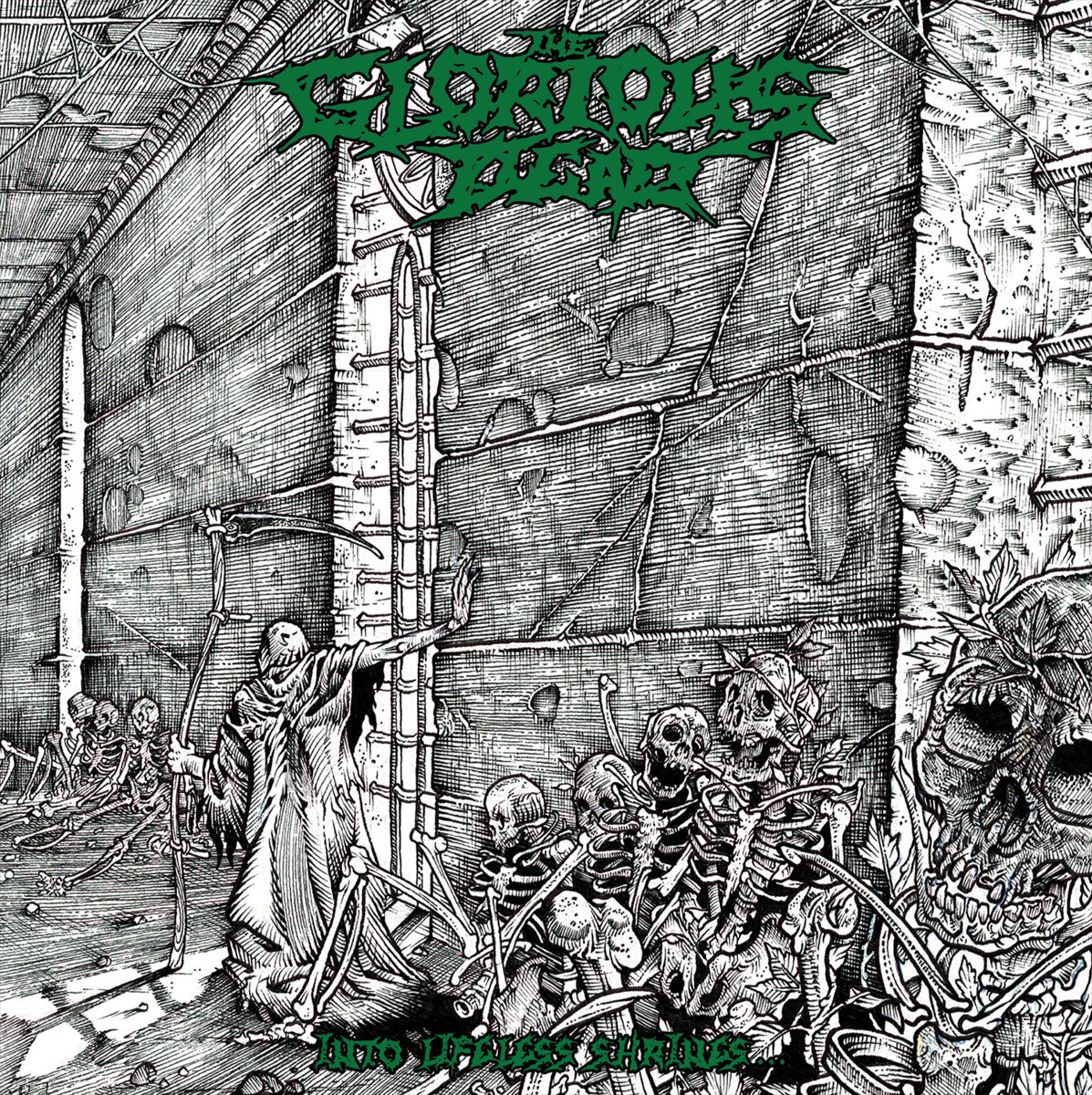
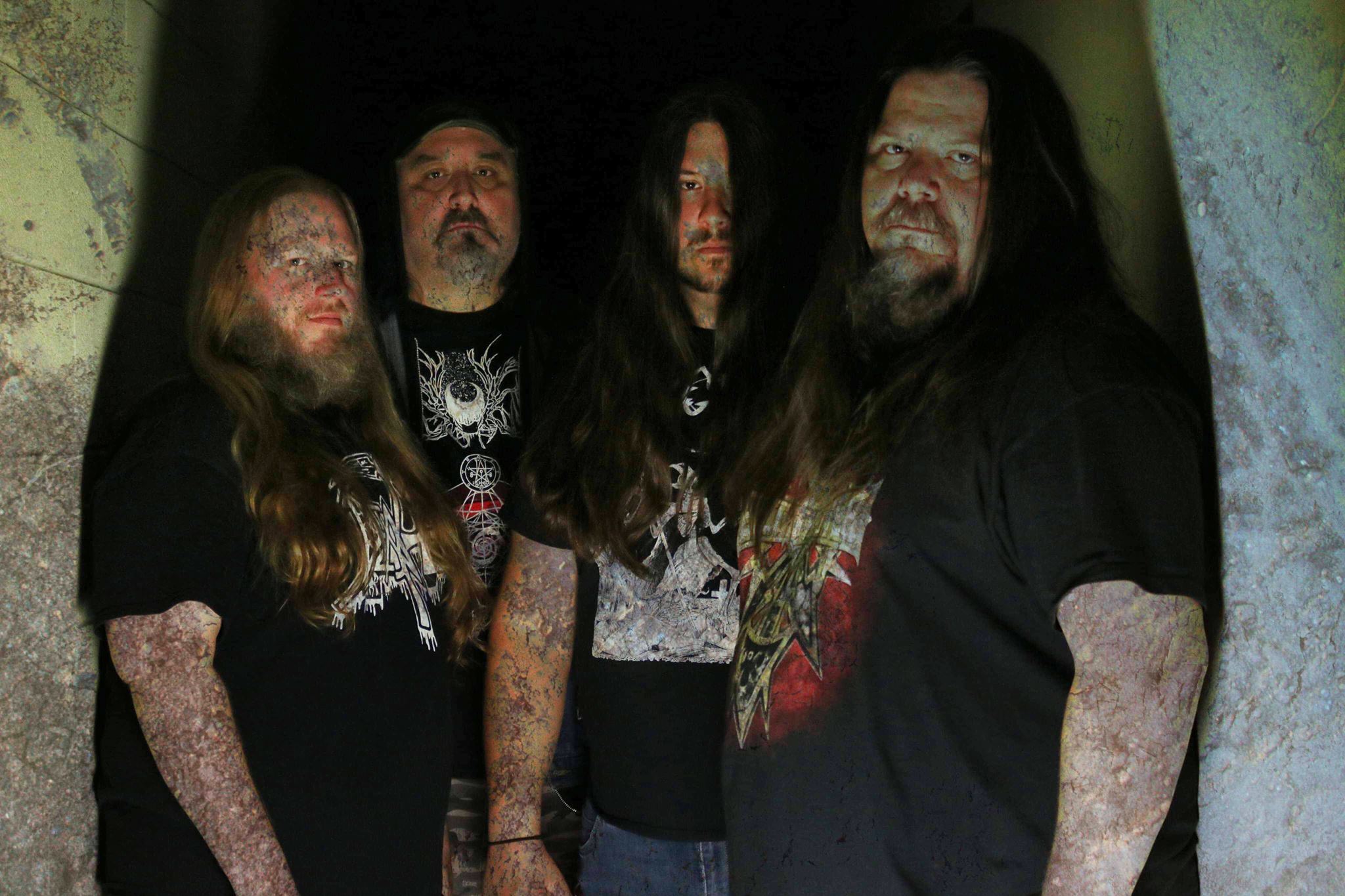
Founded by T.J. Humlinski (Feast Eternal) and Marty Rytkonen (Prosthesis, Slaunchwise, Charnel Valley, Bindrune Recordings) in Traverse City, a city in the U.S. state of Michigan, Death Metal four-piece act The Glorious Dead is a band that finds its roots planted somewhere back in 2008 and 2009 with the three-song demo The Burdensome Ceremony of Internment. Upon suffering a few line-up changes the band went dormant until 2017, when drummer Chris Fulton (Reasonable Deception, Neither) relocated to the area and agreed to join the band. With Chris Boris from the Northern Michigan band and forest metal stalwarts Pan permanently joining the ranks on bass, the band finalized a two-year quest and all necessary material for their debut full-length album Into Lifeless Shrines, offering the listener songs that range from blasting intensity to a more down-trodden doom crawl. Highly influenced by ancient Death Metal and the 80’s darkened thrash movement, The Glorious Dead focuses on memorable and diseased sounding riffs lurking at its core in Into Lifeless Shrines, resulting in the rise of what they like to call “Filthy Northern Death Metal”.

The eerie, cinematic intro Solium Mortis opens the gates of hell to the putrid and violent Vitreous Hemmorhage, a solid and straightforward Death Metal song with no shenanigans where T.J. roars and growls like a creature of the underworld while his bandmates generate a venomous ambience with their instruments, whereas Chris Fulton pounds his drums nonstop in the heavy-as-hell The Noise of Gravediggers, another bestial Death Metal feast with T.J. and Marty extracting sheer savagery from their stringed axes, living up to the legacy of renowned acts like Cannibal Corpse, Deicide and Morbid Angel. And they keep smashing our skulls with their brutality in Cranial Festering, where Chris Boris and Chris Fulton generate a dense and menacing base perfect for T.J. to thrive with his gruesome gnarls, maintaining the album at a high level of aggressiveness and obscurity.

The band then ventures through the realms of Doom Metal and Blackened Doom, and the final result is a sluggish and grim creation entitled Tenebris Arca, with the slashing sound of the guitars bringing an extra touch of malignancy to the overall result, while the crushing beats by Chris Fulton dictate the rhythm in the venomous Putrefactive Adoration, a brutal display of classic Death Metal shredding by the band’s guitar duo, all spiced up by the always vile guttural by T.J. After such high level of dementia, it’s time for the quartet to arise from the pits of the netherworld and fire one more round of bestiality in the form of Reunite in Grotesque, a lecture in old school Death Metal with no artificial elements, just plain, unfiltered violence, tons of shredding and the unstoppable beats by Chris Fulton. And even darker than its predecessors, Celebrate the Corpse blends Death and Doom Metal with subtle nuances of Black and Thrash Metal, presenting a great job on the guitars by both T.J. and Marty while Chris Boris keeps delivering endless groove through his bass punches.

Into Lifeless Shrines, one of their oldest compositions, comes smashing our heads mercilessly, showcasing a violent pace boosted by the song’s austere lyrics while once again bringing to our avid ears classic Death Metal spiced up by the most Stygian elements from Doom Metal, and the rumbling bass by Chris Boris kicks off the also visceral Leave it with the Worms, where the guitars by T.J. and Marty will pierce your ears while Chris Fulton gives us all a very good reason for slamming into the pit. Following this ode to darkness, Cannibal Corpse-inspired riffage and intricate and berserk beats are the main ingredients in the Death Metal extravaganza titled The Ruin of Flesh, with T.J. demonstrating all his skills as a growler once again, and there’s nothing better than a huge dosage of gore and violence to end a Death Metal album, which is exactly what you’ll get in Exordium of Decay, with its wicked guitar solos and hammering drums keeping the music vibrant and grim until the song’s climatic finale.

If you consider yourself a fan of underground Death Metal, then you should definitely give the guys from The Glorious Dead a try, as their raw and pulverizing creations might be exactly what you’re looking for in extreme music. Hence, don’t forget to follow them on Facebook for news, tour dates and other details about the band, and purchase a copy of Into Lifeless Shrines from the Bindrune Recordings’ BandCamp page or webstore, fueling The Glorious Dead to keep demolishing our heads and disturbing our peace with their frantic and heavy Death Metal for many years to come. Put differently, let’s all hail the northern hordes of Death Metal together with the talented metallers from The Glorious Dead, with Into Lifeless Shrines marking the most cohesive and detailed step in their career so far.

Best moments of the album: The Noise of Gravediggers, Tenebris Arca and Reunite in Grotesque.

Worst moments of the album: Celebrate the Corpse.

Released in 2020 Bindrune Recordings

Track listing
1. Solium Mortis (Intro) 1:42
2. Vitreous Hemmorhage 4:17
3. The Noise of Gravediggers 5:02
4. Cranial Festering 3:16
5. Tenebris Arca 5:27
6. Putrefactive Adoration 4:21
7. Reunite in Grotesque 4:14
8. Celebrate the Corpse 5:33
9. Into Lifeless Shrines 4:20
10. Leave it with the Worms 4:11
11. The Ruin of Flesh 5:25
12. Exordium of Decay 4:37

Band members
T.J. Humlinski – vocals, guitars
Marty Rytkonen – guitars
Chris Boris – bass
Chris Fulton – drums

Album Review – Nexion / Seven Oracles (2020)

Behold the indomitable seven-headed best of Black Metal summoned by an up-and-coming, infernal horde hailing from Iceland.

The nature of existence and human value and meaning are central themes in every religion, every spirituality and countless philosophies. It is thus fitting that Reykjavík, Iceland-based Black Metal horde Nexion’s first full-length opus, entitled Seven Oracles, concerns itself with these subjects, working as a revelatory “proclamation” of mythic proportions. Formed in 2016, the band comprised of Joshua Hróðgeir Rood on vocals, Jóhannes Smári Smárason and Óskar Rúnarsson o the guitars, Kári Pálsson on bass and Sigurður Jakobsson on drums offers in the follow-up to their 2017 self-titled EP a collection of the seven “oracles”, with each one addressing the nature of existence from a different angle, revealing and tearing away upheld “truths” like the serpent who gnaws the roots of Yggdrasil. Each song is a dagger, each chord is poison, and each utterance is fire, destroying the receiver’s sense of existential belief until there is nothing left. Mixed and mastered at Studio Emissary in Iceland, and featuring a cryptic artwork by José Gabriel Alegría Sabogal portraying a seven-headed beast appearing before a figure who offers it up a libation in exchange for wisdom within a self-conflating world, Seven Oracles has everything we love in extreme music, leaving us all completely disoriented after its 46 minutes of scorching and austere music are over.

Arising from the depths of the underworld, this Icelandic horde generates a Stygian wall of sounds in the title-track Seven Oracles, exploding into a raw and vile sonority led by Sigurður’s infernal drums while Joshua roars like a true demonic entity, not to mention the strident riffage by the band’s guitar duo, building an instant bridge to the also occult and ritualistic extravaganza titled Revelation of Unbeing, bringing elements from Blackened Doom and Doom Metal to make the overall result even more uncanny, with Jóhannes, Óskar and Kári being on absolute fire with their stringed weapons from start to finish. Then we have Divine Wind and Holocaust Clouds, a lesson in modern-day Black Metal made in Iceland that’s even more disturbing and grim than its predecessors, spearheaded by Joshua and his Death Metal-inspired growls and also presenting the trademark epicness of Scandinavian Black Metal; and there’s no time to breather as those ruthless metallers blast another sulfurous aria entitled Sanctum Amentiae, where the razor-edged riffs by both Jóhannes and Óskar are in perfect sync with the rhythmic, pounding beats by Sigurður.

In the fantastic and fulminating Utterances of Broken Throats the entire band hammers their instruments mercilessly, bringing to our ears a piercing and dense hybrid of classic Black Metal and contemporary Melodic Black Metal, or in other words, get ready to be utterly stunned and smashed by those talented marauders. And the tribal beats by Sigurður are gradually accompanied by the hellish guitar lines by Jóhannes and Óskar until all hell breaks loose in The Spirit of Black Breath, another feast of Icelandic Black Metal that will put you in a darkened trance throughout its over six minutes of devilish sounds and tones, followed by the climatic closing aria The Last Messiah, named after the eponymous book The Last Messiah, in honor of Norwegian philosopher Peter Wessel Zappfe, sounding as demolishing and detailed as all previous songs from such intense album of extreme music. Furthermore, Joshua’s growls get deeper and more berserk as the music progresses, all embraced by crisp guitar riffs, rumbling bass punches and a gargantuan amount of evil and obscurity for our vulgar delectation.

This seven-headed best of Black Metal summoned by Nexion is waiting for you at the Avantgarde Music’s BandCamp page or at the Sound Cave’s webstore in different formats such as the regular digipak CD version or the awesome orange/black marble LP + shirt bundle, and you can also get to know more about such distinct act of the underground Black Metal scene by following them on Facebook and on Instagram, and by listening to more of their music on Spotify. This is Icelandic Black Metal at its finest, and we must all thank Nexion for bringing to us all mere mortals such breathtaking and compelling display of extreme music, setting the bar really high for the band’s five evil minds in the upcoming releases, always sounding sulfurous, always extreme, and above all that, always loyal to the foundations of Black Metal and to their Scandinavian roots.

Best moments of the album: Divine Wind and Holocaust Clouds and Utterances of Broken Throats.

Worst moments of the album: None.

Released in 2020 Avantgarde Music

Track listing
1. Seven Oracles 6:22
2. Revelation of Unbeing 5:35
3. Divine Wind and Holocaust Clouds 5:52
4. Sanctum Amentiae 6:05
5. Utterances of Broken Throats 7:08
6. The Spirit of Black Breath 6:25
7. The Last Messiah 9:05

Band members
Joshua Hróðgeir Rood – vocals
Jóhannes Smári Smárason – guitar
Óskar Rúnarsson – guitar
Kári Pálsson – bass
Sigurður Jakobsson – drums

Album Review – Odraza / Rzeczom (2020)

A unique and caustic album of Black Metal made in Poland about myths, projections, appearances, fears we fight, and the legacy we cannot deny.

Formed in the year of 2009 in the obscure basements and gray courtyards of the charming city of Kraków, in Lesser Poland by vocalist, guitarist and bassist Stawrogin (Gruzja, Massemord and Totenmesse) and guitarist, bassist and drummer Priest (Massemord, Totenmesse and Voidhanger), the Stygian Black Metal duo known as Odraza, or “disgust” from Polish, returns from the pits of the underworld with their sophomore studio album Rzeczom (“things”), the follow up to their 2014 debut opus Esperalem Tkane. Recorded, mixed and mastered at Impressive-Art Studio in Beskidu Małego, Poland, and portraying the stunning Polish model Dorota Maria Kuźmicka as its cover art, Rzeczom will take you on a dark and captivating journey through the wicked world of Odraza. “We dedicate Rzeczom to ourselves, the authors. It is a diary; excerpts from our lives and the lives of the people once close to us come across the words by the authors that inspire us. It is about myths, about projections, appearances, fears we fight, and the legacy we cannot deny. It is also about the lie – after all, it is but us who decide how many of those memories reflect what has never been,” darkly commented the duo about their new and weird creation.

In the opening tune titled Schadenfreude (“malicious joy” or “spitefulness” from German), an eerie, cryptic intro quickly explodes into modern and visceral Black Metal led by the duo’s scorching riffs, with Priest blasting savagery and intricacy through his beats nonstop. The album couldn’t have started in a better (and more venomous) way, I might say, with the duo’s rumbling bass igniting the title-track Rzeczom, sounding as if Triptykon went full Blackened Doom. Moreover, Stawrogin growls and barks like a true demonic beast throughout the entire song, spiced up by somber passages and vicious backing vocals, resulting in a song definitely not recommended for the lighthearted. Then back to a more ferocious and berserk mode those Polish metallers fire the Behemoth-inspired W Godzinie Wilka (“at the hour of the wolf”), bringing to our ears Blackened Death Metal at its finest with Stawrogin’s harsh gnarls being effectively supported by Priest’s pounding drums; whereas a serene, acoustic intro permeates the air in …Twoją Rzecz Też (“…your thing too”), evolving into a metallic and alternative, almost circus-like onrush of sounds showcasing the band’s versatility and their will to never sound outdated or repetitive.

Once again sounding wicked and vile form start to finish, the duo surprises us with another round of unusual extreme music in Długa 24 (“long 24”), where Stawrogin does a very entertaining job with both his darker vocals and his clean vociferations, followed by Świt Opowiadaczy (“dawn of the storytellers”), offering the listener six minutes of obscure passages and endless violence flowing from their damned instruments, with Priest stealing the spotlight with his frantic and intricate drumming. And venturing through the realms of Doom and Stoner Metal to give their core Black Metal an even more badass vibe, they offer us all Młot Na Małe Miasta (“a hammer for small towns”), with both Stawrogin and Priest extracting electricity from their stringed weapons and, therefore, keeping the album at a high level of obscurity and madness.

After such demented tune, we’re treated to Najkrótsza Z Wieczności (“the shortest of eternities”), a contemplative and melancholic display of extreme music made in Poland where Stawrogin devilishly declaims the song’s Polish words, being multi-layered and grim just the way we like it in Extreme Metal. Following this cryptic composition, a phantasmagorical storm is about to begin in Bempo, growing in intensity until morphing into ass-kicking Blackened Death Metal led by Priest’s always fulminating drums, also showcasing a razor-edged guitar solo by guest musician Azar. And last but not least, it’s time for Odraza to stun us once and for all with eight minutes of absolute darkness in the instrumental aria Ja Nie Stąd (“I’m not from here”), starting in a progressive and atmospheric manner and flowing beautifully to the riffage and beats by the band’s dynamic duo until its inevitable and ethereal end.

This precious gem of contemporary Black Metal made in Poland can be better appreciated in its entirety on YouTube and on Spotify, but of course you should definitely buy a copy of the album from Odraza’s own BandCamp page, as well as from the Godz Ov War Productions’ BandCamp page or webstore and from Discogs, showing your true support to the talented Stawrogin and Priest and to the entire underground scene. Also, don’t forget to follow Odraza on Facebook and to subscribe to their YouTube channel for news, tour dates and more of their distinguished music. It doesn’t matter if you are a native Polish metalhead or if you don’t understand a single word said by the band in Rzeczom, this is the type of album that’s a must-have in your collection of dark and acid extreme music, and just like Odraza dedicated the album to themselves, you can go ahead a dedicate it to your own Black Metal persona in your most introspective moments in life.

Best moments of the album: Schadenfreude, W Godzinie Wilka and Młot Na Małe Miasta.

Worst moments of the album: Długa 24.

Released in 2020 Godz Ov War Productions

Track listing
1. Schadenfreude 4:18
2. Rzeczom 5:21
3. W Godzinie Wilka 4:50
4. …Twoją Rzecz Też 5:43
5. Długa 24 2:06
6. Świt Opowiadaczy 6:01
7. Młot Na Małe Miasta 5:41
8. Najkrótsza Z Wieczności 5:06
9. Bempo 6:29
10. Ja Nie Stąd 8:01

Band members
Stawrogin – vocals, guitars, bass
Priest – guitars, bass, drums

Guest musician
Azar – guitar solo on “Najkrótsza Z Wieczności” and “Bempo”

Album Review – Zifir / Demoniac Ethics (2020)

An unrelenting Turkish horde continues to pave their path of anti-religiousness and nihilism in their brand new and sulfurous album.

“Zifir is a confession about who we are, and who you are.”

Arising from the pits of Istanbul, Turkey (and also hailing from Brno, Czech Republic) with an infernal explosion of putrid Black Metal spiced up with Doom Metal and Blackened Doom nuances, an unrelenting horde that goes by the name of Zifir, which by the way is the Persian-originated Turkish word for “tar” (finding its use in “zifiri karanlık”, an idiom corresponding to “utter darkness”), returns with another blasphemous album titled Demoniac Ethics, the fourth full-length opus since the band’s inception in 2006 in the Turkish city of İzmir. Formed by Onur Önok on vocals and guitars, Ilgar on bass and Nursuz on drums, Zifir continue to pave their path of anti-religiousness and nihilism in Demoniac Ethics, showing religion through a twisted kaleidoscope, exposing the imprisoning religious dogma and tyranny that have occurred throughout history, and taking you right into the innermost sanctum of their anti-religious agenda while delivering one of the strongest and most forward-thinking Black Metal releases of late. Add to all that the disturbing artwork by Ukrainian artist Vergvoktre and there you have a full-bodied ode to darkness made in Turkey.

And cryptic, somber sounds permeate the air in the intro Sûr before Onur begins his primeval sonic attack in Chants For Execution, growling and slashing his guitar strings manically while his bandmates fire sheer obscurity from their rumbling bass and drums, also presenting background ritualistic elements to make the whole experience even more impactful to the listener. Then in Still Reigning austere lyrics are darkly vociferated by Onur (“We are in despair, now and forever / The only truth is just dystopia / Behold the portrait of hell, in the realm of hysteria”) while Ilgar and Nursuz bring a grim Doom Metal touch to the overall sonority, feeling at times like pure Blackened Doom; followed by Empire of Worms, again venturing through the Stygian lands of crushing doom with Nursuz delivering both old school Black Metal beats and ominous, sluggish sounds, while Onur continues his descent into pitch black darkness with his inhumane vocalizations.

Gökyüzü Karanlık (or “the sky is dark” from Turkish), a pure, unfiltered Blackened Doom extravaganza led by the slow and fierce beats by Nursuz, is not recommended for the lighthearted, while Onur and Ilgar extract minimalist and extremely venomous sounds form their stringed axes, whereas the beyond vile bridge An Eerie Moment prepares our senses for Chaos Clouds, a vile and imposing Black Metal feast where Onur sounds more demonic than ever, sounding very atmospheric from start to finish and bringing forward tribal drums and razor-edge, crushing riffs intertwined with the vicious gnarls by Onur. And strident guitars and endless obscurity are the main ingredients in Spirit of Goats, all boosted by its anti-religious, sulfurous words (“Life they pledge / Death of else / Tons of faith / Drowned beneath lies / All shall rot / Tons of faith / Heresy saves / I am the spirit of goats”). Put differently, it couldn’t have sounded more old school and otherworldly that this.

Never tired of spreading blasphemy, rage and darkness, the trio fires the absolutely gruesome A Bleak Portrait, a hybrid between classic Black Metal and contemporary Blackened Doom spearheaded by Onur with his hellish growls and riffs, while Ephemeral Idols leans towards a more classic version of extreme music infused with Black N’ Roll elements. Moreover, Ilgar and his menacing bass lines are effectively complemented by the headbanging beats by Nursuz, resulting in an amazing performance by the trio and ending in the most Mephistophelian way possible. Lastly, closing the album we have the also somber and cryptic Insects as Messengers, a lesson in Black and Doom Metal led by the vicious roars by Onur and the slow and poisonous drums by Nursuz, with the sound of Onur’s guitars cutting your skin deep without a single drop of mercy.

There are several locations where you can purchase your copy of Demoniac Ethics (which is also available for a full listen on YouTube), including the band’s own BandCamp page, the Duplicate Records’ BandCamp page and webstore (in CD and LP formats), Apple Music and Amazon, and of course don’t forget to support the band by following them on Facebook and on Instagram and by subscribing to their YouTube channel, keeping the fires of underground, anti-religious Black Metal burning bright and spreading the blasphemous and utterly incendiary sounds and words of such demented Turkish horde to the four corners of our decaying, condemned world.

Best moments of the album: Chants For Execution, Spirit of Goats and Ephemeral Idols.

Worst moments of the album: Still Reigning.

Released in 2020 Duplicate Records

Track listing
1. Sûr 1:33
2. Chants For Execution 4:20
3. Still Reigning 5:38
4. Empire of Worms 5:04
5. Gökyüzü Karanlık 2:36
6. An Eerie Moment 2:04
7. Chaos Clouds 4:27
8. Spirit of Goats 3:39
9. A Bleak Portrait 3:55
10. Ephemeral Idols 3:53
11. Insects as Messengers 4:32

Band members
Onur Önok – vocals, guitars
Ilgar – bass
Nursuz – drums

Album Review – Wardaemonic / Acts of Repentance (2020)

Hailing from Western Australia, an infernal horde returns with more of their ancient and inscrutable Black Metal in the form of the mightiest album of their career.

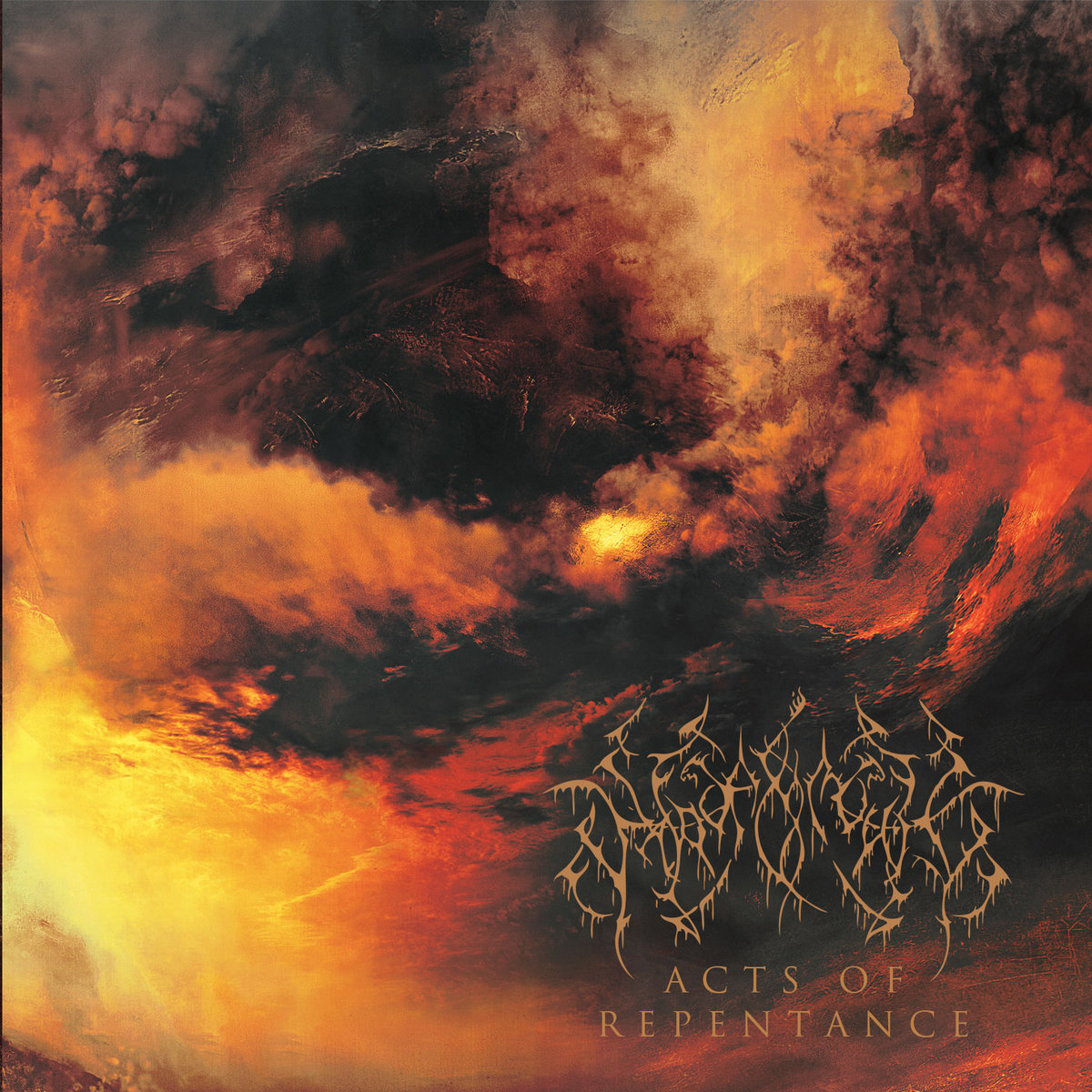
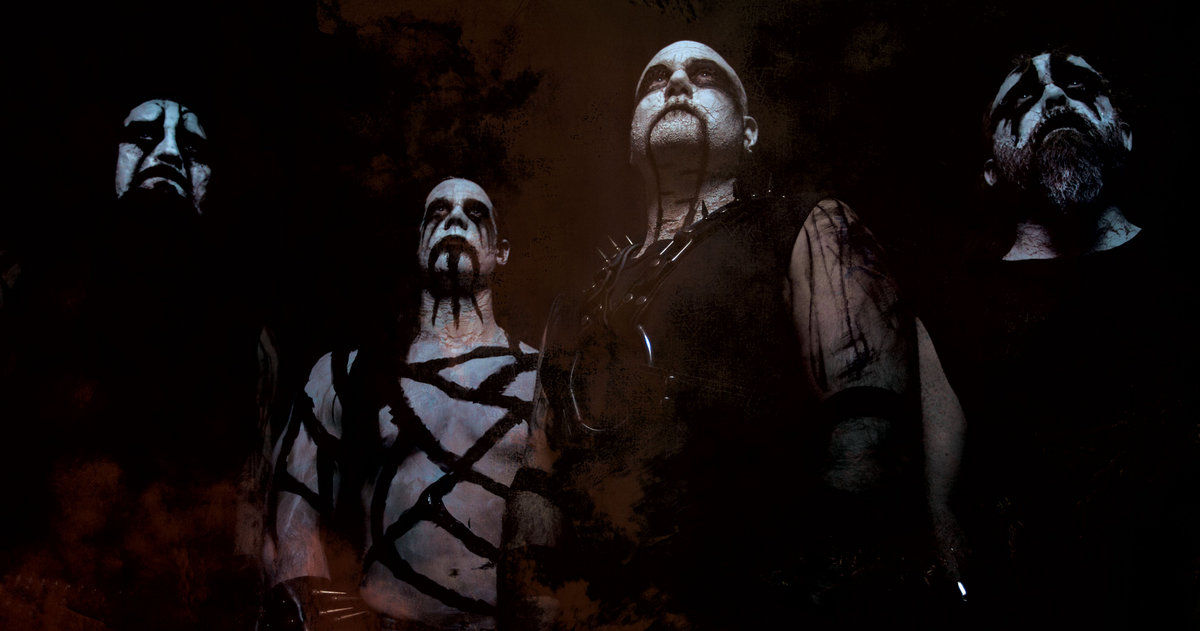
Back from the hellish pits of Perth, Western Australia with the mightiest album of their career, the excellent Acts of Repentance, a ruthless Black Metal horde known as Wardaemonic has gone from strength to strength in their new album, incorporating slower, dissonant parts that work brilliantly when contrasted with their trademark “ancient and inscrutable Black Metal”. Furthermore, the band comprised of Maelstrom on vocals and drums, Anharat and Lord Bane on the guitars and Blitz on bass and synths offers fans of the music by iconic names such as Immortal, Marduk, Watain and Dark Funeral, among others, everything we crave in classic Black Metal, feeling uncompromising and steely in its approach while backed with enough experience to make the entire album memorable and also intriguing for the listener to keep coming back to it for more. Featuring a sulfurous artwork by French artist Leoncio Harmr (Eternal Storm) and layout by Finnish artist Turkka Rantanen (Paganizer, Demilich), Acts of Repentance is not only a fantastic addition to the band’s discography, marking their fourth full-length opus and the follow-up to their 2015 installment Obsequium, but also a must-have release for anyone who respects and admires underground Black Metal from the bottom of their (evil) hearts.

Dragging our souls to their Stygian Australian lair, the quarter begins their devastating Black Metal onrush in the first of the album’s five acts from hell, Act I – Introspection, where Maelstrom sounds beyond infernal with both his blast beats and devilish vociferations, resulting in a lecture in old school Black Metal clearly inspired by the genre’s infamous Scandinavian sound. Not only that, Anharat and Lord Bane will penetrate deep inside your psyche with their crushing riffage, and if you survive such demented and vicious display of extreme music you better get ready for another ass-kicking tune titled Act II – Admission, offering the listener nine minutes of blackened sounds and cryptic passages where those four black metallers from Down Under don’t stop hammering their instruments for our total delight. Moreover, Blitz makes the earth tremble with his bass lines and diabolical synths, helping the music flow as darkly and aggressively as it can be until the very end.

Then an absolutely atmospheric and phantasmagorical intro ignites the 12-minute aria entitled Act III – Castigation, morphing into a disruptive and evil sonic feast led by Maelstrom and his unstoppable blast beats and also bringing elements of primeval Doom Metal and Blackened Doom to our avid ears, not to mention the strident riffs and endless rage flowing from Maelstrom’s inhumane gnarls, sounding multi-layered, dense and utterly impactful. Another grim and captivating ambience brought forth by Wardaemonic is suddenly replaced by an avalanche of violent Black Metal titled Act IV – Sufferance, where the somber vocalizations by Maelstrom make an interesting paradox with his trademark deep roars while the band’s guitar duo continues to breathe fire from their stringed weapons. And ending the album in the most brutal and demolishing way we have Act V – Repentance, an unrelenting display of traditional Black Metal infused with Melodic and even Atmospheric Black Metal nuances. Your mind will be destroyed by the stunning riffs by both Anharat and Lord Bane accompanied by Blitz’s thunderous bass punches, concluding the album’s five acts on a truly high note.

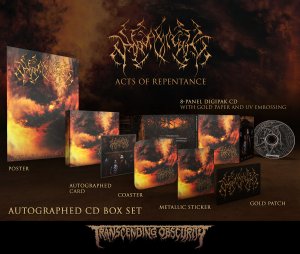
Wardaemonic Acts of Repentance Autographed CD Boxset

The gates to the underworld of Australian metal are open once again thanks to Wardaemonic and their wicked new opus Acts of Repentance, available for a full listen on YouTube and on Spotify, and in order to join those talented metallers in their quest for Black Metal simply follow them on Facebook and on Instagram, and purchase your copy of the album from their own BandCamp page, from the Transcending Obscurity Records’ webstore in CD format or as an amazing autographed CD boxset, or from Apple Music. After such pulverizing opus of Extreme Metal, I bet you’re eager for more of the music by Wardaemonic, and I’m quite sure we won’t have to wait for another five excruciating years to hear again from one of the most talented and solid metal acts coming from Australia, darkening the skies and our souls with their undisputed Black fuckin’ Metal.

Best moments of the album: Act I – Introspection and Act III – Castigation.

Worst moments of the album: None.

Released in 2020 Transcending Obscurity Records

Track listing
1. Act I – Introspection 7:15
2. Act II – Admission 8:58
3. Act III – Castigation 12:09
4. Act IV – Sufferance 9:01
5. Act V – Repentance 8:14

Band members
Maelstrom – vocals, drums
Anharat – lead guitars
Lord Bane – guitars
Blitz – bass, synth programming

Album Review – My Dying Bride / The Ghost Of Orion (2020)

A lesson in how to transform pain, agony and grief into beautiful metal music by one of the pioneers of the death and doom style.

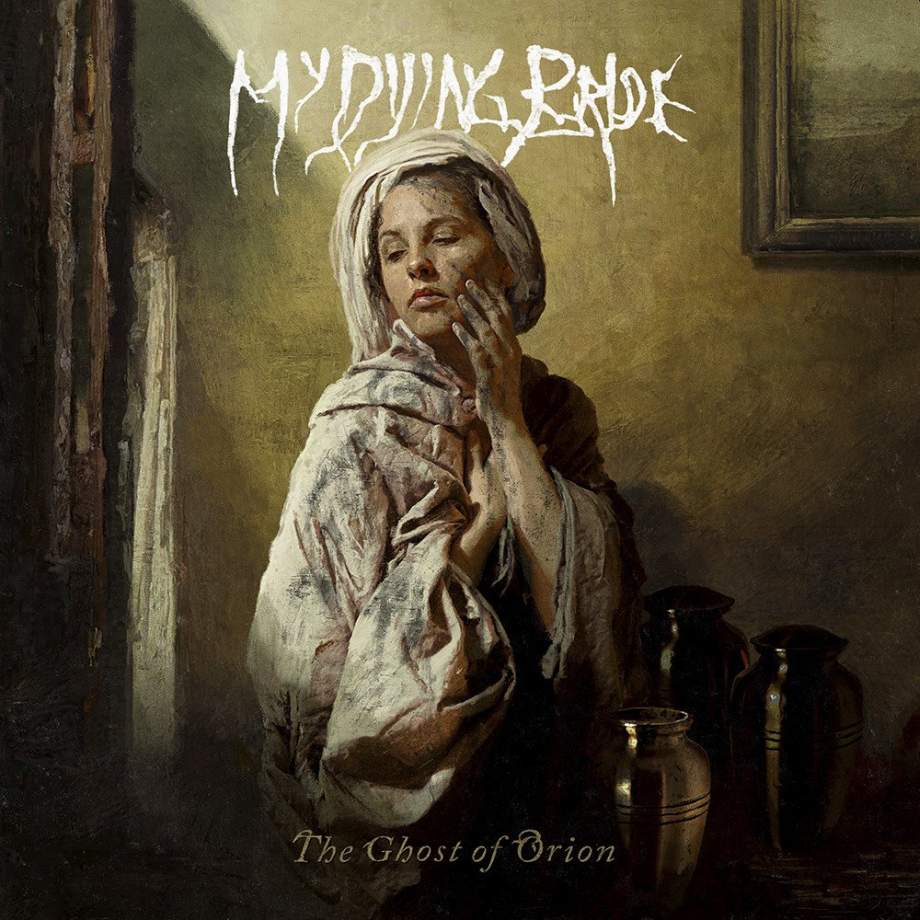
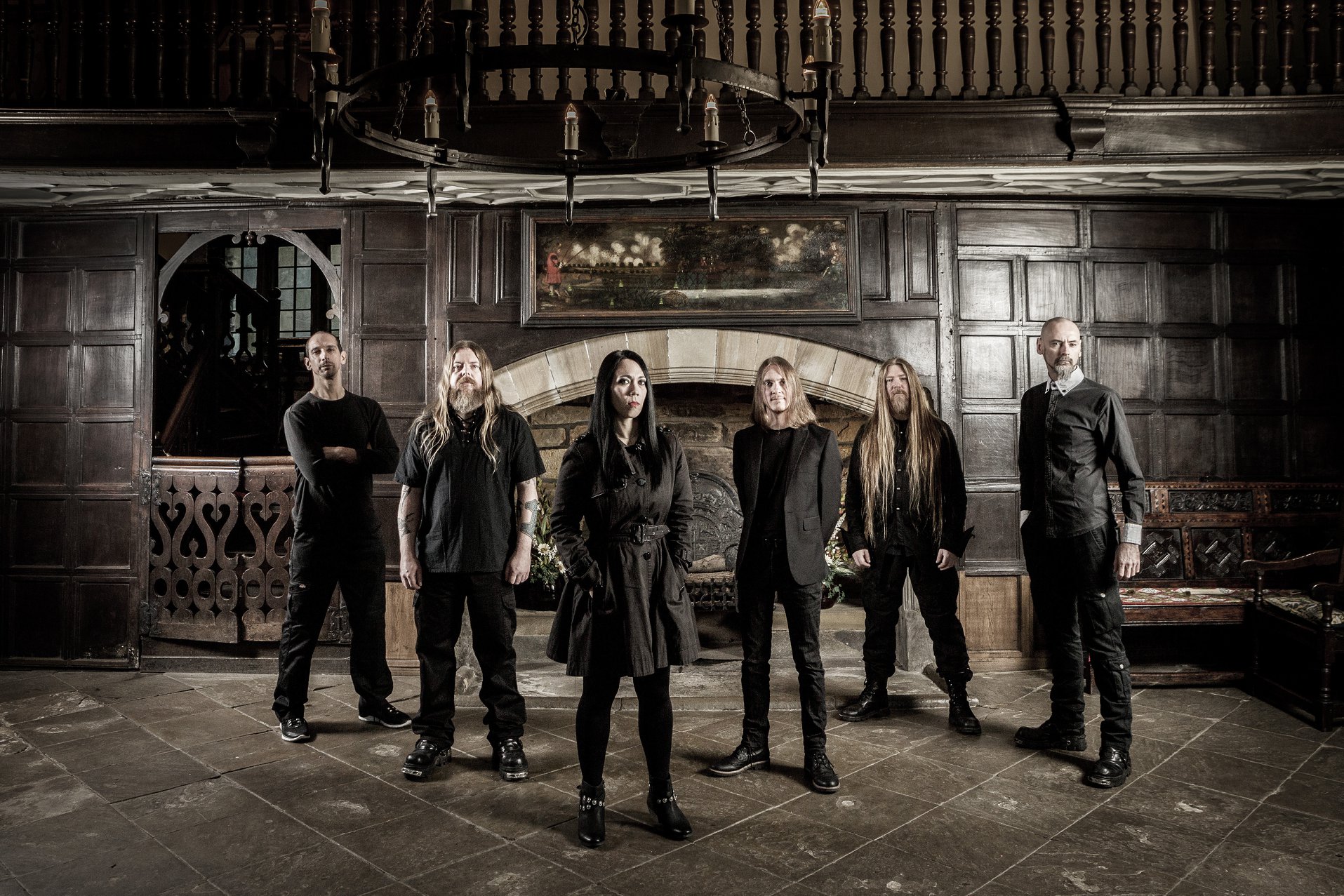
It’s impressive when even after 30 years on the road a veteran band like West Yorkshire, UK-based Gothic/Doom Metal masters My Dying Bride, one of the pioneers of the death and doom style alongside Anathema and Paradise Lost, is capable of still delivering top-of-the-line music without sounding repetitive, outdated or tiresome, just like what they have to offer us now in 2020 with their 13th studio album, the majestic The Ghost Of Orion, proving once again why the band currently comprised of Aaron Stainthorpe on vocals, Andrew Craighan and Neil Blanchett on the guitars, Lena Abé on bass, Shaun Macgowan on keyboards and violin and Jeff Singer on drums is and will always be a reference in extreme music. Produced by Mark Mynett (Mynetaur), portraying a stunning artwork by Israeli artist Eliran Kantor (Testament, Tristania, Fleshgod Apocalypse), and featuring very special guest appearances by British cellist Jo Quail and Norwegian singer Lindy Fay Hella (from Folk/Ambient band Wardruna), The Ghost Of Orion not only marks the band’s longest gap between studio albums to date, being released five years after their previous effort Feel the Misery, but it’s also a lecture in how to transform pain, agony and grief into beautiful Doom Metal.

As soon as you hit play, get ready to dive deep into the Stygian waters of doom ruled by Aaron and his horde in the opening track Your Broken Shore, with Jeff dictating the rhythm with his somber, sluggish beats while Aaron is absolutely superb with both his anguished, clean vocals and his demonic roars, resulting in the perfect anthem for savoring endless darkness and solitude, not to mention the delicate and whimsical sounds of the cello by Jo Quail and the violin by Shaun throughout the entire song as the icing on the cake. And that lugubrious vibe goes on in the also captivating To Outlive the Gods, with sheer melancholy flowing from its words (“A fool will believe every single word said / And yes you may speak with only me now on the sunrise / Child of my sore and bleeding body come over here / Sit here and say your words feeding only me till sunrise”) while Andrew, Neil and Lena make our hearts tremble with their crushing riffs and bass punches.

Clearly inspired by Aaron’s arduous experience with his five-year-old daughter, who was diagnosed with cancer a couple years after the release of Feel the Misery, from which she was thankfully declared in remission later, Tired of Tears brings forward gentle and serene sounds that graciously permeate the air while Shaun is absolutely amazing with his violin, with Lena and Jeff keeping the atmosphere dense and mournful with their sonic weapons. Put differently, this is a lesson in Gothic and Doom Metal with nuances of Depressive Black Metal and Blackened Doom, showcasing My Dying Bride’s undisputed ability to turn pure sadness into grandiose metal music. Following such touching tune we have The Solace, where the hypnotizing vocals by Lindy Fay Hella are solely accompanied by the grim guitar lines by Andrew and Neil in a minimalist and enfolding creation by My Dying Bride.

In the brilliant The Long Black Land the energy emanating from the cello by Jo Quail together with the low-tuned, menacing bass by Lena is outstanding, embellishing even more the song’s over ten minutes of obscure passages spearheaded by the clean and aggressive gnarls by Aaron, giving life to its poetic lyrics  for our total delight (“On the lap of the world I lay my head / Pick my way carefully through our long past / Hold my hand, young one / Hold my hand / Listen to my voice / Hold my hand / Face your God / Your God”) and ending in a classy and mournful manner. The semi-acoustic, phantasmagorical bridge The Ghost of Orion sets the stage for the also bold and intricate The Old Earth, starting also in a gentle and somber way led by Andrew’s and Neil’s acoustic lines, suddenly exploding into a lecture in devilish and sluggish Doom Metal where Aaron declaims the song’s lyrics with passion and rage, overflowing sheer melancholy before the outro Your Woven Shore brings to the listener an ethereal, sinister atmosphere and sonority, putting a cinematic and therefore fabulous closure to the album.

In summary, as aforementioned, Aaron and his bandmates from My Dying Bride simply nailed it in The Ghost Of Orion, available for purchase from the Nuclear Blast webstore and for streaming on Spotify, filling our ears, minds and hearts with an immeasurable amount of melancholy, sorrow and distress in what’s undoubtedly one of the best metal albums of 2020. Having said that, I highly suggest you go check what the band is up to on Facebook and on Instagram, including their tour dates, as they’ll bring the music found in The Ghost Of Orion to the stages near you without a shadow of a doubt. Hence, after listening to such distinguished album of Gothic and Doom Metal (again and again), I’m sure you’ll understand once and for all why My Dying Bride are so important and relevant to the world of heavy music, getting better and better as the years go by just like that fancy red wine you enjoy savoring all by yourself on a cold and rainy night while listening to their undisputed doom.

Best moments of the album: Your Broken Shore, The Long Black Land and The Old Earth.

Worst moments of the album: None.

Released in 2020 Nuclear Blast

Track listing
1. Your Broken Shore 7:43
2. To Outlive the Gods 7:56
3. Tired of Tears 8:37
4. The Solace 5:52
5. The Long Black Land 10:01
6. The Ghost of Orion 3:31
7. The Old Earth 10:32
8. Your Woven Shore 2:09

Band members
Aaron Stainthorpe – vocals
Andrew Craighan – guitars
Neil Blanchett – guitars
Lena Abé – bass
Shaun Macgowan – keyboards, violin
Jeff Singer – drums

Guest musicians
Jo Quail – cello
Lindy Fay Hella – female vocals on “The Solace”

Album Review – Colosso / Apocalypse EP (2020)

Pestilence, War, Death and Famine masterfully turned into brutal and obscure Death Metal by a heavier-than-hell unity hailing from Portugal.

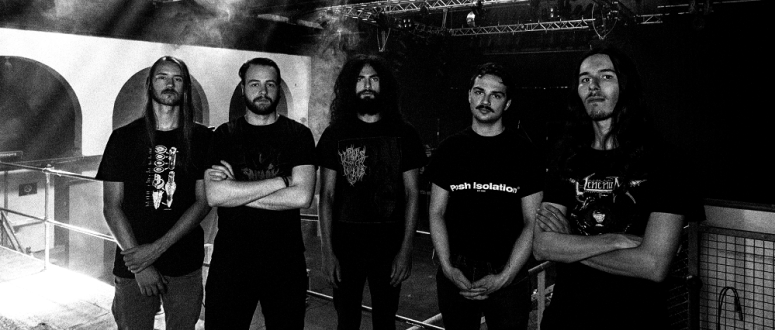
What if a vicious horde hailing from Portugal decided to turn the Four Horsemen of the Apocalypse, described in the last book of the New Testament of the Bible, the Book of Revelation by John of Patmos, into gruesome and raw Death Metal? That’s exactly what a project formed in 2011, currently comprised of Max Tomé on guitars, keyboards and vocals, Alexandre Ribeiro (Grog) on bass and Robin Stone (Norse) on drums, collectively known as Porto, Portugal-based Death Metal unity Colosso, has to offer us all in their brand new EP simply titled Apocalypse, translating into modern and sharp Death Metal all the darkness flowing from the four riders Pestilence, War, Famine and Death.

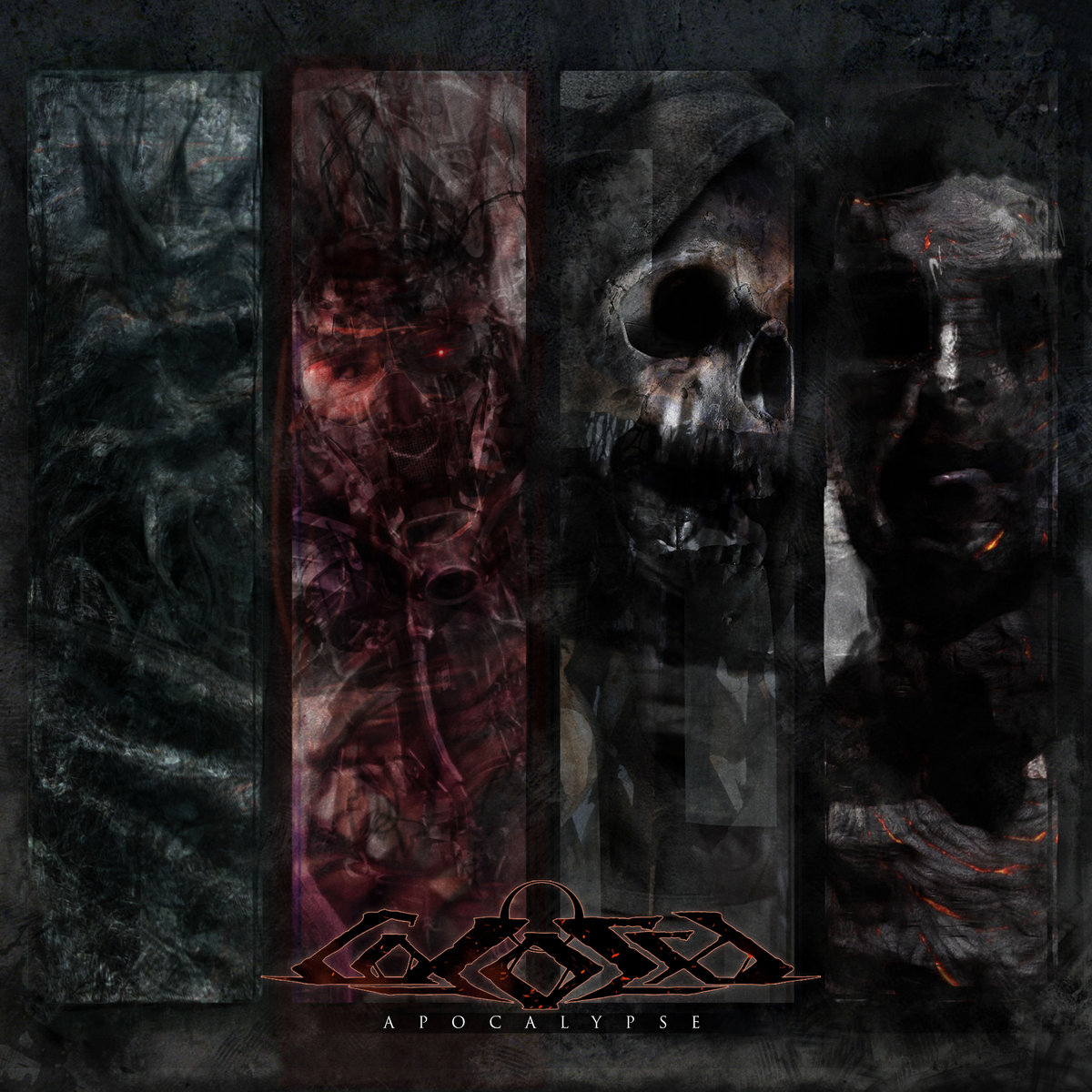
After years of toiling in the underground, putting out six releases of ever-evolving Death Metal such as their debut full-length opus Peaceful Abrasiveness, in 2012, and more recently Rebirth, in 2018, Colosso seem to have reached their most demonic shape and form in Apocalypse, being highly recommended for fans of the music by Norse, Morbid Angel, Nile, Incantation and Suffocation, among other behemoths of extreme music. Mixed and mastered by Max Tomé himself, and featuring a beyond obscure album art by Phlegeton Art Studio, as well as guest vocals by Guilherme Henriques of Oak and Gaerea, Diogo Santana of Analepsy, and Sérgio Afonso of Bleeding Display, Apocalypse is an undoubtedly breathtaking and refreshingly diverse album, showcasing the myriad aspects of this bold and innovative Death Metal band without compromising on their aggressive, apocalyptic sound.

And pestilence and plague permeate the air in the vicious and heavy-as-hell Pestilence, blending the violence of Death Metal with the grim and infernal sounds of Blackened Doom while guest vocalist Guilherme Henriques barks and roars like a creature from the netherworld. Not only that, Robin smashes his drums mercilessly nonstop, with that disturbing and evil onrush of sounds going on and on until the song’s visceral ending. Then guest Sérgio Afonso lends his guttural vocals to Colosso in the also Stygian tune War, with the sounds of machine guns and explosions making the whole song even more realistic, leaning towards classic Death Metal. Moreover, Alexandre’s bass jabs and Robin’s beats feel like the epitome of evil, resulting in a pulverizing display of extreme music for lovers of the genre.

Max himself is responsible for the vocal duties in Death, a lot more melodic and crisper than its predecessors while still providing the band’s characteristic rawness and darkness. Furthermore, Max is spot-on with his razor-edged riffs accompanied by Robin’s intricate drums and, as a surprise, Max fires clean, ethereal vocals instead of the album’s characteristic putrid gnarls, bringing elements from Atmospheric Black and Doom Metal to Colosso’s core savagery. And last but not least, Diogo Santana provides his share of deep guttural roars to Famine, where the band gets back to their most demented and hellish mode, showcasing all band members in total sync led by Max’s strident riffs, while Robin sounds like a stone crusher on drums and, as a consequence, flirting with Brutal Death Metal at times.

In summary, if you’re an admirer of the meanest and heaviest side of Death Metal you must give these Portuguese metallers a very good try as Max and his henchmen have all it takes to explode your mind and darken your soul with their brand new installment Apocalypse, which by the way will soon be available from the band’s own BandCamp page and from the Transcending Obscurity Records’ webstore in distinct formats such as the awesome T-shirt + CD + Digital Download bundle. Also, don’t forget to show your support to Colosso by following them on Facebook and by listening to more of their somber creations on Spotify. As the four dreadful figures in the Book of Revelation who symbolize the evils to come at the end of the world get closer and closer to us, there’s nothing better than the avalanche of Death Metal roars crafted by Colosso to provide them a warm and friendly welcome, don’t you agree?

Best moments of the album: War and Famine.

Worst moments of the album: None.

Released in 2020 Transcending Obscurity Records

Track listing
1. Pestilence 8:14
2. War 4:07
3. Death 4:11
4. Famine 4:14

Band members
Max Tomé – guitars, keyboards, vocals on “Death”
Alexandre Ribeiro – bass
Robin Stone – drums

Guest musicians
Guilherme Henriques – vocals on “Pestilence”
Sérgio Afonso – vocals on “War”
Diogo Santana – vocals on “Famine”

Album Review – Forlet Sires / Holy (2019)

The “abandoned forefathers” of Switzerland continue their explorations of uneasy, heavy music with their excellent sophomore opus of Atmospheric Black and Doom Metal.

Brought into being in late 2013 in Winterthur, a Swiss city northeast of Zurich, near the German border, Atmospheric Black/Doom Metal unity Forlet Sires might have started out as a conventional Atmospheric Black Metal project, but soon the band started to incorporate influences from several distinct styles such as classic Black Metal, Doom Metal and even Progressive Metal, consolidating a new approach on the genre without any boundaries while keeping a grief aspect in every tone. Now in 2019 the band comprised of Kilian Schmid on vocals, Tobias Kalt and Sebastian Vogt on the guitars, Matthias Menzi on bass and Daniele Brumana on drums returns in full force with Holy, the follow-up to their 2016 debut album Journey Towards Ruin and a lesson in atmospheric and utterly dark music.

Recorded by Forlet Sires at Gaswerk Winterthur with assistance from Pascal Pendl and George Necola, mixed by Billy Anderson, mastered by Justin Weis and featuring a stylish artwork by Adam Burke that perfectly depicts the album’s sense of death, abandonment and hopelessness, Holy presents an evolved version of Forlet Sires (by the way, an old English expression that roughly translates to “abandoned forefathers”, expressing how mankind has lost its way in various aspects) continuing their explorations of uneasy, heavy music, creating an elusive net of insecurity and surpassing music barriers while following the band into their sonic abyss. These words might sound a bit too poetic for some of you, but as soon as you start listening to Holy I’m sure you’ll realize no words can effectively describe the dark and atmospheric poetry flowing from Forlet Sires’ music.

Melancholy permeates the air from the very first second in the opening track Carnage and Candor, with Tobias and Sebastian taking the lead with their somber guitar lines, suddenly exploding into visceral Atmospheric Doom Metal for our total delight with Kilian roaring like an infernal beast. Moreover, this multi-layered aria brings forward tons of progressiveness and obscurity, getting more and more infuriated as the music progresses with Daniele adding a touch of evil with his Black Metal blast beats, ending in a truly grim and vile manner just the way we like it in Doom Metal. Then in Where Nothing Shall Thrive we’re treated to a classic display of Atmospheric Black and Doom Metal that leans towards the most vicious form of Blackened Doom you can think of, all enhanced by the physiological and somber lyrics vociferated by Kilian (“You’re alive, alone. You’re afraid, you tried. Devils are in your mind, lining you up to die. Fade away, longing for more. Feel the void, mourn the waste of life. Youth was lost, faster than you thought. Midlife has passed, all you did was dreaming. Gently conditioned, ambition repressed by degrees.”). And to make things even better, the stringed trio Tobias, Sebastian and Matthias exhale heaviness and evil from their axes throughout the entire song, not to mention the lesson in intricacy and darkness given by Daniele on drums.

Dead Skin, a demonic hybrid of Progressive Metal and Blackened Doom by the quintet, sounds and feels as wicked as it can be,  with Kilian leading his horde with his demented growls and gnarls while the sound of guitars penetrates deep inside your skin and Matthias delivers tons of groove from his bass, resulting in a full-bodied composition that will please all fans of the genre without a shadow of a doubt. And lastly, the thunderous bass by Matthias together with Daniele’s drums generate a beyond aggressive atmosphere in We Roam This World Alone, the epitome of Atmospheric Doom Metal showcasing Stygian words that carry a message of anguish and grief growled by Kilian (“Cold sorrow claims all hope. Live on, for reasons unknown. Falling. Fallen. While I’m bleeding unappealing strands of purulence, I am feeding off a cyst on this dry cunt.”). Hence, keep banging your head nonstop to Tobias’ and Sebastian’s crushing riffage until the song’s climatic finale, overflowing desperation and evil.

It’s quite impressive how Forlet Sires are capable of crafting lengthy, complex and sorrowful compositions without sounding tiresome or repetitive; quite the contrary, each one of the four songs found in Holy, available in full on Spotify, will keep you mesmerized, dragging you into a downward spiral of darkness together with the band, which in the end means they were more than successful in their aforementioned duty of generating fresh and at the same time mournful music. If you want to show your true support to this talented Swiss army of doom, go check what they’re up to on Facebook and grab your copy of Holy from their BandCamp page, from Apple Music or from Amazon, preparing your blackened mind and soul for the most desolating and melancholic moments in life.

Best moments of the album: Where Nothing Shall Thrive and We Roam This World Alone.

Worst moments of the album: None.

Released in 2019 Cruel Bones

Track listing
1. Carnage and Candor 12:37
2. Where Nothing Shall Thrive 7:45
3. Dead Skin 8:59
4. We Roam This World Alone 11:23

Band members
Kilian Schmid – vocals
Tobias Kalt – guitars
Sebastian Vogt – guitars
Matthias Menzi – bass
Daniele Brumana – drums