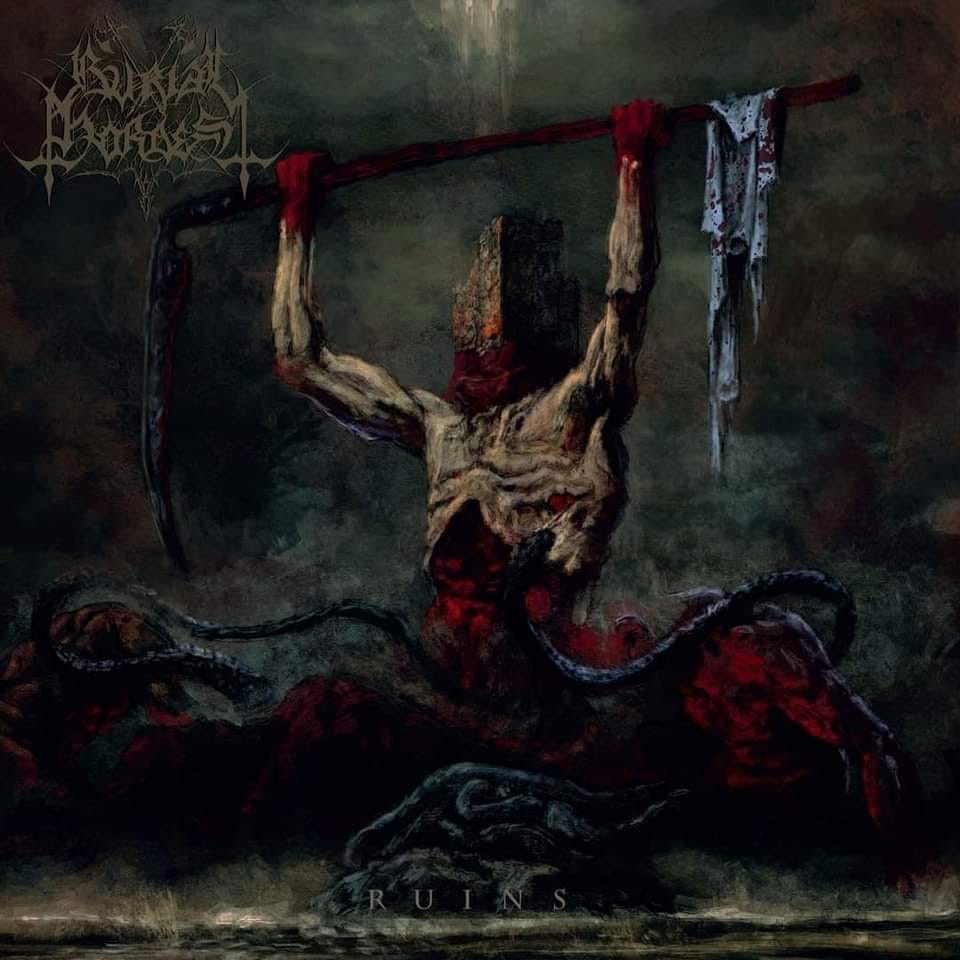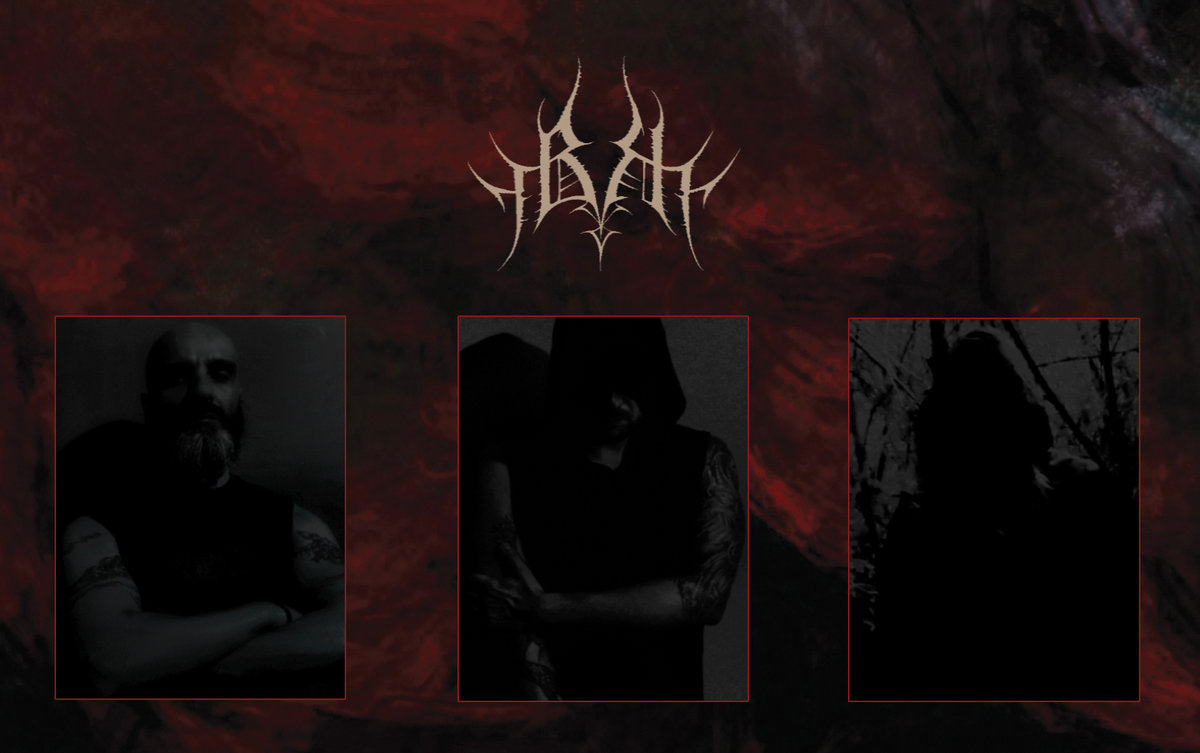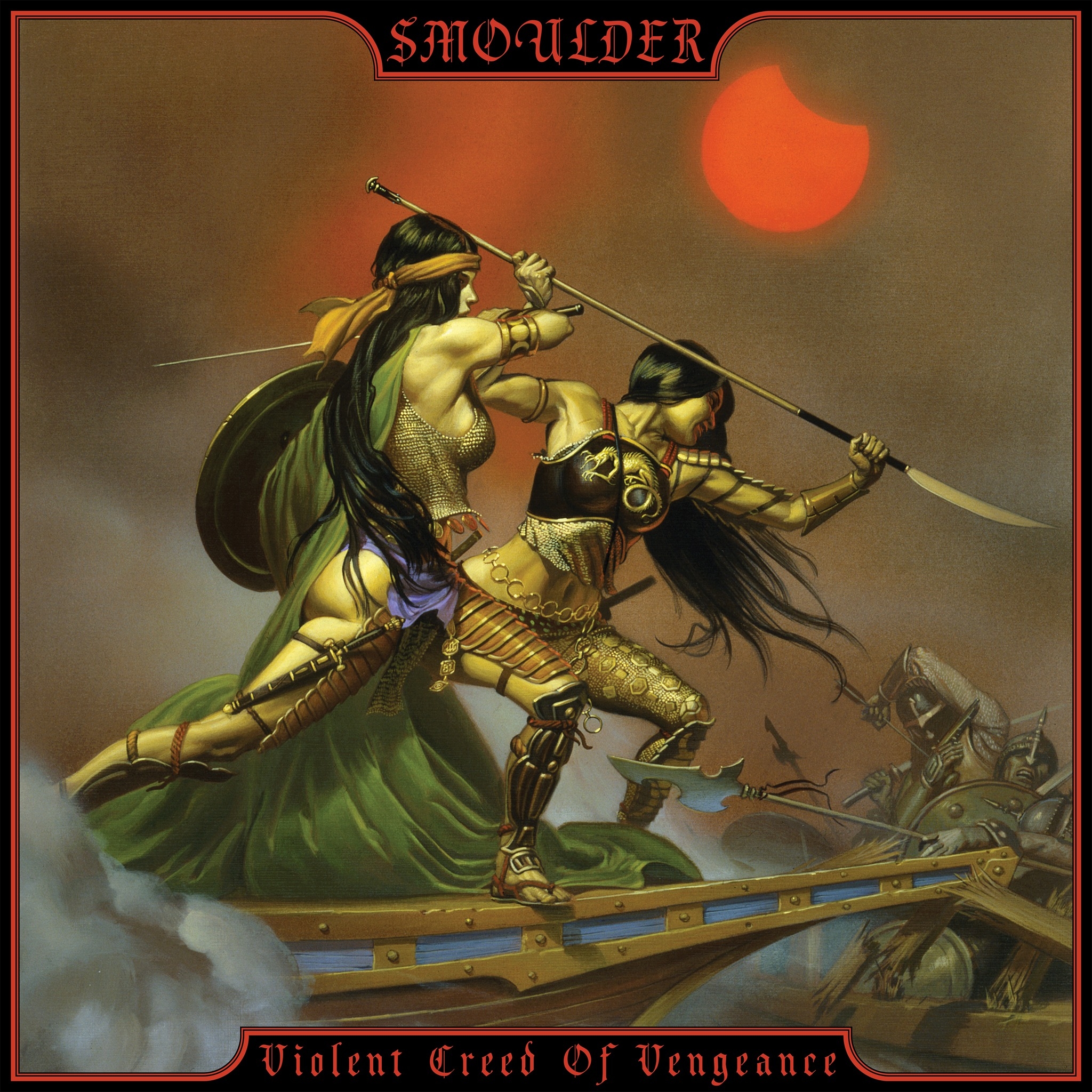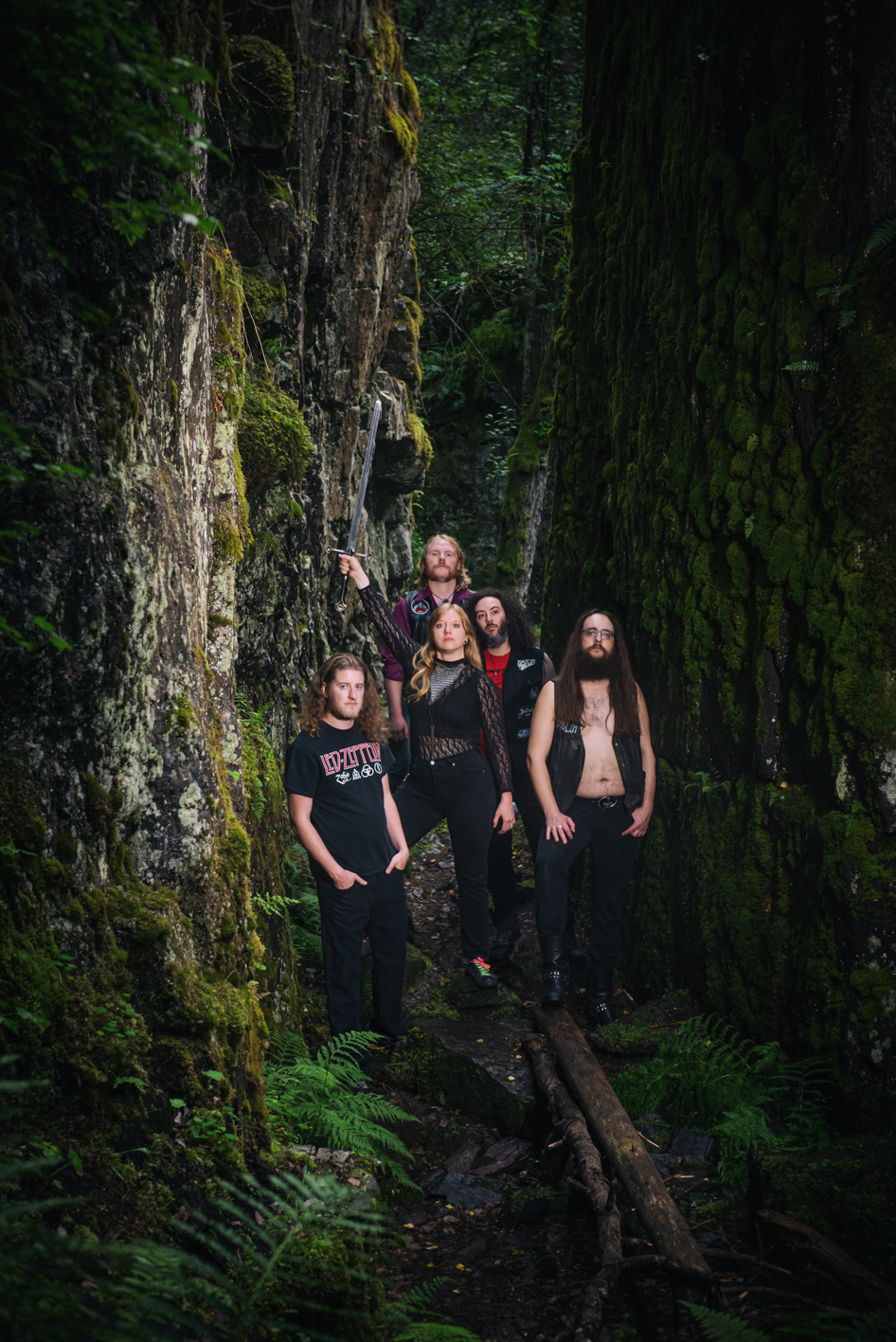
A talented Hungarian duo brings to our avid ears Atmospheric Black Metal in its most magical form, entrancing the senses with its yearning for things lost to the relentless march of progress.
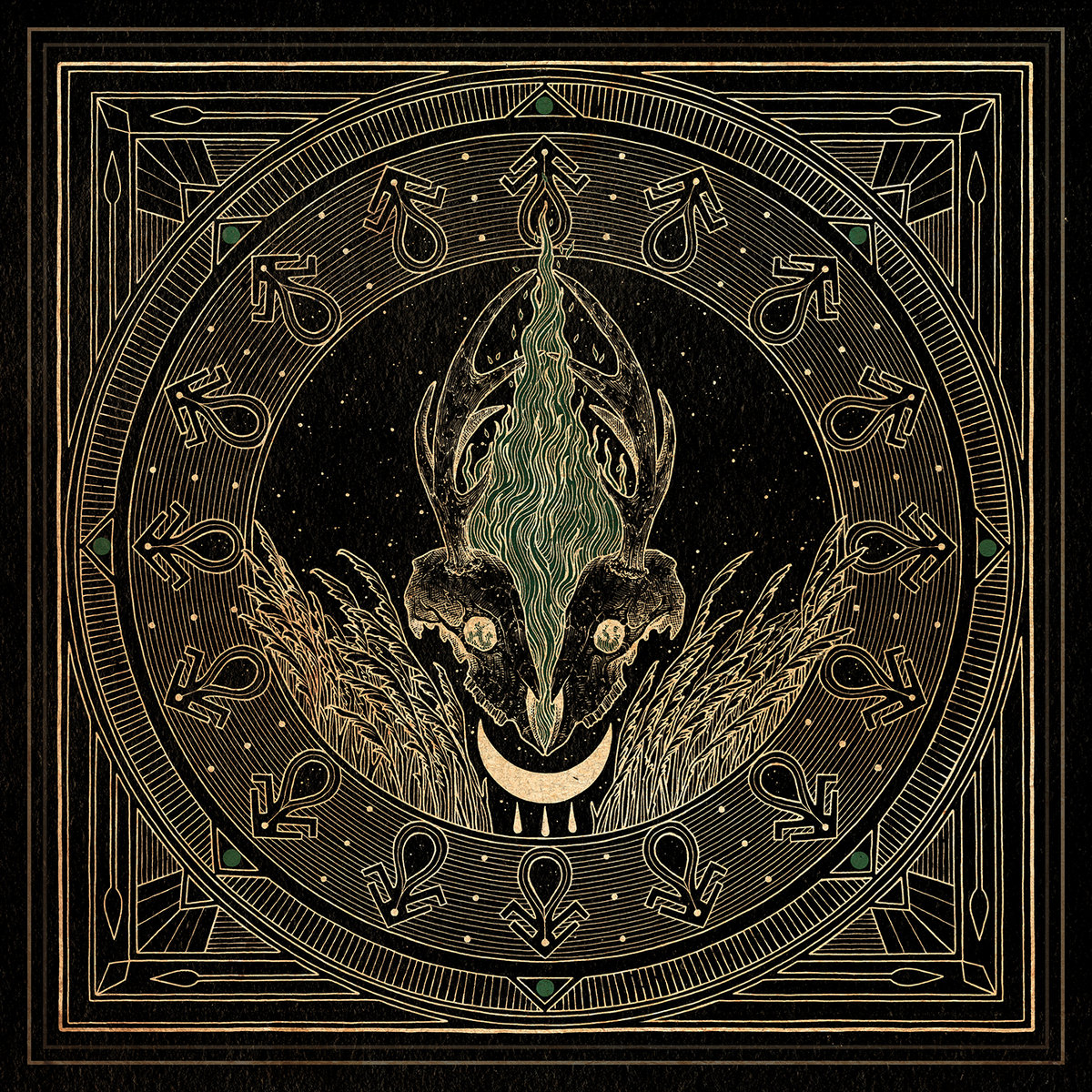
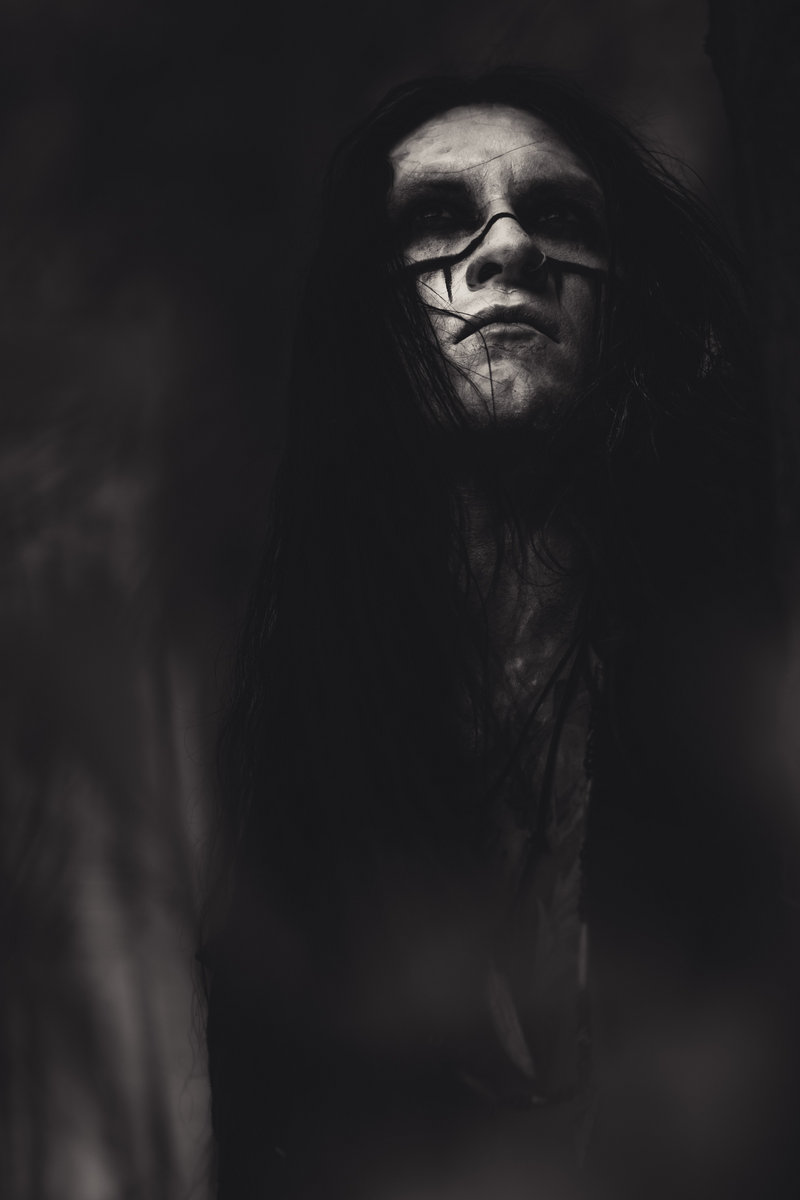
Steeped in the folklore and ancient beliefs of their homeland, Lélekharang, which translates as “soul bell”, is the third full-length opus by Szombathely, Hungary-based Atmospheric Black Metal duo WitcheR, dedicated to fans of Summoning, Wolves in the Throne Room and early Dimmu Borgir. Recorded at Vrag’s Forest Studio, engineered, mixed and mastered by WitcheR themselves, and displaying a stylish artwork by Grafit és Hamu, Lélekharang is Atmospheric Black Metal in its most magical form, entrancing the senses with its yearning for things lost to the relentless march of progress, all carefully brought into being by Karola Gere on vocals and synths, and Roland Neubauer (aka Vrag) on vocals, guitars and drums, leading you through the forests of memory to a place where all that was lost is found once more.
The gentle, atmospheric piano by Karola will embrace us all in the album’s Intro, transporting our souls to the Stygian realm ruled by WitcheR in Hamvak (or “ashes” from Hungarian), exploding into stunning Atmospheric Black Metal where Roland extracts anguish and fear from his riffs while at the same time he dictates the pace with his stylish beats. Moreover, the duo offers us demonic gnarls and endless obscurity throughout the entire song, making it even more compelling; followed by the title-track Lélekharang, an even more enfolding, atmospheric aria by such talented Hungarian duo, with its beautiful background elements and the synths by Karola adding an extra Stygian touch to the overall result, creating a fantastic paradox with the scorching riffage by Roland. Csendesen (“silently”) offers us all seven minutes of majestic passages, imposing synths and drums, and all the energy that only Atmospheric Black Metal can bring to our avid ears, sounding truly enticing from start to finish, and as expected the duo fires another sensational explosion of their fusion of Black and Doom Metal with pure atmospheric elements entitled Hazatérés (“homecoming”), where their deep, devilish roars are spiced up by the razor-edged riffs and hammering drums by Roland, flowing into their delicate cover version for Moonlight Sonata Op. 27. No. 2. I. Adagio sostenuto by Ludwig van Beethoven ( check the original version HERE), putting a climatic finale to the album.
The brand new spawn of obscurity by WitcheR can be fully appreciated on YouTube and on Spotify, but of course you should show your utmost support to the duo and purchase the album from their own BandCamp page, from the Filosofem Records’ BandCamp page, or from the Beverina Productions’ BandCamp page, and don’t forget to also follow the band on Facebook, Instagram and VKontakte, to subscribe to their YouTube channel, and to stream all of their unique creations on Spotify. The bells of Atmospheric Black Metal are tolling majestically thanks to the amazing job done by WitcheR in their new album, taking the Hungarian underground to new heights and leaving us all eager for more of their music in the near future.
Best moments of the album:Lélekharang and Hazatérés.
Worst moments of the album: None.
Released in 2022 Filosofem Records/Beverina Productions/Casus Belli Musica
Track listing 1.Intro 1:48
2.Hamvak 7:44
3.Lélekharang 10:16
4.Csendesen 6:58
5.Hazatérés 9:20
6.Moonlight Sonata Op. 27. No. 2. I. Adagio sostenuto (Ludwig van Beethoven cover) 3:24
Band members
Karola Gere – vocals, synths
Roland Neubauer – vocals, guitars, drums
A veiled and secretive Slovenian horde is ready to attack armed with their debut opus, offering us all seven tracks of sheer Black Metal madness.
As a room’s confining embrace, the mysterious Slovenia-based Atmospheric/Experimental Black Metal entity Kamra grabs and plunges you in a world of allegories, ruminations and imagery with their upcoming debut full-length opus, entitled Cerebral Alchemy, following up on their 2021 EP Conversing With Ghosts (which was by the way recorded as a two-piece comprised of vocalist and multi-instrumentalist N.K. and multi-instrumentalist M.D., who are most probably still part of the band). Drawing influences equally from Norwegian Black Metal classics, modern death dealers, as well as experimental oddities, this Slovenian veiled and secretive horde, now expanded to five unknown creatures of the abyss, offers in their new album mixed by Anže Čanžek and mastered by Gabriele Gramaglia seven tracks clocking around 42 minutes of Black Metal madness, enriched with a beautiful artwork by by Jeff Christensen, being therefore highly recommended for admirers of the most obscure and dissonant side of music.
Stygian guitars and sluggish Doom Metal beats will consume your soul in the opening tune It Burns Without a Fire…, a sulfurous intro that will crush you mercilessly before such uncanny entity comes ripping in Death Eternal, a raw Black Metal onrush that’s utterly and beautifully primeval, with the wicked vocalizations by N.K. adding a touch of dementia to the overall result while its guitars and bass generate a massive wall of sounds, not to mention its old school Black Metal blast beats. Then after such demonic extravaganza get ready for almost eight minutes of impious sounds, atmospheric passages and endless darkness in the form of Lantern of Ghostly Unlight, where its bass sounds and feels as primitive as possible, and with N.K. gnarling like a demonic creature in a great display of classic Black Metal with the band’s own experimental and sulfurous twist.
Resurgence of Temporal Malignity is even more demented and multi-layered, showcasing a great job done on the guitars which sound absolutely sharp while also melodic and enfolding, taking us all on a one way journey to the pits of the underworld; and those Slovenian metallers dive deep into the mouth of hell in the spine-chilling aria entitled Oozing the Thirteenth Hour, starting in a serene, grim manner before exploding into more of the band’s Experimental Black Metal, with all of its vile vociferations, somber and tribalistic drums, and piercing riffage turning it into a must-listen for diehard fans of contemporary Black Metal. The simple but effective interlude Last Lamentations sets the tone for the closing track, titled Colossal Blight, where their Atmospheric Black Metal vein walks hand in hand with their more hellish sonority, once again presenting a band that not only sounds extremely focused and in sync, but it also displays their undisputed devotion to sheer darkness, resulting in an climatic and eccentric ending to the album.
The voices of Kamra are inviting you to their grim lair in Cerebral Alchemy, an album that will surely please Black Metal enthusiasts from all over the world. Hence, don’t forget to give those Slovenians a shout on Facebook and on Instagram, to stream their music on Spotify, and to connect with the band in all possible ways by clicking HERE. Soon you’ll be able to put your damned hands on Cerebral Alchemy by purchasing it from their own BandCamp page, as well as from Avantgarde Music, Sound Cave, Edged Circle Productions or Rock Inc. Mediastore, darkening your minds and souls even more while enjoying the first-class Black Metal by an enigmatic band that definitely knows how to craft great music in the name of pure evil.
Best moments of the album:Death Eternal, Resurgence of Temporal Malignity and Oozing the Thirteenth Hour.
Worst moments of the album:Last Lamentations.
Released in 2022 Avantgarde Music/Unorthodox Emanations/Edged Circle Productions
Track listing 1. It Burns Without a Fire… 2:20
2. Death Eternal 5:58
3. Lantern of Ghostly Unlight 7:47
4. Resurgence of Temporal Malignity 6:42
5. Oozing the Thirteenth Hour 9:46
6. Last Lamentations 1:59
7. Colossal Blight 7:54
As The Headbanging Moose is celebrating nine years of existence this month of October, there’s nothing better than offering the first slice of our cake to a woman who’s undoubtedly the most important name of all time from the Ukrainian rock and metal scene, and I would dare to say even from the entire music scene in Ukraine. Born on March 15, 1987 in Horlivka, or Gorlovka, a city located in Donetsk Oblast, Ukraine, she’s a singer and songwriter better known as the frontwoman for Groove Metal/Metalcore act Jinjer since 2010, kicking some serious ass wherever she goes armed with both her furious roars and mesmerizing clean vocals. I’m talking about the one and only Tatiana Shmayluk, a multi-talented and humble woman who’s also a role model to countless girls out there who want to find in heavy music a way to express all of their feelings, hopes and frustrations, and I’m sure you’ll get addicted to her vocals and her music after reading this tribute to her.
Long before becoming the face of Jinjer, Tatiana was already singing and screaming according to her own mother, always listening to Russian and Ukrainian pop songs she heard on the radio. “My mother told me I started screaming when I was a very little girl. I screamed so loud I had a hernia in my belly.” Furthermore, one of her favorite songs from her childhood was the 1989 dance song Lambada, by French-Brazilian group Kaoma, which she mentioned she still sings along to it with great joy, although she doesn’t know Portuguese. She then began singing more seriously at the age of eight, taking vocal lessons for a couple of months and making her onstage debut that year in a concert hall with a choir. “The songs were accompanied with dancing. I was very nervous, and of course I screwed it up because of the dancing. So I said, ‘Never again.’ I cannot do synchronic dancing with someone else. I need to do it alone so I can control the whole thing,” commented Tatiana, who also said that it was her older brother, who was a guitar player to a Doom Metal band, who introduced her to metal music, more specifically to Aria, the long-running Moscow metal outfit hailed as the “Iron Maiden of Russia.”
Proudly carrying the flag of modern-day metal music to all four corner of the earth, Jinjer were formed back in 2008 in Donetsk, but the band considers their official start with the addition of Tatiana and guitarist Roman Ibramkhalilov in 2010. None of the founding members remain with the band, with the current lineup being comprised of the aforementioned Tatiana on vocals and Roman on the guitars, together with Eugene Abdukhanov on bass and Vladislav Ulasevish on drums. Influenced by countless renewned acts the likes of Opeth, Guano Apes, Slayer, Death, Pantera, Anathema, Lamb of God, Gojira and Twelve Foot Ninja, as well as groups across the spectrum of R&B, soul, funk, jazz, reggae, and hip-hop, such as Cypress Hill and House of Pain, the band has already released four studio albums in their career, those being their 2014 debut Cloud Factory, their 2016 sophomore album King of Everything, and more recently their 2019 opus Macro and their 2021 critically acclaimed album Wallflowers, all of which have reached number one in their native Ukraine, while also seeing a total of 16 singles, six of which reached the top of the Ukrainian charts and one of which, Pisces, became a global hit and has to date sold over 20 million copies. In addition, they’ve also released three EP’s, those being Objects in Mirror Are Closer Than They Appear (2009), Inhale, Do Not Breathe (2012) and Micro (2019), and the 2020 live album Alive in Melbourne. You can enjoy several of their best compositions on YouTube, such as Vortex, Judgement (& Punishment), Wallflower, Home Back, Sit Stay Roll Over, and Who Is Gonna Be The One, as well as their full ass-kicking performance live at Resurrection Fest in Viveiro, Spain, in 2018, among many, many other awesome videos, and don’t forget to also stream their full discography on Spotify.
Unfortunately, not long after the ongoing conflict between the Ukrainian military, anti-government protestors and pro-Russian rebels began in 2014, Tatiana and her bandmates had to escape Donetsk, moving to a suburb near the city of Lviv around 800 miles away, not far from the Polish border. “”But we got bored there because it’s a city for tourists,” explained Tatiana. “We rented a house but it was impossible to live there because there were problems with water, with electricity, heating. So that’s why we moved to a more civilized place.” Furthermore, when asked about what makes Jinjer uniquely Ukrainian, she said that because the band comes from a land where kindness equals weakness, a tough country for everyone including their parents, especially in the 90’s, the band members became really grind and tough. For instance, she mentioned that Ukrainians don’t go to a doctor if something hurts, for example, enduring the pain until the end. That’s one of the reasons why the band tries to never cancel any of their concerts and tours, even if it’s impossible to play, showing how strong and determined they are.
Apart from her undisputed career with Jinjer, you can also find Tatiana as a guest vocalist in an array of distinct albums and songs, including the songs Through the Never (I Will Return) and Horror of Daniel Wagner, from the 2022 album Horror of Daniel Wagner, by Ukrainian Heavy/Power Metal band Morton; the song Find My Way, released in 2022 by American Modern Metal band Lions At The Gate; the song Over and Out, released in 2021 by Australian Heavy Rock band Twelve Foot Ninja; and my favorite of all those tracks, the pulverizing Hello Death, from the 2022 album Cancer Culture, released by Polish Death/Groove Metal act Decapitated. Not only that, if you pay good attention to Jinjer’s song Judgment (& Punishment) you’ll notice several elements from reggae added to the band’s extreme music, and that’s something that comes from Tatiana as she was a part of a band that played reggae, ska, ska-punk and funk before Jinjer, playing several cover songs and singing in Ukrainian, Russian and English. “I was a huge fan of reggae. I wore dreadlocks and I was all about Rastafari,” commented Tatiana, who also said that, even being a huge reggae fan, she doesn’t smoke weed simply because she doesn’t like it.
Currently living in Los Angeles, California and spending as much time as possible on tour, having closed 2021 with over 70 concerts including many summer festivals, a short tour of mainland Europe and a two-month North American tour, Tatiana obviously misses her homeland, her family and friends, although she finds the region’s lingering Soviet attitudes unappealing, with the remnants of hardline communism surrounding everyone there. While she was still living in Ukraine, she said that “I was too young to remember life in Soviet Union, but the spirit of Soviet Union is still here. I’m living in an apartment built maybe 40 years ago, and my parents live in such an apartment, as well. All our shops and supermarkets are situated in buildings built then. So it is still like Soviet Union. And there are a lot of people who still have Soviet Union in their heads and their minds.” However, Tatiana mentioned she doesn’t feel safe when on tour it doesn’t matter which country she’s visiting, not only in Ukraine, saying she’s always afraid of going anywhere by herself.
In one of her interviews, Tatiana said it’s a surprise to her that people are still impressed that women can scream, mentioning for example female-fronted German thrash metallers Holy Moses, who she got to know when she was an 18-year old girl in Ukraine, and saying that despite the fact bands like Jinjer might impress the younger generations, the older generations have always known what women can do in rock and metal music. “Sometimes I’m annoyed, but then you say, ‘OK, well, I didn’t see a hummingbird until I was 35 years old.’ It’s always a right time to discover new stuff. It’s great that screaming women are a phenomenon.” She also said it’s incredible to know she’s an inspiration for many young women mainly because they don’t know she’s in fact a very shy person, also sensitive, fragile and easy to be offended, or in her own words, she’s not better than anyone, complementing by saying she’s just a performer when she’s on stage. “Of course there is some true shit, but I don’t move my head 24/7 and I don’t scream all the time. Well, I scream every night. But not every morning.” Furthermore, you can learn a little more about how Tatiana learned to scream by clicking HERE, from first hearing Otep to screaming Mudvayne lyrics, to the dominant force she is today.
This slideshow requires JavaScript.
As any other metalhead in the world, Tatiana has a lot of idols and influences in her life, in her vocal style, in the way she writes the music for Jinjer and so on, but following those artists wasn’t easy at all when she was a young girl due to the aforementioned impact of the Soviet Union over Ukraine at that time. “Metal wasn’t accessible for me. Where I grew up in Donetsk, not many worldwide metal artists would come. They’d go to the capital, and it was 700km and 12 hours on the train. I didn’t have money because I was a teenager and my mom was strict; she didn’t give me much pocket money, although that stimulated me to earn it myself, for which I’m really grateful to her. My parents wouldn’t have let me out of the town, but that was for the best too. It made me want to play my own music and form my own band.” As mentioned, her brother was the one who got her into metal (although he stopped listening to heavy music when he grew up), but before that she used to listen to a lot of rock music, grunge and punk especially after the Soviet Union collapsing in 1991, as MTV hit the Ukrainian airwaves and she began listening to bands like Nirvana and The Offspring. She then found the music by Otep, and got addicted to the vocals by the iconic Otep Shamaya. “I think I was 15 when I heard Otep the first time,” said Tatiana in one of her interviews. “I said, ‘This dude is so cool!’ And my friend said, ‘This is a girl!’ I was like, ‘Jesus fucking Christ!’ This is the first girl I am hearing do this. I was shocked, and I wanted to shock people like her.”
Being a rock and metal artist in Ukraine wasn’t easy at all, taking Tatiana and the rest of the band around five years just to cross the Ukrainian border and play in Romania, and even longer to reach other European countries and the United States, but fortunately everything seems to be working for Jinjer now, with the band organically growing in the worldwide scene and gaining more and more respect from fans from all four corners of the earth. As expected, Tatiana has some important complaints about the Ukrainian metal scene, saying that most Ukrainian bands stick to playing in Ukraine or Russia, and that they don’t usually sing in English, the main reason why they just play in their motherland. “I was always inspired by western music culture in jazz, blues and then metal. I always had this love for English speaking music, even pop music; Britney Spears is one of my biggest idols! People can understand it easily and for me, it was always about spreading my own message through a language that is more available for people all around the world of different countries. That’s why we chose to sing in English and that’s how we made our own path.” Another major issue in Ukraine according to her is the post-U.S.S.R. thinking and mindset, where you’re not accepted if you’re different, as for example tattoos (and we all know she has plenty) are not acceptable for men nor women in her homeland.
However, as you might probably know, Ukraine is suffering with the Russian invasion that started back in February this year, and that has been hitting the band hard in their hearts and minds since then. In March 2022, it was reported that Jinjer had “paused” their career to focus on relief efforts in Ukraine after the war began. Right after that, in June 2022, Jinjer announced that they received permission from the Ukrainian Ministry of Culture to leave Ukraine and tour as ambassadors of the nation to raise funds and awareness. “We are very thankful to our Ministry Of Culture for the Ukraine who gave us this opportunity to do what we love to do, and play all the festivals we have announced. We’re using every festival to raise funds and spread awareness about the real war that is happening in the 21st century, which is crazy. It’s hard to believe, but this is the harsh reality. It’s heartbreaking, but at the same time we are also full of hope that soon it is all going be over. We are spreading positivity and hope, and we are dreaming about peace. I hope that no other European or world country ever experiences the same as the Ukraine,” commented Tatiana, also saying she has no idea when Jinjer will be able to play in Ukraine again, and that the band will never stop fighting. Moreover, in their most recent releases there are lyrics addressing the war in Donbas and its effects on their home region of Donetsk, and you can also find tons of amazing interviews with Tatiana and the boys talking about the war in Ukraine, just like this one conducted by Loudwire.
Regarding her relationship with social media, Tatiana said that due to her explosive nature she usually replies back to anyone that messages her, it doesn’t matter if it’s a positive or negative comment, saying she “enjoys” replying back to internet trolls because she’s easy to piss off. “Sometimes it’s just overwhelming. I feel like if I let it go, I will let them continue to do this shit again and again. It’s like I give them unspoken permission,” commented our stunning diva, also saying most of the feedback she gets online is actually positive. In addition, one of her favorite ways of interacting with her fans is to customize shirts she receives from them before a show and wear them onstage the same night. “Most of the time, these shirts are very personal. For example, yesterday I was given a shirt — it has a huge ape giving a middle finger and it says something like, ‘Humans destroy everything.’ It’s so related to our song Ape. They will see me wear it on the stage and it is a huge pleaser. They get double joy. I love all the things they bring to me at meet and greet. They are so sweet,” said Tatiana, complementing by saying that some of those fans are very shy and don’t want to talk a lot, being very happy with just an autograph and a photo.
Our unstoppable frontwoman also said that, in an effort to improve her own standing with Mother Nature, she tried to be a vegan for three years, but she went back to eating meat in the middle of a tour because she was starving. She said she still tries to be moderate in consuming meat, and that she doesn’t drink milk, though, revealing her own inner conflict. “I still try being vegan, but it’s really hard for me because I was raised in a family that was not very rich,” she explained. “We could not afford eating meat very often. So when I stopped eating meat, I realized that I loved meat a lot. When I smell meat, it drives me crazy. Something inside of me forgets about animals, suffering, health, environment, and I just want a good piece of meat.” You can get to know more about Tatiana by listening to our growler answering 10 questions asked by Metalshop TV (volume 1 and volume 2), as well as other interviews online such as Tatiana and her bandmates answering the most asked questions on the Internet about Jinjer. Lastly, just like several people out there (including myself), Tatiana also believes something went wrong in our evolution, saying mankind went wrong, and that although we are so small on this earth we act like we are gods, which makes her really sad. She’s trying to learn how to be happy, how to find the happiness inside, and to appreciate her life. “That’s my biggest ambition, to be happy and find inner peace, and for there to be justice for Ukraine.”
“You know what, I’m losing my faith in music. I don’t feel like I can express myself enough to say what I really feel because there are no words to explain. So, I feel like I should give up… but then something makes me go further.” – Tatiana Shmayluk
This repulsive, perverted and cannibalistic Australian-based troupe of questionable French origins offers in their debut opus a fulminating 22-song platter of Death Metal and Grindcore.
Shambling out from the dead blackened underbrush of Sydney, Australia’s backwoods comes a repulsive, perverted and cannibalistic troupe of questionable French origins, collectively known as Grindcore act Gorotica. Living as a reclusive hive for the past three years, the troglodytic trio formed of Jon Von Cannibale on vocals, Gaspard La Verge on the guitars and bass, and Raymonde Peste on drums have been honing their rusted blades and musical skills to now emerge under the Gorotica moniker and bring forth to the public their mission of death and cannibalism in auditory form, or in other words, their debut full-length album Morbid Menagerie. The album offers a 22-song platter of Death Metal and Grindcore with elements of Hardcore garnishing the meat and bones of the music, and with several guests lending their pipes to the chaos, most notably the talented Miller from Sydney grind stalwarts Black Rheno and Tobias from the well-known prog outfit Glass Ocean, presenting it as a highly recommended option for admirers of the goriest side of metal music.
Get ready for a pulverizing Grindcore feast titled At The Gates Of The Necropolis, the perfect welcome card by the band where Jon is bestial on vocals; whereas Gaspard’s metallic riffs and rumbling bass lines are accompanied by the classic drums by Raymonde in Fleshgrind, offering us all two minutes of savagery and heaviness. Born Unto Death is another brutal, venomous onrush by the trio, with Gaspard delivering sheer adrenaline through his Hardcore-infused riffs, not to mention the monstrous roars by Jon, while Teeth Removed With A Sledgehammer brings forward 33 seconds of pure dementia, speed and violence where Jon gets the help from Miller on vocals. Less aggressive and exhaling groove, it’s time for Raymonde to take the lead with his rhythmic beats and fills in The Necrophile, and back to their more infernal mode, Jon growls nonstop accompanied by the insane blast beats by Raymonde in Malevolent Insertion. Guest Tobias lends his demented, deep roars to the band in Corpsefucker, followed by Left To Bleed, starting with the low-tuned bass punches by Gaspard and evolving into a Grindcore extravaganza perfect for slamming into the circle pit. Things get even sharper and more thrilling in Knife Wound Gratification, with Gaspard stealing the spotlight with a maniacal string work while also presenting some welcome breaks and variations. In Graveyard Cannibal it becomes clear that they’re definitely a band that mastered the art of crafting sick tunes that last for less than a minute, and needless to say, Jon is insane on vocals, followed by Execution By Fire, slightly more melodic than its predecessors and sounding confusing at times.
One of the heaviest songs of the album, The Endless Urge, is Grindcore at its finest with all band members being on absolute fire until the very last second, while Ocular Impalement offers our ears one more round of dementia and gore in less than a minute; and their Doom Metal vein arises in Human Skin Drapery, a neck-breaking tune led by the sluggish and pounding drums by Raymonde. It’s time to slam into the pit one more time to the sound of Consuming The Flesh Of The Dead, with Jon bringing forth his trademark deep gnarls, followed by 12 seconds of pure insanity entitled Forced Cluster Headache, working as a “warmup” for Purging The Apocalypse, a fantastic, fast and furious Grindcore attack thanks to the superb job done by Raymonde on drums. The title-track Morbid Menagerie continues to smash everyone that crosses their path to pieces, not to mention guitars and bass by Gaspar couldn’t have sounded more metallic. Then guess what? We’re treated to 44 seconds of pure violence in Severed Head Pincushion, flowing into the dark and sinister Obsession With Mutilation, a good option to headbang in the name of Grindcore and Death Metal. And how about a minute of undisputed aggressiveness as their second to last breath of classic Grindcore? That’s what you’ll get in Desecrating The Remains Of A Virgin, before Bound To The Breaking Wheel closes the album exactly like it should, with no shenanigans, no artificial elements, just plain Grindcore by such skillful and enraged trio.
As already mentioned, Morbid Menagerie is indeed a demented platter of Death Metal and Grindcore by those three mysterious marauders that form the uncanny Gorotica, and you can already preorder such disturbing album from their own BandCamp page, and soon also stream it in full on Spotify. You can also start following Gorotica on Facebook and on Instagram for an overdose of gore and death on your daily routine, making your life a lot more fun to the sound of their bloodcurdling creations. In the end, it doesn’t really matter if the band members are French or Australian because the music found in Morbid Menagerie is awesome, showing the trio knows exactly what they’re doing and, consequently, offering us all another great option for enjoying some carnage inside the circle pit.
Best moments of the album:Fleshgrind, Born Unto Death, Knife Wound Gratification, The Endless Urge and Purging The Apocalypse.
Worst moments of the album:The Necrophile and Execution By Fire.
Released in 2022 Independent
Track listing 1. At The Gates Of The Necropolis 1:49
2. Fleshgrind 2:03
3. Born Unto Death 3:10
4. Teeth Removed With A Sledgehammer 0:33
5. The Necrophile 2:25
6. Malevolent Insertion 1:47
7. Corpsefucker 0:31
8. Left To Bleed 2:34
9. Knife Wound Gratification 2:08
10. Graveyard Cannibal 0:47
11. Execution By Fire 2:03
12. The Endless Urge 2:17
13. Ocular Impalement 0:44
14. Human Skin Drapery 3:09
15. Consuming The Flesh Of The Dead 1:39
16. Forced Cluster Headache 0:12
17. Purging The Apocalypse 1:11
18. Morbid Menagerie 2:13
19. Severed Head Pincushion 0:44
20. Obsession With Mutilation 1:55
21. Desecrating The Remains Of A Virgin 0:58
22. Bound To The Breaking Wheel 3:50
Band members Jon Von Cannibale – vocals
Gaspard La Verge – guitars, bass
Raymonde Peste – drums
Guest musicians Jean-Paul Lattouf – percussion
Miller – additional vocals on “Teeth Removed With A Sledgehammer” and “Severed Head Pincushion”
Tobias – additional vocals on “Corpsefucker”
Rasmus & Gaspard – additional vocals
A ruthless Swedish Black Metal duo returns with their sophomore opus, telling sobering tales of human struggles against societal norms and religious oppression, and the fight for the right to determine one’s own fate.
An old Swedish word for being buried, loosely translated to ”attached to soil”, Jordfäst is also the name of a Skåne, Sweden-based Black Metal duo who unearth the grim past of the Scandinavian peninsula in their songs, channeling the long-forgotten cries of people that once lived. Now in 2022 it’s time for vocalist Olof Bengtsson and multi-instrumentalist Elis Edin Markskog, supported by session drummer Joakim Unger, to unleash upon humanity their sophomore opus entitled Av Stoft, the follow-up to their critically acclaimed 2021 debut full-length album Hädanfärd. Epic and dreaming, conjuring up soundscapes comparable to genre greats such as Ulver, Saiva, and Primordial, Av Stoft, which is Swedish for “of dust”, continues where Hädanefter left off, with folky melodies and theatrical narratives woven into a solid backbone of Black Metal. Recorded at Studio Wheelmust, mixed and mastered by William Blackmon at The Overlook, and featuring guest vocals by Joakim Svensson of Skogen, the album is comprised of two songs which have a combined playing time of 33 minutes, telling sobering tales of human struggles against societal norms and religious oppression, and the fight for the right to determine one’s own fate, with its gloomy layers interspersed with searing melodies reflecting a reality as unforgiving as the northern winter.
Eerie voices are suddenly joined by the massive beats by Joakim in Abortologen (“the abortologist”, from Swedish), bringing to our damned ears over 16 minutes of Scandinavian Black Metal infused with Folk and Doom Metal nuances where Olof roars manically in the name of pure evil, while Elis crafts a beyond caustic and visceral sound with his riffs, bass and keys, not to mention his guitar solos are a thing of beauty, enhancing the song’s epicness and electricity considerably. Put differently, it’s imposing and violent from start to finish, being therefore tailored for admirers of the genre while also ending in a serene way to the sound of a piano. The second song of the album, Kom Eld, Kom Regn (“come fire, come rain”), offers our ears pure Scandinavian Black Metal flowing from the very first second, with its vocalizations adding an extra touch of darkness to the overall result. Furthermore, the song brings forward a headbanging pace led by the strident riffage by Elis while Joakim hammers his drums in great fashion, and the music alternates between sheer aggressiveness and more melodic, Stygian moments. Not only that, Olof sounds absolutely bestial with his enraged roars, without a single second left empty throughout its 17 minutes of Scandinavian awesomeness that builds up to a sinister, epic and chilling ending.
“With Av Stoft we took a more timeless approach by implementing themes which have always been part of humanity’s history and shaped our society. Concepts pertaining to life and death; the right of the lone individual to either end or start one or the other as he sees fit, as well as the consequences that might follow. As on Hädanefter, the stories are told from several perspectives and depict everything from personal suffering to the relentless forces of nature – all of which are indifferent to our suffering and just biding their time to sweep us away, once and for all,” commented the duo about their newborn spawn, which will soon be available for purchase from the band’s own BandCamp page and from Nordvis Produktion, as well as for streaming on Spotify. Hence, don’t forget to start following Olof and Elis on Facebook and Instagram to stay up to date with all things Jordfäst, letting the obscure tales told by the duo in Av Stoft crawl dep inside your mind while they keep carrying the flag of Scandinavian Black Metal armed with their austere music for many decades to come.
Best moments of the album:Kom Eld, Kom Regn.
Worst moments of the album: None.
Released in 2022 Nordvis Produktion
Track listing 1. Abortologen 16:08
2. Kom Eld, Kom Regn 16:59
Band members
Olof Bengtsson – vocals
Elis Edin Markskog – guitar, bass, keyboards, backing vocals
This doomed entity hailing from Portland, Oregon brings forward four monolithic songs that will fully immerse the listener in a contrast of the serene and cacophonous in their new opus.
Formed in San Francisco, California at the end of 2016, but currently based in Portland, Oregon, Atmospheric Black/Doom Metal outfit Forlesen draws from Epic Doom, Black Metal, Slowcore and Dark Ambient to subvert traditional songwriting with their new full-length, entitled Black Terrain, which weaves heartbreak and hypnosis to show the band at their most vulnerable and vicious. Mixed by Jack Shirley at The Atomic Garden, mastered by Garrett Haines at Treelady Studios, and displaying a beautiful artwork by Benjamin A. Vierling, Black Terrain brings forward four monolithic songs, at times approaching twenty minutes in length, fully immersing the listener in a contrast of the serene and cacophonous, showcasing the evolution in the sound crafted by vocalist and multi-instrumentalist Ascalaphus (Botanist), vocalist and multi-instrumentalist Bezaelith (Lotus Thief), guitarist Petit Albert (Lotus Thief), and drummer Maleus (Kayo Dot, Maudlin Of The Well) from their debut effort Hierophant Violent, being therefore highly recommended for fans of Candlemass, Dead Can Dance, Low and Neurosis, among several others.
An eerie, otherworldly start gradually evolves into an atmospheric and somber Doom Metal sonority led by the sluggish beats by Maleus in Strega, while Ascalaphus, Bezaelith and Petit Albert darken the skies with their minimalist but heavy-as-hell riffs and whimsical vocalizations, flowing smoothly while also offering us all a neck-breaking rhythm. Furthermore, its beautiful guitar work will penetrate deep inside our hearts, also showcasing a perfect balance between the delicate vocals by Bezaelith and the devilish roars from her bandmates, making an instant connection with the title-track Black Terrain, where the band continues to permeate the air with their melodic and grim sounds. The whole song is effectively energized by the tribalistic drums by Maleus while Bezaelith delivers introspective, ethereal vocal lines, suddenly morphing into the Black Metal-infused aria Harrowed Earth, bringing to our avid ears a multi-layered, enfolding and caustic explosion of sounds spearheaded by the blast beast by Maleus and the wicked, dirty riffage by Ascalaphus, Bezaelith and Petit Albert. Put differently, it’s Atmospheric Black Metal at its finest, evolving to a more obscure form of Doom Metal as time passes by. Lastly, in Saturnine the lyrics will put you in a doomed trance (“Come now and let it all go… / Time is a beast devouring it’s children / Wild eyed, the ever churning tide / He does suppress the cries of nascent sovereignty / Lest golden ages be undone / Time makes beasts of all its golden children / Wild eyed, the ever churning tide / As we egress through parodies of infancy / And we await being born / Go now and let it all come…”), while the music remains serene, infuriated, lugubrious and alive all at the same time, resulting in a spot-on fusion of Ambient and Doom Metal.
The doomed beast known as Forlesen can be found on Facebook and on Instagram for news, tour dates and other details about their wicked music, and you can also stream all of their creations on Spotify. However, if you want to show your true support to the underground, you should purchase a copy of the eccentric Black Terrain from the I, Voidhanger Records’ BandCamp page, from Metal Odissey as a CD or double LP, or from Apple Music, showing all the passion you nurture in your blackened heart for contemporary doom. The songs in Black Terrain might be lengthy, sluggish, somber and pensive, but that’s exactly what makes the album so compelling, consequently inspiring the band to keep spreading their wings over this black terrain we live called earth.
Best moments of the album:Strega and Harrowed Earth.
Submit to the sonic onslaught found in the debut album by this infernal death and doom horde from Thailand, sounding absolutely gutted, ghastly and knuckle-dragging.
Diehard fans of bands the likes of Disma, Undergang, Funebrarum, Grave Miasma and early Necros Christos, among others, are wholeheartedly encouraged to submit to the sonic onslaught crafted by Thailand’s own Death/Doom Metal entity Reincarnated in their debut album, the infernal Of Boötes Void Death Spell. Recorded at Dee Music Studio, Nuclear Bomb Studio and TNT Music Productions, mixed at Nuclear Bomb Studios, mastered by Dan Lowdes at Resonance Sound Studio, and displaying a sick logo by Nox Fragor Art, layout and illustrations by Sickness 666 and a devilish booklet artwork By Festeringphlegm, Of Boötes Void Death Spell is basically a Death Metal maniac’s record recorded by the Death Metal maniacs NB on vocals, Patiwat and Saran on the guitars, Chester on bass and Thinnarat on drums, all skillful veterans of the Thai metal underground.
A short and sinister intro welcomes us all to the dark world ruled by Reincarnated in Ophiuchus Crypt, where Patiwat and Saran bring forward sheer doom armed with their riffs in a Blackened Doom feast with elements from Death Metal to make things even more menacing. Then NB’s haunting vocals will send shivers down your spine in Quasar God Oration, a lecture in modern-day Death and Doom Metal while also showcasing an amazing old school feeling, with Thinnarat inviting us all to break our necks headbanging to his devilish beats; whereas the venomous guitars by Patiwat and Saran generate a Stygian atmosphere in Proxima Hibernation, supported by the rumbling bass by Chester and another hammering performance by Thinnarat behind his drums. Triumphant Dead Comet is an avalanche of crushing doom for our total delight, with all infernal beats, riffs and bass lines offering NB exactly what he needs to vociferate like a creature form the underworld; and the sulfurous Tomb of Boötes Void puts a beyond demonic ending to the album, with Thinnarat pounding his drums mercilessly while NB roars and growls from the bottom of his blackened heart in another visceral hybrid of classic Death and Doom Metal.
In a nutshell, let’s say Reincarnated more than succeeded in achieving their goal of playing only the darkest and most doomed-out style of death in their debut full-length opus, sounding absolutely gutted, ghastly and knuckle-dragging until the very last second, with no room for innovation or progression. Hence, in order to show them all your admiration for their services to the underworld, you can start following the band on Facebook and on Instagram, and of course purchase your copy of their venomous newborn beast from the Inhuman Assault Productions’ BandCamp page or webstore. Extreme music made in the scorching hot Thailand has never been more demonic and evil, and thanks to the talented and hardworking guys from Reincarnated we can rest assured darkness will forever emanate from their homeland.
Best moments of the album: Quasar God Oration and Triumphant Dead Comet.
Worst moments of the album: None.
Released in 2022 Inhuman Assault Productions
Track listing 1. Ophiuchus Crypt 7:27
2. Quasar God Oration 7:04
3. Proxima Hibernation 6:48
4. Triumphant Dead Comet 4:55
5. Tomb of Boötes Void 4:33
Band members
NB – vocals
Patiwat – guitars
Saran – guitars
Chester – bass
Thinnarat – drums
Liechtenstein’s own one-man Gothic and Doom Metal band returns with the second part of his four-album concept, surrendering to inner preferences and being less and less controlled by material or negative things.
Formed in 2018 in Triesen, the third largest municipality of the Principality of Liechtenstein, Gothic/Doom Metal one-man army Black Reuss has just released the second part of his four-album concept, entitled Journey, the follow-up to his 2021 album Metamorphosis and a preparation for the upcoming albums Arrival and Death. The man behind Black Reuss, vocalist and multi-instrumentalist Maurizio Dottores, is at home in doomy Heavy Metal with a touch of melancholy and a certain heaviness that has accompanied him in some chapters of his life, with Journey being about surrendering to inner preferences and being less and less controlled by material or negative things, being therefore highly recommended for admirers of the doomed music by Paradise Lost, Type O Negative, Katatonia and Black Sabbath, among others.
Eerie, futuristic sounds ignite the atmospheric Exodus, with Maurizio wasting no time by distilling his trademark fusion of Gothic Rock and Metal while firing sharp riffs from start to finish, and switching gears to a more sinister vibe thanks to his tribal beats and minimalist guitar lines we’re treated to Dejection, living up to the legacy of classic Doom Metal. Moreover, Maurizio’s deep vocals add a touch of anguish to the overall result, whereas experimenting with more unconventional sound and elements it’s time for the somber Egression, where Maurizio does a great job with both his riffs and bass lines; followed by the bold, atmospheric and pensive Hole, where its sonority will embrace you in the name of Gothic and Doom Metal and with Maurizio’s riffage and beats bringing forward sheer heaviness. Slowing things down a bit we have the Gothic Rock feast Fail, where once again Maurizio is on fire armed with his rumbling bass, adding endless groove to the music, while a beyond sinister and atmospheric start evolves into a Gothic Metal extravaganza in Deep-Seated, with Maurizio’s introspective, deep vocals and low-tuned bass lines beautifully darkening the skies, also presenting hints of Southern Rock and Metal for our total delight.
Drinking from the same obscure fountain as renowned acts the likes of Moonspell, My Dying Bride and Paradise Lost, Maurizio brings forth sheer doom in Regression, another first-class composition showcasing sluggish beats and riffs enfolded by an ethereal ambience, and it’s then time for a headbanging tune entitled Dependence, where Maurizio slashes his guitar in great fashion while his beats bring an extra kick to the song, being clearly inspired by the 80’s Gothic Rock scene (and a recommended addition to your road trip playlist, by the way). Integrity keeps the album at a high level of energy and doom, with Maurizio adding a phantasmagorical vibe to it with his keys while his guitar work sounds very melodic and sharp as usual; and the last two songs of the album are also the longest ones, starting with Affection, a slow, reverberating composition that exhales pure Doom Metal with his guitar solos being a thing of beauty, flowing into the pensive and grim Redemption, an atmospheric nine-minute aria where Maurizio declaims the song’s lyrics with tons of anguish while its instrumental pieces are simply spot-on, consequently putting a delicate but impactful ending to the album.
While we wait for the third and fourth chapters in the musical adventure crafted by Maurizio Dottores and his Black Reuss, we can definitely have a very good time enjoying Metamorphosis and of course Journey, which is by the way available in its entirety on Spotify, and you can also show your utmost support to this interesting one-man band from Liechtenstein by following him on Facebook and on Instagram, by subscribing to his YouTube channel, and obviously by clicking HERE and purchasing your favorite version of Journey. What’s next for Black Reuss? How will Arrival and Death sound in comparison to Metamorphosis and Journey? The wait for those questions to be answered is one of the most compelling parts in the music by Maurizio Dottores, a man that’s definitely placing Liechtenstein in the map of heavy music with his unique creations.
Best moments of the album: Hole, Deep-Seated and Dependence.
Inspired by the early pioneers of the genre, this Belgian horde carries the spirit of old school Black Metal in their pulverizing newborn beast.
Founded in 2015 in Vosselaar, a municipality located in the Belgian province of Antwerp, while rooted from the minds of vocalist and guitarist Tempore Anomalia and drummer Obitus, the unrelenting, old school Black Metal horde Provectus focuses on creating quality 90’s Black Metal cutting into a diverse range of lyrical themes, always inspired by the early pioneers of the genre such as Immortal and Dissection. Now in 2022 it’s time for Tempore Anomalia and Obitus, together with bassist Roach, to crush us all with the rawness and brutality found in their first full-length opus Postero Mundi, which translates from Latin as “the next world”, the follow-up to their 2018 debut EP Existential Delusion. Produced and mixed by the band itself, mastered by Yarne Heylen at Project Zero Recording Studio, and featuring a sinister artwork by Kris Verwimp, Postero Mundi carries the spirit of old school Black Metal by distancing itself from the modern fusions and endless subgenres , being therefore highly recommended for admirers of the darkest and most sulfurous side of extreme music.
Sinister organ pipes and epic background sounds invite us all to join Provectus in pitch black darkness in the intro Gloria Dolorem before the trio pulverizes our souls with the title-track Postero Mundi, with Obitus delivering pure hatred from his old school Black Metal blast beats accompanied by the rumbling bass by Roach while Tempore Anomalia vociferates like a true servant of the underworld. In Aetherflow Dimensions we face poetry flowing from the song’s lyrics (“In a distant vision a grace to behold, where the dark has shifted and the space seems so cold. / Mystical and phenomenal sights of blazing lights beckoning to me.”) while the trio keeps hammering their instruments nonstop; followed by Bane of Existence, starting in a melodic, somber manner before Tempore Anomalia begin extracting pure obscurity from his riffage while growling deeply at the same time, and all that heaviness and violence keeps growing in intensity in the name of classic Black Metal.
It’s then time for the phantasmagorical, spine-chilling interlude Lucid Nightmare, led by the unearthly keys by Tempore Anomalia, captivating our souls before we face the imposing Torn Fabric of Time, bringing forward total fuckin’ mayhem in the form of unrelenting Black Metal masterfully blasted by those Belgian demons. Moreover, Obitus is on absolute fire behind his drums making the earth tremble, while Tempore Anomalia declaims the song’s infernal words from the bottom of his blackened heart, not to mention how metallic and sulfurous the bass lines by Roach sound and feel. A gargantuan roar by Tempore Anomalia kick off the fulminating aria Disordered Phenomenon, where his own riffs add tons of malignancy to the overall result and also showcasing another brutal performance by Obitus on drums; whereas in Fractured Entity we have one last round of their wicked lyrics (“The saga continues endlessly. / Insanity drifting the emotionless sea. / Absorbed and hexed by apathy. / The cosmic curse of the entity!”), presenting elements from Doom Metal to enhance the song’s obscurity.
The gates of the underworld are wide open, and Provectus are there waiting for you to join them in the name of old school, visceral Black Metal to the sound of their amazing new album, which by the way is available for a full listen on Spotify. Also, don’t forget to follow the band on Facebook and on Instagram, to subscribe to their YouTube channel, and above all that, to purchase the caustic, devilish Postero Mundi from the band’s own BandCamp page, from the Necktwister’s webstore, or from Apple Music. Provectus are among us to spread sheer hatred and obscurity with their newborn beast, putting Belgium in the map of classic Black Metal and, therefore, giving us all a very good reason to darkly smile while listening to their evil creations on our path to the next world.
Best moments of the album: Postero Mundi, Torn Fabric of Time and Disordered Phenomenon.
Worst moments of the album:Fractured Entity.
Released in 2022 Necktwister
Track listing 1. Gloria Dolorem 1:40
2. Postero Mundi 7:16
3. Aetherflow Dimensions 7:49
4. Bane of Existence 6:53
5. Lucid Nightmare 2:28
6. Torn Fabric of Time 10:02
7. Disordered Phenomenon 4:01
8. Fractured Entity 7:05
Band members
Tempore Anomalia – vocals, guitars, synths, keys
Roach – bass
Obitus – drums
After almost eight years, one of the torchbearers of Italian Dark Metal is back with a fantastic, multi-layered work that seals the artistic and human path of the band.
Almost eight years after the excellent Silence, Black/Gothic Metal entity Cadaveria, the creative alter-ego of Italian-based frontwoman Raffaella “Cadaveria” Rivarolo (one of the first women to hit the Extreme Metal scene in the early 90’s), is back with an exciting new album entitled Emptiness, a fantastic, multi-layered work that seals the artistic and human path of the band currently comprised of the aforementioned Cadaveria together with bassist Peter Dayton and drummer Marçelo Santos, plus guest guitarist Kris Laurent (Cadaveria, The Providence) and additional guitars by Pier Gonella (Athlantis, Necrodeath, Mastercastle). Recorded and mixed at Rrooaarr Sound Studio, mixed and mastered at Shadows Studios, produced by Cadaveria and Pier Gonella, and displaying a stylish artwork by Roberto Toderico, Emptiness represents a rebirth for Cavaderia after a three-year long pause from the scene during which Raffaella had to be treated for cancer, containing four singles digitally released between December 2020 and June 2021 alongside seven previously unreleased songs which combined will smoothly penetrate deep inside your mind in the name of rock and metal.
The band wastes no time and begins their sonic attack in The Great Journey, with Cadaveria’s raspy vocals being accompanied by the classic beast by Marçelo and the rumbling bass by Peter, followed by Shamanic Path, blending their core Gothic Metal with Death and Doom Metal nuances while Cadaveria does an excellent job with both her she-demon screams and anguished clean vocals. Then in the title-track Emptiness our beloved Cadaveria declaims the song’s poetic lyrics in a dark and sinister way while Kris fires traditional riffs that match perfectly with her voice; and Marçelo adds endless fury and heaviness with his drums to The Woman Who Fell to Earth, feeling utterly electrifying from start to finish. Cadaveria sounds truly possessed on vocals supported by her bandmates in Divination, with Marçelo kicking some ass behind his drums, while Matryoshcada is more sluggish and somber than its predecessors, with tons of groove flowing from Peter’s bass while Kris’ riffage sounds inspired by old school Black Sabbath.
In Silver Rain we’re treated to pensive words declaimed by Cadaveria (“The children of my thoughts are running / Away naked up to the hill / Your seeds will sprout inside me to enjoy new Springs together / My mind is clear I carry no weight, no pain on my shoulders / Your seeds will sprout inside me to enjoy new Springs together”) amidst a mesmerizing fusion of Dark and Gothic Metal, whereas Cadaveria and her henchmen continue to explore the realms of Dark Metal in The Cure, with her she-wolf roars walking hand in hand with the piercing guitars by Kris while also presenting the rawness and fury of Black Metal in its core essence. Strident riffs ignite the melancholic, sinister tune Life After, where Cadaveria flawlessly alternates between her raspy gnarls and mesmerizing clean vocals, therefore resulting in a beautiful creation by the band that depicts everything Dark Metal stands for; while in La Casa dell’Anima the fact the lyrics are in Italian is awesome, although the music is not as exciting as the rest of the album. Lastly, the band offers more of their darkened sounds in The Sky That Screams Above Us, a sluggish composition where Marçelo brings forward pure doom through his beats.
You can have a very good time by streaming Emptiness in its entirety on Spotify, and also by following Cadaveria on Facebook and on Instagram for news, tour dates and so on, by subscribing to their YouTube channel for not only more of their music but mainly for their top-notch official videos, and above all that, by purchasing a copy of Emptiness by clicking HERE or HERE. Our beloved diva Raffaella “Cadaveria” Rivarolo didn’t only beat the shit out of cancer, but she did that while at the same time she worked on the awesome music found in Emptiness, proving metal is and will always be the best treatment for any type of disease and also highly recommended for filling that emptiness we all have inside us. Thank you, Cadaveria, and may you keep embellishing the airwaves with your beautiful fusion of Gothic and Black Metal for many decades to come.
Best moments of the album: The Great Journey, Divination and Silver Rain.
Worst moments of the album:La Casa dell’Anima.
Released in 2022 Scarlet Records
Track listing 1. The Great Journey 4:55
2. Shamanic Path 5:10
3. Emptiness 5:00
4. The Woman Who Fell to Earth 5:52
5. Divination 3:07
6. Matryoshcada 5:09
7. Silver Rain 4:24
8. The Cure 4:52
9. Life After 4:35
10. La Casa dell’Anima 4:55
11. The Sky That Screams Above Us 5:33