This Brutal Death Metal brigade from Russia will crush you with their sophomore album, continuing their apocalyptic storytelling, chronicling humanity’s downfall and the rise of the insectoid race.
Emerging from Chelyabinsk, Russia’s underground scene back in 2017, the ruthless Brutal Death Metal/Deathcore creature known as Insect Inside has carved a reputation for its tight and aggressive sound, blending groove-heavy slam with suffocating atmospherics. Now in 2026 the band formed of Ivan Tyulkin (Nauseating) on vocals, Pavel Pleshkov (Ocean In My Bath) on the guitar, Bogdan Pisavnin (Cold Blooded Murder, Traumatomy) on bass, and Daniel Sementsov (Nauseating, Morphogenetic Malformation) on drums returns with their sophomore effort, titled Reborn in Blight, following up on their 2021 debut The First Shining of New Genus and their 2022 EP Into Impending Apotheosis. Produced by the band itself, mixed and mastered by Sasha Borovykh at TsunTsun Productions, and displaying a vile artwork by Jon Zig, the album showcases the band’s evolution toward a rawer, more visceral tone. Lyrically, the album continues their apocalyptic storytelling, chronicling humanity’s downfall and the rise of the insectoid race.
Human consciousness is definitely a mistake in evolution, and the band presents that disturbing thought through their dark and visceral Death Metal in Echoes Of The Swallowed Sinners, with Ivan’s deep guttural sending shivers down our spines. Then featuring guest vocals by Angel Ochoa of Cephalotripsy, we have the brutal yet melodic and multi-layered Abhorrent Landscape, with the guitars by Pavel cutting our skin deep in the name of gore and violence; and their celebration of bestiality continues in full force in Fragments, with Daniel taking the lead with his demonic beats supported by Bogdan’s ruthless bass. Putrid Lament brings forward another display of modern-day Brutal Death Metal, with their riffs and bass lines boosting Ivan’s gruesome vocals in great fashion, followed by Hiveborn Abomination, featuring guest vocalist Josh Welshman of Defeated Sanity, and the band shows absolutely no mercy for our frail bodies in this first-class, nonstop display of aggression and gore.
There’s still a lot more to come, starting with the groove-infused Brutal Death Metal feast titled Flesh Cathedral, again presenting Daniel’s demented yet intricate beats and fills, and Obscuration Worship, an instrumental piece that, despite its interesting bass lines and rhythmic drums, doesn’t add much to the album, followed by Carnal Ruins, where Ivan reaches the deepest, most inhumane level of his gnarling, sounding like a creature form the abyss while Pavel inspires us all to slam like metalmaniacs to the sound of his vile riffs. Then featuring guest vocals by Lennon O’Donnell of Pestilectomy, Parasite Messiah offers our putrid ears classic Brutal Death Metal spearheaded by another killer performance by Daniel on drums. Their feast of gory, infernal sounds finally ends with the title-track Reborn In Blight, just as demonic, heavy and grim, with Pavel and Bogdan’s axes exhaling savagery.
Drawing inspiration from Brutal Death Metal with hints of Black Metal, citing Disentomb, Relics Of Humanity, Cryptopsy, Defeated Sanity, and Vulvectomy among their top influences, Insect Inside continue to spread their grotesque vision characterized by gloom, disgust, and apocalyptic themes to the four corners of the earth with their new album, and if you want to join them in such a demented quest you can find those Russians on Facebook, on Instagram, and on VKontakte, stream their music on Spotify, and of course purchase Reborn in Blight from the Gore House Productions’ BandCamp and webstore, or by clicking HERE or HERE. The era of the insectoids has begun, and there’s nothing better to celebrate such an important milestone in humanity’s decay than the brutal music blasted by Insect Inside in their new album.
Best moments of the album:Abhorrent Landscape, Hiveborn Abomination and Carnal Ruins.
Russia’s own Dark Cabaret Metal outfit returns with their third studio offering, blending their thoughtful songwriting, ironic lyricism, and aesthetic visuals with an authentic sound delivered with studio precision.
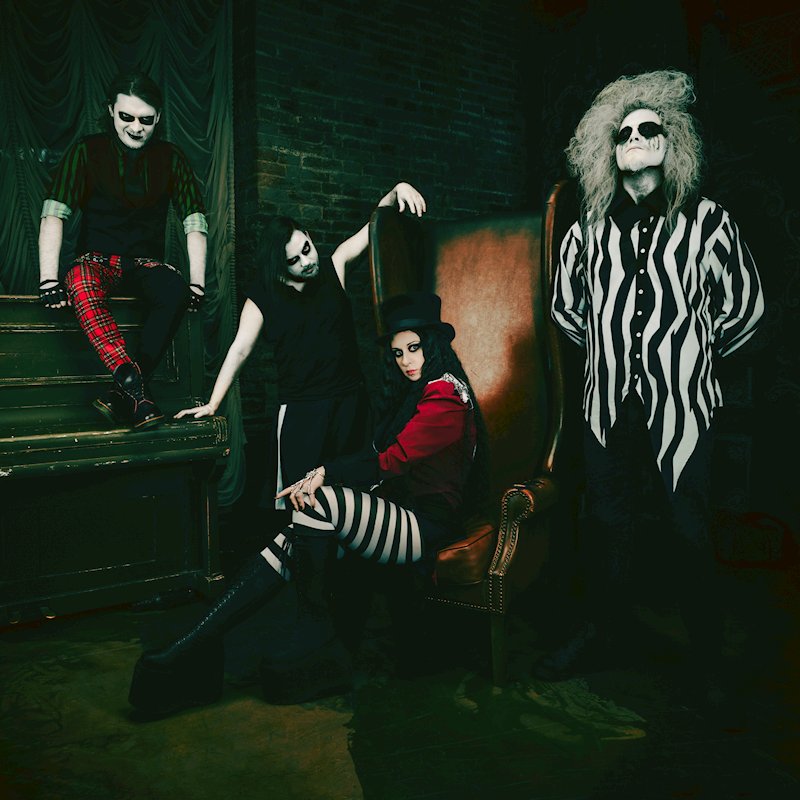
Formed in 2016 in Saint Petersburg, Russia (but apparently now located in Melbourne, Australia), the charming Avantgarde/Progressive Dark Metal/Rock known as Tardigrade Inferno, named after the resilient “slow walkers” (tardigrades) and the concept of a fiery hell (inferno), returns with another overdose of their “Dark Cabaret Metal” in their third full-length album, titled Hush. Produced by Vladimir Lehtinen at Blastbear Sound, and with a darkly delicate artwork by Milena Kress, the follow-up to their 2023 sophomore Burn the Circus is a compelling result of the evolving signature style by vocalist Darya Rorria, guitarist Alexander Pavlovich, bassist Maxim Belekhov, and drummer Andrew Drew, and the sheer power of their live performances, blending their thoughtful songwriting, ironic lyricism, and striking, highly aesthetic visuals with an authentic sound delivered with studio precision.
The album kicks off with the circus-like intro The Final Show, a work of madness by the band, hitting us hard in the head before we face Hide’n’Seek, starting in a tribalistic way to the hammering drums by Andrew and, therefore, inspiring us all to headbang like true maniacs while Darya delivers a Stygian vocal performance for our total delight. Deadly Fairytales is kinda like the epitome of “Dark Cabaret Metal”, as if Slipknot decided to hit the dance floor or start their own musical, with Alexander’s riffs adding an extra kick to the music; whereas All In Your Head is a song that should sound incredible live, leaning towards the Alternative Metal played by bands like Butcher Babies and Wednesday 13, followed by Dead Fish Smile, and I’m not sure if it’s a dark ballad or just a slower-than-usual song, but in the end it gets a bit generic.
They get back on track and put the pedal to the metal in the high-octane Subatomic Heist, with the guitars by Alexander walking hand in hand with Maxim’s thunderous bass lines; and their avantgarde and experimental vein pulses harder in I.C.D., while Darya screams the song’s wicked words like a mad queen. Goor keeps the energy flowing with its futuristic background elements and the always heavy artillery crafted by Maxim and Andrew, while the title-track Hush brings to our avid ears a striking fusion of Dark Metal with Metalcore and Alternative Rock and Metal, with Darya’s vocals and Alexander’s eerie guitar lines being in absolute sync. Finally, after the piano interlude Hypograph, we’re treated to six minutes of total metal madness titled I Am Eternal, focusing on Darya’s introspective, deep vocals while her bandmates make sure every single space in the air is filled with their heavy sounds.
Having always paid special attention to the visual side of their art, from stage costumes and characters to their album covers, Tardigrade Inferno are on absolute fire from start to finish in Hush, inviting us all for a wild and whimsical journey together with the band. You can find more information about Tardigrade Inferno, their music, tour dates, and plans for the future on Facebook, on Instagram, and on VKontakte, subscribe to their YouTube channel, stream their discography on any platform such as Spotify, and above all that, grab a copy of the striking Hush from BandCamp. With the release of Hush, it’s also the first time the band’s mascot, the Tardigrade, is absent from the artwork, symbolizing a kind of coming-of-age. The toys have been left behind in the nursery, and you better get ready as the band’s lunatic music found in Hush will mercilessly drag you to hell.
Best moments of the album:Hide’n’Seek, Subatomic Heist and Hush.
Worst moments of the album:Dead Fish Smile.
Released in 2026 Independent
Track listing 1. The Final Show 2:29
2. Hide’n’Seek 3:40
3. Deadly Fairytales 4:16
4. All In Your Head 4:12
5. Dead Fish Smile 5:01
6. Subatomic Heist 2:53
7. I.C.D. 5:29
8. Goor 5:55
9. Hush 3:38
10. Hypograph 0:44
11. I Am Eternal 6:28
Band members Darya Rorria – vocals
Alexander Pavlovich – guitars
Maxim Belekhov – bass
Andrew Drew – drums
This unstoppable Russian Blackgaze duo is back with their sixth studio album, moving through remembrance toward letting go and acceptance, a quiet reconciliation with what cannot be carried further.
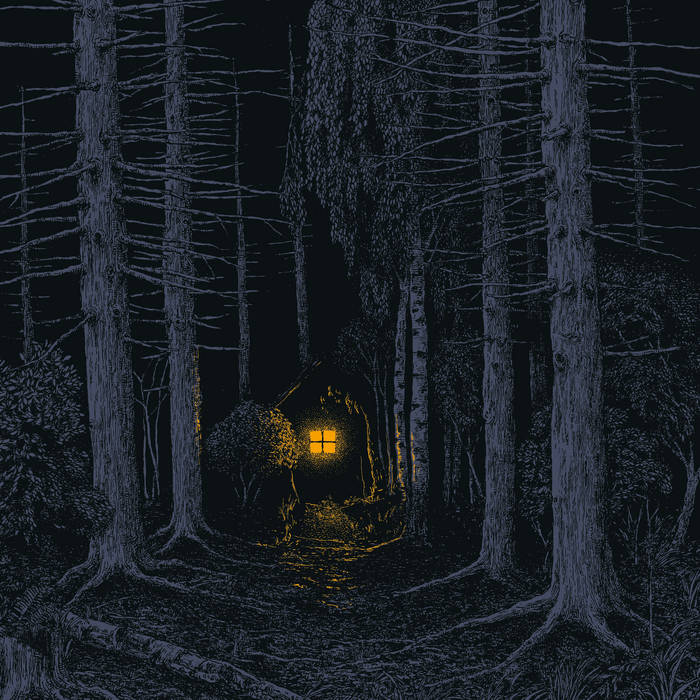
After the burning, there is stillness. Continuing the path opened by their 2024 opus Sacrifice, Saint Petersburg, Russia’s own Atmospheric/Post-Black Metal/Blackgaze duo Olhava is back with their sixth studio album, entitled Memorial. Produced, mixed and mastered by Mikhail Kurochkin, and displaying a darkly captivating artwork by Margot Makletsova, the new offering by Andrey Novozhilov on vocals, guitars, bass and synthesizers, and Timur Yusupov on drums moves through remembrance toward letting go and acceptance, a quiet reconciliation with what cannot be carried further, a shared human state shaped by loss, exhaustion, love, and the fragile will to endure.
The first of the “Ageless River” instrumental tracks, Ageless River X, is a Blackgaze beast that goes on for almost five minutes, hypnotizing us all before we face After I’m Gone and its 14 minutes of atmospheric passages, blackened sounds and the anguished roars by Andrey, while Timur simply crushes his drums in the name of extreme music. Moreover, it completely switches from its core ferocity to a more ethereal sound halfway through it. When the Ashes Grow Cold, featuring a guest “screwdriver solo” (or whatever that is) by Artyom Selyugin (of bands like Show Me A Dinosaur, Somn, and hopeyouwell), is a multi-layered, otherworldly composition that lasts for over 20 minutes for our absolute delight, with its whimsical passages exploding into another round of the duo’s majestic dark music.
Then we have the next Blackgaze instrumental piece, Ageless River XI, heavier and more obscure, as if warning us all about the storm that’s about to begin in the title-track Memorial, where Andrey’s enfolding synths clash with his visceral vocalizations and the Doom Metal drums by Timur, evolving into a full-bodied beast of Post-Black Metal where the anguish flowing from Andrey’s roars is outstanding. Ageless River XII is maybe a bit too long for such a monotone sound, albeit it still builds the ambience for The River Wakes, where their Post-Black Metal vein pulses harder than ever without forgetting their Atmospheric Black Metal essence, and the result is simply superb, with its second half exhaling anger and despair from Andrey’s vociferations. And all comes to an end with Ageless River XIII, the last Blackgaze composition, putting a beyond climatic, eerie and suffocating finale to the album.
Dedicated to more than one loss, Memorial holds space for the dead, for love that has outlived itself, for time that cannot be returned, for friends forced to flee, and for selves left behind. Hence, you can get in touch with the duo and let their music embrace you by following them on Facebook and on Instagram, by streaming their music on Spotify, and of course by purchasing Memorial from the Avantgarde Music’s BandCamp, from Sound Cave, or by clicking HERE or HERE. Memorial offers Olhava’s sonic representation of countless dark emotions like loss, exhaustion, and love, touching deep inside our hearts and souls while speaking the language of atmospheric, melancholic and visceral heavy music.
Best moments of the album:After I’m Gone, When the Ashes Grow Cold and The River Wakes.
Worst moments of the album:Ageless River XII.
Released in 2026 Avantgarde Music
Track listing 1. Ageless River X 4:56
2. After I’m Gone 14:16
3. When the Ashes Grow Cold 20:21
4. Ageless River XI 5:33
5. Memorial 13:24
6. Ageless River XII 6:33
7. The River Wakes 7:29
8. Ageless River XIII 5:46
Band members Andrey Novozhilov – vocals, guitars, bass, synthesizers
Timur Yusupov – drums
Guest musician
Artyom Selyugin – screwdriver solo “When the Ashes Grow Cold”
Behold the debut offering by this ruthless Russian entity, a tour de force of dark, deadly Death Metal of a most 90’s vintage.
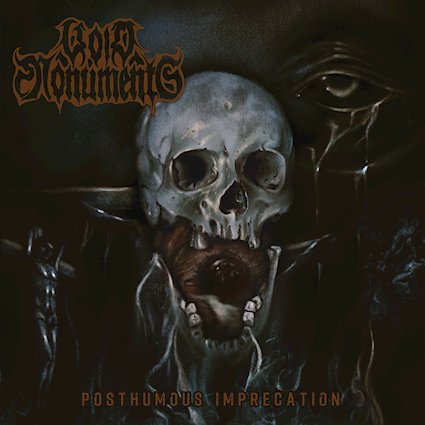
Founded in 2020 in Saint Petersburg, Russia, dead in 2022, but reborn in 2024 with a newly sculptured style blasting wicked, old school Death Metal with sinister lyrics, the ruthless entity Void Monuments will decimate your putrid bodies with their debut opus, entitled Posthumous Imprecation. Adorned by a clear and crushing production and a suitably eerie cover artwork, the new album by K. Svart on vocals and guitar, P. Doom also on the guitar, Ivan on bass, and Bestial Barlog on drums stands tall as a debut declaration, a tour de force of dark, deadly Death Metal of a most 90’s vintage, constructing crushing towers of sound that shoot off into dusty catacombs and primordial slime alike.
Like a demonic creature arising from the pits of the underworld, the album’s Intro will captivate our senses before the band rips our putrid souls in half with Epitome Of Fear, a lecture in Death and Black Metal where Bestial Barlog shows no mercy for our necks with his demonic beats and fills. Then investing in a blood-soaked, vile Doom Metal sonority we face Devilish Prophecies, with K. Svart vomiting the song’s impious words like a rabid beast; followed by Decapitate The Saints, perhaps the song with the most poetic name, a headbanging 90’s-inspired Death Metal attack by the band, with K. Svart and P. Doom showcasing the power of a deadly riff.
Ascent to the Crucifixion is another song with a blasphemous name offering us all an overdose of Blackened Death Metal in the form of six (six six) minutes of pure infernal sounds spearheaded by another gory vocal performance by K. Svart; and Void Monuments go absolutely mental in Invocation, a lesson in Death Metal savagery where Bestial Barlog’s demented drumming is boosted by the metallic, ruthless bass by Ivan and the striking solos by the band’s guitar duo. Their second to last explosion of utter violence is offered in the form of The Sign of Blasphemy, living up to the legacy of 90’s Death Metal, before the band concludes their black mass with Father Of Sin, led by Bestial Barlog’s undisputed hammering drums, putting a beyond demonic ending to the album.
No more but definitely no less, Posthumous Imprecation is undoubtedly a strong release by Death Metal maniacs, for Death Metal maniacs, being highly recommended for admirers of bands the likes of Malevolent Creation, Sinister, The Chasm, Monstrosity, and Cenotaph, among others. You can get in touch with Void Monuments via Instagram, subscribe to their YouTube channel, stream their music on any platform like Spotify, and of course put your damned hands on Posthumous Imprecation from the Blood Harvest’s BandCamp or webstore. Void Monuments are craving fresh blood armed with their newborn spawn, and you better get ready because there’s nowhere to hide from their undisputed Death Metal savagery.
Best moments of the album:Epitome Of Fear, Decapitate The Saints and Invocation.
Worst moments of the album: None.
Released in 2026 Blood Harvest
Track listing 1. Intro 2:14
2. Epitome Of Fear 4:50
3. Devilish Prophecies 5:32
4. Decapitate The Saints 4:50
5. Ascent to the Crucifixion 6:13
6. Invocation 4:58
7. The Sign of Blasphemy 3:30
8. Father Of Sin 4:03
Band members K. Svart – vocals, guitar
P. Doom – guitar
Ivan – bass
Bestial Barlog – drums
This cryptic, haunting Atmospheric Black Metal entity returns with its sixth offering, a dark ritual of ancient forest magic honoring the spirit of the Siberian Taiga.
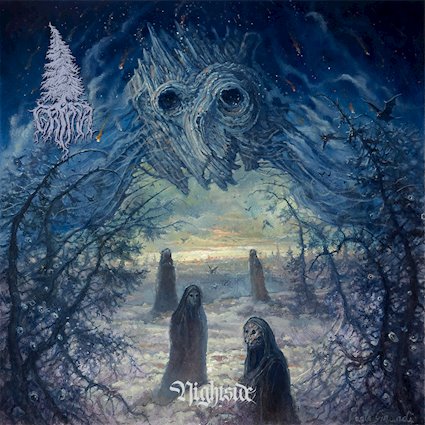
With already 10 years of scene-stealing experience behind them, the cryptic, looming stars of Siberian Atmospheric Black Metal known as Grima are unleashing upon humanity their sixth full-length offering, the breathtaking Nightside, a dark ritual of ancient forest magic following up on their critically acclaimed 2022 opus Frostbitten. Produced by the band itself alongside Vladimir Lehtinen, recorded by Vilhelm and Serpentum at Grima The Mighty Studio, mixed and mastered by Vladimir Lehtinen at Blastbear Sound, and displaying a somber and classy artwork by Paolo Girardi, the new album by twin brothers Vilhelm on vocals and guitars, and Morbius on the guitars, with the support of session musicians Serpentum on bass, Vlad (Morokh, Solarfall, Ultar) on drums, Valentina Astashova (Eoront, WirgHata) on keyboards, and Sergey Pastukh on the bayan, is set to honor the spirit of the Siberian Forest, Taiga, while also bringing to our avid ears an overdose of high quality atmospheric and extreme music.
Serene, gentle sounds permeate the air in the atmospheric intro Cult, with the bayan by Sergey adding an extra touch of finesse to the overall result, exploding into Beyond the Dark Horizon, where Vilhelm’s harsh, devilish gnarls will send shivers down your spine supported by the classic Black and Doom Metal beats by Vlad, therefore resulting in a bold, dense and multi-layered aria of darkness by Grima. Then the striking sound of the bayan once again brings sheer magic to Flight of the Silver Storm, with the guitars by Vilhelm and Morbius exhaling Black Metal, being perfect for some vigorous headbanging in the bitterly cold darkness of the Siberian Tundra; and the gentle guitar lines by the Siberian twins ignite the also enfolding Skull Gatherers, with Serpentum and Vlad generating a heavy, pounding ambience tailored for Vilhelm’s venomous roars. Then featuring guest vocals by Savely Nevzorov (Deafknife, Ultar) and Ilya Panyukov, Impending Death Premonition is a lecture in Atmospheric Black Metal showcasing striking yet melodious riffs intertwined with sheer violence, anger and obscurity.
The second half of the album begins with the breathtaking The Nightside, with its menacing wall of sounds dragging us all to the cold landscapes of Siberia while their riffs and blast beats, supported by the whimsical keys by Valentina, sound utterly dynamic and captivating. They continue to darken the Siberian skies with their harsh but extremely beautiful music in Where We Are Lost, with Vilhelm and Morbius delivering a thrilling riff attack; whereas Savely and Ilya return in full force in Curse of the Void, starting again in an embracing, mysterious manner before such an amazing metal entity from Russia crushes our souls with their stylish Atmospheric Black Metal sounds. Lastly, the band invests in a more melancholic, cadenced sonority in Mist and Fog, bringing more elements from Doom Metal and even Depressive Black Metal to their core sound, with Vilhelm taking the lead with his sharp, devilish gnarling before all flows into the climatic outro Memories of a Forgotten Home, bringing some peace to our hearts and soothing our souls as we succumb to the enfolding darkness of the Taiga in the harshest of winter.
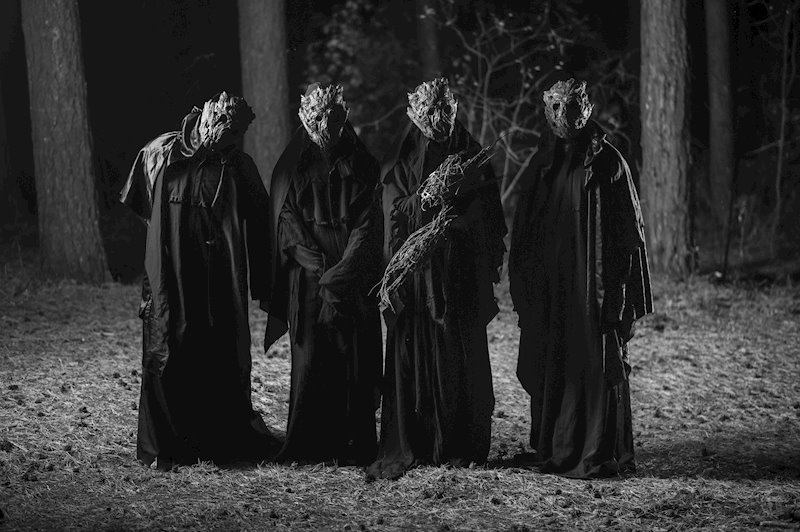
In addition to their unforgettable sound, the band’s eerie, piercing looks, towering like living trees with intimidating carved wooden masks and branched fingers, adds another haunting element to their brutal yet beautiful output. Hence, with their mysterious visual aura and intriguing sound, on Nightside, Grima continue to prove themselves as an unmissable band to watch within the genre, and you can explore their distinguished realm by following them on Facebook, Instagram, and VKontakte, stream their music on Spotify, and purchase their newborn beast from BandCamp, from Napalm Records, or simply by clicking HERE, letting the darkly menacing beauty of the night sky from the Taiga penetrate deep inside your soul to the sound of one of the best albums of extreme music of the year.
Best moments of the album:Flight of the Silver Storm, Impending Death Premonition, The Nightside and Curse of the Void.
Worst moments of the album: None.
Released in 2025 Napalm Records
Track listing 1. Intro (Cult) 2:00
2. Beyond the Dark Horizon 3:36
3. Flight of the Silver Storm 6:01
4. Skull Gatherers 5:37
5. Impending Death Premonition 6:25
6. The Nightside 7:29
7. Where We Are Lost 6:31
8. Curse of the Void 4:35
9. Mist and Fog 5:09
10. Outro (Memories of a Forgotten Home) 2:03
Band members Vilhelm – vocals, guitars
Morbius – guitars
Guest musicians
Serpentum – bass (session)
Vlad – drums (session)
Valentina Astashova – keyboards (session)
Sergey Pastukh – bayan (session)
Savely Nevzorov & Ilya Panyukov – vocals on “Impending Death Premonition” and “Curse of the Void”
As The Headbanging Moose is celebrating nine years of existence this month of October, there’s nothing better than offering the first slice of our cake to a woman who’s undoubtedly the most important name of all time from the Ukrainian rock and metal scene, and I would dare to say even from the entire music scene in Ukraine. Born on March 15, 1987 in Horlivka, or Gorlovka, a city located in Donetsk Oblast, Ukraine, she’s a singer and songwriter better known as the frontwoman for Groove Metal/Metalcore act Jinjer since 2010, kicking some serious ass wherever she goes armed with both her furious roars and mesmerizing clean vocals. I’m talking about the one and only Tatiana Shmayluk, a multi-talented and humble woman who’s also a role model to countless girls out there who want to find in heavy music a way to express all of their feelings, hopes and frustrations, and I’m sure you’ll get addicted to her vocals and her music after reading this tribute to her.
Long before becoming the face of Jinjer, Tatiana was already singing and screaming according to her own mother, always listening to Russian and Ukrainian pop songs she heard on the radio. “My mother told me I started screaming when I was a very little girl. I screamed so loud I had a hernia in my belly.” Furthermore, one of her favorite songs from her childhood was the 1989 dance song Lambada, by French-Brazilian group Kaoma, which she mentioned she still sings along to it with great joy, although she doesn’t know Portuguese. She then began singing more seriously at the age of eight, taking vocal lessons for a couple of months and making her onstage debut that year in a concert hall with a choir. “The songs were accompanied with dancing. I was very nervous, and of course I screwed it up because of the dancing. So I said, ‘Never again.’ I cannot do synchronic dancing with someone else. I need to do it alone so I can control the whole thing,” commented Tatiana, who also said that it was her older brother, who was a guitar player to a Doom Metal band, who introduced her to metal music, more specifically to Aria, the long-running Moscow metal outfit hailed as the “Iron Maiden of Russia.”
Proudly carrying the flag of modern-day metal music to all four corner of the earth, Jinjer were formed back in 2008 in Donetsk, but the band considers their official start with the addition of Tatiana and guitarist Roman Ibramkhalilov in 2010. None of the founding members remain with the band, with the current lineup being comprised of the aforementioned Tatiana on vocals and Roman on the guitars, together with Eugene Abdukhanov on bass and Vladislav Ulasevish on drums. Influenced by countless renewned acts the likes of Opeth, Guano Apes, Slayer, Death, Pantera, Anathema, Lamb of God, Gojira and Twelve Foot Ninja, as well as groups across the spectrum of R&B, soul, funk, jazz, reggae, and hip-hop, such as Cypress Hill and House of Pain, the band has already released four studio albums in their career, those being their 2014 debut Cloud Factory, their 2016 sophomore album King of Everything, and more recently their 2019 opus Macro and their 2021 critically acclaimed album Wallflowers, all of which have reached number one in their native Ukraine, while also seeing a total of 16 singles, six of which reached the top of the Ukrainian charts and one of which, Pisces, became a global hit and has to date sold over 20 million copies. In addition, they’ve also released three EP’s, those being Objects in Mirror Are Closer Than They Appear (2009), Inhale, Do Not Breathe (2012) and Micro (2019), and the 2020 live album Alive in Melbourne. You can enjoy several of their best compositions on YouTube, such as Vortex, Judgement (& Punishment), Wallflower, Home Back, Sit Stay Roll Over, and Who Is Gonna Be The One, as well as their full ass-kicking performance live at Resurrection Fest in Viveiro, Spain, in 2018, among many, many other awesome videos, and don’t forget to also stream their full discography on Spotify.
Unfortunately, not long after the ongoing conflict between the Ukrainian military, anti-government protestors and pro-Russian rebels began in 2014, Tatiana and her bandmates had to escape Donetsk, moving to a suburb near the city of Lviv around 800 miles away, not far from the Polish border. “”But we got bored there because it’s a city for tourists,” explained Tatiana. “We rented a house but it was impossible to live there because there were problems with water, with electricity, heating. So that’s why we moved to a more civilized place.” Furthermore, when asked about what makes Jinjer uniquely Ukrainian, she said that because the band comes from a land where kindness equals weakness, a tough country for everyone including their parents, especially in the 90’s, the band members became really grind and tough. For instance, she mentioned that Ukrainians don’t go to a doctor if something hurts, for example, enduring the pain until the end. That’s one of the reasons why the band tries to never cancel any of their concerts and tours, even if it’s impossible to play, showing how strong and determined they are.
Apart from her undisputed career with Jinjer, you can also find Tatiana as a guest vocalist in an array of distinct albums and songs, including the songs Through the Never (I Will Return) and Horror of Daniel Wagner, from the 2022 album Horror of Daniel Wagner, by Ukrainian Heavy/Power Metal band Morton; the song Find My Way, released in 2022 by American Modern Metal band Lions At The Gate; the song Over and Out, released in 2021 by Australian Heavy Rock band Twelve Foot Ninja; and my favorite of all those tracks, the pulverizing Hello Death, from the 2022 album Cancer Culture, released by Polish Death/Groove Metal act Decapitated. Not only that, if you pay good attention to Jinjer’s song Judgment (& Punishment) you’ll notice several elements from reggae added to the band’s extreme music, and that’s something that comes from Tatiana as she was a part of a band that played reggae, ska, ska-punk and funk before Jinjer, playing several cover songs and singing in Ukrainian, Russian and English. “I was a huge fan of reggae. I wore dreadlocks and I was all about Rastafari,” commented Tatiana, who also said that, even being a huge reggae fan, she doesn’t smoke weed simply because she doesn’t like it.
Currently living in Los Angeles, California and spending as much time as possible on tour, having closed 2021 with over 70 concerts including many summer festivals, a short tour of mainland Europe and a two-month North American tour, Tatiana obviously misses her homeland, her family and friends, although she finds the region’s lingering Soviet attitudes unappealing, with the remnants of hardline communism surrounding everyone there. While she was still living in Ukraine, she said that “I was too young to remember life in Soviet Union, but the spirit of Soviet Union is still here. I’m living in an apartment built maybe 40 years ago, and my parents live in such an apartment, as well. All our shops and supermarkets are situated in buildings built then. So it is still like Soviet Union. And there are a lot of people who still have Soviet Union in their heads and their minds.” However, Tatiana mentioned she doesn’t feel safe when on tour it doesn’t matter which country she’s visiting, not only in Ukraine, saying she’s always afraid of going anywhere by herself.
In one of her interviews, Tatiana said it’s a surprise to her that people are still impressed that women can scream, mentioning for example female-fronted German thrash metallers Holy Moses, who she got to know when she was an 18-year old girl in Ukraine, and saying that despite the fact bands like Jinjer might impress the younger generations, the older generations have always known what women can do in rock and metal music. “Sometimes I’m annoyed, but then you say, ‘OK, well, I didn’t see a hummingbird until I was 35 years old.’ It’s always a right time to discover new stuff. It’s great that screaming women are a phenomenon.” She also said it’s incredible to know she’s an inspiration for many young women mainly because they don’t know she’s in fact a very shy person, also sensitive, fragile and easy to be offended, or in her own words, she’s not better than anyone, complementing by saying she’s just a performer when she’s on stage. “Of course there is some true shit, but I don’t move my head 24/7 and I don’t scream all the time. Well, I scream every night. But not every morning.” Furthermore, you can learn a little more about how Tatiana learned to scream by clicking HERE, from first hearing Otep to screaming Mudvayne lyrics, to the dominant force she is today.
This slideshow requires JavaScript.
As any other metalhead in the world, Tatiana has a lot of idols and influences in her life, in her vocal style, in the way she writes the music for Jinjer and so on, but following those artists wasn’t easy at all when she was a young girl due to the aforementioned impact of the Soviet Union over Ukraine at that time. “Metal wasn’t accessible for me. Where I grew up in Donetsk, not many worldwide metal artists would come. They’d go to the capital, and it was 700km and 12 hours on the train. I didn’t have money because I was a teenager and my mom was strict; she didn’t give me much pocket money, although that stimulated me to earn it myself, for which I’m really grateful to her. My parents wouldn’t have let me out of the town, but that was for the best too. It made me want to play my own music and form my own band.” As mentioned, her brother was the one who got her into metal (although he stopped listening to heavy music when he grew up), but before that she used to listen to a lot of rock music, grunge and punk especially after the Soviet Union collapsing in 1991, as MTV hit the Ukrainian airwaves and she began listening to bands like Nirvana and The Offspring. She then found the music by Otep, and got addicted to the vocals by the iconic Otep Shamaya. “I think I was 15 when I heard Otep the first time,” said Tatiana in one of her interviews. “I said, ‘This dude is so cool!’ And my friend said, ‘This is a girl!’ I was like, ‘Jesus fucking Christ!’ This is the first girl I am hearing do this. I was shocked, and I wanted to shock people like her.”
Being a rock and metal artist in Ukraine wasn’t easy at all, taking Tatiana and the rest of the band around five years just to cross the Ukrainian border and play in Romania, and even longer to reach other European countries and the United States, but fortunately everything seems to be working for Jinjer now, with the band organically growing in the worldwide scene and gaining more and more respect from fans from all four corners of the earth. As expected, Tatiana has some important complaints about the Ukrainian metal scene, saying that most Ukrainian bands stick to playing in Ukraine or Russia, and that they don’t usually sing in English, the main reason why they just play in their motherland. “I was always inspired by western music culture in jazz, blues and then metal. I always had this love for English speaking music, even pop music; Britney Spears is one of my biggest idols! People can understand it easily and for me, it was always about spreading my own message through a language that is more available for people all around the world of different countries. That’s why we chose to sing in English and that’s how we made our own path.” Another major issue in Ukraine according to her is the post-U.S.S.R. thinking and mindset, where you’re not accepted if you’re different, as for example tattoos (and we all know she has plenty) are not acceptable for men nor women in her homeland.
However, as you might probably know, Ukraine is suffering with the Russian invasion that started back in February this year, and that has been hitting the band hard in their hearts and minds since then. In March 2022, it was reported that Jinjer had “paused” their career to focus on relief efforts in Ukraine after the war began. Right after that, in June 2022, Jinjer announced that they received permission from the Ukrainian Ministry of Culture to leave Ukraine and tour as ambassadors of the nation to raise funds and awareness. “We are very thankful to our Ministry Of Culture for the Ukraine who gave us this opportunity to do what we love to do, and play all the festivals we have announced. We’re using every festival to raise funds and spread awareness about the real war that is happening in the 21st century, which is crazy. It’s hard to believe, but this is the harsh reality. It’s heartbreaking, but at the same time we are also full of hope that soon it is all going be over. We are spreading positivity and hope, and we are dreaming about peace. I hope that no other European or world country ever experiences the same as the Ukraine,” commented Tatiana, also saying she has no idea when Jinjer will be able to play in Ukraine again, and that the band will never stop fighting. Moreover, in their most recent releases there are lyrics addressing the war in Donbas and its effects on their home region of Donetsk, and you can also find tons of amazing interviews with Tatiana and the boys talking about the war in Ukraine, just like this one conducted by Loudwire.
Regarding her relationship with social media, Tatiana said that due to her explosive nature she usually replies back to anyone that messages her, it doesn’t matter if it’s a positive or negative comment, saying she “enjoys” replying back to internet trolls because she’s easy to piss off. “Sometimes it’s just overwhelming. I feel like if I let it go, I will let them continue to do this shit again and again. It’s like I give them unspoken permission,” commented our stunning diva, also saying most of the feedback she gets online is actually positive. In addition, one of her favorite ways of interacting with her fans is to customize shirts she receives from them before a show and wear them onstage the same night. “Most of the time, these shirts are very personal. For example, yesterday I was given a shirt — it has a huge ape giving a middle finger and it says something like, ‘Humans destroy everything.’ It’s so related to our song Ape. They will see me wear it on the stage and it is a huge pleaser. They get double joy. I love all the things they bring to me at meet and greet. They are so sweet,” said Tatiana, complementing by saying that some of those fans are very shy and don’t want to talk a lot, being very happy with just an autograph and a photo.
Our unstoppable frontwoman also said that, in an effort to improve her own standing with Mother Nature, she tried to be a vegan for three years, but she went back to eating meat in the middle of a tour because she was starving. She said she still tries to be moderate in consuming meat, and that she doesn’t drink milk, though, revealing her own inner conflict. “I still try being vegan, but it’s really hard for me because I was raised in a family that was not very rich,” she explained. “We could not afford eating meat very often. So when I stopped eating meat, I realized that I loved meat a lot. When I smell meat, it drives me crazy. Something inside of me forgets about animals, suffering, health, environment, and I just want a good piece of meat.” You can get to know more about Tatiana by listening to our growler answering 10 questions asked by Metalshop TV (volume 1 and volume 2), as well as other interviews online such as Tatiana and her bandmates answering the most asked questions on the Internet about Jinjer. Lastly, just like several people out there (including myself), Tatiana also believes something went wrong in our evolution, saying mankind went wrong, and that although we are so small on this earth we act like we are gods, which makes her really sad. She’s trying to learn how to be happy, how to find the happiness inside, and to appreciate her life. “That’s my biggest ambition, to be happy and find inner peace, and for there to be justice for Ukraine.”
“You know what, I’m losing my faith in music. I don’t feel like I can express myself enough to say what I really feel because there are no words to explain. So, I feel like I should give up… but then something makes me go further.” – Tatiana Shmayluk
Behold the debut EP by a Russian Death Metal horde unleashing hell on earth with its 19 minutes of brutality, hatred and obscurity.
Brought into being in the dirtiest and darkest alleys of Moscow, Russia by members of local underground bands the likes of Grond, Act Of God and Gwarloth, the ruthless Death Metal creature known as Kadavereich has just unleashed hell on earth with their debut EP, entitled Radiance of Doom. Recorded at Rofocale Studio during the summer of 2021 (with the exception of drums, which were recorded at Giereolith Studio in April 2021), mixed at Angelrape Studio, and featuring a sick artwork by the band’s own bassist Daemorph, Radiance of Doom will bring to your ears 19 minutes of brutality, hatred and obscurity masterfully crafted by Morkbeast on vocals, Panzer and Bonecrushing Apocalypse on the guitars, Daemorph on bass, and Kist on drums, providing fans of the most devilish form of Death Metal with a very good reason to slam into the pit and headbang like a true maniac .
Epic, imposing sounds open the gates of the underworld for Kadavereich to crush our souls in Invincible Sun Devourer, a bestial, crude Death and Black Metal onslaught spearheaded by the gruesome vociferations by Morkbeast accompanied by the utterly infernal beats by Kist; whereas Caldarium of Boiling Blood is just as obscure and grim as its predecessor, with Panzer and Bonecrushing Apocalypse showing no mercy for their stringed axes supported by the rumbling bass by Daemorph in another awesome display of primeval Death Metal. Then get ready to be pulverized by this Russian quintet in CCCIII, with the sound of their incendiary riffs and blast beats setting the atmosphere on fire, also presenting elements from D-Beat Crust and the always demonic gnarls and roars by Morkbeast. And closing such devilish EP we’re treated to the massive, pounding tune Dismal Radiance of Doom, with Panzer and Bonecrushing Apocalypse paying a tribute to all things evil through their wicked riffage while Daemorph and Kist generate a beyond Stygian ambience with their heavy artillery.
If you want to add the apocalyptic and venomous Death Metal by Kadavereich to your personal collection of evil music, you can grab a copy of it directly from the band’s own BandCamp page, as well as from the Godz Ov War Productions’ BandCamp page or webstore as a CD, a black cassette or a red cassette, showing your utmost support to our beloved underground. Hopefully the unrelenting Russians from Kadavereich won’t take too long to crush our souls again with another release, maybe their first full-length opus, but until then we can rest assured the 19 minutes of infernal death found in Radiance of Doom will keep us absolutely entertained in the name of darkness.
Best moments of the album: Invincible Sun Devourer and CCIII.
Worst moments of the album: None.
Released in 2021 Godz Ov War Productions
Track listing 1. Invincible Sun Devourer 4:26
2. Caldarium of Boiling Blood 4:39
3. CCCIII 4:44
4. Dismal Radiance of Doom 5:12
Band members
Morkbeast – vocals
Panzer – guitar
Bonecrushing Apocalypse – guitar
Daemorph – bass
Kist – drums
Behold the debut full-length album by this uncanny Russian Progressive and Atmospheric Black Metal entity, representing the breakdown of the worldview, spiritual torments and the path of self-destruction.
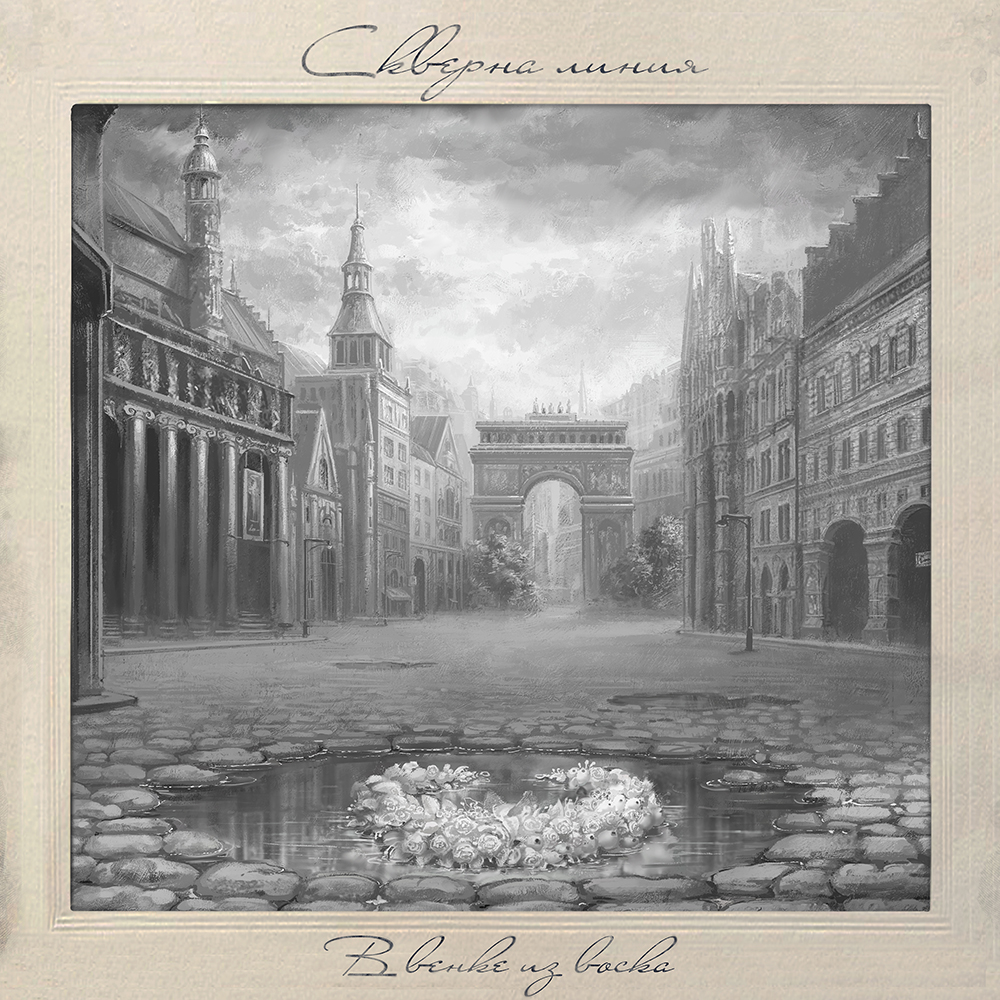
Forged in the fires of Voronezh, a city on the Voronezh River in southwestern Russia, Progressive/Atmospheric Black Metal entity Skverna Liniya (or Скверна Линия, which translates from Russian as something like “dirty line”) is set to unleash upon humanity their debut full-length album In a Garland of Wax (or В венке из воска), following up on their 2020 EP Snowfall. Mixed and mastered by Mikhail Kurochkin and displaying a stylish artwork by innersys32, In a Garland of Wax is based on the lyrics of Boris Poplavsky (1903-1935), a Russian poet in exile whose work was focused on the soul’s withering and searching in a hostile environment, loneliness and fear in coming into contact with reality. Representing the breakdown of the worldview, spiritual torments and the path of self-destruction, the album is a must-listen for all admirers of atmospheric and extreme music, carefully brought into being by multi-instrumentalists Sergey Chirkov and Andrey Pospelov supported by guest musicians Roman Graver on harsh vocals, Konstantin Bers on clean vocals and Ivan Salo on drums.
The Rustle of Smoldering Life (Шорох тлеющей жизни) sounds and feels atmospheric and enfolding from the very first note, with Ivan and Roman kicking some ass with their respective beats and roars, therefore providing Sergey and Andrey all they need to thrive with their riffage (not to mention the song’s ethereal finale), whereas How Cold It Is. The Empty Soul Keeps Silence… (Как холодно. Молчит душа пустая…) already begins in full force with Roman screaming rabidly nonstop while the strident, piercing riffs by the band’s guitar duo add a touch of progressiveness to the music, resulting in a modern-day Black Metal extravaganza spiced up by the phantasmagorical clean vocals by Konstantin. Then get ready for over seven minutes of first-class Atmospheric Black Metal made in Russia in Green Horror (Зеленый ужас), showcasing a somber ambience to the sound of the crisp guitars by Sergey and Andrey while Roman roars manically for our total delight. The Sunset Blazed O’er The Madhouse… (Пылал закат над сумасшедшим домом…) brings forward sheer devastation and progressiveness, with Ivan sounding infuriated behind his drums accompanied by the thunderous bass punches by Sergey, flowing into an instrumental and utterly atmospheric Interlude (Интерлюдия) that will captivate our senses before the band crushes our souls one last time with the instrumental aria titled In Forgotten Wide Spaces (На забытых просторах), where the keys by Sergey bring a touch of finesse to their Doom Metal-infused sonority.
If you want to know more about this up-and-coming entity hailing from Mother Russia, go check what they’re up to on their official Facebook page, and of course don’t forget to also show your utmost support to the Russian underground by purchasing your copy of In a Garland of Wax from the band’s own BandCamp page, from the Beverina Productions’ BandCamp page, from the Casus Belli Musica’s BandCamp page, or from the BMC Productions’ BandCamp page. And after putting your hands on such dense and enfolding album of extreme music, get ready to be dragged into the Stygian realms ruled by Skverna Liniya for all eternity, and have your soul consumed by darkness while you follow this musical one-way path to self-destruction.
Best moments of the album: The Rustle of Smoldering Life and The Sunset Blazed O’er The Madhouse…
Worst moments of the album: None.
Released in 2021 Casus Belli Musica/Beverina Productions
Track listing 1. The Rustle of Smoldering Life (Шорох тлеющей жизни) 6:14
2. How Cold It Is. The Empty Soul Keeps Silence… (Как холодно. Молчит душа пустая…) 4:22
3. Green Horror (Зеленый ужас) 7:30
4. The Sunset Blazed O’er The Madhouse… (Пылал закат над сумасшедшим домом…) 5:55
5. Interlude (Интерлюдия) 2:03
6. In Forgotten Wide Spaces (На забытых просторах) 8:17
Band members Sergey Chirkov – guitars, bass, keys
Andrey Pospelov – guitars, additional bass on “The Rustle of Smoldering Life”
Guest musicians Roman Graver – harsh vocals
Konstantin Bers – clean vocals
Ivan Salo – drums
How to open your heart in the chaos of life? Learn to give and to share, to hustle and strive…
If you consider yourself a diehard fan of both old school and modern-day Death Metal, I’m certain you’ll have a very good time with our metal chick of the month of September. Not only she’s the owner of a potent and visceral voice, but her charisma, together with her onstage (and onscreen) performance, turn her into a must-listen and see for any admirer of first-class extreme music. I’m talking about the unstoppable Russian growler Ira Sidenko, also known as Irina Sidenko (or even Ирина Сиденко in Russian), the frontwoman for Tomsk, Russia-based Death Metal brigade Dehydrated, and a metalhead who is always expressing her passion for Heavy Metal through her music and art.
Born in the city of Tomsk, in Tomsk Oblast, a federal subject of Russia (an oblast) that lies in the southeastern West Siberian Plain, Ira studied at Tomsk State University, or TSU, known in her mother tongue as Томский Государственный Университет, or ТГУ, but it’s not clear exactly what course or courses she took at TSU. It was in 2008 when she founded Dehydrated (being named Dehydrated Entrails from 2008 until 2009, when they changed their name to the current one) together with guitarist Evgen Tsibulin, bassist Evgeny Zimin and drummer Alexey Ablayev, with only Ira and Evgen being still in the band from its original formation. Playing a fusion of classic Death Metal with other styles such as Deathcore, Grindcore, Groove Metal and even Progressive Metal, among others, the band didn’t know exactly what they wanted to play at first, but they knew it was going to be hard and aggressive, experimenting with several genres and subgenres of heavy music as aforementioned. By the way, when asked about the origin of the band’s name, Ira explained that’s how you feel after a concert, feeling dehydrated both physically and mentally after all the exchange of energy between the band and the crowd.
Having already played in several international festivals including Metal Head’s Mission (Ukraine), Metal Crowd (Belarus), Petrogrind (St. Petersburg), Metal Maidens (Kaluga), and Cieszanów Rock Festiwal (Poland), as well as tours around Russia and Eastern Europe, the band has unleashed upon humanity an array of high-quality albums and EP’s, those being the 2009 demo Suffering from Mummification, the full-lengths Duality of Existence (2011), Zone Beneath the Skin (2012) and Awake in Era (2012), the EP’s Mind Extract (2011), Piranha or Whale? (2019) and Piranha or Whale (Part II) (2020), and a 2011 split with the bands PureFilth, Grace Disgraced and Redrvm. Furthermore, in one of her interviews, Ira mentioned that her favorite Dehydrated album to date is Awake in Era, as she considers it more professional and more atmospheric than the other releases, with each of its songs representing a different story, but I’m sure that opinion will change with each of their releases just like what happens with any musician. And when asked about what Dehidrated means to her, she said that as music is her life, the band represents life to her, always showing a lot of love for her own work.
Dehydrated are a DIY band, doing everything themselves and relying a lot on the internet for sales and promotional activities just like countless underground bands worldwide. Ira mentioned that services like BandCamp, Spotify, Patreon and YouTube have been helping the band a lot with their promotion, but that at the same time they still have a hard time trying to organize tours all by themselves. Hence, if you want to give the music by Dehydrated a try, you can stream all of their creations on BandCamp, on Spotify and on YouTube, where you can have an absolute blast with songs the likes of Hell Doesn’t Exist, Parallels, Sickness, Outlaws, Thirst of Dose, Werewolf, Alive Underground, Piranha or Whale, and their excellent covers for Motörhead’s Ace of Spades and Lake of Tears’ U.N.S.A.N.E.
Apart from her career with Dehydrated, you can also find Ira kicking some ass with a female-fronted metal band from Saint Petersburg, Russia named Fallcie for a while, and she can also be seen as a guest vocalist in the song А Время Шло, from the 2020 EP А Время Шло (or “time went on”) by Kaluga, Russia-based Melodic Death Metal band Last Trial. In addition, Ira is also an amazing online vocal coach as you can see on her own YouTube channel, not only providing some great tips to growlers worldwide, but also uploading to her channel cover versions for countless songs the likes of Slaughter to Prevail’s Hell, Rammstein’s Sonne, Linkin Park’s From the Inside, Decapitated’s Homo Sum, Death’s Without Judgement, Vader’s Hexenkessel, and Whitchapel’s I Dementia.
All those top-notch cover versions are not in vain, as all of those bands are also part of Ira’s idols and influences list. As a matter of fact, when asked about how she would define the sound by Dehydrated, she mentioned it’s a fusion of different styles from bands such as Death, Gojira, Animal as Leaders, and so on. Regarding her personal preferences, our beloved growler mentioned the first bands she fell in love with were Rammstein and Slipknot, later moving on to Black and Death Metal and getting absolutely addicted to that. Furthermore, the first time she heard a Death Metal band was when she got to know the music by Aborted, also getting hooked to the music by Whitechapel, Deicide and Vital Remains. However, Ira said she doesn’t have any limits when listening to music, being also a fan of Jazz, Blues, Grindcore and many other distinct styles, but of course always praising metal behemoths the likes of Motörhead, Manowar and Metallica.
This slideshow requires JavaScript.
Ira also provided her view on how to become a metal vocalist in one of her interviews, saying that there’s no secret to that but several years of practice and studies (and tons of mistakes) and a never-ending desire to grow, always searching for the right sound and for professional development. Although she mentioned she hadn’t had an older brother to show her metal music, Ira mentioned she had a friend with whom she used to listen to Rammstein together, which inspired her to form a band and, later, as her taste for music became heavier and heavier, she naturally decided to learn how to do guttural by herself. Having the flexibility to sing in English, Russian and German, Ira believes her vocal performance and her confidence have improved a lot since the band’s 2009 debut demo Suffering from Mummification, again pointing out to the importance of constant learning to become a better vocalist.
When asked about the metal scene in Russia (and in Eastern Europe in general), she thinks the bands in Russia need to show more of their own culture and ideas when creating music instead of trying to mimic famous European or American bands, but of course she acknowledges there are tons of fantastic bands in her homeland such as Katalepsy and Arkona. Moreover, in regards to her hometown Tomsk, she said that there was a time when Siberia, where Tomsk is located, once had a very strong metal scene, but that has changed over time and today the scene is not as powerful and the attendance to metal concerts has dropped significantly. She complemented by saying that not only in Tomsk, but in the entire Russia (and maybe we can also add the rest of the world to the mix), you can only get in contact with metal music through the internet, as the radio and TV do not offer any space to bands like Dehydrated, and there aren’t any major festivals either to promote the bands. She still thinks that there are great bands coming from her hometown, though, such as Apokefale and Dark Revenge, which needless to say need our total support to avoid getting extinct.
Last but not least, our Russian growler believes that becoming a Death Metal vocalist isn’t easy at all, it doesn’t matter if you’re a man or a woman, but of course it can be a little bit tougher to girls depending on the situation due to the sexism that still happens in the metal community all over the world. She said that once in a while she’s the target of that sexism, but she doesn’t really care about it and keeps working hard to make Dehydrated a better band and to make herself a better vocalist. When asked about how she responds to those attacks, she said she simply doesn’t answer back to the haters, ignoring them on social media and focusing on what really matters, which is the opinion and support of her fans, her friends and her family. And to be fair, she’s more than right in doing so, avoiding bringing that negativity to her work as a musician, therefore keeping her haters screaming in anger (but not as greatly as her) for not engaging in a virtual battle with her. That’s how you recognize a true musician, and let’s hope Ira keeps growling in our faces for many years to come with her ass-kicking band.
“We are very pleased to be able to create and do what we like, we do not know for how long but the only certainty is that there is only one here and now. We look to the future positively.” – Ira Sidenko
This infernal Russian Sepulchral Death Metal horde comes ripping with their debut full-length opus, offering us all their raw and vile view of “the Utmost Humiliation”.
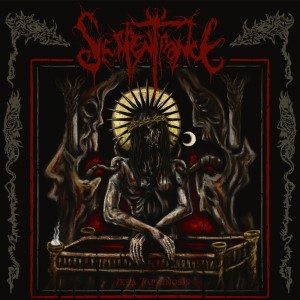
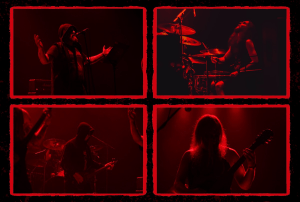
Recorded, mixed and mastered by the band’s own guitarist Spīritō Destitutus in the desolate temples of doom, and displaying a beyond blasphemous artwork by the band’s own vocalist Morkh at Nether Temple Design, the excellent Akra Tapeinosis (or “the Utmost Humiliation”), is not only the debut full-length opus by Russian horde Serpentrance and the follow-up to their 2015 EP The Besieged Sanctum, but also a lesson in Black, Death and Doom Metal by this uncanny entity, or as the band itself likes to label their own sound, a fulminating exhibit of “Sepulchral Death Metal”. Formed in 2014, the band currently comprised of the aforementioned Morkh and Spīritō Destitutus together with bassist HTM and drummer Noersyl Skept is ready to darken the hearts of the unbelievers with their unique style and otherworldly sounds, proving once again why Russia is the go-to place for the most disturbing forms of extreme music you can think of.
Gregorian vociferations permeate the air in the Stygian opening tune Vomit & Myrrh, exploding into a primeval fusion of Black and Doom Metal that will haunt the souls of the lighthearted where Morkh sounds like a creature from the underworld on vocals, while Noersyl Skept hammers his drums in great fashion; followed by Clothed in Abomination, with its darkly poetic words (“Cathedrals howling in awe / The old woman of apocalypse awakes / To feed the hunger of the devoted ones / By the coffins of the blessed tree”) being beautifully complemented by a raw, sluggish sonority. Furthermore, the riffs by Spīritō Destitutus exhale pure sulfur, supported by the menacing bass by HTM in an ode to Blackened Doom. And Spīritō Destitutus keeps slashing his stringed axe with tons of hatred and obscurity in The Tarnished Shrines of God, another venomous tune by Serpentrance where the deep guttural growling by Morkh will penetrate deep inside your psyche and drag you into pitch black darkness for all eternity.
After such intense and bold display of damnation and hatred, get ready for over 11 minutes of a demented hybrid of Black, Death and Doom Metal by the quartet spearheaded by the demonic riffage by Spīritō Destitutus and the thunderous drums by Noersyl Skept entitled Underneath Babylon, not to mention how vile Morkh’s roars sound and feel in a lecture in sheer doom for admirers of the most sulfurous side of music. And last but not least, we’re treated to the superb The Black Dawn of Sophia, offering our avid ears one final round of Serpentrance’s wicked lyrics (“Man, hast thou felt the rising winds of death / Howling among these ancient marble walls? / There, below, crawling the procession / Groveling beneath the corroding sun”) to close the album on a high and infernal note. Put differently, it’s a flawless, neck-breaking aria that positions the band as one of the most interesting names of the Russian underground scene, ending the album on an absolutely cadaverous vibe.
If you think you can endure sheer darkness in the form of the Sepulchral Death Metal blasted by Serpentrance, you can stream the full album on YouTube, and in case you survive that metallic onslaught you can join Serpentrance’s horde by following them on Facebook and getting to know more about the band, their tour dates and their plans for the future. And above all that, of course, don’t forget to purchase a copy of Akra Tapeinosis from the Godz ov War Productions’ BandCamp page or webstore in CD, LP or cassette formats, showing your true love and admiration for sick and impious doom. Serpentrance are just starting in their grim and sulfurous career, and Akra Tapeinosis is the undisputed statement that they’re indeed following the right (and by that I mean infernal) path to conquer the world of extreme music in a not-so-distant future.
Best moments of the album: Vomit & Myrrh and The Black Dawn of Sophia.
Worst moments of the album: None.
Released in 2021 Godz ov War Productions
Track listing
1. Vomit & Myrrh 7:34
2. Clothed in Abomination 7:38
3. The Tarnished Shrines of God 7:14
4. Underneath Babylon 11:35
5. The Black Dawn of Sophia 9:10
Band members Morkh – vocals
Spīritō Destitutus – guitars
HTM – bass
Noersyl Skept – drums


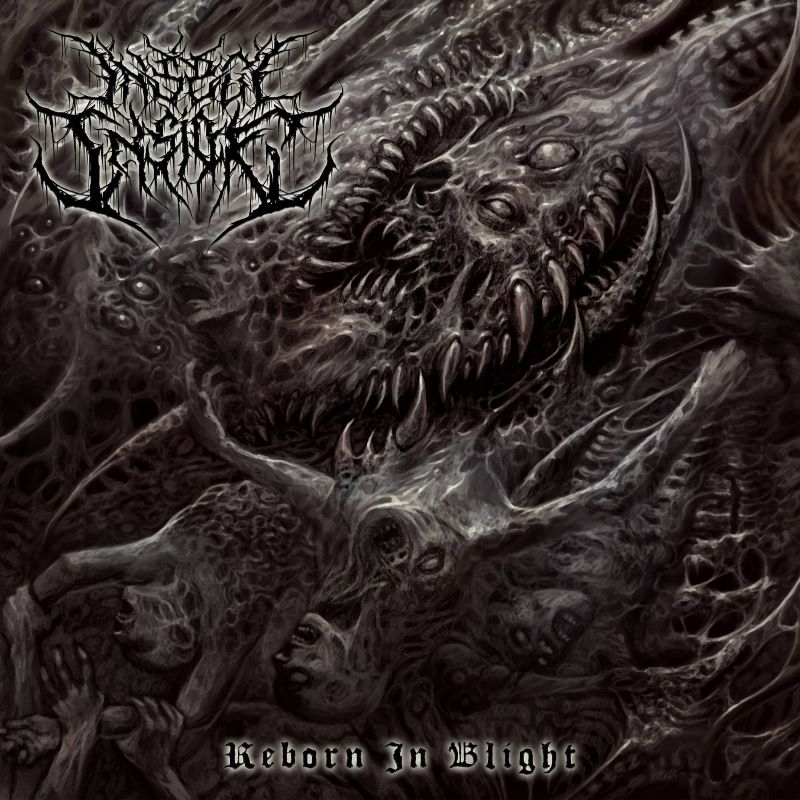 Emerging from Chelyabinsk, Russia’s underground scene back in 2017, the ruthless Brutal Death Metal/Deathcore creature known as Insect Inside has carved a reputation for its tight and aggressive sound, blending groove-heavy slam with suffocating atmospherics. Now in 2026 the band formed of Ivan Tyulkin (Nauseating) on vocals, Pavel Pleshkov (Ocean In My Bath) on the guitar, Bogdan Pisavnin (Cold Blooded Murder, Traumatomy) on bass, and Daniel Sementsov (Nauseating, Morphogenetic Malformation) on drums returns with their sophomore effort, titled Reborn in Blight, following up on their 2021 debut The First Shining of New Genus and their 2022 EP Into Impending Apotheosis. Produced by the band itself, mixed and mastered by Sasha Borovykh at TsunTsun Productions, and displaying a vile artwork by Jon Zig, the album showcases the band’s evolution toward a rawer, more visceral tone. Lyrically, the album continues their apocalyptic storytelling, chronicling humanity’s downfall and the rise of the insectoid race.
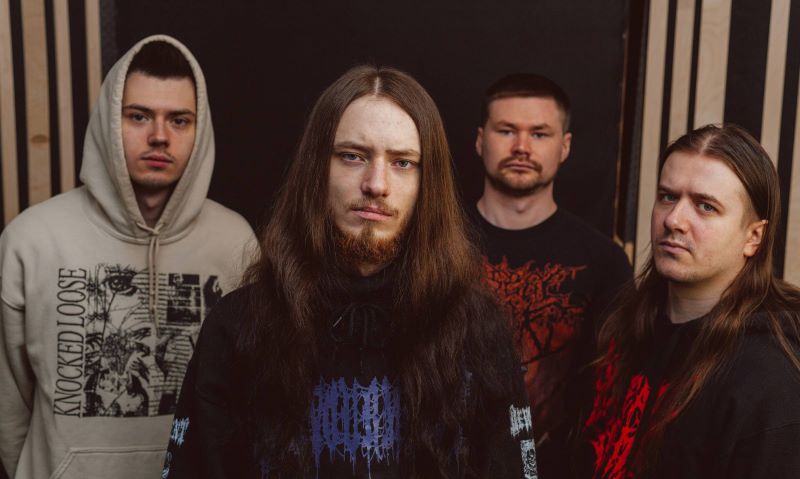 Drawing inspiration from Brutal Death Metal with hints of Black Metal, citing Disentomb, Relics Of Humanity, Cryptopsy, Defeated Sanity, and Vulvectomy among their top influences, Insect Inside continue to spread their grotesque vision characterized by gloom, disgust, and apocalyptic themes to the four corners of the earth with their new album, and if you want to join them in such a demented quest you can find those Russians on Facebook, on Instagram, and on VKontakte, stream their music on Spotify, and of course purchase Reborn in Blight from the Gore House Productions’ BandCamp and webstore, or by clicking HERE or HERE. The era of the insectoids has begun, and there’s nothing better to celebrate such an important milestone in humanity’s decay than the brutal music blasted by Insect Inside in their new album.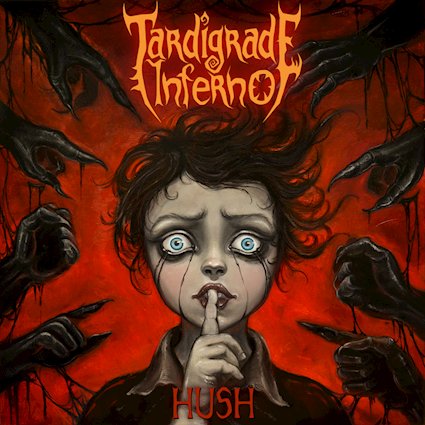




 Recorded, mixed and mastered by the band’s own guitarist Spīritō Destitutus in the desolate temples of doom, and displaying a beyond blasphemous artwork by the band’s own vocalist Morkh at
  If you think you can endure sheer darkness in the form of the Sepulchral Death Metal blasted by Serpentrance, you can stream the full album on
  THE HEADBANGING MOOSE