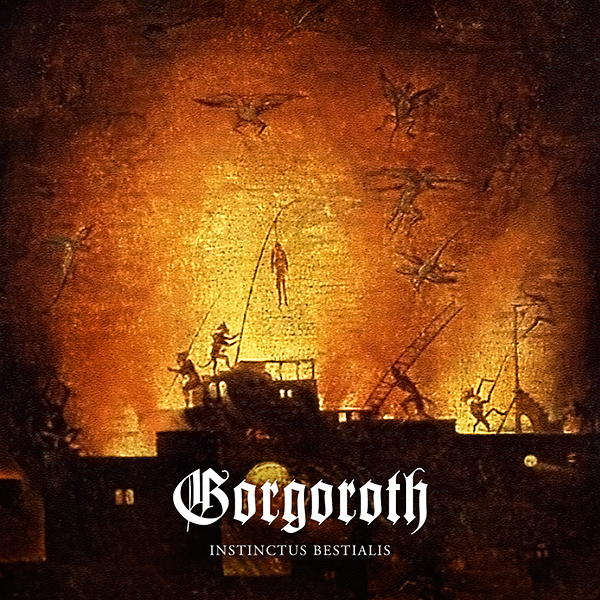
Album Review – Gorgoroth / Instinctus Bestialis (2015)

One of the most controversial Black Metal bands in the world delivers some truly bestial instincts in the form of gruesome and elaborate extreme music.

Rating4

instinctus bestialisNorwegian Black Metal is more than just a subgenre of Heavy Metal: it’s a renowned and very respectable movement that has been helping redefine the scope of extreme music, expanding its boundaries to a whole new level that’s not comprised of just the music itself, but of a wide variety of contentious topics such as religion, murder and ideology. If you don’t know much about it, I strongly recommend you watch the amazing documentary entitled Until the Light Takes Us (2008) to better understand the importance of this infamous musical subculture to society. And it doesn’t matter if you’re a fan of Black Metal or not, you must listen to Norwegian black metallers Gorgoroth to understand how all that controversy and darkness translates into music.

Formed in 1992 by the only original member remaining, Infernus, and named after the dead plateau of evil and darkness in the land of Mordor, from J. R. R. Tolkien’s fantasy novel The Lord of the Rings, Gorgoroth are releasing now in 2015 their ninth full-length studio album, the venomous Instinctus Bestialis. It’s important to say this is their first album to feature vocalist Atterigner and, more important than that, it’s indeed a solid addition to their polemic career, corroborating their status as one of the most influential Black Metal bands in history.

It’s simply amazing how violently the album starts with the opening track Radix Malorum, with its blast beats crushing our heads from the very first second while Atterigner shows why he was chosen by Infernus to be the new devilish voice of Gorgoroth. Following that ravage we have more infernal Black Metal in Dionysian Rite, with highlights to the great work on guitars by Infernus and to the demonic performances by Atterigner and Asklund with their vocals and drums, respectively. Moreover, I’m pretty sure most of the fans of the music by Gorgoroth will love the ominous Blackened Doom vibe present in the last part of the song.
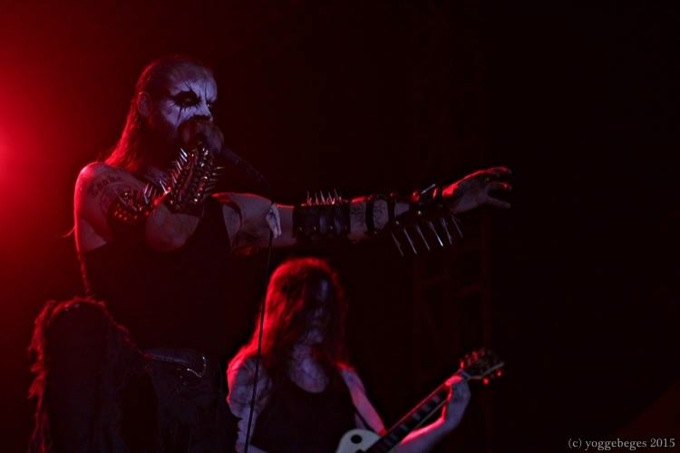
gorgorothThe blasphemous and devastating Ad Omnipotens Aeterne Diabolus can be considered the most complete song of the album, showcasing a touch of melancholy, a beautiful melody, and of course that expected (but always awesome) visceral explosion of Black Metal. Asklund is kicking ass on drums once again, whilst Infernus keeps mastering the art of dark riffs and solos. And when the lyrics include screams such as “Hail Satan!”, you know you’re facing some good deranged music, right? Anyway, the short and direct Come Night is yet another melodic tune that doesn’t forget to be as satanic as Black Metal usually is, and despite not being the most creative song in the world it’s still very enjoyable; followed by Burn in His Light, where hints of Blackened Death Metal and even some progressiveness add a fresh taste to it. Besides, the robust background foundation by Bøddel and Asklund leave plenty of room for infernus to deliver more awesome riffs, increasing the song’s quality.

In one of the top moments of the album, Rage, its heavy guitar lines bring forth a wrathful Blackened Death Metal vibe, reminding me of the superb musicality found in The Satanist, the lasts masterpiece by Behemoth. This is a great addition to Gorgoroth’s weaponry and something they should be doing more in future releases, in my humble opinion. Kala Brahman, which has different meanings in Mithology depending on the culture but it’s usually a sea monster, an evil spirit or the supreme god to bring death and disease to mankind, presents a dense and obscure sonority enhanced by an atmosphere that couldn’t be more perverse and by an avalanche of traditional blast beats by Asklund. And the last track of the album, Awakening, doesn’t slow down at all, once again flirting with Blackened Death Metal and therefore resulting in a very rhythmic and imposing composition.

In summary, after all these years of controversy, depravity and radicalism, Gorgoroth prove they still got it, delivering a consistent work that sounds much more cohesive than many of their previous releases. To be fair, the addition of elements from genres such as Blackened Doom and Blackened Death Metal, rather than just sticking to raw old school Black Metal, was undoubtedly the right decision by Infernus and his horde in this album, truly expressing the most bestial instincts deeply entrenched inside the human being in the form of gruesome and elaborate Extreme Metal.

Best moments of the album: Dionysian Rite, Ad Omnipotens Aeterne Diabolus and Rage.

Worst moments of the album: Come Night.

Released in 2015 Soulseller Records

Track listing
1. Radix Malorum 3:14
2. Dionysian Rite 4:05
3. Ad Omnipotens Aeterne Diabolus 5:45
4. Come Night 2:41
5. Burn in His Light 4:02
6. Rage 4:03
7. Kala Brahman 5:23
8. Awakening 2:07

Band members
Atterigner – vocals
Infernus – guitars
Bøddel – bass
Asklund – drums

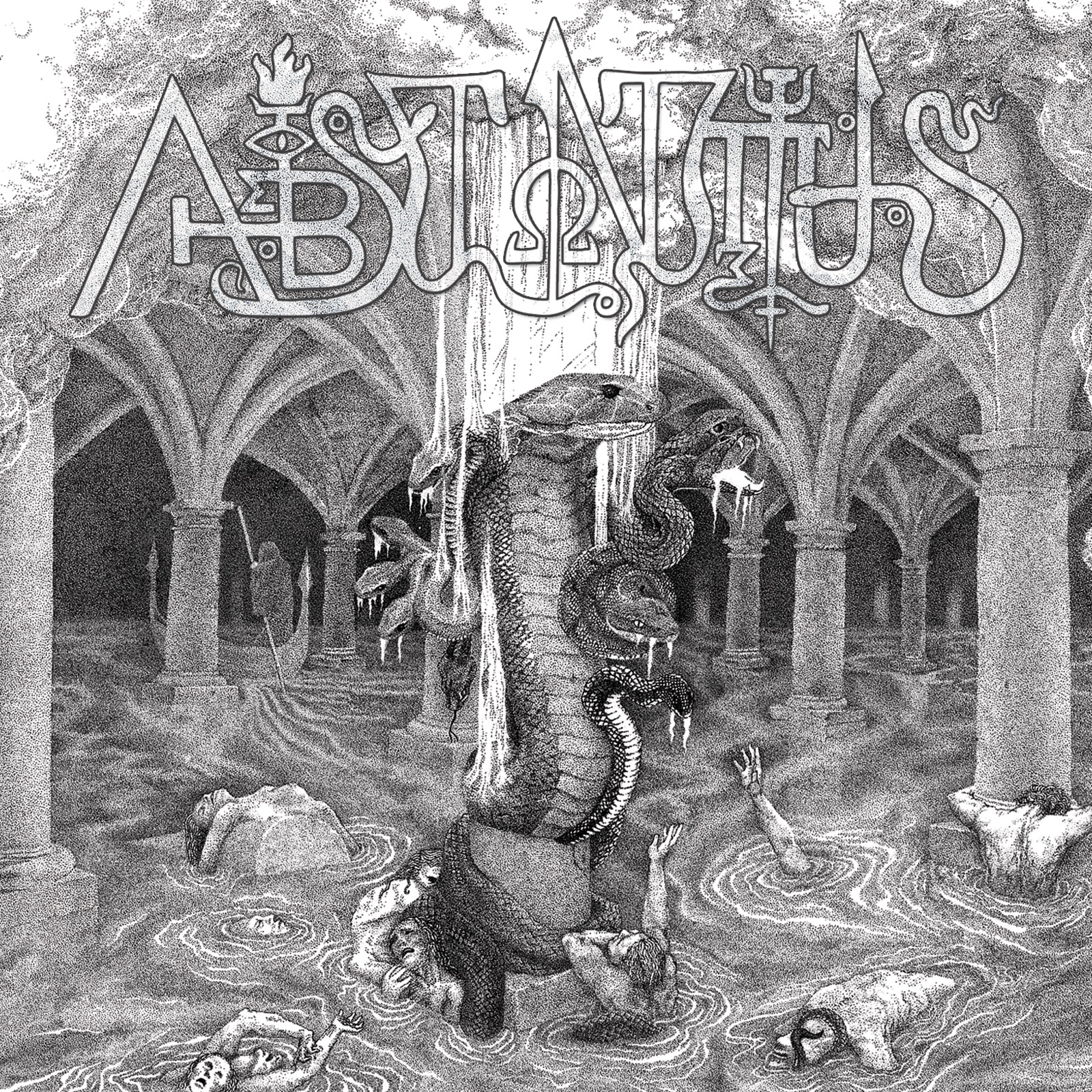
Album Review – Absconditus / Kατάβασις (2015)

An obscure descent to the underworld in the form of extreme music by a talented Occult Black Metal act from France.

Rating5

IVR041 Absconditus_Katabasis_1600pxIn Greek mythology, Kατάβασις (pronounced “katabasis”) means a descent to the underworld, and that is exactly what you will feel while listening to the debut full-length album by French Occult Black Metal band Absconditus. By the way, the name of the band comes from Latin, meaning “occult” or “hidden”, which perfectly represents their musicality, lyrics and everything else. In other words, if you have the nerve to face such a cryptic band piercing your mind with their dark and deranged music, you may ultimately relish a distinct experience in Extreme Metal.

Founded in 2010 by guitarist/songwriter Loxias upon the ashes of French Cult Black/Death Metal band Borgia, Absconditus offer solid and dissonant melodies enhanced by hints of melancholy, drama and introspective tension, with Kατάβασις being the the initiatic path that one has to walk in order to gain freedom and mastery over existence in a demiurgic world, according to the band. Not only that, the whole album is sung entirely in French. Do you think this is already too much information to absorb? Well, wait until you read the rest of this review and, of course, listen to the entire album, and you’ll see this is just the beginning.

An intro that goes on for over three minutes like Prologue à l’Agonie (or “prologue to agony”, in English) gives you an idea of the obscure voyage that’s about to start. What begins in a slow and dark way suddenly becomes a massacre full of melancholy, setting the stage for the macabre Mystagogie des Limbes (“limbo mystagogy”), or the principles, doctrines, and practices of mysticism, powered by its beautiful lyrics (“L’effroi illumine ma voie, je perçois la ruine en eminence / Un oremus cristallin s’élève vers les cieux / La dualité de ma noblesse fait écho à la décadence des ages / Dans l’ascension vertigineuse de mon âme captive”) amidst an atmosphere generated by Blackened Doom. Is there a way vocalist Aliexagore could have sounded more desperate than this? Moreover, in my opinion its riffs somehow transport the listener to Norway due to their strong Black Metal-ish feeling.

3540396969_logoElegeía (Confession au Cénotaphe), or “elegy (confession at the cenotaph)”, which means an “empty tomb” or a monument erected in honour of a person or group of people whose remains are elsewhere, brings forth a huge amount of darkness and disgrace, including a draconian invocation performed by Aliexagore, Loxias and Guillaume Pingard. Drummer Anderswo shows he’s an extremely technical musician whose skills contribute to add extra layers of violence and intricacy to the musicality, while Loxias seems to be hypnotized by the dark side, delivering truly demonic lines. And get ready for the ending climax of the song, it is outstanding. Darkening their sonority a bit more we have Exultet – L’Aurore Schismatique (“exultet – schismatic dawn”), the hymn of praise sung, ideally by a deacon, before the paschal candle during the Easter Vigil in the Roman Rite of Mass. It varies from atmospheric Doom Metal to pure Black Metal, with Aliexagore sounding even more satanic than in the previous tracks and with the addition of considerable dosages of progressiveness thanks to the talent of the musicians involved, as if Mastodon became a Black Metal act.

Hybris au Bord du Précipice (“hybris at the border of the precipice”), with the word “hybris” meaning extreme pride or self-confidence, is yet another exhibit of despair and chaos, and even if you don’t speak French you will love those lyrics (“Je partage le destin du fils de Prométhée / Sans assumer la puissance de l’affront / La semeuse d’étoiles attend mon retour / Nourrissant les espoirs de la vermine affamée”). The music itself is comprised of Occult and Progressive Black Metal professionally put together, where Loxias tries some new techniques that elevate the magnitude of the music, with highlights to the last part of the song being some kind of downward spiral to the depths of hell. And lastly, Le Nouvel Astre (“the new star”) is an instrumental outro as sinister as the intro, a dark but beautiful ending where the amazing guitar lines by Loxias are perfectly complemented by the complex beats by Anderswo.

Featuring an at the same time beautiful but eerie artwork by British artist Bethany White, Kατάβασις, which can be purchased at the I, Voidhanger Records BandCamp page, exhales darkness and complexity, making it a recommended choice for your extreme music collection. If a downward journey to the underworld is part of your plans, let this occult French act help you with the soundtrack.

Best moments of the album: Elegeía (Confession au Cénotaphe) and Hybris au Bord du Précipice.

Worst moments of the album: None.

Released in 2015 I, Voidhanger Records

Track listing
1.Prologue à l’Agonie 3:30
2.Mystagogie des Limbes 8:46
3.Elegeía (Confession au Cénotaphe) 9:24
4.Exultet – L’Aurore Schismatique 8:39
5.Hybris au Bord du Précipice 7:56
6.Le Nouvel Astre 3:09

Band members
Aliexagore – session vocals
Loxias – guitars, bass
Anderswo – drums

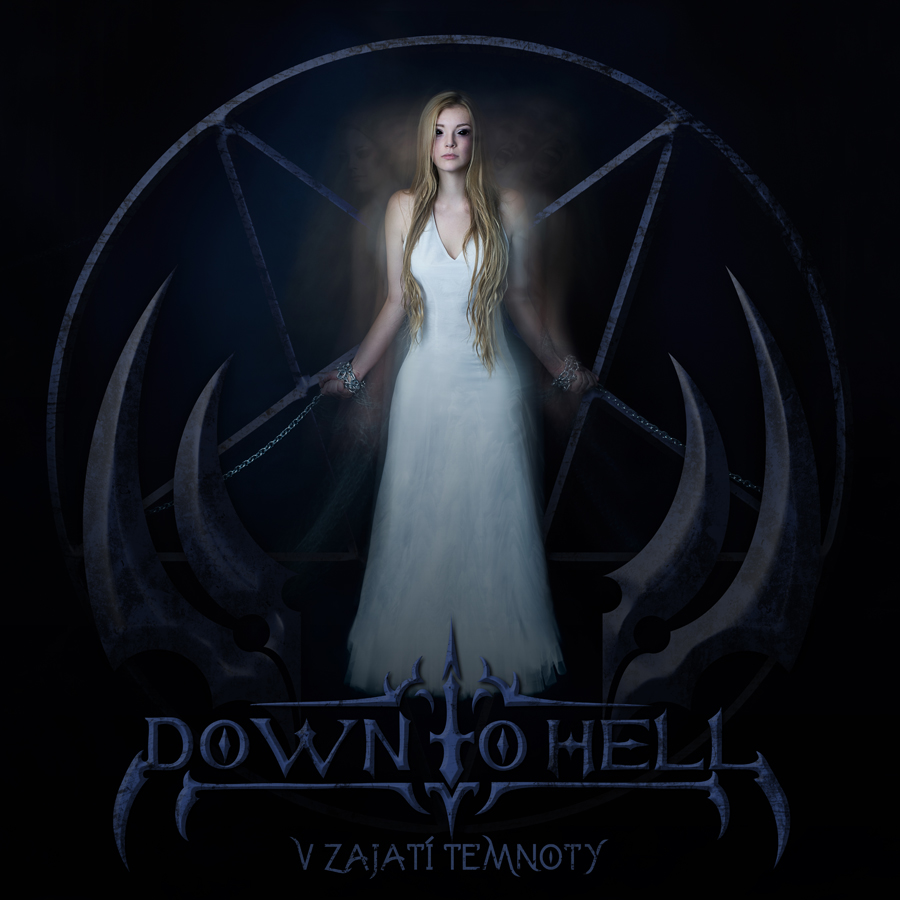
Album Review – Down To Hell / V Zajatí Temnoty (2015)

Let’s brave the world of Melodic and Symphonic Black Metal created by this talented Slovak six-piece band who sings entirely in their mother tongue.

Rating5

coverFounded in 2006 in the city of Malaciek (or Malacky), Slovakia, around 35 km north from the capital Bratislava, what Melodic/Symphonic Black Metal band Down To Hell have to offer the fan of heavy music goes beyond your usual symphonic and extreme elements. Their music relies heavily on contrasts, as in singing as well as their instrumental and lyrics written in the form of stories, providing a more complete experience to the listener. In addition, although they say they play Symphonic Black Metal, which instantly brings bands such as Dimmu Borgir to your mind, they sound rawer and more inclined to old school Black Metal than that.

However, the most noteworthy characteristic in the music by Down To Hell is the fact they did not “surrender” to the English language, singing their songs entirely in their mother tongue, Slovak, which adds an extra touch of darkness to their 2014/2015 debut full-length album V Zajatí Temnoty, or “Captive Darkness” in English. The only thing in English ends up being the band’s own name, which makes me wonder why they’re not called “Dole Do Pekla” instead. Anyway, let’s get down to business and see what V Zajatí Temnoty is made of.

Ticho Pred Búrkou, or “calm before the storm”, is exactly what this piano intro represents, and you can get a sense of how symphonic their music is before the actual storm begins in Pán Vetra, Búrky A Mrakov (“lord of wind, storms and clouds”), with the growls by singer/guitarist “Kani” Miroslav Gajdár matching perfectly with the musicality proposed while the keyboards by “Lubo” Ľubomír Müller complement the havoc created by the song’s guitar riffs and drums in a very interesting way. Slightly darker than the previous tune, Skazení (“wicked”) sounds almost like raw Black Metal in some instances but pure symphony in others, with the nice job done on guitars enhancing its overall quality. It’s the first song of the album to showcase the clean vocals by the gorgeous “Maťa” Martina Bilkovičová, who has a very good chemistry with Kani and his screams.

Keeping up with the previous songs, Bosorské Sólo is another great mix of extreme music and melodic instrumental, where it’s interesting to notice how drummer “Beňo” Dušan Šelc can easily change from a more rhythmic drumming to furious blast beats, providing more progressiveness to the music; followed by the “sudden attack” offered by the band in Krvavé Jazero (“bloody lake”). This song, which has a solid flow from start to finish, is how dark music should always be, with the smooth voice by Maťa being like a dream amidst its nightmare-ish beats. Unfortunately, the band disappoints a little in Prízrak (“phantom”), which despite starting differently than the other songs in a thrashier way, it doesn’t know if it’s Melodic Black Metal, Pop Metal or Symphonic Metal. It’s still an enjoyable tune, but below the album average especially as it’s not very clear what its final goal was.

dth_allThe final triade in V Zajatí Temnoty couldn’t have started in a better way than with Smrť (“death”), where not only the guitar lines by Kani and “Ťapo” Martin Matlovič sound amazing, but Kani also does an awesome job ranging from high-pitched roars to truly deep guttural. Besides, pay attention to how the band is able to sound cruel and harmonic at the same time, just like what Extreme Metal icons Cradle of Filth perfectly do, and you’ll understand why this is one of the top moments of the album. Then we have the dark ballad/waltz Nemŕtva Nevesta (“undead bride”), where the clean vocals by Maťa steal the show, achieving an even more pleasant performance due to the keyboard notes by Lubo; and finally the excellent Drak (“dragon”), a fast and metallic tune that has that amazing European touch to increase its quality and cohesiveness, including elements from genres such as Folk and Viking Metal, with Lubo and bassist “Miro” Miroslav Hulka being responsible for building the whole ambience for the rest of the band.

To sum up, if you want to brave the world of Symphonic Black Metal sung in its entirety in a language other than English, visit Down To Hell’s official Facebook page, YouTube channel, Bandzone.cz and, of course, buy their music at their BandCamp page. This six-piece Slovak band truly knows what they’re doing, and I’m sure their non-English words won’t restrain them from reaching new heights with their music so talented they are.

Best moments of the album: Pán Vetra, Búrky A Mrakov, Krvavé Jazero and Smrť.

Worst moments of the album: Prízrak.

Released in 2015 Independent

Track listing
1. Ticho Pred Búrkou 1:41
2. Pán Vetra, Búrky A Mrakov 5:26
3. Skazení 6:43
4. Bosorské Sólo 8:40
5. Krvavé Jazero 7:10
6. Prízrak 7:48
7. Smrť 6:39
8. Nemŕtva Nevesta 7:35
9. Drak 6:28

Band members
“Maťa” Martina Bilkovičová – clean vocals
“Kani” Miroslav Gajdár – guitar, screams, growls
“Ťapo” Martin Matlovič – guitar
“Miro” Miroslav Hulka – bass guitar
“Lubo” Ľubomír Müller – keyboards
“Beňo” Dušan Šelc – drums

Album Review – Dys Inbunden / One With Morbidity, The Opus Misanthropy (2015)

Come worship the Other Side to the sound of the new demonic opus by this extremely talented and sinful Swedish cult.

Rating3

One-with-morbidity-the-opus-misanthrop_OmslagCall it “Deaosophic Metal”, Progressive Black Metal or simply Black Metal. The music disseminated by Dys Inbunden, one of the most nihilistic death obsessed bands in the world, in their masterfully chaotic new album One With Morbidity, The Opus Misanthropy, is going to hit you with an avalanche of depression, suicide, darkness and death beyond dispute. Even if you’re not a huge fan of extreme music, I strongly recommend you take a shot at this amazing album so intense it is.

Forged in the fires of Stockholm, Sweden in 2012 and after releasing their debut album (or their “first opus”, as the band refers to it) entitled Pandemonium Unchained in 2013, Dys Inbunden spent a dark period in 2014 recording their new opus with Honza Kapák at Hellsound Studio, in the Czech Republic. The result, as aforementioned, is awesomely professional and instigating, carving the band’s trademark on the global map of Extreme Metal. And now, after reading this quick intro about the hostile Dys Inbunden and their blasphemous creation One With Morbidity, The Opus Misanthropy, I dare you to hit play if you have the guts.

Well, if you were tough enough to do it, you’ll already face One With Morbidity, one half of the album title, which starts as the intro to some sort of occult ceremony that goes on for a while before a sonic apocalypse begins. What an outstanding production, where you can clearly listen to each instrument while at the same time it’s fuckin’ dark and heavy as hell. Not only that, Mr. Gefandi Ör Andlät knows how to desecrate our minds with his blustering screams. The second half of the album title, Opus Misanthropy, presents hints of Symphonic Black Metal in a poignant atmosphere, where even the clean cultic vocals sound intimidating, not to mention the spot-on orchestrations by Magister Nocturnal, which are not too portentous but adequate to the band’s purpose.

If you’re still alive and sane, the symphonic and devilish track Odious Worship Of Annihilation will mercilessly invade your soul, with Gefandi Ör Andlät sharpening his vocals to an even deeper satanic level while the instrumental keeps dense and extremely well-crafted. There’s not a single second of hope for over seven minutes of music in this tune, one of my favorites of the entire album hands down. Mischievous Paths Of Nocturnal Lust, the longest track of the album, doesn’t disappoint, with the duo of darkness offering us another Black Metal raid with extra layers of insanity, rhythmic variations and progressive passages. Its vocals and riffs are of course fiendish, and I’m sure you’ll feel your brain detaching from your skull to the sound of this evil feast. Then we have Through Demise and Decay, with its powerful riffs and harsh screams being its main ingredients, as well as those sick blast beats the way we love in Black Metal and a “chorus” that seems to incite a demonic worship; and The Illuminating Gaze Of Lucifer, where its Doom Metal vibe blended with the battering ram from Black Metal generate an interesting outcome. Moreover, as the name of the song contains the word “Lucifer”, it’s quite obvious the prince of darkness must be honored to be the inspiration for it.

dys inbundenDraconigena, a word that means “dragon-born” or “someone or something born of a dragon”, showcases Dys Inbunden spitting fire through their music. This is a very progressive and extreme tune, with highlights to the superb guitar lines by Gefandi Ör Andlät and its venomous ambience, sounding like three or four different songs in a combination of complexity and bestiality, and I guess I don’t need to say how solid the final result is. And continuing with the innovative names, Larva Pazuzu is the union of the words “larvae”, which in Roman mythology means a malevolent spirit of the dead or “a terrifying mask”, and “Pazuzu”, which in Assyrian and Babylonian mythology was the king of the demons of the wind and son of the god Hanbi, also representing the southwestern wind, the bearer of storms and drought. The music itself couldn’t be more direct, an awesome massacre where both Gefandi Ör Andlät and Magister Nocturnal sound deeply infuriated (and whoever is playing the drums is a beast).

Just when you think they’re going to take a break amidst so many wicked tunes, they continue their path of destruction with Nihilist Pariah, a raw old school Black Metal tune tailored for diehard black metallers, boosted by the deluxe production of the album, followed by Crown Of Carcosa, another masterful display of extreme music where the nuances of darkness brought forth by its symphonic elements sound really interesting. And what starts as a song by Opeth or Dream Theather evolves to a deranged but very melodic carnage in He Who Worships Death, with highlights to its high-end drumming and the uproar caused by the demonic voice of Gefandi Ör Andlät. Lastly, we have the frenetic Dimension Of Nihility, as vile as it can be, with the flawless support provided by Magister Nocturnal allowing Gefandi Ör Andlät to add more experimentations and a stronger taste to the music, and nothing is more suitable to end this Black Metal rite than a melancholic piano outro, named Without Life And Movement.

To be fair, it’s extremely difficult to summarize this Stygian masterpiece in just a few lines, so I deeply recommend you go like their Facebook page and check their music on YouTube, as well as buy One With Morbidity, The Opus Misanthropy at their official webstore, at the Liflätinn Productions webstore, on Amazon or at many other locations to really feel their music in your flesh. In other words, it’s time for us all to worship the Other Side to the sound of the new amazing opus by this talented and sinful Swedish cult.

Best moments of the album: Odious Worship Of Annihilation, Through Demise and Decay, Draconigena and Larva Pazuzu.

Worst moments of the album: Opus Misanthropy.

Released in 2015 Liflätinn Productions

Track listing
1. One With Morbidity 6:47
2. Opus Misanthropy 6:56
3. Odious Worship Of Annihilation 7:47
4. Mischievous Paths Of Nocturnal Lust 9:04
5. Through Demise and Decay 8:07
6. The Illuminating Gaze Of Lucifer 8:59
7. Draconigena 6:25
8. Larva Pazuzu 3:38
9. Nihilist Pariah 7:54
10. Crown Of Carcosa 5:35
11. He Who Worships Death 6:49
12. Dimension Of Nihility 6:07
13. Without Life And Movement 2:31

Band members
Gefandi Ör Andlät – vocals, lead guitar
Magister Nocturnal – bass, piano, orchestrations

Album Review – Disgusting Perversion / Morbid Obsessions EP (2015)

Let the bloodbath begin and spread all over Bavaria and the rest of the world with the debut album by this up-and-coming old school Death Metal band.

Rating5

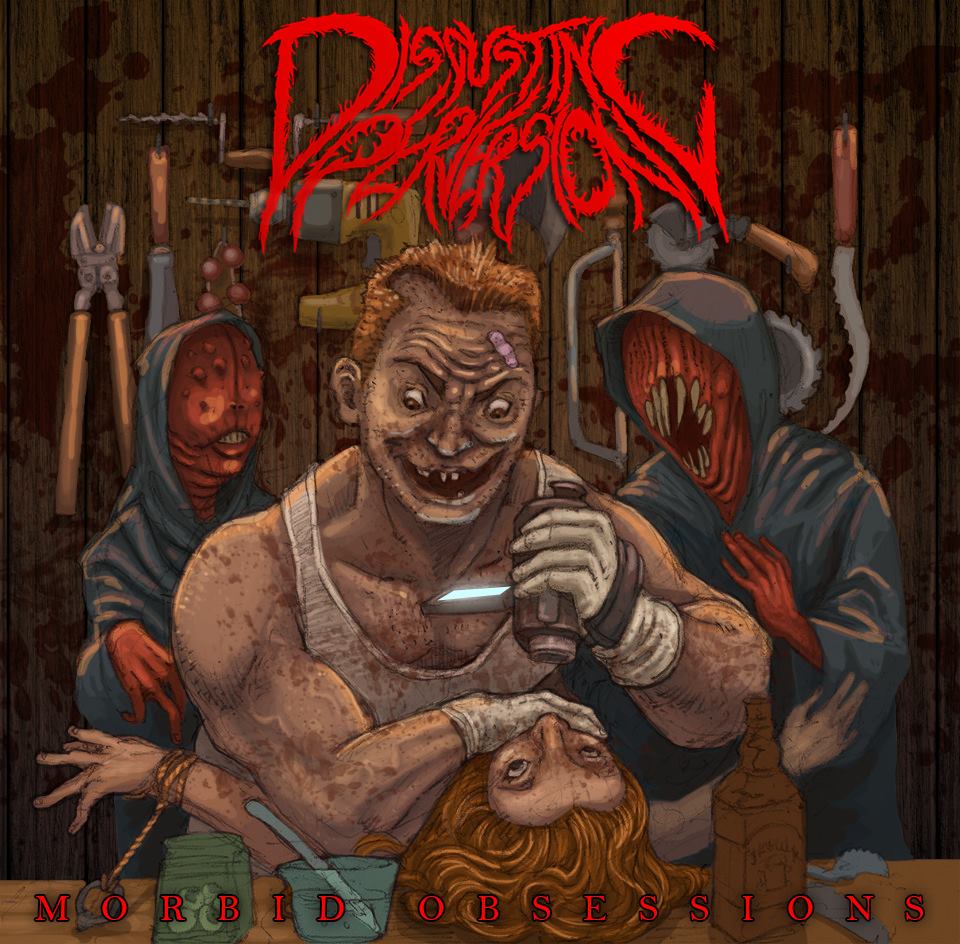
Disgusting Perversion - Morbid ObsessionsIf there’s a word that can be used to describe the music found in Morbid Obsessions, the debut EP by German Death Metal band Disgusting Perversion, that would definitely be “stampede”. However, instead of a wild rush of ordinary animals, what we have here is a frantic onslaught by a horde of Teutonic death metallers that will crush your body and soul with their raw old school vibration. What else can you ask for in a Death Metal album, right? Well, I guess the old school album art in Morbid Obsessions can already provide you a trustworthy preview of what you’ll find when you start your listen at the album.

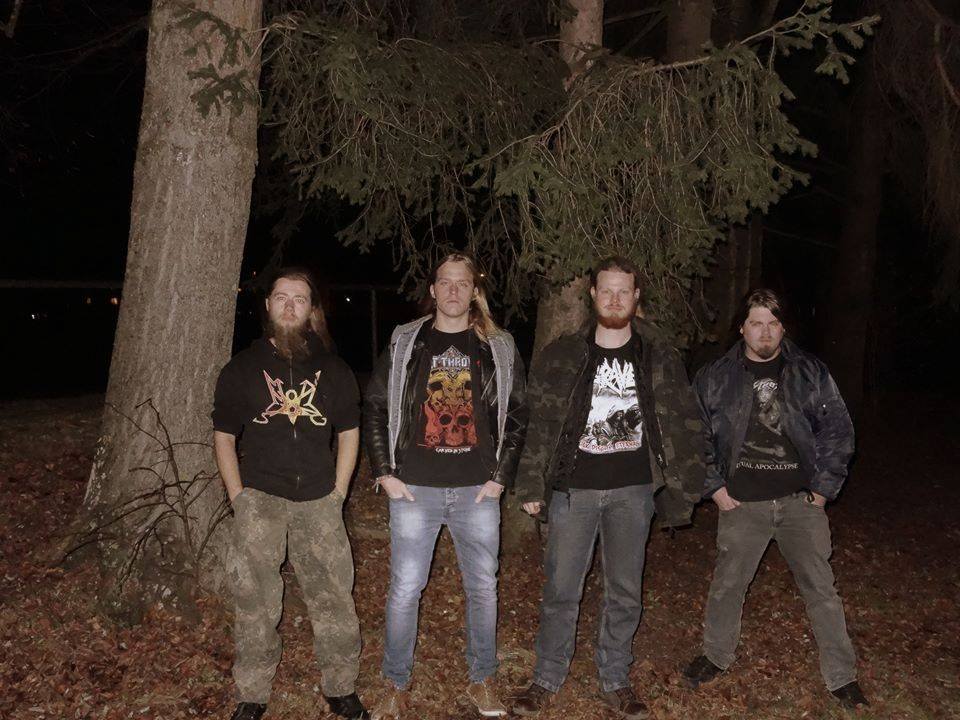
Hailing from the city of Kaufbeuren (about 90km from Munich), in the Free State of Bavaria, Germany, this brand new four-piece group will surely please fans of the combination of brutality and melody made famous by names like Death, Obituary, Cannibal Corpse and so on. Not even the fact that the drums are programmed, instead of having a drummer of flesh and blood with them, makes the the album sound less organic or visceral, which in my humble opinion is the most important attribute we should expect from any type of extreme music. In other words, you have to feel the blood dripping from authentic Death Metal, and Disgusting Perversion unquestionably provide the listener that morbid but awesome perception.

War Annihilation, as its own name indicates, kicks off the album sending a clear message from the band: they play brutal Death Metal, spreading nothing but gore and violence through their path of ruination. Moreover, the riffs by guitarists Claus Schubert and Tobias Ruf are tailored for fans of renowned musicians like Chuck Schuldiner and James Murphy, and as both Claus and Tobias simply love Death, I’m pretty sure this was exactly how they wanted their guitars to sound like. In the raging Bloodbath, lead singer Stefan Bauer vociferates the lyrics as if he was possessed by an evil entity, inspired by the demonic voices of bands such as Obituary and Morbid Angel, while bassist Klaus Bergmann and his low-tuned weapon provide the listener some bestial notes. It’s that type of slow but extremely heavy sounding perfect for headbanging, enhanced by the addition of some excerpts of the fastest savagery you can find in music.

Disgusting PerversionSounding as another tribute to old school Extreme Metal, the good Flying Nightmare shows what happens when Disgusting Perversion accelerate the rhythm, turning their music into a true “nightmare” for the faint-hearted. Besides, its traditional guitar solo helps improve the balance between sheer massacre and its strong melodic lines. Then we have the most melodic of all tunes, entitled House Of The Butcher, which is not as barbaric as the previous songs and has a huge focus on the guitar lines by Claus and Tobias. The vocals by Stefan exhale pure evil as expected, and with a name like that you can have a good idea of how gruesome its lyrics are.

The title-track, Morbid Obsessions, is a great display of straightforward Death Metal, fuckin’ heavy and merciless as hell, with highlights to the dark and low growls by Stefan and the crisp guitar solos by Claus and Tobias; followed by Disgusting Perversion, the song that takes the band’s name, and let me tell you that there couldn’t be a more suitable song to carry their flag. The music is disgusting, atrocious and barbaric, reminding me of old school Sepultura with wicked vocals, leaving the listener avid for more of the band’s cruelty.

To sum up, Morbid Obsessions is a very cohesive and full-bodied work for what is “just” an EP by those promising Bavarian death metallers, who are craving for your blood at their Facebook page. And don’t forget to visit the Winterwolf Records page on eBay, where you can purchase the album. Let the bloodbath begin and spread all over Bavaria and the rest of the world with Morbid Obsessions, the debut album by a band that, if they keep working hard and remain loyal to their foundations, has a bright future ahead of them.

Best moments of the album: Bloodbath and Disgusting Perversion.

Worst moments of the album: None.

Released in 2015 Winterwolf Records

Track listing
1. War Annihilation 4:05
2. Bloodbath 6:10
3. Flying Nightmare 4:22
4. House Of The Butcher 5:32
5. Morbid Obsessions 5:35
6. Disgusting Perversion 5:45

Band members
Stefan Bauer – vocals
Claus Schubert – guitars
Tobias Ruf – guitars, drums programming
Klaus Bergmann – bass

Metal Chick of the Month – Vibeke Stene

vibeke01

You make my tired heart sing, Vibeke…

I guess I don’t need to say that lots and lots of Gothic/Doom Metal fans got extremely excited back in June 2013, when our metal chick this month announced through her official Facebook page that she was finally coming out of her retirement to reignite her brilliant music career in Heavy Metal. I’m talking about one of the most beloved female singers of all time in heavy music, Norwegian soprano Vibeke Stene, known for her unparalleled contribution to making Norwegian Symphonic Gothic Metal band Tristania a true reference in Gothic Metal history.

Daughter of Steinar Stene and Sissel Bø Stene, Vibeke was born on August 17, 1978, in the municipality of Sokndal in Rogaland county, Norway, about 450km from the capital Oslo. Her personal life and her career seem to walk hand in hand, becoming even the same entity sometimes, as she’s been fully involved with music and singing since she was a little girl. For instance, at the age of three, our diva already performed for people that were not part of her family, evidencing how much she loved music and starting to build her successful career as a singer.

It was at the age of thirteen, when she started taking singing lessons after she moved to Stavanger (about 100km from Sokndal), that she got interested in classical singing, taking lessons until the age of 23 in order to become her own teacher. By the way, not only Vibeke is the owner of a unique vocal range and an incredible charisma when she’s performing live, but she also became a teacher, studying music and giving singing lessons in Stavanger, Kristiansand and Oslo.

In regards to her professional career as a singer, it’s more than obvious that she left her deepest mark and became a huge heavy music idol during her years with Tristania, which was actually the very first band she joined in her life. Speaking of which, when she was 18 years old Vibeke was invited to join Tristania after attending a live concert of the band, and although she was initially supposed to be only a guest musician in their first demo, she ended up becoming a permanent member due to her incredible performance. The other members of Tristania mentioned in some interviews that Vibeke wasn’t into Gothic Metal before joining the band, but a lot more into Classic Rock and Heavy Metal, which of course didn’t prevent her at all from perfectly blending her voice with the band’s musicality. Furthermore, her performances with Tristania were so good and so powerful it’s quite impossible not to associate the band with her name even today, and it’s hard to imagine Vibeke singing in a band that’s not Gothic or Doom Metal.

Her awesome career as Tristania’s female singer includes the demo Tristania (1997), the full-length albums Widow’s Weeds (1998), Beyond the Veil (1999), World of Glass (2001), Ashes (2005) and Illumination (2007), as well as the singles Angina (1999) and Sanguine Sky (2007), two live albums, two compilations and three music videos, including the eerie official video for the excellent song Libre and the more than pleasant Equilibrium (which can be seen at the end of this text). All those albums are really good and sound very professional, but in my humble opinion the best one by far is Widow’s Weeds, where Vibeke’s smooth voice and Morten Veland’s harsh vocals, together with a very melancholic and obscure sonority, make this album a must-have in the collection of any fan of high-quality music. Songs like Evenfall, Pale Enchantress and My Lost Lenore are those things that deserve to be included in the “never before, never again” music category.

Vibeke and Tristania always had an outstanding live performance together. For instance, they were the headliners of the 4th edition of the Metal Female Voices Fest, which happened in Wieze, Belgium, in 2006, where they shared the stage with other great bands such as Theatre of Tragedy, Delain and Xandria. I had the pleasure to see them live twice with the goddess Vibeke on vocals during their World of Glass tour in January 2002, and in March 2005 during their Ashes tour, and in both occasions it was impossible not to be impressed by her voice and moves during the entire concert.

Unfortunately for all the fans of Tristania, Vibeke left the band in February 2007 first to finish her university degree, and also because she didn’t like the music direction the band was taking. And despite all the rumors about her replacing the one and only Tarja Turunen when she left Symphonic Power Metal band Nightwish, as both left their former bands almost at the same time, Vibeke was the first one to publicly confirm she was not going to be the new singer for Nightwish nor would ever be. However, we can say Tristania was not the only band in Vibeke’s life: she was also a guest vocalist in three tracks (In the Realm of the Midnight Sun, My Dark Reflections of Life and Death and Under Eternal Stars) from the 2000 album Journey to the End of the Night,  by Norwegian Gothic Metal band Green Carnation; guest vocalist in the interesting song Suspended Time, from the 2007 album Solar Soul by Swiss Industrial Metal band Samael; and more recently, Norwegian Electronic band Plutho released the song Queen of Broken Hearts, from their 2011 album Bob, You Don’t Wanna Go There!, which features Vibeke’s guest vocals. However, according to the group, this was recorded back in 1999, which means Vibeke was still officially “retired” when the song was released.

This slideshow requires JavaScript.

Although Vibeke still owes all her loyal and passionate fans her once promised solo album, at least we’re glad she’s back to the world of heavy music with her unique voice in the Extreme Metal project God of Atheists, by Norwegian musician Asgeir Mickelson, including musicians from Dimmu Borgir, Emperor, Zyklon, among others. This project is still in the making, but should be available sometime in the second half of 2015. In addition, we’ll also be able to see her acting really soon, as she’s making her theatre debut on stage at Kilden in Kristiansand in October, playing the title role in a play entitled “Skammens Gissel” (or “Hostage of Shame” in English).

Vibeke has mentioned more than once that her biggest influences in music do not only come from the bands and artists she enjoys listening to, but also from all the people she’s been doing music together with since the beginning of her career. Besides that, among some of the greatest voices in her own opinion, we have many exceptional artists such as American diva Tori Amos, Icelandic singer and actress Björk, the unparalleled English “chameleon” David Bowie, American singer Tom Waits and American avant-garde artist Diamanda Galás. Our Gothic Metal countess also said in her interviews that she’s extremely critical to whatever she’s doing and she’s never satisfied if the final result is not the best she can provide, and I believe this is something we can always expect from Vibeke due to her strong character and all the perfectionism that emanates from her it doesn’t matter which band or project she’s involved with.

Talking about her personal life, our beautiful soprano loves doing what pretty much every normal person does too, which includes reading a book, travelling, spending time with her family and friends, and enjoying a good beer. Nonetheless, despite loving doing opera, mainly because she can sing and act at the same time, she said she just hates listening to it in her free time. Maybe that’s because while she’s listening to opera that means she’s not singing. Add to that her perfectionism, and it ends up making total sense: who can offer us a better operatic performance onstage than Vibeke, right?

If you’re one of those people who have always thought Vibeke had dark brown or black hair, you might be surprised to know that she’s actually a natural blond. She has however dyed her hair throughout the years, probably because dark hair has more to do with Gothic and Extreme Metal, and also because it looks like almost all blond Scandinavian girls simply love to have black hair. Finally, just as a complement to her personal profile, Vibeke is already a mother of two: she had a son in the summer of 2007, and a daughter a few years later. It’s still too early to know if both kids will follow their mother’s steps in life, but if they inherit at least 1% of her talent and charisma we can rest assured Norway will keep providing the world some dark and melancholic high-end heavy music.

Vibeke Stene’s Official Facebook page
God of Atheists’ Official Facebook page

“To sing is to be able to use and take control of your whole body to make the right sound, and not only one kind of sound, to dare to use all your weird thoughts and be able to tell something while you are singing. It’s art.” – Vibeke Stene

Album Review – Goatchrist / The Epic Tragedy Of The Cult Of Enlil EP (2015)

One of the most promising Black Metal bands in the world steps their game up with a unique concept and more of their thought-provoking music.

Rating3

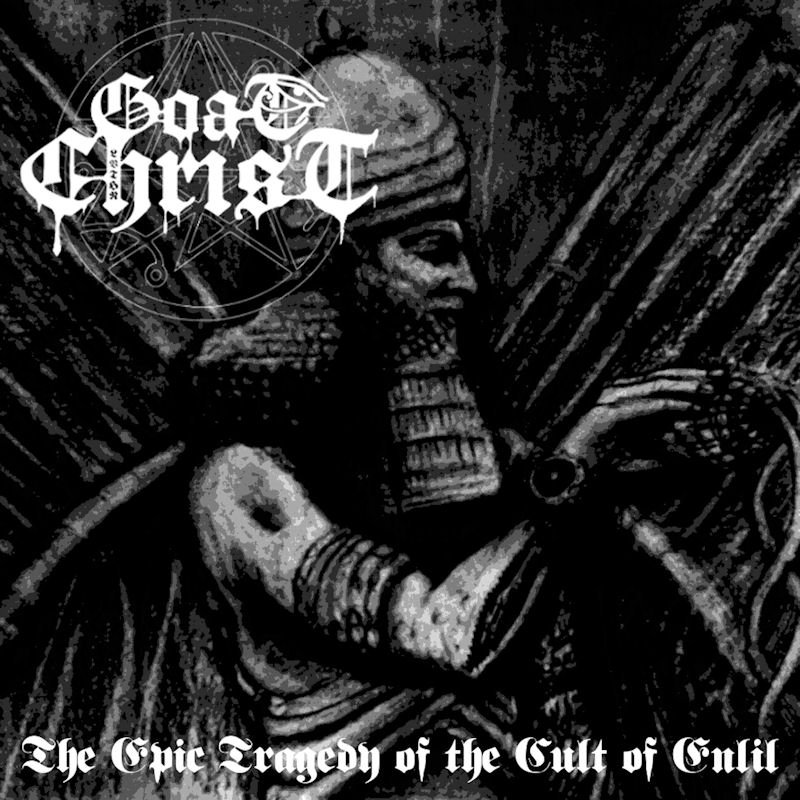
Goatchrist-EpicTragedyWhen the demo She Who Holds the Scrying Mirror by British Blackened Death Metal band Goatchrist was reviewed here at The Headbanging Moose last year, I said the band was surely going to leave their mark in the world of extreme music in the years to come so electrifying the album was. In less than one year, this Wakefield/Halifax-based group has substantially improved in terms of songwriting and quality of their music, leading up to their superb new EP entitled The Epic Tragedy Of The Cult Of Enlil and solidifying their place atop the list of most promising Black Metal bands in the world. And if you don’t believe me when I say they’re the future of Extreme Metal, please read this review and listen to their thunderous music, and you’ll promptly understand why.

To begin with, remember we’re talking about a 17-year old musician, Dominator Xul’Ahabra, who still has a long way to go in his life but who at the same time is already capable of crafting extremely complex and meaningful music at such a young stage of his career. For instance, he even plays some very unusual instruments in this EP such as the mellotron, the theremin, the glockenspiel and the ice bells. In addition to that, there’s an incredible concept behind the whole EP, increasing its depth and level of intricacy compared to the majority of all other recent metal releases. The Epic Tragedy Of The Cult Of Enlil is based upon a story from traditional Sumerian folklore: a brief outline of the story is that it follows a trio of sorcerers in ancient Sumer (where modern-day Iraq exists) who are summoned to the temple of the god Enlil, who informs them that his Tablet of Destinies (the relic that enables him to be universally recognized as the Supreme deity) has been stolen by the Anzû bird. You can read more details about this awesome concept HERE, but either way you have to admit this is not your regular subject matter from such a young musician, right?

However, it’s the music itself in The Epic Tragedy Of The Cult Of Enlil that trespasses all boundaries of darkness and the unknown, providing us headbangers a unique experience in extreme music. The eerie organ and background voices in Intoduction properly set the tone for the tempest that’s about to come in The Triumvirate’s Flight to Nippur, which is almost the same powerful and intense song from their 2014 demo, this time with Dominator’s dark vocals to make it even more diabolical and therefore a billion times better. A Message Blows East on Sumerian Winds is top-notch Black Metal with hints of Middle-Eastern elements, especially in regards to the rhythm, also presenting solid guitar lines and an interesting theremin solo that end up taking the listener through an intense music journey.

goatchrist-logoThe following song, Plaguewood, showcases more atmospheric passages and symphonic elements, without abandoning of course the obscurity of the blackest form of metal music through Dominator’s vocals and riffs. It’s so captivating it doesn’t feel like it goes over six minutes, and I assure you that your head won’t hurt with such brutal musicality either. Then we have the masterpiece The Great Battle at the Ruins of Ninurta’s Temple, a song that perfectly represents its name: a battle amidst ancient ruins to the sound of old school Black Metal with a strong harmonic vein. I’m sure Behemoth’s one and only Nergal would love such darkly engaging composition, just as you will.

In the excellent Enki (The Ascendance of the Three to the Immortal Seats), including: a) Anu and b) Eternal Revitalisation,  Goatchrist get closer to the sonority of their 2014 demo, bitterly devilish and with its last part being a savage denouement to the story told in The Epic Tragedy Of The Cult Of Enlil. Actually, after all that devastation there’s still an outro entitled Epilogue, where the church organ is back to close this incredible concept EP in the most climatic way possible.

As aforementioned, Goatchrist have truly stepped their game up in The Epic Tragedy Of The Cult Of Enlil. What an amazing and original concept put forth by Dominator and his crew enhanced by their unique extreme music, and honestly I can’t see another EP (as well as lots of full-length albums) being better than this one in 2015. Moreover, the next release by Dominator and his horde is already in the planning stage, with a shift in history to traditional 17th century French occultism and Luciferianism, which makes me eager already for more of their dark music. Anyway, The Epic Tragedy Of The Cult Of Enlil is available through the band’s official BandCamp page and through SixSixSix Music’s Big Cartel page, and if I were you I would grab a copy of it without thinking twice. Goatchrist are not only the future of Extreme Metal, but with releases like The Epic Tragedy Of The Cult Of Enlil they’re proving they’re also the present.

Best moments of the album: The Triumvirate’s Flight to Nippur and The Great Battle at the Ruins of Ninurta’s Temple. As a matter of fact, the whole EP is amazing.

Worst moments of the album: None, of course.

Released in 2015 SixSixSix Music

Track listing
1. Introduction 2:50
2. The Triumvirate’s Flight to Nippur 5:18
3. A Message Blows East on Sumerian Winds 2:40
4. Plaguewood 6:27
5. The Great Battle at the Ruins of Ninurta’s Temple 4:05
6. Enki (The Ascendance of the Three to the Immortal Seats), including: a) Anu and b) Eternal Revitalisation 5:10
7. Epilogue 1:57

Band members
Dominator Xul’Ahabra – vocals, electric lead guitar, electric rhythm guitar, electric bass guitar, drums, percussion (including glockenspiel and ice bells), a variety of keyboards, church organ, mellotron, theremin, lyrical sorceries
Conqueror Va’sh – electric rhythm guitar
Blood-Count Aamon Vetis – electric bass guitar, backing vocals

Album Review – Alienchrist / Exolution EP (2015)

Get ready to have your body and soul abducted by an alien onslaught of Extreme Metal.

Rating5

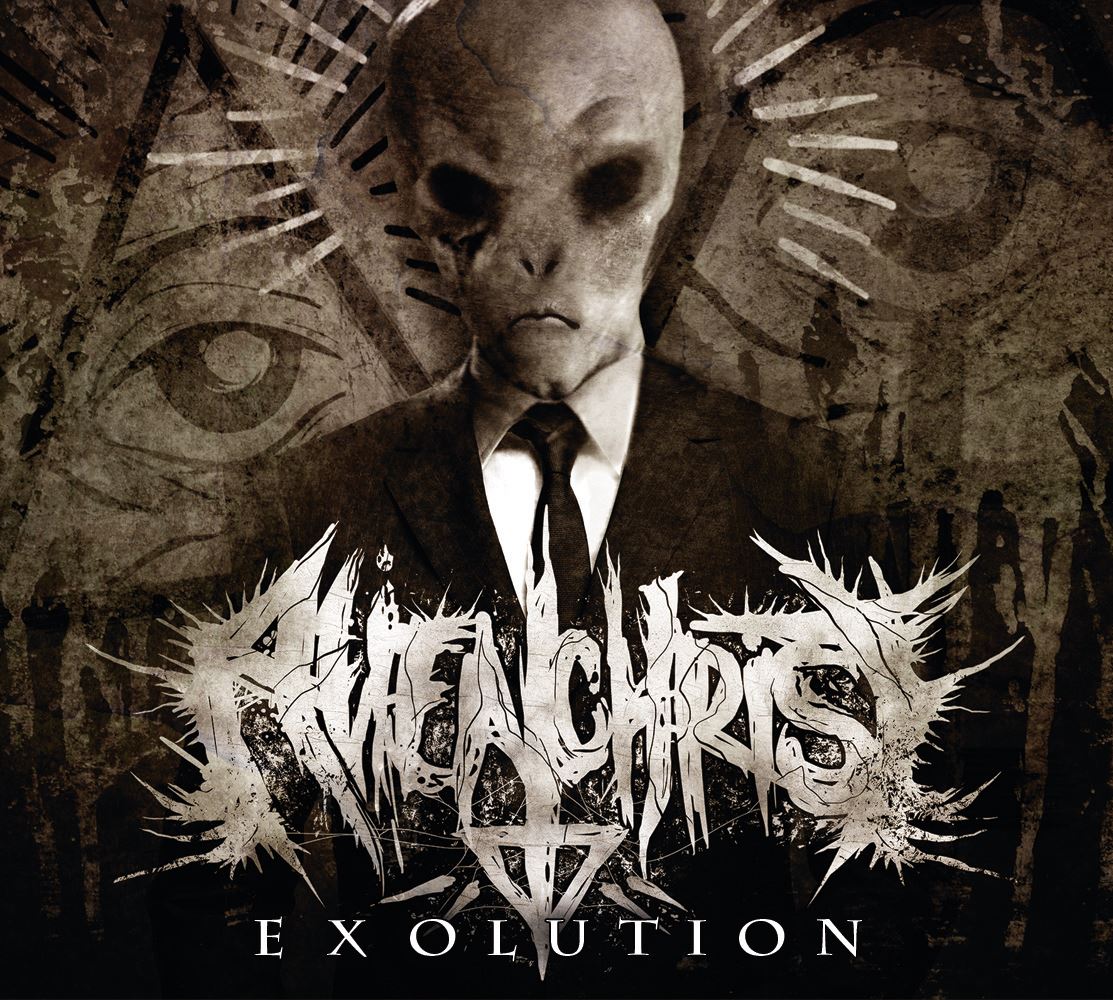
Front CoverIt doesn’t matter if you believe in extraterrestrial life or not: as long as you believe in Spanish/Portuguese Exocore band Alienchrist and their brand new EP entitled Exolution, your life will be spared. Well, at least in terms of an alien abduction, because if there’s one thing you will suffer for sure are the effects of this Seville-based project’s brutal sonic storm full of deep growls, unorthodox tempos and bizarre riffs. Or as metalheads would say in Portuguese about the music by Alienchirst, “É PESADO PRA CARALHO!”

Formed in 2014 by Portuguese musician Mario Rocha and inspired by names like Carnifex, Whitechapel and Meshuggah, Alienchirst have already played at various events such as the Alburock Open Air in Murcia, Spain, sharing the stage with Even When Dead, Bloodyard, Resurrection, The Fall Of Atlantis, among many others. It’s important to mention that except for Alienchrist’s architect Mario Rocha, all other members are handpicked to tour or to play live gigs, which means this cannot be considered a band per se. Nothing that will stop Alienchrist from invading and conquering your city with their unearthly extreme sounding, though.

In case you have no idea what Exocore is, think of it as the coalition of Death Metal and Metalcore, also known as Deathcore, but with a kind of primeval exoskeleton (or “external shell”) to make it even more rigid and resistant. With that said, you can get a sense of how heavy and organic it sounds, which is exactly what you’ll find in the opening track, Zimabu Eter, featuring Bryan Long from American Deathcore band Dealey Plaza. Inspired by the movie The Fourth Kind, the whole song is a brutal assault of Death Metal riffs and blast beats, led by the deepest guttural growls you can think of. In summary, if an alien invasion or abduction has by any chance this song as the soundtrack, we’re totally doomed.

alienchristSignals continues delivering savagery, with its eerie intro suddenly turning into modern and violent metal. It will break your fuckin’ neck with its badass riff, plus some special keyboard effects in the background that end up establishing an interesting and ominous atmosphere. The next track of the EP, All Seeing Eye, is Death Metal to the second power: it’s like an “alien” version of Deicide with a monster on vocals, and obviously you have to master the art of guttural singing to understand whatever Mario Rocha is screaming.

The Mind Of The Psychopath showcases low-end bass lines and hardcore riffs, adding a lot of brutality to it, as well as ghoulish long-lasting growls by Mario Rocha. What a massacre! Finally, as a bonus to the listener, Exolution has a Dubstep remix for Zimabu Eter, and even if you hate electronic music you must admit this remix is pretty cool, capturing all the main elements from the original version.

You can take a listen at Exolution in its entirety on YouTube and also listen to it and purchase it at Alienchrist’s BandCamp page. As previously mentioned, if one day the human race faces an extraterrestrial invasion (as many people are eagerly expecting), let’s hope for it to be orchestrated by Alienchrist and their ruthless onslaught of extreme music.

Best moments of the album: Zimabu Eter.

Worst moments of the album: None.

Released in 2015 Independent

Track listing
1. Zimabu Eter (feat. Bryan Long) 3:39
2. Signals 3:48
3. All Seeing Eye 3:52
4. The Mind Of The Psychopath 3:34
5. Zimabu Eter (Dubsteb Remix) 2:58

Band members
Mister V (Mario Rocha) – vocals
Mister W – guitar
Mister X – guitar
Mister Y – bass
Mister Z – drums

Guest musician
Bryan Long – additional vocals on “Zimabu Eter”

Concert Review – Cannibal Corpse & Behemoth (Phoenix Concert Theatre, Toronto, ON, 02/24/2015)

If you want to live in the bitter cold of Toronto, you have to kill or become.

OPENING ACTS: Tribulation and Aeon

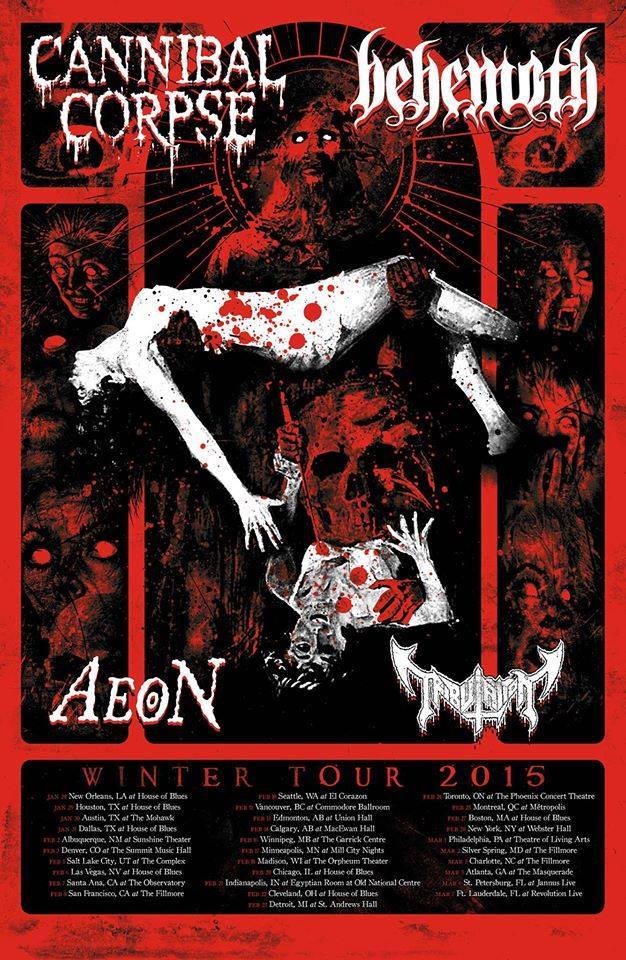
cannibal corpse_behemoth_winter tour 2015If you live in Toronto or anywhere nearby you know how bitterly cold the past couple of months have been. For instance, I personally don’t remember when we had temperatures above the freezing mark (or even above -5°C) for the last time, and it looks like February 2015 is about to become the coldest month in the history of Toronto. Well, nothing better than a hotter-than-hell extreme music night to warm up the hearts of lots of headbangers in the city, right? The venue chosen for this awesome gathering was the always welcoming Phoenix Concert Theatre, where friends wearing the T-shirts of their favorite extreme bands and even a group of girls with their well-crafted corpsepaint were able to enjoy some beers together, headbang like motherfuckers and especially slam into the circle pits.

The bands chosen to liven this mini-festival up were the excellent Swedish Death Metal bands TRIBULATION and AEON, both raising the flag of Scandinavian metal really high with their ferocious performances. If you truly love extreme music but have never heard of either Tribulation or Aeon, I kindly ask you to please go check these two bands: you’ll be surprised with how good they are. The first band was Tribulation, playing a very technical and progressive Death Metal permeated with elements from Black and Doom Metal and singing about darkness, horror, vampires, death and all other of those “beautiful” themes. In case you want to know more about this great Swedish band, my suggestions are the songs Beyond the Horror, Rånda and When the Sky Is Black With Devils, masterfully executed by this four-piece act in front of an avid Torontonian crowd.

IMG_0150

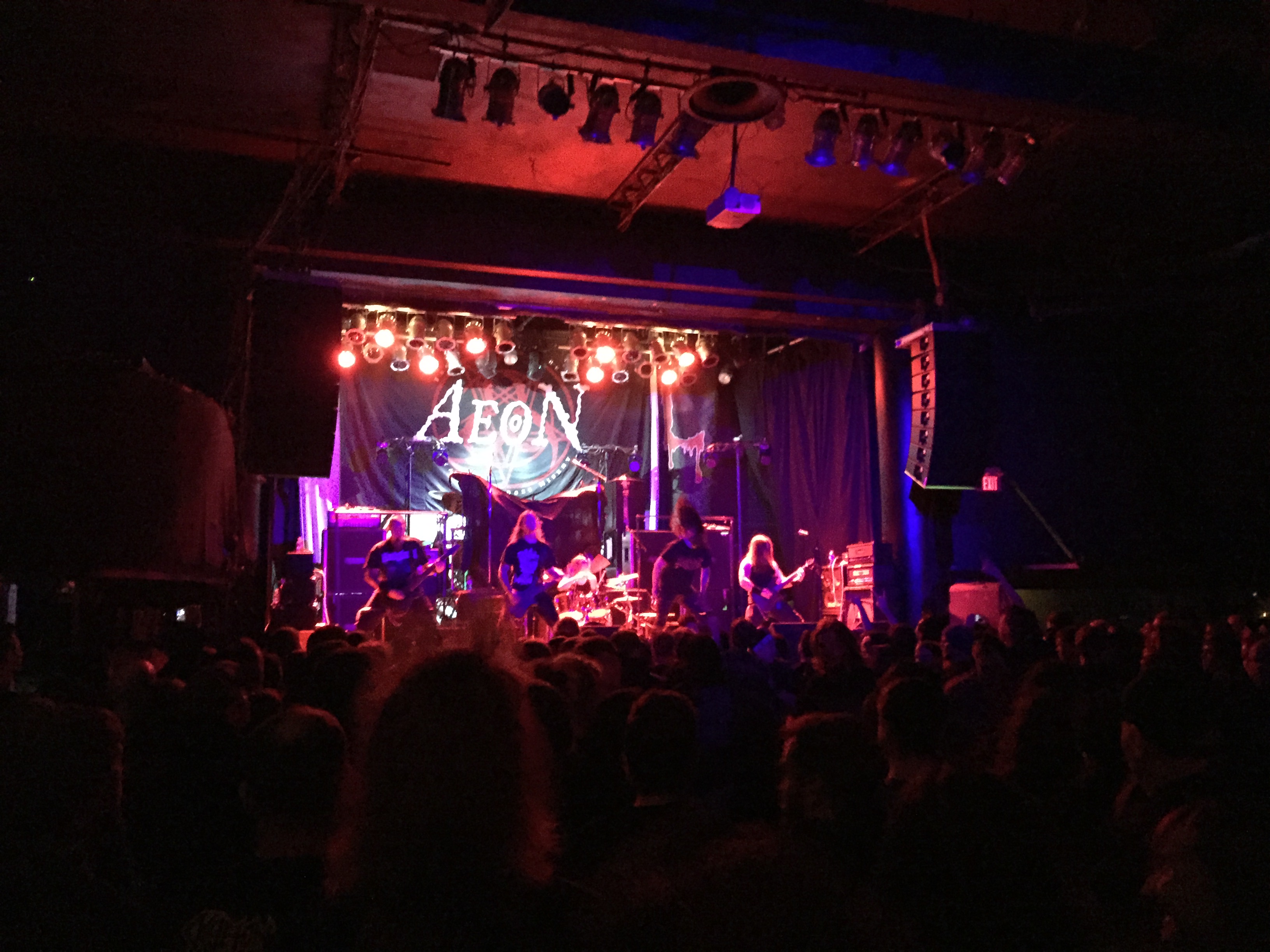
Aeon @ Phoenix Concert Theatre, Toronto, ON, 02/24/2015

After a short break it was time for Aeon to deliver their infernal music, blasting everyone’s ears and necks with each and every song played. Lead singer Tommy Dahlström is a beast on vocals (and you can easily notice he’s a huge fan of Cannibal Corpse by his stage performance), perfectly vociferating the violent lyrics of all songs of their brutal setlist, with highlights to the opening song Satanic Victory and also to the amazing Kill Them All and Blessed by the Priest. In addition, how can I describe the performance of drummer Emil Wiksten? That guy is like an unbelievable human stone crusher behind his drums so fast and precise he is, which added a lot of power and fury to the band’s performance. As I said, go after the music by Tribulation and Aeon as quick as the blast beats by Emil!

BEHEMOTH

IMG_0155

Behemoth @ Phoenix Concert Theatre, Toronto, ON, 02/24/2015

It was around 8:45pm when the iconic Nergal and his horde of darkness hit the stage with an incredible concert, both in terms of their ominous music and their unique theatrical performance, and it’s amazing how they were capable of delivering so much content in such a limited space. Still promoting their most recent album, the impeccable The Satanist, which even after one year of its release it continues to astonish me, Polish Black/Death Metal masters BEHEMOTH proved why they’re one of the most influential and portentous groups in the world of extreme music.

Although they didn’t play the best song of The Satanist in my opinion, “Blow Your Trumpets Gabriel”, the songs selected from the album were just as superb live, with highlights to Ora Pro Nobis Lucifer and Ben Sahar. Older classics also helped keep the audience mesmerized by their obscurity, such as Chant for Eschaton 2000 and Slaves Shall Serve. However, I believe almost everybody will agree with me when I say they simply kicked all possible asses with the already classic O Father O Satan O Sun!, a song that live sounds even more grandiose than its studio version, augmented by the band’s special satanic attire worn during its execution. This might sound stupid for a lot of people, but Behemoth performing this song at the Oscars would have been beyond spectacular. Unfortunately, the world and all mere mortals that live in it don’t seem ready for Behemoth yet.

IMG_0167

Behemoth @ Phoenix Concert Theatre, Toronto, ON, 02/24/2015

Also, it’s undeniable that Nergal is a true Extreme Metal leader and he’s passionate about what he does, and consequently he had almost all eyes staring at him during the whole concert, but the other band members are also wonderful and skillful musicians who help Nergal achieve the level of excellence he has in his mind for the band. Who didn’t enjoy the performance by bassist Orion, who looked like an even more devilish version of Gene Simmons’ stage persona The Demon? And what about the dark riffs by Seth or the rhythmic drumming by Inferno? What an awesome band, and if you missed them this time, may Lucifer have mercy on your soul. Or not.

Setlist
1. Ora Pro Nobis Lucifer
2. Conquer All
3. Ben Sahar
4. Decade of Therion
5. Messe Noire
6. Ov Fire and the Void
7. At the Left Hand ov God
8. Slaves Shall Serve
9. Chant for Eschaton 2000
10. O Father O Satan O Sun!

Band members
Adam “Nergal” Darski – lead vocals, guitars
Tomasz “Orion” Wróblewski – bass guitar
Patryk Dominik “Seth” Sztyber – guitars
Zbigniew Robert “Inferno” Promiński – drums and percussion

CANNIBAL CORPSE

IMG_0176

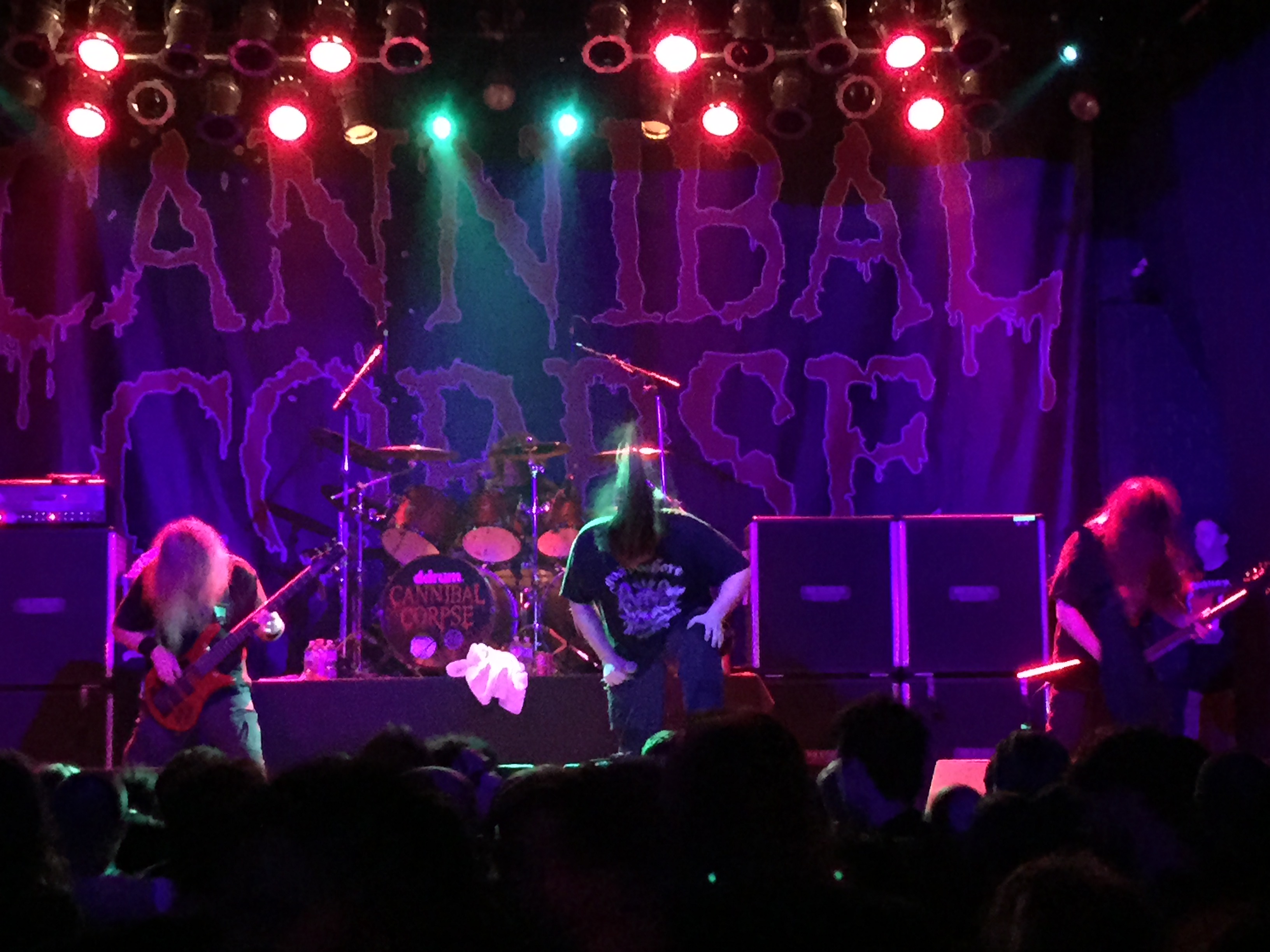
Cannibal Corpse @ Phoenix Concert Theatre, Toronto, ON, 02/24/2015

In order to properly close the night and pulverize anyone or anything that was still alive after Behemoth, Death Metal titans CANNIBAL CORPSE arose from the crypts of hell to transform the entire venue into their own “skeletal domain”, obviously promoting their most recent album, the visceral A Skeletal Domain. If there’s one thing that I love about Cannibal Corpse is the fact that they’re a band that always moves forward, despite having a solid past which they could live on forever like many classic bands do. All their latest albums are brutally superb, and technically speaking they’re getting better and better year after year.

Their setlist was an awesome mix of old classics and newer songs, including almost one track from each one of their albums, from Eaten Back to Life (1990) to last year’s A Skeletal Domain. Mosh pits and pure headbanging erupted with classics such as A Skull Full of Maggots, Demented Aggression, Make Them Suffer and The Wretched Spawn, while the selected songs from their new album for this tour, in special the great Sadistic Embodiment and the steamroller Kill or Become, intensified even more the hurricane that was happening on the “dance” floor.

IMG_0184

Cannibal Corpse @ Phoenix Concert Theatre, Toronto, ON, 02/24/2015

Moreover, anything I say about the band members will just be pure repetition of common sense: they are all really talented musicians that love Death Metal above all things (well, Corpsegrinder said he loves pussy above all things), and that translates into pure electricity when they’re performing on the stage. You can barely see Alex Webster’s face, but he’s there delivering the most intricate bass lines you can find in extreme music, while Pat O’Brien and Rob Barrett keep firing their evil riffs and Paul Mazurkiewicz his nonstop beats. And as I always say, Mr. George “Corpsegrinder” Fisher is the face of Cannibal Corpse and the one to give life (or death) to the band’s gory lyrics while headbanging like a fuckin’ chopper in a way only he is capable of. Besides, seeing him scratching himself with one of Paul’s drumsticks due to an incontrollable itch in the middle of his back, and you know he’s not a small guy, was priceless.

When Cannibal Corpse played their last two songs, the unparalleled classics Hammer Smashed Face and Devoured by Vermin (my top Cannibal Corpse song of all time), they turned the whole venue into a fuckin’ monstrous mosh pit with absolutely no place to hide, showcasing how awesome those songs are. But do you think anyone in the audience complained about it? There were so many smiles and so much sweat everywhere when the show was over I’m pretty sure the fans of the Corpse cannot wait for them to storm Toronto once again and heat up our chilly winter with their perfect Death Metal. Fire up the chainsaw!

Setlist
1. Scourge of Iron
2. Demented Aggression
3. Evisceration Plague
4. Stripped, Raped and Strangled
5. Kill or Become
6. Sadistic Embodiment
7. Icepick Lobotomy
8. The Wretched Spawn
9. Pounded into Dust
10. I Cum Blood
11. Make Them Suffer
12. A Skull Full of Maggots
13. Hammer Smashed Face
14. Devoured by Vermin

Band members
George “Corpsegrinder” Fisher – vocals
Pat O’Brien – guitar
Rob Barrett – guitar
Alex Webster – bass
Paul Mazurkiewicz – drums

Album Review – Venom / From the Very Depths (2015)

Unfortunately, a huge lack of depth is what you will find in the new album by the trailblazers of Black Metal.

Rating6

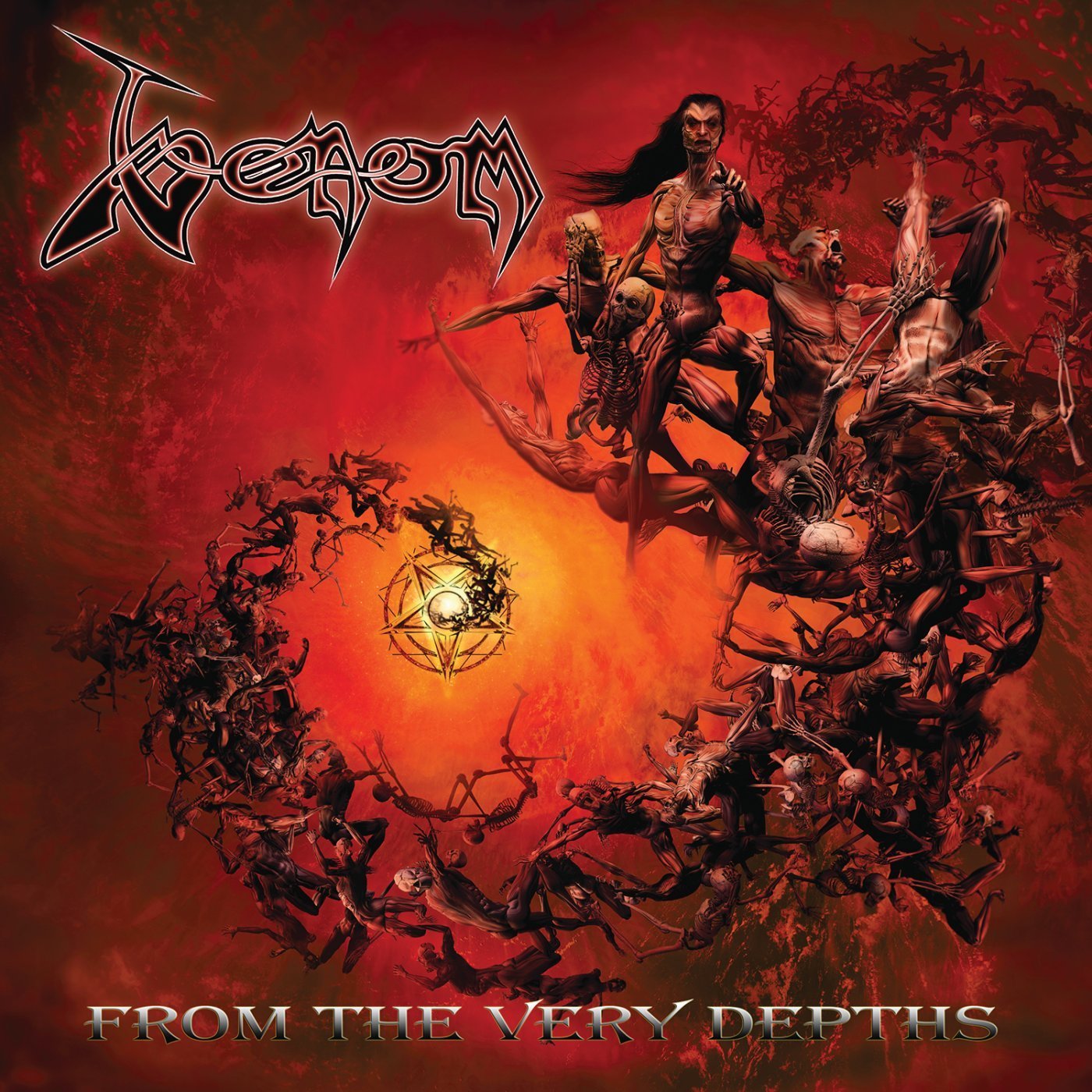
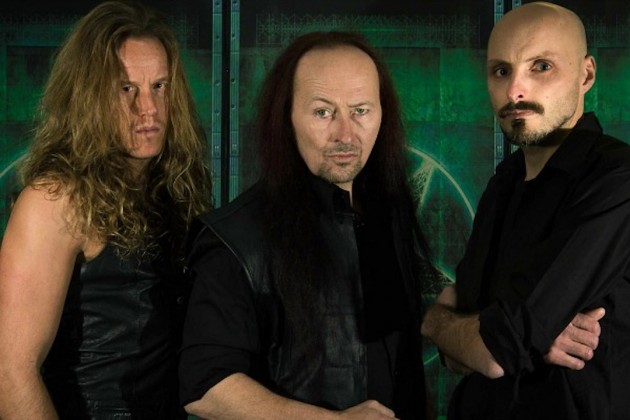
venom_from the very depthsThe beginning of the 80’s witnessed the birth of the most obscure form of extreme music, Black Metal, thanks almost exclusively to British Black Metal pioneers Venom. For instance, Heavy Metal icons such as Slayer, Cradle of Filth, Kreator, Candlemass, Paradise Lost, among several other Thrash, Speed, Black Metal and NWOBHM bands, were heavily influenced by their music, with songs like Welcome To Hell, Black Metal, Witching Hour, In League With Satan and Countess Bathory becoming legitimate satanic anthems.  Now with From the Very Depths, the fourteenth studio album by this Newcastle-based band formed in the distant year of 1979, Cronos and his crew want to keep the fire of their venomous kingdom burning and disturbing the minds of the weak.

However, if Venom’s first two albums, Welcome to Hell (1981) and Black Metal (1982), are the epitome of this devilish subgenre of heavy music, pretty much all of their following releases lacked innovation, intensity and, consequently, importance (I doubt you can name a relevant song of any of their other albums). From the Very Depths is no exception to that, with its musicality being so rudimentary they seem more like an amateur garage band than those trailblazers of Extreme Metal with so many decades on the road. Cronos, La Rage and Dante stick to the very basics of heavy music, with not a single moment of creativity showcased throughout the album. That would not have been an issue if they were as good as Motörhead or AC/DC, but their extremely limited skills make From the Very Depths an album with absolutely no depth.

But is From the Very Depths really that bad? Well, if you keep your expectations really low you might enjoy some parts of the album. After the intro Eruptus, which really transmits a sense Venom are rising from the very depths of hell, we have the title-track From the Very Depths, which despite not being Black Metal per se (it feels more like Thrash Metal) it’s a very good exhibit of dark and extreme music, with the resonant bass lines by Cronos setting the tone during the whole song. The following track, The Death of Rock ‘N’ Roll, has a dark Hardcore/Punk Rock atmosphere, with lyrics that couldn’t sound more Venom than that (“We met the devil at the gates / Not at the crossroads or by humiliate / The man of blues can sell his soul / We’d rather party with the demons… down below”). In addition, its nonstop instrumental helps enhance the electricity of this song, which in my opinion is the best of the album.

venomAfter that satisfactory start, the issues start to appear in From the Very Depths. Smoke is not only generic, especially its lyrics, but it also lacks that wickedness so necessary in Black Metal and it goes on for grueling five minutes. A song so long should have presented more variations or at least a minimum of energy in its riffs, don’t you agree? Temptation sounds like a rip-off of Venom themselves, where the bass lines mess its harmony instead of boosting it, turning it into another disposable track. Leastwise, Cronos’ harsh voice is still in good shape and the song doesn’t go on for torturing five minutes.

The band sounds a lot more cohesive and tuneful in Long Haired Punks, a tribute to Punk Rock and Heavy Metal that connects the heaviest and most deranged aspects of both music genres, with Cronos singing how Venom (and all other metal bands) are punks too (“Fight for survival, hitting the road, get out my way, time for a show / We blast metal, no hip hop or funk, demons from hell, long haired punks”), while Stigmata Satanas, with its very old school sonority, might be nothing outstanding but it’s quite nice, with its crude riffs and vocal lines blending really well with the lyrics, in special with its extremely simple but demonic chorus. On the other hand, Crucified is an awfully uninspired track with a flat rhythm that almost forces you to skip to the next song. The drums by Dante are sadly elementary, sounding like Meg White from the White Stripes without Jack White to salvage the song with more elaborate guitar lines.

Maybe with a more complex (or less monotone) instrumental, Evil Law could have been a really good song, because it contains that trademark devilish aura by Venom, including the wicked noises in the background. In regards to its lyrics (“Fakaa enday yay badah / Urka temeway tado / Coorza onyay femlay / Keelay spray ohapa do”), the only thing I can say is: what the hell is this supposed to mean? Anyway, Grinding Teeth brings back a decent mix of Thrash, Speed and Black Metal, which might sound interesting if it’s chosen for their live performances. Moreover, the band finally tries some different riffs and breaks, helping making the song more delightful.

After another short intro, Ouverture, we have another example of how amateur Venom still sound in Mephistopheles, which despite having a badass attitude it doesn’t offer anything really exciting to the listener. The same can be said about Wings of Valkyrie, a boring track where drums and riffs are negatively overshadowed by the extremely loud bass lines. Lastly, the good song Rise closes the album with the live audience in the background making it sound a lot more organic. If only they had added more of that rawness and brutality to the whole album, From the Very Depths could have been one of the best Extreme Metal albums of the year.

From a technical standpoint there’s almost nothing to be analyzed in From the Very Depths: it’s an album as basic and bland as it can be, with no memorable songs or fresh elements offered in its more than 50 minutes of music. As already mentioned, if you lower your standards (or if you love Venom more than your life) you will actually have some fun listening to From the Very Depths, but it’s hard for anyone else to get thrilled by an album that above all things lack any real depth. Sad to say, after almost 40 years of existence it looks like Venom will continue to be known just as the band who recorded Welcome to Hell and Black Metal.

Best moments of the album: From the Very Depths, The Death of Rock ‘N’ Roll and Long Haired Punks.

Worst moments of the album: Smoke, Temptation, Crucified and Wings of Valkyrie.

Released in 2015 Spinefarm Records

Track listing
1. Eruptus 1:01
2. From the Very Depths 3:54
3. The Death of Rock ‘N’ Roll 3:09
4. Smoke 5:01
5. Temptation 3:52
6. Long Haired Punks 4:02
7. Stigmata Satanas 3:26
8. Crucified 4:06
9. Evil Law 5:03
10. Grinding Teeth 4:11
11. Ouverture 1:16
12. Mephistopheles 4:06
13. Wings of Valkyrie 4:00
14. Rise 4:34

Band members
Conrad “Cronos” Lant – vocals, bass guitar
Stuart “La Rage” Dixon – guitar, backing vocals
Danny “Dante” Needham – drums, backing vocals