Album Review – Funeral Winds / Sinister Creed (2018)

A blasphemous and extremely austere album of old school Black Metal by a cult Dutch entity, offering us all endless fury, hate, rage and scorn, all spiced up by a bit of good old black magic.

Twenty seven years after their foundation, Dutch Black Metal horde Funeral Winds are more than ready to spread darkness upon the earth with the release of their fourth full-length album, titled Sinister Creed. Definitely not a prolific band, the Rotterdam-based offspring of multi-instrumentalist Hellchrist XUL won’t offer you anything that hasn’t been there since their beginning back in 1991, those being fury, hate, rage and scorn, all spiced up by a bit of good old black magic, allowing you to summon demons while listening to this blasphemous and extremely austere album of old school Black Metal. Written and recorded between 2014 and 2017 at Necromanteion Studio, in Belgium, Sinister Creed will please all fans of the darkest forms of extreme music without a shadow of a doubt, making your hearts and souls even darker than they already are.

Do not look for any fine music craftsmanship, as Funeral Winds are devoted to master the black arts, not some hip fine tune; therefore, there is only one thing you can expect from this infernal Dutch duo, and that’s total devastation. If you are into music evolutions, new genres and refined, subtle post-production gimmicks you are very welcome to look elsewhere, as Sinister Creed is an album for those whose thirst for blood was never satisfied, whose love for the early 90’s is still alive and kicking, and whose black flame never extinguished. It might have taken over 10 years for Funeral Winds to return with new material, with their previous installment, named Nexion Xul – The Cursed Bloodline, being released in the already distant year of 2007, but the duo is back in full force to destroy the silence that took place during their hiatus with endless dosages of hellspawn Black Metal.

Sinister noises ignite the ode to darkness entitled The Road to Perdition, before Hellchrist XUL comes crushing our souls mercilessly with his demented gnarls and pulverizing riffs, giving life (or I should say death) to the song’s darkly poetic lyrics (“The angles slowly align themselves / With every step I take / on this unpaved road to perdition / A path full of rocks with sharp edges / That cut strips of flesh / with each incautious step taken”). In Cursed is this Pantheon of Flesh we’re treated to absolute chaos and devastation in the form of Black Metal, with session drummer M.Z. Inversus sounding like an unstoppable bulldozer. Furthermore, the song has a hardcore feel that only makes it more flammable and therefore more enjoyable, setting the tone for another onslaught of aggressive, old school Black Metal named The Arrival, showcasing the always demented screams by Hellchrist XUL, powerfully boosted by the song’s sick drumming, insane guitar lines and endless obscurity.

The title-track Sinister Creed maintains the album’s acidity and rage at an extremely high level, With pure sulphur flowing from all instruments, in special from its blast beats and flammable guitars which will rip your heart out in a gruesome way. Then featuring Amon XUL on guest vocals, Funeral Winds manage to get even more frantic and demented than before in Blood, a fantastic display of visceral Black Metal that’s utterly loyal to the foundations of the genre; followed by Black Moon over Saturn: featuring Hekte Zaren on guest vocals, this insane tune presents an operatic, choir-like intro to a feast of blackened sounds and roars, resulting in a beautiful blend of raw Black Metal with Doom Metal and symphonic elements.

Never slowing down, never softening their music, Funeral Winds continue their path to the underworld by offering the listener an explosion of metallic riffs and bestial drums named Seven Arrows, Knife and Flame (Sekhmet), where Hellchrist XUL sounds truly possessed on vocals (which in Black Metal is always a very positive addition to the musicality, of course). And as the closing act of such demonic album we have Nunc et in Hora Mortis Nostrae, which means “now and at the hour of our death” in English, with its over seven minutes of first-class Black Metal that will disturb your peace and exterminate your mind, also presenting some insanely dark words vociferated by Hellchrist XUL (“I have crawled from the womb of eternal darkness / Out of the void into the light I abhor / I have crawled from the womb of emptiness / Out of the abyss into this world / I am here not to please, I am here not to bring joy”), with the music flowing flawlessly until its ungodly, transcendental ending.

You can take a full, detailed listen at Sinister Creed on YouTube or on Spotify, and in case you’re already a loyal member of the dark side you can purchase the album at the Funeral Winds’ BandCamp, at the Avantgarde Music’s BandCamp or Big Cartel, at the Season of Mist webshop, at Record Shop X, on iTunes or on Amazon. Also, don’t forget to follow Funeral Winds on Facebook and to keep an eye on their YouTube channel for more music and videos by such distinct Black Metal act, and may the pitch black darkness bred by Funeral Winds in their Mephistophelian career keep haunting our souls for decades to come.

Best moments of the album: Cursed is this Pantheon of Flesh, Blood and Nunc et in Hora Mortis Nostrae.

Worst moments of the album: None.

Released in 2018 Avantgarde Music

Track listing  
1. The Road to Perdition 4:47
2. Cursed is this Pantheon of Flesh 3:59
3. The Arrival 3:30
4. Sinister Creed 2:44
5. Blood 3:05
6. Black Moon over Saturn 5:26
7. Seven Arrows, Knife and Flame (Sekhmet) 4:27
8. Nunc et in Hora Mortis Nostrae 7:37

Band members
Hellchrist XUL – vocals, all instruments
M.Z. Inversus – drums (session)

Guest musicians
Amon XUL – additional vocals on “Blood”
Hekte Zaren – additional vocals on ‘Black Moon over Saturn”


Album Review – Minneriket / Anima Sola (2018)

A scorching extravaganza of Norwegian Black Metal that will consume your soul, thoroughly put together by a one-man army of darkness.

Norwegian Romantic Black Metal one-man army Minneriket is the work of vocalist and multi-instrumentalist Stein Akslen, who created the project back in 2014 for as much a philosophical and spiritual channeling as a musical outlet. Drawing on influences as various as punk and goth yet steeped in the intensity of the early Norwegian Black Metal scene, Minneriket, which translates as “the kingdom of memories”, is honest and real, reflecting both self and society, knocking down barriers and ignoring taboos, breathing new life into the genre in a completely uncompromising manner. After the releases of the albums Vargtimen in 2015, Stjerner, speil og svartebøker… in 2016, and more recently the Burzum tribute From the Veins of a Nearly Dead Boy in 2017 (which officially received inclusion on the Vikernes Burzum website), Minneriket returns in full force, unleashing upon humanity the project’s latest opus Anima Sola.

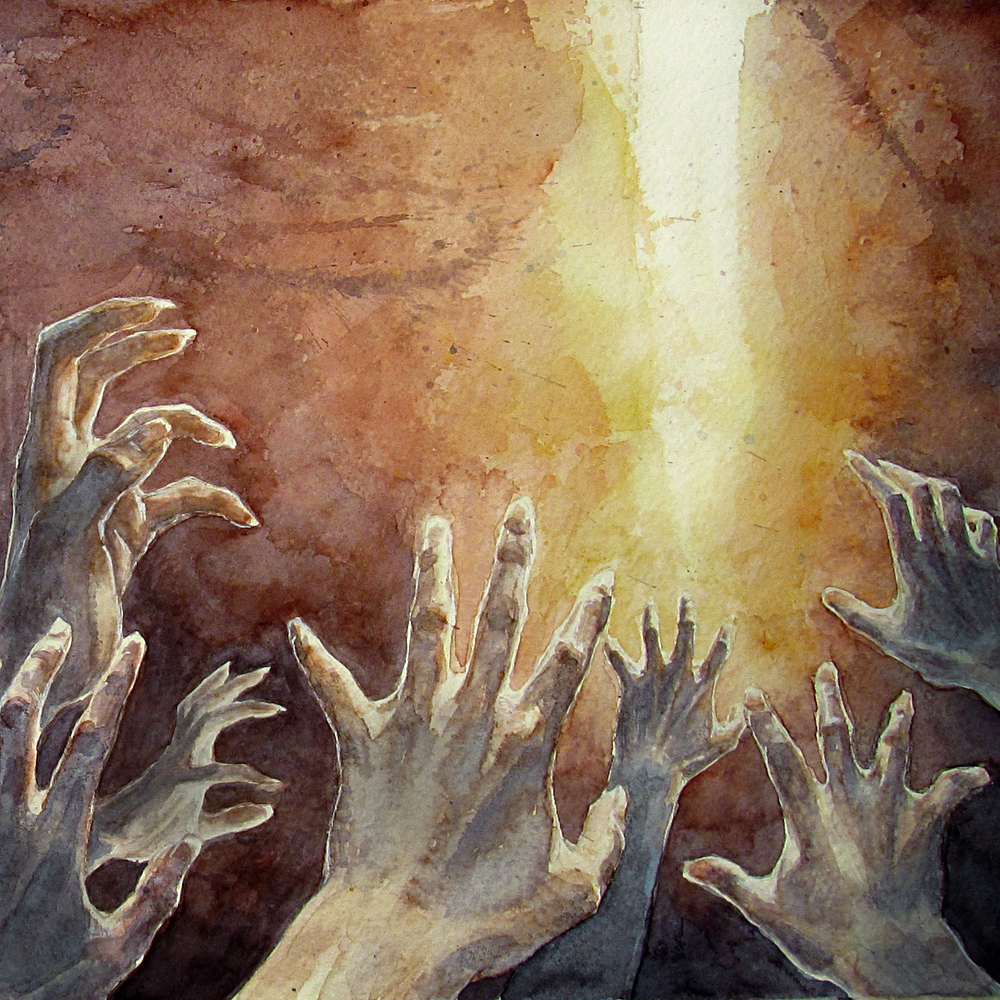
The title of the album, which means “lonely soul” in English, and the artwork, designed by Czech artist Anna Marine, are based on the catholic imagery of the lonely spirit burning in purgatory. The soul which is burning forever, but is never entirely consumed by the flames. It’s the war between spirits and matter, and fire as both a destructive force of nature and the kindle in your heart. Musically speaking, Anima Sola is a scorching extravaganza of Norwegian Black Metal that will consume your soul, with Stein doing a fantastic job on vocals, guitars, bass and keyboards throughout the whole album, leaving you completely disoriented after each of its ten piercing compositions is over, it doesn’t matter if sung in English or in his mother tongue Norwegian.

Tro, håp og kjærlighet (Norwegian for “faith, hope and love”) brings a somber, melancholic intro that keeps growing darker and darker, until Stein arises from the crypts of hades with his hellish gnarls, with his Stygian guitars generating a mesmerizing rhythm. In other words, this is Atmospheric Black Metal at its finest. And things get even better in An All Too Human Heart, featuring guest musician Fredrik Rex  (Blodsgard) on guitars and bass. Offering the listener that strident Black Metal riffage we all love so much, Stein attacks our souls with an infernal storm of old school Norwegian Black Metal, sounding absolutely bestial on vocals and, consequently, more obscure than anything or anyone you can imagine. Furthermore, it’s impressive how he masterfully blends the sheer obscurity of Black Metal with the smoothness and delicacy of ambient music, which is exactly the case in When Life Gets Sick, the Dead Grow Strong, always sounding and feeling pugnacious and chthonic, with the song’s riffs and beats being in full diabolical sync, effectively boosting its overall impact.

Then disturbing sounds permeate the air in I am the Serpent Son, a song tailored for lovers of the darkest form of Norwegian Extreme Metal where Stein uses his voice in an otherworldly way to distill its stylish lyrics (“I submit to your beauty and wisdom / I will learn all your black arts / Mother Lilith! / See to all my needs / so that I may grow and conquer this world”). And there’s not a single second of peace or hope in over seven minutes of extreme music in Between Infinity and Melancholy, where Stein keeps firing his blistering guitar lines and enraged vociferations, with the musicality feeling extremely raw and primeval, but still very polished due to the above average production of the album. Then in Det lyset jeg ikke kan se (or “the light I cannot see”), also featuring Fredrik Rex, we face over 13 minutes of a descent into the pits of hell full where thunderous bass punches and steady beats steal the spotlight for the first three minutes, before a sonic onrush of traditional Black Metal lacerates our minds mercilessly. In addition, Stein and his Minneriket don’t let our souls rest not even during the atmospheric break in this full-bodied blackened aria, proving how precise he is with his instruments.

Stein then treats us with a wicked beginning and his disturbing, Satanic vocal lines in Sorger er tyngst i solskinn (“sorrow is the heaviest in sunshine”), all effectively supported by the song’s somber instrumental pieces, feeling extremely metallic, inhuman and bizarre from start to finish; while Alle hjerter banker ei (or “all hearts beat one” in English) leans towards vile Blackened Doom, where once again Stein delivers hypnotizing riffs and beats that will drag your soul to the underworld, with endless grief and despair flowing from all instruments. And his most damned and depressive side keeps dominating his mind in the desperate hymn Smerte, skjønnhet og Satan (“pain, beauty and Satan”), being slow and steady as good Doom Metal should be without forgetting the project’s old school Black Metal core, before a sonic havoc of putrid sounds entitled Time for Suicide comes crushing our hearts, with its lyrics being as perturbing as they can be, especially through Stein’s evil gnarls (“Headaches taunt me with flashbacks of the past / Call it fear, but I think it runs deeper / an infection that eats away at my soul / furthering my suffering and doubling my agony”).

In summary, Anima Sola, which can be enjoyed in its entirety on Spotify, might be considered by many Minneriket’s strongest work to date, proving how focused, professional and passionate about extreme music Mr. Akslen is, always moving forward and never sounding outdated or bland. You should definitely check his other albums, news and future plans on Facebook and on YouTube, and grab your copy of Anima Sola through the project’s own BandCamp page, on iTunes or on Amazon. Stein himself commented that the album was created because “we need to talk about the darkness”, also saying that the album “speaks of solitude and ineptitude, loss and yearning; humorless Black Metal with music and lyrics equally painful and raw.” Well, let’s face it, the man behind Minneriket more than succeeded in sending his dark message to the world with Anima Sola.

Best moments of the album: An All Too Human Heart, I am the Serpent Son and Det lyset jeg ikke kan se.

Worst moments of the album: Smerte, skjønnhet og Satan.

Released in 2018 Akslen Black Art Records

Track listing  
1. Tro, håp og kjærlighet 5:40
2. An All Too Human Heart 3:33
3. When Life Gets Sick, the Dead Grow Strong 3:59
4. I am the Serpent Son 4:34
5. Between Infinity and Melancholy 7:35
6. Det lyset jeg ikke kan se 13:25
7. Sorger er tyngst i solskinn 6:10
8. Alle hjerter banker ei 4:52
9. Smerte, skjønnhet og Satan 3:30
10. Time for Suicide 2:27

Band members
Stein Akslen – vocals, guitars, bass, keyboards

Guest musician
Fredrik Rex – guitars and bass on “An All Too Human Heart” and “Det lyset jeg ikke kan se”

Album Review – Rise of Avernus / Eigengrau (2018)

Blending elements from progressive and symphonic music with the most obscure side of Extreme Metal, all enfolded by majestic orchestrations, here come Rise of Avernus with their heaviest and darkest opus thus far.

Eigengrau (German: “intrinsic gray”, lit. “own gray”; pronounced [ˈʔaɪ̯gn̩ˌgʁaʊ̯]), also called Eigenlicht (Dutch and German: “own light”), dark light, or brain gray, is the uniform dark gray background that many people report seeing in the absence of light.

Since their inception in 2011, Australian Dark Orchestral Death/Doom Metal horde Rise of Avernus has been making a name for themselves throughout the metal community with their unique style blending elements from progressive and symphonic music with the darkest side of Extreme Metal, all enfolded by majestic orchestrations. Within the short time since the release of their 2012 debut EP, they’ve followed a relentless touring schedule, supporting some major international acts such as Apocalyptica, Enslaved, Eluveitie, Prong, Septicflesh, Fleshgod Apocalypse, Rotting Christ and Sigh along the way. Now in 2018 it’s time for this Sydney-based blackened squad to spread their devilish wings all over the world once again with Eigengrau, their fourth studio release and, more important than that, their heaviest and darkest opus thus far.

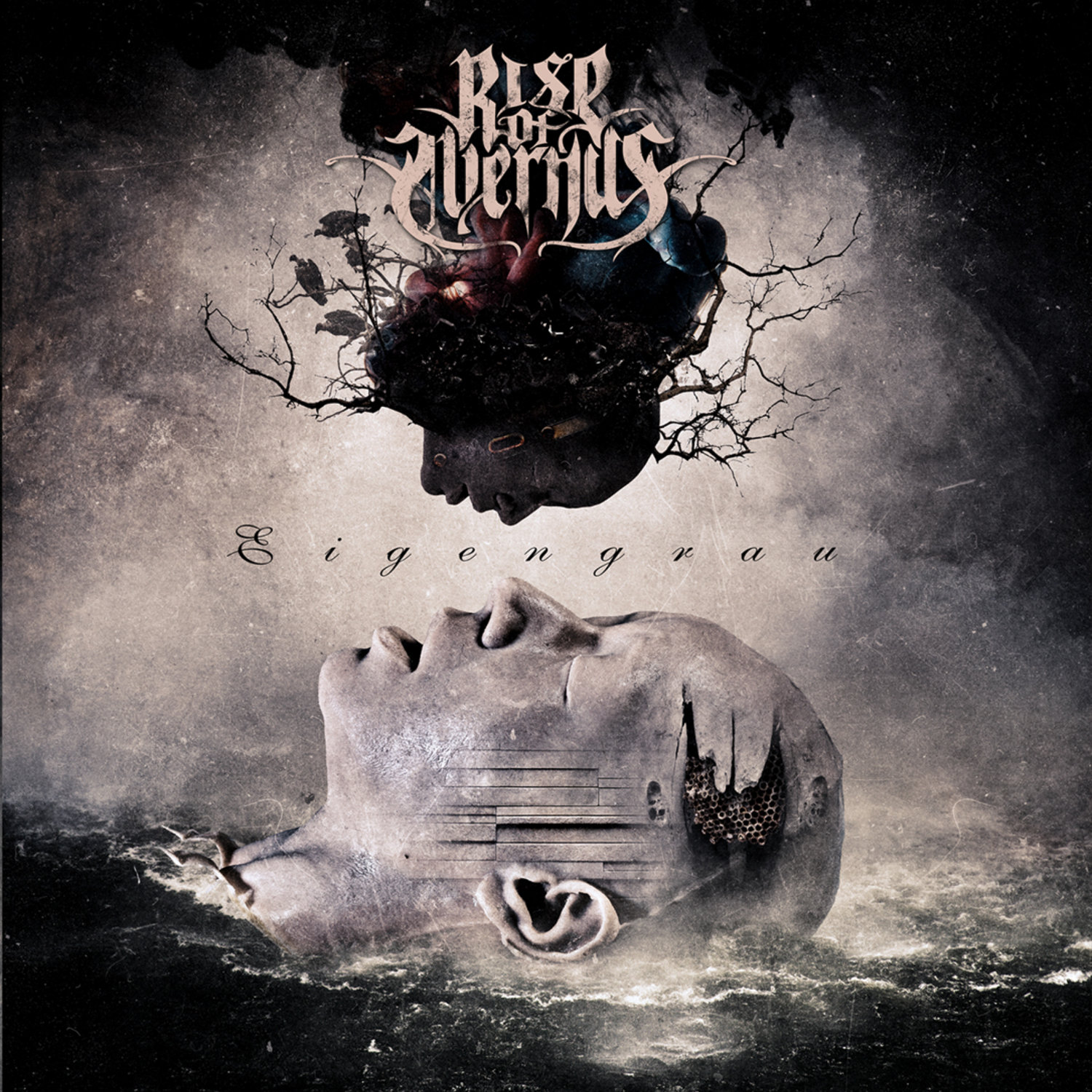
Featuring a Stygian artwork by world renowned artist Seth Siro Anton (aka Spiros Antoniou from Septicflesh), Eigengrau is the experience of seeing a deep grey shade in the total absence of visible light, or what one may refer to as a “perfect darkness.” Upon this canvas, an individual can project their subconscious, their processes, their anxieties and their fears. Thematically, Eigengrau explores the fluidic nature of these self-created experiences, how they can be shaped and how they may change at the point of one’s own death. Other tracks go on to explore the intricacies of personal realities, influenced by external factors or via spiritual and religious indoctrination. The nature of self-realization and being forced to confront weakness to overcome it. The distinct sound of the album reflects these altered states, oscillating between delicate movements and nightmarish grandiosity.

And Rise of Avernus’ nightmare of tenebrous and imposing sounds begin in full force in the opening track Terminus, showcasing a movie-inspired start before becoming a majestic fusion of the extreme music by bands like Cradle of Filth, Dimmu Borgir, Behemoth and Necronomicon with a raw Death Metal twist. Furthermore, Ben VanVollenhoven, the (black) heart and soul of the band, sounds insanely infernal on vocals, as well as Andrew Craig and his thunderous drums. Following such fantastic beginning we have Ad Infinitum (or “to infinity”), a neck-breaking, symphonic tune led by the atmospheric keys by Mares Refalaeda where Ben once again brings sheer darkness to the musicality with his demonic voice, resulting in a flawless combination of Atmospheric and Symphonic Black Metal.

Then we have a movie score-inspired beginning to yet another venomous feast by Rise of Avernus titled Gehenna, showcasing a beautiful but still obscure mid-tempo rhythm led by the guitars by Ben, who also provides a powerful performance with both his harsh and clean vocals (not to mention how awesome all orchestrations are); while Eigenlicht offers the listener almost eight minutes of a descent into the pitch black crypts of Hades, presenting smooth guitar lines by Ben and the always gripping keys by Mares, with the atmospheric break halfway through it being a thing of beauty. To sum up, this is Symphonic Black Metal at its finest, with the whole music ending in dense and ferocious fashion for our total delectation. And there’s’ still a lot more to go in Eigengrau, with tribal beats igniting another sonic extravaganza named Tempest, where Ben sounds more hellish and cavernous than before while Andrew and Mares fill all empty spaces with their burning instruments, resulting in a flawless mix of orchestral and heavy music.

Forged in Eidolon brings forward an ominous intro rising from the pits of hell directly into your mind, with the spectral orchestrations and keyboards by both Ben and Mares imprisoning your soul in the metallic realm of evil reigned by Rise of Avernus. Then serene sounds are joined by a wave of sublime orchestrations in Mimicry, creating the perfect ambience for the demonic growls by Ben and enhanced by the astounding keys by Mares. And as the closing act to this impressive album we have Into Aetherium, a wondrous composition that starts with almost three minutes of an instrumental blast of melancholic and obscure Symphonic Black Metal before all hell breaks loose, darkening our thoughts and hearts during its eight minutes of duration. Led by the bestial drums by Andrew, this fiendish hymn sets the perfect landscape for Ben to continue his path to the underworld, gnarling like an evil entity until the song’s mesmerizing and grandiose ending.

What are you waiting for to show your support for Rise of Avernus and purchase your copy of Eigengrau, one of the best extreme albums you can find out there, blending the aggressiveness of Death, Doom and Black Metal with the finesse and epicness of orchestral music? Eigengrau is available through Rise of Avernus’ own BandCamp page or Big Cartel (where by the way you can also find an album + patch + shirt bundle and an album + patch + pin + shirt + canvas/artwork bundle), as well as through the Aural Music webstore as a regular CD format or as a very special woodbox edition, if all of those versions of the album are still in stock, of course (which I doubt due to the insanely high quality of the music in question). Also, don’t forget to pay a visit to Rise of Avernus on Facebook for news, tour dates and other nice-to-know details about the band, and to listen to more of their classy music on YouTube. This is not only the band’s boldest, darkest and heaviest release to date, as aforementioned, but a lesson in extreme music that will certainly figure among the best metal albums of 2018 not only at The Headbanging Moose, but in several other publications all over the world where dark music always prevails.

Best moments of the album: Terminus, Eigenlicht, Tempest and Into Aetherium.

Worst moments of the album: None.

Released in 2018 Code666

Track listing 
1. Terminus 5:43
2. Ad Infinitum 4:54
3. Gehenna 5:59
4. Eigenlicht 7:33
5. Tempest 4:51
6. Forged in Eidolon 5:56
7. Mimicry 3:53
8. Into Aetherium 8:03

Band members
Ben VanVollenhoven – vocals, guitar, orchestrations
Mares Refalaeda – vocals, keyboards
Andrew Craig – drums, percussion

The Year In Review – Top 10 Hard Rock/Heavy Metal Albums of 2017

“We sort of find that music tames the beast, you know.” – Malcom Young

It’s that wonderful time of the year again, and I’m obviously not talking about Christmas and the holiday season. In a year where we lost so many talented and important musicians in rock and heavy music for various reasons, including Malcolm Young (AC/DC), Chris Cornell (Soundgarden), Chester Bennington (Linkin Park), Trish Doan (Kittie), Martin Eric Ain (Celtic Frost), Warrel Dane (Nevermore, Sanctuary), John Wetton (Uriah Heep), David Zablidowsky (Adrenaline Mob, Trans-Siberian Orchestra), Chuck Mosley (Faith No More) and Cherry Taketani (Okotô, Hellsakura, NervoChaos), among several others, not to mention the end of the unmatched Black Sabbath, who we were able to witness live one last time during their farewell tour The End, only the freshness and energy flowing from brand new metal music can give us hope, not allowing Heavy Metal and Rock N’ Roll to die as many like to prophesy every single year.

Having said that, it’s time to blow our goddamn speakers with The Headbanging Moose’s Top 10 Hard Rock/Heavy Metal Albums of 2017, excluding EP’s, best of’s and live albums, taming the beast inside us all as wisely said by AC/DC’s heart and soul Malcolm Young (R.I.P.). And as 2017 was the year of bands that cannot be considered dinosaurs in metal (or at least not yet), such as Trivium and Mastodon, that certainly points to a bright future ahead for Heavy Metal with their recent releases because, as you know, we won’t have behemoths like Iron Maiden, Judas Priest and Metallica kicking ass on stage forever. By the way, this was definitely a fantastic year for Mastodon, who not only released one of the best albums of 2017, the excellent Emperor of Sand, but they also had some extra energy to burn with the classy EP Cold Dark Place, which by the way is part of our top 10 EP’s of the year (as you’ll see after our top 10/20 list). Alright, without further ado, turn up the volume and enjoy our 2017 list… LET THERE BE ROCK!

1. Trivium – The Sin and the Sentence (REVIEW)
A superb album full of fast and intricate riffs, poetic lyrics, a sensational new drummer and, above all, the return of Matt’s trademark screams.
Best song of the album: Betrayer

2. Kreator – Gods Of Violence (REVIEW)
We shall praise the best Teutonic Thrash Metal institution of all time, as the gods of violence come alive.
Best song of the album: Totalitarian Terror

3. Blaze Bayley – Endure And Survive (REVIEW)
The indomitable Blaze Bayley returns with the second installment of Infinite Entanglement, his most ambitious project to date.
Best song of the album: Blood

4. Mastodon – Emperor of Sand (REVIEW)
Follow the inspirational story of a desert wanderer who has been handed a death sentence in this excellent album of Progressive Metal.
Best song of the album: Word to the Wise

5. Accept – The Rise of Chaos (REVIEW)
Let total chaos and destruction rise to the sound of the brand new album by the unstoppable Teutonic masters of Heavy Metal.
Best song of the album: Analog Man

6. Moonspell – 1755 (REVIEW)
An orchestral and emotional concept album that will take you to the year when a giant earthquake destroyed the city of Lisbon.
Best song of the album: Todos Os Santos

7. Striker – Striker (REVIEW)
Canadian Heavy Metal has never been more vibrant and rapturous than this.
Best song of the album: Born To Lose

8. Divine Element – Thaurachs Of Borsu (REVIEW)
Witness the passage of a soldier through various levels of consciousness about the reality of war and human society.
Best song of the album: Thaurachs Of Borsu

9. Torture Squad – Far Beyond Existence (REVIEW)
Don’t cross the path of one of the most respectful bands from the Brazilian Thrash and Death Metal scene.
Best song of the album: Blood Sacrifice

10. Solitary – The Diseased Heart of Society (REVIEW)
Four veteran thrash metallers canalizing all the hatred, degradation and perversions of our modern-day society into their music.
Best song of the album: Architects of Shame

And here we have the runner-ups, completing the top 20 for the year:

11. Karkaos – Children Of The Void (REVIEW)
12. Prometheus – Consumed In Flames (REVIEW)
13. Battle Beast – Bringer Of Pain (REVIEW)
14. Terrifier – Weapons of Thrash Destruction (REVIEW)
15. Body Count – Bloodlust (REVIEW)
16. Dzö-nga – The Sachem’s Tales (REVIEW)
17. Cradle of Filth – Cryptoriana – The Seductiveness of Decay (REVIEW)
18. Cannibal Corpse – Red Before Black (REVIEW)
19. Infernäl Mäjesty – No God (REVIEW)
20. Katharos XIII – Negativity (REVIEW)

As aforementioned, we also have for you this year our Top 10 EP’s of 2017, ranging from the most rebellious form of Deathcore to the most melodic type of Symphonic Metal, from visceral Doom Metal to demonic Black Metal, and so on. In addition, those bands hail from all four corner of the earth, proving once again that it doesn’t matter where you go you’ll always be able to find first-class metal music, including all of its genres and subgenres, to please your avid metallic ears.

1. Primal Age – A Silent Wound (REVIEW)
2. Sinners Moon – Far Beyond The Stars (REVIEW)
3. Aversio Humanitatis – Longing for the Untold (REVIEW)
4. Loathfinder – The Great Tired Ones (REVIEW)
5. Ljosazabojstwa – Sychodžańnie (REVIEW)
6. Lorn – Arrayed Claws (REVIEW)
7. Jupiter Hollow – Odyssey (REVIEW)
8. Dö – Astral: Death/Birth (REVIEW)
9. Mastodon – Cold Dark Place (REVIEW)
10. Afire – Afire (REVIEW)

Do you agree with our list? What are your top 10 albums of 2017? If you want to check another awesome list, I highly recommend Antichrst Magazine’s Top 10 Albums of 2017 (Editorial Staff), a great online publication that we at The Headbanging Moose also contribute to on a regular basis. Also, don’t forget to tune in to Timão Metal every Tuesday on Rádio Coringão for a blazing fusion of metal and soccer, and to The Headbanging Moose Show every Thursday on Midnight Madness Metal e-Radio for the best of underground metal from all over the world!

Metal Xmas and a Headbanging New Year! See you in 2018!

Actually, before all is said and done, here’s for you the 2017 Christmas single from Norwegian Melodic Power Metal project Aldaria called When The Time Has Come, featuring several renowned guest musicians such as Ralf Scheepers (Primal Fear), Yannis Papadopoulos (Beast In Black),  Lars Rettkowitz (Freedom Call) and Morten Gade Sørensen (Pyramaze), among others, with 100% of all income of this single being donated to Cancer Research. “This is a very important cause for me, as I lost my mother to this horrible disease in 2010. The single will be available across all streaming and digital platforms, and on Aldaria’s official webstore, where you will get a special edition with a lossless audio file, instrumental, high resolution cover art, and lyrics”, commented guitarist Frode Hovd, the mastermind behind Aldaria. Let’s all support such important cause!

Album Review – Aske / Broken Vow EP (2017)

A short, dark and acid sample of the new phase by an up-and-coming Brazilian Extreme Metal duo, pointing to a bright future ahead of them.

Forged by bassist Filipe Salvini and guitarist Lucas Duarte in 2009 in the city of São Carlos, in the state of São Paulo, Brazil, and being deeply rooted in classic extreme music styles, Brazilian Black/Death Metal act Aske has been making a name for themselves since their inception due to the high quality and originality of their music, playing in several local festivals and being invited to record the opening song for a Brazilian music program named Arte Extrema (with the single “Alcoholic Audition”). Now in 2017 Aske kick off a new phase in their career with a very cohesive and obscure EP named Broken Vow, pointing to a bright future ahead for the duo.

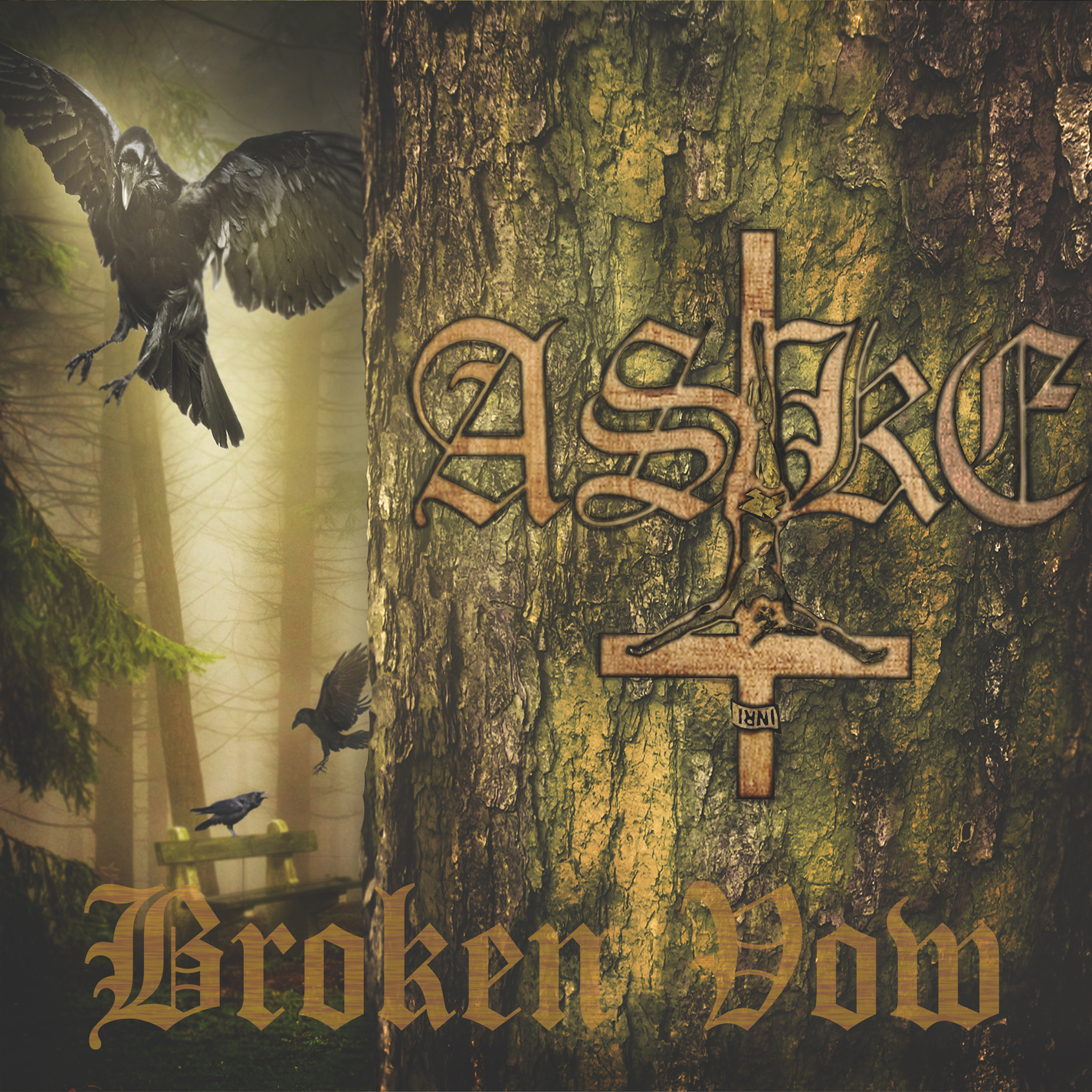
After releasing their debut demo in 2009 named A Dawn to Ruin, followed by another demo titled Scars from the Whip in 2014 and their first full-length album Once…, releases in 2015, Aske return with a different sonority due to a considerable lineup change, but still extremely loyal to their foundations in Broken Vow. The artwork in their new EP was conceived by photographer and designer Ayla de Lilith and bassist (and now also vocalist) Filipe Salvini himself, who commented that “our band has been through a short period of adaptation in the past few months, and we thought a new release with a few original songs would be a nice way to keep ourselves honest in our production process and ideal for us to get ready for a bigger future”. Recorded, mixed and mastered by Eugenio Stefane at 1979 Estúdio, Broken Vow brings to us metallers three brand new songs by Aske, a cover song for an underground classic by American group Pentagram, and a remastered version to one of their previous songs, released in 2016, as a bonus track, and as unique as all tracks in the EP might sound they all make sense when put together as you’ll be able to see.

The groovy and piercing guitars by Lucas ignite the dark and melodic tune Meadows in Shade, a solid display of underground Death and Black Metal where Filipe showcases his vocal abilities as the band’s new growler, delivering anger and obscurity with his raspy gnarls, whereas the blast beats and cutting riffs in the kick-ass Death Metal onslaught Menschwerdung (German for “incarnation”) will penetrate deep inside your mind, sounding truly bestial and aggressive from start to finish. Furthermore, Filipe increases the savagery flowing from his growling while at the same time punching us in the head with his bass lines. Then in Broken Vows we’re treated to a more metallic and modern version to one of Pentagram’s cult songs(check the original version HERE), where both Filipe and Lucas are precise with their strings, and with Filipe also powerfully darkening the original vocal lines by the iconic Bobby Liebling.

Mardi Gras, the first single released in this new phase of the band, is another heavy-as-hell blast of Death Metal with some more Stygian elements from Black Metal, with highlights to the pounding riffs by Lucas. And, as aforementioned, as a bonus we have the audio of the official video for the song Übermensch (German for “superman”), originally released in their 2016 album Once… with previous lead singer Paulo Roberto still on vocals (as well as Luciano Galhardo on guitars and Renato Lourenço on drums). As a matter of fact, although their past formation feels more blackened than their current sonority, in my humble opinion both “versions” of Aske sound amazing.

What are you waiting for to know more about Aske? Go check what this Brazilian duo is up to on Facebook, listen to their music on YouTube, and buy your copy of Broken Vow (which can be enjoyed in full on Spotify) at the band’s own BandCamp page (and soon at the Sangue Frio Records’ webstore). After such strong EP, let’s wait and see what Filipe and Lucas will have for us next, and by that I mean we can surely expect a high-quality full-length album of extreme music hailing from Brazil, no doubt about that.

Best moments of the album: Menschwerdung.

Worst moments of the album: None.

Released in 2017 Sangue Frio Records

Track listing
1. Meadows in Shade 3:58
2. Menschwerdung 3:45
3. Broken Vows (Pentagram cover) 4:30
4. Mardi Gras 3:06
5. Übermensch (Video Version) 2:53

Band members
Filipe Salvini – vocals, bass
Lucas Duarte – guitars

Album Review – Antipope / Denial/Survival (2017)

Bending the genre boundaries and creating a unique musical journey in the spirit of classic progressive albums of the 70’s, this Finnish act returns from a four-year hiatus to offer us all their music in its most uncompromising form.

As a nice Christmas gift to all readers of The Headbanging Moose, I have for you today Denial/Survival, the fourth full-length album by Finnish Progressive Black Metal trinity Antipope, whose music is according to the band itself a free expression of whatever styles, themes or moods might be needed to relate the particular message to the listener. Although the band is considered by many as Black Metal, the name Antipope stands for liberation from any and all dogmas and renouncement of intellectual and ideological authorities, being the soundtrack for self-discovery, death and rebirth.

Formed in 2004 in the city of Oulu, the band comprised of founder Mikko Myllykangas on vocals, electric and acoustic guitars, bass guitar and programming, Antti J. Karjalainen on guitars and Tuska E. on drums returns from a four-year hiatus with Denial/Survival, presenting their characteristic style of bending the genre boundaries and creating a unique musical journey in the spirit of classic progressive albums of the 70’s. Combining elements of Extreme Metal, Melodic Death Metal and even a bit of Flamenco, and featuring an imposing artwork by Finnish artist Tiina Kaakkuriniemi, Denial/Survival will offer you the music of Antipope in its most uncompromising form, and I’m sure you’ll have a good time while listening to such diverse album of extreme music.

In the opening track, titled Waters Below, we already face the multi-layered music by the trio, with an instrumental beginning that goes on for about two minutes before devastation arrives through the hellish growls by Mikko in a rhythmic and epic display of modern Black Metal; followed by Flat Circle, which presents hints of Atmospheric Black Metal infused in their more straightforward Scandinavian Extreme Metal. Moreover, Tuska does a solid job going from a more progressive style to visceral blast beats that live up to the legacy of Black Metal. And in the title-track Denial/Survival the band speeds up their pace and distills their venom through their austere words (“I woke up in the land of denial / It’s true the guilt is all you care for / Seeing you and the rest of your kind / Wallowing in self-pity and mutual rape”) in a true headbanging hymn perfect for cracking your spinal cord, which obviously translates into one of the top moments of the album.

The ominous, darkened instrumental bridge Der Sadist sets the tone for the even more obscure Black Metal chant Hunt, with the mid-tempo beats by Tuska being effectively blended with the crisp guitar lines by Antti, sounding more introspective and melancholic than the rest of the album. Then get ready to be smashed by the futuristic and melodic (but still very raw) onrush of extreme music named True Anarchist, sounding at times like Marilyn Manson, with Antti once again firing his captivating riffs, before the atmospheric and ominous creation Mindlessness Meditation brings forward cavernous bass lines by Mikko, who darkly declaims the song’s cryptic lyrics.

An Unconditional Ritual to Summon the Prince of Darkness, a slow-paced chant that could actually be used to summon an evil entity, presents words that sound and fell infernal (“This is how it begins, the last phase / A thousand step descent into the unknown / The words extend the rays of light / From the shadows a new mind”), whereas in Tragic Vision we can feel their music growing in intensity as time passes by, with Mikko and Antti making a great guitar duo by blasting some wicked riffs. Furthermore, the whole song has a touch of epicness that makes it very exciting to listen to, not to mention Tuska’s galloping beats in perfect sync with his bandmates’ stringed weapons. And as the closing song of the album Antipope deliver what is also the longest of all tunes, entitled Resolution, which could easily be used in the soundtrack for a slasher flick or a Tarantino-style movie, helping the album stand out among other extreme bands for its versatility and innovative approach.

I’m certain that, after listening to Denial/Survival, you’ll be more than curious to know more about Antipope and their distinct career, and in order to do that simply go check what Mikko & Co. are up to on Facebook, watch to their classy videos on YouTube and listen to their music on Spotify, and purchase the album through their BandCamp page or on iTunes. There’s nothing better than celebrating Christmas with some nice extreme music made in Finland, a country where Santa Claus is supposed to live (in the cold and charming Lapland, the largest and northernmost region of the country), so don’t waste your time and go show your support to this very interesting underground act. Well, if you don’t do so, I guess Santa will have to cross “somebody’s” name from his list next year.

Best moments of the album: Denial/Survival, Hunt and Tragic Vision.

Worst moments of the album: Flat Circle.

Released in 2017 Antipope/TCM Entertainment

Track listing
1. Waters Below 5:25
2. Flat Circle 5:40
3. Denial/Survival 5:06
4. Der Sadist 3:22
5. Hunt 7:08
6. True Anarchist 4:23
7. Mindlessness Meditation 4:34
8. An Unconditional Ritual to Summon the Prince of Darkness 5:29
9. Tragic Vision 4:25
10. Resolution 7:13

Band members
Mikko Myllykangas – vocals, electric and acoustic guitars, bass guitar, programming
Antti J. Karjalainen – guitars
Tuska E. – drums

Album Review – Lascar / Saudade (2017)

Blending modern elements of extreme music with feelings of loss, fragility and desperation, this one-man band from Chile offers us a unique interpretation of the apparent conflict on the naturalistic experience.

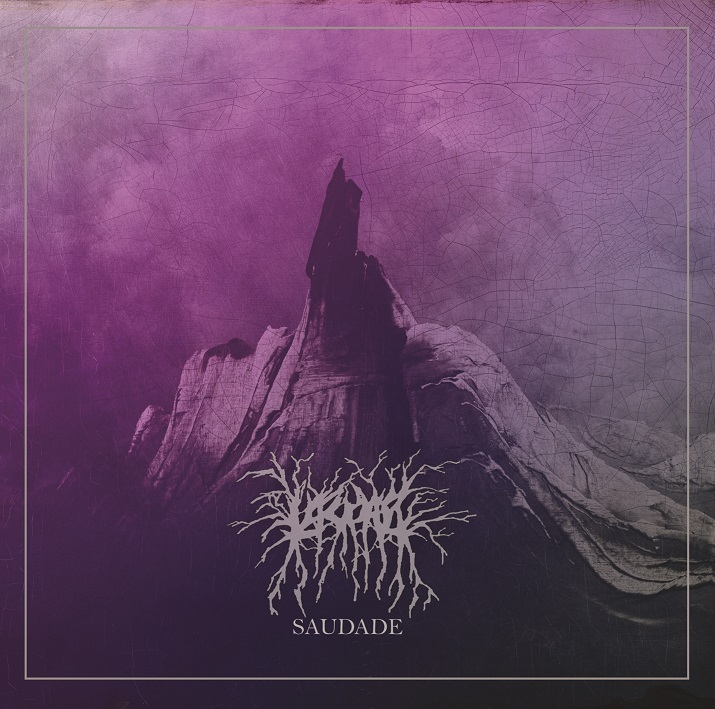
Hailing from the alluring city of Santiago, the capital of the mighty Republic of Chile, here comes a Post-Black Metal one-man army that goes by the name of Lascar, who since 2014 has been delivering truly captivating music by blending modern elements of extreme music with feelings of loss, fragility and desperation, offering a unique interpretation of the apparent conflict on the naturalistic experience. After the releases of the demos Lascar (2014) and Depths (2015), followed by the band’s debut full-length album Absence (2016), it’s time for Lascar, the brainchild of Chilean multi-instrumentalist Gabriel Hugo, to mesmerize us once again with beautiful Atmospheric Black Metal in the full-length opus Saudade, a Spanish word that can be translated as “yearning” or “nostalgia” (albeit there’s no specific word for it in English), implying a sense of abandon and a nostalgic mourning manifested within an artistic environment.

The opening track, entitled Tender Glow, is Atmospheric Black Metal at its finest, bringing forward a bucolic start with the sound of the guitar thoroughly blended with the wind while the music remains gloomy, desperate and anguished at all times thanks to the demonic gnarls by Gabriel, who effectively vociferates the song’s poetry-like lyrics (“The sun expands through the morning air / with its astral constant energy. / Ornaments of ice melts / through the cracks of crystal moments in an hyperbole. / A heartbeat rumble through a fragile atmosphere. / Echoes of lost dreams trespassing the ethereal. / Seasons of purple blossoms falling through the hands of time. / Ornaments of ice melts / through the cracks of crystal moments in an hyperbole.”). Thin Air continues from where the first song ended, impregnating the air with visceral blast beats, old school Black Metal riffs and tons of agony and melancholy, resulting in a wall of dark sounds built up by several distinct layers that will crush your soul mercilessly. Furthermore, Gabriel keeps growling like an uncanny entity until a gentle break brings some peace to our minds, with this paradox of negative emotions and gentle sounds being absolutely fantastic.

The third track of the album, Uneven Alignment, couldn’t start in a more melancholic manner, with its smooth sounds and nuances mesmerizing our senses before Gabriel returns with his visceral roars and frantic drums. Put differently, this is a solid and beautiful depiction of modern Black Metal with Gabriel taking us all on a whimsical journey through the obscure realms of Lascar. And lastly, the acoustic guitar by Gabriel kicks off the final breath of Post-Black Metal in Saudade, a 14-minute aria named Bereavement, showcasing all elements from Atmospheric and Depressive Black Metal fused with traditional Doom and Black Metal, with devastation and despair flowing from all instruments from start to finish, therefore ending the album on the highest note imaginable.

It’s quite difficult to express in just a few lines what the music by Lascar truly represents, which means that, if I were you, I would definitely go take a very detailed and focused listen at Saudade in its entirety on YouTube, as well as follow Lascar on Facebook. Hence, in case Saudade has all the elements you’re searching for in obscure extreme music, you can purchase a copy of the album at Lascar’s BandCamp page, at the ATMF’s BandCamp page or webstore (as a regular CD, a regular LP, or a collector’s edition translucid purple vinyl LP with white speckles), at the Throne Records’ webstore or at Discogs. The feeling of loss followed by a strong and deep sense of yearning might not be something easy to deal with inside ourselves, but with the lugubrious music by Lascar as the soundtrack at least we have a very good reason to let those feelings and thoughts consume our minds in the darkest way possible.

Best moments of the album: Thin Air and Bereavement.

Worst moments of the album: None.

Released in 2017 A Sad Sadness Song

Track listing
1. Tender Glow 10:25
2. Thin Air 8:49
3. Uneven Alignment 8:34
4. Bereavement 14:25

Band members
Gabriel Hugo – vocals, all instruments

Album Review – Dzö-nga / The Sachem’s Tales (2017)

A demonic entity hailing from the United States gives life to the Algonquin folklore in a brand new concept album of vibrant and classy Atmospheric Black Metal.

In case you’re searching for the next name in Atmospheric and Epic Black Metal, you must take a listen at The Sachem’s Tales, the brand new concept album by an American Black Metal project that goes by the name of Dzö-nga (pronounced “zone-gah”), formed in 2016 in the city of Boston, Massachusetts, United States by multi-instrumentalist Cryvas. By the way, did you know Dzö-nga is the name of a cryptid or demon that is said to haunt the mountain Kangchenjunga, the third highest mountain in the world lying partly in Nepal and partly in Sikkim, India? Drawing inspiration from world mythologies, Dzö-nga is definitely the perfect name to represent the music by this heavy and eccentric monster of underground extreme music.

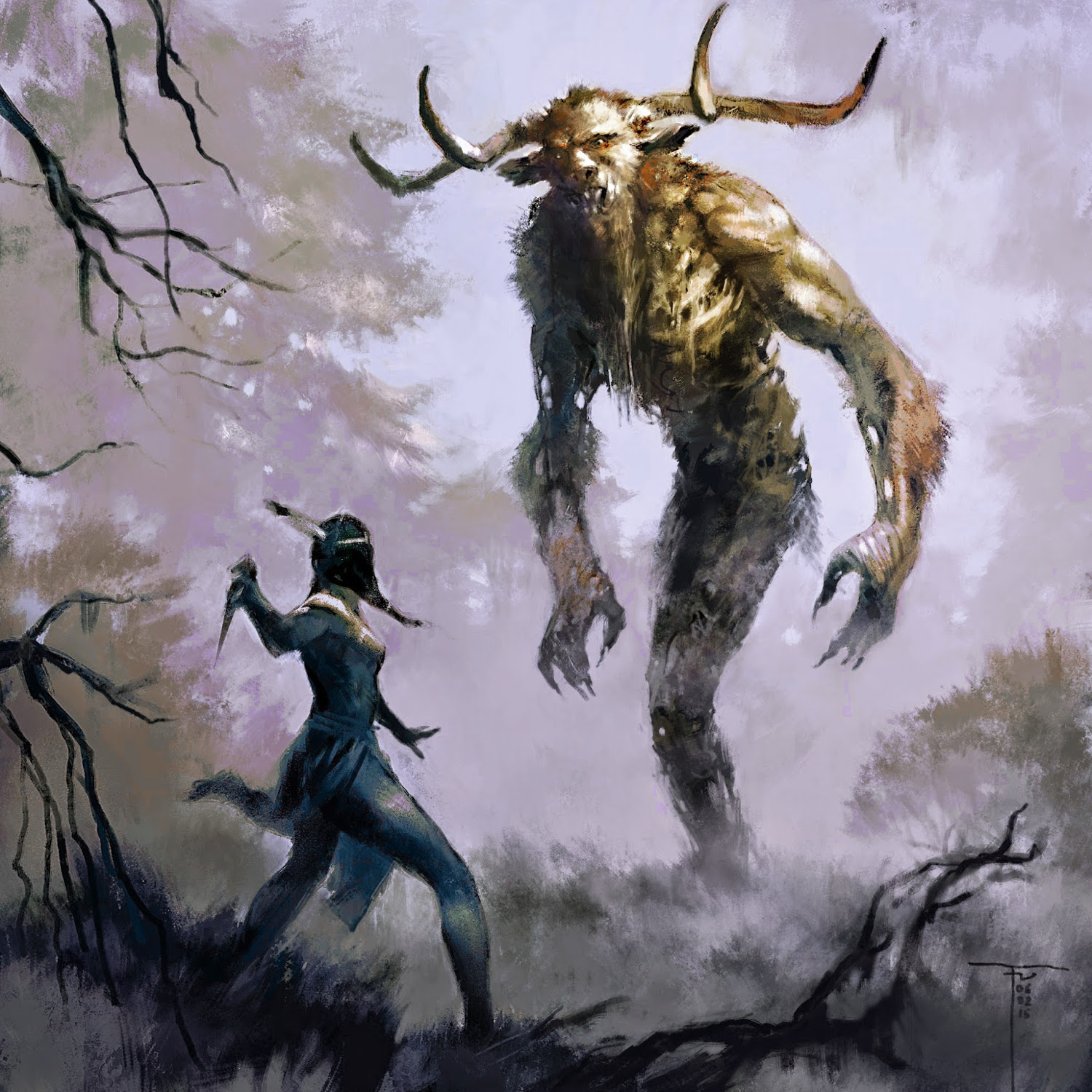
The Sachem’s Tales, Dzö-nga’s second full-length album and a concept album about the Algonquin folklore from creation mythos (“Against the Northern Wind”) to apocalyptic prophesies (“A Seventh Age of Fire”), is the project’s first release to feature Grushenka Ødegård on vocals, with Cryvas and Grushenka being joined by guest musicians Aaron Maloney (This or the Apocalypse) as their session drummer and Lilith Astaroth (Sorrowseed) lending an ethereal voice to “Halle Ravine”. Featuring a classy cover art titled “The Wendigo”, designed by British illustrator Frank Victoria, The Sachem’s Tales will certainly please all fans of the more atmospheric side of extreme music fused with folk elements, especially the ones who love the sound by bands like Agalloch, Falls of Rauros, Moonsorrow and Coldworld, among others.

Midewiwin Lodge, a serene instrumental intro led by the acoustic guitars by Cryvas and spiced up by elements from Mother Nature, sets up the ambience for the melancholic and gripping To the Great Salt Water, with the contrast between the piano and the blast beats perfectly supporting the gentle voice of Grushenka and the growls by Cryvas, enhancing the impact of its fairy tale-inspired lyrics (“What shall I tell our children? / Tell them our story / Tell them who they are / Far beyond the mountains / Where wild-men roam / Over the raging river’s foam / Follow the Whiteshell west”). Put differently, this is a beautiful rollercoaster of emotions crafted by Dzö-nga, going from deeply enraged moments to slower passages of pure tenderness. Then in The Wolves Fell Quiet what starts in a calm mode with the suave notes of the piano embracing our souls suddenly explodes into magnificent Atmospheric Black Metal, with Cryvas growling and gnarling like a hellish entity. Furthermore, multi-layered waves of blackened sounds mixed with ambient music turn listening to this tune into a distinct and dense journey through darkness.

In the acoustic ballad Halle Ravine, it’s time for Lilith Astaroth to give life to the song’s poetic lyrics, bringing hope and melancholy at the same time to our hearts, with the song’s smoother sonority also showcasing how versatile Cryvas is as a musician; followed by Against the Northern Wind, where blast beats ignite a flammable fusion of Atmospheric Black Metal with Folk and Dark Metal, once again presenting paradoxical elements that create a unique experience to the listener. Moreover, Cryvas’ demonic roars and Grushenka’s angelical voice complement each other in a superb way, making it impossible not to feel touched by all sounds blasted by the band, all reaching deep inside our hearts and souls. A Seventh Age of Fire brings forward almost 10 minutes of top-tier extreme music by Cryvas and his crew, where Aaron not only proves he’s a rabid beast behind his drums, but he also displays an extremely refined technique, therefore adding tons of intricacy to the musicality. And effectively complementing this stylish aria, Cryvas offers us all some epic church-inspired pipes, with all instruments converging to a climatic acoustic ending with the song’s lyrics yet again coming from a dark and thrilling fairy tale (“Be brave and you will be protected / Be wise and you will be rewarded / (Hear in our silence that we are at peace / Our mantle passed to you) / Light again the ancient flame / Lead our people back home”). And before all is said and done, we’re treated to the instrumental outro The Witching Meadow, a song that contains several elements found in Folk Metal, with its kick-ass piano notes generating a comforting atmosphere to end this fantastic album in great fashion.

You can enjoy this fairy tale of Extreme Metal in full on YouTube, follow Dzö-nga on Facebook, listen to their other creations on SoundCloud, and obviously purchase The Sachem’s Tales at the band’s own BandCamp page, at the Avantgard Music’s BandCamp, on Amazon or at Discogs. Having said that, let’s hope that this gargantuan, hazy creature named Dzö-nga keeps haunting not only mountain Kangchenjunga, but everywhere else in the world where high-quality metal music is appreciated for many years yet to come.

Best moments of the album: To the Great Salt Water and Against the Northern Wind.

Worst moments of the album: None.

Released in 2017 Avantgarde Music

Track listing
1. Midewiwin Lodge (Instrumental) 2:35
2. To the Great Salt Water 8:49
3. The Wolves Fell Quiet 7:23
4. Halle Ravine (feat. Lilith Astaroth) 4:04
5. Against the Northern Wind 7:16
6. A Seventh Age of Fire 9:23
7. The Witching Meadow (Instrumental) 3:26

Band members
Cryvas – vocals, all instruments
Grushenka Ødegård – vocals

Guest musicians
Aaron Maloney – drums (session)
Lilith Astaroth – vocals on “Halle Ravine”

Album Review – Ljosazabojstwa / Sychodžańnie EP (2017)

Prepare yourself for a 32-minute descent to the bottomless pits of hell while listening to the ancient thrashing Black and Death Metal brought forth by this arcane Belarusian horde.

Anti-Christianity, death, cruelty and other controversial topics, all vociferated in the darkest existing form of Belarusian. That’s what you’ll get in Sychodžańnie, the brand new and extremely occult EP by a Belarusian Death/Black Metal mysterious entity that goes by the name of Ljosazabojstwa, formed in 2013 in the capital city of Belarus, Minsk. If you have absolutely no idea how extreme music sounds when sung in “White Russian”, Sychodžańnie might be the perfect opportunity for you not only to feel the strength of this distinct East Slavic language in metal, but also to get to know more about Ljosazabojstwa, a fresh new name in underground music that will certainly disturb your peace of mind.

After releasing a demo titled Staražytnaje Licha, in 2016, Ljosazabojstwa are more than ready to haunt our minds with their demolishing, blackened sounds found in their new EP. With Sychodžańnie, which by the way was mixed and mastered by Ghostalgy Productions and features artwork and logo by VR, this arcane band takes their brand of ancient thrashing Black and Death Metal to a whole new level, balancing barbaric riffage with uncanny interludes and spoken word samples that make for a unique experience. In other words, prepare yourself for a 32-minute descent to the bottomless pits of hell while listening to the album’s six tracks of ruthless music, definitely not recommended for the faint of heart.

This cavernous album beings with Pozirk U Biezdań, an ominous intro where the mesmerizing sound of an organ opens the gates of the underworld to the dark and puissant Zhuba, where Blackened Doom, Black and Death Metal are united in the most aggressive way, with the deep growling by the band’s mysterious vocalist being supported by the cutting sound of guitars. In addition, its raw and vile beats, together with the song’s eccentric ending, will darken your thoughts without a shadow of a doubt. Then blackness keeps growing in intensity in the lesson in sluggish Blackened Death Metal entitled Piekła, with its guitar riffs feeling like a chainsaw hacking your limbs off. Moreover, its faster passages interspersed with slower Doom Metal-inspired moments add several layers of intricacy to the musicality, and it seems the band loves to include some wicked spoken excerpts (probably taken from underground movies) to their creations, just to give them an awesome slasher-flick soundtrack-like vibe.

Slow and steady beats ignite another feast of primeval, Stygian sounds by Ljosazabojstwa named Šliach Na Miehida, with their demonic lead singer vociferating the song’s cryptic lyrics in a truly threatening manner, also presenting a smooth acoustic break almost at the end before devastation returns in full force (and when you least expect, you’ll find yourself addicted to the band’s hellish music). The title-track Sychodžańnie is a horror movie-inspired instrumental bridge that will invade your senses before Zabojstwa Ljosu comes crushing your skull with a tempest of metallic, rip-roaring sounds, infernal vociferations and demented vocal samples. In addition, its guitars bring an acid hybrid of Death and Doom Metal riffs, while drums continue to smash us mercilessly until its devastating and climatic grand finale.

If you want to take a more detailed listen at Sychodžańnie, simply go to YouTube to fill your ears with Ljosazabojstwa’s dark Belarusian sounds, but if you’re already hooked on their vile music you can grab your copy of the EP at the band’s own BandCamp page, at the Hellthrasher Productions’ BandCamp or webstore, or at Discogs. And there you have the most demonic score you can imagine for some of those extremely somber, sorrowful and distressed moments you’ll face in life, how about that?

Best moments of the album: Piekła and Zabojstwa Ljosu.

Worst moments of the album: None.

Released in 2017 Hellthrasher Productions

Track listing
1. Pozirk U Biezdań (Instrumental) 2:06
2. Zhuba 7:37
3. Piekła 6:56
4. Šliach Na Miehida 7:00
5. Sychodžańnie 1:36
6. Zabojstwa Ljosu 6:48

Band members
*Information not available*

Album Review – Al-Namrood / Enkar (2017)

Unafraid of exercising their freedom of speech in their homeland, three dauntless Saudi black metallers keep fighting against tyranny, oppression and authoritarianism with their brand new, distinct and acid album.

Forged in 2008 in the fires of Dammam, the capital city of Saudi Arabia’s Eastern Province and the sixth largest city in Saudi Arabia after Riyadh, Jeddah, Mecca, Medina and Taif, Black/Folk Metal trinity Al-Namrood is another one of those cases where no matter how talented and bright the band members are, the religious and political leaders of their homeland will do whatever it takes to end their career (not to say something even harsher than that), restricting their reach and forcing them to remain anonymous to stay alive (as you can read in an excellent and very detailed article titled “Witch Hunts, Resurgence and Defiance: Heavy Metal In The Middle East”, published by an online publication named The Quietus). However, the only Black Metal band in Saudi Arabia doesn’t seem to be scared to exercise their freedom of speech with their brand new album Enkar, where once again Al-Namrood translates into first-class metal music their austere position against their own country’s authoritarian regime.

Al-Namrood (or (النمرود‎ in Arabic) means “Nimrod” (which translates to “the non believer”), a Babylonian king who ruled the world maliciously and stated “I am the God of all creation”, and the group chose the name as their form of defiance against religion. After the successful release of their 2010 album Estorat Taghoot, the band decided to shift their focus away from the ancient Babylon land to a hub with deeper Arabian aspect, pronouncing the utter darkness of the Arabian Peninsula and therefore playing what can be called “Arabian Occult Metal”. If you love Black Metal in the vein of bands like Marduk, Darkthrone and Bathory mixed with the most obscure and anti-religious aspects of the music by Candlemass, Black Sabbath and Kreator, all embraced by the unique tones and sounds from the Middle-Eastern culture, then you must take a listen at Enkar as soon as possible, as this album might change considerably your view of underground Extreme Metal.

And those sounds from the Middle-East are joined by metallic lines to form a unique musicality led by the enraged and sick vocals by Humbaba in the opening track, titled Nabth, a feast of eccentricity and sheer madness, with the guitars by Mephisto sounding truly mesmerizing. In addition, the song’s official video, with its images of protests, riots and police brutality from across the Middle-East, match perfectly with the music played by Al-Namrood. Enhancing the lunacy flowing from the guitars, the band offers us Halak, a great display of Orient Metal tailored for banging our heads and prancing together with the band, with highlights to the electrified beats by Ostron; followed by Xenophobia, another acid creation by Al-Namrood that deals with an extremely controversial topic, with Humbaba firing some truly demented vociferations from start to finish to make the final result even more impactful.

Estibdad brings forward a kick-ass hybrid of Folk and Orient Metal where all band members are on fire, in special Mephisto with his slashing riffs, not to mention you can feel the anger and rage flowing from Humbaba’s desperate growls. Efsad keeps the momentum going with its rhythmic drumming and Middle-Eastern-inspired riffs and bass lines effectively delivered by Mephisto, whereas Estinzaf, perhaps the most Heavy Metal (or I should say Black Metal) of all songs, presents more traditional guitar lines and drums, but of course still bringing the band’s own regional twist. Moreover, Humbaba sounds like a Saudi version of the iconic Mike Patton (Faith No More) during the whole song due to the level of lunacy and the weird noises he produces with his voice, which in the end is a very positive complement to the overall result. And in Ensaf we face a darker sonority that grows in intensity as time goes by, with even the vocal lines by Humbaba sounding more obscure and sharper than before, culminating in a mesmerizing pace with hints of progressiveness and Folk Metal elements to boost its taste.

In Egwaa we’re treated to what’s probably their most primeval mode, a hypnotizing and stylish break from all madness from the rest of the album deeply rooted in their own homeland’s traditions and sounds, with their smooth but at the same time extremely potent percussion stealing the spotlight. Then when it looks like that gentle break will still go on for a while, the band returns with an imposing, epic tune titled Ezdraa, transporting the listener to the darkest side of Saudi Arabia, with Ostron kicking some serious ass with his intricate drumming, before Entiqam, a nice ending to such distinct album, showcases a more-demented-than-ever Humbaba, leading the band’s ominous and classy musicality while the song’s Middle-Eastern elements sound heavier, crisper and more piercing than in all previous tracks.

You can enjoy all the madness, violence and hatred from Enkar by listening to the full album on Spotify, and of course purchase this Saudi gem at the Shaytan Productions’ BandCamp, on iTunes, on Amazon, on CD Baby or at Discogs. Al-Namrood, who can be found on Facebook despite the fact the band members have to remain anonymous, not only continue to pave a fantastic path in underground heavy music with this idiosyncratic album, spreading their music all over the world and always moving forward against all odds, but they also serve as some sort of inspiration for other musicians in Saudi Arabia and from any other countries with very strict laws to keep pursuing their dreams and to keep fighting against tyranny, oppression and authoritarianism, all in the name of freedom and metal.

Best moments of the album: Nabth, Estibdad and Ensaf.

Worst moments of the album: Estinzaf.

Released in 2017 Shaytan Productions

Track listing
1. Nabth 3:55
2. Halak 3:17
3. Xenophobia 4:24
4. Estibdad 3:23
5. Efsad 3:03
6. Estinzaf 3:17
7. Ensaf 4:28
8. Egwaa 4:02
9. Ezdraa 4:24
10. Entiqam 5:18

Band members
Humbaba – vocals
Mephisto – guitars, bass, percussion
Ostron – keyboards, percussion