The newly reinvigorated Italian pioneers of Atmospheric and Progressive Gothic, Doom and Death Metal return with their most elaborately adorned and sonically refined opus to date.
Coinciding with 35 years since the band’s original inception under the Catacomb moniker, and after an extended period of inactivity following the release of their 2016 acclaimed album Ursa, the newly reinvigorated Italian pioneers of Atmospheric and Progressive Gothic/Doom/Death Metal known as Novembre return with their most elaborately adorned and sonically refined opus to date in the shape of their ninth studio album, titled Words of Indigo. Mixed and mastered by Dan Swanö (Opeth, Katatonia, Bloodbath) at Unisound, and displaying a classy artwork by Travis Smith (Opeth, Katatonia) of Seempieces Design Studio, the new album by vocalist Carmelo Orlando, guitarists Alessio Erriu and Federico Albanese, and drummer Yuri Croscenko, with the support of session bassist Fabio Fraschini, will embrace you in a melancholic yet warm darkness, being therefore highly recommended for fans of Sacturnus, Novembers Doom, Shores of Null, Les Discrets, Woods of Ypres, My Dying Bride, and Draconian.
After a whimsical intro the band comes crushing our souls with their share of melancholy and doom in Sun Magenta, spearheaded by the crisp, piercing guitars by Alession and Federico, whereas Statua showcases an even more pensive, darker side of the band, with the clean and harsh vocals by Carmelo sounding amazing from start to finish. The band continues to distill their fusion of Progressive and Doom Metal in Neptunian Hearts, sounding heavy while also bringing tons of melody to our avid ears; whereas Ann-Mari Edvardsen (of The 3rd and the Mortal) makes a stylish vocal duet with Carmelo with her stunning voice in House of Rain, adding even more darkness to their core sound and, therefore, resulting in a beautiful ballad of extreme music, followed by Brontide, keeping the ambience dense, grim and hypnotic thanks to another classy performance by all band members, with Yuri dictating the pace with his doomed beats and fills.
Then after the theatrical interlude simply titled Intervallo we face another blast of their Progressive Doom Metal in the form of Your Holocene, an enfolding, thrilling tune where Carmelo’s deep, nocturnal vocals sound even more powerful, supported by the always incendiary riffs by both Alessio and Federico. Chiesa dell’alba brings forward more of their mix of Paradise Lost-infused doom and the progressiveness of bands like Dream Theater and Allegaeon, again presenting the intricate and fierce drumming by Yuri, followed by Ipernotte, one of the most detailed, multi-layered and vibrant of all songs, where the guitar job by Alessio and Federico is beautifully complemented by the thunderous bass by Fabio Fraschini. And last but not least, the band will darken the skies and consume our minds with Post Poetic, where Carmelo yet again melts our faces alternating between clean, ethereal vocals and the madness of his harsh gnarls, flowing into the climatic outro Onde, putting a pensive, somber ending to the album.
An exquisite and finely-textured display of creative prowess exploring themes of danger and innocence, fear and nostalgia, the latest journey by Novembre takes the listener through the torrents of raging Death Metal and sweeping, uplifting passages of serene poignancy, all woven together as finely crafted and layered melodic epics. You can put your hands on Words of Indigo via BandCamp or by clicking HERE, and don’t forget to also start following the band on Facebook and on Instagram for news, tours dates and more of their music, and to stream the embracing sounds from all of their albums on Spotify. November is undoubtedly a month that transpires doom, and the music offered by Novembre in Words of Indigo will surely work as the perfect soundtrack for your gloomiest, darkest days of such a Stygian month.
Best moments of the album:Statua, Your Holocene and Post Poetic.
Worst moments of the album:Brontide.
Released in 2025 Peaceville Records
Track listing 1. Sun Magenta 7:23
2. Statua 6:05
3. Neptunian Hearts 6:11
4. House of Rain 7:33
5. Brontide 6:21
6. Intervallo 1:14
7. Your Holocene 5:29
8. Chiesa dell’alba 7:26
9. Ipernotte 6:52
10. Post Poetic 6:27
11. Onde 2:29
Band members Carmelo Orlando – vocals
Alessio Erriu – guitars
Federico Albanese – guitars
Yuri Croscenko – drums
Guest musician
Fabio Fraschini – bass (session)
Ann-Mari Edvardsen – vocals on “House of Rain”
Behold the debut offering by this Hellenic Melodic Dark Metal beast, drawing inspiration from the ancient Greek cycle of Hybris, Ate, Nemesis, and Tisis.
A Melodic Dark Metal band formed in 2009 in Athens, Greece by guitarist Akis Pastras, but that remained dormant until 2020, Damon Systema are unleashing upon humanity their first ever sonic offering, simply titled Ate. Produced, recorded, and mixed by Akis Pastras at 3rDi Lab-Station, mastered by George Nerantzis, and displaying a stunning artwork by Okim Tulal, the debut album by Ruby Bouziotis and Nick Vlachakis on vocals, Akis Pastras on the guitars and bass, and The Goat on drums offers a striking fusion of Progressive Death, Doom and Heavy Metal, drawing inspiration from the ancient Greek cycle of Hybris, Ate, Nemesis, and Tisis, exploring the timeless themes of pride, calamity, divine punishment, and ultimate reckoning, being highly recommended for fans of The Agonist, Arch Enemy, Aephanemer, Aversed, and Dark Oath, among others.
The sinister guitars lines by Akis kick off the eight minute extravaganza titled Moirae, a song about the inescapable grip of destiny, with the harsh roars by Nick creating a visceral paradox with Ruby’s hypnotizing clean vocals. Then The Goat takes the lead with his pounding drums in Lady Discordia, an incendiary, headbanging metal feast mirroring the strife and turmoil sown by the goddess of discord, where Ruby shines once again with her striking vocals; followed by Harvest of Tears, which channels the lament of Aeschylus’ The Persians, with devastating crescendos capturing the weight of loss and where once again Akis slashes his stringed axe in great fashion, offering a flammable fusion of Melodic Death Metal with Doom and Gothic Metal elements.
Akis then brings the groove armed with his bass in the title-track Ate, embodying the blinding madness inflicted by the goddess herself, flowing smoothly until its dark and piercing finale. Ruby then presents her deepest, most penetrating vocal lines in Adrasteia, an epic journey into Nemesis’ unyielding grip, supported by the massive beats by The Goat and a razor-edged guitar solo by Akis, before all comes to an end with Poenas Dare, delivering the crushing reckoning of Tisis, a punishing yet cathartic conclusion that resonates with the eternal struggle for atonement. Musically speaking, it’s the perfect Melodic Dark Metal tune to conclude the album, with the entire band sounding tight and on fire, with Nick screaming with tons of anger and hatred in his blackened heart, being complemented by another mesmerizing performance by Ruby while Akis continues to deliver sheer adrenaline through his riffs.
In summary, brace yourself for an odyssey of crushing riffs, haunting melodies, and timeless allegory in Ate, bridging the ancient and the modern, the mythological and the visceral, creating a sonic experience that lingers long after the final note fades. Those amazing Greek musicians are waiting for you on Facebook and on Instagram with more of their fusion of extreme music and Greek mythology, and you can grab your copy of the excellent Ate from the Theogonia Records’ webstore or BandCamp. Or in other words, simply face your inner calamity, embrace Ate, and let the powerful music by another fantastic Hellenic metal band penetrate deep inside your darkened soul.
Best moments of the album:Lady Discordia, Ate and Poenas Dare.
Worst moments of the album: None.
Released in 2025 Theogonia Records
Track listing 1. Moirae 8:16
2. Lady Discordia 6:25
3. Harvest of Tears 6:55
4. Ate 7:14
5. Adrasteia 8:22
6. Poenas Dare 7:25
Band members Ruby Bouziotis – vocals
Nick Vlachakis – vocals
Akis Pastras – guitars, bass
The Goat – drums
An unpredictable Drone and Doom Metal entity from Finland returns with a beyond unique EP, featuring the raw, repetitive structures that have always been its core while also pushing into a more progressive direction.
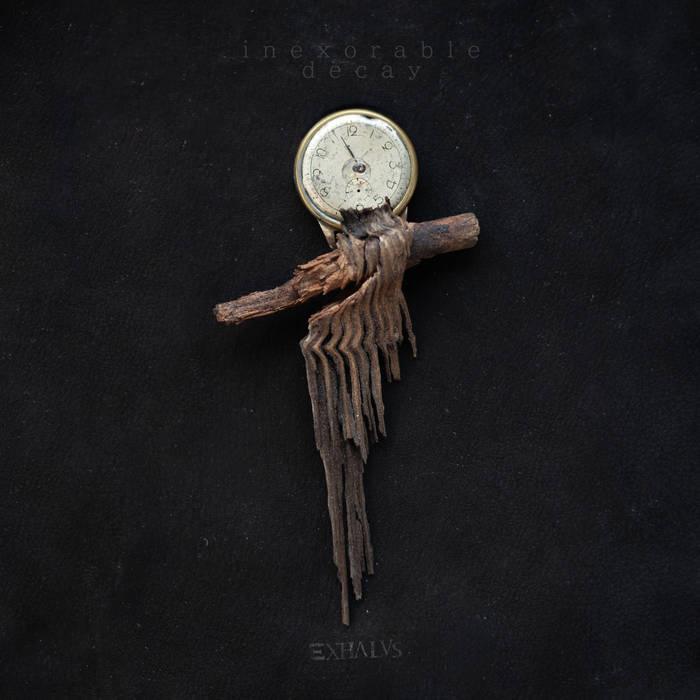
Hailing from Lohja, a town in Finland located in the southern interior of the country (and home of a statue of the world’s saddest miner), Experimental/Progressive Drone/Doom Metal project Exhalus, the brainchild of vocalist and multi-instrumentalist Mircea Purdea, will darken your minds with its newborn EP, entitled Inexorable Decay, the follow-up to the 2022 album Failed Rituals to Ascend. Featuring the raw, repetitive structures that have been the core of Exhalus music throughout its 19 years of existence while also pushing into a more progressive direction, the EP is perhaps the project’s most experimental one yet. Furthermore, while it’s not the first one to use synthesized clean vocals, it’s the first that uses them this extensively, giving an extra touch of uniqueness to the whole album when compared to all of its previous releases.
The opening track Erosion sounds utterly sluggish, vile and disturbing from the very first second, with its deep gnarls and sharp riffage working as the soundtrack to a grim horror movie, followed by Vortex, offering a weird, unique fusion of metallic and groovy guitars and bass with eerie vocalizations, or in other words, it’s the epitome of Experimental Drone and Doom Metal. Mircea keeps hammering his guitar and bass in Grinder, again blending the past, present and future of experimental music while also presenting massive beats that add an extra dosage of heaviness to the overall result. Surrender continues from where the previous song ended, bringing to our avid ears wicked guitar lines and a complete sense of lunacy and despair during its three instrumental minutes; and last but not least, the EP ends with Faded, setting a serene mood to the sound of the piano that remains until the very end.
In the end, while at its core the music still had the approach of Drone Metal and the misery of Doom Metal, the structure became more and more progressive, with most songs on the EP not even being considered metal (if there’s a limit to what metal can be). Hence, if you want to know more about this uncanny entity from the land of ice and snow, you can find Exhalus on Facebook, stream more of its music on Spotify, and purchase a copy of Inexorable Decay from BandCamp (keeping in mind the CD digipak version of the album is limited to 50 copies only). No one knows what’s next for Exhalus, and I dare to say not even Mircea Purdea, keeping the project as fresh and vibrant as it’s mysterious and unpredictable, exactly how the fusion of Drone and Doom Metal shall always be.
After a long hiatus, this Progressive Gothic/Doom Metal outfit from Portugal is back in action with their striking third full-length opus.
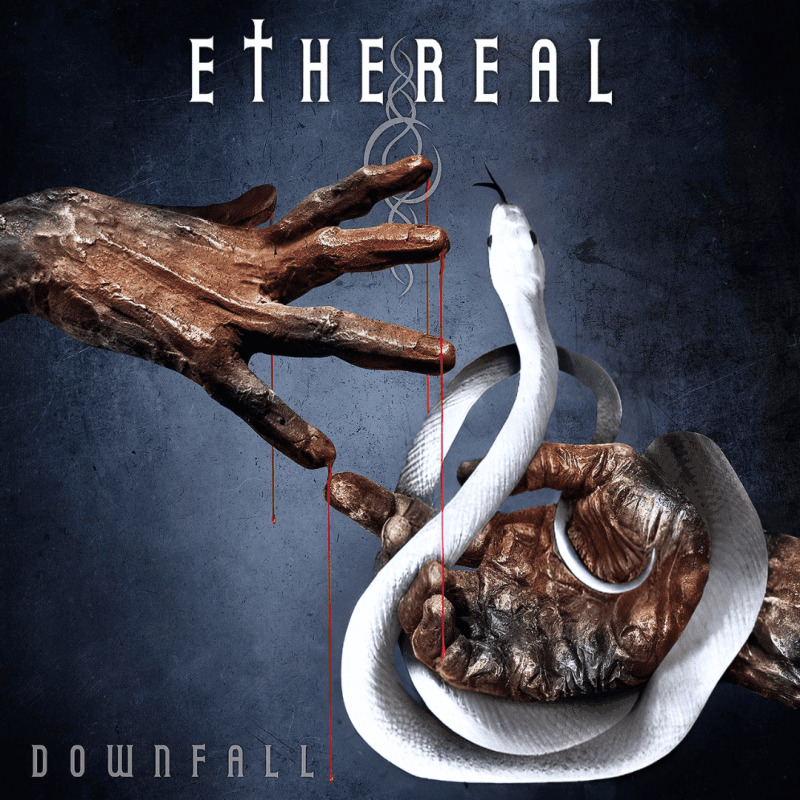
Formed in 1997 by vocalist Hugo Soares in Setúbal, a city and a municipality in Portugal, Progressive Gothic/Doom Metal outfit Ethereal returned to action in 2021 after a long hiatus with their original lineup comprised of the aforementioned Hugo Soares alongside Cristina Lopes on vocals, Marco Agostinho and Carlos Monteiro on the guitars (plus newcomer Pedro Arsenio also on the guitars), Mário Serrano on keyboards, Jorge Bentes on bass, and Miguel Ledo on drums, culminating now in 2024 with the release of their third full-length opus, titled Downfall. Recorded, engineered, mixed and mastered by Wilson Silva at WRecords Studio, produced by Ethereal and co-produced by Wilson Silva, and displaying a classic artwork by Augusto Peixoto of IrondoomDesign, Downfall represents the rebirth of one of the most important metal bands of the Portuguese scene, an album that is as detailed and heavy as it is dark and melancholic.
The striking opener Betrayal is very symphonic and melodic from the start, with the pounding drums by Miguel dictating the song’s pace before Hugo and Cristina make an amazing vocal duet, followed by The Allure of Dariah, another epic creation by Ethereal, this time investing in a more Symphonic Metal sonority with the guitars by Marco and Carlos matching perfectly with the whimsical keys by Mário. The band puts the pedal to the metal in the thrilling The Last Peaceful Journey, presenting elements from Gothic Rock from the 80’s in its core essence, once again showcasing a solid kitchen crafted by Jorge on bass and Miguel on drums; and it’s time for more of their classy blend of Symphonic and Gothic Metal in the form of Turmoil, with Hugo and Cristina stealing the spotlight with their striking vocals.
Ethereal then venture through more melodic, charming lands in the soothing power ballad Our Dying Hope, gradually growing in epicness and heaviness to the harsh but passionate roars by Hugo, whereas the stylish, melodious riffs by Marco and Carlos set the tone in the also enfolding The Hour of Infinity, the epitome of Progressive Gothic and Doom Metal led by the mesmerizing vocals by Cristina. And lastly, the melancholic keys by Mário ignite the title-track. Downfall, being joined by Cristina’s gentle vocals and with all of the song’s guitar solos, background keys and classic beats adding extra layers to the overall result, putting a climatic ending to the album.
Eighteen years after their previous album, Ethereal are finally back to the world of heavy music with Downfall, and their new album sounds so strong it doesn’t feel they’ve been silent for so many years. Hence, don’t forget to give the band a shout on Facebook and on Instagram, to stream their music on Spotify, to subscribe to their YouTube channel, or to click HERE for all things Ethereal. I believe Ethereal are back in action for good after listening to Downfall, as it’s easy to feel how much passion, energy and focus they put on the making of this album, which means we won’t have to wait another two decades to get more original music from one of the torchbearers of gothic and doom in Portugal.
Best moments of the album:The Allure of Dariah, Turmoil and The Hour of Infinity.
Worst moments of the album: None.
Released in 2024 Independent
Track listing 1. Betrayal 4:36
2. The Allure of Dariah 6:37
3. The Last Peaceful Journey 5:53
4. Turmoil 7:09
5. Our Dying Hope 5:58
6. The Hour of Infinity 6:41
7. Downfall 8:58
Band members Hugo Soares – vocals
Cristina Lopes – vocals
Marco Agostinho – guitars
Carlos Monteiro – guitars
Pedro Arsenio – guitars
Mário Serrano – keyboards
Jorge Bentes – bass
Miguel Ledo – drums
Forged in this world… Chained to this earth… Forced to stay where I am… Evermore…
If you’re an admirer of the darkest forms of music and arts in general, I’m beyond certain you’ll have an absolute blast knowing more about our multi-talented metal lady of the month of May here on The Headbanging Moose. Not only she owns a powerful and beautiful voice, but she’s also a keyboardist, a songwriter, and an accomplished digital artist and graphic designer who has already worked with countless bands from the metal scene. I’m talking about Gogo Melone, the lead singer and composer for Aeonian Sorrow and Elyzia, and former vocalist for Luna Obscura, with guest appearances to bands such as ISON, Mercury Circle, IANAI, Ghostheart Nebula, As The Sun Falls and others, and having worked as a graphic designer for bands such as Xandria, Insomnium, Wolfheart, Omnium Gatherum and Vintersea, just to name a few. As you can see, Gogo Melone is an unstoppable force in heavy music, embellishing the airwaves with her voice while at the same time captivating our attention with her stunning graphic creations.
Born on July 17, 1985 in Ioannina (often called Yannena), the capital and largest city of the Ioannina regional unit and of Epirus, a region in north-western Greece, but currently residing in Helsinki, Finland, Gogo Melone began her career in music back in 2000 when she founded Greek Atmospheric/Melodic Death/Gothic Metal band Luna Obscura (Latin for “dark moon”) together with guitarist Dimitris Papachristos and vocalist Aris Potonos, inspired by the music by Draconian, Trail of Tears, Tristania, Theatre of Tragedy, Crematory, Paradise Lost, and all other bands with death and gothic elements. Gogo Melone mentioned in one of her interviews that there wasn’t any major plan to create Luna Obscura in the beginning, as it was just a musical experimentation, saying that she simply joined the band during the recordings of their demo Darcanda (released only in 2004). “The idea to have male and female vocals came easily, I guess that we all loved this combination at that time and somehow we felt it was the right direction for our music,” commented our diva, describing their sound as having atmospheric, death and gothic elements with harsh male and clean female vocals. “Our lyrics talk about death, human psychology and our transitions, the mystery, the unknown. All in combination with the music and the beautiful alternations of brutal and ethereal female vocals, create a melancholic yet strong-aggressive effect.”
Although the band was put on hold back in 2017 and has been dormant since then, and with Gogo Melone no longer being part of the band, there’s a lot to enjoy from their past releases, including the aforementioned demo Darcanda (as “Gwgw Melone”), their 2007 EP Evilyn, and their 2008 full-length opus Feltia, and you can enjoy several videos of the band on their official YouTube channel including Oronar, The Burden Of Solitude, and a live version of Dance of Forsaken Souls. Moreover, when asked about the importance of the visual part of the live performances by Luna Obscura, Gogo Melone said that all they cared about was delivering an emotional show to the crowd, focusing not only on the music, but also on the atmosphere surrounding it, as that was what their music was all about.
Fast forward to 2021, and there she is, the unrelenting Gogo Melone, starting another amazing band named Elysia (now spelled Elyzia), playing a stunning fusion of classic Black Metal and Experimental/Atmospheric Black Metal with nuances of Gothic and Doom Metal. She’s also the vocalist and keyboardist of the project, alongside vocalist, guitarist, bassist and drummer Jani Berney (of bands like As the Sun Falls, Tenebrae Aeternum and Chotzä, and who’s by the way engaged to Gogo Melone), having released their debut effort, the five-track EP Numinous, in August 2022. There’s an official video for the title-track Numinous, as well as official streams of the songs Veiled Fear and Onism on YouTube, and you can also find the full EP available for streaming on Spotify. Moreover, you can find more details about the band on Instagram, and purchase their music via BandCamp. Regarding the name change, switching the letter S for Z, the duo posted a short and sweet message on their Instagram explaining everything. “Some disrespectful idiots coming from the deathcore scene are spamming our social media with threats and hate because there is an old band using the name Elysia. Considering the fact that this other band has been inactive since 2008 and ever since they had no new releases or shows, it is a joke and a bit boring to have to read bullshit about a name when there are so many other names that have been used already three and five times. But let’s end this in a positive note. We are currently working on a new single and a new album which we plan to release in the next few months.”
You can also find Gogo Melone as a guest vocalist or keyboardist to several amazing underground bands, metal or non-metal, by the way. “So far I have met so many great musicians and bands and have done amazing collaborations worldwide so I guess the thing that counts the least is the genre of music. Although I would like to experiment more in Gothic Metal, Doom and Death Metal but the most important is to keep making good collaborations and gain more experience,” said our diva, who not only could be seen singing live with Atmospheric Doom/Death Metal band Clouds back in 2018, but she also recorded vocals for the songs In This Empty Room, from their 2017 EP Destin, When I’m Gone, from their 2018 album Dor, and an acoustic version of that same song, from their 2020 compilation Clouds Acoustic; the re-recorded version of Suffer in Darkness, released as a single in 2022 by Finnish Symphonic Death/Doom Metal band Depressed Mode; Underworld, from the 2005 EP Skotos, by Greek Black/Death Metal act Empathy; Ascension Pt. I Cosmic River, from the 2021 album Ascension, by Italian Melodic Doom/Death Metal band Ghostheart Nebula; Scaling the Summit, from the 2023 EP Scaling the Summit, by Greek Symphonic/Melodic Death Metal band Neperia; a partnership with Greek Gothic Metal act Sorrowful Angels in the cover version for Moonspell’s classic Scorpion Flower, from their 2012 EP Reborn: A Tribute to Moonspell; A Light Year Breath, from the 2020 album Empire of the Void, by Italian Death/Doom Metal band Tethra; and Where the Sun Turns to Grey, from the 2021 album Echoes of Winter, by Italian Progressive Doom Metal band Veil of Conspiracy.
Other guest appearances include the songs Drink the Effect, from the 2008 self-titled EP by Greek Industrial Black Metal band Rheinkaos; Scary Place, from the 2014 self-titled album by Vita Nova; and Winter Is Coming, a solo single released in 2014 by Stream of Passion’s Eric Hazebroek. There’s also a solo album that Gogo Melone mentioned she started working in the beginning of 2012, which should be called Black Silent Vision (or something like that), and she even mentioned in one of her interviews that a digital single was almost ready to be released that year in the summer, but so far nothing has been released maybe due to all her responsibilities as a graphic designer, which undoubtedly consumes a lot of her time.
This slideshow requires JavaScript.
Speaking about her passion for arts in general and her work as a graphic designer and digital illustrator since 2007, Gogo Melone mentioned that her favorite styles are emotional, dark and surreal, nurturing a deep passion for red, black and white, as well as for digital art, photography, music and film. “I can’t be myself without freedom and creativity and with art you can have both at maximum. My work is a mixture of dark digital art and photography, highly influenced by films, dark and gothic fashion, fairytales, the beauty of fragile souls and dreamy places,” said our diva, who’s also worried about the future of album covers and booklets due to the vast majority of physical albums being replaced by their digital formats. She has already worked with countless bands in her career, being responsible for the artwork, design or layout of their albums, including for example the bands Xandria, Ablaze My Sorrow, Lutharo, Red Moon Architect, Stormbound, As the Sun Falls, Delusions of Reality, Eye of Solitude, Gallia, Mythodea, White Empress and Wolfheart, just to name a few, plus of course her own bands Aeonian Sorrow, Luna Obscura and Elyzia. Furthermore, inspired by her favorite types of music or bands, a good movie, a documentary, a walk in nature, her past memories, her fears and her dreams, Gogo Melone said in one of her interviews that it doesn’t matter the quality or technique behind an image if it captures the essence of the message that’s being sent. In addition, she also mentioned that although she can’t be considered a photographer, she finds it very inspiring to see the works of both classic and modern photographers such as Cecil Beaton, Philippe Halsman, Steve McCurry, Allan Amato, Tim Walker, Nicolas Guerin, Winter Kelly and Natalie Shau.
Regarding her idols and influences, she said that her introduction to the metal scene happened when she bought the Black Album by Metallica, leading her to take some basic non-professional vocal lessons, participating in her school choir, and starting to sing in different bands during her high school years. Among her favorite bands we’ll find some incredible names such as My Dying Bride, Theater of Tragedy, Katatonia, Anathema, Draconian, Novembers Doom, Daylight Dies, Trail of Tears, Swallow The Sun, Shape of Despair, Paradise Lost, Moonspell and many more, being a diehard fan of all things doom, gothic and death. She was also asked to list her top five albums of all time a few years ago, and if her taste hasn’t changed since then her list is formed of The Silent Enigma, by Anathema; The Angel And The Dark River, by My Dying Bride; Viva Emptiness, by Katatonia; Velvet Darkness They Fear, by Theater of Tragedy; and Arcane Rain Fell, by Draconian.
Although Gogo Melone might have never taken professional vocal lessons, she doesn’t encourage people to follow the same path. “Everything is better when you have technical knowledge and when you know how you can use your voice without destroying it,” she said, also mentioning that she warms up her voice with simple techniques and rest it for long periods. “I don’t smoke, I’m not a big alcohol drinker, I drink a lot of water, I work out a bit and I sleep well as much as possible. Thankfully I didn’t do any damage to my voice so far, but after some years, maybe many years, my voice will change anyway so I guess that a few professional lessons will help to maintain it.” She obviously loves to use her voice live, and being onstage is extremely important to her as a musician and as a person. For instance, her most memorable live performances happened during the European tour that Aeonian Sorrow did with Swallow The Sun and Oceans of Slumber in 2019, also saying that one of the best concerts she has ever witnessed was Anathema when they played in Thessaloniki, Greece in 2005.
When asked if she prefers focusing on her career or her family, as several female singers have already mentioned they would rather concentrate in their careers, Gogo Melone said she would never sacrifice her family for her career, saying that there’s no point in spending most of the time away from your family or having kids you won’t see growing up, complementing by saying that not having a family when you’re in your 20’s or 30’s might be fine, but definitely not when you turn 40 or 50. A member of Eve’s Apple, a community (that might not be active anymore) focused on uniting female metal and rock singers to share their experiences, get to know each other, chat about a variety of topics, and promote their music without any sort of competition, Gogo Melone believes that the metal scene is no longer a male-dominated space, with all female-fronted bands showing metalheads they are no different from men, deserving nothing but respect from the scene. Hence, when questioned about her favorite female singers of all time, she listed Vibeke Stene (Tristania), Liv Kristine (Theatre of Tragedy, Leaves Eyes), Anneke Van Giersbergen (The Gathering), Lisa Johansson (Draconian) and Cathrine Paulsen (Trail of Tears) as her top ones, saying that list will never change for her.
Greece has always been an amazing source of metal music, but Gogo Melone believes the scene is even stronger now, with many bands having started to act more professionaly, therefore helping the local scene grow in a healthier way. “Of course the metal music industry has the normal ups and downs but people are always interested to discover new bands and artists,” she commented about the scene in Greece, also saying that due to having lost contact with her homeland in recent years she doesn’t follow a lot of Greek bands, apart of course form renowned acts such as Rotting Christ and Septicflesh, but that she knows all bands in Greece are putting a lot of effort into their music and they definitely need the support and attention from fans worldwide.
She also mentioned in one of her interviews that working as an independent artist is more in line with her goals, as she doesn’t like the standards such has “1 album every 2 years” or “you have to go live”, relying more on the online support she receives and on crowdfunding campaigns. “The internet and especially social networks are obviously the new way of bringing people together from all over the world. So, in regards to work and how you will promote it, I think it’s one of the best and most clever ways which can give you fast results. I like to use it very often, sometimes more than I should and even if it has helped me a lot…. I believe we must be very careful. It’s very easy to fool around instead of doing serious work, so be careful.” Well, we can all agree she’s been using the internet properly, as we’re all very lucky to be able to access her music and her art from anywhere in the world, bringing endless joy to our dark and gothic hearts.
“Music is an amazing way to express your emotions and have fun all the time when you don’t take things so seriously. I prefer to sing whenever I want to and enjoy it in a way that makes me feel something instead of making albums every year with amazing productions but without soul, which obviously no one will remember after.” – Gogo Melone
Let’s embark on a fun interview with vocalist and guitarist Victor Rosewrath of Doom Metal outfit Vale of Amonition, where he talks about his band, their new album, the metal scene in Kenya and Uganda, and more.
Victor Rosewrath (Vale of Amonition)
The Headbanging Moose: Let’s kick off the interview with a very easy and direct question. Can you please introduce yourselves to our readers in case they have no idea of who you are, how you guys started, and what type of music you play?
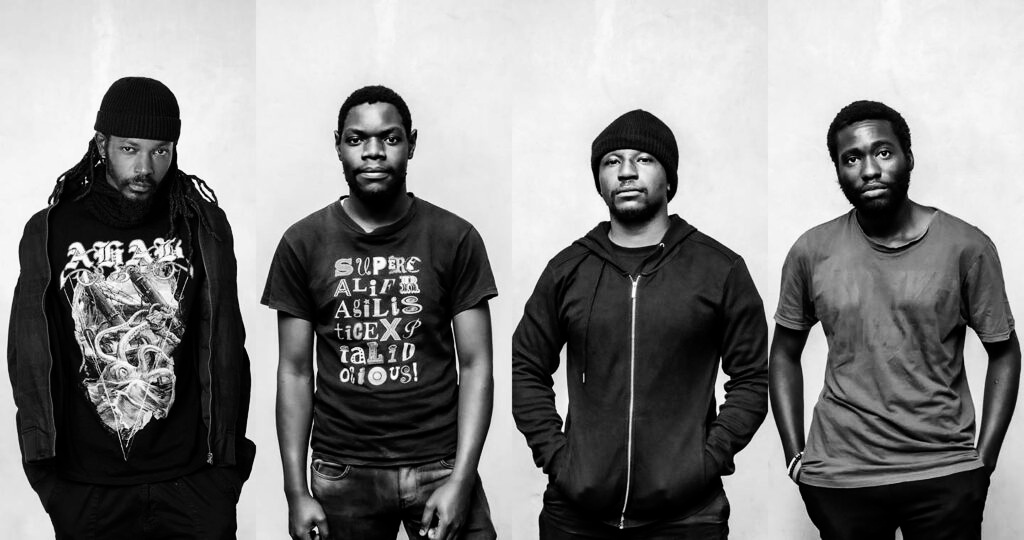
Victor Rosewrath: We are Vale of Amonition, a doom metal band from Uganda in East Africa with myself, Victor Rosewrath on vocals, sharing guitar duties with Solomon Dust and new members Mordecai Ogayo on bass and Jude Bulinda on drums.
THM: In my opinion, Vale of Amonition seems to be the perfect name for a Doom Metal band. Can you please explain in more detail how you came up with that name, and what it means to you as a band?
VR: The name was supposed to evoke simultaneous moods of calm and dread. A “valley of ammunition”, a sanctuary but also a hub of violence – said violence can be historic or omnipresent; emotional/personal or actual and relevant, we explore all through our rather deliberate lyrics that sometimes read like prose because the band was formed by failed writers haha.
THM: You’ve recently released your new album Immortalizing the Lugubrious, or Those Of Evolving Despair, an amazing step forward in your career I might say. How do you feel about the album? Is it exactly what you guys wanted to accomplish with it? How does it compare to your previous efforts, and how has the feedback from your fans been so far?
VR: We are immensely proud of how the record sounds. It’s the best-produced we’ve ever been. There’s a conciseness to it that was lacking in our previous efforts. The songs are sharper and heavier while still maintaining the epic and bombastic character of the sort of dark metal we gravitate towards. Our fans were floored by how much we’ve developed and we seem to be gaining new fans which as far as we’re concerned, this is the best place to begin to get to know the band.
THM: In the amazing song Drink The Poetry Of The African Wretch, you guys had the support from vocalist Nelecc, of bands like Euphoric Decay, Nelecc, Krummholz and Void of Sorrow. How was it to work with him, and why did you decide to have him in the album?
VR: Nelecc, or rather Nelson, is a longtime friend with whom I’ve worked before in the Krummholz black metal project. I had him in mind once Solomon Dust sent me the music and thought his voice would suit some of the sections in that song. We speak fairly often so I proposed it to him and true to his nature, he was enthusiastic and quickly jumped on board. Since he was in the loop already with how the album was developing, he also came up with the guitar solo in Sons Of The Moribund and gave that song the right melodic-folky touch it needed. Nelson’s always such fun to collaborate with and we’ll be working together more in the future.
THM: What were the biggest issues you faced during the recording of the album? Is there anything you guys did that right after the album was finalized you thought “this could have been done differently”?
VR: In the past, we’ve always recorded together in person and this album required a lot of remote recording and sending files because we are in entirely different countries now. We were also working with producers we’ve never worked with before – it was all a bit too much to maneuver but we managed to make it happen. There isn’t anything we’d change about the album, it feels right the way it is.
Album Review – Vale Of Amonition / Immortalizing the Lugubrious, or Those Of Evolving Despair (2023)
THM: How’s the metal scene in your homeland Uganda and Kenya? Are there any new bands form those countries you would recommend to our readers, and how do you see the African metal scene in general?
VR: The East African metal scene is alive and well. A lot of those bands down there are friends of ours and we’ve shared stages. Mordecai used to play with The Seeds of Datura and Dead Skin Remedy so that’s already two names I’d recommend. Duma is doing exciting things at the moment. Irony Destroyed just released an album last year, Crystal Axis are these amazing punk rockers with their finger on the pulse of African issues. There’s the legendary Last Year’s Tragedy and Threatening, the extreme metal of Absence of Light, Chovu and of course Nelecc. Such a vibrant scene we’re proud to call our community.
THM: I believe you guys have relocated to Canada a while ago, or at least one of you, correct? Why did you decide to move here to Canada, and what are the main differences you see between the metal communities here and in your home countries?
VR: I’m the one who moved to Canada but I hadn’t called Uganda home for a long time so the move wasn’t particularly strange for me. I’ve been fortunate to have friends and community here that I’ve known for a long time and what I’ve noticed is that metal scenes tend to all be driven by that tribal, communal spirit. There’s that same giddy rush and palpable energy in the air when metalheads are gathered in a single space; it feels like anything could happen, like something otherworldly is available to all. Really the biggest difference is that the scene in East Africa is smaller but the same ethos prevail.
THM: Why do you think there are so few black people in heavy music? I’m seeing more and more black musicians, as well as black fans on the shows at least here in Toronto, but it’s still a very small percentage compared to your regular “white guys”. What needs to change in our culture to attract more black folks to metal?
VR: There’s gatekeeping in metal as in all subcultures and that needs to break down if you wanna attract groups of people that normally wouldn’t gravitate towards this music. I feel that is already happening to some degree. The African metal scenes started with similar stereotypes about this being “white folks’ music” and with bands being treated as novelty acts but the perseverance required to be taken seriously has won out for us in the end, I think.
THM: How about your touring plans? Do you already have some concerts scheduled in the coming months to promote your new album? And how difficult is it for you guys to book concerts?
VR: Nothing booked yet. We’re having a few conversations at the moment to figure all that out and in the event of something happening soon, all will be shared.
THM: Who are your biggest idols and influences not only in music, but in life in general, and how exactly have they helped Vale of Amonition shape your music and style?
VR: Solomon Dust likes William Blake while I like John Milton’s “Paradise Lost” above all. We like to read. These things will not always show up in our music of course but the more epic literary stuff still feeds how I approach lyrics for sure. As far as bands go; Black Sabbath was a foundational influence for our riffing styles and King Crimson was how we learned to be “prog” without belaboring the point. Then there’s Swans and Neurosis to thank for that incantatory tribal aesthetic, Solitude Aeturnus, Fates Warning and Candlemass for adding flourish and pizzaz but in a highly effective moody sense, Katatonia, Novembers Doom and Nevermore for being topical but in mournful fashion and Celtic Frost, Rotting Christ, My Dying Bride and Type O Negative for cultivating a dark presence. That about sums it up, I’d say.
THM: Let’s now play a fun game before the end of the interview called “The Time Capsule”. Please list 10 songs from 10 different bands or artists to be saved in a time capsule for all future generations, and let us know why you selected those.
VR: Queen’s Bohemian Rhapsody because it still sounds grand, moving and celebratory – more time is not gonna wane the brilliance of that song and Queen in general have a pretty strong discography. Metallica’s The Four Horsemen still sounds like pure electricity and there’s something pure and youthful and eternal there. Black Sabbath’s eponymous 1970 dark thing of a song should be able to send shivers down the spines of the imaginative. Godflesh’s Locust Furnace sounds like worlds being laid to waste. It has a sort of languid insistence to it that I find both numbing and freeing. On a happier note, how about Stevie Wonder’s As. It is calm, spiritual and life-affirming. Scott Walker’s Rosemary is immaculate and easy to love and be moved by. Such wistful heft to it all. Kendrick Lamar’s Sing About Me, I’m Dying Of Thirst is a meditative dose of realistic storytelling that should be preserved for its uncomplicated brilliance. Lord Vicar’s Sulphur, Charcoal and Saltpetre is the doom song to end all doom songs. Tori Amos’ Precious Things is a slab of anger and redemption that still carries so get it into that time capsule. Last and greatest, Aretha Franklin’s Respect so future generations can “find out what it means to me!”
THM: Thank you very, very much again for the interview! Please feel free to send your final thoughts and considerations to your fanbase, and also to our readers who don’t know you yet, and to let everyone know where they can find your awesome music and more details about the band!
VR: Our music is now available to stream on all platforms and the new album can be purchased off Bandcamp. We are on Facebook at Vale of Amonition | Facebook where we post the latest that’s happening with the band.
Feast on the most ambitious, detailed and thrilling album by one of the driving forces of the extreme music scene in the Mother Continent.
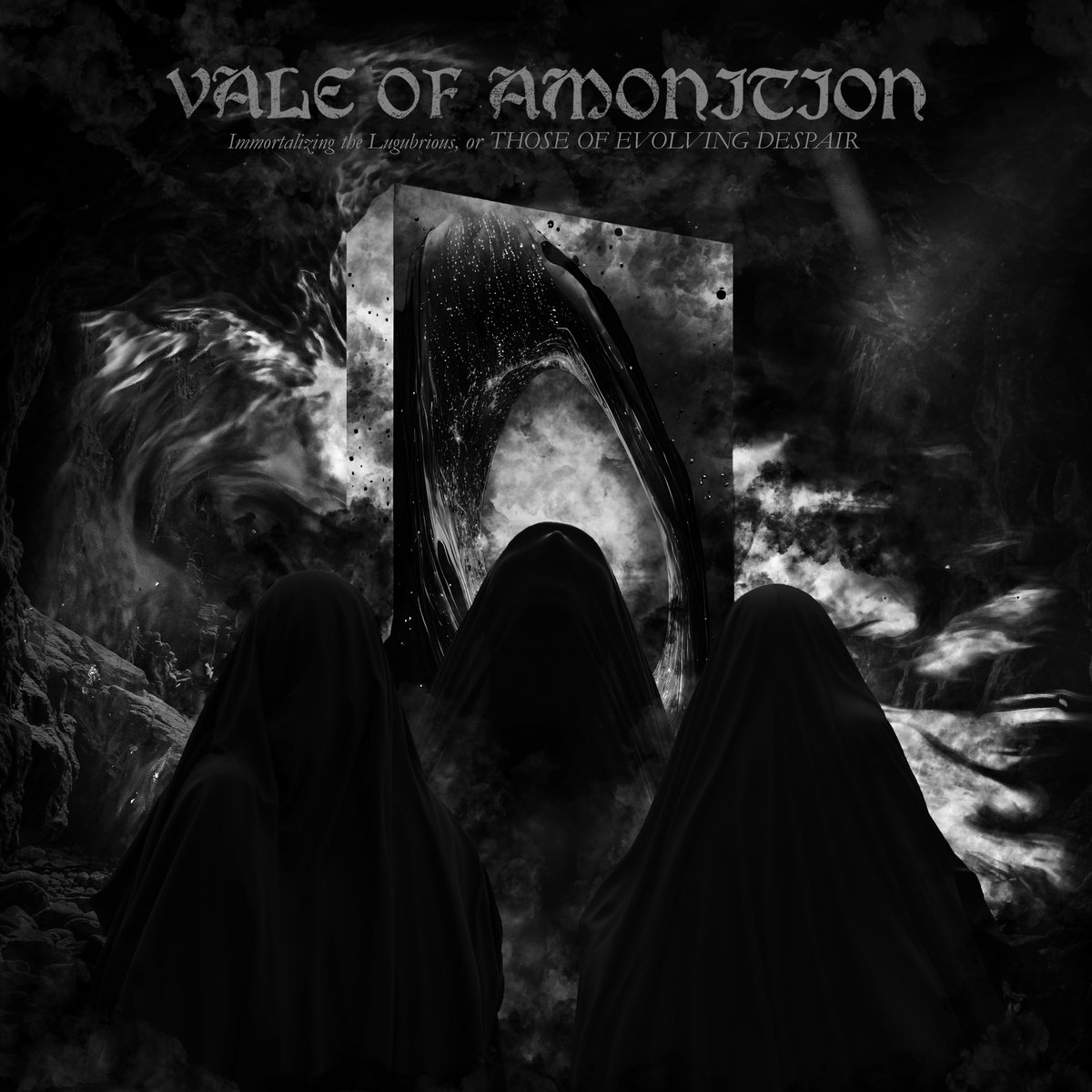
Formed in 2009 in the city of Kampala, Uganda, molded and shaped in Kenya, and drawing from traditional and extreme doom sources such as Black Sabbath, My Dying Bride, Katatonia and Type O Negative, to name a few, the unrelenting Doom Metal entity Vale Of Amonition, whose name by the way refers to a place, a “sanctuary for warmakers” of sorts, with most of the lyricism being centered around happenings in that place, has just released their third full-length opus, entitled Immortalizing the Lugubrious, or Those Of Evolving Despair, the follow-up to their 2017 album Those of Tartarean Ancestry and their 2019 EP Ancient, Evil & African. Recorded and engineered by Nick Wathi at Andromeda Music, mixed and mastered by Luc Chiasson, and displaying a cryptic artwork by Ben Dickey, the new album rounds out the band’s ambitions thus far and provides us all with their most complete record yet, showcasing the undeniable talent and passion for heavy music by Victor Rosewrath on vocals and guitars, Solomon Dust also on the guitars, Mordecai O. Ogayo on bass, and Jude Bulinda on drums.
In the imposing opener Where They Gathered And Suffered, the band brings forward elements found in the crushing Doom Metal blasted by renowned acts the likes of Black Sabbath and Celtic Frost while Jude darkly smashes his drums accompanied by the Stygian riffs by Victor and Solomon; whereas their incendiary riffs keep penetrating deep inside our minds in Sons Of The Moribund, with Victor declaiming the song’s lyrics with tons of passion in this Progressive Doom Metal aria. My Firstborn Will Surely Be Blind is a beautiful song crafted by the quartet both musically and lyrically, with the sluggish, doomed beats by Jude and the rumbling bass by Mordecai adding an extra touch of obscurity to the overall result, and in Drink The Poetry Of The African Wretch we’re treated to the guest vocals by Nelecc (of Euphoric Decay, Nelecc, Krummholz and Void of Sorrow), bringing even more rage and anger to the music while Victor, Solomon and Mordecai offer our ears a thrilling stringed attack. Terminus is another dark and pensive tune by the band that reminds me of the Doom Metal played by My Dying Bride with Progressive Metal nuances, with Victor sounding utterly somber on vocals accompanied by the sinister, slow drums by Jude. Finally, closing the album we face eight minutes of first-class African metal titled At Evolution’s End, with the quartet blasting their visceral sound mercilessly spearheaded by another poetic vocal performance by Victor. Needless to say, there isn’t a single second left empty in this ode to darkness and doom.
The fantastic Immortalizing the Lugubrious, or Those Of Evolving Despair, which is by the way available in full on YouTube, is one of those must-have albums for anyone who’s a diehard fan of doom or African metal, or both, and if you consider yourself one of those fans you can purchase the album from the band’s own BandCamp page. Don’t forget to also follow Vale Of Amonition on Facebook for news, tour dates and other nice-to-know details about the band, and to subscribe to their YouTube channel for more of their music. Always forward-thinking and progressively inclined, Vale of Amonition have shifted into utterly bleak territory that is gloriously underscored with tribal menace since their inception, with their new album representing the coronation of this African quartet as one of the driving forces of the current metal scene in the Mother Continent.
Best moments of the album:My Firstborn Will Surely Be Blind and Drink The Poetry Of The African Wretch.
Worst moments of the album: None.
Released in 2023 Independent
Track listing 1. Where They Gathered And Suffered 9:16
2. Sons Of The Moribund 6:09
3. My Firstborn Will Surely Be Blind 7:35
4. Drink The Poetry Of The African Wretch 6:09
5. Terminus 6:58
6. At Evolution’s End 8:04
Band members
Victor Rosewrath – vocals, guitars
Solomon Dust – guitar
Mordecai O. Ogayo – bass
Jude Bulinda – drums
Guest musician Nelecc – vocals on “Drink The Poetry Of The African Wretch”, guitar solo on “Sons Of The Moribund”
A fantastic concept album of bone-crushing Black Metal made in Australia, telling the stories of civilizations from the cradle to their eradication by disease.
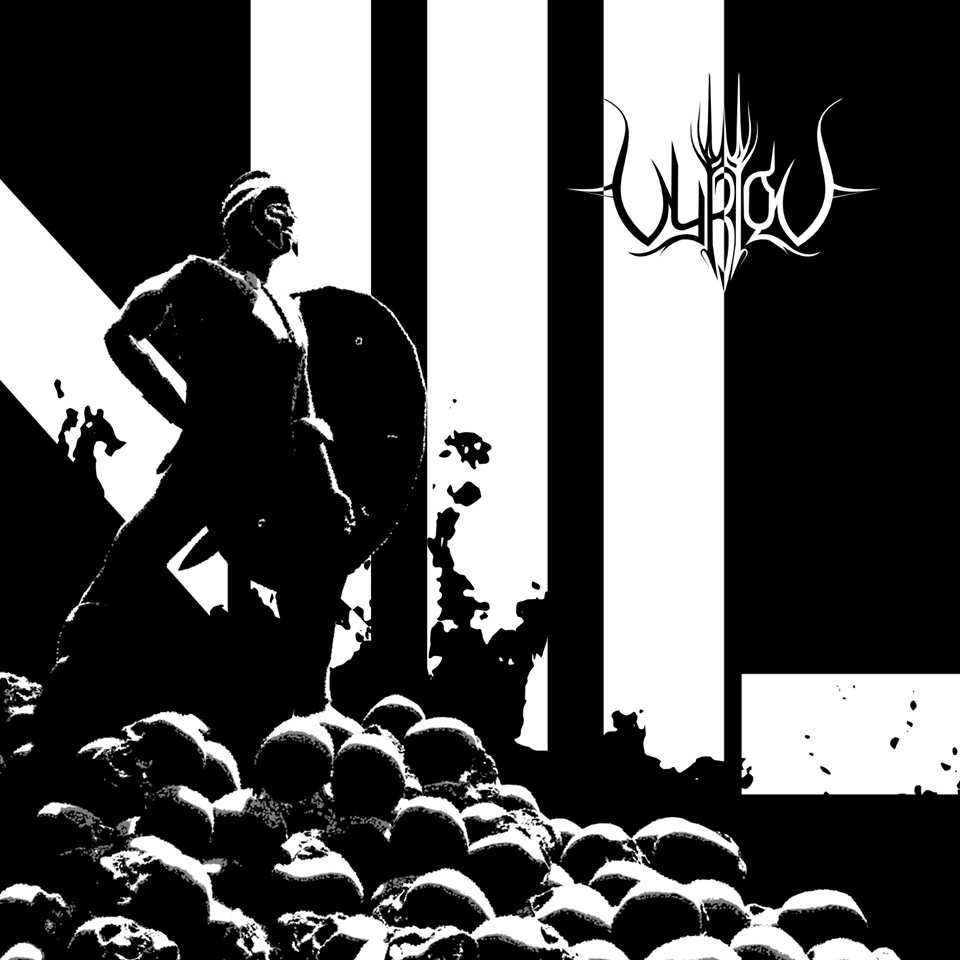
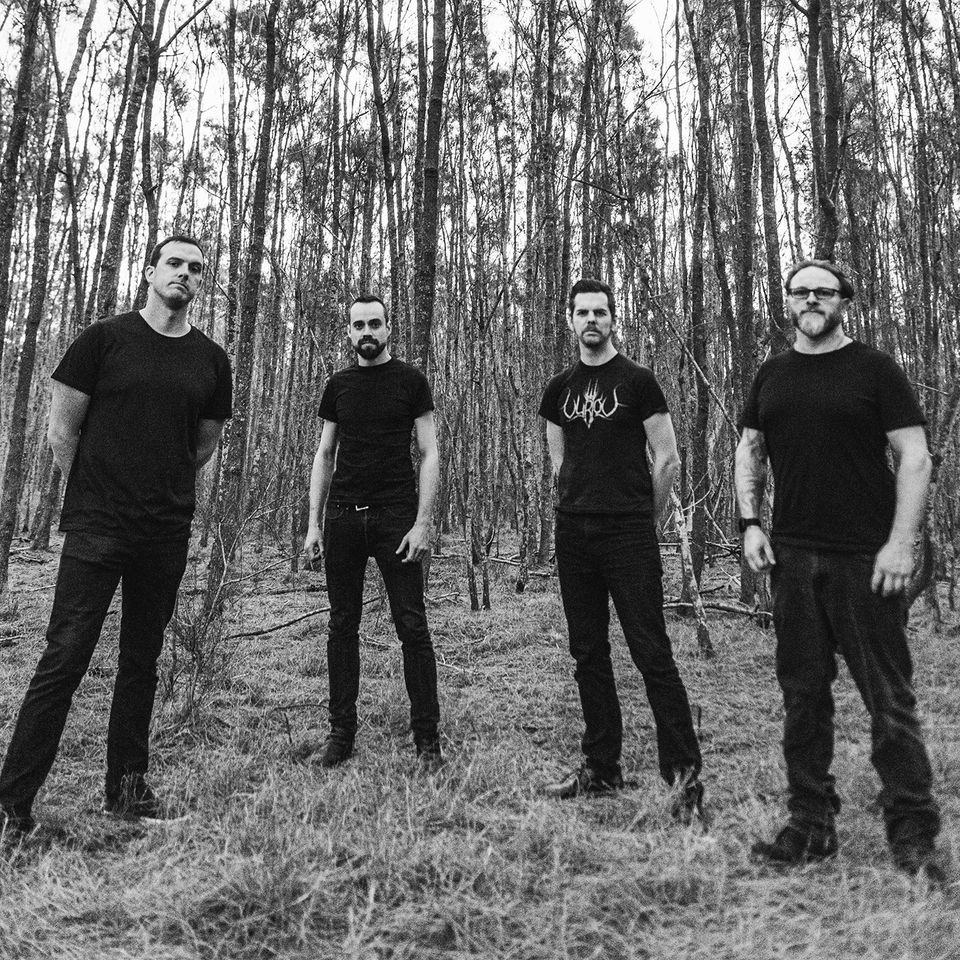
With Black N’ Roll rotting its heart, Nil, the brand new opus by Brisbane, Australia-based Progressive Black Metal horde Vyrion, brings a relentless bone-crushing, soul-fucking, thrashing element to the otherwise intricate formula the band comprised of Dale Williams on vocals and lead guitars, Mark Boyce also on the guitars, Mitch Rogers on bass and vocals, and James Daly on drums perfected on their 2014 album Geo. A concept album telling the stories of civilizations from the cradle to their eradication by disease, Nil takes all prisoners on a vivid journey, basking in the glory of our war-mongering past and looking eagerly towards our decrepit future, all embraced by the distinctive, aggressive and progressive Extreme Metal carefully (and furiously) crafted by this four-piece Black Metal entity who has been on a constant rise since their inception in 2007, having already carved their name in the history of Australian underground metal.
The piercing riffage by Dale and Mark ignites the furious Beleaguered, leaning towards classic Black Metal with James showing no mercy at all for his drum set (and consequently for our necks), but of course presenting the band’s core progressiveness and harmony, and more of their metallic wall of sounds will hammer our cranial skulls in Squall, a lesson in Progressive Black Metal spearheaded by Dale and Mark’s Stygian guitars, with Mitch and James generating a menacing atmosphere with their infernal kitchen. Then we have Avalanche, which as the name already states is an avalanche of old school Black Metal the likes of Dark Funeral and the early days of Enslaved infused with Progressive Black and Doom Metal, with Dale sounding like a creature from the abyss with his demonic gnarls, and you better get ready for another fulminating exhibit of the band’s undisputed talent and deep passion for Extreme Metal in Erupt, a mid-tempo feast of Black and Doom Metal where James provides hellish but at the same time very detailed beats throughout the entire song.
Time for a one-way voyage to the pits of the underworld to the sound of the 8-minute aria Crave, where all band members are on fire with their razor-edged riffs, rumbling bass punches and crisp drums, therefore inspiring you to bang your head nonstop and succumb to their otherworldly, venomous music; whereas atmospheric sounds are suddenly enfolded by an incendiary riffage in Monuments, where Dale couldn’t have sounded more bestial on vocals, resulting in the the epitome of Australian Black Metal, sounding and feeling menacing and thrilling form start to finish. In the vile and grim Dethrone the band brings forward their classic sonority with James delivering sheer brutality on drums accompanied by the once again flammable riffs and solos by the band’s guitar duo, albeit a bit generic compared to the rest of the album, and last but not least Vyrion darken the skies one final time with Infect, starting in a Stygian way before morphing into a neck-breaking Black Metal hymn where James once again takes the lead with his unstoppable drumming until the song’s cryptic ending.
After all is said and done, the hellish, blackened sounds blasted by Vyrion in Nil definitely deserve our respect and appreciation, as those Australian black metallers are not only extremely talented and focused, but the way they managed to transform such interesting concept into extreme music is also beyond outstanding. Hence, keep an eye on all things Vyrion by following them on Facebook and on Instagram, and grab your copy of Nil from their own BandCamp page to show your true support to Black Metal from Down Under. As it seems like humanity will never learn with the mistakes and issues that caused civilizations to crumble into pieces throughout history, there’s nothing left for us to do but to enjoy the first-class, eye-opening Black Metal played by bands like Vyrion, pointing to a bright future for such amazing Australian horde and, unfortunately, to an even darker and more frightening destiny for our rotten and decaying world.
Best moments of the album: Squall, Erupt and Monuments.
After almost a decade, this London-based Funeral Doom institution returns to their musical roots with a 60-minute cinematic journey through obscure and atmospheric landscapes.
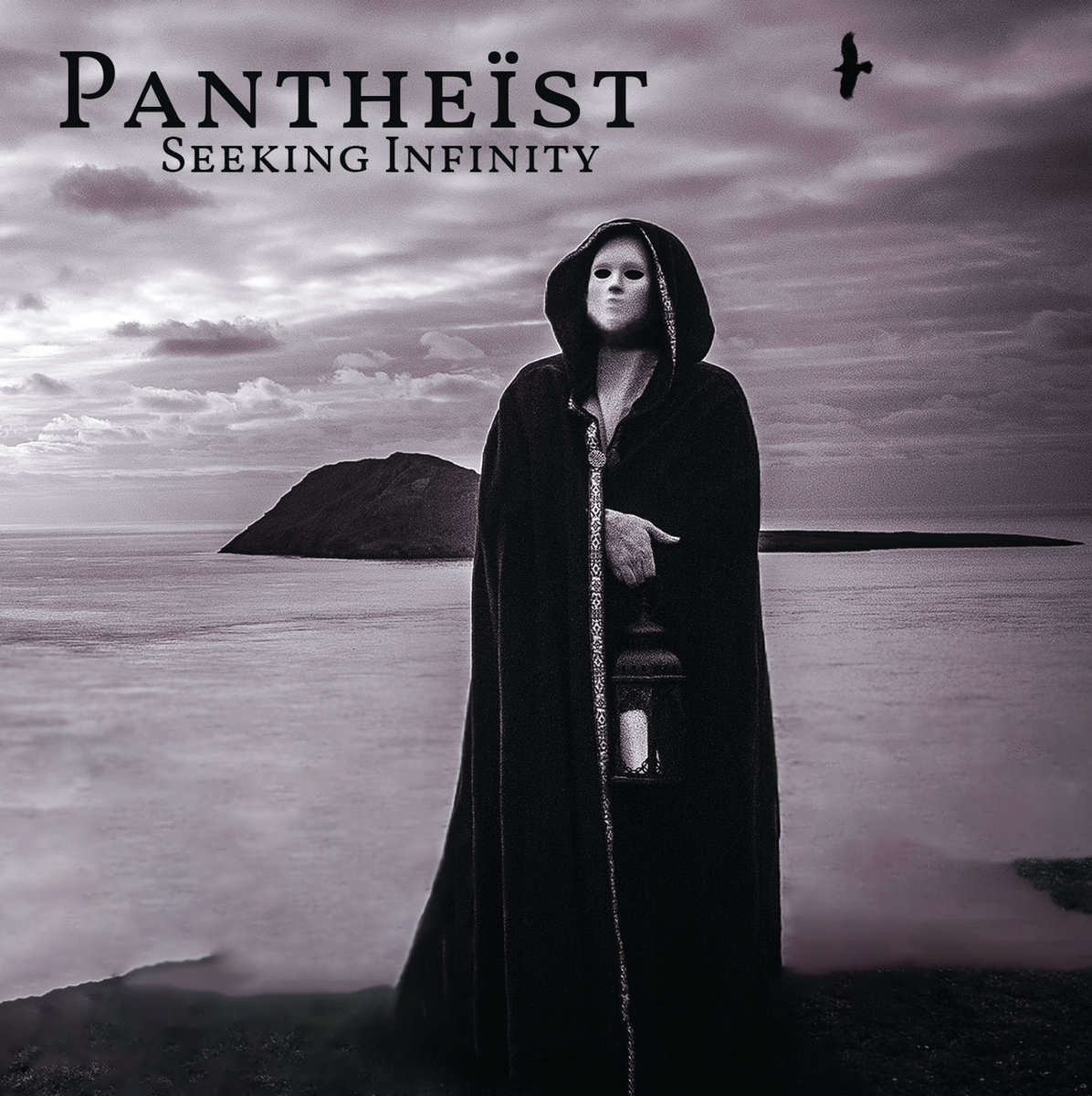
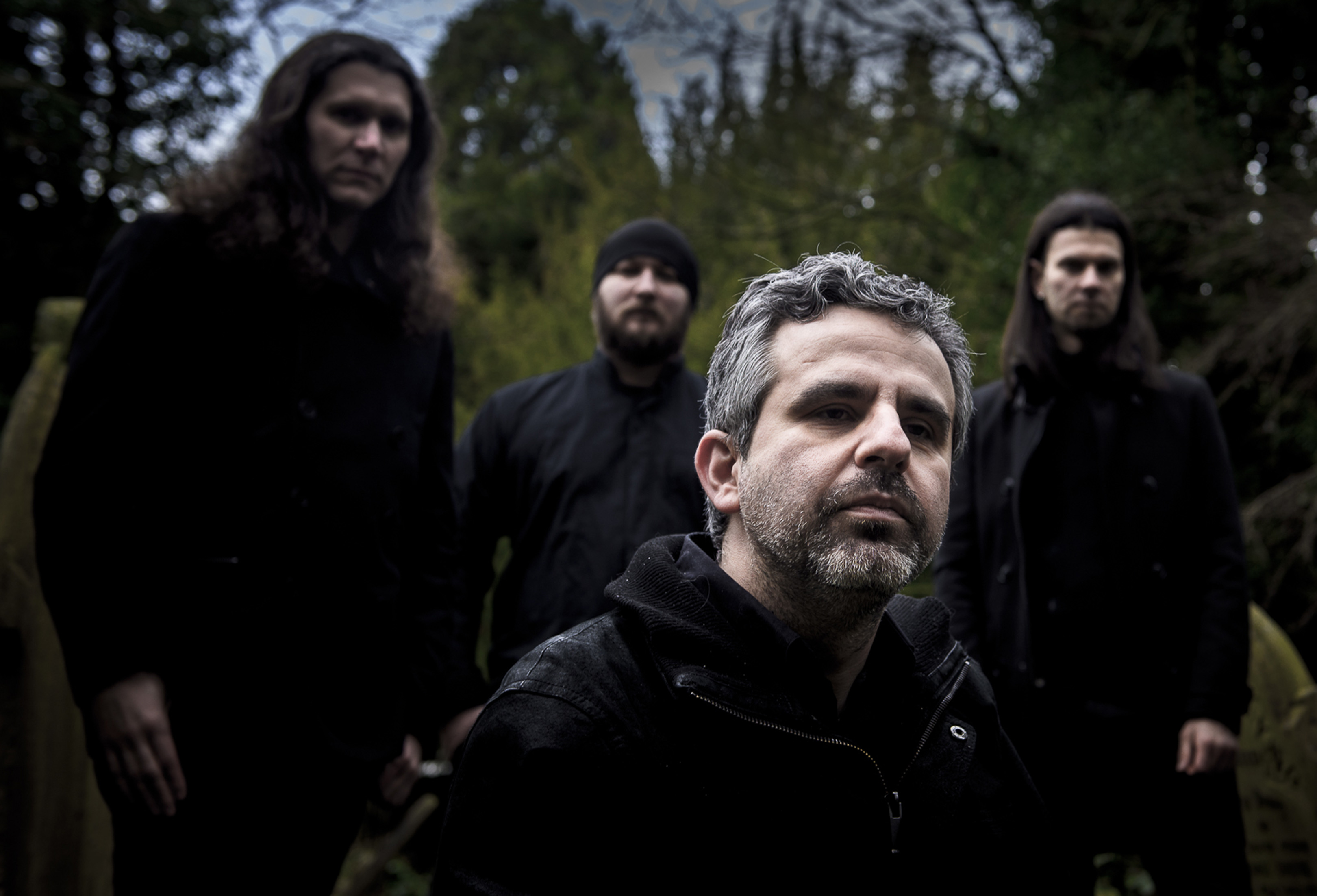
A pantheist is someone who believes that God and the universe are the same, or in other words, that “All Is God”, as pantheism literally means “God Is All” (pan means all and Theos means God when translated from Greek). Brought to life in the year 2000 in Antwerp, Belgium by vocalist and keyboardist Kostas Panagiotou, but currently based in London, England, the dark and vile Progressive/Funeral Doom Metal entity known as Pantheist, one of the standard bearers of the Funeral Doom sound, is among us to prove that “All is Doom” with their brand new opus entitled Seeking Infinity, their fifth full-length album and their first release in seven years. Seeking Infinity is a 60-minute cinematic journey through Funeral Doom landscapes, a decisive return to Pantheist’s musical roots whilst still incorporating the atmospheric and progressive elements that have become an integral part of their sound over the years.
The long journey leading to the creation of this album started all the way back in the summer of 2012, when Kostas announced to his then band members an outline for a new concept album. A lot of things have changed since then and the concept and sound have evolved dramatically until the creation of the album; however, despite the changes, the philosophy behind this concept album and its singular purpose have remained intact. Recorded, mixed and engineered by drummer Daniel “Dan” Neagoe (Shape of Despair, Clouds) and enhanced with the enchanting artwork of the band’s visual artist Cheryl, the album sounds and looks both modern and familiar, surely to fill with nostalgia fans of old-school traditional Funeral Doom/Death Metal, while also drawing to its mystical sound new followers for the years to come.
An ominous intro named Eye of the Universe keeps growing in intensity, with an eerie and somber narration setting the stage for the sluggish, obscure and visceral Control and Fire, a lesson in Funeral Doom with Kostas sounding demonic with both his deep growls and his phantasmagorical keys, while Dan keeps the rhythm as lugubrious as it can be with his slow and potent beats, being effectively supported by Frank Allain and his slashing riffs, with the music flowing darkly and smoothly until 500 B.C. to 30 A.D.- The Enlightened Ones comes crushing with its beyond atmospheric start on the piano, complemented by its cryptic words darkly declaimed by Kostas (“You can run, but you can’t hide from the quiet flow of time / the dark tentacles of fate push you towards your destiny / and when you think you are free to live your life as you please / you’ll find you’re nothing but a pawn of history / There is a fire, a desire in my head / eat my battered body, drink my wasted blood / and tell me endless tales of who I am: / the man who feels inside him that change has come”). Put differently, this is a funeral march of metal music tailored for admirers of the genre, with its second half getting creepy and enigmatic, beautifully exploding into classy Blackened Doom.
Amidst obscure background elements and nuances, the acoustic guitar by guest Pete Benjamin (Voices, Akercocke) kicks off another multi-layered feast of Doom Metal by Pantheist titled 1453: an Empire Crumbles, also showcasing the deep Gregorian chant-inspired vocals by the other guest Andy Koski-Semmens (Syven, Pantheist), offering the listener six minutes of what can be called a Stygian and mesmerizing mass. Then the serene keys by Kostas are the main ingredient in the also slow and dense Emergence, with the low-tuned bass lines by Alexsej creating a menacing ambience in paradox with the delicacy of the piano notes. In other words, Pantheist will crush your senses mercilessly throughout the entire song in the perfect depiction of how visceral and vibrant Doom Metal can be. And lastly we have Seeking Infinity, Reaching Eternity, another deep and full-bodied display of Funeral Doom led by Kostas’ anguished roars and church-like keys, giving life to the song’s imposing, poetic lyrics (“I hear the sound of horns, I see a beast appearing from the sea / it has ten horns and seven heads / looks like a lion, like a leopard it crawls / I stretch out my shaking hand / and touch the body of the dancing Shiva / I want to scream, but I can’t / instead I cry, shake and shiver”), with Dan pounding his drums in perfect sync with Frank’s harmonious and fierce riffs and, therefore, keeping the atmosphere vibrant and thunderous until its climatic finale.
Pantheist are a Funeral Doom institution that’s certainly worth a shot, no doubt about that, and the extremely high quality of the music found in Seeking Infinity is a solid statement that this very talented band is here to stay, living up to the legacy of all classic and old school Doom Metal, Funeral Doom and Blackened Doom bands from all over the world. Having said that, I highly recommend you follow the band on Facebook and subscribe to their YouTube channel for more details about them and to enjoy more of their music. And, of course, purchase your copy of Seeking Infinity from their own BandCamp or webstore, from The Vynil Division’s BandCamp or webstore, from iTunes or from Discogs, and may the somber and lugubrious sounds and tones blasted by Pantheist permeate your thoughts whenever you visit the darkest corners of your mind.
Best moments of the album: 500 B.C. to 30 A.D.- The Enlightened Ones and Emergence.
Worst moments of the album: None.
Released in 2018 Melancholic Realm Productions
Track listing
1. Eye of the Universe 1:59
2. Control and Fire 11:45
3. 500 B.C. to 30 A.D.- The Enlightened Ones 13:13
4. 1453: an Empire Crumbles 6:04
5. Emergence 12:17
6. Seeking Infinity, Reaching Eternity 14:39
Band members Kostas Panagiotou – vocals, keyboards
Frank Allain – guitars
Aleksej Obradović – bass
Daniel “Dan” Neagoe – drums
Guest musicians Pete Benjamin – acoustic guitar on “1453: an Empire Crumbles”
Andy Koski-Semmens – vocals on “1453: an Empire Crumbles”
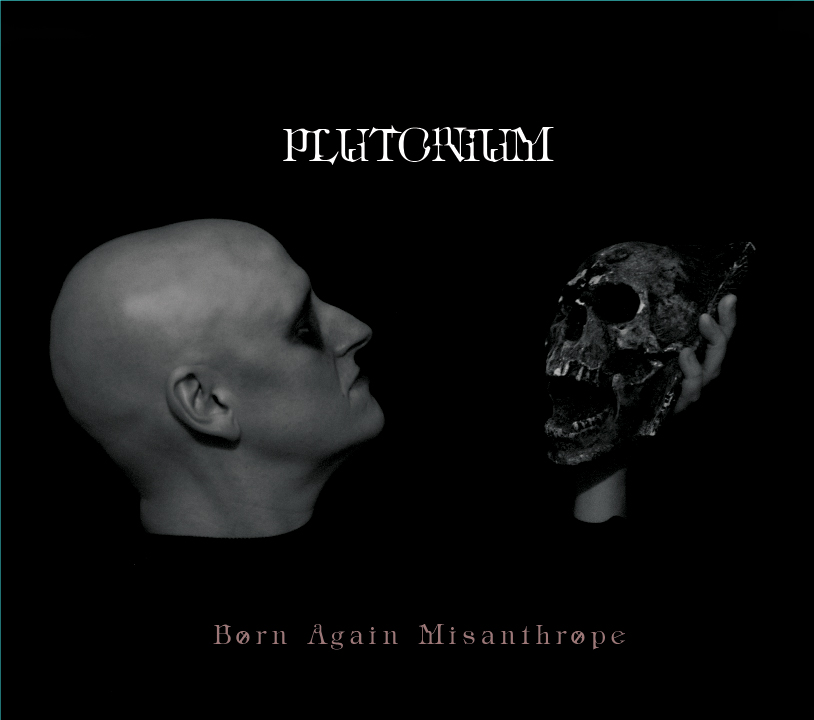
Extremely toxic, flammable, unorthodox and unique. That’s the transuranic radioactive Industrial Extreme Metal engendered by Swedish multi-instrumentalist Mr. J.
The “most common” form of plutonium known worldwide is the transuranic radioactive chemical element with symbol Pu and atomic number 94, with very harmful effects on the human body due to its radioactivity and heavy metal poison effects. However, what would happen if those lethal characteristics were converted into heavy music? Well, I guess the result would sound pretty much like the eccentric Industrial Extreme Metal by Swedish one-man band Plutonium, as you’ll be able to experience while taking a listen at his brand new full-length album, entitled Born Again Misanthrope.
Plutonium was formed in 2003 in the city of Karlskoga, Sweden by Mr. J (also known as J. Carlsson) as his creative oasis and getaway, and since them the world has already witnessed the uprise of a demo named Wind Of Change (2004) and the full-length albums One Size Fits All (2007) and Devilmentertainment Non-Stop (2011). Featuring nine songs that not only have an unorthodox approach but also present idiosyncratic names, Born again Misanthrope signs an evolution in the music by Mr. J and his radioactive Plutonium, and if you’re expecting something easy to listen and absorb I must warn you this album is definitely not for you.
You can feel how experimental the album is from the very first notes of the opening track, Born Again Misanthrope, a fusion of Black and Industrial Metal with Blackened Doom where a hellish ambience together with demonic (and somehow robotic) growls and traditional Black Metal double bass will pulverize your mind. And even more electronic and deranged, Cortex Vortex would be an excellent soundtrack to a futuristic horror flick, with Mr. J crafting what we can call “Extreme Disco Metal”. Besides, its guitar riffs keep the song at the right level of heaviness in its almost eight minutes of violent experimentations.
The Inverted Panopticon Experience, a demented march of evil that goes on and on for six minutes, is a modernized version of Atmospheric Black Metal with an extra dosage of metallic noises, which might also be called Industrial Black Metal, while Casque Strength presents a hellish video-game sounding in a more melodic form of Industrial Metal. In addition, its constant electronic riff and the hobgoblin-like vocals by Mr. J are very interesting and end up working really well in this high-octane tune. And just when you think Mr. J will bring forward another blasting tune, he delivers the Blues-ish Progressive Doom Metal chant The Masque Of The Green Demon, a weird and obscure tune completely different from the rest of the album, sounding like a psychedelic voyage inside the mind of this crazy Swedish multi-instrumentalist.
The second part of Born Again Misanthrope is as otherworldly as possible, starting with the semi-acoustic and totally ominous composition Renuntiationem, another wicked surprise in the album where the music feels like a representation of a desolated planet, with Mr. J whispering the lyrics instead of screaming, followed by the vibrant Electric Barbwire Crown Of Thorns, a rawer Black Metal chant with the impact of its blast beats and harsher growls being enhanced by huge amounts of progressiveness. Then we have Alice In Plutoniumland (Two Minute Hate Part III), a two-minute instrumental track full of eerie noises and a somber atmosphere (and that’s basically it), before Confessions Of A Suicidal Cryptologist, which is perhaps the most brutal of all tracks, closes the album in the darkest way you can imagine. I’d like to see more of this blackened side of Mr. J, growling like an old school Black Metal vocalist while delivering blazing guitar riffs that will rip your soul apart.
Maybe an extra dosage of electronic background effects and a better sound recording for the drums would elevate the overall quality of the album to a whole new level, but we must acknowledge that Born Again Misanthrope is at a very decent standard taking into account the fact Mr. J is a 100% independent artist who recorded and produced everything without any external help. In other words, imagine what this guy could do with some proper support? And if you’re interested in knowing more about the transuranic radioactive Industrial Extreme Metal engendered by Mr. J, go check his Facebook page, SoundCloud and ReverbNation, and buy Born Again Misanthrope at his BandCamp page. As aforementioned, this is not an easy listen at all, being extremely toxic, flammable and unusual, but I’m pretty sure Mr. J has never wanted his uncanny Plutonium to be anywhere close to the mainstream. Quite the contrary, he is extremely comfortable with where he stands today with his music.
Best moments of the album: Electric Barbwire Crown Of Thorns and Confessions Of A Suicidal Cryptologist.
Worst moments of the album:Renuntiationem.
Released in 2016 Independent
Track listing 1. Born Again Misanthrope 4:37
2. Cortex Vortex 7:53
3. The Inverted Panopticon Experience 6:08
4. Casque Strength 7:35
5. The Masque Of The Green Demon 5:30
6. Renuntiationem 5:32
7. Electric Barbwire Crown Of Thorns 6:34
8. Alice In Plutoniumland (Two Minute Hate Part III) 2:00
9. Confessions Of A Suicidal Cryptologist 7:13

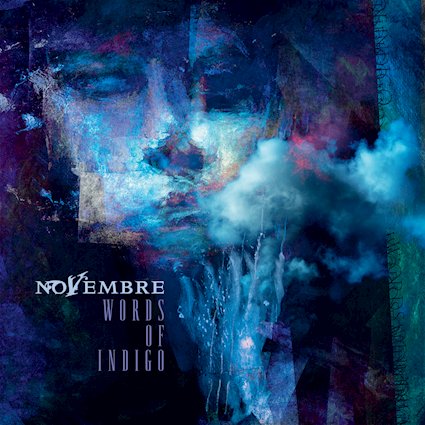 Coinciding with 35 years since the band’s original inception under the Catacomb moniker, and after an extended period of inactivity following the release of their 2016 acclaimed album Ursa, the newly reinvigorated Italian pioneers of Atmospheric and Progressive Gothic/Doom/Death Metal known as Novembre return with their most elaborately adorned and sonically refined opus to date in the shape of their ninth studio album, titled Words of Indigo. Mixed and mastered by Dan Swanö (Opeth, Katatonia, Bloodbath) at Unisound, and displaying a classy artwork by Travis Smith (Opeth, Katatonia) of Seempieces Design Studio, the new album by vocalist Carmelo Orlando, guitarists Alessio Erriu and Federico Albanese, and drummer Yuri Croscenko, with the support of session bassist Fabio Fraschini, will embrace you in a melancholic yet warm darkness, being therefore highly recommended for fans of Sacturnus, Novembers Doom, Shores of Null, Les Discrets, Woods of Ypres, My Dying Bride, and Draconian.
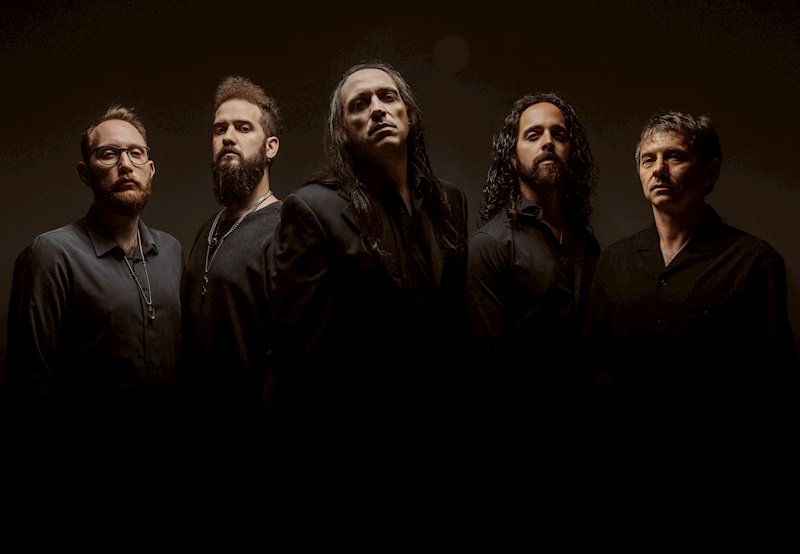 An exquisite and finely-textured display of creative prowess exploring themes of danger and innocence, fear and nostalgia, the latest journey by Novembre takes the listener through the torrents of raging Death Metal and sweeping, uplifting passages of serene poignancy, all woven together as finely crafted and layered melodic epics. You can put your hands on Words of Indigo via BandCamp or by clicking HERE, and don’t forget to also start following the band on Facebook and on Instagram for news, tours dates and more of their music, and to stream the embracing sounds from all of their albums on Spotify. November is undoubtedly a month that transpires doom, and the music offered by Novembre in Words of Indigo will surely work as the perfect soundtrack for your gloomiest, darkest days of such a Stygian month.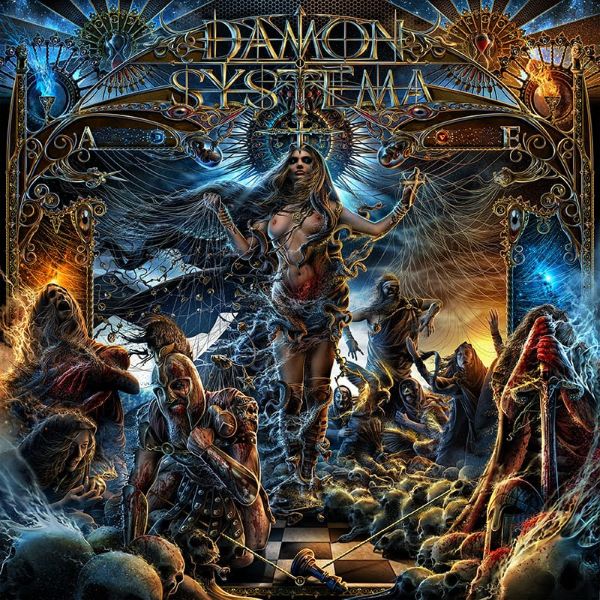






 THE HEADBANGING MOOSE