Album Review – Merculistarya / Áradó Fájdalom a Tűnődés Medrében (2026)

This multi-talented Hungarian Black Metal musician is ready to darken the skies with his debut solo offering, following a thorn‑ridden path of struggle, fear, disappointment, madness, resignation, and death.

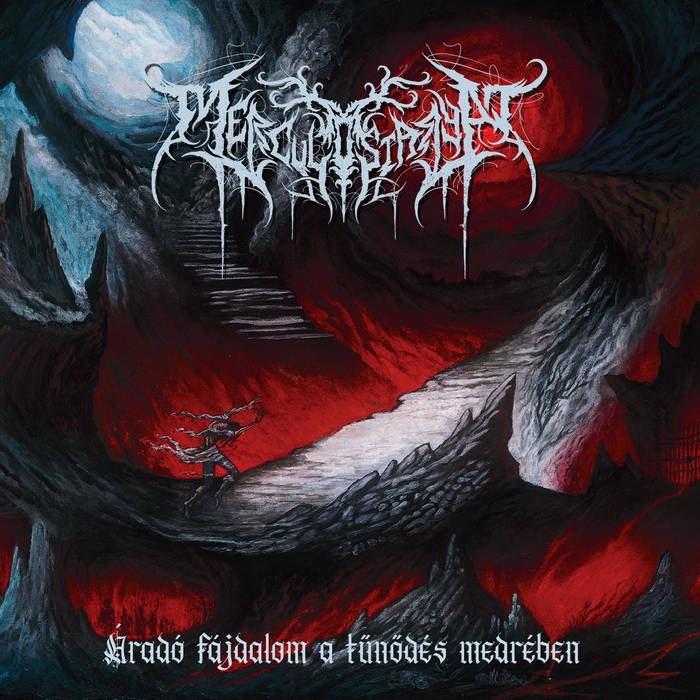
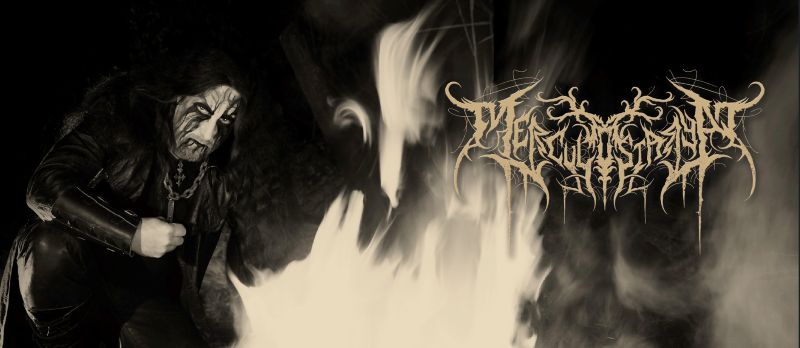
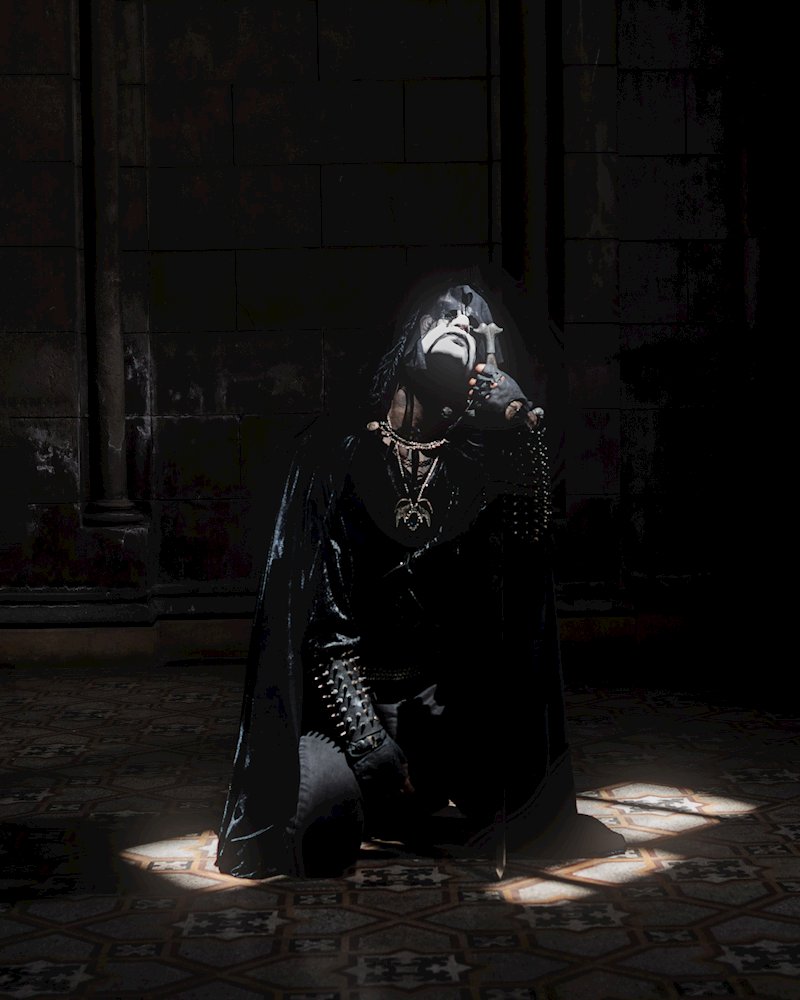
A Symphonic and Melodic Black Metal one-man project by Hungarian vocalist and multi-instrumentalist Árpád Szenti, best known for his drumming work with bands such as Thy Catafalque, Ahriman, Athame, and Damnation, the obscure Merculistarya is going to darken the skies with its debut offering, titled Áradó Fájdalom a Tűnődés Medrében (or “a flood of pain in the bed of contemplation” from Hungarian). Recorded and mastered by Árpád Szenti himself, with artwork by Attila Petheo, logo by Akos Gera, and layout by Zsolt Benko, Áradó Fájdalom a Tűnődés Medrében is a concept album where each song is connected, each meaning is intertwined, forming a single immersive narrative following a thorn‑ridden path of struggle, fear, disappointment, madness, resignation, and death, contrasted against the vastness of nature, its elemental force, its mysticism, and the unseen dimensions that pulse beneath reality.

Minimalist guitars set the tone in the Atmospheric and Depressive Black Metal aria Merengő (or “pensive” in English), with Árpád’s anguish gnarls giving the song a truly darkened vibe while also presenting multiple layers of melancholy, violence and heaviness. Then a piano intro suddenly exploders into sheer Black Metal madness in A haldoklás csalogat (“dying lures”), with Árpád putting the pedal to the metal with his crushing beats and slashing riffs; and his visceral, melancholic vociferations walk hand in hand with another blast of Melodic and Depressive Black Metal insanity in Kitörve süllyedés (“breaking down”), not to mention the touch of finesse added to the music by his piano.

An ethereal and atmospheric intro once again morphs into Árpád’s Black Metal magic in Rémálomköd (“nightmare mist”), featuring Ivett Dudás as a guest vocalist, flowing like an arrow on fire in pitch black darkness until the very last second. Then guest Gabriel Cold takes care of the intro in Pusztuló kor (“destroying age”) before all hell breaks loose in a lecture in Black Metal by Árpád, who’s ruthless with his Stygian riffs, blast beats, and in special with his devilish roars; followed by Álomország (“dreamland”), another song where Árpád beautifully blends the charming sounds of the piano with the harshness of extreme music. It could have been a little bit heavier, though. And closing the album we face Sóhaj (“sigh”), presenting more of his slab of Hungarian Black Metal, with his phantasmagorical keys bringing even more insanity to the music.

Rooted in the darker currents of old school Black Metal, Áradó Fájdalom a Tűnődés Medrében is a deeply personal statement that has been taking shape for over two decades, reflecting a long and introspective creative journey. “This album is a fragment of my soul. Through Merculistarya, I unearthed emotions and energies that could not have surfaced through any other form of expression,” commented the multi-talented Árpád. You can get in touch with such a hardworking and passionate musician via Facebook, and purchase his awesome debut from Loud Rage Music’s BandCamp or webstore, from Pest Records’ BandCamp or webstore, or from Metal Or Die Records’ BandCamp. Fear, madness, death, nature, and Black Metal. This is what Árpád Szenti and his Merculistarya have to offer you in his first full-length album as a solo artist, and I bet you’ll have an absolute blast feeling all those emotions while listening to his acid yet deeply emotional music.

Best moments of the album: Merengő, Rémálomköd and Pusztuló kor.

Worst moments of the album: Álomország.

Released in 2026 Pest Records/Metal Or Die Records

Track listing
1. Merengő 7:03
2. A haldoklás csalogat 4:59
3. Kitörve süllyedés 5:18
4. Rémálomköd 6:16
5. Pusztuló kor 6:39
6. Álomország 7:17
7. Sóhaj 5:38

Band members
Árpád Szenti – vocals, all instruments

Guest musicians
Gabriel Cold – intro on “Pusztuló kor”
Ivett Dudás – vocals on “Rémálomköd”

Album Review – Daidalos / Dante (2026)

This German lone-wolf of Symphonic Black Metal returns with a thrilling reinterpretation of the Divine Comedy, where doubt, despair and revelation intertwine.

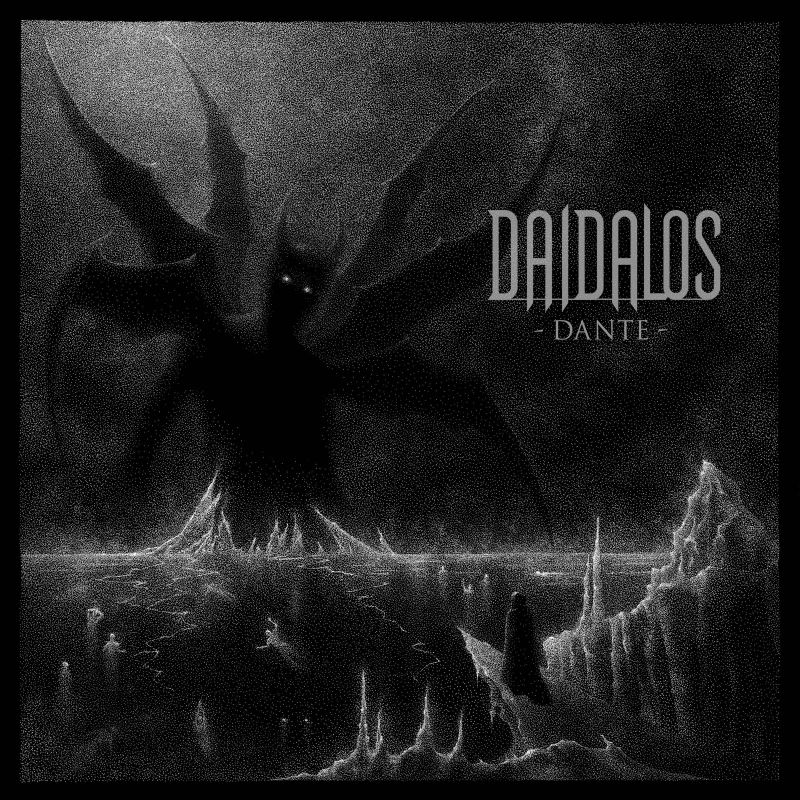
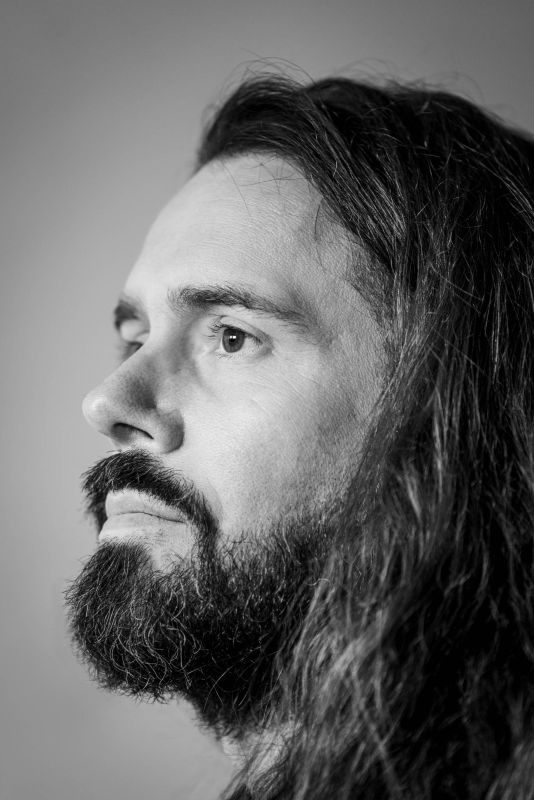
The brainchild of German composer, vocalist and multi-instrumentalist Tobias Püschner, founded in 2020 as a creative outlet merging Black Metal, orchestration and conceptual storytelling, Brunswick, Germany-based Symphonic Black Metal entity Daidalos (also spelled Daedalus, a legendary Athenian craftsman, inventor, and architect in Greek mythology) returns with a brilliant conceptual album, titled Dante, following up on the project’s 2022 debut The Expedition. Recorded and produced by Tobias  himself, with guitars and bass recorded by Nahuel Lozano of Mental Cruelty (who also took care of the album’s mixing and mastering), and displaying a dark, devilish artwork by Bérénice Tulliez of Noirs Dessins, Dante is a reinterpretation of the Divine Comedy, where doubt, despair and revelation intertwine. Yet the core remains the same, the search for meaning in darkness, expressed through meticulous orchestration, intense vocal delivery and the balance between aggression and melancholy that defines Daidalos. Each track represents a fragment of this descent, from the intro in the forest, through the gates of hell, to the final escape, from storm to silence, from fire to frost.

Cryptic sounds ignite the opening tune Dante, with Tobias beautifully gnarling the song’s dark lyrics (“Straying in the Darkwoods / Raging Demons frighten me / In a Forest, on a Hill / Our Poem has begun / Shadows of a Poet who has lost his Way of Life / Leading down the Underworld / Where withering Sunlight dies”), exploding into Inferno, with his blast beats being boosted by all background orchestrations and the striking riffage by Nahuel in a lecture in Symphonic Black Metal. Ashes continues with Tobias’ incandescent feast of Black and Death Metal, with his haunting keys adding an extra touch of insanity to the music, followed by Storm, and the name of the song says it all. It’s an overdose of pure adrenaline, darkness, heaviness and epicness by Tobias, with his deep guttural bringing even more fury to his already violent Black Metal. Then featuring guest vocals by Erik Püschner (most probably Tobias’ own son) we have Minos, a phantasmagorical interlude that sets the tone for King, attacking us relentlessly with his Dimmu Borgir-like vociferations and keys, always supported by the killer riffs by Nahuel.

Polish brass metal duo :wisielec: (D.Rudzinski and T.Grzyb) brings the power of the mighty gongs to another enfolding interlude Styx, whereas Gate showcases a more cinematic side by Daidalos, both warming us up for Dis, where Tobias goes absolutely mental on drums and orchestrations, generating a grandiose wall of sounds perfect for slamming inside the circle pit (of fire). Phlegethon might be the coolest of all interludes thanks to its church-like organ, flowing into the also cryptic Malebolge, which sounds like it was taken from a movie score, exploding into Euphobia, a song that sounds inspired by some of the more recent creations by Cradle of Filth while also presenting devilish lyrics roared by Tobias (“Far above your faith are laws of sinful rotten Dreams / Flowers grow on / Mirrors and their Roots consume / Suddenly: Clashing Dew, Blossoms fall to Snow / In this loveless Pleasure-fauna / Sins have grown like Thorns”). Finally, Ultimatum closes the album on an apocalyptic, hellish mode, with Tobias firing his undisputed growls, blast beats and epic keys nonstop for our total delight.

For devotees of the Symphonic and Atmospheric Black Metal, Dante undoubtedly resonates with the monumental orchestrations of Fleshgod Apocalypse, the dark theatricality of Dimmu Borgir, and the apocalyptic scope of Septicflesh, and if you want to put your hands on such an amazing album from the always exciting German underground, you can grab a copy of it from the Rockshots Records’ webstore as a CD or an LP, or simply click HERE for all digital versions available of the album. Don’t forget to also give Tobias Püschner and his Daidalos a shout on Facebook and on Instagram, staying up to date with all things Daidalos, and of course to stream his creations on Spotify or any other platform. The reinterpretation of the Divine Comedy by Daidalos turns Dante into a must-listen for fans not only of extreme music, but also of good storytelling with endless darkness, passion and despair, and if that’s an indication of the path Tobias will follow with his future releases, we can rest assured Symphonic Black Metal will remain strong for many years to come.

Best moments of the album: Inferno, Storm and Euphobia.

Worst moments of the album: Gate.

Released in 2026 Rockshots Records

Track listing
1. Dante 2:18
2. Inferno 3:42
3. Ashes 4:22
4. Storm 4:05
5. Minos 0:30
6. King 4:00
7. Styx 2:08
8. Gate 0:20
9. Dis 4:15
10. Phlegethon 1:18
11. Malebolge 0:40
12. Euphobia 4:54
13. Ultimatum 4:19

Band members
Tobias Püschner -vocals, drums, keyboards, orchestrations

Guest musicians
Nahuel Lozano – guitars, bass (session)
Erik Püschner – vocals on “Minos”
:wisielec: – gongs on “Styx”

Album Review – Vesseles / Home (2026)

This uncanny Symphonic Black Metal entity returns with their first full-length opus, a devastating and majestic release that delves deep into identity, belonging, and the mythos of a demon cast into the human world.

A Demon Symphonic Black Metal project about dysphoria and coping with living in a world that you’re not from, Santa Clara, California-based creature Vesseles, the brainchild of the uncanny vocalist and multi-instrumentalist Valira Pietrangelo, returns with Home, a devastating and majestic release that delves deep into identity, belonging, and the mythos of a demon cast into the human world. Pulled from the scorched marrow of The Beneath, the demon dominion she once forgot and now remembers with terrifying clarity, Valira and her henchmen Joel Ferry on vocals, Ron Graves on bass, and Nick Brown on drums fuse Symphonic Black Metal with cinematic grandeur and emotional weight in their newborn spawn, a worthy follow-up to their 2024 debut EP I Am A Demon, beautifully depicting the sound of returning to a place you’ve never truly known.

In the opening aria Flesh Throne, Valira reclaims her sovereignty over humanity, with her keys and orchestrations sounding absolutely hypnotizing and perfect for the visceral roars by Joel, starting the album on a truly haunting mode. Eternally Within Us is a ceremonial track complete with Latin mantras and sweeping symphonics that ground the demon realm’s ancient roots in flesh and blood, again presenting Valira’s cryptic, grim piano while Nick hammers his drums in the name of Doom Metal; followed by The Beneath, a brutal, bombastic ode to Valira’s home world, as obscure as some of the best creations by the mighty Cradle of Filth, with our demon firing razor-edged riffs in paradox with her phantasmagorical keys. She then takes on lead vocals in the title-track Home, questioning whether the place she fought so hard to return to was ever meant to comfort her, captivating our senses with her sinister piano before all suddenly morphs into a Black Metal beast tailored for admirers of the genre.

They Wither… is an instrumental piano piece that counters the despair of previous releases, flowing into Until They Are Dust, which details the grotesque birth of The Beneath, a cursed sludge consuming humanity to give rise to the next generation of demons, offering three minutes of absolute madness where Joel once again barks rabidly until the very end. Scriptures Etched Into the Mind’s Pillars marks the album’s lyrical turning point, from external reclamation to internal unraveling, while flirting with Melodic Black Metal, in special in its riffs and keys. Needless to say, it should sound brilliant if played live. Then we have Perpetual Chasm of Black Mirrors, a harrowing journey through isolation, suffocation, and the horror of being self-aware in a world that rejects you, and it’s when the music gets less violent that you’ll feel its fury and darkness deep inside your heart. Lastly, This Is Not Home brings the album full circle, also presenting Gothic Metal elements in its vocals, with Valira’s riffage again sounding and feeling fantastic, ending the album on a true epic and climatic vibe.

Home is the natural maturation of the unique sound crafted by Vesseles, sounding and feeling more dynamic, more orchestral, and more unflinchingly personal, charting Valira’s journey from confident origin to tortured self-doubt and finally to righteous authority. During recording, a late inclusion of Valira’s own vocals unlocked new potential, revealing the expressive power of her voice in leading the story and, therefore, pointing to a bolder, deeper, more human, and more demonic future. Unfortunately, due to Valira taking on all vocal duties, Home is also the band’s last album with vocalist Joel Ferry, but of course their friendship will remain forever. Anyway, you can get in touch with Valira and her Vesseles via Facebook and Instagram, subscribe to the project’s YouTube channel, stream their eerie music on Spotify, and of course grab a copy of the caustic, incendiary Home from BandCamp or by clicking HERE. In the end, Vesseles is not just music. It’s a reckoning, and Home is the sound of a demon returning, not to find peace, but to claim it by force.

Best moments of the album: Eternally Within Us, Home and Scriptures Etched Into the Mind’s Pillars.

Worst moments of the album: None.

Released in 2026 Independent

Track listing
1. Flesh Throne 5:18
2. Eternally Within Us 5:02
3. The Beneath 5:16
4. Home 6:11
5. They Wither… 1:32
6. Until They Are Dust 3:07
7. Scriptures Etched Into the Mind’s Pillars 3:41
8. Perpetual Chasm of Black Mirrors 5:03
9. This Is Not Home 7:14

Band members
Joel Ferry – vocals
Valira Pietrangelo – guitars, piano, orchestrations, backing vocals, vocals on “Home”
Ron Graves – bass
Nick Brown – drums

Album Review – Ov Sulfur / Endless (2026)

What kind of god would test a child? You’ll get the answer to such a delicate question and more in the incendiary sophomore opus by one of the most demented monsters of the current Blackened Deathcore scene worldwide.

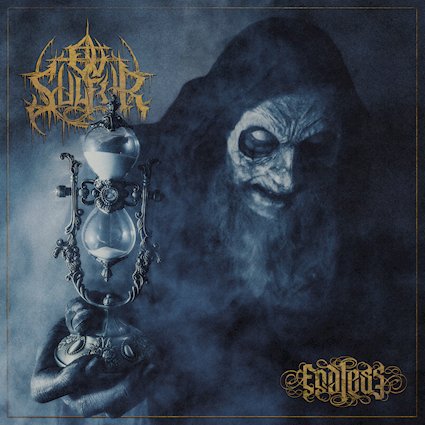
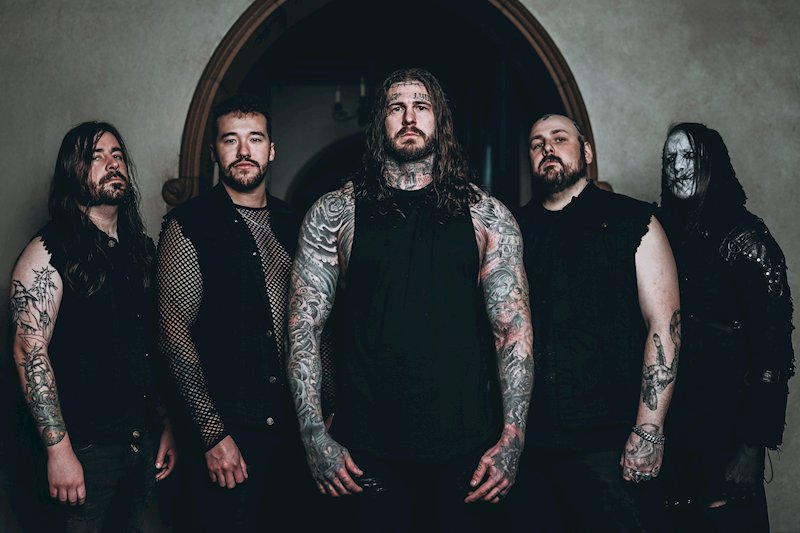
Time is a strange thing. Just ask Las Vegas, Nevada’s own Blackened Deathcore monster Ov Sulfur. Almost three years after the release of their bestial debut The Burden ov Faith, the band formed of Ricky Hoover on vocals, Christian Becker and Chase Wilson on the guitars, Josh Bearden on bass, and Leviathvn on drums returns in full force with their sophomore opus, entitled Endless. Produced by Josh Schroeder (Lorna Shore, Signs Of The Swarm, King 810, Varials) at Random Awesome! Recording Studio, Endless may just be the magnum opus for those anti-God metallers, here aiming for something timeless. The album’s overarching theme calls back to a line from “Earthen,” a song about Hoover’s nephew’s tragic losing battle with cancer that questions, “What kind of god would test a child?” Extend that to everyone – does religion not claim us all as children of God? – and you have to wonder what kind of benevolent maker would put their very own through trials and tribulations.

The menacing intro Endless//Godless will drag us all to Ov Sulfur’s Stygian lair, crushing our spinal cords with Seed, where Ricky vociferates the song’s acid lyrics manically (“The realization of completely losing everything / Feeling all the pressure, knowing things forever changed / The weight of guilt and agony has become too much to bare”) amidst an absolute sonic devastation. Leviathvn keeps the adrenaline flowing in Forlorn, accompanied by the crisp, no shenanigans riffage by Christian and Chase; and it seems to be a trend among Deathcore bands to release longer, more elaborate songs, like Lorna Shore did in their latest album, and Ov Sulfur’s contribution comes with Vast Eternal, with those breakdowns plus the deep screeches by Ricky turning it into a must-listen for fans of the style. Wither sounds maybe too Metalcore for my taste, and not the good type of Metalcore, but that extremely mellow one, although I understand the message of the song.

Evermore feels a lot heavier and more dynamic, with Ricky sounding demonic screaming the song’s austere words (“Why is it that death is always around me? / It’s taken everything and everyone I love / I’m forever stuck and always left behind / Trapped in an endless cycle / It’s never my time”); whereas Josh Davies (of Ingested) lends his demented vocals to the band’s Deathcore sonority in Dread, while Christian, Chase and Josh hammer their axes like true metalmaniacs. Then Johnny Ciardullo (of Carcosa) joins the band in the somber, visceral Bleak, again showcasing a pulverizing performance by Leviathvn  on drums, sounding like a Symphonic Black Metal beast at times. The last guest of the album is vocalist Alan Grnja (of Distant), with the band offering a more direct Deathcore hymn entitled A World Away, where the riffs and solos by the band’s guitar duo sound as acid as possible, before we have the pensive Endless//Loveless closing the album, a dark ballad full of emotions like rage, despair, hope and anger.

“If experiences or the resulting feelings went on forever, the subject would go insane,” commented Rick. “Even positive ones would eventually be blasé, which could lead to a lot of questioning yourself. Of course, we focused on the negative ones; because we’re a metal band after all. What if this doubt never ceases? What if I never stop grieving over the loss of a loved one? How would this all make us feel? How would it affect our sanity?” That eternal paradox between good and evil, positive and negative, light and darkness, and so on, can be fully appreciated throughout the ten songs in Endless, and you can purchase it from their own BandCamp, or by clicking HERE, and don’t forget to also check their merch HERE,  to give them a shout on Facebook and on Instagram, to subscribe to their YouTube channel, and to stream their Stygian hymns on Spotify. Because time might be a strange thing, but the music blasted by Ov Sulfur in Endless is not. It’s first-class, dark and visceral Deathcore, and I’m sure we’ll hear a lot more from those talented guys in a not-so-distant future.

Best moments of the album: Seed, Vast Eternal, Evermore and Bleak.

Worst moments of the album: Wither.

Released in 2026 Century Media Records

Track listing
1. Endless//Godless 1:50
2. Seed 4:49
3. Forlorn 4:23
4. Vast Eternal 6:03
5. Wither 5:01
6. Evermore 4:24
7. Dread 5:14
8. Bleak 5:13
9. A World Away 4:31
10. Endless//Loveless 4:30

Band members
Ricky Hoover – vocals
Christian Becker – guitars
Chase Wilson – guitars
Josh Bearden – bass
Leviathvn – drums

Guest musicians
Josh Davies – vocals on “Dread”
Johnny Ciardullo – vocals on “Bleak”
Alan Grnja – vocals on “A World Away”

Album Review – Morbonoct / No One Knows We’re Dying (2025)

Let the ambience take you over in the fifth studio album by this up-and-coming Cosmic Black Metal entity from outer space.

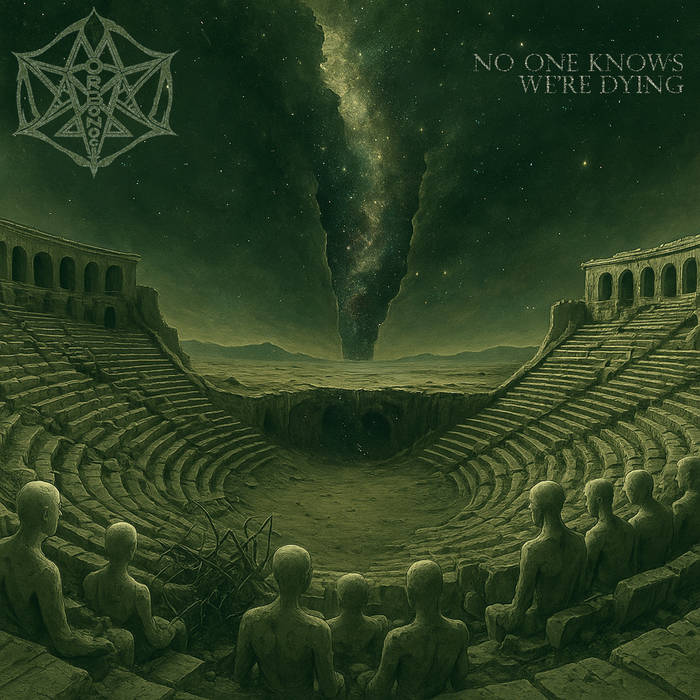
Having started back in 2021 as a studio project by vocalist and multi-instrumentalist Aleksandr Medvediev in his hometown of Kherson, Ukraine, but currently located in Szczecin, Poland, the otherworldly Symphonic Black Metal entity known as Morbonoct evolved into a more serious and powerful beast in 2023 when vocalist and lyricist David Welnicki joined the band. Now in 2025, after the releases of Anmet (2021), Chorna bezodnya (2022), Galactic Gloom (2023), and The Highest Purpose (2024), the duo returns in full force with their fifth opus, entitled No One Knows We’re Dying. Recorded, mixed and mastered by Aleksandr himself, who also took care of the album’s cryptic artwork, the album offers more of the project’s blend of Cosmic Black Metal, continuing with their exploration of the captivating space theme while presenting dense atmospheric canvases in the background.

It doesn’t take too long for Aleksandr to go full Black Metal in The Creation, offering us all 11 minutes of visceral passages, breaks and variations, with his beats and fills sounding truly insane while Dawid barks and growls nonstop. Lost also surpasses the ten minute mark, warning the listener the album is not for the lighthearted, blending Atmospheric Black Metal moments with the undisputed, raw aggression of Black Metal; followed by Cold Wind, one of the heaviest songs of the album, if not the heaviest, showcasing an amazing job done by Aleksandr on both the guitars and drums, providing Dawid with exactly what he needs to vociferate sheer Black Metal fury. Drifting Away is more contemporary and melodic, also starting in an ethereal way led by the whimsical keys by Aleksandr, offering elements of Doom Metal to spice things up a bit while Dawid’s vocals exhale anguish, and lastly, an extraterrestrial intro slowly morphs into the Atmospheric Black Metal title-track No One Knows, We’re Dying, with Aleksandr crushing his drums majestically in a lecture in progressiveness, heaviness, intricacy and darkness.

“No One Knows We’re Dying traces the inevitable cycles of life – from the beauty of creation to the weight of existence, and finally, to a cold, inevitable silence. The project embraces raw authenticity, with the mix and master intentionally restrained to preserve the natural texture of the vocals. Minimal post-processing allows every imperfection to speak truthfully, amplifying the emotional resonance of the performance. The instrumental foundation forms a cohesive narrative that evokes deep melancholy and a quiet sense of hopelessness, guiding the listener through a hauntingly introspective experience,” commented Aleksandr, and you can be part of Morbonoct’s cosmic journey by following the project on Instagram, by streaming their unique albums on Spotify, and of course by purchasing No One Knows We’re Dying from BandCamp. Or in other words, relax, take a deep breath, and simply let the ambience take you over in the excellent new album by this up-and-coming Cosmic Black Metal entity from outer space.

Best moments of the album: Cold Wind and No One Knows, We’re Dying.

Worst moments of the album: None.

Released in 2025 Independent

Track listing
1. The Creation 10:55
2. Lost 10:43
3. Cold Wind 11:45
4. Drifting Away 11:16
5. No One Knows, We’re Dying 12:07

Band members
Dawid Wełnicki – vocals
Aleksandr Medvediev – guitars, bass, keyboards, drums

Album Review – Havamal / Age Of The Gods (2025)

Transcending their previous sound and rising with the full might of Asgard at their back, these Swedish Melodic Death Metal warriors are unleashing upon humanity their most ambitious work to date.

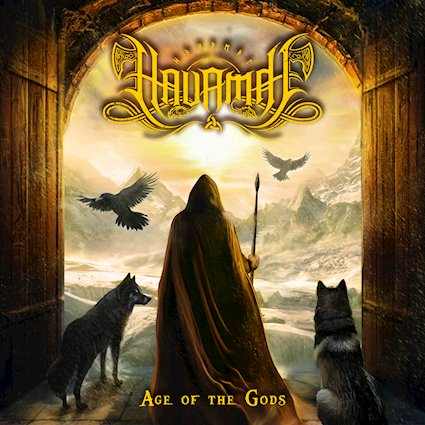
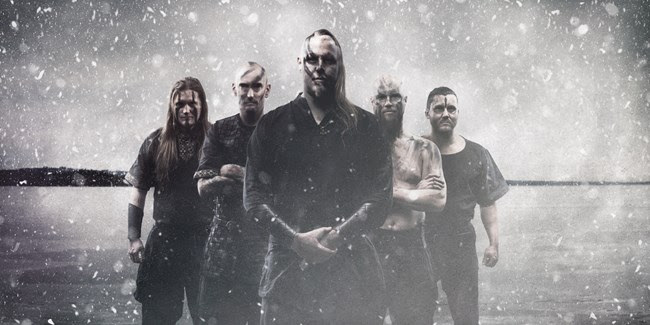
Transcending their previous sound and rising with the full might of Asgard at their back, Stockholm, Sweden-based Melodic Death Metal warriors Hamaval are set to unleash their most ambitious work to date, entitled Age of the Gods, following up on their 2021 sophomore opus The Shadow Chapter. More aggressive, forceful, and diverse than ever, Age of the Gods is a pinnacle in the band’s evolution, where symphonic grandeur collides with ferocious riffs, thunderous drums and growls echoing with the wrath of the Nine Worlds, all masterfully crafted by vocalist Björn Larsson, guitarists Lennie Spetze and Kjell Gilliusson, bassist Tino Vesanen, and drummer Stefan Peltonen.

The war of the gods is about to begin to the sound of The Pagan Path, with its imposing tribal sounds inviting us all to join the band in the battlefield before Stefan begins smashing his drums in the name of Melodic Death and Viking Metal, whereas Wolfraiders carries an excellent title for an even more excellent sound, with the guitars and keys by Lennie and Kjell transpiring of Amon Amarth while their guitar solos also sound utterly captivating. Stefan then dictates the pace in the ruthless The Day Of Reckoning, with all background elements giving it an extra touch of epicness led by Björn’s deep warrior roars, followed by Sigmund Fafnirsbane, a song about a legendary dragon slayer, with the band inviting us all to slam into the pit to their visceral riffs and harsh screams.

Then investing in an almost Symphonic Black Metal sound we’re treated to The Shaman, where once again Lennie’s keys bring sheer electricity to their music, being therefore perfect for prancing around the firepit while enjoying a pint of mead. The skies will get dark and the atmosphere pensive and somber in Hymns Of The Fallen, an inspiring chant dedicated to the ones who lost their lives in battle, sounding absolutely epic from start to finish; and the band blasts one of the fastest and heaviest of all songs, the thrilling Lokis Damnation, also presenting some welcome melodic passages and the always vibrant guttural by Björn. Finally, ending the album it’s time for absolute fury and violence in the form of Ashwalker, spearheaded by the crushing beats and fills by Stefan in a lesson in contemporary Melodic Death Metal.

Offering a distinctive musical identity characterized by powerful orchestration, elegant yet captivating riffs, and an eclectic fusion of Viking, Black, Power, and Death Metal influences, Age Of The Gods will undoubtedly carve Havamal’s place in Valhalla, and you can grab a copy of such an excellent album from the Art Gates Records’ webstore in three amazing bundles (pack I, pack II, and superpack). Don’t forget to also follow the band on Facebook and on Instagram, and to stream their music on Spotify, proving you’re also worthy of joining Havamal and the metal gods at the magnificent hall of the slain are you prepare for Ragnarök.

Best moments of the album: Wolfraiders, The Shaman and Ashwalker.

Worst moments of the album: None.

Released in 2025 Art Gates Records

Track listing
1. The Pagan Path 6:01
2. Wolfraiders 4:59
3. The Day Of Reckoning 5:53
4. Sigmund Fafnirsbane 5:14
5. The Shaman 5:36
6. Hymns Of The Fallen 5:44
7. Lokis Damnation 5:33
8. Ashwalker 4:56

Band members
Björn Larsson – vocals
Lennie Spetze – guitars, keyboards
Kjell Gilliusson – guitars
Tino Vesanen – bass
Stefan Peltonen – drums

Album Review – Lamp of Murmuur / The Dreaming Prince in Ecstasy (2025)

This uncanny Los Angeles, California-based Black Metal entity once again raises the chalice of victory for the masses with a new beckoning of devotion and elegance.

“And you’ll come back to me
Bathed in the tears of countless full moons
My heart will beat
Like a wardrum of rebellion
On this black night, oh! So evil, so pure
Once again
In the heat of your spasms
And the light of my passion
My heart will beat…”

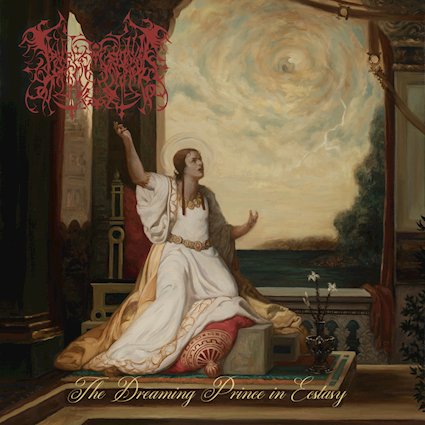
Two years since the release of Saturnian Bloodstorm, Los Angeles, California-based Black Metal entity Lamp of Murmuur has once again raised the chalice of victory for the masses with a new beckoning of devotion and elegance, titled The Dreaming Prince in Ecstasy. Recorded while engulfed in the caustic summer winds of 2023 with the guidance of the Seven Spears, the Circle of Gold Feathers and the always recurrent Crimson Agony, and showcasing a stunning artwork by Batdog (with layout by Eduardo Mora), the fourth studio album by vocalist and multi-instrumentalist M., or the Mythical Archduke of all Rebellion, of bands like Silent Thunder, Magus Lord and Fuinäehot, stands as the synergy of both sides of a bloodstained coin – triumph and grief, transcendence and torment.

The album starts with the cryptic, eerie intro The Fires of Seduction, dragging us all to Lamp of Murmuur’s Stygian lair in Forest of Hallucinations, exploding into an imposing wall of Symphonic Black Metal where M.’s striking keys and visceral roars clash majestically during the song’s over nine minutes of absolute darkness. Then investing in a more traditional Black Metal sonority, he hammers his drums and extracts sheer sulfur from his axes in Hategate (The Dream-Master’s Realm), followed by the also infuriated Reincarnation of a Witch, showcasing an amazing job done by M. with his demented riffs and beats, therefore living up to the legacy of Melodic Black Metal in an overdose of darkness by our lone wolf that sounds captivating from start to finish.

After the instrumental (and lengthy) interlude Angelic Vortex, we’re treated to the three-part title-track, starting with The Dreaming Prince in Ecstasy Part I – Moondance, evolving into an epic onrush of darkened sounds by M. with his thrilling riffage exhaling of fury and rage, while its last moments venture through more symphonic lands before The Dreaming Prince in Ecstasy Part II – Twilight Orgasm brings forward a sinister fusion of Doom and Black Metal, flowing into The Dreaming Prince in Ecstasy Part III – The Fall, a nine-minute aria of obscurity where M.’s cadaverous vocals will haunt your soul for all eternity, ending in a truly climatic manner. Lastly, featuring guest vocals by Crying Orc (Këkht Aräkh) and Xofrnk, we have A Brute Angel’s Sorrow, where instead of fast and furious Black Metal we face a delicate, grim display of melancholy.

Inspired by the primordial majesty of Black Metal yet unbound by its limitations, Lamp of Murmuur has gradually ascended these past years as one of the furthermost esteemed and sought luminaries within the new wave of Black Metal, with The Dreaming Prince in Ecstasy standing as another testament to the project’s unwavering pursuit of vision and freedom. Such an uncanny creature from the netherworld can be found on Instagram with news, tour dates and so on, and you can also stream all of its wicked creations on Spotify and, above all that, purchase the venomous The Dreaming Prince in Ecstasy from the project’s BandCamp or from Wolves of Hades, or simply click HERE for all things Lamp of Murmuur. Because The Dreaming Prince in Ecstasy is an offering of intoxicating grandeur, a hymn to the eternal dream of a soul yearning to be unchained, and I can’t wait to see what’s next in the career of one of the must-see names of the current Black Metal scene worldwide.

Best moments of the album: Forest of Hallucinations, Reincarnation of a Witch and The Dreaming Prince in Ecstasy Part III – The Fall.

Worst moments of the album: Angelic Vortex.

Released in 2025 Wolves of Hades

Track listing
1. The Fires of Seduction 1:48
2. Forest of Hallucinations 9:13
3. Hategate (The Dream-Master’s Realm) 7:38
4. Reincarnation of a Witch 5:25
5. Angelic Vortex 2:15
6. The Dreaming Prince in Ecstasy Part I – Moondance 7:08
7. The Dreaming Prince in Ecstasy Part II – Twilight Orgasm 6:18
8. The Dreaming Prince in Ecstasy Part III – The Fall 9:10
9. A Brute Angel’s Sorrow 4:21

Band members
M. – vocals, all instruments

Guest musicians
Crying Orc – vocals on “A Brute Angel’s Sorrow”
Xofrnk – vocals on “A Brute Angel’s Sorrow”

Album Review – Cemican / U k’u’uk’ankil Mayakaaj (2025)

These unrelenting Mexican metal warriors are back with their breathtaking fourth studio album based on Mayan ideology, worldview, mysticism, and the universe.

Incorporating elements of the legends, mysticism and ideologies of ancient Mexican culture, being compared by Revolver to “Slipknot scoring Mel Gibson’s Apocalypto” by combining the modern instrumentation of a metal band with traditional pre-Hispanic instruments, Guadalajara, Mexico’s own Progressive Power/Thrash/Folk Metal tribe Cemican (or “The Duality of Life and Death” in the Mexican language Nahuatl) brings forth more of their unique music in their fourth studio opus entitled U k’u’uk’ankil Mayakaaj, translated as “the Mayan Resistance”, following up on their 2019 critically acclaimed album In Ohtli Teoyohtica In Miquiztli. Showcasing a stunning artwork by the band’s own Tlipoca (aka Alejandro Guzmán), depicting the great creation of the Mayan universe and the elements of life – water, fire, wind, and earth – by the great supreme Itzamnaaj, raising the great Temple of Kukulkan for the worship of the Mayan people, the new album by vocalist and guitarist Tecuhtli, bassist Ocelotl, drummer Tlipoca, and the tribalistic ensemble of Xaman Ek, Yei Tochtli, Mazatecpatl, and Itzcoatl is based on Mayan ideology, worldview, mysticism, and the universe. It contains various legends and stories of ancestral gods, the duality of life and death, as well as stories based on the band members, transformed with that touch that identifies us.

Kukulkán Wakah Chan (likely combining the Maya deity name Kukulkán, meaning “Plumed Serpent”, with the Nahuatl phrase Wakah Chan, meaning “Sacred Tree” or “Milky Way”) sounds utterly ritualistic and folk from its very first moments, with their wind instruments echoing through the air before exploding into an amalgamation of Thrash, Death and Groove Metal led by Tlipoca’s crushing beats and fills; whereas Tán tí le Xibalba, the second single of the album, speaks of the god of dead in the Mayan culture while keeping their heaviness clashing with the culture of their ancestors in a majestic way, being therefore an excellent choice for their live concerts. In El Niño Que Contemplaba A Las Estrellas (“the boy who gazed at the stars” from Spanish), the guitars by Tecuhtli lean towards classic Heavy Metal, as well as his vocals, followed by Viaje Astral Del Quetzal De Fuego (“astral journey of the fire quetzal”), sounding atmospheric and embracing from start to finish, with the bass by Ocelotl and the drums by Tlipoca being absolutely thunderous. Xaman Ek, Yei Tochtli and Mazatecpatl bring the glory of the past through their wind instruments in the tribal dance Horizonte De Almas (“horizon of souls”), exploding into an epic song that will inspire you to raise your horns for those beyond talented Mexicans, while El Castigo De Los Dioses (“the punishment of the gods”) is another song where the modern, electrified vibe of metal music makes a killer paradox with their cultural and folk sounds.

The howling wind invites us to another journey through Mayan lands in Tak Ti Ulaák Íin, one of the most ritualistic of all songs, where the band delivers their most primeval sounds of the album. Then the massive riffs by Tecuhtli ignite the imposing, multi-layered Los Guardianes De La Tierra (“guardians of the earth”), a lecture in Symphonic and Melodic Death and Black Metal that feels like it was taken from the most climatic moment of a period drama; and the band offers another blast of harsh and pounding sounds in Hun-Came, meaning “One Death”, the name of the senior of the two principal death gods in the Maya underworld Xibalba, with all vocals and backing vocals giving it an extra kick while Tlipoca hammers his drums mercilessly. ¿Donde Estas? (“where are you?) is some sort of power ballad entirely sung in Spanish by a mysterious guest female musician, a bit too generic compared to the other songs; while back to their trademark tribal sonority infused with the power of Heavy Metal we have Yóok’ ol Kaáb Maya, sounding and feeling epic and vibrant until the very end. Lastly, closing the album we’re invited to one final ritual by Cemican entitled Bolom Octé, a stunning sonic voyage back to the glory yet somber days of their ancestors.

Offering a sound that embodies that language of music with ancestral instruments that Cemican have achieved as its own unique and hallucinatory sound, fused with lyrics that blend Spanish with Yucatecan Mayan, U k’u’uk’ankil Mayakaaj is a tribute to their ancestral people, their stories and their customs, giving a valuable message of their language and their ancestral glory. Hence, you can enjoy the dark and aggressive atmosphere found in U k’u’uk’ankil Mayakaaj by purchasing the album from their own BandCamp, from the M-Theory Audio webstore, or by clicking HERE, and don’t forget to also follow the band on Facebook and on Instagram, subscribe to their YouTube channel, and stream their amazing albums on Spotify. Because U k’u’uk’ankil Mayakaaj is a way to revive what their warriors and their Mayan people were, honoring the great Mayan culture and representing the worldview and mysticism of their great ancestral empire.

Best moments of the album: Tán tí le Xibalba, Horizonte De Almas, Los Guardianes De La Tierra and Hun-Came.

Worst moments of the album: ¿Donde Estas?.

Released in 2025 M-Theory Audio

Track listing
1. Kukulkán Wakah Chan 5:45
2. Tán tí le Xibalba 4:01
3. El Niño Que Contemplaba A Las Estrellas 6:44
4. Viaje Astral Del Quetzal De Fuego 8:31
5. Horizonte De Almas 6:31
6. El Castigo De Los Dioses 5:26
7. Tak Ti Ulaák Íin 4:39
8. Los Guardianes De La Tierra 5:13
9. Hun-Came 5:29
10. ¿Donde Estas? 4:23
11. Yóok_ ol Kaáb Maya 5:45
12. Bolom Octé 4:30

Band members
Tecuhtli – vocals, guitars, wind instruments
Ocelotl – bass
Tlipoca – drums, percussion, wind instruments, backing vocals
Xaman Ek – wind instruments, backing vocals
Yei Tochtli – wind instruments, backing vocals
Mazatecpatl – wind instruments
Itzcoatl – choir vocals

Album Review – Eldur / Rituals of Death and Necromancy (2025)

This Icelandic Black Metal entity will take you on a journey that goes beyond simple listening in his debut album, a visceral and dense universe where chaos and harmony merge to create something truly unique.

After having sparked interest with a split CD and an EP, Reykjavík, Iceland-based Black Metal entity Eldur (aka Einar Thorberg Guðmundsson), who has been active since 1994 with bands such as Thule, Potentiam, Curse, Fortíð, and Katla, is finally ready to make his official debut with Rituals of Death and Necromancy, the first part of a series called Proscribed Chronicles of Niðavellir. A sonic wall of epicness and pure Black Metal, with Eldur’s usual heavy dose of 90’s influence and even Post-Black Metal nuances, Rituals of Death and Necromancy will take you on a journey that goes beyond simple listening, a visceral and dense universe where chaos and harmony merge to create something truly unique.

The opening track Exiled flirts with Symphonic Black Metal so imposing and epic it sounds, a lecture in darkness by Eldur with his vile roars and strident riffs sounding simply amazing from start to finish. Then an ominous intro to the sound of the howling wind sets the tone in Flight of Níðhöggr (a Germanic dragon in Norse mythology who is said to gnaw at the roots of the World Tree, Yggdrasil) before morphing into another Black Metal attack by our lone wolf who crushes his drums in the name of the dark arts; and every single time a song is called Shapeshifter we can rest assured it’s going to be heavy, violent and obscure, and Eldur brings to our ears exactly that Stygian vibe, whereas Murder and a Curse keeps the flames of Black Metal burning to Eldur’s evil vociferations and scathing riffs, albeit not as exciting as the rest of the album.

Svartálfaheimr (“world of black-elves”) is one of the Nine Realms in Norse mythology, and musically speaking Eldur kicks our asses mercilessly in a lecture in Black Metal infused with Nordic sounds, where his sometimes ruthless, sometimes sluggish beats bring extra flavors to the overall result. Eldur then speeds things up in the infuriated Black Metal chant Second Life, Second Death, offering a galloping, demonic sonority perfect for worshiping absolute darkness. The last couple of songs of the album surpass the six minute mark, starting with The Dark Mountains, as sinister and imposing as it can be, exploding into total insanity to his vile roars supported by the song’s phantasmagorical background keys, and closing the album we have the stunning Undead where Eldur’s visceral gnarls, riffs and blast beats live up to the legacy of the style, resulting in what’s perhaps the strongest song of the album and a good indication as to what’s next in his dark path.

An album brought into being not only for metal fans, but also for those who seek something deeper and more introspective in a musical landscape that, while rich in offerings, often feels repetitive, Rituals of Death and Necromancy can be purchased from BandCamp or from Metal Odissey’s webstore in the US or in the EU/UK, adding tons of depth, heaviness and power to your private collection. In the end, Eldur brings fresh energy to a scene that needs new impulses armed with the excellent Rituals of Death and Necromancy, challenging the listener to dive into their intricate sonic web and lose themselves in it.

Best moments of the album: Exiled, Svartálfaheimr and Undead.

Worst moments of the album: Murder and a Curse.

Released in 2025 ATMF

Track listing
1. Exiled 4:28
2. Flight of Níðhöggr 5:22
3. Shapeshifter 4:53
4. Murder and a Curse 6:23
5. Svartálfaheimr 5:24
6. Second Life, Second Death 4:50
7. The Dark Mountains 6:37
8. Undead 6:22

Band members
Eldur – vocals, all instruments