Album Review – Tyrannic / Ethereal Sepulchre (2018)

A dark beast of doom in the form of an uncompromising album of true and raw heavy music, courtesy of a trinity whose veins pump with the pulse of Black, Thrash and Doom Metal.

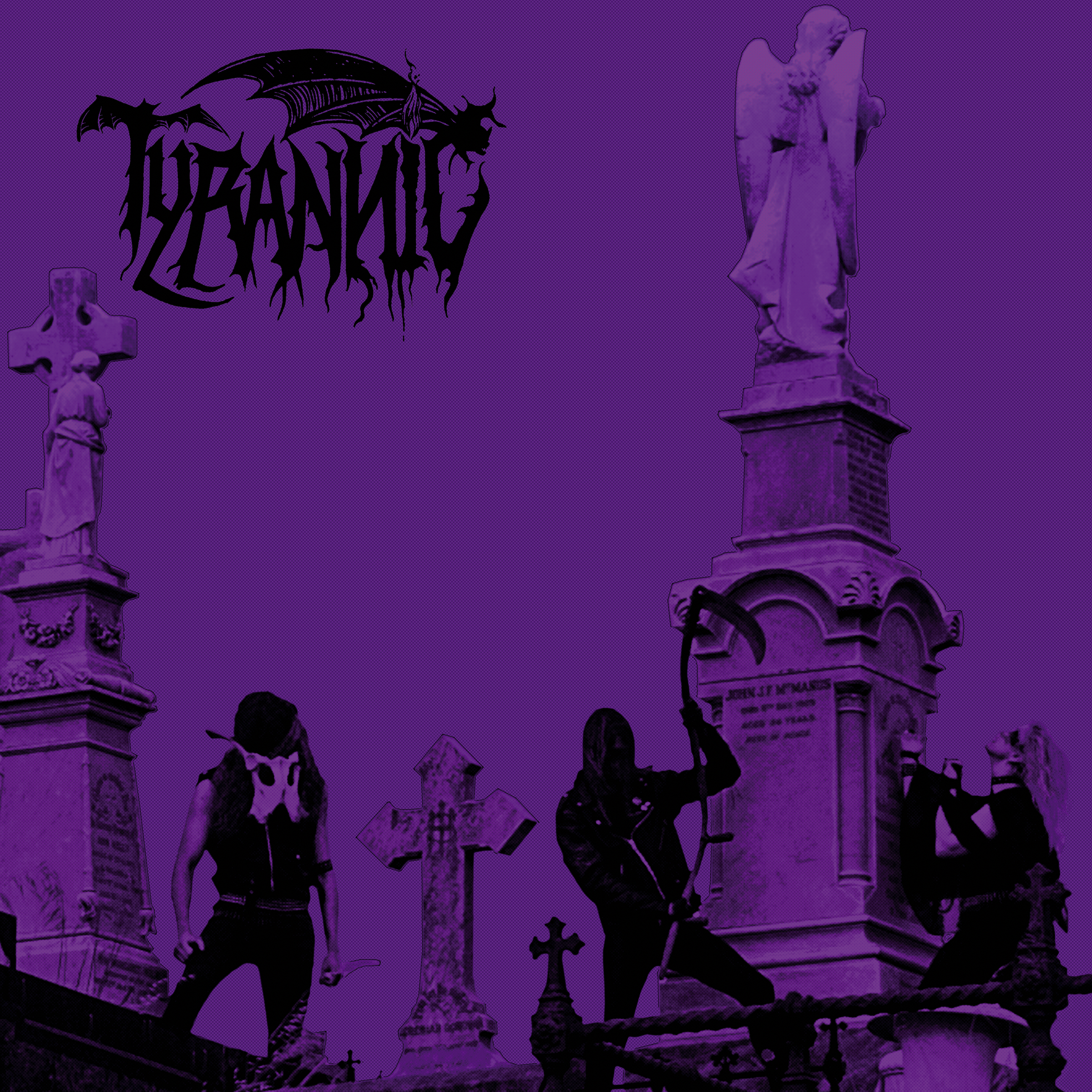
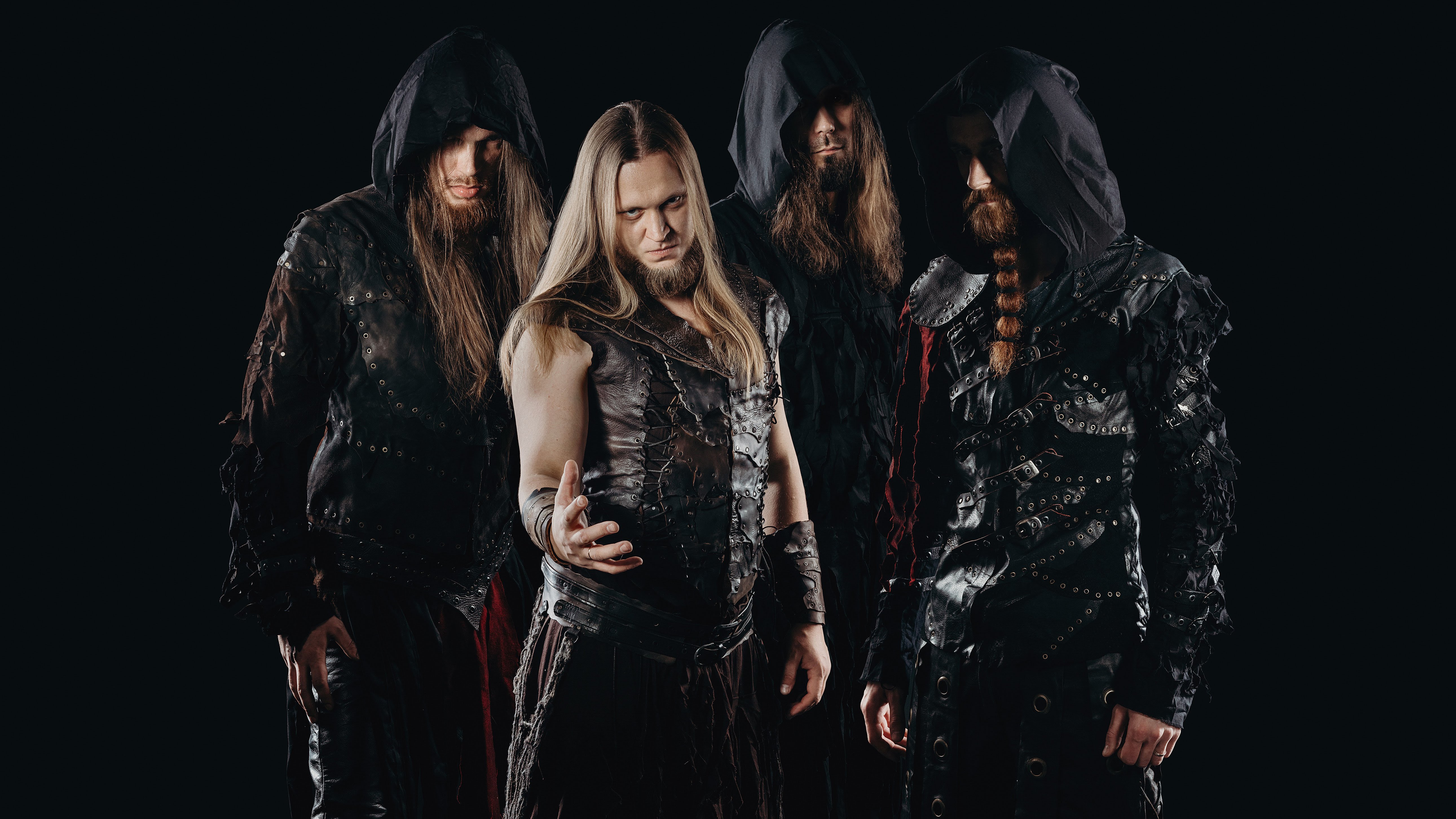
Formed in 2010 under the antipodean sky of Sydney, Australia, the ruthless Thrash/Doom Metal entity known as Tyrannic has been paving their own twisted path with a dark and sinister mindset since their inception, and despite several lineup changes over the years the band’s founding member R has constantly driven the band forward from behind the kit with his signature vocal style and dedication to the “do-it-yourself” principles and aesthetic of the underground. After releasing a couple of demos, a split album and a live tape through the years, it’s time for Tyrannic to unleash their dark beast of doom with their honest and uncompromising debut album titled Ethereal Sepulchre, crafted with a very personal approach to carving its own unique and disgusting mould.

Featuring four long tracks of heinous, horrific and bizarre sounds, the most primitive rumblings straight from the beast’s belly, Ethereal Sepulchre offers the listener unadulterated metal from a trinity whose veins pump with the pulse of Heavy Metal. Furthermore, R describes the album as a release which “projects complete darkness in the most obscure form”, with its lyrical content being an expression of his innermost exploration into abstract thought, madness and insanity, all driven by experiential death worship. In other words, if you’re a fan of the obscure music by iconic bands from distinct genres but with the same appreciation for the dark, like Black Sabbath, Celtic Frost, Emperor and Dark Funeral, among several others, get ready for a visceral and thunderous descent into the pits of hell with Tyrannic.

The first track of the album, a demonic welcome card by the trio entitled Serpent Scythe, brings forward classic, old school Black Metal from the very first second spiced up by hints of the Doom Metal played by Black Sabbath, with R’s growls being a demonic fusion of the vocals by Tom Araya (Slayer) and Mortuus (Marduk), while Morgan and J slash their strings in a hellish manner. And Tyrannic’s evil triumvirate keeps delivering darkness and dementia through their instruments in the sluggish and medieval Possession of Accursed Inheritance, offering over 12 minutes of obscurity in the form of Black Metal infused with Blackened Doom nuances. Moreover, R gets more and more deranged on vocals while his beats exhale madness and aggressiveness, until the band’s sonic onslaught of Stygian sounds ends with the creepy sound of a mysterious organ.
In the following tune, named Tyrannic Deluge, what starts in a somber Doom Metal-inspired manner suddenly explodes into flammable Black Metal from the netherworld, with J firing scorching hot riffs form his guitar. This can be considered the most complete and electrifying of all four tracks, remaining pulverizing throughout its 14 devilish minutes, flowing like an ardent blaze through the forest until its Funeral Doom-inspired grand finale. And R, J and Morgan unite their darkened forces once again for one final blast of hellish Black Metal in the title-track Ethereal Sepulchre, delivering blasphemous vociferations, somber riffs and bass punches, and pounding beats, evolving into a menacing hybrid between old school Black Metal and low-tuned, demonic Doom Metal that remains utterly disturbing and vile for our total delight.

In summary, if you are one of those metalheads who simply love to have your soul darkened by the damned sounds blasted by bands from the underworld of heavy music, then Ethereal Sepulchre should definitely become part of your devilish collection. Hence, in order to put your hands on such sulfurous album, simply go to the Séance Records’ BandCamp or webstore (where you’ll find it in CD or in an old school, primeval tape format), as well as Discogs, to purchase your copy of it. And last but not least, don’t forget to show your support to such demented power trio by following them on Facebook, joining R, J and Morgan in their sonic crusade in the name of raw and aggressive Black, Thrash and Doom Metal.

Best moments of the album: Tyrannic Deluge.

Worst moments of the album: None.

Released in 2018 Séance Records

Track listing
1. Serpent Scythe 6:07
2. Possession of Accursed Inheritance 12:13
3. Tyrannic Deluge 14:05
4. Ethereal Sepulchre 7:00

Band members
R – vocals, drums
J – guitars
Morgan – bass

Album Review – Barkasth / Decaying (2018)

A new formation on the landscape of the Ukrainian Black Metal scene reveals the dark side of idolatry on human life and demonstrates the result of this pernicious influence in their debut full-length opus.

It’s time to get devilish, heavy and blasphemous with the interesting fusion of classic Black Metal with Melodic Black Metal and Blackened Doom blasted by a four-piece act hailing from Ukraine comprised of Arkhonth on guitars and vocals, Goreon also on guitars and vocals, Hagalth on bass and Malet on drums, collectively known as Barkasth. Formed in 2015 in Kharkiv, the second largest city in Ukraine located in the northeast part of the country, Barkasth are spreading darkness not only in their homeland but everywhere else in the world with their debut full-length album, simply titled Decaying.

A new formation on the landscape of the Ukrainian Black Metal scene, Barkasth’s source of inspiration is a radically negative attitude towards religion, in any of its manifestations, as the main cause of obscurantism and distorted perception of reality – the main indicator for the level of ignorance of a contemporary man. Throughout the seven unrelenting tracks in Decaying, this Stygian horde reveals the dark side of idolatry on human life and demonstrates the result of this pernicious influence. In other words, the music by Barkasth presents no artificial elements nor any other type of shenanigans added to it, going straight to the point and showing the world Black Metal is still one of the most effective weapons against all forms of religion.

And the opening track Begging By Freaks comes crushing with a classic and epic beginning that beautifully evolves into a mid-tempo, blackened sonority where harsh and demonic growls are supported by the scorching riffs by  Arkhonth and Goreon. Put differently, this is a sulfurous and austere display of Melodic Black Metal infused with elements from Blackened Doom and traditional Doom Metal that will please all fans of the genre, whereas an even darker atmosphere serves as the background for the hellish Alone, with Malet delivering rhythmic but at the same time fierce beats while the harsh vocals by Arkhonth exhale blasphemy and hatred, all enfolded by a mesmerizing vibe. And in Blood & Flesh the band accelerates their pace, therefore reaching a more traditional Black Metal sonority with Malet delivering sheer darkness through his blast beast while Arkhonth growls like a true Black Metal veteran, turning it into one of the top moments of the album without any doubt, also showcasing cutting riffs that will pierce through your ears in a violent manner.

Soul Away gets back to a more introspective and obscure hybrid of Black Metal and Blackened Doom, with Arkhonth and Goreon, together with bassist Hagalth, shredding their strings mercilessly, while all the growling and roaring gets as deep, reverberating and demonic as possible; but it’s when they focus on their darkest and most aggressive Black Metal side that they truly thrive, and the title-track Decaying is the perfect depiction of that, with the entire band sounding flammable and infernal, in special Malet with his always demolishing and melodic beats. Then their disturbing and demonic vein arises once again in the visceral hymn Shepherd, with the sound of guitars penetrating deep inside your flesh amidst a feast of desperate and deep roars, not to mention how vile the whole ambience feels. Lastly, as the icing on the cake we have another cryptic, low-tuned aria of darkness entitled …Where Was The Son Of God, where the Doom Metal-inspired beats by Malet are flawlessly complemented by the guitar duo’s anguished lines, resulting in a captivating and very harmonious ending to the album.

Decaying, which is available for a full (and darkened) listen on YouTube and for purchase from the band’s own BandCamp page or from the Svarga Music mailorder, might be far from being a masterpiece or a reference in Black Metal, but that doesn’t mean it’s not an extremely well-crafted and solid album by this hardworking quartet, positioning Barkasth as one of the most promising new acts from the Ukrainian scene and definitely a band to keep an eye on in the coming years. Especially if, just like Barkasth’s band members, you also believe religion is one of the main factors in the imminent and inevitable downfall of our rotten society.

Best moments of the album: Blood & Flesh and Decaying.

Worst moments of the album: None.

Released in 2018 Svarga Music

Track listing
1. Begging By Freaks 6:15
2. Alone 7:16
3. Blood & Flesh 5:53
4. Soul Away 5:17
5. Decaying 5:08
6. Shepherd 6:02
7. …Where Was The Son Of God 6:36

Band members
Arkhonth – guitars, vocals
Goreon – guitars, vocals
Hagalth – bass
Malet – drums

Album Review – Cronaxia / Collapsing The Outer Structure (2018)

After two decades of their inception, this talented Portuguese Death Metal squad is finally unleashing upon humanity their pulverizing and very technical debut opus.

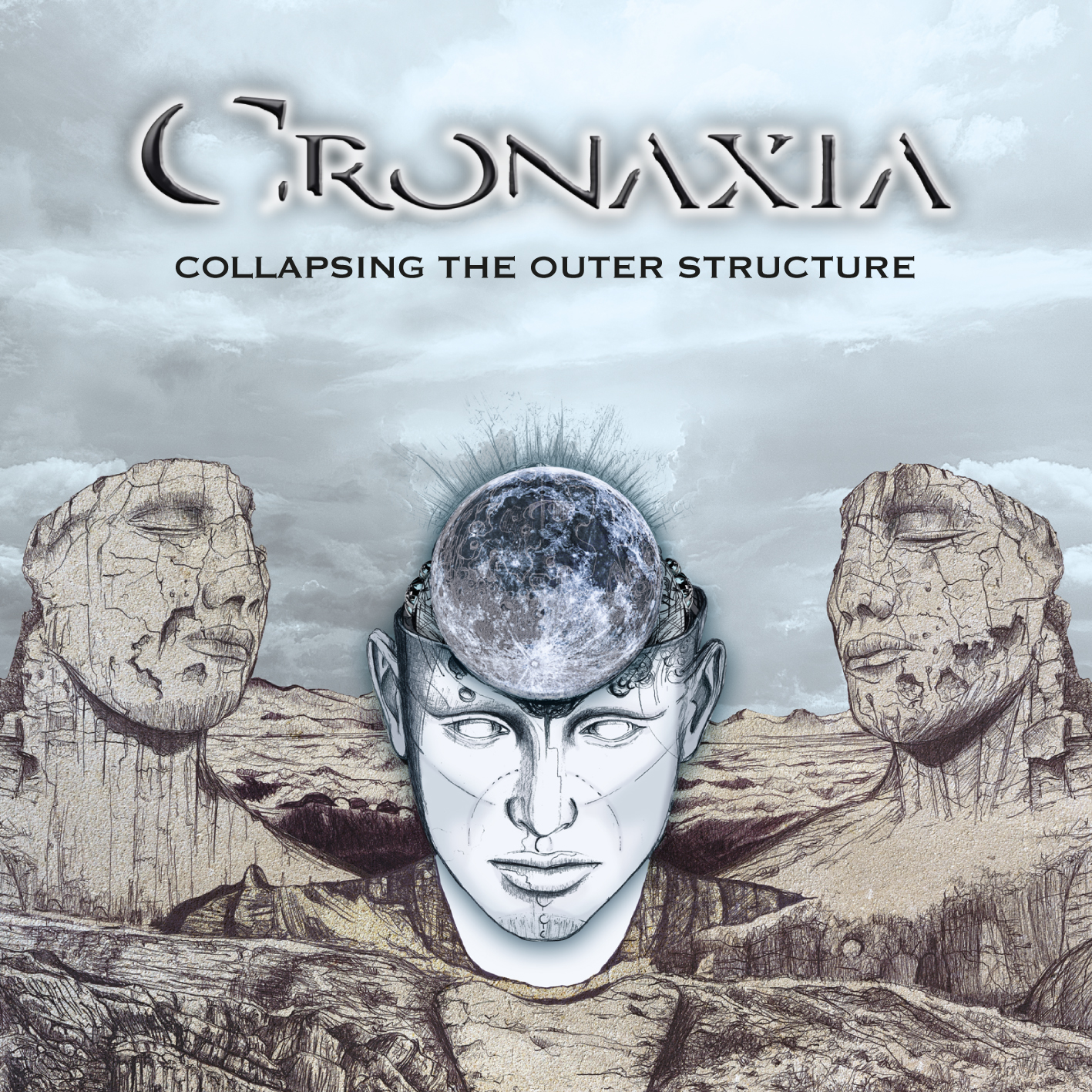
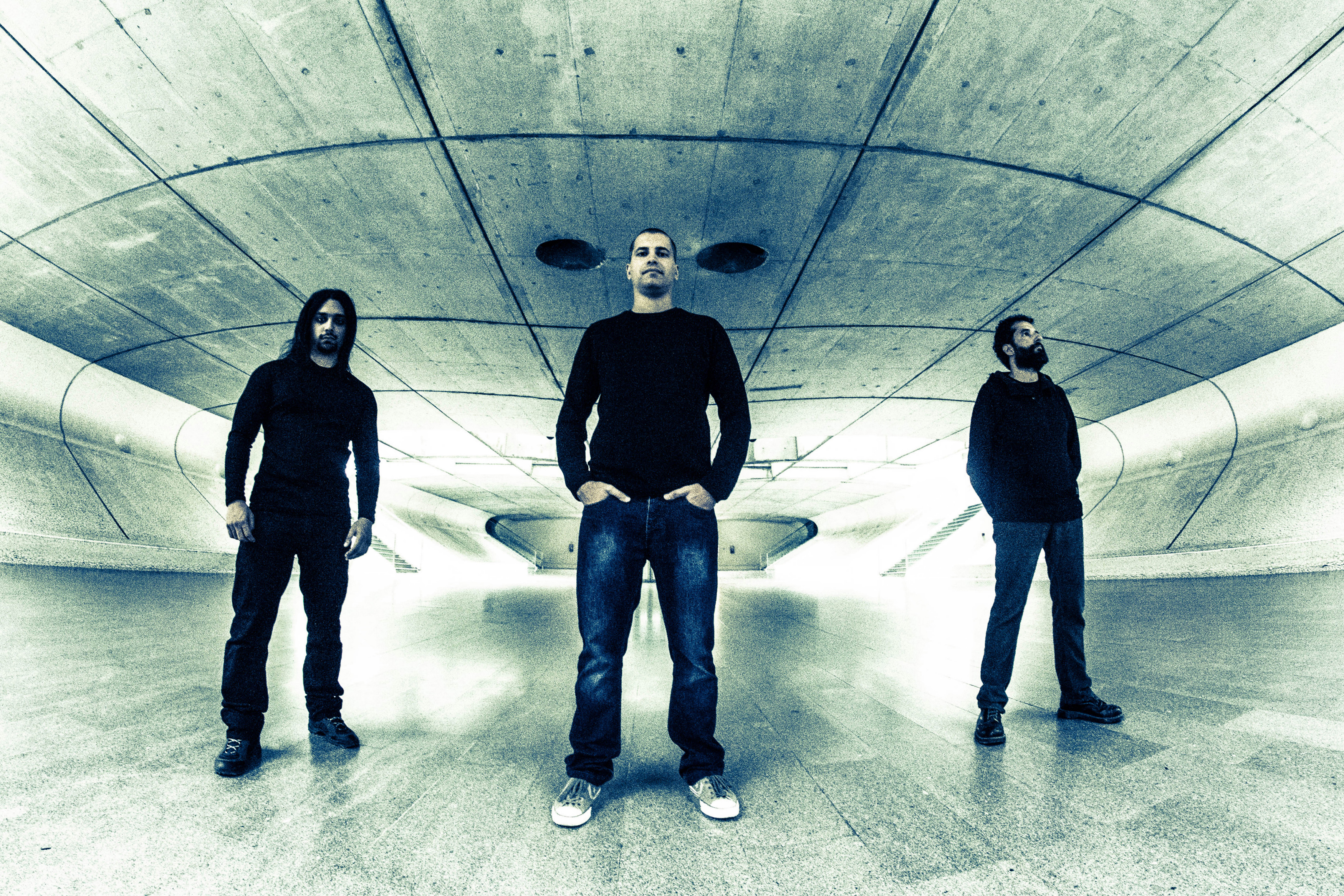
Born in the distant year of 1997 in the capital city Lisbon, Portuguese Death Metal horde Cronaxia has been fighting for extreme music in the fantastic Portuguese underground scene since their inception, never giving up despite all their struggles to find the right musicians and finally solidify their lineup and sound through the years. Currently a trio consisting of Sérgio on vocals and Renato and Filipe on the guitars, Cronaxia recruited bassist Alex Ribeiro and drummer Rolando Barros (both from Portuguese Brutal Death Metal/Grindcore band Grog) now in 2018 to give life to their first full-length album, a pulverizing and very technical lesson in Death Metal titled Collapsing the Outer Structure, highly recommended for fans of bands like early Kataklysm, Morbid Angel and Deeds Of Flesh.

Mixed and mastered by Paulo Vieira, known for his production work with Ironsword and Ravensire, Collapsing The Outer Structure is a work that walks the tightrope between genius and insanity, with songs like the jagged, restless “Dimension Ratio” being a vivid explosion of mind warping ideas. Immersed within these eight conceptual whirlwinds, the feeling is akin to having the secrets of the universe downloaded directly to your cerebral cortex in a fraction of a second. Bewildering yet incredible, almost too much to comprehend, you will find few listening experiences as overwhelming and intense as Collapsing The Outer Structure. It may have taken Cronaxia two decades to reach this defining moment, but now that their planets have aligned the force that has been unleashed is momentous and breathtaking.

In the title-track Collapsing the Outer Structure we already face total devastation in less than five seconds, with Rolando living up to the legacy of classic stone crushers of Death Metal while frontman Sérgio growls and barks like a rabid beast, sounding frantic and furious from start to finish. If this brutal welcome card is not enough for your metallic ears, Cronaxia don’t waste a single second and keep hammering our heads with their ruthless music in Logarithmic Cavitation, an insanely violent, heavy and extreme display of underground music made in Portugal where Felipe and Renato are in total sync with their lancinating riffs and solos, followed by The Core Condition, another brutish and demolishing hymn showcasing thunderous bass lines by Alex while the vocal lines get deeper and more demented than before, sounding and feeling as dense as Extreme Metal can be but also being very technical and polished. And get ready to be smashed by Cronaxia and their sharp and cataclysmic Death Metal in Dimension Ratio, where Rolando fires some sick blast beast and fills while Felipe and Renato continue to extract complex and demonic sounds and tones from their guitars.

The awesome Continuous Signal brings forward a pulverizing atmosphere crafted by the band, being tailored for fans of the early days of Cannibal Corpse with a fresh twist, not to mention Sérgio never gets tired of vociferating rabidly and deeply. Then it’s time for a galloping and demented composition titled Embryonic Reanimation, led by the bestial drumming by Rolando while Felipe and Renato show no mercy for their guitars (neither for our necks), whereas their second to last onrush of gruesome and very technical and melodic sounds comes in the form of Plasmatech, crushing our senses with its metallic riffs and unstoppable blast beats. Put differently, what a devastating (and absolutely awesome) Death Metal extravaganza by Cronaxia, with highlights to Sérgio’s cavernous growls. Hence, if you’re still alive after such demented level of aggression and dexterity by Cronaxia you’ll have your ears and mind decimated by Tangential Threshold, offering six minutes of deep guttural gnarls, nonstop beats and extremely sharp and acid riffs, or in other words, a lesson in Progressive and Technical Death Metal, ending the album in a rumbling, neck-breaking and somewhat esoteric manner.

In order to have your ears smashed by Cronaxia, simply go to Spotify to listen to Collapsing The Outer Structure in its entirety, and if their music makes your blood boil as expected, you should definitely show them your utmost support by following them on Facebook, subscribing to their YouTube channel, and grabbing your copy of the album from their BandCamp page, from the Lusitania Music webstore, from Amazon or from Discogs. By doing that, you’ll prove you have what it takes to “collapse the outer structure” together with this talented Portuguese squad in the name of Death Metal.

Best moments of the album: Dimension Ratio, Continuous Signal and Plasmatech.

Worst moments of the album: None.

Released in 2018 Lusitanian Music

Track listing
1. Collapsing the Outer Structure 2:07
2. Logarithmic Cavitation 4:03
3. The Core Condition 4:11
4. Dimension Ratio 3:43
5. Continuous Signal 3:34
6. Embryonic Reanimation 3:02
7. Plasmatech 4:39
8. Tangential Threshold 6:03

Band members
Sérgio – vocals
Felipe – guitars, vocals
Renato – guitars, vocals

Guest musicians
Alex Ribeiro – bass (session)
Rolando Barros – drums (session)

Album Review – Behemoth / I Loved You At Your Darkest (2018)

Poland’s most blasphemous metal institution returns after four years with a much more melodic and dynamic approach than before, but still loyal to their devilish foundations.

“It doesn’t get more blasphemous than this.” Those are the words by the mastermind behind Polish Blackened Death Metal institution Behemoth, the iconic Adam “Nergal” Darski, regarding the title of their 11th studio album, I Loved You At Your Darkest, a beautiful, bold and captivating follow-up to their 2014 masterpiece The Satanist. And the band comprised of the aforementioned Nergal on lead vocals and guitar, Patryk Dominik “Seth” Sztyber on the guitar, Tomasz “Orion” Wróblewski on bass and Zbigniew Robert “Inferno” Promiński on drums is not exaggerating when they say their new album reeks of sheer blasphemy. “It’s a verse from the Bible,” Nergal reveals. “It’s actually a quote from Jesus Christ himself. For Behemoth to use it as the basis of our record, it’s sacrilege to the extreme.”

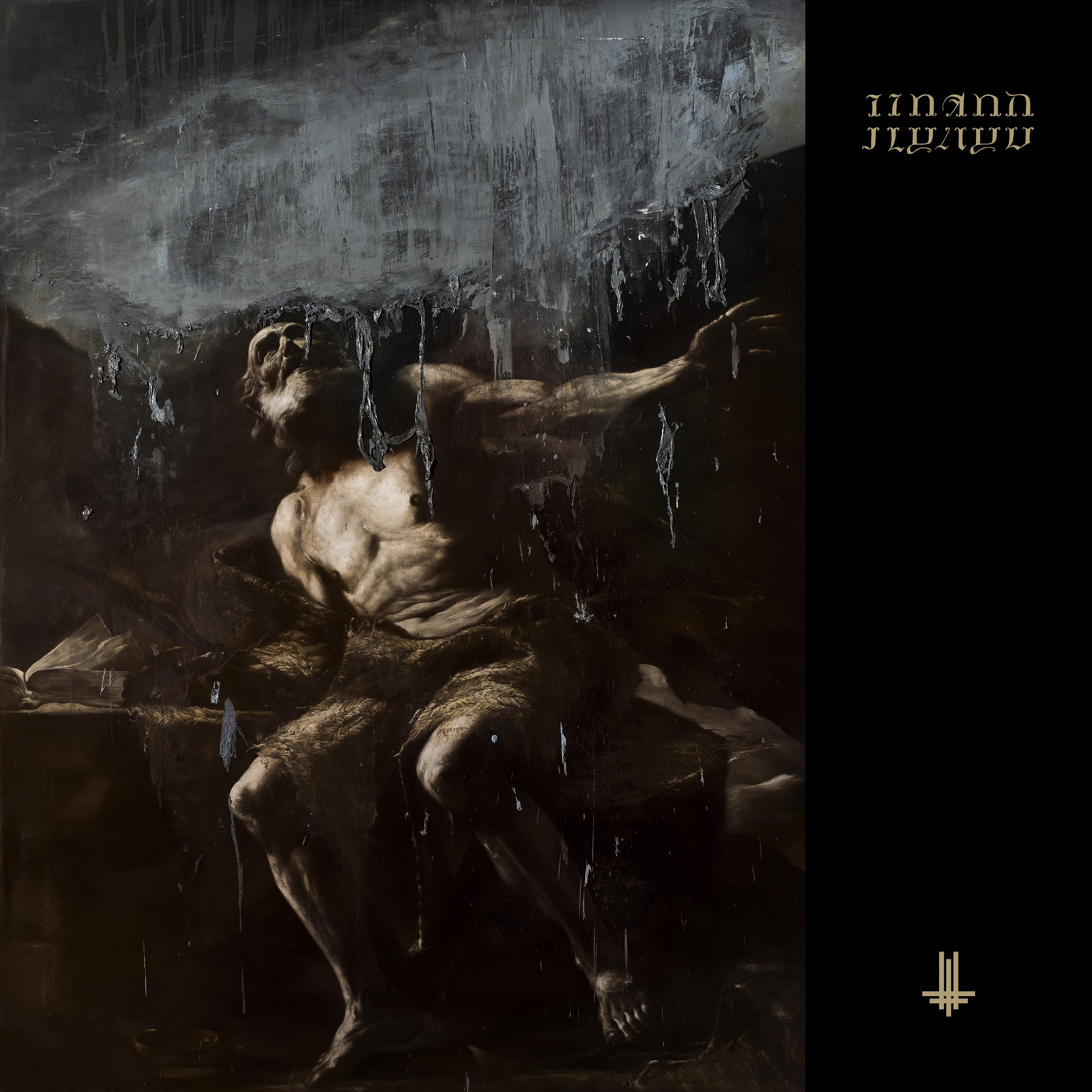
Musically speaking, I Loved You At Your Darkest, which features a stunning artwork by Italian artist Nicola Samori, is not too far from what they did in The Satanist, but that doesn’t mean it’s an extension of their previous album, sounding less ferocious, more polished, and with a much more melodic and dynamic approach. “I really wanted to redefine ourselves with this record,” Nergal explains. “I Loved You At Your Darkest is a more dynamic record. It’s extreme and radical on one hand, but it’s also more rock-oriented than any other Behemoth record.” Furthermore, the lyrics for each and every song of the album also reinforce that kind of religious provocation Behemoth have mastered through the years. “It’s very religion-driven, maybe more than anything we’ve done before,” Nergal offers. “But it’s not just cheap goading. I believe this is some deeper metal language. It’s art.” Hence, listening to I Loved You At Your Darkest is not a simple journey, as it will demand your full attention, seizing all your senses at once and inviting you to repeat that path over and over again, but never sounding or feeling the same.

A creepy and totally awesome children’s choir kicks off the album on a high (and devilish) note in the intro Solve, reciting some cryptic words (“Elohim, I shall not forgive! / Adonai, I shall not forgive! / Living God, I shall not forgive! / Jesus Christ, I forgive thee not!”) while the music grows slowly and darkly until Wolves ov Siberia comes crushing our heads, following a similar musical pattern from their previous album with Nergal and Seth piercing our souls with their guitars, while Inferno brings tons of intricacy to the music with his precise beats. And things only get better in God = Dog, a full-bodied lecture in modern-day Blackened Death Metal that will work fantastically when played live, with Nergal blasting haunting growls and roars while Orion slams his bass strings beautifully, not to mention those demonic, Damian-like kids who return in full force to intone the same words from the album’s intro, supporting Nergal’s vocals to perfection. And in the excellent Ecclesia Diabolica Catholica we’re treated to a very melodic and thrilling fusion of Black and Death Metal with nuances of Symphonic Black Metal, with its background organ bringing even more darkness to the the song’s already obscure, austere and blasphemous lyrics (“Eritis sicut dii / Thus sermonized the serpent ov Eden / Thus struck the breath ov the Earth / And thus flooded the blood ov the soil / Slither into the gaping void!”).

Then after such demolishing first batch of songs in I Loved You At Your Darkest, Behemoth deliver Bartzabel, perhaps the most Stygian, melodic and melancholic of all tracks, proving they don’t have to play at the speed of light to sound imposing and devilish, showcasing a beyond catchy and hypnotizing chorus while Orion and Inferno bring sheer heaviness to the sonority with their damned instruments. In the also thunderous If Crucifixion Was Not Enough… the band speeds things up a bit, with the guitars by Nergal and Seth sounding ferocious but very harmonious at the same time while Inferno brings the usual intricacy in his beats to a whole new level; and leaning towards classic Black Metal we have Angelvs XIII, a song where Nergal’s growls sound and feel truly enraged and demonic, with the band’s guitar duo slashing their strings mercilessly and leaving the listener completely disoriented. Moreover, there’s no time to breathe as Behemoth keep darkening our minds and souls in Sabbath Mater, another bestial display of Blackened Death Metal made in Poland bringing to our avid ears an excellent job done on the guitars while Inferno’s fast and complex beats will hammer your head in a vibrant way.

Then a serene, almost acoustic intro evolves into a full-bodied aria of darkness and blasphemy titled Havohej Pantocrator (and please note “Havohej” is simply “Jehovah” backwards), sounding even even more melancholic than “Bartzabel” thanks to a brilliant performances by all band members, all enfolded by first-class poetics lyrics (“Our father, who art in hell / Unhallowed be Thy name / Thy legions come / Thy enemies begone / On Earth as it is in the Netherworld / Embrace our souls untraveled / Let us sail to the farthest sea / Ignite our craving hearts / Illuminate our ageless will”). In Rom 5:8 the band gets back to a more traditional vibe, blasting their core Blackened Death Metal with highlights to the perfect sync between Orion and Inferno with their rumbling bass and demented beats, respectively, whereas We Are the Next 1000 Years, the second to last song in I Loved You At Your Darkest, once again sounds closer to what they did in The Satanist, which obviously means awesomeness in the form of extreme music. Nergal delivers another bestial vocal performance, while the sound of the guitars gets more electrified and menacing than ever, flowing majestically until the outro Coagvla puts an end to a fantastic (and utterly blasphemous, as already mentioned) album of Extreme Metal by Behemoth, sounding like the grand finale to a theatrical play from the depths of hell.

In summary, I Loved You At Your Darkest (available for a full listen on YouTube and on sale HERE) is still Behemoth, but maybe not the same Behemoth you got used to. Do not expect to listen to The Satanist, nor to any of their old records, but at the same time there’s no need to panic as the Behemoth we learned to love is still there. I personally think I Loved You At Your Darkest might cause some controversy among admirers of the band, as their diehard, old school followers and their post-The Satanist fans might never reach an agreement if the album is actually good or not, but I don’t fear for the future of the band. Quite the contrary, although I still consider The Satanist their best release to date, I must admit I enjoyed a lot the direction Nergal took with the band in I Loved You At Your Darkest, providing the listener something new, something very melodic and groovy, but still loyal to the blasphemy and heaviness of their foundations.

Best moments of the album: God = Dog, Ecclesia Diabolica Catholica, Bartzabel and Havohej Pantocrator.

Worst moments of the album: Rom 5:8.

Released in 2018 Mystic Production

Track listing
1. Solve 2:04
2. Wolves ov Siberia 2:54
3. God = Dog 3:58
4. Ecclesia Diabolica Catholica 4:49
5. Bartzabel 5:01
6. If Crucifixion Was Not Enough… 3:16
7. Angelvs XIII 3:41
8. Sabbath Mater 4:56
9. Havohej Pantocrator 6:04
10. Rom 5:8 4:22
11. We Are the Next 1000 Years 3:23
12. Coagvla (Instrumental) 2:04

Japanese Edition bonus track
13. O Pentagram Ignis 4:48

Band members
Adam “Nergal” Darski – lead vocals, guitars
Patryk Dominik “Seth” Sztyber – guitars
Tomasz “Orion” Wróblewski – bass guitar
Zbigniew Robert “Inferno” Promiński – drums and percussion

Guest musicians
Dziablas – backing vocals
Michał Łapaj – Hammond organs
Krzysztof “Siegmar” Oloś – samples

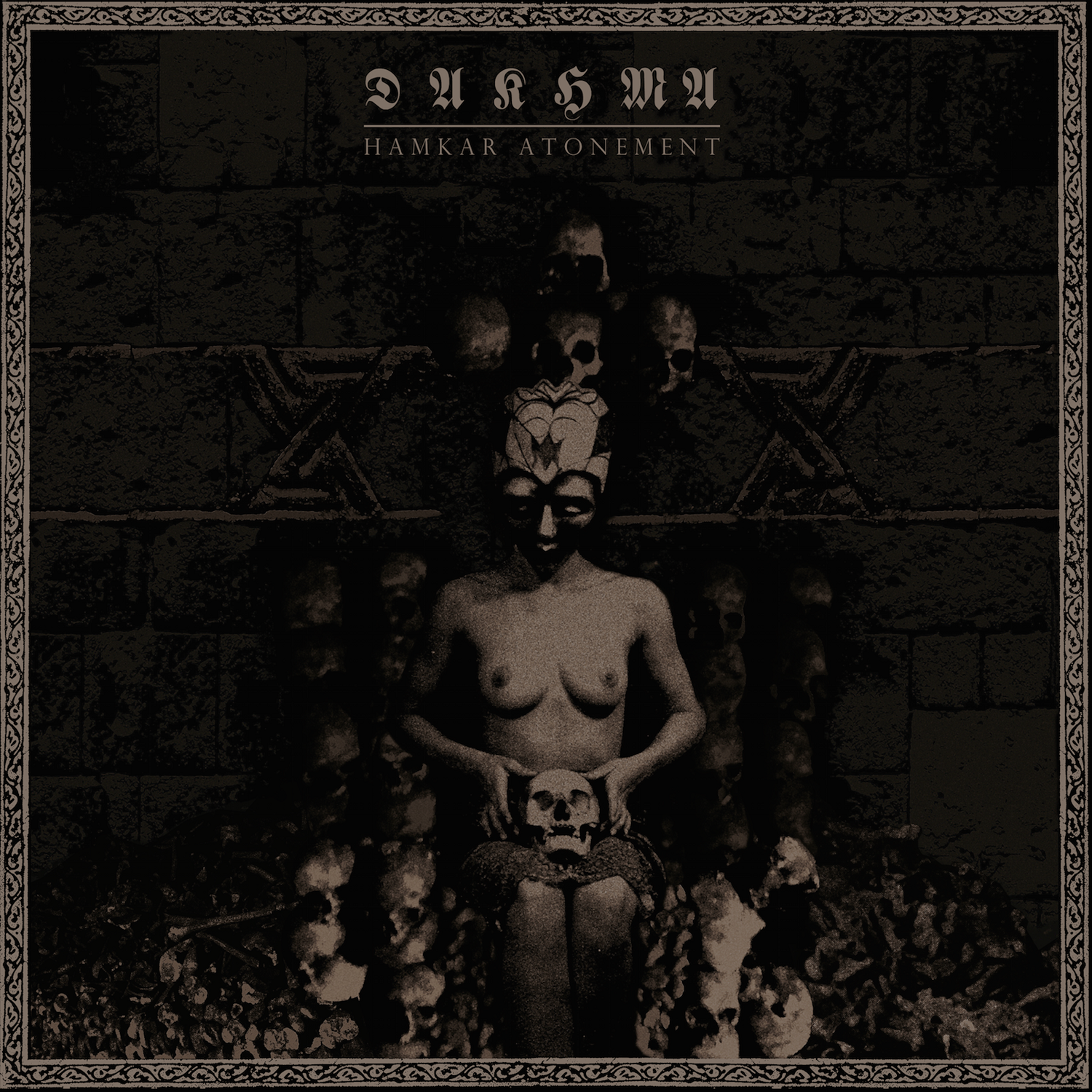
Album Review – Dakhma / Hamkar Atonement (2018)

Do you dare to submerge thyself within the daeva’s very depths? Then let this peculiar Swiss duo offer you the perfect soundtrack to that with their brand new opus of Zoroastrian Death Music.

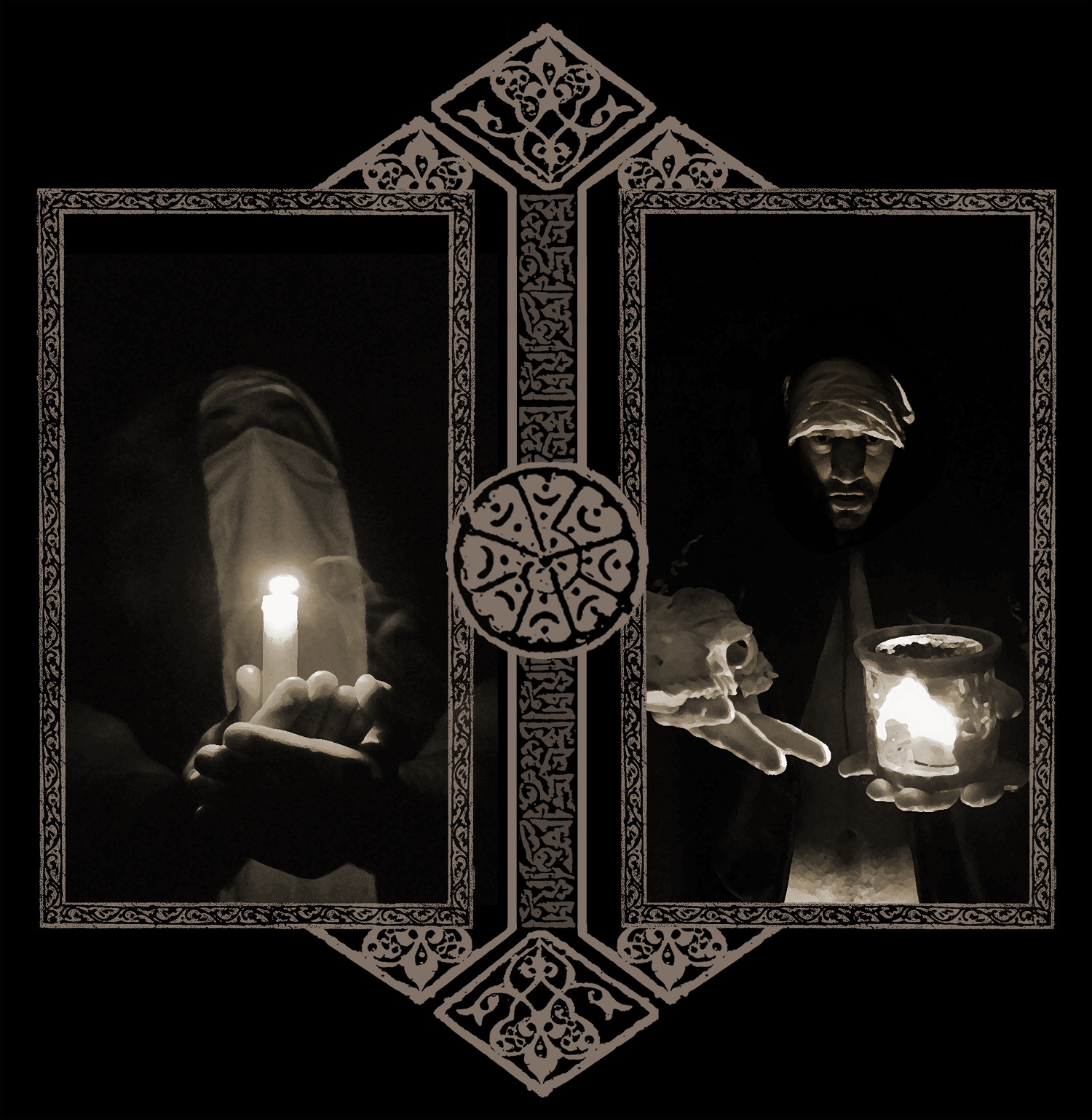
Dakhma (Avestan for “grave”) is a term for a ”Tower of Silence” (which is an English neologism), a circular, raised structure used by Zoroastrians for exposure of the dead, particularly to scavenging birds for the purposes of excarnation (although in the Avesta, the term is pejorative and does not signify a construction of any kind). In heavy music, the term is used to name the cryptic and hellish Blackened Death Metal entity Dakhma, who are releasing their first full-length opus, the enigmatic Hamkar Atonement. Formed in 2014 in Zürich, the largest city in Switzerland, the band comprised of Kerberos on “Howls of Druj and Rites of Purification” (vocals, guitar and bass) and H.A.T.T. on “Thunderstorm of Daeva” (drums) plays what they like to call “Zoroastrian Death Music”, with their new album being a work of towering immensity, of unorthodox ritualism and subverted bestiality, descending and ascending with seven hymns within a staggering 61 minutes in a total sensory overload, an immersion that begets annihilation that begets rebirth.

As Dakhma explain of the title, the Avestan word “Hamkar,” which literally translates to “co-worker” or “helper,” is used in reference to the daeva of Angra Mainyu (Ahriman in middle Persia), himself the omnimalevolent and most destructive spirit. In the collection of texts describing Zoroastrian cosmogony and creation, traditionally called Bundahishn, Angra Mainyu creates a horde of daeva to counter the creation of cosmos by Ahura Mazda (Ohrmazd or Ormuzd in middle Persian), with each daeva mirroring an opposite Amesha Spenta. In mirroring the tasks of the Amesha Spentas as servants of Ohrmazd, daeva are the instrument through which Ahriman creates all the horrors in the world. Following the interpretation laid out in texts such as the “Shayest ne shayest,” where the daeva are seen as being utterly real and not mere philosophical representations, the music contained on Hamkar Atonement describes creation through the ultimate destruction of Ohrmazd’s good deeds, good thoughts, and good work by the daeva. Hamkar Atonement begins with the demise of Ohrmazd and therefore the destruction of all that is holy on the earth, allowing the daeva to roam free and corrupt human existence, described in greater detail throughout the album. Each song serves a specific narrative purpose, be it the dedication to a specific daeva or describing the results of their exploits on earth.

An esoteric intro ignites an 11-minute feast of wicked and tribal sounds titled The Glorious Fall of Ohrmazd (Hail Death, Triumphant), with the vociferations by Kerberos crawling deep inside your mind, mesmerizing your senses and haunting your soul, until all hell breaks loose and sheer darkness is unleashed with H.A.T.T. crushing his drums manically. And their scorching hot riffs, thunderous bass lines and pounding beats keep shaking the foundations of the earth in Akhoman (Spill the Blood), another full-bodied display of their Zoroastrian Death Music where Kerberos delivers some deep, obscure roars, effectively blending old school Black Metal with the visceral sound of Death Metal, just as devastating as its predecessor. Following such distinguished tune we have Varun (Of Unnatural Lust), where tribal, ancient drums are gradually joined by eerie noises and tones, until the music explodes into rumbling and vile Black Metal for our total delight. Furthermore, the sound of the bass by Kerberos is amazingly thunderous and vibrant, adding an extra layer of dementia to the overall result.

In Nanghait (Born of Fire) the duo sounds even more tribal than before, generating a reverberating exhibit of Black and Death Metal led by the demonic roars by Kerberos while H.A.T.T. is simply bestial on drums, with their wicked extravaganza of sounds going on and on, leaving you disoriented and eager for more of their Blackened Death Metal, ending in an absolutely raw and cryptic manner. Then smooth and serene tones permeate the air in the atmospheric instrumental bridge Spendarmad (Holy Devotion), elevating your soul to new heights and preparing you for the Stygian and visceral Gannag Menog (Foul Death, Triumphant), where the duo takes their Black Metal to a more menacing level, with the guttural growls by Kerberos growing in intensity and getting as deep as hell. In addition, the piercing riffs and bass punches by Kerberos bring tons of electricity to the musicality, with the song’s ending being as crazy and imposing as possible,  building an instant connection with the closing hymn titled …Of Great Prophets, with Kerberos extracting a strident sound from his guitar; and just like what happened throughout the entire album, the music remains mysterious and austere from start to finish, taking you on a one-way trip to the band’s dissident world of Extreme Metal, also showcasing somber breaks intertwined with pure devastation that turn the experience of listening to this breathtaking song truly unique.

In summary, it’s not every day that we face something so peculiar and gripping as the music by Dakhma, with Hamkar Atonement representing to perfection the true meaning of Zoroastrian Death Music. In order to show your utmost support to this infernal Swiss duo,  go check what they’re up to on Facebook, and grab your copy of the whimsical Hamkar Atonement from the Iron Bonehead Productions’ BandCamp or webstore, as well as from the Hells Headbangers’ webstore, from Record Shop X or from the Shadow Kingdom Records’ webstore. In other words, do you dare to submerge thyself within the daeva’s very depths? Then let Dakhma offer you the perfect soundtrack to that with Hamkar Atonement.

Best moments of the album: Akhoman (Spill the Blood) and Nanghait (Born of Fire).

Worst moments of the album: None.

Released in 2018 Iron Bonehead

Track listing
1. The Glorious Fall of Ohrmazd (Hail Death, Triumphant) 11:08
2. Akhoman (Spill the Blood) 11:55
3. Varun (Of Unnatural Lust) 5:24
4. Nanghait (Born of Fire) 10:58
5. Spendarmad (Holy Devotion) 4:13
6. Gannag Menog (Foul Death, Triumphant) 10:33
7. …Of Great Prophets 16:01

Band members
Kerberos – vocals, guitars, bass
H.A.T.T. – drums

Guest musician
Menetekel – High Priest incantation on “Gannag Menog (Foul Death Triumphant)”

Album Review – Down To The Heaven / [level -1] (2018)

Bringing forth complex arrangements combined with a large dose of modern electronic music, here comes a metal unity from Poland ready to smash our senses with their debut album of incendiary Metalcore and Djent.

Electronicore, also known as Trancecore or Synthcore, is a fusion of Metalcore and Djent with elements of various electronic music genres, such as trance, electronica, and dubstep, with bands and artists like Attack Attack! in the United States and Enter Shikari in the UK having contributed to the development and the dissemination of the genre all over the world. Furthermore, it looks like the style has been expanding in a healthy and interesting way in recent years with the rising of bands like Switzerland’s own Rage Of Light and Polish Metalcore/Djent unity Down To The Heaven, who are releasing this year their debut album curiously titled [level -1].

Formed in 2013 in the city of Bielsko-Biała, Down To The Heaven have all it takes to become one of the references in Eletronicore and Djent. Comprised of Rusty on vocals, Shaun and Majster on the guitars, Grzela on bass, Cyfrowe Zło on keys and electronic noises, and Hoomer on drums, the band brings forth a style characterized by complex arrangements with heavy guitar playing combined with a large dose of melody and modern electronic music. In [level -1], which was mixed and mastered at Seeker Studio in Wrocław, Poland in 2017 and which features a modern and captivating artwork by Sztuczny Horyzont, this Polish six-piece act showcases all they got, being ready to smash your senses with their vicious and rumbling sounds and noises.

As if a wicked horror flick was about to begin, a creepy intro titled Down to the… gets heavier and heavier as time goes by, generating a metallic and embracing atmosphere for the demolishing Catharsis, where frontman Rusty barks deeply like a beast while the whimsical keys by Cyfrowe Zło make a vibrant contrast with the furious beats by Hoomer, resulting in a fantastic and modern hybrid between Metalcore, Industrial Metal and Melodic Death Metal. Then Shaun and Majster ignite another crushing feast of sounds named Lost in Memories with their cutting riffs, while Grzela will make your head tremble with his sick bass lines. Moreover, the music remains bold and thunderous from start to finish, proving how talented and heavy Down To The Heaven are. And putting the pedal to the metal the band blasts sheer madness and aggression in Unbroken, an excellent sample of contemporary Djent infused with elements from heavier styles where Rusty is once again demented on vocals, while Cyfrowe Zło brings insanity to the music with his keys and special effects.

Even more modernized and eccentric than its predecessors, No Vision is a movie-inspired instrumental extravaganza where its beautiful piano notes go along really well with the guitar solos and the mesmerizing atmosphere, whereas in Kingdom of Delusion it actually feels we’re “entering” a movie, with the rhythmic and tribal beats by Hoomer setting the stage for Rusty and his deranged, lunatic growls. In addition, the music evolves to a potent industrialized sounding, with both Shaun and Majster firing sheer electricity through their crisp riffs. In Tyrant’s Fall we’re treated to an explosion of modern-day Metalcore with an electronic and demented twist, led by Cyfrowe Zło and his piercing keys while Hoomer keeps pounding and smashing his drums and Rusty growls the song’s rebellious lyrics (“Arise in rage! / Image of madness / Dripping from rusty chains / Like deadly poison inside our brains / Blood under feet / Groan of tormented souls / Who’s lurking behind the Throne / BURN THEM ALL!”), before We Are, the last track of the album, continues to punch you in the head with the violent sounds extracted from all instruments, being effectively complemented by the most electronic noises of the entire album. Moreover, the song also presents clean vocals at times, making the whole experience of listening to it even more tasteful and, therefore, ending the album on a high and wicked note.

In summary, Down To The Heaven nailed it in [level -1], creating something truly unique by adding their own twist and electricity to the already innovative Eletronicore, and if you want to know more about this skillful act from Poland simply pay them a visit on Facebook for news, tour dates and other shenanigans, subscribe to their YouTube channel for more of their music, and purchase [level -1] directly from their BandCamp page or from iTunes. Put differently, if it’s fresh and modern music you’re craving, but without giving up that raw and aggressive vibe from heavy music, it’s time you get “down to the heaven”.

Best moments of the album: Catharsis, Unbroken and Tyrant’s Fall.

Worst moments of the album: None.

Released in 2018 Independent

Track listing
1. Down to the… 3:25
2. Catharsis 5:02
3. Lost in Memories 3:48
4. Unbroken 4:10
5. No Vision 6:07
6. Kingdom of Delusion 5:51
7. Tyrant’s Fall 3:32
8. We Are 3:02

Band members
Rusty – vocals
Shaun – guitar
Majster – guitar
Grzela – bass
Cyfrowe Zło – electronic noises, keys
Hoomer – drums

Album Review – Tannoiser / Alamut EP (2018)

An excellent album of crushing, distorted and obscure sounds, courtesy of an Italian power trio ready to spread darkness in the name of old school Sludge and Doom Metal.

Forged during the summer of 2015 in Salò, a town and comune in the Province of Brescia in the region of Lombardy on the banks of Lake Garda, in Italy, Stoner/Doom Metal power trio Tannoiser is a reality among us with their slow and obscure music inspired by cult acts such as Celtic Frost, Electric Wizard and Cathedral, also inserting some stylistic elements dear to the primordial Black Metal into the mix. Comprised of Bruno Almici on vocals and bass, Francesco Bellucci on the guitar and Davide Serpelloni on drums, Tannoiser are unleashing upon humanity their brand new EP, entitled Alamut, aiming at spreading darkness through their low-tuned, rumbling instruments and screams, all in the name of old school Doom Metal.

The name of the album is a clear reference to the mountain fortress, whose remains are located in the current Iran and which served as the basis for the sect of the Nizarites, better known as Hashashin, a story distinguished by mysteries that weave reality and legend. The dark, also understood as a lack of certainties, is another underlying macroscopic theme, starting from the subject chosen for the cover itself, the cannabis plant, whose history in the last century has been characterized by obscurantism and demonization, and which is linked to the history of the stronghold of Alamut. Musically speaking, as aforementioned Alamut brings to the listener doomed and distorted heavy music that lives up to the legacy of the genre, turning the album into a must-listen for diehard Doom Metal fans in pursuit of fresh alternatives in the market.

In the opening track, curiously named Baba Vanga after a blind Bulgarian mystic, clairvoyant, and herbalist, a beyond weird intro quickly explodes into piercing and rumbling Stoner Metal led by the low-tuned bass and the anguished roars by Bruno, while Francesco slashes his strings in a vibrant fusion of old school Doom Metal and modern Rock N’ Roll. And the trio wastes no time and keep firing their fun and vibrant Stoner Metal in Paradacsa, with the bass punches being nicely supported by Davide’s steady and fierce beats. Moreover, the song presents an even more menacing vibe than its predecessor, being highly recommended for banging your head really hard in pitch black darkness; whereas the scorching hot buzzing blasted by Bruno from his bass ignites a somber Doom Metal feast titled Necrophage, where he also growls in a perturbing way while Davide keeps pounding our heads with his drums, with the music flowing demonically until its crushing finale.

March of Wrecks continues to pave the power trio’s path of obscurity, anger and pain, even bringing more aggressive nuances from Black Metal to their dense musicality, with Francesco doing an awesome job with his razor-edged riffs, while The Void showcases the most serene start of all songs from the EP, sounding melancholic and eerie with Bruno’s Stygian bass lines taking the lead while Francesco’s guitar lines once again bring electricity to the music. Then it’s Davide who takes care of kicking off their last breath of top-of-the-line Doom and Stoner Metal, titled Mekkano, remaining as dark as doomed music can be, with all band members adding their touch of malignancy to the sonority, especially Francesco with his mesmerizing riffs.

Entering the dark and sluggish world of Tannoiser is quite easy, as all you need to do is follow them on Facebook, subscribe to their YouTube channel, and of course purchase your copy of Alamut (available for a full listen on YouTube and on SoundCloud) directly from their BandCamp page or from Amazon. Tannoiser were spot on with their thrilling fusion of Stoner and Doom Metal in Alamut, and apparently the band will only grow stronger and stronger as time goes by, pointing to a bright future not only for the band but for the entire genre as well.

Best moments of the album: Baba Vanga and March of Wrecks.

Worst moments of the album: None.

Released in 2018 Leynir Booking & Prod

Track listing
1. Baba Vanga 4:11
2. Paradacsa 5:33
3. Necrophage 5:20
4. March of Wrecks 3:59
5. The Void 5:52
6. Mekkano 4:38

Band members
Bruno Almici – vocals, bass
Francesco Bellucci – guitar
Davide Serpelloni – drums

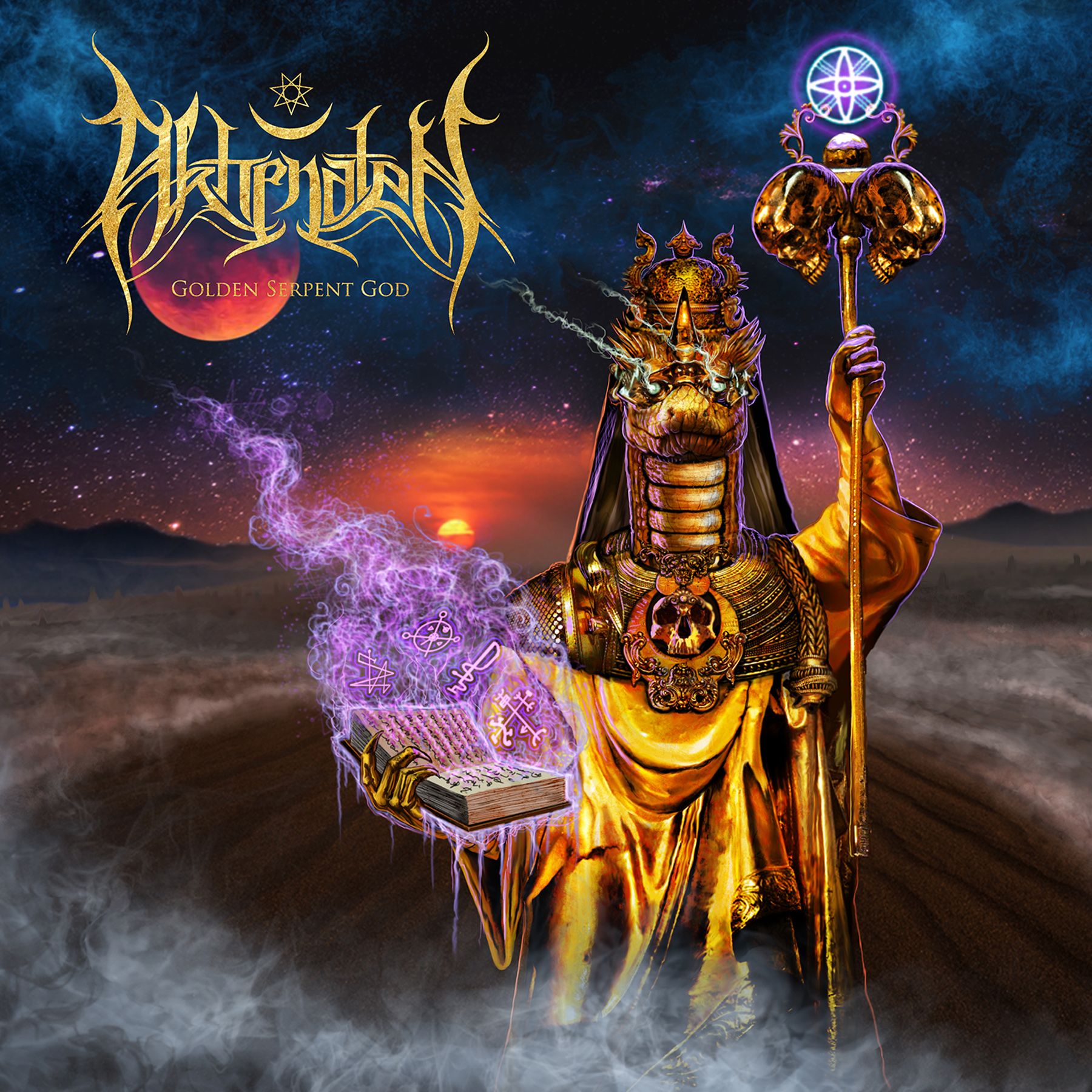
Album Review – Akhenaten / Golden Serpent God (2018)

Steeped in the mythology and mysticism of ancient Egypt and Mesopotamia while exploring forgotten paths of history, here comes an infernal duo armed with their brand new opus of crushing Blackened Death Metal.

Forged in 2012 in the fires of Manitou Springs, a resort city in Colorado, in the United States by the “Houseman Brothers” Wyatt Houseman on vocals and Jerred Houseman on all other instruments, here comes a unique and vibrant Black/Death Metal studio project infused with Middle Eastern Folk Influences (even called “Blackened Mesopotamian Folk/Death Metal”) known as Akhenaten with their brand new album Golden Serpent God, steeped in the mythology and mysticism of ancient Egypt and Mesopotamia while exploring forgotten paths of history, extracting unknown lore and threads of truth. For instance, Akhenaten, known before the fifth year of his reign as Amenhotep IV, was a pharaoh of Egypt especially noted for abandoning traditional Egyptian polytheism and introducing worship centered on the Aten, giving you a very good idea of how distinct and aggressive the music by the duo sounds.

With parallel themes to what’s found in the brother’s Symphonic Black Metal band Helleborus, and featuring an imposing cover artwork by Tony Koehl of Sketch The Soul and a title page artwork by Dennis Lee Hughes of Cythraul Art, Golden Serpent God will appeal to fans of the music by bands such as Al-Namrood, Narjahanam, Melechesh and Kartikeya just like what happened in their previous release Incantations Through the Gates of Irkalla, from 2015, whispering to the most remote regions of primal memory to the sound of their Blackened Death Metal, filled with exotic instruments and rhythmic structures of the ancient Near and Middle East. “The album is a mural of epics from Egypt and Mesopotamia. It tells stories of belief, warfare, men and Gods,” said Jerred about their newborn opus, inviting the listener to an idiosyncratic and extreme music journey together with the duo.

In the excellent opening track, titled Amulets of Smoke and Fire, ominous sounds take us to the Mesopotamian world of Akhenaten, with Jerred generating a dark and embracing atmosphere with his scorching riffs, whimsical keyboards and demonic beats, while Wyatt growls like an Egyptian beast; followed by the also imposing and devastating Dragon of the Primordial Sea, where the guitar and bass lines create a beautiful paradox with the epicness flowing from keyboards, while Wyatt declaims the song’s lyrics with his deep, visceral growls, enhancing the song’s taste and impact even more, creating an instant link with the crushing chant Throne of Shamash, where the drums by Jerred get more and more demolishing as the music progresses in an excellent display of classic Blackened Death Metal, feeling like a battle hymn due to its thunderous vibe.

Then Middle-Eastern and folk elements permeate the air in the captivating instrumental bridge Through the Stargate, setting the stage for Akhenaten to smash our senses in Erishkigal: Kingdom of Death, a full-bodied, metallic feast of darkened sounds and nuances where the Houseman Bothers are absolutely on fire and in total sync, with highlights to the rumbling sounds extracted from guitars and bass. And things get even more thrilling as the strident and piercing sound of keyboards take the lead in the melodic aria titled Pazuzu: Harbinger of Darkness, the perfect union of history, myths and metal music, with the vociferations by Wyatt matching the musicality flawlessly, whereas in Akashic Field: Enter Arcana Catacombs get ready for over seven minutes of tribal beats and Middle-Eastern tones and nuances in another fresh instrumental extravaganza by this talented band, with Jerred blasting hypnotizing beats while the atmosphere remains as cryptic as it can be.

Featuring Brian Palmer (Circaic) on the guitar, God of Creation is the most devastating and modern composition by Akhenaten, with Wyatt growling like a demonic entity while Jerred makes sure the ambience remains as violent as possible in a multi-layered, intricate feast of Black and Death Metal for our avid ears. After such furious explosion of extreme music we have another interesting display of Middle-Eastern music infused with Extreme Metal and even futuristic elements entitled Sweat of the Sun, sounding a bit too weird at times (not to mention it could have been slightly shorter and more metallic), while in Apophis: The Serpent of Rebirth the duo gets back to their more incendiary mode, blasting a potent fusion of Progressive and Blackened Death Metal, being therefore tailored for fans of bands like Behemoth. Furthermore, the intricacy flowing from guitars and bass are the exact background Wyatt needs to thrive with his gnarls, flowing like a firestorm until the music fades into the atmospheric and vibrant outro Golden Serpent God, with all its hypnotizing sounds generating an enfolding and obscure finale for such heavy and captivating album.

In case you want to explore in more detail the vast and eccentric realm of Akhenaten, simply pay them a visit on Facebook for news and other nice-to-know details, and grab your copy of Golden Serpent God (available for a full listen on YouTube, on Spotify and on SoundCloud) from their BandCamp page, from the Satanath Records’ BandCamp page, from the Cimmerian Shade Recordings’ webstore, from iTunes, from Amazon or from Discogs. Akhenaten offer you a one-way ticket into the blackened and mysterious lands of ancient Egypt and Mesopotamia in Golden Serpent God, and I’m sure such distinguished experience will deeply encourage you to stay there and not come back of your own free will.

Best moments of the album: Dragon of the Primordial Sea, Pazuzu: Harbinger of Darkness and God of Creation.

Worst moments of the album: Sweat of the Sun.

Released in 2018 Satanath Records/Cimmerian Shade Recordings/Murdher Records

Track listing
1. Amulets of Smoke and Fire 3:42
2. Dragon of the Primordial Sea 3:22
3. Throne of Shamash 2:50
4. Through the Stargate 2:35
5. Erishkigal: Kingdom of Death 4:03
6. Pazuzu: Harbinger of Darkness 4:09
7. Akashic Field: Enter Arcana Catacombs 7:05
8. God of Creation (feat. Brian Palmer) 3:22
9. Sweat of the Sun 5:59
10. Apophis: The Serpent of Rebirth 5:49
11. Golden Serpent God 2:44

Band members
Wyatt Houseman – vocals
Jerred Houseman – all instruments

Guest musicians
Brian Palmer – guitars on “God of Creation”
Rose White – female vocals

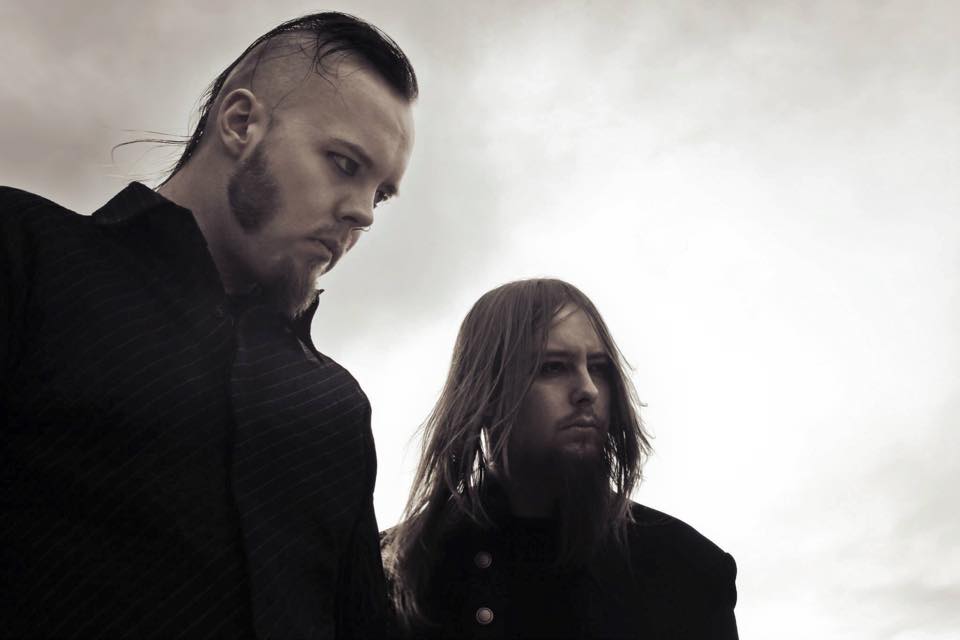
Album Review – Morbid Spawn / And So It Begins EP (2018)

It’s time to get morbid and slam into the pit to the sound of the crushing Death Metal by this up-and-coming act hailing from Sweden.

It’s time to get morbid and vile with some old school Death Metal made in Karlskrona, known as Sweden’s only baroque city, pulverizing your senses and leaving you completely disoriented just the way we love in extreme music. I’m talking about the infernal duo comprised of guitarist J. Åberg and bassist R. Svensson, who together formed in the year of 2008 a demonic entity known as Morbid Spawn. Shortly after the formation of the band, a four-track demo called Demo Anthology was released in 2009 and the duo started looking for a drummer for the band, but unfortunately they couldn’t find a permanent one after several tests with different candidates. The project was then put on hold until 2015 when they recorded a single just for fun, culminating with the release now in 2018 of their first official album, the five-track EP And So It Begins.

And they need only two seconds to start pulverizing everyone and everything that crosses their path in the opening track S.G.T.D, where the drums sound deeply violent and bestial while J. Åberg smashes his strings mercilessly, not to mention the song’s classic Death Metal lyrics (“The Rightful deprivation everlost in Obsolete / Surrounded by the Conceit, a False Valor of Yourself / Pandemonic Treason, Your Treachery induce us all /Benighted Bastard Of Filth, your downfall will succeed”); turning it into a highly recommended option for slamming into a nasty circle pit. Then showcasing deeper growls, which end up giving the music a more ferocious and raw vibe, Path To The Celestrial Realm brings forward flammable riffs accompanied by low-tuned and menacing bass lines that will embrace you and prepare you for a demented drumming onrush. In other words, fans of classic Cannibal Corpse will love this crushing tune from the bottom of their bloody hearts; whereas Tortured feels even more rhythmic and devastating, with enraged and bestial roars permeating the air while the reverberating sounds of guitar and bass exhale sheer havoc and chaos, resulting in a first-class old school Death Metal hymn for the masses condensed in less than three minutes.

In the following tune, the action-packed, demolishing Immolated Incantation, visceral words are beautifully growled and barked (“Deceptional Distress / Pernicious Pain / Piercing through Me / From Within; Prevailed by Horrid struggle / Feeling it through my vein / Starting to feel insane /Insane!”), proving Death Metal gets even more entertaining when the lyrics are as aggressive as the music. As a matter of fact, the name of the song is already an ode to the purest form of Death Metal, sounding vile, crude and demented, in special the song’s nonstop beats and fills. And last but not least, Morbid Spawn fires another putrid and obscure tune named Never To Return, a crushing feast of demonic guitars, thunderous bass punches and endless violence, also presenting over six minutes of gruesome vociferations and that somber intricacy we love in Death Metal riffs, with the music flowing powerfully until everything morphs into an eccentric and Stygian ending.

You can listen to And So It Begins in its entirety on YouTube, purchase the album from Morbid Spawn’s BandCamp page and from the Podreira Records’ BandCamp page, or simply follow the band on Facebook. No matter which one of these options better suits your needs, you should be prepared to be pulverized inside the circle pit, slamming like a beast to the sound of this skillful Death Metal act from Sweden that might have taken a while to deliver their first opus to the world, but the wait was definitely worth it and opens a promising (and devastating) path for the band in a not-so-distant future in the world of underground extreme music.

Best moments of the album: Tortured and Immolated Incantation.

Worst moments of the album: None.

Released in 2018 Independent

Track listing
1. S.G.T.D 4:41
2. Path To The Celestrial Realm 3:47
3. Tortured 2:37
4. Immolated Incantation 4:05
5. Never To Return 6:29

Band members
J. Åberg – guitar, drum programming
R. Svensson – bass, drum programming

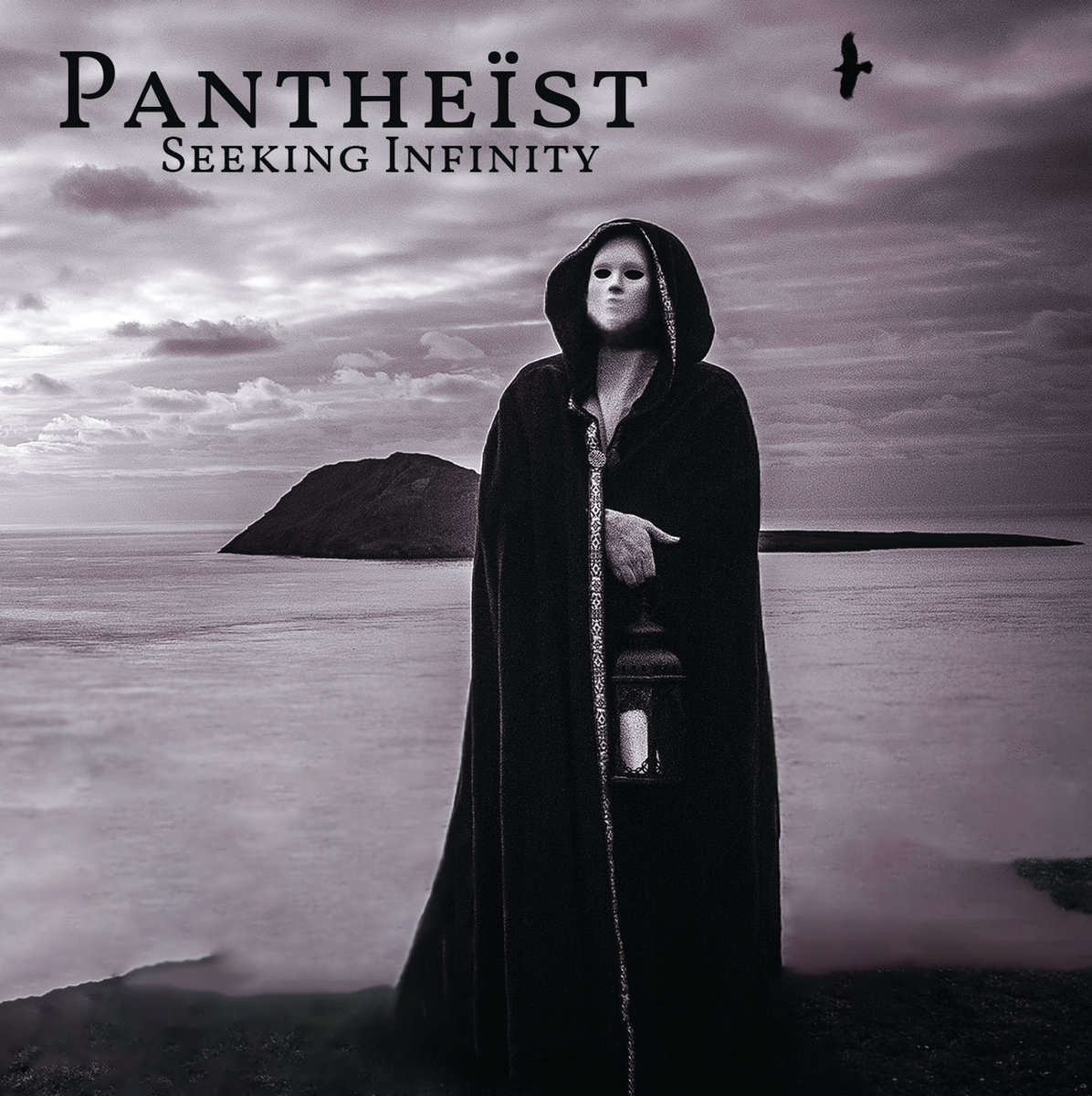
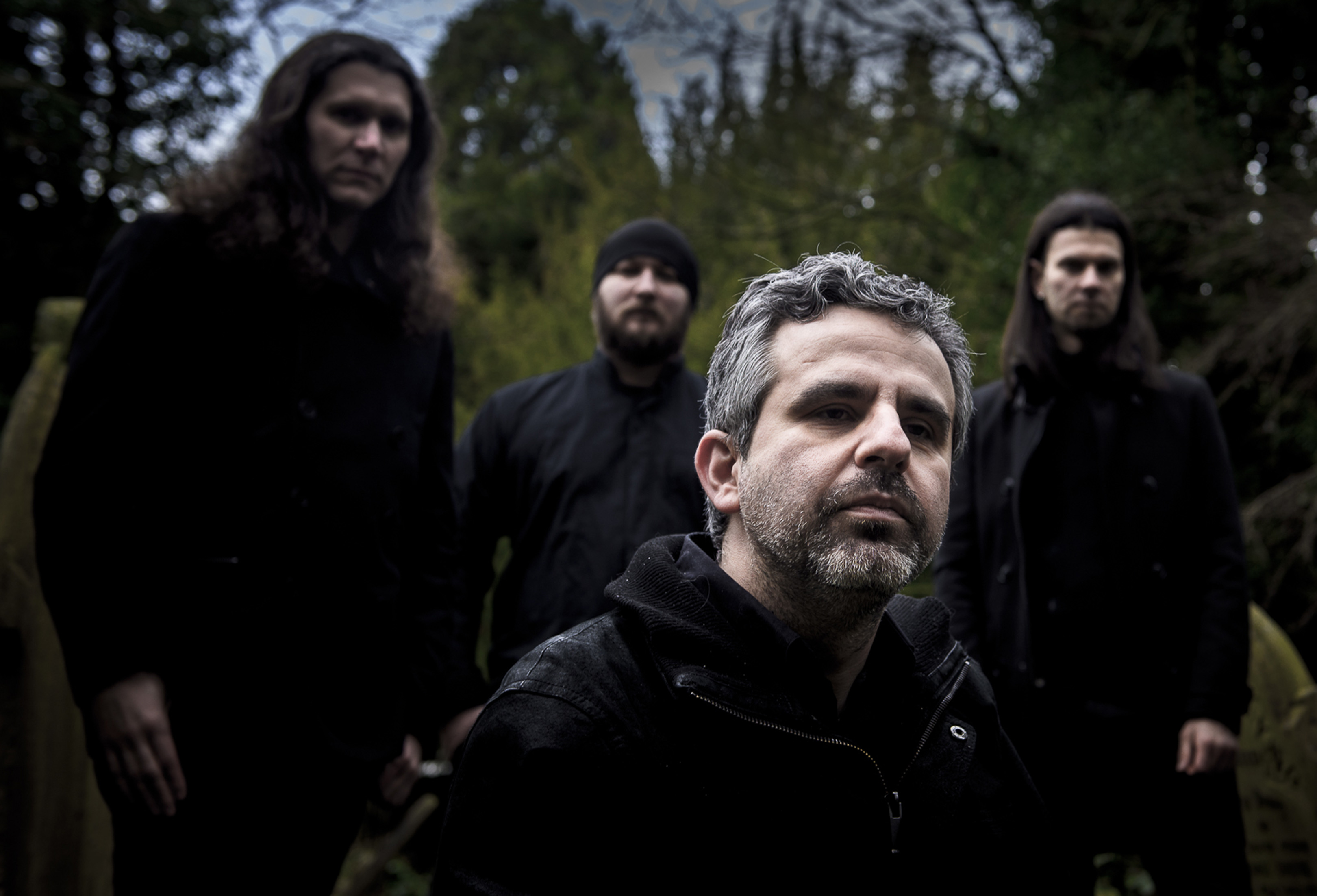
Album Review – Pantheist / Seeking Infinity (2018)

After almost a decade, this London-based Funeral Doom institution returns to their musical roots with a 60-minute cinematic journey through obscure and atmospheric landscapes.

A pantheist is someone who believes that God and the universe are the same, or in other words, that “All Is God”, as pantheism literally means “God Is All” (pan means all and Theos means God when translated from Greek). Brought to life in the year 2000 in Antwerp, Belgium by vocalist and keyboardist Kostas Panagiotou, but currently based in London, England, the dark and vile Progressive/Funeral Doom Metal entity known as Pantheist, one of the standard bearers of the Funeral Doom sound, is among us to prove that “All is Doom” with their brand new opus entitled Seeking Infinity, their fifth full-length album and their first release in seven years. Seeking Infinity is a 60-minute cinematic journey through Funeral Doom landscapes, a decisive return to Pantheist’s musical roots whilst still incorporating the atmospheric and progressive elements that have become an integral part of their sound over the years.

The long journey leading to the creation of this album started all the way back in the summer of 2012, when Kostas announced to his then band members an outline for a new concept album. A lot of things have changed since then and the concept and sound have evolved dramatically until the creation of the album; however, despite the changes, the philosophy behind this concept album and its singular purpose have remained intact. Recorded, mixed and engineered by drummer Daniel “Dan” Neagoe (Shape of Despair, Clouds) and enhanced with the enchanting artwork of the band’s visual artist Cheryl, the album sounds and looks both modern and familiar, surely to fill with nostalgia fans of old-school traditional Funeral Doom/Death Metal, while also drawing to its mystical sound new followers for the years to come.

An ominous intro named Eye of the Universe keeps growing in intensity, with an eerie and somber narration setting the stage for the sluggish, obscure and visceral Control and Fire, a lesson in Funeral Doom with Kostas sounding demonic with both his deep growls and his phantasmagorical keys, while Dan keeps the rhythm as lugubrious as it can be with his slow and potent beats, being effectively supported by Frank Allain and his slashing riffs, with the music flowing darkly and smoothly until 500 B.C. to 30 A.D.- The Enlightened Ones comes crushing with its beyond atmospheric start on the piano, complemented by its cryptic words darkly declaimed by Kostas (“You can run, but you can’t hide from the quiet flow of time / the dark tentacles of fate push you towards your destiny / and when you think you are free to live your life as you please / you’ll find you’re nothing but a pawn of history / There is a fire, a desire in my head / eat my battered body, drink my wasted blood / and tell me endless tales of who I am: / the man who feels inside him that change has come”). Put differently, this is a funeral march of metal music tailored for admirers of the genre, with its second half getting creepy and enigmatic, beautifully exploding into classy Blackened Doom.

Amidst obscure background elements and nuances, the acoustic guitar by guest Pete Benjamin (Voices, Akercocke) kicks off another multi-layered feast of Doom Metal by Pantheist titled 1453: an Empire Crumbles, also showcasing the deep Gregorian chant-inspired vocals by the other guest Andy Koski-Semmens (Syven, Pantheist), offering the listener six minutes of what can be called a Stygian and mesmerizing mass. Then the serene keys by Kostas are the main ingredient in the also slow and dense Emergence, with the low-tuned bass lines by Alexsej creating a menacing ambience in paradox with the delicacy of the piano notes. In other words, Pantheist will crush your senses mercilessly throughout the entire song in the perfect depiction of how visceral and vibrant Doom Metal can be. And lastly we have Seeking Infinity, Reaching Eternity, another deep and full-bodied display of Funeral Doom led by Kostas’ anguished roars and church-like keys, giving life to the song’s imposing, poetic lyrics (“I hear the sound of horns, I see a beast appearing from the sea / it has ten horns and seven heads / looks like a lion, like a leopard it crawls / I stretch out my shaking hand / and touch the body of the dancing Shiva / I want to scream, but I can’t / instead I cry, shake and shiver”), with Dan pounding his drums in perfect sync with Frank’s harmonious and fierce riffs and, therefore, keeping the atmosphere vibrant and thunderous until its climatic finale.

Pantheist are a Funeral Doom institution that’s certainly worth a shot, no doubt about that, and the extremely high quality of the music found in Seeking Infinity is a solid statement that this very talented band is here to stay, living up to the legacy of all classic and old school Doom Metal, Funeral Doom and Blackened Doom bands from all over the world. Having said that, I highly recommend you follow the band on Facebook and subscribe to their YouTube channel for more details about them and to enjoy more of their music. And, of course, purchase your copy of Seeking Infinity from their own BandCamp or webstore, from The Vynil Division’s BandCamp or webstore, from iTunes or from Discogs, and may the somber and lugubrious sounds and tones blasted by Pantheist permeate your thoughts whenever you visit the darkest corners of your mind.

Best moments of the album: 500 B.C. to 30 A.D.- The Enlightened Ones and Emergence.

Worst moments of the album: None.

Released in 2018 Melancholic Realm Productions

Track listing
1. Eye of the Universe 1:59
2. Control and Fire 11:45
3. 500 B.C. to 30 A.D.- The Enlightened Ones 13:13
4. 1453: an Empire Crumbles 6:04
5. Emergence 12:17
6. Seeking Infinity, Reaching Eternity 14:39

Band members
Kostas Panagiotou – vocals, keyboards
Frank Allain – guitars
Aleksej Obradović – bass
Daniel “Dan” Neagoe – drums

Guest musicians
Pete Benjamin – acoustic guitar on “1453: an Empire Crumbles”
Andy Koski-Semmens – vocals on “1453: an Empire Crumbles”