Album Review – Lordi / Sexorcism (2018)

Are you feeling tired and bored in life? Perhaps you need to be “sexorcised” by the most beloved mosters of Rock N’ Roll to the sound of their brand new (and somewhat controversial) album.

The most beloved creatures from the land of ice and snow, collectively known as Heavy Metal/Hard Rock horde Lordi, are back with another Rock N’ Roll party titled Sexorcism, the ninth studio album in their peculiar and fun career, and possibly their most controversial record to date, or as the band itself would say, a “full-on and uncensored shot of Lordi brand hard rock and roll”, and that controversy in the album is not open to interpretations. Quite the contrary, everything is pretty straightforward, starting with its cover art, unless you’re a diehard Steel Panther fan and got so used to all their profanity to the point you don’t think “Romeo Ate Juliet” and “The Beast Is Yet to Cum” can be offensive to the average listener.

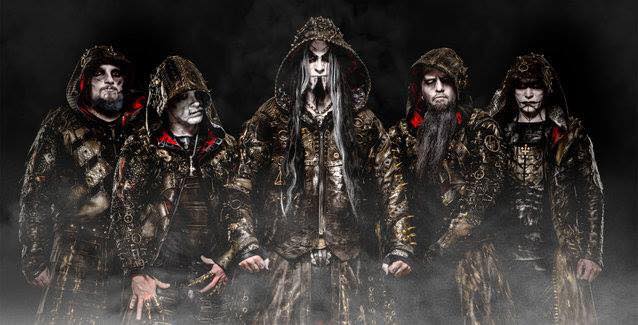
Anyway, if there’s one thing that you’ll notice in Sexorcism from the very first second is how in sync and balanced the entire band is, and the reason for that is also fairly simple. Lordi have had the same lineup since their 2013 album To Beast or Not to Beast, followed by Scare Force One, released in 2014, and the excellent Monstereophonic (Theaterror vs. Demonarchy), from 2016. In other words, for the past 6 years, when you think of Lordi as a band you automatically think of the iconic Mr. Lordi on vocals, the competent Amen on the guitar, the bulldozer OX on bass, the stunning Hella on keyboards, and the precise Mana on drums, and a solid lineup is already a huge step towards quality, consistency and harmony for any band.

In the opening track Sexorcism we’re already treated to one of those eerie, cinematic intros only Lordi can offer us, exploding into the band’s classic Hard Rock with the keyboards by Hella bringing a touch of eccentricity to the music. Furthermore, the lyrics are indeed quite explicit, almost Steel Panther-ish as mentioned, but that’s what makes the song more fun in the end. Then in Your Tongue’s Got the Cat we have a smooth pace led by the always tuneful riffs by Amen and the keys by Hella, with Mr. Lordi adding passion to the musicality through his vocals (nothing truly outstanding, but it’s a good song anyway); followed by Romeo Ate Juliet, featuring a wordplay in the song’s name that’s just as good as it’s rhythm, pace and electricity, with highlights to the “poet of depravity and darkness” known as Mr. Lordi and the rumbling kitchen delivered by OX and Mana. And in Naked in My Cellar, once again we face lyrics that are kind of controversial (“You give my tummy butterflies / You make my heart go wild / Oh, you’re such a lovely sight / All mine, and locked up tight / Naked in my cellar!”). Musically speaking, it’s top-notch Lordi just the way we like it, with Amen and Hella being in absolute synchronicity, which means it should work really well when played live.

In The Beast Is Yet to Cum (and yes, that’s the name of the song) the band delivers a straightforward Rock N’ Roll tune where its creepy keys and Udo-inspired high-pitched vocals make the final result extremely entertaining, being also impressive how they’re capable of blending the sounds of guitars and keys so smoothly; whereas Polterchrist is a headbanging tune where Amen fires heavy, cutting riffs while Mr. Lordi tells the fun story of a girl possessed by a demon called “Polterchrist”, sounding very melodic and harmonious but obviously as heavy as Hard Rock can be at the same time. Then here comes Father Ruiz (remember that name from their previous album?) in the bridge SCG9: The Documented Phenomenon, talking to a possessed girl named “Anna” in an exorcism that builds the stage for Slashion Model Girls, an 80’s-inspired extravaganza where the keys by Hella spread sheer delicacy in the air, and of course get ready to bang you head with Lordi in a feast of heavy riffs, classic beats and spot-on backing vocals. After such dancing tune, it’s time to “get heavy” as Mr. Lordi would say with an electrified Rock N’ Roll party titled Rimskin Assassin, with his raspy voice sounding as captivating as usual and with Amen and OX kicking some serious ass with their strings (in special Amen with his fiery solo), not to mention the always stunning keyboard notes by Hella.

Hell Has Room is another atmospheric and hard-as-a-rock creation by Lordi, with Amen slashing his axe furiously while Mana pounds his drums in a very melodic manner, flowing smoothly from start to finish, before the also vibrant Hot & Satanned showcases those those distorted, phantasmagoric and creepy keys by Hella we love so much amidst a classic Hard Rock sonority with the beats by Mana and the low-tuned bass by OX matching the vocal lines flawlessly. Then a beyond eerie, spine-tingling intro evolves into old school Heavy Metal in Sodomesticated Animal, with Mr. Lordi effectively declaiming the song’s witty lyrics (“You look cold and hungry / And in need of stroking / I can catch trays with tasers / Take ’em home for pokin’ / Hey kitty, kitty / You’re smooth as silk / I want to hear you purr / You wanna licky and I got milk / Gonna shave of all your fur”), all boosted by another flammable guitar solo by Amen. And the strident keys by Hella dictate the rhythm in the closing tune, titled Haunting Season, a straightforward, classic Lordi composition also bringing some excellent backing vocals, supporting Mr. Lordi’s trademark roars until the music fades to the sound of tolling bells.

In the end, Sexorcism (which by the way is on sale from several different locations as you can see HERE) doesn’t look as controversial as some people are saying, and if you don’t take the album’s sexist and controversial parts too seriously (and let’s be honest, the music by Lordi is supposed to bring you joy and to be fun, and never not to be taken seriously), there’s plenty to enjoy in another good album by those Finnish monsters of metal and rock. And, who knows, maybe being part of a “sexorcism” to cure all the boredom and laziness in your life is not that bad at all, especially if the soundtrack to that is the electrifying fusion of Heavy Metal, Rock N’ Roll and Hard Rock played by Mr. Lordi and his talented crew.

Best moments of the album: Sexorcism, Naked in My Cellar and Rimskin Assassin.

Worst moments of the album: Your Tongue’s Got the Cat.

Released in 2018 AFM Records

Track listing
1. Sexorcism 6:52
2. Your Tongue’s Got the Cat 4:45
3. Romeo Ate Juliet 4:21
4. Naked in My Cellar 4:45
5. The Beast Is Yet to Cum 4:50
6. Polterchrist 5:23
7. SCG9: The Documented Phenomenon 1:14
8. Slashion Model Girls 5:25
9. Rimskin Assassin 4:50
10. Hell Has Room 5:04
11. Hot & Satanned 4:33
12. Sodomesticated Animal 4:23
13. Haunting Season 6:15

Band members
Mr. Lordi – vocals
Amen – guitars
OX – bass
Hella – keyboards
Mana – drums
Album Review – Et Moriemur / Epigrammata (2018)

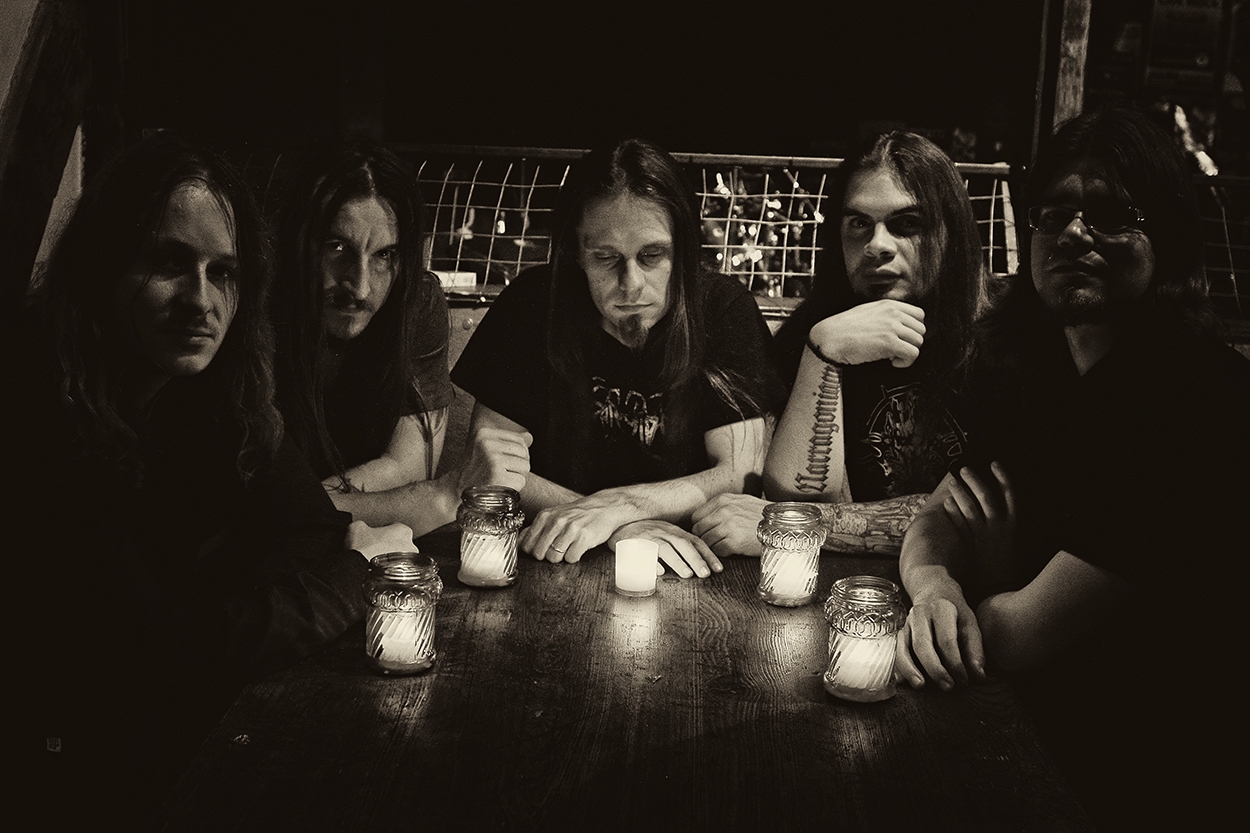
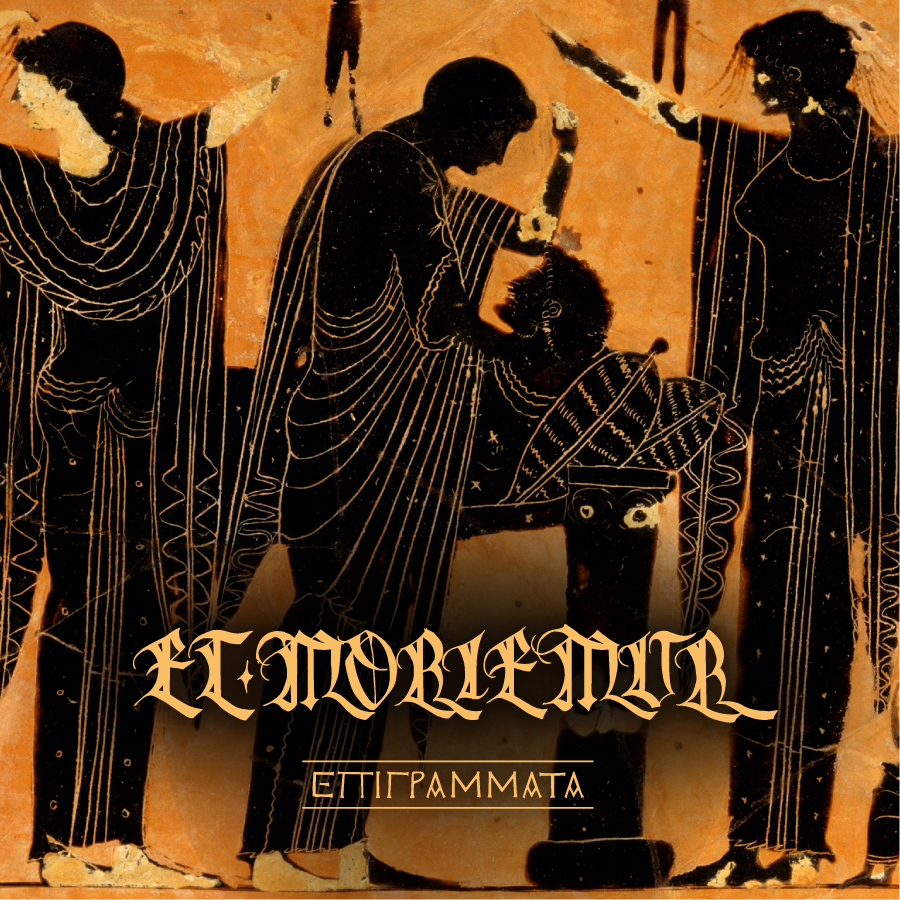
Transcending the perceptions of the death and doom styles and bringing back forgotten elements from the past, the new opus by this talented Czech band perfectly depicts our attempt to cope with the death of those we loved.

Founded in 2008 in Prague, in the Czech Republic, Atmospheric Black/Death/Doom Metal supergroup Et Moriemur, featuring members of legendary bands like Dissolving of Prodigy, Self-Hatred and Silent Stream of Godless Elegy, has been spreading what they like to call “Existential Doom” all over the world ever since. The name of the band, which is Latin for “and we will die”, already says a lot about how obscure and damned their music sounds, with their brand new album Epigrammata, the third in their already solid career, transcending the perceptions of the death and doom styles and bringing back forgotten elements from Gregorian chanting, delving into the rich European history and using Latin and ancient Greek to convey their message. Featuring an array of amazing guest musicians, Epigrammata has all of its song names in Latin taken from the Requiem Mass, notable for the large number of musical compositions that it has inspired, including settings by Mozart, Verdi, Bruckner, Dvořák, Fauré and Duruflé. Originally, such compositions were meant to be performed in liturgical service, with monophonic chant.

The band, comprised of Zdeněk Nevělík on vocals, piano and keyboards, Aleš Vilingr and Pavel Janouškovec on the guitars, Karel Kovářík on bass and Michal “Datel” Rak on drums, had a few interesting words to say about their new album. “Epigrammata represents our attempt to cope with the dying or death of those we loved. To create a solemn and classical atmosphere we used lyrics in ancient Greek (the title itself means epigrams) and in Latin, more precisely from the Mass for the dead – the album follows the typical Requiem structure, i.e. Introitus, Requiem Aeternum, Dies Irae etc. – and of course the traditional, unisono male Gregorian chant. In any case we tried not to do a uni-dimensional record. So apart from the inevitable grief there is gratitude as well for having had the chance to share our life with them and hope that they are well – wherever they are.”

Whimsical waves invade our senses in Introitus (or “prelude”), with guest Kostas Panagiotou bringing epicness to the intro with his enigmatic words before a massive wall of sounds crushes us all in Requiem Aeternam (“eternal rest”), with the doomed, sluggish beats by Datel and the imposing background choir generating a truly Stygian ambience. Furthermore, Zdeněk sounds as demonic as he can be, not to mention the potency of the music coming from the violin and cello. Then the piano by Zdeněk kicks off a Blackened Doom extravaganza titled Agnus Dei (“lamb of god”), a song that reeks of sheer darkness where cavernous growls get deeper and deeper in a delicate paradox with the smother background elements. In addition, Guest musicians Labrini Karousou and Vangelis Mertzanis provide another anguished and eccentric narration, feeling more doomed than atmospheric, and absolutely haunting and dense from start to finish. And their somber mass of Doom and Black Metal goes on with another fantastic hymn titled Dies Irae (“day of wrath”), with the band’s stringed trio Aleš, Pavel and Karel being extremely precise with their scorching, damned riffs and punches, and with the keyboards by Zdeněk sounding beautifully eccentric and wicked.

In Offertorium (“offering”) we’re treated to a Phantom of the Opera-like vibe blended with the band’s otherworldly sounds and tones, with Datel simply smashing his drums slowly and flawlessly while the choir keeps mesmerizing our minds, remaining dark and vibrant until its grand finale; whereas in the slightly faster and more piercing Communio (“communion”), Et Moriemur continue to fire their low-tuned, demonic tones intertwined with the church-like choir and a huge dosage of melancholy, maintaining the album at a vibrant and perturbing level. And in Libera Me (“rescue me”) an eerie organ together with the cavernous growls by Zdeněk generate a truly enfolding atmosphere, evolving into a lecture in Blackened Doom infused with church music elements. Furthermore, the entire band is utterly focused and energized, extracting the most damned but at the same time melodious sounds you can think of from their instruments, with every single second of this aria being beyond captivating (especially the final recitation by Zdeněk).

Then the piano by Zdeněk dictate the rhythm in Absolve Domine (“release lord”), complemented by his pensive words and cinematic-epic-imposing background sounds, with the music growing beautifully until darkness is upon us once again in the Blackened Doom aria Sanctus (“spirit”), a headbanging mass led by the crawling, gloomy beats by Datel. Hence, this amazing composition will elevate your senses with its potent sonority, not to mention how the entire band is capable of sounding so devilish and gentle at the same time. Lastly we have In Paradisum (“in paradise”), a 10-minute voyage through the realms of Existential Doom where its first part is pure old school Doom Metal, until anguished lamentations permeate the air in one of the most obscure and hypnotizing metal masses I’ve ever listened to in my life. In addition, the song’s sluggish drums, serene guitars and epic keys will penetrate deep inside your soul, with an ethereal feminine voice ending this top-notch album of Atmospheric Doom Metal majestically.

Et Moriemur are one of those bands you won’t listen to anywhere but only during your moments of introspection and melancholy, with Epigrammata representing everything the band stands for in terms of music and lyrical themes. And in order to show your support to such distinguished band, go follow them on Facebook and grab your copy of Epigrammata directly from their BandCamp page or from the Transcending Obscurity Records webstore in a Digipak CD + sticker bundle, as well as from iTunes, Amazon, CD Baby and Discogs. However, if you prefer an exclusive and more stylish version of the album, I highly recommend you go after the Epigrammata Gold-embossed and UV-laminated Box Set, containing the digipak CD with booklet, an A3 size poster having a special artwork, a fridge magnet having the album artwork, two stickers of the album artwork + emblem artwork, and an individual hand-numbered certificate of ownership for your copy. It can’t get any better, more doomed and more obscure than this, and I’m sure you’re going to love it.

Best moments of the album: Agnus Dei, Libera Me and Sanctus.

Worst moments of the album: None.

Released in 2018 Transcending Obscurity Records

Track listing
1. Introitus 1:41
2. Requiem Aeternam 5:15
3. Agnus Dei 5:14
4. Dies Irae 4:12
5. Offertorium 5:44
6. Communio 6:14
7. Libera Me 5:18
8. Absolve Domine 2:47
9. Sanctus 6:05
10. In Paradisum 10:41

Band members
Zdeněk Nevělík – vocals, piano, keyboards
Aleš Vilingr – guitar
Pavel Janouškovec – guitar
Karel Kovářík – bass
Michal “Datel” Rak – drums

Guest musicians
Kostas Panagiotou – vocals on “Introitus”
Nikos Vlachakis – vocals on “Agnus Dei”
Labrini Karousou & Vangelis Mertzanis – recitation on “Agnus Dei”
Jaroslav Klvaňa, Karel Russ & Lukáš Pavlovský – choir
Andrea Michálková – cello
Zuzana Králová – violin
Jindřich Bešťák – trombone
Honza Kapák – acoustic guitar

Album Review – Meka Nism / The War Inside EP (2018)

One of the most promising new names of the Orlando metal scene strikes again with an electrifying EP of modern-day Alternative Rock and Metal.

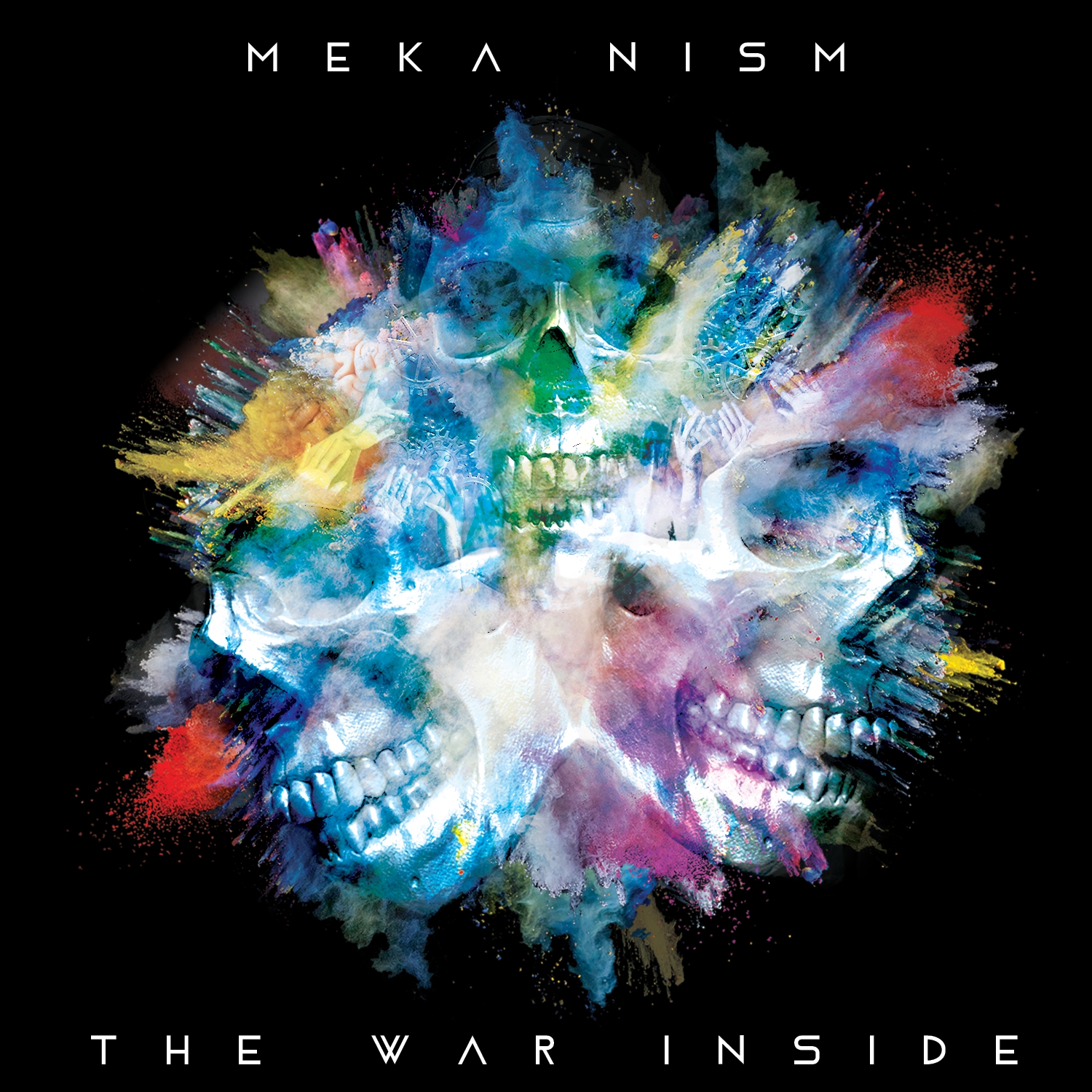
Formed back in 2006 under the name of Meka Nism and Her Rusty Tears, Orlando-based Alternative Metal act Meka Nism strikes again with a brand new EP titled The War Inside, following the same pattern of modern and metallic sounds from their three previous releases, those being their 2016 live album Live From the Machine,  the 2015 EP The Shift, and their 2013 debut EP The Dance at the End of the World, not to mention the 2006 album Mad to Love (released under the band’s original name).  Having shared the stage with heavyweight bands like Mastodon, Gojira, Sevendust, Hellyeah and Otep, among others, along with festival appearances at Kink Festival (Orlando, Florida), SXSW (Austin, Texas) and Breeding Festival (Germany), and named Orlando’s #1 Metal Band by Orlando Weekly in 2016, Meka Nism continue to carve their name in the scene, solidifying the band as one of the most interesting new names in Alternative Rock and Metal.

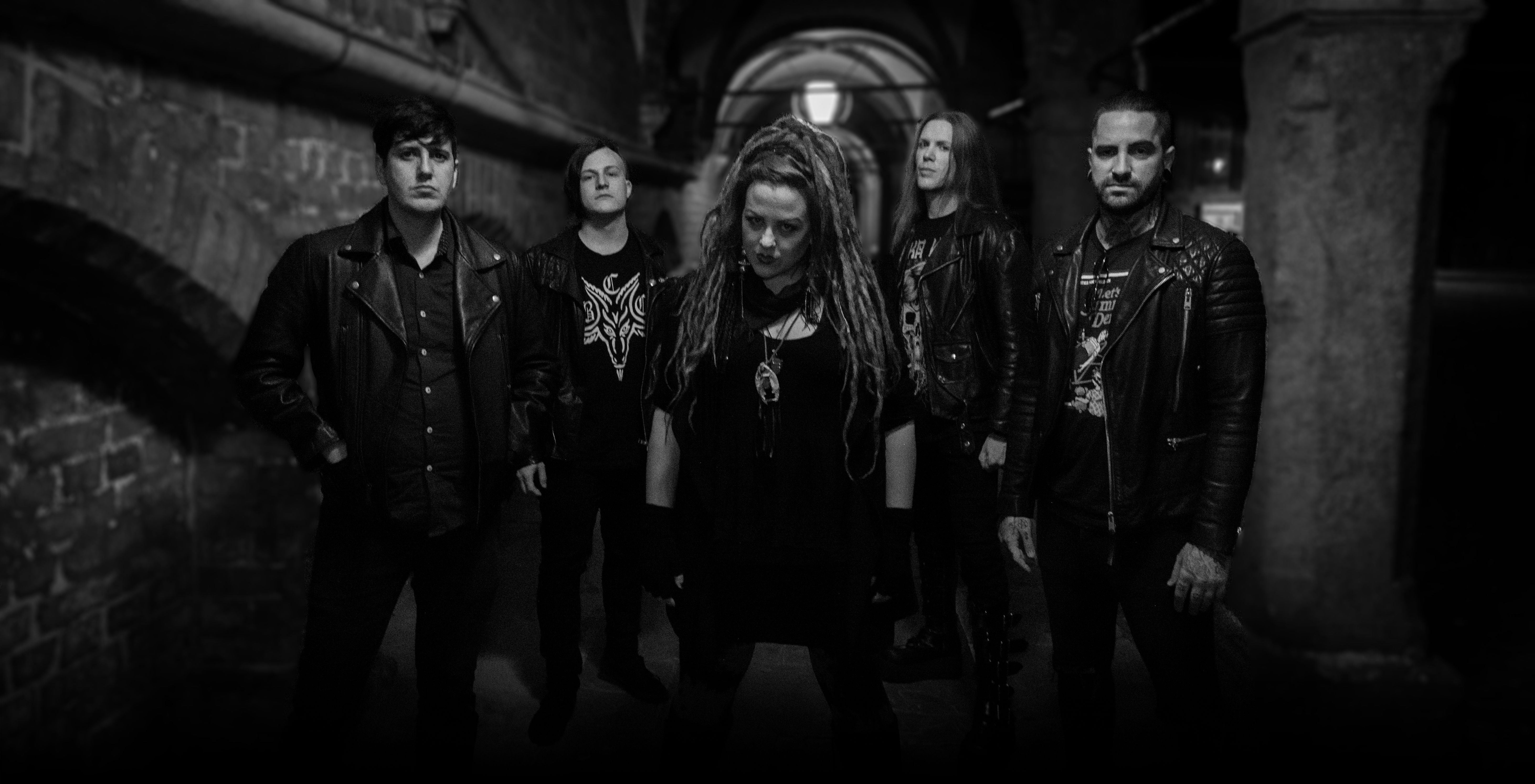
Comprised of vocalist Ms. Meka Nism (or simply Meka), who by the way was the former guitar player for Orlando punk legends Dirty Barby and Angel Autopsy, guitarists Bobby Keller and Danny Arrieta, bassist Jarret Robinson, keyboardist Jay Adkisson and drummer Nick Colvin, Meka Nism offer in The War Inside five distinct songs of passion and hatred, war and peace, sanity and madness, all embraced by the band’s modern and captivating sonority and led by Meka’s powerful vocals. If you’re searching for a nice female-fronted alternative in modern metal music, Meka Nism have all it takes to captivate your senses, with the music found in The War Inside being the perfect depiction of what this American six-piece squad is capable of.

The smooth keys by Jay Adkisson ignite the melodic and fresh title-track The War Inside, where Bobby and Danny are in total sync with their electrified riffs while Meka beautifully declaims the song’s passionate words (“Fighting Through the War Inside / Reaching from the chaos / Wait for me, I’ll wait for you / Nothing can keep us apart / Wait for me, I will find you!”). Less modernized and alternative, These Years of Silent Screams leans towards more traditional Heavy Metal, a neck-breaking tune by Meka Nism with the band’s eccentric frontwoman showcasing an amazing vocal performance. Then it’s time to slam into the pit together with the band in Trailblazer, led by the potent and precise drums by Nick, alternating between heavier moments and lighter, inspiring parts. Moreover, both guitars come slashing our skin mercilessly, while Meka thrives with both her demented growls and her clean vocals; and the keys by Jay help build a soothing ambience in Arrows of Alchemy, accompanied by the rumbling bass by Jarret in a semi-ballad that will please fans of the genre and that could easily be played on any rock n’ roll radio show, ending in a classy and touching way. And lastly, Black Sky (It’s Not Over Yet) is another song that begins as a heavy ballad highlighting Meka’s smooth voice and Jay’s enfolding piano notes, evolving into a heavier but still melancholic sonority before its poetic ending to the voice of Meka.

You can take a detailed listen at The War Inside on Spotify, follow Meka Nism on Facebook, subscribe to their YouTube channel, and obviously purchase the EP from their own BandCamp page or webstore, as well as from iTunes, Amazon or CD Baby. After listening to The War Inside, it will become clear to you as to why Meka Nism were chosen the best metal band based in Orlando by Orlando Weekly a couple of years ago, pointing to a bright future ahead for the band’s red-haired shaman and her loyal bandmates and leaving us eager for more of their music (and perhaps their first full-length album) in a not-so-distant future.

Best moments of the album: Trailblazer.

Worst moments of the album: None.

Released in 2018 Independent

Track listing
1. The War Inside 4:49
2. These Years of Silent Screams 3:32
3. Trailblazer 4:32
4. Arrows of Alchemy 5:22
5. Black Sky (It’s Not Over Yet) 4:03

Band members
Ms. Meka Nism (Meka) – vocals
Bobby Keller – lead guitar
Danny Arrieta – rhythm guitar
Jarret Robinson – bass
Jay Adkisson – keys
Nick Colvin – drums

Album Review – Marduk / Viktoria (2018)

A furious and aggressive fusion of Marduk’s classic Black Metal with their more contemporary warlike sound, proving once again why they’re one of the biggest names in the history of extreme music.

Following a similar (and obviously amazing) pattern from their previous albums, focusing on historical World War II lyrical themes like what they did in the demolishing Frontschwein, released in 2015, Swedish Black Metal regiment Marduk returns to the battlefield with another skull-crushing release, entitled Viktoria, the fourteenth studio album in the undisputed career of those Babylonian gods of extreme music. From the devastating sonic assault blasted by the band on the opening track “Werwolf” to the very last second in the closing tune “Silent Night”, Marduk deliver a furious and aggressive fusion of their classic Black Metal with their more contemporary warlike sound, proving once again why they’re one of the biggest names in the history of extreme music.

And the horde comprised of Daniel “Mortuus” Rostén on vocals, Morgan “Evil” Steinmeyer Håkansson on the guitar, Magnus “Devo” Andersson on bass and Fredrik Widigs on drums is not afraid at all of the controversy and negative reaction that the society and the media might have regarding their music and lyrics. “Overall, I would say we have a fascination with the whole war machine,” comments Morgan. “At least from my point of view, the Germans had the most fascinating machinery and equipment. Viktoria is not a standpoint, however. It’s just a reflection of history, the way it happened. With that in mind, it’s more interesting to write a soundtrack tied to specific historical events. Look at movies, for example. They’ve tackled both sides of World War II. So, Viktoria is more about history. Nothing more. Nothing less,” the axeman clarifies.

Werwolf (German for “werewolf”), which was a Nazi plan that began development in 1944 to create a resistance force which would operate behind enemy lines as the Allies advanced through Germany, was the inspiration for the opening track in Viktoria, with the wailing sirens warning about the Black Metal attack that’s about to begin and with Mortuus sounding insane and enraged on vocals while Evil delivers his usual scorching riffs in two intense minutes of extreme music. Following that demonic start we have June 44 (the best known D-Day is during World War II, on June 6, 1944, the day of the Normandy landings, initiating the Western Allied effort to liberate mainland Europe from Nazi Germany), closer to their more classic sonority with Fredrik crushing his drums in a perfect depiction of how warlike Black Metal should always sound, with the rumbling bass by Devo adding more ferocity to the overall result and the lyrics vociferated by Mortuus matching the music flawlessly (“Stubborn Jabos rip the sky / on wings of inferno into chaos / Burnt offering – killing ground / drowning in blood over and over again / See naval fire rain down / living and dead unite in a stream of anguish / A dance in the sands / of Juno and Sword / a waltz in the flames / of June 44”). And their devastation goes on in Equestrian Bloodlust, a straightforward Black Metal blasted by the quartet where Mortuus sounds even more demented than in their previous albums, while Evil and Devo are in absolute sync with their strings, generating those reverberating, evil tones we all love so much.

Tiger I, a German heavy tank of World War II deployed from 1942 in Africa and Europe which final designation was Panzerkampfwagen VI Tiger Ausf. E, gave the Wehrmacht its first armoured fighting vehicle that mounted the 8.8 cm KwK 36 gun. Musically speaking, it feels like a natural “sequel” to Frontschwein’s “503”, also bringing elements of Doom Metal and Blackened Doom; however, it’s not as imposing and a bit generic, despite its austere words (“Teutonic knights of old march once again / Grand horse of steel, sword of flame – the ground is shaking / Massive apparatus of death, 58 tons of hate / unforgivingly rolling in to seal your fate”). Narva, the third largest city in Estonia, suffered devastating bombing raids on March 6 and 7, 1944 by the Soviet Air Force, destrying the baroque old town. By the end of July, 98% of Narva had been destroyed, and the music blasted by Marduk flawlessly depicts the utter devastation that happened in the city, with Fredrik once again sounding bestial on drums while Mortuus growls and gnarls manically (not to mention the song’s uprising ending). In other words, this will certainly inspire fans to slam like beasts into the circle pit during their live concerts. After such awesome tune, the slashing riffs by Evil ignite the heavy and headbanging The Last Fallen, exploding into berserk Black Metal led by Fredrik and his machine gun-like beats and fills, being effectively accompanied by the thunderous bass by Devo.

The title-track Viktoria is that trademark in-your-face Black Metal by Marduk, sounding as frantic and furious as it can be, with Mortuus spearheading the horde with his sick growling. In addition, there’s even space for some welcome progressiveness added to the sound, not to mention how infernal Fredrik sounds behind his drums. Then we have The Devil’s Song, or “SS marschiert in Feindesland” (“SS march in enemy territory”), also known as “Teufelslied” (“The Devil’s song” in German), a marching song of the Waffen-SS (the armed wing of the Nazi Party’s SS organization) during World War II, and Marduk’s “tribute” to that song is simply devastating, with the initial riffs by the bulldozer Evil piercing your brain mercilessly before all hell breaks loose. Last but not least, closing the album we have another somber, sluggish tune inspired by the most demonic form of Doom Metal, named Silent Night, representing the aftermath, the sadness and pain post-war, with a perturbing performance by Mortuus on vocals. and while listening to this crushing chant don’t forget to break your neck and spinal cord with some full-bodied headbanging.

In summary, if you love old school Black Metal and also nurture a deep interested in all things World War I and II, Viktoria is a must-have album in your “collection of evil”. The Swedish quartet takes no prisoners in their battle for extreme music, and their streak of amazing albums just keeps growing with Viktoria, which by the way is on sale at several locations as you can see HERE. Moreover, as Marduk are extremely active in the scene, always touring all over the world, keep an eye on their official Facebook page to be promptly informed of when they’re about to unleash a brutal Black Metal war in your city. Then, after the concert is over, if you’re one of the survivors you can celebrate “Viktoria” together with one of the most important and decimating Black Metal hordes of all time.

Best moments of the album: June 44, Narva, Viktoria and The Devil’s Song.

Worst moments of the album: Tiger I.

Released in 2018 Century Media

Track listing
1. Werwolf 2:02
2. June 44 3:49
3. Equestrian Bloodlust 2:51
4. Tiger I 4:12
5. Narva 4:31
6. The Last Fallen 4:25
7. Viktoria 3:26
8. The Devil’s Song 3:46
9. Silent Night 4:12

Band members
Daniel “Mortuus” Rostén – vocals
Morgan “Evil” Steinmeyer Håkansson – guitar
Magnus “Devo” Andersson – bass
Fredrik Widigs – drums

Guest musicians
Ella Thornell, Moa Asp & Tuva Ekstrand – backing vocals or “Werwolf”

Album Review – Coldbound / The Gale (2018)

Living is an act of courage, and this Melodic Death Metal act from Sweden has the perfect soundtrack for that.

Founded by Greek multi-instrumentalist Pauli Souka in 2012 in Vantaa, a city in Finland that is part of the inner core of the Finnish Capital Region along with Helsinki, Espoo, and Kauniainen, but currently located in Hudiksvall, a Swedish city also known as Glada Hudik due to its hospitality and social life, the heavy-as-hell metal unity known as Coldbound returns with a brand new opus titled The Gale, their first Melodic Death Metal album to date. If you got used to the Black Metal-inspired approach of their previous releases such as their 2015 album Rites Under Moonlight, get ready to be stunned by the new Coldbound, sounding more polished, doomed, darker and, therefore, being highly recommended for fans of Insomnium, Draconian, Swallow The Sun and Wolfheart, among other excellent Scandinavian Melodic Death Metal acts.

Featuring the aforementioned Pauli Souka on vocals, guitars, bass, keyboards and programming, accompanied by Swedish artist Paulina Medepona (also known as Satana Lucia, and who was also responsible for the incredible and obscure album art) and Finnish keyboardist Andras Miklosvari, the concept behind The Gale focuses on memories of nostalgia and personal struggles, having the purpose of raising the awareness of those who suffer from depression, those who have suicidal thoughts or those who feel lonely. The motto of the album, repeated continuously on the song “Shades of Myself” and displayed on the digipak version of it, is “living is an act of courage”, with the album’s lyrics being mostly inspired by personal struggles and somehow promoting optimism through dark times. Such important message  only gets stronger and stronger as the music progresses, showcasing all the talent and hard work of Pauli and his crew and placing them as one of the most interesting names of the current underground scene.

In the intro 61° 43′ N 17° 07 E, which by the way are the coordinates for a point in Hudiksvall, the soothing sound of rain and an ethereal vibe suddenly explode into a feast of extreme music, setting the stage for The Invocation, highly inspired by the dark and pensive music by Insomnium and with Pauli firing his anguished growls while at the same time keeping the music mournful with his Doom Metal-like beats. Needless to say, the song’s lyrics exhale poetry (“Dark is the night, and the veils are drawn of shadows / Dark is the day, while the sun is no longer awake / The sun is calling for your dawn / These words colour countless shades I shall revoke beyond these shores / And drink your fading crimson tear”), and heaviness keeps pounding our heads in the also obscure but very melodic Endurance Through Infinity, where the guitar lines bring a touch of epicness from Folk and Viking Metal, with Pauli making sure we crack our necks in half headbanging to the song’s crushing rhythm.

Enhancing the impact and delicacy of their music thanks to the keyboards by Andras and the stunning vocals by Paulina, Coldbound deliver a touching creation titled The Eminent Light, where the melancholy flowing from the guitars create an interesting paradox with its doomed beats; followed by the title-track The Gale, which kicks off in full force with its Black Metal blast beats and an enfolding atmosphere. Furthermore, this is probably Pauli’s most demonic mode from the entire album, blasting infernal growls and scorching riffs during the whole song, as well as thunderous and dense bass lines. Then we have the fantastic My Solace, with its lyrics taken from the poem book of Kostas Karyotakis titled “Nostalgia” (“My solace will be seen – by scars upon my heart / My solace will be told – by letter of remorse / The bitter greet – a cold farewell / The olden sorrows – that ignite again”). Andras once again brings tons of flavor to the musicality with his keys, while Pauli gives a lesson in dark, melancholic and gripping Melodic Death Metal, flowing majestically until its astounding finale.

Winters Unfold is another neck-breaking creation by Coldbound, with its rhythm and vibe once again presenting hints of Folk Metal and with the strident guitars by Pauli going along flawlessly with his growls; whereas in Shades Of Myself a promising start solidifies into a classic Scandinavian Melodic Death Metal tune, as polished and vibrant as we can expect from a band like Coldbound, and once again with Pauli adding a good amount of intricacy to the overall sound through his beats. Lastly, how about an 11-minute aria of melodic and obscure extreme music entitled Towards The Weeping Skies to conclude the album? In this journey through the dark, the vocals by Pauli get to a point where they can be considered “anguished whispers”, not to mention the outstanding phantasmagorical keys in the background. Hence, you’ll be hypnotized by Pauli’s guitar lines before the music fades into a gentle and touching outro, accompanied by the sound of a heavy and gorgeous tempest.

The Gale is available for a full listen on YouTube and on Spotify, but if I were you I would definitely show my honest support to such distinct act by purchasing the album from their own BandCamp page or Big Cartel (in digipak format or as a digipak + shirt bundle), from iTunes, or from Amazon. Also, don’t forget to pay Coldbound a visit at their Facebook page and YouTube channel, and let their comforting darkness embrace you. If living is an act of courage as Coldbound say, then The Gale might be the perfect soundtrack for that tough but always rewarding adventure.

Best moments of the album: Endurance Through Infinity, The Gale and My Solace.

Worst moments of the album: None.

Released in 2018 Moonlight Productions

Track listing
1. 61° 43′ N 17° 07 E 2:40
2. The Invocation 5:22
3. Endurance Through Infinity 7:15
4. The Eminent Light 5:36
5. The Gale 7:35
6. My Solace 7:18
7. Winters Unfold 5:35
8. Shades Of Myself 5:36
9. Towards The Weeping Skies 10:58

iTunes/Amazon bonus track
10.The Eminent Light (Instrumental) 5:32

Band members
Pauli Souka – vocals, guitars, bass, keyboards, programming

Guest musicians
Paulina Medepona – vocals on “The Eminent Light”
Andras Miklosvari – keyboards on “The Eminent Light”, “The Gale”, “My Solace” and “Winters Unfold”, orchestrations

Album Review – Lelahell / Alif (2018)

Like a firestorm crossing the desert valley, here comes the unstoppable Algerian dark angel of Death Metal armed with a brand new and crushing concept opus.

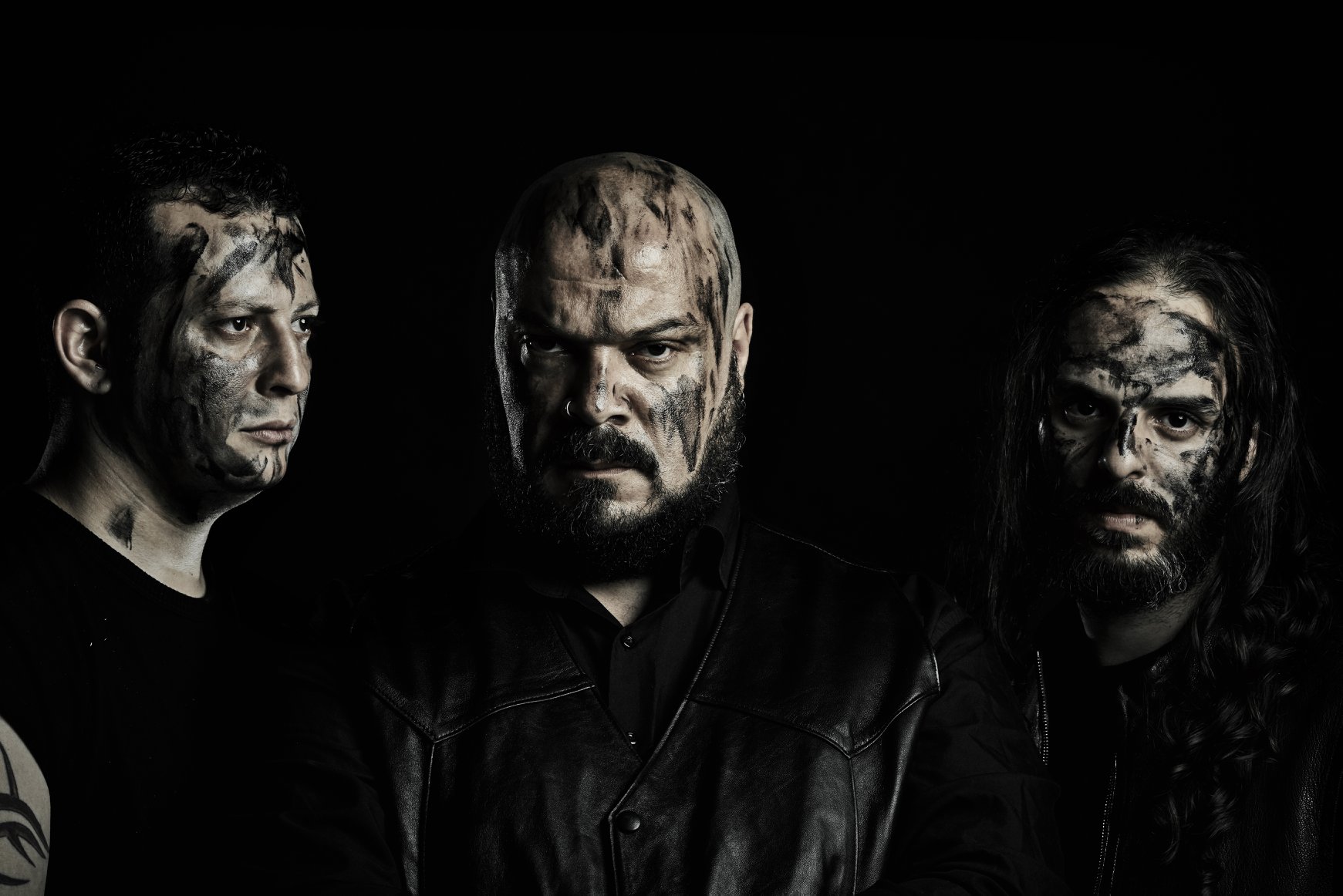
The unstoppable Algerian dark angel of Death Metal known as Lelahell is finally back with a brand new opus titled Alif, the follow-up to their 2014 pulverizing album Al Insane… The (Re)Birth Of Abderrahmane, containing 10 tracks of unrelenting Death Metal riffs with an Algerian folklore accent, combined with fast blast beats and technical rhythms. Spearheaded by Redouane Aouameur on vocals, guitars and bass, an iconic figure of the Algerian metal scene (as you can see on Highway To Lelahell – An Algerian Metal Documentary), and supported by the ruthless German drummer Hannes Grossmann (Necrophagist, Obscura, Alkaloid, Blotted Science, Hate Eternal), Lelahell are ready to take the world of heavy music by storm once again, with the music found in Alif cementing even more their already solid path of destruction.

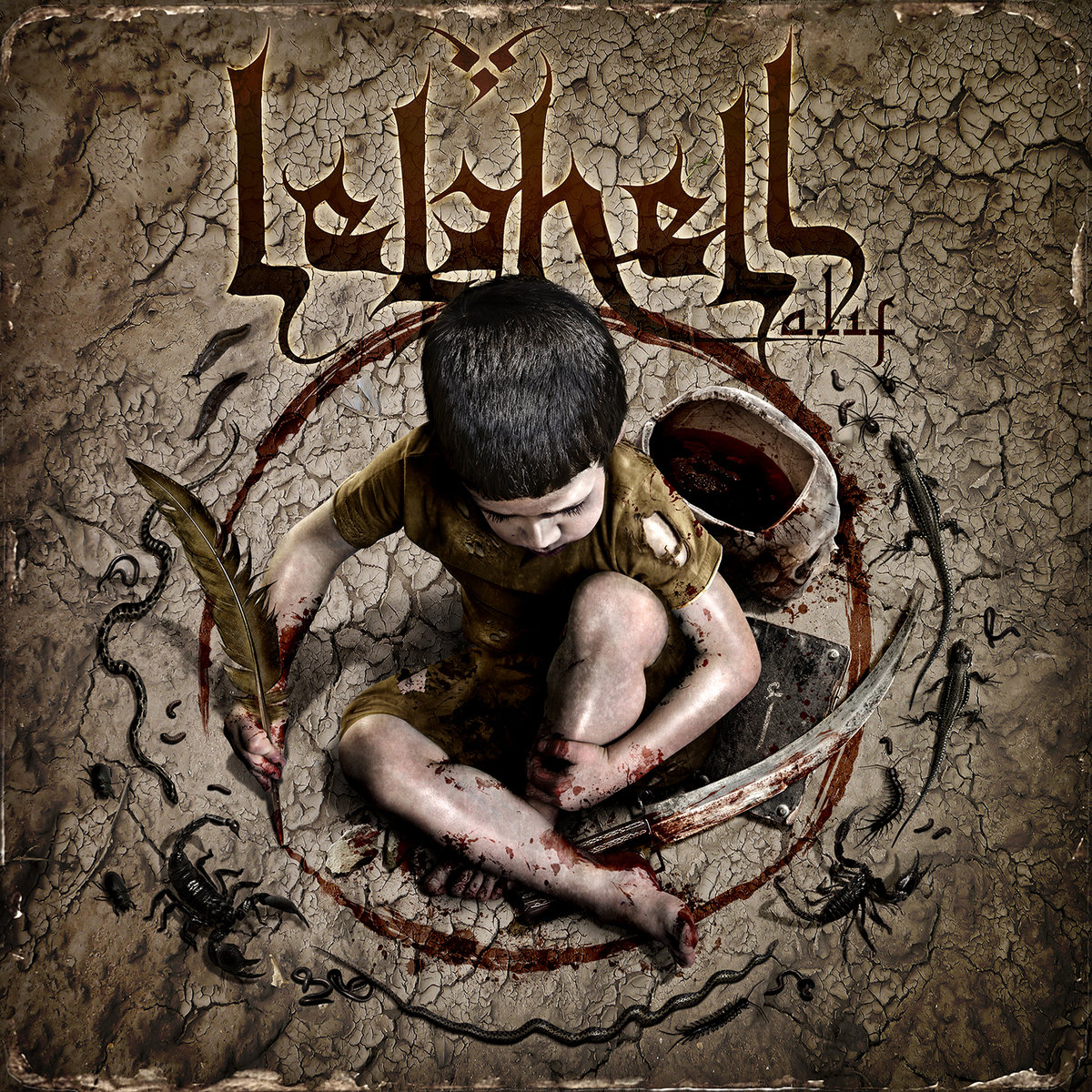
Each Lelahell release is conceptually linked to the character of Abderrahmane, yet focusing on another evolutionary step – another chapter in his own book. Featuring a classy cover artwork by Björn Gooßes from Killustrations (who has already worked with bands like Wolfheart, Motorjesus, Amon Amarth, Death Angel and Sodom, among several others), Alif focuses on Abderrahmane’s first steps in his new life, just like a child learning to speak and walk, learning about the world around him full of foes and fears, and that’s why Abderrahmane needs to save himself from those dangers. Musically speaking, Alif is like a firestorm crossing the desert valley, leaving you disoriented due to its endless heaviness, furious speed and undisputed rage, which together with the album’s intricate concept turns it into a must-have for any diehard fan of old school Death Metal.

And Hannes provides his welcome card by pounding his drums manically in the opening tune Paramnesia, being quickly joined by Redouane and his pulverizing riffs and bass punches. However, it’s when he starts barking the song’s lyrics that things get serious in this sonic havoc that lives up to the legacy of brutal and technical Death Metal, showcasing intricate drums and wicked guitar solos. Then a headbanging riffage ignites another belligerent and absolutely devastating tune by Lelahell, named Ignis Fatuus, with the sound of the guitar being insanely heavy, strident and therefore awesome. Furthermore, try following the lyrics along with Redouane (“A delusion, great confusion, foolish fire, Ignis Fatuus / Hallucination, false impression, false hope, Will o’ the wisp / A Fantasy, at first sight, strange light, Ignis Fatuus / It is just an erroneous perception of the reality”); whereas Thou Shalt Not Kill is a cinematic, epic bridge to the imposing hymn Ribat Essalem, where the duo showcases all their skills by blasting slashing riffs and solos, stone-crushing beats and classic demented Death Metal vocals, resulting in a circle pit-catalyst that will please all fans of the genre.

Adam the First gets closer to what they did in their previous album, which means a darker sonority and deeper guttural vocals, also presenting a smashing vibe led by Hannes and feeling at times like that type of Progressive Death Metal commonly found in the United States (but infused with elements from Redouane’s homeland), followed by The Fifth, another brutish display of classic Death Metal by Lelahell where the infernal and demonic growls by Redouane take the song’s malignancy to a whole new level, while Hannes doesn’t stop smashing his drums for a single second. And in Insiraf / Martyr, groovy beats initiate a vile and bold feast of cavernous sounds spearheaded by the uproarious riffs and bass lines by Redouane, with Hannes bringing his usual heavy artillery to support the band’s mastermind in his quest for Death Metal.

An ominous start suddenly morphs to a battering ram of Technical Death Metal made in Algeria in Litham (The Reach of Kal Asuf), with the Algerian nuances bringing a welcome extra flavor to the musicality while Redouane declaims the song’s lyrics in a devilish way (“A dominant symbol of their entity / The veiling of the men is an ancient custom / The origin remains obscure and conjectural / One fold is brought across the face to form the veil / The cloth is wrapped around the head / Touaregs and nomads, wearing those clothes to cover their faces against the desert storms.”). Then setting fire to the music with his lancinating riffs, Redouane kicks off a short and extremely vile Death Metal extravaganza titled Parasits, blasting sheer aggression and hatred in the name of extreme music. Lastly, Redouane’s coup-de-grâce comes in the form of an obscure and crisp Death Metal tune named Impunity of the Mutants, with Hannes sounding like a thunderstorm in the background. Very technical, detailed and full of layers, this is a must-listen for newcomers to the cataclysmic world of Lelahell, presenting sick bass lines and bestial beats that together flow powerfully into an epic finale.

If you have what it takes to enter the realm of crushing Death Metal ruled by Redouane and his Lelahell, you can check what the band is up to on Facebook and listen to more of their music on YouTube, and purchase your copy of Alif (available for a full listen on Spotify) from their own BandCamp page or Big Cartel, as well as from iTunes, Amazon or Discogs. In addition, although I’m not sure who’s responsible for the drums on their live concerts after the departure of Slaveblaster in 2016 (but something tells me he’s still playing with the band somehow), the multi-talented Redouane together with bassist Ramzi Curse (who replaced Nihil in 2015) are indeed a live act, proudly carrying the flag of Algerian and African metal wherever they go, and if I were you I would definitely keep an eye on their agenda for concerts not only in Algeria, but anywhere else where good Death Metal is appreciated. Well, I guess I don’t need to say what you should do if you don’t support Lelahell, right?

Best moments of the album: Paramnesia, Ribat Essalem and Impunity of the Mutants.

Worst moments of the album: None.

Released in 2018 Metal Age Productions

Track listing
1. Paramnesia 4:33
2. Ignis Fatuus 3:04
3. Thou Shalt Not Kill 0:30
4. Ribat Essalem 4:27
5. Adam the First 4:26
6. The Fifth 4:01
7. Insiraf / Martyr 5:37
8. Litham (The Reach of Kal Asuf) 5:54
9. Parasits 2:44
10. Impunity of the Mutants 5:16

Band members
Redouane Aouameur – vocals, guitars, bass
Hannes Grosmann – drums

Album Review – Galvanizer / Sanguine Vigil (2018)

A violent and frantic album by three Finnish metallers who know exactly how to blend classic Scandinavian Death Metal with the more modern sound of Deathgrind.

From the swamping lands of Finland, old school Death Metal/Grindcore unity Galvanizer emerges with their debut full-length album Sanguine Vigil, after having paid all their dues like we were used back in the 90’s with several demo tapes and a 7″ EP titled Horrid Tales of Death…, released in 2015. Fans of bands like Machetazo, Abhorrence and Haemorrhage will have a good time listening to the ten pulverizing tracks featured in Sanguine Vigil, being recommended for admirers of both classic Finnish Death Metal and the more modern Deathgrind sound found in the scene nowadays.

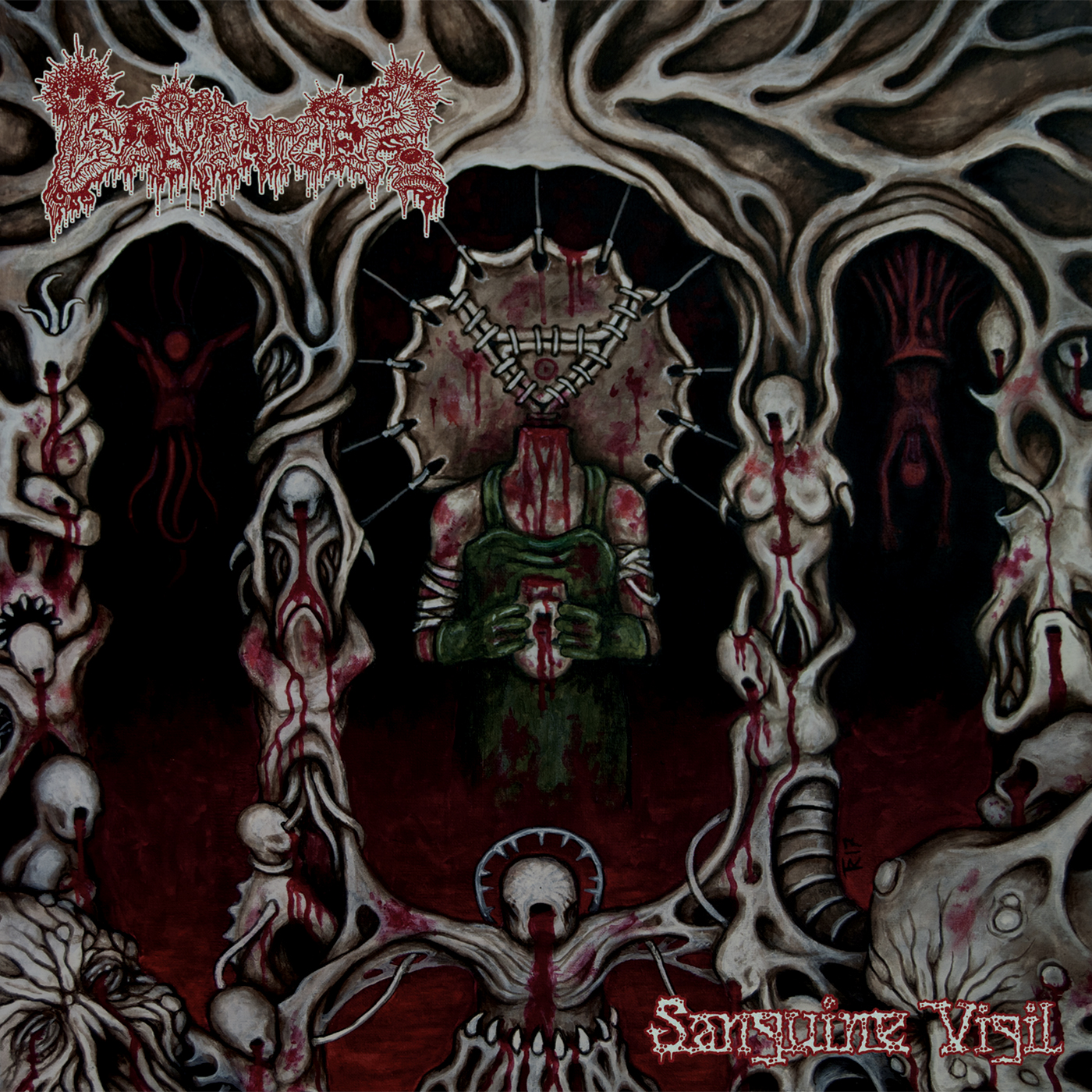
Formed in 2015 as a one-man project, this Laitila-Tammela-based act quickly turned into a power trio, comprised of Vili Mäkinen on vocals and bass, Aleksi Vähämäki on guitars and backing vocals, and Nico Niemikko on drums, becoming one of the most promising underground bands in Finland due to their old school approach and their youthful energy. Featuring a gory cover art painted by Turkka G. Rantanen, a Finnish institution famous for his works with Demilich, Demigod, Adramelech, Depravity and many more, Sanguine Vigil is a violent and frantic statement by Galvanizer, sending a sound message to everyone that stands in their way that they’re not among us to fool around. “Expect the same primitive Finnish grinding death madness but this time much more faster and brutal,” said Aleksi about their new opus, probably devilishly grinning about it.

An initial narration which seems to be taken from one of the Friday the 13th movies ignite the moshing feast titled Mood For The Blade, an amazing welcome card by the band exploding into a grinding devastation by Galvanizer led by the infuriated growls by Vili, while Aleksi sounds heavier-than-hell on the guitar. Then simply slam into the circle pit to the frantic Grindcore spearheaded by Nico and his unstoppable beats in Enjoyment Of Annihilation, with its lyrics reminding me of the always inspiring words by metal masters Carcass (“Pulmonary artery hemorrhage / hacksaw through the raped face / cock dismembered brutally / rectum penetrated ghastly way / pleasure to kill / cadavers raping is the name of thrill / game of life / deep thoughts of dirty, sick mind”); followed by Deathbeat Deity, the perfect fusion of old school Death Metal with contemporary Grindcore translated into a rhythmic, pulverizing wall of sounds, with highlights to the amazing job done by Nico on drums and the slashing riffs by Aleksi.

The title-track Sanguine Vigil, the longest of all songs, begins in a somber and ominous manner, morphing into a dense and crushing sonority where Vili growls deeper and deeper (also extracting aggressive tones from his bass) while Nico keeps kicking some serious ass with his beats and fills, whereas Grind Till… You’re Dead! brings forward an absolute brutal demolition in less than two minutes, with all three members pounding their instruments, generating a tornado of violence and gore recommended only for the brave. And the trio keeps blasting their high-octane music with no mercy for our souls in Domestic Mastication, another straightforward, classic Grindcore composition with Vili and Aleksi grinding their strings from start to finish; and in Gorefestation they add an extra dosage of groove to their music thanks to the thunderous bass by Vili, resulting in a fantastic display of extreme music where Nico gets even more demented on drums than before, enhancing the song’s punch considerably. Put differently, the grinding extravaganza proposed by Galvanizer can’t get any better than this.

In Premature Rot, another groovy and flammable chant where the band continues to pave their path of destruction, have fun singing along those beautiful lyrics with Vili (“A premature rot is your fear / as minor treat comes real / accidental slit of the blade / can kill by horrible way / deep wound and painful omen / uncleaned and it’s open / let in the streptococcus / and other hocus pocus”), before the demented Unfinished Autopsy comes crushing your skull mercilessly, with an anguished intro and total havoc being the main ingredients in such hellish feast of Death Metal and Grindcore, with the entire band blasting sheer aggression and rage through their riffs, punches and beats. And as the icing on the cake we have their cover version for Finnish old school Death Metal/Grindcore band Necrobiosis’ A Painful End For Curiosity, originally released in a split album with a Hungarian band named Intense Agonizing in 1994. Well, their version is just as demonic, berserk and gory, and you can compare both by checking the original version HERE.

You can have your brain smashed by Galvanizer by taking a full listen at Sanguine Vigil on YouTube, and get to know more details about the band and their music on Facebook and YouTube. Hence, there’s no excuse for not supporting Galvanizer and not purchasing their visceral music, as Sanguine Vigil is on sale from several different locations, such as the band’s own BandCamp page, the Everlasting Spew Records’ BandCamp page or webstore, in different formats from the Me Saco Un Ojo Records’ webstore, as well as from Record Shop X, iTunes, Amazon and Discogs. Got it? Or should I say “gore” it?

Best moments of the album: Mood For The Blade, Deathbeat Deity and Gorefestation.

Worst moments of the album: None.

Released in 2018 Everlasting Spew Records

Track listing
1. Mood For The Blade 3:45
2. Enjoyment Of Annihilation 2:30
3. Deathbeat Deity 3:09
4. Sanguine Vigil 5:14
5. Grind Till… You’re Dead! 1:23
6. Domestic Mastication 3:03
7. Gorefestation 2:26
8. Premature Rot 2:28
9. Unfinished Autopsy 3:37
10. A Painful End For Curiosity (Necrobiosis cover) 3:04

Band members
Vili Mäkinen – vocals, bass
Aleksi Vähämäki – guitars, backing vocals
Nico Niemikko – drums

Album Review – Dimmu Borgir / Eonian (2018)

Uninspired, lame, generic, way too orchestral and utterly boring. What happened to our good old Dimmu Borgir?

I honestly don’t know how to start this review for Eonian, the brand new and extremely boring album by Norwegian Symphonic Black Metal icons Dimmu Borgir, the tenth in their career following their 2010 album Abrahadabra, which was also quite bad. Well, first and foremost, I don’t think the low quality of the album is due to the several lineup changes the band suffered through the years, with vocalist and multi-instrumentalist Shagrath and guitarist and bassist Silenoz being the only original members left, and with guitarist and bassist Galder being already a longstanding member. In my humble opinion, their biggest mistake in Eonian was trying to be way more symphonic than they should, resulting in a bland and confused version of the music by Nightwish or Epica with extremely uninspired harsh vocals and generic lyrics.

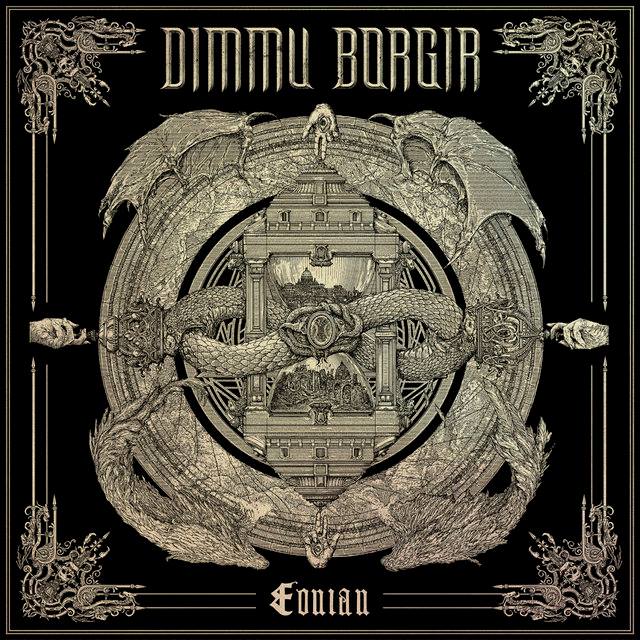
Featuring an interesting artwork by Polish artist Zbigniew M. Bielak (Deicide, Ghost, immolation, Paradise Lost), much better than some of their previous installments by the way, Eonian has everything we don’t want to listen to in a Dimmu Borgir album, from totally out-of-place orchestrations to a lame background choir. I don’t know how keyboardist Gerlioz and drummer Daray survived another round of pedestrian metal music with Dimmu Borgir after Abrahadabra, and I hope for the sake of their careers they do not accept to participate in another explosion of sheer mediocrity with Shagrath and his horde in the near future. Should the band call it quits after Eonian, or will they keep recording tedious album after tedious album while at the same time they cash in some decent money from their live concerts and merch? In the end, it seems that’s what several renowned bands only care about, right?

An orchestral and imposing start evolves to a heavier version of the Symphonic Metal played by Nightwish with Black Metal vocals in the opening track The Unveiling (and that will happen with pretty much every song of the album), not even close to their classic sonority, getting utterly tiresome after a while despite its not-so-bad lyrics (“Become through earned / And granted liberation / Rise above the secrecy / And silent deception / Clarity is determined / At the depths of murky waters / The potion of black earthed blood / Is the sludge draining the conscious”). Then yet again we have another tasteless tune that seems taken from the worst of all Epica albums, the first (and boring) single titled Interdimensional Summit, which might have worked for other Symphonic Metal bands, but definitely not for Dimmu Borgir. Moreover, as already mentioned the album’s background choir doesn’t bring any potency to the music, not to mention how low the guitars by both Galder and Silenoz sound compared to the orchestrations. In the good Ætheric, the drums by Daray finally appear amidst the excessive orchestral sounds, as well as the riffs by the guitar duo, in what’s probably the best song of the album (with even Shagrath sounding more devilish on vocals). Put differently, this might be far from being a masterpiece by Dimmu Borgir, but at least it’s Symphonic Black Metal.

In Council of Wolves and Snakes a cinematic, horror-like intro morphs into a macabre sonority, bringing a touch of Doom Metal to their dark symphony and with guests Mikkel Gaup and Martin Lopez adding a demented twist to it with their shaman vocals and voodoo beats. There’s nothing truly outstanding in this case, but it’s still a decent song, which is definitely not the case in The Empyrean Phoenix. I’m not sure what to say about this song, as it has an interesting and vibrant vibe while at the same time its instrumental pieces are again way too orchestral, lacking more aggressiveness in the end. After such unstable song we have Lightbringer, where the band shows a spark of their glorious years in a promising start that grows in intensity spearheaded by the beats by Daray, morphing into a hybrid between the band’s classic Symphonic Black Metal and the lighter Symphonic Metal that “poisons” the entire album, but fortunately in this case Shagrath and his horde sound a lot better and more cohesive.

In the horrendous I Am Sovereign, while the music itself tries to be symphonic, it feels more like a soundtrack to a very unexciting circus act, with all that’s already bad getting even worse due to its generic lyrics (“Perseverance doesn’t mean anything / Unless it’s for eternity / The real powers that will ever be / Is freedom and liberty”). Where are the guitars? What happened to Shagrath’s voice? These are just a couple of questions raised in what’s probably the worst song of all. And Archaic Correspondance doesn’t get much better than that, not knowing if it wants to be a heavy or orchestral (or even pop) song. At least Shagrath’s voice sounds slightly heavier and more demonic than in the previous tune, but the choir once again makes the whole song too soft and tiresome. In short, this is a total waste of almost five minutes of your life. Alpha Aeon Omega presents a relatively better balance between the band’s Black Metal and the infinite orchestrations in the background, with Daray’s drums sounding crisp and piercing; however, once again the guitars are almost nonexistent (which is a bummer for any fan of heavy music). And the instrumental piece Rite of Passage would have been great if the rest of the album wasn’t such a disappointment. Anyway, it’s as decent as it can be, ending the album in a somewhat whimsical way.

In my opinion, one of the biggest issues in Eonian, if not the biggest one of all for a huge part of fans of metal music, is that pretty much all songs drag for way too long. There are countless bands that can make a 15-minute song sound like if it had only a minute or two so compelling their music is, but in the case of Dimmu Borgir they managed to do the exact opposite in Eonian, with almost every song in the album being an endless torture even if they have less than five minutes in duration. Furthermore, after surviving listening to Eonian for a couple of times (trying to find something good in it), I was going to give it a 2.0, but after listening to the first single from the upcoming album by Eric Peterson’s furious and epic Symphonic Black Metal project Dragonlord, the sensational title-track Dominion, I was “forced” to lower Eonian’s rate to 1.5. I have no idea if you agree with me or not, perhaps I’m being too demanding, but if you truly think Eonian is a good Symphonic Black Metal album I highly recommend you go take a listen at Dragonlord. Then I’m sure you’ll agree with me that Eonian unfortunately sucks big time. Needless to say, I’ll never listen to it again of my own free will.

Best moments of the album: Ætheric and Lightbringer.

Worst moments of the album: The Unveiling, Interdimensional Summit, I Am Sovereign and Archaic Correspondance.

Released in 2018 Nuclear Blast

Track listing
1. The Unveiling 5:47
2. Interdimensional Summit 4:39
3. Ætheric 5:27
4. Council of Wolves and Snakes 5:19
5. The Empyrean Phoenix 4:44
6. Lightbringer 6:06
7. I Am Sovereign 6:48
8. Archaic Correspondance 4:55
9. Alpha Aeon Omega 5:18
10. Rite of Passage (Instrumental) 5:16

Band members
Shagrath (Stian Tomt Thoresen) – vocals, bass, keyboards, orchestral arrangements,
effects
Galder (Tom Rune Andersen) – lead guitar, bass
Silenoz (Sven Atle Kopperud) – rhythm guitar, bass
Gerlioz (Geir Bratland) – keyboards, additional orchestral arrangements
Daray (Dariusz Brzozowski) – drums

Guest musicians
Mikkel Gaup – shaman vocals on “Council of Wolves and Snakes”
Martin Lopez – voodoo percussion on “Council of Wolves and Snakes”
Schola Cantorum – choir vocals
Francesco Ferrini – orchestra
Gaute Storås – choir and orchestral arrangements

Album Review – Borgne / [∞] (2018)

A cold, mechanical and inhumane hybrid of Industrial and Black Metal, as martial as it is hypnotic, bred by a veteran Swiss entity celebrating twenty years of chaos in the underground scene.

The path of Swiss Industrial Metal entity Borgne has never been straight. Founded by veteran multi-instrumentalist Bornyhake in 1998 in Lausanne, a city on Lake Geneva, in the French-speaking region of Vaud, Switzerland, when Borgne (which is French for “one-eyed”) debuted with a demo, the project went off the radar for almost a decade, coming back at full throttle in 2007 with two full-length albums released almost simultaneously. Another ten years and four full-length albums after, this idiosyncratic Swiss band, which recently became a two-piece army with longtime live keyboardist Lady Kaos becoming a permanent member, returns with their eight and most enigmatic opus to date, titled [∞], a cold, mechanical and inhumane hybrid of Industrial and Black Metal, as martial as it is hypnotic, beautifully freezing your every feeling.

Darker, more industrial and much more personal, [∞] will offer your metallic ears blistering Black Metal done in a synthetic way with a dense, suffocating sound and some dark ambient passages, going towards everything Borgne did in the past. “8 / ∞” is not only a number but a symbol, symbol of infinity, infinity you close inside brackets. 8 is not only a number but a word, word of hatred to break all the brackets. After twenty years of chaos, [∞] is the 8th Borgne full-length album. Featuring 8 tracks of non-traditional Black Metal, written in French and English. Chaos, darkness, feelings, loneliness, anger, insanity, suffering and death… 8 words to describe it. The most electric and complicated, fragile and deep, industrial and cold, strange and tormented album Borgne ever did,” said Bornyhake about his newborn spawn.

And the duo builds an enfolding and creepy atmosphere with their keys, beats and background effects in the opening track La Porte Du Chaos (or “the door of chaos” in English), with the music exploding into a modern and imposing hybrid of Industrial and Black Metal, an insane and mesmerizing amalgamation of sounds where Bornyhake desperately screams and gnarls from the bottom of his Stygian heart. Then there’s not a single empty space in the whimsical and modernized Peu Importe Si Elle M’Aura Aveuglé (which means something like “it doesn’t matter if she has blinded me”), with both Bornyhake and Lady Kaos kicking ass with their blast beats and ominous keys, respectively, with an epic and darkened aura permeating the air. Moreover, Bornyhake’s roars in French will certainly pierce your mind throughout this multi-layered Industrial Black Metal extravaganza. In the stunning Un Temps Périt (or “a time perishes”), a gentle intro led by Lady Kaos’ hypnotizing keys evolves into a mournful musicality, presenting hints of Blackened Doom and Doom Metal and, therefore, feeling ethereal and somber at the same time from start to finish. And in Comme Si Ça S’Arrêtera… / Stone (or “as if it will stop… / stone”), get ready for over 10 minutes of absolute madness, electricity and darkness, with Bornyhake generating a path of devastation with his modernized blast beats, while the second half of the song is an intricate musical journey of pulverizing drums, obscure keyboards and endless dementia.

Bornyhake and Lady Kaos don’t stop captivating our senses with their unique sonority in I Tear Apart My Blackened Wings pt.1, another slow and melancholic creation by the duo where they deliver obscurity and hope all at once, or in other words, simply close your eyes and get lost in this thrilling hymn of modern industrial music. I Tear Apart My Blackened Wings pt.2 / Sun, the second part of this grandiose aria by Borgne, will blow your senses with its demonic drumming and scorching riffage in a very detailed and complete blend of the violence of Black Metal with the innovative approach of Industrial Metal, changing its shape and form quite a few times before its stylish acoustic ending, followed by Mis À Mort, Mis À Nu (which means “put to death, exposed”), a blast of sonic experimentations and piercing tones and noises, with Lady Kaos once again bringing tons of epicness to the overall musicality with her distinguished keys while Bornyhake keeps haunting our souls with his gnarls and slashing riffs. If anyone asks you what Borgne is all about, you can use this song to show what the duo is capable of, flawlessly depicting all the band’s creativity, stamina and rage. Lastly, be prepared to be embraced by a whirlwind of soothing sounds in Chuter, an “extended” outro to a beautiful album of contemporary extreme music where both Bornyhake and Lady Kaos showcase their refined techniques by creating a captivating ambience and, as a consequence, dominating our minds.

You can take a detailed listen at the flammable [∞] on YouTube, and purchase the album directly from Borgne’s BandCamp or Big Cartel (in CD or tape format), as well as from the Avantgarde Music’s BandCamp or Big Cartel. Also, don’t forget to check their Facebook page for some nice-to-know details about the band including their tour dates, something that does happen a lot as Bornyhake and Lady Kaos have the help of bassist Tumulash and guitarist Onbra Oscoura during their live performances. To sum up, [∞] is not just the brand new album by Borgne, but a solid statement that modern and mechanized extreme music is stronger than ever (especially in places like Switzerland, where the scene has always been extremely fertile), and that Borgne is one of those bands any type of metalhead should try at least once in their lifetime to change their perception of dark and underground music.

Best moments of the album: La Porte Du Chaos, Un Temps Périt and Mis À Mort, Mis À Nu.

Worst moments of the album: None.

Released in 2018 Avantgarde Music

Track listing
1. La Porte Du Chaos 7:17
2. Peu Importe Si Elle M’Aura Aveuglé 7:12
3. Un Temps Périt 6:03
4. Comme Si Ça S’Arrêtera… / Stone 10:20
5. I Tear Apart My Blackened Wings pt.1 9:02
6. I Tear Apart My Blackened Wings pt.2 / Sun 8:04
7. Mis À Mort, Mis À Nu 6:59
8. Chuter 7:05

Band members
Bornyhake – vocals, guitars, drums
Lady Kaos – keyboards

Album Review – Zarraza / Necroshiva (2018)

These Kazakh corpse gods of Thrash Metal take no prisoners in their quest for extreme music, infecting us all and spilling our blood into the circle pit to the sound of their new pulverizing album.

Formed in 2010 in the city of Almaty, Kazakhstan’s largest metropolis set in the foothills of the Trans-Ili Alatau mountains, Kazakhstan Thrash Metal maniacs Zarraza have just released their long-awaited debut album Necroshiva, following up to the band’s 2013 EP Cutting Meat. Fast & Loud. And one of the hardest working metal bands in Central Asia, having already played in Uzbekistan, Kyrgyzstan and Kazakhstan, takes no prisoners in their quest for extreme music, with each of the eight groovy and pulverizing songs in Necroshiva crushing your minds mercilessly like a runaway train of evil.

Comprised of Nick Khalabuzar on vocals and guitar, Alex Filatoff on bass and Ruslan Konon on drums, Zarraza’s only concern in Necroshiva is how their lyrics would be translated into Kazakh or Russian. “Anti-religious songs full of sarcasm and quotes from Giordano Bruno and Pierre-Simon de Laplace are not welcomed in a country where there is a significant Muslim population,” said the band, but that seems to be only a minor issue for them in the end. Displaying a beyond devilish and somber cover artwork by Russian artist V. Smerdulak (Katalepsy, Melancholy, Semargl, Arkona), Necroshiva is everything we love in Thrash and Groove Metal, being highly recommended for all mandatory thrashing activities such as slamming into the pit, headbanging like a beast and raising your horns to the band’s infuriated music.

Abyss Above Me kicks off the album with an explosion of brutal and austere Thrash Metal, a fantastic welcome card by this Kazakh squad led by the demented drumming by Ruslan and the raspy, choleric vocals by Nick, bringing elements from Groove, Death and Black Metal, and their furious onrush of extreme music goes on in the also belligerent Shadows, with Nick sounding bestial with both his growls and riffs, while Alex adds tons of groove to the musicality with his rumbling bass. Then we have the title-track Necroshiva, an insanely demolishing display of Thrash Metal with a strong progressive vein, where Ruslan is even more impressive with his intricate beats and fills and its modern-day lyrics go along extremely well with the music (“War’s for gods… Slaughter of lambs / It’s hecatomb we made for thousand years / Immortal rites of human sacrifice / Transformed into modern way of life”); followed by another complex and infuriated tune titled More Than Hate, an almost-Death Metal creation by the quartet led by Nick’s spot-on riffs and solos, with the level of adrenaline being exactly what you need to crush your skull into the circle pit.

Dark waves permeate the air in the melancholic and apocalyptic bridge Echo Of The Future, setting the stage for the modernized thrashing feast named Dead Star, displaying hints of Scandinavian Melodic Death Metal the likes of Arch Enemy and the early days of In Flames. Furthermore, Nick managed to sound even more boisterous on vocals, as well as the metallic bass lines by Alex which will punch you in the head mercilessly. After such beautiful exhibit of extreme music, get ready for a Progressive Thrash Metal voyage in Voice Of The Forgotten, with the music flowing in some sort of demonic Dream Theater-ish mode, but of course with Nick bringing rage to the sound with his roars, all spiced up by some electrifying guitar solos. And ending the album on a high and violent note we have 150 Words, with its lyrics reeking of malignancy (“Serpent – you crawled inside my world / To steal – affections of my soul / To brew your bile words of hate / And sting me in back to weaken / Your only way to live is betrayal / Soaking dirt to digest”). Musically speaking, it’s a frantic, violent Thrash and Death Metal attack by Zarraza, leaving us eager for more of their devastating music.

I’m not sure if you have already realized you’re in front of a metal band from the distant land of Kazakhstan playing top-notch Thrash and Groove Metal that only the finest bands from the United States, the land of thrash, are capable of reproducing, which means you should definitely show your total support to Zarraza by buying Necroshiva (available for a full listen on Spotify) from their own BandCamp page, CD Baby, iTunes or Amazon, and by following them on Facebook, VKontakte and YouTube. The corpse gods from Kazakhstan are among us to stay, and you better be prepared to spill your blood into the pit in the name of Thrash Metal.

Best moments of the album: Abyss Above Me, Necroshiva and Dead Star.

Worst moments of the album: None.

Released in 2018 Independent

Track listing
1. Abyss Above Me 5:00
2. Shadows 3:48
3. Necroshiva 3:13
4. More Than Hate 3:28
5. Echo Of The Future (instrumental) 1:29
6. Dead Star 5:38
7. Voice Of The Forgotten 4:39
8. 150 Words 3:27

Band members
Nick Khalabuzar – vocals, guitar
Alex Filatoff – bass
Ruslan Konon – drums

Guest musician
Evgen Hablack – bass on “Necroshiva”