Album Review – Goat Torment / Sermons to Death (2015)

A consecration of extreme music and the occult, not in the name of the Father, nor of the Son, nor of the Holy Spirit.

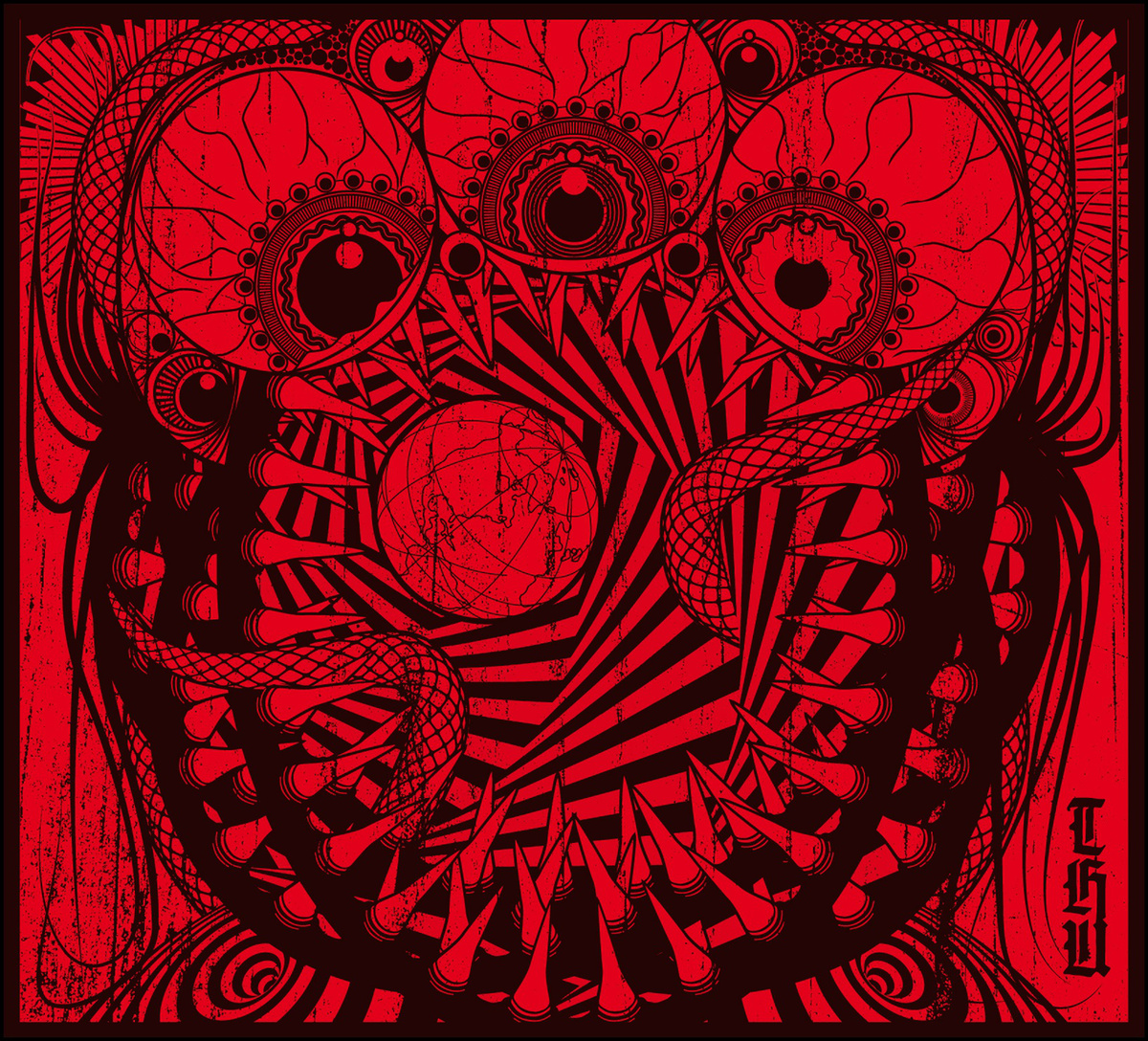
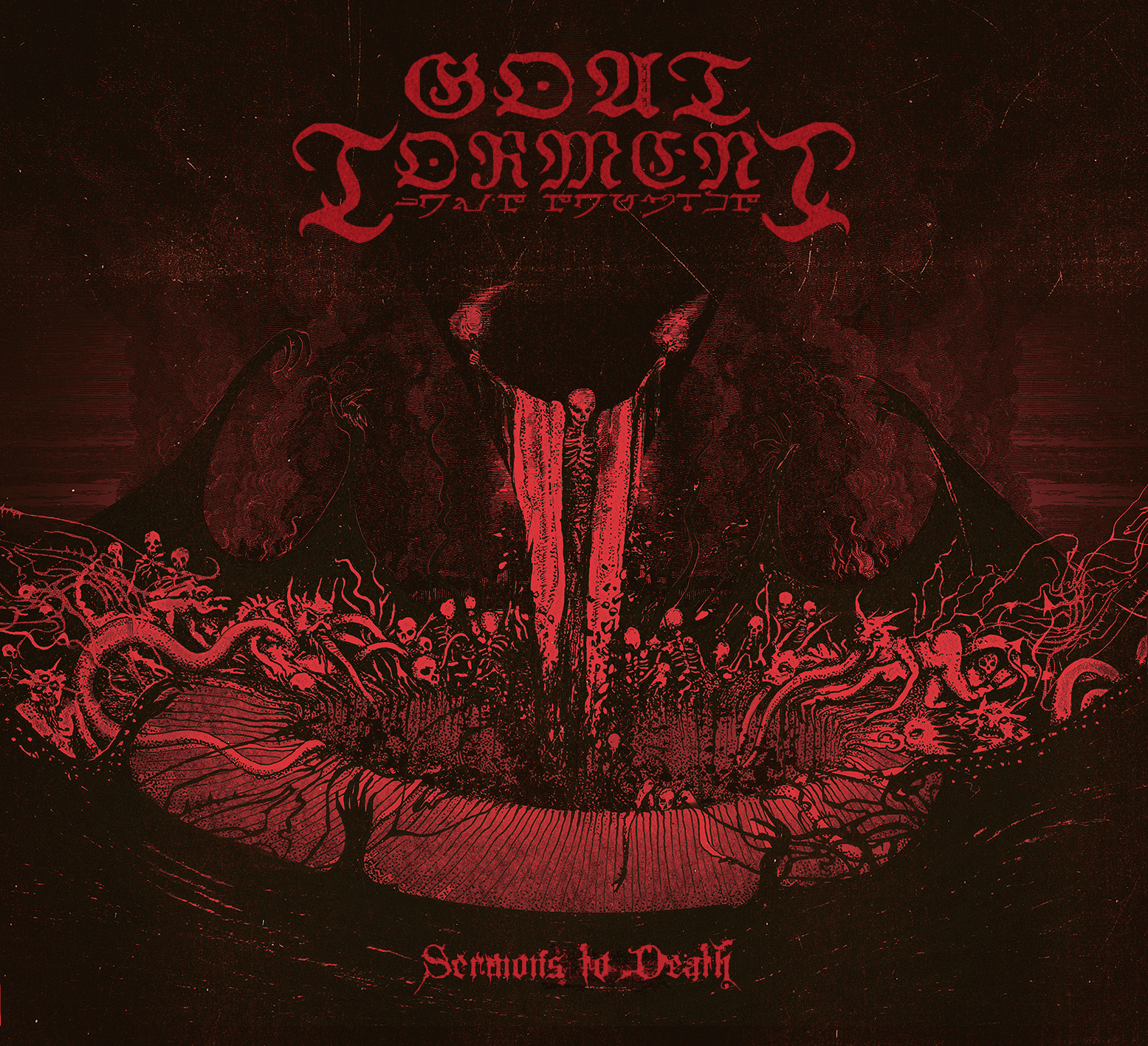
GT_sermons_to_death_HDForged in the fires of hell in the accursed year of 2008, with the intention to create music as a weapon of mass destruction and to annihilate everything which our so-called society stands for, Belgian Occult Black/Death Metal beasts Goat Torment are back and ready to haunt our souls with their brand new full-length album, the rapturous Sermons to Death. In other words, get ready to have your body and soul crushed by 40 minutes of the most deviant form of extreme music you can think of.

After the release of their debut album Dominande Tenebrae in 2013, and after touring with wicked names such as Enthroned and Black Crucifixion, including their first ever live appearance on American soil at Maryland Deathfest in 2014, this Ghent-based horde is following the steps of their fellow countrymen Enthroned in regards to the savagery stemming from their music and the profanity advocated through their lyrics. All that blasphemy might be an issue for people who are not really into Black Metal, but it’s indeed a dark delectation for diehard connoisseur of the genre.

When a Black Metal intro starts as dark as Opening the Gates, going on for over three minutes, you know there will be blood and torment through the rest of the album, which is confirmed as soon as the blackened storm entitled Bones Aligned comes ripping. The music is so intense and legitimate it doesn’t sound that only two musicians are generating it, with highlights to Kwel, the mastermind behind Goat Torment, for vociferating his vocal lines in a flammable way, and to the tempo changes that end up making the whole song even more memorable. Rising Dominion mixes the hardcore attitude from Slayer to the vileness of Black Metal, with the resonant bass lines and blast beats turning up the heat in this sonic devastation, while Hierarchy of Negligence, the first of their two epic songs, offers seven minutes of a Black, Death and Doom Metal extravaganza boosted by an astounding level of malignancy. Drummer Torturer (Mor Dagor, ex-Bethlehem, ex-Belphegor) lives up to his name and “tortures” the listener with his furious beats, supporting Kwel and his dark and blasphemous riffs and words.

goat tormentWhile some people hate short instrumental tracks like Within the Realm of Darkness, I think they’re essential for telling a good story in a Black Metal album, preparing the listener to what’s next, which in the case of Sermons to Death is the morbid Defloration of the Holy Cunt, one of the “cutest” names I’ve ever seen in my life for a song. You can imagine how nasty and grotesque this anthem is, full of growls, sick riffs and unstoppable drumming that will dilacerate your mortal soul. Do I need to say I loved it? Anyway, Death is Crowned makes it hard to believe Goat Torment are almost a one-man army so complex it is: Kwel is extremely talented, and just like most European musicians he can easily add tons of melody to extreme music, it doesn’t matter if it’s old school Black Metal or if it’s a blend of Blackened Doom and Thrash Metal like what happens in this song.

Showing absolutely no mercy for our souls, The Domineering Profane emanates despair through Kwel’s demonic vocals, perfect for some hellish headbanging, before their second epic song, Of Fire and Brimstone, closes this excellent album. This ode to hell starts as visceral as possible, and as the name of the song suggests, fire and sulphur impregnate the atmosphere, with highlights to the anger Kwel shows during its entirety, making your blood boil until the ominous last part of this sick tune drags us down to hell together with Kwel and Torturer. Or maybe you want to take another listen to the whole album, and another one after that, before joining them in the underworld?

Either way, whenever you’re ready to join the dark side with Goat Torment, simply visit their Facebook page, YouTube channel or SoundCloud page. And don’t forget to buy your copy of Sermons to Death at the Amor Fati Productions webshop or at their BandCamp page, an album that can be considered a consecration of Extreme Metal, not in the name of the Father, nor of the Son, nor of the Holy Spirit.

Best moments of the album: Bones Aligned, Hierarchy of Negligence and Defloration of the Holy Cunt.

Worst moments of the album: The Domineering Profane.

Released in 2015 Amor Fati Productions

Track listing
1. Opening the Gates 3:41
2. Bones Aligned 3:21
3. Rising Dominion 5:46
4. Hierarchy of Negligence 6:49
5. Within the Realm of Darkness 1:28
6. Defloration of the Holy Cunt 2:11
7. Death is Crowned 4:27
8. The Domineering Profane 3:58
9. Of Fire and Brimstone 7:12

Band members
Kwel – vocals, guitars, bass
Torturer – drums

Album Review – Inhuman Depravity / Nocturnal Carnage By The Unholy Desecrator (2015)

Let the depraved Death Metal by this Turkish group puncture your ears until your metallic brains splatter with rapture.

Rating4

cover artworkWhen you put the words “inhuman” and “depravity” together in the same sentence, you know the final result is not going to be gracious at all. Add to that the intense sound of vicious Death Metal, and you get as a result Inhuman Depravity, an unstoppable Turkish metal act ideal for diehard fans of Dying Fetus, Morbid Angel, Suffocation and many other old school extreme bands, who will mercilessly crush you like an insect with their disturbing uproar.

Formed in Istanbul, Turkey in late 2013, probably in the depths of a dark and fetid catacomb or at an abandoned slaughterhouse teeming with rotting corpses, and after releasing their first demo a few months later based on the theme that gives the band’s name, “depravity”, it’s now time for those Turkish death metallers to release their debut full-length album, beautifully entitled Nocturnal Carnage By The Unholy Desecrator. And you better get ready, because things are about to get as gory as the most demented slasher movies you might have seen in your life.

With an intro that’s supposed to be a serial killer calling his lawyer and telling him about his killing spree in a mix of fear and madness, Exhuming The Creator For Own Expediency opens this excellent album like a demonic beast unleashed upon humanity, especially due to the deep and infuriated growls by vocalist Yunus Efe. Not only that, it feels like drummer Eren Gursoy wants to kill someone with his beats so sick they are. Do you think you can survive for over 30 minutes of this type of immoral music? Because their gory old school Death Metal attack keeps destroying our souls in Dismembered and Buried Instincts, with highlights to the pulverizing riffs by guitarist Murat Sabuncu while Eren adds lots of interesting breaks amidst his choleric drumming.

The next tune, Condemned To Monotheistics, reminds me of ancient Cannibal Corpse from the Chris Barnes-era due to the metallic bass lines by Kaan Yildar and the gruesome growls by Yunus. Besides, I was trying to find the lyrics to this song just to get more details on the message the band wanted to send to the listener, but unfortunately couldn’t find them anywhere. Well, who cares? Let’s just bark together with Yunus and enjoy the band’s bestiality, which is also the case in Rise of Vengeance By Bloody Torment, even faster and more diabolical than its predecessors. Kaan and Eren are on their “hulk mode”, and although it’s hard to keep up with their speed and malevolence you will love this song if you’re devoted to Death Metal to the second power.

band photoThe initial growl by Yunus in Apocalyptic Mass Murder Oath is a warning: this song is going to be absolutely fuckin’ brutal. It’s an amazing display of inhumanity, proving the name of the band was not chosen in vain, and I have no idea how the band members can be so in sync while playing such devastating music. The same can be said about the next track, Bloodthirst of Sinners, where the low-tuned bass lines and riffs give it an extra touch of darkness, making it the perfect soundtrack for a slaughter. This is the type of song that makes you wonder if any normal person can survive a nonstop circle pit to the sound of Inhuman Depravity. And just when you think there will be some moments of peace or silence they strike back with their extreme musicality in Carnivorous Offering, with highlights to the sick drum fills by the talented beast Eren and to the song’s beautiful and barbaric ending.

In Slain Dissection Abuse you realize they’re really trying to melt your brain with their music in a flawless exhibit of how cruelty, torture and gore can be translated into brutal and technical Death Metal. It’s my favorite of all tracks, where Murat and Eren once again steal the show with their combination of dark riffs and nonstop beats. And finally we have Salvation Through Bloodvomit, one of the “cutest” song names I’ve ever seen, ending the album on the same demonic level it started. Furthermore, Yunus is not simply snarling this time, he’s regurgitating the song’s putrescent lyrics inspired by the sonic warfare established by the rest of the band.

If you want to acquire this ruthless lecture in bloodshed and perdition, featuring a kick-ass artwork by Indonesian artist Rian Oktanto, go to the official Coyote Records Web Shop, to their Digital Store on BandCamp or to Big Cartel to grab your copy of Nocturnal Carnage By The Unholy Desecrator. Put differently (and in a much more lethal way), let the depraved Death Metal by Inhuman Depravity puncture your ears until your metallic brains splatter with rapture. This is what authentic Death Metal has always been about.

Best moments of the album: Exhuming The Creator For Own Expediency, Apocalyptic Mass Murder Oath and Slain Dissection Abuse.

Worst moments of the album: None.

Released in 2015 Coyote Records

Track listing
1. Exhuming The Creator For Own Expediency 4:01
2. Dismembered and Buried Instincts 3:16
3. Condemned To Monotheistics 3:36
4. Rise of Vengeance By Bloody Torment 3:36
5. Apocalyptic Mass Murder Oath 3:38
6. Bloodthirst of Sinners 3:09
7. Carnivorous Offering 3:05
8. Slain Dissection Abuse 3:41
9. Salvation Through Bloodvomit 3:44

Band members
Yunus Efe – vocals
Murat Sabuncu – guitars
Kaan Yildar – bass
Eren Gursoy – drums

Album Review – Cradle of Filth / Hammer Of The Witches (2015)

The metallic coven instituted by one of the most important Extreme Metal bands of all time keeps haunting our world with their thrilling and malevolent music.

Rating3

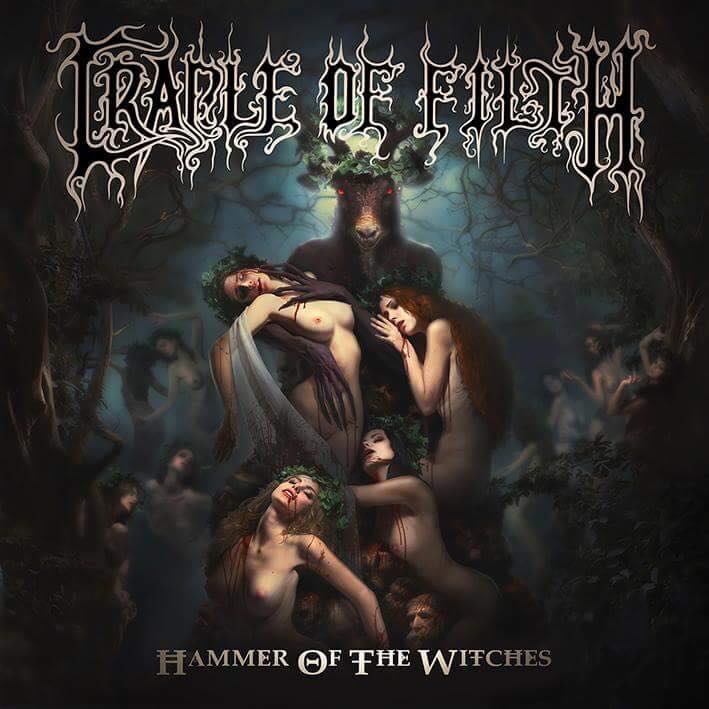
CoF_Hammer of the WitchesI don’t understand why some people are so skeptical when British Extreme Metal behemoths Cradle of Filth are about to release a new album. Despite some very few letdowns, and I’m not talking about entire albums but just one or another song, Dani Filth and his sinful horde have always delivered first-class dark music, where the combination of symphony, heaviness, controversial themes and intricate and deranged lyrics goes beyond what almost all metal bands in the world can do. And now joining their collection of perversity, which includes masterpieces such as Cruelty and the Beast, Midian, Damnation and a Day and Godspeed on the Devil’s Thunder, we have Hammer Of The Witches, the eleventh studio album in their distinguished career and, more important than that, another solid display of black magic by one of the most important extreme bands from the past decades.

The album is named after the Malleus Maleficarum, a medieval document of guidelines regarding the persecution and torture of witches, just for you to have an idea of how obscure Hammer Of The Witches is. In regards to the artwork, designed by Latvian artist Arthur Berzinsh, Dani mentioned in one of his interviews that it is “a lavish walk-through of the lyricism, drawing on rich renaissance themes and displaying them in beautiful-yet-unsettling scenarios. Half of the detailed pieces are totally original for the release, others are Berzinsh classics cunningly tailored to the themes of the album, which are themes rife with heady witchcraft, be it persecution, retribution or unfettered spiritual liberation. The female form is rampant throughout the artwork, unashamedly displayed in its classical rendition of beauty… and horror.” In my humble opinion, that stylish explanation summarizes not only the imagery, but also the music found in the album. You can also see Dani giving more details about it in this official interview on YouTube.

Is there a better way to start a Cradle of Filth album than with one of their traditional intros, like Walpurgis Eve? This is already a good sign that the album will be kick-ass, which is confirmed when the havoc begins in Yours Immortally…, a song that perfectly represents the mix of raw Black Metal and traditional Heavy Metal only Dani & Co. can provide us. In addition, while Dani delivers his trademark high-pitched demonic screams, Martin “Marthus” Škaroupka keeps improving his importance in the bestial sounding crafted by the band. Enshrined In Crematoria has its good and bad moments, the good ones happening when they speed up the rhythm and the guitar riffs by Richard Shaw and Marek “Ashok” Šmerda lead an awesome sonic attack, whereas its slow parts sound too bland and generic; followed by Deflowering The Maidenhead, Displeasuring The Goddess, with its musicality containing elements from Midian and The Manticore and Other Horrors boosted by some crazy guitar solos. Moreover, I guess I don’t need to say Dani is by far one of the best lyricists of all time (“Religion caw epistles / Twisted laws extend their thristles / A crown to justify / Our place atop this hellbound carriage”), and Lindsay Schoolcraft not only delivers some wicked keyboard notes but her smooth and powerful voice also adds a lot of passion to the song.

CoF 2015Blackest Magick In Practice showcases a beautiful and melancholic start, focusing on Symphonic Gothic Metal without losing the band’s characteristic ferociousness. Its guitar riffs couldn’t sound more amazing, and Dani’s vocals sound great during the entire track, it doesn’t matter if he’s simply screaming like a demon or delivering his deeper dark growls. Then the band offers us the calm but somber intro The Monstrous Sabbat (Summoning The Coven), right before the title-track Hammer Of The Witches comes ripping with its imposing sounding where the keyboards by Lindsay get a lot more focus. It’s the most symphonic of all tracks so far, an awesome feast of the Symphonic Black Metal that longtime fans of the band learned to love. I have to say the initial “electronic” seconds in Right Wing Of The Garden Triptych (check the uncensored version of the official video HERE, it’s much better than the censored one on YouTube) scared the hell out of me especially because this was the first single released, but fortunately that was just a quick intro as the music itself is simply outstanding, varying from sheer brutality to gentle piano passages. Dani is absolutely on fire with his diabolic screams as well as Marthus and his wicked blast beats, not to mention the band’s Stygian lyrics being a delight for fans of devilish music as always (“Unforgiving proof accrual begs this cruel rebirth / A living fuel for the blaze of renewal, razing the earth / Pariahs and Messiahs of the highest worth / Fodder for the denizens of risen, hissing Hell”).

It’s not a true Cradle of Filth release without a ghoulish song about vampires, and in Hammer Of The Witches that comes to light (or darkness) in The Vampyre At My Side, an old school Cradle of Filth tune where you can feel the music rising to its climax amidst rawer moments in which the guitar riffs get thrashier than usual. Do I need to say anything about yet another excellent performance by Dani and Marthus? Anyway, the organ intro in the next song, Onward Christian Soldiers, generates a somber atmosphere perfect for the dense and violent exhibit of modern Extreme Metal that follows. This is one of the best tracks of the album (if not the best), a stunning epic composition with lots of variations where its riffs remind me of some of their songs from the brilliant Dusk… and Her Embrace. And finally, Blooding The Hounds Of Hell is a more-than-suitable symphonic outro to close all the stories told throughout the album, transpiring sorrow and darkness.

You can choose your version of the album at the Nuclear Blast webstore, but if I were you I would definitely purchase one of the special editions that come with two bonus tracks, King Of The Woods and Misericord, as they’re both savage and erotic. Based on the magnificent witchcraft found in Hammer Of The Witches, it looks like the metallic coven instituted by Cradle of Filth, who are in their best shape of the past few years, will keep haunting our world with their thrilling music for many years to come.

Best moments of the album: Yours Immortally…, Right Wing Of The Garden Triptych, The Vampyre At My Side and Onward Christian Soldiers.

Worst moments of the album: Enshrined in Crematoria.

Released in 2015 Nuclear Blast

Track listing
1. Walpurgis Eve 1:29
2. Yours Immortally… 6:00
3. Enshrined In Crematoria 5:46
4. Deflowering The Maidenhead, Displeasuring The Goddess 6:59
5. Blackest Magick In Practice 6:50
6. The Monstrous Sabbat (Summoning The Coven) 1:51
7. Hammer Of The Witches 6:28
8. Right Wing Of The Garden Triptych 5:54
9. The Vampyre At My Side 5:45
10. Onward Christian Soldiers 6:59
11. Blooding The Hounds Of Hell 2:10

Deluxe Edition bonus tracks
12. King Of The Woods 6:17
13. Misericord 6:19

Band members
Dani Filth – lead vocals
Richard Shaw – guitars
Marek “Ashok” Šmerda – guitars
Daniel Firth – bass
Lindsay Schoolcraft – female vocals, keyboards
Martin “Marthus” Škaroupka – drums

Album Review – Gorgoroth / Instinctus Bestialis (2015)

One of the most controversial Black Metal bands in the world delivers some truly bestial instincts in the form of gruesome and elaborate extreme music.

Rating4

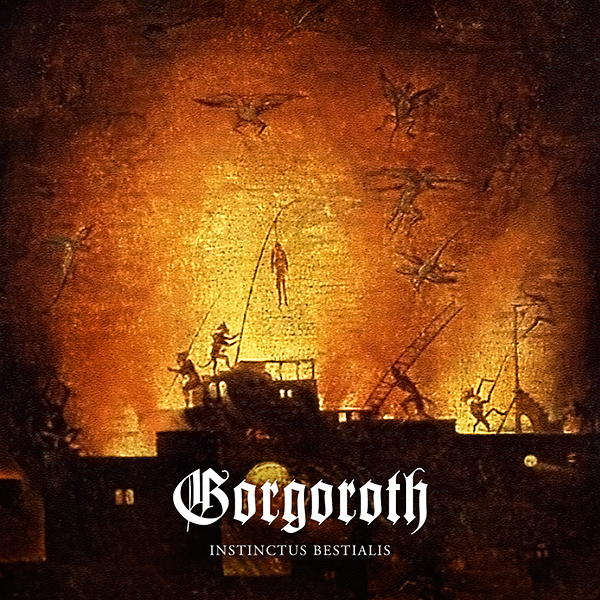
instinctus bestialisNorwegian Black Metal is more than just a subgenre of Heavy Metal: it’s a renowned and very respectable movement that has been helping redefine the scope of extreme music, expanding its boundaries to a whole new level that’s not comprised of just the music itself, but of a wide variety of contentious topics such as religion, murder and ideology. If you don’t know much about it, I strongly recommend you watch the amazing documentary entitled Until the Light Takes Us (2008) to better understand the importance of this infamous musical subculture to society. And it doesn’t matter if you’re a fan of Black Metal or not, you must listen to Norwegian black metallers Gorgoroth to understand how all that controversy and darkness translates into music.

Formed in 1992 by the only original member remaining, Infernus, and named after the dead plateau of evil and darkness in the land of Mordor, from J. R. R. Tolkien’s fantasy novel The Lord of the Rings, Gorgoroth are releasing now in 2015 their ninth full-length studio album, the venomous Instinctus Bestialis. It’s important to say this is their first album to feature vocalist Atterigner and, more important than that, it’s indeed a solid addition to their polemic career, corroborating their status as one of the most influential Black Metal bands in history.

It’s simply amazing how violently the album starts with the opening track Radix Malorum, with its blast beats crushing our heads from the very first second while Atterigner shows why he was chosen by Infernus to be the new devilish voice of Gorgoroth. Following that ravage we have more infernal Black Metal in Dionysian Rite, with highlights to the great work on guitars by Infernus and to the demonic performances by Atterigner and Asklund with their vocals and drums, respectively. Moreover, I’m pretty sure most of the fans of the music by Gorgoroth will love the ominous Blackened Doom vibe present in the last part of the song.

gorgorothThe blasphemous and devastating Ad Omnipotens Aeterne Diabolus can be considered the most complete song of the album, showcasing a touch of melancholy, a beautiful melody, and of course that expected (but always awesome) visceral explosion of Black Metal. Asklund is kicking ass on drums once again, whilst Infernus keeps mastering the art of dark riffs and solos. And when the lyrics include screams such as “Hail Satan!”, you know you’re facing some good deranged music, right? Anyway, the short and direct Come Night is yet another melodic tune that doesn’t forget to be as satanic as Black Metal usually is, and despite not being the most creative song in the world it’s still very enjoyable; followed by Burn in His Light, where hints of Blackened Death Metal and even some progressiveness add a fresh taste to it. Besides, the robust background foundation by Bøddel and Asklund leave plenty of room for infernus to deliver more awesome riffs, increasing the song’s quality.

In one of the top moments of the album, Rage, its heavy guitar lines bring forth a wrathful Blackened Death Metal vibe, reminding me of the superb musicality found in The Satanist, the lasts masterpiece by Behemoth. This is a great addition to Gorgoroth’s weaponry and something they should be doing more in future releases, in my humble opinion. Kala Brahman, which has different meanings in Mithology depending on the culture but it’s usually a sea monster, an evil spirit or the supreme god to bring death and disease to mankind, presents a dense and obscure sonority enhanced by an atmosphere that couldn’t be more perverse and by an avalanche of traditional blast beats by Asklund. And the last track of the album, Awakening, doesn’t slow down at all, once again flirting with Blackened Death Metal and therefore resulting in a very rhythmic and imposing composition.

In summary, after all these years of controversy, depravity and radicalism, Gorgoroth prove they still got it, delivering a consistent work that sounds much more cohesive than many of their previous releases. To be fair, the addition of elements from genres such as Blackened Doom and Blackened Death Metal, rather than just sticking to raw old school Black Metal, was undoubtedly the right decision by Infernus and his horde in this album, truly expressing the most bestial instincts deeply entrenched inside the human being in the form of gruesome and elaborate Extreme Metal.

Best moments of the album: Dionysian Rite, Ad Omnipotens Aeterne Diabolus and Rage.

Worst moments of the album: Come Night.

Released in 2015 Soulseller Records

Track listing
1. Radix Malorum 3:14
2. Dionysian Rite 4:05
3. Ad Omnipotens Aeterne Diabolus 5:45
4. Come Night 2:41
5. Burn in His Light 4:02
6. Rage 4:03
7. Kala Brahman 5:23
8. Awakening 2:07

Band members
Atterigner – vocals
Infernus – guitars
Bøddel – bass
Asklund – drums

Album Review – Absconditus / Kατάβασις (2015)

An obscure descent to the underworld in the form of extreme music by a talented Occult Black Metal act from France.

Rating5

IVR041 Absconditus_Katabasis_1600pxIn Greek mythology, Kατάβασις (pronounced “katabasis”) means a descent to the underworld, and that is exactly what you will feel while listening to the debut full-length album by French Occult Black Metal band Absconditus. By the way, the name of the band comes from Latin, meaning “occult” or “hidden”, which perfectly represents their musicality, lyrics and everything else. In other words, if you have the nerve to face such a cryptic band piercing your mind with their dark and deranged music, you may ultimately relish a distinct experience in Extreme Metal.

Founded in 2010 by guitarist/songwriter Loxias upon the ashes of French Cult Black/Death Metal band Borgia, Absconditus offer solid and dissonant melodies enhanced by hints of melancholy, drama and introspective tension, with Kατάβασις being the the initiatic path that one has to walk in order to gain freedom and mastery over existence in a demiurgic world, according to the band. Not only that, the whole album is sung entirely in French. Do you think this is already too much information to absorb? Well, wait until you read the rest of this review and, of course, listen to the entire album, and you’ll see this is just the beginning.

An intro that goes on for over three minutes like Prologue à l’Agonie (or “prologue to agony”, in English) gives you an idea of the obscure voyage that’s about to start. What begins in a slow and dark way suddenly becomes a massacre full of melancholy, setting the stage for the macabre Mystagogie des Limbes (“limbo mystagogy”), or the principles, doctrines, and practices of mysticism, powered by its beautiful lyrics (“L’effroi illumine ma voie, je perçois la ruine en eminence / Un oremus cristallin s’élève vers les cieux / La dualité de ma noblesse fait écho à la décadence des ages / Dans l’ascension vertigineuse de mon âme captive”) amidst an atmosphere generated by Blackened Doom. Is there a way vocalist Aliexagore could have sounded more desperate than this? Moreover, in my opinion its riffs somehow transport the listener to Norway due to their strong Black Metal-ish feeling.

3540396969_logoElegeía (Confession au Cénotaphe), or “elegy (confession at the cenotaph)”, which means an “empty tomb” or a monument erected in honour of a person or group of people whose remains are elsewhere, brings forth a huge amount of darkness and disgrace, including a draconian invocation performed by Aliexagore, Loxias and Guillaume Pingard. Drummer Anderswo shows he’s an extremely technical musician whose skills contribute to add extra layers of violence and intricacy to the musicality, while Loxias seems to be hypnotized by the dark side, delivering truly demonic lines. And get ready for the ending climax of the song, it is outstanding. Darkening their sonority a bit more we have Exultet – L’Aurore Schismatique (“exultet – schismatic dawn”), the hymn of praise sung, ideally by a deacon, before the paschal candle during the Easter Vigil in the Roman Rite of Mass. It varies from atmospheric Doom Metal to pure Black Metal, with Aliexagore sounding even more satanic than in the previous tracks and with the addition of considerable dosages of progressiveness thanks to the talent of the musicians involved, as if Mastodon became a Black Metal act.

Hybris au Bord du Précipice (“hybris at the border of the precipice”), with the word “hybris” meaning extreme pride or self-confidence, is yet another exhibit of despair and chaos, and even if you don’t speak French you will love those lyrics (“Je partage le destin du fils de Prométhée / Sans assumer la puissance de l’affront / La semeuse d’étoiles attend mon retour / Nourrissant les espoirs de la vermine affamée”). The music itself is comprised of Occult and Progressive Black Metal professionally put together, where Loxias tries some new techniques that elevate the magnitude of the music, with highlights to the last part of the song being some kind of downward spiral to the depths of hell. And lastly, Le Nouvel Astre (“the new star”) is an instrumental outro as sinister as the intro, a dark but beautiful ending where the amazing guitar lines by Loxias are perfectly complemented by the complex beats by Anderswo.

Featuring an at the same time beautiful but eerie artwork by British artist Bethany White, Kατάβασις, which can be purchased at the I, Voidhanger Records BandCamp page, exhales darkness and complexity, making it a recommended choice for your extreme music collection. If a downward journey to the underworld is part of your plans, let this occult French act help you with the soundtrack.

Best moments of the album: Elegeía (Confession au Cénotaphe) and Hybris au Bord du Précipice.

Worst moments of the album: None.

Released in 2015 I, Voidhanger Records

Track listing
1.Prologue à l’Agonie 3:30
2.Mystagogie des Limbes 8:46
3.Elegeía (Confession au Cénotaphe) 9:24
4.Exultet – L’Aurore Schismatique 8:39
5.Hybris au Bord du Précipice 7:56
6.Le Nouvel Astre 3:09

Band members
Aliexagore – session vocals
Loxias – guitars, bass
Anderswo – drums

Album Review – Down To Hell / V Zajatí Temnoty (2015)

Let’s brave the world of Melodic and Symphonic Black Metal created by this talented Slovak six-piece band who sings entirely in their mother tongue.

Rating5

coverFounded in 2006 in the city of Malaciek (or Malacky), Slovakia, around 35 km north from the capital Bratislava, what Melodic/Symphonic Black Metal band Down To Hell have to offer the fan of heavy music goes beyond your usual symphonic and extreme elements. Their music relies heavily on contrasts, as in singing as well as their instrumental and lyrics written in the form of stories, providing a more complete experience to the listener. In addition, although they say they play Symphonic Black Metal, which instantly brings bands such as Dimmu Borgir to your mind, they sound rawer and more inclined to old school Black Metal than that.

However, the most noteworthy characteristic in the music by Down To Hell is the fact they did not “surrender” to the English language, singing their songs entirely in their mother tongue, Slovak, which adds an extra touch of darkness to their 2014/2015 debut full-length album V Zajatí Temnoty, or “Captive Darkness” in English. The only thing in English ends up being the band’s own name, which makes me wonder why they’re not called “Dole Do Pekla” instead. Anyway, let’s get down to business and see what V Zajatí Temnoty is made of.

Ticho Pred Búrkou, or “calm before the storm”, is exactly what this piano intro represents, and you can get a sense of how symphonic their music is before the actual storm begins in Pán Vetra, Búrky A Mrakov (“lord of wind, storms and clouds”), with the growls by singer/guitarist “Kani” Miroslav Gajdár matching perfectly with the musicality proposed while the keyboards by “Lubo” Ľubomír Müller complement the havoc created by the song’s guitar riffs and drums in a very interesting way. Slightly darker than the previous tune, Skazení (“wicked”) sounds almost like raw Black Metal in some instances but pure symphony in others, with the nice job done on guitars enhancing its overall quality. It’s the first song of the album to showcase the clean vocals by the gorgeous “Maťa” Martina Bilkovičová, who has a very good chemistry with Kani and his screams.

Keeping up with the previous songs, Bosorské Sólo is another great mix of extreme music and melodic instrumental, where it’s interesting to notice how drummer “Beňo” Dušan Šelc can easily change from a more rhythmic drumming to furious blast beats, providing more progressiveness to the music; followed by the “sudden attack” offered by the band in Krvavé Jazero (“bloody lake”). This song, which has a solid flow from start to finish, is how dark music should always be, with the smooth voice by Maťa being like a dream amidst its nightmare-ish beats. Unfortunately, the band disappoints a little in Prízrak (“phantom”), which despite starting differently than the other songs in a thrashier way, it doesn’t know if it’s Melodic Black Metal, Pop Metal or Symphonic Metal. It’s still an enjoyable tune, but below the album average especially as it’s not very clear what its final goal was.

dth_allThe final triade in V Zajatí Temnoty couldn’t have started in a better way than with Smrť (“death”), where not only the guitar lines by Kani and “Ťapo” Martin Matlovič sound amazing, but Kani also does an awesome job ranging from high-pitched roars to truly deep guttural. Besides, pay attention to how the band is able to sound cruel and harmonic at the same time, just like what Extreme Metal icons Cradle of Filth perfectly do, and you’ll understand why this is one of the top moments of the album. Then we have the dark ballad/waltz Nemŕtva Nevesta (“undead bride”), where the clean vocals by Maťa steal the show, achieving an even more pleasant performance due to the keyboard notes by Lubo; and finally the excellent Drak (“dragon”), a fast and metallic tune that has that amazing European touch to increase its quality and cohesiveness, including elements from genres such as Folk and Viking Metal, with Lubo and bassist “Miro” Miroslav Hulka being responsible for building the whole ambience for the rest of the band.

To sum up, if you want to brave the world of Symphonic Black Metal sung in its entirety in a language other than English, visit Down To Hell’s official Facebook page, YouTube channel, Bandzone.cz and, of course, buy their music at their BandCamp page. This six-piece Slovak band truly knows what they’re doing, and I’m sure their non-English words won’t restrain them from reaching new heights with their music so talented they are.

Best moments of the album: Pán Vetra, Búrky A Mrakov, Krvavé Jazero and Smrť.

Worst moments of the album: Prízrak.

Released in 2015 Independent

Track listing
1. Ticho Pred Búrkou 1:41
2. Pán Vetra, Búrky A Mrakov 5:26
3. Skazení 6:43
4. Bosorské Sólo 8:40
5. Krvavé Jazero 7:10
6. Prízrak 7:48
7. Smrť 6:39
8. Nemŕtva Nevesta 7:35
9. Drak 6:28

Band members
“Maťa” Martina Bilkovičová – clean vocals
“Kani” Miroslav Gajdár – guitar, screams, growls
“Ťapo” Martin Matlovič – guitar
“Miro” Miroslav Hulka – bass guitar
“Lubo” Ľubomír Müller – keyboards
“Beňo” Dušan Šelc – drums

Album Review – Dys Inbunden / One With Morbidity, The Opus Misanthropy (2015)

Come worship the Other Side to the sound of the new demonic opus by this extremely talented and sinful Swedish cult.

Rating3

One-with-morbidity-the-opus-misanthrop_OmslagCall it “Deaosophic Metal”, Progressive Black Metal or simply Black Metal. The music disseminated by Dys Inbunden, one of the most nihilistic death obsessed bands in the world, in their masterfully chaotic new album One With Morbidity, The Opus Misanthropy, is going to hit you with an avalanche of depression, suicide, darkness and death beyond dispute. Even if you’re not a huge fan of extreme music, I strongly recommend you take a shot at this amazing album so intense it is.

Forged in the fires of Stockholm, Sweden in 2012 and after releasing their debut album (or their “first opus”, as the band refers to it) entitled Pandemonium Unchained in 2013, Dys Inbunden spent a dark period in 2014 recording their new opus with Honza Kapák at Hellsound Studio, in the Czech Republic. The result, as aforementioned, is awesomely professional and instigating, carving the band’s trademark on the global map of Extreme Metal. And now, after reading this quick intro about the hostile Dys Inbunden and their blasphemous creation One With Morbidity, The Opus Misanthropy, I dare you to hit play if you have the guts.

Well, if you were tough enough to do it, you’ll already face One With Morbidity, one half of the album title, which starts as the intro to some sort of occult ceremony that goes on for a while before a sonic apocalypse begins. What an outstanding production, where you can clearly listen to each instrument while at the same time it’s fuckin’ dark and heavy as hell. Not only that, Mr. Gefandi Ör Andlät knows how to desecrate our minds with his blustering screams. The second half of the album title, Opus Misanthropy, presents hints of Symphonic Black Metal in a poignant atmosphere, where even the clean cultic vocals sound intimidating, not to mention the spot-on orchestrations by Magister Nocturnal, which are not too portentous but adequate to the band’s purpose.

If you’re still alive and sane, the symphonic and devilish track Odious Worship Of Annihilation will mercilessly invade your soul, with Gefandi Ör Andlät sharpening his vocals to an even deeper satanic level while the instrumental keeps dense and extremely well-crafted. There’s not a single second of hope for over seven minutes of music in this tune, one of my favorites of the entire album hands down. Mischievous Paths Of Nocturnal Lust, the longest track of the album, doesn’t disappoint, with the duo of darkness offering us another Black Metal raid with extra layers of insanity, rhythmic variations and progressive passages. Its vocals and riffs are of course fiendish, and I’m sure you’ll feel your brain detaching from your skull to the sound of this evil feast. Then we have Through Demise and Decay, with its powerful riffs and harsh screams being its main ingredients, as well as those sick blast beats the way we love in Black Metal and a “chorus” that seems to incite a demonic worship; and The Illuminating Gaze Of Lucifer, where its Doom Metal vibe blended with the battering ram from Black Metal generate an interesting outcome. Moreover, as the name of the song contains the word “Lucifer”, it’s quite obvious the prince of darkness must be honored to be the inspiration for it.

dys inbundenDraconigena, a word that means “dragon-born” or “someone or something born of a dragon”, showcases Dys Inbunden spitting fire through their music. This is a very progressive and extreme tune, with highlights to the superb guitar lines by Gefandi Ör Andlät and its venomous ambience, sounding like three or four different songs in a combination of complexity and bestiality, and I guess I don’t need to say how solid the final result is. And continuing with the innovative names, Larva Pazuzu is the union of the words “larvae”, which in Roman mythology means a malevolent spirit of the dead or “a terrifying mask”, and “Pazuzu”, which in Assyrian and Babylonian mythology was the king of the demons of the wind and son of the god Hanbi, also representing the southwestern wind, the bearer of storms and drought. The music itself couldn’t be more direct, an awesome massacre where both Gefandi Ör Andlät and Magister Nocturnal sound deeply infuriated (and whoever is playing the drums is a beast).

Just when you think they’re going to take a break amidst so many wicked tunes, they continue their path of destruction with Nihilist Pariah, a raw old school Black Metal tune tailored for diehard black metallers, boosted by the deluxe production of the album, followed by Crown Of Carcosa, another masterful display of extreme music where the nuances of darkness brought forth by its symphonic elements sound really interesting. And what starts as a song by Opeth or Dream Theather evolves to a deranged but very melodic carnage in He Who Worships Death, with highlights to its high-end drumming and the uproar caused by the demonic voice of Gefandi Ör Andlät. Lastly, we have the frenetic Dimension Of Nihility, as vile as it can be, with the flawless support provided by Magister Nocturnal allowing Gefandi Ör Andlät to add more experimentations and a stronger taste to the music, and nothing is more suitable to end this Black Metal rite than a melancholic piano outro, named Without Life And Movement.

To be fair, it’s extremely difficult to summarize this Stygian masterpiece in just a few lines, so I deeply recommend you go like their Facebook page and check their music on YouTube, as well as buy One With Morbidity, The Opus Misanthropy at their official webstore, at the Liflätinn Productions webstore, on Amazon or at many other locations to really feel their music in your flesh. In other words, it’s time for us all to worship the Other Side to the sound of the new amazing opus by this talented and sinful Swedish cult.

Best moments of the album: Odious Worship Of Annihilation, Through Demise and Decay, Draconigena and Larva Pazuzu.

Worst moments of the album: Opus Misanthropy.

Released in 2015 Liflätinn Productions

Track listing
1. One With Morbidity 6:47
2. Opus Misanthropy 6:56
3. Odious Worship Of Annihilation 7:47
4. Mischievous Paths Of Nocturnal Lust 9:04
5. Through Demise and Decay 8:07
6. The Illuminating Gaze Of Lucifer 8:59
7. Draconigena 6:25
8. Larva Pazuzu 3:38
9. Nihilist Pariah 7:54
10. Crown Of Carcosa 5:35
11. He Who Worships Death 6:49
12. Dimension Of Nihility 6:07
13. Without Life And Movement 2:31

Band members
Gefandi Ör Andlät – vocals, lead guitar
Magister Nocturnal – bass, piano, orchestrations

Album Review – Disgusting Perversion / Morbid Obsessions EP (2015)

Let the bloodbath begin and spread all over Bavaria and the rest of the world with the debut album by this up-and-coming old school Death Metal band.

Rating5

Disgusting Perversion - Morbid ObsessionsIf there’s a word that can be used to describe the music found in Morbid Obsessions, the debut EP by German Death Metal band Disgusting Perversion, that would definitely be “stampede”. However, instead of a wild rush of ordinary animals, what we have here is a frantic onslaught by a horde of Teutonic death metallers that will crush your body and soul with their raw old school vibration. What else can you ask for in a Death Metal album, right? Well, I guess the old school album art in Morbid Obsessions can already provide you a trustworthy preview of what you’ll find when you start your listen at the album.

Hailing from the city of Kaufbeuren (about 90km from Munich), in the Free State of Bavaria, Germany, this brand new four-piece group will surely please fans of the combination of brutality and melody made famous by names like Death, Obituary, Cannibal Corpse and so on. Not even the fact that the drums are programmed, instead of having a drummer of flesh and blood with them, makes the the album sound less organic or visceral, which in my humble opinion is the most important attribute we should expect from any type of extreme music. In other words, you have to feel the blood dripping from authentic Death Metal, and Disgusting Perversion unquestionably provide the listener that morbid but awesome perception.

War Annihilation, as its own name indicates, kicks off the album sending a clear message from the band: they play brutal Death Metal, spreading nothing but gore and violence through their path of ruination. Moreover, the riffs by guitarists Claus Schubert and Tobias Ruf are tailored for fans of renowned musicians like Chuck Schuldiner and James Murphy, and as both Claus and Tobias simply love Death, I’m pretty sure this was exactly how they wanted their guitars to sound like. In the raging Bloodbath, lead singer Stefan Bauer vociferates the lyrics as if he was possessed by an evil entity, inspired by the demonic voices of bands such as Obituary and Morbid Angel, while bassist Klaus Bergmann and his low-tuned weapon provide the listener some bestial notes. It’s that type of slow but extremely heavy sounding perfect for headbanging, enhanced by the addition of some excerpts of the fastest savagery you can find in music.

Disgusting PerversionSounding as another tribute to old school Extreme Metal, the good Flying Nightmare shows what happens when Disgusting Perversion accelerate the rhythm, turning their music into a true “nightmare” for the faint-hearted. Besides, its traditional guitar solo helps improve the balance between sheer massacre and its strong melodic lines. Then we have the most melodic of all tunes, entitled House Of The Butcher, which is not as barbaric as the previous songs and has a huge focus on the guitar lines by Claus and Tobias. The vocals by Stefan exhale pure evil as expected, and with a name like that you can have a good idea of how gruesome its lyrics are.

The title-track, Morbid Obsessions, is a great display of straightforward Death Metal, fuckin’ heavy and merciless as hell, with highlights to the dark and low growls by Stefan and the crisp guitar solos by Claus and Tobias; followed by Disgusting Perversion, the song that takes the band’s name, and let me tell you that there couldn’t be a more suitable song to carry their flag. The music is disgusting, atrocious and barbaric, reminding me of old school Sepultura with wicked vocals, leaving the listener avid for more of the band’s cruelty.

To sum up, Morbid Obsessions is a very cohesive and full-bodied work for what is “just” an EP by those promising Bavarian death metallers, who are craving for your blood at their Facebook page. And don’t forget to visit the Winterwolf Records page on eBay, where you can purchase the album. Let the bloodbath begin and spread all over Bavaria and the rest of the world with Morbid Obsessions, the debut album by a band that, if they keep working hard and remain loyal to their foundations, has a bright future ahead of them.

Best moments of the album: Bloodbath and Disgusting Perversion.

Worst moments of the album: None.

Released in 2015 Winterwolf Records

Track listing
1. War Annihilation 4:05
2. Bloodbath 6:10
3. Flying Nightmare 4:22
4. House Of The Butcher 5:32
5. Morbid Obsessions 5:35
6. Disgusting Perversion 5:45

Band members
Stefan Bauer – vocals
Claus Schubert – guitars
Tobias Ruf – guitars, drums programming
Klaus Bergmann – bass

Metal Chick of the Month – Vibeke Stene

vibeke01

You make my tired heart sing, Vibeke…

I guess I don’t need to say that lots and lots of Gothic/Doom Metal fans got extremely excited back in June 2013, when our metal chick this month announced through her official Facebook page that she was finally coming out of her retirement to reignite her brilliant music career in Heavy Metal. I’m talking about one of the most beloved female singers of all time in heavy music, Norwegian soprano Vibeke Stene, known for her unparalleled contribution to making Norwegian Symphonic Gothic Metal band Tristania a true reference in Gothic Metal history.

Daughter of Steinar Stene and Sissel Bø Stene, Vibeke was born on August 17, 1978, in the municipality of Sokndal in Rogaland county, Norway, about 450km from the capital Oslo. Her personal life and her career seem to walk hand in hand, becoming even the same entity sometimes, as she’s been fully involved with music and singing since she was a little girl. For instance, at the age of three, our diva already performed for people that were not part of her family, evidencing how much she loved music and starting to build her successful career as a singer.

It was at the age of thirteen, when she started taking singing lessons after she moved to Stavanger (about 100km from Sokndal), that she got interested in classical singing, taking lessons until the age of 23 in order to become her own teacher. By the way, not only Vibeke is the owner of a unique vocal range and an incredible charisma when she’s performing live, but she also became a teacher, studying music and giving singing lessons in Stavanger, Kristiansand and Oslo.

In regards to her professional career as a singer, it’s more than obvious that she left her deepest mark and became a huge heavy music idol during her years with Tristania, which was actually the very first band she joined in her life. Speaking of which, when she was 18 years old Vibeke was invited to join Tristania after attending a live concert of the band, and although she was initially supposed to be only a guest musician in their first demo, she ended up becoming a permanent member due to her incredible performance. The other members of Tristania mentioned in some interviews that Vibeke wasn’t into Gothic Metal before joining the band, but a lot more into Classic Rock and Heavy Metal, which of course didn’t prevent her at all from perfectly blending her voice with the band’s musicality. Furthermore, her performances with Tristania were so good and so powerful it’s quite impossible not to associate the band with her name even today, and it’s hard to imagine Vibeke singing in a band that’s not Gothic or Doom Metal.

Her awesome career as Tristania’s female singer includes the demo Tristania (1997), the full-length albums Widow’s Weeds (1998), Beyond the Veil (1999), World of Glass (2001), Ashes (2005) and Illumination (2007), as well as the singles Angina (1999) and Sanguine Sky (2007), two live albums, two compilations and three music videos, including the eerie official video for the excellent song Libre and the more than pleasant Equilibrium (which can be seen at the end of this text). All those albums are really good and sound very professional, but in my humble opinion the best one by far is Widow’s Weeds, where Vibeke’s smooth voice and Morten Veland’s harsh vocals, together with a very melancholic and obscure sonority, make this album a must-have in the collection of any fan of high-quality music. Songs like Evenfall, Pale Enchantress and My Lost Lenore are those things that deserve to be included in the “never before, never again” music category.

Vibeke and Tristania always had an outstanding live performance together. For instance, they were the headliners of the 4th edition of the Metal Female Voices Fest, which happened in Wieze, Belgium, in 2006, where they shared the stage with other great bands such as Theatre of Tragedy, Delain and Xandria. I had the pleasure to see them live twice with the goddess Vibeke on vocals during their World of Glass tour in January 2002, and in March 2005 during their Ashes tour, and in both occasions it was impossible not to be impressed by her voice and moves during the entire concert.

Unfortunately for all the fans of Tristania, Vibeke left the band in February 2007 first to finish her university degree, and also because she didn’t like the music direction the band was taking. And despite all the rumors about her replacing the one and only Tarja Turunen when she left Symphonic Power Metal band Nightwish, as both left their former bands almost at the same time, Vibeke was the first one to publicly confirm she was not going to be the new singer for Nightwish nor would ever be. However, we can say Tristania was not the only band in Vibeke’s life: she was also a guest vocalist in three tracks (In the Realm of the Midnight Sun, My Dark Reflections of Life and Death and Under Eternal Stars) from the 2000 album Journey to the End of the Night,  by Norwegian Gothic Metal band Green Carnation; guest vocalist in the interesting song Suspended Time, from the 2007 album Solar Soul by Swiss Industrial Metal band Samael; and more recently, Norwegian Electronic band Plutho released the song Queen of Broken Hearts, from their 2011 album Bob, You Don’t Wanna Go There!, which features Vibeke’s guest vocals. However, according to the group, this was recorded back in 1999, which means Vibeke was still officially “retired” when the song was released.

This slideshow requires JavaScript.

Although Vibeke still owes all her loyal and passionate fans her once promised solo album, at least we’re glad she’s back to the world of heavy music with her unique voice in the Extreme Metal project God of Atheists, by Norwegian musician Asgeir Mickelson, including musicians from Dimmu Borgir, Emperor, Zyklon, among others. This project is still in the making, but should be available sometime in the second half of 2015. In addition, we’ll also be able to see her acting really soon, as she’s making her theatre debut on stage at Kilden in Kristiansand in October, playing the title role in a play entitled “Skammens Gissel” (or “Hostage of Shame” in English).

Vibeke has mentioned more than once that her biggest influences in music do not only come from the bands and artists she enjoys listening to, but also from all the people she’s been doing music together with since the beginning of her career. Besides that, among some of the greatest voices in her own opinion, we have many exceptional artists such as American diva Tori Amos, Icelandic singer and actress Björk, the unparalleled English “chameleon” David Bowie, American singer Tom Waits and American avant-garde artist Diamanda Galás. Our Gothic Metal countess also said in her interviews that she’s extremely critical to whatever she’s doing and she’s never satisfied if the final result is not the best she can provide, and I believe this is something we can always expect from Vibeke due to her strong character and all the perfectionism that emanates from her it doesn’t matter which band or project she’s involved with.

Talking about her personal life, our beautiful soprano loves doing what pretty much every normal person does too, which includes reading a book, travelling, spending time with her family and friends, and enjoying a good beer. Nonetheless, despite loving doing opera, mainly because she can sing and act at the same time, she said she just hates listening to it in her free time. Maybe that’s because while she’s listening to opera that means she’s not singing. Add to that her perfectionism, and it ends up making total sense: who can offer us a better operatic performance onstage than Vibeke, right?

If you’re one of those people who have always thought Vibeke had dark brown or black hair, you might be surprised to know that she’s actually a natural blond. She has however dyed her hair throughout the years, probably because dark hair has more to do with Gothic and Extreme Metal, and also because it looks like almost all blond Scandinavian girls simply love to have black hair. Finally, just as a complement to her personal profile, Vibeke is already a mother of two: she had a son in the summer of 2007, and a daughter a few years later. It’s still too early to know if both kids will follow their mother’s steps in life, but if they inherit at least 1% of her talent and charisma we can rest assured Norway will keep providing the world some dark and melancholic high-end heavy music.

Vibeke Stene’s Official Facebook page
God of Atheists’ Official Facebook page

“To sing is to be able to use and take control of your whole body to make the right sound, and not only one kind of sound, to dare to use all your weird thoughts and be able to tell something while you are singing. It’s art.” – Vibeke Stene

Album Review – Goatchrist / The Epic Tragedy Of The Cult Of Enlil EP (2015)

One of the most promising Black Metal bands in the world steps their game up with a unique concept and more of their thought-provoking music.

Rating3

Goatchrist-EpicTragedyWhen the demo She Who Holds the Scrying Mirror by British Blackened Death Metal band Goatchrist was reviewed here at The Headbanging Moose last year, I said the band was surely going to leave their mark in the world of extreme music in the years to come so electrifying the album was. In less than one year, this Wakefield/Halifax-based group has substantially improved in terms of songwriting and quality of their music, leading up to their superb new EP entitled The Epic Tragedy Of The Cult Of Enlil and solidifying their place atop the list of most promising Black Metal bands in the world. And if you don’t believe me when I say they’re the future of Extreme Metal, please read this review and listen to their thunderous music, and you’ll promptly understand why.

To begin with, remember we’re talking about a 17-year old musician, Dominator Xul’Ahabra, who still has a long way to go in his life but who at the same time is already capable of crafting extremely complex and meaningful music at such a young stage of his career. For instance, he even plays some very unusual instruments in this EP such as the mellotron, the theremin, the glockenspiel and the ice bells. In addition to that, there’s an incredible concept behind the whole EP, increasing its depth and level of intricacy compared to the majority of all other recent metal releases. The Epic Tragedy Of The Cult Of Enlil is based upon a story from traditional Sumerian folklore: a brief outline of the story is that it follows a trio of sorcerers in ancient Sumer (where modern-day Iraq exists) who are summoned to the temple of the god Enlil, who informs them that his Tablet of Destinies (the relic that enables him to be universally recognized as the Supreme deity) has been stolen by the Anzû bird. You can read more details about this awesome concept HERE, but either way you have to admit this is not your regular subject matter from such a young musician, right?

However, it’s the music itself in The Epic Tragedy Of The Cult Of Enlil that trespasses all boundaries of darkness and the unknown, providing us headbangers a unique experience in extreme music. The eerie organ and background voices in Intoduction properly set the tone for the tempest that’s about to come in The Triumvirate’s Flight to Nippur, which is almost the same powerful and intense song from their 2014 demo, this time with Dominator’s dark vocals to make it even more diabolical and therefore a billion times better. A Message Blows East on Sumerian Winds is top-notch Black Metal with hints of Middle-Eastern elements, especially in regards to the rhythm, also presenting solid guitar lines and an interesting theremin solo that end up taking the listener through an intense music journey.

goatchrist-logoThe following song, Plaguewood, showcases more atmospheric passages and symphonic elements, without abandoning of course the obscurity of the blackest form of metal music through Dominator’s vocals and riffs. It’s so captivating it doesn’t feel like it goes over six minutes, and I assure you that your head won’t hurt with such brutal musicality either. Then we have the masterpiece The Great Battle at the Ruins of Ninurta’s Temple, a song that perfectly represents its name: a battle amidst ancient ruins to the sound of old school Black Metal with a strong harmonic vein. I’m sure Behemoth’s one and only Nergal would love such darkly engaging composition, just as you will.

In the excellent Enki (The Ascendance of the Three to the Immortal Seats), including: a) Anu and b) Eternal Revitalisation,  Goatchrist get closer to the sonority of their 2014 demo, bitterly devilish and with its last part being a savage denouement to the story told in The Epic Tragedy Of The Cult Of Enlil. Actually, after all that devastation there’s still an outro entitled Epilogue, where the church organ is back to close this incredible concept EP in the most climatic way possible.

As aforementioned, Goatchrist have truly stepped their game up in The Epic Tragedy Of The Cult Of Enlil. What an amazing and original concept put forth by Dominator and his crew enhanced by their unique extreme music, and honestly I can’t see another EP (as well as lots of full-length albums) being better than this one in 2015. Moreover, the next release by Dominator and his horde is already in the planning stage, with a shift in history to traditional 17th century French occultism and Luciferianism, which makes me eager already for more of their dark music. Anyway, The Epic Tragedy Of The Cult Of Enlil is available through the band’s official BandCamp page and through SixSixSix Music’s Big Cartel page, and if I were you I would grab a copy of it without thinking twice. Goatchrist are not only the future of Extreme Metal, but with releases like The Epic Tragedy Of The Cult Of Enlil they’re proving they’re also the present.

Best moments of the album: The Triumvirate’s Flight to Nippur and The Great Battle at the Ruins of Ninurta’s Temple. As a matter of fact, the whole EP is amazing.

Worst moments of the album: None, of course.

Released in 2015 SixSixSix Music

Track listing
1. Introduction 2:50
2. The Triumvirate’s Flight to Nippur 5:18
3. A Message Blows East on Sumerian Winds 2:40
4. Plaguewood 6:27
5. The Great Battle at the Ruins of Ninurta’s Temple 4:05
6. Enki (The Ascendance of the Three to the Immortal Seats), including: a) Anu and b) Eternal Revitalisation 5:10
7. Epilogue 1:57

Band members
Dominator Xul’Ahabra – vocals, electric lead guitar, electric rhythm guitar, electric bass guitar, drums, percussion (including glockenspiel and ice bells), a variety of keyboards, church organ, mellotron, theremin, lyrical sorceries
Conqueror Va’sh – electric rhythm guitar
Blood-Count Aamon Vetis – electric bass guitar, backing vocals