Album Review – Rotting Christ / The Heretics (2019)

Heretics, atheists and rebels, it’s time to burn in the fires of the dark and occult Black Metal masterfully crafted by the greatest Greek institution in the history of heavy music.

“Since man cannot live without miracles, he will provide himself with the miracles of his own making. He will believe in any kind of deity even though he may otherwise be a heretic, an atheist, and a rebel.” – Fyodor Dostoyevsky

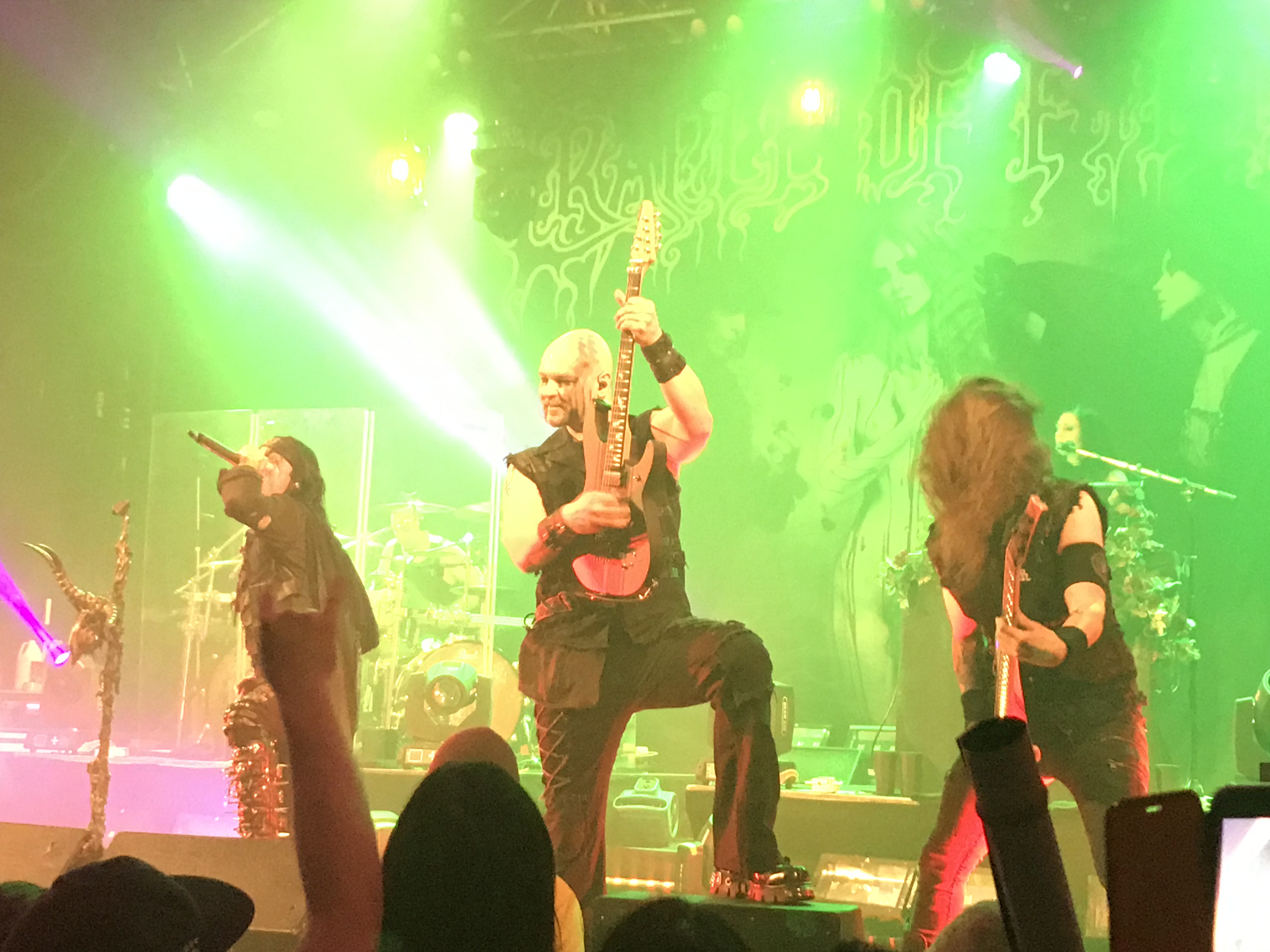
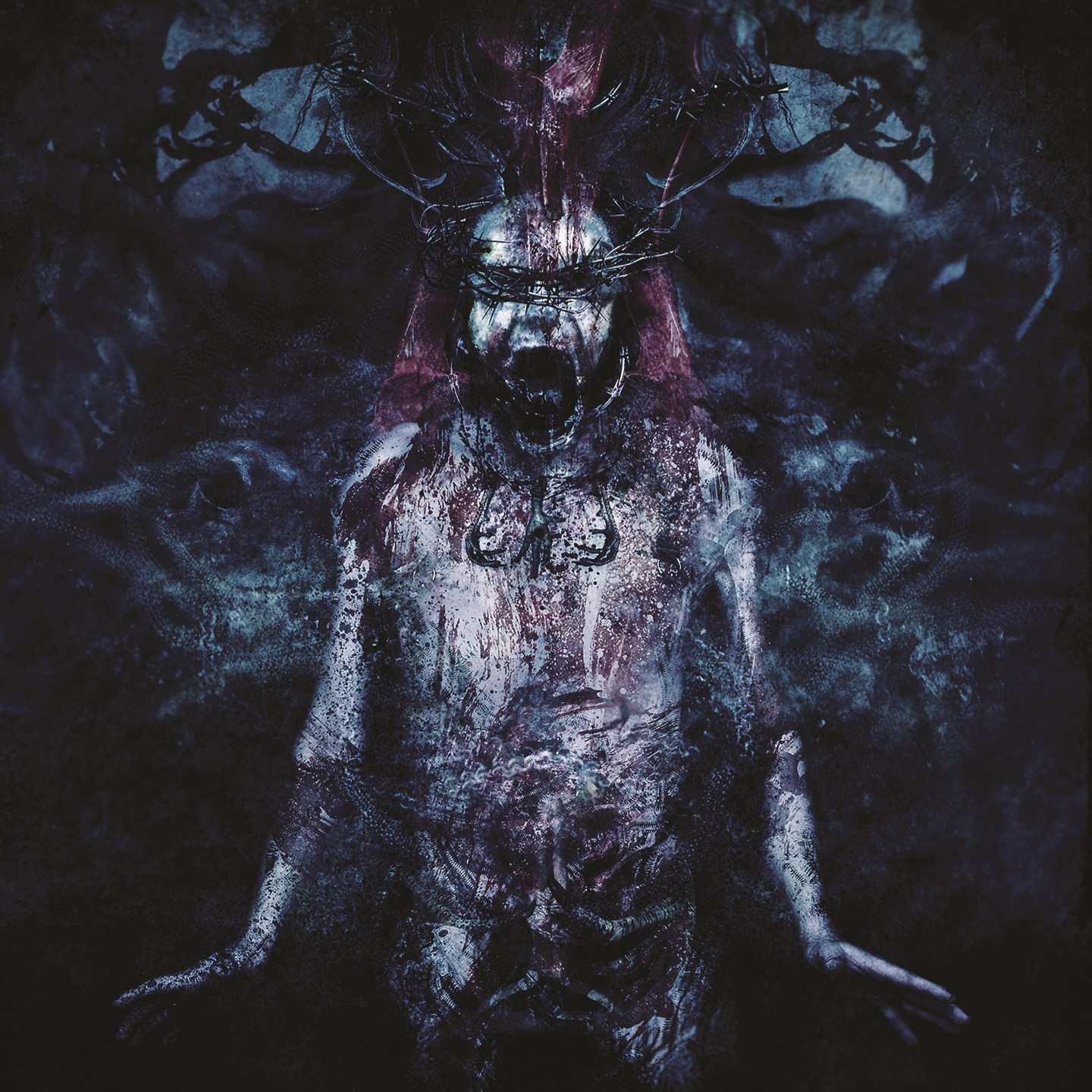
It is not a coincidence that our review number 666 exhales blasphemy, heresy and, above all, first-class occult Black Metal and a lot of fire. Hailing from Athens, the capital of the beautiful Greece and the heart of Ancient Greece, here comes the greatest Greek metal institution of all time, the almighty Rotting Christ, spitting fire upon humanity with their fantastic and very atmospheric new opus, entitled The Heretics, their thirteenth studio album and a beautiful follow-up to their excellent 2016 release Rituals.  Recorded at Pentagram Studios in Athens, mixed and mastered at Fascination Street Studio in Örebro, Sweden, and featuring a stunning artwork by Ukrainian designer Vyacheslav Smeshko and cover art by Greek artist Maximos Manolis, Rotting Christ’s new album is absolutely incendiary, going against all types of religion, church and creed.

And when I say incendiary I’m not exaggerating, as pretty much every single song from The Heretics mentions the world “fire”, proving the band’s mastermind, vocalist and multi-instrumentalist Sakis Tolis and his brother, drummer Themis Tolis, knew exactly what they were doing when turning what it truly means to be a heretic into their unparalleled Dark Metal. All lyrics are obscure, austere and rebellious, which together with all beautiful intonations by guests Stelios Steele and Dayal Patterson, as well as an array of guest musicians such as Irina Zybina (vocalist for Russian Pagan/Folk Metal bands Alkonost and Грай), Alexis Karamelis and Melechesh Ashmedi, makes the experience of listening to The Heretics truly hypnotizing, enfolding our souls in darkness and fire while the music remains as heavy, intricate and epic as we got used to from the Tolis Brothers. In other words, are you ready to burn in the purifying fires of the Dark Metal blasted by the one and only Rotting Christ?

The imposing In the Name of God brings forward a very atmospheric start, with the words by Russian philosopher Fyodor Dostoyevsky spoken by guest Stelios Steele setting the stage for the crushing wall of sounds created by the Tolis Brothers, always in the name of fire, not to mention how its headbanging riffs will inspire you to break your neck in half, while Vetry Zlye, also called “Ветры злые” (which translates as “evil winds” from Russian), is another beautiful composition by those Greek metallers with the help of guest vocalist Irina Zybina and her mesmerizing voice, getting closer to what the band did in Rituals and with the drums by Themis sounding as imposing and demolishing as we like it in classic extreme music. “The mind is universe and can make a heaven of hell a hell of heaven”, and it’s with those words by English poet John Milton that Rotting Chirst kick off another thrilling hymn titled Heaven and Hell and Fire, showcasing austere, cryptic lyrics (“Beyond the burning fire, heaven and hell / Today I give you choices: life or death / I offer you desire, I sentence you to death / Today I give you a choice, I give you Hell”) that perfectly match with the song’s flammable, classic and very melodic musicality, with Sakis once again being a beast with his riffs and unmatched roars.

Hallowed Be Thy Name is a mesmerizing and extremely obscure hymn by led by Themis’ pounding beats, with Sakis extracting those low-tuned, Stygian sounds we love so much from his guitar and bass. Put differently, join their mass and burn with them, also savoring the words by William Shakespeare powerfully declaimed by Stelios, putting a majestic end to the song. Following such enfolding tune we have Dies Irae, where Sakis’ work on the guitar is the perfect example of how heavy and harmonious a riff can be at the same time, as well as the song’s background choir bringing even more thunder to this already potent song; whereas in I Believe (or “Πιστεύω”), which is based on a poem by Nikos Kazantzakis, a giant of modern Greek literature, the instrumental pieces are a bit too “polluted”, but nothing that makes the song boring or not enjoyable. Moreover, it should work a lot better live as it has the potential to generate huge circle pits due to its frantic pace. Back to a more visceral mode, we have the fabulous Fire God and Fear, with the words by French philosopher Voltaire (“Those who can make you believe absurdities can make you commit atrocities.”) generating a stunning paradox with the birds gently chirping in the background in the beginning, before the scorching riffs and thunderous drums by the Greek brothers of metal urge us all to bang our heads nonstop. Hence, this is by far one of my favorite songs of the entire album, where we can savor that classic Rotting Christ sonority with a welcome contemporary twist.

Rotting Christ The Heretics Box Collector

The Voice of Universe is another song that will reach deep inside your mind and soul, with Sakis vociferating its insurgent words (“The angel, I won’t serve again / I won’t have a place anymore in heaven / It’s my own soul, it’s my own mind / And can make a heaven of hell, a hell of heaven.”) while Themis keeps blasting his trademark tribal beats, and when you think those Greek metallers couldn’t sound more mesmerizing and brutal at the same time they deliver the excellent The New Messiah, featuring an excerpt from Matthew 24:11 (“And many false prophets will arise and lead many astray.”), with the guitars and all background elements and voices filling out all spaces in the air. And lastly, as the icing on the cake we have the magnificent, somber and ferocious The Raven, based on what’s probably the most famous poem by the iconic american writer Edgar Allan Poe, offering our ears over five minutes of cutting riffs, Black and Doom Metal drums, and endless poetry, with highlights to the sensational job done by Stelios Steele, giving life to Poe’s renowned lines. Actually, if you have some spare money to purchase any of the special editions of the album, you’ll also be able to enjoy the bonus tracks The Sons of Hell and Phobos (also called “The Sons of Hell, Pt. 1 & 2” by some people), two dark and demolishing tunes that make it worth the additional investment, or in other words, two excellent samples of modern-day Black Metal infused with epic and atmospheric elements.

In summary, The Heretics, available for a full listen on YouTube and on sale from several locations such as the band’s own BandCamp page and the Season of Mist webstore (and if I were you, I would go for the limited edition deluxe wooden boxset as it comes with several awesome perks), is definitely an album that will touch your heart and soul, taking you on a fascinating musical ride through the woes of religious wars, Zoroastrianism and the eternal war between good and evil. That’s what the unrelenting Rotting Christ offer us in their top-of-the-line new opus, and may Sakis and his horde continue to burn us all heretics, atheists and rebels with their dark and occult Black Metal for many decades to come.

Best moments of the album: Heaven and Hell and Fire, Hallowed Be Thy Name, Fire God and Fear and The Raven.

Worst moments of the album: I Believe.

Released in 2019 Season of Mist

Track listing
1. In the Name of God 4:13
2. Vetry Zlye 3:14
3. Heaven and Hell and Fire 4:52
4. Hallowed Be Thy Name 5:06
5. Dies Irae 3:45
6. I Believe 3:42
7. Fire God and Fear 4:49
8. The Voice of Universe 5:22
9. The New Messiah 3:07
10. The Raven 5:23

Deluxe Edition/ Limited Edition Deluxe Boxset bonus track
11. The Sons of Hell 4:18

Limited Edition Deluxe Boxset bonus track
12. Phobos 4:12

Band members
Sakis Tolis – vocals, guitars, bass, keyboards, percussion
Themis Tolis – drums

Guest musicians
Giannis Kalamatas – guitars (live)
Van Ace – bass (live)
Stelios Steele – poem intonation on “In the Name of God”, “Hallowed Be Thy Name” and “The Raven”
Alexis Karamelis – backing vocals on “I Believe”
Stratis Steele, Alexandros Louziotis, Giannis Stamatakis & Theodoros Aivaliotis – vocals (choirs)
Nikos Velentzas, Stamatis Ampatalis, Vasilis Koutsoyflakis & Manos Six – percussion
Irina Zybina – female Vocals on “Vetry Zlye”
Dayal Patterson – intonation on “Heaven and Hell and Fire” and “Fire God and Fear”
Melechesh Ashmedi – vocals on “The Voice of Universe”

Album Review – Zohamah / Spread My Ashes (2019)

Combining Black, Death and Doom Metal into a poisonous but intoxicating musical cocktail, here comes an Israeli one-man band armed with his excellent debut opus.

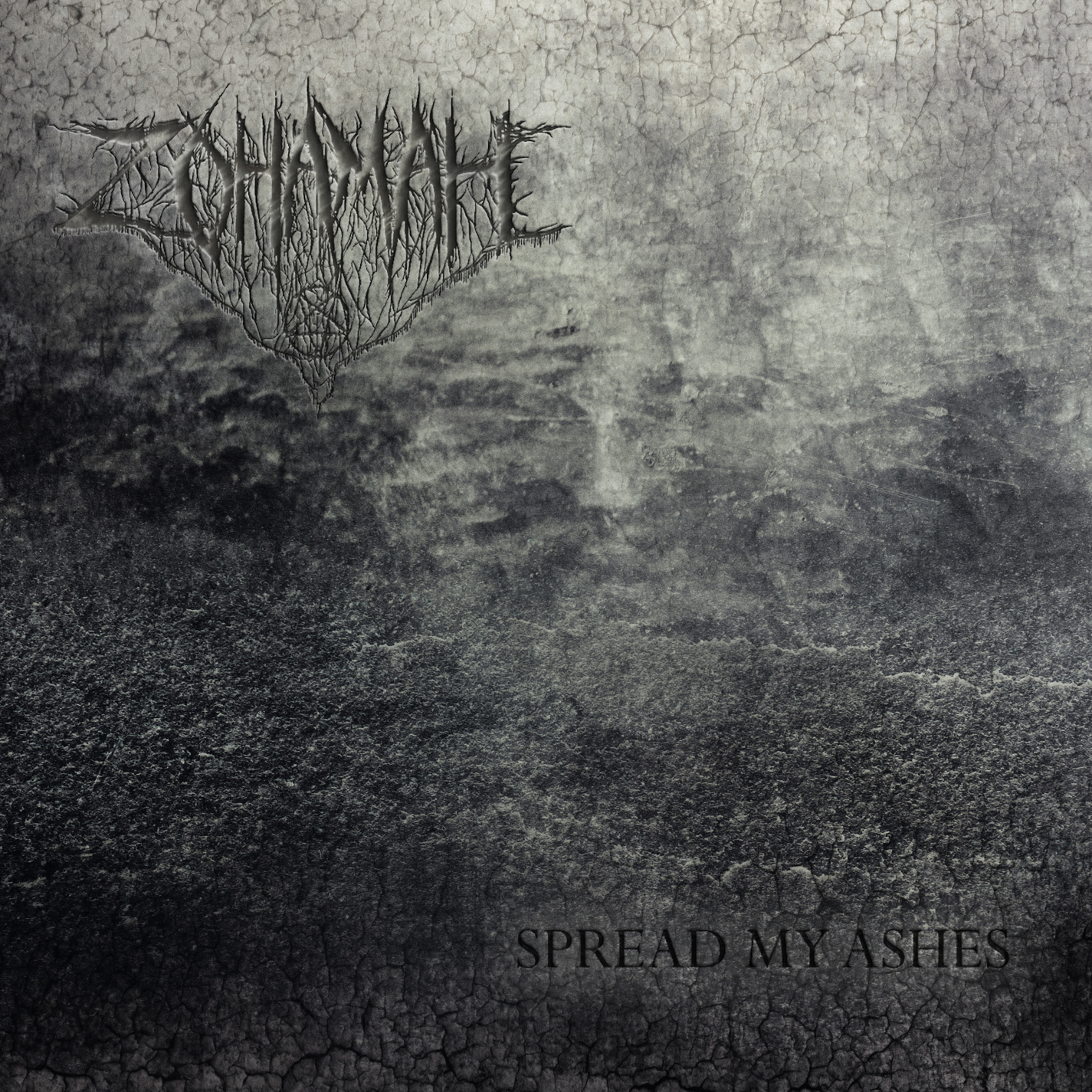
An intentionally cryptic band from Israel, Black/Death Metal one-man army Zohamah, which by the way is an expression taken from the Kabbalah that translates to “darkness” or “pollution”, a form of evil that results in kilkull (or spiritual damage), is unleashing upon humanity its first full-length opus, entitled Spread My Ashes, a follow-up to its debut EP Manic Depression, from 2017. Combining Black, Death and Doom Metal into a poisonous but intoxicating musical cocktail, Zohamah is the brainchild of vocalist and multi-instrumentalist H.M. (also known as Hezi Menashe), known from several underground bands such as Romuvos, Spawn of Evil and Immaterial, with all lyrics and music being written by H.M. himself, not to mention the album was also recorded, mixed and mastered by this extremely talented Israeli metaller.

The howling wind warns us all there’s a Black and Doom Metal storm coming in the opening track New World, generated by the somber gnarls and damned riffs blasted by H.M. It couldn’t have sounded more devilish than this, with H.M. also showcasing his superior skills on drums. Then presenting a Black Sabbath-inspired main riff enfolded in absolute obscurity we have The Darkness Whispers in My Ear, where H.M. is once again on fire with his demonic roars and intricate beats amidst the song’s hypnotizing rhythm; followed by Zohamah’s 2017 single, named Emptiness, a feast of the most Stygian sounds a man can generate, with his scorching hot guitar lines blending beautifully with his rumbling bass and rhythmic drumming, bringing elements from the most diverse types of classic extreme music.

A lot more Death Metal than its predecessors, which is noticeable specially on H.M.’s deeper growls, Black Cloud offers three minutes of aggressive, sulfurous and ruthless sounds, and the music remains vibrant and grim until all fades into pitch black darkness, whereas Broken Mirror is another demented creation by H.M., presenting the most melancholic and obscure elements from underground Blackened Doom. In addition, H.M. growls in a true desperate manner, bursting his lungs in pain and anguish. The title-track Spread My Ashes is a disturbing and harmonious instrumental bridge, building the ambience for the song that carries the name of the project, Zohamah, to captivate our senses with its neck-breaking pace, infernal screams and blast beats, ending the album on a high (and visceral) note just the way we love in underground extreme music.

It doesn’t really matter if you appreciate the works of one-man bands like Zohamah or not, you should definitely take a shot at Spread My Ashes, available in its entirety on on YouTube and on Spotify, as this is one of those albums that perfectly represent all the talent, hard work, passion for heavy music and darkness found in the independent Extreme Metal scene. If after listening to Spread My Ashes you feel like you want to know more about H.M. and his Zohamah (and I’m sure you will), you can follow him on Facebook, and show him your utmost support by purchasing the album from the Redefining Darkness Records’ BandCamp page, from the Hells Headbangers’ webstore, from iTunes or from Amazon. In the end, H.M. is not only spreading his ashes on us with Zohamah’s brand new album, but also showing all of us fans of metal music that the Israeli scene is a lot more interesting, vibrant and obscure than we can imagine.

Best moments of the album: The Darkness Whispers in My Ear and Broken Mirror.

Worst moments of the album: None.

Released in 2019 Redefining Darkness Records

Track listing
1. New World 4:45
2. The Darkness Whispers in My Ear 4:38
3. Emptiness 5:04
4. Black Cloud 3:14
5. Broken Mirror 4:29
6. Spread My Ashes 1:52
7. Zohamah 5:42

Band members
H.M. – vocals, all instruments

Album Review – Suffering Souls / In Synergy Obscene (2019)

After ten long years, Lord Esgaroth returns with a brand new album presenting a somber and satanic identity which will appeal to all of those who respect and love the Black Metal scene from the 90’s.

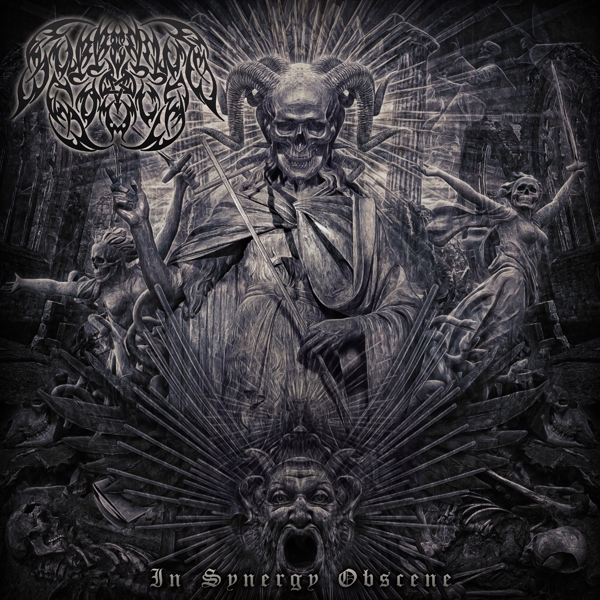
Forged in 1994 in the fires of Kümmersbruck, a municipality in the Amberg-Sulzbach district, in Bavaria, Germany under the name Dismal by vocalist and multi-instrumentalist Tobias “Lord Esgaroth” Micko, Symphonic Black Metal one-man army Suffering Souls is ready to darken our hearts and minds once again with his epic and stylish extreme music found in his fourth full-length opus, entitled In Synergy Obscene, coming out exactly 10 years after the release of its predecessor Sadistic Goat Complex as if time had not stopped, with all new tracks following the path of the previous album, almost unchanged from the basic principle.

On In Synergy Obscene, Lord Esgaroth presents a somber and satanic identity which will appeal to all of those who respect and love the Black Metal scene from the 90’s, sounding powerful and imposing thanks to the refined sound of all classic instruments, lead guitars and clean vocal passages, creating a new and interesting atmosphere never before seen in any of the works by Suffering Souls. Also feeling a bit more mature than its previous album, In Synergy Obscene brings forward a neat and unique musicality without sounding cheesy or repetitive, showcasing all of Lord Esgaroth’s abilities as a composer, musician and as a loyal servant to the most obscure side of Extreme Metal.

Idolised And Vilified, a melancholic, romantic and cinematic intro the likes of Cradle Of Filth, kicks off the album by setting the tone for the imposing title-track In Synergy Obscene, crushing our senses mercilessly with Lord Esgaroth’s demonic gnarls and his background orchestrations matching perfectly with his infernal Black Metal riffs and solos; and more epicness mixed with his flammable Black Metal hits us in the face in Inheritance Of Irony, where not a single space is left empty, with its guitars, keys and drums invading your senses in a full-bodied feast of symphonic sounds, ending with a long, melodic and extremely beautiful guitar solo for our total delight. That vile start is followed by In Death Reborn, perhaps the least Black Metal of all songs despite Lord Esgaroth’s old school growls and gnarls, sounding very modern and distinct from the rest of the album while its backing vocals feel a bit unstable.

Back to a more symphonic and violent mode, Lord Esgaroth fires a well-balanced fusion of classic Black Metal with melodic and modern nuances titled As The Truth Unfolds, living up to the legacy of bands like Cradle Of Fitlh and Dimmu Borgir and displaying an amazing job done on drums, being intricate and furious at the same time. Then we have The True Endless, another classic composition by Suffering Souls presenting a huge amount of epicness and delicacy coming from the keyboards while its guitars keep slashing our senses, maintaining the album’s ambience very impactful and electric before the most symphonic, melodic and introspective of all songs, The Cynic God, invites us to dance together with Lord Esgaroth, sounding at times like a fantasy movie score. The second to last breath of Symphonic Black Metal by Suffering Souls comes in the form of All You Little Devils, where Lord Esgaroth’s vocals get very close to what Shagrath does with Dimmu Borgir, elevating the song’s taste and potency considerably, whereas the closing hymn Unseen Phenomenon is a feast of blackened, melodic and symphonic sounds and tones led by Lord Esgaroth’s harsh vociferations and blast beats, with its piano and keys building a climatic ending for the album.

It might have taken 10 years for Tobias Micko to morph into his alter-ego Lord Esgaroth again and bring his Suffering Souls back from the underworld, but based on the high quality of the music found in In Synergy Obscene, which you can listen in full on Spotify and purchase from the Schwarzdorn Production’s BandCamp or webstore, from the Season of Mist webstore or from iTunes, the wait was definitely worth it. With that said, I’m sure we’ll start seeing Lord Esgaroth and Suffering Souls a lot more often than only every decade, spreading his darkness upon us and carrying the flag of Symphonic Black Metal high for years to come.

Best moments of the album: Inheritance Of Irony, As The Truth Unfolds and All You Little Devils.

Worst moments of the album: In Death Reborn.

Released in 2019 Schwarzdorn Production

Track listing
1. Idolised And Vilified 2:29
2. In Synergy Obscene 5:30
3. Inheritance Of Irony 9:23
4. In Death Reborn 5:13
5. As The Truth Unfolds 6:28
6. The True Endless 5:16
7. The Cynic God 6:28
8. All You Little Devils 4:49
9. Unseen Phenomenon 6:43

Band members
Tobias “Lord Esgaroth” Micko – vocals, guitars, strings, choirs, drums, programming

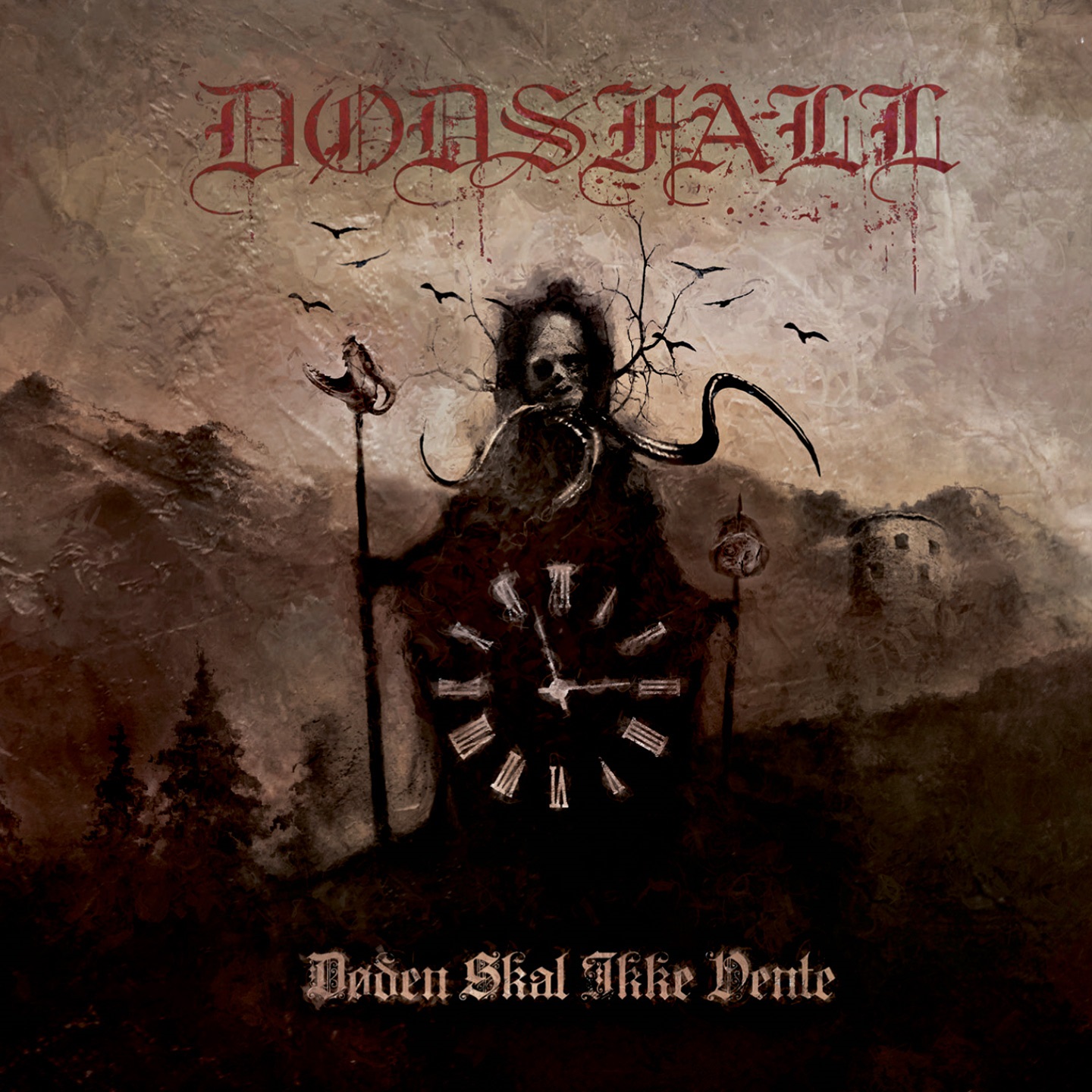
Album Review – Dødsfall / Døden Skal Ikke Vente (2019)

An unstoppable Black Metal force from Norway returns with their long-awaited fifth album, containing 10 new unrelenting tracks of pure hate and anger.

After four years of silence, the unstoppable Norwegian Black Metal force known as Dødsfall returns with their long-awaited fifth album, entitled Døden Skal Ikke Vente, or “death shall not wait” from Norwegian, containing 10 new tracks of pure hate and anger in its best form. And their new album is the result of a huge wave of inspiration that grew up like a snowball after the release of Kaosmakt, in early 2015, resulting in a fresh and creative album holding on to their roots and the sound that was established from the very beginning on the band’s career. It can be described as a successful combination of past and present with new elements and different sources of inspiration, sounding epic, majestic and furious with a medieval touch inspired from the cold lands of the north.

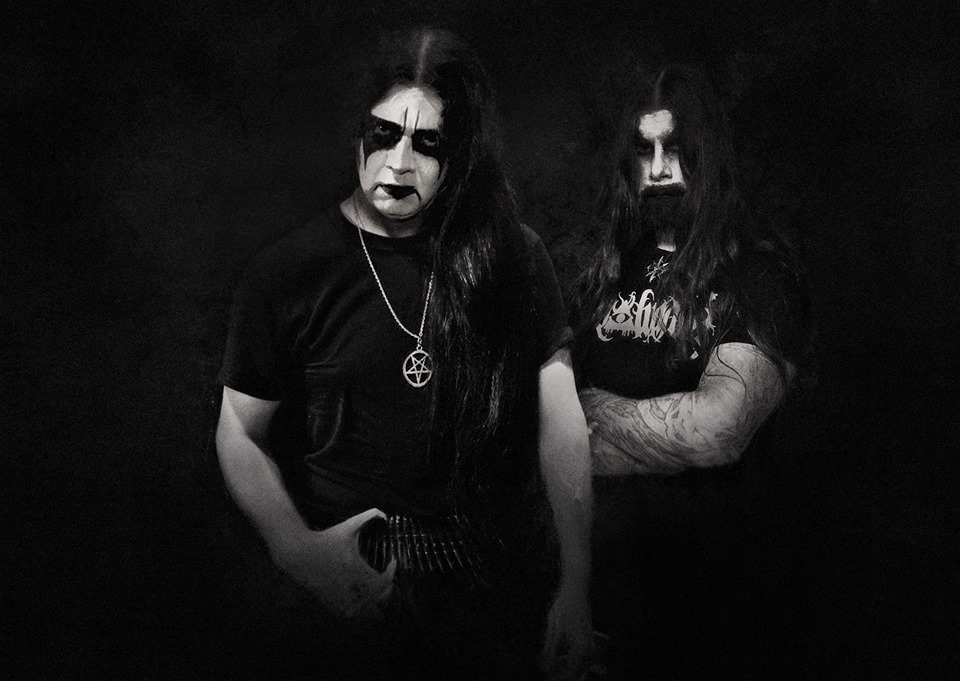
Formed in 2009 in Bergen, Norway, but currently located between Gothenburg, Sweden and Oslo, Norway, Dødsfall is the brainchild of vocalist and multi-instrumentalist Ishtar, who together with newcomer Telal on drums (who has been playing with acts like Troll, Isvind, and Endezzma, to name a few) created a sulfurous and dark beast in the form of their new album Døden Skal Ikke Vente. Featuring a crushing, ominous album artwork by underground artist Pazuzuh, who previously worked with the band on the artwork of their album Djevelens Evangelie, from 2013, Døden Skal Ikke Vente will take you on a journey through vast, bitterly cold Norwegian lands, proving once again why Norway is and will always be the birthplace and home of true Black Metal.

Ishatr and Telal begin disturbing all peace and order with their ruthless blend of old school and contemporary Black Metal in Hemlig Vrede (or “secret wrath” in English), sounding very melodic and aggressive form the very first second and with Ishtar’s demonic gnarls being flawlessly complemented by Telal’s brutish blast beats. Their furious and thunderous Black Metal keeps hammering our heads in Tåkefjell (“fog mountain”), another piercing composition where the guitars by Ishtar sound as metallic as they can be, also presenting lots of breaks and variations, and consequently feeling like three or four songs in one; followed by the obscure and melancholic Svarta Drömmar (“black dreams”), where their Black Metal is darkly infused with Atmospheric Black Metal elements, with its rhythm being dictated by Telal’s precise drums and with highlights to Ishtar’s anguished growls.

Putting the pedal to the metal this infernal duo delivers a vicious onrush of violent and raw sounds entitled Grå Himlar (“gray skies”), with the riffs and solos by Ishtar cutting our skin mercilessly, and therefore setting the bar high for the rest of the album. Well, the duo doesn’t disappoint at all in the following track, Kampsalmer (“battle hymns”), a headbanging, marching chant showcasing bestial riffs and demonic roars all enfolded by a truly menacing ambience, and the music remains vile and sulfurous until its epic ending. Then led by the pounding drums by Telal and displaying an inspired Ishatr on the guitar we have the full-bodied, intricate tune entitled I de Dødens Øyne  (“in the eyes of death”), a song tailored for admirers of classic Black Metal who also love to raise their horns and slam into the pit in the name of extreme music.

Continuing with their feast of incendiary and dark sounds they offer us all Ødemarkens Mørkedal (“the dark valley of the wilderness”), an ode to Scandinavian Black Metal where Ishtar growls and roars in a bestial way while Telal keeps crushing his drums nonstop, whereas the heavy-as-hell guitar lines by Ishtar ignite the flammable För Alltid I Min Sjæl (“forever in my soul”), a mid-tempo Black Metal extravaganza where Ishtar and Telal are on fire from start to finish, sounding as infernal and sharp as possible. The last song of the album, named Ondskapelse (“evil hands”), brings more of their hellish Scandinavian Black Metal infused with Melodic Black Metal nuances, with Telal smashing his drums just the way we love it in Extreme Metal, flowing like rapid fire until the instrumental outro Skogstrollet (“forest troll”) captivates our senses with the howling sound of the cold wind, ending the album on an ethereal note.

You can better explore the chilly and vile realm of Norwegian Black Metal crafted by Dødsfall by following them on Facebook, and show your support to such talented duo by purchasing Døden Skal Ikke Vente (available for a full listen on YouTube, by the way) from their own BandCamp page, as well as from the Osmose Productions’ BandCamp or webstore, and from Record Shop X. Let all the frost, hatred and evil flowing from the music found in Døden Skal Ikke Vente embrace you, leading you on a fantastic and somber one-way journey into the absolute darkness and void we learned to love in Norwegian Black Metal.

Best moments of the album: Tåkefjell, Grå Himlar and I de Dødens Øyne.

Worst moments of the album: None.

Released in 2019 Osmose Productions

Track listing
1. Hemlig Vrede 4:30
2. Tåkefjell 4:54
3. Svarta Drömmar 5:29
4. Grå Himlar 4:29
5. Kampsalmer 4:50
6. I de Dødens Øyne 5:37
7. Ødemarkens Mørkedal 5:25
8. För Alltid I Min Sjæl 4:32
9. Ondskapelse 5:04
10. Skogstrollet (Instrumental) 1:04

Band members
Ishtar – vocals, guitars, bass
Telal – drums

Album Review – Eternal Sacrifice / Ad Tertium Librum Nigrum (2018)

Relive the glory of 90’s Black Metal by listening to “the third black book” diabolically brought into being by one of the most important names from the Brazilian extreme music scene.

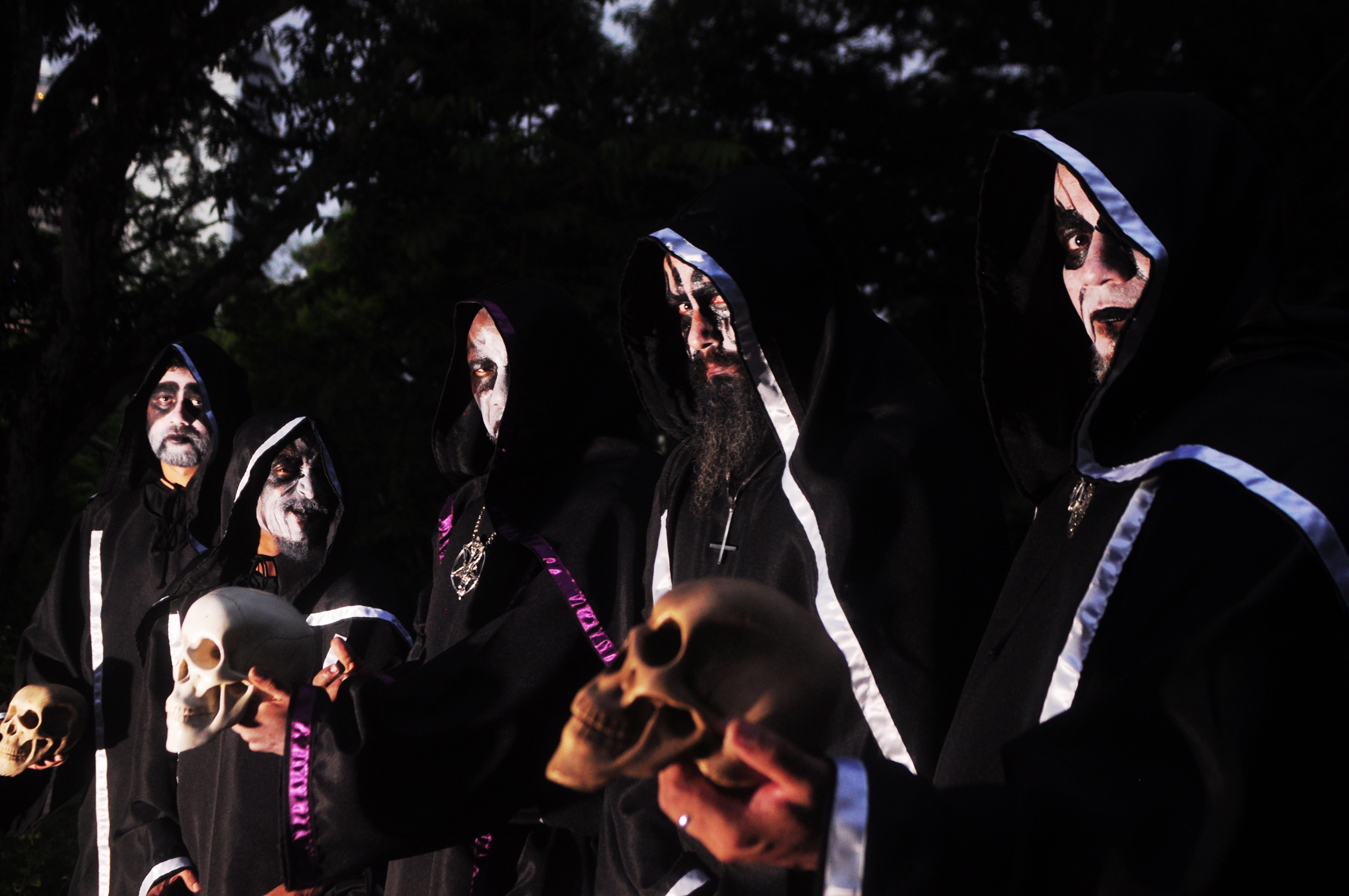
Forged in the already distant year of 1993 in the blazing fires of Salvador, the capital of Brazil’s northeastern state of Bahia, a malevolent Pagan/Black Metal unity that goes by the name of Eternal Sacrifice has been haunting our souls since their inception, aiming at delivering a detailed and obscure new concept inside the Pagan Black Metal genre and, therefore, creating their own unique sound from an amalgamation of influences and styles. Now in 2018 the horde comprised of M. T. L. H. Anton Naberius on vocals, Charles Lucxor Persponne on the guitar, Marquis Orias Snake also on the guitars and bass, Sado Baron Szandor Kastiphas on keyboards and Frater Deo Sóror Comite Ferro on drums is firing upon humanity their third concept album, entitled Ad Tertium Librum Nigrum, taking the Pagan Black Metal to a level never reached by another band in terms of sound and graphic production.

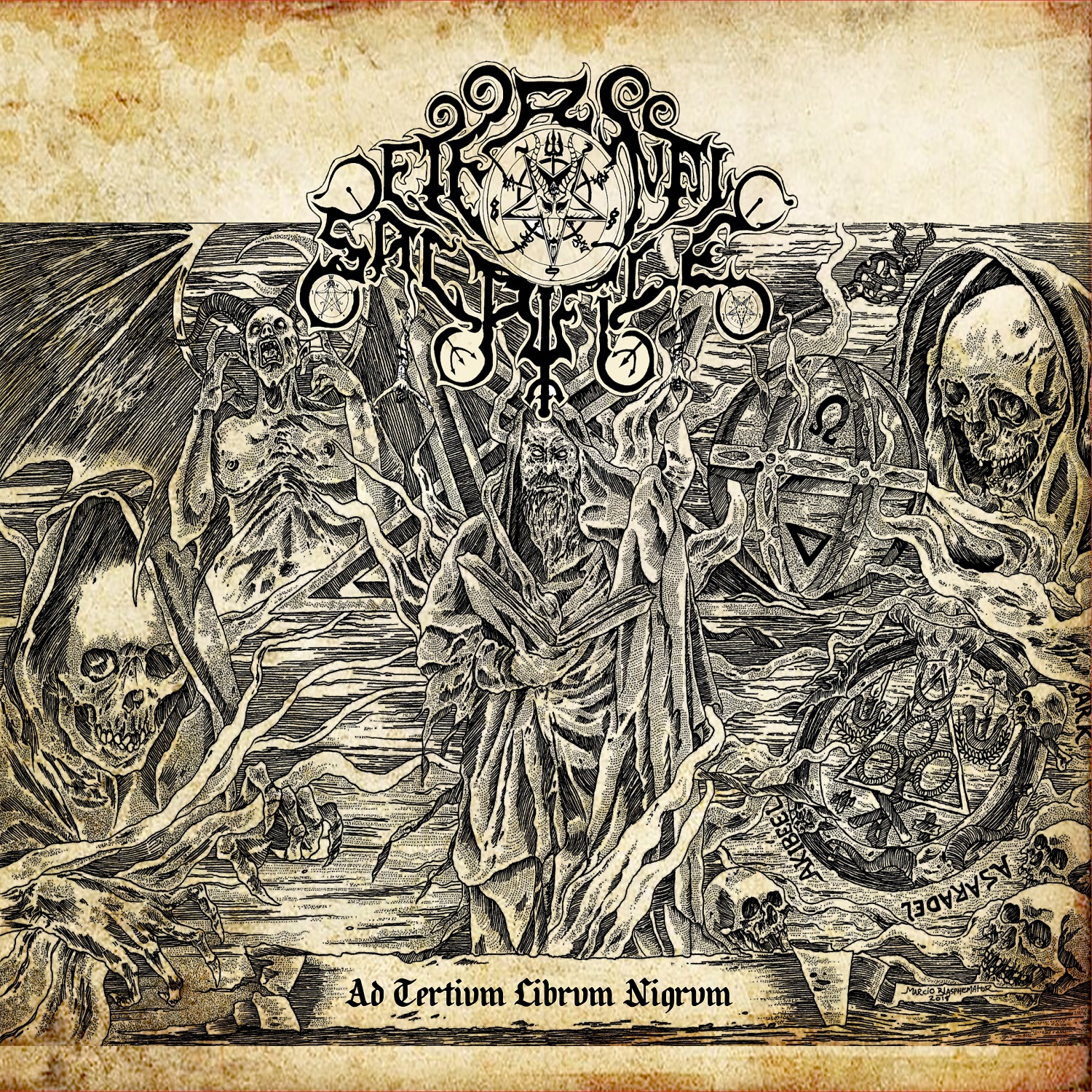
Featuring a Luciferian artwork by Brazilian designer Alan Luvarth and celebrating 25 years in the career of Eternal Sacrifice, Ad Tertivm Librvm Nigrvm, which by the way is Latin for “the third black book”, presents around one hour of malevolent sounds split into ten unrelenting new songs (all carrying fantastic names, by the way), consolidating the name of such distinct entity in the vanguard of the Brazilian Pagan Black Metal scene. “Ad Tertivm Librvm Nigrvm is the greatest proof that strength and perseverance always win; it is an album full of symbologies and spells, made exclusively for those who enjoy the songs of the left hand,” said the band’s frontman Naberius, positioning the album as an indispensable work for those who have experienced the glory of 90’s Black Metal, and for those who seek to know more about that golden age of extreme music.

Somber, smooth piano notes kick things off in the intro curiously titled Introiro, before the guitars by Charles and Orias generate an embracing atmosphere in The Three Mashu’s Seals – The Conquest of the Ganzir and Arzir Gates (Hazred Area), bringing the most melodic elements from modern-day Black Metal without losing their raw old school sonority, feeling like a hybrid of the early days of Dimmu Borgir, Cradle of Filth and Marduk, with the keys by Kastiphas adding an extra touch of malignancy to the musicality. And this Brazilian horde keeps invading our minds with their relentless and demonic music in the 8-minute Melodic Black Metal extravaganza The Vision of the Light of the Sculptures in the Monument of Mashu (The Black Book of Signs and Evil Spells), with Frater crushing his drums while Kastiphas keeps blasting ethereal sounds through his keys, all spearheaded by the Stygian and cryptic growls and vociferations by Naberius.

The Amulet, the Fire and the Seals of Wisdom in the Course of a Triple Life carries a stunning name for an Extreme Metal song, with the slashing riffs by Charles and Orias dictating its rhythm, while Naberius roars and gnarls like a true demonic entity throughout the entire song and Frater keeps the ambience as eerie and menacing as it can be with his drums. Then we have The Revelations of the First Sigil, Lucifer, After a Saga of Delusions and Battles, a mid-tempo tune where all band members fire blackened sounds and tones with highlights to the demented growls by Naberius, not to mention how in sync the band’s stringed duo is with Kastiphas’ phantasmagorical keys, and there’s no time to breathe as Eternal Sacrifice keep firing blasphemy in the form of Pagan Black Metal in When Angel of Light in Ur, in Invoking the Second Sign Agga, even more eccentric and devilish than its predecessors albeit not as gripping, despite getting back to a to a more violent and demolishing sonority in its final part.

Epic keys and guitars, unstoppable drums and a huge dosage of malignancy from Naberius’ otherworldly growls are the main ingredients in Nasha, Restitution of Double the Light (Luce) and Harmony (Fer) – Pagan’s Calls, a visceral fusion of Black and Pagan Metal setting fire to the atmosphere in a thrilling manner (not to mention how pulverizing Charles and Orias are with their infernal axes), followed by Interludium, an epic bridge that captivates our senses for their final blast of Epic and Pagan Black Metal titled The Emptiness, the Guard of the Sortileges and the Time in which the Dust Takes the Rites, starting with an acoustic guitar accompanied by the howling sound of the wind, and gradually morphing into some sort of obscure mass of old school Black Metal infused with Symphonic and Pagan Black Metal elements, with the music flowing like a frantic creature in the dark led by Naberius and his wicked vocalizations, until all fades into the Mephistophelian outro Prologum, an ode to Lucifer that puts a climatic, creepy and hellish end to such blasphemous album.

After all is said and done, Ad Tertium Librum Nigrum, available for a full listen on YouTube and on sale from the Hammer of Damnation’s BandCamp page or webstore, can indeed be considered a modern-day masterpiece in Pagan Black Metal, becoming even more important in the Brazilian scene due to the constant struggles every metal band has to face to survive in the country. Hence, don’t forget to show your support to Eternal Sacrifice by getting in touch with them through their Facebook page, by buying their new opus, and of course by enjoying reading (or I should say listening to) “the third black book” by this ruthless and demonic South American horde.

Best moments of the album: The Three Mashu’s Seals – The Conquest of the Ganzir and Arzir Gates (Hazred Area), The Amulet, the Fire and the Seals of Wisdom in the Course of a Triple Life and Nasha, Restitution of Double the Light (Luce) and Harmony (Fer) – Pagan’s Calls.

Worst moments of the album: When Angel of Light in Ur, in Invoking the Second Sign Agga.

Released in 2018 Hammer Of Damnation/Sangue Frio Records

Track listing    
1. Introiro 1:50
2. The Three Mashu’s Seals – The Conquest of the Ganzir and Arzir Gates (Hazred Area) 8:00
3. The Vision of the Light of the Sculptures in the Monument of Mashu (The Black Book of Signs and Evil Spells) 8:03
4. The Amulet, the Fire and the Seals of Wisdom in the Course of a Triple Life 6:27
5. The Revelations of the First Sigil, Lucifer, After a Saga of Delusions and Battles 5:12
6. When Angel of Light in Ur, in Invoking the Second Sign Agga 6:18
7. Nasha, Restitution of Double the Light (Luce) and Harmony (Fer) – Pagan’s Calls 7:59
8. Interludium 2:10
9. The Emptiness, the Guard of the Sortileges and the Time in which the Dust Takes the Rites 8:22
10. Prologum 3:08

Band members
M. T. L. H. Anton Naberius – vocals
Charles Lucxor Persponne – guitars
Marquis Orias Snake – guitars, bass
Sado Baron Szandor Kastiphas – keyboards
Frater Deo Sóror Comite Ferro – drums

Album Review – Bane / Esoteric Formulae (2018)

Conjuring visions of darkness, pain and frost, this Montreal-based Blackened Death Metal horde has poured their charred hearts into spawning their third and most complete opus to date.

Originally founded in 2006 in Novi Sad, a city in northern Serbia on the banks of the Danube River, but currently based out of Montreal, in the province of Quebec, Canada, Blackened Death Metal horde Bane has poured their charred hearts into this third full-length release, entitled Esoteric Formulae, a masterwork that leads many influences to an evil culmination, with each track being atmosphere-evoking, filling the soundscape with nocturnal melodies and conjuring visions of darkness, pain and frost. With several tours under their belts as well as countless concerts and festival performances in the United States, Canada, Germany, Austria and Poland, among several other countries, Bane continue to push the limits of their unique blend of Blackened Death Metal to the world of the underground, and Esoteric Formulae is the perfect depiction of where the band is headed to.

Featuring a classy artwork by Indonesian graphic artist and illustrator Bahrull Marta (Abomination Imagery), Esoteric Formulae not only showcases a sharp and malevolent duo comprised of vocalist and multi-instrumentalist Branislav and drummer Honza Kapak (Master’s Hammer), but also the additional (and very welcome) devilish touches by guest musicians Giulio Moschini (Hour Of Penance), Amduscias (Temple Of Baal) and Canadian composer Ophélie Gingras, enhancing the album’s taste and impact considerably. Put differently, if you’re a fan of the dark, blasphemous and very melodic music by iconic acts like Dissection, Behemoth and Rotting Christ, Esoteric Formulae will bring you a lot of (evil) joy without a shadow of a doubt, placing Bane as one of your top picks from the underground and independent Extreme Metal scene.

Invocation Of The Nameless One is a beautiful, ominous intro embraced by the epic orchestrations by Ophélie Gingras, setting the stage for Branislav and Honza to deliver sheer darkness in The Calling Of The Eleven Angles, a brutal Blackened Death Metal extravaganza where Branislav’s roars get deeper and more demonic while Honza provides a huge dosage of heaviness with his beats and fills; followed by Beneath The Black Earth, and such powerful name could only be accompanied by a crushing sonority, of course, with Branislav doing a fantastic job with his pulverizing riffs and rumbling bass lines, resulting in a vibrant, modern and obscure display of extreme music for admirers of the genre.

Then drinking form the same fountain of iconic bands like Behemoth and Dragonlord, Bane offer our avid ears Bringer Of Pandimensional Disorder, where Black Metal blast beats are intertwined with very melodic and strident guitar lines, all embraced by the cryptic, hellish words vociferated by Branislav (“I call upon the currents – of Wrathful Chaos / Let the oceans of formlessness – into this world / Awaken by the esoteric formulae / Open the gates to the Astral plane of the dark Water / Bringer of Pandimensional Disorder!”). Wretched Feast keeps the album at a sulfurous level, presenting gripping guitars and nonstop beats, and with guest Giulio Moschini adding his own personal twist to the music with his fiery guitar solo, whereas in Into Oblivion, featuring Amduscias as a guest vocalist, Bane summon all evil through their violent Blackened Death Metal, also bringing elements form Symphonic Black Metal the likes of Dimmu Borgir to their already dense musicality.

And they keep scorching our hearts and minds with their visceral Black Metal in Burning The Remains, a mid-tempo, infernal tune where the guitar lines alternate between sheer malignancy and hypnotizing lines, while Honza adds tons of intricacy and strength to the overall result with his bestial drumming. Putting the pedal to the metal, Bane deliver a violent and thrilling tune titled Reign In Chaos, presenting hints of Melodic Death Metal and of the music by Cradle of Filth, which obviously boosts the song’s impact and taste considerably and, therefore, turns it into one of the top moments of the album. Lastly, like a bulldozer smashing our heads, Honza ignites the also vile and metallic Acosmic Forces Of The Nightside, where the duo makes their devilish waves fill every single empty space in a feast of instrumental darkness, before the atmospheric outro Wrathful Reflections brings back a massive wall of orchestrations, finally fading into absolute darkness and void.

In a nutshell, the excellent Esoteric Formulae, available from Bane’s own BandCamp page as well as from the Black Market Metal Label’s Big Cartel, is definitely a must-have album for fans of contemporary and sulfurous Blackened Death Metal, consequently setting the bar really high for the band’s future releases. After purchasing such excellent album, you can also show your utmost support to Branislav and his horde by following Bane on Facebook and by subscribing to their YouTube channel, letting all the aforementioned darkness, pain and frost flowing from the music found in Esoteric Formulae guide you on a one-way journey to the depths of the netherworld.

Best moments of the album: Beneath The Black Earth, Into Oblivion and Reign In Chaos.

Worst moments of the album: None.

Released in 2018 Black Market Metal Label

Track listing
1. Invocation Of The Nameless One 1:15
2. The Calling Of The Eleven Angles 3:46
3. Beneath The Black Earth 3:35
4. Bringer Of Pandimensional Disorder 3:49
5. Wretched Feast (feat. Giulio Moschini) 3:46
6. Into Oblivion (feat. Amduscias) 4:34
7. Burning The Remains 4:01
8. Reign In Chaos 3:30
9. Acosmic Forces Of The Nightside 5:27
10. Wrathful Reflections 1:59

Band members
Branislav – vocals, guitars, bass, keyboards
Honza Kapak – drums

Guest musicians
Giulio Moschini – guitar solo on “Wretched Feast”
Amduscias – vocals on “Into Oblivion”
Ophélie Gingras – orchestrations on “Invocation Of The Nameless One” and “Wrathful Reflections”

Current/live lineup
Branislav – vocals, guitars, keyboards
Max Allard – guitars, backing vocals
Stéphane Deschênes – bass
Nicholas Wells – drums

Album Review – 1914 / The Blind Leading the Blind (2018)

It’s time to head into the battlefields of the Great War together with these talented and obstinate Blackened Death and Doom Metal infantrymen from Ukraine.

It’s time to head into the battlefields of World War I together with Ukranian Blackened Death/Doom Metal infantrymen 1914 and their brand new opus, the breathtaking The Blind Leading the Blind. World World I might not get explored as it should very often, as World War II typically overshadows it, but this Liviv-based squad, formed in 2014 at the 100th anniversary of World War I, makes a damn solid case for its historical significance (click HERE for an in-depth interview regarding the band’s ideology), with their unique and incendiary fusion of  Black, Death, Doom and even Sludge Metal being stomping, heavy-as-hell, therefore inspiring the strength and bravery within to march towards death.

Comprised of 2.Division, Infanterie-Regiment Nr.147, Oberleutnant – Ditmar Kumar on vocals, 37.Division, Feldartillerie-Regiment Nr.73, Wachtmiester – Liam Fessen and 5.Division, Ulanen-Regiment Nr.3, Sergeanten – Vitalis Winkelhock on the guitars, 9.Division, Grenadier-Regiment Nr.7, Unteroffiziere – Armin von Heinessen on bass and 33.Division, 7.Thueringisches Infanterie-Regiment Nr.96, Gefreite – Rusty Potoplacht on drums, 1914 pay homage to all that fell fighting the Great War, with their themes covering topics such as the Battle of Gallipoli (and the involvement of Ataturk), the Brusilovsky breakthrough, the Battle of Verdun and the gas attack at Ypres, not being political nor warmongers, but just telling the tales of war, injustice, fear, hopelessness and endless death as they happened. Featuring a deadly, lugubrious artwork by Czech artist Vladimir “Smerdulak” Chebakov, The Blind Leading the Blind is a precious gem of extreme music, positioning 1914 not only as one of the best underground metal bands of the current scene, but of the past decade without a shadow of a doubt.

War In is a beautiful, wicked and dark intro that takes us to the horrors of World War I, exploding into visceral Blackened Death Metal in Arrival. The Meuse-Argonne (inspired by the Meuse-Argonne Offensive, the greatest American battle of the First World War, where in six weeks the AEF lost 26,277 killed and 95,786 wounded), led by the pulverizing drums by Rusty, while Ditmar roars the song’s lyrics manically (“Arrival / The Meuse-Argonne offensive started like clockwork / We planned to break through the Hindenburg line / I know what we are fighting for / Hopefully to end the war”), also bringing the most Stygian elements from classic Doom Metal. Then we have A7V Mephisto, a World War I German tank masterfully translated into a brutal and heavy tune where the entire band showcases their heavy artillery by blasting sheer obscurity inspired by old school Black Sabbath and Celtic Frost, in special Liam and Vitalis with their lethal riffs, but with a more demonic twist; followed by High Wood. 75 Acres of Hell, an infernal display of Black and Death Metal spearheaded by Ditmar’s growls while Armin and Rusty keep the ambience as dense and grim as possible with their respective instruments, displaying the battle for High Wood’s 75 acres, which started on July 14 and raged nearly continuously for 64 days, coming to be known as “The hell of High Wood” or “The rottenest place on the Western Front.”

Bagpipes ignite a sinister and pulverizing cover version for The Exploited’s all-time hit Beat The Bastards, sounding as rebellious and fun as the original version, but of course with a more metallic and crushing vibe, with highlights to the beautiful job done by both Liam and Vitalis with their hellish guitars. In the interesting bridge Hanging On The Barbed Wire, the infantry sings while marching under a heavy storm (“If you want to find the General, / I know where he is, / If you want to find the General, / I know where he is / He’s pinning another medal on his chest / I saw him, I saw him / Pinning another medal on his chest.”), setting the tone for the superb Passchenhell, a wordplay with The Battle of Passchendaele, also known as the Third Battle of Ypres, a campaign of World War I fought by the Allies against the German Empire. Musically speaking, it’s another flawless display of Blackened Death Metal infused with Doom Metal nuances, also featuring the beyond special guest vocalist David Ingram (Benediction, Bolt Thrower, Just Before Dawn). Furthermore, Rusty is once again bestial on drums, whereas Ditmar together with David will haunt your soul with their demonic growling.

“Hello there, soldier! Ready to kill more Germans?” Those warlike words ignite a fantastic sonic havoc by 1914 titled C’est Mon Dernier Pigeon, leaning towards pure old school Black Metal, feeling and sounding as thunderous and menacing as possible and ending in the most demolishing way you can think of; followed by Stoßtrupp, the German word used to describe shock troops or assault troops created to lead an attack, where another eerie, obscure narration suddenly explodes into a darkened feast of Black and Death Metal tailored for cracking your neck headbanging, with Armin sounding vicious with his rumbling bass punches. Lastly, we have The Hundred Days Offensive, an Allied offensive that lasted from August 8 to November 11, 1918, ending World War I, and 1914 turned that battle into 10 minutes of first-class Blackened Death and Doom Metal where you can feel the horrors of the battlefield in the music, remaining very introspective, melancholic, and flowing infernally until the music morphs into the sensational and creepy outro War Out, the perfect ending to such brilliant album.

In summary, The Blind Leading the Blind, which by the way had as its official release date the 11th hour on the 11th day of the 11th month (Central European Time), marking the 100th anniversary of the end of World War I, is a must-have not only for admirers of Extreme Metal, but also for anyone who wants to learn more about World War I in a very unorthodox and exciting way. Available for purchase from the band’s own BandCamp page, as well as from the Archaic Sounds’ BandCamp page, from the Redifining Darkness Records’ BandCamp page, from iTunes and from Discogs, The Blind Leading the Blind definitely redefines the career of 1914, propelling them into a more-than-promising future. Having said that, don’t forget to follow them on Facebook, subscribe to their YouTube channel, grab your weapons and be prepared to face death in the battlegrounds of the Great War.

Best moments of the album: Arrival. The Meuse-Argonne, Beat The Bastards, Passchenhell and C’est Mon Dernier Pigeon.

Worst moments of the album: None.

Released in 2018 Archaic Sound/Redefining Darkness Records

Track listing
1. War In 1:14
2. Arrival. The Meuse-Argonne 6:20
3. A7V Mephisto 8:13
4. High Wood. 75 Acres of Hell 5:27
5. Beat The Bastards (The Exploited cover) 5:02
6. Hanging On The Barbed Wire 2:28
7. Passchenhell (feat. David Ingram) 7:01
8. C’est Mon Dernier Pigeon 5:22
9. Stoßtrupp 6:13
10. The Hundred Days Offensive 10:01
11. War Out 1:55

Band members
2.Division, Infanterie-Regiment Nr.147, Oberleutnant – Ditmar Kumar – vocals
37.Division, Feldartillerie-Regiment Nr.73, Wachtmiester – Liam Fessen – guitar
5.Division, Ulanen-Regiment Nr.3, Sergeanten – Vitalis Winkelhock – guitar
9.Division, Grenadier-Regiment Nr.7, Unteroffiziere – Armin von Heinessen – bass
33.Division, 7.Thueringisches Infanterie-Regiment Nr.96, Gefreite – Rusty Potoplacht – drums

Guest musician
David Ingram – vocals on “Passchenhell”

Metal Chick of the Month – Polina Psycheya

I’ll take you far away to another land…

Brothers and sisters of heavy music, let’s all travel this November to Chelyabinsk (or Челя́бинск in Russian), a city in west-central Russia located in the northeast of the oblast, around 210 kilometers south of Yekaterinburg, just to the east of the Ural Mountains on the border of Europe and Asia, to meet our stunning and unstoppable metal chick of the month. She considers herself a true Russian Viking, always ready for heading into the battlefield armed with her potent vocals and endless energy, and in case you haven’t heard of this amazing frontwoman yet, I bet you’re going to be surprised by how talented, hardworking and passionate about metal she is. I’m talking about Polina Psycheya, whose real name is Polina Sibrikova (or Полина Сибрикова), former lead singer for Russian Melodic Death Metal band All I Could Bleed and current main frontwoman for Portuguese Symphonic Progressive Metal band The Autist, an obstinate woman that takes no prisoners in her quest for heavy music.

Before starting her career as an Extreme Metal singer, Polina had what we can call a normal life in her hometown Chelyabinsk, graduating from МОУ СОШ № 41 (or “secondary school number 41 of Chelyabinsk”) in 2007, and advancing for a degree in Graphic Design from РБИУ (or RBIM – Russian-British Institute of Management) in 2010, a higher education international institute also located in Chelyabinsk. As a matter of fact, even after joining All I Could Bleed she kept working as an artist and clothing and apparel designer, as you can see on her official Facebook page titled “World of Polina Psycheya”, where she usually posts details about her works, tutorials and items for sale. However, it looks like heavy music is her true passion in life, with her skills as a designer becoming a complement to her role as a female growler. And if you think she took any special courses in singing, you’re absolutely wrong, as Polina simply learned how to scream and growl by herself, only training during the band’s rehearsals, always shaping up her own vocal style without copying anyone or anything from books.

As already mentioned, Polina was the frontwoman for Russian act All I Could Bleed starting 2009, but the band started a few years before that, more precisely in 2004 when two old friends, guitarists Alex Sibrikov and Max Melnikov, decided to form a Death Metal band together as an outlet of their aggression. When they released their first single Follow Me, in 2009, Polina was not yet part of the band, with Alex taking care of the vocal duties. However, after Polina joined All I Could Bleed, the band reached its desired shape and form and was ready to take the world of heavy music by storm, with the release of their 2011 debut full-length album Burying the Past (available for a full listen on YouTube) being the culmination of a lot of hard work and dedication of all band members to their music. As a matter of fact, Polina not only growled and screamed like a beast in the album, but she was also responsible for the lyrics, cover art and design, proving that although she might not be a founding member of All I Could Bleed, she had definitely become the band’s heart and soul during her time with them.

After the release of Burying the Past, Polina and her bandmates got back in action in 2014 when they released a single titled Debris of Earth, a lot more melodic, more experimental and groovier than all songs form their debut installment. Furthermore, if there’s one thing Polina loves from the bottom of her heart is playing live, and she certainly translates that passion into sheer energy during the band’s live performances. When asked about the idea for their onstage outfits, she said she took the inspiration from dark, ancient and powerful warriors like the Riders of the Apocalypse, designing all the clothing herself, and when she was asked about her first ever concert as the frontwoman of All I Could Bleed, she mentioned it was indeed an unforgettable night for her in her hometown Chelyabinsk, in 2009. Due to the fact she wasn’t writing the lyrics for their songs at that time, her bandmates gave her the task of learning the classic Enemy Within, originally recorded by Arch Enemy, and singing it as part of their setlist. Well, Polina didn’t disappoint at all; quite the contrary, the reception of the crowd at the venue was amazing, inspiring her to keep growling in the name of metal. You won’t be able to find that concert online, but there’s no need for panicking, as you can at least enjoy All I Could Bleed’s full (and absolutely awesome) performance at the Tele-Club in Yekaterinburg, Russia on April 24, 2014, where Polina simply kicked some serious fuckin’ ass on stage.

Apart form her career with All I Could Bleed, Polina has also been involved since 2017 with Portuguese Symphonic Progressive Metal band The Autist, a female-fronted metal project with progressive and symphonic elements highly recommended for fans of truly melancholic, tragic and conceptual music that was inspired by deep emotions we all go through in our lives. The origin of the project dates back to 2014 and is the mind reflection of guitarist and composer Pedro Remiz, who decided to recreate his own musical world after the end of Darkside of Innocence. Also featuring Alina Lesnik (from German Symphonic metal band Once), Chiara Tricarico (from bands like RavenWord and Sound Storm) and several other guest musicians, besides of course Polina as the band’s main vocalist, The Autist have already released two EP’s and one full-length album so far, with Polina lending her slashing roars to the songs The Sanctuary, Ethereal and Pandora’s Curse, from their 2017 album The Coldest Sun, and to the songs The Idol, Anima and Bloodlust, from their 2018 EP Anima.

This slideshow requires JavaScript.

Regarding Polina’s biggest idols and influences in heavy music, her list is beyond fantastic, including bands (and obviously their respective vocalists) such as Rammstein, Metallica, Death, Pantera, Children Of Bodom, Arkona, Kreator, Destruction and Motörhead, all of which she would love to play alongside at Wacken Open Air by the way, with Rammstein and Children Of Bodom being considered by Polina herself the two bands with the highest impact on her vocal style and musical direction. In addition, during one of her interviews she was also asked to list the top 5 albums anyone should have in their collection, and once again her choices didn’t disappoint, including Metallica’s Master of Puppets, Death’s Symbolic, Dimmu Borgir’s Puritanical Euphoric Misanthropia, Black Sabbath’s Paranoid, and Pantera’s Vulgar Display of Power. Hence, you can enjoy Polina paying a tribute to several of her idols on her official YouTube channel, recording her own versions to classics like Dimmu Borgir’s Progenies Of The Great Apocalypse (together with German multi-insturmentalist André “Agordas” Groschopp); Arch Enemy’s Nemesis; Pantera’s all-time hit Walk  (recorded with All I Could Bleed during one of their rehearsal sessions); and Death’s Symbolic (recorded during one of All I Could Bleed’s live performances). Furthermore, you can also enjoy other exclusive videos on her YouTube channel, such as Progressive/Melodic Power Metal masters Kamelot featuring not only Polina but also the amazing Kobra Paige live in Moscow in 2017; and Polina herself talking a little about her style, about Death Metal and about Arch Enemy,  and the reason for that is because in the past let’s say Polina wasn’t very happy when compared to Arch Enemy’s former vocalist Angela Gossow. She said in one of her interviews that she didn’t like the comparison because it was only based on sex, not on their vocal styles, as she believes her vocals are a lot closer to Death’s  iconic Chuck Schuldiner’s than to Angela’s. Now Polina is a fan of Arch Enemy, but again, if you meet her don’t waste her time asking about Angela Gossow, right?

When questioned about the current state of heavy music and the metal scene in her homeland, especially the Death Metal scene, our Russian warrior said that despite the huge amount of talented and hardworking bands found in the underground Russian scene, Heavy Metal is not respected and it’s extremely hard to make a living out of it, resulting in several musicians leaving their bands and entire bands calling it quits. In her opinion, the only Russian band that has truly conquered success in Russia and outside of the country is Pagan/Folk Metal institution Arkona, always keeping in mind they were one of the pioneers of the genre and started their career over 15 years ago. On the other hand, she doesn’t think that metal becoming mainstream would be the solution for that because albeit mainstream bands can make a considerable amount of money to support their careers, not to mention touring and recording videos become a lot easier, she believes you can lose or give up your honesty if you’re not underground anymore. In other words, she thinks somewhere in between mainstream and underground would be ideal, and seeing successful but still loyal-to-their-roots bands like Trivium, Primal Fear and the aforementioned Arkona only corroborates with her opinion. In addition, Polina actually thinks metal isn’t thriving anywhere in the world except for South America, and that she sometimes wishes she was reborn in the 70’s or 80’s as those where the decades when metal was the big thing. She also said she doesn’t really care about all metal classifications and labels, as long as it’s metal and an honest way to express yourself, complementing by saying that despite the heaviness and aggressiveness of the lyrics, metal is a lot more honest and inspiring than other styles like pop and rap, where musicians only promote negative things like debauchery, drugs, dullness and false moral values. As Polina herself said, it’s hard to make a living out of metal music in Russia, and that’s why she keeps working as a designer while her former bandmates from All I Could Bleed also have regular day-to-day jobs like working at a music school or on railroad construction, as well as playing in bars and pubs with other projects and cover bands. Not only that, but just like any other regular person she also has her hobbies, all related to her passion for music, for costume designing and for outdoor sports such as hiking and bike riding. Who knows, maybe one day if you’re just walking around Chelyabinsk you might be surprised by our Russian Viking staying healthy and in shape on her bike.

As expected, Polina was also asked to give her opinion on how she sees the increasing importance and participation of women in heavy music, especially regarding the growing number of female singers in extreme music bands, and her answer to that was quite curious. Our gorgeous growler said she has never actually felt like an “outsider” in a male-dominated world, saying she doesn’t “feel” like a woman but just like a Death Metal musician. Moreover, when asked if she’s ever had any issues with fans, Polina said that despite her stunning beauty, her fans have always been very respectful with her, understanding she has always worked hard, always true to the foundations of Death Metal and never backing down, getting full support from all of her followers. And last but not least, still regarding the support received from fans from all parts of the world, when questioned about illegal downloads and all types of websites posting her material without her official consent, she mentioned that in the end that’s not as bad as it looks, saying that exposure in the internet is actually a good thing for unknown underground bands because they end up receiving free PR, and several people who get in contact with the band through an illegal download will buy the album or any other type of official merch, and attend the band’s concert if possible, meaning more money than expected will go to the band’s pockets. Having said that, although Polina herself is not against illegal downloads, I’m pretty sure our metal diva would simply love if you purchased Burying the Past from the Darknagar Records’ BandCamp page or from Discogs, or any of the releases from The Autist from their BandCamp page, showing your true support and appreciation for these two extremely talented bands and their Viking frontwoman.

Polina Psycheya’s Official Facebook page
Polina Psycheya’s Official Instagram
Polina Psycheya’s Official Twitter
Polina Psycheya’s Official YouTube channel

Album Review – Barkasth / Decaying (2018)

A new formation on the landscape of the Ukrainian Black Metal scene reveals the dark side of idolatry on human life and demonstrates the result of this pernicious influence in their debut full-length opus.

It’s time to get devilish, heavy and blasphemous with the interesting fusion of classic Black Metal with Melodic Black Metal and Blackened Doom blasted by a four-piece act hailing from Ukraine comprised of Arkhonth on guitars and vocals, Goreon also on guitars and vocals, Hagalth on bass and Malet on drums, collectively known as Barkasth. Formed in 2015 in Kharkiv, the second largest city in Ukraine located in the northeast part of the country, Barkasth are spreading darkness not only in their homeland but everywhere else in the world with their debut full-length album, simply titled Decaying.

A new formation on the landscape of the Ukrainian Black Metal scene, Barkasth’s source of inspiration is a radically negative attitude towards religion, in any of its manifestations, as the main cause of obscurantism and distorted perception of reality – the main indicator for the level of ignorance of a contemporary man. Throughout the seven unrelenting tracks in Decaying, this Stygian horde reveals the dark side of idolatry on human life and demonstrates the result of this pernicious influence. In other words, the music by Barkasth presents no artificial elements nor any other type of shenanigans added to it, going straight to the point and showing the world Black Metal is still one of the most effective weapons against all forms of religion.

And the opening track Begging By Freaks comes crushing with a classic and epic beginning that beautifully evolves into a mid-tempo, blackened sonority where harsh and demonic growls are supported by the scorching riffs by  Arkhonth and Goreon. Put differently, this is a sulfurous and austere display of Melodic Black Metal infused with elements from Blackened Doom and traditional Doom Metal that will please all fans of the genre, whereas an even darker atmosphere serves as the background for the hellish Alone, with Malet delivering rhythmic but at the same time fierce beats while the harsh vocals by Arkhonth exhale blasphemy and hatred, all enfolded by a mesmerizing vibe. And in Blood & Flesh the band accelerates their pace, therefore reaching a more traditional Black Metal sonority with Malet delivering sheer darkness through his blast beast while Arkhonth growls like a true Black Metal veteran, turning it into one of the top moments of the album without any doubt, also showcasing cutting riffs that will pierce through your ears in a violent manner.

Soul Away gets back to a more introspective and obscure hybrid of Black Metal and Blackened Doom, with Arkhonth and Goreon, together with bassist Hagalth, shredding their strings mercilessly, while all the growling and roaring gets as deep, reverberating and demonic as possible; but it’s when they focus on their darkest and most aggressive Black Metal side that they truly thrive, and the title-track Decaying is the perfect depiction of that, with the entire band sounding flammable and infernal, in special Malet with his always demolishing and melodic beats. Then their disturbing and demonic vein arises once again in the visceral hymn Shepherd, with the sound of guitars penetrating deep inside your flesh amidst a feast of desperate and deep roars, not to mention how vile the whole ambience feels. Lastly, as the icing on the cake we have another cryptic, low-tuned aria of darkness entitled …Where Was The Son Of God, where the Doom Metal-inspired beats by Malet are flawlessly complemented by the guitar duo’s anguished lines, resulting in a captivating and very harmonious ending to the album.

Decaying, which is available for a full (and darkened) listen on YouTube and for purchase from the band’s own BandCamp page or from the Svarga Music mailorder, might be far from being a masterpiece or a reference in Black Metal, but that doesn’t mean it’s not an extremely well-crafted and solid album by this hardworking quartet, positioning Barkasth as one of the most promising new acts from the Ukrainian scene and definitely a band to keep an eye on in the coming years. Especially if, just like Barkasth’s band members, you also believe religion is one of the main factors in the imminent and inevitable downfall of our rotten society.

Best moments of the album: Blood & Flesh and Decaying.

Worst moments of the album: None.

Released in 2018 Svarga Music

Track listing
1. Begging By Freaks 6:15
2. Alone 7:16
3. Blood & Flesh 5:53
4. Soul Away 5:17
5. Decaying 5:08
6. Shepherd 6:02
7. …Where Was The Son Of God 6:36

Band members
Arkhonth – guitars, vocals
Goreon – guitars, vocals
Hagalth – bass
Malet – drums

Album Review – Behemoth / I Loved You At Your Darkest (2018)

Poland’s most blasphemous metal institution returns after four years with a much more melodic and dynamic approach than before, but still loyal to their devilish foundations.

“It doesn’t get more blasphemous than this.” Those are the words by the mastermind behind Polish Blackened Death Metal institution Behemoth, the iconic Adam “Nergal” Darski, regarding the title of their 11th studio album, I Loved You At Your Darkest, a beautiful, bold and captivating follow-up to their 2014 masterpiece The Satanist. And the band comprised of the aforementioned Nergal on lead vocals and guitar, Patryk Dominik “Seth” Sztyber on the guitar, Tomasz “Orion” Wróblewski on bass and Zbigniew Robert “Inferno” Promiński on drums is not exaggerating when they say their new album reeks of sheer blasphemy. “It’s a verse from the Bible,” Nergal reveals. “It’s actually a quote from Jesus Christ himself. For Behemoth to use it as the basis of our record, it’s sacrilege to the extreme.”

Musically speaking, I Loved You At Your Darkest, which features a stunning artwork by Italian artist Nicola Samori, is not too far from what they did in The Satanist, but that doesn’t mean it’s an extension of their previous album, sounding less ferocious, more polished, and with a much more melodic and dynamic approach. “I really wanted to redefine ourselves with this record,” Nergal explains. “I Loved You At Your Darkest is a more dynamic record. It’s extreme and radical on one hand, but it’s also more rock-oriented than any other Behemoth record.” Furthermore, the lyrics for each and every song of the album also reinforce that kind of religious provocation Behemoth have mastered through the years. “It’s very religion-driven, maybe more than anything we’ve done before,” Nergal offers. “But it’s not just cheap goading. I believe this is some deeper metal language. It’s art.” Hence, listening to I Loved You At Your Darkest is not a simple journey, as it will demand your full attention, seizing all your senses at once and inviting you to repeat that path over and over again, but never sounding or feeling the same.

A creepy and totally awesome children’s choir kicks off the album on a high (and devilish) note in the intro Solve, reciting some cryptic words (“Elohim, I shall not forgive! / Adonai, I shall not forgive! / Living God, I shall not forgive! / Jesus Christ, I forgive thee not!”) while the music grows slowly and darkly until Wolves ov Siberia comes crushing our heads, following a similar musical pattern from their previous album with Nergal and Seth piercing our souls with their guitars, while Inferno brings tons of intricacy to the music with his precise beats. And things only get better in God = Dog, a full-bodied lecture in modern-day Blackened Death Metal that will work fantastically when played live, with Nergal blasting haunting growls and roars while Orion slams his bass strings beautifully, not to mention those demonic, Damian-like kids who return in full force to intone the same words from the album’s intro, supporting Nergal’s vocals to perfection. And in the excellent Ecclesia Diabolica Catholica we’re treated to a very melodic and thrilling fusion of Black and Death Metal with nuances of Symphonic Black Metal, with its background organ bringing even more darkness to the the song’s already obscure, austere and blasphemous lyrics (“Eritis sicut dii / Thus sermonized the serpent ov Eden / Thus struck the breath ov the Earth / And thus flooded the blood ov the soil / Slither into the gaping void!”).

Then after such demolishing first batch of songs in I Loved You At Your Darkest, Behemoth deliver Bartzabel, perhaps the most Stygian, melodic and melancholic of all tracks, proving they don’t have to play at the speed of light to sound imposing and devilish, showcasing a beyond catchy and hypnotizing chorus while Orion and Inferno bring sheer heaviness to the sonority with their damned instruments. In the also thunderous If Crucifixion Was Not Enough… the band speeds things up a bit, with the guitars by Nergal and Seth sounding ferocious but very harmonious at the same time while Inferno brings the usual intricacy in his beats to a whole new level; and leaning towards classic Black Metal we have Angelvs XIII, a song where Nergal’s growls sound and feel truly enraged and demonic, with the band’s guitar duo slashing their strings mercilessly and leaving the listener completely disoriented. Moreover, there’s no time to breathe as Behemoth keep darkening our minds and souls in Sabbath Mater, another bestial display of Blackened Death Metal made in Poland bringing to our avid ears an excellent job done on the guitars while Inferno’s fast and complex beats will hammer your head in a vibrant way.

Then a serene, almost acoustic intro evolves into a full-bodied aria of darkness and blasphemy titled Havohej Pantocrator (and please note “Havohej” is simply “Jehovah” backwards), sounding even even more melancholic than “Bartzabel” thanks to a brilliant performances by all band members, all enfolded by first-class poetics lyrics (“Our father, who art in hell / Unhallowed be Thy name / Thy legions come / Thy enemies begone / On Earth as it is in the Netherworld / Embrace our souls untraveled / Let us sail to the farthest sea / Ignite our craving hearts / Illuminate our ageless will”). In Rom 5:8 the band gets back to a more traditional vibe, blasting their core Blackened Death Metal with highlights to the perfect sync between Orion and Inferno with their rumbling bass and demented beats, respectively, whereas We Are the Next 1000 Years, the second to last song in I Loved You At Your Darkest, once again sounds closer to what they did in The Satanist, which obviously means awesomeness in the form of extreme music. Nergal delivers another bestial vocal performance, while the sound of the guitars gets more electrified and menacing than ever, flowing majestically until the outro Coagvla puts an end to a fantastic (and utterly blasphemous, as already mentioned) album of Extreme Metal by Behemoth, sounding like the grand finale to a theatrical play from the depths of hell.

In summary, I Loved You At Your Darkest (available for a full listen on YouTube and on sale HERE) is still Behemoth, but maybe not the same Behemoth you got used to. Do not expect to listen to The Satanist, nor to any of their old records, but at the same time there’s no need to panic as the Behemoth we learned to love is still there. I personally think I Loved You At Your Darkest might cause some controversy among admirers of the band, as their diehard, old school followers and their post-The Satanist fans might never reach an agreement if the album is actually good or not, but I don’t fear for the future of the band. Quite the contrary, although I still consider The Satanist their best release to date, I must admit I enjoyed a lot the direction Nergal took with the band in I Loved You At Your Darkest, providing the listener something new, something very melodic and groovy, but still loyal to the blasphemy and heaviness of their foundations.

Best moments of the album: God = Dog, Ecclesia Diabolica Catholica, Bartzabel and Havohej Pantocrator.

Worst moments of the album: Rom 5:8.

Released in 2018 Mystic Production

Track listing
1. Solve 2:04
2. Wolves ov Siberia 2:54
3. God = Dog 3:58
4. Ecclesia Diabolica Catholica 4:49
5. Bartzabel 5:01
6. If Crucifixion Was Not Enough… 3:16
7. Angelvs XIII 3:41
8. Sabbath Mater 4:56
9. Havohej Pantocrator 6:04
10. Rom 5:8 4:22
11. We Are the Next 1000 Years 3:23
12. Coagvla (Instrumental) 2:04

Japanese Edition bonus track
13. O Pentagram Ignis 4:48

Band members
Adam “Nergal” Darski – lead vocals, guitars
Patryk Dominik “Seth” Sztyber – guitars
Tomasz “Orion” Wróblewski – bass guitar
Zbigniew Robert “Inferno” Promiński – drums and percussion

Guest musicians
Dziablas – backing vocals
Michał Łapaj – Hammond organs
Krzysztof “Siegmar” Oloś – samples