Album Review – Cemican / U k’u’uk’ankil Mayakaaj (2025)

These unrelenting Mexican metal warriors are back with their breathtaking fourth studio album based on Mayan ideology, worldview, mysticism, and the universe.

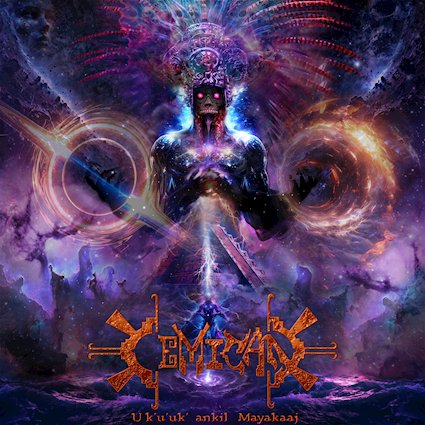
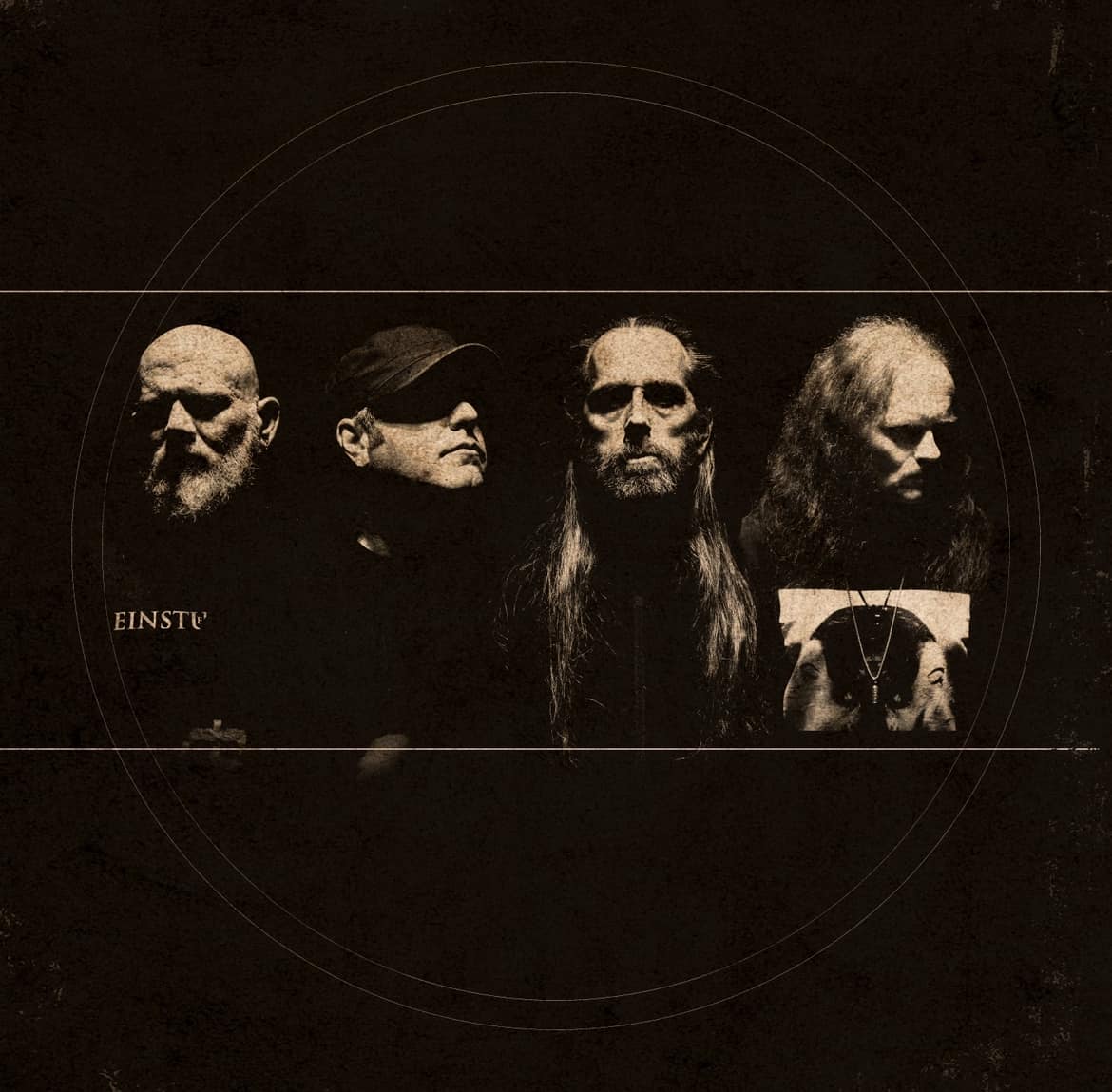
Incorporating elements of the legends, mysticism and ideologies of ancient Mexican culture, being compared by Revolver to “Slipknot scoring Mel Gibson’s Apocalypto” by combining the modern instrumentation of a metal band with traditional pre-Hispanic instruments, Guadalajara, Mexico’s own Progressive Power/Thrash/Folk Metal tribe Cemican (or “The Duality of Life and Death” in the Mexican language Nahuatl) brings forth more of their unique music in their fourth studio opus entitled U k’u’uk’ankil Mayakaaj, translated as “the Mayan Resistance”, following up on their 2019 critically acclaimed album In Ohtli Teoyohtica In Miquiztli. Showcasing a stunning artwork by the band’s own Tlipoca (aka Alejandro Guzmán), depicting the great creation of the Mayan universe and the elements of life – water, fire, wind, and earth – by the great supreme Itzamnaaj, raising the great Temple of Kukulkan for the worship of the Mayan people, the new album by vocalist and guitarist Tecuhtli, bassist Ocelotl, drummer Tlipoca, and the tribalistic ensemble of Xaman Ek, Yei Tochtli, Mazatecpatl, and Itzcoatl is based on Mayan ideology, worldview, mysticism, and the universe. It contains various legends and stories of ancestral gods, the duality of life and death, as well as stories based on the band members, transformed with that touch that identifies us.

Kukulkán Wakah Chan (likely combining the Maya deity name Kukulkán, meaning “Plumed Serpent”, with the Nahuatl phrase Wakah Chan, meaning “Sacred Tree” or “Milky Way”) sounds utterly ritualistic and folk from its very first moments, with their wind instruments echoing through the air before exploding into an amalgamation of Thrash, Death and Groove Metal led by Tlipoca’s crushing beats and fills; whereas Tán tí le Xibalba, the second single of the album, speaks of the god of dead in the Mayan culture while keeping their heaviness clashing with the culture of their ancestors in a majestic way, being therefore an excellent choice for their live concerts. In El Niño Que Contemplaba A Las Estrellas (“the boy who gazed at the stars” from Spanish), the guitars by Tecuhtli lean towards classic Heavy Metal, as well as his vocals, followed by Viaje Astral Del Quetzal De Fuego (“astral journey of the fire quetzal”), sounding atmospheric and embracing from start to finish, with the bass by Ocelotl and the drums by Tlipoca being absolutely thunderous. Xaman Ek, Yei Tochtli and Mazatecpatl bring the glory of the past through their wind instruments in the tribal dance Horizonte De Almas (“horizon of souls”), exploding into an epic song that will inspire you to raise your horns for those beyond talented Mexicans, while El Castigo De Los Dioses (“the punishment of the gods”) is another song where the modern, electrified vibe of metal music makes a killer paradox with their cultural and folk sounds.

The howling wind invites us to another journey through Mayan lands in Tak Ti Ulaák Íin, one of the most ritualistic of all songs, where the band delivers their most primeval sounds of the album. Then the massive riffs by Tecuhtli ignite the imposing, multi-layered Los Guardianes De La Tierra (“guardians of the earth”), a lecture in Symphonic and Melodic Death and Black Metal that feels like it was taken from the most climatic moment of a period drama; and the band offers another blast of harsh and pounding sounds in Hun-Came, meaning “One Death”, the name of the senior of the two principal death gods in the Maya underworld Xibalba, with all vocals and backing vocals giving it an extra kick while Tlipoca hammers his drums mercilessly. ¿Donde Estas? (“where are you?) is some sort of power ballad entirely sung in Spanish by a mysterious guest female musician, a bit too generic compared to the other songs; while back to their trademark tribal sonority infused with the power of Heavy Metal we have Yóok’ ol Kaáb Maya, sounding and feeling epic and vibrant until the very end. Lastly, closing the album we’re invited to one final ritual by Cemican entitled Bolom Octé, a stunning sonic voyage back to the glory yet somber days of their ancestors.
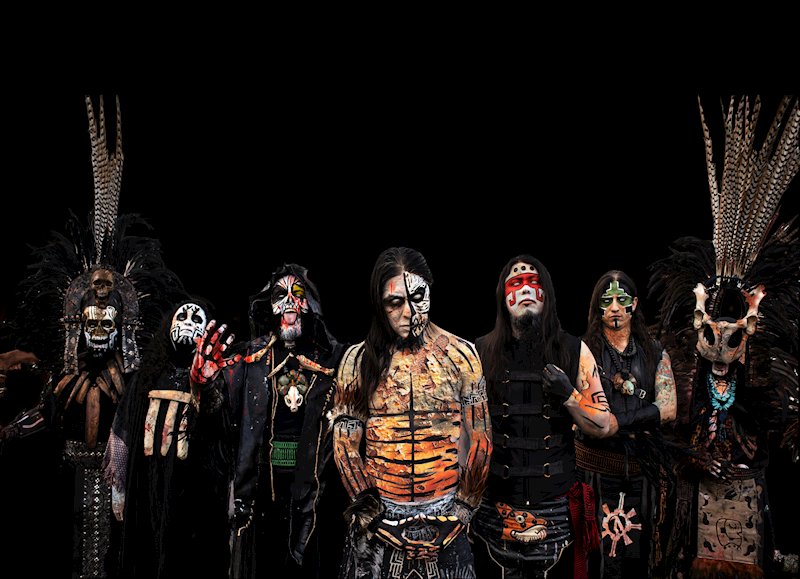
Offering a sound that embodies that language of music with ancestral instruments that Cemican have achieved as its own unique and hallucinatory sound, fused with lyrics that blend Spanish with Yucatecan Mayan, U k’u’uk’ankil Mayakaaj is a tribute to their ancestral people, their stories and their customs, giving a valuable message of their language and their ancestral glory. Hence, you can enjoy the dark and aggressive atmosphere found in U k’u’uk’ankil Mayakaaj by purchasing the album from their own BandCamp, from the M-Theory Audio webstore, or by clicking HERE, and don’t forget to also follow the band on Facebook and on Instagram, subscribe to their YouTube channel, and stream their amazing albums on Spotify. Because U k’u’uk’ankil Mayakaaj is a way to revive what their warriors and their Mayan people were, honoring the great Mayan culture and representing the worldview and mysticism of their great ancestral empire.

Best moments of the album: Tán tí le Xibalba, Horizonte De Almas, Los Guardianes De La Tierra and Hun-Came.

Worst moments of the album: ¿Donde Estas?.

Released in 2025 M-Theory Audio

Track listing
1. Kukulkán Wakah Chan 5:45
2. Tán tí le Xibalba 4:01
3. El Niño Que Contemplaba A Las Estrellas 6:44
4. Viaje Astral Del Quetzal De Fuego 8:31
5. Horizonte De Almas 6:31
6. El Castigo De Los Dioses 5:26
7. Tak Ti Ulaák Íin 4:39
8. Los Guardianes De La Tierra 5:13
9. Hun-Came 5:29
10. ¿Donde Estas? 4:23
11. Yóok_ ol Kaáb Maya 5:45
12. Bolom Octé 4:30

Band members
Tecuhtli – vocals, guitars, wind instruments
Ocelotl – bass
Tlipoca – drums, percussion, wind instruments, backing vocals
Xaman Ek – wind instruments, backing vocals
Yei Tochtli – wind instruments, backing vocals
Mazatecpatl – wind instruments
Itzcoatl – choir vocals
Album Review – Lacabra / Lacabra (2025)

Arising from a previous band out of the ashes of the Covid-19 pandemic, this five-piece Progressive/Blackened Death Metal act is ready to kill armed with their debut offering.

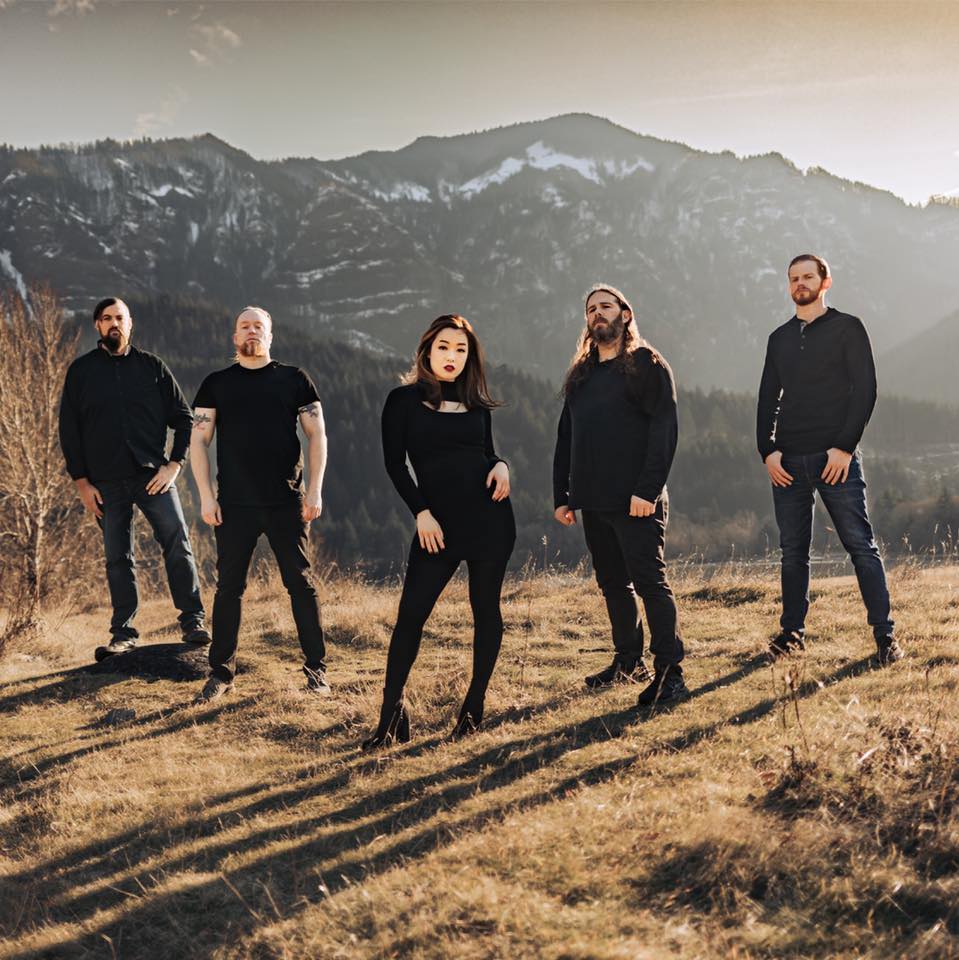
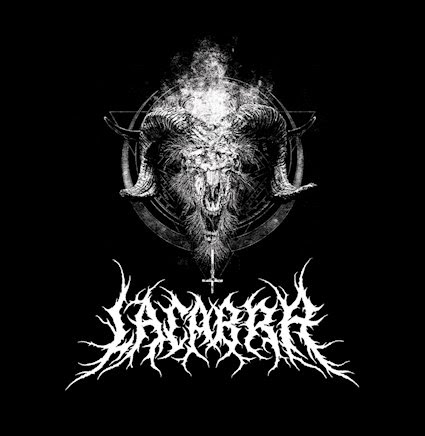
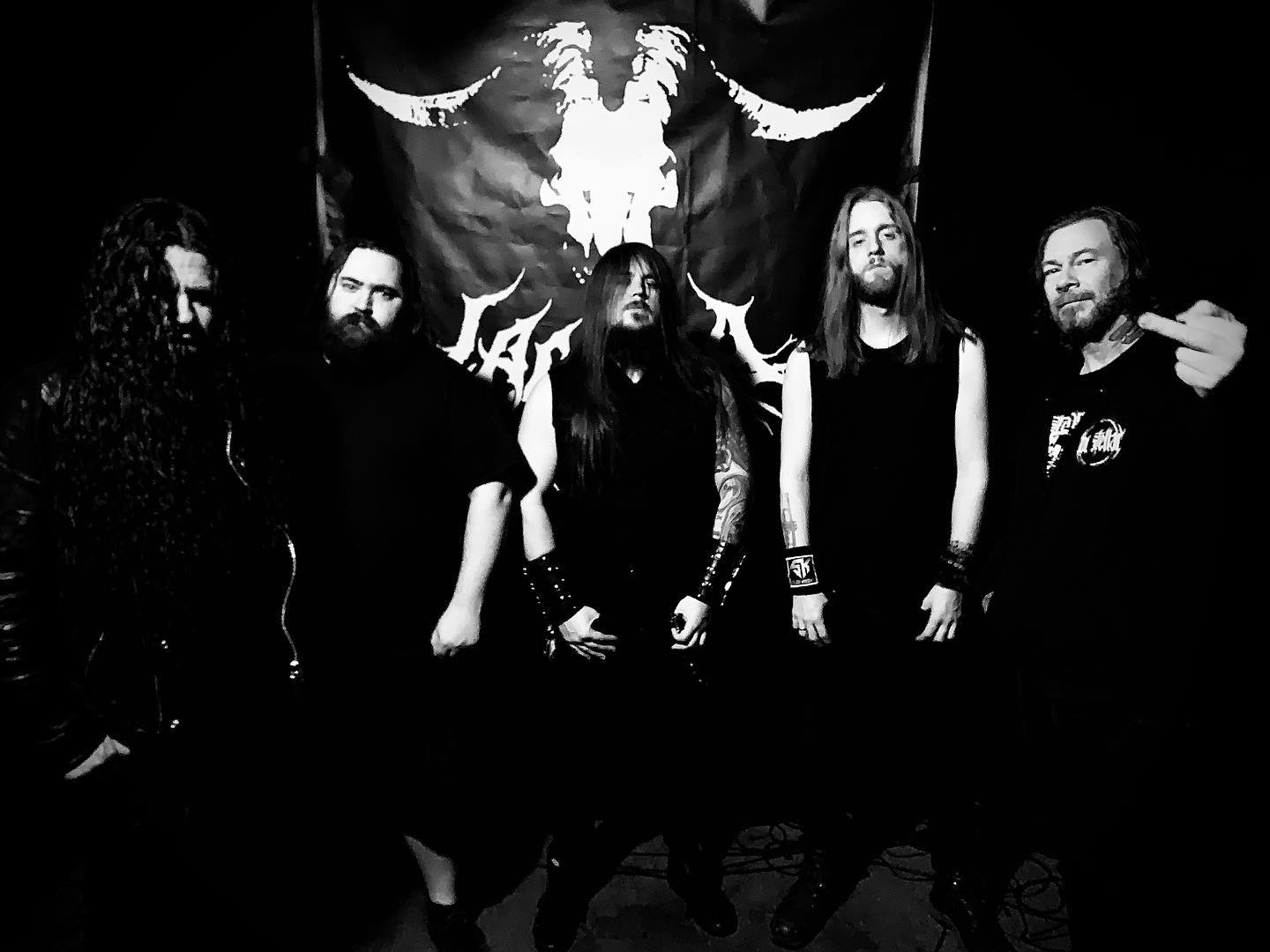
Arising from a previous band named Locisteller, out of the ashes of the Covid-19 pandemic, Seattle, Washington-based Progressive/Blackened Death Metal act Lacabra is ready to kill armed with their self-titled debut offering, showcasing an array of eclectic influences from traditional Heavy Metal, Dark Wave, Black Metal as well as 90’s Melodic Death Metal. Produced by Gwen Kerjan at Slab Sound Studio, mastered by Andy LaRocque at Sonic Train Studios, and displaying a sinister artwork by world renowned illustrator Néstor Ávalos, the album is a must-listen for fans of Goatwhore, Crypta, Nervosa, Blood Incantation, and Amorphis, effectively depicting all the dexterity and passion for heavy music by Lance Neatherlin on vocals, Michael Anthony and Eric Snyder on the guitars, Eric Weber on bass, and Richie Sather on drums.

A darkly atmospheric intro sets the stage for Lacabra to summon the dark forces in Blood Of The Goat 1876, offering a solid blend of Blackened and Melodic Death Metal led by the striking riffs and solos by Michael and Eric Snyder. Lance’s enraged vocal lines are the main ingredient in the striking Fallacy, where the progressiveness flowing from their guitars, bass and drums is amazing; and it’s time to bang our heads nonstop together with Lacabra in Human Quilt, where the metallic sound of their guitars walk hand in hand with the massive beats by Richie. And another shot of eerie sounds ignite Nothing, where the band fires an even darker sonority led by the devilish gnarling by Lance.

The band then enhances their animosity and delivers an overdose of aggressive sounds in Reprobate, leaning towards a more classic version of Black Metal, with Richie stealing the show with his intricate yet demented drumming; whereas Enemy (Feeding The Flames) is indeed a flammable display of blackened music, with Lance roaring manically supported by the unstoppable riffs by Michael and Eric Snyder. Such an evil horde shows no sign of slowing down at all in I Am Thee, crushing our frail bodies with their Blackened Death Metal attack mercilessly, while a more cadenced side of the band arises in The Devil’s Mechanic, with their Melodic Death Metal riffs and beats reminding me of In Flames and Dark Tranquillity. They end the album with Fractured, which is in my opinion the most electrifying of all songs, delivering sheer adrenaline and heaviness and, therefore, inviting us all to slam into the pit like there’s no tomorrow.

The guys from Lacabra are not fooling around when it comes to crafting heavy, enraged, dark and melodic music, and you can give them a shout and show them all your respect by following them on Facebook and on Instagram, as well as by streaming their music on Spotify, and put your dirty hands on their infernal debut opus by purchasing it from their own BandCamp or from the M-Theory Audio’s webstore. I’m sure Lacabra will soon spread their blackened wings and horns to all four corners of the earth with their live performances, and if the energy flowing from the stage is just as half as good as the music found in their new album, you better be prepared to be crushed like an insect inside the pit, because there will be blood.

Best moments of the album: Reprobate, The Devil’s Mechanic and Fractured.

Worst moments of the album: Nothing.

Released in 2025 M-Theory Audio

Track listing
1. Blood Of The Goat 1876 6:15
2. Fallacy 4:39
3. Human Quilt 3:35
4. Nothing 5:32
5. Reprobate 4:18
6. Enemy (Feeding The Flames) 3:53
7. I Am Thee 5:49
8. The Devil’s Mechanic 3:37
9. Fractured 5:32

Band members
Lance Neatherlin – vocals
Michael Anthony – guitars
Eric Snyder – guitars
Eric Weber – bass
Richie Sather – drums

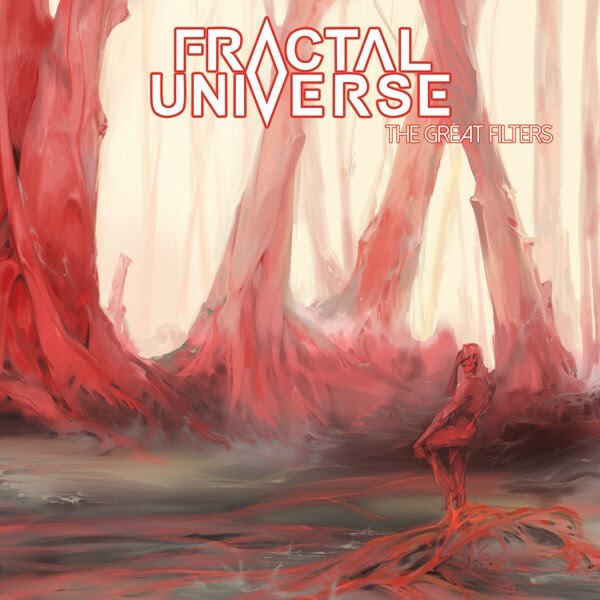
Album Review – Fractal Universe / The Great Filters (2025)

This Progressive Death Metal outfit strikes again with their thrilling fourth studio album, a sonic journey like no other blending progressive tendencies with Jazz elements.

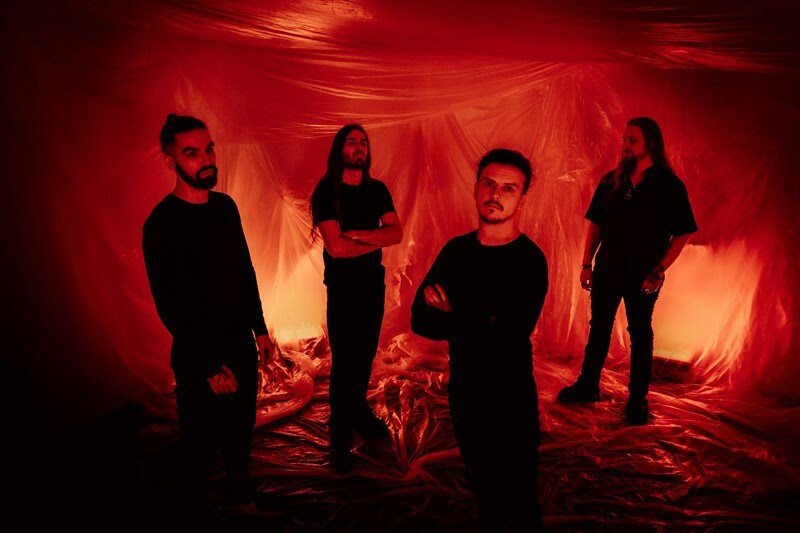
Having self-released their debut EP Boundaries of Reality in 2015, followed by the full-length albums Engram of Decline (2017), Rhizomes of Insanity (2019), and The Impassable Horizon (2021), Nancy, Grand Est, France-based Progressive/Technical Death Metal outfit Fractal Universe returns to action now in 2025 with their fourth studio effort, entitled The Great Filters. Once again blending progressive tendencies with Jazz elements, philosophical topics such as existentialism and the fragmented nature of human consciousness, innovative songwriting and high production quality, the new album by Vince Wilquin on vocals, guitars and saxophone, Yohan Dully on the guitars, Valentin Pelletier on bass, and Clément Denys on drums invites the listener to embark on a sonic journey like no other, helping those French metallers in reaching the peak of the Progressive Metal mountain worldwide.

Their progressive and metallic vein arises from the very first second in The Void Above, with the enraged roars by Vince walking hand in hand with the beyond intricate bass and drums by Valentin and Clément, respectively. Then continuing to experiment with different sounds and nuances we have The Great Filter, while staying true to their core Death Metal essence; whereas the Djent-infused bass by Valentin will hammer our heads in Causality’s Grip, accompanied by the whimsical guitar lines by Vince and Yohan, sounding like a Progressive Death Metal version of Dream Theater. And The Seed of Singularity is another song that goes heavy on bass, with a futuristic background providing Vince with all he needs to shine on vocals.

After that we’re treated to The Equation of Abundance, a smooth and charming ballad by the band, with the harsh vociferations by Vince bringing an extra touch of anguish and melancholy to the overall result; then investing in a heavier, more thunderous sound the band blasts our faces with Specific Obsolescence, with all of its breaks and variations, boosted by Clément’s spot-on drumming and Vince’s melancholic saxophone, turning it into a must-listen for fans of the genre. Dissecting the Real is another complex, vibrant and multi-layered creation by the band, offering more of the stylish riffs by Vince and Yohan, plus the endless heaviness flowing from Clément’s drums, followed by Concealed, a six-minute explosion of Progressive Death Metal led by the striking riffage by Vince and Yohan. Finally, the album ends on a strong note with A New Cycle, where the classy sound of the saxophone by Vince beautifully clashes with their visceral Death Metal sounds.

If their previous albums like their latest opus The Impassable Horizon already exhaled progressiveness and rage, it’s with The Great Filters that the quartet takes a huge step forward in their career, solidifying their core sound without repeating themselves or getting stale, always working towards innovation, and always with a lot of energy, passion and focus on their music. You can get more information about the band by following them on Facebook and on Instagram, stream more of their music on their YouTube channel or on Spotify, and above all that, show them your utmost support by purchasing a copy of The Great Filters by clicking HERE. In other words, if you love the complexity of Progressive Metal, but at the same time you’re an admirer of the visceral sound of Death Metal, then Fractal Universe might be exactly what you’re looking for in the underground, with their newborn opus sounding and feeling absolutely sharp and exciting for our total delight.

Best moments of the album: The Void Above, Specific Obsolescence and Dissecting the Real.

Worst moments of the album: The Great Filter.

Released in 2025 M-Theory Audio

Track listing
1. The Void Above 4:26
2. The Great Filter 3:41
3. Causality’s Grip 3:35
4. The Seed of Singularity 4:08
5. The Equation of Abundance 6:25
6. Specific Obsolescence 6:49
7. Dissecting the Real 5:23
8. Concealed 6:05
9. A New Cycle 5:04

Band members
Vince Wilquin – vocals, guitars, saxophone
Yohan Dully – guitars
Valentin Pelletier – bass
Clément Denys – drums

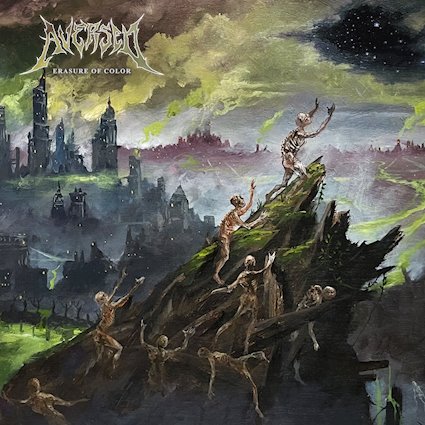
Album Review – Aversed / Erasure of Color (2025)

Boston, Massachusetts’ own Progressive/Melodic Death Metal beast returns with their sophomore album, presenting a glimpse of hope and beauty on a backdrop of raging, mournful extreme music.

Four years after the release of their critically acclaimed first full-length album Impermanent, Boston, Massachusetts’ own Progressive/Melodic Death Metal beast Aversed returns in full force with their sophomore opus, entitled Erasure of Color, bringing forward more of what the band itself likes to label as “Gothic Extreme Metal”. Currently formed of Sarah Hartman on vocals, Sungwoo Jeong and Alden Marchand on the guitars, Martin Epstein on bass, and Jeff Saltzman on drums, Aversed showcase endless rage and yearning in their new album, presenting a glimpse of hope and beauty on a backdrop of raging, mournful extreme music.

It’s pedal to the metal from the very first second in To Cover Up the Sky, with Sarah already proving why she was chosen to be the band’s new frontwoman in an interesting fusion of Death Metal with the sounds by bands like Jinjer and The Agonist. Then in Cross to Bear we face cryptic lyrics barked by Sarah (“Allow no joy / Because I am only me when I bereave / All my warmth pushed below the surface / Allow no joy, no exhilaration / I do not feel like me, anymore”) while Sungwoo and Alden extract sheer electricity from their axes. “In 1905, a French physician, Dr. Jacques Beaurieux, performed an experiment on prisoners condemned to die by guillotine. Immediately after his subjects were decapitated, he called out their names seeking to determine to what extent and for how long consciousness remained in their detached skulls”, commented the band, and that was the inspiration for Lucid Decapitation, again investing in a Jinjer-infused Progressive Metal sonority, with the bass by Martin sounding truly metallic; whereas in Inexorable they get back to a more vicious, enraged vibe, while also sounding melodic and embracing, albeit not as dynamic and inspired as the other songs.

The album continues on a high note with Burn, again venturing through the realms of classic Melodic Death Metal, with Jeff dictating the song’s pace with his unstoppable, hammering drums; while Solitary starts in a more introspective manner to the clean vocals by Sarah, showcasing the band’s more progressive and experimental side, and gradually evolving into a Melodic Death Metal aria before ending in a climatic and visceral vibe. Then the title-track Erasure of Color brings forward an avalanche of heaviness to the vicious roars by Sarah and the stylish, piercing guitars by Sungwoo and Alden, again sounding absolutely progressive from start to finish. And before all is said and done the band offers the whimsical interlude Yearning, prepping our souls for one final onrush of melodeath titled Departures, where the band delivers a more cadenced sonority perfect for Sarah’s clean and harsh vocals, even sounding radio-friendly at times, with all changes inside the music keeping it vibrant and fresh.

Fans of bands like Arch Enemy, At The Gates, The Agonist, Cradle of Filth, and Katatonia, among several others, will have an absolute blast listening to Erasure of Color, available for purchase from the band’s own BandCamp, or simply by clicking HERE. Aversed definitely know how to blend the harshness of Death Metal with melodic and gothic styles, and if you want to know more about the band, their plans for the future, and obviously their tour dates, you can find them on Facebook and on Instagram, subscribe to their YouTube channel, and stream their music on Spotify or any other service. Although the title of the album points to the lack of any color, let’s say the music found in the album is quite the opposite, a colorful, diverse and thrilling amalgamation of styles that will inspire the band to keep moving forward no matter what, always reinventing themselves and keeping us eager for more of their thrilling creations.

Best moments of the album: To Cover Up the Sky, Lucid Decapitation and Erasure of Color.

Worst moments of the album: Inexorable.

Released in 2025 M-Theory Audio

Track listing
1. To Cover Up the Sky 4:26
2. Cross to Bear 4:05
3. Lucid Decapitation 5:17
4. Inexorable 5:13
5. Burn 3:46
6. Solitary 5:42
7. Erasure of Color 4:19
8. Yearning 1:30
9. Departures 5:29

Band members
Sarah Hartman – vocals
Sungwoo Jeong – guitars
Alden Marchand – guitars
Martin Epstein – bass
Jeff Saltzman – drums

Album Review – Avernus / Grievances (2024)

A beast of an album that represents the return to action by one of the premiere bands mixing death with doom elements, and by far their most cohesive and powerful recording to date.

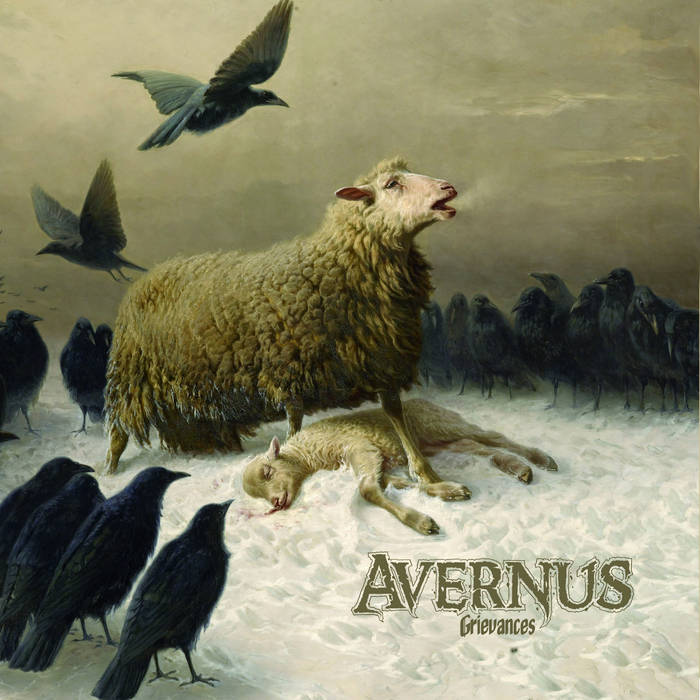
Established in 1992 in Chicago, Illinois, Atmospheric Doom/Death Metal outfit Avernus (which, in Roman mythology, was the name for the underworld) was one of the premiere bands mixing death with doom elements as evidenced by early demos over the next couple years. However, after recording a couple more demos, the band wallowed in obscurity in the 2000’s despite the efforts of remaining constant member, founder Rick McCoy, slowly crumbling away. Recorded and engineered by Joe Scaletta at Word Of Mouth Recording (with drums recorded at Bricktop Recording, and additional recording by Andy Lagis at Earshot Recording), mixed and mastered by Charles Macak at Electrowerks Recording, and displaying the sinister 1878 oil in canvas “Anguish”, by August Friedrich Schenck, as the artwork, the newborn beast Grievances is the return to action by Avernus after so many decades, by far the most cohesive and powerful recording assembled by the more experienced and yet calmer heads of Rick McCoy on vocals, guitars and synthesizers, James Genenz on guitars, bass, synthesizers and vocoder, Erik Kikke on guitars and bass, and Rick Yifrach on drums and percussion to create truly a masterwork.

The phantasmagorical intro Calling The Void already brings forward the band’s trademark heaviness, with its sluggish sounds penetrating deep inside our minds before Nemesis darkens the skies with its beyond doomed vibe, where Stygian background elements and minimalist guitars are exactly what Rick McCoy needs to roar like a ruthless creature, not to mention how powerful the slow and steady beats by Rick Yifrach sound. The hammering riffs by Rick McCoy, James and Erik sound caustic and grim in Exitus, offering more of their Atmospheric Doom Metal essence, all boosted by serene, delicate synths, followed by the whimsical instrumental interlude Plateau, making the ambience even heavier and more somber until the band comes crushing like thunder in the Doom Metal aria The Burning Down, featuring spoken words by guest Corporate Death (of Macabre), inspired by giants of the scene the likes of My Dying Bride while Rick McCoy’s vocals exhale anguish and darkness.

And the atmosphere remains dense and pensive in Return To Dust, with the sluggish drums by Rick Yifrach hitting us hard with every single beat, supporting the riffs, bass and grim vocals by his bandmates, morphing into another cinematic, massive interlude titled Open Arms (To The Apocalypse), overflowing Doom Metal until futuristic synths create a stunning paradox with the harsh sound of their guitars in Utter Euphoria, featuring additional guitars by Jeff Ulbrich (of From Beyond These Walls). Abandoned is another song with a beyond atmospheric start, almost sounding like Ambient or Shoegaze, and maybe a bit too long to be honest; and there’s one final onrush of Atmospheric Death and Doom Metal by Avernus titled Quietus, with Rick Yifrach once again pounding his drums in the name of doom while the guitars by the band’s stringed trio sound as sharp as they can be, alternating between delicate passages and sheer heaviness where Death and Doom Metal converge, therefore ending the album in a climatic and piercing manner.

Grievances is more than a strong return to form by Avernus, but a must-listen for admirers of the most sluggish, darkest form of death and doom, and you can show your support to those awesome Chicago musicians by following them on Facebook and on Instagram, staying up to date with all of their news and tour dates, and of course by clicking HERE and purchasing your favorite version of their flammable new opus. The band might have taken years to get back in action, but the wait was absolutely worth it as the music found in Grievances is fantastic, and I’m sure we won’t have to endure another huge hiatus by Avernus in the coming years because after the impact of their new album in the current scene, they’ll feel more than inspired to keep spreading their doomed wings upon us.

Best moments of the album: Nemesis, The Burning Down and Quietus.

Worst moments of the album: Abandoned.

Released in 2024 M-Theory Audio

Track listing
1. Calling The Void 2:16
2. Nemesis 9:33
3. Exitus 8:10
4. Plateau 3:31
5. The Burning Down 9:26
6. Return To Dust 7:37
7. Open Arms (To The Apocalypse) 3:02
8. Utter Euphoria 4:32
9. Abandoned 5:05
10. Quietus 8:52

Band members
Rick McCoy – vocals, guitars, synthesizers
James Genenz – guitars, bass, synthesizers, vocoder
Erik Kikke – guitars, bass
Rick Yifrach – drums, percussion

Guest musicians
Corporate Death – spoken word on “The Burning Down”
Jeff Ulbrich – additional guitars on “Utter Euphoria”

Album Review – Vintersea / Woven Into Ashes (2023)

This Extreme Progressive Metal act from Portland, Oregon is back with their fantastic third full-length opus, once again inspired by the majesty of the Pacific Northwest.

Combining the essential parts of many genres into a melodic brand of metal that is undeniably inspired by the majesty of the Pacific Northwest, Portland, Oregon-based Extreme Progressive Metal act Vintersea is back with their third full-length effort, entitled Woven Into Ashes, the follow-up to their 2019 critically acclaimed album Illuminated. Engineered by Gabe Johnston at Falcon Recording Studio, mixed by Carson Slovak and Grant McFarland at Atrium Audio, mastered by Troy Glessner at Spectre Studios, and displaying a stylish artwork by Xenoyr (of Ne Obliviscaris), the album once again offers our avid ears the heavy, emotionally powerful and technically intriguing creations by frontwoman Avienne Low, guitarists Jorma Spaziano and Riley Nix, bassist Karl Whinnery and drummer Jeremy Spencer, representing a significant step forward in the band’s already solid career.

Vintersea have definitely learned how to master the art of progressive and experimental sounds, and that’s already crystal clear from the very first second in Unveiling Light, with Jorma and Riley delivering sheer intricacy and groove from their guitars, therefore exploding into a vibrant Melodic Black Metal aria, whereas Jeremy hammers his drums in the name of extreme music in Devil’s Churn, providing Avienne with exactly what she needs to deliver her deep, enraged she-wolf screams, sounding even more progressive than the opening tune due to its Groove Metal elements. Then get ready for eight minutes of ethereal passages, endless heaviness and obscurity, and a humongous dosage of intricacy in Crescent Eclipse, with Avienne again stealing the spotlight with her mesmerizing clean vocals and her infernal roars; and a demonic growl by Avienne kicks off the thunderous At The Gloaming Void, with Karl’s bass and Jeremy’s beats making the earth tremble, or in other words, it’s Progressive Death and Black Metal at its finest.

As if the band decided to begin a new chapter in the “book” of Woven Into Ashes, they invest in a much more cadenced, melodic sound in Parallel Duality, and the song also seems to be split in two parts depending on the vocal style used by Avienne. Lonesome Tide is another song with a more delicate start, quickly morphing into another Progressive Black Metal onrush by the band with Jorma and Riley doing an amazing job with both their caustic riffs and gentle acoustic guitars; and it’s then time for a dark ballad titled Into the Horizon, a solid creation by the band albeit not as vibrant or multi-layered as the rest of the album. Avienne has a charming performance on vocals as usual, though. Finally, the band brings forth a nine minute feast of delicate sounds, progressiveness and melancholy titled No Tomorrow, with Jeremy dictating the song’s pace while Avienne roars to the piercing riffs by the band’s guitar duo, ending the album on a very climatic mode.

The talented Avienne and her unstoppable henchmen are waiting for your feedback about their stunning creations on Facebook and on Instagram, and don’t forget to also subscribe to their YouTube channel and to stream more of their classy compositions on Spotify. The versatile and dynamic Woven Into Ashes, which is available for purchase from their own BandCamp page, as well as from the M-Theory Audio webstore as a digipack CD or as a colored vinyl (or click HERE for all things related to the band and the album), will undoubtedly help Vintersea reach new heights in their awesome career, as it’s not only their strongest effort to date, but also a must-listen for any fans of the fusion of progressiveness and sheer heaviness. Furthermore, the band is just about to embark on a sensational tour with Eleine, Oceans of Slumber and the almighty Moonspell, and I’m beyond certain they’ll play songs from their new album. Having said that, what are you waiting for to grab your tickets for such amazing event in your city?

Best moments of the album: Devil’s Churn, At The Gloaming Void and Lonesome Tide.

Worst moments of the album: Into the Horizon.

Released in 2023 M-Theory Audio

Track listing
1. Unveiling Light 5:22
2. Devil’s Churn 6:09
3. Crescent Eclipse 7:43
4. At The Gloaming Void 5:31
5. Parallel Duality 7:12
6. Lonesome Tide 6:04
7. Into the Horizon 3:51
8. No Tomorrow 8:49

Band members
Avienne Low – vocals
Jorma Spaziano – guitars
Riley Nix – guitars, backing vocals
Karl Whinnery – bass
Jeremy Spencer – drums

Album Review – Immortal Guardian / Psychosomatic (2021)

What’s the best thing to do during this never-ending pandemic? This talented American group has the answer to that armed with their brand new album of breathtaking Progressive Power Metal.

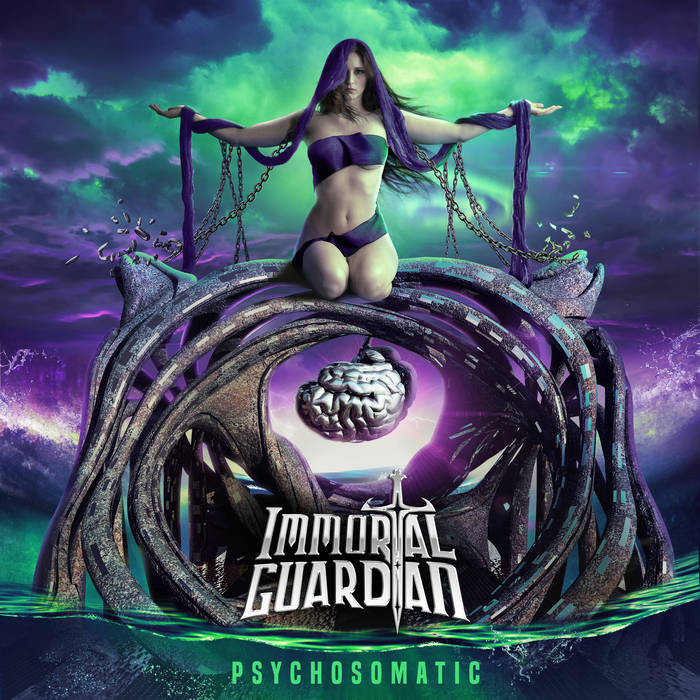
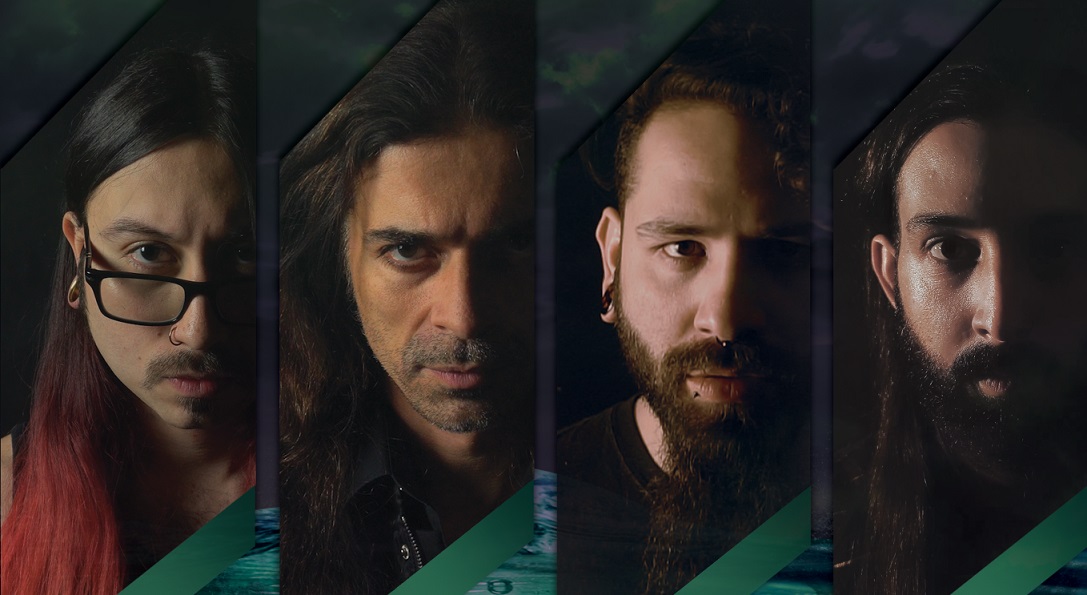
After winning over new audiences with their acclaimed 2018 debut full-length album Age of Revolution and touring relentlessly alongside fellow shredders such as Marty Friedman, Powerglove and Exmortus, Austin, Texas’ own Progressive Power Metal entity Immortal Guardian is back in action in 2021 with their sophomore effort, entitled Psychosomatic, offering their fans more of what they like to call “Super Metal”. As a matter of fact, as the spread of COVID-19 and the subsequent pandemic began to ensue, each member of the band retreated to their respective hometowns; guitarist and keyboardist Gabriel Guardian (also known as Gabriel Guardiola) remained in Las Vegas, Nevada, in the United States, vocalist Carlos Zema (of bands like Outworld and Heaven’s Guardian) recorded his vocals from his home in Brazil, new drummer Justin Piedimonte stayed in Montreal, Canada, and new bassist Josh Lopez remained in the band’s native Texas. With shutdowns around the world being enforced, the band completely scrapped the originally planned record that they had been working on and were heavily inspired to write and create a new thematic record about their emotions surrounding current events, with the final result being at the same time epic, bold and of course very personal to each one of those four talented musicians.

The title-track Psychosomatic beings in an imposing manner led by the whimsical keys by Gabriel, gradually evolving into a feast of Progressive Metal showcasing the high-pitched screams by Carlos (and somewhat working as an extended intro to the rest of the album), and they put the pedal to the metal in the heavy and groovy Power Metal tune Read Between the Lines, with the bass jabs by Josh adding sheer heaviness to the overall result while Carlos continues to shine on vocals. Then it’s time to enjoy this eternal lockdown together with the guys form Immortal Guardian in the multi-layered, electrifying Lockdown, with Justin dictating the pace with his intricate beats while Gabriel kicks some serious ass with both his riffs and keys, whereas featuring guest guitars by Marcelo Barbosa (of Almah and Angra), Phobia is another thunderous dosage of their fusion of Progressive and Power Metal where Gabriel, Josh and Justin are in absolute sync with their sonic weapons. And more of their intricate sounds and magical passages are offered in the epic extravaganza titled Clocks, with the keys by Gabriel generating a beautiful ambience perfect for his own piercing guitar solos.

After the short atmospheric interlude Self-isolation, let’s keep banging our heads to the sound of the Heavy Metal hurricane titled Goodbye to Farewells, featuring guest vocals by Mary Zimmer (of Helion Prime), with all band members extracting tons of adrenaline from their instruments while Mary sounds utterly bestial with her harsh roars, showcasing a different side from her work with her main band. Then in Candlelight we’re treated to a pensive, melancholic intro where Josh adds his share of darkness through his bass, evolving into a more traditional hybrid of Heavy Metal and Hard Rock (albeit not as entertaining nor dynamic as the rest of the album, though, going on for too long), and more of their refined piano notes permeate the air in Find a Reason, a more gripping ballad than the previous song, sounding dense from start to finish and with Carlos passionately declaiming the song’s words while Justin pounds his drums flawlessly. Finally, Gabriel once again brings forward his deep passion for shredding in New Day Rising, a spot-on depiction of their Progressive Power Metal, offering many breaks, variations, complex passages and the usual speed and energy of Power Metal for the delight of admirers of the genre.

It’s quite easy to join the army of immortals spearheaded by Gabriel, Carlos, Josh and Justin, as their newborn spawn is available from an array of locations including the band’s own BandCamp and webstore, the M-Theory Audio webstore (in CD and limited purple LP format), the Plastic Head webstore (also in CD and limited purple LP format), or simply click HERE for all places where you can buy or stream the album. Also, let’s show our support to those talented metallers by following them on Facebook and on Instagram, by subscribing to their YouTube channel and by streaming more of their music on Spotify. Psychosomatic is undoubtedly the perfect example of how we should face the COVID-19 pandemic, turning our fears, anxiety and hopelessness into ass-kicking metal music like what Immortal Guardian were capable of doing (perhaps not in such majestic way, of course), showcasing once again the positive energy Heavy Metal can bring to us all even during the most difficult times of our lives. Stay home, stay safe, and rock on!

Best moments of the album: Lockdown, Phobia and Goodbye to Farewells.

Worst moments of the album: Candlelight.

Released in 2021 M-Theory Audio

Track listing
1. Psychosomatic 5:33
2. Read Between the Lines 6:01
3. Lockdown 4:12
4. Phobia 6:13
5. Clocks 5:12
6. Self-isolation 0:39
7. Goodbye to Farewells 5:50
8. Candlelight 5:24
9. Find a Reason 7:00
10. New Day Rising 5:56

Band members
Carlos Zema – vocals
Gabriel Guardian – guitars, keyboards
Josh Lopez – bass
Justin Piedimonte – drums

Guest musician
Mary Zimmer – harsh vocals on “Goodbye to Farewells”
Marcelo Barbosa – guitars on “Phobia”

Album Review – Hiss From The Moat / The Harrier (2019)

A first-class album of Black and Death Metal made in Italy, inspired by the true harriers of our society such as politics, religion and dictatorship.

In case you’re not familiar with the brutality and rage of Italian Black/Death Metal horde Hiss From The Moat, the band was founded in 2006 by drummer James Payne (Vital Remains, Hour of Penance) with two Italian friends, bassist Carlo Cremascoli and guitarist Giacomo Poli, delivering a stream of very interesting releases since their inception, starting with their debut EP The Carved Flesh Message, in 2009, followed by their first full-length album Misanthropy, in 2013, eventually adding vocalist and guitarist Massimilano Cirelli to their lineup, and now their sophomore full-length opus The Harrier, in 2019. Regarding the album’s title, Mr. Payne says, “The Harrier refers to he who devastates. It’s not intended as someone whom we created to destroy, but rather to indicate everything that has devastated our history, like politics, religion and dictatorship etc. That’s why we used extracts of religious and political scripts in the lyrics.”

Based in the cities of Los Angeles (United States), London (England) and Milan (Italy), this multinational entity has recently issued a series of videos through their YouTube channel showing the band working on the recording of The Harrier in the city of Milan, therefore demonstrating their passion for what they do and a desire to be as honest and transparent as possible with their fans. Furthermore, regarding the album’s artwork designed by Stefano Bonora, Mr. Payne said that “the artwork of the album is defined by three elements: a head of a statue that represents the blind and apathetic attitude of mankind; the mechanical mask on top of the head that represents the institutions that oppress people (similar to the belt on the statue’s mouth and the crosses as blinders); and the alchemical circles that have the meaning of improving mankind through the mind and the body, to promote self-improvement without looking for external help,” just to give you an idea of how obscure and austere their music is.

The cryptic and serene intro The Badial Despondency suddenly explodes into the bestial title-track The Harrier, where the quartet begins pulverizing everything and everyone that crosses their path. Furthermore, James is unstoppable on drums, while Massimiliano roars the song’s dark lyrics manically from start to finish, and brutality and rage keep flowing from all instruments in I Will Rise, a beyond electrifying Melodic Black Metal tune where the guitars by both Massimiliano and Giacomo sound infernal, not to mention how fast, precise and ruthless James is on drums. Then some sort of “dark poem” is recited by Massimiliano before all hell breaks loose in The Passage To Hell, bringing not even a single second of peace for us to breathe, only sheer devastation in the form of classic Black Metal, with James once again hammering our heads with his hellish and intricate drumming.

Slaves To War is just as demonic as its predecessor, showcasing sick guitar riffs, endless violence and a sulfurous atmosphere only modern Black Metal can offer you, keeping the album on fire before the band comes ripping our hearts out with the magnificent Sine Animvs, a lecture in modern-day Melodic Black Metal infused with Death Metal nuances, close to the Blackened Death Metal blasted by the iconic Behemoth. Hence, it’s absolutely impossible to stand still to the incendiary riffs by the band’s guitar duo. In the interlude titled The Abandonment, acoustic guitars work as the “calm before the storm”, warming up our senses for The Allegory of Upheaval, another straightforward creation by those Italian metallers alternating between very complex and interesting moments and less inspired passages. It’s still a very good song though, proving how powerful the band always sounds.

Then we have another one of my favorite tracks, God Nephasto, and James himself had a few nice words to say about it. “The song is one of the most intense of the album as far as rhythm and atmosphere,” explained our talented drummer. “It has several parts of blast beats and breakdowns that combined with the dark atmosphere of the notes keep the song pretty nervous. This is to support the lyrics that have been taken from parts of the Enuma Elish and the Old Testament that talk about when the Gods mentioned in these scripts, ordered sacrifices in their honor.” Musically speaking, it’s a visceral sonic havoc that will please all fans of the genre, sounding crisp, thunderous and menacing, with highlights to Massimilano’s infernal growls and obviously to James’ demolishing beats. Their second to last Black Metal extravaganza, entitled Unperishing, is just as demonic and violent as the rest of the album, with its classic riffs and beats bringing endless heaviness to the overall musicality, while Carlo not only extracts thunder from his bass, but he also supports Massimiliano’s vociferations flawlessly with his backing vocals. And there’s still time for one final onrush of blackened sounds for our total delight, named The Decay of Lies, less frantic but as heavy as hell, working at times as a marching outro to such vile album. Needless to say, Massimiliano and Giacomo are absolutely demonic with their guitars from start to finish, ending the album on a high and obscure note.

There are several places where you can get your copy of such amazing album of Black and Death Metal, like the band’s own BandCamp page or Big Cartel, the M-Theory Audio’s webstore in regular CD or limited edition vinyl format, the Napalm Records’ webstore, iTunes, Amazon, and so on. Don’t forget to also follow Hiss From The Moat on Facebook, and to worship darkness to the sound of their crushing extreme music, always keeping a very good distance from all types of religion and from politics, the true destroyers of our decaying society. and that’s how you craft first-class extreme music, my friends. Music that not only makes you bang your head and raise your horns, but that above all that also makes you think.

Best moments of the album: I Will Rise, Sine Animvs and God Nephasto.

Worst moments of the album: The Allegory of Upheaval.

Released in 2019 M-Theory Audio

Track listing
1. The Badial Despondency 1:24
2. The Harrier 4:00
3. I Will Rise 3:56
4. The Passage To Hell 3:44
5. Slaves To War 4:35
6. Sine Animvs 3:48
7. The Abandonment (Interlude) 3:26
8. The Allegory of Upheaval 4:33
9. God Nephasto 4:12
10. Unperishing 4:46
11. The Decay of Lies 4:48

Band members
Massimilano Cirelli – vocals, guitar
Giacomo Poli – guitar
Carlo Cremascoli – bass, backing vocals
James Payne – drums

Album Review – NovaReign / Legends (2018)

A fast, melodic and intricate album that perfectly represents the new age of Progressive Power Metal, telling stories in musical literature and speaking to a generation influenced by epic fantasy tales, comic books and video games.

Influenced by bands like Iron Maiden and Dream Theater, to Dragonforce and Angra, American metallers  NovaReign represent the new age of Progressive Power Metal, telling stories in musical literature and speaking to a generation influenced by epic fantasy tales, comic books and video games. Formed in 2010 in the city of Los Angeles, California, in the United States, NovaReign are not only inspired by the aforementioned classic metal acts, but they also incorporate elements from a multitude of non-metal styles such as Jazz, Funk and EDM (Electronic Dance Music) to their high-octane music, adding a little extra flavor to their already exciting compositions.

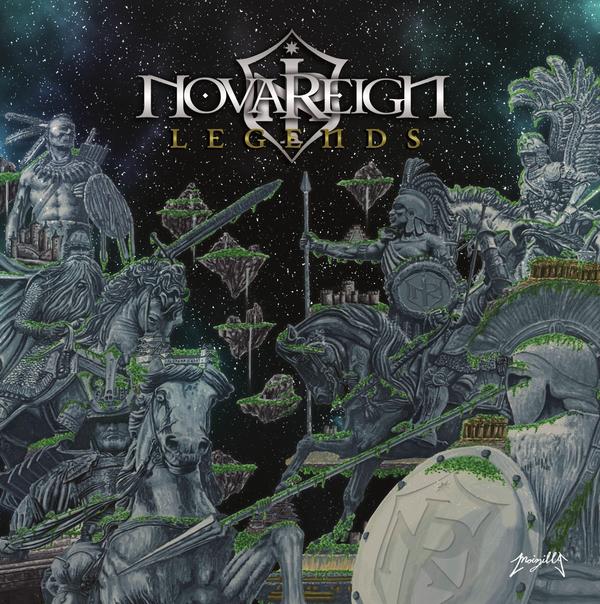
The band has been steadily and surely building a buzz and reputation for themselves in recent years, becoming a fixture with energy-abounding live shows filled with nonstop shredding guitar interplay and powerful traditional metal vocals, altogether culminating in the release of their debut full-length album this year, the nonstop metal attack titled Legends, an hour-plus of shred-tastic, over-the-top, epic power and progressive metal music. Not only that, the album art also transpires epicness, as explained by guitarist Danny Nobel. “The art was based off an idea I had pitched to have giant statues of god-like figures in an astral plain,” explains Danny. “Our bassist, Moises, took the idea and created the drawings you’ve seen so far. The characters are all based on warriors and mythical beings, which represent themes of courage, heroism, strength and virtue. These are characteristics and themes of the overall album. That along with a cosmic decor.”

The opening tune, titled Call On The Storm, brings forward progressiveness flowing from the very first second from the melodic guitar lines by Danny and his bandmate Balmore Lemus, gradually becoming a Power Metal feast led by the high-pitched vocals by frontman David Marquez. And the action doesn’t stop at all, with gripping solos and faster-than-a-bullet beats keeping the electricity at a really high level. Then get ready for 10 minutes of pure Melodic Heavy Metal in Mace Of A Fist, where Danny and Balmore are on fire with their Dragonforce-inspired riffs and solos while drummer Paul Contreras keeps blasting furious and precise beats, not to mention the second half of the song which is that type of sonic “masturbation” fans of Melodic and Progressive Metal truly love. And let’s say their “metal masturbation” goes on in another classic Power Metal extravaganza titled Beyond The Cold, presenting a galloping rhythm crafted by bassist Moises Gavez together with Paul, perfect for David to blast sheer epicness through his vocals and to Danny and Balmore to deliver some insane guitar solos.

The following song in Legends, the excellent Heavy Heart, reminds me of the sound by some of the best metal bands from Japan such as Moi Dix Mois, Versailles, Anthem and especially Saber Tiger and Loudness, being fast, intricate, electrifying and an absolute orgasm for fans of the genre. And have I mentioned their guitar solos are simply fantastic? Anyway, moving on with their sonic onrush, Skyline feels a lot less intense than its predecessors, but still presenting the band’s characteristic sonority. All band members are precise with their instruments, providing David all he needs to powerfully declaim the song’s lyrics, with the only issue being that the song goes on for too long with its almost 9 minutes of music.

The sound of rain and an acoustic guitar set the tone in the bridge To Wander The Stars, before NovaRegin return with another metallic, melodic and inspiring tune entitled The Builder. Led by the rhythmic drums by Paul, the song presents the band’s guitar duo simply slashing their strings mercilessly, therefore generating a piercing but very enjoyable sound in the end. In Black As The Dead Of Night we’re treated to a 9-minute onslaught of Power Metal with Danny and Belmore being two shredding and soloing machines, with the work done by Paul on drums being outstanding. Moreover, despite being as long as “Skyline”, it has a lot more flavor and punch, maintaining the energy flowing until the end. And lastly, the title-track Legends brings tons of progressiveness through the band’s intricate riffs and beats, as well as the awesome bass punches by Moises. Put differently, it’s a heavier and more melodic version of Dream Theater with hints of Iron Maiden, which means that if you’re a musician and into Power Metal, this song has everything you crave in heavy music.

In case you think my words are not detailed enough to describe the music by NovaReign, you can enjoy the band doing a really nice track by track breakdown on YouTube, and after enjoying such interesting video you should definitely go check what NovaReign are up to on Facebook, and purchase Legends through their official BandCamp page, through the M-Theory Audio webshop, on iTunes, on Amazon, and in other retailers like Target, Adipocere Records and DeepDiscount. And there you have the perfect (and very intricate and melodic) soundtrack for your most epic adventures, how about that?

Best moments of the album: Call On The Storm, Beyond The Cold, Heavy Heart and Black As The Dead Of Night.

Worst moments of the album: Skyline.

Released in 2018 M-Theory Audio

Track listing
1. Call On The Storm 6:58
2. Mace Of A Fist 10:10
3. Beyond The Cold 5:58
4. Heavy Heart 5:09
5. Skyline 8:56
6. To Wander The Stars 2:24
7. The Builder 5:22
8. Black As The Dead Of Night 8:44
9. Legends 9:25

Band members
David Marquez – vocals
Danny Nobel – guitars
Balmore Lemus – guitars
Moises Gavez – bass
Paul Contreras – drums