Album Review – When Plagues Collide / Tutor of the Dying (2018)

A superb amalgamation of melodic riffs and sweeping solos embraced by the beauty and finesse of symphonic music, blasted by a Belgian outfit that’s among us to dictate violence and spread the plague.

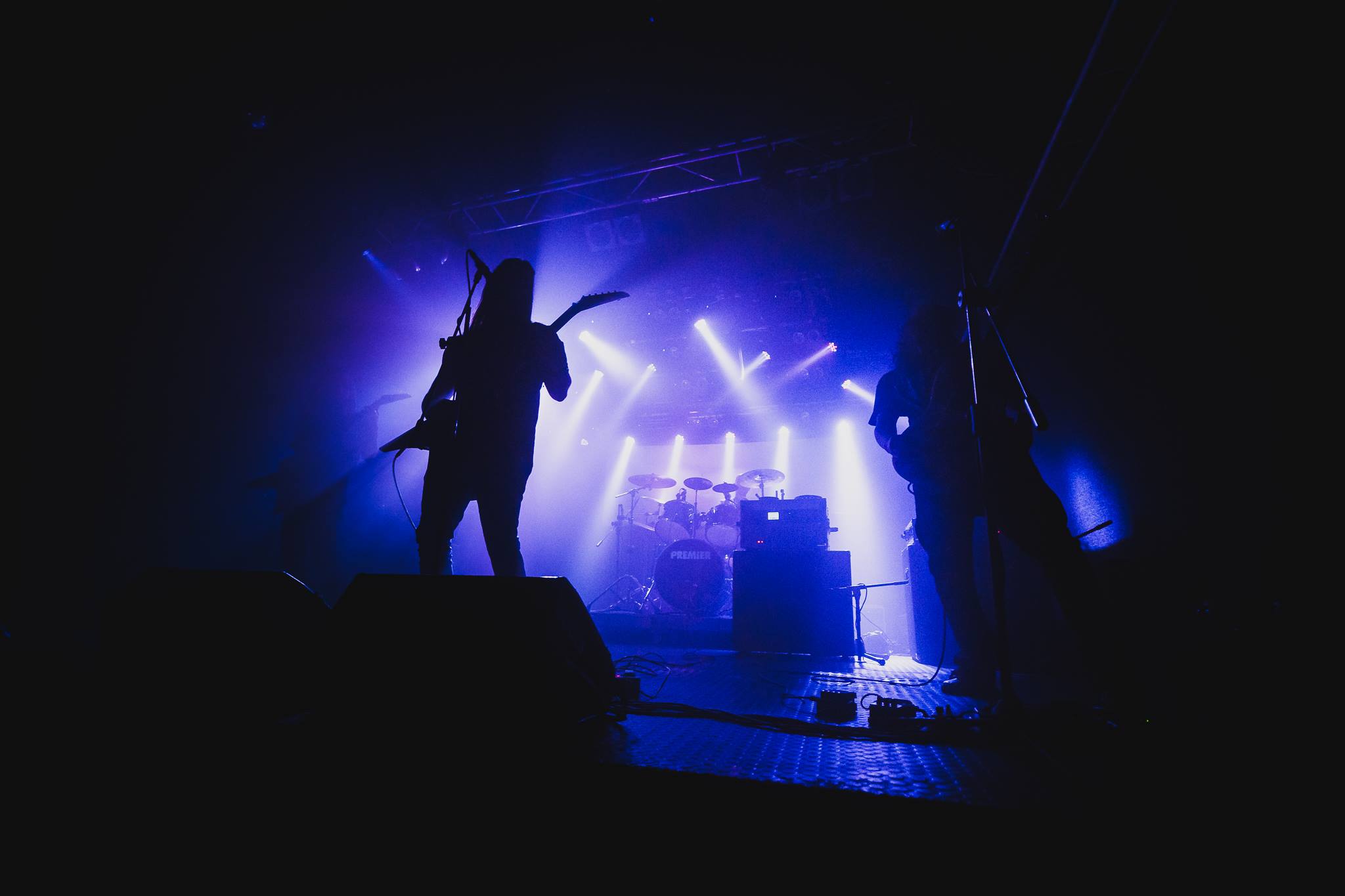
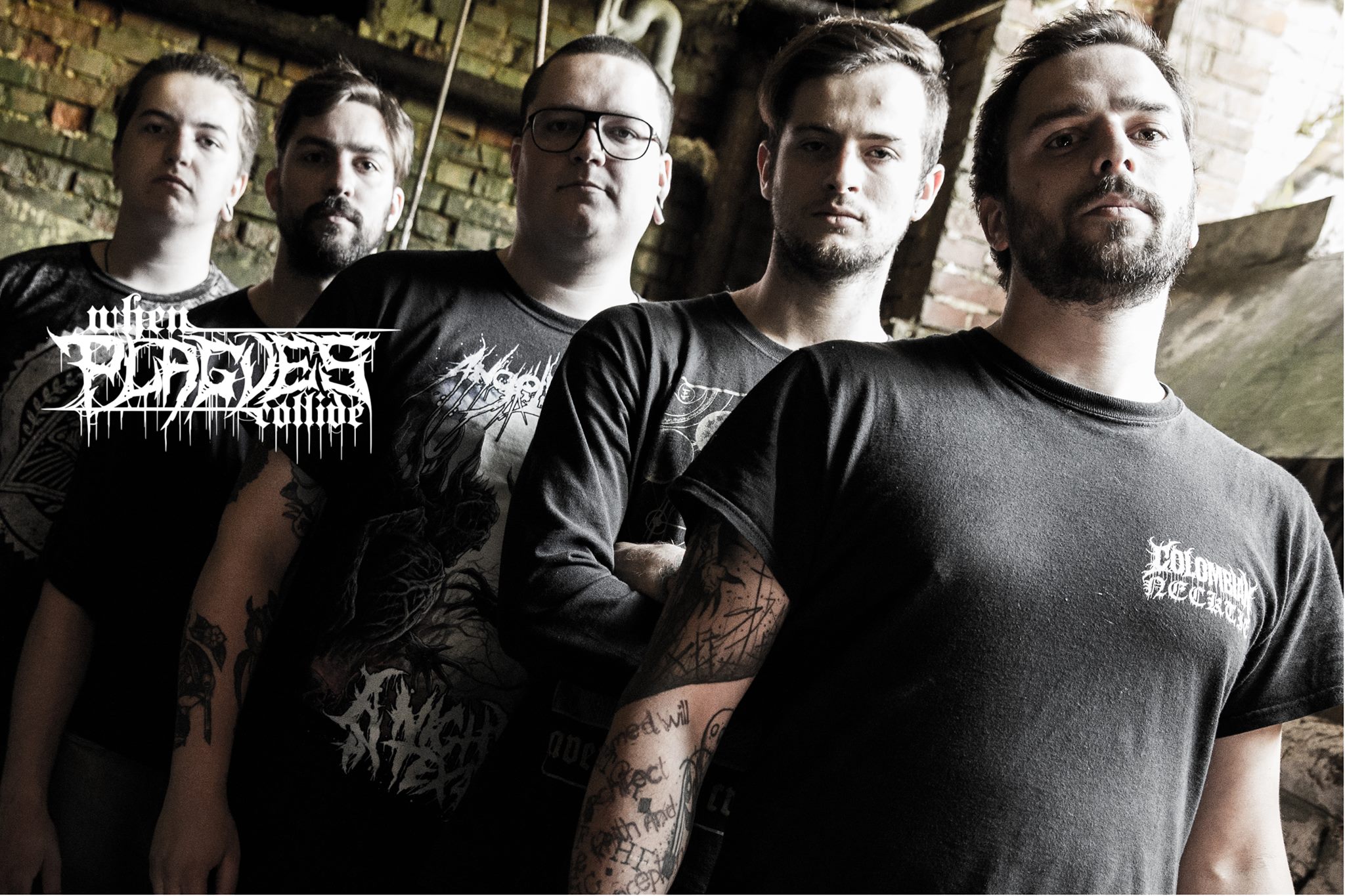
As total strangers, but sharing the same passion for heavy music, five friends met in June 2016 with the same goal in mind, which was translating their vision of life and musical ideas into a genre that’s not well known or developed among headbangers yet, but that has tons of potential to become your next favorite thing in metal. I’m talking about Symphonic Deathcore, an amalgamation of sounds and styles that encompasses melodic riffs and sweeping solos embraced by the beauty and finesse of symphonic music, and there’s no better band to introduce you to this thrilling new genre than Belgian metallers When Plagues Collide (a name standing for the reflection of our modern-day society and, therefore, allowing a critical view on social issues) and their debut full-length opus, titled Tutor of the Dying.

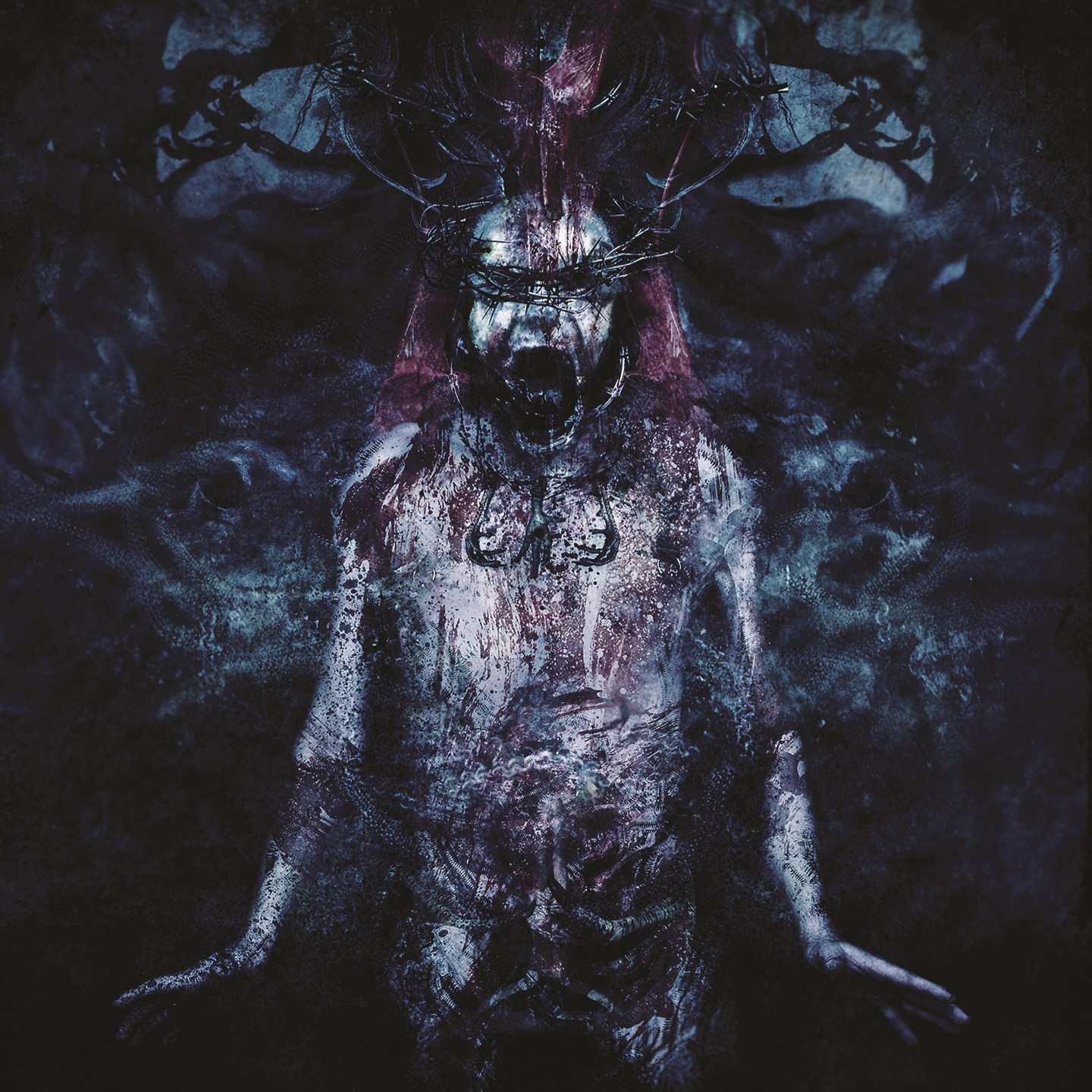
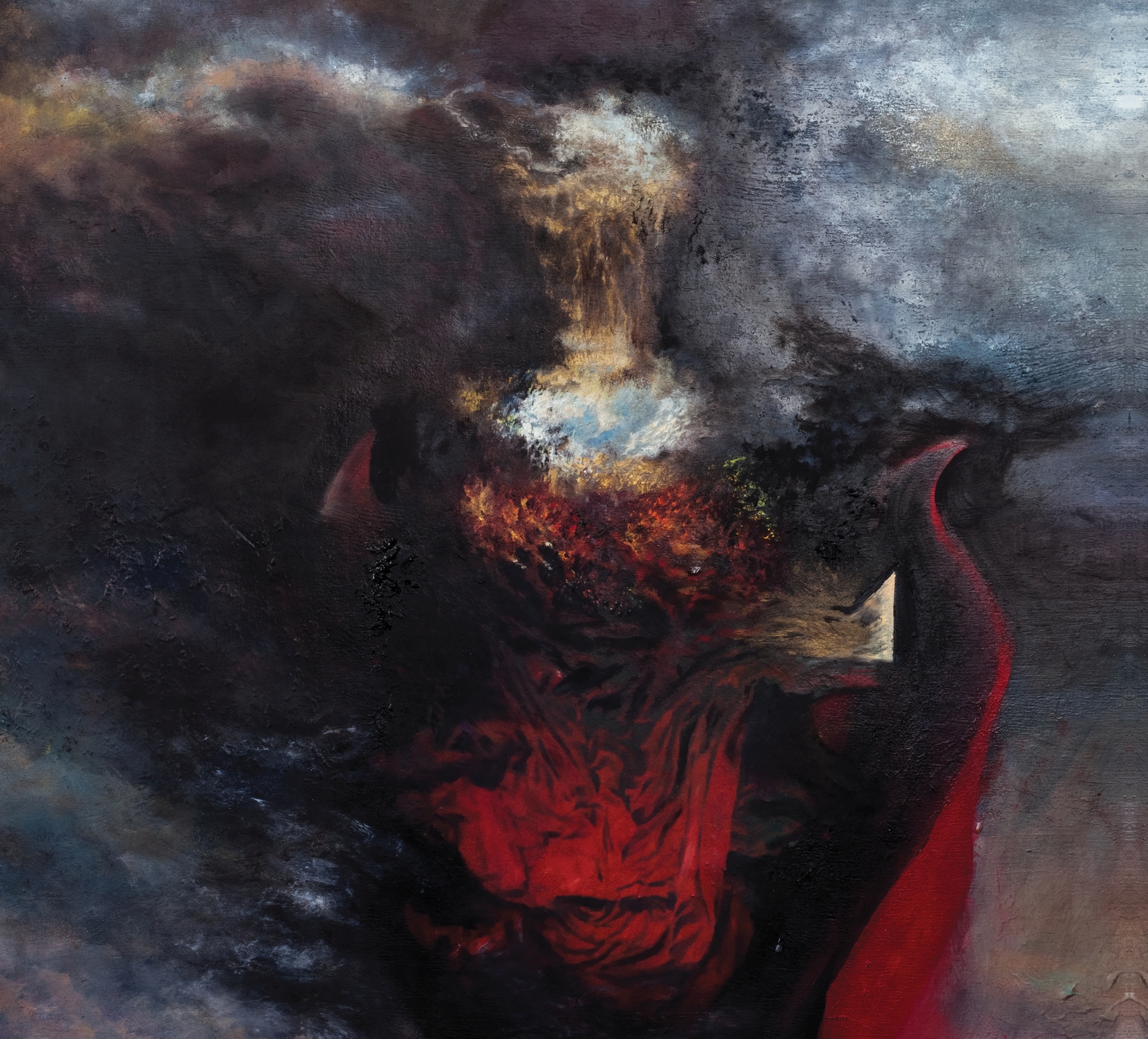
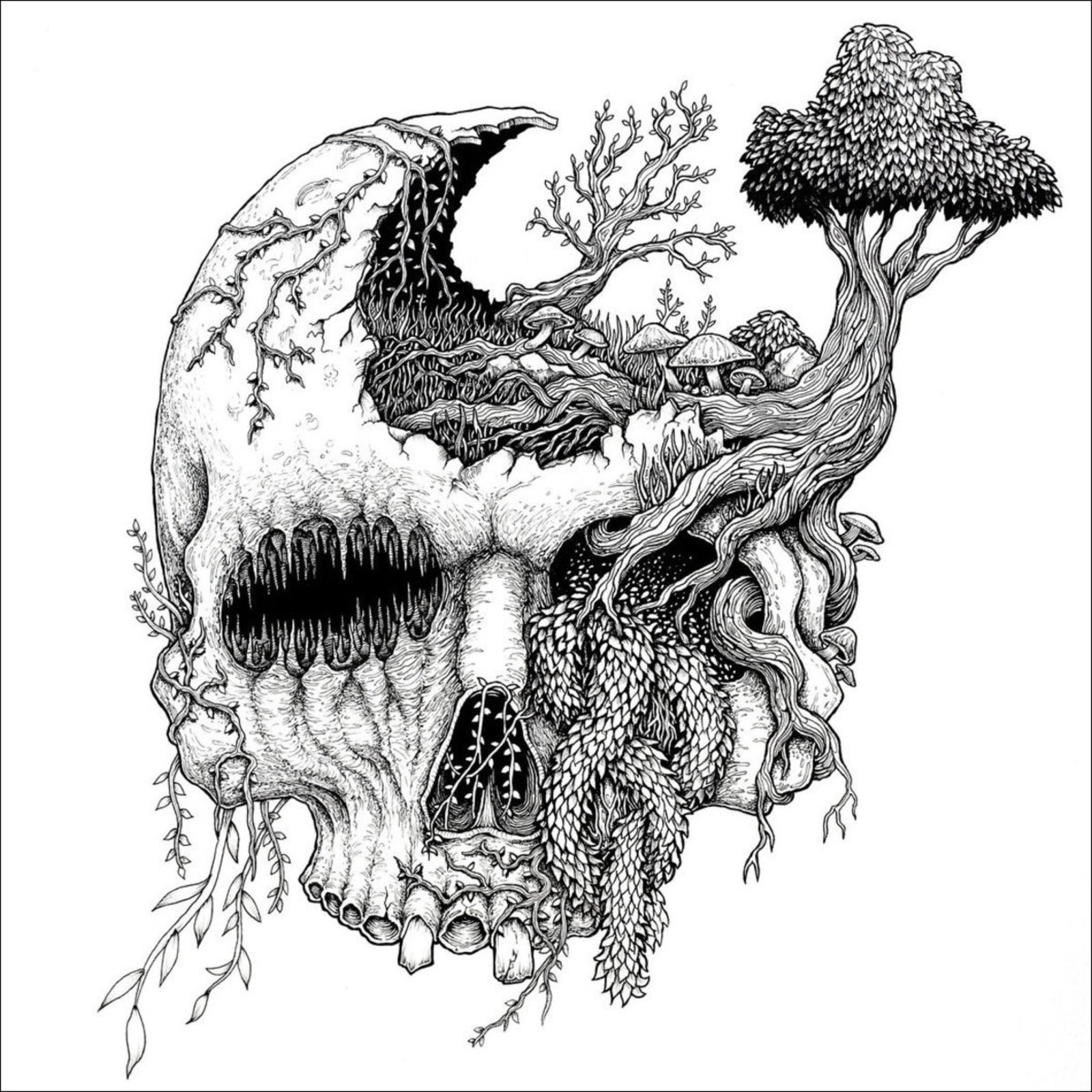
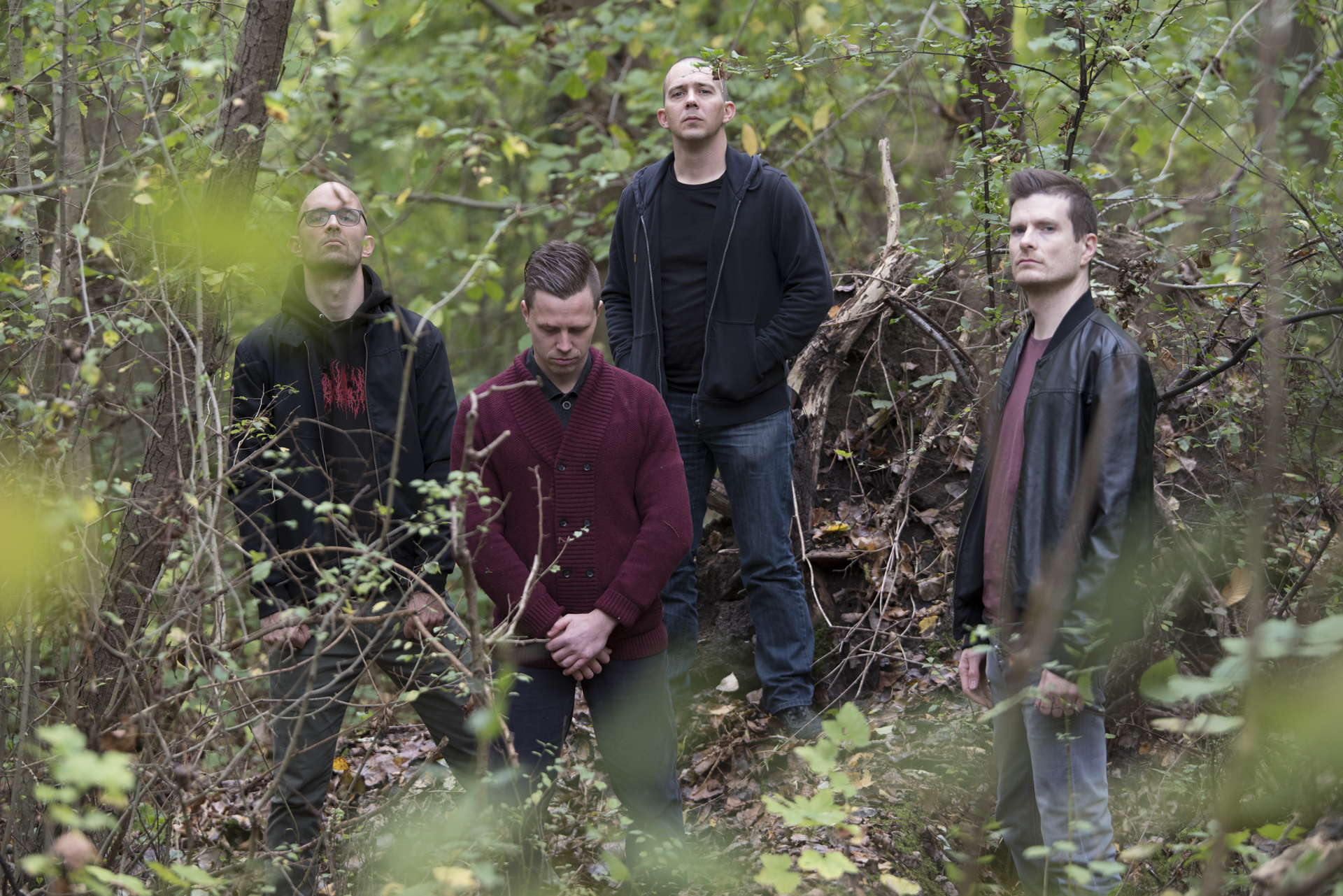
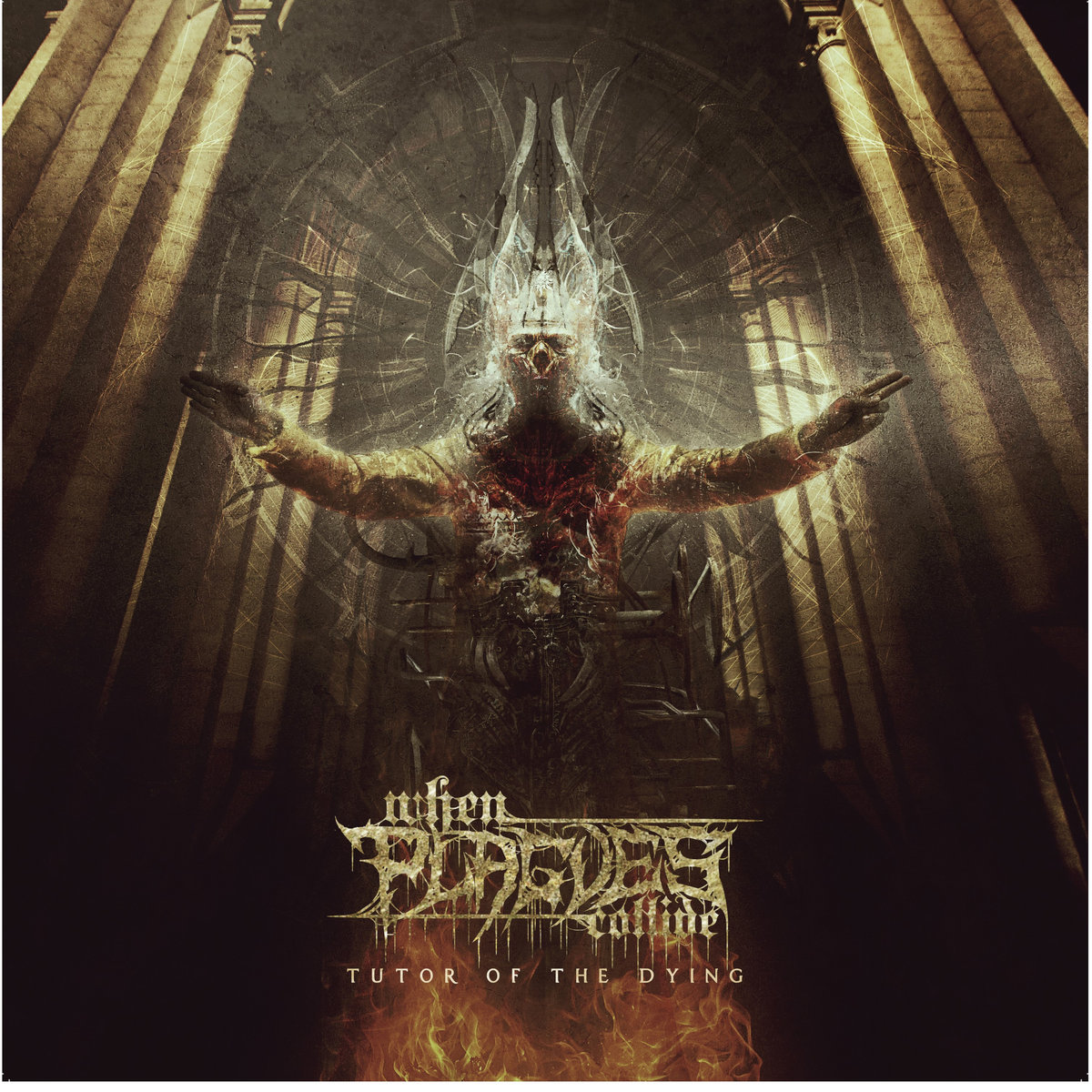
Believe me when I say you’ll be absolutely stunned by the complex and brutal creations by this Aarschot-based squad, comprised of Wouter Dergez on vocals, Joris Dergez and Santy Van der Mieren on the guitars, Bastiaan Barbieux on bass and Siebe Hermans on drums. Featuring an old school Death Metal-inspired artwork by Hans Trasid of Disart Design, as well as the very special guest musicians Ben Duerr (Shadow of Intent, Hollow Prophet), Luke Griffin (Acrania, Human Error) and Tim De Ridder (The Seventh, Before He Shot her), Tutor of the Dying is highly recommended for fans of bands like Fleshgod Apocalypse, Make them Suffer, Martyr Defiled and Molotov Solution, with each one of the album’s 11 tracks “dictating violence and spreading the plague”, like the band itself would say.

If you’re curious to know what Symphonic Deathcroe is all about, simply hit play and let cryptic sounds and noises from the underworld kick off the six-minute aria Messengers of the Holy Falsehood, being gradually accompanied by a choir and background symphonic elements until all hell breaks loose to the demented beats by Siebe and the lunatic vociferations by Wouter, with both Joris and Santy firing truly incendiary riffs from their axes. Fertilization with the Body of Men is a lot more metallic and closer to traditional Metalcore, with Bastiaan and Siebe shaking the foundations of the earth with their rumbling instruments, not to mention how the background piano and other symphonic elements bring an ethereal touch to the band’s sonic havoc, whereas Legion is another ass-kicking, demolishing tune by the quintet where Wouter sounds even more enraged and demented than before, with the strident sound of the guitars beautifully penetrating deep inside our minds.

And their level of destruction and rage only grows in Dictating Violence, a Deathcore tune perfect for slamming into the pit featuring the first guest of the album, vocalist Ben Duerr, blasting sheer brutality and wrath. Then an eerie and somber semi-acoustic bridge titled Als Imperatieve Grootmacht (which means “as an imperative superpower”, from Dutch) showcases devilish vocalizations and enigmatic words, setting the tone for the fulminating title-track Tutor of the Dying, bringing the most demonic, high-pitched screeches by Wouter, while Siebe shows no mercy for his drums nor for our necks. In other words, this is top-notch Deathcore to the masses with a phantasmagorical and amazing atmosphere, which can also be said about Fleshmould, where guest vocalist Luke Griffin growls and barks like a beast together with Wouter while the band’s guitar duo continues their insane shredding feast for our total delight.
An imposing intro evolves into a bold and introspective creation named Belials Archetype, led by the visceral riffs by both Joris and Santy and also presenting truly wicked lyrics (“Malevolent thoughts slither through the mind of this broken man / The weeping eyes of his unborn child reflecting on the name of his murdered wife / The ever cold breeze carries her scent as reminder of the elegance of life / In her fragile existence she achieves in maintaining the breath of belief in the essence of his being / Still death and reunification offer solace and liberation”); and When Plagues Collide continue their deranged feast of sounds and noises in Marked for Destruction, featuring guest vocalist Tim De Ridder, all embraced by spot-on symphonic elements and without showing any signs of the band slowing down. Quite the contrary, they keep taking their violent Deathcore to new heights, obviously making us fans of extreme music happy. Lastly, presenting a sonority slightly different from the previous songs we have Corpus Maleficus, more symphonic and less barbaric than its predecessors but of course still keeping intact their Deathcore roots, with highlights to the great sync between Siebe’s beats and the flammable guitars by Joris and Santy, before the orchestral, Stygian outro Vows captivates our senses and depressurizes our souls from all the devastation brought forth by the band throughout the entire album.

As already mentioned, I’m certain that after taking a more detailed listen at Tutor of the Dying in its entirety on YouTube or on Spotify you’ll get addicted to Symphonic Deathcore, and in order to show your appreciation for the music by When Plagues Collide don’t forget to follow them on Facebook and to subscribe to their YouTube channel. In a nutshell, the excellent Tutor of the Dying, available from the band’s BandCamp page or webstore, as well as from Chugcore’s BandCamp page, from iTunes and from Amazon, is the utmost depiction of what high-end Symphonic Deathcore is all about, always dictating violence, always spreading the plague and, above all that, showing us all When Plagues Collide are among us to stay (and slay).

Best moments of the album: Messengers of the Holy Falsehood, Dictating Violence and Tutor of the Dying.

Worst moments of the album: Corpus Maleficus.

Released in 2018 Chugcore

Track listing
1. Messengers of the Holy Falsehood 6:27
2. Fertilization with the Body of Men 4:25
3. Legion 4:16
4. Dictating Violence (feat. Ben Duerr) 3:42
5. Als Imperatieve Grootmacht 2:41
6. Tutor of the Dying 4:49
7. Fleshmould (feat. Luke Griffin) 3:28
8. Belials Archetype 3:25
9. Marked for Destruction (feat. Tim De Ridder) 4:00
10. Corpus Maleficus 4:18
11. Vows 2:54

Band members
Wouter Dergez – vocals
Joris Dergez – guitar
Santy Van der Mieren – guitar
Bastiaan Barbieux – bass
Siebe Hermans – drums

Guest musicians
Ben Duerr – vocals on “Dictating Violence”
Luke Griffin – vocals on “Fleshmould”
Tim De Ridder – vocals on “Marked for Destruction”
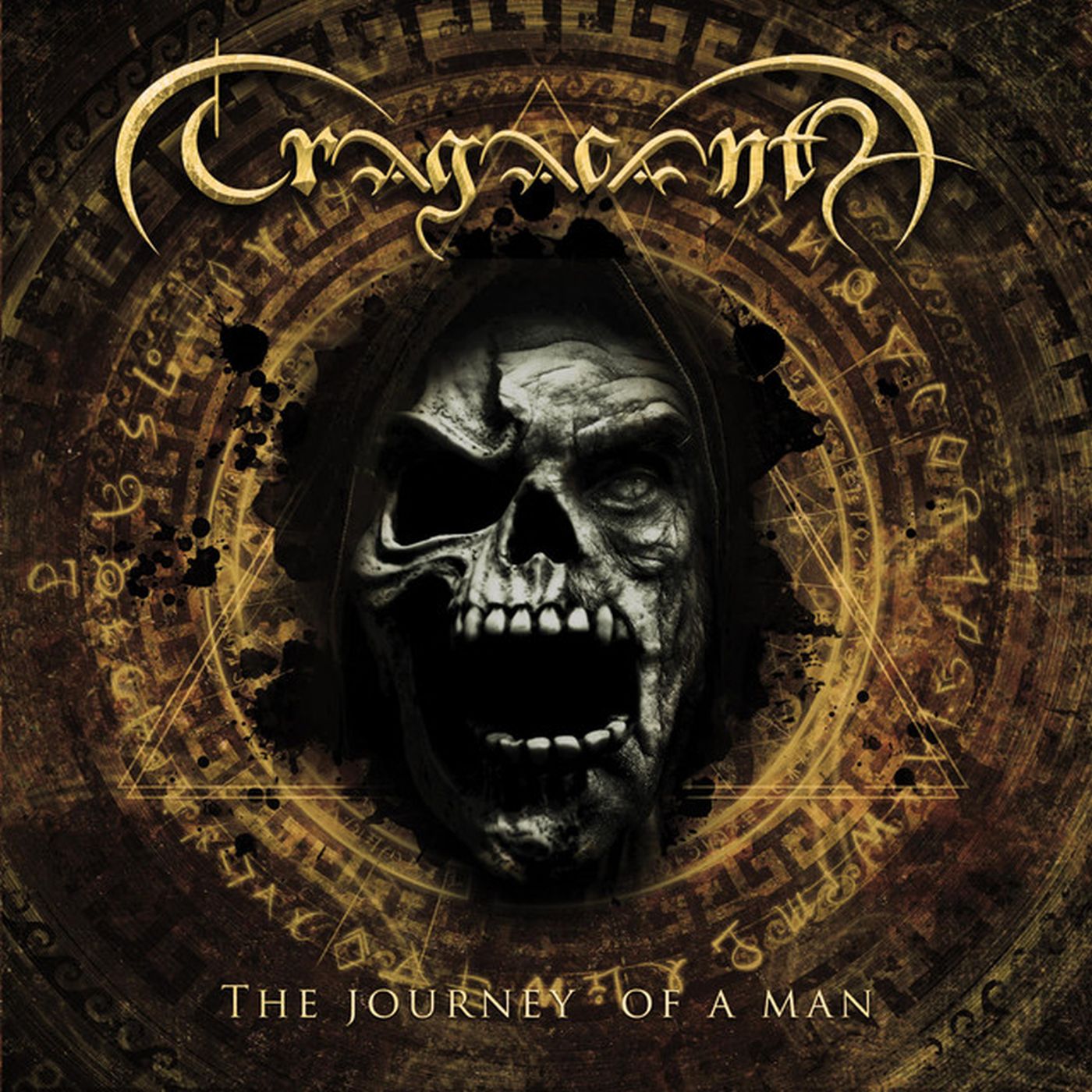
Album Review – Tragacanth / The Journey of a Man (2018)

Follow the tale of a young man’s downward spiral into the abyss to the sound of the symphonic and progressive devastation blasted by this excellent Dutch quintet.

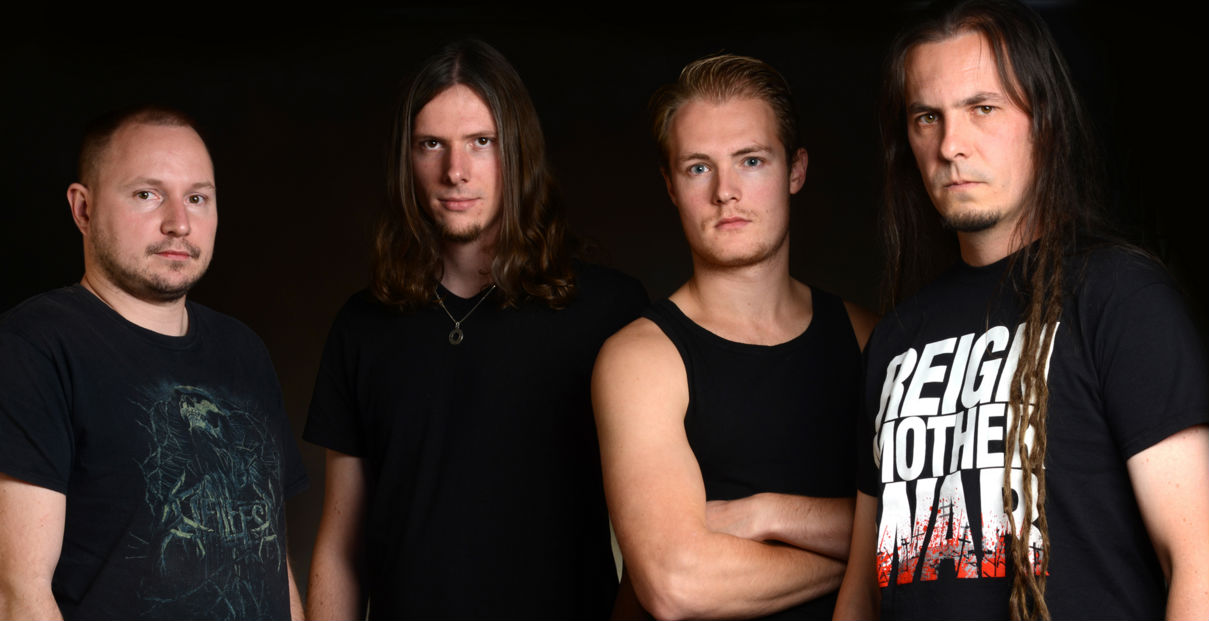
If you’re familiar with the work by Dutch Symphonic/Progressive Black/Death Metal act Tragacanth, having already listened to their 2015 debut full-length album Anthology of the East, you know how those five skilled metallers love to blend their entrancing melodies and symphonic sections with lyrical themes ranging from spiritual wars to mythical creatures, telling the tales of ancient Babylonian times. Now in 2018 it’s time for the band comprised of Terry Stooker on vocals, Erik Brouwer and Adrian Neagoe on the guitars, Mark Oosterbaan on bass and Jasper van Minnen on drums to strike once again with their sophomore opus entitled The Journey of a Man, this time showcasing a lyrical mix between mythological and purely personal topics, being recommended for fans of cult acts such as Nile, Carach Angren, Dimmu Borgir and Behemoth.

Formed in 2014 in Utrecht, a city in the central Netherlands that has been a religious center for centuries, Tragacanth are one of those bands that do not just create music, spicing up their creations with a fantastic storytelling, and their new album is the perfect depiction of their highly-developed musical and lyrical skills. “From the mystical, enigmatic Far East covered in Anthology of the East, this time we travel to Ancient Greek times where a young man finds out he is to perish soon. Wandering the complex maze of emotions and disease running through his veins, The Journey of a Man tells the tale of his downward spiral into the abyss,” commented the band about their newborn spawn, inviting us all to join this young man in his personal and very obscure journey.

Enter the ominous realm of Tragacanth to the sound of the eerie opening track Survival: Stagnate Reality, a lot more progressive than symphonic I might say, with the band’s guitarists Erik and Adrian giving a lecture in Progressive Death Metal, sounding utterly insane, heavy and intricate. And their creepy guitars and bass lines dictate the rhythm in Denial: They are Mistaken, where Terry sounds diabolical with his gnarling in a brilliant fusion of the Symphonic Black Metal by Dimmu Borgir with the Progressive Death Metal by bands like Augury and Virulent Depravity; followed by Anger: Kitrine Chole, a beautiful devastation blasted by Tragacanth where its bass lines will tremble inside your head while Jasper smashes your skull with his complex and powerful beats, not to mention how demonically Terry vociferates the song’s insane lyrics (“A black haze thwarts / My vision’s blurred / Sever the chains / Composure can’t hold / This pent up energy / The rage breaking free / The walls imploding destroying all what once was”).

Their demented feast of Progressive Death Metal and Symphonic Black Metal goes on in the pulverizing Depression: Waning Light, featuring the angelical voice of Romanian vocalist Manuela Marchis, and where the drums by Jasper sound heavier than hell while Terry keeps growling and screaming rabidly, turning it into my favorite song of the album by far.  Then not ready to accept his fate, the man turns to the gods, with the path leading him to Hades, god of the underworld, Thanatos, the personification of death, and eventually to those cruel sisters of fate, the Moirai, resulting in the vibrant Bargaining: Will You Answer Me?, featuring guest vocalist Rik van Schaaik in the role of Hades and Thanatos, among other additional vocal lines, with the music being as infernal and complex as its predecessors thanks to the impressive job done by Erik, Adrian and Mark with their stringed weapons. And a cryptic, Middle-Eastern beginning evolves into a dense and impactful display of Progressive Metal in Nightmare: The Vision, with highlights to its mesmerizing bass punches and ass-kicking drums, ending in a very symphonic and captivating manner.

Once again drinking form the fountain of modern-day Progressive Death Metal, get ready to have your spinal cord broken in half to the brutal headbanging tune Acceptance: My Destiny Awaits, with the guitars by Erik and Adrian bringing a touch of delicacy to this sonic demolition, and their onrush of berserk and intricate sounds goes on in Suffering: The Essence Implodes, where Terry roars like a demon while Jasper shows no mercy for his drums (nor for our necks), also bringing the most pulverizing elements from Death and Black Metal thoroughly added to the musicality. Lastly, darker and more introspective than all previous songs we have Death: Journey’s End, closing the album on a Stygian note, with Erik and Adrian stealing the spotlight with their slashing riffs and soulful solos, not to mention all the poetry flowing form the song’s lyrics (“Let go / Enclaved by the river Styx / Lies a tomb for me / My celestial sanctuary / Let go / An eternal resting place / All alone and forgotten /The Asphodel Meadows”).

As already mentioned, Tragacanth are not your average metal band, being true masters in blending heavy music with a deep and detailed background story, always keeping in mind the band has only a couple of years of existence (which means they still have a lot to grow in the coming years). Hence, The Journey of a Man, available for a full listen on YouTube and on sale from several different locations such as their own BandCamp, the Pest Records’ BandCamp, the Loud Rage Music webstore, iTunes, Amazon and Discogs, is a fantastic materialization of that impressive ability by those four Dutch metallers, beautifully taking us down into the abyss together with the  album’s main character.

Best moments of the album: Anger: Kitrine Chole, Depression: Waning Light and Acceptance: My Destiny Awaits.

Worst moments of the album: Suffering: The Essence Implodes.

Released in 2018 Pest Records

Track listing  
1. Survival: Stagnate Reality 5:24
2. Denial: They are Mistaken 7:21
3. Anger: Kitrine Chole 4:25
4. Depression: Waning Light (feat. Manuela Marchis) 8:40
5. Bargaining: Will You Answer Me? (feat. Rik van Schaaik) 4:36
6. Nightmare: The Vision 4:54
7. Acceptance: My Destiny Awaits 5:18
8. Suffering: The Essence Implodes 4:55
9. Death: Journey’s End 6:34

Band members
Terry Stooker – vocals
Erik Brouwer – guitars
Adrian Neagoe – guitars
Mark Oosterbaan – bass
Jasper van Minnen – drums

Guest musicians
Manuela Marchis – vocals on “Depression: Waning Light”
Rik van Schaaik – vocals on “Bargaining: Will You Answer Me”

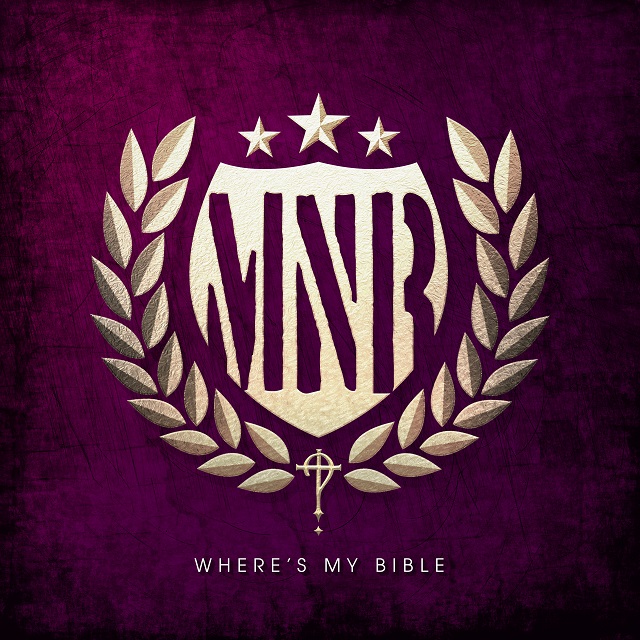
Album Review – Where’s My Bible / M’N’R (2018)

Blending rock and punk influences with the violence of Death, Thrash and Black Metal, this Finnish squad is more-than-ready to mosh and roll in their first full-length release.

Blending rock and punk influences with the more violent and austere Death, Thrash and Black Metal sounds, Finnish Mosh N’ Roll squad Where’s My Bible (and yes, that’s the actual name of the band) was formed in 2014 in the city of Heinola with the intention to just have fun and play, although the thought of being taken seriously quickly kicked in, culminating with the release of their debut EP named The Beginning in early 2016. A major milestone for the band, which is reflected in the title itself, the EP led the band to participate in several concerts and festivals in the following months, including a spot in the main stage of the renowned Tuska Open Air in 2017, secured after winning the Tuska-Torstai competition hosted by the festival.

The band kicked off 2018 by starting the recording of their debut album, simply titled M’N’R (the acronym for Mosh N’ Roll), an energetic and upbeat representation of the band’s sound, being released in the fall this year. In other words, if you enjoy slamming into the circle pit and enjoying a cold beer while listening to our good old Rock N’ Roll, but with a more venomous metal twist, get ready to rock together with frontman Jussi Matilainen, guitarists Toni Hinkkala and Pasi Löfgren, bassist Jarno Laakkonen and drummer Antti Jokinen, and enjoy all those fun bruises that high-octane feast of sounds will leave on your body.

A wicked intro kicks things off, setting the tone for the thrashing party titled Speedload, led by the rip-roaring riffs by Toni and Pasi, while Antti hammers his drums like a good thrasher that he is. Also presenting elements from Hardcore and Metalcore, this is not only a true headbanger but a fantastic welcome card by the band, with highlights to the sick growling by Jussi. If you love hitting the dance floor and crushing your skull, well, the time is now, as Where’s My Bible deliver a neck-breaking and vibrant tune named Dancefloor, with Toni and Pasi getting the support of Jarno and his thunderous bass to generate a dense and electrifying ambience, living up to the legacy of 80’s Thrash Metal with a modern vibe; and Jarno ignites another classy exhibit of Mosh N’ Roll titled Absinthe, bringing elements from Punk Rock and Hardcore to their already incendiary sonority. In addition, Jussi sounds even more demented on vocals, helping to keep the music violent and melodic from start to finish.

Then the acoustic and somewhat atmospheric bridge Interlude gives us time to recover our energies before Jussi comes growling as deep as a knife would go in Meatholder, a demolishing display of Melodic Death Metal and Metalcore where the guitars by Toni and Pasi exhale heaviness, rage and harmony in an amazing sample of what the band is capable of. Faster than a bullet and as heavy as hell, Me Myself and I is a sonic extravaganza where Antti doesn’t stop pounding his drums in over six minutes of unrelenting Finnish Thrash Metal, getting considerably progressive and atmospheric towards its ending. Transcendence is another song that surpasses the six-minute barrier, something not very common for Thrash Metal bands, but that keeps the energy level high until its last second, which means there’s plenty of time for you to break your neck headbanging to the vicious riffs by Toni and Pasi while Jussi continues to bark and gnarl manically. And lastly as a bonus track we have Failure, originally recorded back in 2016 and featuring Leevi Luoto (responsible for guitars and clean vocals for Finnish Metalcore act One Morning Left), remaining aggressive, raw and frantic throughout its entirety.

In the end, I guess the best way to summarize M’N’R is by taking a few interesting steps. First of all, simply follow Where’s My Bible on Facebook and listen to M’N’R on Spotify or, even better, show your support to those Finnish metallers by purchasing the album from the Inverse Records webstore, from Record Shop X, from metalmailorder.com, from iTunes or from Amazon, then fill your refrigerator up with some good quality beer, invite your friends for the night, and there you have a true Rock N’ Roll party with a beyond special Finnish Mosh N’ Roll touch. What else can you ask for in good Scandinavian music, right?

Best moments of the album: Speedload, Absinthe and Meatholder.

Worst moments of the album: None.

Released in 2018 Inverse Records

Track listing 
1. Intro 1:04
2. Speedload 4:54
3. Dancefloor 3:35
4. Absinthe 3:48
5. Interlude 1:21
6. Meatholder 5:10
7. Me Myself and I 6:14
8. Transcendence 6:06

Bonus track
9. Failure (feat. Leevi Luoto) 5:00

Band members
Jussi Matilainen – vocals
Toni Hinkkala – guitar
Pasi Löfgren – guitar
Jarno Laakkonen – bass
Antti Jokinen – drums

Guest musician
Leevi Luoto – additional guitars and vocals on “Failure”

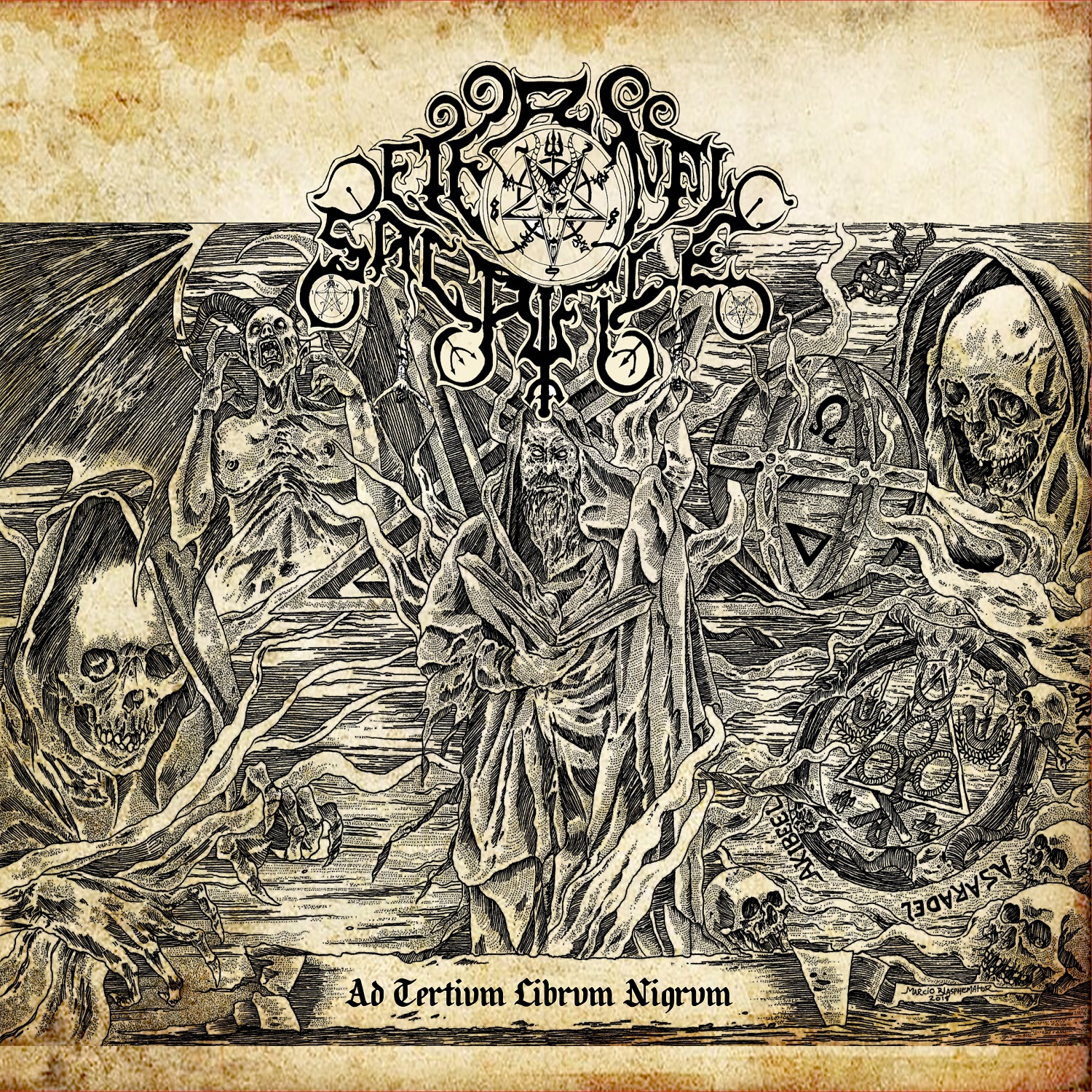
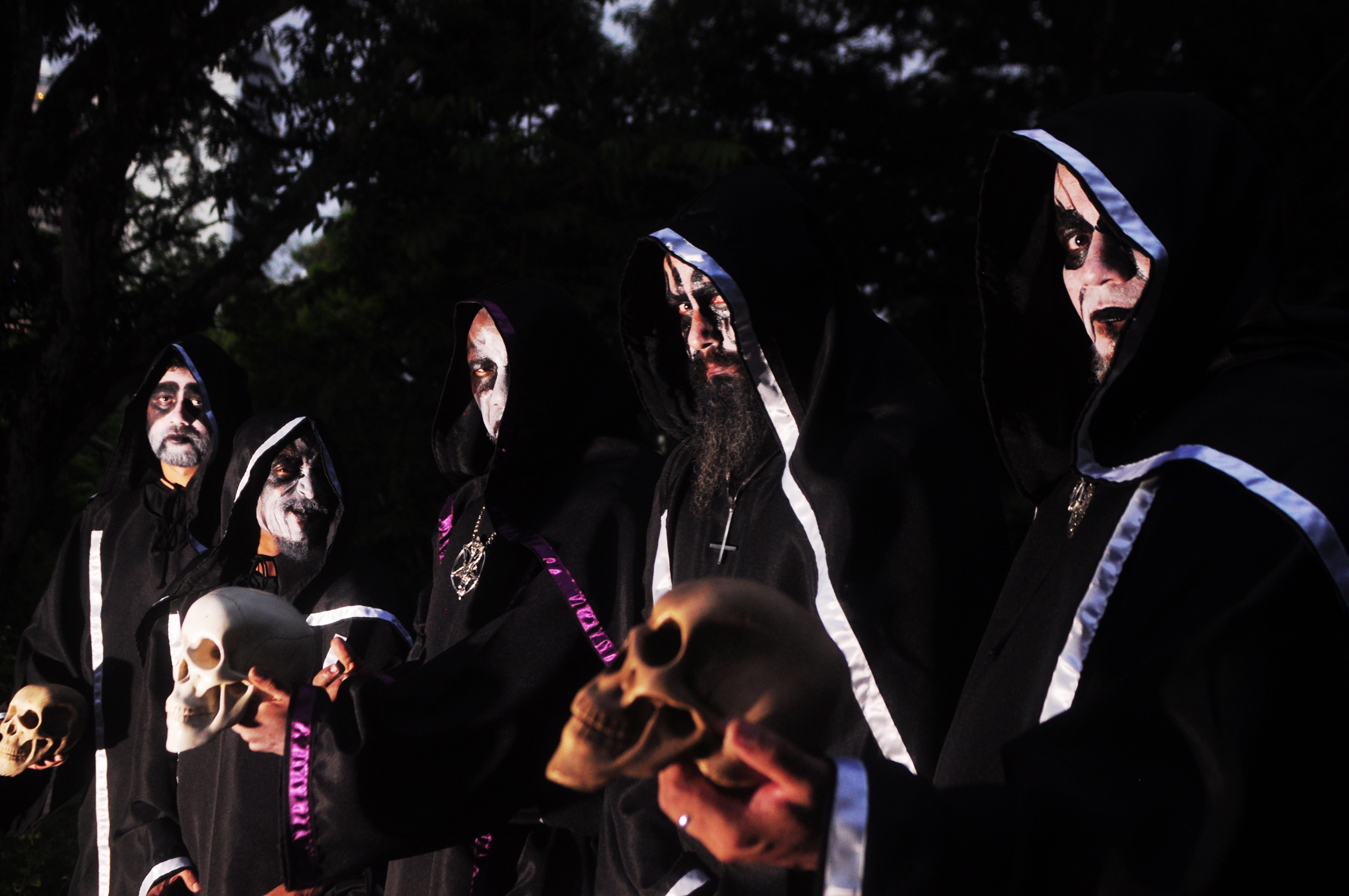
Album Review – Eternal Sacrifice / Ad Tertium Librum Nigrum (2018)

Relive the glory of 90’s Black Metal by listening to “the third black book” diabolically brought into being by one of the most important names from the Brazilian extreme music scene.

Forged in the already distant year of 1993 in the blazing fires of Salvador, the capital of Brazil’s northeastern state of Bahia, a malevolent Pagan/Black Metal unity that goes by the name of Eternal Sacrifice has been haunting our souls since their inception, aiming at delivering a detailed and obscure new concept inside the Pagan Black Metal genre and, therefore, creating their own unique sound from an amalgamation of influences and styles. Now in 2018 the horde comprised of M. T. L. H. Anton Naberius on vocals, Charles Lucxor Persponne on the guitar, Marquis Orias Snake also on the guitars and bass, Sado Baron Szandor Kastiphas on keyboards and Frater Deo Sóror Comite Ferro on drums is firing upon humanity their third concept album, entitled Ad Tertium Librum Nigrum, taking the Pagan Black Metal to a level never reached by another band in terms of sound and graphic production.

Featuring a Luciferian artwork by Brazilian designer Alan Luvarth and celebrating 25 years in the career of Eternal Sacrifice, Ad Tertivm Librvm Nigrvm, which by the way is Latin for “the third black book”, presents around one hour of malevolent sounds split into ten unrelenting new songs (all carrying fantastic names, by the way), consolidating the name of such distinct entity in the vanguard of the Brazilian Pagan Black Metal scene. “Ad Tertivm Librvm Nigrvm is the greatest proof that strength and perseverance always win; it is an album full of symbologies and spells, made exclusively for those who enjoy the songs of the left hand,” said the band’s frontman Naberius, positioning the album as an indispensable work for those who have experienced the glory of 90’s Black Metal, and for those who seek to know more about that golden age of extreme music.

Somber, smooth piano notes kick things off in the intro curiously titled Introiro, before the guitars by Charles and Orias generate an embracing atmosphere in The Three Mashu’s Seals – The Conquest of the Ganzir and Arzir Gates (Hazred Area), bringing the most melodic elements from modern-day Black Metal without losing their raw old school sonority, feeling like a hybrid of the early days of Dimmu Borgir, Cradle of Filth and Marduk, with the keys by Kastiphas adding an extra touch of malignancy to the musicality. And this Brazilian horde keeps invading our minds with their relentless and demonic music in the 8-minute Melodic Black Metal extravaganza The Vision of the Light of the Sculptures in the Monument of Mashu (The Black Book of Signs and Evil Spells), with Frater crushing his drums while Kastiphas keeps blasting ethereal sounds through his keys, all spearheaded by the Stygian and cryptic growls and vociferations by Naberius.

The Amulet, the Fire and the Seals of Wisdom in the Course of a Triple Life carries a stunning name for an Extreme Metal song, with the slashing riffs by Charles and Orias dictating its rhythm, while Naberius roars and gnarls like a true demonic entity throughout the entire song and Frater keeps the ambience as eerie and menacing as it can be with his drums. Then we have The Revelations of the First Sigil, Lucifer, After a Saga of Delusions and Battles, a mid-tempo tune where all band members fire blackened sounds and tones with highlights to the demented growls by Naberius, not to mention how in sync the band’s stringed duo is with Kastiphas’ phantasmagorical keys, and there’s no time to breathe as Eternal Sacrifice keep firing blasphemy in the form of Pagan Black Metal in When Angel of Light in Ur, in Invoking the Second Sign Agga, even more eccentric and devilish than its predecessors albeit not as gripping, despite getting back to a to a more violent and demolishing sonority in its final part.

Epic keys and guitars, unstoppable drums and a huge dosage of malignancy from Naberius’ otherworldly growls are the main ingredients in Nasha, Restitution of Double the Light (Luce) and Harmony (Fer) – Pagan’s Calls, a visceral fusion of Black and Pagan Metal setting fire to the atmosphere in a thrilling manner (not to mention how pulverizing Charles and Orias are with their infernal axes), followed by Interludium, an epic bridge that captivates our senses for their final blast of Epic and Pagan Black Metal titled The Emptiness, the Guard of the Sortileges and the Time in which the Dust Takes the Rites, starting with an acoustic guitar accompanied by the howling sound of the wind, and gradually morphing into some sort of obscure mass of old school Black Metal infused with Symphonic and Pagan Black Metal elements, with the music flowing like a frantic creature in the dark led by Naberius and his wicked vocalizations, until all fades into the Mephistophelian outro Prologum, an ode to Lucifer that puts a climatic, creepy and hellish end to such blasphemous album.

After all is said and done, Ad Tertium Librum Nigrum, available for a full listen on YouTube and on sale from the Hammer of Damnation’s BandCamp page or webstore, can indeed be considered a modern-day masterpiece in Pagan Black Metal, becoming even more important in the Brazilian scene due to the constant struggles every metal band has to face to survive in the country. Hence, don’t forget to show your support to Eternal Sacrifice by getting in touch with them through their Facebook page, by buying their new opus, and of course by enjoying reading (or I should say listening to) “the third black book” by this ruthless and demonic South American horde.

Best moments of the album: The Three Mashu’s Seals – The Conquest of the Ganzir and Arzir Gates (Hazred Area), The Amulet, the Fire and the Seals of Wisdom in the Course of a Triple Life and Nasha, Restitution of Double the Light (Luce) and Harmony (Fer) – Pagan’s Calls.

Worst moments of the album: When Angel of Light in Ur, in Invoking the Second Sign Agga.

Released in 2018 Hammer Of Damnation/Sangue Frio Records

Track listing    
1. Introiro 1:50
2. The Three Mashu’s Seals – The Conquest of the Ganzir and Arzir Gates (Hazred Area) 8:00
3. The Vision of the Light of the Sculptures in the Monument of Mashu (The Black Book of Signs and Evil Spells) 8:03
4. The Amulet, the Fire and the Seals of Wisdom in the Course of a Triple Life 6:27
5. The Revelations of the First Sigil, Lucifer, After a Saga of Delusions and Battles 5:12
6. When Angel of Light in Ur, in Invoking the Second Sign Agga 6:18
7. Nasha, Restitution of Double the Light (Luce) and Harmony (Fer) – Pagan’s Calls 7:59
8. Interludium 2:10
9. The Emptiness, the Guard of the Sortileges and the Time in which the Dust Takes the Rites 8:22
10. Prologum 3:08

Band members
M. T. L. H. Anton Naberius – vocals
Charles Lucxor Persponne – guitars
Marquis Orias Snake – guitars, bass
Sado Baron Szandor Kastiphas – keyboards
Frater Deo Sóror Comite Ferro – drums

Album Review – Bane / Esoteric Formulae (2018)

Conjuring visions of darkness, pain and frost, this Montreal-based Blackened Death Metal horde has poured their charred hearts into spawning their third and most complete opus to date.

Originally founded in 2006 in Novi Sad, a city in northern Serbia on the banks of the Danube River, but currently based out of Montreal, in the province of Quebec, Canada, Blackened Death Metal horde Bane has poured their charred hearts into this third full-length release, entitled Esoteric Formulae, a masterwork that leads many influences to an evil culmination, with each track being atmosphere-evoking, filling the soundscape with nocturnal melodies and conjuring visions of darkness, pain and frost. With several tours under their belts as well as countless concerts and festival performances in the United States, Canada, Germany, Austria and Poland, among several other countries, Bane continue to push the limits of their unique blend of Blackened Death Metal to the world of the underground, and Esoteric Formulae is the perfect depiction of where the band is headed to.

Featuring a classy artwork by Indonesian graphic artist and illustrator Bahrull Marta (Abomination Imagery), Esoteric Formulae not only showcases a sharp and malevolent duo comprised of vocalist and multi-instrumentalist Branislav and drummer Honza Kapak (Master’s Hammer), but also the additional (and very welcome) devilish touches by guest musicians Giulio Moschini (Hour Of Penance), Amduscias (Temple Of Baal) and Canadian composer Ophélie Gingras, enhancing the album’s taste and impact considerably. Put differently, if you’re a fan of the dark, blasphemous and very melodic music by iconic acts like Dissection, Behemoth and Rotting Christ, Esoteric Formulae will bring you a lot of (evil) joy without a shadow of a doubt, placing Bane as one of your top picks from the underground and independent Extreme Metal scene.

Invocation Of The Nameless One is a beautiful, ominous intro embraced by the epic orchestrations by Ophélie Gingras, setting the stage for Branislav and Honza to deliver sheer darkness in The Calling Of The Eleven Angles, a brutal Blackened Death Metal extravaganza where Branislav’s roars get deeper and more demonic while Honza provides a huge dosage of heaviness with his beats and fills; followed by Beneath The Black Earth, and such powerful name could only be accompanied by a crushing sonority, of course, with Branislav doing a fantastic job with his pulverizing riffs and rumbling bass lines, resulting in a vibrant, modern and obscure display of extreme music for admirers of the genre.

Then drinking form the same fountain of iconic bands like Behemoth and Dragonlord, Bane offer our avid ears Bringer Of Pandimensional Disorder, where Black Metal blast beats are intertwined with very melodic and strident guitar lines, all embraced by the cryptic, hellish words vociferated by Branislav (“I call upon the currents – of Wrathful Chaos / Let the oceans of formlessness – into this world / Awaken by the esoteric formulae / Open the gates to the Astral plane of the dark Water / Bringer of Pandimensional Disorder!”). Wretched Feast keeps the album at a sulfurous level, presenting gripping guitars and nonstop beats, and with guest Giulio Moschini adding his own personal twist to the music with his fiery guitar solo, whereas in Into Oblivion, featuring Amduscias as a guest vocalist, Bane summon all evil through their violent Blackened Death Metal, also bringing elements form Symphonic Black Metal the likes of Dimmu Borgir to their already dense musicality.

And they keep scorching our hearts and minds with their visceral Black Metal in Burning The Remains, a mid-tempo, infernal tune where the guitar lines alternate between sheer malignancy and hypnotizing lines, while Honza adds tons of intricacy and strength to the overall result with his bestial drumming. Putting the pedal to the metal, Bane deliver a violent and thrilling tune titled Reign In Chaos, presenting hints of Melodic Death Metal and of the music by Cradle of Filth, which obviously boosts the song’s impact and taste considerably and, therefore, turns it into one of the top moments of the album. Lastly, like a bulldozer smashing our heads, Honza ignites the also vile and metallic Acosmic Forces Of The Nightside, where the duo makes their devilish waves fill every single empty space in a feast of instrumental darkness, before the atmospheric outro Wrathful Reflections brings back a massive wall of orchestrations, finally fading into absolute darkness and void.

In a nutshell, the excellent Esoteric Formulae, available from Bane’s own BandCamp page as well as from the Black Market Metal Label’s Big Cartel, is definitely a must-have album for fans of contemporary and sulfurous Blackened Death Metal, consequently setting the bar really high for the band’s future releases. After purchasing such excellent album, you can also show your utmost support to Branislav and his horde by following Bane on Facebook and by subscribing to their YouTube channel, letting all the aforementioned darkness, pain and frost flowing from the music found in Esoteric Formulae guide you on a one-way journey to the depths of the netherworld.

Best moments of the album: Beneath The Black Earth, Into Oblivion and Reign In Chaos.

Worst moments of the album: None.

Released in 2018 Black Market Metal Label

Track listing
1. Invocation Of The Nameless One 1:15
2. The Calling Of The Eleven Angles 3:46
3. Beneath The Black Earth 3:35
4. Bringer Of Pandimensional Disorder 3:49
5. Wretched Feast (feat. Giulio Moschini) 3:46
6. Into Oblivion (feat. Amduscias) 4:34
7. Burning The Remains 4:01
8. Reign In Chaos 3:30
9. Acosmic Forces Of The Nightside 5:27
10. Wrathful Reflections 1:59

Band members
Branislav – vocals, guitars, bass, keyboards
Honza Kapak – drums

Guest musicians
Giulio Moschini – guitar solo on “Wretched Feast”
Amduscias – vocals on “Into Oblivion”
Ophélie Gingras – orchestrations on “Invocation Of The Nameless One” and “Wrathful Reflections”

Current/live lineup
Branislav – vocals, guitars, keyboards
Max Allard – guitars, backing vocals
Stéphane Deschênes – bass
Nicholas Wells – drums

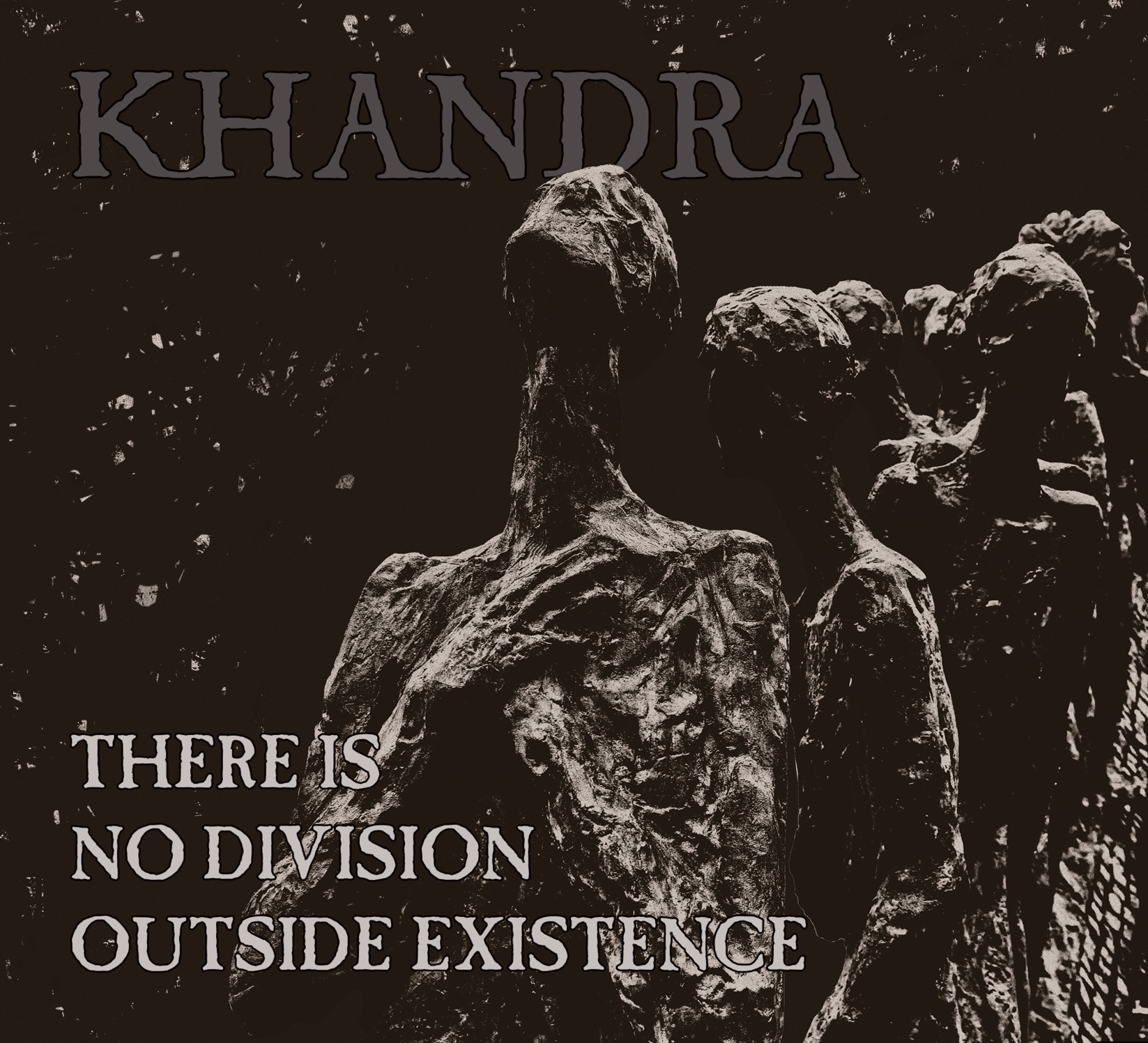
Album Review – Khandra / There Is No Division Outside Existence EP (2018)

Progressing in their own unique interpretation of desolation, this cryptic Atmospheric Black Metal entity from Belarus are unleashing upon humanity their second revelation.

Hailing from the Belarusian capital Minsk, Khandra (or Хандра), the Russian word for “melancholy”, are an Atmospheric Black Metal duo comprised of vocalist LDZMR (Vladimir Borodulin) and multi-instrumentalist DMTR (Dmitry Romanovsky) who sparked a bit of interest with their 2017 debut two-song EP All Is of No Avail. Progressing in their own unique interpretation of desolation, those two cryptic entities holed themselves up in the winter of 2018 to invoke and expel their second revelation, a somber and malevolent four-track EP entitled There is No Division Outside Existence, and they had a few interesting comments about their newborn spawn. “The concept of the project is the flaw and inability of consciousness to reflect the boundlessness of the nothingness in the frames of reality that (reality) only exists within and in the sanity. It is a sort of an attempt of exceeding the limits of imagination, which makes the lyrics unavailable for criticism from the point of view of logical thinking. The musical vessel here is a result of expression that has no bonds with any personal emotion of social nature.”

Ominous sounds rising from the pits of hell ignite the atmospheric and menacing intro titled Into the Absolute Nothingness, before demonic, austere waves invades our ears in Decaying into the Ascended, where Dmitry shows no mercy for his stringed weapons, delivering cutting riffs and thunderous bass lines while Vladimir gnarls like a true creature from the underworld. Put differently, it’s a very melodic and electrifying hybrid of old school Black Metal with contemporary Atmospheric Black Metal, with its hellish blast beats adding an extra touch of aggressiveness to the overall musicality, ending in a tribal and visceral way. And the duo continues to fire their Stygian sounds and vociferations in the title-track There is No Division Outside Existence, another infernal creation where the crisp and metallic sounds of the guitar together with the rumbling bass roars create the perfect atmosphere for Vladimir to growl and bark rabidly. And lastly we have Progressing in Desolation, offering the listener almost nine minutes of the darkest form of Atmospheric Black Metal you can think of, spiced up with Doom Metal nuances and the creepy, harsh vocalizations by Vladimir. Moreover, Dmitry is truly infernal with his phantasmagorical guitar, not to mention how well they move from an enraged sonic havoc to more harmonious and mesmerizing lines and then back, with the music remaining dense and strident until its lugubrious grand finale and, therefore, being highly recommended for lovers of the darkest side of metal.

In a nutshell, Khandra are more than just your regular metal band, and There Is No Division Outside Existence, available for a full listen on YouTube and on Spotify, and on sales from their own BandCamp, from the Redefining Darkness Records’ BandCamp, from the Possession Productions’ BandCamp, from iTunes or from Amazon, is the ultimate representation of what the duo is capable of and how deep they can crawl inside your mind. Because, in the end, Khandra are a musical manifestation that can only be illuminated through experience, and all you have to do is listen and absorb.

Best moments of the album: Decaying into the Ascended.

Worst moments of the album: None.

Released in 2018 Redefining Darkness Records

Track listing    
1. Into the Absolute Nothingness 3:27
2. Decaying into the Ascended 7:44
3. There is No Division Outside Existence 5:59
4. Progressing in Desolation 8:31

Band members
Vladimir Borodulin – vocals
Dmitry Romanovsky – guitars, bass

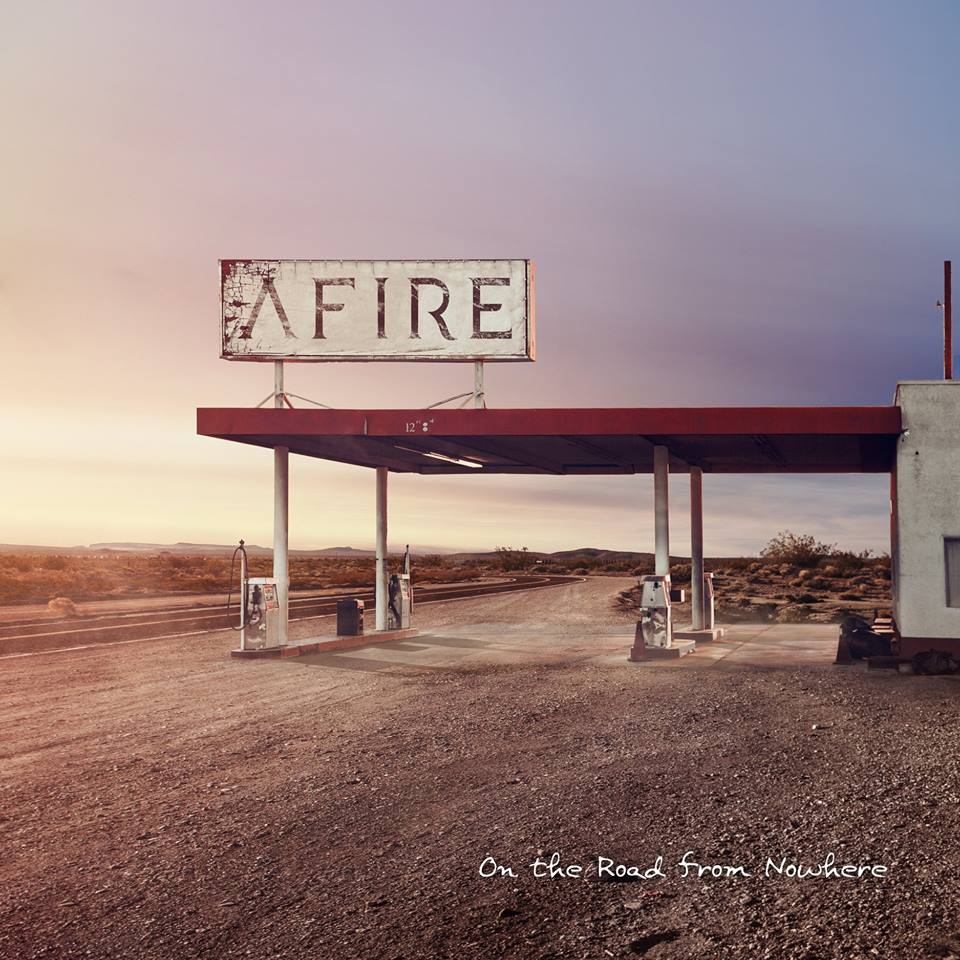
Album Review – Afire / On the Road From Nowhere (2018)

Uniting the beauty of old school Rock N’ Roll and Hard Rock with a modern twist, this awesome Finnish band is ready to take you on a ride on the road from nowhere with their debut full-length album.

As I mentioned in my review for their debut self-titled EP last year, anyone who got in contact with the music by Finnish Hard Rock outfit Afire was probably desperate for more of their music in a not-so-distant future due to the extreme quality, energy and harmony flowing from the three tracks presented by the band at that time. Fortunately for all of us, admirers of our good old Rock N’ Roll, this electrifying Oulu-based band wasted no time and brought forth now in 2018 their debut full-length installment, titled On the Road From Nowhere, a lesson in Melodic Hard Rock perfect for hitting the road, the gym, a special party with your loved ones, or anywhere else where classy and vibrant rock music is certainly needed.

With the same lineup as their debut EP, that being the stunning Suvi Hiltunen on vocals, Sami Kukkohovi (Sentenced, Kypck) and Antti Leiviskä (Poisonblack) on the guitars, Harri Halonen (Impaled Nazarene) on bass and Tarmo Kanerva (Poisonblack) on drums, Afire are indeed on absolute fire in On the Road From Nowhere, uniting the beauty of old school Rock N’ Roll and Hard Rock with a modern twist and the always pleasant Scandinavian melodic waves in each one of the album’s ten powerful songs. Furthermore, bassist and songwriter Harri Halonen had a few nice comments about the album. “I’ve had a bunch of songs for quite a while, but for which I didn’t have an outlet, so we started Afire. With Suvi’s vocal lines and lyrics, the songs started molding into their current shape, and we finished them together. Lyrically the album is about leaving, departing. It’s not a theme album, but the lyrics do revolve around the subject anyhow,” said the talented Harri, inviting the listener to join the band in their rockin’ voyage.

And the album kicks off with a revamped version of their 2017 song The One to Take the Fall, sounding crisper and clearer than the original version thanks to the top-notch album production. Once again it’s a pleasure to listen to Suvi embellishing the airwaves with her vocals, while Sami and Antti deliver that catchy riff that made me enjoy this song so much from the very first listen last year. Their guitars keep invading our senses while Tarmo dictates the rhythm in the headbanging Not Coming Home, where they nailed it one more time in a lesson in modern-day Rock N’ Roll, setting the bar absurdly high in On the Road From Nowhere; followed by Let Me Be the One, a power ballad where Suvi shines with her passionate vocal lines while the rest of the band keeps the rhythm vibrant and impactful, with highlights to the potent bass punches by Harri, rumbling the ground like there’s no tomorrow.

Let’s keep raising our horns and enjoying a cold beer while witnessing Suvi and her henchmen kicking ass in Nowherefound, another classy and thrilling composition by the quintet where the stringed trio Sami, Antti and Harri are in total sync from start to finish, whereas Tired of Being Broken is a more serene and introspective born-to- be-a-radio hit tune, with Harri and Tarmo building a solid background for the guitar riffs and solos to soar high together with Suvi’s potent vocals. Then drinking from the fountain of renowned rock and metal acts such as Volbeat, Godsmack and contemporary Metallica the band offers us the awesome Veiling the Tears, adding elements from Southern Rock and Metal to their already thunderous sonority and with the solos by Sami and Antti bringing an extra dosage of electricity to the overall result. Once again venturing through the realms of power ballads we have Shining Through, bringing forward a solid instrumental that works well in providing Suvi what she needs to give another potent vocal performance, keeping the album at a sensational level of energy.

Following a similar pattern as its predecessor, Rotten to the Core also presents a dense and complete sonority; it sounds a bit too generic, though, when compared to the rest of the album, but its guitar solos are powerful and sharp as usual. Strangers Again, the second song from their debut EP, was also upgraded to a more metallic version, sounding crystal clear which means we can all appreciate Suvi’s vocals and the band’s riffs in more detail, translating the whole experience into sheer awesomeness, and closing the album we have another 2017 song the band re-recorded, Forevermore, a fantastic ballad showcasing a focused and talented band delivering beautiful and passionate Rock N’ Roll to soothe our souls.

Do you want to know more about Afire and listen to more of their stylish Hard Rock made in Finland? All you have to do is follow them on Facebook for news and tour dates (and I wouldn’t miss the chance to see them live if I lived in Finland, by the way), and buy your copy of their ass-kicking album On the Road From Nowhere, available also on Spotify, from Record Shop X, from the Inverse Records webstore, or from iTunes. And there you have Suvi and the boys ready to take you on a fun and pleasant ride “on the road from nowhere” anytime you want, all in the name of Rock N’ Roll.

Best moments of the album: The One to Take the Fall, Not Coming Home and Veiling the Tears.

Worst moments of the album: Rotten to the Core.

Released in 2018 Concorde Music Company

Track listing
1. The One to Take the Fall 3:30
2. Not Coming Home 3:42
3. Let Me Be the One 4:36
4. Nowherefound 4:50
5. Tired of Being Broken 4:36
6. Veiling the Tears 4:06
7. Shining Through 4:04
8. Rotten to the Core 4:12
9. Strangers Again 3:49
10. Forevermore 5:33

Band members
Suvi Hiltunen – vocals
Sami Kukkohovi – guitar
Antti Leiviskä – guitar
Harri Halonen – bass
Tarmo Kanerva – drums

Album Review – Depths Above / Ex Nihilo (2018)

Crafting Black and Doom Metal “out of nothing”, this Brno-based band is here to introduce us all to their gloomy vision of underground metal with their debut album.

Ex nihilo is a Latin phrase meaning “out of nothing”, often appearing in conjunction with the concept of creation, as in creatio ex nihilo, meaning “creation out of nothing”, chiefly in philosophical or theological contexts, but also occurring in other fields. It’s with that concept in mind that Depths Above, a Czech Black/Doom Metal band formed in 2015 in the city of Brno by current and former members of the bands Bhagavat (Italy), Desert Witch (Slovakia) and Inferno (Czech Republic), are releasing their debut installment, the 32-minute 4-track album Ex Nihilo, introducing us all to their gloomy vision of underground metal in which genres like Black, Death and Doom Metal mix in various dosages and moods. The wicked album artwork, created by the band’s own vocalist and guitarist Vama Marga, is a very good indication of what to expect from Vama together with guitarist Dreamancer, bassist Ivan Teleranko Dvorsky and drummer Sarapis, but it’s when you hit play that you’ll actually be able to feel all the madness and fury flowing from their distinguished music.

Ominous and cavernous sounds ignite the Black and Doom Metal aria Here and Everywhere, morphing into a gargantuan feast of extreme sounds led by Sarapis’ frantic drums and Vama’s and Dreamancer’s choleric riffs, before Vama begins growling like a demonic entity. And the music remains menacing and austere until its Stygian finale, being flawlessly followed by the flammable The Descent, where Ivan and Sarapis make the ground rumble with their thunderous instruments, being perfect for breaking your neck headbanging. Furthermore, the music gets more atmospheric and eccentric as time goes by, also showcasing a beautiful and impactful work done by the band’s devilish guitar duo.

Almost tribal, but always hypnotizing and obscure, A Prayer presents Vama, Dreamancer and Ivan complementing Sarapis’ nocturnal beats flawlessly with their piercing and dense strings in an instrumental extravaganza of Blackened Doom and classic Doom Metal, infused with elements from Progressive Metal the likes of Tool and Mastodon; whereas the title-track Ex Nihilo closes the album as demented and vibrant as the other songs in the form of a massive wall of darkened sounds spearheaded by Vama and his enraged roars. Moreover, it’s by far the most Black Metal of all songs, spiced up by the utter melancholy and anguish of Doom Metal, without a single space being left empty, invading your ears mercilessly and therefore closing the album on a high, cryptic and malevolent note.

You can get in touch with the talented Vama and his henchmen through their Facebook page, and grab your copy of Ex Nihilo exclusively from their BandCamp page. As aforementioned, Ex nihilo means “creation out of nothing”, and Depths Above explored that concept to perfection when creating the music found in their new album, showing the world the band is here to stay, proudly carrying the flag of Black and Doom Metal as high as the sun, but of course with their hearts and minds being as blackened as extreme music demands.

Best moments of the album: The Descent and Ex Nihilo.

Worst moments of the album: None.

Released in 2018 Independent

Track listing
1. Here and Everywhere 7:30
2. The Descent 7:04
3. A Prayer (Instrumental) 7:31
4. Ex Nihilo 9:04

Band members
Vama Marga – vocals, guitars
Dreamancer – guitars
Ivan Teleranko Dvorsky – bass
Sarapis – drums

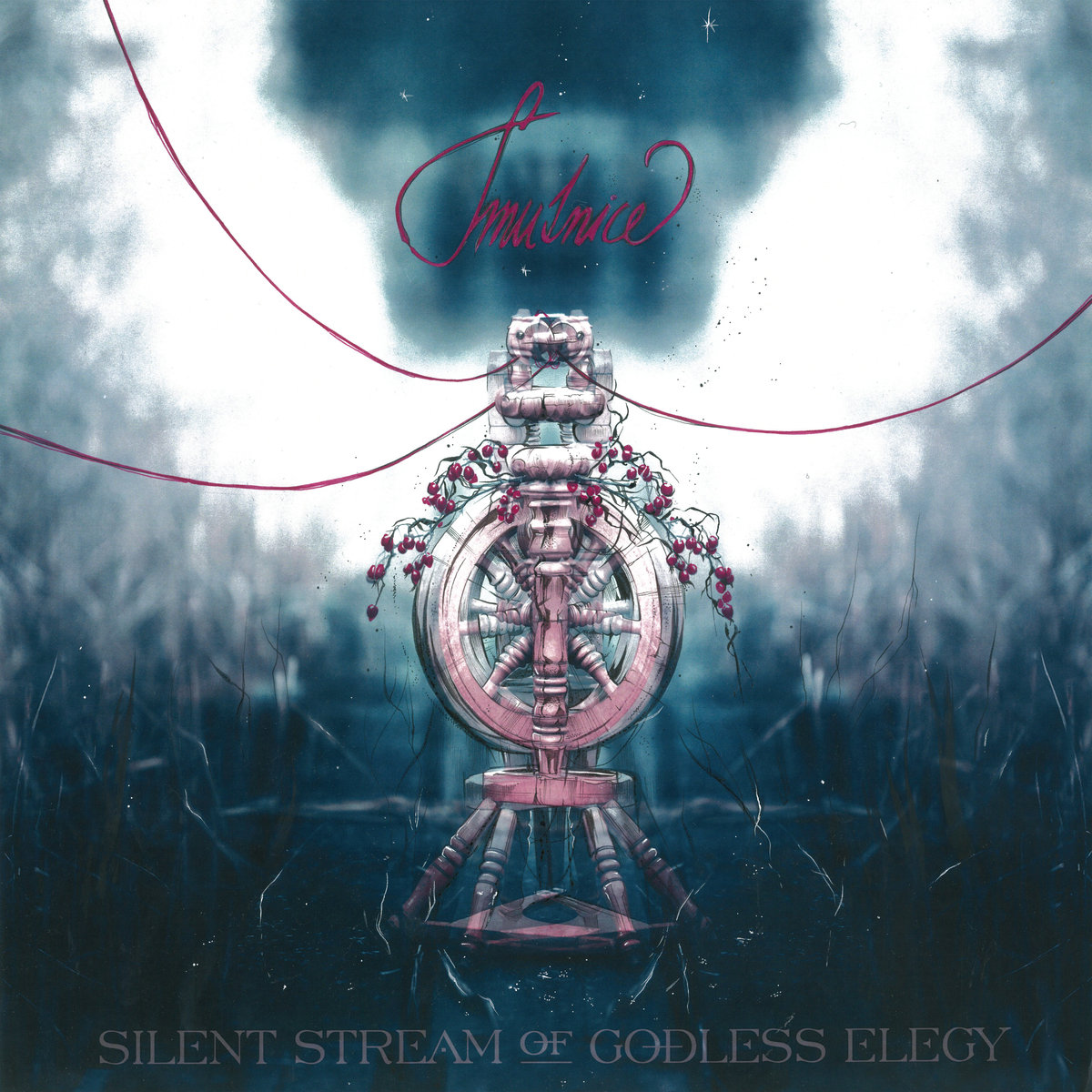
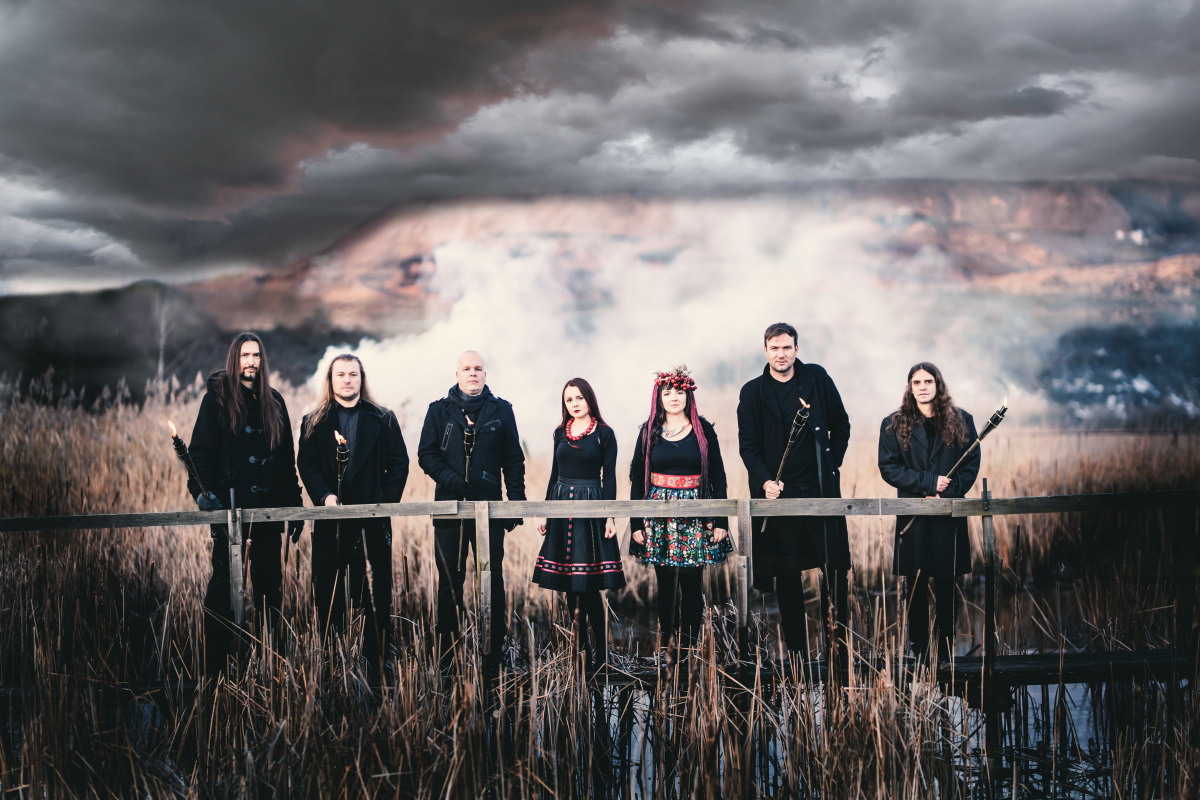
Album Review – Silent Stream Of Godless Elegy / Smutnice (2018)

Deeply inspired by the Slavic feelings of ancient longing and melancholy, this Czech Folk Metal orchestra will take you on a pleasant journey through their wild and serene homeland in their brand new opus.

One of the pioneers of Folk Metal, Ostrava, Czech Republic-based band Silent Stream Of Godless Elegy, returns in 2018 with another beautiful album blending the darkest and at the same time most enfolding elements from Doom and Folk Metal, the stunning Smutnice, the sixth full-length installment in their solid career. Since their inception in 1995 when they emerged from Moravia, deep within the Slavonic heartlands, Silent Stream Of Godless Elegy have been delivering a first-class fusion of metal music with traditional Moravian folk deeply inspired by the Slavic feelings of ancient longing and melancholy, and they offer all that in Smutnice, taking you on a pleasant journey through their wild and serene homeland. As for the title, it’s not a common word in Czech language. “Smutnice” is a noun coming from the adjective “smutný”, which means “sad” or “sorrowful”, so the meaning could be something like “a poem of sadness” or “someone who brings sadness”.

Furthermore, the Moravians entered the iconic Grapow Studios once again to record with Roland Grapow himself, also joining forces with Yossi Sassi (Yossi Sassi & The Oriental Rock Orchestra, Orphaned Land), the world famous Oriental rock pioneer, who took care of the production of the album, bringing to the listener a crisp and impactful musicality enhanced by the album’s crystal clear production. Not only that, keep in mind Silent Stream Of Godless Elegy are not your regular metal band, as apart from Hana Hajdová and Pavel Hrnčíř on vocals, Radek Hajda on the guitar, Stanislav Pavlík on bass and Michal Milták on drums, the band also features a dynamic and unique duo comprised of violinist Gabriela Povraznikova and violoncellist Michal Sýkora, not to mention all special guests such as the Folklore Ensemble Kriváň on choir, Yossi Sassi himself playing an array of instruments like the bouzoukitara and the shaker, Míša Lipárová playing the dulcimer, and Martin Šob also on vocals and choir. At least for me that feels more like a full metal orchestra than a simple band, right?

The opening track Ten, Který Ukoval Slunce (or “The One Who Forged The Sun”) is folksy, embracing and fun, with the duo Gabriela and Michal Sýkora with their respective instruments bringing a whimsical aura to the overall sound, while Hana hypnotizes us with her classy vocal lines, providing a gentle and impactful start to the album. Then we have Kdo Z Nás Je Víc (“Which Of Us Is More”), a lot crazier, faster and heavier, which means it exhales awesomeness, spearheaded by the crushing beats by Michal Milták. Moreover, this time Hana shares the vocal duties with Pavel and his enraged gnarls, which by the way sound amazing in his mother tongue. And get ready for another round of captivating, smooth sounds and tones in Synečku (“My Beloved”), where Gabriela and Michal Sýkora once again warm our hearts with their strings, while Stanislav generates a rumbling and dense background curtain with his bass; followed by Ptakoprav (“He Who Talks To Birds”), a lesson in Folk Metal infused with Doom Metal nuances with the piercing guitar lines by Radek being beautifully complemented by Gabriela’s violin in a gentle but neck-breaking rhythm where Hana sounds as passionate and tuneful as usual.

Then a Doom Metal intro evolves into what’s perhaps the rawest and most experimental of all songs, named Malověrná (“She Of Little Faith”), with Radek and his riffs being in total sync with Michal Milták’s beats, while Stanislav’s bass keeps rumbling in the background. It just lacks an extra pinch of electricity, but nothing to worry about; on the other hand, the amazing Za Nevěstou (“To The Bride”), featuring Folklore Ensemble Kriváň, Yossi Sassi, Míša Lipárová and Martin Šob, is a full-bodied feast of folk and doomed sounds where all instruments sound and feel extremely sharp and thunderous, showcasing a lot of dynamism between Hana and Pavel on vocals, all embraced by stunning choir passages. Acoustic guitars and a rumbling bass set the stage for Hana and her touching vocals in the second to last track in Smutnice, titled Tichý Zpěv (“Quiet Tune”), also presenting the usual Doom Metal-inspired drums by Michal Milták and a flammable guitar solo by Radek, and closing the album we have a somber and delicate tempest of Doom and Folk Metal entitled Bezbřeží (“Shoreless”), a powerful and dense ballad by this distinguished band where once again Gabriela and Michal Sýkora steal the spotlight with their whimsical waves, ending the album in the most serene way possible.

Smutnice, available for a detailed listen on Spotify and on sale from several locations such as the band’s own BandCamp page and webstore, iTunes, Amazon and Discogs, is the perfect example of why Silent Stream Of Godless Elegy are still relevant not only in Folk and Doom Metal, but in heavy music in general, providing the listener truly raw and classic compositions inspired by their homeland (and entirely sung in their mother tongue, as a matter of fact). If you consider yourself an admirer and connoisseur of the most organic form of Folk Metal available anywhere in the world, I’m pretty sure you already know the work by Silent Stream Of Godless Elegy and you already have Smutnice on your hands. However, if you’re new to their world, go check what they’re up to on Facebook and on YouTube, sharpen your senses for an overdose of Folk Metal made in the Czech Republic, and enhance your connection with your inner self and with all the nature that surrounds you.

Best moments of the album: Kdo Z Nás Je Víc, Ptakoprav and Za Nevěstou.

Worst moments of the album: Malověrná.

Released in 2018 Redblack Productions

Track listing  
1. Ten, Který Ukoval Slunce 5:24
2. Kdo Z Nás Je Víc 4:54
3. Synečku 4:56
4. Ptakoprav 7:15
5. Malověrná 5:51
6. Za Nevěstou 6:33
7. Tichý Zpěv 5:59
8. Bezbřeží 7:37

Band members
Hana Hajdová – vocals
Pavel Hrnčíř – vocals
Radek Hajda – guitar
Stanislav Pavlík – bass
Gabriela Povraznikova – violin
Michal Sýkora – violoncello
Michal Milták – drums

Guest musicians
Folklore Ensemble Kriváň – vocals (choirs) on “Za Nevěstou”
Yossi Sassi – bouzoukitara, guitar, bass, shaker, vocals (choirs) on “Za Nevěstou”
Míša Lipárová – dulcimer, vocals (choirs) on “Kdo Z Nás Je Víc”, “Malověrná” and “Za Nevěstou”
Martin Šob – vocals (choirs) on “Malověrná” and “Za Nevěstou”