Album Review – Eternal Sacrifice / Ad Tertium Librum Nigrum (2018)

Relive the glory of 90’s Black Metal by listening to “the third black book” diabolically brought into being by one of the most important names from the Brazilian extreme music scene.

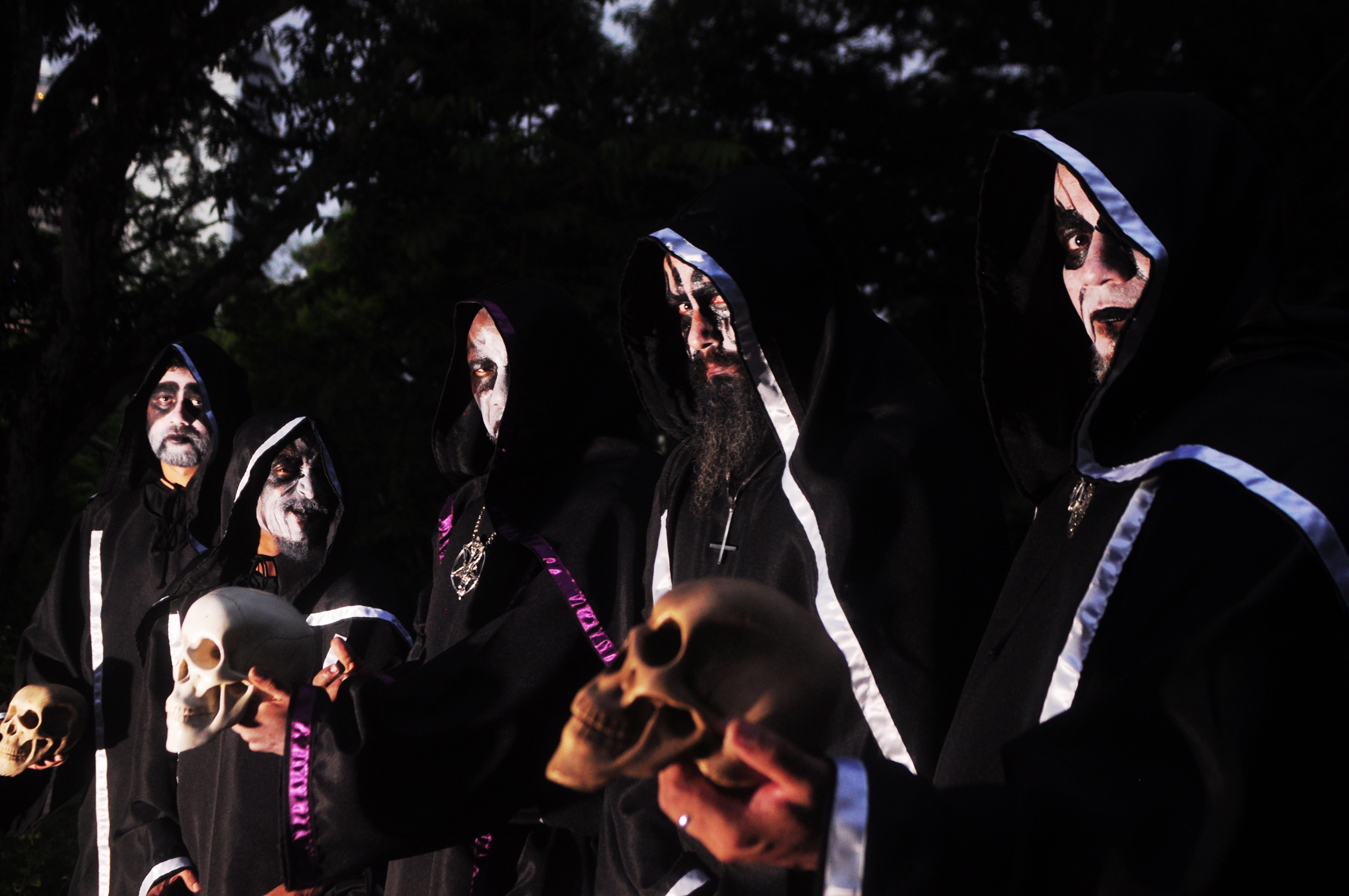
Forged in the already distant year of 1993 in the blazing fires of Salvador, the capital of Brazil’s northeastern state of Bahia, a malevolent Pagan/Black Metal unity that goes by the name of Eternal Sacrifice has been haunting our souls since their inception, aiming at delivering a detailed and obscure new concept inside the Pagan Black Metal genre and, therefore, creating their own unique sound from an amalgamation of influences and styles. Now in 2018 the horde comprised of M. T. L. H. Anton Naberius on vocals, Charles Lucxor Persponne on the guitar, Marquis Orias Snake also on the guitars and bass, Sado Baron Szandor Kastiphas on keyboards and Frater Deo Sóror Comite Ferro on drums is firing upon humanity their third concept album, entitled Ad Tertium Librum Nigrum, taking the Pagan Black Metal to a level never reached by another band in terms of sound and graphic production.

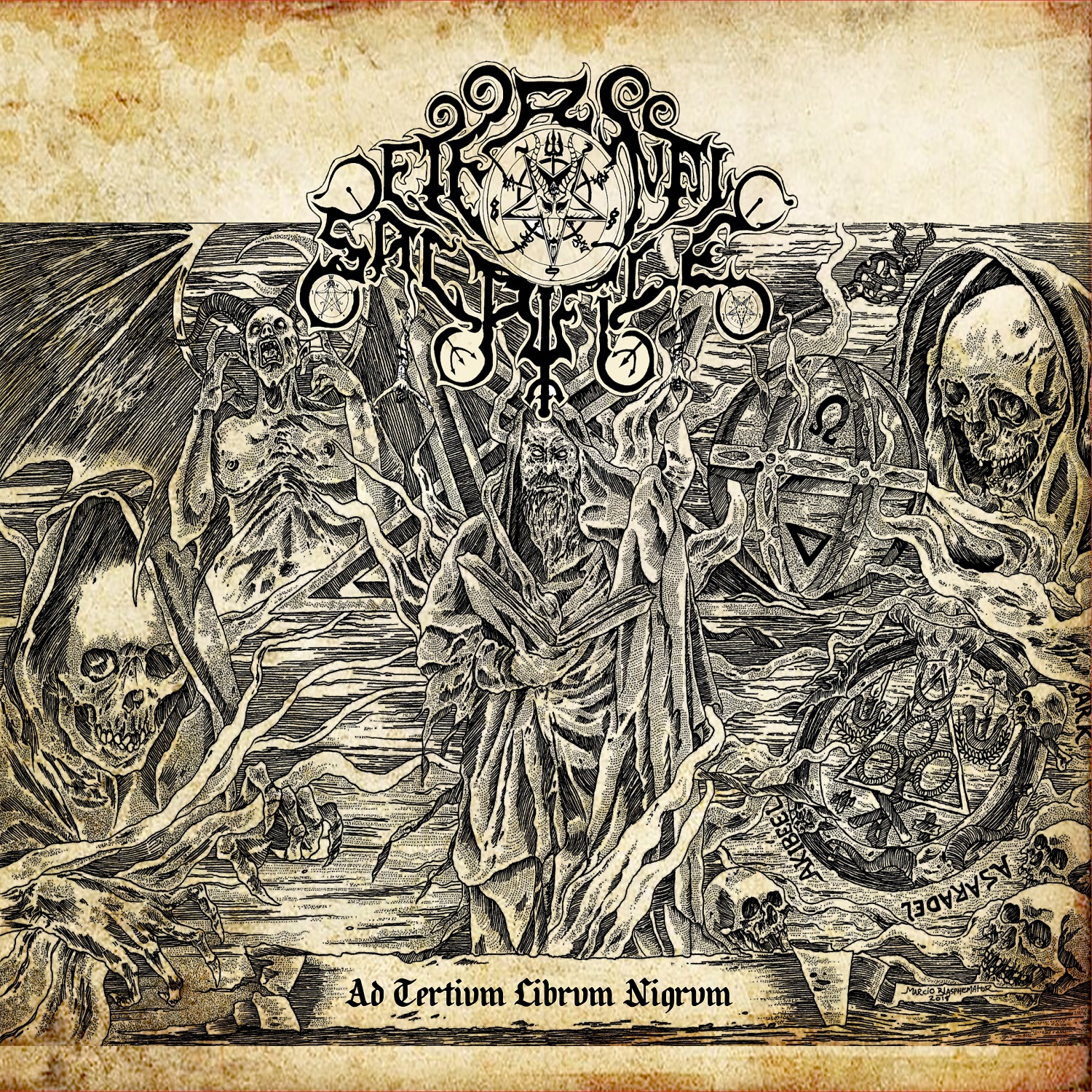
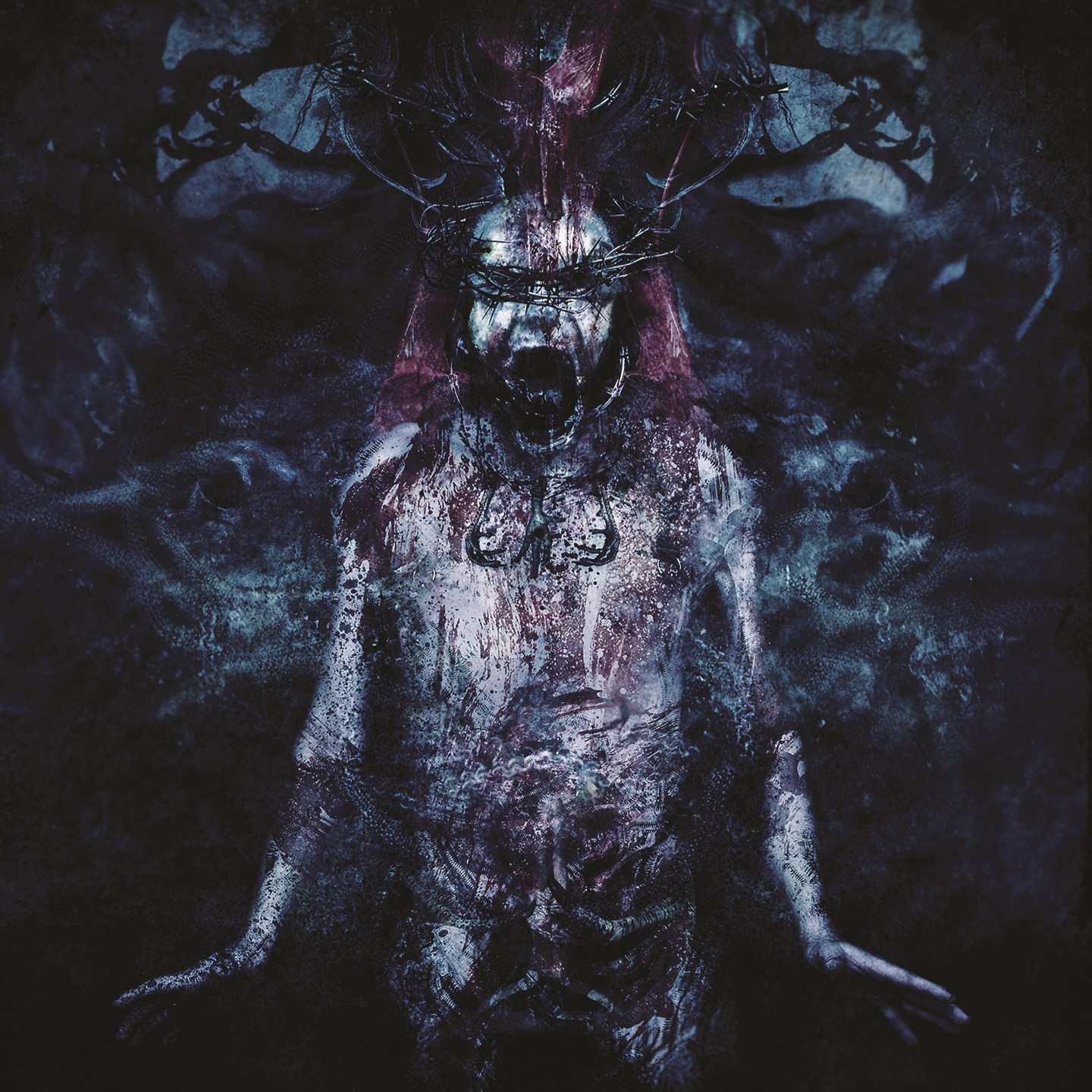
Featuring a Luciferian artwork by Brazilian designer Alan Luvarth and celebrating 25 years in the career of Eternal Sacrifice, Ad Tertivm Librvm Nigrvm, which by the way is Latin for “the third black book”, presents around one hour of malevolent sounds split into ten unrelenting new songs (all carrying fantastic names, by the way), consolidating the name of such distinct entity in the vanguard of the Brazilian Pagan Black Metal scene. “Ad Tertivm Librvm Nigrvm is the greatest proof that strength and perseverance always win; it is an album full of symbologies and spells, made exclusively for those who enjoy the songs of the left hand,” said the band’s frontman Naberius, positioning the album as an indispensable work for those who have experienced the glory of 90’s Black Metal, and for those who seek to know more about that golden age of extreme music.

Somber, smooth piano notes kick things off in the intro curiously titled Introiro, before the guitars by Charles and Orias generate an embracing atmosphere in The Three Mashu’s Seals – The Conquest of the Ganzir and Arzir Gates (Hazred Area), bringing the most melodic elements from modern-day Black Metal without losing their raw old school sonority, feeling like a hybrid of the early days of Dimmu Borgir, Cradle of Filth and Marduk, with the keys by Kastiphas adding an extra touch of malignancy to the musicality. And this Brazilian horde keeps invading our minds with their relentless and demonic music in the 8-minute Melodic Black Metal extravaganza The Vision of the Light of the Sculptures in the Monument of Mashu (The Black Book of Signs and Evil Spells), with Frater crushing his drums while Kastiphas keeps blasting ethereal sounds through his keys, all spearheaded by the Stygian and cryptic growls and vociferations by Naberius.
The Amulet, the Fire and the Seals of Wisdom in the Course of a Triple Life carries a stunning name for an Extreme Metal song, with the slashing riffs by Charles and Orias dictating its rhythm, while Naberius roars and gnarls like a true demonic entity throughout the entire song and Frater keeps the ambience as eerie and menacing as it can be with his drums. Then we have The Revelations of the First Sigil, Lucifer, After a Saga of Delusions and Battles, a mid-tempo tune where all band members fire blackened sounds and tones with highlights to the demented growls by Naberius, not to mention how in sync the band’s stringed duo is with Kastiphas’ phantasmagorical keys, and there’s no time to breathe as Eternal Sacrifice keep firing blasphemy in the form of Pagan Black Metal in When Angel of Light in Ur, in Invoking the Second Sign Agga, even more eccentric and devilish than its predecessors albeit not as gripping, despite getting back to a to a more violent and demolishing sonority in its final part.

Epic keys and guitars, unstoppable drums and a huge dosage of malignancy from Naberius’ otherworldly growls are the main ingredients in Nasha, Restitution of Double the Light (Luce) and Harmony (Fer) – Pagan’s Calls, a visceral fusion of Black and Pagan Metal setting fire to the atmosphere in a thrilling manner (not to mention how pulverizing Charles and Orias are with their infernal axes), followed by Interludium, an epic bridge that captivates our senses for their final blast of Epic and Pagan Black Metal titled The Emptiness, the Guard of the Sortileges and the Time in which the Dust Takes the Rites, starting with an acoustic guitar accompanied by the howling sound of the wind, and gradually morphing into some sort of obscure mass of old school Black Metal infused with Symphonic and Pagan Black Metal elements, with the music flowing like a frantic creature in the dark led by Naberius and his wicked vocalizations, until all fades into the Mephistophelian outro Prologum, an ode to Lucifer that puts a climatic, creepy and hellish end to such blasphemous album.

After all is said and done, Ad Tertium Librum Nigrum, available for a full listen on YouTube and on sale from the Hammer of Damnation’s BandCamp page or webstore, can indeed be considered a modern-day masterpiece in Pagan Black Metal, becoming even more important in the Brazilian scene due to the constant struggles every metal band has to face to survive in the country. Hence, don’t forget to show your support to Eternal Sacrifice by getting in touch with them through their Facebook page, by buying their new opus, and of course by enjoying reading (or I should say listening to) “the third black book” by this ruthless and demonic South American horde.

Best moments of the album: The Three Mashu’s Seals – The Conquest of the Ganzir and Arzir Gates (Hazred Area), The Amulet, the Fire and the Seals of Wisdom in the Course of a Triple Life and Nasha, Restitution of Double the Light (Luce) and Harmony (Fer) – Pagan’s Calls.

Worst moments of the album: When Angel of Light in Ur, in Invoking the Second Sign Agga.

Released in 2018 Hammer Of Damnation/Sangue Frio Records

Track listing    
1. Introiro 1:50
2. The Three Mashu’s Seals – The Conquest of the Ganzir and Arzir Gates (Hazred Area) 8:00
3. The Vision of the Light of the Sculptures in the Monument of Mashu (The Black Book of Signs and Evil Spells) 8:03
4. The Amulet, the Fire and the Seals of Wisdom in the Course of a Triple Life 6:27
5. The Revelations of the First Sigil, Lucifer, After a Saga of Delusions and Battles 5:12
6. When Angel of Light in Ur, in Invoking the Second Sign Agga 6:18
7. Nasha, Restitution of Double the Light (Luce) and Harmony (Fer) – Pagan’s Calls 7:59
8. Interludium 2:10
9. The Emptiness, the Guard of the Sortileges and the Time in which the Dust Takes the Rites 8:22
10. Prologum 3:08

Band members
M. T. L. H. Anton Naberius – vocals
Charles Lucxor Persponne – guitars
Marquis Orias Snake – guitars, bass
Sado Baron Szandor Kastiphas – keyboards
Frater Deo Sóror Comite Ferro – drums
Album Review – Bane / Esoteric Formulae (2018)

Conjuring visions of darkness, pain and frost, this Montreal-based Blackened Death Metal horde has poured their charred hearts into spawning their third and most complete opus to date.

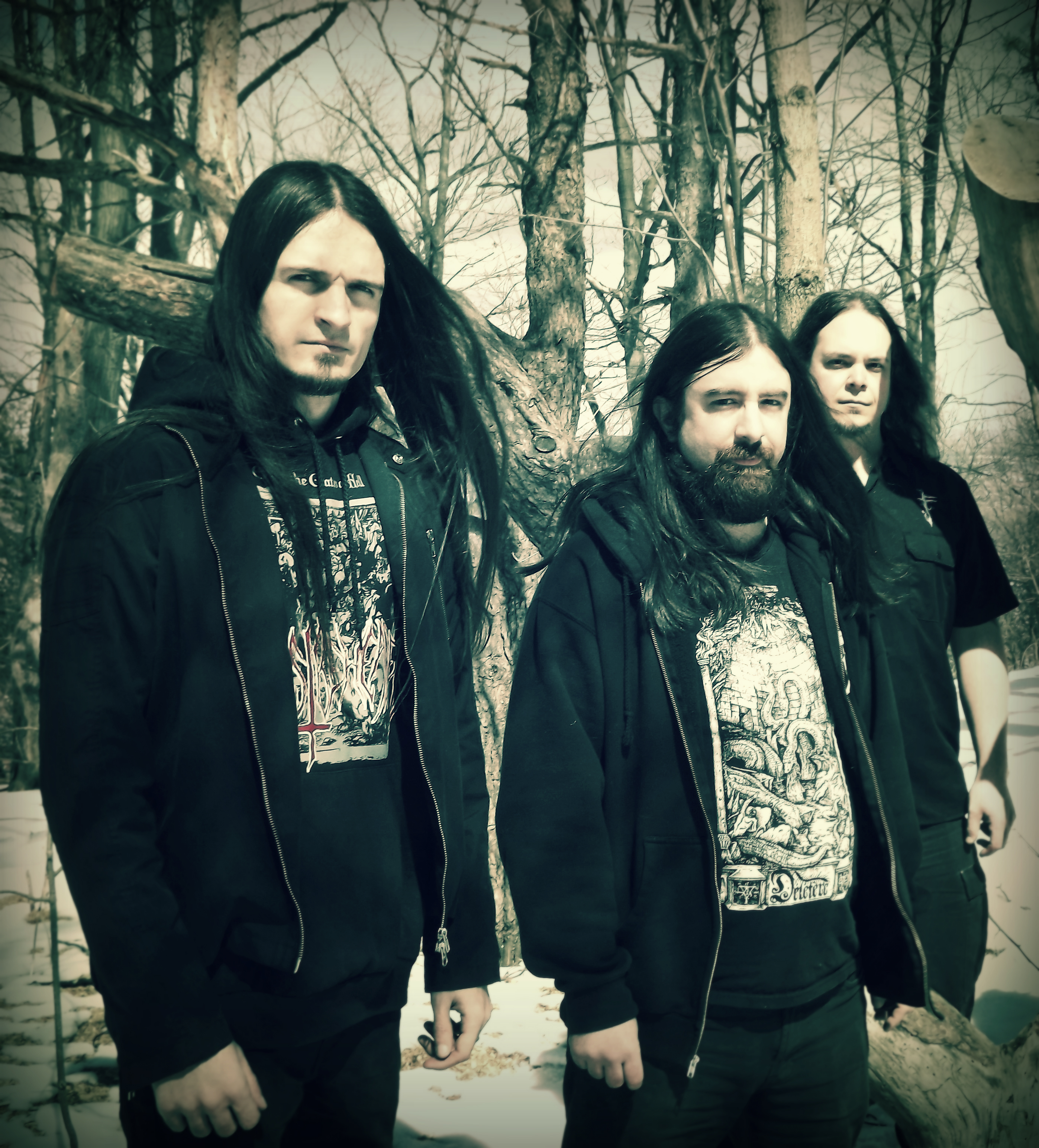
Originally founded in 2006 in Novi Sad, a city in northern Serbia on the banks of the Danube River, but currently based out of Montreal, in the province of Quebec, Canada, Blackened Death Metal horde Bane has poured their charred hearts into this third full-length release, entitled Esoteric Formulae, a masterwork that leads many influences to an evil culmination, with each track being atmosphere-evoking, filling the soundscape with nocturnal melodies and conjuring visions of darkness, pain and frost. With several tours under their belts as well as countless concerts and festival performances in the United States, Canada, Germany, Austria and Poland, among several other countries, Bane continue to push the limits of their unique blend of Blackened Death Metal to the world of the underground, and Esoteric Formulae is the perfect depiction of where the band is headed to.

Featuring a classy artwork by Indonesian graphic artist and illustrator Bahrull Marta (Abomination Imagery), Esoteric Formulae not only showcases a sharp and malevolent duo comprised of vocalist and multi-instrumentalist Branislav and drummer Honza Kapak (Master’s Hammer), but also the additional (and very welcome) devilish touches by guest musicians Giulio Moschini (Hour Of Penance), Amduscias (Temple Of Baal) and Canadian composer Ophélie Gingras, enhancing the album’s taste and impact considerably. Put differently, if you’re a fan of the dark, blasphemous and very melodic music by iconic acts like Dissection, Behemoth and Rotting Christ, Esoteric Formulae will bring you a lot of (evil) joy without a shadow of a doubt, placing Bane as one of your top picks from the underground and independent Extreme Metal scene.

Invocation Of The Nameless One is a beautiful, ominous intro embraced by the epic orchestrations by Ophélie Gingras, setting the stage for Branislav and Honza to deliver sheer darkness in The Calling Of The Eleven Angles, a brutal Blackened Death Metal extravaganza where Branislav’s roars get deeper and more demonic while Honza provides a huge dosage of heaviness with his beats and fills; followed by Beneath The Black Earth, and such powerful name could only be accompanied by a crushing sonority, of course, with Branislav doing a fantastic job with his pulverizing riffs and rumbling bass lines, resulting in a vibrant, modern and obscure display of extreme music for admirers of the genre.

Then drinking form the same fountain of iconic bands like Behemoth and Dragonlord, Bane offer our avid ears Bringer Of Pandimensional Disorder, where Black Metal blast beats are intertwined with very melodic and strident guitar lines, all embraced by the cryptic, hellish words vociferated by Branislav (“I call upon the currents – of Wrathful Chaos / Let the oceans of formlessness – into this world / Awaken by the esoteric formulae / Open the gates to the Astral plane of the dark Water / Bringer of Pandimensional Disorder!”). Wretched Feast keeps the album at a sulfurous level, presenting gripping guitars and nonstop beats, and with guest Giulio Moschini adding his own personal twist to the music with his fiery guitar solo, whereas in Into Oblivion, featuring Amduscias as a guest vocalist, Bane summon all evil through their violent Blackened Death Metal, also bringing elements form Symphonic Black Metal the likes of Dimmu Borgir to their already dense musicality.

And they keep scorching our hearts and minds with their visceral Black Metal in Burning The Remains, a mid-tempo, infernal tune where the guitar lines alternate between sheer malignancy and hypnotizing lines, while Honza adds tons of intricacy and strength to the overall result with his bestial drumming. Putting the pedal to the metal, Bane deliver a violent and thrilling tune titled Reign In Chaos, presenting hints of Melodic Death Metal and of the music by Cradle of Filth, which obviously boosts the song’s impact and taste considerably and, therefore, turns it into one of the top moments of the album. Lastly, like a bulldozer smashing our heads, Honza ignites the also vile and metallic Acosmic Forces Of The Nightside, where the duo makes their devilish waves fill every single empty space in a feast of instrumental darkness, before the atmospheric outro Wrathful Reflections brings back a massive wall of orchestrations, finally fading into absolute darkness and void.

In a nutshell, the excellent Esoteric Formulae, available from Bane’s own BandCamp page as well as from the Black Market Metal Label’s Big Cartel, is definitely a must-have album for fans of contemporary and sulfurous Blackened Death Metal, consequently setting the bar really high for the band’s future releases. After purchasing such excellent album, you can also show your utmost support to Branislav and his horde by following Bane on Facebook and by subscribing to their YouTube channel, letting all the aforementioned darkness, pain and frost flowing from the music found in Esoteric Formulae guide you on a one-way journey to the depths of the netherworld.

Best moments of the album: Beneath The Black Earth, Into Oblivion and Reign In Chaos.

Worst moments of the album: None.

Released in 2018 Black Market Metal Label

Track listing
1. Invocation Of The Nameless One 1:15
2. The Calling Of The Eleven Angles 3:46
3. Beneath The Black Earth 3:35
4. Bringer Of Pandimensional Disorder 3:49
5. Wretched Feast (feat. Giulio Moschini) 3:46
6. Into Oblivion (feat. Amduscias) 4:34
7. Burning The Remains 4:01
8. Reign In Chaos 3:30
9. Acosmic Forces Of The Nightside 5:27
10. Wrathful Reflections 1:59

Band members
Branislav – vocals, guitars, bass, keyboards
Honza Kapak – drums

Guest musicians
Giulio Moschini – guitar solo on “Wretched Feast”
Amduscias – vocals on “Into Oblivion”
Ophélie Gingras – orchestrations on “Invocation Of The Nameless One” and “Wrathful Reflections”

Current/live lineup
Branislav – vocals, guitars, keyboards
Max Allard – guitars, backing vocals
Stéphane Deschênes – bass
Nicholas Wells – drums

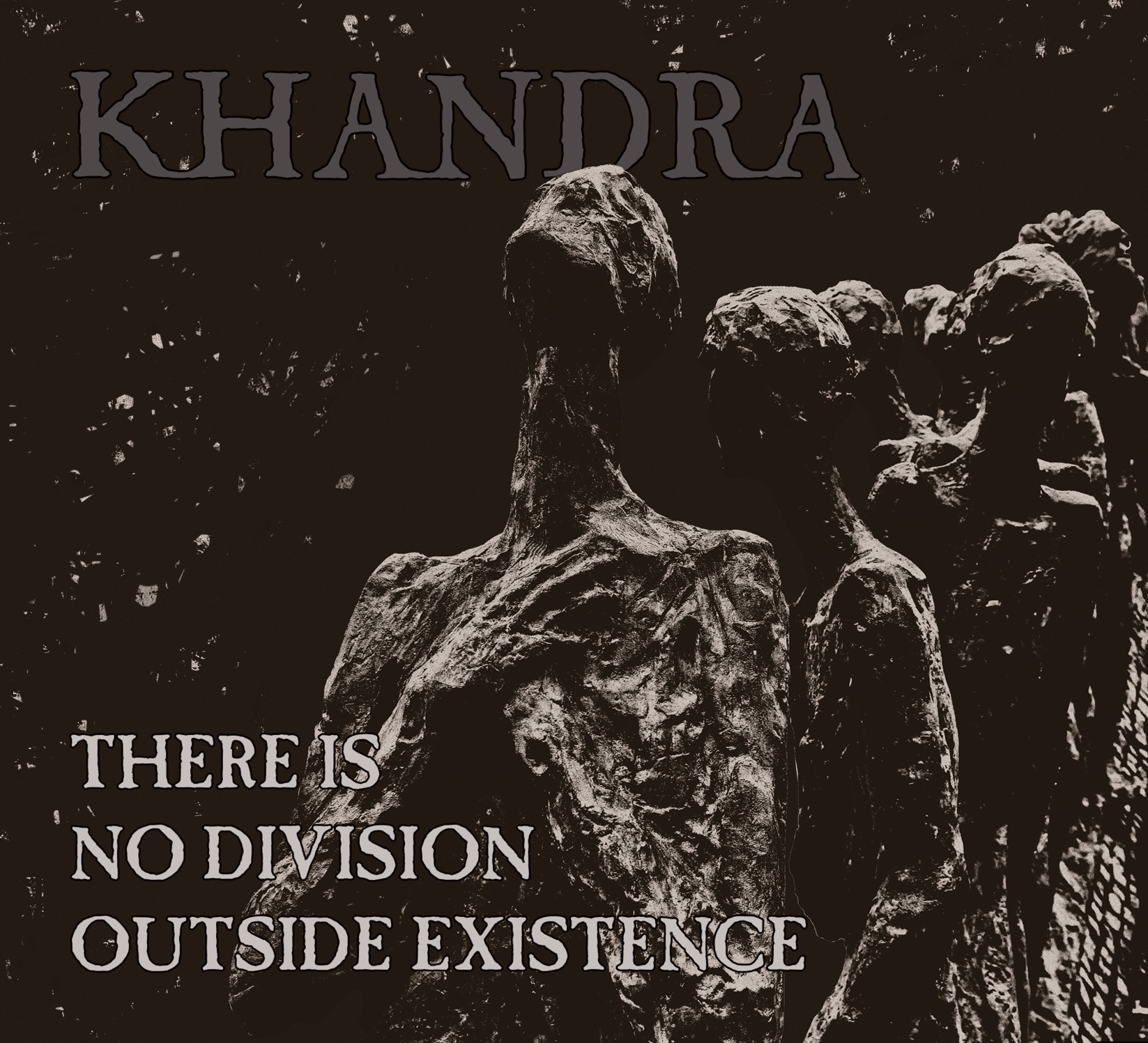
Album Review – Khandra / There Is No Division Outside Existence EP (2018)

Progressing in their own unique interpretation of desolation, this cryptic Atmospheric Black Metal entity from Belarus are unleashing upon humanity their second revelation.

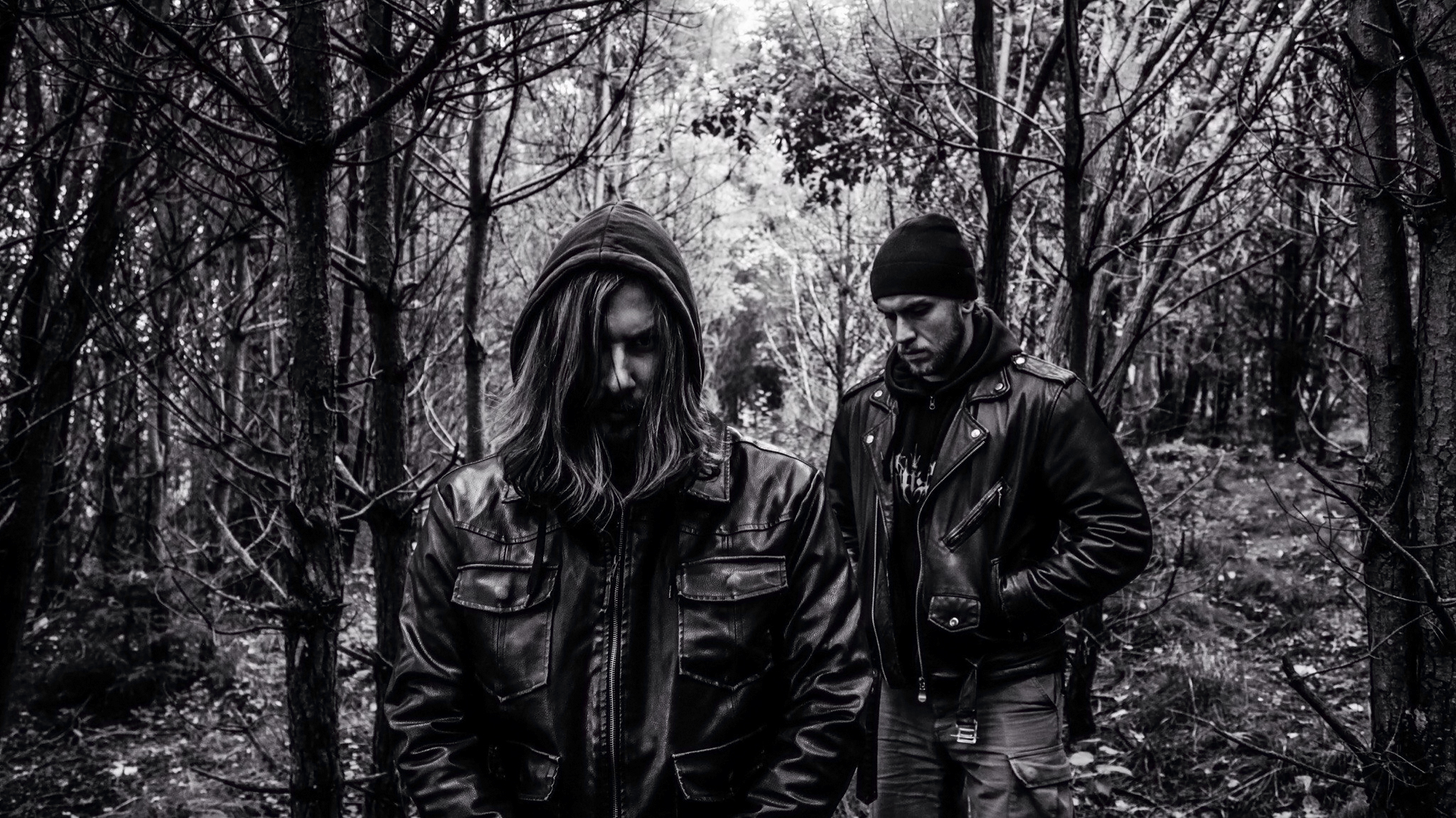
Hailing from the Belarusian capital Minsk, Khandra (or Хандра), the Russian word for “melancholy”, are an Atmospheric Black Metal duo comprised of vocalist LDZMR (Vladimir Borodulin) and multi-instrumentalist DMTR (Dmitry Romanovsky) who sparked a bit of interest with their 2017 debut two-song EP All Is of No Avail. Progressing in their own unique interpretation of desolation, those two cryptic entities holed themselves up in the winter of 2018 to invoke and expel their second revelation, a somber and malevolent four-track EP entitled There is No Division Outside Existence, and they had a few interesting comments about their newborn spawn. “The concept of the project is the flaw and inability of consciousness to reflect the boundlessness of the nothingness in the frames of reality that (reality) only exists within and in the sanity. It is a sort of an attempt of exceeding the limits of imagination, which makes the lyrics unavailable for criticism from the point of view of logical thinking. The musical vessel here is a result of expression that has no bonds with any personal emotion of social nature.”

Ominous sounds rising from the pits of hell ignite the atmospheric and menacing intro titled Into the Absolute Nothingness, before demonic, austere waves invades our ears in Decaying into the Ascended, where Dmitry shows no mercy for his stringed weapons, delivering cutting riffs and thunderous bass lines while Vladimir gnarls like a true creature from the underworld. Put differently, it’s a very melodic and electrifying hybrid of old school Black Metal with contemporary Atmospheric Black Metal, with its hellish blast beats adding an extra touch of aggressiveness to the overall musicality, ending in a tribal and visceral way. And the duo continues to fire their Stygian sounds and vociferations in the title-track There is No Division Outside Existence, another infernal creation where the crisp and metallic sounds of the guitar together with the rumbling bass roars create the perfect atmosphere for Vladimir to growl and bark rabidly. And lastly we have Progressing in Desolation, offering the listener almost nine minutes of the darkest form of Atmospheric Black Metal you can think of, spiced up with Doom Metal nuances and the creepy, harsh vocalizations by Vladimir. Moreover, Dmitry is truly infernal with his phantasmagorical guitar, not to mention how well they move from an enraged sonic havoc to more harmonious and mesmerizing lines and then back, with the music remaining dense and strident until its lugubrious grand finale and, therefore, being highly recommended for lovers of the darkest side of metal.

In a nutshell, Khandra are more than just your regular metal band, and There Is No Division Outside Existence, available for a full listen on YouTube and on Spotify, and on sales from their own BandCamp, from the Redefining Darkness Records’ BandCamp, from the Possession Productions’ BandCamp, from iTunes or from Amazon, is the ultimate representation of what the duo is capable of and how deep they can crawl inside your mind. Because, in the end, Khandra are a musical manifestation that can only be illuminated through experience, and all you have to do is listen and absorb.

Best moments of the album: Decaying into the Ascended.

Worst moments of the album: None.

Released in 2018 Redefining Darkness Records

Track listing    
1. Into the Absolute Nothingness 3:27
2. Decaying into the Ascended 7:44
3. There is No Division Outside Existence 5:59
4. Progressing in Desolation 8:31

Band members
Vladimir Borodulin – vocals
Dmitry Romanovsky – guitars, bass

Album Review – Afire / On the Road From Nowhere (2018)

Uniting the beauty of old school Rock N’ Roll and Hard Rock with a modern twist, this awesome Finnish band is ready to take you on a ride on the road from nowhere with their debut full-length album.

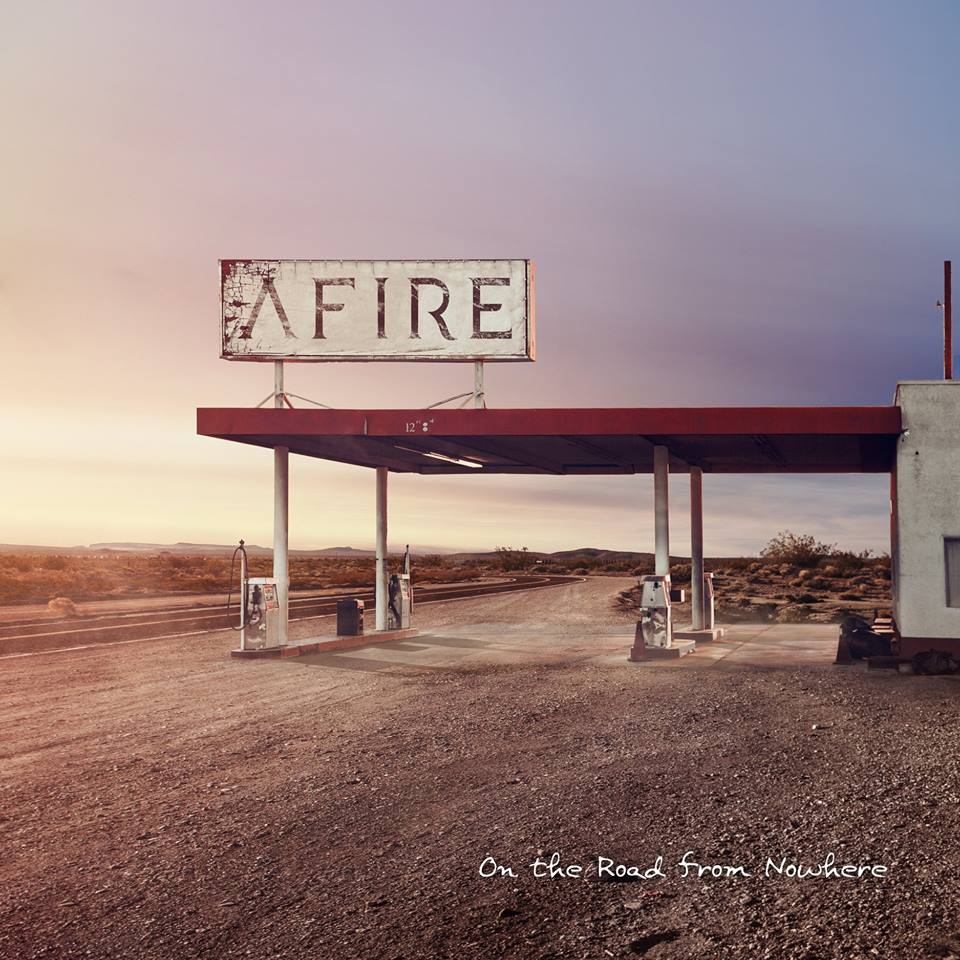
As I mentioned in my review for their debut self-titled EP last year, anyone who got in contact with the music by Finnish Hard Rock outfit Afire was probably desperate for more of their music in a not-so-distant future due to the extreme quality, energy and harmony flowing from the three tracks presented by the band at that time. Fortunately for all of us, admirers of our good old Rock N’ Roll, this electrifying Oulu-based band wasted no time and brought forth now in 2018 their debut full-length installment, titled On the Road From Nowhere, a lesson in Melodic Hard Rock perfect for hitting the road, the gym, a special party with your loved ones, or anywhere else where classy and vibrant rock music is certainly needed.

With the same lineup as their debut EP, that being the stunning Suvi Hiltunen on vocals, Sami Kukkohovi (Sentenced, Kypck) and Antti Leiviskä (Poisonblack) on the guitars, Harri Halonen (Impaled Nazarene) on bass and Tarmo Kanerva (Poisonblack) on drums, Afire are indeed on absolute fire in On the Road From Nowhere, uniting the beauty of old school Rock N’ Roll and Hard Rock with a modern twist and the always pleasant Scandinavian melodic waves in each one of the album’s ten powerful songs. Furthermore, bassist and songwriter Harri Halonen had a few nice comments about the album. “I’ve had a bunch of songs for quite a while, but for which I didn’t have an outlet, so we started Afire. With Suvi’s vocal lines and lyrics, the songs started molding into their current shape, and we finished them together. Lyrically the album is about leaving, departing. It’s not a theme album, but the lyrics do revolve around the subject anyhow,” said the talented Harri, inviting the listener to join the band in their rockin’ voyage.

And the album kicks off with a revamped version of their 2017 song The One to Take the Fall, sounding crisper and clearer than the original version thanks to the top-notch album production. Once again it’s a pleasure to listen to Suvi embellishing the airwaves with her vocals, while Sami and Antti deliver that catchy riff that made me enjoy this song so much from the very first listen last year. Their guitars keep invading our senses while Tarmo dictates the rhythm in the headbanging Not Coming Home, where they nailed it one more time in a lesson in modern-day Rock N’ Roll, setting the bar absurdly high in On the Road From Nowhere; followed by Let Me Be the One, a power ballad where Suvi shines with her passionate vocal lines while the rest of the band keeps the rhythm vibrant and impactful, with highlights to the potent bass punches by Harri, rumbling the ground like there’s no tomorrow.

Let’s keep raising our horns and enjoying a cold beer while witnessing Suvi and her henchmen kicking ass in Nowherefound, another classy and thrilling composition by the quintet where the stringed trio Sami, Antti and Harri are in total sync from start to finish, whereas Tired of Being Broken is a more serene and introspective born-to- be-a-radio hit tune, with Harri and Tarmo building a solid background for the guitar riffs and solos to soar high together with Suvi’s potent vocals. Then drinking from the fountain of renowned rock and metal acts such as Volbeat, Godsmack and contemporary Metallica the band offers us the awesome Veiling the Tears, adding elements from Southern Rock and Metal to their already thunderous sonority and with the solos by Sami and Antti bringing an extra dosage of electricity to the overall result. Once again venturing through the realms of power ballads we have Shining Through, bringing forward a solid instrumental that works well in providing Suvi what she needs to give another potent vocal performance, keeping the album at a sensational level of energy.

Following a similar pattern as its predecessor, Rotten to the Core also presents a dense and complete sonority; it sounds a bit too generic, though, when compared to the rest of the album, but its guitar solos are powerful and sharp as usual. Strangers Again, the second song from their debut EP, was also upgraded to a more metallic version, sounding crystal clear which means we can all appreciate Suvi’s vocals and the band’s riffs in more detail, translating the whole experience into sheer awesomeness, and closing the album we have another 2017 song the band re-recorded, Forevermore, a fantastic ballad showcasing a focused and talented band delivering beautiful and passionate Rock N’ Roll to soothe our souls.

Do you want to know more about Afire and listen to more of their stylish Hard Rock made in Finland? All you have to do is follow them on Facebook for news and tour dates (and I wouldn’t miss the chance to see them live if I lived in Finland, by the way), and buy your copy of their ass-kicking album On the Road From Nowhere, available also on Spotify, from Record Shop X, from the Inverse Records webstore, or from iTunes. And there you have Suvi and the boys ready to take you on a fun and pleasant ride “on the road from nowhere” anytime you want, all in the name of Rock N’ Roll.

Best moments of the album: The One to Take the Fall, Not Coming Home and Veiling the Tears.

Worst moments of the album: Rotten to the Core.

Released in 2018 Concorde Music Company

Track listing
1. The One to Take the Fall 3:30
2. Not Coming Home 3:42
3. Let Me Be the One 4:36
4. Nowherefound 4:50
5. Tired of Being Broken 4:36
6. Veiling the Tears 4:06
7. Shining Through 4:04
8. Rotten to the Core 4:12
9. Strangers Again 3:49
10. Forevermore 5:33

Band members
Suvi Hiltunen – vocals
Sami Kukkohovi – guitar
Antti Leiviskä – guitar
Harri Halonen – bass
Tarmo Kanerva – drums

Album Review – Depths Above / Ex Nihilo (2018)

Crafting Black and Doom Metal “out of nothing”, this Brno-based band is here to introduce us all to their gloomy vision of underground metal with their debut album.

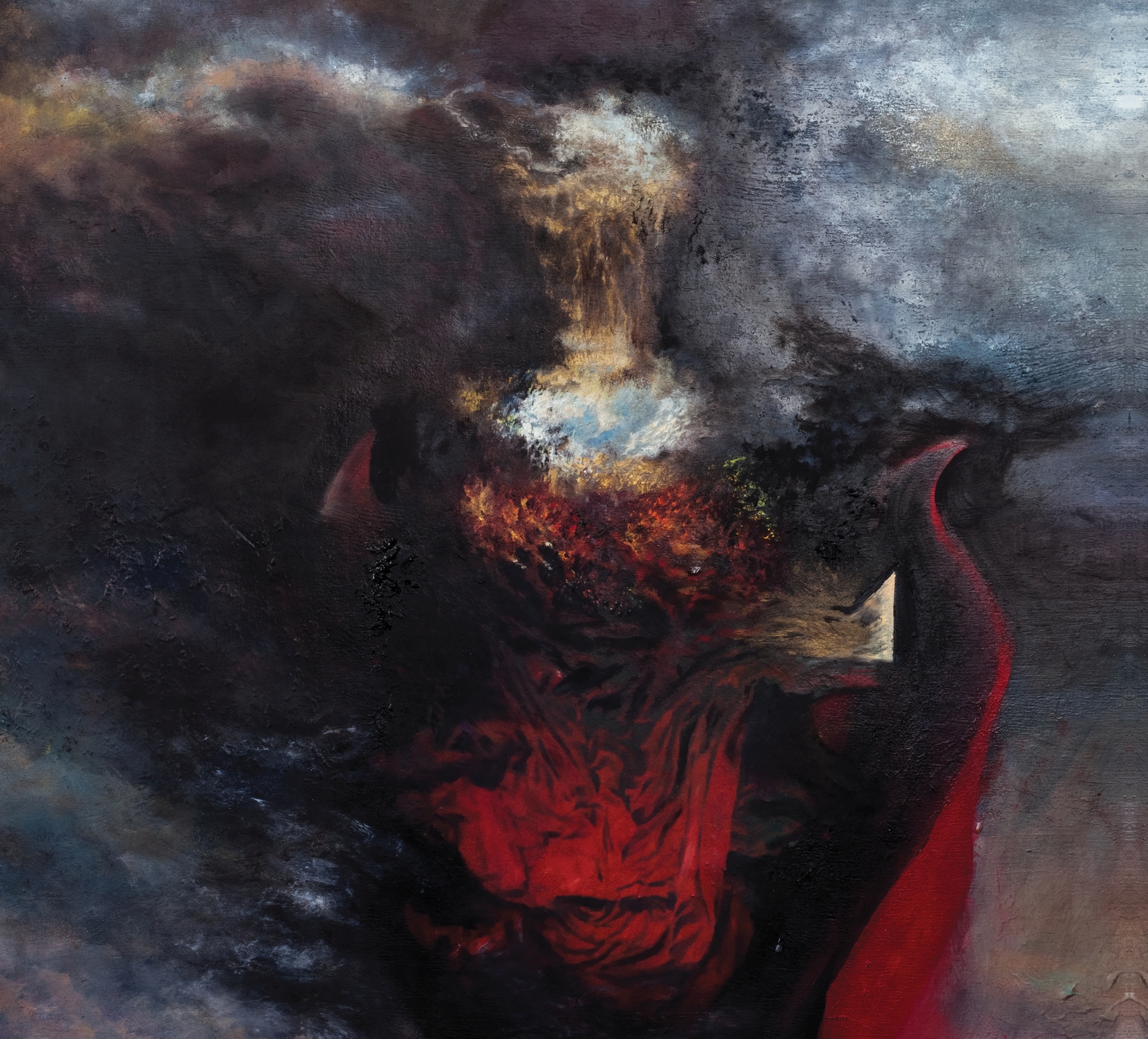
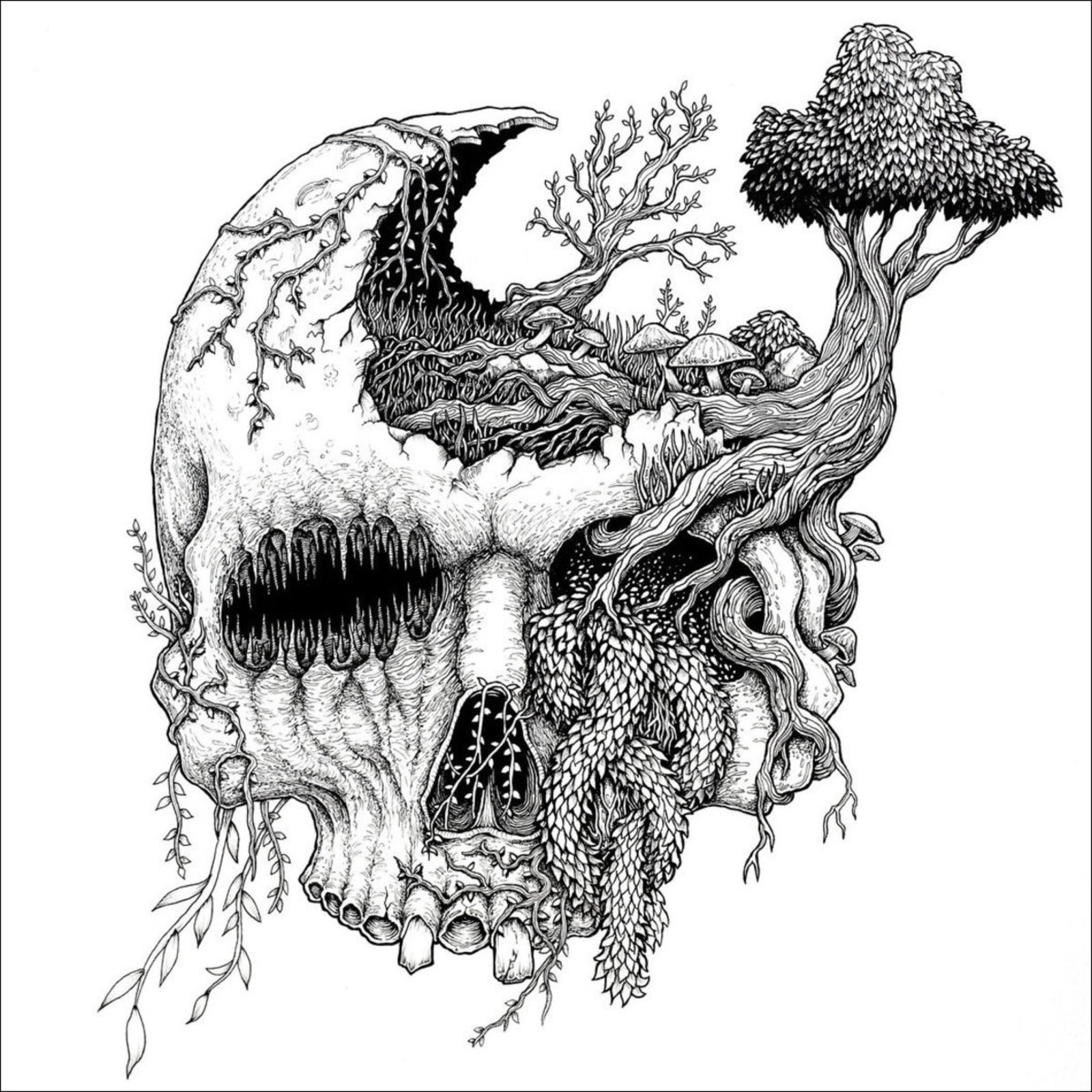
Ex nihilo is a Latin phrase meaning “out of nothing”, often appearing in conjunction with the concept of creation, as in creatio ex nihilo, meaning “creation out of nothing”, chiefly in philosophical or theological contexts, but also occurring in other fields. It’s with that concept in mind that Depths Above, a Czech Black/Doom Metal band formed in 2015 in the city of Brno by current and former members of the bands Bhagavat (Italy), Desert Witch (Slovakia) and Inferno (Czech Republic), are releasing their debut installment, the 32-minute 4-track album Ex Nihilo, introducing us all to their gloomy vision of underground metal in which genres like Black, Death and Doom Metal mix in various dosages and moods. The wicked album artwork, created by the band’s own vocalist and guitarist Vama Marga, is a very good indication of what to expect from Vama together with guitarist Dreamancer, bassist Ivan Teleranko Dvorsky and drummer Sarapis, but it’s when you hit play that you’ll actually be able to feel all the madness and fury flowing from their distinguished music.

Ominous and cavernous sounds ignite the Black and Doom Metal aria Here and Everywhere, morphing into a gargantuan feast of extreme sounds led by Sarapis’ frantic drums and Vama’s and Dreamancer’s choleric riffs, before Vama begins growling like a demonic entity. And the music remains menacing and austere until its Stygian finale, being flawlessly followed by the flammable The Descent, where Ivan and Sarapis make the ground rumble with their thunderous instruments, being perfect for breaking your neck headbanging. Furthermore, the music gets more atmospheric and eccentric as time goes by, also showcasing a beautiful and impactful work done by the band’s devilish guitar duo.

Almost tribal, but always hypnotizing and obscure, A Prayer presents Vama, Dreamancer and Ivan complementing Sarapis’ nocturnal beats flawlessly with their piercing and dense strings in an instrumental extravaganza of Blackened Doom and classic Doom Metal, infused with elements from Progressive Metal the likes of Tool and Mastodon; whereas the title-track Ex Nihilo closes the album as demented and vibrant as the other songs in the form of a massive wall of darkened sounds spearheaded by Vama and his enraged roars. Moreover, it’s by far the most Black Metal of all songs, spiced up by the utter melancholy and anguish of Doom Metal, without a single space being left empty, invading your ears mercilessly and therefore closing the album on a high, cryptic and malevolent note.

You can get in touch with the talented Vama and his henchmen through their Facebook page, and grab your copy of Ex Nihilo exclusively from their BandCamp page. As aforementioned, Ex nihilo means “creation out of nothing”, and Depths Above explored that concept to perfection when creating the music found in their new album, showing the world the band is here to stay, proudly carrying the flag of Black and Doom Metal as high as the sun, but of course with their hearts and minds being as blackened as extreme music demands.

Best moments of the album: The Descent and Ex Nihilo.

Worst moments of the album: None.

Released in 2018 Independent

Track listing
1. Here and Everywhere 7:30
2. The Descent 7:04
3. A Prayer (Instrumental) 7:31
4. Ex Nihilo 9:04

Band members
Vama Marga – vocals, guitars
Dreamancer – guitars
Ivan Teleranko Dvorsky – bass
Sarapis – drums

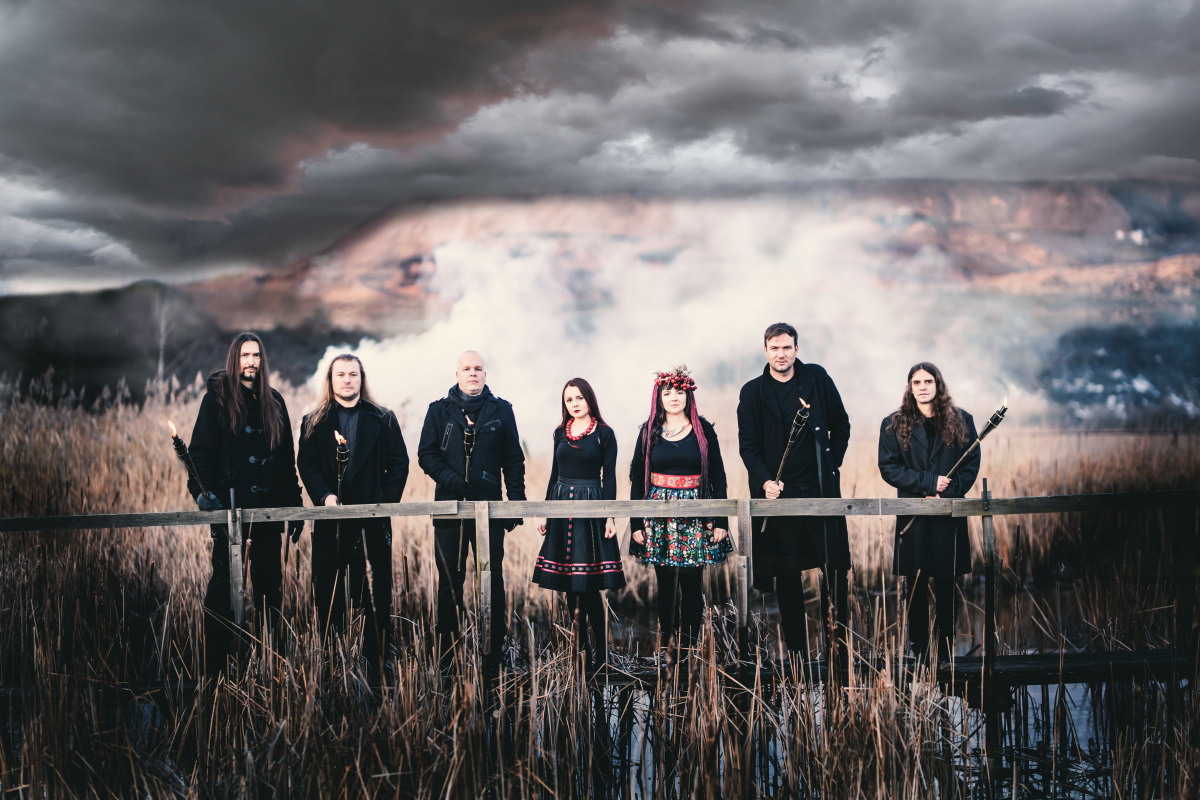
Album Review – Silent Stream Of Godless Elegy / Smutnice (2018)

Deeply inspired by the Slavic feelings of ancient longing and melancholy, this Czech Folk Metal orchestra will take you on a pleasant journey through their wild and serene homeland in their brand new opus.

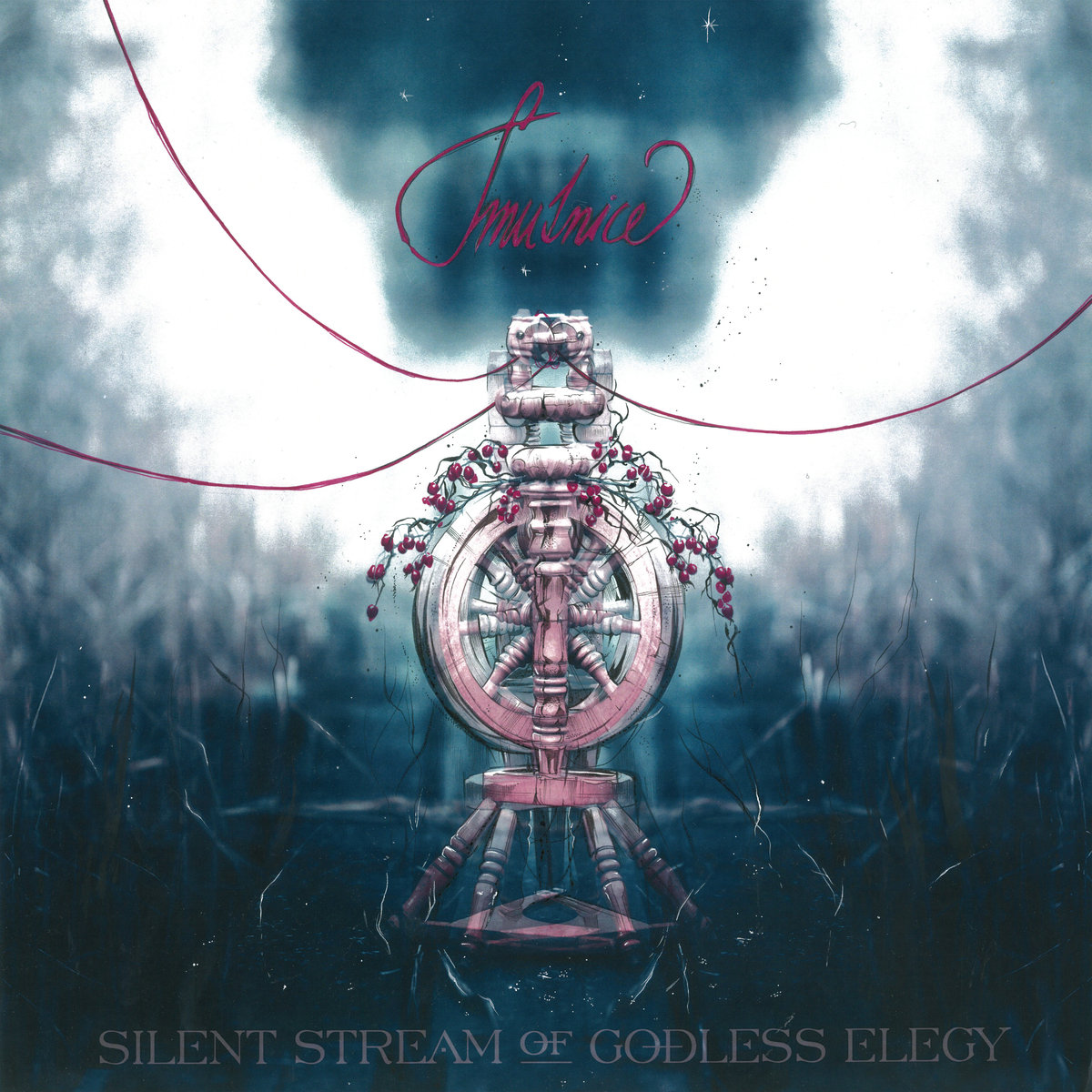
One of the pioneers of Folk Metal, Ostrava, Czech Republic-based band Silent Stream Of Godless Elegy, returns in 2018 with another beautiful album blending the darkest and at the same time most enfolding elements from Doom and Folk Metal, the stunning Smutnice, the sixth full-length installment in their solid career. Since their inception in 1995 when they emerged from Moravia, deep within the Slavonic heartlands, Silent Stream Of Godless Elegy have been delivering a first-class fusion of metal music with traditional Moravian folk deeply inspired by the Slavic feelings of ancient longing and melancholy, and they offer all that in Smutnice, taking you on a pleasant journey through their wild and serene homeland. As for the title, it’s not a common word in Czech language. “Smutnice” is a noun coming from the adjective “smutný”, which means “sad” or “sorrowful”, so the meaning could be something like “a poem of sadness” or “someone who brings sadness”.

Furthermore, the Moravians entered the iconic Grapow Studios once again to record with Roland Grapow himself, also joining forces with Yossi Sassi (Yossi Sassi & The Oriental Rock Orchestra, Orphaned Land), the world famous Oriental rock pioneer, who took care of the production of the album, bringing to the listener a crisp and impactful musicality enhanced by the album’s crystal clear production. Not only that, keep in mind Silent Stream Of Godless Elegy are not your regular metal band, as apart from Hana Hajdová and Pavel Hrnčíř on vocals, Radek Hajda on the guitar, Stanislav Pavlík on bass and Michal Milták on drums, the band also features a dynamic and unique duo comprised of violinist Gabriela Povraznikova and violoncellist Michal Sýkora, not to mention all special guests such as the Folklore Ensemble Kriváň on choir, Yossi Sassi himself playing an array of instruments like the bouzoukitara and the shaker, Míša Lipárová playing the dulcimer, and Martin Šob also on vocals and choir. At least for me that feels more like a full metal orchestra than a simple band, right?

The opening track Ten, Který Ukoval Slunce (or “The One Who Forged The Sun”) is folksy, embracing and fun, with the duo Gabriela and Michal Sýkora with their respective instruments bringing a whimsical aura to the overall sound, while Hana hypnotizes us with her classy vocal lines, providing a gentle and impactful start to the album. Then we have Kdo Z Nás Je Víc (“Which Of Us Is More”), a lot crazier, faster and heavier, which means it exhales awesomeness, spearheaded by the crushing beats by Michal Milták. Moreover, this time Hana shares the vocal duties with Pavel and his enraged gnarls, which by the way sound amazing in his mother tongue. And get ready for another round of captivating, smooth sounds and tones in Synečku (“My Beloved”), where Gabriela and Michal Sýkora once again warm our hearts with their strings, while Stanislav generates a rumbling and dense background curtain with his bass; followed by Ptakoprav (“He Who Talks To Birds”), a lesson in Folk Metal infused with Doom Metal nuances with the piercing guitar lines by Radek being beautifully complemented by Gabriela’s violin in a gentle but neck-breaking rhythm where Hana sounds as passionate and tuneful as usual.

Then a Doom Metal intro evolves into what’s perhaps the rawest and most experimental of all songs, named Malověrná (“She Of Little Faith”), with Radek and his riffs being in total sync with Michal Milták’s beats, while Stanislav’s bass keeps rumbling in the background. It just lacks an extra pinch of electricity, but nothing to worry about; on the other hand, the amazing Za Nevěstou (“To The Bride”), featuring Folklore Ensemble Kriváň, Yossi Sassi, Míša Lipárová and Martin Šob, is a full-bodied feast of folk and doomed sounds where all instruments sound and feel extremely sharp and thunderous, showcasing a lot of dynamism between Hana and Pavel on vocals, all embraced by stunning choir passages. Acoustic guitars and a rumbling bass set the stage for Hana and her touching vocals in the second to last track in Smutnice, titled Tichý Zpěv (“Quiet Tune”), also presenting the usual Doom Metal-inspired drums by Michal Milták and a flammable guitar solo by Radek, and closing the album we have a somber and delicate tempest of Doom and Folk Metal entitled Bezbřeží (“Shoreless”), a powerful and dense ballad by this distinguished band where once again Gabriela and Michal Sýkora steal the spotlight with their whimsical waves, ending the album in the most serene way possible.

Smutnice, available for a detailed listen on Spotify and on sale from several locations such as the band’s own BandCamp page and webstore, iTunes, Amazon and Discogs, is the perfect example of why Silent Stream Of Godless Elegy are still relevant not only in Folk and Doom Metal, but in heavy music in general, providing the listener truly raw and classic compositions inspired by their homeland (and entirely sung in their mother tongue, as a matter of fact). If you consider yourself an admirer and connoisseur of the most organic form of Folk Metal available anywhere in the world, I’m pretty sure you already know the work by Silent Stream Of Godless Elegy and you already have Smutnice on your hands. However, if you’re new to their world, go check what they’re up to on Facebook and on YouTube, sharpen your senses for an overdose of Folk Metal made in the Czech Republic, and enhance your connection with your inner self and with all the nature that surrounds you.

Best moments of the album: Kdo Z Nás Je Víc, Ptakoprav and Za Nevěstou.

Worst moments of the album: Malověrná.

Released in 2018 Redblack Productions

Track listing  
1. Ten, Který Ukoval Slunce 5:24
2. Kdo Z Nás Je Víc 4:54
3. Synečku 4:56
4. Ptakoprav 7:15
5. Malověrná 5:51
6. Za Nevěstou 6:33
7. Tichý Zpěv 5:59
8. Bezbřeží 7:37

Band members
Hana Hajdová – vocals
Pavel Hrnčíř – vocals
Radek Hajda – guitar
Stanislav Pavlík – bass
Gabriela Povraznikova – violin
Michal Sýkora – violoncello
Michal Milták – drums

Guest musicians
Folklore Ensemble Kriváň – vocals (choirs) on “Za Nevěstou”
Yossi Sassi – bouzoukitara, guitar, bass, shaker, vocals (choirs) on “Za Nevěstou”
Míša Lipárová – dulcimer, vocals (choirs) on “Kdo Z Nás Je Víc”, “Malověrná” and “Za Nevěstou”
Martin Šob – vocals (choirs) on “Malověrná” and “Za Nevěstou”

Album Review – Brutal Order / Homo Homini Lupus EP (2018)

This unrelenting Thrash Metal quartet from Brazil will show you through their raw and groovy music why a man is a wolf to another man.

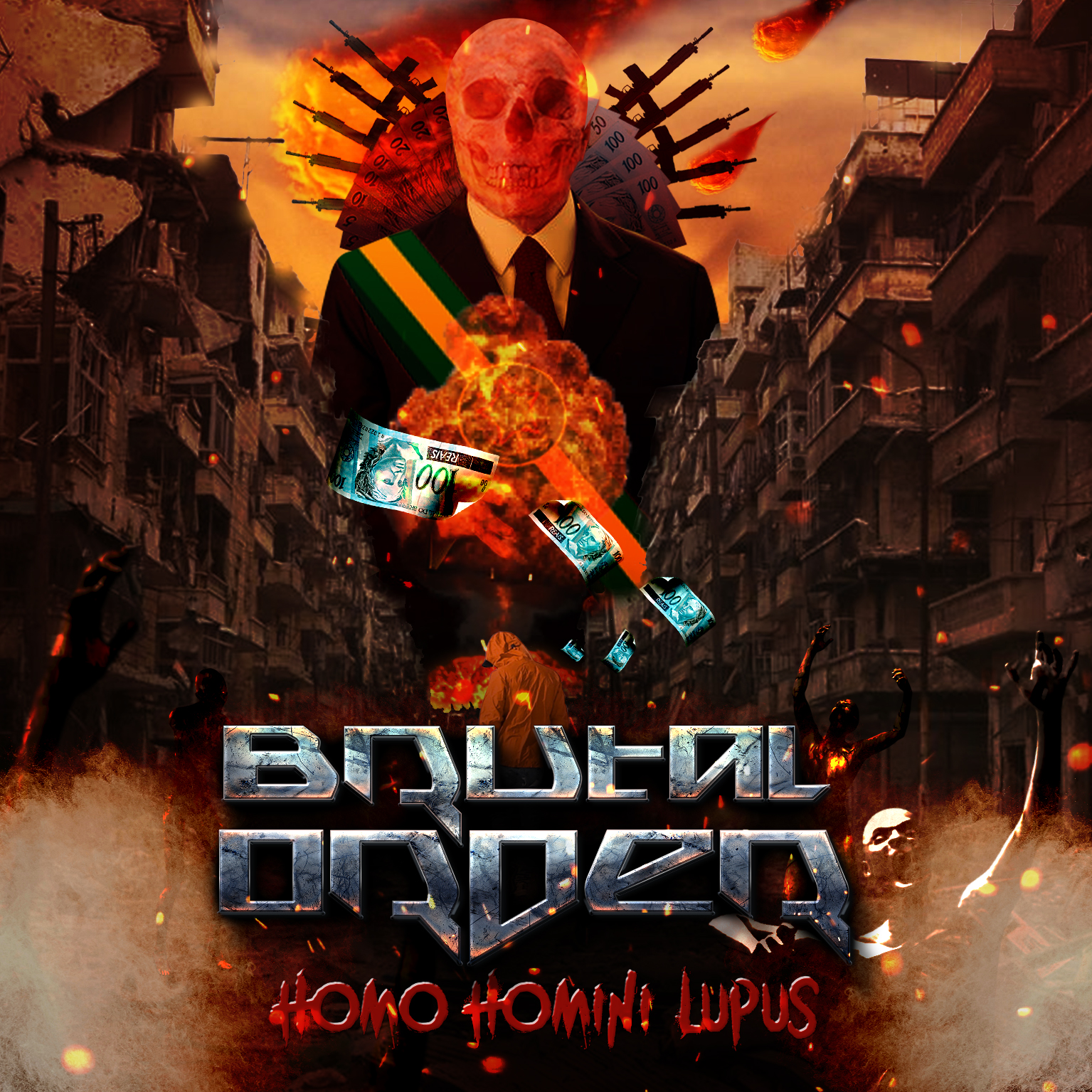
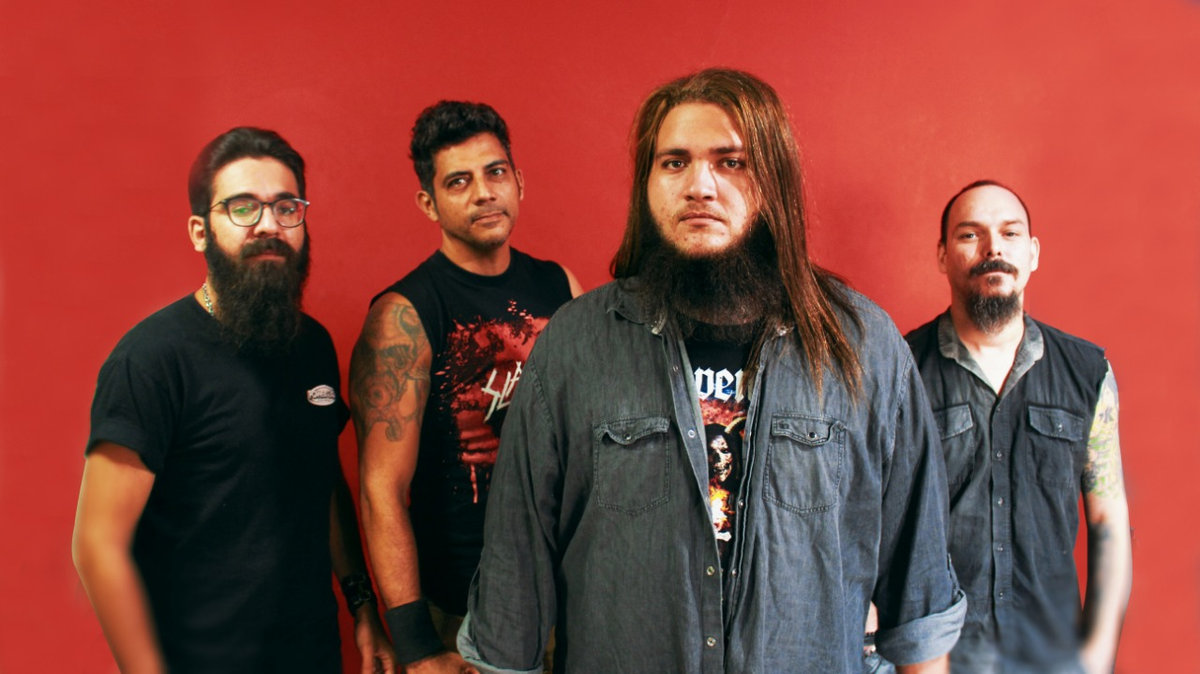
Born in early 2017 in the city of Recife, the capital of Brazil’s northeastern state of Pernambuco, from the ashes of a band named Firetomb, the ruthless Thrash Metal outfit known as Brutal Order wasted no time and entered Estúdio Palco, in Recife, to give birth to their debut installment, an EP of sheer aggressiveness and speed titled Homo Homini Lupus. The expression, or in its unabridged form “Homo homini lupus est”, is a Latin proverb meaning “A man is a wolf to another man” or “Man is wolf to man”, in reference to situations where people are known to have behaved in a way comparably in nature to a wolf as a creature that’s predatory, cruel and inhuman, or in other words, more like an animal than civilized. Featuring a visceral artwork that exhales rage and chaos designed by Círculo Pintado, and recorded by recording technician Daniel Farias, Homo Homini Lupus perfectly depicts our inhumanity and cruelty in the form of the thrashing hymns blasted by lead singer and guitarist Tiago Xaves, guitarist Randall Silva, bassist Risaldo Silva and drummer Lulu Batera, and I’m sure you’ll also unleash your wolf instincts to the vibrant sound of this Brazilian quartet.

Enough said already, get ready to slam into the circle pit to the classic Thrash Metal brought forth by Brutal Order in the title-track track Homo Homini Lupus, blending the more hardcore attitude by Anthrax with the heavier sonority by Exodus (which obviously translates into a total sonic awesomeness), led by the roaring guitars by both Tiago and Randall. And there’s no time to breathe, as the band sets fire to the ambience with their flammable music in Burn, where the enraged screams by Tiago and the nonstop beats and fills by Lulu will smash you like an insect, being highly recommended for fans of the frantic thrashing music by bands like Forbidden, Overkill, Death Angel and Nuclear Assault, all spiced up by Tiago’s and Randall’s wicked guitar solos. And bringing elements from 80’s Hard Rock and Rock N’ Roll to their brutal Thrash Metal, the band offers us all Working Till Death, a mid-tempo tune showcasing classic riffs effectively accompanied by Risaldo’s solid bass punches.

Brutal Order, the song that carries the band’s name, begins in an eerie way before exploding into old school Thrash Metal taken directly from the 80’s, with the unstoppable guitars by Tiago and Randall being in absolute sync (and therefore providing and extra kick to the sonority), while Risaldo and Lulu generate a thunderous atmosphere with their respective bass lines and crushing beats. If you think that their thrashing show is over, you’re absolutely wrong, as Brutal Order still has one final blast of Thrash and Groove Metal named Revolution Or Self Destruction, a song that will inspire you to bang your head like a maniac while Tiago growls rabidly, once again drinking form the classic fountain of bands like Anthrax. Put differently, it’s furious, violent and raw, but still very melodic, ending the EP in a pulverizing and thrilling manner.

If you’re already a fan of underground Brazilian metal, or if you’re a newcomer to this vast but unexplored world, Brutal Order might be one of the best options for you to get to know more about heavy music from a country where metalmaniacs go against all odds and keep showing the rest of society they will never surrender and keep on fighting no matter what. If you want to take a more detailed listen at Homo Homini Lupus, you can find the full EP on YouTube and on Spotify, but of course if you want to support such promising band you can grab your copy of the album from their own BandCamp page. You will find more details about Brutal Order on their Facebook page and YouTube channel, and be prepared to be slammed by a New World Order that, according to this talented horde from Brazil, is going to be beyond brutal.

Best moments of the album: Burn and Brutal Order.

Worst moments of the album: None.

Released in 2018 Independent

Track listing  
1. Homo Homini Lupus 2:45
2. Burn 4:20
3. Working Till Death 3:49
4. Brutal Order 4:10
5. Revolution Or Self Destruction 4:59

Band members
Tiago Xaves – vocals, guitar
Randall Silva – guitar
Risaldo Silva – bass
Lulu Batera – drums

Album Review – Solborn / Dark Lights of Delirium (2018)

Welcome to a world of fantasy, childhood memories and beautiful dreams, all embraced by the stylish Symphonic Metal crafted by this very talented Canadian band.

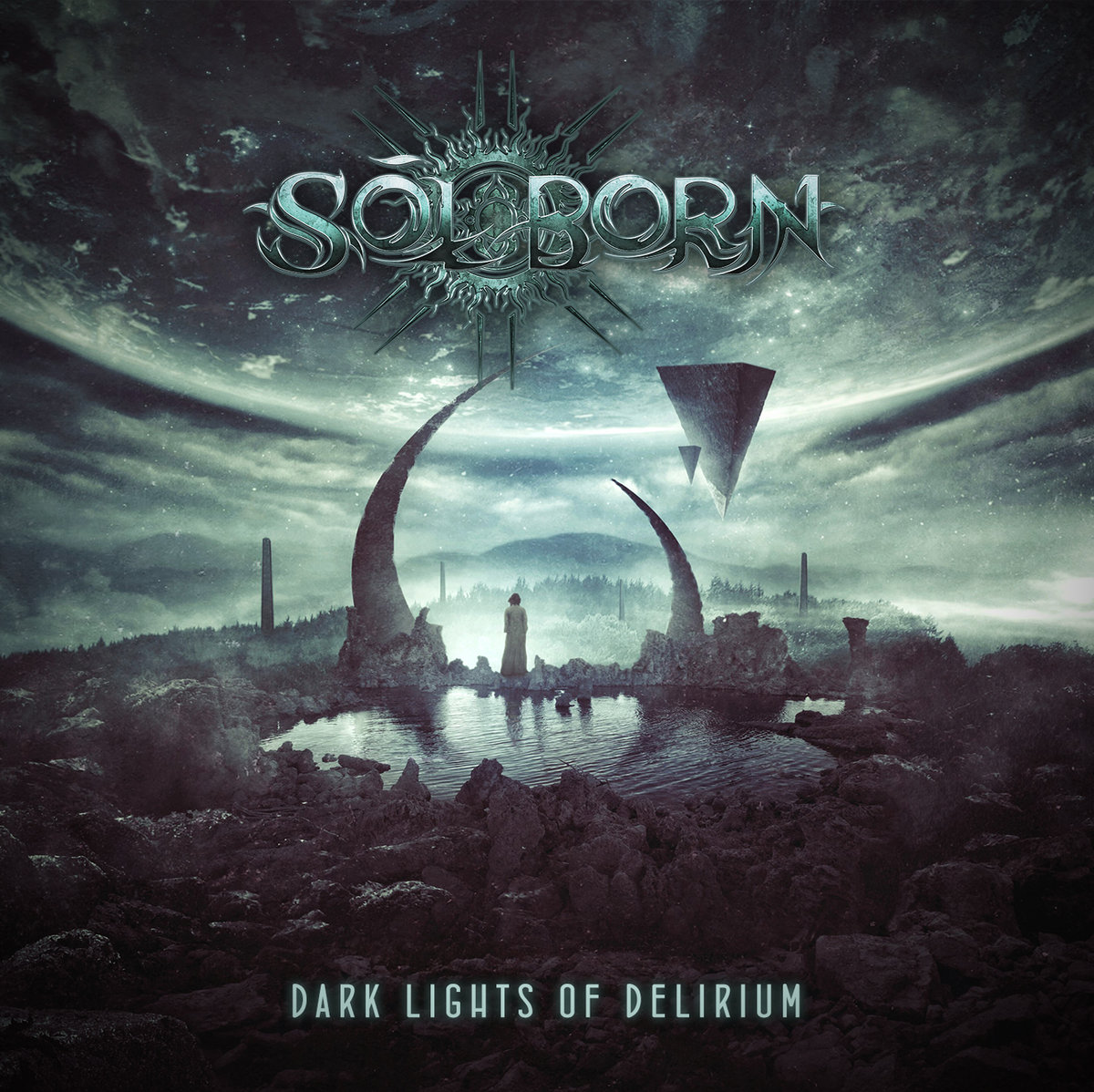
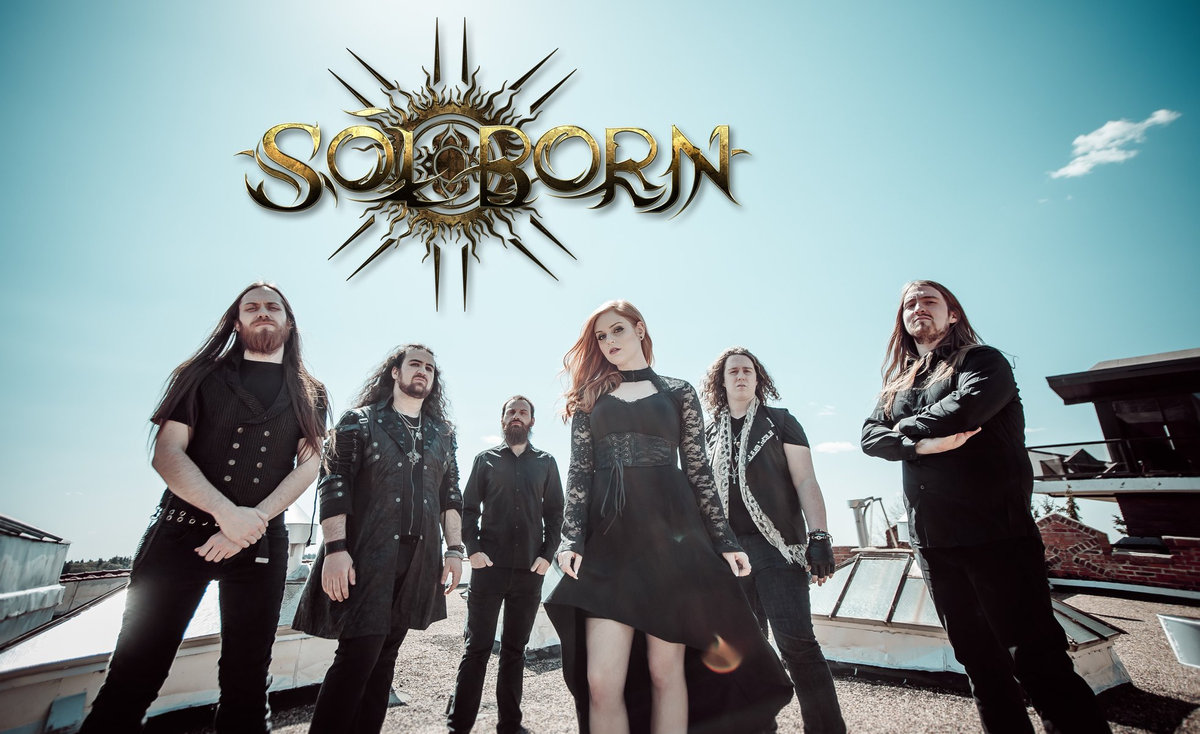
Founded in 2014 by songwriter and keyboardist Anri Tsiskaridze, who was born in the Republic of Georgia and moved to Canada in 2008, Edmonton-based Symphonic Metal band Solborn (or Sōlborn, if you prefer) has suffered a few lineup changes and a noticeable musical evolution since their inception, until the band reached their final shape and form in 2018, culminating with the release of their debut album Dark Lights of Delirium. Featuring a dark and somewhat futuristic artwork by Pierre-Alain Durand (3mmi Design), Dark Lights of Delirium represents a world where you get to travel and witness fantasy, the mind’s beautiful plays, and fly through the clouds, walk on beaches on a moonlit night, and lay in the meadows of your childhood memories and be at peace with yourself and the worlds that surround you, all embraced by the powerful and symphonic arrangements delivered by McKenna Rae on lead vocals, Cody Lloyd on lead guitar, Mike Bell on rhythm guitars and growls, Dylan Mooney on bass, Anri Tsiskaridze on keyboards, and Danial Devost on drums.

Four years in the making, Dark Lights of Delirium is thematically and loosely based on Carl Sagan’s astronomical series ‘Cosmos’ (as well as Neil D. Tyson’s modern reboot of the series), with its lyrics taking your imagination to worlds of fantasy and memories of the most precious times of youth, childhood, and feelings of love and dreams. The songs dive into the escapism that Symphonic Metal is steeped in, where history is presented in a dream-like light, and fantasy and reality poetically collide. Starting with the revelation of an endless universe, soaring through the themes and imagery of the purge of knowledge, imaginary inner worlds, striving to find happiness or meaning in life, and ending with the tragic story of the execution of Giordano Bruno, whereby the narrator speaks to us as Bruno. Every song has its own individual meaning but still connects to each-other, and is still a part of the whole journey.

A cinematic, ethereal intro titled Aurora, led by the smooth piano notes and the imposing keys by Anri, sets the stage for the 7-minute aria Ad Infinitum, exploding into a modern and vibrant fusion of Melodic and Symphonic Metal where McKenna mesmerizes us all with her gorgeous voice, while Danial makes sure the word “heavy” is part of the music through his pounding, violent drums. The album couldn’t have started in a better way, and things get even better in Beast Of Oblivion, considerably more breathtaking and electrifying than the previous song, with McKenna having an interesting “beauty and the beast” duel with Mike, while the same Mike together with Cody slash their guitars beautifully from start to finish. Then Dylan’s rumbling bass and Danial’s fast and precise beats dictate the rhythm in another Symphonic Metal feast titled Pale Blue, bringing forward some stylish lyrics (“Visions in my sleepless night took me to the moonlit sky / I stood in awe before the greatest show / And took a step away from what I have ever known”), and of course I would love to see them giving life to this metallic symphony during their live performances; and slowing things down a bit and being highly inspired by iconic bands like Nightwish and Epica, the band delivers another solid tune named Arcane Shores (Compass to Light), showcasing gripping guitar riffs intertwined with the flammable keys by Anri and McKenna’s passionate vocals.

Time for McKenna and her ethereal voice together with Anri’s gentle piano to take us to a world of love and peace in the enfolding ballad Crestfallen, with the song’s taste being nicely enhanced by all background orchestrations, flowing flawlessly until its climatic finale, whereas whimsical sounds ignite the epic and beyond symphonic Starbreathe, a song perfect for closing your eyes and embarking on a metal journey together with Solborn. Furthermore, Cody and Mike are on fire with their riffs and solos, slashing our senses while Danial doesn’t let the energy level go down not even for a single second, not to mention Anri’s futuristic (and therefore amazing) keyboard solo. In Voyage To The World’s End we’re treated to a galloping exhibit of classic metal music embraced by the stunning orchestrations by Anri and Danial, offering our avid ears over eight minutes of the best Symphonic Metal you can think of, including thrilling guitar and keyboard solos, spot-on breaks and variations, serene piano passages, epic orchestral moments, and once again presenting classy and poetic lyrics (“Paint my memory where we lay in haven of time / Play music of creek, sounds of wild clashing winds / With new life, awake from delirium / Spread your wings, come fly away with me”). And last but not least we have Last Curtains Fall, the perfect name for a closing song with the bass by Dylan bringing thunder to the sound while McKenna continues to deliver her romantic and fiery vocal lines. Although the overall result is not as thrilling as the rest of the album (and a bit too slow at times), it’s still a solid and entertaining creation by this skillful Canadian act.

Solborn might not be revolutionizing the world of Symphonic Metal with their music, but who said they were supposed to do that in Dark Lights of Delirium to succeed? They stuck to a well-known formula, added their own personal ingredients and twist, and voilà! There you have a full-bodied, imposing and enfolding album of classic Symphonic Metal (available for a full listen on Spotify, by the way). Having said that, if you want to know more about the band and show them your true support, don’t forget to check out their Facebook page and YouTube channel for news, tour dates and more of their music, and purchase your copy of Dark Lights of Delirium from their own BandCamp page or webstore. Because, as you already know, there’s nothing better than some first-class symphonic music to embark on an epic adventure through the eccentric realms of your own thoughts and dreams.

Best moments of the album: Beast Of Oblivion, Pale Blue and Voyage To The World’s End.

Worst moments of the album: Last Curtains Fall.

Released in 2018 Independent

Track listing 
1. Aurora 1:19
2. Ad Infinitum 7:08
3. Beast Of Oblivion 4:52
4. Pale Blue 5:07
5. Arcane Shores (Compass to Light) 4:53
6. Crestfallen 4:44
7. Starbreathe 6:04
8. Voyage To The World’s End 8:47
9. Last Curtains Fall 6:53

Band members
McKenna Rae – lead vocals
Cody Lloyd – lead guitars
Mike Bell – rhythm guitars, growls
Dylan Mooney – bass guitar
Anri Tsiskaridze – keyboards, orchestra
Danial Devost – drums, orchestra

Album Review – 1914 / The Blind Leading the Blind (2018)

It’s time to head into the battlefields of the Great War together with these talented and obstinate Blackened Death and Doom Metal infantrymen from Ukraine.

It’s time to head into the battlefields of World War I together with Ukranian Blackened Death/Doom Metal infantrymen 1914 and their brand new opus, the breathtaking The Blind Leading the Blind. World World I might not get explored as it should very often, as World War II typically overshadows it, but this Liviv-based squad, formed in 2014 at the 100th anniversary of World War I, makes a damn solid case for its historical significance (click HERE for an in-depth interview regarding the band’s ideology), with their unique and incendiary fusion of  Black, Death, Doom and even Sludge Metal being stomping, heavy-as-hell, therefore inspiring the strength and bravery within to march towards death.

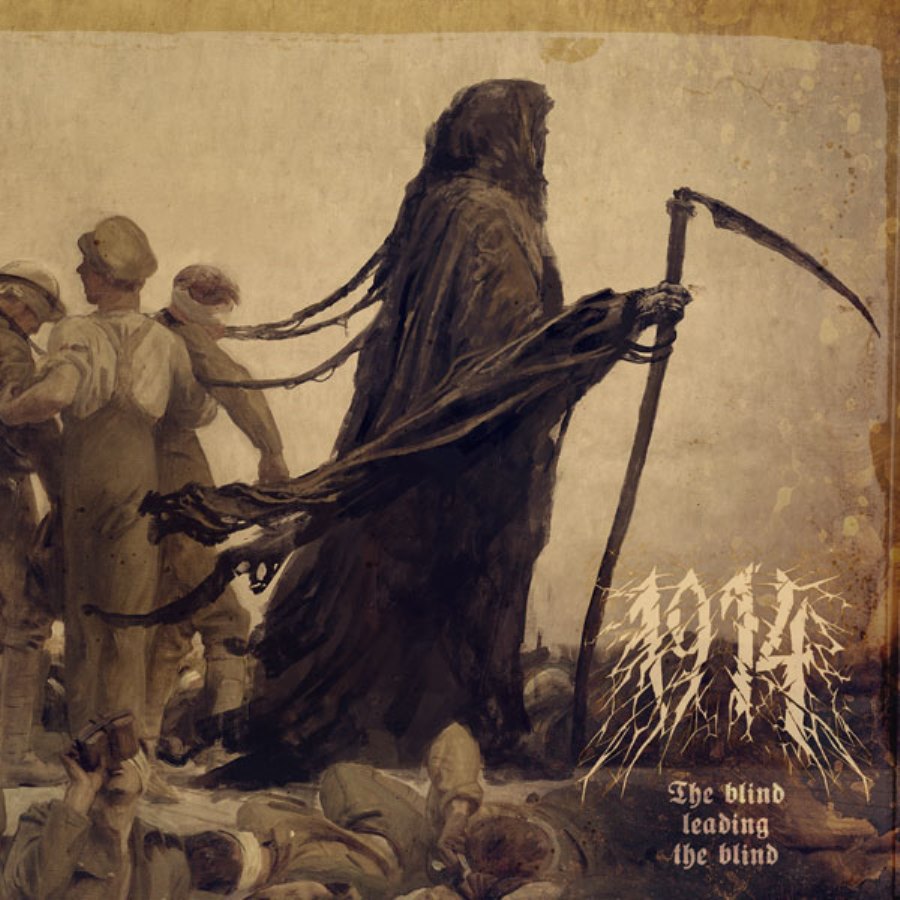
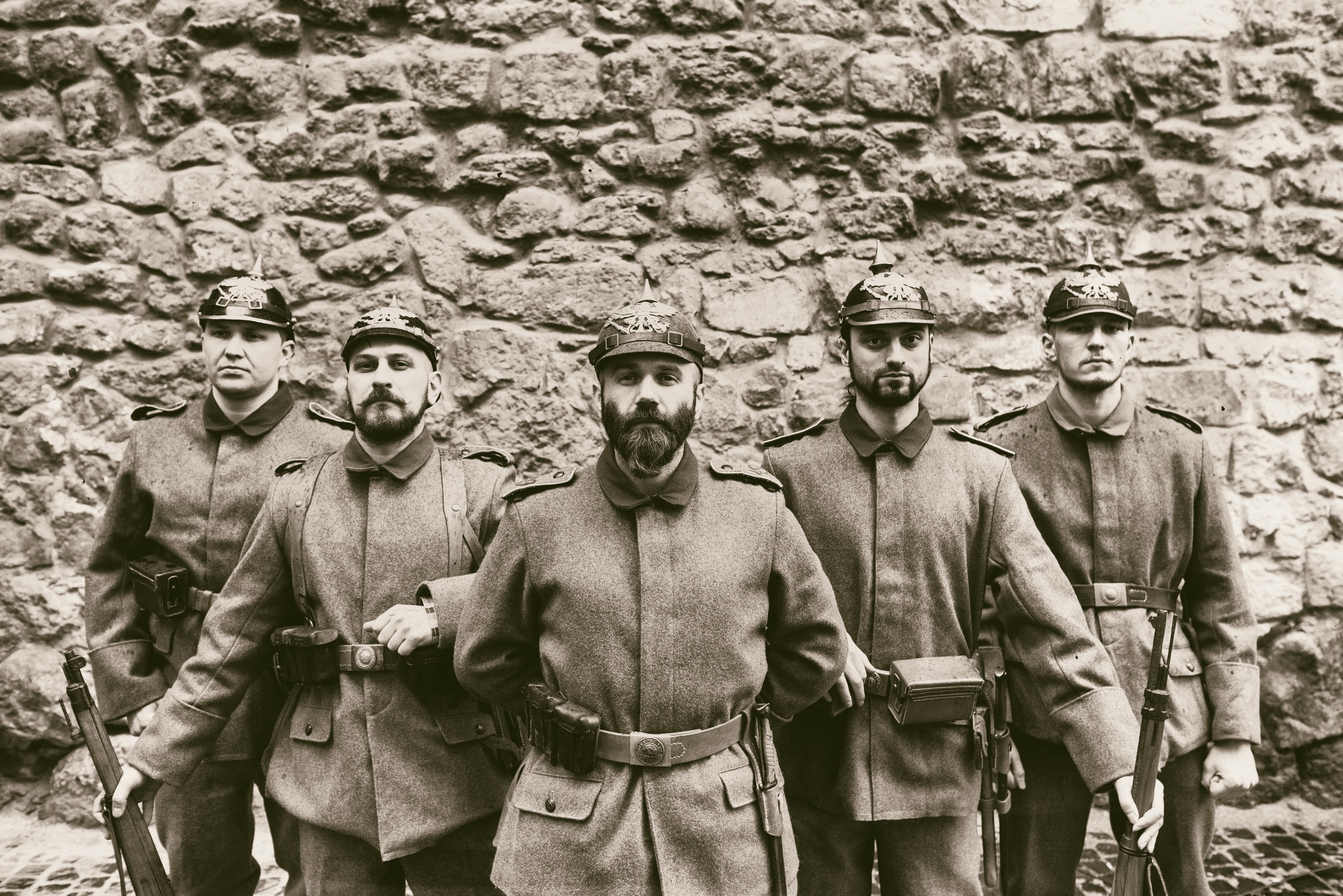
Comprised of 2.Division, Infanterie-Regiment Nr.147, Oberleutnant – Ditmar Kumar on vocals, 37.Division, Feldartillerie-Regiment Nr.73, Wachtmiester – Liam Fessen and 5.Division, Ulanen-Regiment Nr.3, Sergeanten – Vitalis Winkelhock on the guitars, 9.Division, Grenadier-Regiment Nr.7, Unteroffiziere – Armin von Heinessen on bass and 33.Division, 7.Thueringisches Infanterie-Regiment Nr.96, Gefreite – Rusty Potoplacht on drums, 1914 pay homage to all that fell fighting the Great War, with their themes covering topics such as the Battle of Gallipoli (and the involvement of Ataturk), the Brusilovsky breakthrough, the Battle of Verdun and the gas attack at Ypres, not being political nor warmongers, but just telling the tales of war, injustice, fear, hopelessness and endless death as they happened. Featuring a deadly, lugubrious artwork by Czech artist Vladimir “Smerdulak” Chebakov, The Blind Leading the Blind is a precious gem of extreme music, positioning 1914 not only as one of the best underground metal bands of the current scene, but of the past decade without a shadow of a doubt.

War In is a beautiful, wicked and dark intro that takes us to the horrors of World War I, exploding into visceral Blackened Death Metal in Arrival. The Meuse-Argonne (inspired by the Meuse-Argonne Offensive, the greatest American battle of the First World War, where in six weeks the AEF lost 26,277 killed and 95,786 wounded), led by the pulverizing drums by Rusty, while Ditmar roars the song’s lyrics manically (“Arrival / The Meuse-Argonne offensive started like clockwork / We planned to break through the Hindenburg line / I know what we are fighting for / Hopefully to end the war”), also bringing the most Stygian elements from classic Doom Metal. Then we have A7V Mephisto, a World War I German tank masterfully translated into a brutal and heavy tune where the entire band showcases their heavy artillery by blasting sheer obscurity inspired by old school Black Sabbath and Celtic Frost, in special Liam and Vitalis with their lethal riffs, but with a more demonic twist; followed by High Wood. 75 Acres of Hell, an infernal display of Black and Death Metal spearheaded by Ditmar’s growls while Armin and Rusty keep the ambience as dense and grim as possible with their respective instruments, displaying the battle for High Wood’s 75 acres, which started on July 14 and raged nearly continuously for 64 days, coming to be known as “The hell of High Wood” or “The rottenest place on the Western Front.”

Bagpipes ignite a sinister and pulverizing cover version for The Exploited’s all-time hit Beat The Bastards, sounding as rebellious and fun as the original version, but of course with a more metallic and crushing vibe, with highlights to the beautiful job done by both Liam and Vitalis with their hellish guitars. In the interesting bridge Hanging On The Barbed Wire, the infantry sings while marching under a heavy storm (“If you want to find the General, / I know where he is, / If you want to find the General, / I know where he is / He’s pinning another medal on his chest / I saw him, I saw him / Pinning another medal on his chest.”), setting the tone for the superb Passchenhell, a wordplay with The Battle of Passchendaele, also known as the Third Battle of Ypres, a campaign of World War I fought by the Allies against the German Empire. Musically speaking, it’s another flawless display of Blackened Death Metal infused with Doom Metal nuances, also featuring the beyond special guest vocalist David Ingram (Benediction, Bolt Thrower, Just Before Dawn). Furthermore, Rusty is once again bestial on drums, whereas Ditmar together with David will haunt your soul with their demonic growling.

“Hello there, soldier! Ready to kill more Germans?” Those warlike words ignite a fantastic sonic havoc by 1914 titled C’est Mon Dernier Pigeon, leaning towards pure old school Black Metal, feeling and sounding as thunderous and menacing as possible and ending in the most demolishing way you can think of; followed by Stoßtrupp, the German word used to describe shock troops or assault troops created to lead an attack, where another eerie, obscure narration suddenly explodes into a darkened feast of Black and Death Metal tailored for cracking your neck headbanging, with Armin sounding vicious with his rumbling bass punches. Lastly, we have The Hundred Days Offensive, an Allied offensive that lasted from August 8 to November 11, 1918, ending World War I, and 1914 turned that battle into 10 minutes of first-class Blackened Death and Doom Metal where you can feel the horrors of the battlefield in the music, remaining very introspective, melancholic, and flowing infernally until the music morphs into the sensational and creepy outro War Out, the perfect ending to such brilliant album.

In summary, The Blind Leading the Blind, which by the way had as its official release date the 11th hour on the 11th day of the 11th month (Central European Time), marking the 100th anniversary of the end of World War I, is a must-have not only for admirers of Extreme Metal, but also for anyone who wants to learn more about World War I in a very unorthodox and exciting way. Available for purchase from the band’s own BandCamp page, as well as from the Archaic Sounds’ BandCamp page, from the Redifining Darkness Records’ BandCamp page, from iTunes and from Discogs, The Blind Leading the Blind definitely redefines the career of 1914, propelling them into a more-than-promising future. Having said that, don’t forget to follow them on Facebook, subscribe to their YouTube channel, grab your weapons and be prepared to face death in the battlegrounds of the Great War.

Best moments of the album: Arrival. The Meuse-Argonne, Beat The Bastards, Passchenhell and C’est Mon Dernier Pigeon.

Worst moments of the album: None.

Released in 2018 Archaic Sound/Redefining Darkness Records

Track listing
1. War In 1:14
2. Arrival. The Meuse-Argonne 6:20
3. A7V Mephisto 8:13
4. High Wood. 75 Acres of Hell 5:27
5. Beat The Bastards (The Exploited cover) 5:02
6. Hanging On The Barbed Wire 2:28
7. Passchenhell (feat. David Ingram) 7:01
8. C’est Mon Dernier Pigeon 5:22
9. Stoßtrupp 6:13
10. The Hundred Days Offensive 10:01
11. War Out 1:55

Band members
2.Division, Infanterie-Regiment Nr.147, Oberleutnant – Ditmar Kumar – vocals
37.Division, Feldartillerie-Regiment Nr.73, Wachtmiester – Liam Fessen – guitar
5.Division, Ulanen-Regiment Nr.3, Sergeanten – Vitalis Winkelhock – guitar
9.Division, Grenadier-Regiment Nr.7, Unteroffiziere – Armin von Heinessen – bass
33.Division, 7.Thueringisches Infanterie-Regiment Nr.96, Gefreite – Rusty Potoplacht – drums

Guest musician
David Ingram – vocals on “Passchenhell”