Nature will prevail to the sound of the first full-length album by this multi-talented one-man project based in Germany, offering us all what can be called the “New Wave Of Black Eco Metal”.
After four years in the making, One Inch of Peace, the first full-length opus by Ruhrpott, Germany-based Melodic Black Metal one-man army Through Chaos & Solitude (also known as TCAS KVLT), finally saw the light of day on the first day of spring this year, offering us fans 35 minutes of what the project’s mastermind Tim Rule likes to call the “New Wave Of Black Eco Metal”. Mixed & mastered by Dennis Israel at Clintworks Mixing and Mastering, and with the help of Simon Castigator and Delio Soro on drum programming and Matze Castigator on synths recording, One Inch of Peace is a huge step forward in the career of the multi-talented Tim, not only representing the long-awaited return of Through Chaos & Solitude after the project’s debut EP The Thawing Winds Of The Morning Sun, but also being extremely recommended for admirers of the whimsical music blasted by renowned acts the likes of Woods Of Ypres, Alcest and Agalloch.
Cinematic and enfolding from the very first second, the lyrics in A Heart Is Heavy (Tonight In The North) reek of poetry (“To write it down and to face it is to truly test our fears and beliefs / It’s so humbling to write something in strength and conviction / Only to later fear what you have created / Because it hurts too much, oh it is too close”), with Tim roaring and growling nonstop while firing razor-edged riffs at the same time, and with the programmed drums sounding truly organic. Then starting in a pensive, acoustic way, the title-track One Inch Of Peace brings forward Tim’s trademark fusion of the aggressiveness of Black Metal with smoother and more melodic sounds, also displaying hints of Blackened Doom in its core sonority. In other words, it couldn’t have sounded more infernal and acid than this, whereas venturing through the progressive lands of Atmospheric Black Metal, Post-Black Metal and Post-Metal, Tim offers our ears the ethereal The Integrity Of Nothingness Versus The Fragile Beauty Of Life, where he showcases a great balance of clean vocals and deranged screams, flowing into the melancholic My Heart Is In Your Hands, where Tim alternates between sharp riffs and semi-acoustic passages, resulting in an even more atmospheric creation than its predecessors. And lastly, the bonus track Of Walking An Alley Lined With Oaks (Nature Always Wins), previously released in 2018, blends the beautiful sounds of nature with Tim’s introspective and multi-layered Black Metal in a beyond stunning ending to the album.
It’s a pleasure seeing the evolution in the music of Tim Rule and his Through Chaos & Solitude in his new album One Inch of Peace, available in full on Spotify, and if you also want to show your support to the underground you should start following the project on Facebook and, of course, purchase a copy of the album from his own BandCamp page, from the Bound By Modern Age Records’ BandCamp page or webstore, or from Apple Music. One of the song titles already states that “nature always wins”, and I couldn’t agree more with that. Add to that the fact that Black Metal has always had a deep connection with nature, always against the evils of men, and there you have the perfect recipe for a great album of atmospheric and dark music just like what Tim unleashed upon us all in his new album of stunning Black Eco Metal.
Best moments of the album: One Inch Of Peace and My Heart Is In Your Hands.
Worst moments of the album: None.
Released in 2021 Bound By Modern Age Records
Track listing 1. A Heart Is Heavy (Tonight In The North) 9:12
2. One Inch Of Peace 9:42
3. The Integrity Of Nothingness Versus The Fragile Beauty Of Life 7:05
4. My Heart Is In Your Hands 9:26
Bonus track 5. Of Walking An Alley Lined With Oaks (Nature Always Wins) 7:58
Band members Tim Rule – vocals, guitars, bass, keyboards
A primordial feeling of anguish speaks through five Croatian musicians and the dissonant fusion of Black, Death and Doom Metal found in their brand new EP.
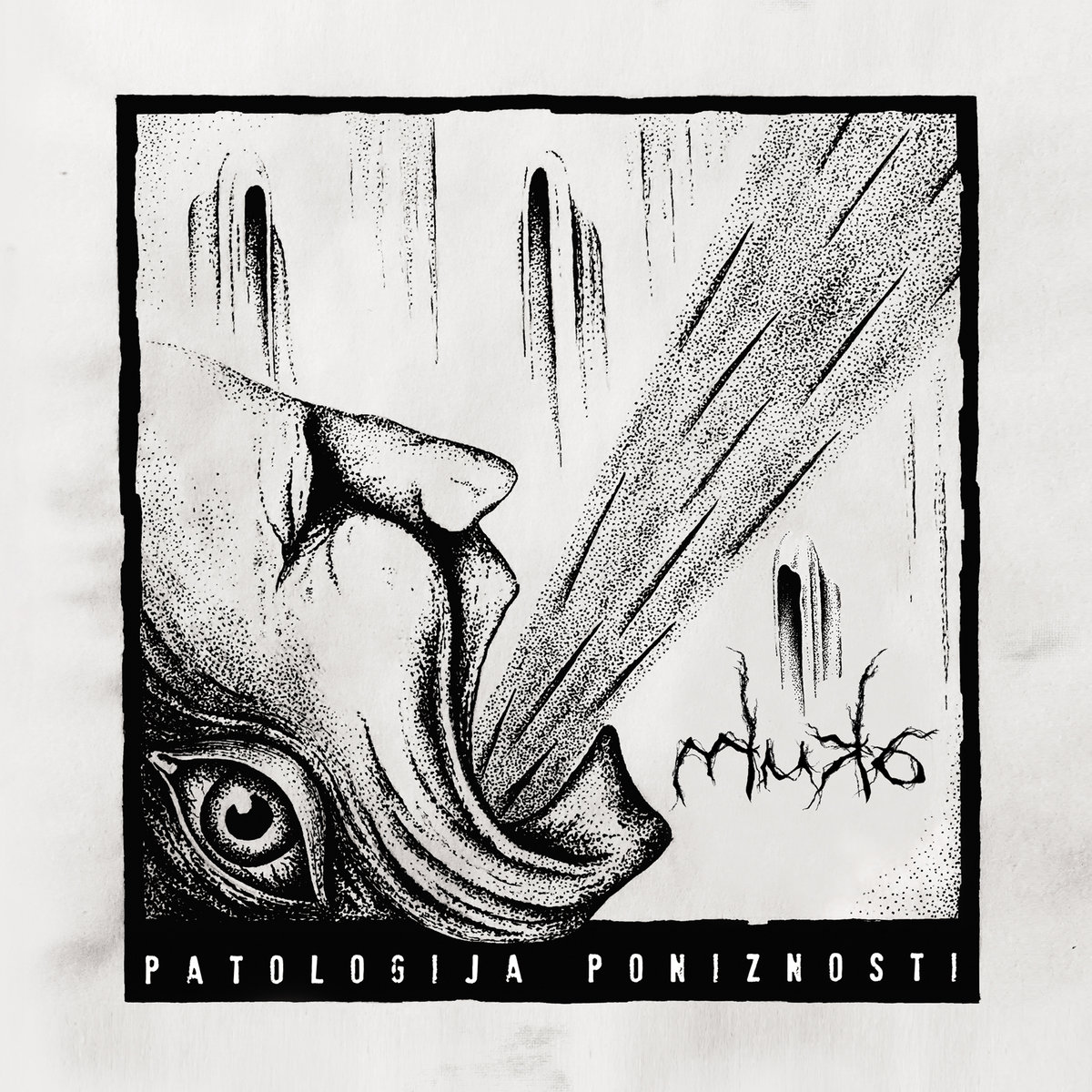
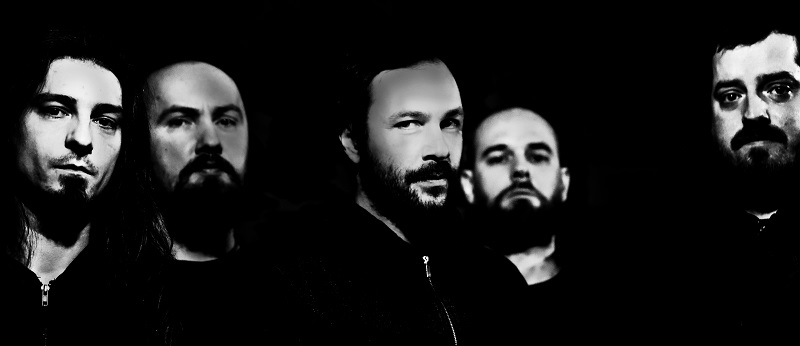
A primordial feeling of anguish speaks through five musicians hailing from Zagreb, Croatia that gathered around a vision of perpetual struggle of critical reason against the pale, gray and uninspiring surroundings. That’s the core essence of the dissonant Black, Death and Doom Metal entity known as Muka, who are among us to arouse and awake our humanity, our striving for freedom and rejection of false existence, flawed idols and deceptive personalities. Comprised of Ivan Borčić on vocals, Edin Karabašić and Goran Tatalović on the guitars, Stjepan Dianić on bass and Marin Lelas on drums, Muka are unleashing upon our rotten society their third EP, entitled Patologija Poniznosti (or “the pathology of humility” in English), following up on their 2017 EP Sveta Stoka. Recorded, mixed and mastered by Filip Pacak, and displaying a raw and stylish artwork by Jelena Murk, Patologija Poniznosti will penetrate deep inside your soul mercilessly throughout its 25 minutes of extreme music styles fused in a special and vile atmosphere, positioning it as Muka’s strongest release since their inception in 2012.
Blending the heaviness of Doom Metal with the aggression and darkness of Black and Death Metal the band fires the Stygian hymn Idolomantis Diabolica (“an idol man of diabolics”), with Ivan roaring like a true demon while Edin and Goran extract sheer sulfur form their guitars; whereas the rhythmic beats by Marin together with the rumbling bass by Stjepan kick off the Blackened Doom-inspired tune Unatoč Svemu (“in spite of everything”), gradually evolving into a demented sonic beast with Ivan vociferating the song’s Croatian words darkly and rabidly. Čezneš, or “you disappear”, is another headbanging, grim creation by Muka, with Marin and Stjepan making our heads tremble while Edin and Goran slash their stringed weapons extracting minimalist but extremely acid riffs, and a neck-breaking, venomous sound permeates the air in U Zabludi (“mistaken”), bringing forward hints of Post-Metal to the band’s core Black Metal and showcasing an amazing job done by Marin behind his drum set, while his bandmates fire endless dementia and hatred through their strings and screams. Finally, their last breath of evil and obscurity comes in the form of Ljudi (which translates as “people” or “men”), where the strident guitars by Edin and Goran walk hand in hand with the metallic bass jabs by Stjepan, concluding the album on the most insane and disturbing way imaginable.
As aforementioned, Patologija Poniznosti, which can be enjoyed in its entirety on Spotify, is by far Muka’s heaviest and most detailed release to date, pointing to an even brighter future ahead of those Croatian metallers. Hence, don’t forget to give them a shout on Facebook, to subscribe to their YouTube channel for more of their cryptic creations, and to grab your copy of their new EP from their BandCamp page, from the No Profit Recordings’ BandCamp page, from Apple Music or from Amazon. You don’t need to speak or understand Croatian to capture the message and vibe of the music by Muka, which just proves how sharp and piercing their sound can be. Simply hit play and immerse yourself in a world of despair, inner struggles and pain, courtesy of five talented musicians who definitely know how to turn all of those negative and somber feelings into first-class extreme music.
Best moments of the album: Idolomantis Diabolica and U Zabludi.
Worst moments of the album: None.
Released in 2021 Independent
Track listing 1. Idolomantis Diabolica 6:00
2. Unatoč Svemu 5:30
3. Čezneš 5:02
4. U Zabludi 3:39
5. Ljudi 5:33
Band members Ivan Borčić – vocals
Edin Karabašić – guitar
Goran Tatalović – guitar
Stjepan Dianić – bass
Marin Lelas – drums
Let’s slam into the circle pit to the sound of the brand new album of old school Thrash Metal by these four talented and unstoppable beasts hailing from Brazil.
Born in the year of 2005 in the Brazilian city of Blumenau, in the state of Santa Catarina, Thrash Metal outfit Juggernaut has just unleashed upon humanity their third full-length opus, entitled La Bestia, or “the beast” in English, offering fans of bands like Death, Sadus and Destruction a very good reason to slam into the circle pit to the sound of its eight unrelenting tracks infused with Progressive Rock and Metal influences. Recorded, mixed and mastered by Edgar Maccoppi at Edgar Maccoppi Áudio Estúdio, La Bestia began to take its shape and form back in 2017 with a very noble goal of providing us fans an honest album of the purest renowned Santa Catarina Thrash Metal you can think of with a lot of participation in the writing and composing process by all members, those being Cicero on vocals, Célio Jr. on the guitars, Valda on bass and Alefer on drums, and let me tell you that the final result lives up to its hype, sounding as fast, heavy and technical as our good old Thrash Metal demands.
The classic beats by Alefer kick off the thrashing metal madness TerrorISIS Squad, with Cicero’s vocals bringing hints of Black and Death Metal to their music, feeling absolutely inspired by the golden years of our beloved Thrash Metal, followed by Puppets of Society, as fast and demented as the opening track, where Célio Jr. continues to slash his stringed axe mercilessly while Valda and Alefer make the earth shake with their thunderous kitchen in an old school, in-your-face and massive display of their passion for heavy music. There’s no time to breathe as those Brazilian headbangers keep blasting sheer aggression in Hollow Surface, where Célio Jr. and Valda add their share of progressiveness to the overall result accompanied by the breaks and variations provided by Alefer’s beats, whereas investing into a blend of a galloping rhythm and a pure thrashing sonority we’re treated to Man of a Thousand Faces, with Cicero’s raspy roars and gnarls being exactly what’s needed to talk about all the lies, deceive and hate featured in the song’s lyrics.
Then it’s time for the quartet to hammer our cranial skulls once again with the Progressive Thrash Metal tune Human Template, keeping their core rebelliousness intact and therefore bringing into being a very entertaining and intricate mosh pit feast, not to mention Valda’s sick bass punches; and never tired of delivering 80’s Thrash Metal to us fans, Célio Jr. takes the lead with his classic riffs and solos in Useless Generation, while Alefer alternates between bestial moments and more complex passages on drums. The fulminating title-track La Bestia represents everything Juggernaut stands for, sounding violent, groovy and rebellious form start to finish, with its more progressive start morphing into a neck-breaking, venomous vibe where Cicero roars a mix of Portuguese and Spanish words to discuss about all issues found in Latin America such as slavery, hunger and crime, before the quartet offers us a cover version for Starship’s hit single We Built This City, from their 1985 album Knee Deep in the Hoopla (and you can check the original version HERE), with the band turning such upbeat pop hymn into a true headbanger where they managed to maintain the original song’s core essence while adding their own thrashing touch to it.
You can have a very good taste of what Thrash Metal made in Santa Catarina is all about by streaming the full album on YouTube and on Spotify, but of course if I were you I would definitely buy a copy of it from the band’s own BandCamp page, from Apple Music or from Amazon, showing your utmost support to the Brazilian underground scene. In addition, don’t forget to give Juggernaut a shout on Facebook and on Instagram, and to subscribe to their YouTube channel, to know more about the music by those talented thrashers from Brazil. The thrashing beast carefully brought forth by Juggernaut is ready to attack, and you better get ready because things inside the band’s sick circle pit are about to get beyond serious.
Best moments of the album: Puppets of Society, Human Template and La Bestia.
Worst moments of the album:Useless Generation.
Released in 2021 Independent
Track listing 1. TerrorISIS Squad 4:40
2. Puppets of Society 4:46
3. Hollow Surface 4:30
4. Man of a Thousand Faces 3:57
5. Human Template 4:15
6. Useless Generation 4:46
7. La Bestia 5:32
8. We Built This City (Starship cover) 3:34
Band members Cicero – vocals
Célio Jr. – guitars
Valda – bass
Alefer – drums
One of the most unique projects of the Swiss metal scene returns in full force with a reality-destroying album that takes shape as a dark and multidimensional hallucination deep into reality’s most cryptic and terrifying truths.
Fully conceived, recorded, produced and mastered by the band itself within the confines of their own studio, the brand new album by Swiss Black Metal monstrosity DSKNT, the horrific Vacuum γ-Noise Transition, can be seen as a devouring nightmare of omnipotent sonic annihilation conceived at the most liminal edges of sanity, pushing the boundaries of Experimental Metal further and further. Formed in 2013 in Sion, a city in the southwestern Swiss canton of Valais, DSKNT first emerged in 2017 out of total obscurity in their native homeland with an unexpected and insanely crushing self-recorded debut album titled PhSPHR Entropy, but it’s now in 2021 that vocalist Quasar and multi-instrumentalist Asknt are ready to pulverize our senses with Vacuum γ-Noise Transition, a reality-destroying album that takes shape as a dark and multidimensional hallucination deep into reality’s most cryptic and terrifying truths, embraced by a primeval yet darkly futuristic artwork by AntïGraphic.
Eerie and cryptic from the very first second, the disruptive and atmospheric noises from the intro Spin set the stage for DSKNT to crush our minds in Deconvolution J/ψ [Part I], with Asknt smashing his guitars and drums mercilessly in great Black Metal fashion while Quasar vociferates the song’s otherworldly words manically, sending an austere message to mankind (“Bend the Origins. Destructurate. / Behind the sporadic affliction of Negated, the utter halogenic radiance. / Crawling mechanics of void disturbance. / Degenerating. Ravenous partial reconfiguration of abscond deity.”). After such infernal and experimental start, it’s time for the duo to keep hammering our souls in Transition K0 [Part I], showcasing infernal blast beats and fills, countless breaks and variations and an endless sense of dementia, all spearheaded by the inhumane roars by Quasar in order to make things even more hellish and dissident.
There’s no time to breathe as DSKNT’s thunderous sounds keep permeating the air in the Death and Black Metal extravaganza Θ-Noise – Phase Shift, presenting elements from Avantgarde Black Metal in the piercing riffage blasted by Asknt; whereas an absolute feel of despair impregnates each and every instrument in the also noise-fueled aria Transition Ω- [Part II], where the duo continues to mix the past, present and future of extreme music, resulting in a wicked and fulminating sound that could be labeled as “Apocalyptic Black Metal”. Then get ready for a 9-minute dissonant Black Metal voyage together with DSKNT entitled Deconvolution Ξ*0 [Part II], sounding and feeling noisy and distorted from the very first second, with Quasar’s demonic gnarls walking hand in hand with the hurricane of riffs, bass jabs and beats brought forth by Asknt. Put differently, it couldn’t have sounded more tormenting nor more austere than what it already does, darkly morphing into the vile outro Spore, as dissonant as the album’s intro, putting the perfect “full circle” conclusion to such entertaining album of extreme music.
The music by DSKNT is all around us, and you can experience such distinct metal voyage by purchasing Vacuum γ-Noise Transition from a vast array of locations including the band’s own BandCamp page, the Sentient Ruin Laboratories’ BandCamp page or webstore, Apple Music, Season of Mist (CD and cassette), Midheaven Mailorder, Cargo Records, and ebullition.com, or simply stream it as many times as you want on Spotify. Needless to say, you should also start following DSKNT on Facebook and on Instagram to stay up-to-date with all things surrounding this insane project, including new music, new videos and tour dates. And after knowing more about DKSNT and their disturbing creations, you’ll then realize metal music can go much further than the boundaries and limits you’re accustomed to.
Best moments of the album: Θ-Noise – Phase Shift and Deconvolution Ξ*0 [Part II].
An up-and-coming American entity is ready to conquer the world of heavy music with their debut album, presenting their own struggles with anxiety and depression reflected on the backdrop of environmental collapse on Earth.
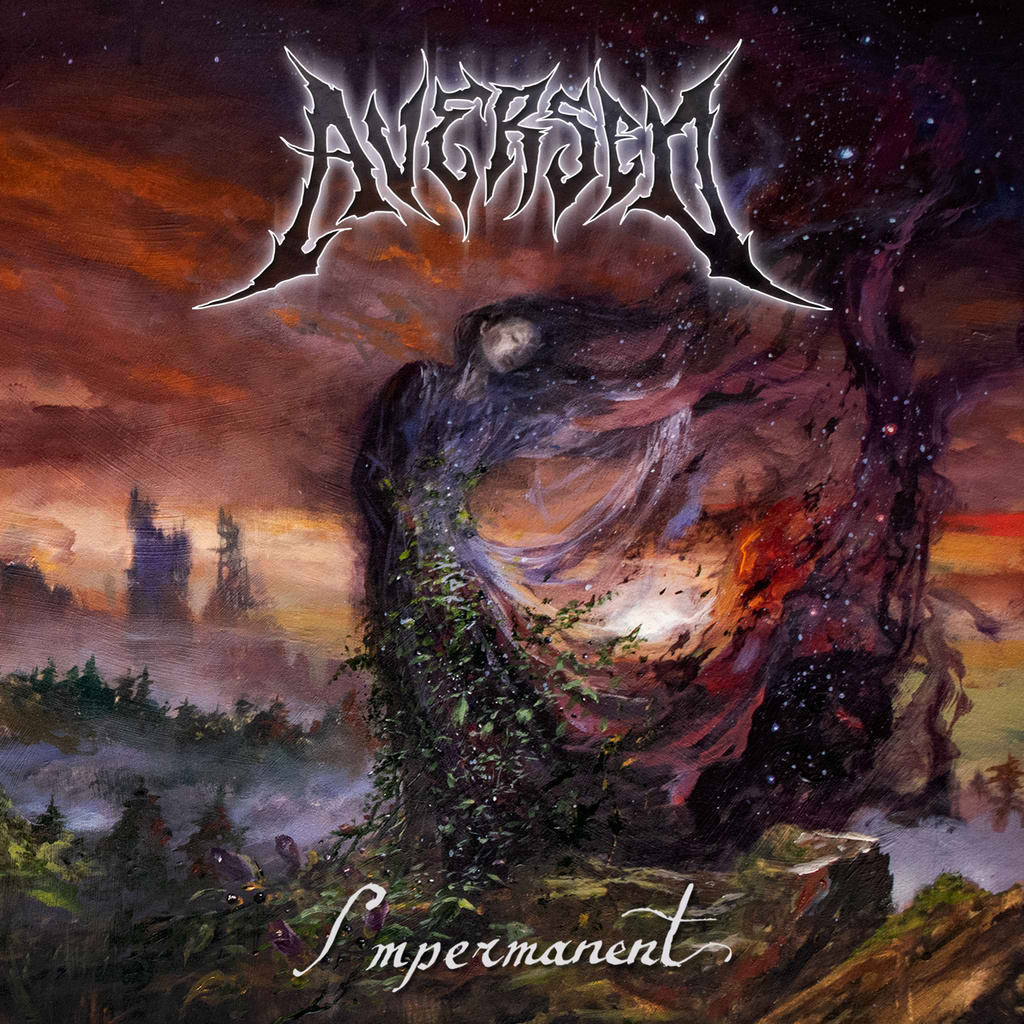
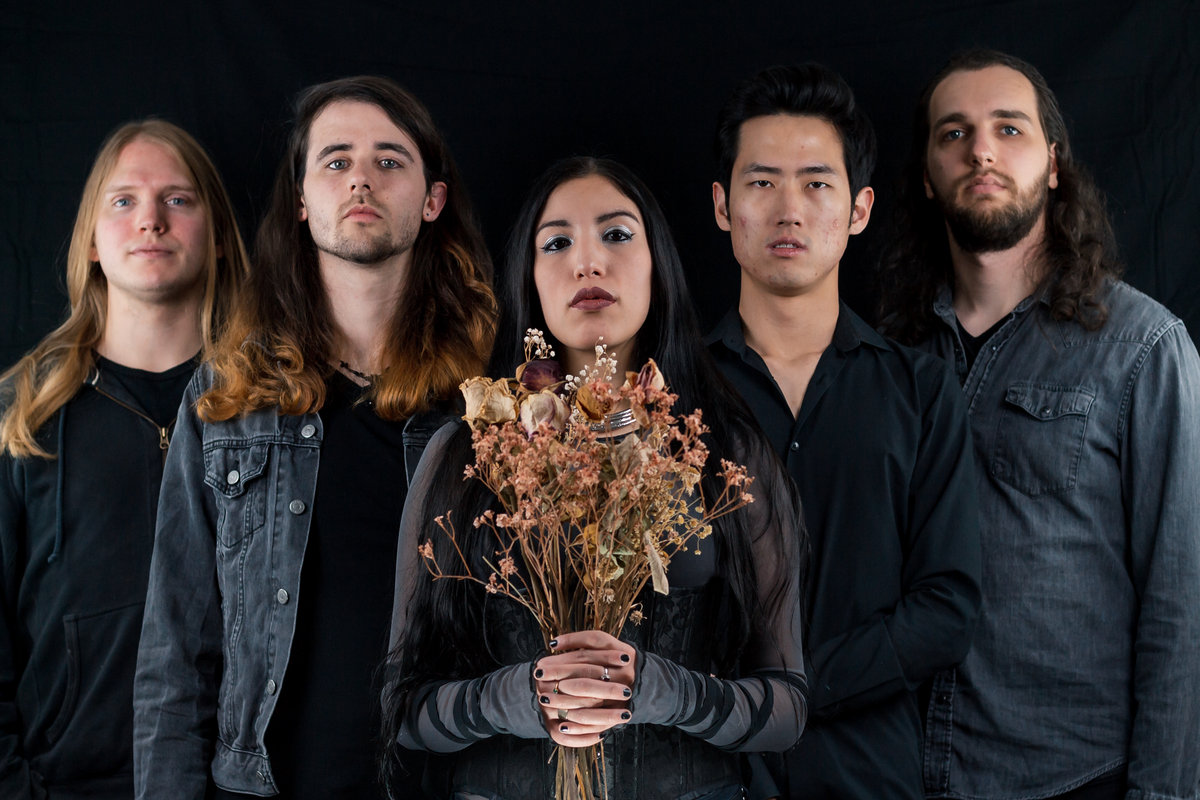
Let’s all celebrate this year’s International Women’s Day with the first-class metal music blasted by Boston, Massachusetts-based female-fronted unity Aversed in their debut full-length opus entitled Impermanent, the ass-kicking follow-up to their 2011 self-titled EP and their 2016 EP Renewal. Mixed and mastered by Christian Donaldson at The Grid Productions, produced by the band’s own guitarist Alden Marchand, and displaying a sick artwork by Adam Burke at Nightjar Illustration, Impermanent illustrates the unique approach to songwriting by frontwoman Haydee Irizarry, guitarists Sungwoo Jeong and Alden Marchand, bassist Peter Albert de Reyna and drummer Jeff Saltzman with nine diverse compositions full of catchy hooks and vast melodies, pivoting from Melodic Death Metal towards a nuanced balance of Blackened and Orchestral Melodic Metal. “The album presents our own struggles with anxiety and depression reflected on the backdrop of environmental collapse on Earth. However, like the changing mind, we present this inevitable human destruction as a chance for a beautiful rebirth, a chance for new life to flourish. We attempted to portray this imagery by combining the violence of death and black metal with the lighthearted beauty of rock & roll, blues, and classical,” commented the band about their newborn beast.
A melancholic intro quickly explodes into a venomous Melodic Death Metal feast entitled Natsukashi, a Japanese word used when something evokes a fond memory from your past, also presenting hints of classic Death and Black Metal while Jeff takes the lead with his unstoppable beats, accompanied by the razor-edged guitars by Sungwoo and Alden and, therefore, resulting in a beyond perfect way to start the album. Then we have Close My Eyes, bringing to our ears a very pleasant and melodious vibe where Haydee steals the show with both her piercing clean vocals and her she-wolf roars, living up to the legacy of renowned acts such as Arch Enemy and The Agonist, not to mention the amazing job done by the band’s guitar duo once again; followed by Laboratory, where we’re treated to very entertaining lyrics declaimed by Haydee (“Ten thousand years ago / the blossom of mankind / sprung forth unto Earth / a civilized mistake / Machines to woo thy mind / and spin it into exquisite design / separated from nature / we transcend into gods”) amidst a neck-breaking, demented Death Metal sound where Peter and Jeff make the earth tremble with their infernal kitchen. And putting the pedal to the metal the quintet offers the frantic and austere title-track Impermanent, with Jeff’s crushing drums walking hand in hand with the hellish screams by Haydee.
After such imposing tune, a smooth and serene intro and the background sound of waves kick off the thrilling Abandoned, alternating between more melodic Metalcore moments and sheer savagery, with Sungwoo’s and Alden’s riffs cutting our skin deep, whereas blending their core sonority with Progressive Death Metal, they bring forward the intricate, multi-layered Solar Sea, where Haydee keeps growling nonstop (and obviously stunning us all with her amazing voice), while Peter blasts his bass with tons of intricacy and rage. In Malaise the band invests into a more straightforward, in-your-face sound while still presenting their most melodic side, with the band’s guitar duo, accompanied by the bass jabs by Peter, generating a dense and strident atmosphere from start to finish; and Aversed will blow your mind with the epicness and violence flowing from Spiraling, a metallic and insane extravaganza where Jeff sounds utterly bestial behind his drums while Haydee keeps embellishing the airwaves with her piercing clean vocals and devilish growls. And lastly, it’s time for more of their fusion of Melodic Death Metal with Progressive Metal and Metalcore in Nightshade, once again presenting furious riffs and beats intertwined with the demented roars by Haydee, growing in intensity until fading into an ethereal finale.
After taking several listens to Impermanent, I must say that such awesome, multi-layered album of modern metal music will certainly become a (and sorry about the bad joke) permanent part of my daily metal playlist, and I highly recommend you also add it to yours by purchasing it from the band’s own BandCamp page, where you can by the way acquire a fantastic bundle containing a shirt, a double-sided hoodie, a CD in jewel case and the LP version of the album, or from Apple Music, showing your absolute support to one of the most promising and hardworking bands of the current American scene. Hence, don’t forget to also follow the guys and girl from Aversed on Facebook and on Instagram for news and tour dates, and to subscribe to their YouTube channel for more of their kick-ass videos, helping to keep the fires of the underground burning bright. In the end, Aversed did a superb job with Impermanent, paving an exciting path ahead of them in the melodic and progressive landscape while at the same time offering something fresh to admirers of the fusion of aggressiveness and harmony. And if this is just their first album, I can’t imagine how far the band can go in a not-so-distant future.
Best moments of the album: Natsukashi, Laboratory and Nightshade.
Portugal’s own Dark Metal institution returns with their thirteenth full-length album, offering us all a revolutionary and epic journey through the darkest days of human existence.
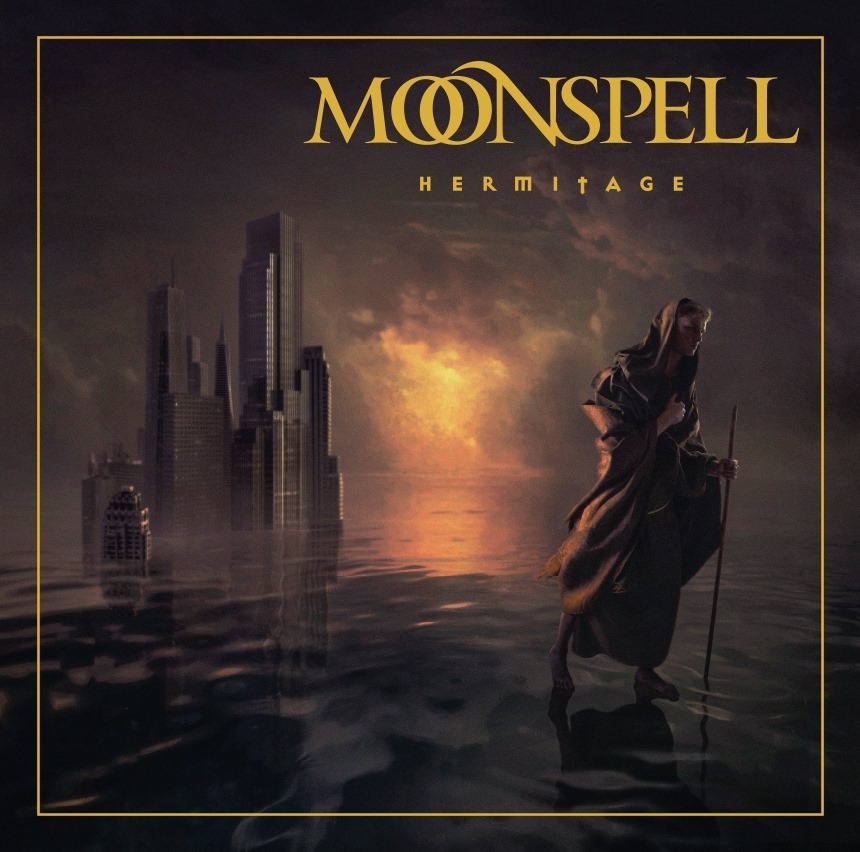
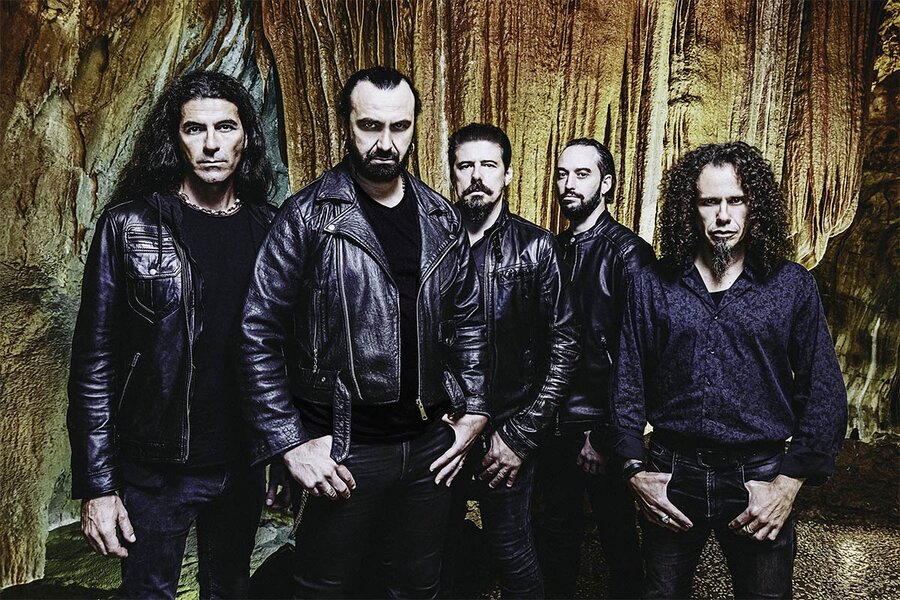
Portugal’s own Dark Metal institution Moonspell is approaching their 30th anniversary more ambitious and stronger than ever, and in order to proper celebrate such important milestone there’s nothing better than savoring each and every track from their newest opus, entitled Hermitage, the thirteenth studio album in their undisputed career. Recorded, mixed and mastered by Jaime Gomez Arellano (Paradise Lost, Ghost, Sólstafir) at Orgone Studios and featuring a stylish artwork by Latvian artist Arthur Berzinsh, Hermitage is not only the follow-up to their critically acclaimed 2017 album 1755 and their 2015 masterpiece Extinct, but it’s also a revolutionary, wonderfully intuitive and epic journey through the darkest days of human existence masterfully crafted by frontman Fernando Ribeiro, guitarist Ricardo Amorim, keyboardist Pedro Paixão, bassist Aires Pereira and newcomer Hugo Ribeiro on drums, as well as a testament to what they’ve always loved the most, which is honest, emotional metal that binds us even in the darkest times.
Just like the soundtrack to a dark thriller, the opening track The Greater Good will already mesmerize your senses, with the thunderous bass jabs by Aires and the massive beats by Hugo adding heaviness to such atmospheric tune, whereas sheer poetry flows from Fernando’s words (“So close to me, as tight as you can be / Inside the cell / The voice within, the desert wind / Calls out our name / So close, so close”) in Common Prayers, another captivating Gothic Metal aria by Moonspell where Ricardo and Aires are on absolute fire with their stringed weapons, not to mention the epic keys by Pedro. In All or Nothing, the guitars by Ricardo exhale passion and harmony nonstop in a beautiful display of Dark and Melancholic Metal that will please all fans of Moonspell’s most Gothic side, while Fernando is flawless as usual on vocals; and back to a more visceral and atmospheric sonority we’re treated to the dense Hermitage, with Fernando roaring the song’s epic lyrics (“In the circle of life and sin / On this day of apocalypse / On our way to hermitage / It’s the return to innocence”) while Hugo pounds his drums mercilessly. Then the cryptic bass sounds by Aires are intertwined with the classic keys by Pedro in Entitlement, a very melodic tune blending elements from Gothic and Progressive Metal, therefore sounding very experimental at times, with Ricardo taking the lead with his soulful riffs and solos.
It’s time for a fully instrumental voyage through the realms of darkness in the form of Solitarian, offering our ears classic, crying guitars, delicate keys and tribal beats, working as an interlude for the piercing The Hermit Saints, a headbanging extravaganza where all band members are in absolute sync, generating that classy trademark sound found in their latest albums. Moreover, Fernando’s anguished vocals are effectively supported by all background elements, resulting in a lecture in Dark Metal. In Apophthegmata we face an enfolding and smooth start, evolving into a massive sonority where Ricardo and Aires are once again unstoppable with their axes while Hugo showcases all his skills and potency behind his drums and Pedro keeps the ambience as sinister as it can be with his keys; whereas the quintet offers us fans over seven minutes of magnificent Dark Metal titled Without Rule, where the music remains ethereal but at the same time heavy and sharp from start to finish, with Fernando leading his bandmates into the unknown, flowing into the cinematic Black Metal-inspired outro City Quitter, putting a beyond atmospheric conclusion to such multi-layered album. Not only that, if you purchase the superb mediabook or limited deluxe box set versions of Hermitage, you’ll get as a beyond amazing bonus track the song Darkness in Paradise, Moonspell’s cover version for Candlemass’ classic tune from their 1988 album Ancient Dreams (check out the original version HERE), and let me tell you that their tribute to one of the pillars of Doom Metal is just as imposing as the original song, with Fernando stealing the spotlight with his Stygian vocals.
You can enjoy Hermitage in its entirety on Spotify, but this album is so detailed, enfolding and captivating that I highly recommend you purchase a copy of it to add it to your collection of dark and melancholic albums from Moonspell’s BandCamp page or webstore (where you can by the way find the special mediabook edition), or simply click HERE for all locations where you can buy or stream this precious gem of contemporary Dark Metal. Needless to say, don’t forget to follow Moonspell on Facebook and on Instagram to keep up to date with all things surrounding one of the most important metal bands of the European scene. As soon as this pandemic is over, we’ll all be able to leave our hermitages, including the guys from Moonspell, and we’ll finally be able to meet them again on stage to stun us all with the impressive creations of their newborn spawn.
Best moments of the album: Common Prayers, Hermitage, The Hermit Saints and Apophthegmata.
Worst moments of the album:Solitarian.
Released in 2021 Napalm Records
Track listing 1. The Greater Good 5:04
2. Common Prayers 4:08
3. All or Nothing 7:22
4. Hermitage 4:43
5. Entitlement 6:16
6. Solitarian 4:07
7. The Hermit Saints 4:22
8. Apophthegmata 5:41
9. Without Rule 7:42
10. City Quitter (Outro) 2:59
Mediabook/Limited Deluxe Box Set bonus track 11. Darkness in Paradise (Candlemass cover) 7:10
Band members Fernando Ribeiro – vocals
Ricardo Amorim – guitars
Pedro Paixão – keyboards, samples, programming
Aires Pereira – bass
Hugo Ribeiro – drums
An Israel-based one-man army continues to follow an eclectic direction with his new opus, mixing diverse musical genres with Black Metal vocals and Middle-Eastern melodies.
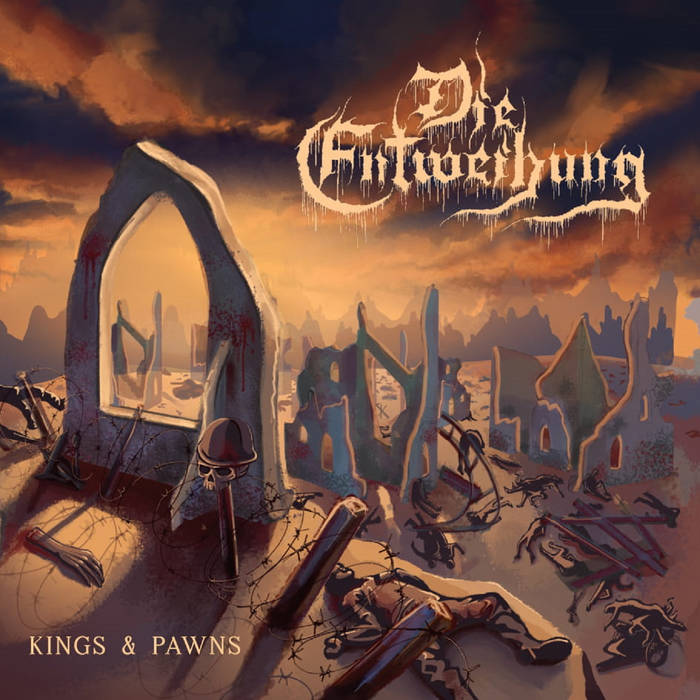
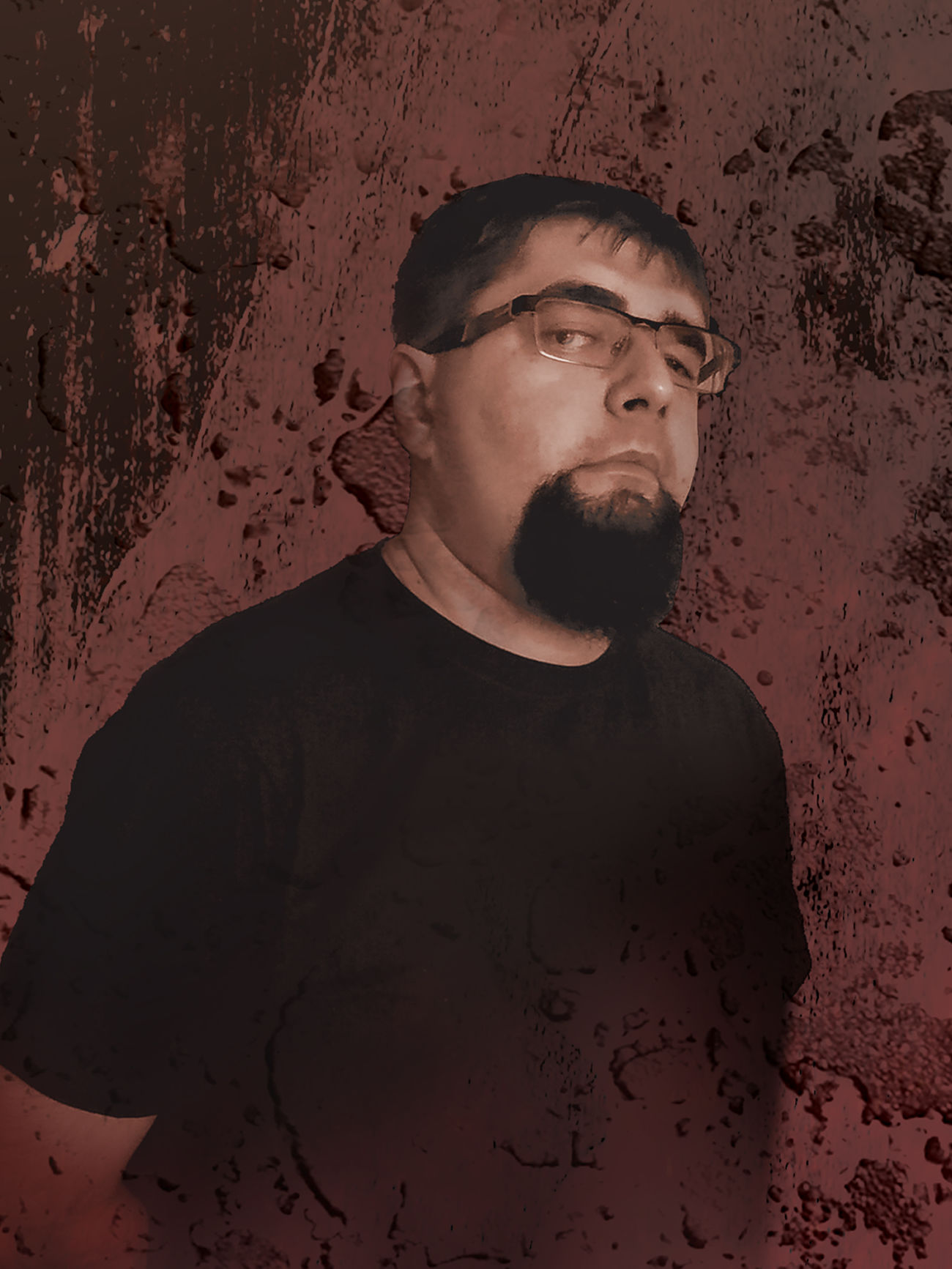
Formed in 2007 by vocalist and multi-instrumentalist Denis Tereschenko (known as Herr Entweiherr during the first years of the project) in the northern part of Israel, three years after moving to Haifa from his hometown Vitebsk, in Belarus, Melodic Dark/Black Metal entity Die Entweihung, which is German for “the desecration”, has just unleashed upon us all the project’s impressive tenth full-length opus, entitled Kings & Pawns, continuing the eclectic direction of some of his previous albums by mixing diverse musical genres the likes of Experimental, Doom and Thrash Metal with trademark Black Metal vocals, Middle-Eastern melodies and lyrics that, just like in the previous two albums, deal with “the confrontation of man and his surrounding world”. Not only that, Kings & Pawns also marks Die Entweihung’s first release in nine years to feature a couple of guest musicians, more specifically vocalists Alexander Ivanov (of Jinx) and Alena “Dark Zero” (of Nocturnal Pestilence), and bassist Anton Shirl (of Tales of Darknord), bringing additional layers of obscurity and mystery to the already idiosyncratic music crafted by Denis, all enfolded by a stylish artwork by Yulia “BooShweak” Asher.
A wicked intro quickly evolves into a metallic feast titled Away into the Night, where Denis delivers at the same time slashing riffs and whimsical keys, working as an expanded intro to The Moustached God, a grim fusion of Experimental Black Metal and contemporary Progressive Metal where Denis gnarls like a creature from the underworld while his beats and fills, as well as his Arabian guitar lines and solos, elevate the song’s epicness through the roof. And our talented and relentless lone wolf continues to pave his path of darkness and harmony in As The Hangover Starts, showcasing more of his classic Heavy Metal riffs intertwined with Symphonic Black Metal keys; whereas enhancing his progressiveness and experimentations we’re treated to the melodic instrumental tune Confrontation, once again displaying a fantastic job done by Denis on the guitars while he also crafts a dense kitchen with his drums and bass. Then guest Alexander Ivanov makes a demented vocal duo with Denis in Kings & Pawns, while our one-man army keeps hammering his drums and extracting sheer electricity form his riffage in a great depiction of his Melodic Dark Metal.
Featuring Alena “Dark Zero”, Iron Maiden-inspired guitars ignite the atmospheric The Nonsense Games, where Alena kicks some serious ass with her Doro-like clean vocals and devilish roars from start to finish; while sounding darker and more primeval than before, Denis and his Die Entweihung bring forward elements from an array of styles in the hypnotizing The Only Thing Worthy to Save, keeping the album at a high level of obscurity. Alena returns in full force in the cover song Working Class Hero, originally released by John Lennon under his solo project John Lennon/Plastic Ono Band in their 1970 self-titled album (check the original version HERE), showcasing all her talent and passion for heavy music and, therefore, resulting in a beautiful rendition for such distinct classic; and the albums closes with another cover song, this time Sons of Moon and Fire, from the 1999 demo Revelation by Russian Black Metal horde Der Gerwelt, a beyond amazing tribute by Die Entweihung featuring guest bassist Anton Shirl (of Tales of Darknord), dedicated to the memory of Dmitry Aarbreck Abramov (R.I.P.) from the original Der Gerwelt lineup (and you can take a listen at the original version HERE).
In the end, as you can see it’s quite difficult to label the music crafted by Denis and his Die Entweihung in Kings & Pawns, showcasing all the dexterity, creativity and dynamism by such talented musician. Hence, the best thing to do in order to try to understand all styles and nuances found throughout the album is to stream it in full on YouTube, and of course purchase the album (and show Denis your utmost support) from his own BandCamp page, from Wings of Destruction’s BandCamp page or webstore, or from Discogs. Also, don’t forget to give Denis a shout on Facebook, getting to know more about his career, his music and plans for the future, consequently inspiring him to always move forward armed with his epic music. In a world where each one of us is either a king or a pawn, and with the discrepancy between those two groups growing exponentially year after year, there’s nothing better than some diverse and epic metal music to help us endure our daily lives, and Denis and his Die Entweihung are among us exactly to help us with that.
Best moments of the album: The Moustached God, Kings & Pawns and The Nonsense Games.
Worst moments of the album:Confrontation.
Released in 2021 Wings of Destruction
Track listing 1. Away into the Night 2:47
2. The Moustached God 6:32
3. As The Hangover Starts 8:36
4. Confrontation 4:02
5. Kings & Pawns 4:53
6. The Nonsense Games 7:12
7. The Only Thing Worthy to Save 6:42
8. Working Class Hero (John Lennon cover) 4:02
9. Sons of Moon and Fire (Der Gerwelt cover) 7:02
Band members Denis Tereschenko – vocals, all instruments
Guest musicians
Alena “Dark Zero” – harsh and clean vocals & arrangements on “The Nonsense Games” and “Working Class Hero”
Alexander Ivanov – harsh and clean vocals & arrangements on “Kings & Pawns”
Anton Shirl – bass on “Sons of Moon and Fire”
Take my guiding hand, take my guiding hand with you…
As the winter snow is starting to melt in the Northern Hemisphere, let’s turn up the heat even more here on The Headbanging Moose with another humble tribute to a woman who definitely knows how to set fire to heavy music with her unparalleled roars and clean vocals, showcasing a wide vocal range that’s not easy to find out there, allowing her to sing in pretty much any style from Metalcore to classic Heavy Metal, from Progressive Metal to Melodic Death Metal, and so on. I’m talking about Tanya Elizabeth Beickert, better known as Tanya Beickert, the stunning frontwoman for Long Island, New York-based Progressive Death Metal act Monochromatic Black, an up-and-coming metal entity that will put you to bang your head nonstop while at the same time offering fresh, innovative and intricate music for your avid ears. And let me tell you that after knowing more about our talented metal lady of this month of March and her awesome band, you’ll undoubtedly get addicted to her voice and to the pulverizing music by one of the most interesting new bands of the current American scene.
In case you know nothing about Monochromatic Black, the band was founded in January 2018 by vocalist and lyricist Tanya Beickert, guitarist and songwriter John Gribbin, and drummer and songwriter Eddie DeCesare, all seasoned musicians who had been in other previous projects in the scene, most notably Eddie’s previous band Painted In Exile, when their bands at the time were all gradually slowing down, joined on stage by guitarist Dan Rivera and bassist Arthur Erb (both found by Tanya through social media) to complete the five-piece live group. Whether it’s financial, creativity, shows or whatever decisions that need to be made, Tanya said John, Eddie and herself all come together and try to always do what’s best for the band (by the way, Tanya and John have been friends for years through their old bands), which is one of the main reasons why their music sounds so cohesive and melodic. When asked how she would define their sound, she said their genre could be considered Progressive Death Metal with Metalcore influences and even some Black Metal nuances, meshing a lot of different metal genres to keep things interesting.
There’s no denying of the talent of each band member, but it’s Tanya’s she-wolf, aggressive vocals that truly give their already brutal music an extra edge, with her soft, clean vocals also adding an extra touch of finesse to the overall result, displaying her broad vocal range and, consequently, supporting the band’s atmospheric vein. If you want to explore in more detail the metal realm ruled by Tanya and her henchmen and listen to some of their vibrant and meaningful creations, you can find Monochromatic Black on Facebook, on Instagram, on Twitter, on YouTube and on Spotify, and also purchase their music and merch from their own BandCamp page and Big Cartel. If you want to have your mind blown by the visceral yet enthralling vocals by Tanya (and also enjoy her stunning looks, of course), you can take a very good look and listen at the official videos for the songs Warmth of the Sun, Phosphenes, The Herd, and their newest single Abbadon, or simply have a blast with their debut EP Pneuma in its entirety. There are also some very interesting interviews online with Tanya and the rest of the band, like this one for The Mosh Network where they answered some questions about how the band got started, how they write their music, and what sets them apart from other bands, among other topics, to give you an even better view of the importance of Monochromatic Black to the current underground scene.
Although Tanya acknowledges the similarities between her band and iconic acts like Jinjer and Entheos, bands which Monochromatic Black are usually compared to by fans, and of course that are a huge influence for Tanya herself, she said she doesn’t want her band to be compared to just other female-fronted bands, though, saying they have their own sound and that they want to be admired that way. In order to be on the same level as the aforementioned bands, she said Monochromatic Black have been working hard nonstop from day one, taking the whole project as serious as it can be, always touring, making new music and videos, and working hard to achieve all of their goals. Regarding her own personal influences in music, she mentioned bands like A Perfect Circle, Sikth and After the Burial as some of her top metal acts of all time, with her biggest influences as a singer varying depending on her vocal style. For instance, for clean vocals she’s a huge fan of Maynard James Keenan of A Perfect Circle and Tool, Jimmy Gnecco of Ours, Jeff Buckley (R.I.P.), and Michael Lessard of The Contortionist, while her harsh vocals are influenced by Travis Ryan of Cattle Decapitation, and Anthony Notarmaso of After the Burial. In addition, she mentioned in one of her interviews that the different past projects all members of Monochromatic Black have been in and their personal experiences have surely helped them in the long run, but it’s hard to pinpoint the one that had the biggest influence in the making of Pneuma.
This slideshow requires JavaScript.
In regards to touring, due to the obvious restrictions imposed to stop the spread of COVID-19 there aren’t any upcoming concerts scheduled for Monochromatic Black in the next few months, but that doesn’t mean Tanya and the boys are not getting ready for hitting the road once all this madness is finally over. They will focus on the United States at first for obvious reasons, but based on the quality of their music and how fans from all over the world really love that style of metal music I’m sure we’ll see the band kicking some serious ass in foreign lands soon enough. Also, despite the fact Monochromatic Black is fairly new to the scene, as mentioned Tanya and her bandmates are seasoned musicians, having played with countless bands from the New York Death Metal scene and being open to playing alongside all local bands like The Machinist, Internal Bleeding, Dehumanized, Pyrexia and so on. In order to get ready to kick some ass on stage with her powerful voice, Tanya mentioned she warms up beforehand by screaming the alphabet in low, mid and high screams, and to keep her voice fit she practices as much as possible all the time (not to mention she also took a few vocal lessons years ago).
Our skillful growler was also asked in some of her interviews to give more details about the writing process and meaning of Monochromatic Black’s debut effort, where she said that Pneuma is a concept album that walks the listener through, starting from rock bottom to finally rising to the top, as everyone has different struggles and experiences and the album is just one journey written about that. She also said together with her bandmates that their unique sound came naturally as they all write and bring material to the table, meeting up twice a week while writing on their own time and shaping the songs on the spot together, with no planned out idea, just what they sound like when they come together. She also commented a little about two of the songs featured in Pneuma, more specifically Phosphenes and Dream Catcher; while she mentioned that Phosphenes for her is about losing your confidence, inner peace or who you truly are as a person to someone extremely negative or abusive, she said that her favorite song of the album is Dream Catcher, simply because it goes from serene to eerie to brutal all in one track.
Lastly, when asked about how she sees the band in the coming years, she said that hopefully they’ll already be headlining professional level tours and releasing more records (and stay tuned as their new opus is about to hit the market in the coming year or so), a combination which as you can see seems to be the biggest passion of all band members. Hence, you can check some awesome video interviews online with Tanya (either alone or together with the rest of Monochromatic Black) to not only learn more about such promising American act, but to also see how humble, focused and entertaining the entire band is, as for example Tanya’s interview on The Metal Magdalene with Jet international radio broadcast on Metal Messiah Radio, where she talks about some of her main influences, about her clean and guttural vocals, about Pneuma and about the future of the band; and an interview to Showbiz Music where the band talks about their “preshow rituals”. Also, you might not know about this, but Monochromatic Black are affiliated with Blakhart Coffee in their mission in helping wildlife, with a portion of the sales from their branded coffee, “Monochromatic Black Roast” NY Style Dark Ground, going to a local non-profit organization. Having said that, what are you waiting for to join Tanya and the boys in their quest for metal music and wildlife, while at the same time enjoying some high-quality coffee? I’m sure Tanya would love to see us all metalheads supporting a very noble cause, raising our horns while she growls and screams the lyrics to her insanely good and heavy creations.
“I think what makes us stand out is the genre we play. It’s all different genres and energy combined into one and a lot of people have noticed that which is awesome.” – Tanya Beickert
It’s time to descend into death to the sound of the debut album by this Argentinian duo, inviting us all to a conceptual journey and dragging us into the darkest and most remote places of the human soul.
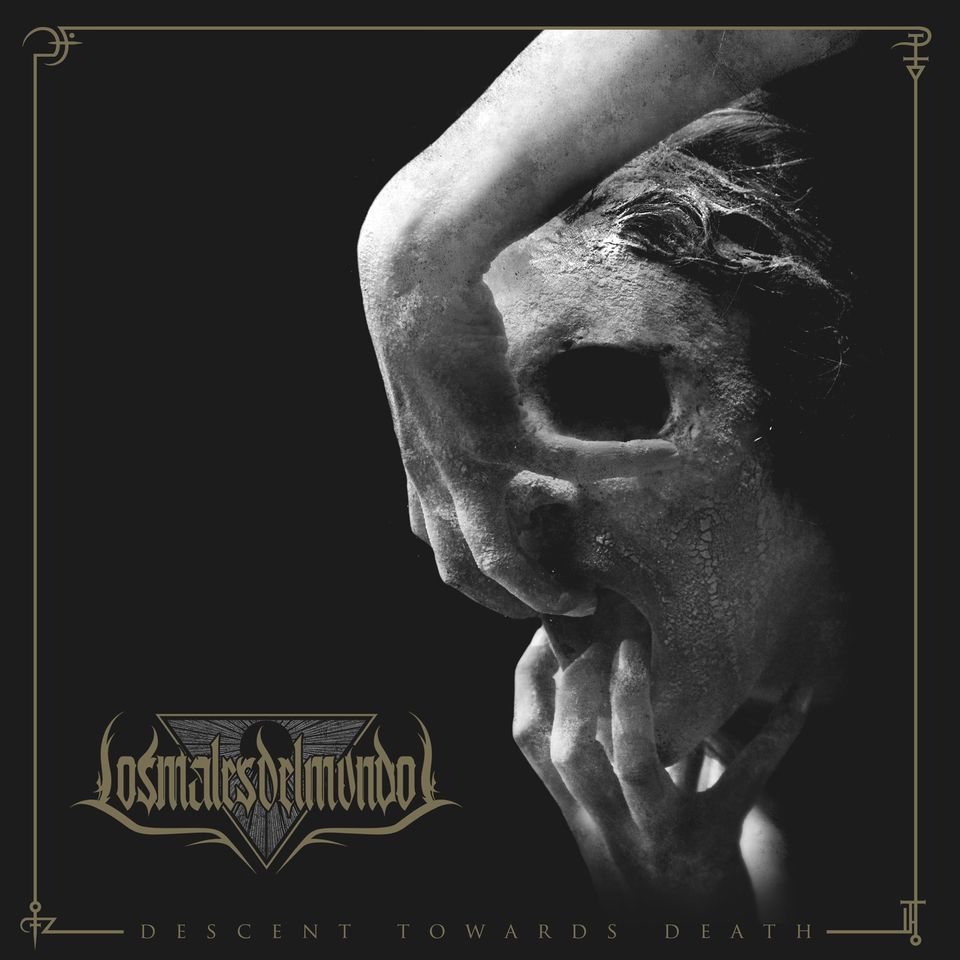
Formed in 2016 in Buenos Aires, the capital of the charming Argentina, by vocalist and drummer Dany Tee (of bands like Acathexis and Seelenmord) and guitarist Cristian Yans (of Eroica), Los Males Del Mundo (which translates from Spanish as “the evils of the world”) combine today’s modern Black Metal sound with late 90’s Melodic Black Metal, with lyrics deeply influenced by Friedrich Nietzsche, Emil Cioran and A. Schopenhauer. Later joined by bassist Nikita Kamprad (of German Black Metal band Der Weg einer Freiheit) as a producer and guest musician, the project released in 2020 their debut self-titled EP, shaping up their sound and inspiring them to release now in 2021 their first full-length effort, titled Descent Towards Death. Recorded at Estudio Carmen in Argentina, produced, mixed, and mastered in Würzburg, Germany by Nikita himself, and displaying a grim artwork by Matt Lombard, Descent Towards Death is an invitation to a conceptual journey, dragging you into the darkest and most remote places of the human soul, reflecting an internal battle between aggressive and furious passages blended with dense and introspective landscapes full of melancholic melodies. In other words, simply hit play and be prepared to face one of the best and most intense Black Metal albums of the year.
The sluggish, somber guitars by Cristian kick off the 12-minute Atmospheric Black Metal feast titled Falling Into Nothing, exploding into dissident Black Metal where Dany not only crushes his drums ruthlessly, but his demonic gnarls bring even more obscurity to the final result, taking the listener on a one-way journey into the netherworld. In The Silent Agony their cryptic words will penetrate deep inside your psyche (“Like worms hiding from sunlight / we take shelter in the dirt / descending to the deepest filth -memories of the past – / trying to give sense to our existence / as redemption / to justify the misery of our days”) while the music remains dense and scorching from start to finish, with Dany sounding infuriated behind his drum set and screaming like Dani Filth in his Cruelty and the Beast-era; whereas in Eternal Circle Of Vain Effords they add a huge dosage of Blackened Doom and Doom Metal to their core sonority, with the bass punches by Nikita hammering your head without mercy while Cristian continues to extract darkness from his wicked riffs. Then venturing through more epic and Stygian lands the band fires the infernal Nothing But A Lie, where Cristian’s riffage and Nikita’s vicious bass walk hand in hand, therefore providing Dany all he needs to haunt our souls with his otherworldly roars and screeches. And Slayer-ish guitars à la “Seasons in the Abyss” permeate the air in the closing aria The Heavy Burden while Dany continues to growl like a demonic entity, always accompanied by the rumbling bass by Nikita, resulting in a multi-layered creation that will undoubtedly blacken the skies and your heart, not to mention how beautiful Cristian’s closing guitar solo sounds and feels.
In a nutshell, it’s truly impressive how bold, detailed and sharp the entire Descent Towards Death sounds coming from only two guys from Argentina that are just starting their career in metal music, positioning the album as one of the best releases of 2021 as aforementioned. Hence, if you want to put your hands on such precious gem of South American Black Metal, simply go to their own BandCamp page, to the Northern Silence Productions’ BandCamp page or webstore, as well as other locations such as Juno Records and Clear Spot. In addition, don’t forget to follow them on Facebook and on Instagram for all things Los Males Del Mundo, including new music and videos, tour dates and plans for the future. It’s time to begin our descent into darkness and death together with this multi-talented Argentinian duo, and there’s nothing better than the austere and captivating music found in their newborn opus to guide us on this harsh but extremely thrilling voyage.
Best moments of the album: Falling Into Nothing and The Heavy Burden.
Worst moments of the album: None.
Released in 2021 Northern Silence Productions
Track listing 1. Falling Into Nothing 12:12
2. The Silent Agony 8:28
3. Eternal Circle Of Vain Effords 5:16
4. Nothing But A Lie 4:56
5. The Heavy Burden 10:00
Band members Dany Tee – vocals, drums
Cristian Yans – guitars
This newly formed demonic trio aims to be one of the reigning champs of the Death Metal world with their fulminating and very technical debut EP.
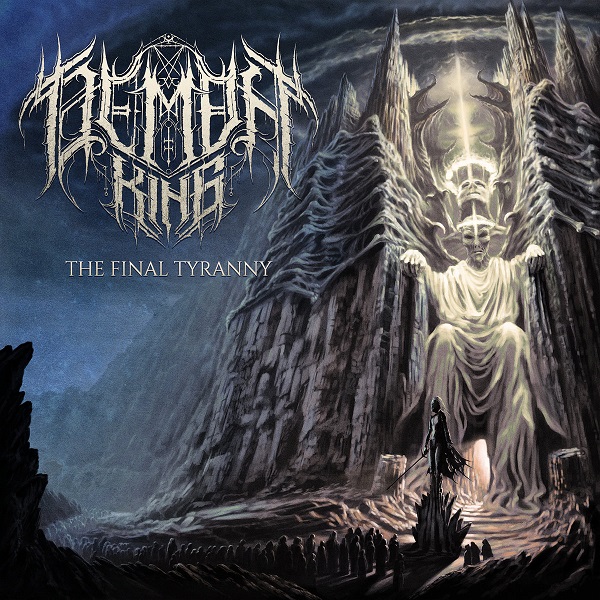
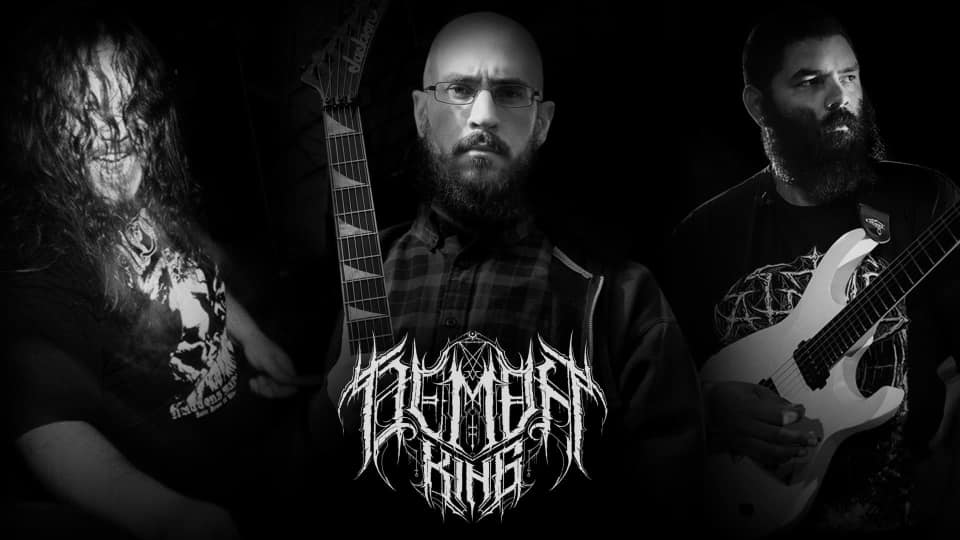
Formed in 2019 in the city of Nashville, Tennessee, in the United States, Blackened Death Metal outfit Demon King is the comeback project of prominent original Enfold Darkness guitarist Matt Brown after stepping away from playing music for a number of years, now joined by technical wizards Malcolm Pugh (Inferi, A Loathing Requiem, Entheos) on bass and Jack Blackburn (Inferi, Enfold Darkness, Vital Remains) on drums. Together, this incredibly talented trio aims to be one of the reigning champs of the Death Metal world in the coming years, starting their path of devastation with their debut EP titled The Final Tyranny. Mixed by Zack Ohren at Castle Ultimate Productions, mastered by Justin Shturtz at Sterling Sound, and displaying an infernal artwork by renowned artist Justin Abraham, The Final Tyranny is strongly recommended for fans of Abigor, Arsis, Dimmu Borgir, Naglfar, Necrophagist and Old Man’s Child, among many others, providing the listener 17 minutes of undisputed dexterity, violence and rage.
We must admit Blackened Death Metal always brings us amazing, poetic lyrics, which is exactly the case in the opening track Tyrannical Reign of the Deceiver (“For ages the world did hold the coming of one / Which would usher in the era of din / And the chieftains they called upon disorder as order / Their ally for the clasp within / Multitudes surrender to him as their god”), while Jack sounds like a stone crusher from hell on drums and Malcolm hammers his metallic bass nonstop, resulting in an explosion of sounds that’s as technical and infernal as it can be. Then a sinister intro will darken the skies before the trio comes ripping with their hard-hittingTechnical Death Metal in Invoking the Spirit of Chaos, where Matt not only roars like a demonic entity, but his hellish riffage adds an extra touch of dementia to the music; and it’s time for more lunacy in the form of Technical and Blackened Death Metal in Transmutation of the Artilect, with Malcolm and Jack being absolutely thunderous and menacing with their beats and bass jabs while Matt continues to gnarl and scream rabidly in a perfect fusion of intricacy and heaviness. Lastly, even more obscure than its predecessors, The Watcher, Wreathed In Flame is a ruthless display of modern-day aggressiveness and fury, with the demonic drums by Jack being beautifully supported by the demented strings by both Matt and Malcolm, not to mention how piercing Matt’s guitar solos sound and feel.
This short and sweet display of unrelenting Blackened Death Metal by Demon King is available for purchase by clicking HERE, or from other retailers such as Amazon and Record Store Day. Also, don’t forget to follow those insane metallers on Facebook and on Instagram, and to stream their sick creations on Spotify, showing your utmost support to this newborn force of the extreme music scene. Across its four dense tracks, The Final Tyranny deftly combines and shifts on a dime between Technical Death Metal, Black Metal, and Melodic Death Metal in order to create a sound of their own, also pointing to a very interesting future ahead of the trio and, therefore, inspiring fans of Death Metal from all over the world to keep slamming into the circle pit while Matt, Malcolm and Jack show us exactly what to do when armed with their sharp instruments and their blackened hearts and souls.
Best moments of the album: Tyrannical Reign of the Deceiver and Transmutation of the Artilect.
Worst moments of the album: None.
Released in 2021 The Artisan Era Records
Track listing 1. Tyrannical Reign of the Deceiver 3:51
2. Invoking the Spirit of Chaos 4:16
3. Transmutation of the Artilect 4:31
4. The Watcher, Wreathed In Flame 5:04
Band members Matt Brown – vocals, guitars
Malcolm Pugh – bass
Jack Blackburn – drums


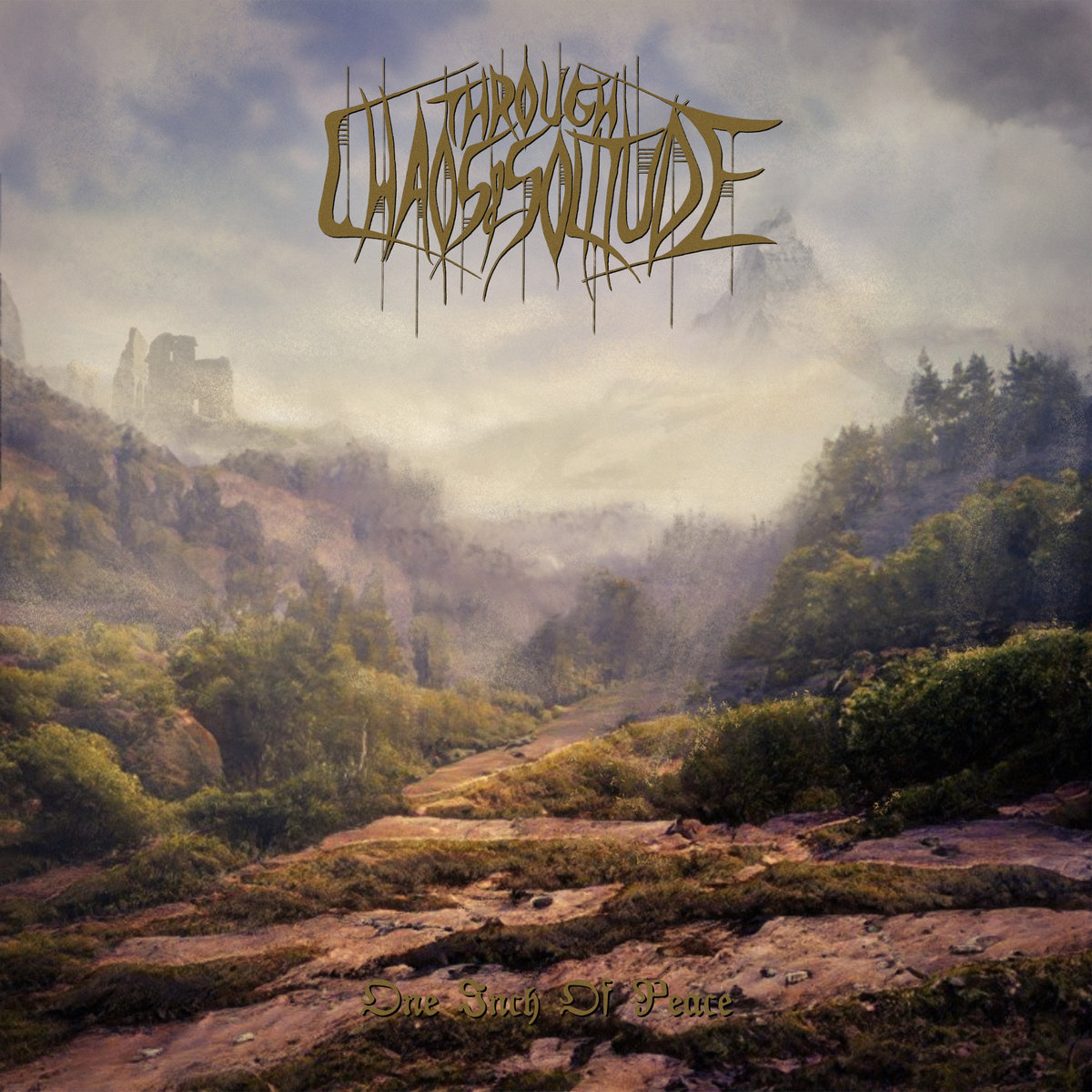 After four years in the making, One Inch of Peace, the first full-length opus by Ruhrpott, Germany-based Melodic Black Metal one-man army Through Chaos & Solitude (also known as TCAS KVLT), finally saw the light of day on the first day of spring this year, offering us fans 35 minutes of what the project’s mastermind Tim Rule likes to call the “New Wave Of Black Eco Metal”. Mixed & mastered by Dennis Israel at Clintworks Mixing and Mastering, and with the help of Simon Castigator and Delio Soro on drum programming and Matze Castigator on synths recording, One Inch of Peace is a huge step forward in the career of the multi-talented Tim, not only representing the long-awaited return of Through Chaos & Solitude after the project’s debut EP The Thawing Winds Of The Morning Sun, but also being extremely recommended for admirers of the whimsical music blasted by renowned acts the likes of Woods Of Ypres, Alcest and Agalloch.
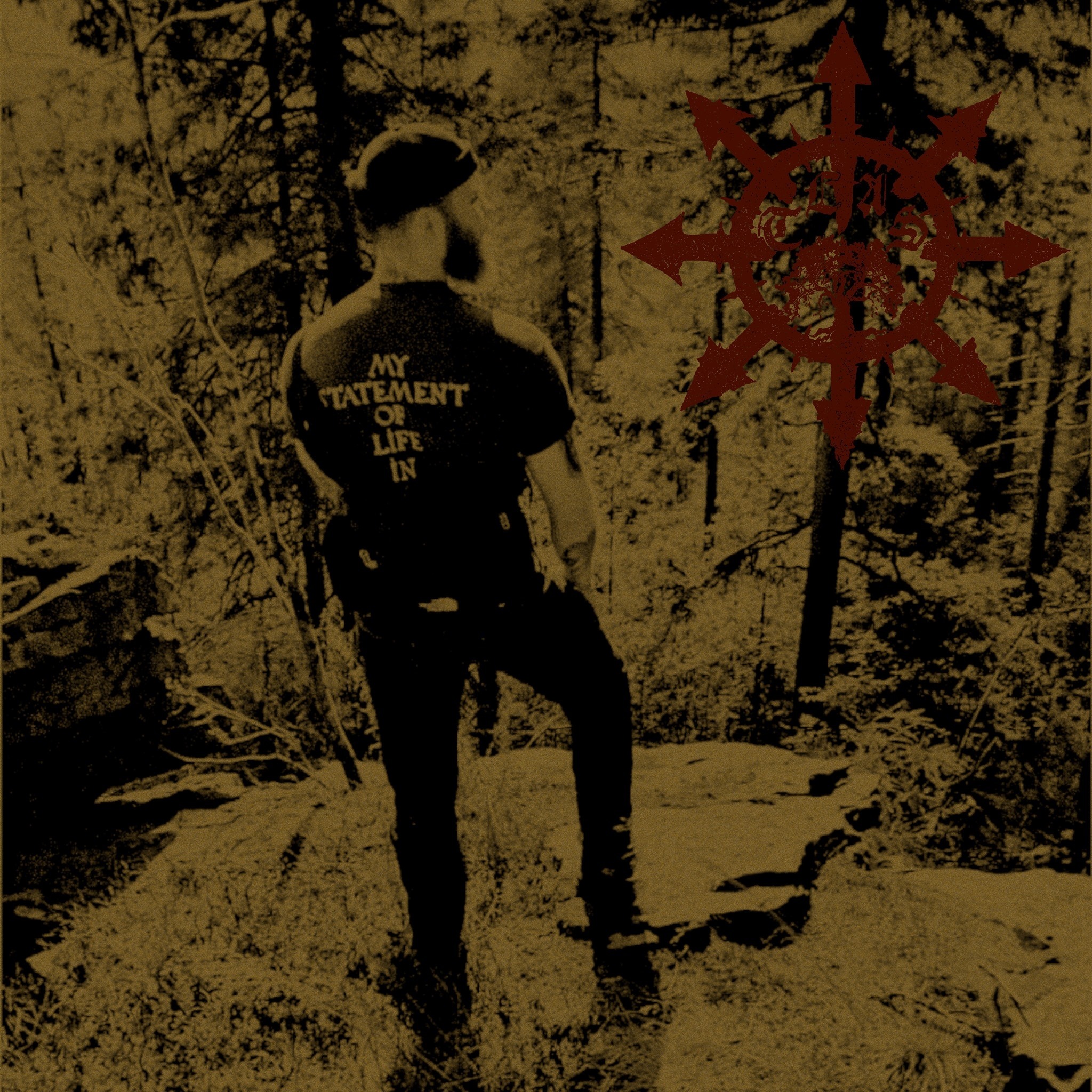 It’s a pleasure seeing the evolution in the music of Tim Rule and his Through Chaos & Solitude in his new album One Inch of Peace, available in full on Spotify, and if you also want to show your support to the underground you should start following the project on Facebook and, of course, purchase a copy of the album from his own BandCamp page, from the Bound By Modern Age Records’ BandCamp page or webstore, or from Apple Music. One of the song titles already states that “nature always wins”, and I couldn’t agree more with that. Add to that the fact that Black Metal has always had a deep connection with nature, always against the evils of men, and there you have the perfect recipe for a great album of atmospheric and dark music just like what Tim unleashed upon us all in his new album of stunning Black Eco Metal.