Album Review – Lanthanein / Nocturnálgica EP (2015)

Beautiful classical music for headbangers by a promising Doom Death/Gothic Metal band from Argentina.

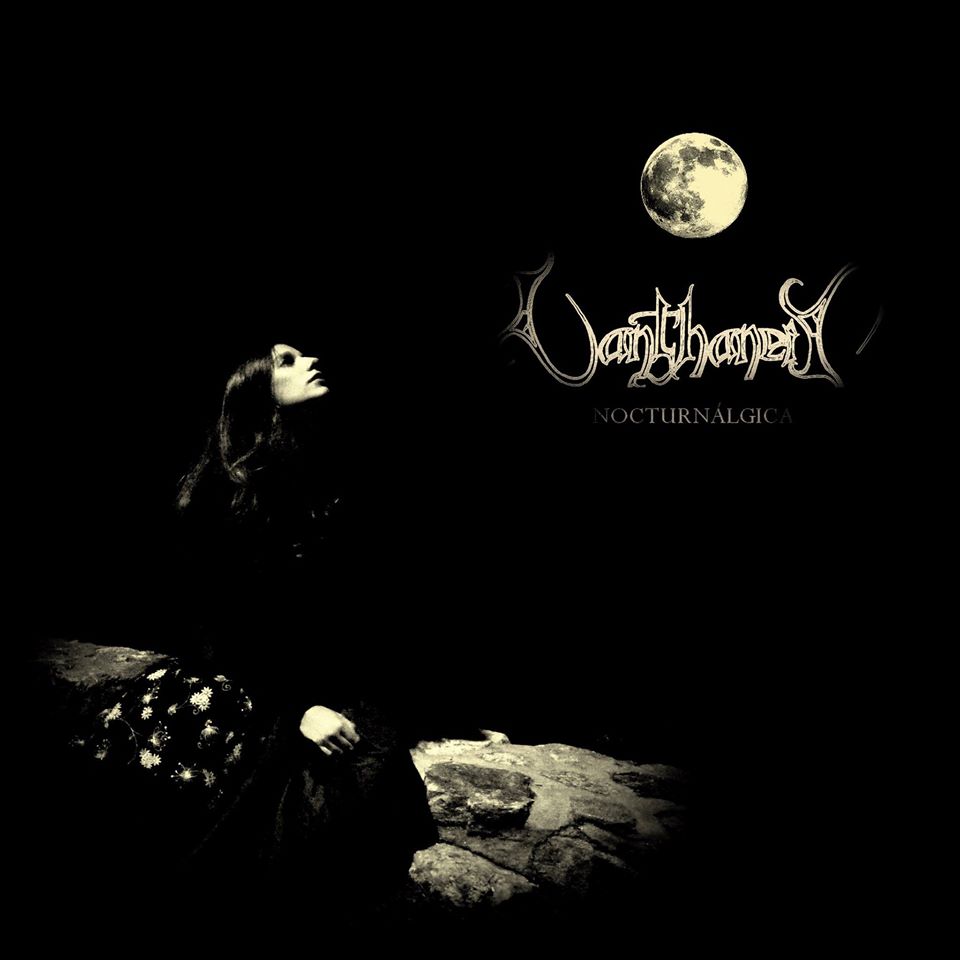
Rating5

coverArising from the city of Córdoba, Argentina, Doom Death/Gothic Metal band Lanthanein are releasing their first EP entitled Nocturnálgica, which is not only a good preview of their upcoming debut album Lágrimas (or “tears”, in English), but also an excellent option for fans of dusky and thoughtful music. Formed in early 2015 by soprano Marilí Portorrico and multi-instrumentalist Juan Mansilla (also known as A.N.XIIIU.X), this is a promising metal project that will help elevate the name of Argentina in the world of heavy music.

The music by Lanthanein is beautifully inspired by the drama of classical music and the sound of the 90’s, surrounded by powerful orchestrations and delicate vocals. This interesting fusion of styles, accentuated by the professionalism and passion of the musicians involved, ends up generating a dense ambience and a magnificent balance between darkness and light, therefore making the whole experience of listening to Nocturnálgica a lot more memorable. And, of course, the uniqueness of all songs being sung in Spanish, their mother tongue.

Just the intro of the opening track, Lágrimas De Luna (“tears of moon”), is already enough to showcase how Gothic their music is. The female vocals by Marilí seem inspired by divas such as Tarja Turunen and Vibeke Stene, while the instrumental blends elements from Lacrimosa and classical music, creating a deep and embracing atmosphere which becomes even stronger during the song’s gentle piano passages.
11328692_694320864013109_117723313_oThe growls by A.N.XIIIU.X introduce us to the title-track Nocturnálgica, an amazing Doom/Gothic Metal exhibit with highlights to its intense lyrics (“Agreste paisaje el de este día / en que la fortuna fue ausente, / el silencio cruel fue de muerte / Agreste la noche que se aproxima / fecundando sueños con tragedia”) and to the great teamwork by the operatic, harsh and choir voices. Moreover, the orchestrations complement the song in a beautiful and compelling way, turning it into a delightful soundtrack of sorrow.

A Orillas Del Silencio (“on the shores of silence”) is a very obscure and passionate tune which rhythm reminds me of some of the biggest classics by Gothic Metal icons Tristania. It focuses on its orchestral side a lot more than its metallic one, which ends up emphasizing another excellent vocal performance by Marilí. And last but not least, closing the EP we have more agony in Lacrimosa Et Gementem (Latin for “weeping and moaning”), where love (in the form of the gentle vocals by Marilí) and torment (portrayed by the power of the backing vocals and choir) are united by the band’s cohesive musicality. In my opinion, this is hands down the best track of the EP, leaving us eager for more of their music in their upcoming full-length album.

In summary, the interesting Noturnálgica, available at the band’s official BandCamp page, is highly recommended for all types of singers, fans of classical music and, of course, metalheads in pursuit of heavy music where melancholy and tranquility are its main elements. In other words, what Lanthanein offer us all is a heavier version of classical music tailored for headbangers but without overdoing any of its core aspects, remaining loyal to the foundations of Gothic Metal while at the same time adding their own touch and experiences to it, something we always expect from emerging bands no matter what type of music they play.

Best moments of the album: Lacrimosa Et Gementem.

Worst moments of the album: None.

Released in 2015 Independent

Track listing
1. Lágrimas De Luna 5:07
2. Nocturnálgica 4:05
3. A Orillas Del Silencio 5:40
4. Lacrimosa Et Gementem 6:09

Band members
Marilí Portorrico – female voice and choir
A.N.XIIIU.X – guttural, tenor, guitars and bass

Additional musicians
Ailén Ceballos – sopranos and altos
Hilen Blesio – sopranos and altos
Ramiro Morales – tenor
Guillermo Apfelbaum – bass

Album Review – Cradle of Filth / Hammer Of The Witches (2015)

The metallic coven instituted by one of the most important Extreme Metal bands of all time keeps haunting our world with their thrilling and malevolent music.

Rating3

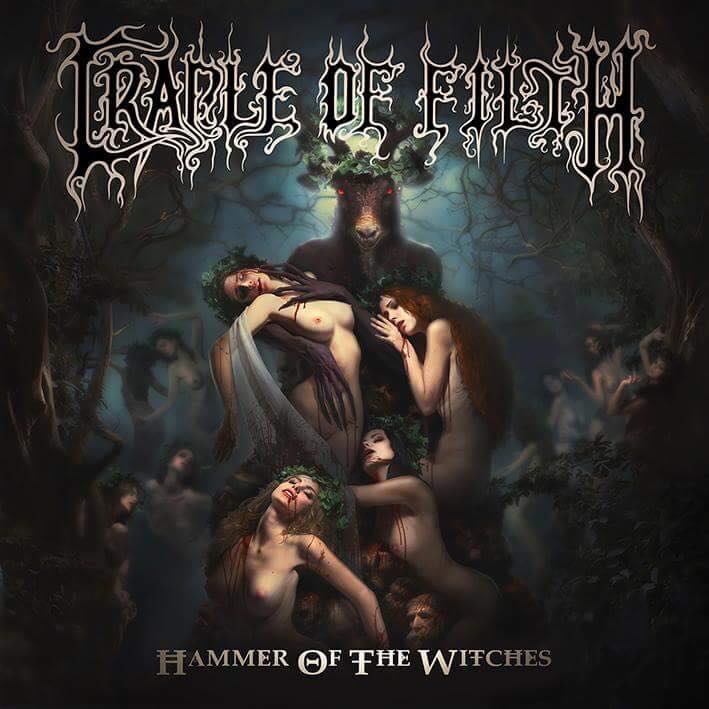
CoF_Hammer of the WitchesI don’t understand why some people are so skeptical when British Extreme Metal behemoths Cradle of Filth are about to release a new album. Despite some very few letdowns, and I’m not talking about entire albums but just one or another song, Dani Filth and his sinful horde have always delivered first-class dark music, where the combination of symphony, heaviness, controversial themes and intricate and deranged lyrics goes beyond what almost all metal bands in the world can do. And now joining their collection of perversity, which includes masterpieces such as Cruelty and the Beast, Midian, Damnation and a Day and Godspeed on the Devil’s Thunder, we have Hammer Of The Witches, the eleventh studio album in their distinguished career and, more important than that, another solid display of black magic by one of the most important extreme bands from the past decades.

The album is named after the Malleus Maleficarum, a medieval document of guidelines regarding the persecution and torture of witches, just for you to have an idea of how obscure Hammer Of The Witches is. In regards to the artwork, designed by Latvian artist Arthur Berzinsh, Dani mentioned in one of his interviews that it is “a lavish walk-through of the lyricism, drawing on rich renaissance themes and displaying them in beautiful-yet-unsettling scenarios. Half of the detailed pieces are totally original for the release, others are Berzinsh classics cunningly tailored to the themes of the album, which are themes rife with heady witchcraft, be it persecution, retribution or unfettered spiritual liberation. The female form is rampant throughout the artwork, unashamedly displayed in its classical rendition of beauty… and horror.” In my humble opinion, that stylish explanation summarizes not only the imagery, but also the music found in the album. You can also see Dani giving more details about it in this official interview on YouTube.

Is there a better way to start a Cradle of Filth album than with one of their traditional intros, like Walpurgis Eve? This is already a good sign that the album will be kick-ass, which is confirmed when the havoc begins in Yours Immortally…, a song that perfectly represents the mix of raw Black Metal and traditional Heavy Metal only Dani & Co. can provide us. In addition, while Dani delivers his trademark high-pitched demonic screams, Martin “Marthus” Škaroupka keeps improving his importance in the bestial sounding crafted by the band. Enshrined In Crematoria has its good and bad moments, the good ones happening when they speed up the rhythm and the guitar riffs by Richard Shaw and Marek “Ashok” Šmerda lead an awesome sonic attack, whereas its slow parts sound too bland and generic; followed by Deflowering The Maidenhead, Displeasuring The Goddess, with its musicality containing elements from Midian and The Manticore and Other Horrors boosted by some crazy guitar solos. Moreover, I guess I don’t need to say Dani is by far one of the best lyricists of all time (“Religion caw epistles / Twisted laws extend their thristles / A crown to justify / Our place atop this hellbound carriage”), and Lindsay Schoolcraft not only delivers some wicked keyboard notes but her smooth and powerful voice also adds a lot of passion to the song.

CoF 2015Blackest Magick In Practice showcases a beautiful and melancholic start, focusing on Symphonic Gothic Metal without losing the band’s characteristic ferociousness. Its guitar riffs couldn’t sound more amazing, and Dani’s vocals sound great during the entire track, it doesn’t matter if he’s simply screaming like a demon or delivering his deeper dark growls. Then the band offers us the calm but somber intro The Monstrous Sabbat (Summoning The Coven), right before the title-track Hammer Of The Witches comes ripping with its imposing sounding where the keyboards by Lindsay get a lot more focus. It’s the most symphonic of all tracks so far, an awesome feast of the Symphonic Black Metal that longtime fans of the band learned to love. I have to say the initial “electronic” seconds in Right Wing Of The Garden Triptych (check the uncensored version of the official video HERE, it’s much better than the censored one on YouTube) scared the hell out of me especially because this was the first single released, but fortunately that was just a quick intro as the music itself is simply outstanding, varying from sheer brutality to gentle piano passages. Dani is absolutely on fire with his diabolic screams as well as Marthus and his wicked blast beats, not to mention the band’s Stygian lyrics being a delight for fans of devilish music as always (“Unforgiving proof accrual begs this cruel rebirth / A living fuel for the blaze of renewal, razing the earth / Pariahs and Messiahs of the highest worth / Fodder for the denizens of risen, hissing Hell”).

It’s not a true Cradle of Filth release without a ghoulish song about vampires, and in Hammer Of The Witches that comes to light (or darkness) in The Vampyre At My Side, an old school Cradle of Filth tune where you can feel the music rising to its climax amidst rawer moments in which the guitar riffs get thrashier than usual. Do I need to say anything about yet another excellent performance by Dani and Marthus? Anyway, the organ intro in the next song, Onward Christian Soldiers, generates a somber atmosphere perfect for the dense and violent exhibit of modern Extreme Metal that follows. This is one of the best tracks of the album (if not the best), a stunning epic composition with lots of variations where its riffs remind me of some of their songs from the brilliant Dusk… and Her Embrace. And finally, Blooding The Hounds Of Hell is a more-than-suitable symphonic outro to close all the stories told throughout the album, transpiring sorrow and darkness.

You can choose your version of the album at the Nuclear Blast webstore, but if I were you I would definitely purchase one of the special editions that come with two bonus tracks, King Of The Woods and Misericord, as they’re both savage and erotic. Based on the magnificent witchcraft found in Hammer Of The Witches, it looks like the metallic coven instituted by Cradle of Filth, who are in their best shape of the past few years, will keep haunting our world with their thrilling music for many years to come.

Best moments of the album: Yours Immortally…, Right Wing Of The Garden Triptych, The Vampyre At My Side and Onward Christian Soldiers.

Worst moments of the album: Enshrined in Crematoria.

Released in 2015 Nuclear Blast

Track listing
1. Walpurgis Eve 1:29
2. Yours Immortally… 6:00
3. Enshrined In Crematoria 5:46
4. Deflowering The Maidenhead, Displeasuring The Goddess 6:59
5. Blackest Magick In Practice 6:50
6. The Monstrous Sabbat (Summoning The Coven) 1:51
7. Hammer Of The Witches 6:28
8. Right Wing Of The Garden Triptych 5:54
9. The Vampyre At My Side 5:45
10. Onward Christian Soldiers 6:59
11. Blooding The Hounds Of Hell 2:10

Deluxe Edition bonus tracks
12. King Of The Woods 6:17
13. Misericord 6:19

Band members
Dani Filth – lead vocals
Richard Shaw – guitars
Marek “Ashok” Šmerda – guitars
Daniel Firth – bass
Lindsay Schoolcraft – female vocals, keyboards
Martin “Marthus” Škaroupka – drums

Album Review – Paradise Lost / The Plague Within (2015)

They’re the most amazing plague within the world of Doom and Gothic Metal, and they’re back with more of their unique dark music.

Rating4

paradise lost-the plague withinWhen the band in question are British Gothic/Doom Metal icons Paradise Lost, we all must forget about that disposable Goth teen attitude that infests thousands of websites, TV programs, YouTube channels and alternative nightclubs. These guys don’t need all those shenanigans to craft the darkest and most melancholic sounding you can think of, and they’ve been doing that with their faces “clean” for decades, releasing masterpieces such as Draconian Times and Icon. This is Doom Metal for grown-ups, and a true pleasure to listen to anytime of the day.

Now once again Mr. Nick Holmes and his crew offer us all their doomed excellence in The Plague Within, the 14th studio album in their stupendous career. Everything in the album was meticulously put together, from the album art to its obscure lyrics, without losing that raw feeling that made them famous worldwide two decades ago. If you think their previous album, Tragic Idol (2012), was a strong release, you’ll probably enjoy this new one as well, as it keeps up with the same level of complexity and deepness, but of course always providing the listener some fresh and exquisite elements to differentiate it from their other albums.

No Hope in Sight is a great tune to open the album, where its first few seconds take us back to the 90’s when Paradise Lost were rising to stardom. I believe everyone, including myself, loves how Nick can deliver some growls and his deep dark clean vocals at the same time, and of course those superb heavy riffs accompanied by the slow beats which are exactly what diehard fans of the band wanted to hear. Speeding up things a bit we have the excellent Terminal, with highlights to its truly obscure lyrics (“I can hope as silence and torture grows / The violence we now condemn infests our inner souls”) and to the amazing guitar duo by Greg Mackintosh and Aaron Aedy, enhancing the musicality to Blackened Doom (with even the vocals by Nick getting darker than usual). In An Eternity of Lies, an orchestral intro turns into a beautiful display of melancholy and hate, and as much as I enjoy guttural vocals, in my opinion Nick’s clean voice sounds simply perfect in this song.

paradise lostThe lyrics from the following song, Punishment Through Time, are perfect for the sounding provided by the band (“Neglect afraid to say / Repentance awaits / Rejected jaded decayed / A vengeance awaits”), and it’s practically impossible not to get thrilled by this tune. I see it as a modern version of the music in Draconian Times, boosted by the awesome riffs and solos by Greg and Aaron. And if you love when Paradise Lost let their doomed side take control of the music you’ll go crazy with Beneath Broken Earth, where Nick’s vocals are so demonic you might even feel disturbed with them, with highlights to the low-tuned bass lines by Steve Edmondson and the constant and dark beats by Adrian Erlandsson. Furthermore, the lugubrious shadow doesn’t give any sign of going away with Sacrifice the Flame, another beautiful composition of sorrow and pain led by the powerful voice by Nick. Long story short, it’s slow and soulful, and that’s all we need from Paradise Lost to have a good time.

When Victim of the Past starts just as somber as the previous tunes, you will notice how dark the second half of the album is, with the atmosphere created by the keyboard notes being amazingly gruesome while the rest of band delivers some solid obscure lines. However, Paradise Lost get a lot faster and heavier in Flesh from Bone, an old school Doom Metal tune with imposing lyrics (“See the righteous fall at the rise of the damned, denied / See others crawl in the hour demand and fight”), and when a band has a superb musician like Adrian on drums they can range from the slowest Doom Metal to the most bestial Black Metal flawlessly. Letting their Stoner Rock/Metal vein arise, Cry Out is an awesome pub-fighting song which will make you headbang and raise your beer to the band for sure, with the addition of an 80’s Gothic touch to make the whole experience even better. And lastly, the masters of the genre deliver the most traditional Doom Metal in Return to the Sun, where its symphonic/choir intro is a work-of-art and every element contained in the entire song is thoroughly connected. It doesn’t matter whether you prefer the harsh vocals by Nick or the funereal drums by Adrian, if you don’t fall in love for this song forget about Doom Metal, because that’s definitely not your cup of tea.

The deluxe edition of this beautiful album comes with three interesting bonus tracks: Fear of Silence, Never Look Away and Victim of the Past (which is a live recording of an orchestral version of the original song, by the way), and you can also enjoy or even study all its lyrics HERE. As long as Paradise Lost keep releasing strong albums like this one, maintaining the fires of darkness alive, they will always be the awe-inspiring plague within the world of Doom and Gothic Metal.

Best moments of the album: Terminal, Punishment Through Time, Sacrifice the Flame and Return to the Sun.

Worst moments of the album: Victim of the Past.

Released in 2015 Century Media

Track listing
1. No Hope in Sight 4:54
2. Terminal 4:28
3. An Eternity of Lies 5:58
4. Punishment Through Time 5:13
5. Beneath Broken Earth 6:09
6. Sacrifice the Flame 4:42
7. Victim of the Past 4:29
8. Flesh from Bone 4:19
9. Cry Out 4:31
10. Return to the Sun 5:44

Deluxe Edition bonus tracks
11. Fear of Silence 3:59
12. Never Look Away 5:17
13. Victim of the Past (Orchestral Version) 5:13

Band members
Nick Holmes – vocals
Greg Mackintosh – lead guitar
Aaron Aedy – rhythm guitar
Steve Edmondson – bass guitar
Adrian Erlandsson – drums

Album Review – Deadly Circus Fire / The Hydra’s Tailor (2015)

What are you waiting for to put your hands on one of the best and most professional Progressive Metal albums from the past few years?

Rating3

hydra cover 1500x1500 pxDescribed by renowned British magazine Metal Hammer as “one of the most imaginative and formidable” Progressive Rock/Metal bands available in the market today, London-based four-piece group Deadly Circus Fire will blow your mind with the high-end fusion of raw metallic riffs and complex melodies found in their brand new album entitled The Hydra’s Tailor, telling you stories and invading your psyche in a brilliant way. And especially if you’re addicted to innovative bands such as Tool and Mastodon, the music by these British guys is mandatory to your collection.

Formed in early 2009 in the UK, the band released a self-titled EP in 2010 and their first full-length album The King and the Bishop in 2013, both receiving excellent feedback from fans and critics due to the band’s unique progressiveness and melodic lines. In addition, they’ve already supported Welsh Alternative Metal/Hardcore Punk band Skindred on one of their European tours, counting it among their career highlights so far. Of course, nothing would have been possible if the musicians involved weren’t as skilled as they are, because in the end the music itself is what really matters, don’t you agree?

Now turn up the volume and you’ll feel the reverberation inside your mind while lead singer Adam Grant declaims some thoughtful words in the excellent intro In Darkness We Trust, right before Animal hits you like a bullet to the head so progressive and heavy it is. I love those songs where you can clearly listen to the powerful sound of a bass guitar, and the low-tuned lines by bassist Mike Enort are spot-on. Fans of Tool will go crazy with this song, as well as with Where It Lies, where its acoustic notes open the gates for more creativity and intricacy, providing the listener a good balance between heavier riffs and smoother vocals, closer to what Mastodon do but with a Metalcore touch. Not only that, a Dream Theater-ish voyage was chosen by the band to conclude the song, and once again kudos to Mike for a superb job with his bass guitar.

Victim, which starts in a truly wicked way, showcases powerful riffs by the amazing guitarist Save Addario while drummer Paul Igoe smashes his drums with so much talent it’s hard to explain it in just a few words. Besides, the sounding of bass and drums during the guitar solo is at the same time complex and pleasant, turning the song into one of the best moments of the album. And their vision of a devilish opera couldn’t sound more obscure and interesting than in Devil’s Opera, where Progressive Metal is flawlessly blended with Sludge Metal and tons of groove. I would love to see them replicating that sonority live one day, that should be great.

DCFMore Americanized than all previous tracks, especially the vocals by Adam, Rise Again is an excellent choice for an alternate rock n’ roll radio station, with the duo Save and Mike giving a progressive lesson with their strings. It’s heavier than lots of Death and Thrash Metal bands I know, with its second half being one of those weird trips that musicians like the guys from Deadly Circus Fire always have an awesome time playing. Then we have the calm instrumental intro Martyrs, introducing the listener to the superb House of Plagues, which despite starting in a very groovy way it morphs into a creepier and more violent tune, especially the vocals by Adam when he screams “Lies, lies, lies!”. Although totally insane and progressive, it’s at the same time an easy listen, with its lyrics matching perfectly with every single second of it.

Aeden is perhaps one of the most complete examples of Progressive Groove Metal you can find, with highlights to its wicked guitar lines enhanced by the complexity imposed by Paul on drums. Moreover, pay attention to how the chorus goes from smooth to harsh in a matter of seconds. The title-track The Hydra’s Tailor has a great atmosphere with a strong Doom-ish vein, and its melancholic lyrics guide the music to a heavy ending, followed by Turning the Tide, which proves once again that despite most songs surpass the 6-minute barrier that doesn’t mean they get tiring at all. The band yet again focuses on a musicality similar to the work done by Mastodon, in special the outstanding heaviness generated by Save and Mike with their guitar and bass lines. And guess what? The last track (and also the longest of all) entitled Universe is another feast of progressiveness and talent, where its semi-acoustic beginning marvellously evolves to a much darker sounding. You can sense the music is about to “explode” anytime but somehow the band intelligently prevents it from happening, holding (almost) all their anger inside and transmitting that excruciating pressure to the listener.

To be fair, it’s hard to find the right words to describe such complex and cunning music. With that said, in order to get more details about this work-of-art, you should check the band’s Facebook page or SoundCloud, and also listen to a promo of the album on YouTube. And if you’re more than convinced of the band’s capacity and are eager to buy The Hydra’s Tailor, simply go to iTunes or to the Musicarchy Media webstore to lay your metal hands on one of the best and most professional Progressive Metal albums from the past few years.

Best moments of the album: Animal, Victim, House of Plagues and Universe.

Worst moments of the album: The Hydra’s Tailor.

Released in 2015 Musicarchy Media

Track listing
1. In Darkness We Trust 2:32
2. Animal 4:25
3. Where It Lies 6:44
4. Victim 6:02
5. Devil’s Opera 3:49
6. Rise Again 7:31
7. Martyrs 1:46
8. House of Plagues 6:44
9. Aeden 5:20
10. The Hydra’s Tailor 3:59
11. Turning the Tide 6:07
12. Universe 7:43

Band members
Adam Grant – vocals
Save Addario – guitars
Mike Enort – bass guitar, vocals
Paul Igoe – drums

Album Review – Dissector / Grey Anguish (2015)

These Russian metallers are here to help you soothe your anguished yearning for high-quality Heavy Metal.

Rating4

DISSECTOR_frontAre you looking for some fresh heavy music that combines the melody from Power Metal with the anger and rebelliousness of Thrash Metal? You might then enjoy the music by Russian Power Thrash/Death Metal Dissector and their first full-length album, entitled Grey Anguish. As a matter of fact, this is not exactly the first release by this talented act from St. Petersburg, Russia, but a sort of resurrection from a very active band made famous in the northeast part of Russia between 1992 and 2002.

In this new phase of the band, which started in 2006, Dissector have already released three EP’s named Cry For Me (2007), Subhuman (2014) and An Angel with No Home (2015), as well as some compilations. However, it’s now with Grey Anguish that they aim at cementing their name in the modern era of Heavy Metal. Based on the creepy artwork created by Pablo Antonov one can say they’re on the right path, but it’s when the music starts that this keen instinct brought forth by the album imagery becomes even stronger.

After the ominous futuristic intro Catastrophe Point by keyboardist Max Delmar, it’s time for the title-track Grey Anguish to present to the listener a modern and dense musicality by Dissector. Besides, it’s interesting to observe how lead singer Yan can sound so aggressive but at the same time very melodic, and how drummer Andrey “Circle” is very precise with his beats, enhancing the song’s Thrash Metal vibe. And blending Death Metal, Hard Rock and Stoner Rock, we have the melancholic tune Deadline Pressure, where the dark taste of the lyrics ends up being its core element, followed by Sinking In Disgrace, a song inspired by old school Metallica and Megadeth where the band offers a fast and harmonious tune perfect for mosh pits and crowd surfing, with highlights to the guitar lines by Yan while Andrey pounds his drums nonstop.

Perhaps due to its name, Delicately Yours is a lot more melodic, boosted by hints of Doom and Gothic Metal. Recommended for fans of slower and more introspective metal music, it’s a dark song, of course, but it’s obvious that the message the band wanted to send required a smoother sounding. The next song, Subhuman, gets closer to what Trivium have been delivering in their most recent albums, focusing on catchy riffs while the other instruments (including vocals) make sure the level of energy remains high. And Hide Away is a compelling song that reminds me of some compositions by Paradise Lost due to its strong Doom-ish vein and thoughtful lyrics, which turn it into a gloomy anthem.

dissectorNow fasten your seatbelt because my favorite of all tracks, An Angel With No Home, is Thrash Metal at its best, as vicious and fierce as it’s supposed to be, with the vocals by Yan sounding awesome while Oleg and Andrey keep the atmosphere really violent. Right after that beauty, focusing on a musicality closer to modern Thrash Metal we have The World For the Few, where the smoothness of the melody gets more attention than its heaviness and where the pace is suited for fans of less violent metal; and the resonant bass lines and a Punk Rock/Thrash Metal attitude of Even Me, which is quite the opposite of the previous track where the band only cares about being vicious and merciless. Moreover, Yan gets more aggressive than usual, as nicely “requested” by the music.

Closing the regular set of songs, Keep My Trust sounds as if the band wanted to give us a break from so much violence. It’s a beautiful ballad featuring the delicate vocals by special guest Mirla, from Russian Gothic Metal band The Lust, and guitarist Alex Bolotov. By the way, the vocal duo between Yan and Mirla is incredible, giving an amazing balance between darkness and light to this reflective tune. As a bonus track, the band offers an instrumental demo version of “Deadline Pressure”, a special treat for us to admire their skills behind their instruments.

The best way to know more about this excellent Russian group is by visiting their Facebook or VKontakte pages, by listening to their music at their SoundCloud page, and by purchasing Grey Anguish at their BandCamp page. In other words, go soothe your anguished yearning for high-quality Heavy Metal with Dissector, a band with an enormous potential who is evidently looking into the future with their modern and exciting music.

Best moments of the album: Sinking In Disgrace, An Angel With No Home and Keep My Trust.

Worst moments of the album: The World For the Few.

Released in 2015 Worldlessness Records

Track listing
1. Catastrophe Point (intro) 0:45
2. Grey Anguish 4:02
3. Deadline Pressure 3:22
4. Sinking In Disgrace 3:35
5. Delicately Yours 5:27
6. Subhuman 4:10
7. Hide Away 4:23
8. An Angel With No Home 3:47
9. The World For the Few 4:34
10. Even Me 3:30
11. Keep My Trust (feat.The Lust) 5:23

Bonus track
12. Deadline Pressure (No Voice Mix) 3:21

Band members
Yan – guitars, vocals
Oleg – bass
Max Delmar – keyboards
Andrey “Circle” – drums

Additional musicians
Mirla – female vocals on “Keep My Trust”
Alex Bolotov – guitar on “Keep My Trust”

Album Review – Nex Carnis / Obscure Visions of Dark (2015)

The flesh might be dead already, but the rise of Death Metal in Iran has just begun.

Rating4

ArtworkLet’s be honest and acknowledge that none of us know much about the Heavy Metal scene in Iran due to many well-known reasons, mostly related to the country’s religious and cultural barriers. In fact, if you check the list of Iranian metal bands on the Encyclopaedia Metallum: The Metal Archives website, I’m sure you won’t recognize most of the names on the (extremely short) list. Fortunately, it seems that the tide is turning, Iranian metallers are now enjoying a higher level of liberty and, therefore, providing the world their share of heavy music, which is the case with old school Death Metal Nex Carnis.

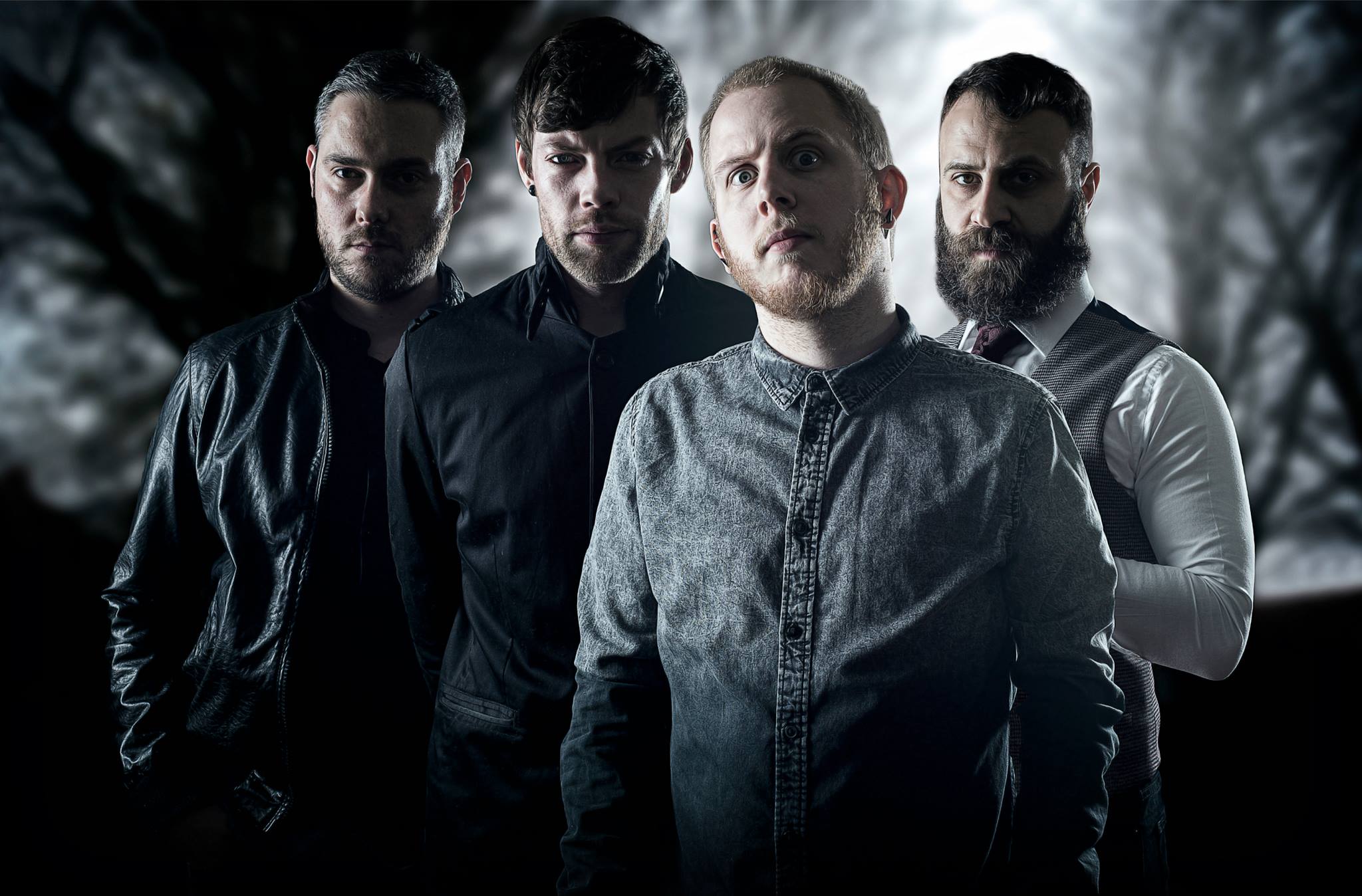
After releasing their first demo in 2012 entitled Death of the Flesh, which by the way is the translation of the name of the band from Latin, and after some hurdles such as not being able to find a fitting drummer in the local scene, this talented Tehran-based group wants to show the world they’re ready to spread their evil wings and reach new heights with their debut ful-length album, the thunderous Obscure Visions of Dark. And if you’re a fan of that raw old school Death Metal perfect for having your brain melted after headbanging like crazy, you should definitely give these guys a shot.

The fuckin’ brutal opening track Darkened Rites of Existence, which is composed of two parts named “Part 1: Visions” and “Part 2: Labyrinth”, is very similar to what Brazilian Death Metal masters Krisiun do, just to give you an idea of how destructive the music by Nex Carnis is. Vocalist Asto Vidatu sounds like a wild beast with his growls, and it’s impressive how progressive the music is to an old school Death Metal band. In addition to that, what can I say about the infernal devastation caused by drummer Jirka “Jurgen” Zajíc during the last part of the song and the wicked guitar solo by guest musician Disguster? Anyway, with a macabre intro, Cryptic Depths of Unlight mixes the best elements from Death and Thrash Metal in a sick performance by all band members, with highlights to Incruent for leading all the breaks and variations with his morbid guitar riffs and solos.

3540353203_logoDissolution in Vortex of Sanity, which intro has that metallic guitar shredding we enjoy so much, offers the listener pure old school Death Metal where downright violence is its core factor. Not only that, Incruent and Jurgen provide all the necessary support for Asto Vidatu to keep roaring the song’s interesting lyrics, turning it into one of the top moments of the album. Following all that insanity we have Descent into Ethereal Realms, another song split in two parts (“Part 1: Entrance” and “Part 2: Transmigration”) where you can sense the influences of Morbid Angel, Slayer, Cannibal Corpse and other Thrash/Death Metal icons, but with an aerial atmosphere due to the content of its lyrics. And pay attention to the song after around four minutes, varying between a sonic blast perfect for a wild circle pit and a slower and more obscure rhythm that aims at being truly unearthly, consequently making the entire song even more entertaining.

Nex Carnis need only five seconds to begin pulverizing every living creature that crosses their path in Abolishing Rancid Thrones of Deceit, probably the most traditional of all tunes in terms of rhythm and heaviness. However, Incruent and Jurgen get a lot progressive and innovative in some instances, adding a lot of value to the final result, as well as the guitar solo by guest musician Rafael Barros. Besides, due to the maximum speed imposed by Jurgen on drums, the second half of the song flirts with Black Metal, yet another interesting variant present in their music. And lastly, these skilled Iranian death metallers don’t seem to get tired at all, firing huge doses of morbidity in Murky Pits of Time. This might sound stupid, but does anyone have some lozenges for Asto Vidatu? He will need those after snarling so deeply and intensely for almost seven minutes. Also, kudos to guest musician Jacek Hiro for providing the music some “tranquility” with his excellent guitar solo, just before the song reaches its apocalyptic ending.

In summary, Obscure Visions of Dark is a very solid Death Metal album that goes a little beyond the traditional boundaries of that specific type of metal, giving the listener not only another excellent option in the world of extreme music but also a unique opportunity to know more about the Heavy Metal scene in Iran. You can check the band’s official Facebook page for more updates on their releases and tour dates, and purchase their debut album at the Nightbreaker Productions webstore. The flesh might be dead as the name of the band states, but the rise of Death Metal in Iran seems to be in good hands if Nex Carnis keep delivering such high-end music throughout the years.

Best moments of the album: Darkened Rites of Existence and Dissolution in Vortex of Sanity.

Worst moments of the album: None.

Released in 2015 Nightbreaker Productions

Track listing
1. Darkened Rites of Existence 5:21
2. Cryptic Depths of Unlight 5:56
3. Dissolution in Vortex of Sanity 4:39
4. Descent into Ethereal Realms 6:39
5. Abolishing Rancid Thrones of Deceit 4:21
6. Murky Pits of Time 6:55

Band members
Asto Vidatu – vocals
Incruent – guitars, bass
Jirka “Jurgen” Zajíc – drums

Guest musicians
Jacek Hiro – guitar solo on “Murky Pits of Time”
Rafael Barros – guitar solo on “Abolishing Rancid Thrones of Deceit”
Disguster – guitar solo on “Darkened Rites of Existence”

Album Review – Gorgoroth / Instinctus Bestialis (2015)

One of the most controversial Black Metal bands in the world delivers some truly bestial instincts in the form of gruesome and elaborate extreme music.

Rating4

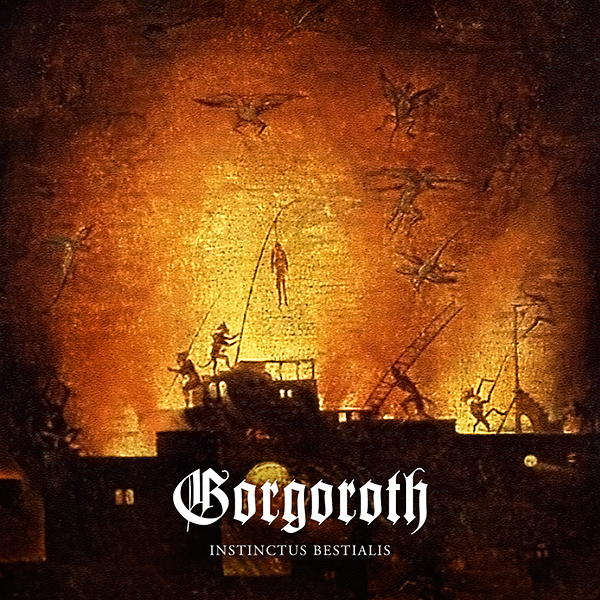
instinctus bestialisNorwegian Black Metal is more than just a subgenre of Heavy Metal: it’s a renowned and very respectable movement that has been helping redefine the scope of extreme music, expanding its boundaries to a whole new level that’s not comprised of just the music itself, but of a wide variety of contentious topics such as religion, murder and ideology. If you don’t know much about it, I strongly recommend you watch the amazing documentary entitled Until the Light Takes Us (2008) to better understand the importance of this infamous musical subculture to society. And it doesn’t matter if you’re a fan of Black Metal or not, you must listen to Norwegian black metallers Gorgoroth to understand how all that controversy and darkness translates into music.

Formed in 1992 by the only original member remaining, Infernus, and named after the dead plateau of evil and darkness in the land of Mordor, from J. R. R. Tolkien’s fantasy novel The Lord of the Rings, Gorgoroth are releasing now in 2015 their ninth full-length studio album, the venomous Instinctus Bestialis. It’s important to say this is their first album to feature vocalist Atterigner and, more important than that, it’s indeed a solid addition to their polemic career, corroborating their status as one of the most influential Black Metal bands in history.

It’s simply amazing how violently the album starts with the opening track Radix Malorum, with its blast beats crushing our heads from the very first second while Atterigner shows why he was chosen by Infernus to be the new devilish voice of Gorgoroth. Following that ravage we have more infernal Black Metal in Dionysian Rite, with highlights to the great work on guitars by Infernus and to the demonic performances by Atterigner and Asklund with their vocals and drums, respectively. Moreover, I’m pretty sure most of the fans of the music by Gorgoroth will love the ominous Blackened Doom vibe present in the last part of the song.

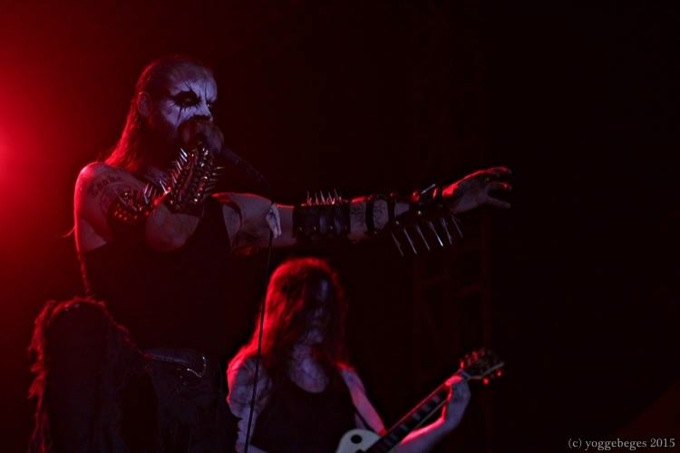
gorgorothThe blasphemous and devastating Ad Omnipotens Aeterne Diabolus can be considered the most complete song of the album, showcasing a touch of melancholy, a beautiful melody, and of course that expected (but always awesome) visceral explosion of Black Metal. Asklund is kicking ass on drums once again, whilst Infernus keeps mastering the art of dark riffs and solos. And when the lyrics include screams such as “Hail Satan!”, you know you’re facing some good deranged music, right? Anyway, the short and direct Come Night is yet another melodic tune that doesn’t forget to be as satanic as Black Metal usually is, and despite not being the most creative song in the world it’s still very enjoyable; followed by Burn in His Light, where hints of Blackened Death Metal and even some progressiveness add a fresh taste to it. Besides, the robust background foundation by Bøddel and Asklund leave plenty of room for infernus to deliver more awesome riffs, increasing the song’s quality.

In one of the top moments of the album, Rage, its heavy guitar lines bring forth a wrathful Blackened Death Metal vibe, reminding me of the superb musicality found in The Satanist, the lasts masterpiece by Behemoth. This is a great addition to Gorgoroth’s weaponry and something they should be doing more in future releases, in my humble opinion. Kala Brahman, which has different meanings in Mithology depending on the culture but it’s usually a sea monster, an evil spirit or the supreme god to bring death and disease to mankind, presents a dense and obscure sonority enhanced by an atmosphere that couldn’t be more perverse and by an avalanche of traditional blast beats by Asklund. And the last track of the album, Awakening, doesn’t slow down at all, once again flirting with Blackened Death Metal and therefore resulting in a very rhythmic and imposing composition.

In summary, after all these years of controversy, depravity and radicalism, Gorgoroth prove they still got it, delivering a consistent work that sounds much more cohesive than many of their previous releases. To be fair, the addition of elements from genres such as Blackened Doom and Blackened Death Metal, rather than just sticking to raw old school Black Metal, was undoubtedly the right decision by Infernus and his horde in this album, truly expressing the most bestial instincts deeply entrenched inside the human being in the form of gruesome and elaborate Extreme Metal.

Best moments of the album: Dionysian Rite, Ad Omnipotens Aeterne Diabolus and Rage.

Worst moments of the album: Come Night.

Released in 2015 Soulseller Records

Track listing
1. Radix Malorum 3:14
2. Dionysian Rite 4:05
3. Ad Omnipotens Aeterne Diabolus 5:45
4. Come Night 2:41
5. Burn in His Light 4:02
6. Rage 4:03
7. Kala Brahman 5:23
8. Awakening 2:07

Band members
Atterigner – vocals
Infernus – guitars
Bøddel – bass
Asklund – drums

https://youtu.be/k8rrfa7uMfw

Album Review – Absconditus / Kατάβασις (2015)

An obscure descent to the underworld in the form of extreme music by a talented Occult Black Metal act from France.

Rating5

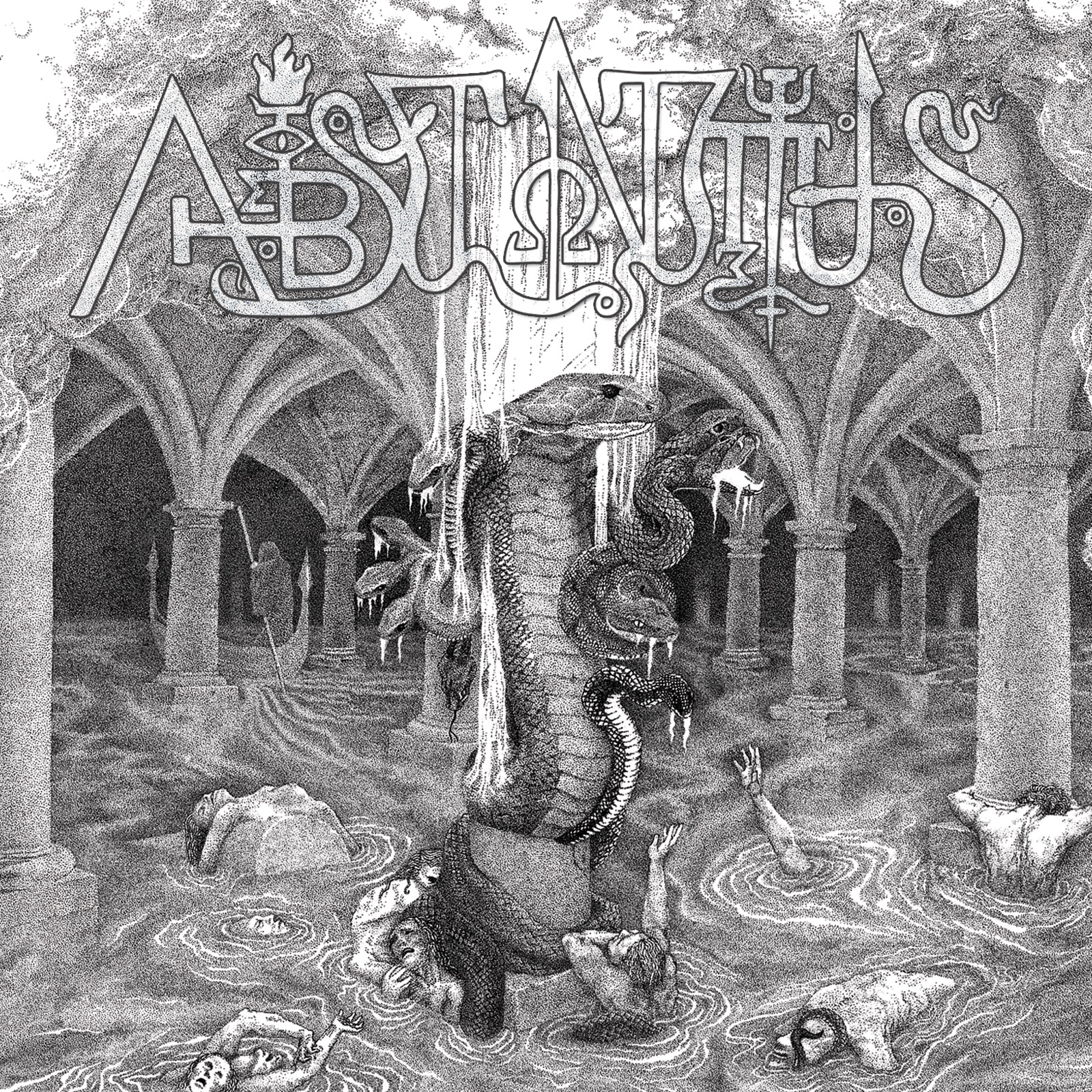
IVR041 Absconditus_Katabasis_1600pxIn Greek mythology, Kατάβασις (pronounced “katabasis”) means a descent to the underworld, and that is exactly what you will feel while listening to the debut full-length album by French Occult Black Metal band Absconditus. By the way, the name of the band comes from Latin, meaning “occult” or “hidden”, which perfectly represents their musicality, lyrics and everything else. In other words, if you have the nerve to face such a cryptic band piercing your mind with their dark and deranged music, you may ultimately relish a distinct experience in Extreme Metal.

Founded in 2010 by guitarist/songwriter Loxias upon the ashes of French Cult Black/Death Metal band Borgia, Absconditus offer solid and dissonant melodies enhanced by hints of melancholy, drama and introspective tension, with Kατάβασις being the the initiatic path that one has to walk in order to gain freedom and mastery over existence in a demiurgic world, according to the band. Not only that, the whole album is sung entirely in French. Do you think this is already too much information to absorb? Well, wait until you read the rest of this review and, of course, listen to the entire album, and you’ll see this is just the beginning.

An intro that goes on for over three minutes like Prologue à l’Agonie (or “prologue to agony”, in English) gives you an idea of the obscure voyage that’s about to start. What begins in a slow and dark way suddenly becomes a massacre full of melancholy, setting the stage for the macabre Mystagogie des Limbes (“limbo mystagogy”), or the principles, doctrines, and practices of mysticism, powered by its beautiful lyrics (“L’effroi illumine ma voie, je perçois la ruine en eminence / Un oremus cristallin s’élève vers les cieux / La dualité de ma noblesse fait écho à la décadence des ages / Dans l’ascension vertigineuse de mon âme captive”) amidst an atmosphere generated by Blackened Doom. Is there a way vocalist Aliexagore could have sounded more desperate than this? Moreover, in my opinion its riffs somehow transport the listener to Norway due to their strong Black Metal-ish feeling.

3540396969_logoElegeía (Confession au Cénotaphe), or “elegy (confession at the cenotaph)”, which means an “empty tomb” or a monument erected in honour of a person or group of people whose remains are elsewhere, brings forth a huge amount of darkness and disgrace, including a draconian invocation performed by Aliexagore, Loxias and Guillaume Pingard. Drummer Anderswo shows he’s an extremely technical musician whose skills contribute to add extra layers of violence and intricacy to the musicality, while Loxias seems to be hypnotized by the dark side, delivering truly demonic lines. And get ready for the ending climax of the song, it is outstanding. Darkening their sonority a bit more we have Exultet – L’Aurore Schismatique (“exultet – schismatic dawn”), the hymn of praise sung, ideally by a deacon, before the paschal candle during the Easter Vigil in the Roman Rite of Mass. It varies from atmospheric Doom Metal to pure Black Metal, with Aliexagore sounding even more satanic than in the previous tracks and with the addition of considerable dosages of progressiveness thanks to the talent of the musicians involved, as if Mastodon became a Black Metal act.

Hybris au Bord du Précipice (“hybris at the border of the precipice”), with the word “hybris” meaning extreme pride or self-confidence, is yet another exhibit of despair and chaos, and even if you don’t speak French you will love those lyrics (“Je partage le destin du fils de Prométhée / Sans assumer la puissance de l’affront / La semeuse d’étoiles attend mon retour / Nourrissant les espoirs de la vermine affamée”). The music itself is comprised of Occult and Progressive Black Metal professionally put together, where Loxias tries some new techniques that elevate the magnitude of the music, with highlights to the last part of the song being some kind of downward spiral to the depths of hell. And lastly, Le Nouvel Astre (“the new star”) is an instrumental outro as sinister as the intro, a dark but beautiful ending where the amazing guitar lines by Loxias are perfectly complemented by the complex beats by Anderswo.

Featuring an at the same time beautiful but eerie artwork by British artist Bethany White, Kατάβασις, which can be purchased at the I, Voidhanger Records BandCamp page, exhales darkness and complexity, making it a recommended choice for your extreme music collection. If a downward journey to the underworld is part of your plans, let this occult French act help you with the soundtrack.

Best moments of the album: Elegeía (Confession au Cénotaphe) and Hybris au Bord du Précipice.

Worst moments of the album: None.

Released in 2015 I, Voidhanger Records

Track listing
1.Prologue à l’Agonie 3:30
2.Mystagogie des Limbes 8:46
3.Elegeía (Confession au Cénotaphe) 9:24
4.Exultet – L’Aurore Schismatique 8:39
5.Hybris au Bord du Précipice 7:56
6.Le Nouvel Astre 3:09

Band members
Aliexagore – session vocals
Loxias – guitars, bass
Anderswo – drums

Album Review – Down To Hell / V Zajatí Temnoty (2015)

Let’s brave the world of Melodic and Symphonic Black Metal created by this talented Slovak six-piece band who sings entirely in their mother tongue.

Rating5

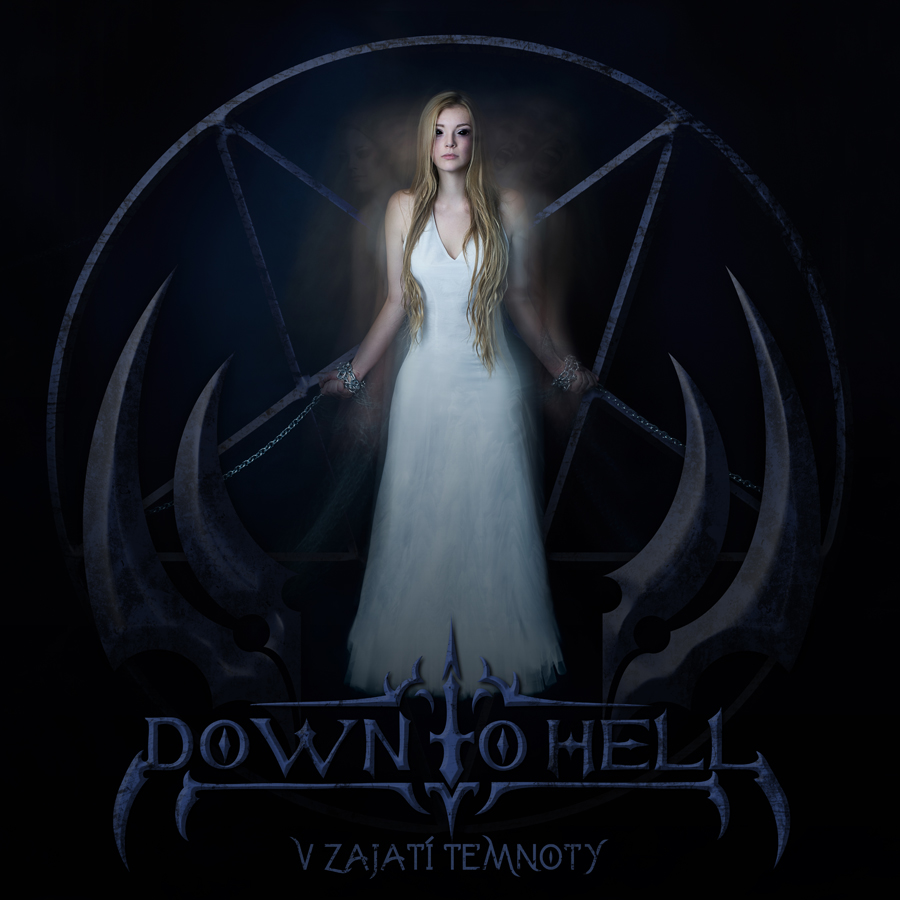
coverFounded in 2006 in the city of Malaciek (or Malacky), Slovakia, around 35 km north from the capital Bratislava, what Melodic/Symphonic Black Metal band Down To Hell have to offer the fan of heavy music goes beyond your usual symphonic and extreme elements. Their music relies heavily on contrasts, as in singing as well as their instrumental and lyrics written in the form of stories, providing a more complete experience to the listener. In addition, although they say they play Symphonic Black Metal, which instantly brings bands such as Dimmu Borgir to your mind, they sound rawer and more inclined to old school Black Metal than that.

However, the most noteworthy characteristic in the music by Down To Hell is the fact they did not “surrender” to the English language, singing their songs entirely in their mother tongue, Slovak, which adds an extra touch of darkness to their 2014/2015 debut full-length album V Zajatí Temnoty, or “Captive Darkness” in English. The only thing in English ends up being the band’s own name, which makes me wonder why they’re not called “Dole Do Pekla” instead. Anyway, let’s get down to business and see what V Zajatí Temnoty is made of.

Ticho Pred Búrkou, or “calm before the storm”, is exactly what this piano intro represents, and you can get a sense of how symphonic their music is before the actual storm begins in Pán Vetra, Búrky A Mrakov (“lord of wind, storms and clouds”), with the growls by singer/guitarist “Kani” Miroslav Gajdár matching perfectly with the musicality proposed while the keyboards by “Lubo” Ľubomír Müller complement the havoc created by the song’s guitar riffs and drums in a very interesting way. Slightly darker than the previous tune, Skazení (“wicked”) sounds almost like raw Black Metal in some instances but pure symphony in others, with the nice job done on guitars enhancing its overall quality. It’s the first song of the album to showcase the clean vocals by the gorgeous “Maťa” Martina Bilkovičová, who has a very good chemistry with Kani and his screams.

Keeping up with the previous songs, Bosorské Sólo is another great mix of extreme music and melodic instrumental, where it’s interesting to notice how drummer “Beňo” Dušan Šelc can easily change from a more rhythmic drumming to furious blast beats, providing more progressiveness to the music; followed by the “sudden attack” offered by the band in Krvavé Jazero (“bloody lake”). This song, which has a solid flow from start to finish, is how dark music should always be, with the smooth voice by Maťa being like a dream amidst its nightmare-ish beats. Unfortunately, the band disappoints a little in Prízrak (“phantom”), which despite starting differently than the other songs in a thrashier way, it doesn’t know if it’s Melodic Black Metal, Pop Metal or Symphonic Metal. It’s still an enjoyable tune, but below the album average especially as it’s not very clear what its final goal was.

dth_allThe final triade in V Zajatí Temnoty couldn’t have started in a better way than with Smrť (“death”), where not only the guitar lines by Kani and “Ťapo” Martin Matlovič sound amazing, but Kani also does an awesome job ranging from high-pitched roars to truly deep guttural. Besides, pay attention to how the band is able to sound cruel and harmonic at the same time, just like what Extreme Metal icons Cradle of Filth perfectly do, and you’ll understand why this is one of the top moments of the album. Then we have the dark ballad/waltz Nemŕtva Nevesta (“undead bride”), where the clean vocals by Maťa steal the show, achieving an even more pleasant performance due to the keyboard notes by Lubo; and finally the excellent Drak (“dragon”), a fast and metallic tune that has that amazing European touch to increase its quality and cohesiveness, including elements from genres such as Folk and Viking Metal, with Lubo and bassist “Miro” Miroslav Hulka being responsible for building the whole ambience for the rest of the band.

To sum up, if you want to brave the world of Symphonic Black Metal sung in its entirety in a language other than English, visit Down To Hell’s official Facebook page, YouTube channel, Bandzone.cz and, of course, buy their music at their BandCamp page. This six-piece Slovak band truly knows what they’re doing, and I’m sure their non-English words won’t restrain them from reaching new heights with their music so talented they are.

Best moments of the album: Pán Vetra, Búrky A Mrakov, Krvavé Jazero and Smrť.

Worst moments of the album: Prízrak.

Released in 2015 Independent

Track listing
1. Ticho Pred Búrkou 1:41
2. Pán Vetra, Búrky A Mrakov 5:26
3. Skazení 6:43
4. Bosorské Sólo 8:40
5. Krvavé Jazero 7:10
6. Prízrak 7:48
7. Smrť 6:39
8. Nemŕtva Nevesta 7:35
9. Drak 6:28

Band members
“Maťa” Martina Bilkovičová – clean vocals
“Kani” Miroslav Gajdár – guitar, screams, growls
“Ťapo” Martin Matlovič – guitar
“Miro” Miroslav Hulka – bass guitar
“Lubo” Ľubomír Müller – keyboards
“Beňo” Dušan Šelc – drums

Album Review – Dys Inbunden / One With Morbidity, The Opus Misanthropy (2015)

Come worship the Other Side to the sound of the new demonic opus by this extremely talented and sinful Swedish cult.

Rating3

One-with-morbidity-the-opus-misanthrop_OmslagCall it “Deaosophic Metal”, Progressive Black Metal or simply Black Metal. The music disseminated by Dys Inbunden, one of the most nihilistic death obsessed bands in the world, in their masterfully chaotic new album One With Morbidity, The Opus Misanthropy, is going to hit you with an avalanche of depression, suicide, darkness and death beyond dispute. Even if you’re not a huge fan of extreme music, I strongly recommend you take a shot at this amazing album so intense it is.

Forged in the fires of Stockholm, Sweden in 2012 and after releasing their debut album (or their “first opus”, as the band refers to it) entitled Pandemonium Unchained in 2013, Dys Inbunden spent a dark period in 2014 recording their new opus with Honza Kapák at Hellsound Studio, in the Czech Republic. The result, as aforementioned, is awesomely professional and instigating, carving the band’s trademark on the global map of Extreme Metal. And now, after reading this quick intro about the hostile Dys Inbunden and their blasphemous creation One With Morbidity, The Opus Misanthropy, I dare you to hit play if you have the guts.

Well, if you were tough enough to do it, you’ll already face One With Morbidity, one half of the album title, which starts as the intro to some sort of occult ceremony that goes on for a while before a sonic apocalypse begins. What an outstanding production, where you can clearly listen to each instrument while at the same time it’s fuckin’ dark and heavy as hell. Not only that, Mr. Gefandi Ör Andlät knows how to desecrate our minds with his blustering screams. The second half of the album title, Opus Misanthropy, presents hints of Symphonic Black Metal in a poignant atmosphere, where even the clean cultic vocals sound intimidating, not to mention the spot-on orchestrations by Magister Nocturnal, which are not too portentous but adequate to the band’s purpose.

If you’re still alive and sane, the symphonic and devilish track Odious Worship Of Annihilation will mercilessly invade your soul, with Gefandi Ör Andlät sharpening his vocals to an even deeper satanic level while the instrumental keeps dense and extremely well-crafted. There’s not a single second of hope for over seven minutes of music in this tune, one of my favorites of the entire album hands down. Mischievous Paths Of Nocturnal Lust, the longest track of the album, doesn’t disappoint, with the duo of darkness offering us another Black Metal raid with extra layers of insanity, rhythmic variations and progressive passages. Its vocals and riffs are of course fiendish, and I’m sure you’ll feel your brain detaching from your skull to the sound of this evil feast. Then we have Through Demise and Decay, with its powerful riffs and harsh screams being its main ingredients, as well as those sick blast beats the way we love in Black Metal and a “chorus” that seems to incite a demonic worship; and The Illuminating Gaze Of Lucifer, where its Doom Metal vibe blended with the battering ram from Black Metal generate an interesting outcome. Moreover, as the name of the song contains the word “Lucifer”, it’s quite obvious the prince of darkness must be honored to be the inspiration for it.

dys inbundenDraconigena, a word that means “dragon-born” or “someone or something born of a dragon”, showcases Dys Inbunden spitting fire through their music. This is a very progressive and extreme tune, with highlights to the superb guitar lines by Gefandi Ör Andlät and its venomous ambience, sounding like three or four different songs in a combination of complexity and bestiality, and I guess I don’t need to say how solid the final result is. And continuing with the innovative names, Larva Pazuzu is the union of the words “larvae”, which in Roman mythology means a malevolent spirit of the dead or “a terrifying mask”, and “Pazuzu”, which in Assyrian and Babylonian mythology was the king of the demons of the wind and son of the god Hanbi, also representing the southwestern wind, the bearer of storms and drought. The music itself couldn’t be more direct, an awesome massacre where both Gefandi Ör Andlät and Magister Nocturnal sound deeply infuriated (and whoever is playing the drums is a beast).

Just when you think they’re going to take a break amidst so many wicked tunes, they continue their path of destruction with Nihilist Pariah, a raw old school Black Metal tune tailored for diehard black metallers, boosted by the deluxe production of the album, followed by Crown Of Carcosa, another masterful display of extreme music where the nuances of darkness brought forth by its symphonic elements sound really interesting. And what starts as a song by Opeth or Dream Theather evolves to a deranged but very melodic carnage in He Who Worships Death, with highlights to its high-end drumming and the uproar caused by the demonic voice of Gefandi Ör Andlät. Lastly, we have the frenetic Dimension Of Nihility, as vile as it can be, with the flawless support provided by Magister Nocturnal allowing Gefandi Ör Andlät to add more experimentations and a stronger taste to the music, and nothing is more suitable to end this Black Metal rite than a melancholic piano outro, named Without Life And Movement.

To be fair, it’s extremely difficult to summarize this Stygian masterpiece in just a few lines, so I deeply recommend you go like their Facebook page and check their music on YouTube, as well as buy One With Morbidity, The Opus Misanthropy at their official webstore, at the Liflätinn Productions webstore, on Amazon or at many other locations to really feel their music in your flesh. In other words, it’s time for us all to worship the Other Side to the sound of the new amazing opus by this talented and sinful Swedish cult.

Best moments of the album: Odious Worship Of Annihilation, Through Demise and Decay, Draconigena and Larva Pazuzu.

Worst moments of the album: Opus Misanthropy.

Released in 2015 Liflätinn Productions

Track listing
1. One With Morbidity 6:47
2. Opus Misanthropy 6:56
3. Odious Worship Of Annihilation 7:47
4. Mischievous Paths Of Nocturnal Lust 9:04
5. Through Demise and Decay 8:07
6. The Illuminating Gaze Of Lucifer 8:59
7. Draconigena 6:25
8. Larva Pazuzu 3:38
9. Nihilist Pariah 7:54
10. Crown Of Carcosa 5:35
11. He Who Worships Death 6:49
12. Dimension Of Nihility 6:07
13. Without Life And Movement 2:31

Band members
Gefandi Ör Andlät – vocals, lead guitar
Magister Nocturnal – bass, piano, orchestrations