Album Review – NONE / NONE (2017)

Over 30 minutes of chilling and despondent Atmospheric Black Metal by an unknown entity from the Pacific Northwest that will darkly guide you on a one-way journey to emptiness.

“None are more hopelessly enslaved than those who falsely believe they are free.” – Johann Wolfgang Von Goethe

Chilling and despondent music from the Pacific Northwest is what you’ll hear on the impressive self-titled debut album by Atmospheric/Depressive Black Metal entity NONE, a dark, full-bodied album comprised of three freakish and distinct arias interconnected by the howling winds of winter that will certainly appeal to fans of the Atmospheric Black Metal and DSBM (Depressive Suicidal Black Metal) crafted by groups such as Shining, ColdWorld and Woods of Desolation. Misery, grief, negativity and hopelessness are just a few elements you’ll find in the music by NONE, darkly guiding you on a one-way journey to emptiness.

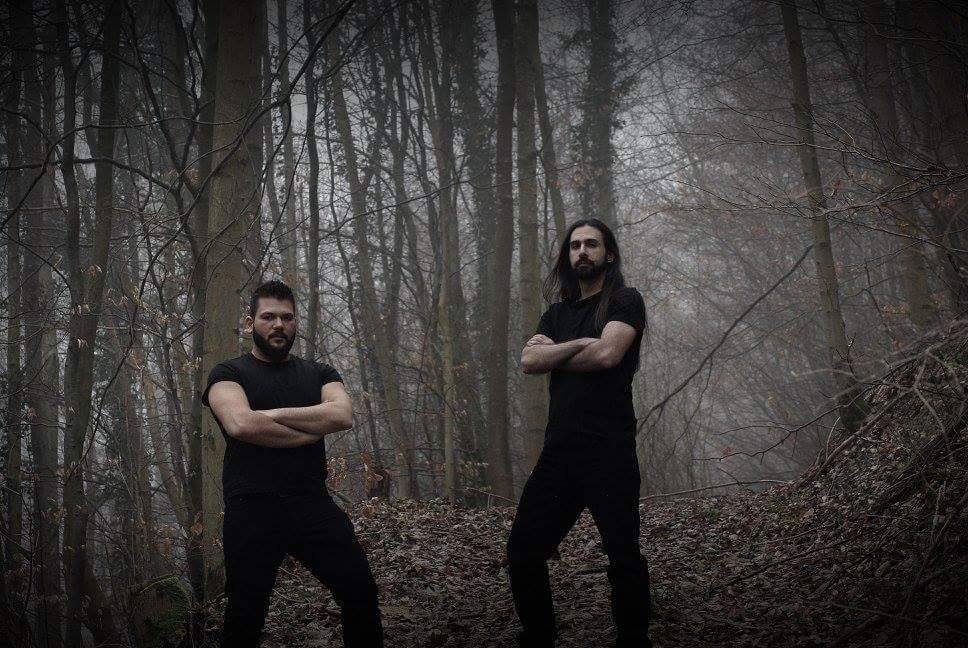
Formed in 2015 in the city of Portland, Oregon, in the United States, NONE doesn’t carry its simple but enigmatic name in vain. NONE is precisely that, as they have no faces and they are no one, being solely represented by the depressive and obscure sounds emanating from each one of the three multi-layered compositions of the album. Drawing influences from the most melancholic and austere forms of atmospheric extreme music, NONE can quickly become the soundtrack to your most obscure moments, showing you that solitude might not be a bad solution at all in our lives.

In the opening track, simply titled Cold, the atmosphere couldn’t feel more sinister and disheartened, with its background noises and smooth piano notes quickly exploding into a puissant sonority. This is beautiful Depressive Black Metal perfect for closing your eyes and letting darkness embrace you, showcasing not only demonic gnarls and Stygian Black Metal guitars, but also presenting acoustic elements to bring some sort of false peace and hope to our hearts, before its climatic ending gets back to a somber and heavy sonority.

Also phantasmagorical and doomed, Wither is a direct sequel to its predecessor, with its Black Metal sounds invading our ears and souls while its hellish growls transpire hatred and despair. Furthermore, it brings forward a distressing aura found in the most sluggish and evil form of Blackened Doom, resulting in a delicate and at the same time powerful creation by NONE. And in Suffer we finally reach the stage where all songs together become one, displaying anguished screams and slow-paced Doom Metal beats complemented by the song’s serene piano notes. It’s a strong conclusion to the story being told by this arcane creature known as NONE, morphing into a desolated ending where it’s clear that darkness has taken full control of our souls.

You can purchase a digital copy of NONE at the Hypnotic Dirge Records’ BandCamp, but if you prefer to actually put your hands on such bitterly cold and mordant Depressive Black Metal work-of-art, the album is available in a 6-panel digipack (limited to 300 copies) at the Hypnotic Dirge Records’ webstore, where you can also find it as a T-shirt + CD bundle, or at Discogs. You already know that after following the dark path crafted by this unknown entity there’s no way back, but I guess you really don’t care about the consequences. Quite the contrary, that’s exactly where you want to be.

Best moments of the album: Wither.

Worst moments of the album: None.

Released in 2017 Hypnotic Dirge Records

Track listing
1. Cold 11:57
2. Wither 8:45
3. Suffer 9:25

Band members
*Information not available*

Album Review – Corpus Diavolis / Atra Lumen (2017)

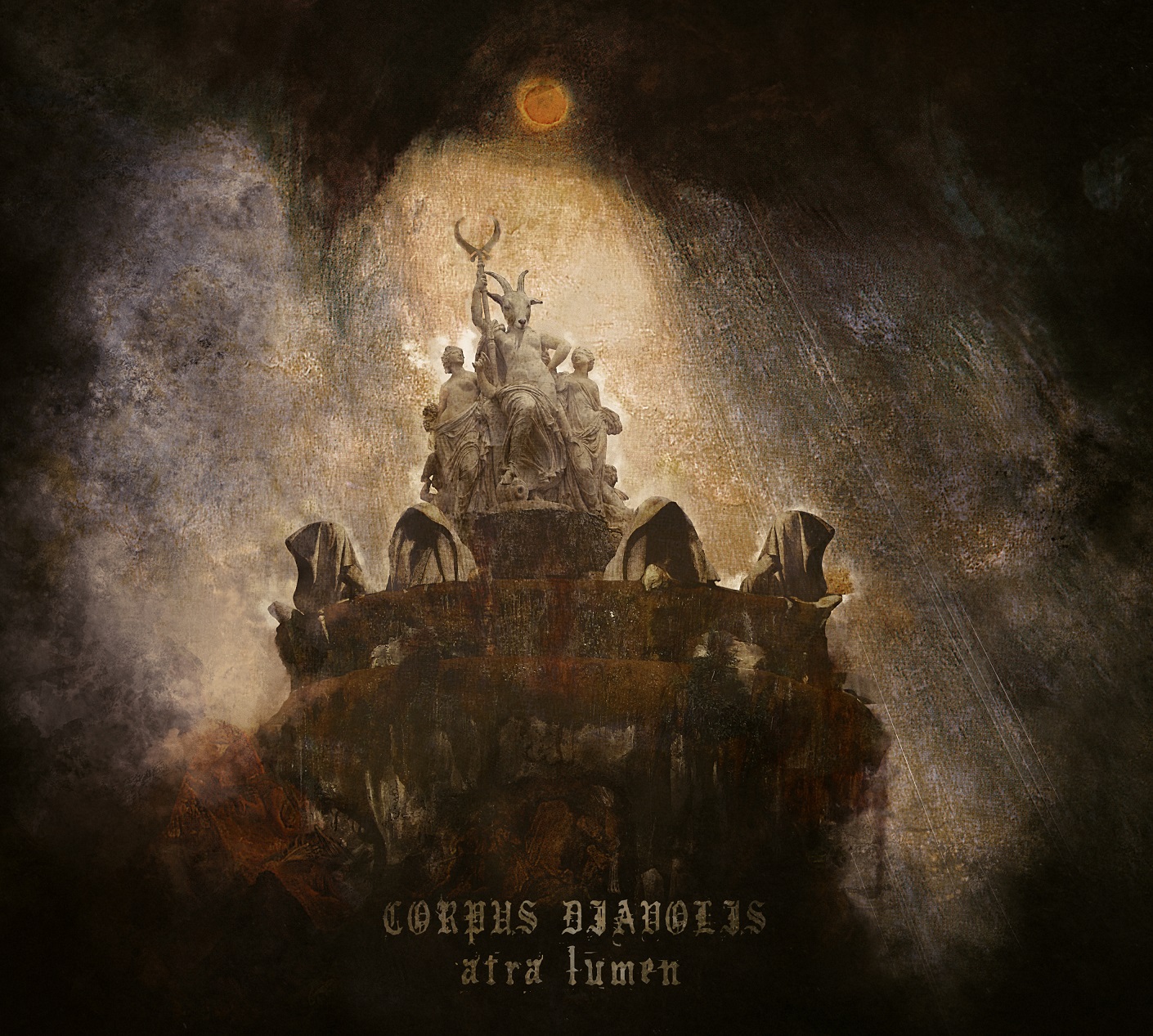
Open your mind and follow the black light formed of ritualistic Black, Death and Doom Metal by this extremely talented horde hailing from France.

Musically conceiving a ritualistic feeling into the vibes of Black Metal, the unstoppable French horde known as Corpus Diavolis has never been tempted to lose themselves on their own musical maelstrom since their inception in 2008 in the city of Marseille, located in the always beautiful Provence-Alpes-Côte d’Azur. After the release of their debut EP Nightsky Orgia in 2009 and their highly acclaimed full-length albums Revolucia in 2010 and Entheogenesis in 2013, the band led by multi-instrumentalist Daemonicreator brings forth now in 2017 Atra Lumen, a monumental opus tailored for fans of the darkest side of music.

Atra Lumen, which means “black light” in Latin, blends the band’s unrelenting Black, Death and Doom Metal with concepts such as Shamanism, ceremonial magic, tarot, the esoteric journey of English occultist Aleister Crowley and the philosophical transcendence of Chilean-French artist and spiritual guru Alejandro Jodorowsky, penetrating your skin, your mind and your heart and, consequently, enfolding you in a dark and mystical aura from start to finish. Each one of its eight tracks is unique, obscure and ominous, showcasing not only the talent of each member of Corpus Diavolis, but also how vicious and mesmerizing their creations feel when every distinct sound is thoroughly put together.

We’re invited to enter the gates of the underworld to the sound of the opening track, named Revelations Before Dawn, where doomed beats and a menacing ambience warm up the listener before Daemonicreator begins vociferating like a demon, with guitarists Analyser and Lord Khaos, together with bassist Funeral, delivering pure old school Black Metal through their instruments. The low-tuned riffs by Analyser and Lord Khaos and the rhythmic blast beats by drummer IX generate a hellish atmosphere in the Black Metal feast The Ardent Jewel of His Presence, once again showcasing all the potency and malignancy of the music by Corpus Diavolis; followed by L’Oeil Unique, or “the one eye” from French, uniting the most obscure forms of Black and Doom Metal (feeling almost like Blackened Doom), with highlights to the precise drumming by IX and to the Stygian way Daemonicreator declaims the song’s lyrics.

Signs Of End Times displays a truly devilish start to another powerful, full-bodied creation by Corpus Diavolis, before all hell breaks loose and Daemonicreator begins growling his blasphemous words potently, not mention the amazing job done by the duo of darkness Analyser and Lord Khaos with their demonic guitars. The next track, nicely entitled Wine of The Beast, brings forward more Doom Metal beats and somber passages by Daemonicreator and his followers, sounding slow-paced and diabolical at times, and faster and full of hatred at others. Furthermore, as a fan of extreme music, do you think you have the guts to drink the wine of the beast? Before you can even answer that, bells tolling ignite another evil aria of Black Metal titled Flesh to Flesh, again offering the most obscure elements of Doom Metal added to their already darkened music, with Analyser and Lord Khaos leading the sonority with their cutting old school riffage.

With sheer irreligiousness emanating from its riffs and blast beats, Thy Glorification is a violent, straightforward tune that leans towards Norwegian Black Metal where we can enjoy another nefarious performance by Daemonicreator on vocals, while the instrumental pieces get heavier, more impactful and more aggressive as the music progresses. And last but not least, Sick Waters, which presents a horror-inspired cinematic intro, is a very atmospheric chant focusing on the devilish gnarls by Daemonicreator and the steady but potent beats by IX. Moreover, the song’s beautiful fusion of the aggressiveness of Black Metal with the mournful aspects of Doom Metal closes the album in a blackened way, leaving us all eager for more of the extreme spawns by Corpus Diavolis.

Not only you can follow this awesome horde of esotericism and wickedness through their Facebook page and purchase your copy of Atra Lumen at several locations, such as the band’s own webshop or BandCamp, the ATMF’s webshop or BandCamp, the Season of Mist’s webshop, Amazon or Discogs (and pay attention as the physical copy of the album is limited to 400 copies only in digipak format with an extensive booklet), but Corpus Diavolis are also going to be one of the attractions at the first ATMF Festival, which will take place at the Eresia Metalfest on July 2 this year in Resia, located in the province of Udine, in Italy. In a nutshell, all you have to do to relish the extreme music by Corpus Diavolis is open your mind and your heart, surrender to their ritualistic sounds, and follow their black light formed of Black, Death and Doom Metal, as simple as that.

Best moments of the album: The Ardent Jewel of His Presence, Signs Of End Times and Thy Glorification.

Worst moments of the album: Flesh to Flesh.

Released in 2017 Aeternitas Tenebrarum Musicae Fundamentum

Track listing
1. Revelations Before Dawn 6:22
2. The Ardent Jewel of His Presence 5:52
3. L’Oeil Unique 5:54
4. Signs Of End Times 4:12
5. Wine of The Beast 6:27
6. Flesh to Flesh 4:52
7. Thy Glorification 3:37
8. Sick Waters 6:46

Band members
Daemonicreator – vocals, synths, theremine
Analyser – lead guitars
Lord Khaos – guitars
Funeral – bass
IX – drums

Album Review – The Sun Through a Telescope / Black Hole Smile (2017)

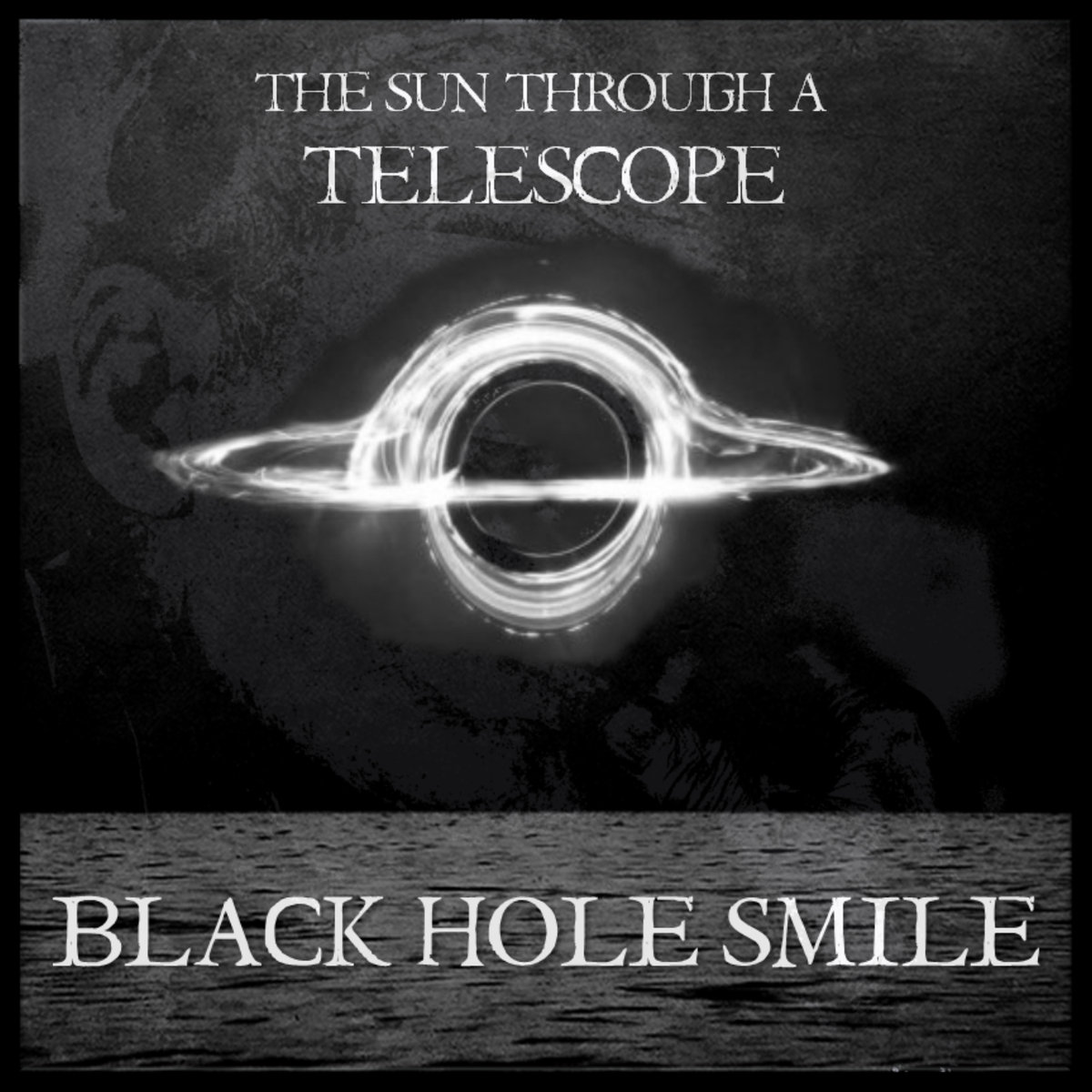
Brave the psychedelic sludge waters of Doom and Drone Metal brought forth by this inventive one-man band from Canada, and have your musical boundaries pushed further in a unique way.

I love when a band challenges our senses and pushes our musical boundaries further and further, which is exactly what you’ll face in Black Hole Smile, the brand new album by Canadian Drone/Doom Metal one-man project The Sun Through a Telescope, led by Ottawa-based multi-instrumentalist Leigh Newton (also known as Lee Neutron). In nothing less than 17 (yes, seventeen!) distinct tracks, Lee offers the listener an unconventional fusion of several styles and genres that will blow your mind, or as he likes to say, his music is where “Blackened Doom meets Ambient Drone, soaked in psychedelic sludge water.”

Lee has been very active with his The Sun Through a Telescope since 2011, having released a few EP’s that year before his first full-length album, titled I Die Smiling, came to light in 2013. The following year saw the birth of a new EP named Unnatural Cruciform on a Moss Covered Rock, paving the path for Lee to go even further with his creativity and bring forth Black Hole Smile. Each song will sound different than the others, each one being a distinct experiment by Lee, creating a parallel universe of music that might not make a lot of sense at first, but that will certainly get you entranced from start to finish.

In the very atmospheric, psychedelic and experimental Never Pray, Lee’s clean vocals sound as if he was in a different dimension, with the song’s background being only a distant, smooth noise, becoming an interesting warm-up for Living Every Single Hell, where alternative and distorted guitars are complemented by slow, sharp beats before an explosion of rage and anger with elements of Black and Death Metal invades our ears. Furthermore, Lee goes from maniac growls to desolated clean vocals and back to his demented mode à la Mike Patton, guiding us in a 10-minute voyage through the world of The Sun Through a Telescope. With such an impactful name, I couldn’t expect anything less visceral and experimental than Worm(hole)s, where Lee offers more of his hypnotic guitars and doomed beats, as well as his sick gnarls blending Drone and Doom Metal in a very gripping manner; followed by The Inverted Cross Of A Sunday Funday, a fun and solid instrumental piece by this one-man army displaying less than two minutes of demonic sounds inspired by the meanest forms of Industrial and Drone Metal.

“More Light” continues with Lee’s movie score-inspired extravaganza, being somehow epic and building an instant connection to Every Single Living Hell (note the word play with the second track of the album), with the crow in the background giving it a funereal vibe before becoming a hellish hybrid of Blackened Doom and Drone Metal, also presenting wicked sounds usually found in Alternative and Groove Metal. Focusing on its choir-like vocals and gentle guitar lines, the purely atmospheric composition Dead Dies, New Born gets to a more Alternative Rock and Metal sonority halfway through it, giving even a sense of hope to the whole song, whereas Something Witchy offers 40 seconds of a demented devastation full of distortions and wicked growls before peace returns in No Way Home. However, that peaceful ambience lasts only until half of the song, when Lee beings firing his blast beats and atmospheric vocals again.

Black Hole Bile and “Oh No, This Is Mine” are two similar but somehow unique one-minute deranged instrumental tunes, while A Prolonged Vegetative State presents a more violent side of The Sun Through a Telescope, showcasing deeper guttural and heavier sounds as if Faith No More was “poisoned” with the darkness of Drone and Doom Metal. And never tired of experimenting with different sounds, Lee delivers the Ambient Black Metal tunes Burn Everything and No More Light, with things only getting weirder and more experimental as the album progresses, so alternative it’s impossible to label what’s happening. If I try to explain the music in Caught, Drugged, Trial, Exile, one more atmospheric creation spawned by Lee, I would say there’s an inner fury in this song that never fully comes out, increasing its anxiousness and despair, while the melancholy and the sounds of birds in the background in Dead Tomorrow flow into the pleasant sonority with smooth vocals and the delicate instrumental from Whitehole / Brighthell, with moments of anger meticulously inserted at specific parts of the song, building a suffocating and climatic conclusion to this extravagant album.

If you want to know more about Lee and his The Sun Through a Telescope, simply visit his Facebook page for the most up-to-date news, with Black Hole Smile (which can be streamed in its entirety HERE) being available for purchase on BandCamp, CD Baby, iTunes and on Amazon. After swimming in the psychedelic sludge waters of Doom and Drone Metal proposed by The Sun Through a Telescope, I’m sure your view of the current state of heavy music will change considerably, proving how important independent artists like Lee are for music and arts in general.

Best moments of the album: Living Every Single Hell, Every Single Living Hell, A Prolonged Vegetative State and Whitehole / Brighthell.

Worst moments of the album: “Oh No, This Is Mine” and No More Light.

Released in 2017 Independent

Track listing
1. Never Pray 2:55
2. Living Every Single Hell 9:57
3. Worm(hole)s 6:20
4. The Inverted Cross Of A Sunday Funday 1:39
5. “More Light” 1:35
6. Every Single Living Hell 7:50
7. Dead Dies, New Born 4:06
8. Something Witchy 0:38
9. No Way Home 3:14
10. Black Hole Bile 1:06
11. “Oh No, This Is Mine” 1:17
12. A Prolonged Vegetative State 2:59
13. Burn Everything 1:04
14. No More Light 2:05
15. Caught, Drugged, Trial, Exile 5:38
16. Dead Tomorrow 0:51
17. Whitehole / Brighthell 7:08

Band members
Lee Neutron – vocals, guitars, bass, drums, programming, samples

Guest musician
Ava – additional vocals

Album Review – Mord’A’Stigmata / Hope (2017)

Explore the obscure sea of negativity and spirituality crafted by this up-and-coming Polish unit, all embraced by atmospheric passages, caustic guitars and tormented growls.

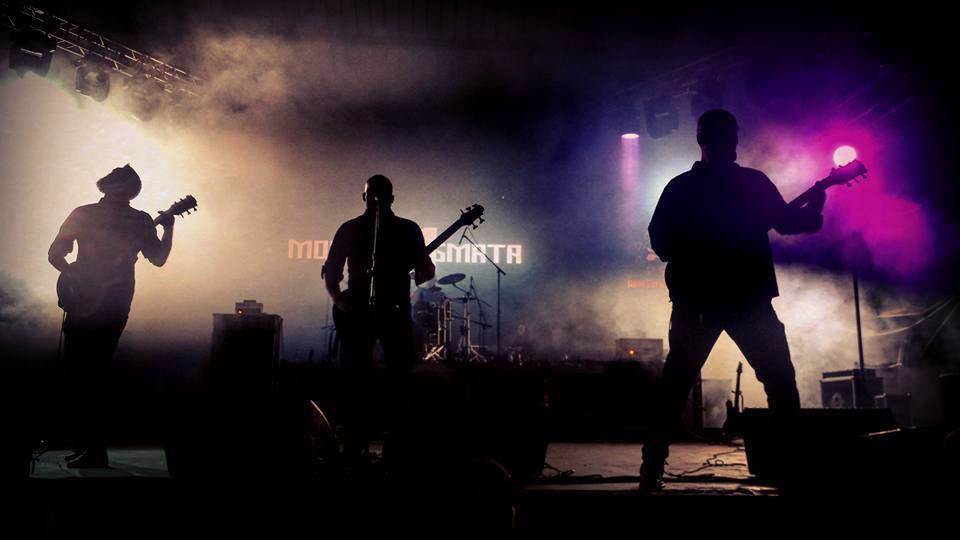
Formed by guitarist, composer and main visionary Static in 2004 in Bochnia, a town located only around 50km from the multicultural city of Kraków, in southern Poland, Black/Avantgarde Metal act Mord’A’Stigmata has been on a constant growth since the band’s inception, reinventing themselves year after year with each album released and, at the same time, maintaining a reasonable distance from the main routes taken by extreme music in general. After the considerable success of their 2013 full-length album Ansia and their 2015 EP Our Hearts Slow Down, Mord’A’Stigmata return with their fourth full-length album, titled Hope, a bold musical statement that has all it takes to become their most accomplished work to date.

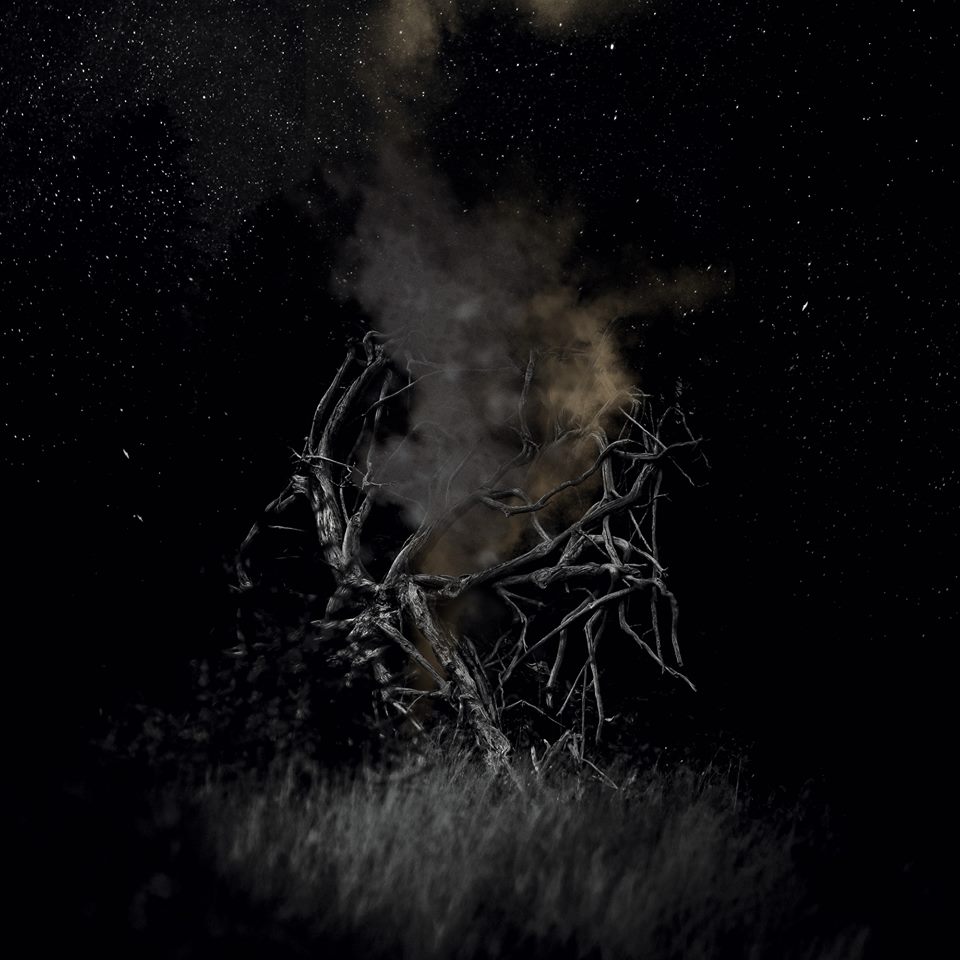
Divided into four distinct chapters, Hope is a ride into the palest corners of the void within oneself, a landscape of deep melancholy adorned with sparks of light that will please fans of bands such as Agalloch, Neurosis and Altar of Plagues. The album’s enigmatic artwork, designed by Bartek Rogalewicz from Hellywood (who has already worked with iconic groups like Rogi, Non Opus Dei and Behemoth), represents exactly what you’ll face in Hope, an obscure sea of negativity and spirituality embraced by lugubrious and atmospheric passages, caustic guitars and tormented growls, providing you a full-bodied experience in avant-garde extreme music.

The distorted but melodious lines crafted by guitarists Golem XIV and Static kick-off the 12-minute aria of darkness Hope, an ominous fusion of Black and Doom Metal where lead singer and bassist Ion effectively darkens the musicality with his hellish gnarls. Not only that, the band also brings forward hints of Blackened Doom and Dark Metal with their instruments, especially after four minutes when Ion delivers some deep clean vocals, with the music displaying a hypnotic pace until the song’s ardent ending. That obscure aura goes on in the Stygian and intricate composition The Tomb from Fear and Doubt, with drummer DQ and his doomed beats leading the rhythm while Ion grasps the song’s somber lyrics (“Have you ever lost something you ever had? / Have you ever missed someone that never was? / Have you ever stared into the abyss / with the matches stuck between the eyelids?”) and all instruments maintain a sulphuric stench reeking in the air. In addition to that, once again blending the darkest and most visceral elements from Black and Doom Metal, the wicked sounds emanating from the last part of the song will penetrate deep in your blackened soul without a shadow of a doubt.

Rhythmic beats and cursed guitars ignite another fantastic composition by Mord’A’Stigmata, entitled To Keep the Blood, where a melancholic but fierce instrumental builds the desired ambience for Ion to thrive with his devilish growls. This is not only the song with the most electrified vibe, but also a newborn hymn of Black and Doom Metal, with Golem XIV and Static enhancing the song’s impact considerably through their sharp guitar lines. Lastly, in the mournful In Less than No Time, tribal drumming and the band’s trademark damned sounds create a mesmerizing tone, growing in intensity until Ion comes vociferating his hopeless words (“There is a kind of grief / Can’t be expressed by tears / Nor yelled into the night / On an empty field”). Presenting elements from the music by Paradise Lost, My Dying Bride, Katatonia and other icons of Doom Metal, this beautiful creation by Mord’A’Stigmata is the perfect fourth and final act for Hope, with highlights to the superb work done by DQ on drums.

You can find all details about the chthonic creations of this talented quarter from Poland, as well as their current tour dates and plans for the future, through their Facebook page, with Hope being available for purchase at their official BandCamp page, at the Pagan Records’ BandCamp page or webshop in CD-digipack, in LP format, as a CD + T-shirt combo or as an LP + T-shirt combo, as well as on Amazon and at Discogs. After putting your hands on Hope, simply let the darkness blasted by Mord’A’Stigmata fill your inner void, guiding you on a path of no return to the underworld of heavy music.

Best moments of the album: To Keep the Blood.

Worst moments of the album: None.

Released in 2017 Pagan Records

Track listing
1. Hope 12:02
2. The Tomb from Fear and Doubt 12:08
3. To Keep the Blood 8:45
4. In Less than No Time 11:30

Band members
Ion – vocals, bass
Golem XIV – guitars
Static – guitars
DQ – drums

Album Review – Viles Vitae / IV EP (2017)

The four basic elemental principles from ritual magic converted into four powerful and tempestuous compositions by a new horde of experienced Portuguese black metallers.

Rating5

frontcover_vilesvitaeThere’s a new entity arising from the underworld of Portuguese Black Metal that goes by the name of Viles Vitae, or “worthless life” from Latin, who are unleashing upon humanity their debut EP simply titled IV, offering fans of extreme music the four basic elemental principles still used in ritual magic converted into four powerful and tempestuous compositions. Four elements, four songs, or as stated by the band, “a crescendo of feelings and cyclical repetitions to elevate thy souls of the dead straight to the heart of the listener.”

Although the band was brought into being only in 2015 in the capital city of Lisbon, Portugal, Viles Vitae are no beginners at all. Featuring experienced and known members of the underground Portuguese scene, this sinful power trio delivers in IV exactly what they wanted to expose, which is the primary spirit of Black Metal crafted from the heart. After facing the somber album art designed by Fábio Infante, you’ll already feel death and darkness growing inside you, but it’s when the music starts that you’ll finally understand how Stygian and complex the creations by Viles Vitae are.

The first track of the EP, The Vortex of Disharmony, begins is an atmospheric way, with background noises taking us to a desolate world before the guitar sounds by Belial Necro slowly impregnate the air together with the bestial drumming by Deimos. Moreover, this macabre and devilish fusion of Blackened Doom and Black Metal is definitely not recommended for the lighthearted, with Vulturius gnarling in the most hellish form possible. Leaning towards a more traditional Black Metal sounding, Sunless Redeemer brings forward demonic and steady blast beats that end up developing the desired ambience for the demon-like vociferations by Vulturius, turning the overall result into a dark hymn of extreme music that brings absolutely no hope to our hearts.

viles-vitae-25Highly influenced by obscure Doom Metal, Source Life Extinction presents a funereal vibe and a menacing musicality, with Belial Necro making sure his riffs sound as vile as possible. This sensational composition by Viles Vitae is not only very impactful and heavier than hell, but also the perfect example of what this demonic horde can offer us all in their future releases. The fourth and last song of the EP, named Theory of Deconstruction, is their most complex and multilayered creation, where Vulturius continues to blast his harsh growls while Deimos gets more blackened than ever on drums. Furthermore, transpiring blasphemy and hatred, the song’s howling wolves and background choir will hypnotize you for the last four minutes of this aria of darkness and despair.

The four basic elemental principles from ritual magic explored by Viles Vitae are available for purchase at the Caverna Abismal Records’ BandCamp page, and soon through their webshop as well. And in case you’re fond of the most obscure side of extreme music just like what is crafted by this amazing horde from Portugal, go check their Facebook page for more details and news about their current work, tour dates and future plans. After the spawn of the ominous IV, I wonder what type of malignancy the talented Vulturius, Belial Necro and Deimos are preparing as the next step in their career and, while we wait for it, the potent music from IV can keep us more than entertained without a shadow of a doubt.

Best moments of the album: Source Life Extinction.

Worst moments of the album: None.

Released in 2017 Caverna Abismal Records

Track listing
1. The Vortex of Disharmony 5:30
2. Sunless Redeemer 5:50
3. Source Life Extinction 6:15
4. Theory of Deconstruction 12:28

Band members
Vulturius – vocals
Belial Necro – guitars
Deimos – drums

Album Review – +MROME+ / Noetic Collision on the Roof of Hell (2016)

If you’re eagerly looking for truly independent music in the world of Heavy Metal, this idiosyncratic Polish project will satisfy your craving with their fresh and unorthodox experimentations.

Rating5

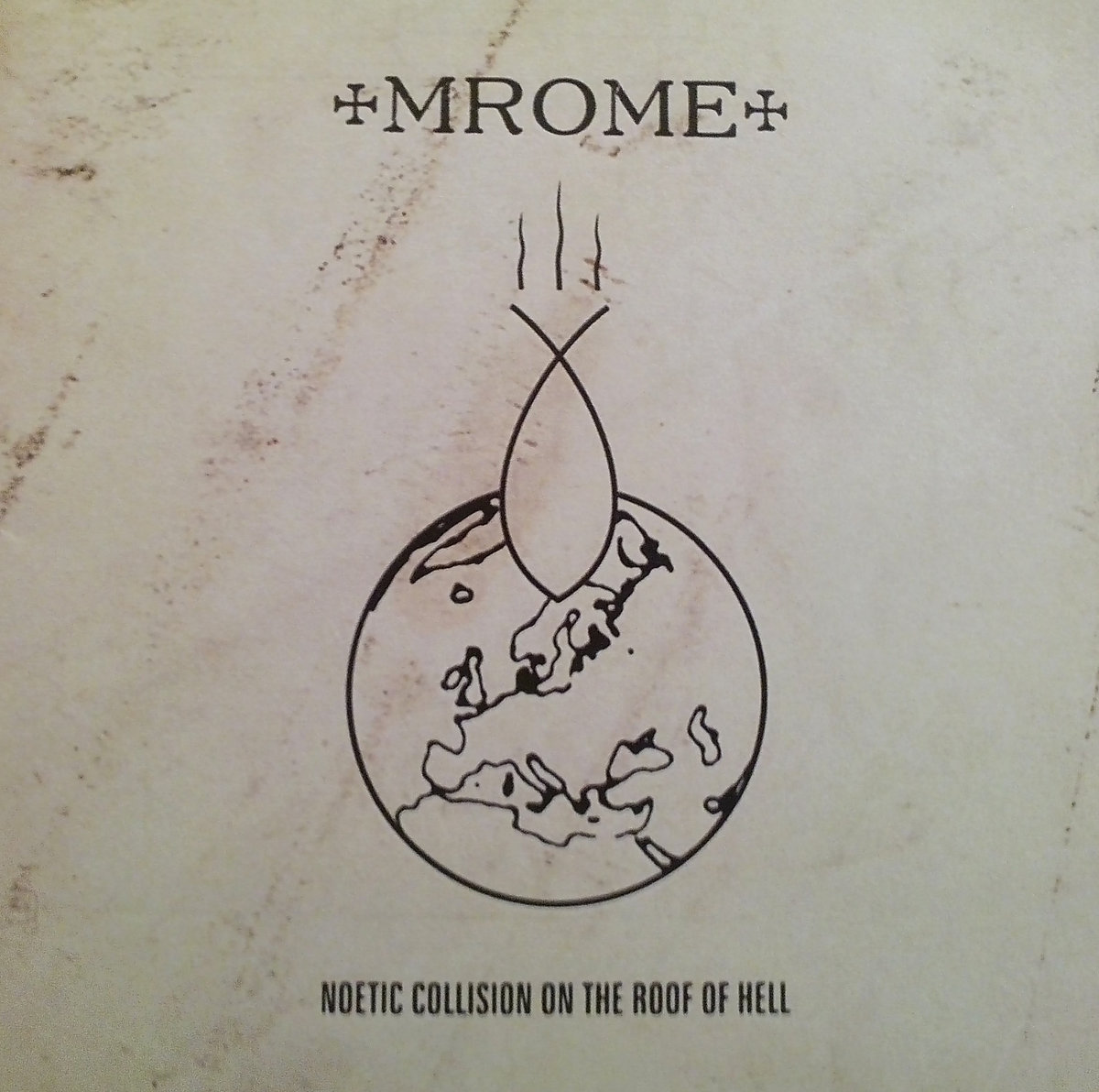
mrome_ncotrohThe last review of the year is the epitome of independent metal, something we at The Headbanging Moose truly love to support, being absolutely raw, anti-mainstream, not interested in promoting band members and not interested in touring at all. Founded in the now far, far away year of 1995 by a group of teenage friends in the city of Andrychów, located in Southern Poland,  Death/Black Metal project +MROME+ was reborn in 2009 after almost a decade of silence, finally releasing as a duo now in 2016 the idiosyncratic album Noetic Collision on the Roof of Hell.

+MROME+ produce their music in their own primitive studio in complete isolation from the local scene, with their only principle being that every new recording is a new start for the band, a new stage, keeping things as different and interesting as possible, and they do that by not labeling their music nor sticking to a predetermined formula. If you take a listen at their collection of demos from 1997 to 1999 baptized as The Basement Sophisma, you’ll see how versatile +MROME+ are, ranging from devilish extreme music to unique cover version for non-metal classics such as Faith No More’s “The Gentle Art of Making Enemies”, and in Noetic Collision on the Roof of Hell the band continues with their heavy experimentations, always pushing their creative boundaries further and further.

When the opening track Colors begins, you’ll be facing a crossover of Death, Sludge and Progressive Metal, with its bass lines rumbling in your face, while Key V transpires aggressiveness through his harsh vocals and P provides the right amount of heaviness and intricacy behind his drums. Then +MROME+ turn up the heat and blast a dark and vile Death Metal composition titled Crush the Moon, sounding amazingly underground and powerful. It has an old school punch thanks to its catchy chorus and melodious, angry guitars, being in my opinion one of the best songs of the whole album. And in Migration Cult we have a great fusion of Death Metal and Rock N’ Roll, with its flammable Thrash Metal riffs complementing Key V’s deranged representation of the song’s wicked lyrics (“Marching far south from Eden / There is still something what push us on / Missing primal fixations / Will we abandon the code / The Holy Fuck”).

How the Gods Kill is an awesome tribute to one of the most eccentric musicians of all time, the one and only Danzig, keeping up with the obscurity of the original version with the low-tuned and menacing sound of bass guitar paving the path for an explosion of evil Heavy Metal. Following that superb cover song, Trust brings forward more of the band’s uproarious Death Metal with Key V and P delivering straightforward heavy music to our ears in a compelling way, whereas Generation Anthem is heavy and distorted music from the pits of Hell. Furthermore, the duo seems to love those menacing mid-tempo songs, firing blazing riffs and fierce beats nonstop. But just when you think the band is going to stick to some sort of formula they fire Piss & Laugh, showcasing a somber rhythm inspired by Dark Metal with the Blackened Doom guitars and the deep gnarls by Key V enhancing its damned atmosphere. At this point of the album, you’ll realize that calling +MROME+ just as Death or Black Metal is an understatement of their musical range and capabilities.

mromeOnce again bursting poetry and madness through the lyrics (“Monstrous iron worms / Feeding on fire / And flash / Choke the ground / March against the dawn / East from nest of crow / Days of hunger / Lions hunt”), Locust Follows Word presents a berserk intro followed by more thunderous bass lines and a grumpy attitude, with all additional elements in the background helping in strengthening the musicality considerably. The second to last blast of underground metal by this interesting project, titled Magister Figurae Morte, will kick you in the face with its pounding drums and energetic riffs in this solid display of ruthless metal from darkness, before The Arsonist closes the album majestically, with Key V impersonating the arsonist himself by setting fire to the musicality with his growls and riffs. In addition, P accelerates his beats to a traditional Black Metal style, generating a high-end feast of hellish music with a climatic ending.

+MROME+ do not have a Facebook page, a Twitter account or any other type of social media. As previously mentioned, it’s all about their music and the concept behind it, which means all things +MROME+ are summarized to their BandCamp page in the form of heavy music, with Noetic Collision on the Roof of Hell being their newest sonic experiment, but not their ultimate one at all. Fans of truly underground metal will hear more about +MROME+ in a not-so-distant future for sure, as they’re already recording Roi-de-Rats, their next full-length opus. Well, I’m already eager to see what Key V, P and the band’s original bassist (who has just rejoined the project after all these years) will offer from their arsenal of extreme and primeval music.

Best moments of the album: Crush the Moon, How the Gods Kill and The Arsonist.

Worst moments of the album: Generation Anthem.

Released in 2016 Independent

Track listing
1. Colors 4:03
2. Crush the Moon 4:33
3. Migration Cult 3:31
4. How the Gods Kill (Danzig cover) 5:46
5. Trust 4:09
6. Generation Anthem 3:45
7. Piss & Laugh 4:24
8. Locust Follows Word 3:48
9. Magister Figurae Morte 4:32
10. The Arsonist 6:18

Band members
Key V – vocals, guitars
P – drums

Album Review – Goatchrist / Discipline and Terror (The Timeless Praxes of the Drakon Covenant) EP (2016)

Offering an exciting amalgamation of styles and elements, one of the most gripping Blackened Death Metal projects from the UK is back with the next step in its prosperous career.

Rating5

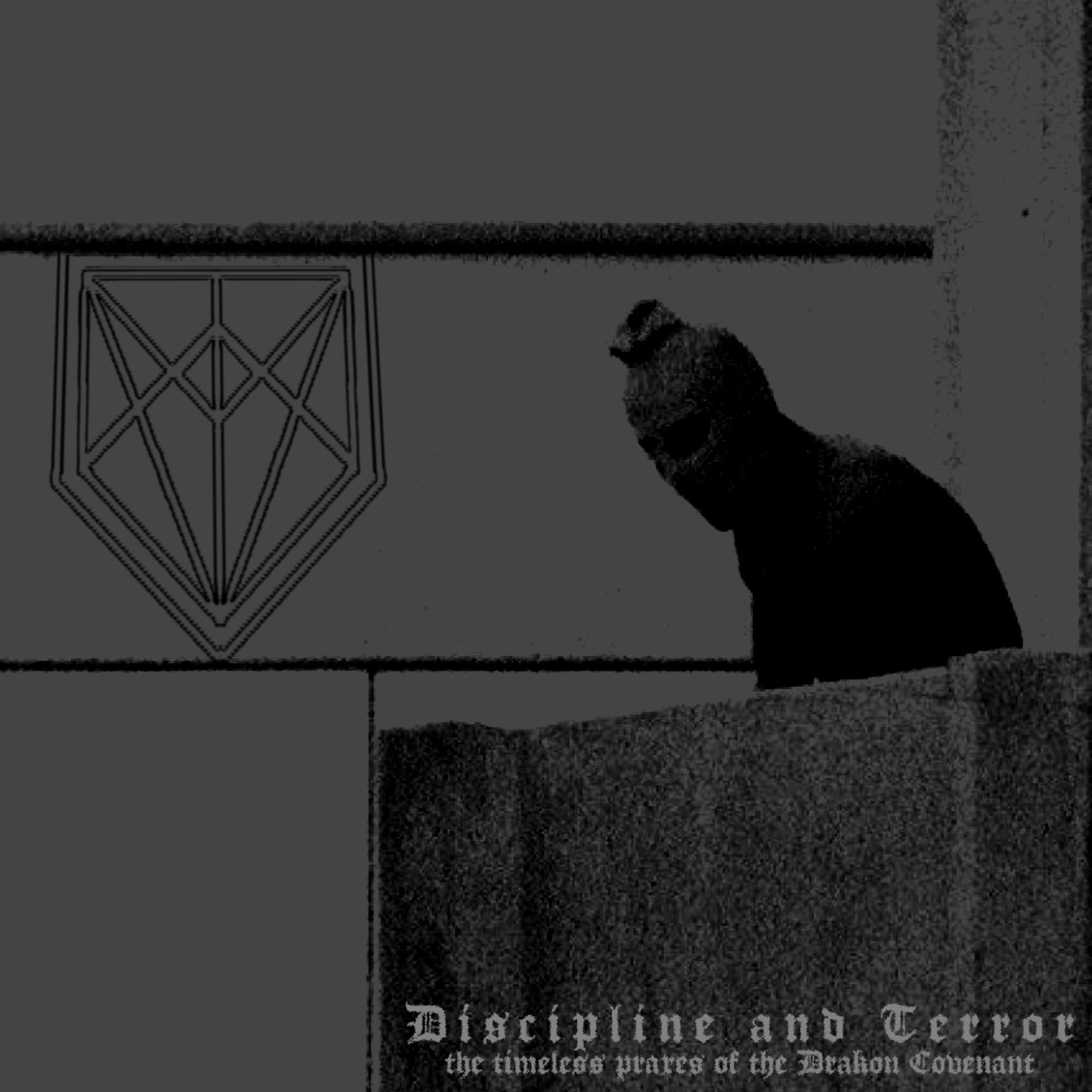
goatchrist-discipline-and-terror-the-timeless-praxes-of-the-drakon-covenant-coverIt’s becoming a delightful routine at The Headbanging Moose to publish a detailed review of the idiosyncratic and whimsical creations by British Blackened Death Metal project Goatchrist at least once a year. With that said, as 2016 draws to its dramatic close, there’s nothing better than carrying on with this special tradition with another top-tier EP by this West Yorkshire-based act led by the young and restless Dominator Xul’Ahabra, this time vampirically entitled Discipline and Terror (The Timeless Praxes of the Drakon Covenant).

Featuring American musician Invoker (Defecrator, Gloriam Draconis) on vocal duties instead of Dominator himself, Discipline and Terror (The Timeless Praxes of the Drakon Covenant) is a robust continuation to the prosperous career of the talented Dominator, being different in many aspects from his previous releases, the 2014 full-length She Who Holds the Scrying Mirror and the 2015 EP The Epic Tragedy Of The Cult Of Enlil, by offering the listener new vibrant elements of extreme music spiced up with nuances of other non-metal genres. And despite all advancements and variations in the music found in the EP, it still has that Goatchrist trademark sounding that makes this project stand out in the independent scene.

Bursting violence and anger, Enter Morain presents elements from Black, Death and Thrash Metal united in an aggressive way, with Invoker firing some Hardcore rasp vocals while Dominator delivers his usual darkened riffs and beats, never slowing down and always sounding electrified. The sensational The Burning of Jerusalem follows a pattern closer to Goatchrist’s previous releases, with its guitar riffs and solos, as well as its rhythmic blast beats, bringing a lot progressiveness and epicness to the musicality, making Invoker’s work on vocals easier and more dynamic when growling the song’s insurgent lyrics (“Now burn, Jerusalem. / For your reign has been broken, / By the sword of Western might / Know that we, your enemy, / Gift this blaze to thee, / So ye may bathe beneath its radiant light.”). Moreover, the compelling experimentations of Dominator with all his eccentric sounds and instruments are always a breath of fresh air to his compositions, sounding as if there were three or four songs in one like what we can witness in this excellent tune.

goatchrist-discipline-and-terror-the-timeless-praxes-of-the-drakon-covenant-newlogoThen out of nowhere, Dominator simply surprises us with a gentle atmospheric (and almost symphonic) ballad named A Meditation in Dead Stillness, very introspective and melancholic from start to finish, not to mention its beautiful name, working as a cinematic intermission to all madness flowing from the following song, the elaborate The Shadow of Malintent. Invoker darkly declaims the song’s elegiac lyrics (“The darkness is coming / And I too there dwell: / Older than day or night, / With fury that none may quell. / Sever your causal ties. / And lift your head to meet / with my gaze; then in a daze / See your ego’s defeat.”) while the music brings forward a Blues-ish vibe with elements from classic Western scores, Doom Metal and Blackened Doom, never getting full Black Metal but still feeling as Stygian as the other songs. In addition, the precise sync between Dominator’s guitar solos and bass lines with Invoker’s growls help the duo tell the story proposed magnificently.

Dominator Xul’Ahabra and his Goatchrist, an amazing project that has been on an upward spiral in the Extreme Metal independent scene in the UK since its inception, can be contacted through their official Facebook page, and their brand new opus Discipline and Terror (The Timeless Praxes of the Drakon Covenant) is available at their BandCamp page, where you can also take a very good listen at and even buy all Goatchrist’s previous albums. In summary, Discipline and Terror (The Timeless Praxes of the Drakon Covenant) is another solid step in Dominator’s career, offering fans of extreme music an exciting amalgamation of styles and elements and, consequently, fortifying the name of Goatchrist and helping the project achieve new heights and spread darkness all over the world.

Best moments of the album: The Burning of Jerusalem.

Worst moments of the album: None.

Released in 2016 Independent

Track listing
1. Enter Morain 4:27
2. The Burning of Jerusalem 7:31
3. A Meditation in Dead Stillness 2:08
4. The Shadow of Malintent 8:43

Band members
Invoker – vocals
Dominator Xul’Ahabra – all instruments

Album Review – Grotesque Ceremonium / Demonic Inquisition (2016)

Call it Torturing Metal, Inquisitor Metal or simply old school Death Metal, the destructive music by this one man-army from Turkey will inflict some good pain on your body and soul.

Rating5

153-1Before starting reading this review, go down to the very end of it and take a good listen at the brutal devastation called “Burned At The Stake” by Turkish Death Metal one-man army Grotesque Ceremonium. Are you done listening to it? Good, because that will make it a lot easier for you to understand what an “unholy old school Death Metal band influenced by early 90’s dark, putrid evil” is, also setting the tone for every single song in Demonic Inquisition, the debut full-length album by this promising project led by the multitalented musician Batu Çetin.

Formed in 2014 in Ankara, Turkey, and having released a debut EP entitled Blasphemous Goat Observance that same year, Grotesque Ceremonium return in Demonic Inquisition with a concept album about the Dark Ages and the Medieval Inquisition, where all punishments and inquisition methods were performed by demons and Baphomet’s evil army against all believers of God. Singing about witches, witchcraft, demonic punishments and tortures in the depths of hell (the satanic temple of Baphomet), Mr. Batu Çetin will take you on a tormenting journey accompanied by the sound of his old school extreme music, leaving your agonizing soul completely disoriented and desolated. What else do you need in good Death Metal music, right?

Putrid growls and snarls permeate the air in Defiled Spirits Of Unholy Torments, where Batu displays a very good control of all instruments, in special his obscure riffs and drums like what we see in bands such as Cannibal Corpse and Morbid Angel, therefore sounding as Death Metal as possible. The title-track Demonic Inquisition builds a direct link with the opening track, enhanced by its profane vociferations and a hellish ambience. By growling deeper and deeper, Batu takes us to the hideous pits of Medieval Inquisition in a little over six minutes or torturing passages and pure Death Metal, exactly the way it’s supposed to sound.

In Burned At The Stake, which is obviously about one of the most heartless forms of torture, Batu translates the unbearable pain caused by fire into brutality with his guitar lines and rhythmic drumming, whereas in Malefizhaus & Hexengefangnis, the witch prisons built during the Bamberg Witch Trials with a capacity of 30 to 40 prisoners each, our one-man army once again provides his vision of such disgusting event through his old school musicality, with highlights to his satanic riffs and nefarious growling. If you feel your head burning after all the darkness spilled by Grotesque Ceremonium so far, get ready for more aggressiveness in Barbaric Apostasy, where despite adding hints of Blackened Doom to his beats, Batu never deviates from the foundations of Death Metal. Put differently, simply bang your fuckin’ heads to this amazing feast of extreme music until your brain detaches from your skull.

gro-bandAgonized Screams Of The Damned might be faster than the previous songs, but it’s still sluggish and extremely heavy, which obviously turns it into one of the most devastating songs of the album (if not the most). Moreover, Batu keeps roaring his fiendish gnarls and delivering his very traditional guitar lines, and pay attention to how vocals and riffs follow the exact same pattern during the entire song, showing how methodical this musician is. Following a similar sonority, we are embraced by total fuckin’ darkness in a disquieting composition entitled In The Cauldrons Of Hell, which blends the heaviness of old school Death Metal with the funereal beats from Doom Metal and Blackened Doom.

The last original track in Demonic Inquisition, named Crushing Morbid Death, is sheer Death Metal with no extra ingredients or any type of shenanigans: it’s simply Batu blasting his wicked growls, riffs and drumming in three minutes of Stygian music. And lastly, the cover version for Profanation, by old school American Death Metal band Incantation, lives up to the original version from 1992, an amazing tribute to one of our death metaller’s main influences with highlights to its “lovable” lyrics (“Pentagram is hailed in hell / Star of death brings infinite life / Enter the circle and desecrate / Devours the soul, embalminate the body…”). Not only that, keep in mind Batu is not a full-bodied band like Incantation, but just one single person, yet again showcasing his refined abilities as a musician.

This impactful display of putrescent Death Metal, available as a jewel box CD limited to 500 copies (including an 8-page booklet) or as a digital download, can be purchased at the band’s BandCamp page, at the Satanath Records’ BandCamp page and webstore, or at Discogs. Perhaps we should say Grotesque Ceremonium, the disfigured child created by the mind of Mr. Batu Çetin, is a forbidding form of Death Metal called “Torturing Metal” or maybe even “Inquisitor Metal” due to its vile nature. A good epitome of what Batu is capable of generating in music, and an excellent alternative for any fas avid for the heaviest form of Death Metal you can think of.

Best moments of the album: Malefizhaus & Hexengefangnis and Agonized Screams Of The Damned.

Worst moments of the album: None.

Released in 2016 Satanath Records/More Hate Productions

Track listing
1. Defiled Spirits Of Unholy Torments 4:52
2. Demonic Inquisition 6:28
3. Burned At The Stake 3:08
4. Malefizhaus & Hexengefangnis 5:24
5. Barbaric Apostasy 5:49
6. Agonized Screams Of The Damned 3:53
7. In The Cauldrons Of Hell 4:47
8. Crushing Morbid Death 2:53
9. Profanation (Incantation cover) 5:04

Band members
Batu Çetin – vocals, all instruments

Album Review – Ulcer / Heading Below (2016)

Trenchant riffs, bestial vocals and wicked beats overflowing from the third full-length installment by a band from Poland that has always been loyal to the foundations of Death Metal.

Rating5

ulcer-heading-below-frontThree years after the release of Grant Us Death, the implacable Polish Death Metal squad Ulcer strikes again with their third full-length album, entitled Heading Below, which will certainly drag you down to the underworld with its 50 minutes of devastating old school Death Metal in the vein of Swedish classics. Bursting with trenchant riffs, bestial vocals and wicked beats while dealing with topics like hate, anti-religion and death, this is a highly recommended albums for fans of the genre, and also an album that effectively solidifies Ulcer’s career not only in Poland, but anywhere in the world where Death Metal is respected and admired.

Formed in 2006 in the city of Lublin (around 200km southeast of the capital Warsaw) and featuring members from established bands such as Blaze of Perdition, Abusiveness, Deivos and Dira Mortis, Ulcer can be considered one of the (relatively) new European bands with the strongest loyalty to the roots of Death Metal, keeping their sounding as raw and aggressive as possible, but with the addition of distinct elements from other subgenres of Extreme Metal to keep the music always fresh and exciting. If the name of the band is not enough to prove you how vile and gruesome the music in Heading Below is before you hit play, take a good look at the austere cover art by Polish artist Piotr Kurek of Mentalporn (who was responsible for the artwork for another Polish Death Metal band  recently reviewed by The Headbanging Moose, the also excellent Embrional) and you’ll then realize it’s brutal Death Metal we’re talking about, and nothing else.

How else could a good Death Metal album start than with some eerie noises suddenly exploding into sheer inhumanity? That’s the opening track, named Down Below, a sonic thunder that will crush you mercilessly led by the demolishing riffs by guitarist Lucass and Mścisław, with hints of Black Metal inserted into the musicality to darken the final result even more. In Fiends Forever, melodious but fierce guitar lines open the gates for the bestial vociferations by frontmen D. and Angelfuck and the heavy beats by drummer Vizun, until the song’s Cannibal Corpse-inspired ending; whereas Sights To See presents ruthless Death Metal with hints of Hardcore and Black Metal, which obviously enhances the song’s savageness. D. and Angelfuck are once again a dynamic duo of destruction, spearheading one of the best and most devastating moments of the album for sure.

All In Vain is one of those songs where an epic intro morphs into blasting metal with huge doses of anger, with Vizun being the band’s unstoppable stonecrusher while bassist Szwed provides the low-tuned creepy lines we love in extreme music, all embraced by a somber atmosphere. As aforementioned, Ulcer definitely know how to grab the best elements from other subgenres of heavy music, as for example the Doom Metal-ish vibe that complements the ferocity of their Death Metal in the elegantly fast and furious The Phantom Heart, another brutish hymn perfect for some sick mosh pits. You Called, We Came is a direct Death Metal composition tailored for diehard fans of boisterous extreme music, with absolutely no magic ingredients added to its formula but old school destruction. Moreover, Lucass and Mścisław fire exactly what the music demands through their devilish guitars. On the other hand, despite presenting some good moments (like the guitar solo halfway through it), Miscarriage’s Lullaby is way below the quality found in the rest of the album.

UlcerphotoThe mid tempo Death Metal chant Howl Of The Jackal sounds very old school, obscure and hellish, with both vocalists offering precise guttural howls and harsh screams while the rest of the band smashes their instruments manically. Yet again, an ominous aura boosts the song’s vileness and, consequently, it’s overall quality, elevating it to the status of one of the best composition in Heading Below. Lastly, the bold and demonic 9-minute aria Enshrouded In Nothingness begins by displaying the darkest form of Blackened Doom you can think of, with its disturbing sonority being fairly different from the rest of the album. In addition, the second part of the song becomes a blend of Death and Symphonic Black Metal, always getting back to its original sluggish rhythm until its desolating conclusion, showing how versatile the band can be without affecting their Death Metal core.

Heading Below can be purchased at the Arachnophobia Records’ BandCamp page or webstore, and more details about the reverberating Death Metal by Ulcer can be found at their Facebook page and SoundCloud. As I said in the beginning of this review, Heading Below will help Ulcer cement their path to success without a shadow of a doubt due to its high level of energy, violence and devastation, keeping the demonic fires of Death Metal alive for the total delight of lovers of a type of heavy music that always takes the word “heavy” to a new limit.

Best moments of the album: Sights To See, The Phantom Heart and Howl Of The Jackal.

Worst moments of the album: Miscarriage’s Lullaby.

Released in 2016 Arachnophobia Records

Track listing
1. Down Below 6:04
2. Fiends Forever 5:46
3. Sights To See 4:29
4. All In Vain 6:09
5. The Phantom Heart 6:16
6. You Called, We Came 4:14
7. Miscarriage’s Lullaby 4:47
8. Howl Of The Jackal 5:12
9. Enshrouded In Nothingness 9:06

Band members
D. – vocals
Angelfuck – vocals
Lucass – guitars
Mścisław – guitars
Szwed – bass
Vizun – drums

Album Review – ZØRORMR / The Aftermath EP (2016)

Enjoy these six powerful and distinct Black Metal chants that together bring to a conclusion the first era in the history of this excellent extreme project from Poland. Arise ZØRORMR, Arise!

Rating5

coverAs today is June 6, 2016 (or 6/6/16), the eleventh edition of the world-famous International Day of Slayer, there’s nothing better than relishing this date with a good dosage of dark and heavy music, and the chosen soundtrack for such a distinct celebration this year by The Headbanging Moose is the six-track diabolical EP entitled The Aftermath, meticulously crafted in the dark shadows of Opole, a city located in southern Poland, by Black Metal one-man army ZØRORMR. Born on the ruins of a dark ambient project named I.A. Serpentor in the beginning of 2010, ZØRORMR already released the albums Kval (2010), HIS (2013) and Corpus Hermeticum (2015), with The Aftermath closing the first era in the history of this excellent project led by Polish artist and multi-instrumentalist Moloch.

Featuring a hellish artwork by Russian artist Timur Khabirov and with the support of guest musicians Przemysław “Quazarre” Olbryt on lead guitar and Icanraz on drums (both from Polish Symphonic Black/Death Metal act Devilish Impressions), The Aftermath consists of four tracks recorded during the Corpus Hermeticum session (with 3 of them never heard before), produced by Arek “Malta” Malczewski (a longtime producer for Blackened Death Metal titans Behemoth), as well as two bonus tracks from the HIS and Kval sessions. The music itself is a hybrid of the works by bands like Rotting Christ, Naglfar and other important names fom extreme music, being also heavily inspired by Heavy Metal from the 80’s.

A heavy storm announces darkness has arrived in The Last Judgement, a classy Black Metal composition with hints of Doom Metal and symphonic elements that kicks off the EP on a high note. Moloch vigorously leads this black mass with his demonic growls and riffs, while Icanraz displays all his skills by blending an occult and tribal drumming with traditional Black Metal blast beats. The Crawling Chaos presents another smooth intro that evolves to lugubrious Black Metal, enhanced by an additional layer of intricacy comprised of interesting Blackened Doom elements, which help the band craft a disturbing and demonic ambience. In addition to that, the infernal screams by Moloch will torture your soul, whereas Quazarre does an outstanding job with his precise guitar solos.

molochThe Adversary is yet again a solid and dense composition offered to the listener by this incredible Polish project, with the sick drumming by Icanraz generating an amazing uproar for Moloch to spill his somber vociferations upon us. And there’s no place to hide from ZØRORMR, as all that heaviness and vileness goes on in the title-track, the grim The Aftermath. Moloch definitely knows how to craft gripping intros to his creations, with the song’s obscure rhythm together with its beautiful piano notes resembling a dark funeral march. In other words, this is an instrumental song that could easily be used as the soundtrack of a demented horror movie.

The first bonus tack, entitled Arise Cthulhu, Arise!, goes full Black Metal, presenting a disquieting musicality perfect for fans of old school extreme music. Every single moment of the song is filled with malevolence and causticity, which is obviously a good thing in Black Metal and, consequently, turns this chant into the best of all six tracks in The Aftermath. Lastly, the second bonus track Zørormr, which carries the name of the band, brings forward sharper riffs and a cutting sonority, concluding the EP in a thrilling way. Despite being another instrumental track by ZØRORMR, it’s fairly different from “The Aftermath” due to the Thrash and Death Metal hints added to it, showcasing the wide musical range Moloch is capable of reaching with his music.

In summary, not only the music found in The Aftermath keeps up with the creations of the biggest Extreme Metal icons from Poland, but it also provides an accurate and outright epitome of everything ZØRORMR have already provided to the world of heavy music, as well as what to expect from this striking project by Moloch in the future. In case you want to follow the “evilution” of ZØRORMR, go check their Facebook page, YouTube channel and SoundCloud page, and if you want to buy a copy of The Aftermath you can find it for sale at the Via Nocturna’s webstore or BandCamp page. Arise ZØRORMR, Arise!

Best moments of the album: The Adversary and Arise Cthulhu, Arise!

Worst moments of the album: None.

Released in 2016 Via Nocturna

Track listing
1. The Last Judgement 6:29
2. The Crawling Chaos 5:15
3. The Adversary 2:54
4. The Aftermath 3:53

Bonus tracks
5. Arise Cthulhu, Arise! 3:27
6. Zørormr 3:01

Band members
Moloch – vocals, guitars, bass, keyboards

Guest musicians
Przemysław “Quazarre” Olbryt – lead guitar
Icanraz  – drums