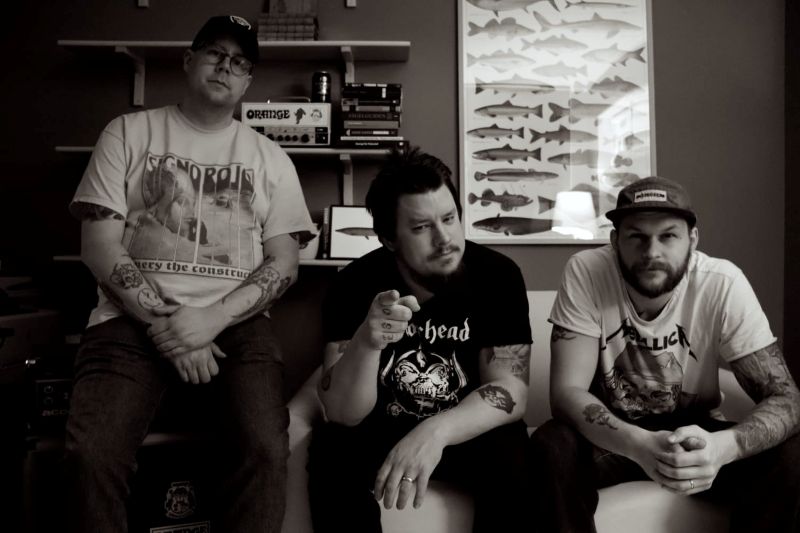
Going the distance in punishing the body and tormenting the mind, this Swedish Death Metal trio returns from the grave with their filthy and barbaric sophomore album.
Having a knack for fitting artworks, always capturing the album’s psychedically putrid contents perfectly, Göthenburg, Sweden-based Death Metal brigade Filth attacks once again with their sophomore album, titled Death Exhibiton, the follow-up to their 2025 debut Time to Rot. Going the distance in punishing the body and tormenting the mind, the trio formed of Per on vocals and drums, Sebastian on lead guitars and bass, and Ismael on rhythm guitars sounds both more finessed and more barbaric than their debut offering. The formula has hardly changed, thankfully, but the foundations of their sound are expanded further in Death Exhibition, whether it’s the crude, tank-rolling crush of Grave, or the sooty angularity of Immolation.
After the album’s short horror-infused Intro, all hell breaks loose to the sound of Split Casket, offering our putrid ears an overdose of doom-laden Death Metal where Per’s deep, inhumane guttural match perfectly with the apocalyptic guitar lines by Sebastian and Ismael; and their cadaverous, primeval sounds keep permeating the air in Buried Alive, with Sebastian not only delivering killer riffs, but his bass lines are also absolutely thunderous. Born A Corpse carries an old school name for another song where their visceral fusion of Death and Doom Metal works majestically, in special the deep vociferations by Per; and he continues to smash his drums in the name of darkness and gore in Mental Butchery, living up to the legacy of the genre.
…Inhumed… sounds and feels as dark and evil and it is groovy thanks to the caustic riffs and bass lines by Sebastian and Ismael, bringing total obscurity to our rotten hearts, while Sadistic Ways continues where the previous song left off, with its cadaverous Doom Metal vibe bringing even more hatred to their core Death Metal. The title-track Death Exhibition presents an overdose of primeval Death Metal not recommended for the lighthearted, with Per’s deep roars sounding utterly demonic. Then the ruthless bass by Sebastian will then crush your cranial skull in …Exhumed…, sounding slow, grim and visceral, flowing into the bludgeoning and evil closing tune Rotted Life, with the trio blasting their sonic weapons with endless hatred until the very end.
Other similarly old school influences can be spotted in Death Exhibition, such as Demilich, Autopsy, Incantation, and Abhorrence, but rest assured that Filth inject their own personality (and just a slight bit of weirdness) into the bubbling cauldron to remain authentic rather than ripping off someone else’s past. Those guys don’t seem to enjoy social media at all, as they’re not on Facebook nor on Instagram, but you can still find their music on Spotify, and grab a copy of their new album from Me Saco Un Ojo’s BandCamp or from Rotted Life’s BandCamp. This is Swedish Death Metal at its filthiest, and there’s no escape once you’re trapped in the cauldron of violence and gore found in their fulminating new album.
Best moments of the album:Split Casket, …Inhumed… and Death Exhibition.
Worst moments of the album: None.
Released in 2026 Me Saco Un Ojo/Rotted Life
Track listing 1. Intro 0:30
2. Split Casket 3:35
3. Buried Alive 3:39
4. Born A Corpse 3:21
5. Mental Butchery 4:06
6. …Inhumed… 4:07
7. Sadistic Ways 3:39
8. Death Exhibition 4:13
9. …Exhumed… 2:45
10. Rotted Life 4:26
Band members Per – vocals, drums
Sebastian – lead guitars, bass
Ismael – rhythm guitars
A demented creature arises from the swamps of consciousness with its pulverizing sophomore album, a must-listen slab of old school Death Metal.
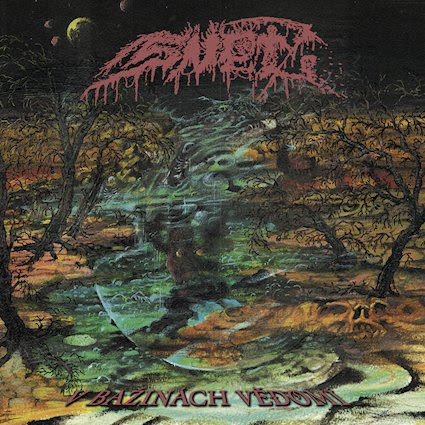
Having annihilated the underground with their 2021 debut Mokvání v okovech and kept things flowing with two splits in the interim, Prague, Czechia’s own Death Metal creature Sněť (which translates to “gangrene” or “mortification” from Czech) returns from the grave with their highly anticipated sophomore album, entitled V bažinách vědomí, or “in the swamps of consciousness.” Recorded by Amák Golden at Golden Hive Studio, mixed and mastered by Greg Wilkinson at Earhammer Studios, and showcasing a sinister artwork by Tomáš Mitura (also known as the band’s own frontman Řád Zdechlin), the new opus by Řád Zdechlin on vocals, Hnisatel and Ransolič on the guitars, Hrdlořez on bass, and Krutörr on drums is a must-listen slab of old school Death Metal, with the band keeping the 90’s hallmarks intact while adding subtle touches that show they’ve found their own identity, therefore delivering a gruesomeness and discomfort that reflects their evolution without sacrificing any of its punishing intensity.
The guitars by Hnisatel and Ransolič already exhale sulfur in Tíha světů, or “the weight of worlds,” evolving into a feast of primeval Death Metal where Krutörr pounds his drums with endless anger and hatred in his heart; whereas a cinematic intro explodes into absolute savagery in Kladivo ve tmě, or “hammer in the dark,” with the cadaverous guttural by Řád Zdechlin sending shivers down our spines. The next track, titled Natur, the Czech word for “nature,” is a fantastic blast of total chaos and violence by such a merciless band, reeking of old school Death Metal savagery, and Hrdlořez’s bass and Krutörr’s drums will make the earth tremble in Ve stínu slunce, or “in the shadow of the sun,” while Řád Zdechlin keeps vociferating like a demonic beast. And Apokalyptický smaragd budoucí doby, which beautifully translates as “apocalyptic emerald of the future,” sounds utterly heavy and primeval while at the same time showcasing an overdose of groove and harmony, with their guitars feeling like knifes cutting our flesh.
Moskyt, which simply means “mosquito,” brings to our avid ears an explosion of Death Metal madness by the quintet, with their riffs and blast beats offering Řád Zdechlin exactly what he needs to vociferate right in our faces, followed by Jako každý, or “like everyone,” inspired by old school Cannibal Corpse, and the final result is amazing, with Krutörr taking the lead with his unstoppable beats and fills. Nekončící koloběh snění a probouzení, or “the endless cycle of dreaming and waking,” once again presents nuances of Doom Metal added to their core Death Metal essence, with the band’s stringed triumvirate bringing forward sheer progressiveness and electricity; while Dřevěný kůl, or “wooden stake,” offers more of their classic take of Death Metal with obscure elements from Doom Metal. And lastly, Znetvořená panna, or “a disfigured virgin,” is as devastating and dynamic as its predecessors, putting a killer ending to the album to the wicked guitar solos by Hnisatel and Ransolič.
Consuming the listener with an eldritch atmosphere while piercing through the fog with pure rancidity, Sněť’s new album boasts a massive production that crushes with total morbidity. There is no pretense to Sněť, they simply play Death Metal the way they want to hear it, and that shines throughout V bažinách vědomí. If you love brutality, grooves, death, and riffs, don’t miss the opportunity to grab a copy of the album from their own BandCamp, from the Me Saco un Ojo Records’ BandCamp or webstore, or from Dark Descent Records, and don’t forget to also give those amazing death metallers a shout on Facebook and on Instagram, and to stream their venomous music on Spotify. As Sněť arise from the swamps of consciousness and attacks us all with their pulverizing sophomore album, you better get ready because no one will be left alive.
Best moments of the album:Kladivo ve tmě, Natur and Jako každý.
Worst moments of the album: None.
Released in 2026 Me Saco un Ojo Records
Track listing 1. Tíha světů 4:48
2. Kladivo ve tmě 3:49
3. Natur 3:01
4. Ve stínu slunce 4:37
5. Apokalyptický smaragd budoucí doby 3:56
6. Moskyt 3:30
7. Jako každý 2:38
8. Nekončící koloběh snění a probouzení 4:00
9. Dřevěný kůl 2:58
10. Znetvořená panna 4:38
Band members Řád Zdechlin – vocals
Hnisatel – guitars
Ransolič – guitars
Hrdlořez – bass
Krutörr – drums
I searched for my fate, wore my feet raw on the stones, barefoot I walked… Bring my body home, promise me…
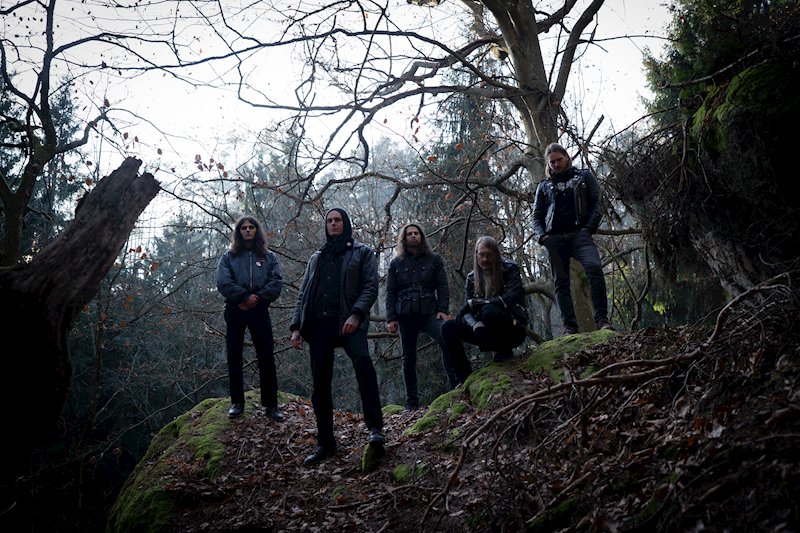
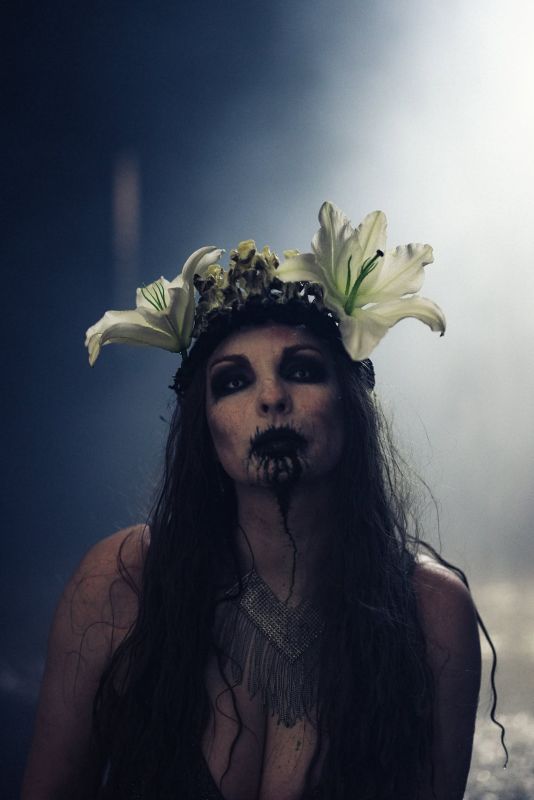
September is that type of month that you never know how its going to be. It’s sometimes scorching, sometimes cold. However, one thing is certain, and that’s darkness will keep growing as the month progresses. Hence, there’s nothing better than celebrating the arrival of the longer nights with the obscure fusion of Post-Black Metal with even darker styles such as Doom and Depressive Black Metal by Dymna Lotva, spearheaded by our metal lady of the month, the indomitable Katsiaryna Mankevich, or Кацярына Манкевіч, also known by her stage moniker Nokt Aeon, or simply Nokt. Considered an “extremist” in her homeland Belarus due to her fight for freedom and justice through her music, she will hypnotize you with her ritualistic vocals and multi-layered compositions, darkening our hearts, our thoughts and our minds faster than the night comes. If you have what it takes to face such a deep dark, you’re more than welcome to join The Headbanging Moose on this humble tribute to one of the must-see names of the music scene worldwide.
Born on February 21, 1989 in Minsk, the capital of Belarus, but currently residing in Warsaw, Poland for not-very-nice reasons (which will be explained in detail shortly), Katsiaryna is not only an accomplished vocalist and lyricist, but she’s also a digital creator, studied Scientific and Production Activity (or “научно-производственная деятельность”) at Belarusian State University (BSU), and studied Radio Engineering and Electronics (or “Факультет радиотехники и электроники”) at Belarusian State University of Informatics and Radioelectronics (BSUIR), or БГУИР, and all of those courses of course helped her develop skills that would be extremely useful in her career as a professional musician.
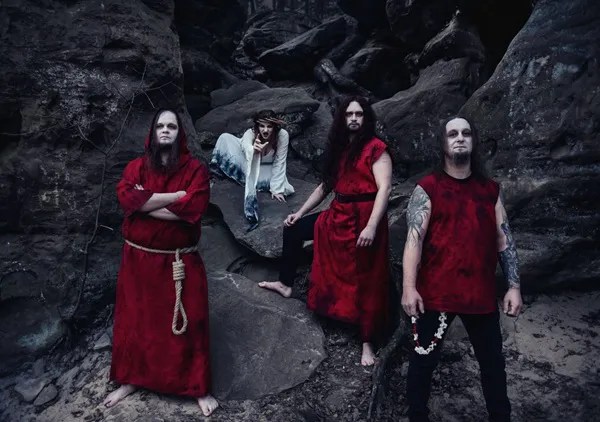
As already mentioned, Katsiaryna is the striking frontwoman for Depressive Doom/Post-Black Metal entity Dymna Lotva, formed in 2015 by our she-wolf, who goes by the moniker Nokt Aeon, and guitarist and bassist Yauheni “Jaŭhien” Charkasau, drawing inspiration from the history and culture of Belarus, evoking the mystical fog and ancient marshes of their homeland. As a matter of fact, Dymna Lotva translates from Belarusian as “swamp in smoke,” referencing the devastating atrocities and burned villages of Polesia, a deeply distinct geographic and cultural region that extends across southern Belarus into Ukraine and Poland. Guitarist Mikita Stankevich and drummer Wojciech “Bocian” Muchowicz complete the band’s current lineup, and if you have never heard anything about such an amazing metal ensemble, don’t waste another second and go listen to their entire discography because they surely kick some serious ass.
There’s an interesting story behind the creation of the band over a decade ago, linked to the news of Belarusian writer Svetlana Alexandrovna Alexievich winning the Nobel Prize in Literature. “I remember when I read the book, and it was so terrific. I was going home with a big idea that I needed to make a song for the part of the book with quotes from Lyudmila Ignatenko, the widow of the Chernobyl liquidator, and her account of her husband, Vasily Ivanovich Ignatenko. If you watched the Chernobyl Netflix series, you might remember her as the main character. She’s a real person; she’s still alive, living in Kyiv, and these are her real words,” commented our metal diva. “The same day, I was checking a certain metal forum in case somebody was searching for musicians. I read that Jaŭhien was searching for a vocalist for his post-metal project, and I wrote to him that maybe I could help. I said I knew almost everybody and could bring him the vocalist he wanted. He said that I was OK and that he didn’t need another vocalist. So let’s do it. I told him about the idea I had and that we needed to make that song. I asked him to send me some material, and he did it, and one of the songs fit. So, for our first single, Самотны чалавечы голас, I just read that monologue. So, officially, our birthday was on 8 October 2015.”
Katsiaryna has no idea if Svetlana knows she was the inspiration for the band, saying she tried to contact her without much success. At least she was able to contact her agent to discuss the author rights to use Svetlana’s text for a song. “So, we have rights if it’s not commercial. I think we are still not a commercial band because selling 500 copies of the album is not really commercial.” Furthermore, their second album is fully based on Svetlana’s book Chernobyl Prayer, a collection of real people’s stories and monologues. “We were just going through this book and did the lyrics for the album,” she commented in one of her interviews.
Speaking of their discography, Dymna Lotva have already released upon humanity four full-length records, those being Зямля пад чорнымі крыламі: Дрыгва (which translates from Belarusian to “The Land Under the Black Wings: Swamp”), from 2016, where Katsiaryna was responsible for the vocals and lyrics, and also played the flute; Палын (or “Wormwood” in English, dedicated to the liquidation of the consequences of the Chernobyl disaster), from 2017, where she also took care of the vocal duties and lyrics; Зямля пад чорнымі крыламі: Кроў (or “The Land Under the Black Wings: Blood”), from 2023, also doing vocals, writing all lyrics, playing the flute, and being responsible for the artwork; and more recently Vyraj ( a mythical realm to where birds migrate for the winter, and where the souls of the departed find their final rest), also doing all vocals, lyrics, and playing the flute, all available on BandCamp and on Spotify.
You can also go to YouTube and enjoy their official videos for some amazing tunes the likes of Buried Alive, Zory, The Boat Of Despair, Return My Coffin Home, Death Kisses Your Eyes, Come and See, Hell, among others, and visit the band’s YouTube channel, where you’ll find amazing footage from their breathtaking live performances such as for the songs The Pit, Dead Don’t Hurt, Buried Alive and Ravens Are Also Mortal, as well as full concerts like live at Brugge Club in 2019, and live at Metal Mine Festival in 2024. While listening to their music, you’ll soon realize most of their songs are in their mother tongue, with the song titles and lyrics in Cyrillic, and the fact that countless fans around the world won’t fully understand their lyrics doesn’t seem to be an issue to them. Another important detail is the difficult task to categorize the music by Dymna Lotva due to their always shape-shifting fusion of atmospheric and dark styles like Doom and Black Metal with Folk and Experimental Metal. Katsiaryna said they’re similar to Austrian Black/Folk Metal entity Perchta in style, but even so, comparing Dymna Lotva and Perchta is not an easy challenge.
Apart from her career with Dymna Lotva, Katsiaryna can be found as the vocalist for a crushing Polish-Belarusian party-DSBM and Post-Black Metal outfit named Hangover in Minsk, formed in 2024 out of a drunken bus-ride debate by members of Dymna Lotva, also under the moniker Nokt Aeon. Born in 2024 on a brutal 12-hour drive from Munich to Warsaw after the Dark Easter Metal Meeting when the Dymna Lotva crew couldn’t agree on tour tunes with a hangover, they forged their own brand of “Depressive Beer Metal,” having released in 2025 their debut effort Party Is Over, available on both BandCamp and Spotify. Their music is melancholic, dark and haunting, just like in the official videos for the songs Farewell and Party is Over, and I can’t wait to see what’s next for this interesting alter-ego by the Dymna Lotva brigade.
Before and during her career with Dymna Lotva, the unstoppable Katsiaryna was the vocalist and lyricist for a Depressive Black Metal project named Absence of Life between 2018 and 2022, together with a former member of Dymna Lotva named Forladt. They recorded together the 2018 EP The Fall, and the 2021 full-length Instinct of Self-Destruction, both also available on BandCamp and on Spotify. Another band featuring our she-demon on vocals was Belarusian Gothic Metal band Aconitum, with whom she recorded the vocals and flute for their 2018 EP Недолго. Несчастливо. (having also taken care of the EP recording process). The band split up in 2018, but you can still enjoy the full EP with Katsiaryna on vocals on BandCamp. And finally, she also sang on the 2015 single Навальніца, by Belarusian Atmospheric Black Metal project Трызна, and sang live with Belarusian Blackened Death Metal horde Dwellstorm Borned in 2018.
As a guest musician, you can find Katsiaryna lending her stunning vocals to an array of distinct bands. For instance, she recorded the vocals on the song Falsygen Mask, from the 2015 single Black Depth Domain, by the probably now defunct Belarusian Groove/Death Metal band Apologeth; choir vocals for the Twisted Sisters’ cover We’re Not Gonna Take It, from the 2020 album Pandechristmas, by Belgian Heavy Metal machine Déhà; vocals on the 2018 single Demons and Witches, by the aforementioned Dwellstorm Borned; vocals on the 2018 single Петля времён, by Belarusian Black Metal horde Engraving Infinity; vocals on the 2019 album Before It All, by Belgian Depressive Black Metal entity The Penitent (another one of the excellent project by Déhà); and vocals on the 2019 album Far Away from the Painless Life, by Mexican Depressive Black Metal outfit Traurigkeit. Not only that, she also worked on grammatic consultations for the 2020 EP Час адплаты, крыві і смутку, by Ukrainian Black Metal duo Цемра.
This slideshow requires JavaScript.
Regarding her idols and influences, our dauntless metaller mentioned Lisa Gerrard of Dead Can Dance and Aaron Stainthorpe of My Dying Bride as two of her major influences, as well as Ville Valo and his HIM. In addition, despite the fact the initial idea behind Dymna Lotva was to write music based on the fictional work of Edgar Allan Poe, they became an anti-regime band, reclaiming parts of the Belarusian culture that Alexander Lukashenko’s predominantly Russian-speaking administration has tried to suppress. “He hates our culture and language,” commented Katsiaryna. “I’ve been in love with Belarusian culture since I was a teenager, and I started to collect books about native language and pagan traditions. We based our lyrics and concepts on legends, literature and history.” By the way, Alexander Lukashenko has been the first and only president of Belarus since the office’s establishment in 1994, making him the current longest-tenured European president.
However, before talking about the band’s conflict with the Lukashenko administration, let’s discuss the impact of Dymna Lotva when the band hits the stages. “I can call our show an emotional exhibitionism. If you want to drink beer and cry, please come to our show. After the concert, you can drink even more beer with us,” said Katsiaryna when asked what the audience can expect from their live performances. Always eager to go onstage and play their music to rock and metal fans from all over the world, the band had to flee their homeland in 2021 after getting involved in the mass protests that were happening all over their homeland then, performing music and opening their homes to offer food and medicine to those who were injured. When two members of the band Irdorath, and singer Lesley Knife of Gods Tower (with whom they had recorded the protest song Да Волі (or “To Freedom”) were arrested, they knew it was time to run away. “We had some shows planned, and the promoters called us to say that someone from the Ministry of Culture had pressured them to remove us from their events, else they would be imprisoned and their clubs closed. We started to live in places we weren’t renting officially, so that they would not find us. Eventually, we knew it was time to go.”
Now based in Poland, they continue to sing songs filled with grief and pain, writing lyrics lyrics based on true stories from the rich history of Belarus, filled with sorrow from historical events or folklore while new horrors are committed in their country every single day. Belarus has a lot of excellent metal bands, including for example, Eximperitus, Belle Morte, and Ciemra, but Lukashenko’s administration has repeatedly squashed them to pieces since he got into power. “So many bands have been imprisoned for playing metal music,” she said in one of her interviews. “You cannot organize any underground concerts, clubs are forcibly closed. Every generation starts new bands who are then forced to emigrate or disband. It’s a miracle that we have one metal band who have played since the end of the 80’s, Gods Tower.”
Katsiaryna actually moved first to Ukraine, then from Ukraine to Poland in 2022, and at least while Lukashenko is the Belarusian leader they cannot return to their homeland, otherwise they’ll certainly go to jail. Jaŭhien is considered a “terrorist” by the Belarusian government, while Katsiaryna is an “extremist.” The band’s videos were officially declared “extremist” in December 2025, and there are several additional criminal cases pending in Belarus courts that are very similar to what’s happening with Dymna Lotva. Not only that, Belarus officials are also using their accusations against Katsiaryna to imprison the band’s Belarusian fans who simply liked, reposted or commented on their videos online.
“Every presidential election after his first one has been stolen,” mentioned Katsiaryna about the “unofficial dictatorship” imposed by Lukashenko. “It’s not normal. Opposition has been put in prison, some of them murdered, hanged in the forest. Murders, repression, stolen money, stolen land. That is dictatorship in Belarus.” Granted international protection status in Poland in 2022 alongside Jaŭhien, and living with her fellow Belarusian refugee cat Beelzebub, she mentioned their escape from Belarus to Ukraine wasn’t an easy one, as they had to go though Russia first. “We got into Russia by train, and there was a document check near the end of our journey. We stayed and hid inside the train a little longer,” she commented. “If we had gone to the nearest official shelter or to our flat, we would be dead.”
It was only in 2023 when the duo was able to restart Dymna Lotva, releasing their third album that same year, as already mentioned, and making an emotional return to the stages at Prophecy Fest in Germany. “We had just released our new album, so we thought that nobody had heard about Dymna Lotva. When we came to the stage and saw this big crowd, it was like, ‘Whaaaat?!’ Our bassist Jaŭhien was in Warsaw, because his new Polish documents weren’t ready in time. So we placed his bass on the stage, put the Belarusian national flag on it, and I told the public our bassist was a ghost.”
The Belarusian government’s ban on their music has made them determined to keep moving forward no matter what, resulting in their fourth album Vyraj, incorporating their experiences while using a concept about a passage through the Underworld as an allegory for emigration out of one’s country due to war and oppression. Unfortunately, she has no idea if she’ll ever be able to return to Belarus and play her music again in her homeland. “Every year we are further away from Belarus. Two years ago, all of us would have said, ‘Yes.’ Now, we’re not so sure. I definitely want, when the regime falls, to stage our own metal festival in Belarus. I want to go home and make something good for the scene there. It would be hard though, because most of the people we love are not in Belarus anymore.”
As a huge supporter of not only the underground, but also of freedom of speech and of justice, The Headbanging Moose truly hopes Dymna Lotva can one day return home and kick some ass with their beautiful music. Several bands might sing about wars and battles, but deep down inside they just want to show their fans how horrible those things are. Metalheads only want peace, they just want to be able to hit the stages all across the world and bring happiness to their fans through their music and concerts, and Dymna Lotva might be one of the most important leaders of that movement in music nowadays. In the meantime, while the war and dictatorship in Belarus linger, let’s show our utmost support to Katsiaryna by listening to Dymna Lotva’s music, buying their merch, attending their concerts, and raising our fists together with her and her bandmates. Oppression and dictatorship have no place in the Heavy Metal universe. Long live Nokt Aeon! Long live Dymna Lotva!
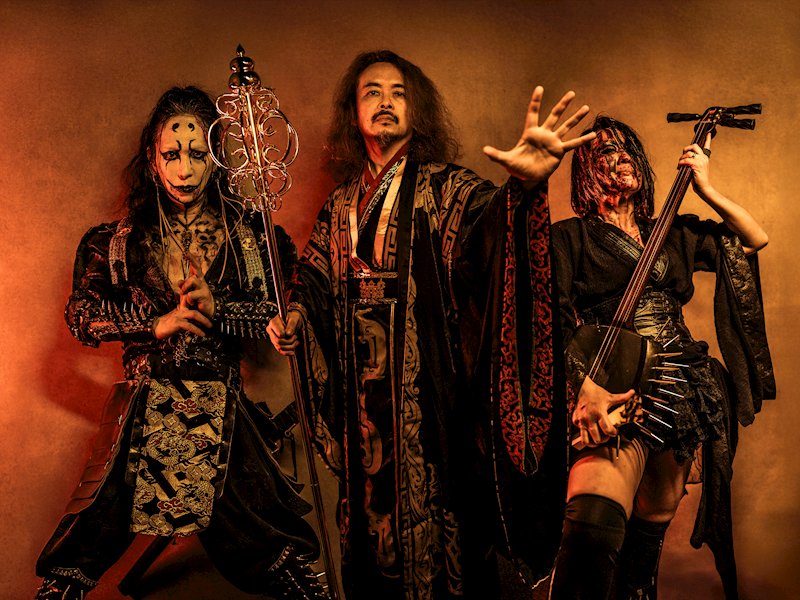
These Avantgarde Black Metal masters from Japan are back with a breathtaking new album, openly showing the harsh reality that no matter how beautiful you are, you’ll be dead and rot sooner or later.
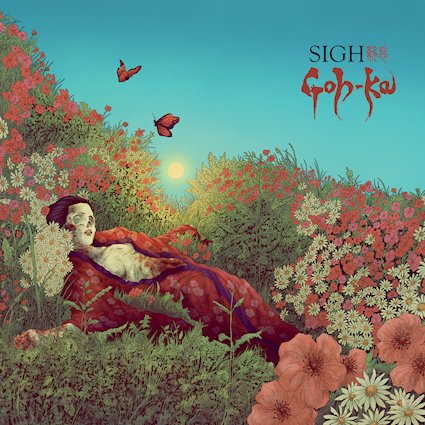
A new highlight of atmosphere, technical mastery, and meticulously arranged epics of metallic grandeur, Goh-ka, a title with a triple meaning (業火 infernal fire scorching sinners, 劫火 a huge fire that burns down the world at the end of time, and 業果 karma), is the new opus by the mighty Tokyo, Japan-based Avantgarde/Experimental Black Metal institution Sigh, the follow-up to their 2022 album Shiki. Recorded across multiple studios, once again mixed and mastered by Lasse Lammert at LSD Studios, and displaying a stunning artwork by Maciej Kamuda, the new offering by Mirai Kawashima on vocals, Dr. Mikannibal on vocals and saxophone, Nozomu Wakai on the guitars, and with the support of session musicians Frédéric Leclercq (Kreator) on bass and Mike Heller (Raven, Malignancy) on drums, has as its primary theme the Kuso-zu, a series of Buddhist paintings or illustrations depicting the nine stages of a human body’s decomposition after death, created to encourage meditation on the impermanence of life, the inevitability of death, and the detachment from physical beauty and worldly attachment. It openly shows the harsh reality that no matter how beautiful you are, you’ll be dead and rot sooner or later.
Kuso-shi 1, 2, and 3 is utterly ethereal and cinematic from the very first second, evolving into an experimental beast led by the dual vocal attack by Mirai and Dr. Mikannibal; while the guitar lines by Nozomu will pierce our minds in Jigoku-Zoshi 1: Unkamusho, with the thunderous kitchen crafted by Frédéric and Mike making the earth tremble. Then we face the ritualistic Anzenshokon, morphing into a sluggish beast infused with Doom and Sludge Metal elements, followed by Kuso-shi 4, 5, and 6, another song that sounds like three distinct tunes in one, with its epic last part being boosted by the demonic gnarls by Mirai. And after the cryptic interlude Shoso we’re treated to the infernal and captivating Unputenpu, featuring a guest guitar solo by the one and only Mikael Åkerfeldt of Opeth. The riffs by Nozomu transpire Progressive Rock and Metal, supported by the always solid beats and fills by Mike, not to mention its background keys are beautifully haunting.
Jinmenjushin brings to our avid ears another blast of their trademark blend of Avantgarde and Experimental Black Metal, alternating between more progressive moments and ethereal vocalization passages; and Mike then hammers his drums in the best Black, Thrash and Death Metal style in Jigoku-Zoshi 2: Tokatsujigoku, offering Mirai and Dr. Mikannibal exactly what they need to growl like rabid creatures. Kushukankyo is by far one of the most Japanese culture-infused tracks in the history of heavy music, flowing into the (unnecessary) atmospheric track Kuso-shi 7, setting the stage for the band to kill again with Kuso-shi 8 and 9 / Mettaijakujo, bringing forward 11 minutes of insanity, darkness, fury and progressiveness, feeling almost like the score for a Japanese horror flick, therefore putting a wild ending to the album.
From a musical perspective, if you were to place the main ingredients of Celtic Frost, Voivod, Black Sabbath, horror movies and Japan into a cauldron and stir it, you will get Goh-ka. Numerous additional spices such as Psychedelic and Progressive Rock, as well as classical music, are also evident over the album’s close to one-hour duration, resulting in a must-listen for admirers of the insanity blasted by renowned acts the likes of Arcturus, Dødheimsgard, Imperial Triumphant, Enslaved, Ved Buens Ende, Dir En Grey, and Ningen Isu. Moreover, Sigh are waiting for you on Facebook and on Instagram with news, tour dates and more of their unique music, and you can stream their vast discography on Spotify or Apple Music. Don’t forget to also grab a copy of Goh-ka from the Peaceville Records’ Bandcamp, letting their weird and captivating sounds penetrate deep inside your rotten soul. We’ll all be dead sooner or later anyway.
Best moments of the album:Jigoku-Zoshi 1: Unkamusho, Unputenpu and Kuso-shi 8 and 9 / Mettaijakujo.
These four UK Progressive Death Metal veterans are unleashing upon us their self-titled debut EP, combining technical precision with a strong focus on songwriting and dynamics.
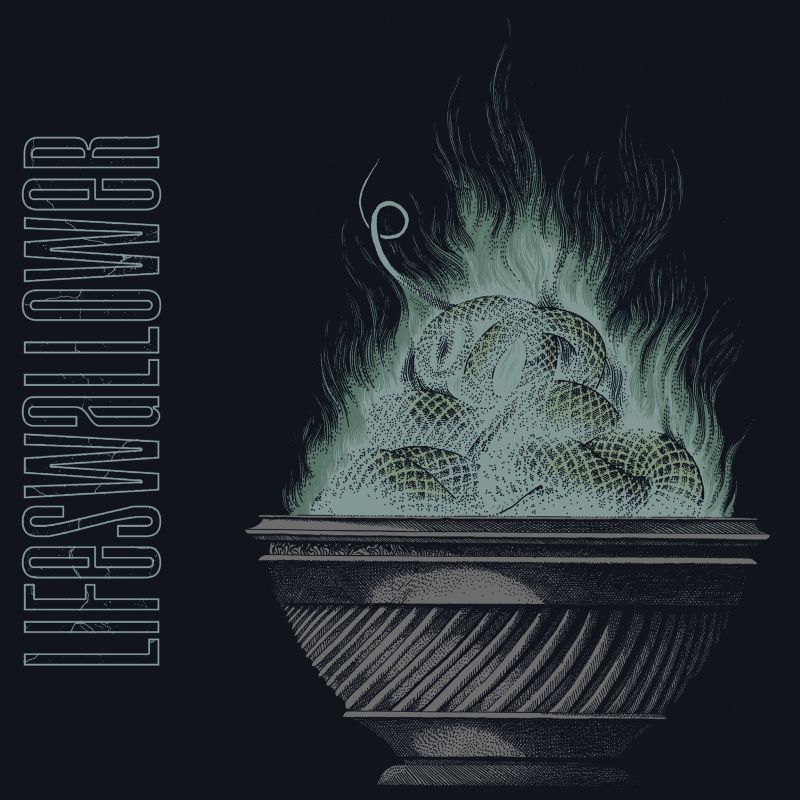
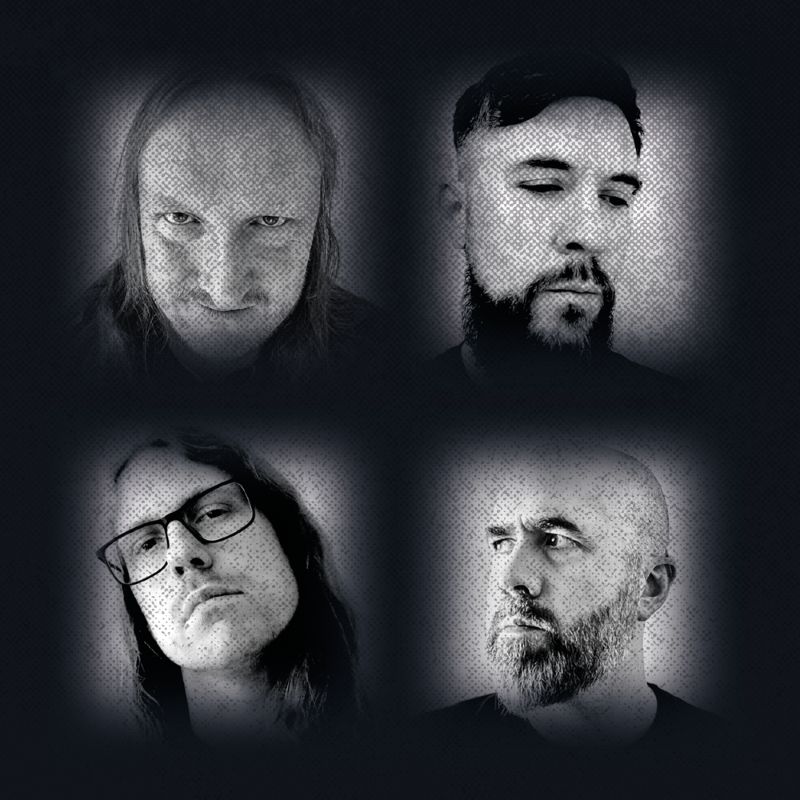
Featuring four experienced musicians brought together by a shared desire to create new music, UK’s own Progressive Death Metal outfit Lifeswallower is unleashing upon us their self-titled debut EP, drawing from Progressive, Death, Thrash Metal and other corners of heavy music, combining technical precision with a strong focus on songwriting and dynamics. Recorded by each band member at their home studios (vocals, guitars, bass) and by Joe Clayton at No Studio (drums), mixed by Ben Ottridge and Benedict Harris-Hayes, and mastered by Benedict Harris-Hayes at Ethereal Tantrum Studios, the EP sees vocalist James Moffatt, guitarist Tom Humphrey, bassist Ben Ottridge and drummer Benedict Harris-Hayes move between blast-driven intensity, complex arrangements and heavier groove-based sections, allowing each song to develop its own identity while remaining part of a coherent whole.
James’ inhumane guttural is the main ingredient in the ruthless opening track Defy My World, with the Sludge and Doom Metal-infused riffs by Tom bringing even more insanity to their music. The Trees Hide Their Bodies is another hard hitting tune by those UK metallers, with the song’s haunting background sounds sending shivers down our spines while Benedict hammers his drums nonstop, followed by Abandon The Body Of Rot, presenting elements of Thrash and Groove Metal in their core Death Metal sounds, in special through Tom’s killer riffage, being therefore perfect for some action inside the pit (not to mention their clean vocals are also electrifying). And lastly, we face Compound Fears, with the band again blasting our faces with an overdose of progressiveness without forgetting to sound heavy and devilish. Furthermore, Tom and Ben make an amazing stringed duo with their cutting riffs and rumbling bass, respectively, adding even more adrenaline to their music.
Reflecting the chemistry of four musicians pushing each other creatively and exploring new musical territory together, the EP is highly recommended for admirers of the music blasted by renowned acts the likes of Burnt By The Sun, Gojira, Morbid Angel, The Black Dahlia Murder, Sikth, Tool, and Katatonia, among several others, and you can get to know more about those veterans via Facebook and Instagram, and of course, purchase a copy of their striking debut from their own BandCamp. Lifeswallower are setting the bar high with their debut EP, leaving us eager for their first ever full-length opus in a not-so-distant future, and I bet it will be even heavier and more dynamic for our absolute delight.
Best moments of the album:Abandon The Body Of Rot and Compound Fears.
Worst moments of the album: None.
Released in 2026 Prog On! Recordings
Track listing 1. Defy My World 6:30
2. The Trees Hide Their Bodies 5:59
3. Abandon The Body Of Rot 4:47
4. Compound Fears 6:09
Band members James Moffatt – lead vocals
Tom Humphrey – guitar, vocals
Ben Ottridge – bass, vocals
Benedict Harris-Hayes – drums, vocals
Behold the debut by this up-and-coming Peruvian Doom Metal outfit, bringing the past into the present, presenting a blend of the band’s early days with what they are today.
A Doom Metal band formed by guitarist Mauricio Guerrero and drummer Jose María Venturi in Lima, Peru in 2014, originally leaning towards the roots of Heavy Metal and Stoner Rock by drawing inspiration from contemporary bands such as Orange Goblin, Witchcraft, and Reverend Bizarre, but evolving into the more distinct style it is today, sounding slower, heavier, and more introspective, Argul are unleashing upon us their highly anticipated debut, titled Soledad & Orgullo, which is Spanish for “solitude and pride.” Recorded, mixed and mastered by Eddie Plenge at Dragonverde Studios (with the song “Kamog” being recorded and mixed by Alonso and Mauricio Guerrero at Ogro Space), and showcasing a grim cover photo by Jose María Venturi, the debut by the aforementioned Mauricio Guerrero on vocals and lead guitars, Jose María Venturi on vocals and rhythm guitars, Jian Holmes on bass, and Alonso Guerrero on drums (also featuring guest drummer Emilio Carranza on a few songs) brings the past into the present, presenting a blend of the band’s early days with the Argul of today, where heavier atmospheres are moving between crushing weight and quieter, thoughtful moments without losing intensity.
They kick off their doom-laden feast with the dark, sluggish and groovy Ritual, where the dual vocal attack by Mauricio and Jose works beautifully while their ritualistic guitars transpire darkness and sulfur. Then the thunderous bass lines by Jian dictate the pace in the rhythmic, pounding Engendro, with Emilio making sure his beats and fills bring absolute heaviness to their music. Hor Hodin continues from where the previous song left off, showcasing the power of the mighty riff by both Mauricio and Jose; however, it’s when they deliver those sluggish, no shenanigans Doom Metal arias that surpass the ten-minute mark like what happens in Animal Dog that they truly thrive, with their guitars breathing fire accompanied by the massive bass lines by Jian. And last but certainly not least, get ready to be dragged to absolute darkness with the introspective and grim Kamog, where their vocals walk hand in hand with the fierce drumming by Alonso, putting a beyond heavy and climatic ending to the album.
Mostly utilizing their native tongue throughout the entire album, imparting a particularly unique aspect to it, highlighting those contrasts whilst never losing a focused consistency, Ardul are on absolute fire in Soledad & Orgullo, and if you want to put your hands on the album you can find it on their own BandCamp, as well as on the Personal Records’ BandCamp or webstore, and don’t forget to also give those talented Peruvian rockers a shout on Instagram, staying up to date with all things Ardul, including their heavy and doomed live performances. In the end, the primordial is wrapped in a gloomy heaviness. The essence is the obscure and the inevitable. This is Argul’s Soledad & Orgullo.
Best moments of the album:Ritual and Animal Dog.
Worst moments of the album: None.
Released in 2026 Personal Records
Track listing 1. Ritual 10:08
2. Engendro 5:04
3. Hor Hodin 5:47
4. Animal Dog 10:15
5. Kamog 14:20
Band members Mauricio Guerrero – vocals, lead guitars
Jose María Venturi – vocals, rhythm guitars
Jian Holmes – bass
Alonso Guerrero – drums on “Ritual” and “Kamog”
Guest musician
Emilio Carranza – drums on “Engendro”, “Hor Hodin” and “Animal Dog”
Creating gut-wrenching, pulverizing Death and Doom Metal that embodies the best aspects of those two styles, this American beast is back armed with their scorching sophomore album.
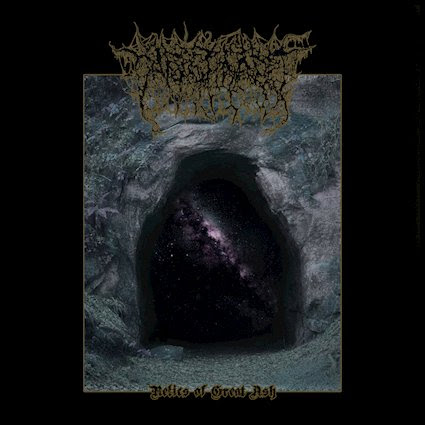
Creating gut-wrenching, pulverizing Death and Doom Metal that embodies the best aspects of those two styles, Columbus, Ohio’s own creature Abyssal Rift is back with the follow-up to their critically acclaimed 2023 debut Extirpation Dirge, their sophomore beast titled Relics of Great Ash. Formed of Matt Auxier on lead vocals, guitars, synths and programming, Mike Sliclen on bass and backing vocals, and Brandon Smith on drums, percussion and backing vocals, not to mention Brandon Smith and Mike Sliclen were also responsible for the drawings and cover photo, respectively, Abyssal Rift managed to mix Death and Doom Metal all up without losing coherency or their asphyxiating grip on the listener, resulting in an engrossing, diligent album rife with downright wicked riffs, an ominous atmosphere, and some insane structuring, more so than most others in the vein, being therefore highly recommended for fans of Incantation, Disembowelment, Saevus Finis, and Cruciamentum.
There’s no hope in sight as the trio kicks off the album in full force with Consummate Design, where the evil vociferations by Matt walk hand in hand with the stunning drums by Brandon, while the title-track Relics of Great Ash brings forward an amalgamation of dark sounds from Death and Doom Metal intertwined with cryptic, atmospheric passages, resulting in a wild beast of sheer obscurity. Then venturing through the realms of Progressive and Dissonant Death Metal we have The Enlightenment (There Was Never Will), with Mike’s bass and Brandon’s drums offering Matt all he needs to roar like a demonic entity. The Death of God showcases a more direct fusion of Death and Doom Metal, with all vocals and instruments breathing fire into our putrid souls, whereas Surrealistic Visions sounds and feels utterly chaotic and visceral from the very first second until the end, with Brandon stealing the show with his demented beats and fills. Finally, Sphere of Perpetuity is a pure Doom Metal onrush by the trio, dragging us all to pitch black darkness to the sound of their sluggish, devilish guitars, bass and drums.
For a band like Abyssal Rift, the music is far more intricate and involved than it seems, with moments of it being fleshed out or slowed down if only to emphasize the unfathomable heaviness. At other times, the music builds in intensity until it reaches a crescendo, to be followed by a filthy, chugging part, a ripping solo, or a transcendental or industrial-tinged atmospheric passage. This is exactly what you’ll get in Relics of Great Ash, which you can purchase from their own BandCamp or from the Transcending Obscurity Records’ BandCamp, main store, US store or EU store, and don’t forget to also check what the band is up to on Facebook and on Instagram, and to stream their dark creations on Spotify. The second Death and Doom Metal attack by Abyssal Rift will certainly help them spread their obscurity and violence to even further lands, and if that’s an indication of where those guys are headed to with their future releases, the world will certainly be a much darker place.
Best moments of the album:Consummate Design and Surrealistic Visions.
Worst moments of the album: None.
Released in 2026 Transcending Obscurity Records
Track listing 1. Consummate Design 5:28
2. Relics of Great Ash 8:03
3. The Enlightenment (There Was Never Will) 4:31
4. The Death of God 6:22
5. Surrealistic Visions 4:50
6. Sphere of Perpetuity 6:58
Band members Matt Auxier – lead vocals, guitars, synths, programming
Mike Sliclen – bass, backing vocals
Brandon Smith – drums, percussion, backing vocals
Continuing to carry the torch of rebellion, this Post-Black and Doom Metal entity is taking a quantum leap with their fourth studio album, revolving around the concept of “Belarusian ethno-astronomy.”
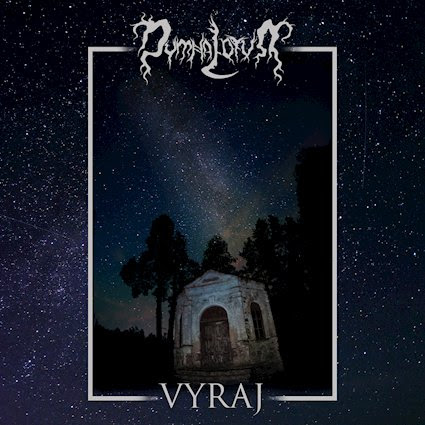
Continuing to carry the torch of rebellion, which is only natural as the founding members had to flee their native Belarus due to political persecution and continued attempts by the Lukashenka regime to censor and suppress their art, Warsaw, Poland-based Post-Black/Doom Metal act Dymna Lotva (which translates from Belarusian as “swamp in smoke,” referencing the devastating atrocities and burned villages of Polesia, a deeply distinct geographic and cultural region that extends across southern Belarus into Ukraine and Poland) is taking a quantum leap in their rapid musical evolution with their fourth studio album, titled Vyraj. Recorded at Everest Studio (vocals), at Hata Studio (guitars and bass), and at Studio Młyn (drums), the new album by Katsiaryna “Nokt Aeon” Mankevich on vocals and traditional flutes, Jauhien Charkasau on the guitars, bass and keyboards, Mikita Stankevich also on the guitars, and Wojciech “Bocian” Muchowicz on drums revolves around a main concept that could be described as “Belarusian ethno-astronomy.” In Slavonic legends, the starry sky is associated both with the afterlife and with journeys, which becomes closely intertwined with the musicians’ personal experience of forced emigration. This idea is captured in the album title, which is a mythical realm to where birds migrate for the winter, and where the souls of the departed find their final rest.
Zory sounds and feels darkly captivating from the very first second, with Jauhien, Mikita and Wojciech crafting the perfect atmosphere for the she-devil screams by Katsiaryna, evolving into a dark and wild beast of Post-Black Metal; and the band then showcases their ritualistic side in Veha, offering cryptic vocalizations while Wojciech dictates the pace with his thunderous beats and fills, also boosted by the Stygian harp by guest Deanna F. and the child vocals by Miraslava Palynskaya and Jan Palynski. The Boat of Despair brings forward another brilliant fusion of tribal sounds and the electricity of Black and Doom Metal, with the haunting vocals by the one and only Aaron Stainthorpe (High Parasite, My Dying Bride) clashing majestically with Katsiaryna’s desperate roars; whereas Viedmieragina will pierce our minds with its scorching Black and Folk Metal elements, not to mention Jauhien and Mikita are ruthless with their Melodic Death Metal-inspired riffs.
Niama Darohi showcases a more atmospheric side of the band, inviting our souls to wonder through the vast Stygian lands rules by Dymna Lotva while the keys by Jauhien sound absolutely enfolding. Then we have Bu Samoje (featuring Andrii “Deicider” Sovgar, Jan Mačuĺski, Aliaksandr Čarnuha, Jauhien and Mikita as the “Balbuta Choir”), their most Folk Metal song of all, as if the band and their guests were united around the fire for a sacrifice; followed by Usta Za Mianie, the most generic of all songs, lacking the same dynamism and energy of its predecessors. Last but not least we face Return My Coffin Home, featuring guests Ingvarr (Schreigarm) on vocals, Déhà (Wolvennest, Silver Knife, Slow) on fretless bass, and Velzevul on backing vocals and FX, a stunning Melodic Black Metal aria to conclude their ritualistic feast, with all harsh and clean vocals sounding stunning.
Although Vyraj is still based on a solid foundation of Black and Post-Black Metal, the band moves far beyond any easy labelling by also drawing inspiration from Doom, Heavy, and Progressive Metal, while venturing even deeper by incorporating elements from electronic music, goth, and folklore. The album is a cornucopia of great songs that are atmospherically dense and invite the listener onto an emotional roller-coaster ride from the darkest depth of depression and fear, via raw anger and defiance, to heights of ecstatic exhilaration, and if you want to know more about those rebellious Belarusian dissidents and their music, you can find them on Facebook, Instagram, YouTube, and Spotify, and purchase their new album from BandCamp, from Prophecy Productions, or by clicking HERE. In a nutshell, Vyraj is a musical kaleidoscope with ever changing patterns and sonic colours of remarkable beauty that often dissolves into captivating melodies that at times even achieve a pop-like appeal, and once you start listening to the album, get ready to be consumed by its beauty and energy.
Best moments of the album:Zory, The Boat of Despair and Return My Coffin Home.
Worst moments of the album:Usta Za Mianie.
Released in 2026 Prophecy Productions
Track listing 1. Zory 4:48
2. Veha 7:01
3. The Boat of Despair 5:31
4. Viedmieragina 5:36
5. Niama Darohi 4:29
6. Bu Samoje 4:38
7. Usta Za Mianie 4:35
8. Return My Coffin Home 8:10
Band members Katsiaryna “Nokt Aeon” Mankevich – vocals, traditional flutes
Jauhien Charkasau – guitars, bass, keyboards
Mikita Stankevich – guitars, backing vocals
Wojciech “Bocian” Muchowicz – drums
Guest musicians
Aaron Stainthorpe – vocals on “The Boat of Despair”
Ingvarr – vocals on “Return My Coffin Home”
Déhà – fretless bass on “Return My Coffin Home”
Deanna F. – harp on “Veha”
Andrii “Deicider” Sovgar – backing vocals on “Bu Samoje”
Miraslava Palynskaya & Jan Palynski – child vocals on “Veha”
Velzevul – backing vocals & FX on “Return My Coffin Home”
Andrii “Deicider” Sovgar, Jan Mačuĺski, Aliaksandr Čarnuha, Jauhien & Mikita – Balbuta Choir on “Bu Samoje”
Sweden’s own Doom and Stoner Metal brigade is back with a (light-bearing) monster of an album, drifting through deep space with the same Sci-Fi, horror, and fantasy obsessions that have always fueled the band.
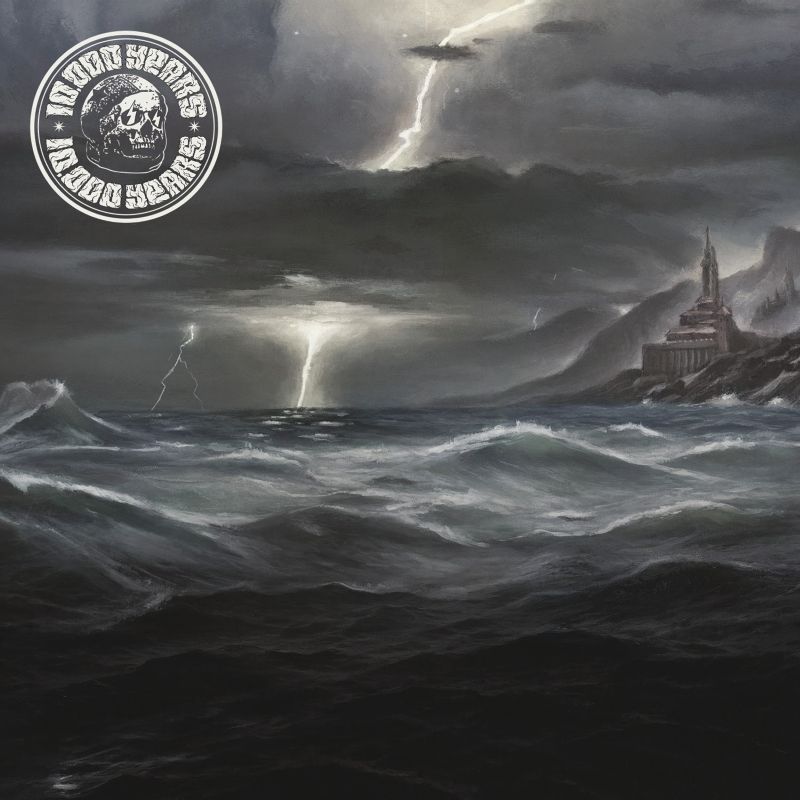
Once again pummeling the world into oblivion, delving deep into existential dread and dark lore, Västerås, Sweden’s own Doom/Stoner Metal brigade 10,000 Years returns with their eagerly awaited fourth studio album, titled Esox Lucifer (a metaphorical representation of a fierce, dark “light-bearing monster,” chosen by the band to represent their heavy, riff-centric music, which often delves into Sci-Fi and horror-inspired lore), the follow-up to their 2024 opus All Quiet on the Final Frontier. Recorded at Pine Hill Studios (with drums recorded at Studio Fluff), engineered by Erik Palm, mixed by Robert Lamu at Doomhead Productions, mastered by Magnus “Devo” Andersson at Endarker Studio, and displaying a Stygian artwork by Ryan T. Hancock, the new album by Alex Risberg on vocals and bass, Erik Palm on the guitars, and Alvin Risberg on drums drifts through deep space with the same Sci-Fi, horror, and fantasy obsessions that have always fueled the band, resulting result is their most ambitious work to date, one that will easily win over fans of Torche, High On Fire, The Sword and Kylesa.
Alvis kicks off the band’s melodic yet heavy and visceral journey in Beasts of the Northern Wild, a groovy intro that sets the stage for Pursuit Special, where Erik keeps slashing his axe nonstop, offering Alex exactly what he needs to deliver his high-pitched rockin’ vocals. The trio once again brings forward a wild fusion of Doom, Stoner and Sludge Metal in Fleur de Sledgehammer, flowing smoothly yet exhaling electricity until the very end; and Alex’s rumbling bass walks hand in hand with the mighty riffs by Erik in Church of the Red Museum, a hard hitting rock and metal feast perfect for their live concerts, with Alvin hammering his drums nonstop for our absolute delectation.
The same Alvin kicks off the also groovy and melodic Alien Tactics, alternating between heavier moments and faster Rock N’ Roll passages led by the striking riffs and solos by Erik. After such a wild metallic ride, the band slows things down a bit and invests in a more cadenced riff-oriented sound in Two Million Stones, followed by Paranoidium, where they get back to a more visceral sonority showcasing another blast of the killer riffs and thrilling solos by Erik. Finally, the massive bass lines by Alex ignite the title-track Esox Lucifer, a seven-minute beast where their heaviness goes through the roof, not to mention his vocals also exhale despair and insanity, darkening the skies and leaving us eager for more of their music in a not-so-distant future.
In a nutshell, 10,000 Years nailed it once again with Esox Lucifer, smashing our cranial skulls riff after riff without forgetting to add a high dosage of horror and fantasy as the background of each and every song from the album. If you’re curious to know more about such an amazing trio hailing from Sweden, you can find those guys on Facebook and on Instagram, including their awesome live performances, stream their bold, reverberating creations on YouTube and on Spotify, and above all that, purchase Esox Lucifer from their own BandCamp, as well as from Ripple Music’s BandCamp or official site (or simply click HERE for all things 10,000 Years). Put differently, simply sit down, relax, and let your soul be consumed by the band’s brand new (light-bearing) monster of an album.
Best moments of the album:Pursuit Special, Church of the Red Museum and Esox Lucifer.
Worst moments of the album:Two Million Stones.
Released in 2026 Ripple Music
Track listing 1. Beasts of the Northern Wild 2:03
2. Pursuit Special 3:53
3. Fleur de Sledgehammer 5:50
4. Church of the Red Museum 4:59
5. Alien Tactics 4:14
6. Two Million Stones 3:23
7. Paranoidium 3:38
8. Esox Lucifer 7:12
Band members Alex Risberg – vocals, bass
Erik Palm – guitars
Alvin Risberg – drums
These Norwegian death dealers are back with another slab of pure violence and gore, a concept record steeped in death, desperation, and ritual slaughter.
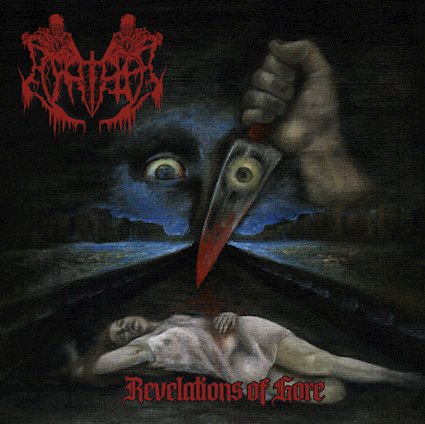
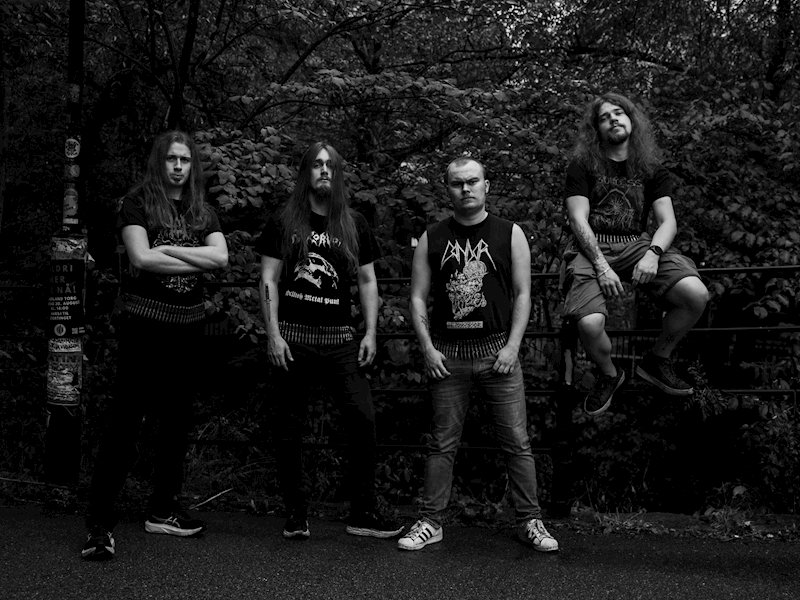
Hailing from Oslo, Norway, the ruthless Death Metal creature known as Horrifier has been vomiting pure, old school brutality straight from the underground since 2022, drawing inspiration from the legendary bands of the late 80’s and early 90’s by channeling the rotting sounds of Autopsy, the gnarly filth of Entombed, and the feral aggression of Repulsion. Now, those Norwegians return with their second full-length opus, Revelations of Gore, a concept record steeped in death, desperation, and ritual slaughter, following up on their critically acclaimed 2023 debut Horrid Resurrection. Following a dying man who, standing at the edge of his final breath, encounters a monstrous entity offering him eternal life (but immortality demands a price), the new opus by Adrian Risøy on vocals and guitars, Sander Halvorsen also on the guitars, Erik Krokan on bass, and Andreas Langås on drums sees that same man feed the creature with human sacrifices in exchange for more time among the living. What starts as desperation slowly turns into obsession, as the line between survival and damnation fades beneath a growing pile of corpses.
The disturbing intro Voices sets the stage for the band to annihilate our senses in Compelled to Slaughter, starting in a Doom Metal-inspired rhythm before all hell breaks loose to the demented vociferations by Adrian; and Andreas takes the lead with his demonic beats and fills in Human Butchery, supported by the scorching riffage by Adrian and Sander in a lecture in primeval Death Metal. The Ingestion again ventures through the realms of doom-laden Death Metal, as dark and evil as it can be, with the kitchen crafted by Erik and Andreas sounding utterly vile, and get ready for a solid riff attack in the form of Rejoice, Children of the Flesh, a ceremonial tune that could have been a little more violent and dynamic in the end.
Body Hoarder puts the band back on track with an avalanche of aggression and hatred flowing form all instruments, in special from the nonstop beats and fills by Andreas in another onrush of pure Death Metal insanity, whereas Morbid Lust continues to pave the band’s demonic path by offering more of their cadaverous vocals and old school riffs and beats, inviting us all for some action inside the pit. Their second to last blast of Death Metal violence comes in the form of The Final Oblation, with the guitars by Adrian and Sander transpiring malignancy accompanied by the rumbling bass by Erik; and last but certainly not least, we’re treated to the band’s signature blend of crude and vile Death Metal in Blood for Ascension, with Adrian’s bestial vocals penetrating deep inside our putrid minds.
Musically illustrating the desperation and dementia of the album’s main character with deft moves between relentless violence and suffocating darkness, Horrifier are absolutely savage throughout the entirety of their newborn spawn, and if you want to know more about such a violent band and show them your support you can find those guys on Facebook and on Instagram, stream their sick creations on Spotify, and grab a copy of the infernal Revelations of Gore from their own BandCamp or from the Personal Records’ BandCamp or webstore. Mirroring the protagonist’s descent into madness, Revelations of Gore stays true to the original ethos of the Metal of Death. No gimmicks. No mercy. Only death.
Best moments of the album:Human Butchery, Body Hoarder and Blood for Ascension.
Worst moments of the album:Rejoice, Children of the Flesh.
Released in 2026 Personal Records
Track listing 1. Voices 0:27
2. Compelled to Slaughter 3:44
3. Human Butchery 4:45
4. The Ingestion 4:29
5. Rejoice, Children of the Flesh 5:13
6. Body Hoarder 3:32
7. Morbid Lust 4:24
8. The Final Oblation 5:34
9. Blood for Ascension 5:59
Band members Adrian Risøy – vocals, guitars
Sander Halvorsen – guitars
Erik Krokan – bass
Andreas Langås – drums

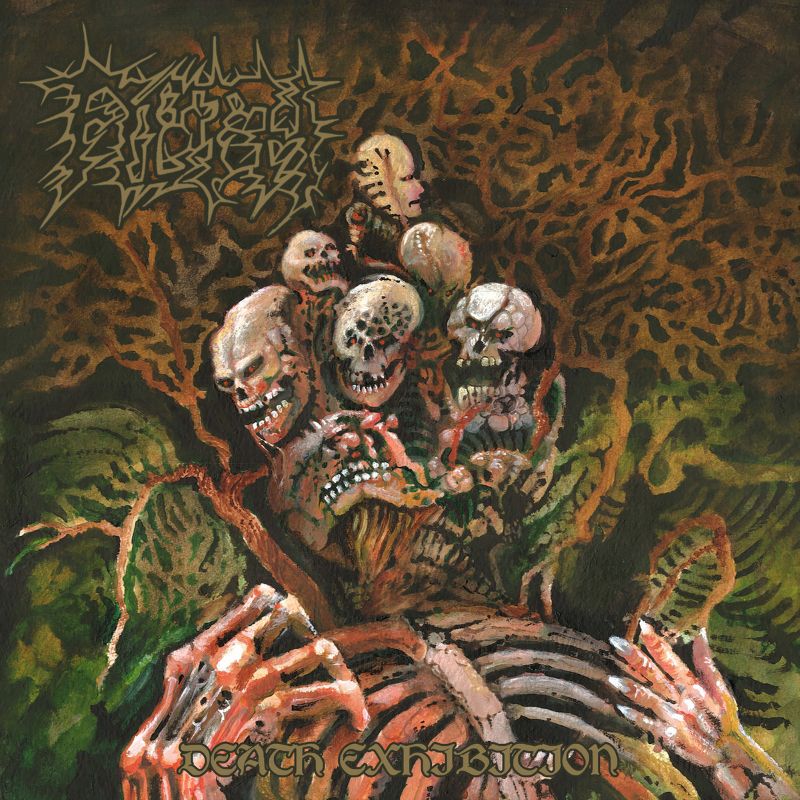 Having a knack for fitting artworks, always capturing the album’s psychedically putrid contents perfectly, Göthenburg, Sweden-based Death Metal brigade Filth attacks once again with their sophomore album, titled Death Exhibiton, the follow-up to their 2025 debut Time to Rot. Going the distance in punishing the body and tormenting the mind, the trio formed of Per on vocals and drums, Sebastian on lead guitars and bass, and Ismael on rhythm guitars sounds both more finessed and more barbaric than their debut offering. The formula has hardly changed, thankfully, but the foundations of their sound are expanded further in Death Exhibition, whether it’s the crude, tank-rolling crush of Grave, or the sooty angularity of Immolation.
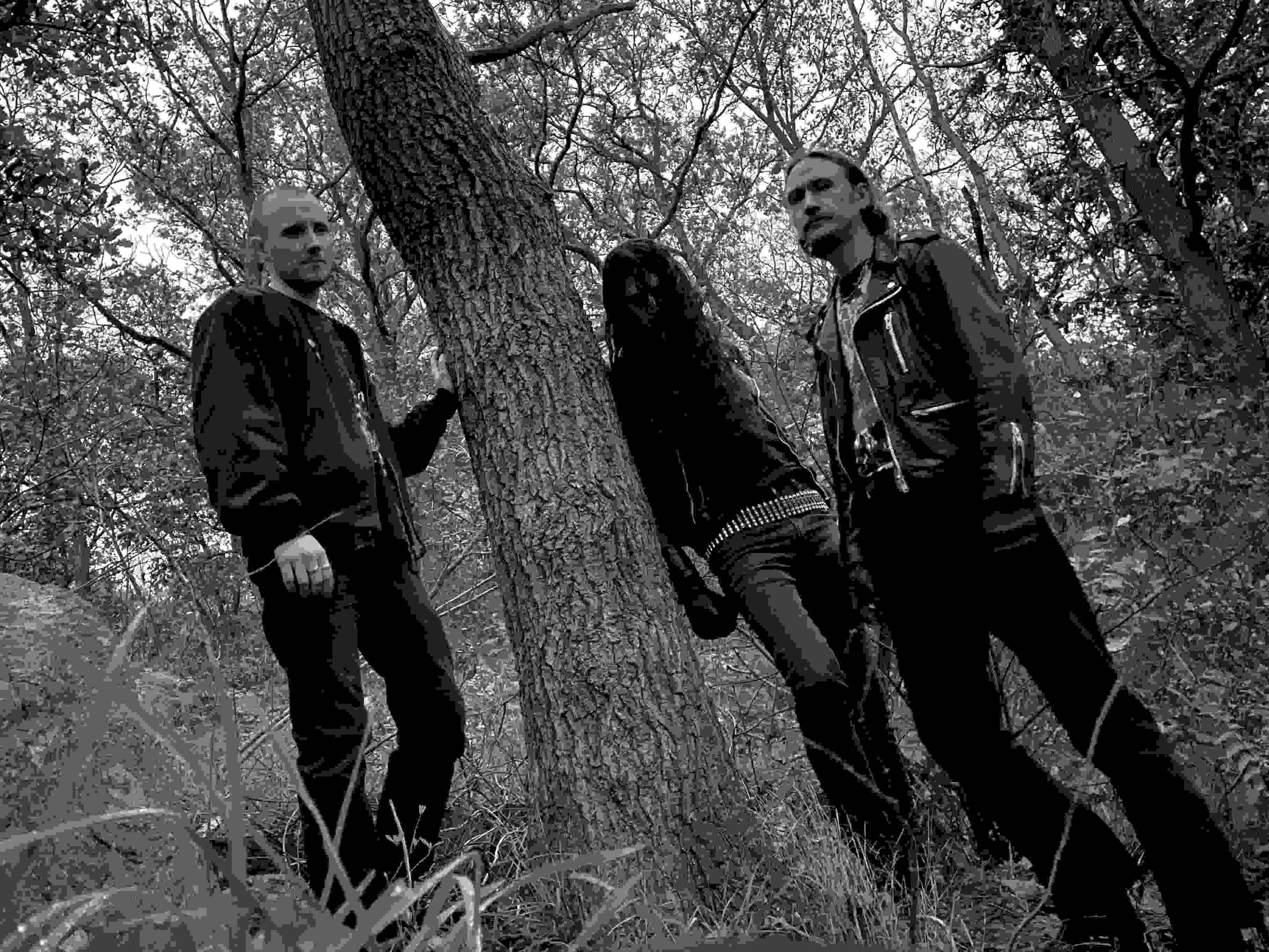 Other similarly old school influences can be spotted in Death Exhibition, such as Demilich, Autopsy, Incantation, and Abhorrence, but rest assured that Filth inject their own personality (and just a slight bit of weirdness) into the bubbling cauldron to remain authentic rather than ripping off someone else’s past. Those guys don’t seem to enjoy social media at all, as they’re not on Facebook nor on Instagram, but you can still find their music on Spotify, and grab a copy of their new album from Me Saco Un Ojo’s BandCamp or from Rotted Life’s BandCamp. This is Swedish Death Metal at its filthiest, and there’s no escape once you’re trapped in the cauldron of violence and gore found in their fulminating new album.