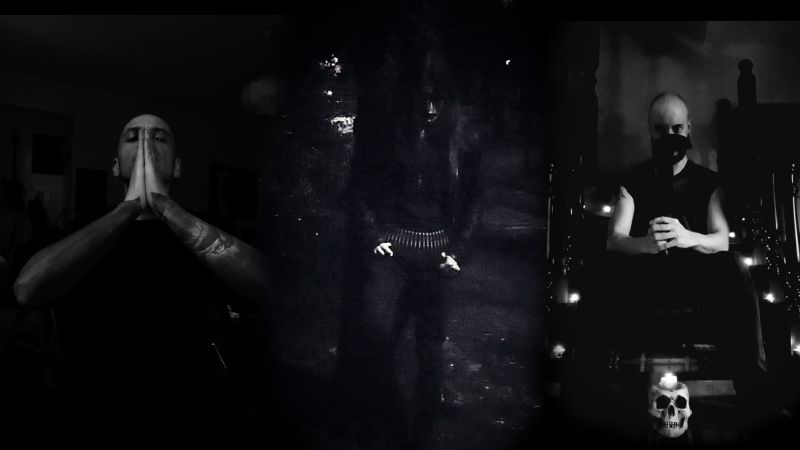
Album Review – Hulder / Verbolgen (2026)

This up-and-coming Black Metal entity is back with its most compelling work, once again deeply rooted in the Northern European Black Metal tradition, always sounding fresh, grim and furious.

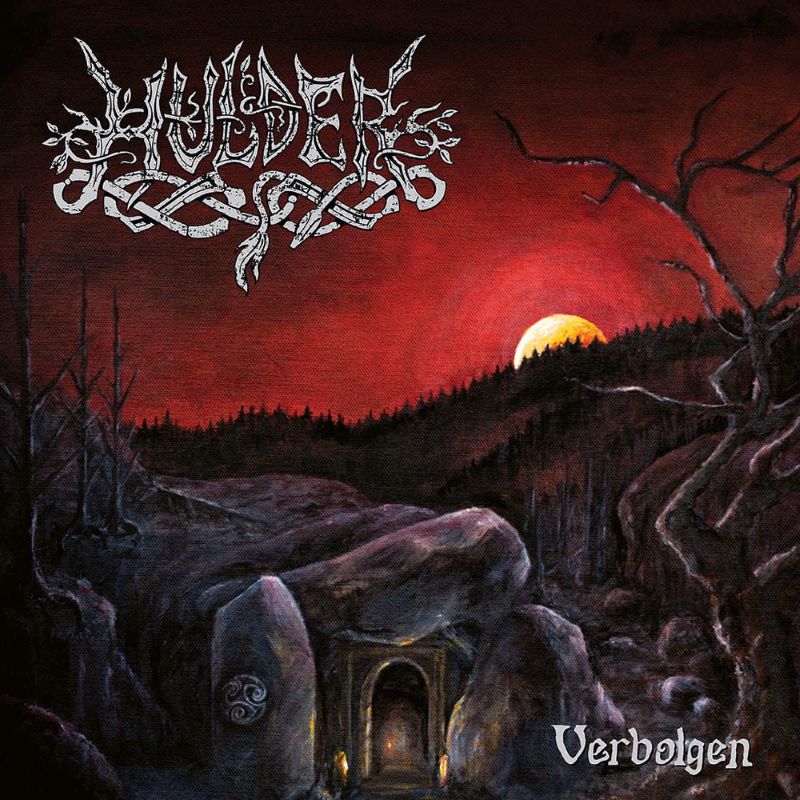
Emerging from the Pacific Northwest, Washington, United States-based entity Hulder built a devoted following across a series of releases marked by their commitment to ancient craft, uncompromising production, and a sound rooted in the Northern European Black Metal tradition. Now in 2026 the indomitable vocalist and multi-instrumentalist Hulder, alongside bassist Necreon, returns with Verbolgen, the project’s third full-length opus, and the follow-up to the highly acclaimed albums Godslastering: Hymns of a Forlorn Peasantry (2021), and Verses in Oath (2024).  Mixed by Ahti Kortelainen at Tico Tico Studio, mastered by Mika Jussila at Finnvox Studios, with drums engineered at Elektric City Recording, and displaying a dark and enfolding artwork by Morrigan, Verbolgen sees the project expand its instrumental palette, drawing in session musicians Keld on hurdy gurdy, lead guitars and keyboards, Vapula and Vrolok on drums, and Januaria on the flute, sharpening the dual creative core that has defined its most compelling work.

The ominous folk-infused intro Drie Raven will drag our souls to the dark realm ruled by Hulder until we’re crushed into pieces to the sound of The Crowning, where her she-demon roars match perfectly with the infernal Black Metal beats by Vrolok, also presenting haunting keyboard passages, courtesy of guest musician Keld. Thy Binding Oath offers a stunning fusion of Black, Folk and Doom Metal, and you can feel the atmosphere getting heavier and more suffocating while Hulder and Necreon deliver truly haunting vocals; followed by the title-track Verbolgen, bringing forward a more direct Black Metal attack by Hulder and her horde, with even her vocals sounding harsher and more infernal. And …And We Shall Sing is a true storm of extreme sounds by the band where Vapula takes the lead with his pulverizing beats and fills while the guitars by Hulder breathe fire.

Then a sinister intro morphs into a Melodic Black and Folk Metal extravaganza entitled In Blood and In Earth, where the keys by Keld sound majestic from stat to finish, followed by Den Nacht Zijn Lied, which should translate from Dutch as “the night’s song”, a fitting title for a classic Black Metal tune where Vrolok once again sounds ruthless on drums supported by the hammering bass by Necreon. View From Nemeton is a hurricane of Black Metal insanity by the band, with Hulder darkly vociferating the song’s caustic words (“In inhuman plane where flora nor fauna shall dwell / Everlasting winds rustle golden glades though grace not the mortal flesh / In the embers of olden days and those which have yet to come / Forsaken effigies stand guard for the rites of the sacred blot / I rede thee wanderer / Hear thou my rede”) in a lecture in the style, before the expansive instrumental piece The Glow of Dawn closes the album on an epic mode, leaving us absolutely disoriented after all is said and done.
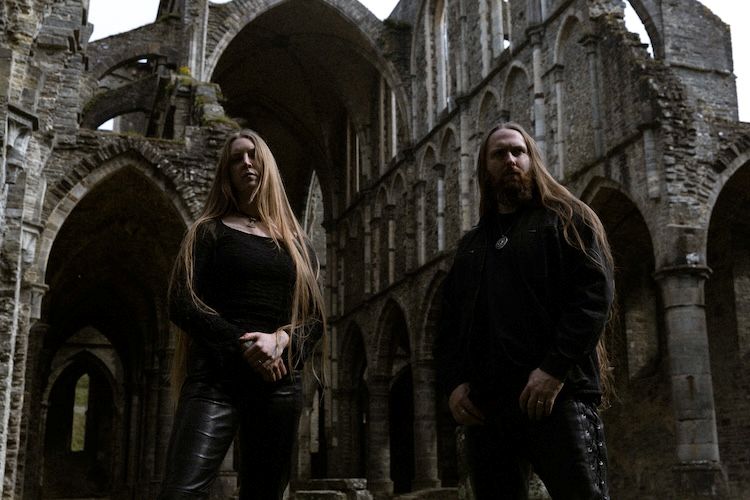
With the release of the excellent Verbolgen, Hulder cement their place among the greatest names of the current Black Metal scene worldwide, sounding sharper and more obscure than ever, while remaining loyal to their roots. If you want to know more about this up-and-coming Black Metal beast, you can find the project on Facebook and on Instagram, including their live dates (like the incendiary upcoming tour with the mighty Dimmu Borgir), stream their music on any platform like Spotify, and above all that, purchase Verbolgen from BandCamp or by clicking HERE. Verbolgen is a Dutch adjective that translates to “enraged,” “furious,” or “incensed,” describing a state of intense, seething anger, often stemming from a feeling of being wronged, and all those dark feelings are exactly what Hulder offer us all in their new album, a scathing blast of Black Metal that will reach deep inside our blackened hearts.

Best moments of the album: The Crowning, …And We Shall Sing, In Blood and In Earth and View From Nemeton.

Worst moments of the album: None.

Released in 2026 20 Buck Spin

Track listing
1. Drie Raven (Intro) 2:18
2. The Crowning 6:28
3. Thy Binding Oath 5:38
4. Verbolgen 4:01
5. …And We Shall Sing 6:01
6. In Blood and In Earth 7:09
7. Den Nacht Zijn Lied 6:45
8. View From Nemeton 5:23
9. The Glow of Dawn 4:48

Band members
Hulder – vocals, electric & acoustic guitars, keyboards
Necreon – bass, vocals

Guest musicians
Keld – hurdy gurdy, lead guitars, keyboards (session)
Vapula – drums on “Verbolgen”, “…And We Shall Sing”, “View From Nemeton” and “The Glow of Dawn”
Vrolok – drums on “The Crowning”, “Thy Binding Oath”, “In Blood and In Earth” and “Den Nacht Zijn Lied”
Januaria – flute (session)

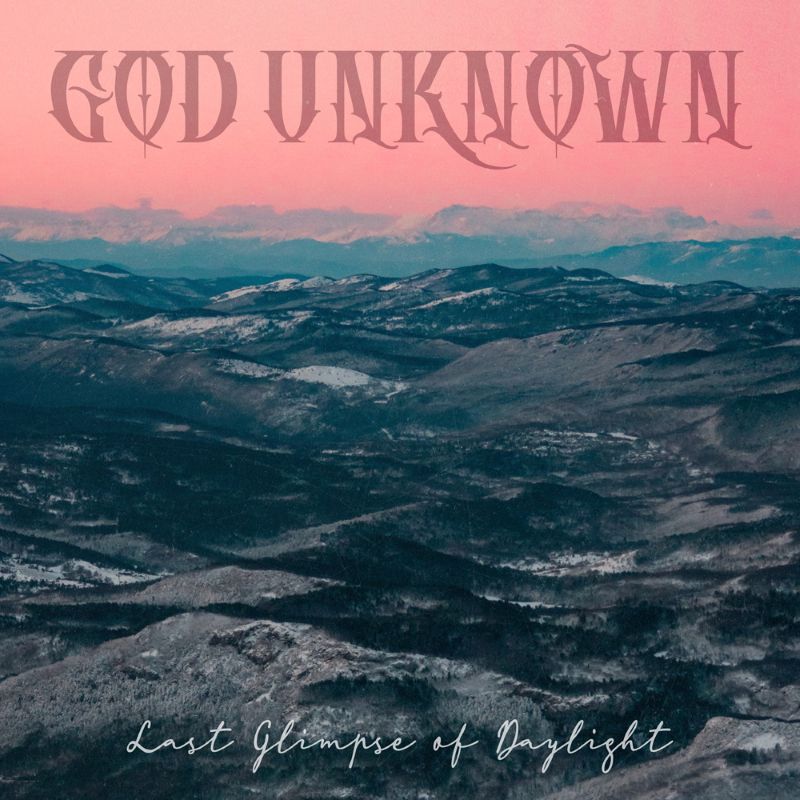
Album Review – God Unknown / Last Glimpse of Daylight (2026)

This collaborative Atmospheric Death and Funeral Doom Metal project is ready to embrace you with their debut opus until you see your last glimpse of daylight.

A collaborative Atmospheric Death and Funeral Doom Metal project formed in Cardiff, Wales in 2022 by guitarist John Courage, featuring musicians from the UK and Sweden, God Unknown are finally unleashing upon humanity their debut offering, beautifully titled Last Glimpse of Daylight. Produced by the band itself, engineered by John Courage and Daniel Tjernberg, mastered by Dan Swanö at Unisound, and showcasing a darkly serene artwork by Manino Linic, the debut album by Daniel Tjernberg on vocals (with additional vocals by Camilla Tjernberg on the song “Stay with Me”), John Courage on the guitars, Adam West on bass and additional guitars, Michael Lang also on bass, Kostas Panagiotou on keyboards, and Tats McGee on drums will embrace you in absolute grief and melancholy, darkening the skies with the sheer power of funereal and grim Doom Metal.

The thunderous, low-tuned bass lines by Adam set the tone in the Stygian intro MMMMDXIV, before all hell breaks loose in Embraced by the Moonlight, with the deep, devilish vocals by Daniel walking hand in hand with the sluggish Doom Metal riffs by John and Adam. Then we face the massive, embracing title-track Last Glimpse of Daylight, as slow and hammering as its predecessor, where Tats pounds his drums with tons of hatred and darkness in his heart; and it’s Kostas who takes the lead with his church-like keys in the phantasmagorical interlude Passage, darkening the skies for the band to attack us with Fallow Land, led by another crushing performance by Tats on drums, offering Daniel exactly what he needs to vociferate like a demonic entity. It’s then time for Camilla to embellish the airwaves with her melodic vocals in Stay with Me, a lecture in passionate and somber Funeral Doom Metal by God Unknown, flowing into the obscure outro Frost on the Windowpane, again led by Adam and his doomed bass lines.

Inspired by the love of somber, funeral doom and atmospheric themes, God Unknown are ready to crush our minds and souls with the absolute heaviness and obscurity flowing from their excellent debut Last Glimpse of Daylight, and if you want to join such a promising band in gloom and darkness you can find them on Instagram, stream their music on any platform such as Spotify, and of course, above all that, purchase a copy of their striking debut from their own BandCamp or by clicking HERE. In other words, let the lugubrious and grim Doom Metal by God Unknown embrace you, until you see your last glimpse of daylight.

Best moments of the album: Embraced by the Moonlight and Stay with Me.

Worst moments of the album: None.

Released in 2026 TM Productions

Track listing
1. MMMMDXIV 1:11
2. Embraced by the Moonlight 2:46
3. Last Glimpse of Daylight 6:09
4. Passage (Interlude) 2:16
5. Fallow Land 6:36
6. Stay with Me 5:11
7. Frost on the Windowpane 2:51

Band members
Daniel Tjernberg – vocals
Camilla Tjernberg – vocals on “Stay with Me”
John Courage – guitars
Adam West – bass, additional guitars
Michael Lang – bass
Kostas Panagiotou – keyboards
Tats McGee – drums

Album Review – Viande / Monument aux morts (2026)

This the unrelenting Blackened and Atmospheric Death Metal entity from France strikes again with their sophomore album, definitely not one for the faint of heart.

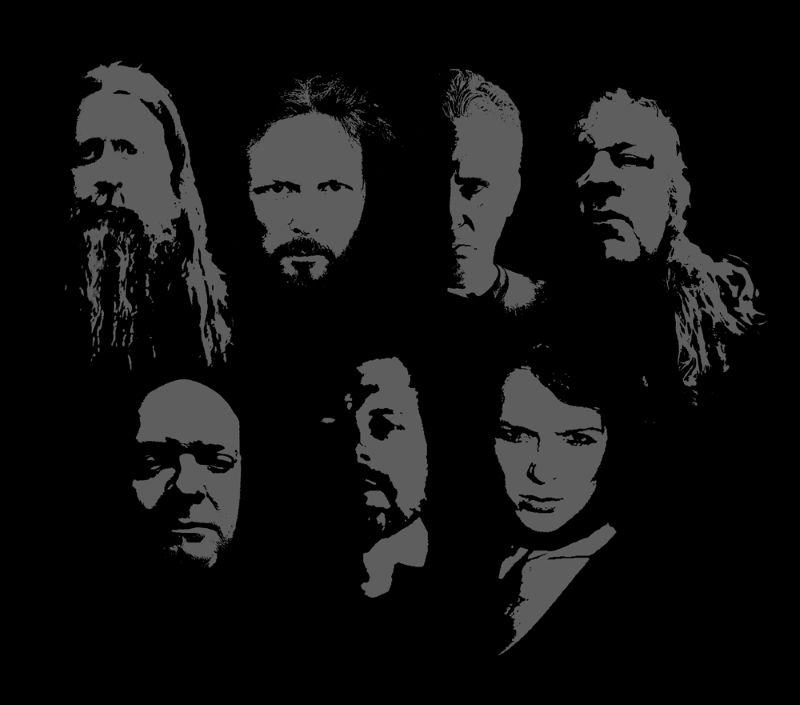
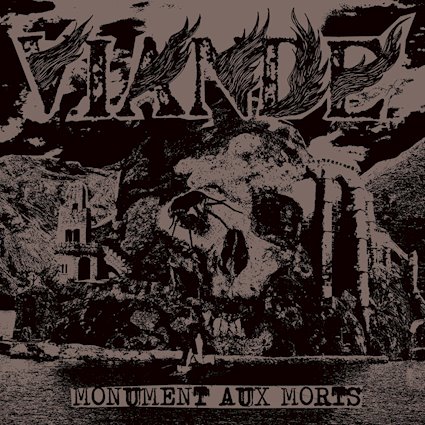
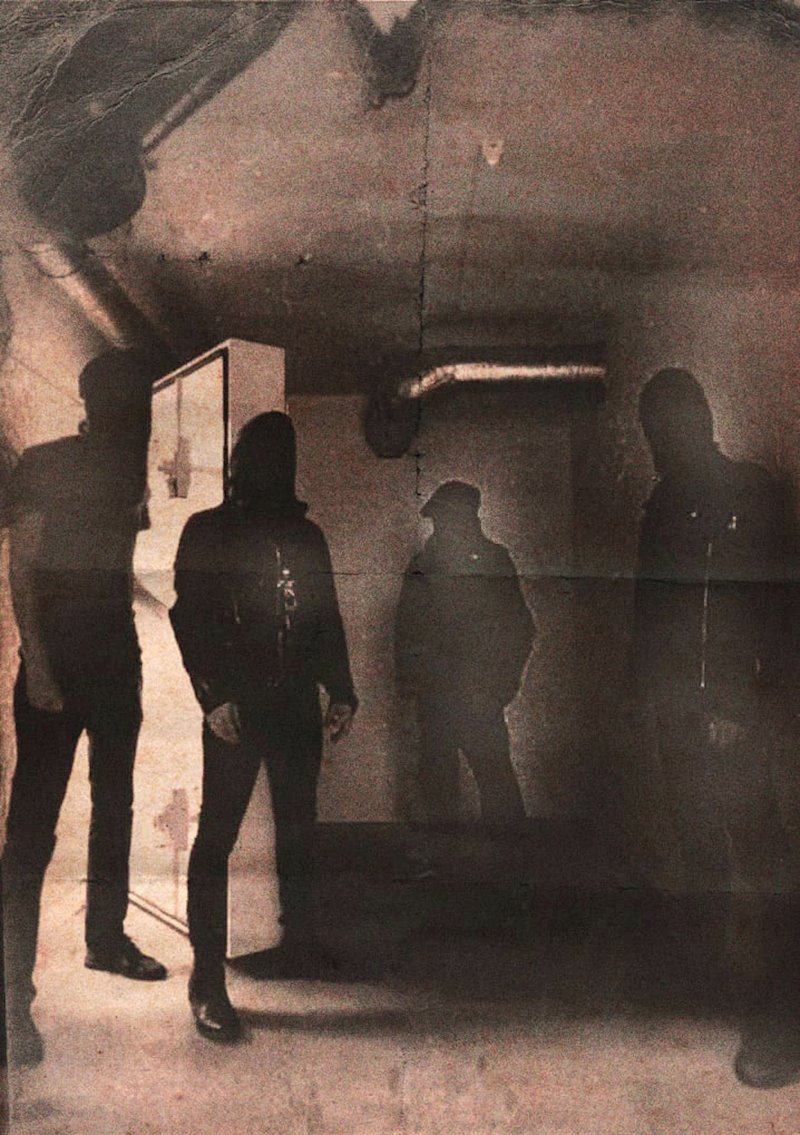
Forged in 2013 in the fires of Chambéry, an Alpine town in southeast France, the unrelenting Blackened/Atmospheric Death Metal entity known as Viande (the French word for “meat”) does more than create scarring, wholesome dark and doomy Death Metal – they delve into the more atmospheric side of things that messes with your consciousness and has potential psychological implications. Adorned by a grim artwork by JB Godefroy, the caustic Monument aux morts, which is French for “war memorial,” is the sophomore studio opus by vocalist J, guitarist B, bassist O, and drummer I, following up on their 2022 full-length L’abime dévore les âmes, offering more of the band’s aggressive, militaristic approach aided by a combination of abyssal growls and tormented screams, and ultimately, a haunting, eerie atmosphere touched by dissonance that wouldn’t be out of place in a horror movie.

After an ominous start the band comes ripping our hearts out in Linceul immense (“immense shroud”), with the vile guttural by J sending shivers down our spines in a lecture in Blackened Doom Metal; then O and I make the earth tremble with their ruthless bass and drums in Sacrifice ardent (“burning sacrifice”), as sluggish, grim and vile as it can be. Germes de mort (“seeds of death”) brings forward another round of the band’s trademark fusion of Black, Death and Doom Metal, led by the cryptic riffs and synths blasted by B, while Monolithe de chagrin (“monolith of sorrow”) alternates between the absolute heaviness of Doom Metal and the visceral sounds of Death Metal.

After such a demented display of deadly sounds the band keeps haunting our souls with Cercueil de vase (“coffin of vase”), a bold, intense display of their Atmospheric Death Metal vein spearheaded by the always gruesome vociferations by J, followed by Une cage d’os (“a cage of bones”), not recommended for the faint at heart, with the dissonant riffs by B piercing our flesh mercilessly. I takes the lead with his slab of brutality on drums in L’esprit cachot (“the dungeon spirit”), making the album sound even more obscure and infuriated, whereas Austérité maximum (“maximum austerity”) is an extensive outro that albeit atmospheric doesn’t add much to the album. And lastly, as a bonus track we have L’homme Brasier (“the brazier man”), as demented as the other songs and, therefore, worth the investment in whatever version it’s available.

When the carefully devised Monument aux morts ends, the feeling is akin to stumbling out of a horrific catacomb in an enhanced spiritual state, with the cries of a thousand dead souls still ringing in your head, being therefore perfect for fans of the obscure music crafted by Incantation, Teitanblood, Cruciamentum, Dwelling Below, and Dead Congregation. Furthermore, if you want to know more about such a dark creature from the French extreme music landscape, you can find the band on Facebook and on Instagram, staying up to date with their live concerts, stream their scorching music on any platform such as Spotify, and above all that, grab a copy of the excellent Monument aux morts from their own BandCamp, as well as from the Transcending Obscurity Records’ BandCamp, main store, US store or EU store (or click HERE for all things Viande). Monument aux morts is an exceptional album in the style and definitely not one for the faint of heart, and we can all rest assured Viande are far from done when it comes to spreading darkness through their Black and Death Metal creations.

Best moments of the album: Linceul immense, Cercueil de vase and Une cage d’os.

Worst moments of the album: Austérité maximum.

Released in 2026 Transcending Obscurity Records

Track listing
1. Linceul immense 6:26
2. Sacrifice ardent 7:07
3. Germes de mort 6:17
4. Monolithe de chagrin 3:58
5. Cercueil de vase 7:07
6. Une cage d’os 6:28
7. L’esprit cachot 6:11
8. Austérité maximum 2:30

Bonus track
9. L’homme Brasier 5:58

Band members
J – vocals
B – guitar, synths
O – bass
I – drums

Album Review – Horrid Mass / Nauseating Ecstatic Degeneration (2026)

Channeling Death Metal’s most barbaric traits and pushing the extremities of its sound forward through experimentation, atmosphere and dissonance, this venomous entity is ready to unleash hell armed with their debut album.

Formed in Milwaukee, Wisconsin back in 2022 by former members of Pig’s Blood and Carnal Ruin with the intent to channel Death Metal’s most barbaric traits and push the extremities of its sound forward through experimentation, atmosphere and dissonance, the venomous entity known as Horrid Mass is ready to unleash hell armed with their debut album, titled Nauseating Ecstatic Degeneration. Recorded, mixed and engineered by Nicholas Elert at Howl Street Recordings, mastered by Dan Swanö at Unisound, and with cover collage and logo by Tony Capodilupo and layout by Terror Matt of Night Terrors Records, the debut by Nick Lewis on vocals and bass, Tony Capodilupo on the guitars, and Spencer Powers on drums is a total descent into filth, chaos and sonic ruin, presenting the band at their most punishing and immersive, being therefore highly recommended for fans of Incantation, Rottrevore, early Carcass, Undergang, Impetuous Ritual, Rippikoulu, Portal, Cianide, Archgoat, and Teitanblood, among others.

Like the intro to a sinister horror flick, the band arises from pitch black darkness in Worthless Mote, with the deep guttural by Nick matching perfectly with the primeval riffs by Tony, followed by Writhe, bringing to our avid ears another blast of their doom-laden Death Metal sonority where the massive beats by Spencer will make your head tremble, dragging your putrid soul to their Stygian lair for all eternity. And if that’s not dark enough for you, the band then offers almost seven minutes of sheer violence, horror and heaviness in the form of the demonic Execration, where Nick’s vociferations reach a new level of evil, resulting in a lecture in cadaverous Death Metal not recommended for the lighthearted.

Then guest Nicholas Elert makes a lot of noise in the cryptic interlude S.H.E.D., warming us up for Cruelty, a straightforward Death Metal onrush by the trio led by the demolishing drums by Spencer. Tony’s Sludge Metal-inspired riff ignite the band’s ruthless engine in Loathsome, inspiring us to break our necks headbanging like true metal maniacs; and the trio then invites us all to slam into their gory and visceral pit in Violent Ascent, with Nick’s bass and Tony’s riffs penetrating deep inside our corrupted minds. Lastly, it’s time for the skies to get dark and heavy as there’s a storm coming with Congregate, starting in a sinister Doom Metal manner before all hell breaks loose to the infernal beats and fills by Spencer.

Rooted in tradition yet striving to experiment, Horrid Mass exist in a furious state where structure and collapse are simultaneously at odds, drawing from the genre’s progenitors while at the same time crafting something wholly their own, presenting something both primitive and hostile. You can get to know more about those talented death metallers via Instagram, stream their demented creations on Spotify or any other platform, and show them your utmost support and your passion for the extreme by purchasing the excellent Nauseating Ecstatic Degeneration from their own BandCamp or from the Night Terror Records’ BandCamp or webstore. Nauseating Ecstatic Degeneration is harsh, brutal and visceral, or in other words, the perfect depiction of our decaying society, inspiring Horrid Mass to keep turning our violent reality into first-class Death Metal for many years to come.

Best moments of the album: Execration, Cruelty and Violent Ascent.

Worst moments of the album: None.

Released in 2026 Memento Mori/Night Terror Records

Track listing
1. Worthless Mote 4:18
2. Writhe 3:17
3. Execration 6:58
4. S.H.E.D. 2:05
5. Cruelty 2:34
6. Loathsome 5:26
7. Violent Ascent 4:38
8. Congregate 6:25

Band members
Nick Lewis – vocals, bass
Tony Capodilupo – guitars
Spencer Powers – drums

Guest musician
Nicholas Elert – additional overdubs and noise on “S.H.E.D.”

Album Review – Psicorragia / Nekromanthra (2026)

This Peruvian Death and Doom Metal entity returns from the underworld with their scorching third offering, exploring the darkest corners of the human species.

Active since 1994, Lima, Peru-based entity Psicorragia (the temporary manifestation of a person’s soul or astral body at a distance from their physical body) has forged a distinctive identity rooted in darkness, combining the weight of Death and Doom Metal with elements and technique from traditional Death Metal, along with Black Metal nuances and influences from other dark genres, establishing themselves as a representative band of the genre in South America. Now in 2026 the band formed of Mario Romanet on vocals and bass, Marco Borra and Alick González on the guitars, Antonio Duncan on keyboards, and Teo Suchero on drums returns from the underworld with their third studio offering, Nekromanthra, ten years after their 2016 sophomore beast Madremuerte. Showcasing a sinister artwork by American artist Thomas G. Anderson (recognized for his Dark Art aesthetic, where cinematic photography and psychological horror converge), the album explores the darkest corners of the human species, immersing itself in landscapes of decay, death, and the deepest horrors of existence.

…Y sus plagas invocaron, or “…and their plagues they invoked” from Spanish, is  already bold, imposing and grandiose, with the haunting background keys by Antonio bringing even more epicness to the dark vociferations by Mario; while Abismales (“abyssal”) continues to spread sheer doom and obscurity upon us, with the lugubrious beats by Teo walking hand in hand with the crying, visceral guitars by Marco and Alick. The atmosphere gets darker and more menacing as the music progresses in Lo inexorable (“the inexorable”), with their guitars once again transpiring pure Funeral Doom Metal magic, followed by Sombras luminosas (“luminous shadows”), where a grim intro morphs into a Death and Doom Metal beast led by Teo’s crushing drums, while Mario keeps growling like a demonic entity. La osamenta (“the skeleton”) offers us all nine minutes of despair, melancholy and doom while Mario darkly declaims the song’s venomous words accompanied by the phantasmagorical keys by Antonio; and lastly,  a ritualistic start evolves into the most funereal song of the album, titled Nekromanthra, el meditar de los fúnebres (“Nekromanthra, the meditation of the funereal”), putting a vile, soul consuming ending to the album.

With Nekromanthra, the band delves even deeper into their darkest vision, expressed through six tracks infused with Death and Doom Metal, being therefore highly recommended for fans of the obscure music blasted by renowned acts the likes of My Dying Bride, Anathema, Katatonia, Paradise Lost, and Moonspell, as well as more extreme bands such as Varathron, Rotting Christ, Acheron, Edge of Sanity, Mystifier, Abysmal Grief, and Unholy. You can find more details about the band on Facebook and on Instagram, stream their music on any platform such as Spotify, and of course purchase Nekromanthra from their own BandCamp or from the Satanath Records’ BandCamp. It’s time to dive deep into the darkest side of humanity, and there’s nothing better than the new album by Psicorragia as the soundtrack to such a disturbing journey.

Best moments of the album: …Y sus plagas invocaron and Sombras luminosas.

Worst moments of the album: None.

Released in 2026 Satanath Records

Track listing
1. …Y sus plagas invocaron 8:49
2. Abismales 7:19
3. Lo inexorable 6:17
4. Sombras luminosas 7:39
5. La osamenta 8:58
6. Nekromanthra, el meditar de los fúnebres 6:01

Band members
Mario Romanet – vocals, bass
Marco Borra – guitars
Alick González – guitars
Antonio Duncan – keyboards
Teo Suchero – drums

Album Review – Moonspell / Far from God (2026)

Born out of five years of creative searching, doubt and ultimate rediscovery, the brilliant new opus by these Portuguese Dark Metal masters shines like a black diamond, luminous yet shadowed in texture and color.

Born out of five years of creative searching, doubt and ultimate rediscovery, the embracing Far from God, the new opus by Portuguese Dark Metal masters Moonspell is a work that feels like a rebirth, darker, sharper and emotionally unfiltered, following on the band’s more recent releases Extinct (2015), 1755 (2017), and Hermitage (2021). Produced, mixed and mastered by Jaime Gómez Arellano at Orgone Studios, and displaying another darkly beautiful artwork by Eliran Kantor, the new album by frontman Fernando Ribeiro, guitarist Ricardo Amorim, bassist Aires Pereira, keyboardist Pedro Paixão, and drummer Hugo Ribeiro shines like a black diamond, luminous yet shadowed in texture and color, both musically and sonically.

The enfolding guitar lines by Ricardo kick off the beautiful Cross Your Heart, with its poetic lyrics being declaimed by Fernando in great fashion (“Crosses and flowers by the side of the road / Someone died here, they were so fucking young / Skulls and bones, buried in the dirt / Morning has broken, it’s the wake of the ghost”); and in Far from God we face more of their vampiric lyrics (“I am not of this earth and I am not of this time / I don’t even exist, I could never belong / I am far from God”) while Aires blasts his bass in the name of absolute darkness in a lecture in Gothic Metal. Aires’ bass also ignites the band’s dark engine in Biblical, with the keys by Pedro bringing an extra touch of finesse to their music; and the stunning The Great Wolf in the Sky features Spanish musician Alicia Nurho on violin, which clashes majestically with the thunderous kitchen crafted by Pedro and Hugo, not to mention Fernando’s deep vocals sound hypnotizing.

Then they blast one of the most atmospheric yet also one of the heaviest songs of the album, titled Your Promise of Light, alternating between truly phantasmagorical moments and bursts of violence, all reflected on Fernando’s dynamic vociferations; whereas For the Love of Mortals reminds me of some of the songs from Extinct, where the band blends Gothic Metal with atmospheric and melancholic nuances, resulting in stunning ballad by Moonspell. Our Freedom to Fall is a hard hitting tune which will inspire us to bang our heads in pitch black darkness, presenting elements of Doom Metal to give it an extra kick, in special through Hugo’s pounding drums; and the scorching riffs by Ricardo bring an overdose of heaviness to Reconquista, offering six minutes of Fernando’s anguished, Stygian vocals, therefore concluding the album on a truly obscure and venomous mode.

Rather than bending to modern trends, Moonspell double down on identity and substance in Far From God, a bold and beautiful statement of Gothic Metal in its purest form, sounding dark, romantic, dramatic and unapologetically heavy. If you want to follow the band in their path to the dark side, you can find those Portuguese veterans on Facebook, Instagram and YouTube, stream their unique music on any platform like Spotify, and of course purchase the darkly enfolding Far from God from BandCamp or from Napalm Records. In the end, Far from God is not only a powerful reminder that Moonspell remain a defining force in the genre they helped shape, but an album that will certainly help save Gothic Metal from boredom and predictability.

Best moments of the album: Far from God, The Great Wolf in the Sky, For the Love of Mortals and Reconquista.

Worst moments of the album: None.

Released in 2026 Napalm Records

Track listing
1. Cross Your Heart 4:48
2. Far from God 5:06
3. Biblical 5:00
4. The Great Wolf in the Sky 5:50
5. Your Promise of Light 5:01
6. For the Love of Mortals 5:45
7. Our Freedom to Fall 4:41
8. Reconquista 6:11

Band members
Fernando Ribeiro – vocals
Ricardo Amorim – guitars
Aires Pereira – bass
Pedro Paixão – keyboards
Hugo Ribeiro – drums

Guest musician
Alicia Nurho – violin on “The Great Wolf in the Sky”

Album Review – Illwind / The Unfolding at the End of Light (2026)

Born under the gray skies and sea mist of Lima, Peru, this Heavy, Doom and Post-Black Metal brigade will attack your senses with the lumbering heaviness of their debut album.

Born under the gray skies and sea mist of Lima, capital of Peru, with influences ranging from Black Metal to Stoner Rock to Post-Punk, and a clear aim to march towards the darker side of existence, the four-piece Heavy/Doom/Post-Black Metal brigade Illwind is unleashing upon humanity their debut opus, titled The Unfolding at the End of Light, providing five original tracks which paint a somber underworld to dive into, and a closing cover to climb back out of. Recorded at Dragonverde Studios, the first-ever offering by Marcos Coifman (Reino Ermitaño) on vocals and bass, Mauricio Guerrero (Argul) and Andres Rhor (Cobra) on the guitars, and Hokama (Arcada) on drums and guitar sounds at first stridently like a traditional doom record – lumbering heaviness, slow-yet-insistent rhythms, emotively clean vocals – but patience, like much orbiting the wider doom world, yields maximum immersion.

The massive Crimson Skies kicks off the album on a purely Doom Metal mode, with the sluggish beats by Hokama darkening the skies while also presenting Sludge Metal riffs and solos to give it an extra kick. Wanderer takes us back to the glory of 70’s Rock N’ Roll through Marcos’ passionate vocals, supported by a killer solo by Mauricio; while Portal keeps the atmosphere as dark and enfolding as it can be, with Marcos once again declaiming the song’s poetic lyrics accompanied by the striking guitars by Mauricio and Andres. Their Sludge Metal riffs bring forward sheer heaviness in God of Sleep, inspiring us all to bang our heads in pitch black darkness; followed by Lucifer’s Mule, offering our ears thirteen minutes of absolute obscurity crafted by the quartet, with their 70’s Heavy Rock vein pulsing stronger than ever boosted by the Stoner Rock drums by Hokama. And finally, let’s bang our heads to their cover for The Stooges’ masterpiece I Wanna be your Dog, an excellent rendition of one of the coolest songs by such an iconic band (and you can check the original version HERE, from their 1969 self-titled album).

With influences ranging from Neurosis and Swans to Black Sabbath and 70’s Hard Rock to Yob, Windhand, Monolord, Bellwitch, and Warning to Sonic Youth, Depeche Mode, or the aforementioned The Stooges, the band reached a mélange of musical mapwork which has truly given The Unfolding at the End of Light a relatively singular sound – equally ambient and extremely heavy, ominously moving yet dreamlike, and all of it with a surprisingly kaleidoscopic tint of melancholy. The album’s richly analog production heightens this sensation and penetrates the listener to his core, and if you also want to be part of such a unique sonic experience you can purchase the album from the Personal Records’ BandCamp or webstore. In other words, it’s time to begin the trip of The Unfolding at the End of Light, embracing you in darkness, and leaving you eager for more of the music by Illwind in the near future.

Best moments of the album: Portal and Lucifer’s Mule.

Worst moments of the album: None.

Released in 2026 Personal Records

Track listing
1. Crimson Skies 10:43
2. Wanderer 5:29
3. Portal 4:47
4. God of Sleep 8:55
5. Lucifer’s Mule 13:13
6. I Wanna be your Dog (The Stooges cover) 4:25

Band members
Marcos Coifman – vocals, bass
Mauricio Guerrero – lead guitar
Andres Rhor – guitar
Hokama – drums, guitar

Album Review – Feralia / Ultima Requies (2026)

Delving deeper into their singular vision of Black Metal, this Stygian entity returns with their third offering, inviting us all for our final rest.

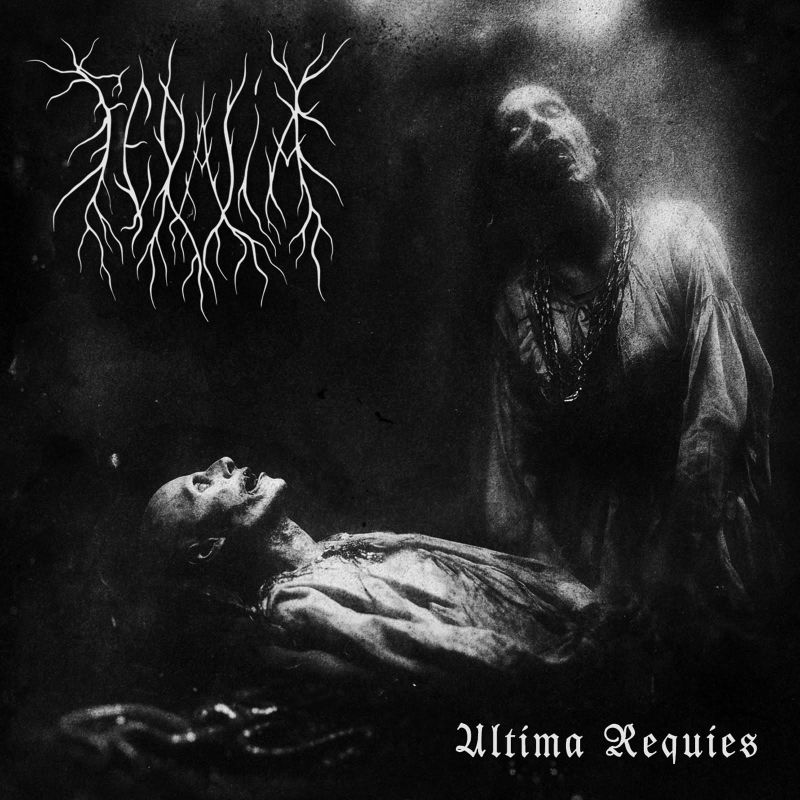
Delving deeper into their singular vision of Black Metal, forging a work that resists easy categorization, the uncanny Italian and Swedish entity known as Feralia (named after public religious ceremonies of ancient Rome held in honor of the dead upon the last day of the Parentalia) attacks again with their third studio offering, titled Ultima Requies, a Latin phrase that translates to “the last rest,” following up on their 2022 opus Under Stige / Over Dianam. Showcasing a grim artwork depicting a reinterpretation of the necromantic ritual of Erichto, the Thessalian witch described in “De Bello Civili” by Lucan, while the band’s sound remains anchored in a sense of the sacred, drawing from arcane and occult dimensions tied to the archaic Roman world, the album is neither rooted in old school orthodoxy nor aligned with the polished tendencies of contemporary production. Instead, it stands as a raw and evocative offering, where abrasive textures and ritualistic atmospheres converge into something austere, immersive and profoundly spiritual, all masterfully crafted by Erymanthon Seth on vocals, guitars and synths, Raijinous on the guitars and synths, Krhura on bass, and Summum Algor on drums.

The visceral riffs by Erymanthon Seth and Raijinous transpire classic Black Metal right from the start in Ballata Avernale, while the same Erymanthon Seth vociferates rabidly like a creature form the underworld; whereas Ver Sacrum also starts on a harsh and violent mode, exploding into a modern version of Black Metal not recommended for the lighthearted. Then in the nine-minute aria Pharsalia, we face an ethereal intro that gradually evolves into another bestial sound led by Summum Algor’s demolishing beats and fills, supported by the menacing bass by Krhura, followed by Empireo, with again their background keys embellishing the airwaves in an instrumental tune that sounds like it was taken from an Italian horror movie, warming us up for the scorching Marpiter, where Erymanthon Seth roars and gnarls in anguish and hatred while Summum Algor keeps hammering his drums manically. After that we face Defigere, one of the most detailed, dynamic and diverse songs of the album, with its hints of Doom Metal and Dungeon Synth adding an extra touch of insanity ot their core Black Metal madness, all boosted by the razor-edged guitars by Erymanthon Seth and Raijinous; and lastly, we have a more direct Black Metal extravaganza titled Miasma, where all instruments are breathing fire until all fades into oblivion.

Following the path opened by their previous albums Helios Manifesto and Under Stige / Over Dianam, the band further refined their language in Ultima Requies, balancing raw intensity with a deeply contemplative undercurrent. The result is an album that feels both immediate and timeless, grounded in the physicality of Black Metal yet reaching toward something intangible and eternal, and if you want to know more about such an obscure band you can find them on Facebook and on Instagram, stream their music on Spotify, and of course purchase their scorching new album from their own BandCamp, as well as from ATMF’s BandCamp or from Metal Odissey. This is Black Metal at its most evocative, atmospheric and Stygian form, inviting you for your final rest to the sound of its venomous lullabies.

Best moments of the album: Ballata Avernale and Defigere.

Worst moments of the album: None.

Released in 2026 ATMF

Track listing
1. Ballata Avernale 8:01
2. Ver Sacrum 8:50
3. Pharsalia 9:22
4. Empireo 5:20
5. Marpiter 6:57
6. Defigere 8:47
7. Miasma 6:27

Band members
Erymanthon Seth – vocals, guitars, synths
Raijinous – guitars, dynths, backing vocals
Krhura – bass
Summum Algor – drums

Album Review – Verdun / Abyssal Womb (2026)

Emerging from the depths of France after a prolonged gap of seven years, this uncanny entity has evolved into a Blackened Sludge and Doom Metal beast with a dissonant edge in their visceral new album.

Emerging from the depths of Montpellier, France after a prolonged gap of seven years, armed with a sound more potent and lethal than ever before, the uncanny entity Verdun has evolved into a Blackened Sludge and Doom Metal beast with a dissonant edge, culminating now in 2026 with the release of their third studio effort, titled Abyssal Womb, following up on their 2019 sophomore Astral Sabbath. Showcasing a cadaverous artwork by the band’s own vocalist David Sadok (aka Jaxartattooer), the album sees David alongside guitarist Jay Pinelli, bassist Florian Celdran, and drummer Geraud Jonquet deliver a riff-driven sound through and through. Without wasting time on ambience or buildup, they go straight for the jugular and leave things filthy.

David begins vociferating rabidly in the harsh and doomed Funeral of the Cosmic Knight, accompanied by the sluggish drums by Geraud and the vile riffage by Jay, whereas Silent Witness keeps the atmosphere utterly dense and heavy, with Jay’s Stygian guitar lines blackening the skies in an ode to obscurity by the quartet. Their Mastodon vein arises in He Who Killed the Devil, adding progressiveness and insanity to their already caustic sound led by Geraud’s hammering drums, followed by La Lame et la Chair, or “the blade and the flesh” from French, where Jay and Florian pound their axes nonstop, generating reverberating sounds that permeate the air until the very end. Rise of the Atomic Ghouls is as infernal as its title, with the devilish roars by David sending shivers down our spines, and the band still has a lot of fuel to burn in the album, starting with The Man Behind My Eyes, where the heaviness flowing from their vocals, riffs, bass and drums is an ode to Blackened Sludge Metal. Lastly, Les Noces du Néant, or “the wedding of nothingness,” is even more sluggish and phantasmagorical, spearheaded by another visceral performance by Geraud on drums.

In the end, Abyssal Womb doesn’t drag on and seems to end sooner than later but only after exploring various aspects of the band’s sound that keep it engrossing and thoroughly satisfying, resulting in a fine representation of the style, having a sublime sound and faultless execution, and more importantly, staying with you long after it is over, being highly recommended for admirers of the harshness blasted by bands the likes of Drofnosura, Coffinworm, Thou, and Indian, just to name a few. You can find those Stygian French metallers on Facebook and on Instagram, including their pounding, ruthless live concerts, stream their grim creations on Spotify, and of course purchase Abyssal Womb from their own BandCamp or from the Transcending Obscurity Records’ BandCamp, main store, US store or EU store. Because, in the end, Abyssal Womb is top-of-the-line Blackened Sludge and Doom Metal, darkening our minds and thoughts just the way we love in the style, and leaving us eager for more.

Best moments of the album: He Who Killed the Devil and Rise of the Atomic Ghouls.

Worst moments of the album: None.

Released in 2026 Transcending Obscurity Records

Track listing
1. Funeral of the Cosmic Knight 5:11
2. Silent Witness 5:53
3. He Who Killed the Devil 6:39
4. La Lame et la Chair 4:54
5. Rise of the Atomic Ghouls 4:43
6. The Man Behind My Eyes 5:37
7. Les Noces du Néant 6:15

Band members
David Sadok – vocals
Jay Pinelli – guitars
Florian Celdran – bass
Geraud Jonquet – drums

Album Review – Saħħar / Migja ta Mohh Mignun (2026)

Behold the scorching new offering by this Maltese one-man Black Metal project, chronicling the descent and transformation of a man consumed by insatiable thirst for forbidden knowledge.

A concept prose based on a Maltese legend formally penned by Agostino Levanzin (which in turn is rooted in actual events from the 16th century), chronicling the descent and transformation of a man consumed by insatiable thirst for forbidden knowledge, Miġja ta Moħħ Miġnun (or “Journey of a Mad Mind”) is the seventh studio opus by Pieta, Malta-based one-man Black Metal institution Saħħar. Presenting elements from an amalgamation of styles added to its Raw Black Metal essence, the new album by the lone wolf Marton Saliba marks a significant step forward in his artistic evolution, further refining a sound rooted in isolation, heritage and a deeply personal vision. Emerging from a scene far removed from the genre’s traditional strongholds, Saħħar continues to carve out a distinct identity within the contemporary Black Metal landscape.

L-Għatxan, or “thirst” in Maltese, starts in a ritualistic way before Marton consumes our souls with his Black Metal riffage and stone crushing drums, whereas Għerf Minsi, or “forgotten wisdom,” is even more infuriated and grim, with Marton barking and screaming with tons of anger and hatred in his blackened heart. It-Tarf tal-Kożmu u ta’ Ruħi, or “the edge of the cosmos and of my soul,” carries a beautiful name for a doom-laden Black Metal extravaganza by our Maltese warrior, with his roars piercing our minds mercilessly; and  he puts the pedal to the metal armed with his unstoppable blast beats in Fil-Palazz Sejjaħtilhom (“to the palace I called them”), a lecture in extreme music. His Doom Metal vein arises in Il-Miġja sa Sqallija (“the coming to Sicily”), as dark and sinister as it can be, while Ftakar fija!, or “remember me!,” continues with the same vibe as its predecessor, albeit a bit too sluggish and repetitive at times. L-Antikrist il-Ġdid (“the new antichrist”) alternates between cryptic, spine chilling moments and absolute darkness and chaos, putting a grim ending to the album, but if you go for the physical release you’ll get the scorching bonus tracks Id-Dinja Taħt Pajjżi (“the world under countries”) and L-Imlejka (“the angel”), both visceral and dense, therefore absolutely worth the investment in the CD version.

In a nuthsell, Migja ta Mohh Mignun expands on the project’s established sonic framework, blending harsh intensity with subtle melodic layers and a pervasive sense of decay. The result is a work that feels both immersive and unsettling, enveloping the listener in a bleak, almost otherworldly atmosphere, being therefore highly recommended for fans of renowned acts the likes of Dark Funeral, Gorgoroth, Mortuary Drape, and Dimmu Borgir. You can get more information about Marton and his Saħħar on Facebook and on Instagram, stream his discography on Spotify, and of course purchase Migja ta Mohh Mignun from BandCamp, from Time To Kill Records, or by clicking HERE. Marton and his Saħħar will certainly take you on a one-way descent into the deepest corners of an insane mind in their new album, and you better be prepared because once that descent starts, there’s no return.

Best moments of the album: Għerf Minsi, Fil-Palazz Sejjaħtilhom and L-Antikrist il-Ġdid.

Worst moments of the album: Ftakar fija!.

Released in 2026 Time To Kill Records

Track listing
1. L-Għatxan 2:47
2. Għerf Minsi 5:19
3. It-Tarf tal-Kożmu u ta’ Ruħi 5:44
4. Fil-Palazz Sejjaħtilhom 6:58
5. Il-Miġja sa Sqallija 6:40
6. Ftakar fija! 6:24
7. L-Antikrist il-Ġdid 6:52

CD bonus tracks
8. Id-Dinja Taħt Pajjżi 5:01
9. L-Imlejka 6:21

Band members
Marton Saliba – vocals, all instruments
​
Guest musicians
David Cutajar – guitars (live)
Kyle Anthony Cortis – guitars (live)
Gordon O’Reilly – bass (live)