An unstoppable Black Metal force from Norway returns with their long-awaited fifth album, containing 10 new unrelenting tracks of pure hate and anger.
After four years of silence, the unstoppable Norwegian Black Metal force known as Dødsfall returns with their long-awaited fifth album, entitled Døden Skal Ikke Vente, or “death shall not wait” from Norwegian, containing 10 new tracks of pure hate and anger in its best form. And their new album is the result of a huge wave of inspiration that grew up like a snowball after the release of Kaosmakt, in early 2015, resulting in a fresh and creative album holding on to their roots and the sound that was established from the very beginning on the band’s career. It can be described as a successful combination of past and present with new elements and different sources of inspiration, sounding epic, majestic and furious with a medieval touch inspired from the cold lands of the north.
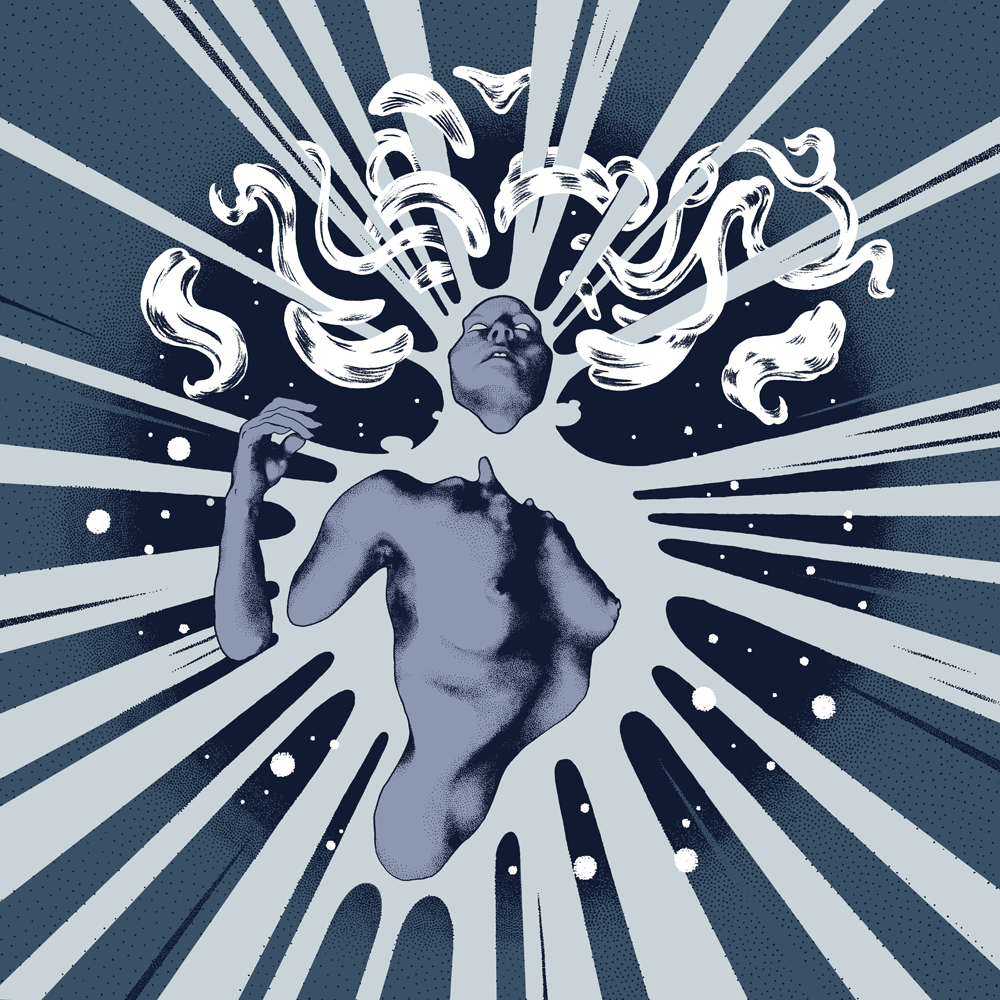
Formed in 2009 in Bergen, Norway, but currently located between Gothenburg, Sweden and Oslo, Norway, Dødsfall is the brainchild of vocalist and multi-instrumentalist Ishtar, who together with newcomer Telal on drums (who has been playing with acts like Troll, Isvind, and Endezzma, to name a few) created a sulfurous and dark beast in the form of their new album Døden Skal Ikke Vente. Featuring a crushing, ominous album artwork by underground artist Pazuzuh, who previously worked with the band on the artwork of their album Djevelens Evangelie, from 2013, Døden Skal Ikke Vente will take you on a journey through vast, bitterly cold Norwegian lands, proving once again why Norway is and will always be the birthplace and home of true Black Metal.
Ishatr and Telal begin disturbing all peace and order with their ruthless blend of old school and contemporary Black Metal in Hemlig Vrede (or “secret wrath” in English), sounding very melodic and aggressive form the very first second and with Ishtar’s demonic gnarls being flawlessly complemented by Telal’s brutish blast beats. Their furious and thunderous Black Metal keeps hammering our heads in Tåkefjell (“fog mountain”), another piercing composition where the guitars by Ishtar sound as metallic as they can be, also presenting lots of breaks and variations, and consequently feeling like three or four songs in one; followed by the obscure and melancholic Svarta Drömmar (“black dreams”), where their Black Metal is darkly infused with Atmospheric Black Metal elements, with its rhythm being dictated by Telal’s precise drums and with highlights to Ishtar’s anguished growls.
Putting the pedal to the metal this infernal duo delivers a vicious onrush of violent and raw sounds entitled Grå Himlar (“gray skies”), with the riffs and solos by Ishtar cutting our skin mercilessly, and therefore setting the bar high for the rest of the album. Well, the duo doesn’t disappoint at all in the following track, Kampsalmer (“battle hymns”), a headbanging, marching chant showcasing bestial riffs and demonic roars all enfolded by a truly menacing ambience, and the music remains vile and sulfurous until its epic ending. Then led by the pounding drums by Telal and displaying an inspired Ishatr on the guitar we have the full-bodied, intricate tune entitled I de Dødens Øyne (“in the eyes of death”), a song tailored for admirers of classic Black Metal who also love to raise their horns and slam into the pit in the name of extreme music.
Continuing with their feast of incendiary and dark sounds they offer us all Ødemarkens Mørkedal (“the dark valley of the wilderness”), an ode to Scandinavian Black Metal where Ishtar growls and roars in a bestial way while Telal keeps crushing his drums nonstop, whereas the heavy-as-hell guitar lines by Ishtar ignite the flammable För Alltid I Min Sjæl (“forever in my soul”), a mid-tempo Black Metal extravaganza where Ishtar and Telal are on fire from start to finish, sounding as infernal and sharp as possible. The last song of the album, named Ondskapelse (“evil hands”), brings more of their hellish Scandinavian Black Metal infused with Melodic Black Metal nuances, with Telal smashing his drums just the way we love it in Extreme Metal, flowing like rapid fire until the instrumental outro Skogstrollet (“forest troll”) captivates our senses with the howling sound of the cold wind, ending the album on an ethereal note.
You can better explore the chilly and vile realm of Norwegian Black Metal crafted by Dødsfall by following them on Facebook, and show your support to such talented duo by purchasing Døden Skal Ikke Vente (available for a full listen on YouTube, by the way) from their own BandCamp page, as well as from the Osmose Productions’ BandCamp or webstore, and from Record Shop X. Let all the frost, hatred and evil flowing from the music found in Døden Skal Ikke Vente embrace you, leading you on a fantastic and somber one-way journey into the absolute darkness and void we learned to love in Norwegian Black Metal.
Best moments of the album:Tåkefjell, Grå Himlar and I de Dødens Øyne.
Worst moments of the album: None.
Released in 2019 Osmose Productions
Track listing 1. Hemlig Vrede 4:30
2. Tåkefjell 4:54
3. Svarta Drömmar 5:29
4. Grå Himlar 4:29
5. Kampsalmer 4:50
6. I de Dødens Øyne 5:37
7. Ødemarkens Mørkedal 5:25
8. För Alltid I Min Sjæl 4:32
9. Ondskapelse 5:04
10. Skogstrollet (Instrumental) 1:04
Band members Ishtar – vocals, guitars, bass
Telal – drums
Dive deep into the pit of corruption crafted by an evil entity of pure, undiluted second-wave Black Metal to the sound of their highly anticipated fourth full-length opus.
Forged in the scorching fires of Wellington, New Zealand in 2007 as a solo project by KG (also known as Krigeist) with the intention of creating pure Black Metal, but currently located in Edinburgh, Scotland, the obscure and devilish entity known as Barshasketh is unleashing upon humanity their highly anticipated fourth album, simply self-titled Barshasketh, conceptually centered on Be’er Shachat, from which the band’s name derives. This term roughly translates as “pit of corruption”, a multifaceted esoteric idea concerning the self existing in a cyclical process that goes through phases of destruction, purification, and ultimate adversarial rebirth. Indeed, that conceptual arc poignantly and perfectly illustrates Barshasketh’s evolution over the years, and finds its apotheosis within the winding corridors of Barshasketh.
During its uniquely vast-yet-compact 54-minute run-time, the quartet comprised of KG on vocals, guitars and synths, GM on the guitars, BB on bass and MK on drums, vocals and synths is truly firing on all cylinders, exploring new territory with ambitious compositions and showcasing a certain percussive savagery previously unheard on previous recordings, all within the remit of pure, undiluted second-wave Black Metal. Featuring a menacing cover art and additional illustrations by Artem Grigoryev (Black Typography), Barshasketh’s brand new opus is the purest distillation of the band’s essence to date, pointing to a dark and vile future for mankind as a black sun rises at the dawn of 2019.
A somber and menacing atmosphere enfolds the band in the opening track Vacillation, a highly recommended song for admirers of the most obscure fusion of classic Black Metal with Atmospheric and Melodic Black Metal where KG gnarls demonically from the very first note while MK showcases all his skills as the excellent extreme drummer he is, followed by the also grim Resolve, continuing from where the previous tune ended (which obviously means an ode to darkness). Furthermore, KG and GM are in total sync with their scorching riffs, while BB and MK generate a dense background atmosphere with their devilish instruments. Then drinking from the fountain of old school Norwegian Black Metal we have Consciousness I, another visceral creation by the band spearheaded by MK and his unstoppable blast beats, with KG roaring and growling like a true creature form the netherworld, not to mention how the background keys also boost the song’s taste and impact considerably, whereas Consciousness II brings to our avid ears over eight minutes of damned sounds and tones, starting in a cryptic manner before exploding into classic Black Metal for our total delight. The stringed trio KG, GM and BB simply slash our senses with their axes, with the music also presenting some disturbing Blackened Doom-inspired passages.
Ruin I sounds and feels brutal and piercing form the very first second, a lecture in Black Metal not for the lighthearted with all band member extracting pure evil from their instruments, in special MK and his demolishing drums, while the second act entitled Ruin II sounds a lot more melodic and obscure, crushing our senses in over seven minutes of putrid Black Metal spearheaded by KG’s infernal growls and MK’s visceral beats, all enfolded by the hellish riffs by KG and GM and flowing majestically until its grand finale. The second to last blast of extreme music by Barshasketh, named Rebirth, is just as demonic as its predecessors, with all instruments exhaling demonic notes, especially KG and GM who penetrate deep inside our damned souls with their guitar lines, setting the tone for the closing song Recrudescense, a tribute to all things evil where the smell of death and despair reeks in the air for over nine minutes, with KG leading his horde of darkness with his visceral growls. Moreover, it’s truly impressive how the music gets more intense and vile as time goes by, with all violence and hatred giving place to a phantasmagorical ending that will haunt our souls forever and ever.
Actually, you don’t need all the detailed review and explanation above to purchase your copy of Barshasketh from the W.T.C.Productions BandCamp. All you need to know is that it’s vile, macabre and thunderous, just the way we all love in true Black Metal. Also, don’t forget to follow the band on Facebook, therefore showing your true support to underground extreme music, and finally succumb to the darkest side of Black Metal to the sound of their infernal but at the same time very melodic and dense new album, diving deep into their “pit of corruption”. However, I must warn you that once you join Barshasketh down there, there’s no turning back (as if you would want to return from such distinct place, I might say).
Best moments of the album:Vacillation, Consciousness I and Recrudescense.
Worst moments of the album:Rebirth.
Released in 2019 W.T.C.Productions
Track listing 1. Vacillation 5:29
2. Resolve 5:10
3. Consciousness I 6:24
4. Consciousness II 7:53
5. Ruin I 4:47
6. Ruin II 7:26
7. Rebirth 6:30
8. Recrudescense 9:31
Band members KG – vocals, guitars, synths
GM – guitars
BB – bass
MK – drums, vocals, synths
“Chasing a dream as I go higher Playing it mean, my heart’s on fire Living my life, ain’t no pretender Ready to fight with no surrender.” – No Surrender, by Judas Priest
Another year goes by and, as usual, we lost a lot of good people, including family and friends. In heavy music, 2018 was the year several amazing musicians passed away, such as Dave Holland (former drummer of Judas Priest), Ralph Santolla (former guitarist of Iced Earth, Deicide, Death and Obituary), Vinnie Paul (the talented drummer of Hellyeah, Pantera and Damageplan), Jill Janus (the stunning vocalist of Huntress), and “Fast” Eddie Clarke, one of the meanest guitarists in history and the last of Motörhead’s “Three Amigos”, signaling the definitive end of Motörhead’s classic lineup. Not only that, we also saw the one and only Glenn Tipton, the iconic lead guitarist for Heavy Metal giants Judas Priest and one of the most influential guitar players in the history of metal, opening up about his ongoing fight against Parkinson’s disease and, as a consequence, having to pull out of the 2018 tour due to his health issues. However, as the Metal Gods themselves sing in their new ass-kicking song No Surrender, we can’t surrender and should keep on fighting with our heads high, always listening to our good old Heavy Metal to inspire us to face our daily struggles.
Enough said already, how about we show the world that we metalheads are still here, always ready for a fight, and that metal music is alive and kicking with The Headbanging Moose’s Top 10 Hard Rock/Heavy Metal Albums of 2018, excluding EP’s, best of’s and live albums? From classic bands like Judas Priest, Behemoth and Immortal, to underground bands from all four corners of the earth like Ukraine’s 1914, Australia’s Rise of Avernus and Canada’s Altars of Grief, we can say that 2018 was a damn good year for our beloved Heavy Metal, pointing to a promising future for all its genres and subgenres and proving once again that metal unites us all it doesn’t matter where we live, our culture, language, race or religion. So, get ready to raise your horns and bang your heads nonstop to our selection of best metal albums of the year, and always remember… NO SURRENDER!
1. Judas Priest – Firepower (REVIEW)
The Metal Gods are firing on all cylinders with their majestic new album of pure and highly inspired Heavy Metal.
Best song of the album: Firepower
2. Blaze Bayley – The Redemption of William Black (REVIEW)
What does the future hold for Mr. William Christopher Black? Enjoy the dramatic conclusion to Blaze’s stunning Infinite Entanglement Trilogy.
Best song of the album: The Dark Side of Black
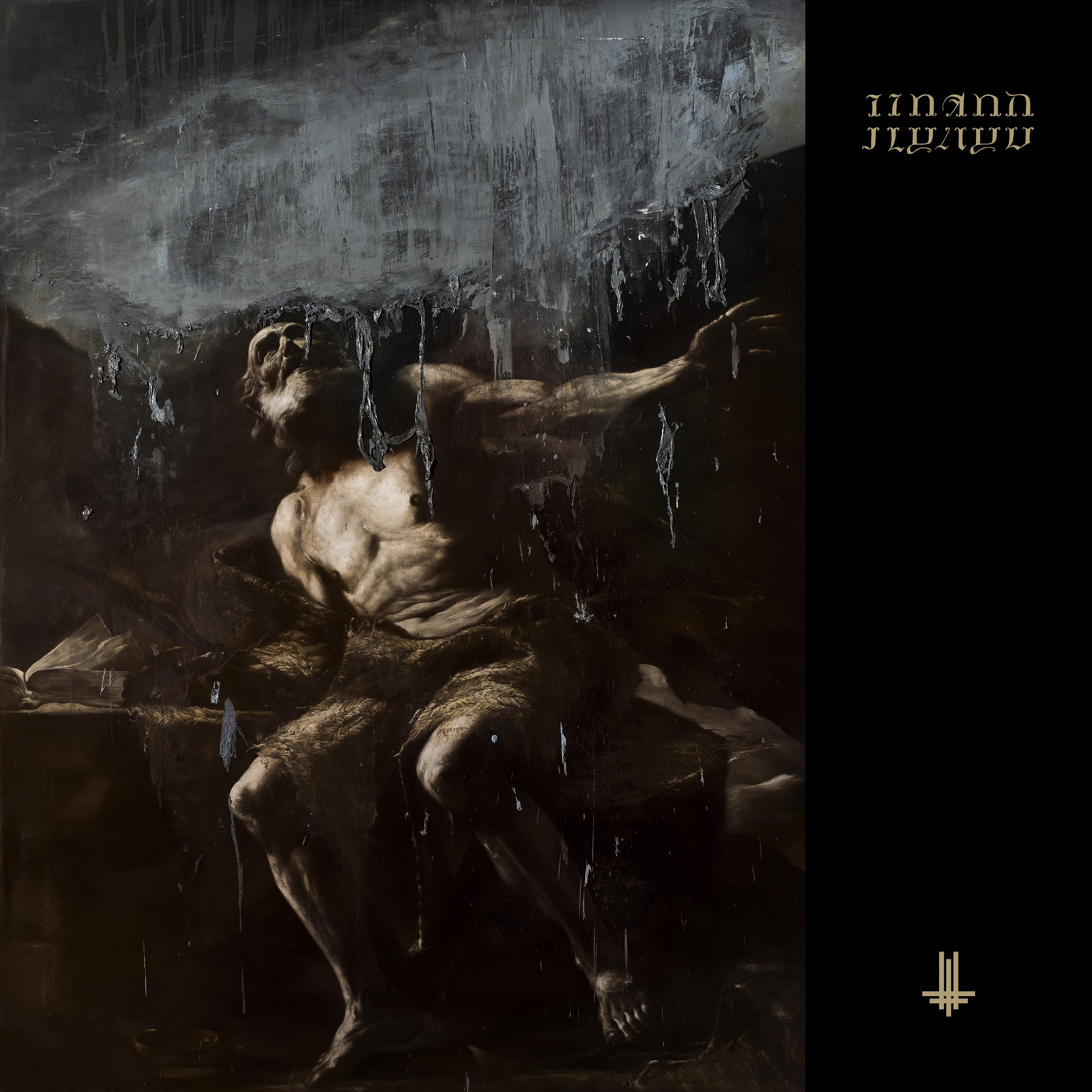
3. Behemoth – I Loved You at Your Darkest (REVIEW)
Poland’s most blasphemous metal institution returns after four years with a much more melodic and dynamic approach than before.
Best song of the album: Ecclesia Diabolica Catholica
4. Dragonlord – Dominion (REVIEW)
Exploring themes of darkness, here comes Eric Peterson’s Symphonic Black and Thrash Metal project with their first album in 13 years.
Best song of the album: Northlanders
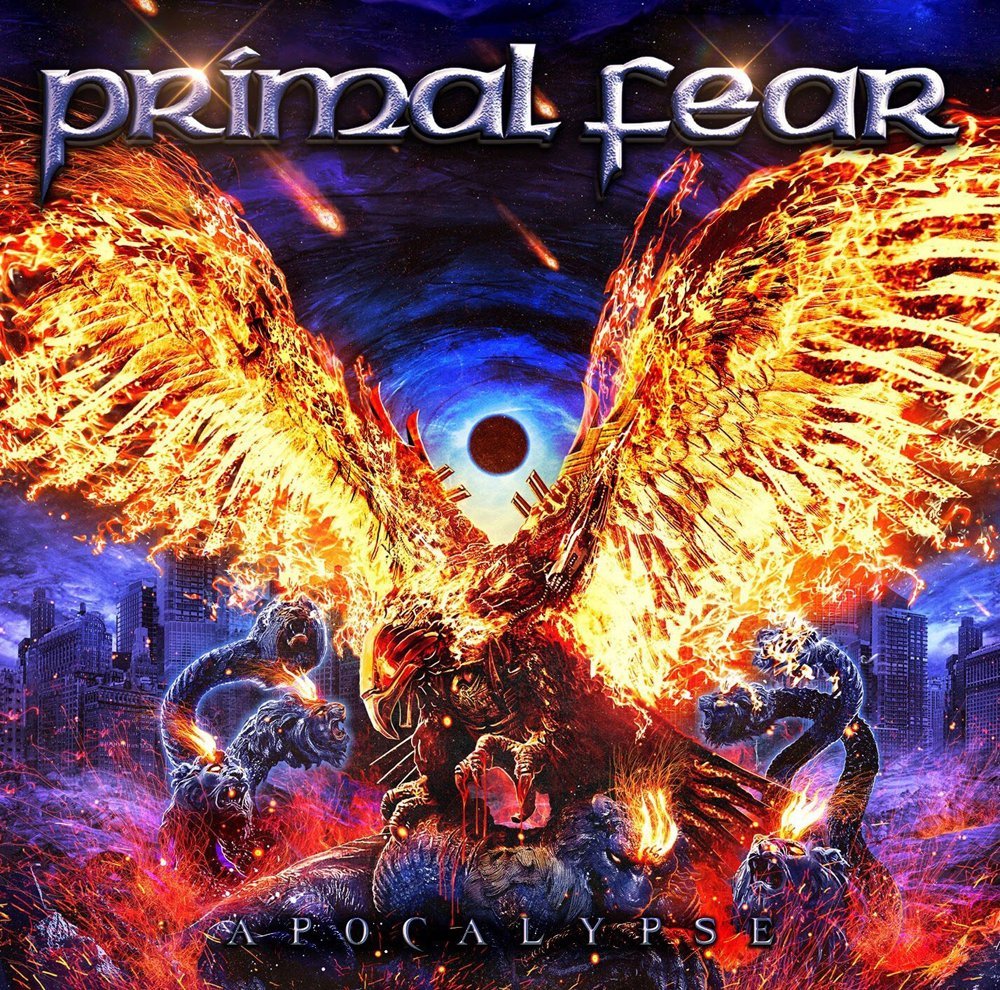
5. Primal Fear – Apocalypse (REVIEW)
The Teutonic eagles of Power Metal return with another sensational opus showcasing the perfect amount of creativity and melody.
Best song of the album: The Ritual
6. Immortal – Northern Chaos Gods (REVIEW)
The Gates of Blashyrkh have finally opened again to the sound of the pulverizing new album by the Northern Chaos Gods of Black Metal.
Best song of the album: Mighty Ravendark
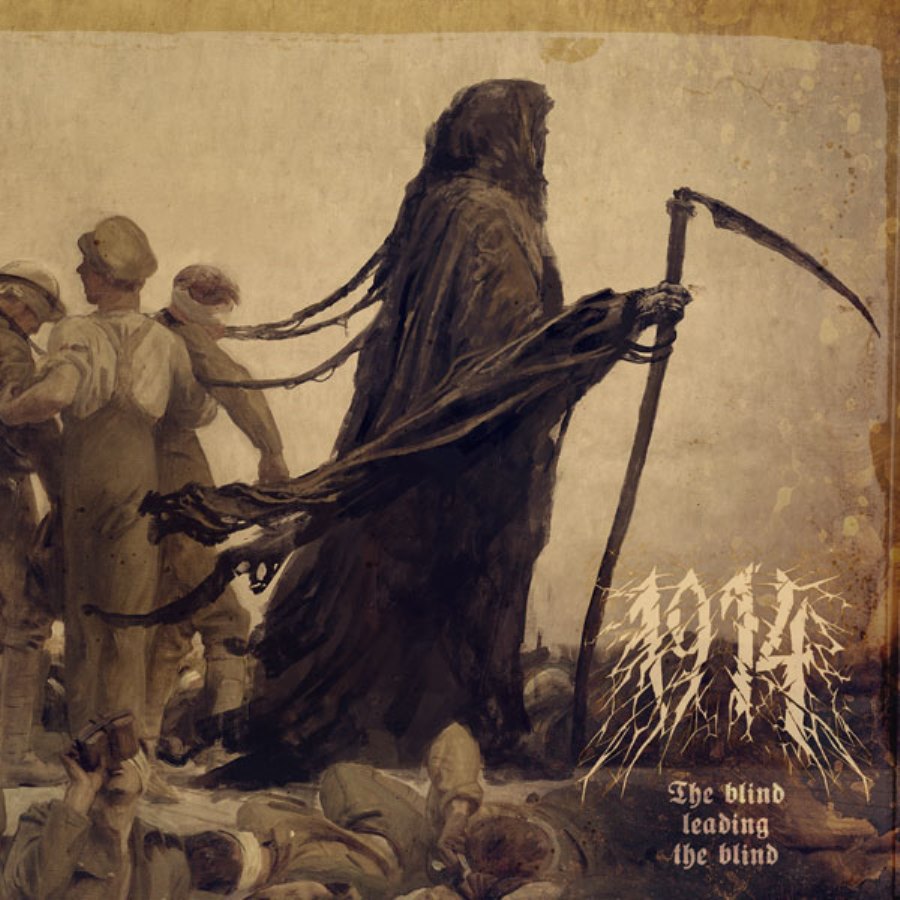
7. 1914 – The Blind Leading the Blind (REVIEW)
It’s time to head into the battlefields of the Great War together with these Ukrainian Blackened Death and Doom Metal infantrymen.
Best song of the album: Passchenhell
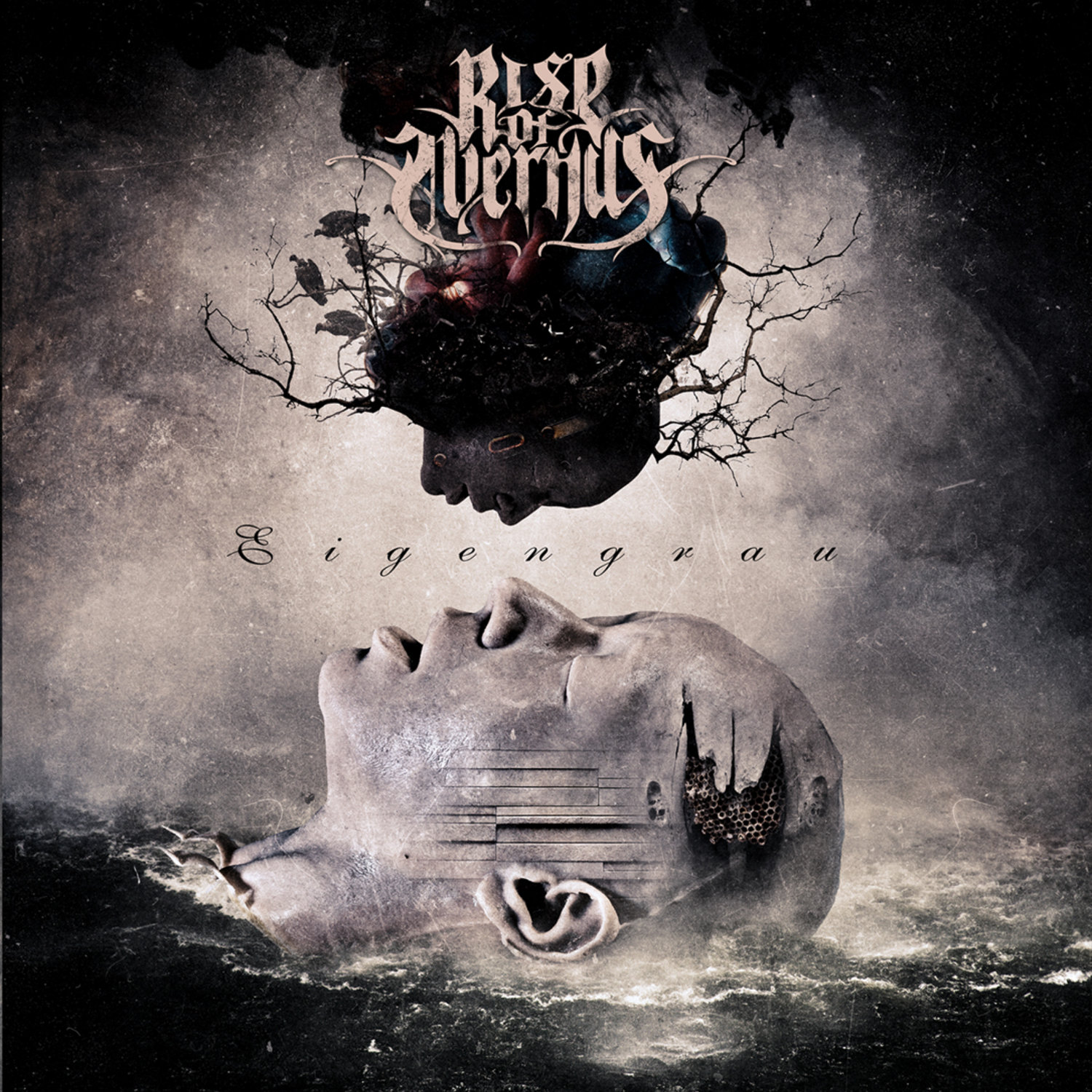
8. Rise of Avernus – Eigengrau (REVIEW)
Here come Australia’s own Rise of Avernus with their most symphonic, heaviest and darkest opus thus far.
Best song of the album: Eigenlicht
9. Altars of Grief – Iris (REVIEW)
A superb album of Canadian Blackened Doom narrating a tragic story of a deeply flawed man and his dying daughter.
Best song of the album: Broken Hymns
10. Marduk – Viktoria (REVIEW)
A furious and aggressive fusion of Marduk’s classic Black Metal with their more contemporary warlike sound.
Best song of the album: Viktoria
And here we have the runner-ups, completing the top 20 for the year:
In addition, how about another round of awesome albums released this year, this time presenting to you our Top 10 EP’s of 2018? Those shorter-than-a-regular-album but still heavier-than-hell releases are like going to a fancy restaurant, where you might not get a humongous amount of food, but what’s served on your plate is more than enough to please your palate (or your ears, in this case). And, of course, you leave the place eager for more of that tasty and exquisite metal music.
1. Violent Life Violent Death – Come, Heavy Breath (REVIEW)
2. Strangle Wire – The Dark Triad (REVIEW)
3. Godless – Swarm (REVIEW)
4. The Black Swamp – Witches (REVIEW)
5. Progenie Terrestre Pura – starCross (REVIEW)
6. Lebowskii – Liquidators (REVIEW)
7. Geisterwald – Geisterwald (REVIEW)
8. Soul Dissolution – Nowhere (REVIEW)
9. Dark Archive – Cultivate Our Blood in Aeon (REVIEW)
10. Forte Ruin – Rebuilding the Machinery (REVIEW)
Metal Xmas and a Headbanging New Year! See you in 2019!
And last but not least, if you want to support Glenn Tipton and everyone else on their personal battles against Parkinson’s, you can purchase the official Glenn Tipton Parkinson’s Foundation Charity T-shirt by clicking HERE or make a direct donation following the instructions found HERE. You can always help your family, friends and fellow metalheads, as simple as that, and who knows, maybe we can make this world a better place to live.
Immerse yourself into a work of windswept mysticism and pure pagan fury dedicated to the most important and powerful totem in the culture of southern Slavs.
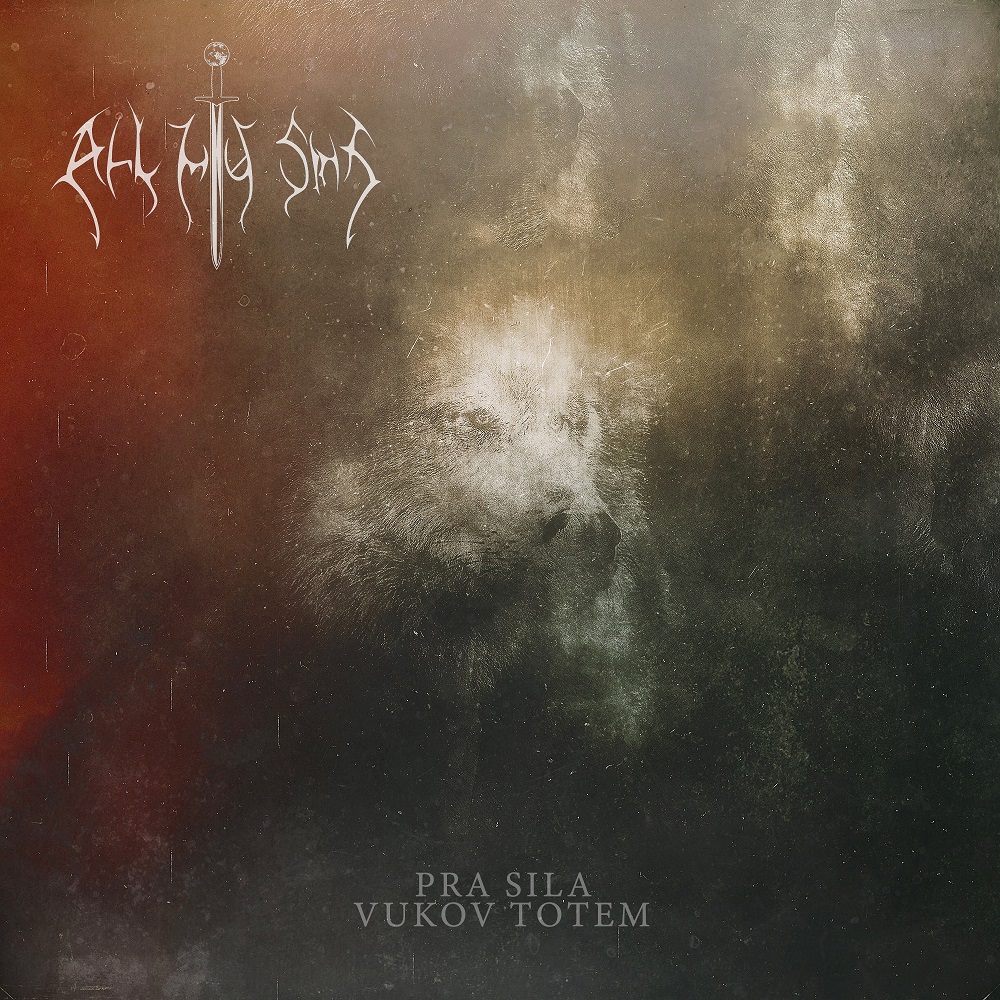
Originating from the southern regions of Europe, Serbian Black Metal duo All My Sins was officially formed by multi-instrumentalists Nav Cosmos and V in the year of 2000 in the city of Pančevo around the idea of claiming their own place among the already-established Second Wave of Black Metal. Inspired by the spiritual heritage of the land they come from, the band started making records, each of them conceptually placed around certain mythological symbols such as their brand new opus entitled Pra Sila – Vukov Totem, which would be roughly translated to English as “The Primordial Force of the Wolf’s Totem”, a work of windswept mysticism and pure pagan fury dedicated to the most important and powerful totem in the culture of southern Slavs, the wolf.
Featuring a somber cover art by Romanian musician and artist Daniel Dorobantu (Thy Veils) and guest musicians Nemir, Khargash and Jaguar (from underground Serbian bands like Obscured and Terrörhammer), All My Sins’ newborn eight-track album portrays the wolf as the ancient ancestor of Serbian people, a creature with unusual attributes that is believed to possess obscure divine powers, narrating a vast spiritual journey throughout the realms of southern Slavic mysticism. The meeting of man and wolf, mystically dangerous yet magnificent at the same time, depicts the encounter with a demonic being and concurrently the moment when a man meets his native forefather. In the world of wilderness abandoned by man, contradictory and strong, the wolf represents everything we are not, unknown and terrifying, or the perfection of a stranger.
In the opening track Vukov Totem, or “Totem of the Wolf”, a demented blast of visceral Black Metal invades our ears mercilessly, with V pulverizing his strings with his violent shredding while Nemir shakes the foundations of the earth with his blast beats before a cosmic break turns the sonic devastation into a more progressive and atmospheric extravaganza. Their incendiary feast of Slavic Black Metal goes on in Zov iz Magle, or “A Call from the Mist”, where Nav Cosmos roars and gnarls powerfully from the bottom of his blackened heart, with the entire song feeling very dense, enfolding and also bringing some deep, phantasmagorical clean vocals, while its instrumental parts remind me of old school Norwegian Black Metal; followed by Vetrovo Kolo, or “The Wheel of the Wind”, another brutal explosion of extreme sounds by All My Sins where Nemir sounds even more enraged and bestial on drums, while Nav Cosmos vociferates manically. Furthermore, the song’s razor-edged guitar riffs will violently pierce your mind and soul, leaving you completely disoriented after all is said and done. And U Mlazevima Krvi, or “In the Streams of Blood”, brings forward devastation, rage, madness and top-notch Pagan Black Metal to our ears. What else can you ask for, right? Moreover, Nav Cosmos’ deranged growls in his mother tongue end up adding an extra touch of lunacy to the overall musicality, just like what happens in the whole album.
Then it’s time to get smashed into the circle pit to the fulminating Opsena, or “The Phantasm”, showcasing almost eight minutes of crushing Black Metal with Atmospheric Black Metal nuances while V continues to brutalize his strings powerfully, with the music morphing into a completely new sonority after a cryptic, somber passage, feeling a lot more melodic and introspective. In the bridge Mesecu u Oko, or “Towards the Moon’s Eye”, wicked, Stygian noises are spiced up by Nav Cosmo’s anguished gnarls, flowing into over 10 minutes of a beyond atmospheric display of contemporary Black Metal named Konačna Ravnodnevica (Čin Prvi), or “The Final Equinox (Act I)”, sounding epic and bold from start to finish, with Nemir delivering sheer darkness through his crisp drumming, until melancholy permeates the air in Konačna Ravnodnevica (Čin Drugi), or “The Final Equinox (Act II)”, featuring guest Khargash on bass and backing vocals. This is a fantastic Atmospheric Black Metal chant infused with hints of Doom Metal, remaining as sluggish and grim as it can be and, therefore, putting a pensive ending to such demolishing album of Pagan Black Metal.
Brewing since the ancient days, Pra Sila – Vukov Totem (available for a full listen on YouTube) is now being released into the modern era with a timelessness that’s exciting to behold, and you can savor that first-class fusion of Black Metal and the Slavic culture by purchasing the album from the band’s own BandCamp page, from the Saturnal Records’ BandCamp page or webstore, from Amazon, or from Discogs. Also, don’t forget to follow the band on Facebook and on VKontakte, and immerse yourself into a sensational world of South Slavic Black Metal mysticism crafted by this talented and undisputed Serbian duo.
Best moments of the album:Vukov Totem, Vetrovo Kolo and U Mlazevima Krvi.
Worst moments of the album:Konačna Ravnodnevica (Čin Drugi).
Released in 2018 Saturnal Records
Track listing 1. Vukov Totem 9:43
2. Zov iz Magle 7:56
3. Vetrovo Kolo 6:25
4. U Mlazevima Krvi 3:52
5. Opsena 7:57
6. Mesecu u Oko 1:19
7. Konačna Ravnodnevica (Čin Prvi) 10:25
8. Konačna Ravnodnevica (Čin Drugi) 8:10
Band members Nav Cosmos – vocals, recitals, bass
V – guitars, bass, clean and backing vocals, recitals, keys, vrg
Progressing in their own unique interpretation of desolation, this cryptic Atmospheric Black Metal entity from Belarus are unleashing upon humanity their second revelation.
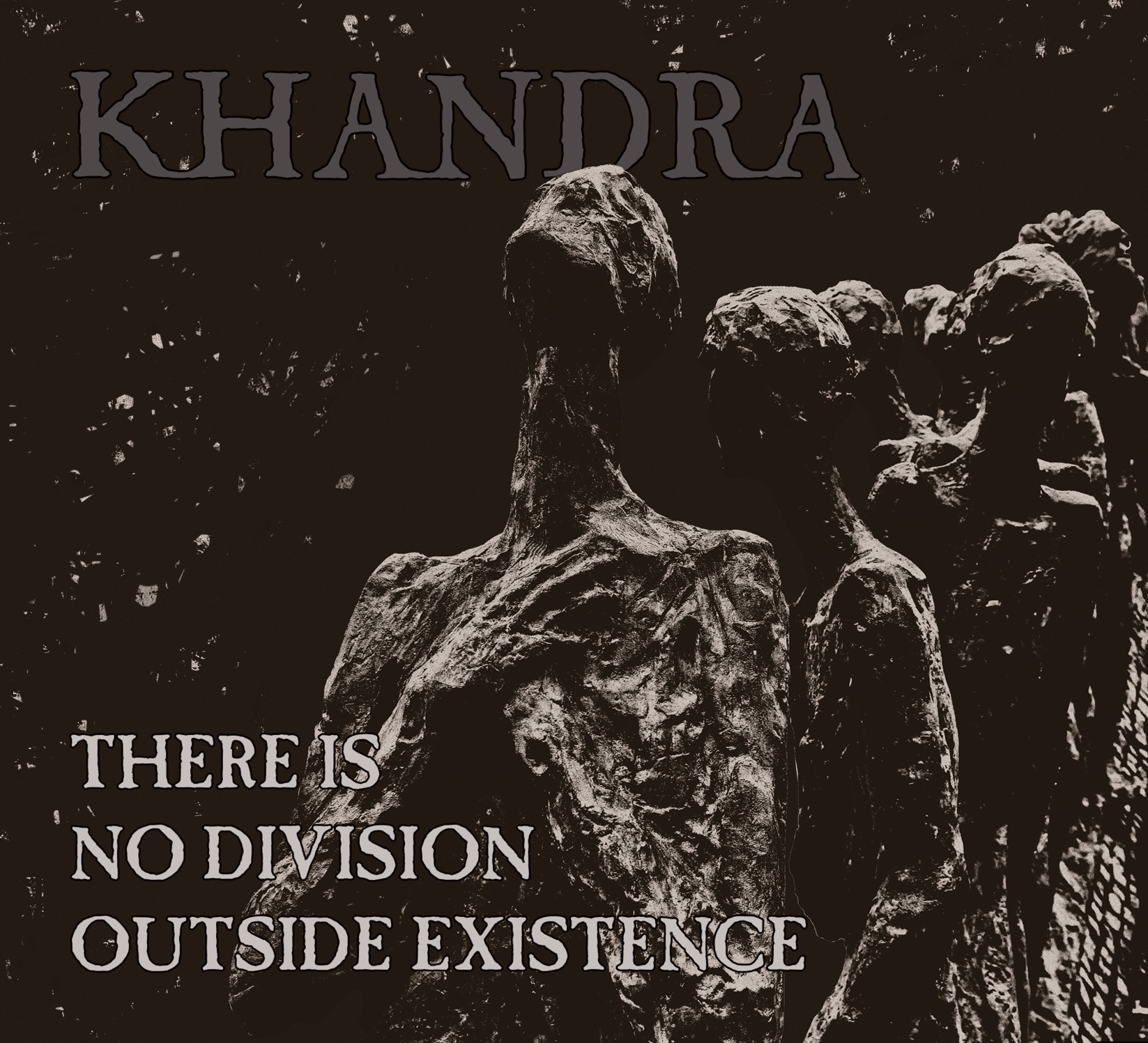
Hailing from the Belarusian capital Minsk, Khandra (or Хандра), the Russian word for “melancholy”, are an Atmospheric Black Metal duo comprised of vocalist LDZMR (Vladimir Borodulin) and multi-instrumentalist DMTR (Dmitry Romanovsky) who sparked a bit of interest with their 2017 debut two-song EP All Is of No Avail. Progressing in their own unique interpretation of desolation, those two cryptic entities holed themselves up in the winter of 2018 to invoke and expel their second revelation, a somber and malevolent four-track EP entitled There is No Division Outside Existence, and they had a few interesting comments about their newborn spawn. “The concept of the project is the flaw and inability of consciousness to reflect the boundlessness of the nothingness in the frames of reality that (reality) only exists within and in the sanity. It is a sort of an attempt of exceeding the limits of imagination, which makes the lyrics unavailable for criticism from the point of view of logical thinking. The musical vessel here is a result of expression that has no bonds with any personal emotion of social nature.”
Ominous sounds rising from the pits of hell ignite the atmospheric and menacing intro titled Into the Absolute Nothingness, before demonic, austere waves invades our ears in Decaying into the Ascended, where Dmitry shows no mercy for his stringed weapons, delivering cutting riffs and thunderous bass lines while Vladimir gnarls like a true creature from the underworld. Put differently, it’s a very melodic and electrifying hybrid of old school Black Metal with contemporary Atmospheric Black Metal, with its hellish blast beats adding an extra touch of aggressiveness to the overall musicality, ending in a tribal and visceral way. And the duo continues to fire their Stygian sounds and vociferations in the title-track There is No Division Outside Existence, another infernal creation where the crisp and metallic sounds of the guitar together with the rumbling bass roars create the perfect atmosphere for Vladimir to growl and bark rabidly. And lastly we have Progressing in Desolation, offering the listener almost nine minutes of the darkest form of Atmospheric Black Metal you can think of, spiced up with Doom Metal nuances and the creepy, harsh vocalizations by Vladimir. Moreover, Dmitry is truly infernal with his phantasmagorical guitar, not to mention how well they move from an enraged sonic havoc to more harmonious and mesmerizing lines and then back, with the music remaining dense and strident until its lugubrious grand finale and, therefore, being highly recommended for lovers of the darkest side of metal.
In a nutshell, Khandra are more than just your regular metal band, and There Is No Division Outside Existence, available for a full listen on YouTube and on Spotify, and on sales from their own BandCamp, from the Redefining Darkness Records’ BandCamp, from the Possession Productions’ BandCamp, from iTunes or from Amazon, is the ultimate representation of what the duo is capable of and how deep they can crawl inside your mind. Because, in the end, Khandra are a musical manifestation that can only be illuminated through experience, and all you have to do is listen and absorb.
Best moments of the album:Decaying into the Ascended.
Worst moments of the album: None.
Released in 2018 Redefining Darkness Records
Track listing
1. Into the Absolute Nothingness 3:27
2. Decaying into the Ascended 7:44
3. There is No Division Outside Existence 5:59
4. Progressing in Desolation 8:31
Band members Vladimir Borodulin – vocals
Dmitry Romanovsky – guitars, bass
Kneeling at my feet, encased in black sheaths of ecstasy… Fulfill your deepest desire to submit to me…
It’s time to set fire to The Headbanging Moose with a woman that’s perhaps the most eccentric, distinct and explosive of all metal chicks who have already embellished our pages through the years. She’s not only a professionally trained actress, dancer, singer, performer and an internationally recognized model in the Gothic and fetish genres, having been featured in several publications and websites, but also an activist and the frontwoman for an American metal act that blends the heaviest and most obscure elements from Gothic, Black and Death Metal. If you have absolutely no idea who that woman is, I bet you’ll be stunned by her talent, beauty and passion for music and arts in general. Having said that, let’s cut to the chase and begin our humble tribute to our last metal lady of 2018, the unstoppable and dauntless Lilith Astaroth (also known as Goddess Lilith), lead singer for Boston, Massachusetts-based metal entity Sorrowseed. In other words, are you ready for total chaos and anarchy with Lilith?
Born on October 31, 1997 in Cambridge, just outside of Boston, Massachusetts, in the United States, Lilith loves music from the bottom of her heart, having started her musical pursuits at the age of five when she learned to play the piano. At the age of fourteen, she began to teach herself how to play the guitar, and in the following year she started her first band, curiously named Satan’s Kids, a Grunge and Rock N’ Roll project inspired by the music from icons like Marilyn Manson, Nirvana and Pantera. And Lilith received a lot of criticism in her early days as a singer, as people kept saying she sounded “like a guy” and that she should start singing “like a normal person”. However, despite that continuous criticism, including being kicked out of a band for “screaming too much”, she refused to change her vocal style and kept working hard for several years, until Sorrowseed came along in 2009 after numerous failed band attempts.
Her style of singing combines low guttural growling and high-pitched shrieking, being often compared to famous extreme vocalists like Dani Filth and Angela Gossow, but also exploring after 2010 a more operatic style in the soprano range, like in her 2011 cover version for the classic Christian Woman, by Type O Negative (I guess all women who succumbed to the dark side of music are admirers of the deceased Peter Steele). A true lover of cybergoth, steampunk and latex fashions, Lilith explores her sexuality while creating music at the same time, offering her fans a full-bodied experience during her live performances and on her videos. Using a combination of inhalation and exhalation screams, she is able to produce a vast array of sounds with her voice, turning each live show into a ferocious display of intensity. Since the beginning of her career, she has released several solo works and has lent her voice and performed live with many different projects throughout New England including Sorrowseed, Mostri and Pandora’s Toybox, always loyal to the Doom, Death, Industrial and Gothic Metal styles. Her biggest inspirations when writing and composing music are quite straightforward and interesting. Lilith was very clear and honest when saying that hatred, or unbridled hatred for humanity and its ignorance, always inspire her to write music, as her day-to-day experiences with other human beings gave her plenty of reason to be angry much of the time. Obviously all that hatred and anger couldn’t be better represented than the flammable fusion of Extreme Metal styles from all her bands and projects.
In regards to her most famous project, American Melodic Doom Metal band Sorrowseed, Lilith formed the band in 2009 in Boston highly influenced by bands like Amorphis, Behemoth, Cradle of Filth, Dimmu Borgir, Emperor, Satyricon and Therion, singing about controversial topics like the Apocalypse and anything related to the total annihilation of mankind, as well as spreading stories of madness, death, destruction, dark mythology and horror to the masses, all embraced by the band’s obscure musicality. As a matter of fact, the band started in 2008 by Josh Carrig, of Pandora’s Toybox, evolving to its desired shape and form only in 2010, with the concept behind the band being based on the story of two characters, the Reaping Willow and the Scarab Prophet. Lilith obviously portrays the Reaping Willow, who was once the nature Goddess, Demeter. Over time, she watched humankind’s pollution, ignorant destruction and environmental abuse overcome the earth. She wept for the ignorance of mankind, becoming enraged with madness and, as a consequence, transforming into the Reaping Willow who, along with the Scarab Prophet, is set upon the destruction of mankind, unleashing apocalyptic terror onto humanity. The band has already released one EP titled Portents, in 2009, and four full-length albums since their inception, those being The Extinction Prophecies (2011), Descent of the Scarab Prophet (2012), Dread Sylvan Summonings (2012), and Nemesis Engine (2013), including incendiary songs like Ocean Scorn (and you can always listen to their albums and obviously purchase them from their own BandCamp page). Working as a way for Lilith to channel her powerful feelings into something creative and non-destructive, as she’s always been very much about vengeance, wrath, and destruction, Sorrowseed kick some serious ass live as you can see in their performance during the Damsels of Darkness Tour playing the song Arcana (of the Lich Queen), with their first ever concert happening at the launch party of 420Mass.com during the 2010 Boston Freedom Rally.
You can also find Lilith lending her beautiful and devilish voice to several distinct bands and projects in the world of heavy music, such as doing vocals for Chilean/American Thrash/Death Metal band Angor from 2014 to 2015, and for American Blackened Death Metal band Coffin Birth starting in 2016. She also worked as a guest vocalist in the song Bloodborne Penance, from the 2016 album The Bowels of Chaos, by Coffin Birth; in the song Halle Ravine, from the 2017 album The Sachem’s Tales, by American Atmospheric Black Metal band Dzö-nga; and in the song The Black Feathered Vixen, from the 2013 EP Unleash the Inferno, by American Death Metal one-man band Eric Pellegrini. There are other projects which are not as “clear” as the ones listed above, such as her involvement as the lead singer of Nemesis Engine, a hybrid of ex-Sorrowseed and ex-Theogonia members which was actually a code name used for the revamped Sorrowseed lineup, as well as her participation with other bands including a Melodic Death Metal band (with use of electric violin) with former bandmate Chris Adamcek and Rachel Zuckerman named Akashic Shadow, in 2012, and an upcoming collaboration with Melodic/Progressive Death Metal act Solemn Vision, from New York.
This slideshow requires JavaScript.
As aforementioned, Lilith is not only a regular vocalist and musician, but also an actress focused on the underground and independent scene. It was in 2009 when she began exploring the world of acting, starting with taking courses from Harvard University, doing extra work for major films, and landing minor roles in independent films such as God of Vampires, Nun of That, Heaven and Hell, Legless and Scrooge in the Hood. She has also appeared on NESN as a ring girl for Boston Boxing, has done several interviews in the cosplay documentary Cosplayer Nation, appeared on NBC’s The Dr. Keith Show to talk about safety as a public figure on the internet, and appeared several times in the reality-based web series Quiet Desperation. You’ll also find Lilith in many different music videos as an actress, such as When Steel and Bone Meet, by Goatwhore; Misbegotten Candy, Down in the Mire, and Slaves to the Sleigh, by Pandora’s Toybox; Runnin From Jesus, by Matalon; and Babylon Train, by Desar.
Furthermore, you can take a look at her her IMDb profile to see in detail all B-movies, shorts and TV series she’s been featured, like playing a character named Petunia Pete Sawyer in the 2017 comedy-horror movie Groundhog. In addition to that, Lilith has also attended a good amount of public events through the years, like doing public speaking in different editions of the annual Boston Freedom Rally and the Philadelphia Freedom Festival Benefit, as well as constantly improving her acting skills by taking several training sessions and courses like Introduction to Acting and Advanced Acting from Harvard University, in 2009, Acting Shakespeare and Introduction to Public Speaking also from Harvard University, in 2010, and private classes in C.O.R.E. Acting, in 2013. Do you think that’s already a lot for just one person? Well, you better be prepared, because there’s still a lot more to come.
If you haven’t noticed yet, Lilith is also an internationally recognized professional model, having shot in different exotic locations ranging from Iceland to Montreal, Ireland, Costa Rica, London, Germany and Italy, as well as all over the United States, with some of her favorite runway events being the Montreal Fetish Weekend Fashion Show, and the New Designer’s Fashion Show of New England. A versatile model with 8 years of experience and a wide variety of looks, ranging from classic pinup, swimsuit, Gothic, cosplay, fantasy, fetish, sci-fi, horror, among many others, Lilith has already done event hosting, art modeling, spokesmodeling, living art, bodypainting, being a Ring Girl, Go-Go dancing, and modeling for some of the edgiest latex designers emerging in the fetish fashion scene. However, when asked which career out of music, modeling, dancing and acting she would like to pursue the most, our devilish goddess said music is what she’s really focused on (as we all know, screaming is something that has always been very natural to her), but she also truly wants to pursue professional acting to the fullest. Acting is according to Lilith herself the most challenging of all activities because there’s always room for improvement with anyone, but finding appropriately paying work in modeling and dancing is the most challenging thing she’s been facing on a regular basis. In addition, maintaining a healthy balance of all those activities and responsibilities is not an easy task at all (by the way, she’s also a LMT – Licensed Massage Therapist, an activist for cannabis legalization, animal rights, and preservation of nature, and a reiki master), but as a great and very efficient multi-tasker she is, nothing stops Lilith from always moving forward in her life and career.
One very important topic to Lilith is her utmost support to the legalization of marijuana, and she has a very strong opinion about what should be done in this case. In one of her interviews, she said that people need to focus the war on drugs against the real problems, like pills, which originate with drug companies, and crime which is funded in large part from marijuana. In her own words, Lillith said that “no one is making pills at home – they come from drug companies with bad policies, operating under bad laws with bad inventory and bad control, they have huge lobby groups that let them get away with this and pills have become one of the most major problems in America.” She complemented by saying that she personally would rather not put any chemicals in her body or take the risk of becoming addicted to a chemical, and she has found that she doesn’t need to take those risks, because marijuana helps alleviate her health issues. “We need to take ‘the money’ out of the illegal marijuana equation; by legalizing and regulating we would lower the prices by lowering the value (the price is artificially propped up by its illegal status), and this would take a big bite out of the pocketbook that funds guns and harder drugs, and open the door to affordable, safe and legal medical marijuana.”
When asked in one of her interviews about the current music scene in the United States and what has changed since she started her career in 2009, Lilith said that it actually hasn’t changed much, despite an increase in the number of metal bands in her area, New England, which according to Lilith herself is at the same time a good and a bad thing because some of those bands are very talented, but others are just terrible. She also said there are some bands she’s a good friend of, such as Faces of Bayon, Matalon, Abnormality, AbSynthe, Necrophiliac Meat Circus, Fever Vein and Voices of the Dead, among others, and that she loves to meet and work with bands that play a similar style to hers because those are not only easier to keep in touch, but to also play more shows together. And last but not least, when asked how important her fans are to her, she was pretty straightforward saying that without fans there would be no one to perform for. She does her best to treat her fans well and hook them up with good prices and merch, and communicate with them every day through her website and all her social media. That being said, I guess no one can complain at all that Lilith is a lazy or an arrogant person; quite the contrary, although we all know how unique she is, the world of metal music definitely needs more women with the same attitude, stamina and passion as the multi-talented Lilith Astaroth.
“Since I was young, I’ve always been the center of attention. My parents were always sticking a camera or video camera in my face, so I got used to it early. It wasn’t until I was 15, however, that I decided I wanted to front a band. Oddly enough, it was Nirvana that inspired me to find this path. I taught myself how to play guitar and formed my first band shortly thereafter.” – Lilith Astaroth
This unstoppable Belgian duo returns with a brand new EP only six months after their latest full-length album, offering the listener 24 minutes of classy extreme music rooted more firmly in the Post-Black territory.
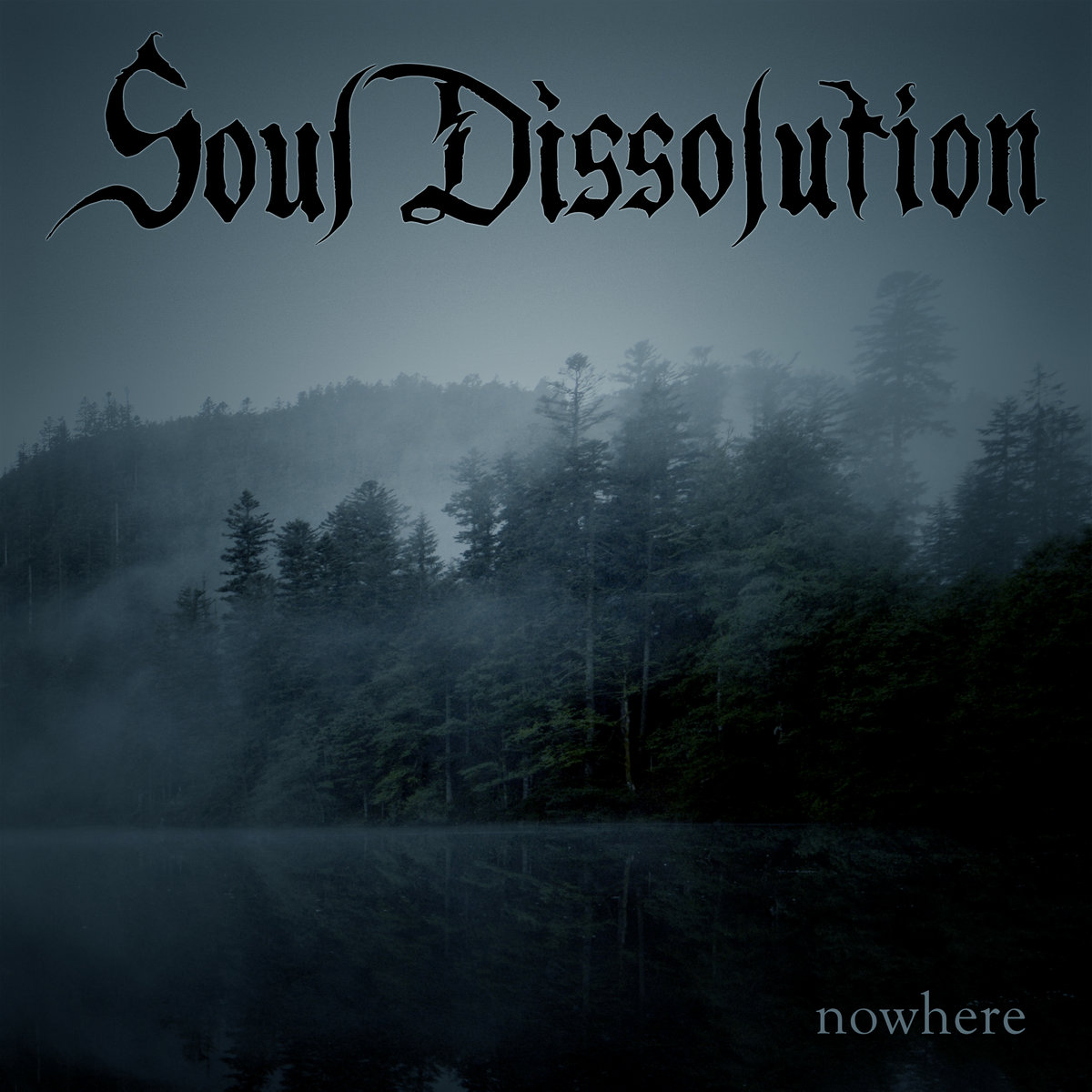
Formed in December 2012 in the city of Brussels, Belgium mostly influenced by bands such as Agalloch, Drudkh, Alcest and the early days of Katatonia, the talented Atmospheric Black Metal duo that goes by the name of Soul Dissolution returns only six months after their critically-acclaimed opus Stardust with a brand new 2-track EP simply titled Nowhere, offering the listener 24 minutes of classy extreme music rooted more firmly in the Post-Black territory, drawing additional inspiration from bands like Harakiri For The Sky, Heretoir and Anomalie while still retaining the core atmosphere, dynamics and melodies from their previous material.
Comprised of Acharan on lead vocals and Jabawock on guitars, bass and additional vocals, Soul Dissolution are one of those underground acts that are not afraid of experimenting with different sounds and nuances, but always true to their origins, and that’s perhaps what makes Nowhere so compelling and vibrant form start to finish. Featuring a grim cover picture taken by Jabawock on a misty morning in the Vosges region in France, and presenting Celestial as their session drummer for the first time (in addition to him being a part of the band’s live lineup), Nowhere will take you on a journey full of epicness and melancholy, all enhanced by the album’s crystal clear overall production, paving an exciting path for Soul Dissolution to keep mesmerizing us all with their music in a not-so-distant future.
Melancholic guitar lines kick off the first of their two “musical voyages”, entitled Road to Nowhere, a lecture in Atmospheric Black Metal where the beats by Celestial are at the same time fierce and delicate while Jabawock slashes his guitar strings majestically, piercing our ears and minds with his whimsical riffs and solos. Furthermore, all elements from Melodic Black Metal found in the musicality bring an extra taste to their core Atmospheric Black Metal, majestically flowing like a wild river, not to mention the song’s captivating lyrics growled by Acharan in a truly anguished manner (“Under the moonlit sky/ Winds carry new words / For songs yet to come to life / Under the moonlit sky / Winds carry my steps / Pushing me forward on my road to nowhere”). Then even more obscure than its predecessor, Fading Darkness presents hints of Blackened Doom and Doom Metal in its core sound, with Soul Dissolution mesmerizing our senses with their deep gnarls, solid string work and precise drumming, bulding the perfect ambience for the poetry flowing from the song’s introspective words (“These thick, black woods / With trails long overgrown / This journey I started many years ago / The last time I saw the sun / This mountain on which I roam / Constantly surrounded by thick fog / Its sinister presence all around / Drains all life therein to be found”).
The full EP is available for a detailed listen on YouTube, and you can show your true support to Soul Dissolution by following them on Facebook, by listening to their music on Spotify, as of course by purchasing Nowhere from their own BandCamp page, from the GS Productions’ BandCamp or webstore, from iTunes or from Discogs. If the music found in Nowhere points to what we can expect from Soul Dissolution in their future releases no one knows for sure, as Acharan and Jabawock love to explore new grounds and nuances, but if there’s one thing we can be certain about is that the duo will keep delivering first-class atmospheric music for our total delight in the coming years, always surprising us in a very positive way and always loyal to their foundations.
Set against a bleak science fiction backdrop, exploring the human conditions of loss, isolation, and change in the wake of time’s passage, the new album by this three-piece act from the UK has everything you crave in Sludge and Doom Metal.
Founded in 2008 in London, England, the three-piece experimental vortex of blackened intensity and forlorn, mournful doom known as Bast returns now in 2018 with Nanoångström, the follow-up to their 2014 critically acclaimed debut release Spectres, continuing the band’s trajectory into narrative driven arrangements and experimental compositions. Including a beautiful artwork designed and directed by the band’s own lead singer and guitarist Craig Bryant, and also featuring an exclusive piece by Manga legend Shintaro Kago as well as guest vocals by Chris Naughton of England’s leading purveyors of Black Metal Winterfylleth, Nanoångström is set against a bleak science fiction backdrop, exploring the human conditions of loss, isolation, and change in the wake of time’s passage, all enfolded by the crushing fusion of Sludge and Doom Metal blasted by Craig and his bandmates Gavin Thomas on bass and Jon Lee on drums and backing vocals.
Low-tuned, melancholic and whimsical sounds invade our senses in the intro Distant Suns, warming us up for the crushing Far Horizons, a 10-minute Sludge Metal exhibit led by the rip-roaring riffs and growls by Craig, while Jon flawlessly pounds his drums in a delicate but fierce way at the same time, with the song’s crisp and flammable riffs being intertwined with somber and more serene passages, even presenting hints of Atmospheric Black Metal. Then featuring the aforementioned guest vocals by Chris Naughton we have The Beckoning Void, an explosion of contemporary Sludge and Doom Metal where the bass punches by Gavin sound truly menacing and thunderous, while Craig keeps shredding his strings mercilessly. Moreover, the song also presents nuances of classic Black Metal added to the drumming by Jon, hammering our heads and piercing our minds mercilessly, with the song’s second half getting more progressive and vibrant until its majestic finale.
The title-track Nanoångström begins as sluggish, introspective and obscure as possible, with the band’s stringed duo extracting Stygian tones from their instruments, while Jon slowly and steadily smashes his drums. In addition, Craig’s anguished growls get more and more desperate as the music progresses, before everything evolves into a Progressive Sludge Metal extravaganza that would make the guys from Tool really proud. Then rumbling guitars and bass lines permeate the air in the also sluggish Doom Metal tune titled A Red Line Through Black, remaining at a truly obscure tone until a wave of progressiveness takes over and the music morphs into a hard-hitting feast of classic Sludge Metal riffs, frantic and intricate beats, and enraged roars. Put differently, it can’t get any heavier nor more eccentric than this. Lastly, Chris joins Bast once again in The Ghosts Which Haunt the Space Between the Stars, where the band brings forth 12 minutes of crude, melodic and cutting Progressive Sludge Metal, a full-bodied headbanging hymn spearheaded by Craig and his aggressive, harsh growls, while Jon keeps extracting sheer Black Metal sounds from his beats. And their sonic havoc goes on ruthlessly, not giving us a single second of peace until its abrupt and powerful ending.
In a nutshell, Nanoångström has everything fans of contemporary and dark Sludge and Doom Metal are always craving, elevating Bast to new heights and positioning them as one of the most interesting exponents of the genre. If Bast’s sluggish music is your cup of tea, you can grab your copy of Nanoångström from their own BandCamp page or from the Black Bow Records’ Big Cartel, and after you do that just remember your days will never be bright or peaceful again. Well, I guess those are not the sensations you want to fell while listening to first-class Doom Metal, which means Bast more than succeeds in taking you to the most obscure side of music with Nanoångström.
Best moments of the album: The Beckoning Void and The Ghosts Which Haunt the Space Between the Stars.
Worst moments of the album: None.
Released in 2018 Black Bow Records
Track listing 1. Distant Suns 2:40
2. Far Horizons 10:24
3. The Beckoning Void (feat. Chris Naughton) 10:53
4. Nanoångström 11:10
5. A Red Line Through Black 9:56
6. The Ghosts Which Haunt the Space Between the Stars (feat. Chris Naughton) 12:34
Band members Craig Bryant – vocals, guitars
Gavin Thomas – bass
Jon Lee – drums, vocals
Guest musician Chris Naughton – guest vocals on “The Beckoning Void” and “The Ghosts Which Haunt the Space Between the Stars”
If there’s one thing we cannot complain at all in Toronto is the fact that the winter never really hits us hard before the end of December, which means whenever there’s a concert like this Tuesday’s fantastic triumvirate of extreme music with Wolves In The Throne Room, At The Gates and the masters of blasphemy Behemoth at The Danforth Music Hall during their “Ecclesia Diabolica America 2018 e.v.” tour, you can rest assured it will never be too cold nor snowing, allowing any fan to attend the show and have a great time. Well, I guess even if it was -20oC and snowing like hell the concert would have been absolutely SOLD OUT like it actually happened, with about 1,500 metalheads at the venue, and the reason for that is quite simple. All three bands kicked some serious ass with their austere, obscure and hammering music, especially Behemoth, who put up another memorable performance in the city.
I have to admit I didn’t know much about American Atmospheric Black Metal act WOLVES IN THE THRONE ROOM, formed in 2003 in the city of Olympia, Washington, in the United States, before their show opening for At The Gates and Behemoth this Tuesday, and I’m truly happy with them being chosen to do so. Still promoting their 2017 album Thrice Woven (available from their own BandCamp page), the band comprised of Nathan Weaver on vocals and guitar, Kody Keyworth on the guitar and backing vocals, Peregrine Somerville also on the guitar, the stunning Brittany McConnell on keyboards and Aaron Weaver on drums (and no, they don’t have a bassist) delivered a solid, entertaining and mesmerizing show, playing only three songs but for around 30 minutes, just the way we love it in Atmospheric Black Metal. If you’re still going to see Behemoth during this North American tour, make sure you get to the venue on time for Wolves In The Throne Room, because watching them on stage is indeed a unique experience.
Setlist
Angrboda
The Old Ones Are With Us
Born From the Serpent’s Eye
After a quick break it was time for Gothenburg’s own Melodic Death Metal institution AT THE GATES to prove us all why they’re still one of the most relevant bands from the 90’s unparalleled Swedish scene, slaying everything and everyone throughout their entire concert. All fans at the venue enjoyed a lot the flammable performance by frontman Tomas Lindberg and his henchmen, including the songs from their brand new album To Drink from the Night Itself, such as the title-track and A Stare Bound in Stone. Not only their full concert was a feast of first-class old school and modern-day Melodic Death Metal, but it was nice to watch Mr. Adrian Erlandsson smashing his drums once again after so many years, as the last time I saw him playing live was when he was still drumming for Cradle Of Filth. A great drummer, an amazing and charismatic lead singer, and a very entertaining setlist. What else can you ask for in Melodic Death Metal made in the beautiful Sweden, right?
Setlist Der Widerstand To Drink From the Night Itself
Slaughter of the Soul
At War With Reality
A Stare Bound in Stone
Cold El Altar del Dios Desconocido Death and the Labyrinth
Heroes and Tombs
Suicide Nation
The Book of Sand (The Abomination)
Blinded by Fear
The Night Eternal
Band members Tomas Lindberg – vocals
Martin Larsson – guitars
Jonas Stålhammar – guitars
Jonas Björler – bass
Adrian Erlandsson – drums
Right after At The Gates ended their show, the speakers started playing the devilish children’s choir from the awesome intro Solve, from BEHEMOTH’s blasphemous and totally amazing new opus I Loved You At Your Darkest, putting us all in a trance and warming up our senses for the storm of Blackened Death Metal we were all eager to witness once again in Toronto. And when our favorite Polish horde started their fulminating performance with Wolves ov Siberia, spearheaded as usual by the iconic Nergal, it was hell on earth at The Danforth Music Hall for the total delectation of the 1,500 fans who took the venue by storm.
Blending new songs from their latest albums I Loved You At Your Darkest, which by the way worked extremely well live like the hypnotizing chant Bartzabel and the beyond blasphemous Ecclesia Diabolica Catholica, and The Satanist, with the ominous hymns Ora Pro Nobis Lucifer (my favorite of the setlist) and Blow Your Trumpets Gabriel being a true invocation of evil, with old school material like the pulverizing Ov Fire and the Void, Slaves Shall Serve and Chant for Eschaton 2000, Nergal and his horde comprised of the extremely sharp and talented Seth on the guitar and backing vocals, the bulldozer Orion on bass and backing vocals, and the stone crusher Inferno on drums were on absolute fire from start to finish, worshiping Satan while delivering the best and most intricate fusion of classic and contemporary Death and Black Metal you can think of, with their masks, costumes and props being the icing on the cake. My only “complaint” is that they didn’t end the show with the fantastic O Father O Satan O Sun!, including those menacing horns and masks, but the closing combo Lucifer, We Are the Next 1000 Years and the outro Coagvla were awesome anyway.
Not only Nergal was extremely happy and excited with the warm reception he received here in Toronto (not to mention the endless, incendiary circle pits beautifully crafted by their, let’s say, “most physical” fans), but seeing such packed venue made him pretty much promise us all that Behemoth will strike us Torontonians once again with their infernal music in a not-so-distant future, and we obviously can’t wait for another bestial performance by one of the most important extreme bands of the current metal scene. Lastly, on a side note, it looks like Behemoth love Toronto even more than we can imagine, as the Polish quartet from hell also played a 7-song setlist at a house party of one of Nergal’s friends the night before as you can see HERE, with the same intensity and energy of their usual concerts at much bigger places. I don’t mind not being invited for those parties as long as Behemoth keep coming back to the city with their insanely heavy and hellish concerts, but if by any chance anyone has a spare “ticket” for that type of event, why not? Just kidding, as I’m not that social, only a metalhead who loves when a band like Behemoth keeps spreading their black wings and unleashing hell upon the earth, showing their love for the city of Toronto as much as we love them back at their darkest.
Setlist Solve Wolves ov Siberia
Daimonos
Ora Pro Nobis Lucifer
Bartzabel
Ov Fire and the Void
God = Dog
Conquer All
Ecclesia Diabolica Catholica
Decade of Therion
Blow Your Trumpets Gabriel
Slaves Shall Serve
Chant for Eschaton 2000
Lucifer
We Are the Next 1000 Years Coagvla
Band members Adam “Nergal” Darski – lead vocals, guitars
Patryk Dominik “Seth” Sztyber – guitars
Tomasz “Orion” Wróblewski – bass guitar
Zbigniew Robert “Inferno” Promiński – drums and percussion
An impending opus of Scandinavian-inspired Black Metal infused with the bitterly cold and somber sounds of the Pacific Northwest, generating a stunning and vicious atmosphere that will beautifully embrace your soul.
Formed in 2013 in the city of Victoria, in the Canadian province of British Columbia, by vocalist and multi-instrumentalist Michael Taylor, Atmospheric Black Metal project Paths has evolved from its psychedelic-laced Black Metal beginnings to embrace more of a grand in scope atmosphere, more properly upholding and defining the beauty of their surroundings through the dense music they create. Hence, that evolution in the music by Paths is beyond clear with their impending third full-length album, entitled In Lands Thought Lost, a powerful and dense fusion of Scandinavian-inspired Black Metal with the bitterly cold and somber sounds of the Pacific Northwest, generating a stunning and vicious atmosphere that will beautifully embrace your soul.
Featuring an austere artwork by Sólfjall Design, as well as Austin Lunn from Panopticon as a sessions drummer (who by the way volunteered to re-record drums for the album to replace Michael’s carefully constructed synthetic drums for a more organic result), In Lands Thought Lost can be considered the most stylistically developed full-length from this crushing musical entity known as Paths, uniting melody and atmosphere in a puissant Black Metal vibe that summons your spirit back to the 90’s in each of its five distinct but thoroughly connected songs, showcasing how focused Michael was when writing this amazing album of extreme music.
In the opening track, a multi-layered and visceral creation titled Nights Tomb, a short intro explodes into brutal and atmospheric extreme music, with Michael becoming a beast with his demonic gnarls and crushing riffage while Austin makes sure the music flows demonically with his blast beats, invading your mind like a giant dark wave of sounds. Then we have To Brave The Storm, another classic and vibrant Atmospheric Black Metal extravaganza sounding and feeling more melodic and anguished than its predecessor, with Michael being flawlessly supported by the unstoppable Austin and his rhythmic beats and fills, with the song’s visceral guitar lines emanating a mesmerizing and creepy vibe from start to finish. And the song’s abrupt finish sets the stage for the melancholic Creaking Boughs, also traveling through the realms of modern Atmospheric Black Metal, with the intensity of the beats growing together with the lancinating growls by Michael, who also fires some delicate guitar solos embraced by the song’s furious ambience. Furthermore, a gentle break provides the listener some time to breathe, before the music once again bursts into blackened sounds and tones.
The following tune, entitled The Everbright Land, kicks off in full force with Austin taking the lead with his demolishing beats, while Michael makes sure his growls and gnarls are in total sync with his obscure guitar lines and background phantasmagorical keys. Moreover, his bass lines also bring thunder to the musicality in the most Black Metal of all songs, with the music remaining disturbing, harmonious and electrifying in its entirety for our total delight. And finally, ethereal sounds ignite the longest and most intricate of all songs, South Ever South, blending the introspection of Doom Metal with the band’s characteristic Atmospheric Black Metal, with its bass lines presenting a mournful tone in contrast with the enfolding sound of the keyboards. Sometimes their most Black Metal side dictates the rhythm, sometimes it’s their doom-ish and atmospheric vein that takes the lead, until desolate and Stygian sounds put a climatic end to Paths’ obscure journey.
In summary, In Lands Thought Lost is not only a top-of-the-line album of Atmospheric Black Metal highly recommended for fans of the genre, but the precision and dedication the mastermind behind Paths, the aforementioned Michael Taylor, put in the development of the album is so compelling to the point all of us fans of extreme music should start beginning him to turn Paths into a full-bodied group or at least into a live band, allowing us to admire his music in the most organic way possible, which is on stage. I have no idea if that’s ever going to happen, but we can all go “bother” Michael on the project’s official Facebook page, and of course inspire him to write more music by purchasing In Lands Thought Lost as soon as the album becomes available on the Bindrune Recordings’ BandCamp and webstore in digital format or as a red vinyl (limited to 500 copies). As a matter of fact, if you’re an admirer of Atmospheric Black Metal, I’m pretty sure you’re already well aware of that, eager to have such inspiring album on your metallic hands.
Best moments of the album: Nights Tomb and The Everbright Land.
Worst moments of the album: None.
Released in 2018 Bindrune Recordings
Track listing
1. Nights Tomb 7:32
2. To Brave The Storm 8:40
3. Creaking Boughs 8:43
4. The Everbright Land 9:11
5. South Ever South 12:33
Band members Michael Taylor – vocals, all instruments


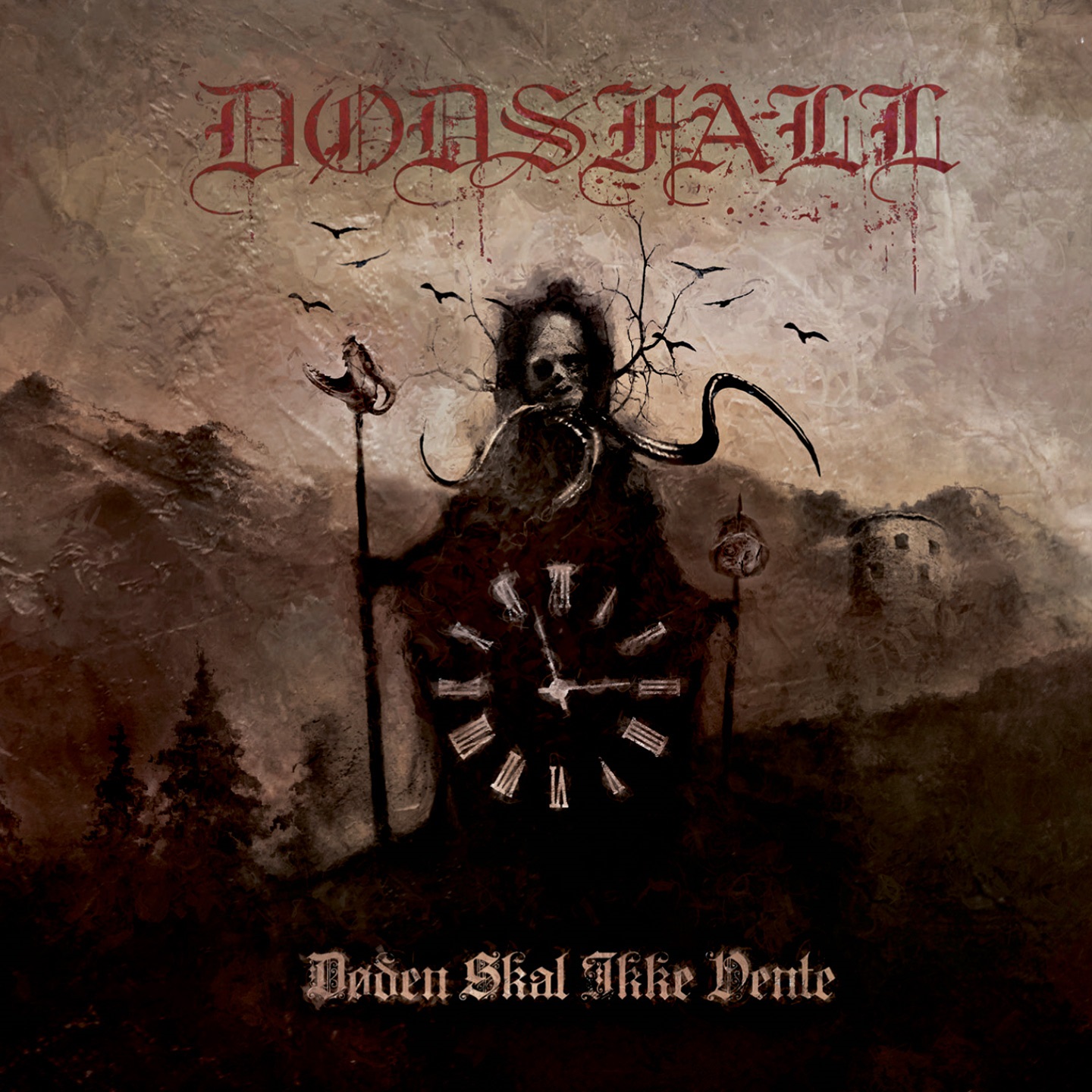 After four years of silence, the unstoppable Norwegian Black Metal force known as Dødsfall returns with their long-awaited fifth album, entitled Døden Skal Ikke Vente, or “death shall not wait” from Norwegian, containing 10 new tracks of pure hate and anger in its best form. And their new album is the result of a huge wave of inspiration that grew up like a snowball after the release of Kaosmakt, in early 2015, resulting in a fresh and creative album holding on to their roots and the sound that was established from the very beginning on the band’s career. It can be described as a successful combination of past and present with new elements and different sources of inspiration, sounding epic, majestic and furious with a medieval touch inspired from the cold lands of the north.
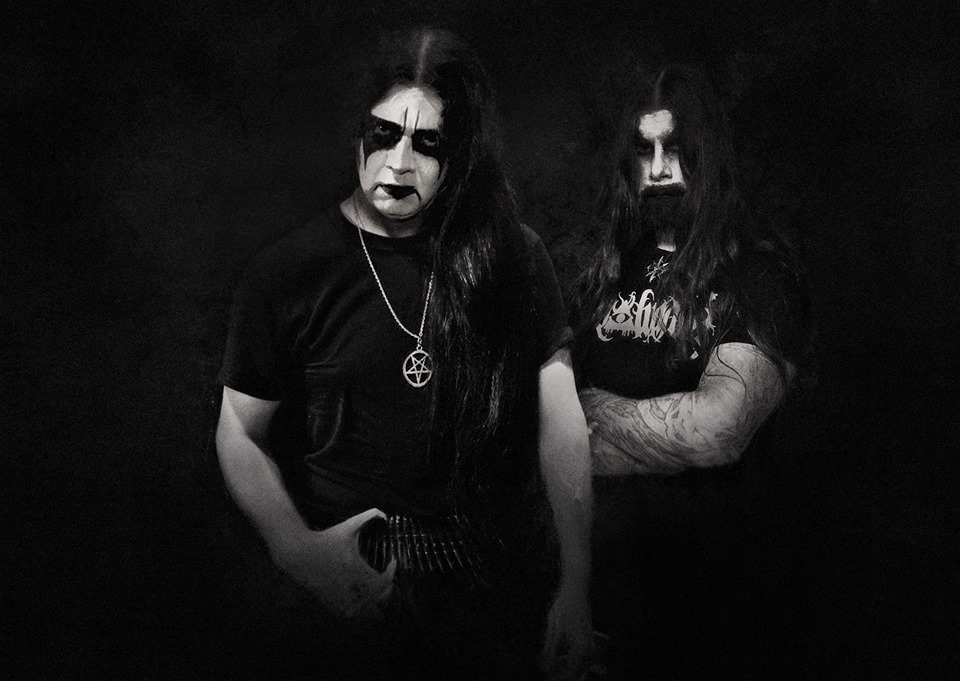 Putting the pedal to the metal this infernal duo delivers a vicious onrush of violent and raw sounds entitled Grå Himlar (“gray skies”), with the riffs and solos by Ishtar cutting our skin mercilessly, and therefore setting the bar high for the rest of the album. Well, the duo doesn’t disappoint at all in the following track, Kampsalmer (“battle hymns”), a headbanging, marching chant showcasing bestial riffs and demonic roars all enfolded by a truly menacing ambience, and the music remains vile and sulfurous until its epic ending. Then led by the pounding drums by Telal and displaying an inspired Ishatr on the guitar we have the full-bodied, intricate tune entitled I de Dødens Øyne (“in the eyes of death”), a song tailored for admirers of classic Black Metal who also love to raise their horns and slam into the pit in the name of extreme music.













 THE HEADBANGING MOOSE